Toxoplasma — The Cause of Toxoplasmosis
Symptoms & Diagnosis
The spectrum from silent infection to serious disease, and how it is diagnosed.
Read the deep dive →Congenital Toxoplasmosis
Mother-to-baby infection — the classic triad and lasting effects on the child.
Read the deep dive →Ocular Toxoplasmosis
Retinochoroiditis — the leading cause of infectious retinitis worldwide.
Read the deep dive →Toxoplasmosis in the Immunocompromised
Reactivation and brain infection when immunity drops.
Read the deep dive →Treatment & Prevention
Who needs treatment, the drug regimens, and why prevention matters most.
Read the deep dive →Antiparasitic Treatment
Pyrimethamine, sulfadiazine, leucovorin, and the alternatives.
Read the deep dive →Prevention: Food & Cat Safety
Cooking meat, washing produce, and the truth about cats and litter.
Read the deep dive →Pregnancy Screening & Prevention
Prenatal serology, spiramycin, and protecting the baby.
Read the deep dive →Toxoplasma gondii is one of the most successful parasites on Earth, and one of the most common to infect humans. It is a single-celled (protozoan) organism that lives inside the cells of its host, and it has a remarkable ability to settle quietly into the body and stay there for life. By most estimates, up to roughly one-third of the world's population carries a dormant Toxoplasma infection — usually without ever feeling sick or knowing it is there. For the great majority of healthy people, that latent infection causes no trouble at all. The disease it can cause, called toxoplasmosis, becomes serious mainly in three situations: when it affects the eye, when it reactivates in someone whose immune system is severely weakened, and when a woman is first infected during pregnancy and passes it to her unborn baby. This page explains what Toxoplasma is, how its unusual life cycle works, how people catch it, when it matters, and how it is diagnosed, treated, and prevented.
Table of Contents
1. What Is Toxoplasma?
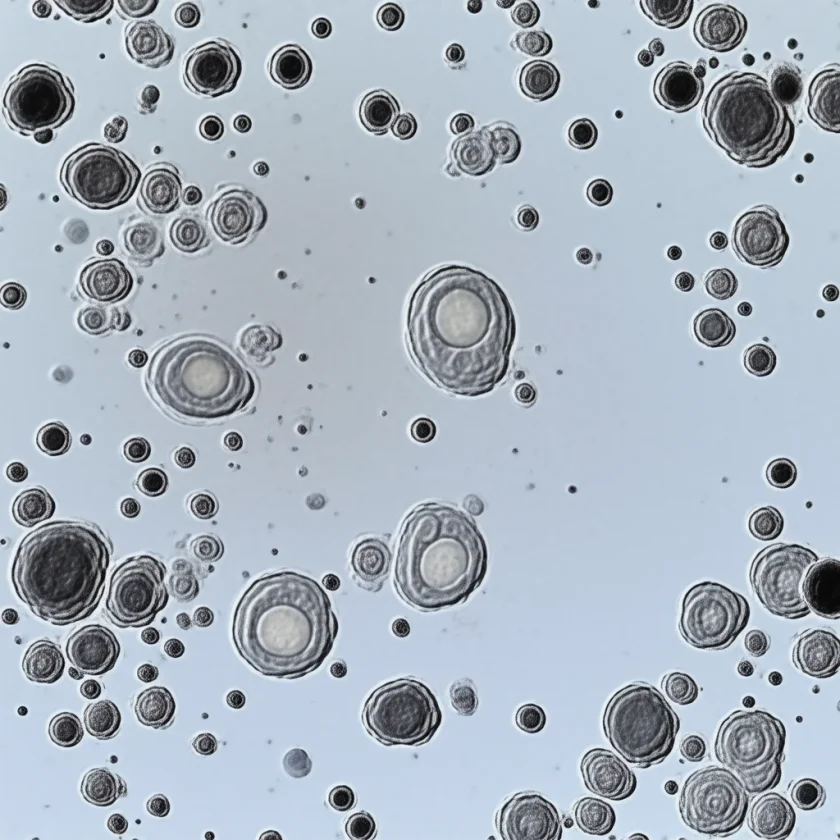
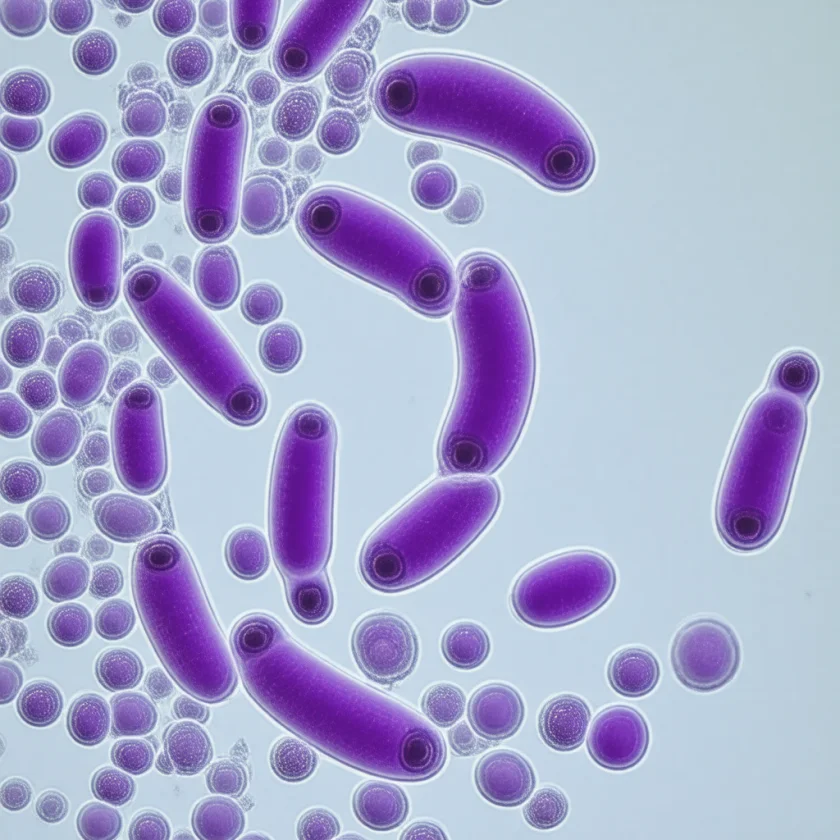
Toxoplasma gondii is an intracellular protozoan parasite — a microscopic, single-celled organism that can only multiply inside the living cells of an animal host. It belongs to a group of parasites (the apicomplexans) that also includes the agents of malaria. Toxoplasma is found worldwide and can infect virtually all warm-blooded animals, from birds and rodents to livestock, marine mammals, and people. This extraordinarily broad host range is part of why it is so common.
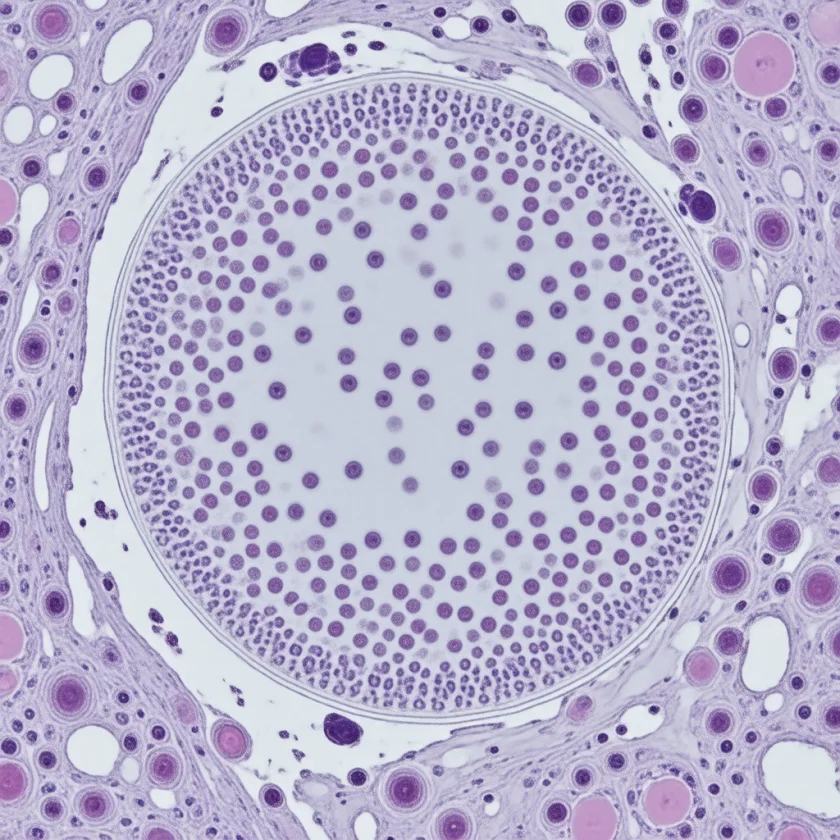
The hallmark of Toxoplasma is its ability to establish a latent, lifelong infection. After the brief active phase of a first infection, the parasite withdraws into a dormant form — a tissue cyst — tucked away inside cells of the muscle, brain, eye, and other tissues, where it can persist for the rest of the host's life. The immune system holds these cysts in check but does not eliminate them. As a result, an estimated up to one-third of the world's population is thought to carry Toxoplasma at any given time, the vast majority of them completely unaware of it because the latent infection produces no symptoms.
It is important to separate the parasite from the disease. Toxoplasma gondii is the organism; toxoplasmosis is the illness that occurs in the minority of cases where the infection causes harm. For most healthy people, carrying Toxoplasma is a silent, harmless state. The clinical importance of the parasite is concentrated in specific vulnerable situations — the eye, the immunocompromised host, and the unborn baby — which the sections below describe in turn.
2. Life Cycle
Toxoplasma has a two-part life cycle that depends on a special relationship with cats. Members of the cat family (felids) — domestic cats and their wild relatives — are the only definitive hosts, meaning they are the only animals in which the parasite can complete its sexual reproduction. When a cat first becomes infected, the parasite reproduces in the lining of its intestine and the cat sheds enormous numbers of oocysts — tough, microscopic, egg-like packages — in its feces. A newly infected cat may shed millions of oocysts over a period of a couple of weeks, typically only once in its life.
Every other warm-blooded animal, including humans, serves as an intermediate host, in which the parasite multiplies but cannot complete its sexual cycle. Across these hosts, Toxoplasma exists in three infectious forms, each suited to a different stage of infection:
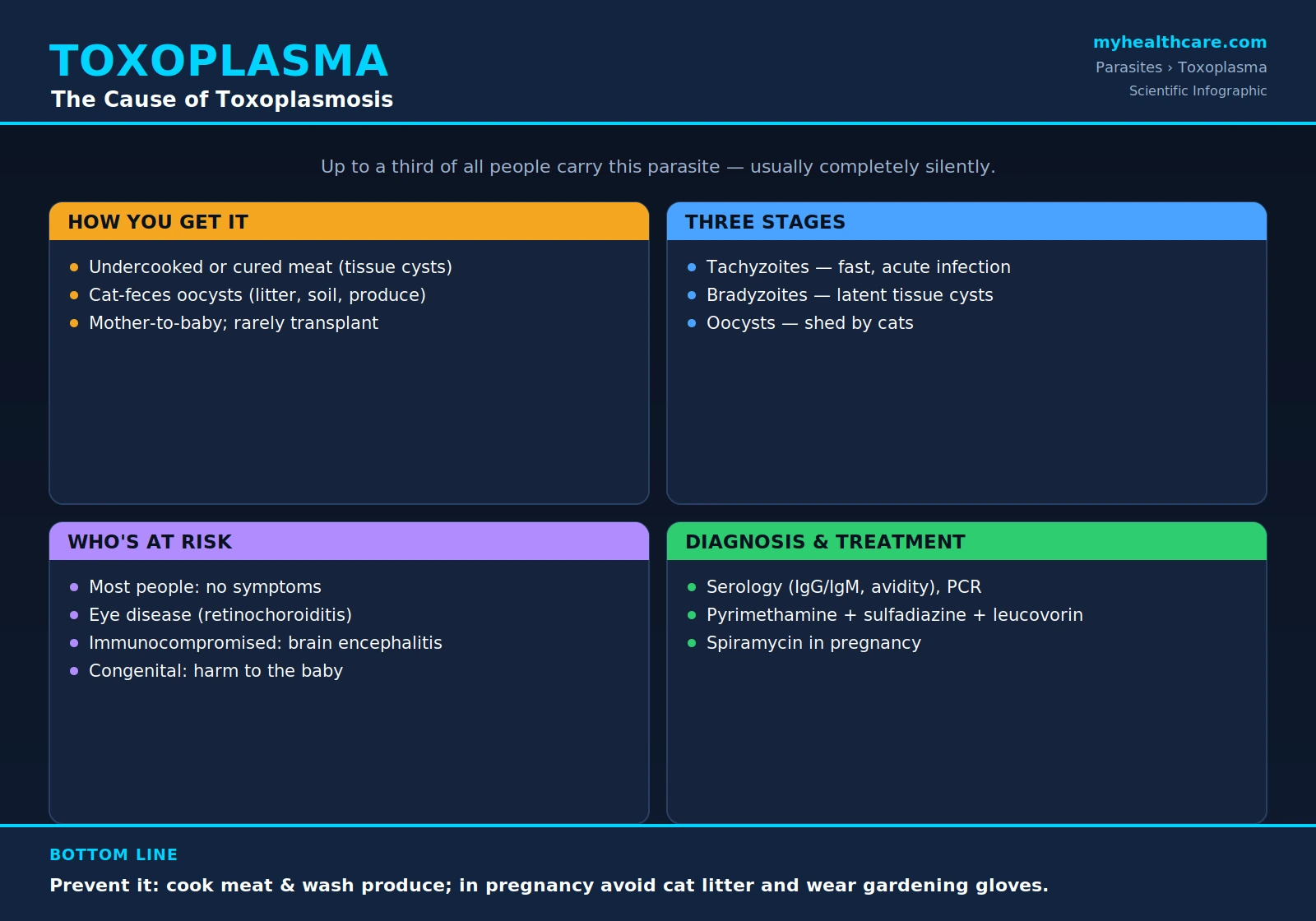
- Tachyzoites — the fast-dividing form responsible for the acute phase of infection. Tachyzoites invade cells throughout the body and replicate rapidly, spreading the parasite during the first days and weeks. (“Tachy” means fast.) This is also the form that crosses the placenta to infect an unborn baby.
- Bradyzoites — the slow-dividing form that lives inside tissue cysts and is responsible for latent (dormant) infection. As the immune response brings the acute phase under control, tachyzoites convert into bradyzoites and become walled into cysts, especially in muscle and brain, where they can persist quietly for life. (“Brady” means slow.)
- Oocysts — the environmentally resistant form shed in cat feces. Freshly passed oocysts are not yet infectious; they must mature (sporulate) in soil over a day or more before they can transmit infection. Once mature, they are remarkably hardy and can survive in moist soil and water for many months.
The cycle turns when these forms are passed between hosts. A cat sheds oocysts; the oocysts contaminate soil, water, and produce; intermediate hosts such as livestock and rodents swallow them and develop tissue cysts in their meat; and a cat that eats an infected animal — or a person who eats undercooked infected meat — takes in the bradyzoite cysts and the cycle continues. Because both oocysts (from cats) and tissue cysts (from meat) can infect people, humans can pick up Toxoplasma from two quite different directions.
3. How It Spreads
People become infected with Toxoplasma by taking the parasite into the body, almost always by mouth, or — in one important exception — across the placenta before birth. The main routes are:
- Eating undercooked or cured meat containing tissue cysts. Bradyzoite cysts in the muscle of infected animals — particularly pork, lamb, and game, and to a lesser extent other meats — survive if the meat is raw, rare, or cured rather than thoroughly cooked. This is one of the most common ways people in many countries become infected.
- Swallowing oocysts from the environment. Mature oocysts from cat feces can contaminate cat litter, soil, water, and unwashed fruits and vegetables. People can ingest them through hand-to-mouth contact while cleaning a litter box or gardening, by eating produce washed in contaminated water or grown in contaminated soil, or by drinking untreated water. Documented waterborne outbreaks show that oocyst-contaminated water alone can infect many people at once.
- Mother to baby across the placenta. If a woman is infected for the first time during pregnancy (or shortly before it), tachyzoites circulating in her blood can cross the placenta and infect the fetus — the cause of congenital toxoplasmosis. A woman who was already infected long before becoming pregnant has generally developed immunity and does not pass the parasite to the baby.
- Rarely, through organ transplantation or blood transfusion. The parasite can occasionally be transmitted in a transplanted organ from an infected donor to a non-immune recipient, or through transfused blood.
Notably, Toxoplasma is not spread by ordinary person-to-person contact — you cannot catch it from casual contact with an infected person, and simply owning a cat does not, by itself, transmit the parasite. The risk from cats comes specifically from ingesting mature oocysts in feces-contaminated material, which is why hygiene around litter and gardening matters far more than pet ownership itself.
4. Symptoms
For the great majority of people, infection with Toxoplasma causes no symptoms at all. When symptoms do occur in an otherwise healthy person, they are usually a mild, self-limited, flu-like illness — low-grade fever, muscle aches, fatigue, and most characteristically swollen lymph nodes (often in the neck) that may persist for weeks before settling on their own. This mild picture rarely needs any specific treatment.
Three situations, however, are serious:
- (a) Ocular toxoplasmosis (disease of the eye). Toxoplasma can inflame the retina at the back of the eye (retinochoroiditis), causing blurred vision, floaters, eye pain, light sensitivity, and in some cases lasting loss of vision. Eye disease may follow an infection acquired earlier in life or one present from birth, and it can flare up again years later when dormant cysts in the eye reactivate.
- (b) Disease in immunocompromised people. In someone whose immune system is severely weakened — for example, a person with advanced HIV/AIDS, a transplant recipient on immunosuppressive drugs, or a patient receiving intensive chemotherapy — a latent infection can reactivate. The dormant cysts spring back into active, dividing tachyzoites, most dangerously in the brain, producing toxoplasmic encephalitis: headache, confusion, fever, seizures, and focal neurological deficits. On brain imaging this classically appears as one or more ring-enhancing lesions. This is a life-threatening complication.
- (c) Congenital infection. When the parasite crosses the placenta, the consequences for the baby depend partly on the stage of pregnancy. Infection early in pregnancy is less likely to be transmitted but tends to cause more severe damage, and can result in miscarriage or stillbirth. Affected newborns may have hydrocephalus (excess fluid and pressure in the brain), intracranial calcifications (areas of calcium deposition in the brain seen on imaging), and chorioretinitis (inflammation of the retina and choroid of the eye). Many congenitally infected babies look normal at birth but go on to develop eye disease or other problems months or years later, which is why follow-up matters.
In short, the same parasite that is harmless in most people becomes a major threat in the eye, in the immunocompromised brain, and in the developing fetus.
5. Diagnosis
Because Toxoplasma infection is so often silent and its serious forms can mimic other diseases, diagnosis usually combines blood tests, tests for the parasite's DNA, and imaging. The main tools are:
- Serology (antibody blood tests). The cornerstone of diagnosis is measuring the antibodies the immune system makes against the parasite. IgM antibodies tend to appear early and suggest a recent infection, while IgG antibodies appear a little later and persist for life, marking past exposure and immunity. Because IgM can sometimes linger or give misleading results, an additional test called IgG avidity testing is used to help date the infection: high-avidity (tightly binding) IgG points to an infection acquired months earlier, which is reassuring in a pregnant woman, whereas low avidity is more consistent with a recent infection. Distinguishing recent from past infection is especially important in pregnancy.
- PCR (detecting the parasite's DNA). When direct evidence of the parasite is needed, polymerase chain reaction can detect Toxoplasma DNA in body fluids. PCR on amniotic fluid is used to determine whether an unborn baby has been infected, and PCR on cerebrospinal fluid, blood, or eye fluid can help diagnose brain or eye disease, particularly in immunocompromised patients.
- Imaging. Scans support the diagnosis of organ disease. In suspected brain involvement, CT or MRI typically shows the characteristic ring-enhancing lesions of toxoplasmic encephalitis. In the eye, a specialist's dilated retinal examination reveals the typical inflammatory lesions of ocular toxoplasmosis. In congenital infection, imaging may show hydrocephalus and intracranial calcifications.
The right combination of tests depends on the clinical question — dating an infection in a pregnant woman, confirming fetal infection, or evaluating brain or eye disease — and interpretation is best done with specialist input, because antibody results in particular can be tricky to read.
6. Treatment
Most healthy people who become infected with Toxoplasma need no treatment at all: the mild illness resolves on its own, and the dormant infection that follows causes no harm. Treatment is reserved for situations where the parasite is actively causing disease — symptomatic, ocular, congenital, or immunocompromised infection — and is directed by specialists.
The information below is presented as reported in the medical literature and clinical guidance; specific drug choices, doses, and durations must be individualized by the treating clinician.
- Symptomatic, ocular, congenital, or immunocompromised disease is typically treated with the combination of pyrimethamine plus sulfadiazine, given together with leucovorin (folinic acid). Pyrimethamine and sulfadiazine act against the actively dividing tachyzoites, while leucovorin is added to protect the patient's bone marrow from a side effect of pyrimethamine (it does not interfere with the drug's action against the parasite). This regimen is the long-standing standard for serious toxoplasmosis.
- Spiramycin is used in pregnancy when a mother is found to have acquired infection but the baby is not yet known to be infected; it concentrates in the placenta and is given to reduce transmission to the baby. If the fetus is confirmed to be infected, treatment is generally changed to the pyrimethamine-based regimen, again under specialist direction.
A few important points follow from this. Current drugs act against the active tachyzoite form but do not eliminate the dormant tissue cysts, so they control disease without sterilizing the latent infection. In immunocompromised patients, treatment of an acute episode is often followed by lower-dose maintenance therapy to prevent relapse for as long as the immune system remains weakened. Because these medicines carry meaningful side effects and the situations in which they are used are high-stakes, management of toxoplasmosis should always be specialist-directed.
7. Prevention
Most Toxoplasma infections are preventable through everyday food and hygiene precautions. These measures matter for everyone, but they are especially important for pregnant women and people with weakened immune systems, the two groups in whom a new infection can have the most serious consequences. Key steps include:
- Cook meat thoroughly and avoid cured or raw meat. Heating meat all the way through destroys tissue cysts; raw, rare, and cured meats remain a risk.
- Wash hands, produce, and kitchen surfaces. Wash your hands with soap and water after handling raw meat and after gardening; thoroughly wash or peel fruits and vegetables; and clean cutting boards, knives, and counters that have touched raw meat or unwashed produce.
- Be careful around cat litter. Pregnant and immunocompromised people should, if possible, avoid changing cat litter, and if there is no alternative, should wear gloves and wash their hands afterward. Because freshly passed oocysts take a day or more to become infectious, changing the litter box daily further lowers the risk. Keeping cats indoors and feeding them commercial or cooked food, rather than raw meat, reduces the chance they become infected and shed oocysts in the first place.
- Wear gloves when gardening or handling soil or sand, which may be contaminated with cat feces, and wash your hands afterward.
- Drink safe water. Avoid drinking untreated or potentially contaminated water, since oocysts can be waterborne.
These simple, low-cost habits prevent the great majority of infections. For women planning a pregnancy and for anyone living with significant immune suppression, adopting them consistently is one of the most effective ways to avoid toxoplasmosis.
Key Research Papers
Peer-reviewed reviews and major studies on Toxoplasma gondii and toxoplasmosis — covering the parasite's biology and transmission, its global seroprevalence, the spectrum of human disease, diagnostic strategies, and management in pregnancy and immunocompromised patients. Author names and journal titles appear as plain text; only the year/volume/pages is a link, which opens the full citation via DOI.
- Montoya JG, Liesenfeld O. Toxoplasmosis. The Lancet. 2004;363(9425):1965–1976. — doi:10.1016/S0140-6736(04)16412-X
- Tenter AM, Heckeroth AR, Weiss LM. Toxoplasma gondii: From Animals to Humans. International Journal for Parasitology. 2000;30(12–13):1217–1258. — doi:10.1016/S0020-7519(00)00124-7
- Robert-Gangneux F, Dardé ML. Epidemiology of and Diagnostic Strategies for Toxoplasmosis. Clinical Microbiology Reviews. 2012;25(2):264–296. — doi:10.1128/CMR.05013-11
- Pappas G, Roussos N, Falagas ME. Toxoplasmosis Snapshots: Global Status of Toxoplasma gondii Seroprevalence and Implications for Pregnancy and Congenital Toxoplasmosis. International Journal for Parasitology. 2009;39(12):1385–1394. — doi:10.1016/j.ijpara.2009.04.003
- Dubey JP, Jones JL. Toxoplasma gondii Infection in Humans and Animals in the United States. International Journal for Parasitology. 2008;38(11):1257–1278. — doi:10.1016/j.ijpara.2008.03.007
- Montoya JG, Remington JS. Management of Toxoplasma gondii Infection during Pregnancy. Clinical Infectious Diseases. 2008;47(4):554–566. — doi:10.1086/590149
- Jones JL, Dargelas V, Roberts J, et al. Risk Factors for Toxoplasma gondii Infection in the United States. Clinical Infectious Diseases. 2009;49(6):878–884. — doi:10.1086/605433
- Cook AJC, Gilbert RE, Buffolano W, et al. Sources of Toxoplasma Infection in Pregnant Women: European Multicentre Case-Control Study. BMJ. 2000;321(7254):142–147. — doi:10.1136/bmj.321.7254.142
PubMed Topic Searches
Each link opens a live PubMed query so results stay current as new papers are indexed.
- PubMed: Toxoplasma gondii review
- PubMed: Congenital toxoplasmosis
- PubMed: Ocular toxoplasmosis / retinochoroiditis
- PubMed: Toxoplasmic encephalitis in HIV
- PubMed: Toxoplasma IgG avidity in pregnancy
- PubMed: Pyrimethamine + sulfadiazine treatment
- PubMed: Toxoplasma oocyst / waterborne transmission
- PubMed: Spiramycin in pregnancy
Connections
- All Parasites
- Acanthamoeba
- Giardia
- Malaria
- Entamoeba
- Cryptosporidium
- Ascaris
- Pinworm
- Hookworm
- Tapeworm
- Schistosoma
- Toxoplasmosis — the disease this parasite causes, covered as a clinical condition.
- Infectious Disease
- Ophthalmology
- Neurology
- Reproductive Medicine
- All Conditions