Hookworm — The Blood-Feeding Worm
Symptoms & Diagnosis
The stages from ground itch to anemia, and how hookworm is diagnosed.
Read the deep dive →Iron-Deficiency Anemia & Blood Loss
The hallmark of hookworm disease — chronic intestinal bleeding that drains the body's iron.
Read the deep dive →Ground Itch & Larval Migration
The early phases — the itchy rash where larvae enter the skin and the cough as they cross the lungs.
Read the deep dive →Hookworm in Pregnancy & Children
Why the anemia hits hardest in pregnant women and growing children — and the lasting cost.
Read the deep dive →Treatment & Prevention
Clearing the worms, rebuilding lost iron, and breaking the cycle with shoes and sanitation.
Read the deep dive →Anthelmintic Treatment & Iron Repletion
The two-part cure — clear the worms with albendazole, then rebuild the lost iron.
Read the deep dive →Prevention: Footwear & Sanitation
Shoes and latrines — the simple barriers that drove hookworm out of the American South.
Read the deep dive →Mass Drug Administration & Control
WHO deworming for at-risk groups, the reinfection challenge, and the hookworm-vaccine effort.
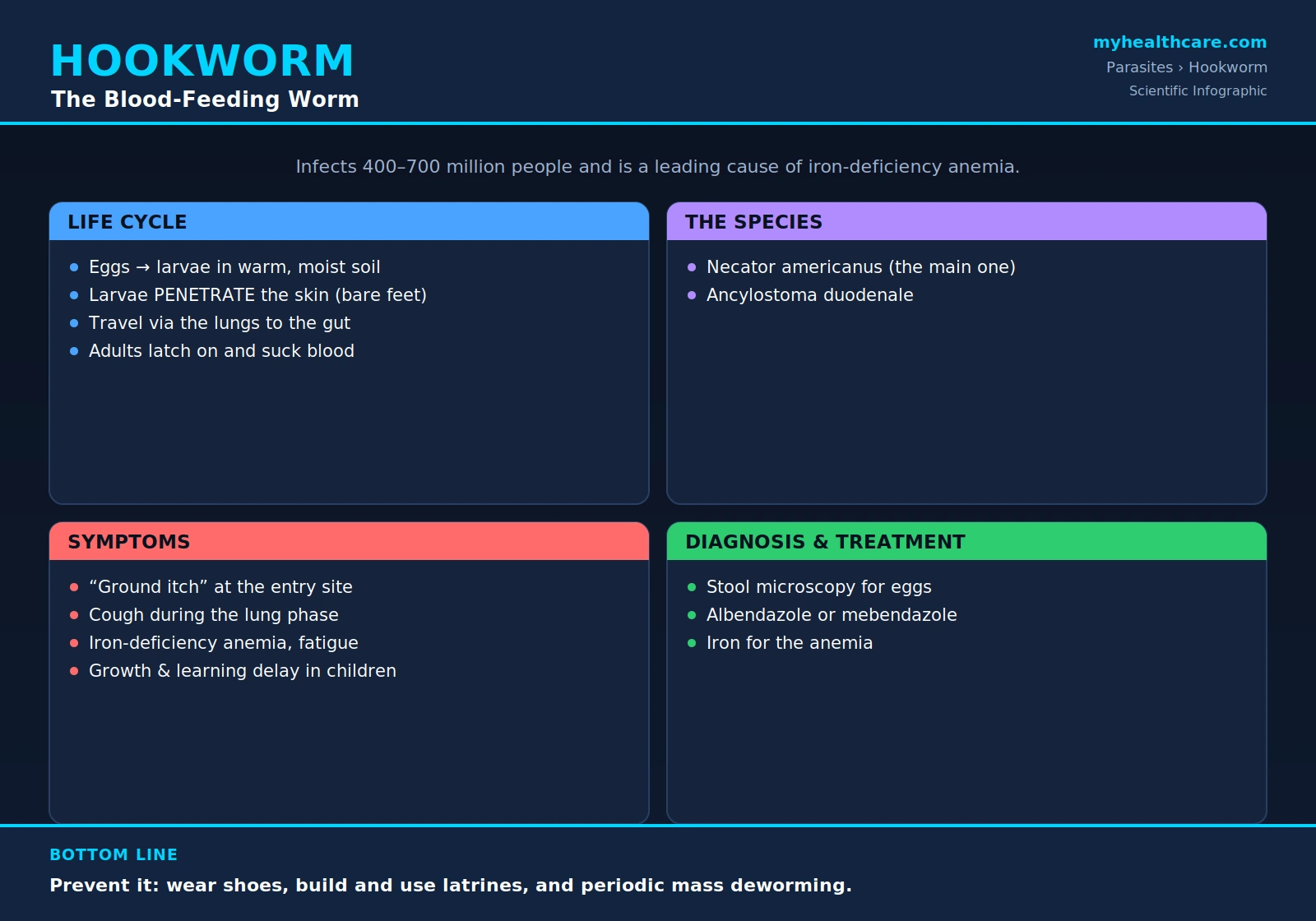
Read the deep dive →Hookworm is a soil-transmitted roundworm that quietly drains its host of blood. Two species cause almost all human disease: Necator americanus and Ancylostoma duodenale. Together they infect an estimated 400 to 700 million people, overwhelmingly in poor, warm, and humid regions of the tropics and subtropics. The worm earns its grim reputation honestly — adult hookworms anchor themselves to the lining of the small intestine and feed on blood, day after day, for years. The slow, steady loss adds up, and hookworm has become one of the leading causes of iron-deficiency anemia in the developing world. This page explains what hookworm is, how its strange life cycle drives it from the soil into bare feet and ultimately into the gut, how it spreads, the symptoms it produces, and how it is diagnosed, treated, and prevented.
Table of Contents
1. What Is Hookworm?
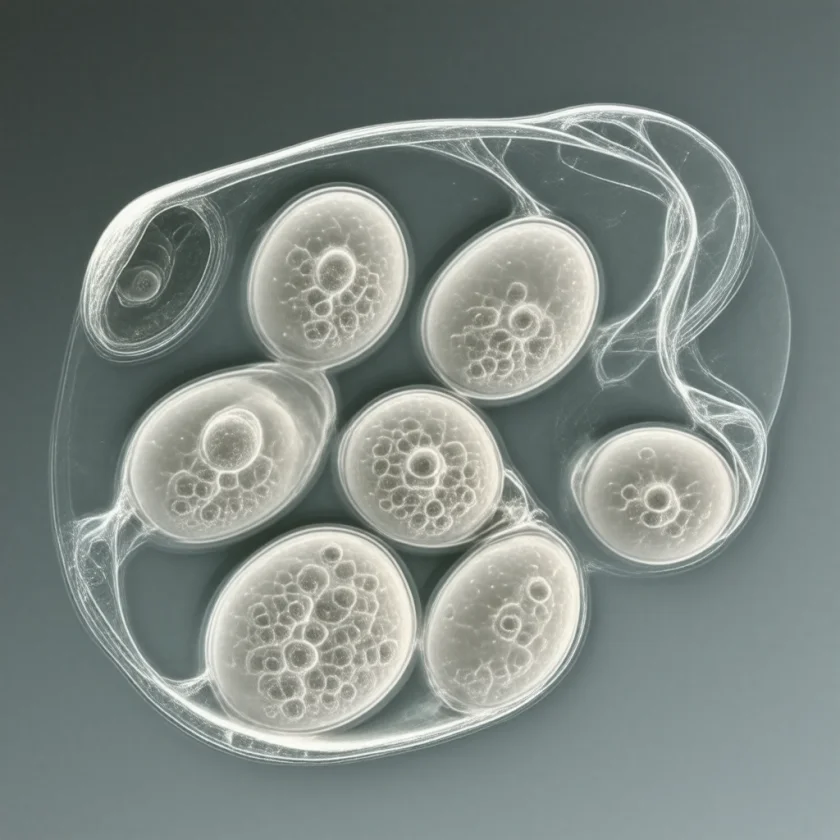
Hookworm is a parasitic roundworm — a nematode — that lives in the human small intestine and feeds on blood. It belongs to the group of soil-transmitted helminths, intestinal worms whose eggs or larvae must spend part of their life in warm, moist soil before they can infect a new person. The other major members of this group are the giant roundworm (Ascaris) and whipworm (Trichuris), and hookworm is frequently found alongside them in the same communities.
Two species are responsible for nearly all human hookworm infection:
- Necator americanus — the predominant species across the Americas, sub-Saharan Africa, Southeast Asia, and the Pacific. It is acquired almost exclusively when larvae penetrate the skin.
- Ancylostoma duodenale — more common in parts of the Middle East, North Africa, southern Europe, and northern Asia. It can infect a person either through the skin or by swallowing larvae, and it tends to draw somewhat more blood per worm.
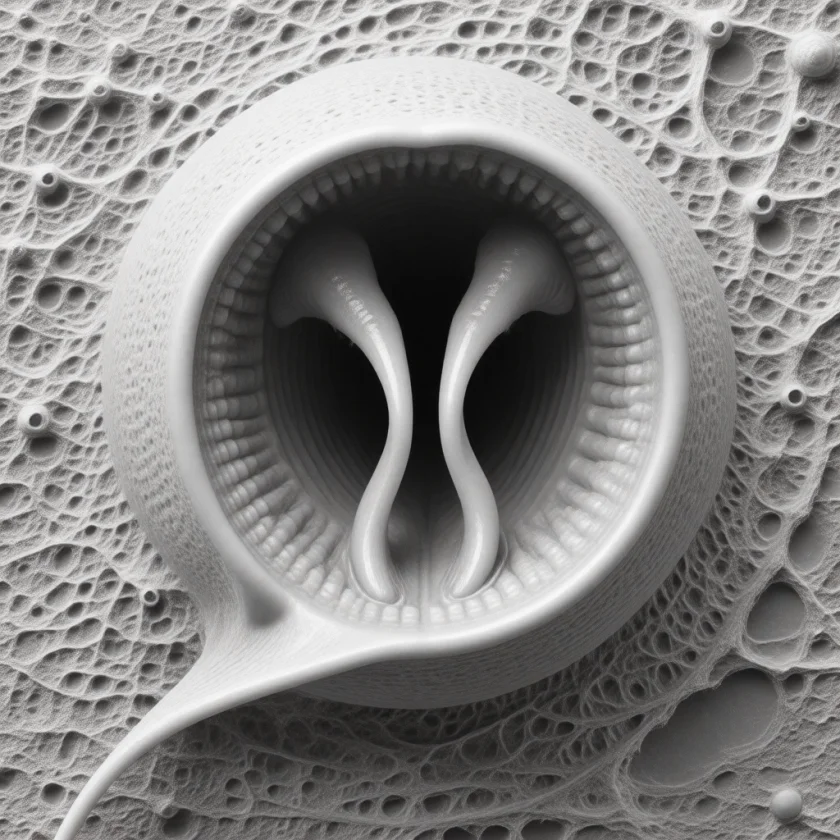
The adult worms are small — roughly a centimeter long — and equipped with a mouth bearing cutting plates or teeth that grip the intestinal lining. The name "hookworm" comes from the characteristic bend at the front end of the body. The scale of the problem is enormous: hundreds of millions of people are infected, and because the worms feed on blood, hookworm is a leading driver of iron-deficiency anemia throughout the developing world. It is a quintessential disease of poverty, sustained by inadequate sanitation, bare feet, and a warm climate. For the broader context of intestinal worms, see Parasites.
2. Life Cycle
Understanding hookworm means following its journey out of the body, into the soil, and back in again. The cycle is what makes the parasite so persistent in communities without proper sewage disposal.
- Eggs leave in the stool. Adult female worms living in the gut release thousands of microscopic eggs each day, which pass out of the body in feces.
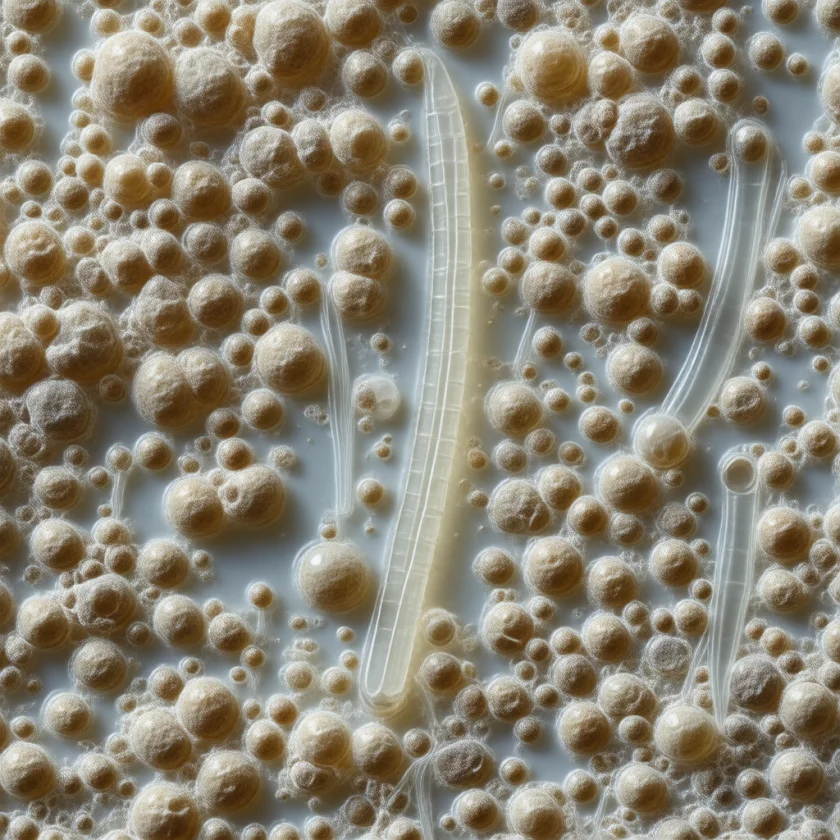
- Eggs hatch in the soil. If the eggs land in warm, moist, shaded soil — the conditions of the tropics — they hatch within a day or two into immature larvae.
- Larvae mature and become infective. In the soil the larvae feed and molt, developing over about a week into the infective stage, called filariform larvae. These can survive for weeks waiting for a host.
- Larvae penetrate the skin. When a person walks barefoot across contaminated soil, the filariform larvae actively burrow through intact skin — classically the skin of the bare feet, between the toes.
- Migration through the body. Once inside, the larvae enter small blood vessels and are carried in the bloodstream to the heart and then the lungs. There they break out of the tiny air-sac capillaries, climb up the airways, and are coughed up into the throat and then swallowed.
- Maturation in the small intestine. Carried down to the small intestine, the larvae mature into adult worms. They use their cutting mouthparts to latch onto the intestinal wall and suck blood, and there the females begin producing eggs — completing the cycle.
One important variation: Ancylostoma duodenale can also be acquired by swallowing infective larvae (for example on contaminated food or hands), in which case the worms can mature in the gut without first migrating through the lungs. A. duodenale larvae can also lie dormant in body tissues and reactivate later. Necator americanus, by contrast, infects essentially only through the skin.
3. How It Spreads
Hookworm spreads through a simple but unforgiving chain that links human waste to bare skin. The key step is walking barefoot on soil contaminated with human feces, where the infective larvae are waiting to penetrate the skin. Wherever people defecate in fields, on the ground, or near their homes — and then walk over that same ground without shoes — the worm finds its opening.
Several conditions sustain transmission:
- Poor sanitation. Open defecation and the absence of toilets put human feces — and hookworm eggs — directly into the soil where people live and work.
- A warm, humid climate. Hookworm larvae need warmth and moisture to develop and survive in the soil, so the disease concentrates in the tropics and subtropics. It does not establish itself in cold or arid regions, where eggs and larvae perish.
- Going barefoot. Skin contact with contaminated ground — in farm fields, around the home, or while playing — is the usual route of entry, which is why agricultural workers and children are heavily affected.
- Using untreated human waste as fertilizer. Applying raw human feces ("night soil") to crops spreads the eggs across farmland.
Hookworm is therefore fundamentally a disease of inadequate sewage disposal in hot, wet places. It is not spread directly from person to person; the soil phase of the life cycle is an obligatory link in the chain, which is also why breaking that link — with shoes and latrines — is so effective at prevention.
4. Symptoms
The harm hookworm causes unfolds in stages that mirror the worm's journey through the body, and the most serious problems come from the long, slow loss of blood rather than from any single dramatic event.
- Skin phase (“ground itch”). Where the larvae penetrate the skin — usually the feet — they can cause a localized, itchy, sometimes raised rash. This early reaction is often called ground itch.
- Lung phase. As larvae migrate through the lungs, some people develop a cough, wheeze, or mild throat irritation. This phase is usually transient and is often missed.
- Intestinal and blood-loss phase (the main problem). Once the adult worms are feeding in the gut, the central feature of hookworm disease emerges: chronic intestinal blood loss. Steady, day-after-day bleeding from the attachment sites depletes the body’s iron stores and leads to iron-deficiency anemia. Because blood also carries protein, heavy infection can drain enough to cause low blood protein, which may produce swelling. The anemia brings fatigue, weakness, pallor, breathlessness on exertion, and reduced capacity for work.
- Effects in children. In growing children, the chronic anemia and nutrient loss can cause impaired physical growth and impaired cognitive development and learning, with lasting consequences for schooling and future productivity.
- Pica. Some people with the iron deficiency of hookworm develop pica — a craving to eat non-food substances such as soil or ice.
Many light infections cause few or no obvious symptoms, which is part of what allows the worm to persist quietly in a population. The burden of disease rises with the number of worms a person carries: a few worms may go unnoticed, while a heavy worm load in a poorly nourished child can be severely debilitating. For the underlying anemia, see Anemia.
5. Diagnosis
Hookworm is diagnosed by combining a search for the parasite itself with blood tests that reveal its effects on the body.
- Stool microscopy. The standard way to confirm infection is to examine a sample of stool under a microscope for the parasite’s characteristic eggs. The eggs of the two hookworm species look essentially identical, so microscopy diagnoses hookworm infection without distinguishing Necator from Ancylostoma. Techniques that concentrate the eggs, or that allow them to be counted, can also give a sense of how heavy the infection is.
- Blood tests. Because the worm’s main damage is hematologic, blood work is an important complement. A complete blood count typically shows iron-deficiency anemia — with small, pale red cells and low iron stores — and the immune response to the worm often produces a raised eosinophil count, a type of white blood cell associated with parasitic infection and allergy.
In practice, the combination of iron-deficiency anemia, an elevated eosinophil count, and hookworm eggs on stool examination in someone from an endemic area makes the diagnosis clear. For the laboratory side of detecting and quantifying the anemia, the broader field of Hematology provides the relevant blood-test framework.
6. Treatment
Hookworm responds well to treatment, which has two complementary goals: clear the worms, and correct the anemia they have caused. The information below is presented as reported in the medical literature; actual treatment is clinician-directed and should be guided by a qualified health professional.
- Anthelmintic (deworming) drugs. The mainstays are albendazole and mebendazole, oral medicines that kill the intestinal worms. A short course typically clears the infection; albendazole is often regarded as the more reliably effective of the two against hookworm. These same drugs are the ones used in large-scale community deworming programs.
- Treating the anemia. Killing the worms stops further blood loss but does not by itself replace what has been lost. Iron supplementation — together with an improved, more iron-rich diet — is used to rebuild the body’s iron stores and reverse the iron-deficiency anemia. In heavy infections with severe anemia, restoring iron is as important as removing the worms.
Because reinfection is common where the underlying soil contamination persists, treatment is most durable when it is paired with the preventive measures below. For dietary repletion of iron after the worms are cleared, iron-rich whole foods support recovery alongside any prescribed supplement.
7. Prevention
Prevention attacks the life cycle at its weakest points — the soil phase and skin entry — and it is highly effective because hookworm cannot spread without that soil link.
- Wear shoes. Footwear is a simple, powerful barrier: covering the feet stops larvae from penetrating the skin in the first place, which is the principal route of infection.
- Build and use latrines and proper sewage systems. Safely containing and disposing of human feces keeps hookworm eggs out of the soil, breaking the cycle at its source. Sanitation is the foundation of lasting hookworm control.
- Do not use untreated human waste as fertilizer. Avoiding the application of raw "night soil" to crops and fields prevents the eggs from being spread across the ground.
- Periodic mass deworming. In communities where hookworm is common, public-health programs give regular deworming treatment to at-risk groups — especially schoolchildren, women of reproductive age, and agricultural workers — to lower the overall worm burden and the anemia it causes.
Together, footwear, sanitation, safe handling of waste, and periodic deworming form the standard public-health approach. Because the worm depends so completely on contaminated soil and bare skin, sustained improvements in sanitation and footwear can drive hookworm out of a region, as the history of its retreat from the southern United States illustrates.
Key Research Papers
Peer-reviewed reviews and studies on hookworm and the soil-transmitted helminths — covering biology and life cycle, the global burden of infection, hookworm-related anemia, and drug treatment. Journal names appear as plain text; the year/volume/pages link opens the full citation via DOI.
- Hotez PJ, Brooker S, Bethony JM, Bottazzi ME, Loukas A, Xiao S. Hookworm Infection. New England Journal of Medicine. 2004;351(8):799–807. — doi:10.1056/NEJMra032492
- Bethony J, Brooker S, Albonico M, Geiger SM, Loukas A, Diemert D, Hotez PJ. Soil-Transmitted Helminth Infections: Ascariasis, Trichuriasis, and Hookworm. The Lancet. 2006;367(9521):1521–1532. — doi:10.1016/S0140-6736(06)68653-4
- Jourdan PM, Lamberton PHL, Fenwick A, Addiss DG. Soil-Transmitted Helminth Infections. The Lancet. 2018;391(10117):252–265. — doi:10.1016/S0140-6736(17)31930-X
- Pullan RL, Smith JL, Jasrasaria R, Brooker SJ. Global Numbers of Infection and Disease Burden of Soil Transmitted Helminth Infections in 2010. Parasites & Vectors. 2014;7:37. — doi:10.1186/1756-3305-7-37
- Brooker S, Hotez PJ, Bundy DAP. Hookworm-Related Anaemia among Pregnant Women: A Systematic Review. PLoS Neglected Tropical Diseases. 2008;2(9):e291. — doi:10.1371/journal.pntd.0000291
- Keiser J, Utzinger J. Efficacy of Current Drugs Against Soil-Transmitted Helminth Infections: Systematic Review and Meta-analysis. JAMA. 2008;299(16):1937–1948. — doi:10.1001/jama.299.16.1937
- Hotez PJ, Molyneux DH, Fenwick A, Kumaresan J, Sachs SE, Sachs JD, Savioli L. Control of Neglected Tropical Diseases. New England Journal of Medicine. 2007;357(10):1018–1027. — doi:10.1056/NEJMra064142
- Hotez PJ. Neglected Infections of Poverty in the United States of America. PLoS Neglected Tropical Diseases. 2008;2(6):e256. — doi:10.1371/journal.pntd.0000256
- Loukas A, Hotez PJ, Diemert D, Yazdanbakhsh M, McCarthy JS, Correa-Oliveira R, Croese J, Bethony JM. Hookworm Infection. Nature Reviews Disease Primers. 2016;2:16088. — doi:10.1038/nrdp.2016.88
PubMed Topic Searches
Each link opens a live PubMed query so results stay current as new papers are indexed.
Connections
- All Parasites
- Acanthamoeba
- Giardia
- Malaria
- Toxoplasma
- Entamoeba
- Cryptosporidium
- Ascaris (Roundworm)
- Pinworm
- Tapeworm
- Schistosoma
- Infectious Disease
- Hematology
- Anemia
- Gastroenterology
- All Conditions
- Herbs covered on this site that discuss this condition: Black Walnut · Elecampane · Wormwood