Migraine
Deep-Dive Articles
Aura & Visual Disturbances
Visual scintillations, scotoma, zig-zag fortifications, sensory aura, aphasic aura, brainstem aura, and hemiplegic migraine. How to recognize aura, stroke look-alikes, and when to go to the ER.
Triptans & Gepants (Acute)
Sumatriptan, rizatriptan, eletriptan, and newer gepants (rimegepant, ubrogepant, zavegepant nasal). Timing, routes (oral, nasal, injectable), contraindications, and rescue stacking.
CGRP Inhibitors & Preventives
Aimovig, Emgality, Ajovy, Vyepti, and daily oral CGRP blockers (atogepant, rimegepant). How they work, insurance hurdles, response rates, and when to switch.
Chronic Migraine & MOH
15+ headache days/month definition, medication-overuse headache mechanisms, Botox (onabotulinumtoxinA) protocols, and the hardest part — detoxing from overused acute meds.
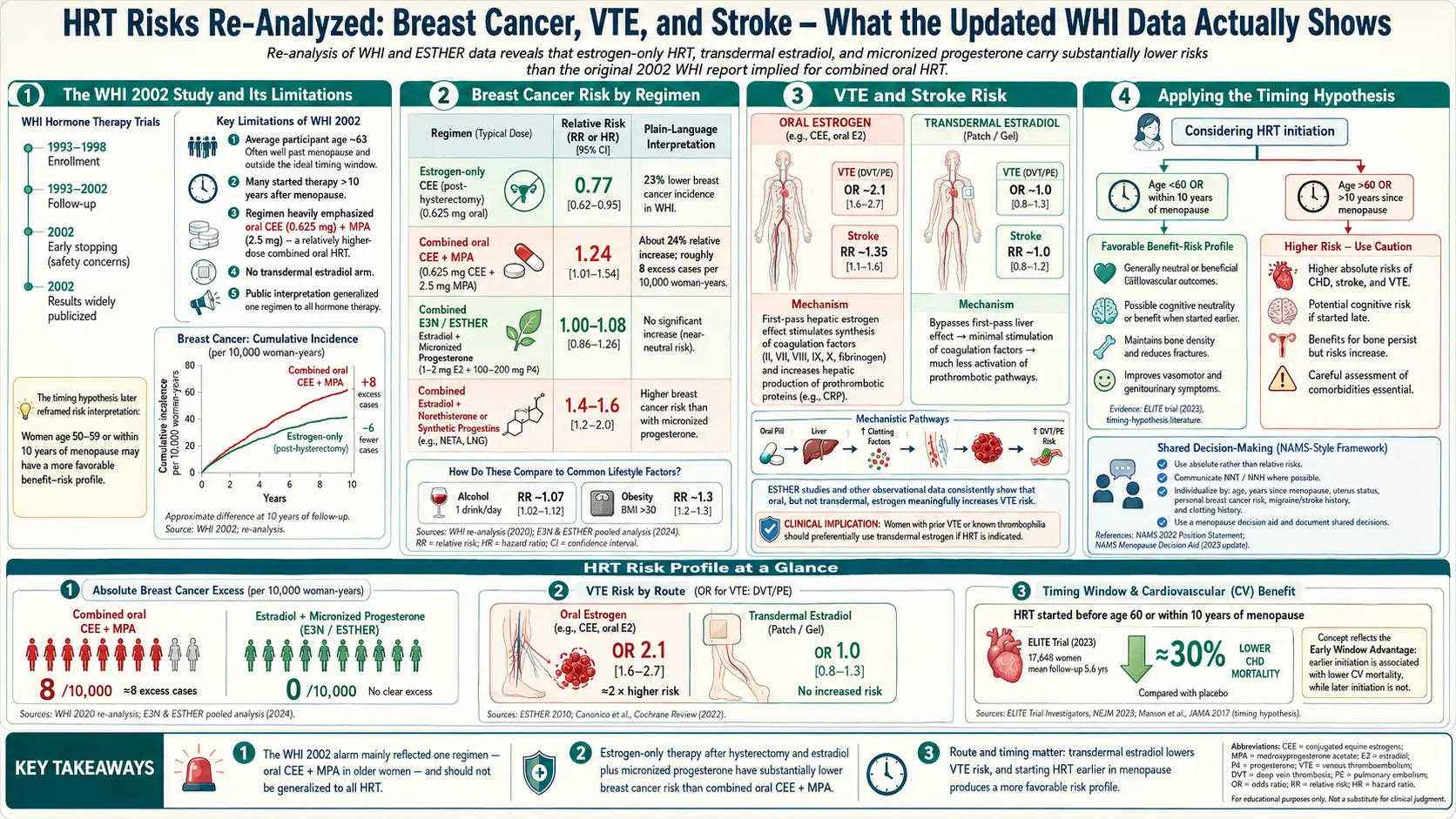
Menstrual & Hormonal Migraine
Estrogen withdrawal as trigger, perimenstrual patterns, continuous-dose contraception, mini-prevention with frovatriptan, HRT decisions, perimenopause and pregnancy.
Vestibular Migraine
Dizziness-dominant migraine, Bárány Society criteria, VEMP/VNG testing, vestibular rehab, and why head pain is often absent in these attacks.
Diet Triggers & Elimination
Tyramine, histamine, nitrates, MSG, aspartame, alcohol. The Heal Your Headache 6-week elimination protocol, reintroduction methodology, and myth-busting.
Magnesium, Riboflavin & Supplements
AAN Level-B-evidence supplements: magnesium 400-600 mg, riboflavin 400 mg, CoQ10 300 mg, feverfew, butterbur (PA-free). Dosing, timelines, side effects.
Migraine in Pregnancy & Breastfeeding
Safe acute and preventive options, stroke risk, and postpartum flare patterns.
Table of Contents
- Deep-Dive Articles
- What is a Migraine?
- Types of Migraines
- Common Symptoms of Migraine
- Causes and Triggers
- Diagnosis
- Treatment Options
- Prevention Strategies
- Complications of Migraines
- Research Papers
- Connections
- References & Research
- Featured Videos
What is a Migraine?
Migraine is a neurological condition characterized by intense, throbbing headaches, often accompanied by other symptoms such as nausea, vomiting, and sensitivity to light and sound. Migraines can last from a few hours to several days and can significantly impact daily life.
Types of Migraines
1. Migraine Without Aura
- Most common type: Characterized by a throbbing headache usually on one side of the head.
- Symptoms: Nausea, vomiting, and sensitivity to light and sound.
2. Migraine With Aura
- Includes sensory disturbances known as "aura" that typically occur before the headache.
- Aura symptoms: Visual disturbances (flashes of light, blind spots), tingling sensations, and difficulty speaking.
3. Chronic Migraine
- Defined as migraines occurring 15 or more days per month for at least three months.
- May be accompanied by more severe symptoms and affect daily functioning.
4. Hemiplegic Migraine
- Rare type: Can cause temporary weakness or paralysis on one side of the body.
- Other symptoms: Dizziness, vision changes, and speech difficulties.
5. Vestibular Migraine
- Associated with vertigo: May or may not include a headache.
- Common in those with a history of motion sickness.
Common Symptoms of Migraine
- Severe, throbbing headache: Often on one side of the head but can affect both sides.
- Nausea and vomiting
- Sensitivity to light and sound
- Visual disturbances: Flashes of light, blind spots, or zigzag patterns.
- Tingling or numbness: Often in the face or hands.
- Dizziness and vertigo
- Fatigue and difficulty concentrating
Causes and Triggers
- Genetics: Family history can increase the risk of developing migraines.
- Hormonal changes: Common in women, especially during menstruation, pregnancy, or menopause.
- Stress: Can trigger or worsen migraines.
- Diet: Certain foods and drinks, such as aged cheese, alcohol (especially red wine), and caffeine, can trigger migraines.
- Environmental factors: Bright lights, loud sounds, or strong smells.
- Sleep disturbances: Both lack of sleep and oversleeping can trigger migraines.
Diagnosis
- Medical history and symptom review: A doctor will evaluate the patient’s history of headaches and related symptoms.
- Neurological examination: To assess brain function and rule out other causes.
- Imaging tests: Such as MRI or CT scans, to rule out more severe conditions if needed.
Treatment Options
- Medications:
- Pain relievers: Over-the-counter options like ibuprofen and aspirin.
- Triptans: Prescription drugs that can block pain pathways in the brain (e.g., sumatriptan, rizatriptan).
- Preventive medications: Such as beta-blockers, antidepressants, and anticonvulsants, for frequent migraines.
- Anti-nausea drugs: Used to control symptoms like vomiting.
- Lifestyle changes:
- Regular sleep schedule: Helps maintain overall well-being and prevent migraines.
- Stress management: Techniques such as meditation, deep breathing, and yoga.
- Diet modifications: Identify and avoid known food triggers.
- Alternative treatments:
- Acupuncture
- Biofeedback: Helps control physical responses related to stress.
- Herbal supplements: Such as butterbur and feverfew, under medical guidance.
Prevention Strategies
- Maintain a consistent routine: Regular meals, sleep patterns, and physical activity.
- Stay hydrated: Drink plenty of water to prevent dehydration, which can trigger migraines.
- Avoid known triggers: Track symptoms and identify patterns related to diet, stress, or environmental factors.
- Manage stress: Incorporate relaxation techniques into your daily routine.
Complications of Migraines
- Chronic migraine: If migraines become frequent, occurring 15 or more days a month.
- Medication overuse headache: Can result from taking pain relief medications too frequently.
- Impaired quality of life: Affects work, social activities, and overall well-being.
- Mental health issues: Higher risk of depression and anxiety.
References & Research
Historical Background
Migraine has been described since antiquity, with Hippocrates documenting visual aura symptoms around 400 BCE. The term "hemicrania" was coined by Galen in the 2nd century CE. Thomas Willis provided the first modern medical description in 1672. Harold Wolff's vascular theory dominated the 20th century until the discovery of the trigeminovascular system by Michael Moskowitz in the 1980s. The development of triptans by Pat Humphrey in 1991 revolutionized acute migraine treatment.
Key Research Papers
- Goadsby PJ, Lipton RB, Ferrari MD. Migraine: current understanding and treatment. New England Journal of Medicine. 2002;346(4):257-270.
- Ashina M. Migraine. New England Journal of Medicine. 2020;383(19):1866-1876.
- GBD 2016 Disease and Injury Incidence and Prevalence Collaborators. Global, regional, and national incidence, prevalence, and years lived with disability, 1990-2016. The Lancet. 2017;390(10100):1211-1259.
- Headache Classification Committee of the International Headache Society. The International Classification of Headache Disorders, 3rd edition (ICHD-3). Cephalalgia. 2018;38(1):1-211.
- Silberstein SD, et al. Fremanezumab for the preventive treatment of chronic migraine. New England Journal of Medicine. 2017;377(22):2113-2122.
- Goadsby PJ, et al. A controlled trial of erenumab for episodic migraine. New England Journal of Medicine. 2017;377(22):2123-2132.
- Lipton RB, et al. Migraine prevalence, disease burden, and the need for preventive therapy. Neurology. 2007;68(5):343-349.
- Moskowitz MA. The neurobiology of vascular head pain. Annals of Neurology. 1984;16(2):157-168.
- Charles A. The pathophysiology of migraine: implications for clinical management. The Lancet Neurology. 2018;17(2):174-182.
- Silberstein SD. Preventive migraine treatment. Continuum (Minneap Minn). 2015;21(4 Headache):973-989.
- Holland S, et al. Evidence-based guideline update: NSAIDs and other complementary treatments for episodic migraine prevention in adults. Neurology. 2012;78(17):1346-1353.
- Dodick DW. A phase-by-phase review of migraine pathophysiology. Headache. 2018;58(Suppl 1):4-16.
Research Papers
Explore current literature on migraine via PubMed topic searches. These links open live PubMed searches for the listed keywords — results update as new studies are indexed.
- Clinical trials on migraine — PubMed search
- Clinical trials on CGRP antagonist migraine — PubMed search
- Clinical trials on migraine prophylaxis — PubMed search
- Clinical trials on triptan acute migraine — PubMed search
- Clinical trials on chronic migraine botulinum toxin — PubMed search
- Clinical trials on migraine aura pathophysiology — PubMed search
- Clinical trials on vestibular migraine — PubMed search
Connections
- Pain & Allergy
- What Happens in a Migraine — interactive animation
- Vestibular Migraine
- Migraine in Pregnancy and Breastfeeding
- Chronic Migraine and Medication Overuse
- Magnesium, Riboflavin, and Supplements
- Menstrual Migraine and Hormonal Triggers
- Diet Triggers and Elimination Protocol
- CGRP Inhibitors and Preventives
- Triptans and Gepants — Acute Treatment
- Aura and Visual Disturbances
- Headache
- Magnesium
- Depression
- Anxiety
- Dizziness
- Nausea and Vomiting
- Chronic Pain
- Insomnia
- Vertigo and Meniere's Disease