Choline: The Essential Nutrient for Brain, Liver, and Cellular Health
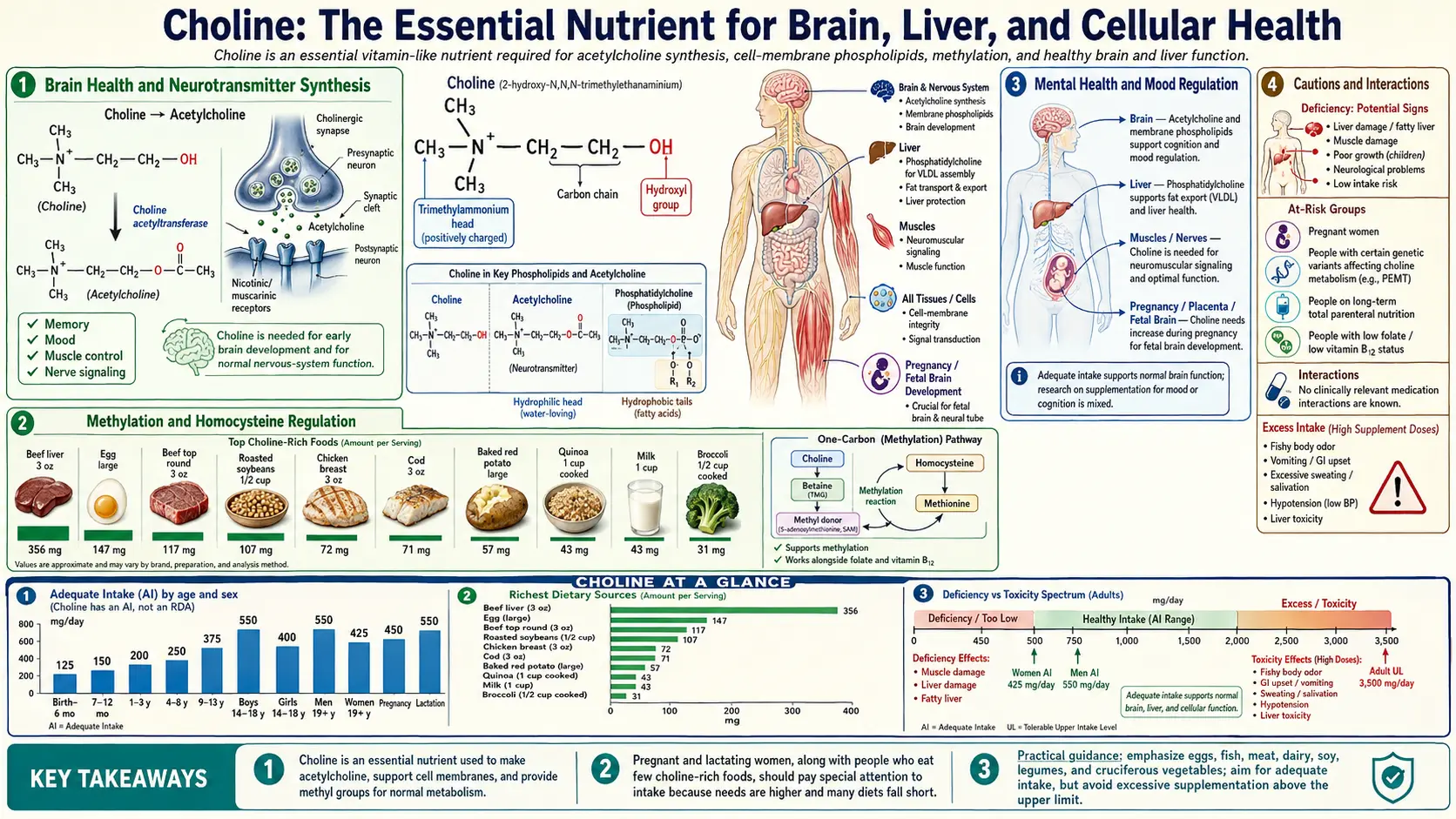
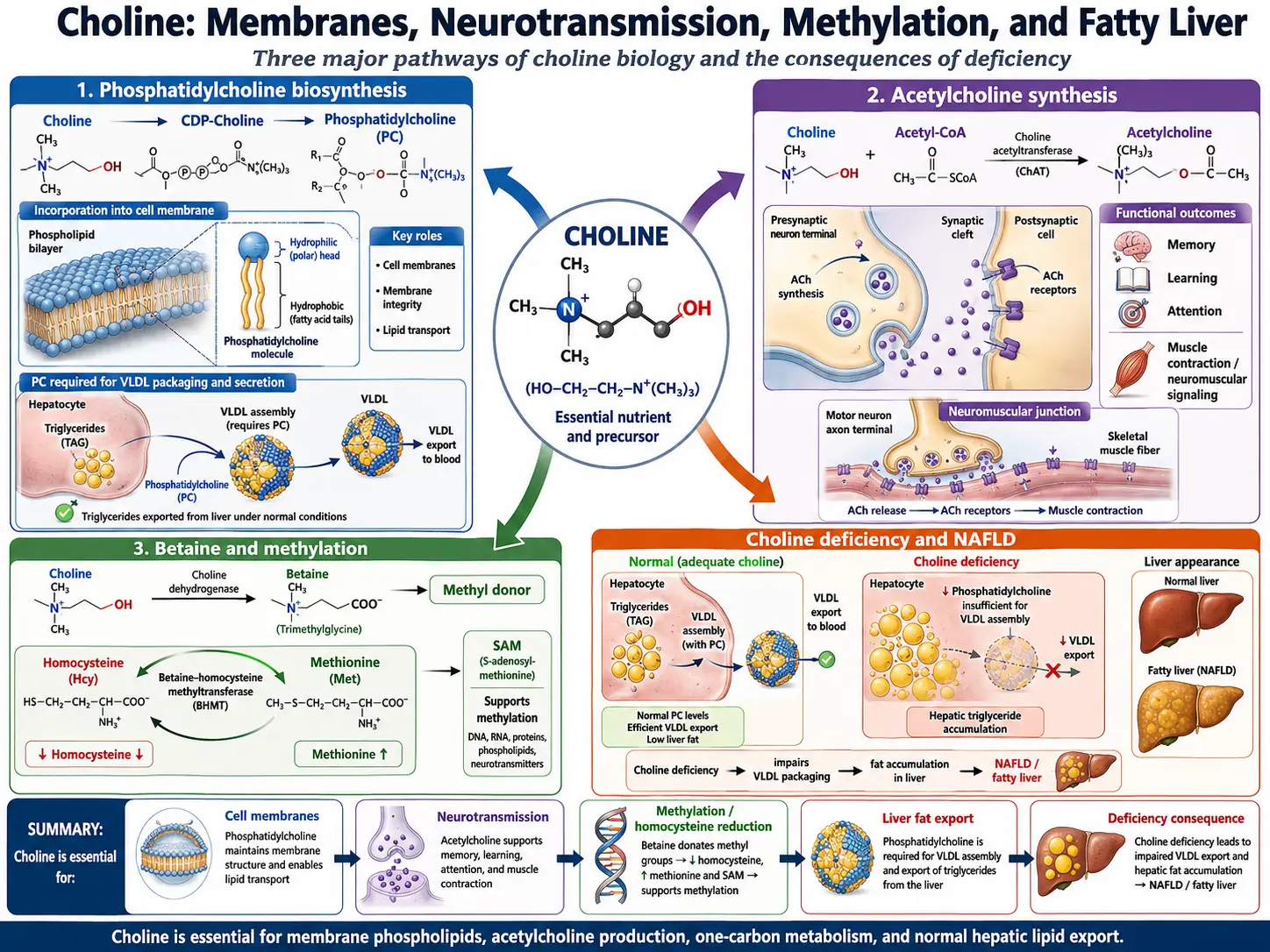
Choline is an essential nutrient that, despite its critical importance to virtually every organ system in the body, remains one of the most under-consumed nutrients in modern diets. Recognized as an essential nutrient by the Institute of Medicine in 1998, choline serves as a precursor to the neurotransmitter acetylcholine, the phospholipid phosphatidylcholine, and the methyl donor betaine. It is fundamental to brain development, liver function, cell membrane integrity, muscle movement, and nervous system signaling. An estimated 90% of Americans do not meet the adequate intake for choline, making it one of the most widespread nutritional shortfalls in the Western world. Choline was historically labeled vitamin B4 (and, in some older systems, "vitamin Bp"); it lost formal vitamin status because the liver can synthesize part of the body's requirement, and modern nutrition science now classifies it as an essential nutrient rather than a vitamin. For the full story of how once-common labels like B4 were retired, see Former & Deprecated Vitamins.
Related Choline Compounds and Supplements
Choline rarely travels alone. In food, bile, and every cell membrane it is carried as phosphatidylcholine, and the bulk dietary and supplemental source of that phospholipid is lecithin. Two other choline compounds — Alpha-GPC and citicoline (CDP-choline) — are highly bioavailable supplement forms popular as nootropics. These companion pages examine each in depth, with honest, evidence-based framing:
Phosphatidylcholine
The principal phospholipid of cell membranes, bile, and lipoproteins — the body's storage and transport form of choline, and the active component of lecithin.
Lecithin
The commercial phospholipid mixture and food emulsifier (E322) that delivers phosphatidylcholine and choline — with an evidence-based look at its cholesterol, lactation, and TMAO claims.
Alpha-GPC
A highly bioavailable choline compound that crosses into the brain — popular as a nootropic and sports supplement, with older clinical support, limited modern evidence, and an unresolved stroke-association question.
Citicoline (CDP-Choline)
A choline compound that also supplies cytidine and uridine for brain membranes — modest cognition evidence and emerging eye-health interest, though the definitive acute-stroke trial (ICTUS) was negative.
Interactive Visualization The Methylation Cycle — hand off a methyl group Watch folate and B12 recycle homocysteine into methionine — then knock out B12 and see the folate trap slam shut. Launch →
Table of Contents
- Related Choline Compounds & Supplements
- What "Vitamin B4" Meant: Chemistry & Naming History
- Brain Health and Neurotransmitter Synthesis
- Liver Function and Fat Metabolism
- Non-Alcoholic Fatty Liver Disease: A Closer Look
- Bile, Detoxification & Alcohol-Related Liver Injury
- Cell Membrane Structure and Integrity
- Pregnancy and Fetal Development
- Methylation and Homocysteine Regulation
- Muscle Function and Athletic Performance
- Cardiovascular Health
- Inflammation and Immune Function
- Nervous System, Myelin & Vagal Tone
- Kidney Health and Renal Function
- Mental Health and Mood Regulation
- Dietary Sources of Choline
- Deficiency Signs and Risk Factors
- Supplementation Forms and Dosing
- Clinical Dosing and Practical Protocols
- Testing and Assessment
- Cautions and Interactions
- References and Further Reading
- Connections
- Featured Videos
1. What "Vitamin B4" Meant: Chemistry and Naming History
The B4 Label and Its Rival Claimants
"Vitamin B4" was never the name of a single molecule. During the first decades of vitamin research the number was attached most often to adenine — the purine base named by Albrecht Kossel in 1885, part of the body of work that earned him the 1910 Nobel Prize — and in parts of the literature also to carnitine and to choline. None of the three survived scrutiny as a true vitamin, and the designation was quietly abandoned rather than reassigned. Choline itself was first isolated much earlier than any of this, by Adolph Strecker in 1862, and spent more than a century in scientific limbo before its dietary importance was settled. The full account of the numbering, the competing claims, and how the label was retired is on the Choline history page.
What Choline Actually Is
- A water-soluble quaternary ammonium compound, formula (CH₃)₃N⁺CH₂CH₂OH — neither a vitamin nor a mineral, but an essential nutrient occupying a category of its own.
- Still shelved with the B-complex in textbooks and supplement aisles, because its food distribution and metabolic roles run closely parallel to the B vitamins.
- Present in the body in several interconvertible forms: free choline, phosphatidylcholine, sphingomyelin, acetylcholine, and betaine. That is why one nutrient turns up simultaneously in membrane architecture, nerve signaling, and methylation — they are all the same molecule wearing different coats.
Why the Demotion Still Matters
"Essential" in nutrition science means endogenous production does not cover requirements, so the balance must arrive from food or supplements. Choline has held that status for more than twenty-five years, yet it is still missing from most prenatal formulas, almost never appears on a routine blood panel, and remains unfamiliar to many practicing clinicians. The retired B4 label is part of the reason: a nutrient that was publicly stripped of its vitamin number is easy to file away as unimportant, which is precisely the wrong conclusion.
2. Brain Health and Neurotransmitter Synthesis
Choline is the direct precursor to acetylcholine, one of the most important neurotransmitters in the human nervous system. Acetylcholine governs a staggering range of brain functions including memory formation, attention, learning, and the regulation of the sleep-wake cycle. It is also the primary neurotransmitter at the neuromuscular junction, where it triggers muscle contraction. Without adequate choline intake, the brain simply cannot produce sufficient acetylcholine to support optimal cognitive function.
Research has consistently demonstrated that higher choline intake is associated with better cognitive performance across the lifespan. A landmark study from Boston University, following over 1,400 adults for nearly a decade, found that individuals with higher dietary choline intake performed significantly better on tests of verbal memory and visual memory. Neuroimaging studies have shown that choline supplementation can increase the density of acetylcholine receptors in the brain, enhancing the efficiency of cholinergic neurotransmission.
The relationship between choline and age-related cognitive decline has attracted particular attention. As the brain ages, acetylcholine production naturally declines, contributing to the memory loss, reduced attention span, and slower information processing that characterize normal aging. In Alzheimer's disease, the degeneration of cholinergic neurons in the basal forebrain is one of the earliest and most prominent pathological features. In fact, the most commonly prescribed class of Alzheimer's medications, cholinesterase inhibitors (donepezil, rivastigmine, galantamine), works by preventing the breakdown of acetylcholine in the synaptic cleft. Ensuring adequate dietary choline throughout life may help maintain the cholinergic system and support cognitive resilience.
Animal studies have revealed that choline supplementation during critical developmental windows can produce lasting improvements in brain structure and function. Rodents given supplemental choline during gestation and early postnatal life show enhanced hippocampal development, improved spatial memory, and greater resistance to age-related cognitive decline. These findings suggest that choline's neuroprotective effects may be partly epigenetic, altering gene expression patterns that influence brain health for decades.
Myelin, White Matter, and Neuroplasticity
Choline's contribution to the brain is structural as well as chemical. The hippocampus, the brain's principal memory structure, is among the most densely cholinergic regions in the nervous system, which is why memory is usually the first faculty to suffer when cholinergic signaling falters. Beyond transmitter supply, choline-containing phospholipids build the insulating sheaths around nerve fibers, and higher choline intake is associated with better preserved white-matter integrity — the Framingham Offspring analysis that linked dietary choline to memory scores also found less white-matter hyperintensity on MRI at higher intakes. Choline additionally supports neuroplasticity, the lifelong formation of new synaptic connections, and has shown protection against excitotoxicity, the injury neurons sustain when they are over-stimulated.
Alzheimer's Pathology in Animal Models
Choline has been tested directly against Alzheimer's pathology, not merely against the cholinergic deficit. A 2019 study in Aging Cell reported that lifelong choline supplementation reduced amyloid-beta plaque burden and tau pathology in a mouse model of the disease, with corresponding improvement on memory tasks. Work at Arizona State University extended the finding across generations: animals whose mothers received supplemental choline and who then received it themselves showed cumulative protection greater than either exposure alone. These are animal data and they do not establish prevention in humans — but they do argue that the cholinergic system is modifiable decades before symptoms appear, which is a different proposition from treating it after neurons are already lost.
Attention, Focus, and Brain Fog
Acetylcholine is central to attention and executive function, and the prefrontal cortex — the seat of planning and impulse control — depends heavily on cholinergic tone. Some research points to altered cholinergic signaling in ADHD; choline is not a treatment for it, but optimizing choline status is a reasonable supporting measure within a broader plan. The same pathway explains why choline recurs in discussions of brain fog — the cluster of slow thinking, poor concentration, and mental fatigue that rarely has one cause. Citicoline in particular has been studied for mental energy, and clinicians who use it typically describe improvement over a two-to-four-week course rather than within days.
3. Liver Function and Fat Metabolism
The liver is one of the organs most dependent on adequate choline supply. Choline is required for the synthesis of phosphatidylcholine, the predominant phospholipid in very-low-density lipoprotein (VLDL) particles. VLDL is the primary vehicle by which the liver exports triglycerides to peripheral tissues. When choline is deficient, the liver cannot assemble and secrete VLDL properly, causing triglycerides to accumulate within hepatocytes. This leads to non-alcoholic fatty liver disease (NAFLD), a condition that can progress to steatohepatitis, fibrosis, and ultimately cirrhosis.
The connection between choline deficiency and fatty liver was dramatically demonstrated in controlled feeding studies where healthy volunteers placed on choline-deficient diets developed liver steatosis within weeks. Remarkably, the liver damage was fully reversible upon choline repletion, highlighting both the sensitivity of the liver to choline status and the therapeutic potential of choline supplementation in liver disease.
Choline also supports the liver's detoxification functions by contributing to the synthesis of glutathione, the body's master antioxidant, through the methionine-homocysteine cycle. Adequate choline helps maintain methylation capacity in the liver, which is essential for the Phase II conjugation reactions that neutralize and prepare toxins for excretion. Individuals with high alcohol consumption, those taking certain medications, and those with genetic polymorphisms in the PEMT gene (which affects endogenous choline synthesis) are at particularly high risk of choline-related liver dysfunction. Supporting liver health with choline-rich foods complements other liver cleansing protocols.
4. Non-Alcoholic Fatty Liver Disease: A Closer Look
Fatty liver earns its own section because it is both the most predictable consequence of chronic choline shortfall and the most common chronic liver condition on earth, affecting an estimated 25–30% of adults globally. It is defined as fat comprising 5% or more of liver weight in someone who does not drink heavily, and it is usually silent — most people have no symptoms until substantial damage has accumulated, which is why it is often called a silent disease. It travels with metabolic syndrome, insulin resistance, obesity, type 2 diabetes, and dyslipidemia. It is now also the most common liver disease in children in developed countries, a trend that tracks both childhood obesity and the displacement of eggs, liver, and other choline-dense foods by processed food.
The Disease Spectrum
- Simple steatosis — fat accumulation without meaningful inflammation.
- NASH (non-alcoholic steatohepatitis) — fat plus inflammation and hepatocyte injury.
- Fibrosis — scar tissue begins replacing functional liver.
- Cirrhosis — extensive scarring; function is severely compromised.
- Hepatocellular carcinoma — liver cancer, in a minority of cases.
- Liver failure — the point at which transplantation becomes the only option.
How Choline Shortfall Drives Each Step
The failure of VLDL export described above is the first domino. Four further mechanisms follow from it, and together they explain why the same nutrient gap can produce anything from a mildly raised enzyme to cirrhosis:
- Membrane failure in hepatocytes. Liver cells need phosphatidylcholine to hold their membranes together. When it runs short they become leaky, spilling contents that provoke inflammation and pushing ALT, AST, and GGT upward on a blood panel — often the first objective sign anything is wrong.
- Oxidative stress and cytokines. Choline-deficient liver tissue generates more oxidative stress and releases more TNF-α, IL-6, and IL-1β. That inflammatory shift is the pivot from simple steatosis to NASH.
- Fibrosis. Sustained inflammation activates hepatic stellate cells, which lay down excess collagen. Animal work shows choline repletion reduces fibrosis even when the original liver insult continues.
- Insulin signaling and new fat synthesis. Insulin resistance is the primary metabolic driver of fatty liver. Adequate choline is associated with better hepatic insulin signaling and less de novo lipogenesis — the liver's conversion of surplus sugar into fresh fat — which addresses a root cause rather than the accumulated result.
Betaine adds one more layer: it lowers homocysteine, and elevated homocysteine independently tracks with both liver injury and NAFLD severity.
What the Evidence Base Looks Like
- Total parenteral nutrition. Choline-free intravenous feeding reliably produces hepatic steatosis, and intravenous choline reverses it — the cleanest causal demonstration available in humans.
- Framingham Offspring Study. Higher dietary choline intake was associated with lower NAFLD risk.
- NHANES analyses. American adults in the lowest choline-intake bands carry the highest prevalence of fatty liver.
- Postmenopausal women. Estrogen drives endogenous synthesis through the PEMT pathway; once estrogen falls, dietary requirement rises and NAFLD risk rises with it.
- PEMT genotype. Carriers of reduced-function PEMT variants show markedly higher rates of fatty liver on otherwise ordinary diets.
- Rapid weight loss. Liver fat can paradoxically increase during aggressive caloric restriction; choline supplementation helped blunt that effect.
5. Bile, Detoxification, and Alcohol-Related Liver Injury
Bile Quality Depends on Phosphatidylcholine
Phosphatidylcholine makes up roughly 70–95% of the phospholipid content of bile. Bile is what emulsifies dietary fat and makes vitamins A, D, E, and K absorbable, so when phosphatidylcholine is scarce, bile turns thick and sluggish and does that job badly. The result is a familiar clinical picture: fat malabsorption, discomfort after fatty meals, and a greater tendency toward gallstone formation. Choline and phosphatidylcholine can improve bile flow — choleresis — which is one reason phosphatidylcholine is usually the form chosen when digestion rather than cognition is the complaint.
Where Choline Fits in the Two Phases of Detoxification
The liver clears foreign compounds in two stages. Phase I uses cytochrome P450 enzymes to modify a toxin — a step that frequently makes it temporarily more reactive, not less. Phase II then conjugates that product to glutathione, sulfate, or a methyl group so it becomes water-soluble and can be excreted. Choline supplies the methyl arm of Phase II through betaine. When Phase II cannot keep pace with Phase I, reactive intermediates accumulate behind the bottleneck, and those intermediates are often more damaging than the original compound. This is worth understanding before starting any aggressive "detox" regimen: accelerating Phase I without supporting Phase II makes things worse, not better.
Alcohol and Choline
Alcohol attacks choline status from three directions at once. It depletes existing stores, it impairs the PEMT pathway the liver uses to make its own phosphatidylcholine, and it raises overall demand for methyl donors. That combination is part of why alcohol-related liver disease and pure choline deficiency produce such similar histology. For anyone reducing or stopping alcohol, restoring choline is a sensible part of the nutritional repair work.
6. Cell Membrane Structure and Integrity
Every cell in the human body depends on choline for the structural integrity of its membranes. Phosphatidylcholine constitutes approximately 40-50% of the phospholipids in mammalian cell membranes, making it the single most abundant structural lipid in human cells. This phospholipid forms the fundamental bilayer architecture that separates the cell's interior from the extracellular environment, controls the passage of molecules in and out of the cell, and provides a platform for membrane-bound proteins involved in cell signaling.
Phosphatidylcholine's contribution to membrane fluidity is critical for normal cellular function. Cell membranes must maintain a precise balance between rigidity and fluidity to allow proper receptor function, ion channel activity, and vesicular transport. When choline intake is insufficient and phosphatidylcholine levels decline, membranes become more rigid and less functional, impairing cellular communication and nutrient transport. This is particularly consequential for rapidly dividing cells, including immune cells, red blood cells, and the epithelial cells lining the gut.
Beyond its structural role, phosphatidylcholine serves as a reservoir for signaling molecules. The enzyme phospholipase D cleaves phosphatidylcholine to release phosphatidic acid, a lipid second messenger involved in cell growth, survival, and proliferation. Phosphatidylcholine is also the primary source of arachidonic acid for the synthesis of eicosanoids, the lipid mediators that regulate inflammation, blood clotting, and immune responses. Through these pathways, choline influences cellular processes far beyond membrane architecture.
Receptors, Mitochondria, and the Cost of Stiff Membranes
Membrane fluidity is not an abstraction — it determines how well the receptors embedded in the membrane can work. Insulin receptors, neurotransmitter receptors, and immune-cell receptors all sit in that lipid bilayer, so a stiffer, phosphatidylcholine-poor membrane blunts hormonal and neural signaling before any of those systems is itself damaged. Aging, oxidative stress, and nutrient shortfalls all push membranes toward rigidity. Mitochondria are a special case: they carry two membranes of their own, both dependent on phosphatidylcholine, and compromised mitochondrial membranes translate directly into reduced ATP output. That is the most plausible explanation for the flat, unrefreshed fatigue that so often accompanies low choline status, and it connects this nutrient to every chronic condition in which mitochondrial function is a factor.
7. Pregnancy and Fetal Development
Choline requirements increase substantially during pregnancy, and the nutrient plays a role in fetal development that rivals that of folate. Choline is essential for neural tube closure, brain development, and the formation of the placenta. The developing fetal brain has an extraordinarily high demand for choline, which is actively transported across the placenta at concentrations three to four times higher than maternal blood levels.
A landmark randomized controlled trial conducted at Cornell University found that women who consumed 930 mg of choline per day during their third trimester (nearly double the adequate intake of 450 mg) gave birth to children who demonstrated significantly faster information processing speed at 4, 7, 10, and 13 months of age compared to children of mothers who consumed the standard amount. Follow-up studies showed that these cognitive advantages persisted into childhood, suggesting that maternal choline intake during pregnancy has lasting effects on offspring brain function.
Choline's role in fetal development extends beyond the brain. It is required for the proper formation of the placental vasculature, and choline deficiency during pregnancy has been associated with increased risk of preeclampsia, preterm birth, and low birth weight. Choline also interacts synergistically with folate and vitamin B12 in methyl group metabolism, and all three nutrients should be optimized during pregnancy for best outcomes. Despite these critical roles, choline is not included in most prenatal vitamin formulations, making dietary sources and targeted supplementation especially important for pregnant women. The American Medical Association has formally called for choline to be added to prenatal vitamins; the market has largely not followed.
How Large the Shortfall Actually Is
The gap between requirement and reality during pregnancy is wide. Against a 450 mg daily target, average intakes measured in pregnant women run roughly 270–300 mg per day, and a study at the University of Lübeck found 93% of pregnant women consuming inadequate choline. This is not a rare deficiency affecting an unlucky few; it is the normal condition of pregnancy in the modern food environment.
Which Developmental Steps Need Choline
- Neural tube closure — working alongside folate in the earliest weeks.
- Hippocampus formation — choline influences the size and lifelong function of the brain's memory center.
- Neuronal proliferation and migration — new neurons must be produced, then travel to their correct destinations.
- Synaptogenesis — wiring those neurons to one another.
- Myelination — insulating the finished circuits so signals travel quickly.
On neural tube defects specifically, women with the lowest choline intakes have been reported to carry up to four times the risk of an affected pregnancy, and that association holds independently of folate intake. The two nutrients share overlapping pathways, so a shortfall in one puts strain on the other — which is why a complete prenatal plan covers both rather than assuming folate alone is sufficient.
Placenta, Epigenetics, and Lactation
The placenta itself is built from phosphatidylcholine-rich membranes and depends on healthy angiogenesis — the growth of the vessels that carry nutrients to the fetus — for which choline is required. Maternal choline intake also shapes the epigenetic programming of the fetus, influencing which genes are switched on and off. Through this fetal-programming effect it can affect the child's lifelong risk of obesity, diabetes, cardiovascular disease, and neurological conditions, and animal work suggests some of those marks reach a further generation. After birth, breast milk is naturally choline-rich, and its choline content tracks maternal intake directly — mothers who eat more choline produce choline-richer milk. That is why lactating women carry the highest adequate intake of any group. Infant formula is generally fortified, but the label is worth checking.
8. Methylation and Homocysteine Regulation
Choline participates in one-carbon metabolism through its oxidation to betaine (trimethylglycine) in the liver and kidneys. Betaine serves as an alternative methyl donor in the conversion of homocysteine to methionine, a reaction catalyzed by the enzyme betaine-homocysteine methyltransferase (BHMT). This pathway operates in parallel with the folate-dependent remethylation pathway, providing a crucial backup system for homocysteine detoxification.
Elevated homocysteine is an independent risk factor for cardiovascular disease, stroke, cognitive decline, and neural tube defects. When folate or vitamin B12 intake is inadequate, the choline-betaine pathway becomes the primary means of homocysteine disposal. Studies have shown that individuals with low choline intake and low folate intake simultaneously have dramatically elevated homocysteine levels and increased risk of cardiovascular events. Conversely, supplementation with choline or betaine can significantly reduce plasma homocysteine concentrations.
The methylation reactions supported by choline extend far beyond homocysteine regulation. Methyl groups derived from choline-betaine are used for DNA methylation (a primary mechanism of epigenetic gene regulation), the synthesis of creatine (which consumes roughly 40% of all methyl groups used in the body — the single largest draw on the supply), the production of phosphatidylcholine via the PEMT pathway, and the methylation of neurotransmitters and hormones. Inadequate choline intake can therefore produce widespread disturbances in epigenetic regulation, energy metabolism, and endocrine function.
From Choline to SAMe
The chain is worth spelling out in full, because it explains the diffuse symptom picture of choline shortfall. Choline is oxidized to betaine; betaine donates a methyl group to convert homocysteine back to methionine; methionine is activated to SAMe (S-adenosylmethionine), the universal methyl donor that supplies essentially every methylation reaction in the body. A choline gap therefore does not produce one discrete deficiency sign — the whole methyl economy runs short at once. The reactions drawing on that economy extend well beyond homocysteine and DNA: methylation also clears histamine, processes estrogen and cortisol, drives T-cell differentiation, and builds melatonin alongside the monoamine neurotransmitters.
MTHFR Variants Raise the Choline Requirement
The two common MTHFR polymorphisms, C677T and A1298C, reduce the efficiency of the folate arm of methylation. When that arm is throttled, the body leans harder on the choline-betaine arm — meaning a diet that is entirely adequate for someone with fully functional MTHFR can leave a carrier short. The consequences of not covering the difference are the familiar methylation-failure pattern: rising homocysteine, slower Phase II clearance, and mood symptoms. Clinicians working with these variants commonly add choline or betaine rather than escalating folate alone, since more folate cannot fix an enzyme that cannot use it efficiently.
When DNA Methylation Goes Wrong
Because choline availability directly influences DNA methylation patterns, prolonged shortfall is not a cosmetic issue. Aberrant methylation — both loss of methylation where it belongs and excess where it does not — is implicated in cancer development, autoimmune disease, neurodevelopmental disorders, cardiovascular disease, and metabolic syndrome.
9. Muscle Function and Athletic Performance
Choline's role as the precursor to acetylcholine gives it direct relevance to muscle function and exercise performance. Acetylcholine is the neurotransmitter released at neuromuscular junctions to trigger muscle fiber contraction. During prolonged or intense exercise, plasma choline levels can decline by 40% or more as choline is consumed to sustain acetylcholine production at heavily recruited neuromuscular junctions.
Studies of marathon runners, triathletes, and endurance athletes have documented significant drops in plasma choline during prolonged exercise, falling from normal levels of approximately 10 micromoles per liter to levels below 6 micromoles per liter. These depleted choline levels have been correlated with impaired exercise performance, increased fatigue, and delayed recovery. Supplementation with choline before or during prolonged exercise has been shown to maintain plasma choline levels and, in some studies, improve endurance performance and reduce perceived exertion.
Beyond the neuromuscular junction, choline supports muscle function through its role in cell membrane integrity and cellular energy metabolism. Phosphatidylcholine in muscle cell membranes undergoes significant turnover during exercise-induced mechanical stress, and adequate choline availability is necessary for membrane repair and maintenance. Choline also contributes to mitochondrial function in muscle cells through its role in producing trimethylglycine, which supports mitochondrial membrane integrity and oxidative phosphorylation.
Signal Quality, Recovery, and Soreness
Two further consequences follow from the same biology. First, when acetylcholine availability at the neuromuscular junction falls, the deficit shows up not only as fatigue but as poor coordination, slower reaction time, and exercise intolerance — the muscle is intact and the instruction is simply arriving weakly. Second, the mechanical damage of hard training tears muscle-cell membranes, and rebuilding them consumes phosphatidylcholine; some athletes report less delayed-onset muscle soreness when phosphatidylcholine intake is generous. Creatine ties the two threads together, since its synthesis draws on the very methyl pool that choline feeds.
10. Cardiovascular Health
Choline's cardiovascular effects are multifaceted and include both protective mechanisms and considerations that warrant attention. On the protective side, choline's role in reducing homocysteine through the betaine pathway provides direct cardiovascular benefit, as elevated homocysteine is associated with endothelial dysfunction, accelerated atherosclerosis, and increased thrombotic risk. Epidemiological studies have found that individuals with higher choline intake have lower risk of coronary heart disease events.
Choline also supports cardiovascular health through its essential role in lipid transport. As a component of VLDL, phosphatidylcholine is necessary for the proper export of triglycerides from the liver to peripheral tissues. Choline deficiency leads to hepatic triglyceride accumulation and can contribute to dyslipidemia, both of which increase cardiovascular risk. Adequate choline intake helps maintain healthy lipid profiles and prevents the downstream metabolic consequences of impaired hepatic fat export.
However, an important nuance has emerged regarding choline metabolism and cardiovascular risk. Certain gut bacteria can convert choline into trimethylamine (TMA), which is subsequently oxidized in the liver to trimethylamine N-oxide (TMAO). Elevated TMAO levels have been associated with increased risk of atherosclerosis and cardiovascular events in some observational studies. Importantly, this conversion is heavily influenced by gut microbiome composition, and individuals with healthy, diverse gut flora may produce less TMAO from dietary choline. Consuming probiotics and fermented foods to support a healthy microbiome may help optimize choline metabolism and minimize TMAO production.
Homocysteine's Vascular Reach and Lipid Trafficking
Elevated homocysteine is not only a coronary marker. It is independently associated with atherosclerosis, heart attack and stroke, deep vein thrombosis and pulmonary embolism, peripheral arterial disease, and cognitive decline — which is why the betaine pathway matters to vascular medicine and neurology alike. On the lipid side, phosphatidylcholine is required for the assembly of HDL particles as well as VLDL, so choline status affects cholesterol traffic in both directions; some studies report a modest improvement in the LDL-to-HDL ratio with supplementation.
Reading the TMAO Evidence Honestly
The TMAO association deserves more than a warning label, because two observations sit awkwardly with the simple story that dietary choline raises TMAO and TMAO causes heart disease. Fish is itself high in TMAO and is consistently associated with cardiovascular protection. Eggs, the densest everyday choline source, have been largely exonerated in recent meta-analyses of cardiovascular outcomes. For most people the demonstrated benefits of adequate choline outweigh a theoretical TMAO risk, and the constructive response is to improve the microbiome rather than restrict the nutrient. People with established cardiovascular or kidney disease are the reasonable exception, and should individualize the decision with their clinician rather than reasoning from population averages.
11. Inflammation and Immune Function
The Cholinergic Anti-Inflammatory Pathway
One of the more consequential findings in modern immunology is that the nervous system regulates inflammation directly. The vagus nerve releases acetylcholine, which binds alpha-7 nicotinic receptors (α7nAChR) on macrophages and other immune cells and instructs them to cut production of pro-inflammatory cytokines — TNF-α, IL-1β, and IL-6. This is the body's built-in inflammatory brake, and its currency is acetylcholine. Without enough choline to keep that transmitter available, the brake is weaker and inflammation runs longer than it should. Population data fit the mechanism: higher choline intake is associated with lower C-reactive protein, IL-6, and TNF-α.
Immune Cells Are Membrane-Hungry
An immune response is, physically, a burst of cell division. Lymphocytes and macrophages proliferating against an infection need large quantities of phosphatidylcholine to build the new membranes those cells require. Choline shortfall can therefore blunt the response itself, leaving a person more prone to infections that should have been cleared quickly — a mechanism quite separate from the inflammatory brake described above.
Autoimmunity
The pathway that limits ordinary inflammation also helps restrain the excessive immune activation characteristic of autoimmune disease, and impaired methylation can produce aberrant gene expression within immune cells. Neither observation makes choline a treatment for autoimmune conditions — it is one input among many — but choline status is a reasonable thing to establish when inflammation is the central problem.
12. Nervous System, Myelin, and Vagal Tone
Acetylcholine Runs the Parasympathetic System
Outside the brain, acetylcholine is the principal transmitter of the parasympathetic nervous system — the "rest, digest, and repair" side of autonomic control. It slows the heart, stimulates stomach acid, digestive enzymes, and gut motility, governs bladder function and bronchial and pupillary constriction, and participates in sexual arousal. A choline shortfall is therefore not purely a brain problem; it can present as sluggish digestion, altered heart-rate variability, and a general loss of autonomic balance that no amount of stimulant or sedative will correct.
Sphingomyelin and Myelin Maintenance
Sphingomyelin, a second choline-containing phospholipid, is a major constituent of the myelin sheaths that insulate nerve fibers and permit fast, efficient conduction. Loss of myelin is the defining lesion of multiple sclerosis. Choline is not a treatment for demyelinating disease — that claim would be unsupportable — but myelin is continuously maintained and repaired throughout life, and that maintenance draws on choline-containing lipids. It is part of why nerve conduction velocity, which slows with age, is worth protecting nutritionally as well as mechanically.
Vagal Tone
Vagal tone — how active the vagus nerve is at rest — is one of the few measures that correlates with better outcomes across nearly every domain studied: lower inflammation, better stress resilience, steadier mood, healthier digestion, and higher heart-rate variability. Because the vagus nerve signals with acetylcholine, adequate choline is a structural prerequisite for the entire picture. Breathing and relaxation practices train the nerve; choline supplies the transmitter it trains with.
13. Kidney Health and Renal Function
The kidneys run at a high metabolic rate and, like the liver, depend on well-built membranes to do their filtering work; phosphatidylcholine maintains the integrity of renal tubular cells. Betaine has a second, kidney-specific job: it acts as an osmolyte, a small molecule that lets kidney cells hold their internal water balance while sitting in the steep osmotic gradients the renal medulla generates. In that role it is a genuine renal osmoprotectant, not merely a methyl donor passing through.
In chronic kidney disease the picture becomes more delicate. Choline metabolism is altered, and homocysteine tends to run high — making the betaine pathway more important, not less. At the same time, failing kidneys clear TMAO poorly, so the TMAO question genuinely carries more weight here than in healthy people. The reasonable course is not to abandon choline but to cover essential requirements while working on gut health to limit TMA production, with monitoring rather than guesswork deciding the dose.
14. Mental Health and Mood Regulation
The cholinergic system plays a significant but often underappreciated role in mood regulation, emotional processing, and psychiatric health. Acetylcholine modulates the activity of other neurotransmitter systems including serotonin, dopamine, and norepinephrine, all of which are central to mood and emotional well-being. Disruptions in cholinergic signaling have been implicated in depression, anxiety, and bipolar disorder.
Clinical research has explored the use of choline and its derivatives in mood disorders with promising results. CDP-choline (citicoline), a form of choline that also provides cytidine, has been studied for its antidepressant-augmenting effects. A randomized controlled trial found that adding CDP-choline to standard antidepressant therapy improved treatment response in patients with major depressive disorder who had not responded adequately to medication alone. The proposed mechanism involves CDP-choline's ability to enhance dopamine receptor density and improve dopaminergic neurotransmission in the frontal cortex.
Choline's role in methylation also connects it to mental health through epigenetic mechanisms. Methyl groups derived from choline are used for the methylation of DNA and histones, processes that regulate the expression of genes involved in stress response, neurotransmitter synthesis, and neuroplasticity. Inadequate choline intake during critical developmental periods may alter the epigenetic programming of stress-response systems, potentially increasing vulnerability to anxiety and mood disorders later in life.
Anxiety, the Vagus Nerve, and Cortisol
Acetylcholine modulates activity in the amygdala, the brain's threat-appraisal center, and it is also the transmitter of the vagus nerve, the main parasympathetic brake. Taken together, choline underwrites the body's physical capacity to stop being alarmed — to come down after a stressor rather than staying keyed up for hours. Choline-deficient individuals show higher markers of physiological stress including cortisol, and supplementation has been reported to reduce cortisol reactivity, meaning a smaller overshoot to the same provocation. A study in the American Journal of Clinical Nutrition found choline intake inversely associated with anxiety symptoms. Betaine contributes separately by lowering oxidative stress in brain tissue, which is itself linked to both anxiety and depression.
The Cholinergic-Adrenergic Balance and Methyl Supply
The long-standing cholinergic-adrenergic balance hypothesis holds that mood depends not on any single transmitter but on the ratio between cholinergic and noradrenergic activity — which places choline squarely in the frame rather than at the periphery. There is also an indirect route: serotonin, dopamine, norepinephrine, and melatonin all require methylation steps, so choline supports their synthesis via the betaine pathway. That matters most in depression, where folate and B12 deficiencies are common; when those two run low, demand on choline as the alternative methyl donor rises at exactly the moment the need is greatest.
Sleep
Acetylcholine is a principal regulator of REM sleep, the phase in which emotional processing and memory consolidation happen. Low choline status has been linked to fragmented sleep, difficulty reaching restorative depth, and waking unrefreshed. Because poor sleep is both a cause and a consequence of anxiety and low mood, this is one of the places where a quiet nutrient shortfall can keep a loop running indefinitely.
Bipolar Disorder
The evidence here is small but genuinely interesting rather than merely hopeful. A pilot study at MIT using supplemental phosphatidylcholine reported reductions in both the severity and the frequency of manic episodes in some patients with bipolar disorder. The proposed mechanism combines membrane stabilization with transmitter balance. This is pilot-scale work, not a treatment recommendation, and choline must never replace mood-stabilizing medication — but it is a real signal in an area where nutritional psychiatry has few of them.
15. Dietary Sources of Choline
The richest dietary sources of choline are animal-derived foods, with eggs standing out as the single best source. A single large egg yolk contains approximately 147 mg of choline, primarily in the form of phosphatidylcholine. This makes eggs one of the most efficient and affordable ways to meet daily choline needs. Other excellent animal sources include beef liver (356 mg per 3 oz serving), salmon (187 mg per serving), chicken breast (72 mg per serving), and dairy products.
Plant-based sources of choline tend to provide lower amounts per serving but can still make meaningful contributions to total intake. Soybeans and soy-based products are among the richest plant sources, with one cup of cooked soybeans providing approximately 107 mg of choline. Cruciferous vegetables such as broccoli (63 mg per cup cooked) and Brussels sprouts are moderate sources. Quinoa, almonds, lentils, and peanuts also contribute to dietary choline intake.
The adequate intake (AI) for choline is 550 mg per day for adult men and 425 mg per day for adult women, rising to 450 mg during pregnancy and 550 mg during lactation. Meeting these targets through diet alone requires deliberate food choices, particularly for individuals who avoid eggs or organ meats. Vegetarians and vegans are at especially high risk of choline deficiency and may benefit from targeted supplementation or strategic food planning to ensure adequate intake.
Further Animal Sources, by Portion
- Chicken liver, 3 oz / 85 g — 247 mg
- Grass-fed beef, 3 oz / 85 g — 70 mg
- Turkey breast, 3 oz / 85 g — 70 mg
- Cod, 3 oz / 85 g — 65 mg
- Shrimp, 3 oz / 85 g — 60 mg
- Whole milk, 1 cup — 43 mg
Further Plant Sources, by Portion
- Brussels sprouts, cooked, 1 cup — 63 mg
- Shiitake mushrooms, cooked, ½ cup — 58 mg
- Lima beans, ½ cup — 55 mg
- Cauliflower, cooked, 1 cup — 47 mg
- Kidney beans, ½ cup — 45 mg
- Quinoa, cooked, 1 cup — 43 mg
- Peanuts, ¼ cup — 24 mg
- Sunflower seeds, ¼ cup — 19 mg
Practical Notes on Getting Enough
- The yolk is the whole story. An egg's choline sits almost entirely in the yolk, so an egg-white omelette contributes very little. Two whole eggs a day supply roughly 294 mg — more than half the adult adequate intake from a single habit. Decades of advice to discard yolks over cholesterol concerns did real collateral damage to population choline intake.
- Organ meats were the ancestral source. Liver was eaten routinely in most traditional diets and has all but vanished from modern menus, taking the densest available choline with it.
- Cooking method matters modestly. Choline is reasonably heat-stable but water-soluble, so it leaches into cooking water — steaming and roasting retain more than boiling and discarding the liquid.
- Plant-only diets face real arithmetic. Even carefully planned vegan diets typically deliver only 50–70% of the adequate intake, which is why supplementation is usually the honest answer rather than harder meal planning.
- Processed food is a poor source. The shift toward packaged, refined foods is a large part of why average intake has fallen so far below requirement.
16. Deficiency Signs and Risk Factors
Choline deficiency typically shows up first as fatty liver (hepatic steatosis), and can progress to muscle damage (elevated creatine kinase), poor memory and concentration, fatigue, and mood changes. Pregnant and lactating women, postmenopausal women, vegetarians and vegans, endurance athletes, and the 40–45% of people carrying common MTHFR, PEMT, or CHDH gene variants are at the highest risk. For a full, patient-friendly guide to the symptoms, causes, and treatment, see Choline Deficiency.
Groups That Are Easy to Overlook
- Postmenopausal women — estrogen drives the PEMT enzyme that produces choline internally, so requirement jumps once estrogen falls.
- PEMT variant carriers — up to 44% of women and 25% of men carry SNPs, notably rs12325817 and rs7946, that reduce endogenous synthesis. They develop fatty liver and other deficiency signs far faster on a low-choline diet than non-carriers do.
- People with existing liver disease — the liver is both the main site of choline synthesis and one of its largest consumers, so damage cuts capacity while raising need.
- Heavy drinkers — depleted stores, impaired PEMT, and higher methyl demand simultaneously.
- Older adults — lower intake, less efficient absorption, and declining PEMT activity compound one another.
- Patients on total parenteral nutrition — standard formulations often lack choline, and hepatic steatosis is a documented complication.
- People on low-fat or highly restrictive diets — the richest choline foods are precisely the ones such diets tend to exclude.
- Children eating mostly processed food — the group in which consequences take longest to surface and are hardest to reverse.
Genes beyond PEMT also shape individual requirement: CHDH governs choline oxidation, SLC44A1 its transport, and BHMT the betaine-to-homocysteine step. All three carry common variants.
How Deficiency Presents, Roughly in Order
- Early and easy to dismiss — fatigue, brain fog and poor concentration, short-term memory lapses, irritability or low mood, unrefreshing sleep, and vague muscle aches.
- Established — elevated ALT and AST, developing hepatic steatosis, rising homocysteine, poor fat digestion and bile-related complaints, frequent infections, and slow recovery from exercise.
- Advanced — significant fatty liver with hepatocyte death, muscle damage with elevated creatine kinase, organ dysfunction, and DNA damage from failed methylation and repair, which is the route by which chronic deficiency is thought to raise cancer risk.
17. Supplementation Forms and Dosing
Several forms of choline supplements are available, each with distinct characteristics and applications:
- Choline bitartrate: The most affordable and widely available form. Provides approximately 41% choline by weight. Suitable for general choline supplementation to support liver health and meet baseline requirements. Typical dosing is 500-1000 mg daily.
- CDP-choline (citicoline): A form that provides both choline and cytidine (which converts to uridine in the body). Particularly valued for cognitive enhancement and neuroprotection. Clinical studies have used doses of 250-1000 mg daily. Citicoline has been shown to improve memory, attention, and processing speed in aging adults and may enhance the effects of other nootropic compounds.
- Alpha-GPC (alpha-glycerophosphocholine): A highly bioavailable form that crosses the blood-brain barrier efficiently. Preferred for cognitive support and as a growth hormone secretagogue. Typical dosing for cognitive enhancement is 300-600 mg daily. Alpha-GPC has shown particular promise in age-related cognitive decline and is used clinically in some European countries for dementia support.
- Phosphatidylcholine (lecithin): Provides choline in the same form found naturally in cell membranes and food. Often derived from soy or sunflower. Preferred for liver support and lipid metabolism. Dosing typically ranges from 1200-2400 mg of lecithin daily, providing approximately 150-300 mg of choline.
When choosing a choline supplement, the intended purpose should guide the selection. For general health and liver support, choline bitartrate or phosphatidylcholine are cost-effective choices. For cognitive enhancement, CDP-choline or Alpha-GPC offer superior brain bioavailability. All forms are generally well-tolerated, though high doses may cause gastrointestinal discomfort, fishy body odor, or excessive sweating in some individuals.
Choline Content by Weight
Label weight is a poor guide to what a supplement actually delivers, because the fraction that is choline varies more than threefold. Alpha-GPC is roughly 40% choline by weight — comparable to bitartrate on paper, but with far better delivery into the brain. Citicoline is about 18% choline, with cytidine accounting for much of the remainder; that is the point of the molecule rather than a dilution, since the cytidine converts to uridine and contributes to brain membrane synthesis in its own right. Phosphatidylcholine is only about 13% choline by weight, which again is not a defect — the intact phospholipid is exactly what membranes and bile require, so a low choline percentage buys a more useful delivery form.
Two Further Options
- Sunflower lecithin — a whole-food phospholipid complex delivering roughly 100–200 mg of choline per serving at 1,200–2,400 mg of lecithin. It is soy-free and non-GMO, which matters to anyone avoiding soy, and it is the form most often suggested to lactating mothers dealing with recurrent plugged ducts and mastitis.
- Betaine (TMG, trimethylglycine) — not a choline supplement but choline's downstream methyl donor, used at 500–3,000 mg daily. It spares choline by supplying methyl groups directly and lowers homocysteine effectively. Pairing a choline form with TMG is a deliberate combination, not a redundancy.
Matching Form to Goal
- Fatty liver — phosphatidylcholine as the primary agent, with betaine as an adjunct.
- Anxiety and mood — citicoline for central effects, phosphatidylcholine for membrane support.
- Pregnancy — phosphatidylcholine or choline bitartrate; the doses needed are high enough that cost per milligram becomes a real consideration.
- Athletic performance — Alpha-GPC.
- Methylation support, including MTHFR variants — betaine (TMG) alongside any choline form.
18. Clinical Dosing and Practical Protocols
Adequate Intake Across the Lifespan
Adult, pregnancy, and lactation targets are given in the Dietary Sources section above. The remaining life stages are:
- Infants 0–6 months — 125 mg/day
- Infants 7–12 months — 150 mg/day
- Children 1–3 years — 200 mg/day
- Children 4–8 years — 250 mg/day
- Children 9–13 years — 375 mg/day
- Boys 14–18 years — 550 mg/day
- Girls 14–18 years — 400 mg/day
Doses Used Therapeutically
An adequate intake is the amount that prevents deficiency, not the amount studied for a therapeutic effect. Doses reported in clinical use run considerably higher:
- Fatty liver — 1,000–2,000 mg of total choline equivalent daily, counting food and supplements together.
- Cognitive support — 500–1,000 mg citicoline, or 600–1,200 mg Alpha-GPC.
- Pregnancy, optimized rather than merely adequate — the 930 mg/day used in the Cornell trial described above, which has been studied without adverse effects.
- Methylation support with MTHFR variants — 550–1,000 mg choline plus 500–3,000 mg betaine.
- Homocysteine reduction — 1,000–3,000 mg betaine plus roughly 500 mg choline.
All of these sit below the 3,500 mg adult upper limit, but all are well above habitual intake, and the upper end of each range belongs under clinical supervision — particularly during pregnancy or with existing liver or kidney disease.
A Worked Example: Building a Fatty-Liver Protocol
Choline is rarely used alone against hepatic steatosis, because the condition has several drivers. A representative combination of the kind used in integrative practice layers choline with agents addressing oxidative stress, insulin resistance, and lipid handling:
- Phosphatidylcholine — 1,200–1,800 mg twice daily with meals.
- Betaine (TMG) — 500–1,500 mg daily for methyl supply and homocysteine control.
- Milk thistle (silymarin) — 200–400 mg of standardized extract, two to three times daily.
- N-acetylcysteine — 600–1,200 mg daily to support glutathione synthesis.
- Omega-3 fatty acids — 2,000–4,000 mg of combined EPA and DHA.
- Vitamin D3 — 2,000–5,000 IU, titrated to a blood level of 50–70 ng/mL rather than fixed by guess.
- A methylated B-complex — methylfolate, methylcobalamin, and P5P, so the whole methylation cycle is supplied rather than one arm of it.
- Alpha-lipoic acid — 300–600 mg daily for hepatocyte antioxidant protection.
- Berberine — 500 mg two to three times daily for insulin sensitivity and lipid metabolism.
This is illustrative rather than prescriptive. Berberine and high-dose omega-3s in particular interact with common medications, and anyone with diagnosed liver disease should have the combination reviewed by their own clinician before starting it.
What Supplements Cannot Do Alone
- Diet — cut refined carbohydrate and added fructose first; build meals from whole foods, vegetables, quality protein, and real fats, with eggs as the everyday choline anchor.
- Exercise — at least 150 minutes weekly of moderate aerobic work plus two resistance sessions; both improve hepatic fat handling independently of weight change.
- Weight — a 5–10% reduction measurably lowers liver fat, and gradual loss of 1–2 lb per week beats aggressive restriction, which can transiently raise it.
- Sleep — seven to nine hours; short sleep is independently associated with progression.
- Stress — sustained cortisol worsens insulin resistance and hepatic fat deposition, so stress management is metabolic treatment rather than a lifestyle extra.
- Alcohol — even moderate intake adds load when steatosis is already present.
- Toxin exposure and hydration — reduce avoidable hepatotoxins such as pesticides, solvents, and heavy metals, and drink enough water for the clearance pathways to operate.
19. Testing and Assessment
Blood Work Worth Ordering
- Plasma choline — the direct measure. Roughly 7–20 µmol/L is the usual reference range, and values below about 7 µmol/L suggest deficiency. It is not a standard panel item and generally has to be requested specifically.
- Plasma betaine — shows how much choline is being routed into methylation rather than membranes.
- Homocysteine — above roughly 10 µmol/L indicates the methyl economy is short, whether the shortfall is choline, folate, or B12.
- ALT, AST, and GGT — the earliest objective hint of hepatocyte membrane damage.
- Liver ultrasound or FibroScan — quantifies steatosis and fibrosis once enzymes are raised.
- Comprehensive metabolic and lipid panels — baseline liver and kidney function, plus the VLDL, LDL, HDL, and triglyceride picture that choline status shapes.
Genetic Variants Worth Knowing
- PEMT — rs12325817 and rs7946: how much choline you manufacture yourself.
- MTHFR — C677T and A1298C: how heavily you must lean on the betaine pathway.
- CHDH, SLC44A1, BHMT — oxidation, transport, and the homocysteine-remethylation step respectively.
- FMO3 — converts TMA to TMAO, relevant both to fishy-odor side effects and to how an individual's TMAO figures should be read.
Consumer genotyping services report raw data for most of these; interpretation is where the value lies. A variant is a reason to aim higher within the safe range, not a diagnosis in itself.
Questions That Often Substitute for a Test
Before any laboratory work, a short history usually settles whether choline is likely to be short: how many eggs per week, and are the yolks eaten; any liver, pâté, or other organ meat; vegan, vegetarian, or omnivore; pre- or postmenopausal, and on hormone therapy; pregnant, lactating, or planning to be; how much alcohol; and which medications — particularly methotrexate, metformin, proton-pump inhibitors, and anticholinergics. Add the symptom review for brain fog, fatigue, mood change, and muscle weakness, plus family history of liver disease, dementia, and cardiovascular disease, and the picture is usually clear enough to act on while any testing is pending.
20. Cautions and Interactions
- Upper intake level and toxicity: The tolerable upper intake level for choline is 3,500 mg per day for adults. Very high intakes can cause fishy body odor, sweating, gastrointestinal distress, and low blood pressure, though these effects are rare at standard supplemental doses. For a full, patient-friendly guide to the symptoms, causes, and risks of too much choline, see Choline Toxicity.
- TMAO concerns: As discussed in the cardiovascular section, gut bacteria can convert choline to trimethylamine, which is oxidized to TMAO in the liver. While the clinical significance of TMAO remains debated, individuals with known cardiovascular disease may wish to discuss choline supplementation with their healthcare provider and focus on supporting a healthy gut microbiome.
- Drug interactions: Choline supplements may interact with anticholinergic medications (commonly prescribed for overactive bladder, allergies, and Parkinson's disease) by opposing their pharmacological effects. Cholinesterase inhibitors used for Alzheimer's disease may have enhanced effects when combined with choline supplementation.
- Genetic considerations: Individuals with trimethylaminuria (TMAU), a genetic condition affecting TMA metabolism, should limit choline intake as it exacerbates the characteristic fishy body odor associated with the condition.
- Pregnancy: While higher choline intake during pregnancy is generally beneficial, pregnant women should discuss supplementation with their healthcare provider, particularly if taking prenatal vitamins that may already contain some choline.
Upper Limits by Age
- Adults 19 and over — 3,500 mg/day, as above
- Adolescents 14–18 — 3,000 mg/day
- Children 9–13 — 2,000 mg/day
- Children 1–8 — 1,000 mg/day
These ceilings apply to total choline from food and supplements combined. Fishy body odor, the most commonly reported complaint, generally appears only above roughly 3,000 mg; hepatotoxicity has been reported only at intakes far beyond the upper limit.
Medications That Raise Choline Requirement
- Methotrexate — a folate antagonist; blocking the folate arm of methylation shifts the whole load onto choline and betaine.
- Metformin — can reduce B12 absorption, and poor B12 status raises methyl-donor demand on choline.
- Proton-pump inhibitors — reduced gastric acid may impair the release of choline from food.
- Bile acid sequestrants (cholestyramine and relatives) — reduce absorption of both choline and phosphatidylcholine.
- Oral contraceptives — alter estrogen-mediated endogenous synthesis; the net effect is individual rather than uniform.
- Phenobarbital and other anticonvulsants — may increase choline breakdown.
Combining Choline With Other Supplements
- With betaine (TMG) — synergistic for methylation; a deliberate pairing rather than a conflict.
- With high-dose fish oil — complementary for both liver and brain; watch only for gastrointestinal tolerance.
- With cholinesterase inhibitors — both raise acetylcholine, so the combination warrants monitoring for excessive cholinergic effects rather than an assumption of additive safety.
- With lithium — limited evidence suggests choline may enhance mood-stabilizing effects; use only under supervision.
Populations Needing Extra Care
- Parkinson's disease — treatment deliberately balances dopaminergic against cholinergic activity, so choline intake should be changed only with medical input.
- Certain depression subtypes — under the cholinergic-adrenergic hypothesis, excess cholinergic tone may worsen some presentations. This is uncommon, but worth monitoring when mood is the target of supplementation.
- Advanced kidney disease — impaired TMAO clearance, as discussed above; cover requirements without pushing high supplemental doses.
- Heavy anticholinergic burden — the opposite problem also exists. The cumulative anticholinergic load of a medication list is increasingly recognized as a risk factor for cognitive decline, and patients carrying a heavy load are among those most likely to benefit from adequate choline.
References and Further Reading
Key Research Papers
- Zeisel SH, da Costa KA. Choline: an essential nutrient for public health. Nutrition Reviews. 2009;67(11):615–623. Search PubMed
- Corbin KD, Zeisel SH. Choline metabolism provides novel insights into non-alcoholic fatty liver disease and its progression. Current Opinion in Gastroenterology. 2012;28(2):159–165. Search PubMed
- Guerrerio AL, et al. Choline intake in a large cohort of patients with nonalcoholic fatty liver disease. American Journal of Clinical Nutrition. 2012;95(4):892–900. Search PubMed
- Caudill MA, et al. Maternal choline supplementation during the third trimester of pregnancy improves infant information processing speed. FASEB Journal. 2018;32(4):2172–2180. Search PubMed
- Velazquez R, et al. Lifelong choline supplementation ameliorates Alzheimer's disease pathology and associated cognitive deficits. Aging Cell. 2019;18(6):e13037. Search PubMed
- Shaw GM, et al. Periconceptional dietary intake of choline and betaine and neural tube defects in offspring. American Journal of Epidemiology. 2004;160(2):102–109. Search PubMed
- Poly C, et al. The relation of dietary choline to cognitive performance and white-matter hyperintensity in the Framingham Offspring Cohort. American Journal of Clinical Nutrition. 2011;94(6):1584–1591. Search PubMed
- Fischer LM, et al. Sex and menopausal status influence human dietary requirements for the nutrient choline. American Journal of Clinical Nutrition. 2007;85(5):1275–1285. Search PubMed
- da Costa KA, et al. Common genetic polymorphisms affect the human requirement for the nutrient choline. FASEB Journal. 2006;20(9):1336–1344. Search PubMed
- Buchman AL, et al. Choline deficiency: a cause of hepatic steatosis during parenteral nutrition that can be reversed with intravenous choline supplementation. Hepatology. 1995;22(5):1399–1403. Search PubMed
- Zeisel SH. Nutritional importance of choline for brain development. Journal of the American College of Nutrition. Search PubMed
Further Reading
- Linus Pauling Institute — Choline, Micronutrient Information Center
- NIH Office of Dietary Supplements — Choline fact sheet for health professionals
Connections
- All Vitamins
- The Methylation Cycle & Homocysteine — interactive animation
- Choline Deficiency
- Choline Toxicity
- Phosphatidylcholine
- Lecithin
- Alpha-GPC
- Citicoline (CDP-Choline)
- Anxiety
- Vitamin B12
- Alzheimer's Disease
- Eggs
- Salmon
- Non-Alcoholic Fatty Liver Disease
- Liver Disease
- Depression
- Bipolar Disorder
- ADHD
- Brain Fog
- Vitamin B9
- Homocysteine
- Probiotics
- Methionine
- SAM-e
- Cardiovascular Disease
- Insulin Resistance
- Obesity
- Kidney Disease
- Multiple Sclerosis
- Cancer
- Creatine
- Liver Cleansing
- Milk Thistle
- Lentils
- Beef
- Organ Meats