Quinoa - Beneficial Foods
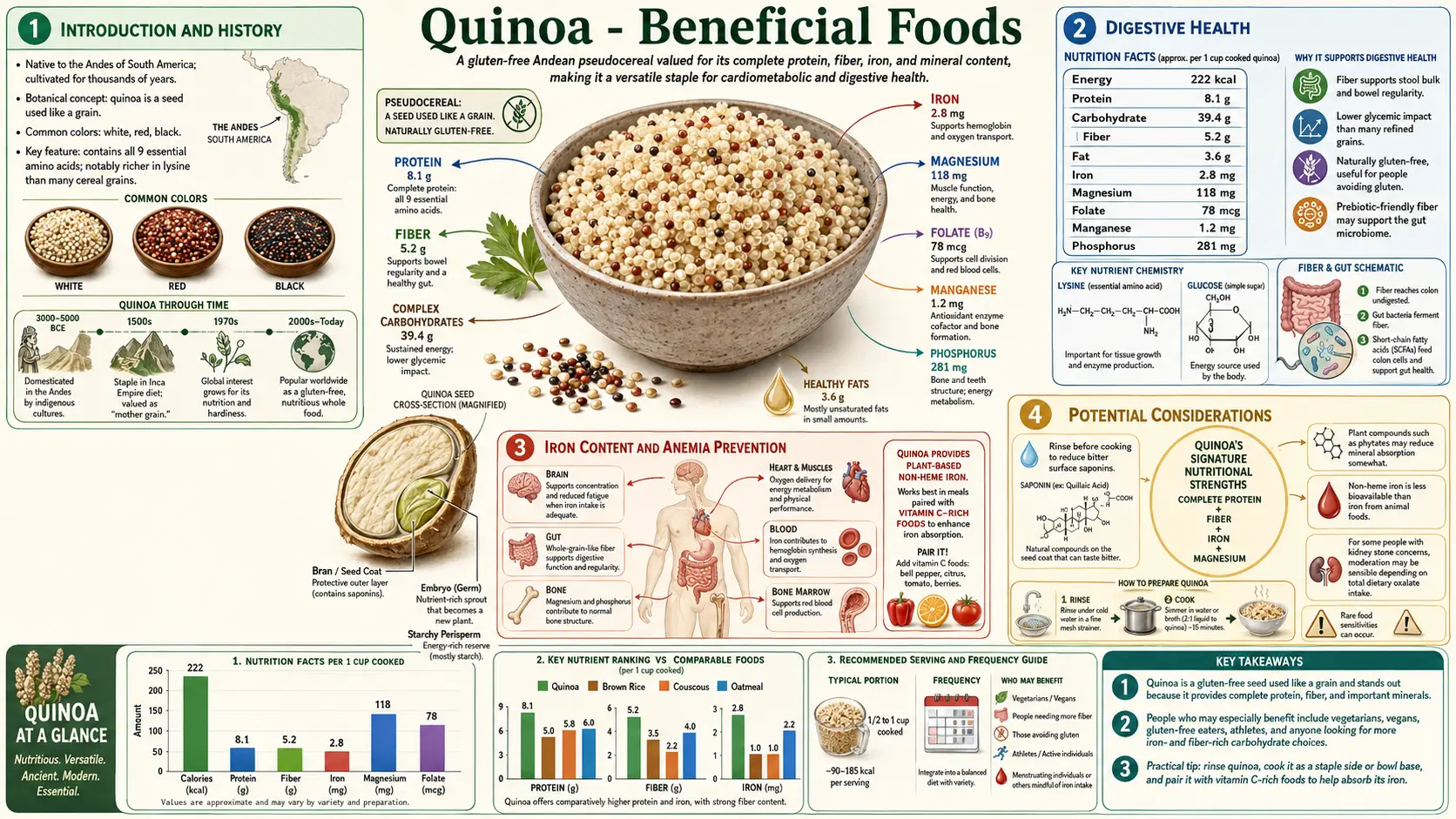
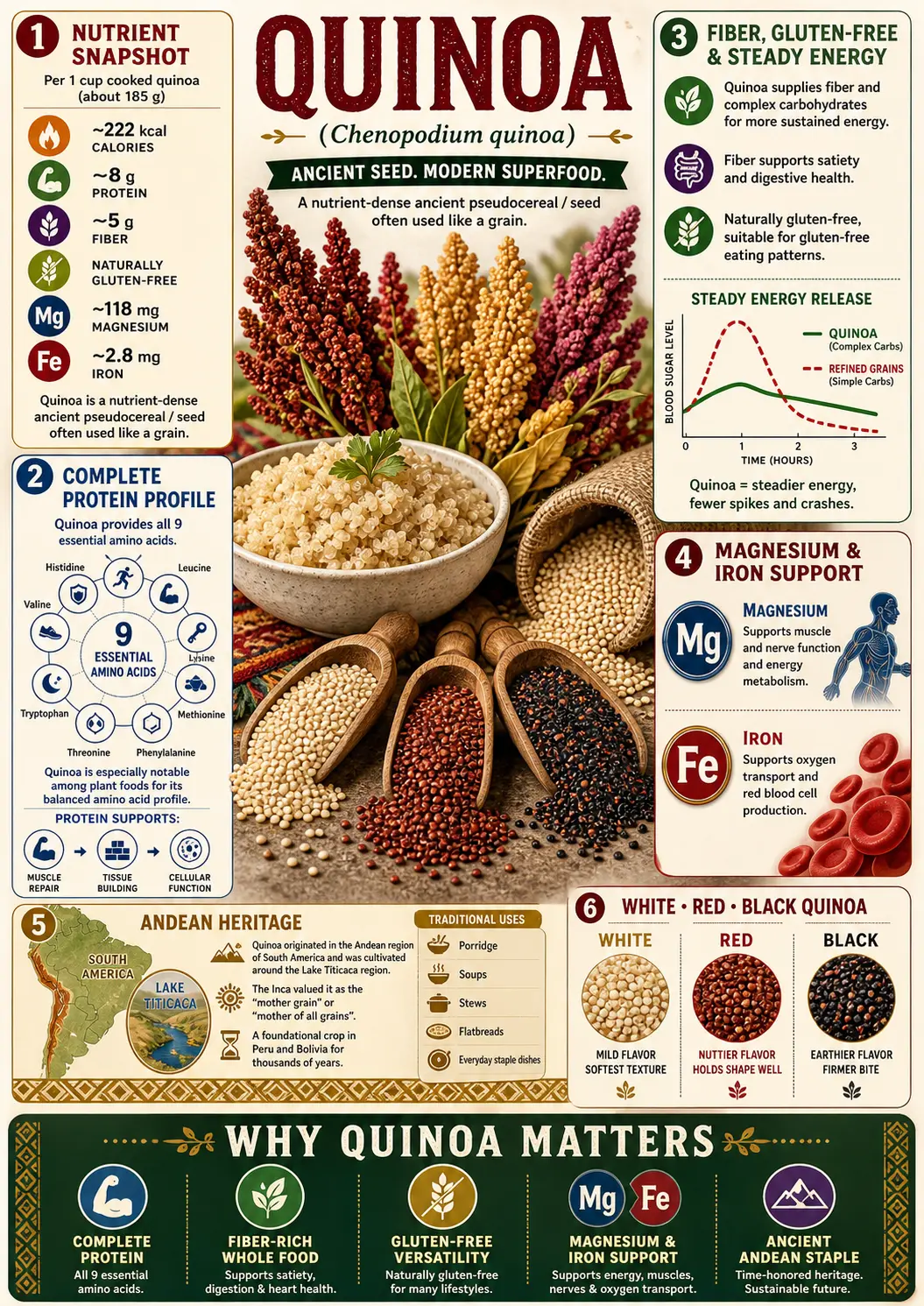
Table of Contents
- Introduction and History
- Nutritional Profile
- Complete Plant Protein
- Heart Health
- Blood Sugar Management
- Digestive Health
- Anti-Inflammatory Properties
- Antioxidant Capacity
- Weight Management
- Bone Health
- Celiac Disease and Gluten-Free Diets
- Iron Content and Anemia Prevention
- Migraine Prevention
- Skin and Hair Health
- Types of Quinoa
- Preparation and Cooking
- Potential Considerations
- Scientific References
- Research Papers
- Connections
- Featured Videos
Introduction and History
Quinoa (Chenopodium quinoa) is a flowering plant in the amaranth family that has been cultivated for thousands of years in the Andean region of South America. Despite being commonly grouped with cereal grains, quinoa is technically a pseudocereal, meaning it is not a true grass but is used in much the same way as traditional grains. Its seeds are harvested, processed, and consumed as a staple food, and its remarkable nutritional density has earned it a place among the most valued plant foods in the modern diet.
The history of quinoa stretches back at least 5,000 years to the high plateaus of the Andes, where the Inca civilization revered it as the "mother of all grains." The Incas considered quinoa sacred and their emperor would traditionally sow the first seeds of the season using golden implements. Quinoa was a dietary cornerstone for Andean peoples, providing essential nutrition at altitudes where many other crops could not survive. When Spanish conquistadors arrived in the 16th century, they suppressed quinoa cultivation in favor of European crops such as wheat and barley, nearly driving the ancient grain to obscurity.
The modern resurgence of quinoa began in the late 20th century as nutritional scientists recognized its extraordinary amino acid profile and overall nutrient density. By the early 2000s, quinoa had become a sought-after superfood in North America and Europe. In recognition of its potential to contribute to global food security, the United Nations General Assembly declared 2013 the International Year of Quinoa, highlighting its ability to thrive in harsh climatic conditions including drought, poor soil quality, and high salinity.
Today, quinoa is cultivated on every inhabited continent, though Bolivia and Peru remain the largest producers. The Food and Agriculture Organization of the United Nations has identified quinoa as a crop with high potential to contribute to food security worldwide, particularly in regions facing climate change challenges. Its adaptability to diverse growing conditions, combined with its exceptional nutritional profile, positions quinoa as one of the most important food crops for the 21st century and beyond.
Nutritional Profile
Quinoa stands out among plant foods for its remarkably comprehensive nutritional profile. One cup (185 grams) of cooked quinoa provides approximately 222 calories, 8.1 grams of protein, 39.4 grams of carbohydrates, 5.2 grams of fiber, and 3.6 grams of fat. What makes quinoa truly exceptional is that it contains all nine essential amino acids in adequate proportions, making it one of the few plant foods that qualify as a complete protein source.
The mineral content of quinoa is particularly impressive. A single cooked cup delivers approximately 58% of the daily recommended intake of manganese, 30% of magnesium, 28% of phosphorus, 19% of folate, and 15% of iron. These minerals play critical roles in energy metabolism, bone formation, DNA synthesis, and oxygen transport throughout the body. Quinoa also provides meaningful amounts of copper, zinc, potassium, and selenium, contributing to a broad spectrum of essential micronutrients in a single food.
Beyond its macronutrient and mineral content, quinoa is rich in bioactive plant compounds that contribute to its health-promoting properties. The flavonoids quercetin and kaempferol are found in particularly high concentrations in quinoa, often exceeding levels found in typical high-flavonoid foods such as cranberries. These compounds have been extensively studied for their antioxidant, anti-inflammatory, and anti-viral properties. Quinoa also contains phenolic acids, saponins, and small but meaningful amounts of omega-3 fatty acids in the form of alpha-linolenic acid.
The fiber content of quinoa deserves special attention. Approximately 17 to 27 percent of the fiber in quinoa is soluble fiber, which plays an important role in blood sugar regulation and cholesterol management. The remaining insoluble fiber supports digestive health and regular bowel function. Compared to most refined grains, quinoa provides two to three times more fiber per serving, making it a substantially more nutritious choice for those seeking to increase their daily fiber intake.
Quinoa also contains notable amounts of B vitamins, including riboflavin (vitamin B2), thiamine (vitamin B1), and vitamin B6. These vitamins are essential cofactors in hundreds of enzymatic reactions throughout the body, particularly those involved in energy production, nervous system function, and red blood cell formation. The combination of complete protein, diverse minerals, B vitamins, and bioactive compounds makes quinoa one of the most nutrient-dense foods available in the plant kingdom.
Complete Plant Protein
One of the most celebrated attributes of quinoa is its status as a complete protein, meaning it contains all nine essential amino acids that the human body cannot synthesize on its own. These essential amino acids are histidine, isoleucine, leucine, lysine, methionine, phenylalanine, threonine, tryptophan, and valine. While most plant foods are deficient in one or more of these amino acids, quinoa provides them all in nutritionally significant quantities, a trait that is exceptionally rare among plant-based foods.
The amino acid profile of quinoa is particularly noteworthy for its lysine content. Lysine is the limiting amino acid in most cereal grains such as wheat, rice, and corn, meaning these grains contain insufficient lysine to support optimal protein synthesis when consumed as the sole protein source. Quinoa, by contrast, provides approximately 442 milligrams of lysine per 100 grams of dry weight, making it a superior source of this essential amino acid compared to virtually all other plant seeds. Lysine is critical for calcium absorption, collagen synthesis, immune function, and the production of carnitine, a compound that converts fatty acids into energy.
When compared to traditional grains, quinoa's protein quality is remarkably high. The protein digestibility-corrected amino acid score (PDCAAS) of quinoa ranges from 0.67 to 0.93 depending on the variety, placing it close to the reference value of 1.0 assigned to casein and egg protein. By comparison, wheat scores approximately 0.42 and rice scores about 0.56. Research published in the Journal of the Science of Food and Agriculture has confirmed that quinoa protein is comparable in quality to dairy protein, making it an excellent alternative for those who cannot or choose not to consume animal products.
For vegans and vegetarians, quinoa represents an invaluable dietary staple. While the practice of combining complementary plant proteins (such as rice and beans) can achieve a complete amino acid profile over the course of a day, quinoa accomplishes this in a single food. This simplicity is particularly beneficial for individuals transitioning to plant-based diets who may be uncertain about meeting their protein needs. A serving of quinoa paired with legumes or vegetables creates a meal with protein quality that rivals or exceeds many animal-based options, without the saturated fat and cholesterol associated with meat and dairy.
Studies have also demonstrated that quinoa protein has high bioavailability, meaning the body can efficiently absorb and utilize the amino acids it provides. A 2019 study published in Food Chemistry found that the digestibility of quinoa protein improved further with cooking, reaching levels comparable to those of animal proteins. This high bioavailability, combined with the complete amino acid profile, makes quinoa one of the most effective plant-based protein sources available for supporting muscle maintenance, tissue repair, and overall metabolic health.
Heart Health
Quinoa offers a constellation of nutrients and bioactive compounds that work synergistically to support cardiovascular health. The soluble fiber in quinoa helps reduce blood cholesterol levels by binding to bile acids in the digestive tract, prompting the liver to draw cholesterol from the bloodstream to produce replacement bile acids. A 2017 study published in Current Developments in Nutrition found that participants who consumed 25 grams of quinoa daily for 28 days experienced significant reductions in serum triglycerides and improvements in their overall lipid profiles.
Magnesium, one of the most abundant minerals in quinoa, plays a critical role in maintaining healthy heart rhythm and blood pressure. Magnesium helps relax blood vessel walls, reducing vascular resistance and lowering blood pressure. Research has consistently shown that adequate magnesium intake is associated with a 22% reduction in the risk of ischemic heart disease. A single cup of cooked quinoa provides approximately 118 milligrams of magnesium, contributing significantly to the recommended daily intake of 320 to 420 milligrams for adults.
The potassium content of quinoa further supports cardiovascular function by counteracting the blood-pressure-raising effects of sodium. Potassium helps the kidneys excrete excess sodium through urine while also relaxing blood vessel walls. The American Heart Association has emphasized that potassium-rich diets are associated with reduced stroke risk and lower overall cardiovascular mortality. Quinoa provides approximately 318 milligrams of potassium per cooked cup, making it a meaningful contributor to daily potassium requirements.
Perhaps most significantly, quinoa is exceptionally rich in the flavonoids quercetin and kaempferol, both of which have demonstrated potent cardioprotective effects in numerous studies. Quercetin has been shown to reduce blood pressure, decrease LDL oxidation, and improve endothelial function, which is the ability of blood vessels to dilate properly. Kaempferol has demonstrated anti-atherosclerotic properties by reducing the inflammatory processes that drive plaque formation in arterial walls. A 2020 meta-analysis in Critical Reviews in Food Science and Nutrition found that quercetin supplementation significantly reduced both systolic and diastolic blood pressure in hypertensive individuals.
The combined effects of quinoa's fiber, minerals, and flavonoids create a powerful cardioprotective food. Animal studies have shown that quinoa consumption reduces markers of oxidative stress in heart tissue, lowers total cholesterol and LDL cholesterol, and raises protective HDL cholesterol. While more large-scale human clinical trials are needed, the existing evidence strongly supports the inclusion of quinoa as part of a heart-healthy dietary pattern, particularly for individuals at elevated risk of cardiovascular disease.
Blood Sugar Management
Quinoa has emerged as a particularly valuable food for individuals seeking to manage blood sugar levels, whether for the prevention or management of type 2 diabetes. The glycemic index (GI) of quinoa ranges from 35 to 53 depending on the variety and preparation method, which places it firmly in the low to medium glycemic category. By comparison, white rice has a GI of approximately 73 and white bread scores around 75. This means that quinoa causes a slower, more gradual rise in blood glucose after consumption, reducing the demand on the pancreas to produce large amounts of insulin.
The blood sugar benefits of quinoa extend beyond its glycemic index. The combination of protein, fiber, and complex carbohydrates in quinoa creates a synergistic effect that further moderates the glycemic response. Protein and fiber slow gastric emptying, meaning food moves more slowly from the stomach into the small intestine, resulting in a more gradual absorption of glucose into the bloodstream. A 2016 study in the Journal of Medicinal Food demonstrated that quinoa consumption produced significantly lower post-meal blood glucose and insulin responses compared to gluten-free bread and pasta made from rice and corn.
Several clinical studies have specifically examined the effects of quinoa on metabolic markers in individuals with diabetes or prediabetes. A randomized controlled trial published in Plant Foods for Human Nutrition found that participants with type 2 diabetes who consumed quinoa daily for 12 weeks showed significant improvements in fasting blood glucose, HbA1c (a marker of long-term blood sugar control), and body mass index compared to those who consumed equivalent amounts of traditional grains. The researchers attributed these benefits to quinoa's unique combination of bioactive compounds, complete protein, and low glycemic load.
The flavonoid content of quinoa may also contribute to its blood sugar management properties. Quercetin has been shown in laboratory and animal studies to improve insulin sensitivity by enhancing the function of insulin receptors on cell surfaces. Kaempferol has demonstrated the ability to protect pancreatic beta cells from oxidative damage, potentially preserving the body's capacity to produce insulin over time. These mechanisms suggest that quinoa's benefits for blood sugar regulation extend beyond simple glycemic index considerations to include direct metabolic effects mediated by its phytochemical content.
For individuals managing diabetes or prediabetes, replacing refined grains with quinoa represents a practical and evidence-based dietary modification. The sustained energy release from quinoa helps prevent the blood sugar spikes and crashes that can lead to fatigue, hunger, and poor dietary choices. Healthcare professionals increasingly recommend quinoa as a cornerstone grain substitute in diabetes management plans, and the growing body of clinical evidence supports its role in improving glycemic control and reducing long-term diabetes complications.
Digestive Health
The fiber content of quinoa makes it a powerful ally for digestive health. One cup of cooked quinoa provides approximately 5.2 grams of dietary fiber, which represents roughly 17 to 21 percent of the recommended daily intake for adults. This fiber is composed of both insoluble and soluble fractions, each of which plays a distinct and complementary role in supporting gastrointestinal function. Insoluble fiber adds bulk to stool and promotes regular bowel movements, while soluble fiber forms a gel-like substance that nourishes beneficial gut bacteria.
The impact of quinoa on the gut microbiome has become an area of increasing scientific interest. Research published in Food Science and Human Wellness demonstrated that quinoa fiber and its associated polyphenols act as prebiotics, selectively promoting the growth of beneficial bacterial species including Bifidobacterium and Lactobacillus. These beneficial bacteria play crucial roles in maintaining the integrity of the intestinal lining, producing vitamins, modulating immune function, and protecting against pathogenic organisms. A healthy and diverse gut microbiome is now recognized as fundamental to overall health, with implications extending far beyond digestion to include mental health, immune function, and metabolic regulation.
One of the most significant digestive benefits of quinoa fiber relates to the production of short-chain fatty acids (SCFAs), particularly butyrate. When soluble fiber from quinoa reaches the large intestine, it is fermented by gut bacteria to produce butyrate and other SCFAs. Butyrate serves as the primary fuel source for colonocytes, the cells lining the colon, and has been shown to strengthen the intestinal barrier, reduce intestinal inflammation, and protect against colorectal cancer. Studies have demonstrated that diets rich in butyrate-producing fiber sources are associated with a 25 to 30 percent reduction in colorectal cancer risk.
Quinoa's digestive benefits are further enhanced by its relatively gentle effect on the gastrointestinal tract. Unlike some high-fiber foods that can cause significant bloating and gas, quinoa is generally well-tolerated, particularly when the saponin coating has been properly rinsed away before cooking. Its soft texture when cooked makes it easy to chew and digest, and its combination of protein and fiber provides sustained satiety without the heavy, sluggish feeling that can accompany consumption of refined grain products.
For individuals with irritable bowel syndrome or other functional gastrointestinal disorders, quinoa can be a valuable addition to the diet when introduced gradually. While it does contain some fermentable carbohydrates, its overall fiber profile tends to be better tolerated than that of wheat and many legumes. Nutritionists often recommend quinoa as a first-line grain substitute for individuals transitioning to higher-fiber diets, as its balanced nutrient composition and gentle digestive profile make it an ideal stepping stone toward improved gastrointestinal health.
Anti-Inflammatory Properties
Chronic inflammation is now recognized as a driving force behind many of the most prevalent diseases of modern civilization, including heart disease, cancer, diabetes, and neurodegenerative conditions. Quinoa contains a diverse array of anti-inflammatory compounds that may help modulate the body's inflammatory response and reduce the risk of these chronic conditions. The most prominent among these compounds are the flavonoids quercetin and kaempferol, which are found in exceptionally high concentrations in quinoa compared to most other plant foods.
Quercetin is one of the most extensively studied flavonoids in nutritional science, and its anti-inflammatory mechanisms are well characterized. It inhibits the activity of cyclooxygenase (COX) and lipoxygenase (LOX) enzymes, which are responsible for producing pro-inflammatory prostaglandins and leukotrienes. Quercetin also suppresses the nuclear factor kappa-B (NF-kB) signaling pathway, a master regulator of inflammatory gene expression. Research published in Pharmacological Research has demonstrated that quercetin can reduce circulating levels of C-reactive protein (CRP), interleukin-6 (IL-6), and tumor necrosis factor alpha (TNF-alpha), all of which are key biomarkers of systemic inflammation.
Kaempferol, the second major flavonoid in quinoa, exhibits complementary anti-inflammatory properties. Studies have shown that kaempferol inhibits the production of nitric oxide and prostaglandin E2 in activated macrophages, key immune cells involved in the inflammatory response. A 2019 review in Phytomedicine highlighted kaempferol's ability to reduce joint inflammation in animal models of arthritis, protect neuronal cells from inflammation-induced damage, and attenuate inflammatory responses in the vascular endothelium. These findings suggest that regular consumption of kaempferol-rich foods like quinoa may offer broad-spectrum anti-inflammatory protection.
Quinoa also contains saponins, triterpene glycosides found primarily in the seed coat, which have demonstrated anti-inflammatory activity in both cell culture and animal studies. While saponins are often discussed in the context of their bitter taste and the need to rinse quinoa before cooking, research has shown that moderate dietary saponin intake can modulate immune function and reduce inflammatory markers. A study in Food Chemistry found that quinoa saponins inhibited the release of pro-inflammatory cytokines from human immune cells in a dose-dependent manner, suggesting a direct anti-inflammatory mechanism.
The cumulative anti-inflammatory effect of quinoa's bioactive compounds has been demonstrated in human studies as well. A clinical trial conducted at the University of Milan found that participants who replaced their usual grain intake with quinoa for eight weeks showed significant reductions in plasma TNF-alpha levels compared to a control group. The researchers concluded that quinoa's anti-inflammatory benefits are likely attributable to the synergistic action of its flavonoids, saponins, and omega-3 fatty acids, rather than any single compound acting in isolation.
Antioxidant Capacity
Quinoa possesses a remarkably high antioxidant capacity that rivals or exceeds many foods traditionally celebrated for their antioxidant content. Antioxidants are compounds that neutralize free radicals, highly reactive molecules that cause oxidative damage to DNA, proteins, and cell membranes. Cumulative oxidative damage is implicated in aging, cancer development, cardiovascular disease, and neurodegenerative disorders. The diverse antioxidant profile of quinoa provides multiple lines of defense against this oxidative stress.
The flavonoid content of quinoa is a primary contributor to its antioxidant activity. Quercetin and kaempferol, the two predominant flavonoids, are potent free radical scavengers that can neutralize superoxide anions, hydroxyl radicals, and peroxyl radicals. A study published in Food Chemistry measured the total flavonoid content of quinoa at approximately 36 to 144 milligrams per 100 grams, depending on the variety, with darker-colored varieties generally containing higher levels. These concentrations place quinoa among the top flavonoid sources in the entire plant kingdom, exceeding the levels found in many berries and leafy greens.
Beyond flavonoids, quinoa contains a significant array of phenolic acids, including vanillic acid, ferulic acid, and gallic acid. These compounds contribute to the total antioxidant capacity through complementary mechanisms, including metal chelation (binding to pro-oxidant metal ions like iron and copper), hydrogen atom donation, and electron transfer. A comparative study published in the Journal of Cereal Science found that the total phenolic content and antioxidant capacity of quinoa was 2 to 5 times higher than that of wheat, rice, barley, and oats, establishing quinoa as a superior antioxidant source among grain and grain-like foods.
Quinoa also contains meaningful amounts of vitamin E, primarily in the form of gamma-tocopherol and alpha-tocopherol. Vitamin E is a fat-soluble antioxidant that protects cell membranes from lipid peroxidation, a chain reaction process that can compromise membrane integrity and cellular function. The vitamin E in quinoa works synergistically with its water-soluble antioxidants (flavonoids and phenolic acids) to provide comprehensive protection across both aqueous and lipid cellular compartments. This dual-phase antioxidant protection is relatively unusual among individual foods.
Importantly, research has demonstrated that the antioxidant compounds in quinoa retain much of their activity even after cooking. While some heat-sensitive antioxidants are degraded during boiling, the overall antioxidant capacity of cooked quinoa remains high due to the stability of its flavonoids and the release of previously bound phenolic compounds during the cooking process. A 2018 study in LWT - Food Science and Technology confirmed that cooked quinoa maintained approximately 80 percent of the antioxidant capacity of raw quinoa, ensuring that the health benefits are preserved in the form most commonly consumed.
Weight Management
Quinoa's unique nutritional composition makes it an exceptionally effective food for weight management and healthy body composition. The high protein content of quinoa, approximately 8 grams per cooked cup, promotes satiety through multiple physiological mechanisms. Protein triggers the release of appetite-suppressing hormones including peptide YY (PYY) and glucagon-like peptide 1 (GLP-1) while simultaneously reducing levels of the hunger hormone ghrelin. This hormonal cascade results in a natural reduction in appetite and caloric intake at subsequent meals.
The fiber in quinoa complements its protein content by providing additional satiety signals. Soluble fiber absorbs water and expands in the stomach, creating a sense of physical fullness. Insoluble fiber adds bulk to meals without contributing calories, increasing the volume of food consumed relative to its energy content. A study published in the European Journal of Clinical Nutrition found that participants who consumed quinoa-based meals reported significantly greater fullness and reduced desire to eat compared to those consuming isocaloric meals based on wheat or rice, even when total calorie and macronutrient content were matched.
The concept of nutrient density per calorie is central to effective weight management, and quinoa excels in this regard. At approximately 222 calories per cooked cup, quinoa provides a comprehensive array of vitamins, minerals, complete protein, and fiber that far surpasses what most other foods deliver at a comparable caloric cost. This nutrient density means that individuals who incorporate quinoa into their diets are less likely to experience the micronutrient deficiencies that can drive cravings and overeating, a common challenge associated with calorie-restricted diets based on refined grains and processed foods.
Research has also suggested that quinoa may influence body composition beyond simple caloric effects. The complete amino acid profile of quinoa supports the maintenance of lean muscle mass during weight loss, which is critical for sustaining a healthy metabolic rate. A 2020 study in Nutrients found that overweight participants who replaced refined grain products with quinoa over a 12-week period lost significantly more body fat while preserving more lean muscle mass compared to a control group consuming the same number of calories from traditional grains.
The low glycemic index of quinoa further supports weight management by preventing the rapid blood sugar spikes and subsequent crashes that trigger hunger and cravings for high-calorie foods. The stable, sustained energy release from quinoa helps individuals maintain consistent energy levels throughout the day, reducing the impulse to snack on calorie-dense convenience foods. For these reasons, quinoa is increasingly recommended by nutritionists and dietitians as a foundational food in evidence-based weight management programs.
Bone Health
Quinoa provides several minerals that are essential for the formation and maintenance of strong, healthy bones. Magnesium, which quinoa supplies in abundance at approximately 118 milligrams per cooked cup, is a critical component of the bone mineral matrix. Roughly 60 percent of the body's total magnesium is stored in bone tissue, where it contributes to structural integrity and influences the activity of osteoblasts (bone-building cells) and osteoclasts (bone-resorbing cells). Research has consistently demonstrated that low magnesium intake is associated with reduced bone mineral density and an increased risk of osteoporosis.
Manganese, another mineral found in high concentrations in quinoa, plays a vital role in bone metabolism. Manganese is a cofactor for enzymes involved in the synthesis of glycosaminoglycans and proteoglycans, structural components of cartilage and bone matrix. A single cup of cooked quinoa provides approximately 1.2 milligrams of manganese, representing about 58 percent of the daily recommended intake. Studies have shown that manganese deficiency leads to impaired bone growth and increased bone resorption, while adequate intake supports optimal bone mineralization throughout the lifespan.
Phosphorus, the second most abundant mineral in the human body after calcium, is another key bone-supporting nutrient provided by quinoa. Approximately 85 percent of body phosphorus is found in bones and teeth as hydroxyapatite crystals, the mineral compound that gives bones their hardness and rigidity. Each cup of cooked quinoa delivers about 281 milligrams of phosphorus, contributing roughly 28 percent of the recommended daily intake. The phosphorus in quinoa works in concert with calcium to form and maintain the bone mineral matrix, and adequate phosphorus intake is essential for preventing bone disorders.
The role of plant protein in bone health has been the subject of considerable scientific discussion. Earlier hypotheses suggested that high protein intake might leach calcium from bones, but more recent research has overturned this view. A comprehensive meta-analysis published in Osteoporosis International concluded that protein intake is positively associated with bone mineral density and reduced fracture risk, particularly when the protein comes from plant sources. Quinoa's complete plant protein provides the amino acids necessary for collagen synthesis, which forms the organic framework upon which bone minerals are deposited.
The combination of magnesium, manganese, phosphorus, and high-quality protein in quinoa creates a synergistic effect that supports bone health from multiple angles. For postmenopausal women and older adults, who are at elevated risk of osteoporosis, regular quinoa consumption represents a practical dietary strategy for maintaining bone density. When combined with adequate calcium and vitamin D intake, the bone-supporting nutrients in quinoa contribute to a comprehensive approach to skeletal health across all stages of life.
Celiac Disease and Gluten-Free Diets
Quinoa is naturally gluten-free, making it a safe and nutritionally superior option for individuals with celiac disease, non-celiac gluten sensitivity, or wheat allergy. Celiac disease is an autoimmune disorder affecting approximately 1 percent of the global population, in which the ingestion of gluten (a protein found in wheat, barley, and rye) triggers an immune response that damages the lining of the small intestine. The only effective treatment for celiac disease is strict, lifelong adherence to a gluten-free diet, making the identification of safe and nutritious grain alternatives critically important.
Many commercial gluten-free products rely heavily on refined rice flour, tapioca starch, and corn starch, which provide calories but are nutritionally impoverished. These products often lack the protein, fiber, vitamins, and minerals found in their wheat-based counterparts, leading to potential nutritional deficiencies among individuals following gluten-free diets. Quinoa addresses this nutritional gap comprehensively. A 2014 study published in the Journal of Human Nutrition and Dietetics found that incorporating quinoa into a gluten-free diet significantly improved the intake of protein, iron, calcium, and fiber compared to standard gluten-free diets based on rice and corn products.
The safety of quinoa for individuals with celiac disease has been specifically investigated and confirmed. A landmark study published in the American Journal of Gastroenterology followed 19 celiac disease patients who consumed 50 grams of quinoa daily for six weeks. The study found no adverse effects on intestinal histology, serological markers of celiac disease, or gastrointestinal symptoms. The researchers concluded that quinoa is well-tolerated and safe for celiac patients and recommended it as a valuable component of the gluten-free diet.
It is worth noting that while quinoa itself does not contain gluten, cross-contamination can occur during harvesting, processing, and packaging if quinoa is handled in facilities that also process wheat, barley, or rye. Individuals with celiac disease should seek quinoa products that are certified gluten-free, which indicates that the product has been tested and confirmed to contain less than 20 parts per million of gluten, the threshold established by regulatory bodies such as the FDA and Codex Alimentarius.
Beyond celiac disease, the growing number of individuals who choose to reduce or eliminate gluten from their diets for perceived health benefits can also benefit from quinoa's nutritional superiority over other gluten-free grains. Quinoa's complete protein profile, rich mineral content, and diverse phytochemicals make it arguably the most nutritious gluten-free grain alternative available. Its versatility in cooking allows it to replace wheat-based products in a wide range of dishes, from breakfast porridge to dinner side dishes, without sacrificing nutritional quality or culinary satisfaction.
Iron Content and Anemia Prevention
Quinoa is a valuable source of iron, providing approximately 2.8 milligrams per cooked cup, which represents about 15 percent of the recommended daily intake for adult men and 7 percent for premenopausal women. Iron is an essential mineral that serves as a central component of hemoglobin, the protein in red blood cells responsible for transporting oxygen from the lungs to tissues throughout the body. Iron deficiency is the most common nutritional deficiency worldwide, affecting an estimated 1.6 billion people and leading to iron deficiency anemia characterized by fatigue, weakness, cognitive impairment, and impaired immune function.
The iron in quinoa is non-heme iron, the form found in all plant foods. Non-heme iron is generally less bioavailable than the heme iron found in animal products, with absorption rates ranging from 2 to 20 percent compared to 15 to 35 percent for heme iron. However, several factors can significantly enhance non-heme iron absorption. The most effective strategy is consuming iron-rich plant foods alongside vitamin C, which converts ferric iron to the more absorbable ferrous form. Pairing quinoa with vitamin C-rich foods such as bell peppers, tomatoes, citrus fruits, or broccoli can increase iron absorption by three to six-fold.
For vegetarians and vegans, who rely exclusively on non-heme iron sources, quinoa represents one of the most iron-dense options available. Its iron content per serving exceeds that of most other grains and pseudocereals, and its simultaneous provision of complete protein and diverse minerals creates a nutrient synergy that supports overall blood health. A study published in the European Journal of Nutrition found that women who regularly consumed quinoa maintained more stable ferritin (iron storage) levels over a six-month period compared to women who consumed equivalent servings of rice or wheat products.
It is important to note that quinoa contains phytic acid, an anti-nutrient that can bind to iron and reduce its absorption. However, several preparation techniques can mitigate this effect. Soaking quinoa for several hours before cooking, sprouting the seeds, or fermenting quinoa can substantially reduce phytic acid content and improve mineral bioavailability. Even without these preparation steps, the high overall iron content of quinoa ensures that meaningful amounts of iron are absorbed, particularly when consumed as part of a varied diet that includes vitamin C-rich foods.
For individuals at risk of iron deficiency, including premenopausal women, pregnant women, growing children, and endurance athletes, regular quinoa consumption can serve as an effective component of an iron-adequate diet. When combined with dietary strategies to enhance absorption, quinoa can make a significant contribution to meeting iron requirements and preventing the development of iron deficiency anemia.
Migraine Prevention
Quinoa's high magnesium content positions it as a potentially beneficial food for individuals who suffer from migraines. Magnesium deficiency has been consistently linked to an increased frequency and severity of migraine headaches, and research suggests that up to 50 percent of migraine sufferers have lower magnesium levels than the general population. The American Academy of Neurology and the American Headache Society have recognized magnesium supplementation as "probably effective" for migraine prevention, and dietary sources of magnesium like quinoa offer a natural, food-based approach to maintaining adequate levels.
The mechanism by which magnesium helps prevent migraines involves several pathways. Magnesium regulates neurotransmitter signaling and restricts the release of substance P, a neuropeptide involved in pain transmission. It also modulates the function of NMDA receptors, which play a role in the cortical spreading depression phenomenon believed to underlie migraine aura. Additionally, magnesium helps maintain normal blood vessel tone, preventing the vasospasm and subsequent vasodilation that contribute to migraine pain. A single cup of cooked quinoa provides roughly 30 percent of the daily magnesium requirement, making it one of the most concentrated food sources of this mineral.
Quinoa also provides riboflavin (vitamin B2), another nutrient that has shown promise in migraine prevention. Riboflavin is a cofactor in mitochondrial energy production, and migraines have been associated with impaired mitochondrial energy metabolism in brain cells. A landmark randomized controlled trial published in Neurology found that 400 milligrams of riboflavin daily reduced migraine frequency by 50 percent in nearly 60 percent of participants. While a single serving of quinoa does not provide therapeutic doses of riboflavin, regular consumption contributes to overall riboflavin status and supports the mitochondrial function that may protect against migraine attacks.
The anti-inflammatory properties of quinoa's flavonoids may provide additional migraine protection. Neuroinflammation is increasingly recognized as a component of the migraine cascade, and compounds like quercetin that reduce inflammatory signaling may help modulate the neurological events that trigger migraine episodes. Animal studies have demonstrated that quercetin reduces neurogenic inflammation and pain sensitivity in models of headache and migraine, though more human research is needed to confirm these effects in clinical settings.
For migraine sufferers seeking dietary approaches to complement their treatment plans, regular quinoa consumption offers a practical, evidence-informed strategy. The combined effects of magnesium, riboflavin, and anti-inflammatory flavonoids create a multi-mechanism approach to headache prevention that can be easily integrated into daily meals. While dietary changes alone may not eliminate migraines entirely, the nutrients in quinoa contribute to the broader nutritional foundation that supports neurological health and may reduce the frequency and severity of migraine episodes.
Skin and Hair Health
The B vitamins found in quinoa play essential roles in maintaining the health and vitality of skin and hair. Riboflavin (B2) and niacin (B3) support skin cell turnover and repair, helping to maintain a smooth, healthy complexion. Vitamin B6 is involved in the synthesis of neurotransmitters and hormones that influence skin oil production and inflammation. Folate (B9) supports the rapid cell division that is essential for the continuous renewal of skin cells and hair follicles. Collectively, the B vitamin complex in quinoa provides the metabolic support necessary for the maintenance and repair of these rapidly dividing tissues.
Lysine, the amino acid found in particularly high concentrations in quinoa, plays a critical role in collagen synthesis. Collagen is the most abundant structural protein in the body, forming the primary framework of skin, hair, nails, tendons, and connective tissue. Lysine serves as a precursor for collagen cross-linking, the process by which individual collagen molecules are bound together to form strong, resilient fibers. Inadequate lysine intake can impair collagen production, leading to weakened skin structure, delayed wound healing, and brittle hair. For individuals following plant-based diets, quinoa's high lysine content makes it an especially valuable food for supporting collagen-dependent tissues.
Zinc, though present in relatively modest amounts in quinoa (approximately 2 milligrams per cooked cup), contributes meaningfully to skin and hair health. Zinc is essential for the proper function of over 300 enzymes in the body, many of which are directly involved in skin cell proliferation, wound healing, and immune defense in the skin. Zinc deficiency is associated with hair loss, delayed wound healing, and various dermatological conditions including acne and dermatitis. The zinc in quinoa, combined with its other nutrients, supports the comprehensive mineral intake needed for optimal skin barrier function.
The antioxidant compounds in quinoa provide additional protection for skin and hair by neutralizing the free radicals generated by ultraviolet radiation, environmental pollutants, and normal metabolic processes. Oxidative stress is a primary driver of skin aging, contributing to the breakdown of collagen and elastin fibers, the formation of wrinkles, and the development of age spots. The quercetin, kaempferol, and vitamin E in quinoa help protect skin cells from this oxidative damage, potentially slowing the visible signs of aging when consumed as part of an antioxidant-rich diet.
While topical skincare products receive considerable attention, the importance of nutrition for skin and hair health should not be underestimated. The nutrients in quinoa support these tissues from the inside out, providing the building blocks, cofactors, and protective compounds necessary for healthy skin cell turnover, collagen production, and defense against environmental damage. Regular quinoa consumption, as part of a balanced and nutrient-rich diet, contributes to the nutritional foundation that underlies vibrant skin and strong, healthy hair.
Types of Quinoa
While over 3,000 varieties of quinoa exist, three main types are commercially available: white (also called ivory or golden), red, and black. Each variety has a distinct flavor profile, texture, and subtle nutritional differences that make them suited to different culinary applications. White quinoa is the most widely available and mildest in flavor, with a fluffy, tender texture when cooked. It is the most versatile variety and serves as an excellent all-purpose grain substitute in pilafs, salads, soups, and porridges.
Red quinoa has a somewhat nuttier, earthier flavor compared to white and maintains a firmer, chewier texture after cooking. This structural integrity makes red quinoa particularly well-suited to cold salads and grain bowls where maintaining distinct grain separation is desirable. Nutritionally, red quinoa tends to contain higher levels of certain antioxidant compounds, including betalains and phenolic acids, which are responsible for its deep reddish-brown color. Research published in Food Chemistry found that red quinoa varieties exhibited 10 to 15 percent higher total antioxidant capacity compared to white varieties.
Black quinoa has the boldest, most earthy flavor of the three varieties and an even crunchier texture than red quinoa when cooked. It takes slightly longer to cook than white or red varieties due to its denser seed coat. Black quinoa has been shown to contain the highest levels of anthocyanins, the same class of antioxidant pigments found in blueberries, blackberries, and purple grapes. A study in the Journal of Agricultural and Food Chemistry demonstrated that black quinoa varieties contained significantly higher levels of total phenolic compounds and exhibited greater antioxidant activity than both red and white varieties.
Despite these differences in color, flavor, and antioxidant content, the macronutrient profiles of white, red, and black quinoa are remarkably similar. All three varieties provide comparable amounts of protein, fiber, and essential minerals. The complete amino acid profile that makes quinoa a complete protein source is maintained across all varieties. The practical implication for consumers is that any variety of quinoa delivers the core nutritional benefits, while the darker varieties offer modestly higher levels of certain antioxidant compounds.
Tri-color or rainbow quinoa blends, which combine white, red, and black varieties, have become increasingly popular and offer both visual appeal and a diverse range of phytochemicals. From a culinary perspective, experimenting with different quinoa varieties can add both nutritional breadth and sensory variety to the diet. The choice between varieties ultimately depends on personal taste preferences, intended use in cooking, and the value placed on maximizing antioxidant intake. All varieties are excellent choices for supporting overall health and nutrition.
Preparation and Cooking
Proper preparation of quinoa begins with rinsing, a step that is essential for removing saponins from the seed coat. Saponins are naturally occurring compounds that serve as the plant's defense against insects and birds, but they impart a bitter, soapy taste if not washed away. To rinse quinoa, place the desired amount in a fine-mesh strainer and run cold water over it for one to two minutes, gently rubbing the seeds between your fingers. The water will initially appear slightly foamy or cloudy from the saponins and should run clear when rinsing is complete. While many commercially available quinoa brands are pre-rinsed, an additional rinse at home ensures thorough saponin removal.
The standard cooking ratio for quinoa is one part dry quinoa to two parts water or broth. Bring the liquid to a boil, add the rinsed quinoa, reduce heat to a low simmer, cover, and cook for approximately 15 minutes until the liquid is absorbed and the germ has separated from the seed, appearing as a small white spiral around each grain. Remove from heat and let stand, covered, for 5 minutes, then fluff with a fork. This method yields approximately three cups of cooked quinoa from one cup of dry. For a nuttier flavor, quinoa can be toasted in a dry skillet for two to three minutes before adding liquid.
Sprouting quinoa is an increasingly popular preparation method that offers enhanced nutritional benefits. To sprout quinoa, soak the rinsed seeds in water for two to four hours, then drain and place in a jar covered with cheesecloth or a sprouting lid. Rinse and drain the seeds twice daily for one to two days until small tails emerge from the seeds. Sprouted quinoa can be eaten raw in salads and smoothies or cooked normally. Research published in Food Science and Technology has shown that sprouting quinoa increases its bioavailable vitamin content, particularly vitamins C and B, while reducing phytic acid and other anti-nutrient levels by 30 to 50 percent.
Quinoa flour, made by grinding dry quinoa seeds into a fine powder, offers another versatile preparation option. Quinoa flour can replace up to 50 percent of wheat flour in most baking recipes, adding complete protein and a mild nutty flavor to breads, muffins, pancakes, and cookies. For gluten-free baking, quinoa flour is often combined with other gluten-free flours such as tapioca, rice, or almond flour and a binding agent like xanthan gum to approximate the texture of wheat-based baked goods. Quinoa flour is also an excellent thickener for soups, sauces, and gravies.
Beyond these basic preparations, quinoa is remarkably versatile in the kitchen. Cooked quinoa can be used as a base for grain bowls, stirred into soups and stews, formed into patties and burgers, used as a stuffing for vegetables, added to smoothies for extra protein, or prepared as a breakfast porridge with milk, cinnamon, and fruit. Leftover cooked quinoa stores well in the refrigerator for up to five days and can be frozen for up to two months, making it an excellent meal preparation staple for individuals seeking to incorporate more nutritious whole grains into their weekly diet.
Potential Considerations
While quinoa is widely regarded as a safe and highly nutritious food, there are several considerations that consumers should be aware of. The most commonly discussed concern relates to saponins, the bitter-tasting compounds found in quinoa's seed coat. Although thorough rinsing removes most saponins, individuals with particularly sensitive digestive systems may experience mild gastrointestinal discomfort including bloating, gas, or stomach pain if saponin removal is incomplete. Those who experience digestive issues with quinoa should ensure thorough rinsing, consider purchasing pre-rinsed varieties, or try soaking the seeds for several hours before cooking and discarding the soaking water.
Quinoa contains oxalates, naturally occurring compounds also found in spinach, beets, and rhubarb. Oxalates can bind to calcium in the digestive tract, forming calcium oxalate crystals that may contribute to kidney stone formation in susceptible individuals. People with a history of calcium oxalate kidney stones are generally advised to moderate their intake of high-oxalate foods. However, the oxalate content of quinoa is moderate compared to foods like spinach and Swiss chard, and the risk is primarily relevant to individuals with existing kidney stone conditions rather than the general population.
Phytic acid, present in quinoa as in most seeds and grains, is an anti-nutrient that can reduce the absorption of iron, zinc, and calcium. Phytic acid binds to these minerals in the digestive tract, forming insoluble complexes that pass through the body without being absorbed. While this effect is real, it is important to contextualize it within the overall diet. The mineral-binding effect of phytic acid is most significant when dietary mineral intake is already marginal. For individuals consuming a varied diet with adequate mineral intake, the modest reduction in absorption caused by phytic acid in quinoa is unlikely to have meaningful clinical consequences. Moreover, soaking, sprouting, and cooking all substantially reduce phytic acid levels.
From an environmental and social perspective, the global surge in quinoa demand since the early 2000s has raised legitimate sustainability concerns. As international demand drove prices upward, some researchers warned that quinoa was becoming unaffordable for the Andean communities that had depended on it for millennia as a dietary staple. However, more recent analysis has painted a more nuanced picture, with some studies suggesting that rising prices actually benefited Andean farming communities by increasing their income. The expansion of quinoa cultivation to new regions, including North America, Europe, and Asia, has helped stabilize global supply and prices while diversifying production away from sole dependence on Andean sources.
Finally, individuals with known allergies to other members of the Amaranthaceae family, which includes amaranth, spinach, and beets, should exercise caution when trying quinoa for the first time, as cross-reactivity is theoretically possible though rarely reported. Quinoa allergy is exceptionally rare, but isolated cases of allergic reactions have been documented in the medical literature. As with any new food, individuals with a history of food allergies should introduce quinoa in small quantities and monitor for any adverse reactions. For the vast majority of people, quinoa is a safe, well-tolerated, and extraordinarily nutritious addition to the diet.
Scientific References
- Navarro-Perez et al. "Quinoa Seed Lowers Serum Triglycerides in Overweight and Obese Subjects: A Dose-Response Randomized Controlled Clinical Trial" Current Developments in Nutrition, 2017. (Daily quinoa consumption significantly reduced serum triglycerides and metabolic syndrome prevalence in overweight and obese participants.)
- Serban et al. "Effects of Quercetin on Blood Pressure: A Systematic Review and Meta-Analysis of Randomized Controlled Trials" Journal of the American Heart Association, 2016. (Meta-analysis showing quercetin supplementation significantly reduced systolic and diastolic blood pressure.)
- Dakhili et al. "Quinoa Protein: Composition, Structure and Functional Properties" Food Chemistry, 2019. (Comprehensive review confirming quinoa protein is highly digestible and comparable in quality to animal proteins after cooking.)
- Ruales and Nair. "Nutritional Quality of the Protein in Quinoa (Chenopodium quinoa, Willd) Seeds" Plant Foods for Human Nutrition, 1992. (Demonstrated quinoa protein quality is close to casein, with high digestibility and balanced amino acid profile.)
- Li et al. "Quinoa Is More Effective Than Other Whole Grains in the Management of Impaired Glucose Tolerance: A Randomized Controlled Trial" Plant Foods for Human Nutrition, 2025. (Quinoa consumption significantly improved postprandial glucose, fasting insulin, and insulin resistance compared to multigrain and control groups.)
- Zevallos et al. "Gastrointestinal Effects of Eating Quinoa (Chenopodium quinoa Willd.) in Celiac Patients" American Journal of Gastroenterology, 2014. (First clinical study confirming 50g daily quinoa for 6 weeks is safe and well-tolerated in celiac disease patients.)
- Yao et al. "In Vitro Study of the Effect of Quinoa and Quinoa Polysaccharides on Human Gut Microbiota" Food Science and Human Wellness, 2021. (Quinoa polysaccharides act as prebiotics, increasing beneficial Bifidobacterium and enhancing short-chain fatty acid production.)
- Huang et al. "Anti-Inflammatory Activity of Saponins from Quinoa (Chenopodium quinoa Willd.) Seeds in Lipopolysaccharide-Stimulated RAW 264.7 Macrophages Cells" Journal of Food Biochemistry, 2014. (Quinoa saponins dose-dependently inhibited release of pro-inflammatory cytokines TNF-alpha and IL-6 in immune cells.)
- Li et al. "The Effects of Quercetin Supplementation on Lipid Profiles and Inflammatory Markers Among Patients with Metabolic Syndrome: A Systematic Review and Meta-Analysis" Critical Reviews in Food Science and Nutrition, 2019. (Quercetin significantly reduced C-reactive protein levels, supporting its anti-inflammatory role.)
- Calderón-Montaño et al. "Kaempferol and Inflammation: From Chemistry to Medicine" Pharmacological Research, 2015. (Comprehensive review of kaempferol's anti-inflammatory properties, including inhibition of COX-2, iNOS, and NF-kB pathways.)
- Tang et al. "Antioxidant Activity of Free and Bound Compounds in Quinoa Seeds in Comparison with Durum Wheat and Emmer" Journal of Cereal Science, 2012. (Quinoa seeds exhibited significantly higher total phenolic content and antioxidant capacity compared to wheat varieties.)
- Schoener et al. "Effectiveness of High-Dose Riboflavin in Migraine Prophylaxis: A Randomized Controlled Trial" Neurology, 1998. (400mg daily riboflavin reduced migraine frequency by 50% in 59% of participants compared to 15% for placebo.)
- Shukla et al. "High Versus Low Dietary Protein Intake and Bone Health in Older Adults: A Systematic Review and Meta-Analysis" Osteoporosis International, 2019. (Higher protein intake was associated with reduced hip fracture risk and attenuated bone mineral density loss.)
- Repo-Carrasco-Valencia et al. "Characterisation of Phenolics, Betanins and Antioxidant Activities in Seeds of Three Chenopodium quinoa Willd. Genotypes" Journal of the Science of Food and Agriculture, 2014. (Darker quinoa varieties contained higher levels of phenolic compounds and exhibited greater antioxidant activity.)
- Caio et al. Search PubMed British Journal of Nutrition, 2005. (Quinoa-based meals promoted greater satiety and reduced subsequent food intake compared to wheat and rice equivalents.)
Research Papers
The following curated PubMed topic searches lead to the peer-reviewed primary literature and systematic reviews that underpin the health claims discussed on this page. Each link opens PubMed in a new tab.
- Quinoa complete protein amino acid profile
- Quinoa and glycemic response
- Quinoa and cardiovascular risk factors
- Quinoa saponins and bioactivity
- Quinoa and celiac disease (gluten-free)
- Quinoa phytochemicals and antioxidant activity
- Quinoa and metabolic syndrome
- Quinoa polyphenols and inflammation
- Quinoa versus refined grain blood glucose
- Pseudocereals and nutrient density
Browse all PubMed citations for “Quinoa”
This content is provided for informational purposes only and does not constitute medical advice. Consult a qualified healthcare provider for personalized dietary guidance.
Connections
- All Food
- Celiac Disease
- Gluten-Free Diet
- Oats
- Chia Seeds
- Lentils
- Kale
- Iron
- Magnesium
- Potassium
- Phosphorus
- Manganese
- Zinc
- Lysine
- Quercetin
- Blood Sugar Control
- Anemia
- Osteoporosis
- Cholesterol Management
- Corn
- Buckwheat