Broccoli - Beneficial Foods
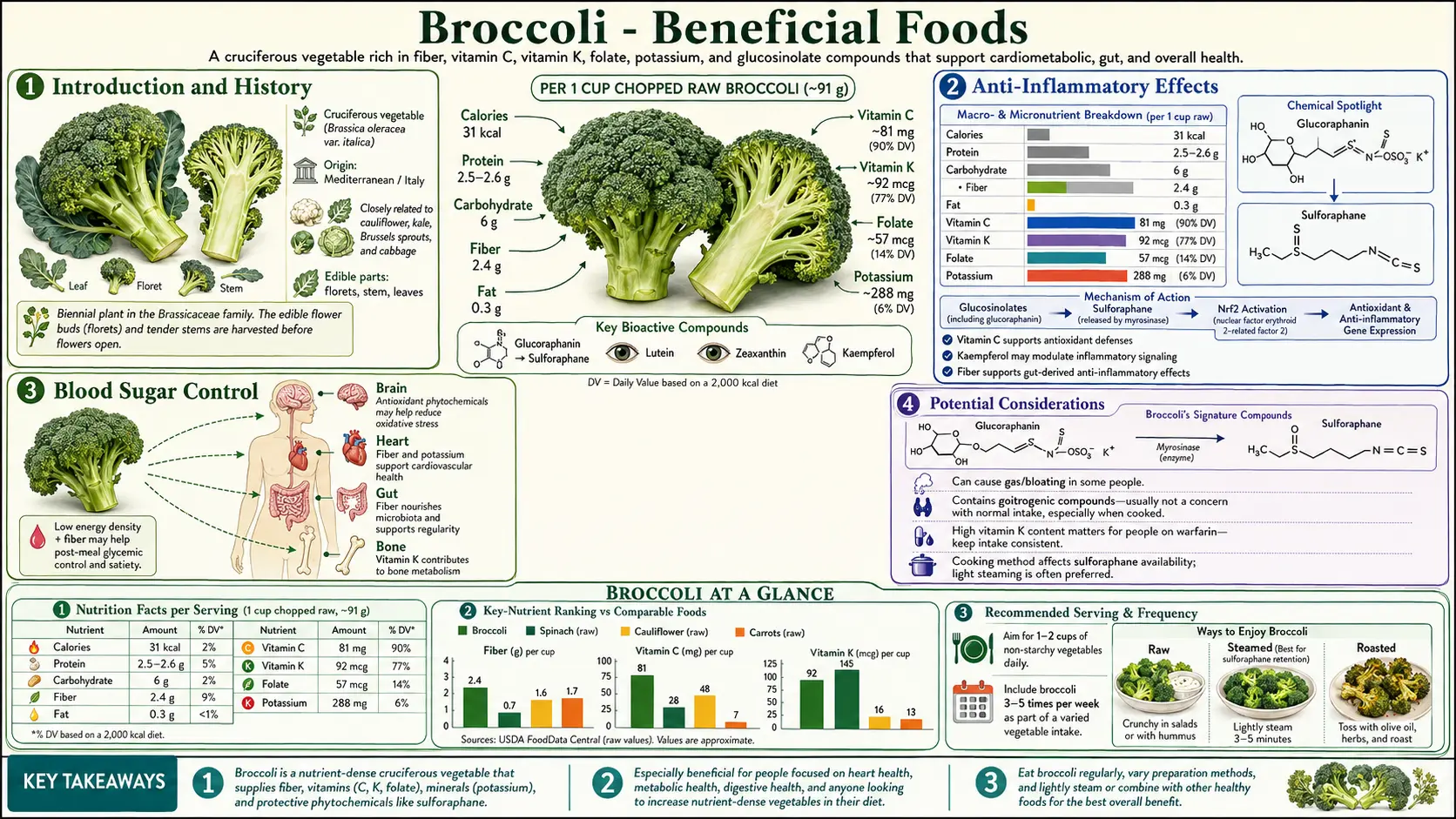
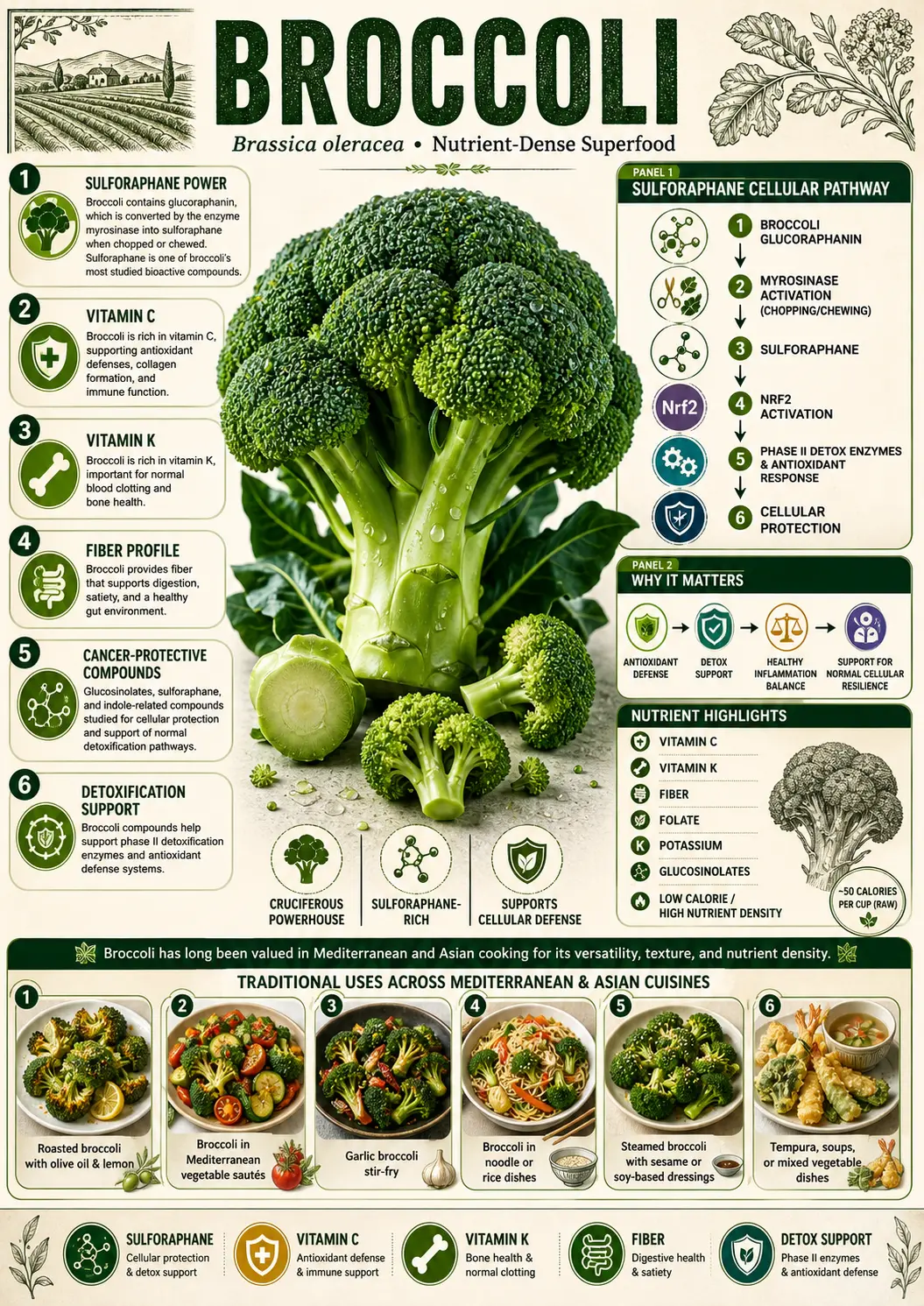
Table of Contents
- Introduction and History
- Nutritional Profile
- Cancer Prevention
- Detoxification Support
- Heart Health
- Anti-Inflammatory Effects
- Digestive Health
- Bone Health
- Eye Health
- Immune System Support
- Blood Sugar Control
- Brain Health
- Skin Health
- Broccoli Sprouts
- Optimal Preparation Methods
- Potential Considerations
- Scientific References
- Research Papers
- Connections
- Featured Videos
Introduction and History
Broccoli (Brassica oleracea var. italica) is a member of the cruciferous vegetable family, which also includes cauliflower, cabbage, Brussels sprouts, kale, and bok choy. The name "broccoli" derives from the Italian word broccolo, meaning "the flowering crest of a cabbage," and the Latin brachium, meaning "arm" or "branch" -- a fitting description of its tree-like structure. This dark green vegetable has earned a reputation as one of the most nutrient-dense foods available, packed with vitamins, minerals, fiber, and a remarkable array of bioactive plant compounds.
Broccoli has no single inventor: it was bred over many centuries from wild cabbage — the same Mediterranean coastal plant that gave us cabbage, kale, and cauliflower — and its dense flower-headed form was refined on the Italian peninsula, where "Calabrese" broccoli still carries the name of Calabria. It later spread to France and England (where the English once nicknamed it "Italian asparagus") and reached the United States in earnest only in the 1920s, with Italian immigrants and the D'Arrigo brothers' California plantings; today the leading producers are China and India — the fuller story is told in the dedicated History article.
Nutritional Profile
Broccoli delivers an exceptional concentration of essential nutrients relative to its caloric content. A single cup (approximately 91 grams) of raw broccoli contains only 31 calories yet provides 135% of the daily recommended value of vitamin C, 116% of vitamin K, and 11% of vitamin A (as beta-carotene). It also supplies meaningful amounts of folate (14% DV), potassium (8% DV), phosphorus (6% DV), and manganese (10% DV). This nutrient density makes broccoli one of the most efficient vehicles for delivering essential vitamins and minerals per calorie consumed.
The vitamin content of broccoli is particularly noteworthy. Vitamin C, a powerful water-soluble antioxidant, supports immune function, collagen synthesis, and iron absorption. Vitamin K1 (phylloquinone) is critical for proper blood clotting and bone metabolism. The vitamin A precursor beta-carotene contributes to eye health, immune function, and skin integrity. Broccoli also provides B vitamins including B1 (thiamine), B2 (riboflavin), B3 (niacin), B5 (pantothenic acid), and B6 (pyridoxine), all essential for energy metabolism and nervous system function. Folate, particularly abundant in broccoli, is vital for DNA synthesis and cell division, making it especially important during pregnancy.
The mineral profile of broccoli includes calcium (43 mg per cup raw), iron (0.7 mg), magnesium (19 mg), zinc (0.4 mg), and selenium (2.5 mcg). While these amounts may appear modest individually, the bioavailability of calcium from broccoli is notably higher than from many other plant sources. Studies have shown that approximately 61% of the calcium in broccoli is absorbed, compared to roughly 32% from milk, making broccoli a valuable calcium source for those who avoid dairy products.
Beyond conventional nutrients, broccoli is exceptionally rich in bioactive phytochemicals. Sulforaphane, an isothiocyanate formed when the glucosinolate glucoraphanin is converted by the enzyme myrosinase during chewing or chopping, is perhaps the most extensively studied. Indole-3-carbinol (I3C), another glucosinolate breakdown product, has demonstrated significant effects on estrogen metabolism and cellular health. Broccoli also contains kaempferol (a flavonoid with anti-inflammatory properties), quercetin (another flavonoid antioxidant), lutein and zeaxanthin (carotenoids important for eye health), and alpha-linolenic acid (an omega-3 fatty acid). This diverse phytochemical arsenal sets broccoli apart from most other vegetables.
Dietary fiber is another crucial component. One cup of cooked broccoli provides approximately 5.1 grams of fiber, or about 18% of the daily recommended intake. This fiber is a mixture of soluble and insoluble types. The soluble fiber feeds beneficial gut bacteria and helps regulate cholesterol and blood sugar levels, while the insoluble fiber promotes healthy bowel movements and supports digestive health. The combination of high fiber, low calories, and high water content (broccoli is approximately 89% water) also makes it an excellent food for weight management.
Cancer Prevention
The anti-cancer properties of broccoli have been the subject of extensive scientific investigation for over three decades, with sulforaphane emerging as the primary compound of interest. Sulforaphane works through multiple molecular mechanisms to inhibit cancer development. It activates the Nrf2 (nuclear factor erythroid 2-related factor 2) signaling pathway, which upregulates the production of Phase II detoxification enzymes. These enzymes neutralize carcinogens before they can damage DNA. Sulforaphane also inhibits histone deacetylase (HDAC) enzymes, which play a role in gene expression regulation, effectively turning on tumor suppressor genes that cancer cells attempt to silence.
Epidemiological studies have consistently shown that higher consumption of cruciferous vegetables, particularly broccoli, is associated with reduced cancer risk. A meta-analysis published in the Annals of Oncology examined 94 studies and found that high cruciferous vegetable intake was associated with a 17% reduction in overall cancer risk. The European Prospective Investigation into Cancer and Nutrition (EPIC) study, which followed over 500,000 participants across 10 European countries, found that individuals consuming the most cruciferous vegetables had significantly lower rates of several cancer types compared to those consuming the least.
For breast cancer, research has been particularly compelling. The compound indole-3-carbinol (I3C) and its digestive derivative diindolylmethane (DIM) influence estrogen metabolism by shifting the balance toward less potent estrogen metabolites. A study published in the Journal of the National Cancer Institute found that women consuming more than one serving of broccoli per week had a 17% lower risk of breast cancer compared to those who rarely consumed it. Laboratory studies have shown that sulforaphane can inhibit breast cancer stem cells, which are believed to drive tumor growth and recurrence.
Prostate cancer research has yielded similarly promising results. The British Journal of Cancer published a landmark study in which men with precancerous prostate lesions consumed 400 grams of broccoli per week for 12 months. Gene expression analysis of prostate biopsies revealed significant changes in signaling pathways associated with inflammation and cancer development. A 2014 meta-analysis in Medicine found that each weekly serving of cruciferous vegetables was associated with a 1% decrease in prostate cancer risk, with broccoli showing the strongest protective effect.
Colorectal cancer prevention is another area where broccoli shows considerable promise. The fiber content supports a healthy intestinal environment, while sulforaphane directly inhibits colon cancer cell proliferation in laboratory studies. Research published in Clinical Cancer Research demonstrated that sulforaphane could induce apoptosis (programmed cell death) in colon cancer cells while leaving healthy cells unaffected. A large prospective study in the International Journal of Cancer found that consuming broccoli and other cruciferous vegetables at least three times per week was associated with a 33% reduction in colorectal cancer risk compared to consuming them less than once per week.
Detoxification Support
The human body relies on a sophisticated two-phase detoxification system, primarily based in the liver, to neutralize and eliminate harmful substances. Broccoli uniquely supports both phases of this process through its rich array of glucosinolates, which are sulfur-containing compounds that break down into biologically active metabolites including sulforaphane, indole-3-carbinol, and various other isothiocyanates. These compounds work synergistically to enhance the body's natural ability to process and remove environmental toxins, metabolic waste products, and potentially carcinogenic substances.
Phase I detoxification involves the cytochrome P450 enzyme family, which activates toxins by adding a reactive group to the molecule, making it more water-soluble and recognizable by Phase II enzymes. Indole-3-carbinol from broccoli modulates the activity of specific Phase I enzymes, helping to ensure that toxic intermediates do not accumulate. This modulation is particularly important because an imbalance between Phase I and Phase II activity can generate highly reactive intermediates that may actually increase cellular damage. Research published in the Journal of Nutrition has demonstrated that regular broccoli consumption helps maintain this critical balance.
Phase II detoxification is where broccoli's sulforaphane exerts its most powerful effects. Phase II enzymes, including glutathione S-transferases (GSTs), UDP-glucuronosyltransferases (UGTs), and quinone reductases, conjugate the activated toxins with molecules such as glutathione, sulfate, or glucuronic acid, rendering them water-soluble for excretion through urine or bile. Sulforaphane activates the Nrf2 transcription factor, which binds to the antioxidant response element (ARE) in the promoter regions of genes encoding these Phase II enzymes. This upregulation can persist for days after a single dose of sulforaphane, providing sustained detoxification enhancement.
A groundbreaking clinical trial conducted in Qidong, China -- a region with high environmental exposure to air pollutants -- demonstrated the practical significance of broccoli's detoxification support. Published in Cancer Prevention Research, the study involved nearly 300 participants who consumed a broccoli sprout beverage daily for 12 weeks. The treatment group showed a 61% increase in the excretion of the carcinogen benzene and a 23% increase in the excretion of acrolein (a lung irritant) compared to the placebo group. These results provided direct evidence that broccoli-derived compounds enhance the elimination of airborne pollutants in humans.
Glucosinolates in broccoli also support detoxification through additional pathways. They stimulate the production of glutathione, the body's most abundant intracellular antioxidant and a critical cofactor for Phase II conjugation reactions. Studies have shown that broccoli consumption can increase blood glutathione levels by 10-20% within weeks. Furthermore, the fiber in broccoli binds to bile acids in the intestine, promoting their excretion and stimulating the liver to produce fresh bile from cholesterol. This enterohepatic recycling support adds another dimension to broccoli's comprehensive detoxification benefits.
Heart Health
Cardiovascular disease remains the leading cause of death worldwide, and dietary interventions represent one of the most effective preventive strategies. Broccoli contributes to heart health through multiple complementary mechanisms, including cholesterol reduction, blood vessel protection, blood pressure regulation, and anti-inflammatory effects. The synergistic action of fiber, sulforaphane, kaempferol, and other bioactive compounds makes broccoli a particularly valuable food for cardiovascular protection.
The soluble fiber in broccoli plays a direct role in cholesterol management. Soluble fiber binds to bile acids in the small intestine, preventing their reabsorption and forcing the liver to draw upon circulating cholesterol to produce new bile. A study published in the Journal of Agricultural and Food Chemistry found that steamed broccoli was particularly effective at binding bile acids, with an efficacy comparable to the cholesterol-lowering medication cholestyramine in laboratory conditions. Clinical research has shown that consuming two to three servings of broccoli daily can reduce LDL ("bad") cholesterol by 6-10% over a period of several weeks.
Sulforaphane provides significant protection to blood vessels through multiple pathways. It reduces oxidative stress within the endothelium (the inner lining of blood vessels), which is a primary driver of atherosclerosis. Research from the American Journal of Hypertension demonstrated that sulforaphane improves endothelial function by increasing the bioavailability of nitric oxide, a molecule that signals blood vessels to relax and dilate. Additionally, sulforaphane has been shown to reduce the formation of advanced glycation end products (AGEs), which stiffen blood vessel walls and contribute to hypertension, particularly in individuals with diabetes.
The anti-inflammatory and antioxidant properties of broccoli further protect the cardiovascular system. Chronic inflammation is a key driver of atherosclerotic plaque formation, and broccoli's kaempferol has been shown to reduce markers of vascular inflammation including C-reactive protein (CRP) and interleukin-6 (IL-6). A 2020 study in the Journal of the American Heart Association found that women consuming more than five servings of cruciferous vegetables per week had 31% lower risk of developing atherosclerotic vascular disease compared to those consuming fewer than one serving per week. The potassium content of broccoli (approximately 288 mg per cup cooked) also supports healthy blood pressure by counteracting the effects of excess sodium.
Emerging research suggests that broccoli may also protect against cardiac damage during events such as heart attacks. Animal studies published in the Journal of Agricultural and Food Chemistry found that sulforaphane-pretreated heart tissue showed significantly less damage when subjected to oxygen deprivation, likely through upregulation of protective thioredoxin enzymes. While human clinical trials are still needed to confirm these findings, the existing body of evidence firmly supports broccoli as a heart-protective food worthy of regular inclusion in the diet.
Anti-Inflammatory Effects
Chronic low-grade inflammation is increasingly recognized as a root cause of many modern diseases, including cardiovascular disease, type 2 diabetes, cancer, Alzheimer's disease, and autoimmune conditions. Broccoli contains a diverse portfolio of anti-inflammatory compounds that work through distinct but complementary mechanisms to reduce systemic inflammation. The three primary anti-inflammatory agents in broccoli are kaempferol, omega-3 alpha-linolenic acid (ALA), and sulforaphane-class isothiocyanates.
Kaempferol, a flavonoid found in significant quantities in broccoli, has demonstrated potent anti-inflammatory activity in numerous studies. It inhibits the NF-kB (nuclear factor kappa-light-chain-enhancer of activated B cells) signaling pathway, which is the master regulator of the inflammatory response. When NF-kB is overstimulated, it drives the production of pro-inflammatory cytokines, chemokines, and enzymes such as cyclooxygenase-2 (COX-2) and inducible nitric oxide synthase (iNOS). Research published in Food and Chemical Toxicology showed that kaempferol significantly suppressed the production of tumor necrosis factor-alpha (TNF-alpha) and interleukin-1 beta (IL-1 beta) in activated macrophages, reducing inflammation at the cellular level.
Broccoli provides a small but meaningful amount of alpha-linolenic acid (ALA), the plant-based omega-3 fatty acid. While broccoli is not typically considered a primary omega-3 source, a cup of cooked broccoli provides approximately 0.2 grams of ALA, which contributes to the overall anti-inflammatory profile when broccoli is consumed regularly. Omega-3 fatty acids are converted into specialized pro-resolving mediators (SPMs) including resolvins and protectins, which actively resolve inflammation rather than merely suppressing it. The ALA in broccoli complements the other anti-inflammatory compounds, contributing to a comprehensive inflammation-dampening effect.
The isothiocyanate sulforaphane is perhaps the most powerful anti-inflammatory compound in broccoli. Beyond its effects on NF-kB, sulforaphane activates the Nrf2 pathway, which upregulates the expression of hundreds of antioxidant and anti-inflammatory genes. A clinical study published in the International Journal of Food Sciences and Nutrition found that healthy young male smokers who consumed 250 grams of broccoli daily for 10 days showed significant reductions in C-reactive protein (CRP), a key blood marker of systemic inflammation. Another study in Clinical Immunology demonstrated that sulforaphane reduced inflammation in the airways of asthma patients by suppressing the activity of T-helper 2 (Th2) cells.
The combined anti-inflammatory effect of these compounds may explain why regular broccoli consumption is associated with reduced risk of inflammatory conditions. A large-scale study published in the American Journal of Clinical Nutrition involving over 1,000 women found that those with the highest intake of cruciferous vegetables had significantly lower blood levels of inflammatory markers including CRP, TNF-alpha, and IL-6. This inverse relationship remained significant even after adjusting for other dietary and lifestyle factors, suggesting that the anti-inflammatory benefits of broccoli are direct and independent.
Digestive Health
The digestive system is the foundation of overall health, and broccoli supports gastrointestinal function through its fiber content, its effects on the gut microbiome, its protective action on the intestinal lining, and its unique ability to combat the bacterium Helicobacter pylori. These overlapping mechanisms make broccoli one of the most beneficial vegetables for maintaining a healthy digestive tract.
Dietary fiber is broccoli's most straightforward contribution to digestive health. The approximately 5.1 grams of fiber per cup of cooked broccoli includes both soluble fiber (about 1.5 grams), which dissolves in water to form a gel-like substance that slows digestion and nourishes beneficial bacteria, and insoluble fiber (about 3.6 grams), which adds bulk to stool and promotes regular bowel movements. This combination supports healthy transit time through the colon, reducing the duration of contact between potential carcinogens and the intestinal lining. Research in Gastroenterology has consistently linked adequate fiber intake with reduced risk of diverticular disease, hemorrhoids, and colorectal cancer.
Broccoli has profound effects on the gut microbiome. The fiber and glucosinolates in broccoli serve as prebiotics, selectively feeding beneficial bacterial species. A 2017 study published in the Journal of Functional Foods found that participants who consumed cooked broccoli daily for 18 days showed significant increases in beneficial Bacteroides species and reductions in potentially harmful bacteria. Furthermore, when gut bacteria metabolize glucosinolates, they produce additional isothiocyanates that exert local anti-inflammatory effects within the intestine. Research from the Proceedings of the National Academy of Sciences showed that a broccoli-derived compound activated the aryl hydrocarbon receptor (AhR) in gut immune cells, strengthening the intestinal barrier and reducing the risk of "leaky gut" -- a condition implicated in inflammatory bowel disease, food sensitivities, and autoimmune disorders.
The sulforaphane and other isothiocyanates in broccoli offer direct protection to the gut lining. They stimulate the production of mucus by goblet cells, maintaining the protective mucus layer that shields the epithelium from digestive acids, enzymes, and pathogenic organisms. Animal studies published in the British Journal of Nutrition demonstrated that sulforaphane reduced the severity of experimentally induced colitis by suppressing inflammatory pathways and preserving tight junctions between intestinal epithelial cells. These findings have significant implications for individuals with inflammatory bowel diseases such as Crohn's disease and ulcerative colitis.
Perhaps one of broccoli's most remarkable digestive benefits is its activity against Helicobacter pylori, the bacterium responsible for most gastric ulcers and a major risk factor for stomach cancer. A landmark study published in Cancer Prevention Research found that participants who consumed 70 grams of broccoli sprouts daily for two months showed a 40% reduction in H. pylori colonization markers. Sulforaphane inhibits H. pylori through multiple mechanisms, including direct bactericidal activity (even against antibiotic-resistant strains), inhibition of bacterial urease enzyme (which the bacteria use to survive in stomach acid), and reduction of gastric inflammation. These findings have led researchers to explore broccoli sprout extracts as a complementary approach to conventional H. pylori eradication therapy.
Bone Health
Maintaining strong, healthy bones requires a complex interplay of nutrients, hormones, and mechanical stimulation. Broccoli contributes to bone health through its content of vitamin K, calcium, magnesium, phosphorus, and other bone-supportive nutrients. While it may not be the first food that comes to mind for bone health, broccoli's unique nutrient combination and high mineral bioavailability make it a valuable addition to a bone-protective diet.
Vitamin K1 (phylloquinone) is essential for the activation of osteocalcin, a protein produced by osteoblasts (bone-building cells) that binds calcium and incorporates it into the bone matrix. A single cup of cooked broccoli provides approximately 220 micrograms of vitamin K1, exceeding the daily adequate intake for adults. Research published in the American Journal of Clinical Nutrition found that individuals with the highest vitamin K intake had a 65% lower risk of hip fracture compared to those with the lowest intake. The Framingham Osteoporosis Study confirmed this association, showing that low vitamin K intake was correlated with lower bone mineral density in both men and women.
The calcium in broccoli, while present in more modest amounts than in dairy products (approximately 62 mg per cup cooked), has exceptionally high bioavailability. Research from Purdue University determined that approximately 61% of calcium from broccoli is absorbed, nearly double the absorption rate from milk (approximately 32%). This means that the "usable" calcium from broccoli is more comparable to dairy than raw numbers suggest. For individuals who are lactose intolerant, vegan, or otherwise avoiding dairy, broccoli represents an important calcium source. The presence of vitamin C in broccoli further enhances calcium absorption.
Magnesium, another mineral provided by broccoli (33 mg per cup cooked), plays an often-underappreciated role in bone health. Approximately 60% of the body's magnesium is stored in bone tissue, where it contributes to the structural framework of the bone crystal. Magnesium deficiency has been associated with decreased osteoblast activity, increased osteoclast (bone-resorbing cell) activity, and reduced levels of parathyroid hormone and active vitamin D. Studies in the European Journal of Clinical Nutrition have linked higher magnesium intake with greater bone mineral density, particularly in postmenopausal women who are at elevated risk for osteoporosis.
Broccoli's anti-inflammatory compounds also benefit bone health indirectly. Chronic inflammation stimulates osteoclast activity, accelerating bone resorption and contributing to osteoporosis. The sulforaphane and kaempferol in broccoli inhibit the inflammatory cytokines (particularly TNF-alpha and IL-6) that drive this bone loss. Animal studies published in Bone journal showed that sulforaphane inhibited osteoclast differentiation and bone resorption through suppression of the NF-kB pathway, suggesting that broccoli's bone benefits extend beyond simple mineral provision to include active bone-preservation mechanisms.
Eye Health
Vision is among the most valued of the senses, and age-related eye diseases including macular degeneration and cataracts affect millions of people worldwide. Broccoli provides several key nutrients that support eye health and may help prevent or slow the progression of these common conditions. The combination of lutein, zeaxanthin, beta-carotene (pro-vitamin A), and vitamin C creates a multifaceted approach to ocular protection.
Lutein and zeaxanthin are carotenoid pigments that accumulate in the macula, the central region of the retina responsible for sharp, detailed central vision. They function as a natural "blue light filter," absorbing high-energy blue and ultraviolet light before it can damage the delicate photoreceptor cells. Broccoli provides approximately 1,080 micrograms of lutein and 120 micrograms of zeaxanthin per cup (raw). The Age-Related Eye Disease Study 2 (AREDS2), a major National Institutes of Health clinical trial, found that supplementation with lutein and zeaxanthin reduced the risk of progression to advanced age-related macular degeneration (AMD) by approximately 26% in participants with low dietary intake of these carotenoids.
Vitamin A, derived from the beta-carotene in broccoli, is fundamental to visual function. It is a component of rhodopsin, the light-sensitive protein in rod cells that enables vision in low-light conditions. Vitamin A deficiency is the leading cause of preventable blindness worldwide, particularly in developing countries. While broccoli is not the most concentrated source of beta-carotene among vegetables, it provides a meaningful contribution as part of a varied diet. The fat-soluble nature of carotenoids means their absorption is enhanced when broccoli is consumed with a small amount of dietary fat, such as olive oil.
Vitamin C plays a protective role in the eye, particularly in the lens and aqueous humor (the fluid filling the front of the eye), where it acts as a primary antioxidant. The lens concentrates vitamin C to levels 50 times higher than those in the blood. Oxidative damage to lens proteins is a major contributor to cataract formation. A large prospective study published in Ophthalmology followed over 1,000 pairs of female twins and found that those with the highest dietary vitamin C intake had a 33% lower risk of cataract development over a 10-year period. Broccoli's high vitamin C content (approximately 81 mg per cup raw) thus contributes directly to cataract prevention.
The sulforaphane in broccoli adds yet another layer of eye protection. Research published in the Proceedings of the National Academy of Sciences demonstrated that sulforaphane protected retinal pigment epithelial cells from oxidative damage caused by ultraviolet light, a key factor in both AMD and cataract progression. The compound achieved this protection by activating the Nrf2 pathway and upregulating the production of protective antioxidant enzymes within the eye. These findings suggest that the eye health benefits of broccoli extend beyond traditional vitamins and carotenoids to include its signature bioactive compound.
Immune System Support
A well-functioning immune system is the body's primary defense against infections, and broccoli provides a remarkable array of immune-supporting nutrients including vitamin C, selenium, zinc, and beta-carotene. These nutrients work together to strengthen both the innate immune system (the body's first line of defense) and the adaptive immune system (the targeted response to specific pathogens). Regular broccoli consumption helps maintain immune readiness and may reduce the severity and duration of common infections.
Vitamin C is perhaps the best-known immune nutrient, and broccoli is one of its richest vegetable sources. Vitamin C supports immune function by stimulating the production and activity of white blood cells, particularly neutrophils, lymphocytes, and phagocytes. It also enhances the ability of these cells to migrate to sites of infection and destroy pathogens. Acting as an antioxidant, vitamin C protects immune cells from the oxidative damage they generate during the process of killing bacteria and viruses. A comprehensive review in Nutrients concluded that vitamin C supplementation reduced the duration of common colds by 8% in adults and 14% in children, with regular intake being more effective than starting supplementation after symptom onset.
Selenium and zinc, both present in broccoli, are trace minerals essential for immune cell function. Selenium is incorporated into selenoproteins that regulate oxidative stress and immune cell signaling. Zinc is required for the development and function of natural killer cells, neutrophils, and T-lymphocytes. Even mild zinc deficiency can significantly impair immune response. A study in the American Journal of Clinical Nutrition found that adequate zinc status was associated with a 66% reduction in the incidence of pneumonia in elderly participants. While broccoli is not the most concentrated source of either mineral, it contributes to the overall dietary supply, especially when combined with other whole foods.
Beta-carotene, the provitamin A carotenoid abundant in broccoli, supports the immune system by maintaining the integrity of mucosal barriers in the respiratory tract, gastrointestinal tract, and skin. These barriers constitute the body's first physical defense against pathogens. Beta-carotene also enhances the function of natural killer cells and the production of cytokines that coordinate the immune response. Research in the Journal of Nutrition demonstrated that beta-carotene supplementation increased the number and activity of natural killer cells in elderly participants, suggesting that adequate intake of this nutrient helps counteract age-related immune decline.
Beyond individual nutrients, broccoli's sulforaphane has direct immunomodulatory effects. It enhances the activity of the Nrf2 pathway in immune cells, boosting their antioxidant defenses and enabling them to function more effectively during infections. Intriguingly, research published in PLOS ONE showed that sulforaphane could restore age-related decline in immune function (known as immunosenescence) by reactivating antioxidant pathways in aging T-cells. This finding has significant implications for elderly populations, who are most vulnerable to infections and who may benefit most from regular broccoli consumption.
Blood Sugar Control
The global prevalence of type 2 diabetes has reached epidemic proportions, affecting over 460 million adults worldwide. Dietary strategies for blood sugar management are a critical component of both prevention and treatment. Broccoli supports healthy blood sugar regulation through its fiber content, its low glycemic index, and the specific effects of sulforaphane on insulin resistance and glucose metabolism.
The dietary fiber in broccoli slows the absorption of glucose from the digestive tract, preventing the sharp blood sugar spikes that follow meals rich in refined carbohydrates. Soluble fiber forms a viscous gel in the small intestine that physically impedes the diffusion of glucose toward the intestinal wall, resulting in a more gradual rise in blood sugar after eating. A clinical study published in Diabetes Care found that increasing daily fiber intake by 10 grams was associated with a 26% reduction in the risk of developing type 2 diabetes. Broccoli's fiber content, combined with its very low glycemic index (approximately 10) and glycemic load, makes it an ideal food for individuals managing blood sugar levels.
Sulforaphane has emerged as a particularly promising compound for blood sugar control. A landmark study published in Science Translational Medicine in 2017 identified sulforaphane as a compound capable of reducing hepatic glucose production -- the process by which the liver releases stored glucose into the blood, which is dysregulated in type 2 diabetes. The researchers used computational analysis of gene expression signatures to identify compounds that could counteract the disease signature of type 2 diabetes and found sulforaphane to be the most effective candidate. In subsequent clinical trials, obese patients with poorly controlled type 2 diabetes who received concentrated broccoli sprout extract showed a 10% reduction in fasting blood glucose compared to placebo.
Insulin resistance, the hallmark of type 2 diabetes, is closely linked to oxidative stress and chronic inflammation. Sulforaphane addresses both of these underlying factors through its activation of the Nrf2 antioxidant pathway and its suppression of NF-kB-mediated inflammation. Research in the Journal of Diabetes Investigation demonstrated that sulforaphane improved insulin sensitivity in skeletal muscle cells by enhancing glucose uptake through increased expression of the GLUT4 glucose transporter. Animal studies have confirmed that sulforaphane supplementation significantly reduces insulin resistance, improves glucose tolerance, and decreases hemoglobin A1c levels (a marker of long-term blood sugar control).
The chromium content in broccoli, though small, further supports blood sugar regulation. Chromium enhances the action of insulin by facilitating its binding to insulin receptors on cell surfaces. A cup of broccoli provides approximately 22 micrograms of chromium, or about 63% of the adequate daily intake. Combined with the fiber, sulforaphane, and overall nutrient density, this makes broccoli a valuable dietary tool for anyone seeking to maintain healthy blood sugar levels or manage existing diabetes in conjunction with medical treatment.
Brain Health
Cognitive decline and neurodegenerative diseases represent one of the greatest health challenges of an aging global population. Broccoli's combination of sulforaphane, antioxidants, anti-inflammatory compounds, and essential nutrients provides meaningful neuroprotective effects. Research increasingly suggests that regular consumption of cruciferous vegetables may help preserve cognitive function, protect against neurological damage, and potentially slow the progression of neurodegenerative diseases.
Sulforaphane's neuroprotective properties have been extensively studied. It crosses the blood-brain barrier, a selective membrane that restricts the passage of most substances from the bloodstream into brain tissue. Once in the brain, sulforaphane activates the Nrf2 pathway in neurons and glial cells, upregulating the production of antioxidant enzymes that protect against oxidative stress -- a primary driver of neuronal damage in conditions such as Alzheimer's disease, Parkinson's disease, and stroke. Research published in the Proceedings of the National Academy of Sciences showed that sulforaphane treatment reduced brain inflammation and improved cognitive function in animal models of traumatic brain injury.
Alzheimer's disease, the most common form of dementia, is characterized by the accumulation of amyloid-beta plaques and tau protein tangles in the brain, accompanied by chronic neuroinflammation. Studies in Molecular Nutrition and Food Research demonstrated that sulforaphane reduced amyloid-beta aggregation and tau hyperphosphorylation in neuronal cell cultures and animal models. Furthermore, sulforaphane inhibited the activity of acetylcholinesterase, the enzyme that breaks down acetylcholine -- the same mechanism of action used by currently approved Alzheimer's medications such as donepezil and rivastigmine. These preclinical findings suggest that broccoli-derived sulforaphane may complement conventional approaches to Alzheimer's prevention and treatment.
The anti-aging effects of broccoli on the brain extend beyond specific disease prevention. Oxidative stress and chronic inflammation contribute to the general cognitive decline associated with normal aging. A study in Neurobiology of Aging found that older adults with higher intakes of green vegetables, including broccoli, experienced a rate of cognitive decline that was equivalent to being 11 years younger than those with the lowest intake. The choline in broccoli (approximately 63 mg per cup cooked) supports the production of acetylcholine, a neurotransmitter essential for memory and learning. Folate, another broccoli nutrient, helps regulate homocysteine levels; elevated homocysteine is an independent risk factor for dementia and cerebrovascular disease.
Emerging research also highlights broccoli's potential role in mood regulation and mental health. The gut-brain axis -- the bidirectional communication system between the gastrointestinal tract and the central nervous system -- is increasingly recognized as influencing mental health. Broccoli's prebiotic fiber supports beneficial gut bacteria that produce neurotransmitters such as serotonin and gamma-aminobutyric acid (GABA). Additionally, sulforaphane has shown antidepressant-like effects in animal models, reducing stress hormone levels and normalizing behavior in mice subjected to chronic stress, as published in the European Journal of Pharmacology.
Skin Health
The skin is the body's largest organ and serves as the primary barrier against environmental insults including ultraviolet radiation, pollutants, and pathogens. Broccoli supports skin health through its high vitamin C content, the unique compound glucoraphanin, and other bioactive substances that protect against UV damage, support collagen production, and promote wound healing.
Vitamin C is indispensable for healthy skin. It is a required cofactor for the enzymes prolyl hydroxylase and lysyl hydroxylase, which stabilize the triple-helix structure of collagen molecules. Without adequate vitamin C, collagen synthesis is impaired, leading to weakened skin structure, poor wound healing, and ultimately scurvy in cases of severe deficiency. Additionally, vitamin C acts as a potent antioxidant in the skin, neutralizing reactive oxygen species generated by UV exposure and environmental pollutants. Research in the American Journal of Clinical Nutrition found that women with higher vitamin C intake had a lower likelihood of wrinkled appearance, dryness, and skin aging, independent of other dietary and lifestyle factors.
Glucoraphanin, the precursor to sulforaphane, has shown remarkable potential for UV protection when applied topically or consumed orally. A study published in the Proceedings of the National Academy of Sciences applied broccoli sprout extract containing sulforaphane to the skin of human volunteers before UV exposure. The treated skin showed up to 37% less reddening (erythema) compared to untreated skin, and the effect lasted for several days. Unlike conventional sunscreens that absorb or reflect UV rays, sulforaphane works by boosting the skin's own internal protective mechanisms, specifically by activating Phase II detoxification enzymes that neutralize the free radicals generated by UV radiation.
Broccoli's beta-carotene and other carotenoids contribute to skin health through a mechanism known as "dietary photoprotection." When consumed regularly, carotenoids accumulate in the skin and provide a baseline level of protection against UV-induced damage. A meta-analysis in Photochemistry and Photobiology found that beta-carotene supplementation provided a sun protection factor (SPF) equivalent of approximately 4 after 10 weeks of consistent intake. While this does not replace sunscreen, it provides an additional layer of defense. The vitamin E in broccoli (approximately 0.7 mg per cup raw) works synergistically with vitamin C and carotenoids to protect skin cell membranes from lipid peroxidation.
The anti-inflammatory properties of broccoli also benefit common skin conditions. Kaempferol and sulforaphane have been shown in laboratory studies to reduce the inflammatory responses associated with acne, eczema, and psoriasis. Research in the Journal of Investigative Dermatology demonstrated that sulforaphane suppressed UVB-induced skin inflammation by inhibiting the AP-1 and NF-kB signaling pathways. For individuals dealing with inflammatory skin conditions, regular broccoli consumption provides systemic anti-inflammatory support that may complement topical treatments.
Broccoli Sprouts
Broccoli sprouts -- the three- to five-day-old seedlings of the broccoli plant -- have attracted enormous scientific interest due to their extraordinarily high concentration of sulforaphane precursors. Pioneering research by Dr. Paul Talalay and colleagues at Johns Hopkins University in the 1990s revealed that broccoli sprouts contain 10 to 100 times more glucoraphanin (the sulforaphane precursor) than mature broccoli heads. This discovery has led to extensive research on broccoli sprouts as a concentrated source of health-promoting compounds and has spurred a growing market for sprout-based supplements and foods.
The concentrated sulforaphane content of broccoli sprouts means that relatively small amounts can deliver biologically significant doses. A 30-gram serving of broccoli sprouts (about one ounce) can provide as much sulforaphane as 600 grams (about 1.3 pounds) of mature broccoli. This makes sprouts a practical option for individuals who want to maximize their sulforaphane intake without consuming very large quantities of cooked broccoli. Clinical trials using broccoli sprout preparations have demonstrated measurable effects on detoxification, blood sugar control, and anti-inflammatory markers at doses corresponding to just a few tablespoons of fresh sprouts per day.
Growing broccoli sprouts at home is simple and requires no specialized equipment. The basic method involves soaking broccoli seeds (from organic, untreated sources) in water for 8-12 hours, then draining and rinsing them two to three times daily in a jar covered with mesh or cheesecloth. The jar should be kept in a warm location (around 21-24 degrees Celsius) out of direct sunlight. Sprouts are typically ready to eat in 3-5 days, when they have developed small green leaves. It is important to rinse thoroughly and allow excess water to drain completely at each cycle to prevent mold growth. The sprouts can be stored in the refrigerator for up to a week.
Food safety is an important consideration with sprouts. The warm, moist conditions ideal for sprouting also favor bacterial growth, and sprouts have been associated with outbreaks of Salmonella and E. coli. To minimize risk, use seeds sold specifically for sprouting (these are typically tested for pathogens), maintain scrupulous cleanliness of sprouting equipment, and consume sprouts within a few days of harvest. Individuals with compromised immune systems, pregnant women, young children, and the elderly should consider lightly cooking sprouts before consumption. Brief steaming (1-2 minutes) can reduce bacterial risk while preserving much of the sulforaphane content.
Broccoli sprout supplements, available as capsules or powders, offer an alternative for those who prefer not to grow or eat fresh sprouts. However, supplement quality varies widely. Key factors to consider include the glucoraphanin content (look for standardized amounts on the label), the presence of active myrosinase enzyme (essential for sulforaphane conversion), and third-party testing for purity and potency. Research suggests that supplements containing both glucoraphanin and myrosinase produce significantly more sulforaphane than those containing glucoraphanin alone, as stomach acid alone is an inefficient converter.
Optimal Preparation Methods
How broccoli is prepared and cooked has a dramatic impact on its nutritional value, particularly the availability of sulforaphane. Understanding the chemistry behind sulforaphane formation is key to maximizing broccoli's health benefits. When raw broccoli is chopped, chewed, or otherwise physically disrupted, the enzyme myrosinase comes into contact with the glucosinolate glucoraphanin, converting it to sulforaphane. Heat rapidly inactivates myrosinase, so cooking method and duration are critical variables.
Steaming is widely considered the optimal cooking method for broccoli. Light steaming (3-5 minutes, until the florets are bright green and slightly tender but still firm) preserves the majority of myrosinase activity while making the vegetable more digestible and palatable. A study published in the Journal of Agricultural and Food Chemistry found that steaming broccoli for up to 5 minutes actually increased the bioavailability of sulforaphane compared to raw broccoli, likely because gentle heat softened cell walls and released more glucoraphanin while preserving enough myrosinase for conversion. Steaming also retains the majority of vitamin C, folate, and other water-soluble nutrients.
Boiling, by contrast, is the most destructive common cooking method for broccoli. Submerging broccoli in boiling water leaches water-soluble vitamins and glucosinolates into the cooking water and rapidly inactivates myrosinase. Research has shown that boiling broccoli for 10 minutes can reduce glucosinolate content by 60-70% and virtually eliminate myrosinase activity. If boiling is preferred, keeping the cooking time to under 5 minutes and using the cooking water (for example, in a soup) can help recover some of the lost nutrients. Microwaving in a small amount of water for 2-3 minutes is a reasonable alternative that falls between steaming and boiling in terms of nutrient preservation.
Eating broccoli raw preserves all of the myrosinase and glucosinolate content, but the tough cell structure of raw broccoli means that less glucoraphanin may be released during digestion compared to lightly cooked broccoli. A practical strategy that maximizes sulforaphane is the "hack and hold" method: chop or crush raw broccoli and let it sit for 40-90 minutes before cooking. This waiting period allows myrosinase to fully convert glucoraphanin to sulforaphane before heat inactivates the enzyme. The resulting sulforaphane is heat-stable and will survive subsequent cooking. A study in the Journal of Food Science confirmed that this technique preserved 80-90% of sulforaphane content even after prolonged cooking.
Another effective approach is adding a myrosinase source to cooked broccoli. Mustard seed powder, daikon radish, wasabi, arugula, or raw broccoli sprouts all contain active myrosinase that can convert the glucoraphanin remaining in cooked broccoli to sulforaphane. Research published in the British Journal of Nutrition showed that adding mustard seed powder to cooked broccoli increased sulforaphane production by approximately four-fold compared to cooked broccoli alone. Just half a teaspoon of mustard seed powder sprinkled over a serving of cooked broccoli is sufficient to significantly boost sulforaphane formation. These preparation strategies allow individuals to enjoy cooked broccoli while still accessing its most potent health-promoting compound.
Potential Considerations
While broccoli is an exceptionally healthy food for the vast majority of people, certain individuals should be aware of potential interactions and side effects. These considerations are generally mild and do not outweigh broccoli's benefits for most people, but awareness allows for informed dietary choices, particularly for those with specific health conditions or taking certain medications.
Thyroid function is the most commonly cited concern regarding cruciferous vegetables. Broccoli contains goitrogens -- compounds that can interfere with thyroid hormone production by inhibiting the uptake of iodine by the thyroid gland. The primary goitrogenic compound in broccoli is a thiocyanate derived from glucosinolate metabolism. However, the clinical significance of this effect is modest and primarily relevant for individuals with pre-existing hypothyroidism or iodine deficiency. A review published in Nutrition Reviews concluded that normal consumption of cruciferous vegetables (up to several servings per day) does not adversely affect thyroid function in individuals with adequate iodine status. Cooking broccoli significantly reduces goitrogen content, and ensuring adequate iodine intake (through iodized salt, seafood, or dairy) further mitigates any risk.
Individuals taking blood-thinning medications, particularly warfarin (Coumadin), should be mindful of broccoli's high vitamin K content. Vitamin K is essential for the production of blood clotting factors, and warfarin works by inhibiting vitamin K activity. Sudden large changes in vitamin K intake can alter warfarin's effectiveness, potentially leading to dangerous clotting or bleeding. This does not mean that warfarin users should avoid broccoli; rather, they should maintain consistent intake from day to day and inform their healthcare provider about their typical dietary patterns so that warfarin dosing can be adjusted accordingly. Regular monitoring of INR (international normalized ratio) values helps ensure safe and effective anticoagulation.
Gastrointestinal discomfort is perhaps the most common side effect of broccoli consumption, particularly for those not accustomed to high-fiber or cruciferous vegetables. The raffinose and other oligosaccharides in broccoli are fermented by gut bacteria, producing gas (hydrogen, methane, and carbon dioxide) that can cause bloating, flatulence, and abdominal discomfort. These symptoms are typically temporary and diminish as the gut microbiome adapts to increased cruciferous vegetable intake. Strategies to minimize digestive discomfort include cooking broccoli thoroughly (which breaks down some of the gas-producing compounds), increasing consumption gradually over several weeks, chewing thoroughly, and consuming smaller portions more frequently rather than large amounts at once.
Individuals with irritable bowel syndrome (IBS) may find that broccoli exacerbates symptoms due to its FODMAP (fermentable oligosaccharides, disaccharides, monosaccharides, and polyols) content. Broccoli is classified as moderate in FODMAPs, and the stems tend to be higher in FODMAPs than the florets. Those following a low-FODMAP diet may tolerate small servings (up to three-quarters of a cup) of broccoli florets. Additionally, individuals taking certain medications metabolized by cytochrome P450 enzymes should be aware that the indole-3-carbinol in broccoli can modulate the activity of these enzymes, potentially altering drug metabolism. While this is rarely clinically significant at normal dietary intake levels, individuals on narrow-therapeutic-index medications should discuss their cruciferous vegetable consumption with their pharmacist or physician.
Despite these considerations, the overwhelming scientific consensus supports broccoli as one of the most beneficial foods available. The potential risks are manageable for virtually all individuals, and the broad spectrum of health benefits -- from cancer prevention and cardiovascular protection to immune support and cognitive preservation -- far outweigh the minor precautions outlined above. Including broccoli as a regular part of a varied, whole-foods diet is one of the simplest and most effective dietary strategies for promoting long-term health.
Scientific References
- Bosetti C et al. "Cruciferous vegetables and cancer risk in a network of case-control studies" Annals of Oncology, 2012. (Found that cruciferous vegetable consumption at least once per week was associated with significantly reduced risk of cancers of the oral cavity, esophagus, colorectum, breast, and kidney.)
- Traka MH et al. "Broccoli consumption interacts with GSTM1 to perturb oncogenic signalling pathways in the prostate" British Journal of Cancer, 2008. (Demonstrated that a 12-month broccoli-rich diet altered gene expression in prostate tissue, affecting TGF-beta1, EGF, and insulin signaling pathways associated with cancer development.)
- Egner PA et al. "Rapid and sustainable detoxication of airborne pollutants by broccoli sprout beverage: results of a randomized clinical trial in China" Cancer Prevention Research, 2014. (A clinical trial in Qidong, China showed that broccoli sprout beverage increased excretion of benzene by 61% and acrolein by 23% compared to placebo.)
- Fahey JW, Zhang Y, Talalay P. "Broccoli sprouts: an exceptionally rich source of inducers of enzymes that protect against chemical carcinogens" Proceedings of the National Academy of Sciences, 1997. (Landmark discovery that 3-day-old broccoli sprouts contain 10-100 times more glucoraphanin than mature broccoli plants.)
- Yanaka A et al. "Dietary sulforaphane-rich broccoli sprouts reduce colonization and attenuate gastritis in Helicobacter pylori-infected mice and humans" Cancer Prevention Research, 2009. (Showed that consuming 70 g/day of broccoli sprouts for 8 weeks significantly reduced H. pylori colonization markers and gastric inflammation.)
- Kahlon TS et al. "Steam cooking significantly improves in vitro bile acid binding of collard greens, kale, mustard greens, broccoli, green bell pepper, and cabbage" Journal of Agricultural and Food Chemistry, 2008. (Found that steamed broccoli was highly effective at binding bile acids, supporting its cholesterol-lowering potential.)
- Blekkenhorst LC et al. "Cruciferous and Allium Vegetable Intakes are Inversely Associated With 15-Year Atherosclerotic Vascular Disease Deaths in Older Adult Women" Journal of the American Heart Association, 2017. (Found that higher cruciferous vegetable intake was inversely associated with atherosclerotic vascular disease mortality in older women.)
- Axelsson AS et al. "Sulforaphane reduces hepatic glucose production and improves glucose control in patients with type 2 diabetes" Science Translational Medicine, 2017. (Identified sulforaphane as capable of reducing liver glucose production and showed that broccoli sprout extract reduced fasting blood glucose in obese type 2 diabetes patients.)
- AREDS2 Research Group. "Secondary analyses of the effects of lutein/zeaxanthin on age-related macular degeneration progression: AREDS2 report No. 3" Ophthalmology, 2014. (Major NIH clinical trial found that lutein and zeaxanthin supplementation reduced the risk of progression to advanced age-related macular degeneration.)
- Yagishita Y et al. "Induction of phase 2 genes by sulforaphane protects retinal pigment epithelial cells against photooxidative damage" Proceedings of the National Academy of Sciences, 2004. (Demonstrated that sulforaphane protected retinal cells from UV-induced oxidative damage by activating the Nrf2 pathway and upregulating antioxidant enzymes.)
- Talalay P et al. "Induction of the phase 2 response in mouse and human skin by sulforaphane-containing broccoli sprout extracts" Proceedings of the National Academy of Sciences, 2007. (Topical application of broccoli sprout extract reduced UV-induced skin reddening by up to 37% through activation of internal protective mechanisms.)
- Morris MC et al. "Nutrients and bioactives in green leafy vegetables and cognitive decline: Prospective study" Neurology, 2018. (Found that older adults with highest green vegetable intake experienced cognitive decline equivalent to being 11 years younger than those with the lowest intake.)
- Kim J. "Amelioration of Alzheimer's disease by neuroprotective effect of sulforaphane in animal model" Molecular Nutrition and Food Research, 2013. (Showed that sulforaphane reduced amyloid-beta aggregation and improved cognitive function in Alzheimer's disease animal models.)
- Crider KS et al. "Effect of apigenin, kaempferol and resveratrol on the expression of interleukin-1beta and tumor necrosis factor-alpha genes in J774.2 macrophages" Food and Chemical Toxicology, 2005. (Demonstrated that kaempferol significantly suppressed TNF-alpha and IL-1beta gene expression in activated macrophages, reducing inflammation at the cellular level.)
- Cramer JM et al. "Supplementation of the Diet by Exogenous Myrosinase via Mustard Seeds to Increase the Bioavailability of Sulforaphane in Healthy Human Subjects after the Consumption of Cooked Broccoli" British Journal of Nutrition, 2018. (Adding mustard seed powder to cooked broccoli increased sulforaphane bioavailability approximately four-fold compared to cooked broccoli alone.)
Research Papers
The following curated PubMed topic searches lead to the peer-reviewed primary literature and systematic reviews that underpin the health claims discussed on this page. Each link opens PubMed in a new tab.
- Broccoli sulforaphane and cancer prevention
- Broccoli sprouts and Nrf2 pathway
- Broccoli and detoxification enzymes
- Broccoli and H. pylori (Johns Hopkins trial)
- Sulforaphane and autism spectrum disorder
- Cruciferous vegetables and cardiovascular disease
- Broccoli indole-3-carbinol and estrogen metabolism
- Broccoli and inflammatory markers
- Broccoli and type 2 diabetes
- Steamed vs boiled broccoli glucosinolate retention
Browse all PubMed citations for “Broccoli”
This content is provided for informational purposes only and does not constitute medical advice. Consult a qualified healthcare provider for personalized dietary guidance.
Connections
- All Food
- Sulforaphane
- Kale
- Spinach
- Sweet Potatoes
- Vitamin C
- Vitamin K
- Vitamin A
- Calcium
- Magnesium
- Selenium
- Cancer
- Cancer Prevention
- Diabetes
- Cardiovascular Disease
- Osteoporosis
- Macular Degeneration
- Oxidative Stress
- Quercetin
- Detox Protocols