Salmon - Beneficial Foods
Introduction and History
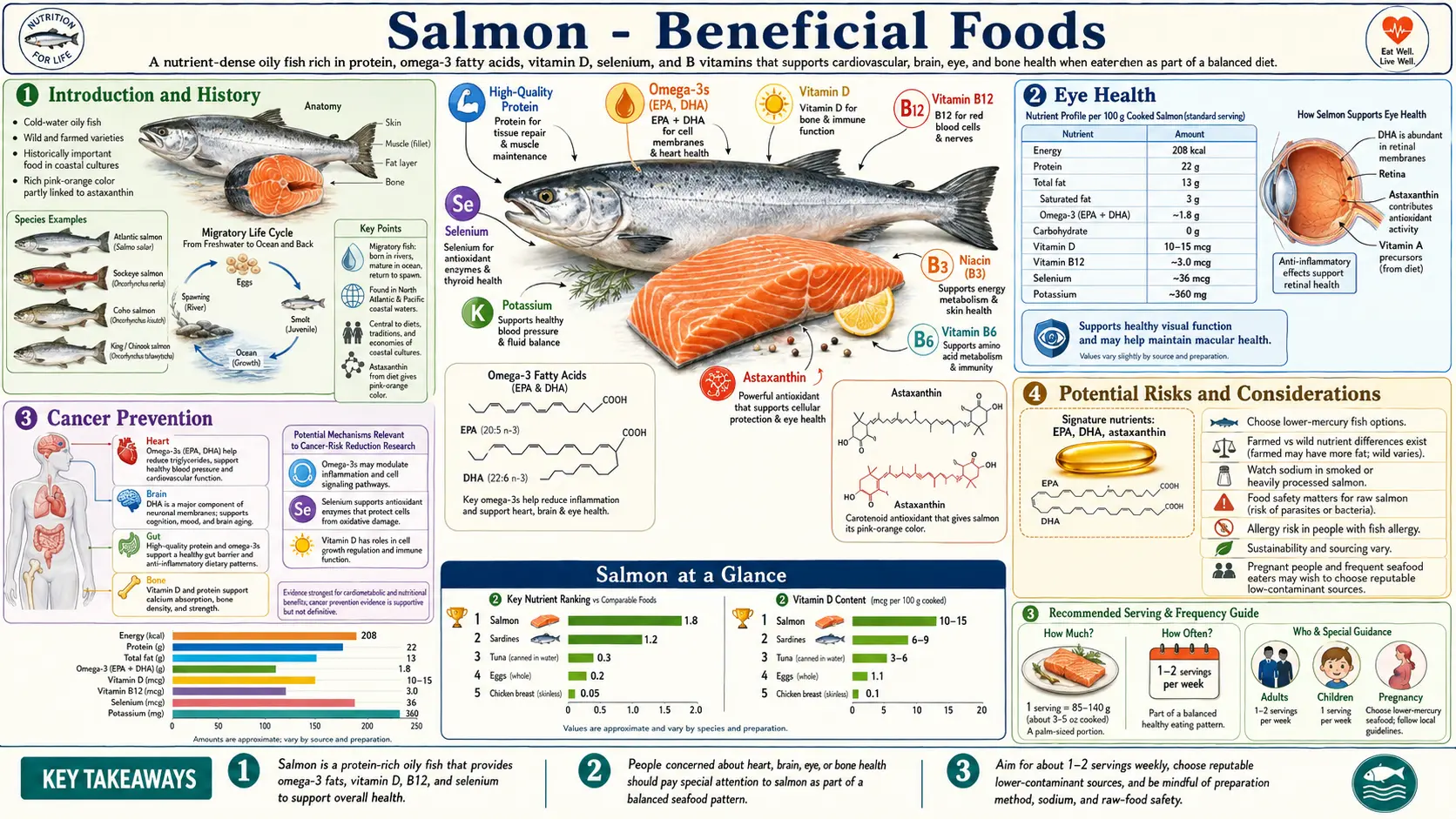
Salmon is one of the most nutritionally dense and widely consumed fish in the world, revered for its rich flavor, distinctive pink-to-orange flesh, and extraordinary health benefits. Belonging to the family Salmonidae, salmon encompasses several species that are broadly divided into two groups: Atlantic salmon (Salmo salar) and Pacific salmon, which includes five major species. Atlantic salmon, the only species in its genus, is found naturally in the rivers and coastal waters of the North Atlantic Ocean and has become the dominant species in global aquaculture. Pacific salmon species include Chinook (King), Sockeye (Red), Coho (Silver), Pink (Humpback), and Chum (Dog), each with distinct characteristics in size, flavor, fat content, and flesh color.
The cultural significance of salmon stretches back thousands of years and spans multiple continents. For the Indigenous peoples of the Pacific Northwest, salmon has been far more than a food source; it is a keystone of spiritual life, cultural identity, and economic sustenance. The annual salmon runs, during which millions of fish migrate from the ocean upstream to their natal rivers to spawn, have shaped the settlement patterns, ceremonial practices, and oral traditions of tribes such as the Tlingit, Haida, Coast Salish, and Nez Perce. Elaborate First Salmon Ceremonies, still practiced today, honor the returning fish and express gratitude for the continued abundance of this vital resource. In these traditions, salmon is often regarded as a gift from the Creator, and treating the fish with respect is believed to ensure its return in future seasons.
In Northern Europe, salmon has played a similarly central role. Norse mythology features salmon prominently, and the rivers of Scandinavia, Scotland, Ireland, and Iceland have supported salmon fishing for millennia. The sport of fly fishing for Atlantic salmon, which developed in the British Isles during the medieval period, became a cultural institution that shaped rural economies and land management practices. In Japan, salmon (sake or shake) has been a dietary staple since antiquity, featured in traditional dishes such as shiozake (salt-grilled salmon) and, more recently, becoming the most popular topping for sushi and sashimi, surpassing even tuna in consumer preference.
Commercial salmon fishing emerged as a major industry in the 19th century, particularly along the Columbia River and in Alaska, where canneries processed enormous quantities of wild-caught fish. By the mid-20th century, concerns about overfishing and habitat destruction led to significant conservation efforts, including dam removal projects, hatchery programs, and catch limits. The rise of salmon aquaculture in Norway during the 1970s transformed the global market, making farmed Atlantic salmon one of the most traded seafood commodities worldwide. Today, salmon farming operations exist in Norway, Chile, Scotland, Canada, and other nations, producing over three million metric tons annually, while wild Pacific salmon fisheries, particularly in Alaska, continue to supply a premium product valued for its environmental sustainability and superior nutritional profile.
Modern nutritional science has confirmed what traditional cultures understood intuitively: salmon is an exceptionally healthful food. It is among the richest dietary sources of long-chain omega-3 fatty acids, high-quality protein, vitamin D, vitamin B12, selenium, and the potent antioxidant astaxanthin. Regular consumption of salmon has been associated with reduced risk of cardiovascular disease, improved cognitive function, lower rates of depression, better eye health, and a host of other benefits that make it one of the most recommended foods by health authorities worldwide.
Table of Contents
- Nutritional Profile
- Omega-3 Fatty Acids Deep Dive
- Cardiovascular Health
- Brain Health and Cognitive Function
- Eye Health
- Anti-Inflammatory Properties
- Bone and Joint Health
- Skin and Hair Health
- Cancer Prevention
- Immune System Support
- Pregnancy and Fetal Development
- Wild vs. Farmed Salmon
- Optimal Consumption
- Potential Risks and Considerations
- Scientific References
- Research Papers
- Connections
- Featured Videos
Nutritional Profile
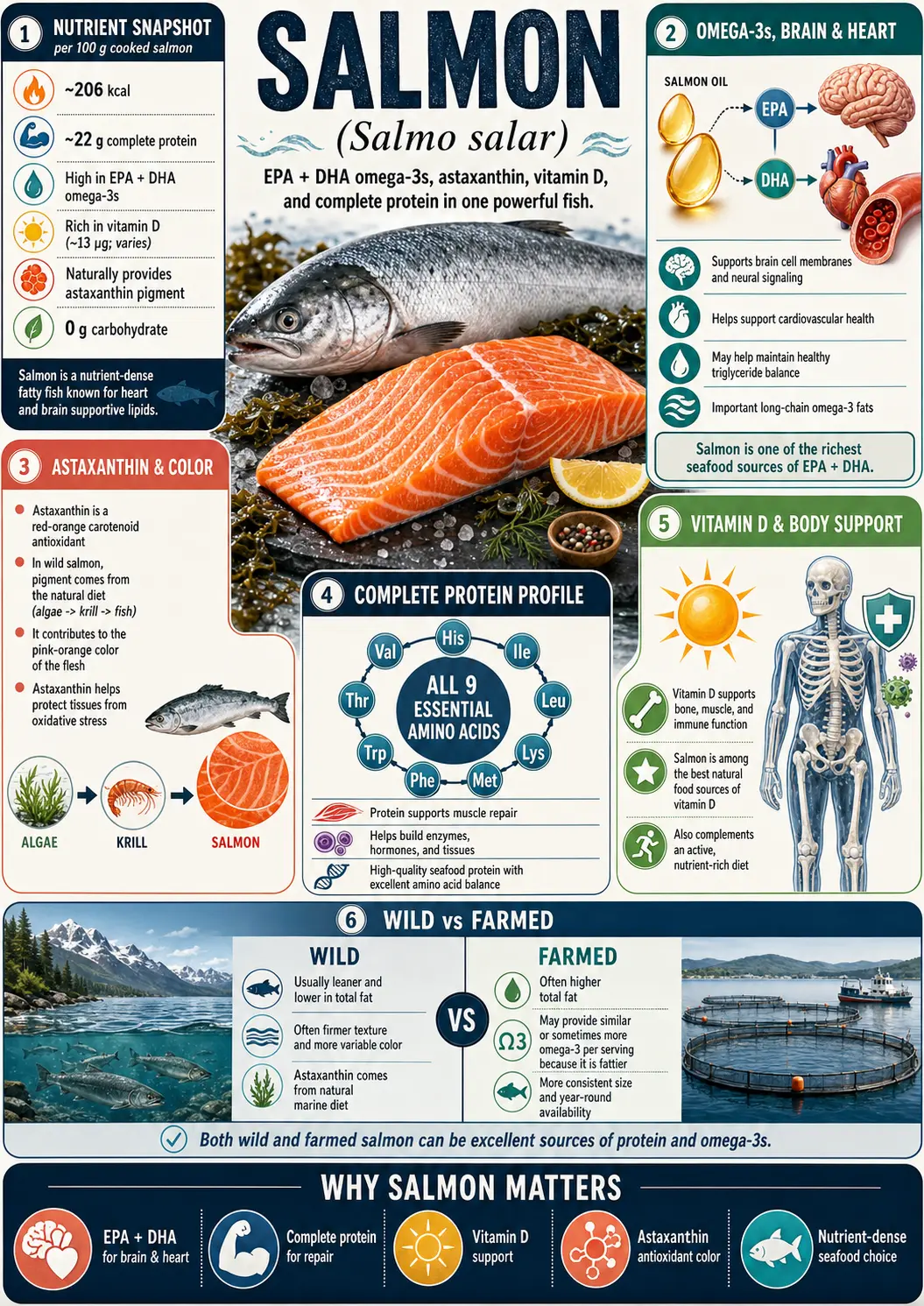
Salmon stands out among all protein sources for the extraordinary breadth and density of its nutritional content. A standard 100-gram (3.5-ounce) serving of cooked wild Atlantic salmon provides approximately 182 calories, 25 grams of high-quality complete protein, and 8 grams of fat, the majority of which consists of health-promoting unsaturated fatty acids. This macronutrient composition makes salmon an exceptionally efficient food, delivering substantial protein with a favorable calorie-to-nutrient ratio that supports muscle maintenance, satiety, and overall metabolic health. The protein in salmon contains all essential amino acids in highly bioavailable forms, meaning the body can absorb and utilize them with remarkable efficiency compared to many plant-based protein sources.
The omega-3 fatty acid content of salmon is its most celebrated nutritional attribute. A single serving of wild salmon provides between 1,500 and 2,500 milligrams of combined EPA (eicosapentaenoic acid) and DHA (docosahexaenoic acid), the two long-chain omega-3 fatty acids most directly linked to human health benefits. This amount easily exceeds the minimum recommendation of 250 to 500 milligrams per day established by most health organizations and approaches the higher therapeutic doses suggested for cardiovascular protection. The exact omega-3 content varies by species, with Chinook (King) salmon typically containing the highest levels due to its greater fat content, followed by Sockeye, Coho, and Atlantic salmon, while Pink and Chum salmon are leaner but still provide meaningful amounts.
Beyond omega-3 fatty acids, salmon is an outstanding source of several critical micronutrients that many people lack in their diets. Vitamin D is perhaps the most notable, as salmon is one of the few significant food sources of this essential nutrient. A serving of wild salmon can provide 600 to 1,000 International Units (IU) of vitamin D3, potentially meeting or exceeding the recommended daily intake in a single meal. This is particularly important given that vitamin D deficiency affects an estimated one billion people globally. Vitamin B12 is another standout, with a serving supplying well over 100% of the daily requirement, supporting red blood cell formation, neurological function, and DNA synthesis. Salmon also provides significant amounts of niacin (vitamin B3), vitamin B6, pantothenic acid (B5), and thiamine (B1), making it a comprehensive source of B-complex vitamins essential for energy metabolism.
The mineral content of salmon is equally impressive. Selenium, a trace mineral with powerful antioxidant and thyroid-supporting properties, is abundant in salmon, with a single serving providing roughly 60 to 80% of the daily recommended intake. Potassium content in salmon rivals that of a medium banana, supporting healthy blood pressure and fluid balance. Phosphorus, essential for bone health and cellular energy production, is present in substantial amounts. Salmon also contributes meaningful quantities of magnesium, zinc, and iron, though these are not as concentrated as in red meat or certain plant sources.
One of the most distinctive nutritional components of salmon is astaxanthin, the carotenoid pigment responsible for the characteristic pink-to-red color of the flesh. Wild salmon, particularly Sockeye, accumulate astaxanthin by consuming krill and other crustaceans in their natural diet. Astaxanthin is one of the most potent antioxidants found in nature, with in vitro studies suggesting it may be 10 to 100 times more effective at neutralizing free radicals than other carotenoids such as beta-carotene and lutein. A serving of wild Sockeye salmon can provide 3 to 4 milligrams of astaxanthin, a dose that research associates with measurable antioxidant, anti-inflammatory, and skin-protective benefits. Farmed salmon, which receive synthetic or naturally derived astaxanthin in their feed, also contain this pigment, though typically in lower concentrations than their wild counterparts.
Omega-3 Fatty Acids Deep Dive
The omega-3 fatty acids found in salmon represent the most biologically potent forms available from any dietary source. While plant-based omega-3s exist as alpha-linolenic acid (ALA) found in flaxseeds, walnuts, and chia seeds, the human body converts ALA to the active long-chain forms EPA and DHA with very low efficiency, typically between 5 and 15% for EPA and less than 5% for DHA. Salmon provides EPA and DHA directly, bypassing this inefficient conversion process and delivering these essential fatty acids in a form the body can immediately use. This distinction is critically important for understanding why fish consumption, and salmon in particular, confers health benefits that cannot be easily replicated through plant-based omega-3 supplementation alone.
EPA (eicosapentaenoic acid) is a 20-carbon omega-3 fatty acid that serves primarily as a precursor to a family of signaling molecules called eicosanoids. These include prostaglandins, thromboxanes, and leukotrienes, which regulate inflammation, blood clotting, blood vessel dilation, and immune responses throughout the body. When EPA is abundant in cell membranes, it competes with arachidonic acid (an omega-6 fatty acid) for the same enzymatic pathways, shifting the balance of eicosanoid production toward molecules that resolve inflammation rather than promote it. This mechanism underlies many of the cardiovascular and anti-inflammatory benefits attributed to salmon consumption. EPA-derived resolvins and protectins are specialized pro-resolving mediators that actively turn off inflammatory processes once they have served their purpose, preventing the chronic low-grade inflammation that drives many modern diseases.
DHA (docosahexaenoic acid) is a 22-carbon omega-3 fatty acid with a unique structural role in the body. It is the most abundant omega-3 fatty acid in the brain, comprising approximately 40% of the polyunsaturated fatty acids in brain gray matter, and it constitutes up to 60% of the fatty acids in the retina of the eye. DHA molecules, with their six double bonds, create highly fluid, flexible regions in cell membranes that are essential for the rapid signaling required by neurons and photoreceptor cells. This structural role means that DHA is not merely a fuel or signaling precursor but a fundamental building block of the organs most central to human cognition and vision. Adequate DHA availability is critical during fetal development and early childhood, when the brain is growing most rapidly, and remains important throughout life for maintaining cognitive function and protecting against neurodegenerative decline.
The anti-inflammatory mechanisms of salmon-derived omega-3s operate through multiple pathways beyond eicosanoid modulation. EPA and DHA directly influence gene expression by activating nuclear receptors, particularly peroxisome proliferator-activated receptors (PPARs) and inhibiting the nuclear factor kappa-B (NF-kB) pathway, one of the master regulators of inflammatory gene transcription. By downregulating NF-kB, omega-3 fatty acids reduce the production of pro-inflammatory cytokines such as tumor necrosis factor-alpha (TNF-alpha), interleukin-1 beta (IL-1B), and interleukin-6 (IL-6). These cytokines are elevated in conditions ranging from cardiovascular disease and type 2 diabetes to rheumatoid arthritis and depression, providing a molecular explanation for the broad spectrum of conditions that improve with regular salmon consumption.
Cell membrane function is profoundly influenced by the omega-3 content of the diet. Every cell in the human body is enclosed by a lipid bilayer membrane whose composition reflects dietary fat intake. When omega-3 fatty acids from salmon are incorporated into these membranes, they increase membrane fluidity, improve receptor function, enhance ion channel activity, and facilitate the movement of signaling molecules across and along the membrane surface. This has measurable consequences for cellular function in virtually every tissue. In the heart, improved membrane fluidity enhances electrical conduction and reduces the risk of arrhythmias. In the brain, it supports neurotransmitter receptor sensitivity. In immune cells, it modulates the inflammatory response. The concept of membrane composition as a determinant of health, sometimes called the "membrane pacemaker" theory, positions the omega-3 fatty acids in salmon as foundational nutrients that influence the body's functioning at the most fundamental cellular level.
Cardiovascular Health
The cardiovascular benefits of salmon consumption represent one of the most extensively studied and well-established areas of nutritional science. Decades of epidemiological research, beginning with observations of the remarkably low rates of heart disease among Greenlandic Inuit who consumed large quantities of fatty fish, have consistently demonstrated that regular salmon intake is associated with significant reductions in cardiovascular morbidity and mortality. The American Heart Association recommends at least two servings of fatty fish per week, with salmon being the most frequently cited example, as a cornerstone of heart-healthy dietary patterns. Multiple large-scale prospective studies, including the Nurses' Health Study and the Health Professionals Follow-Up Study, have found that individuals who consume fish one to two times per week have a 30 to 40% lower risk of dying from coronary heart disease compared to those who rarely eat fish.
One of the most dramatic and clinically significant effects of salmon-derived omega-3 fatty acids is their ability to reduce blood triglyceride levels. Elevated triglycerides are an independent risk factor for cardiovascular disease, and omega-3 fatty acids lower them through multiple mechanisms: reducing hepatic production of very low-density lipoprotein (VLDL) particles, increasing the clearance of triglyceride-rich lipoproteins from the bloodstream, and enhancing fatty acid oxidation in the liver. Clinical trials have demonstrated that consuming 2 to 4 grams of EPA and DHA daily can reduce triglyceride levels by 25 to 45%, an effect comparable to prescription fibrate medications. Even the more modest amounts obtained from eating salmon twice per week have been shown to produce meaningful reductions, particularly in individuals with elevated baseline triglyceride levels.
Salmon consumption exerts favorable effects on blood pressure through several complementary mechanisms. The omega-3 fatty acids EPA and DHA improve endothelial function by increasing the production of nitric oxide, a potent vasodilator that relaxes arterial walls and reduces vascular resistance. They also decrease the production of vasoconstrictive thromboxane A2 and reduce the sensitivity of blood vessels to the effects of angiotensin II, a hormone that raises blood pressure. Meta-analyses of randomized controlled trials have found that omega-3 supplementation at doses achievable through regular salmon consumption reduces systolic blood pressure by approximately 2 to 5 mmHg and diastolic blood pressure by 1 to 3 mmHg. While these reductions may appear modest, at a population level they translate into significant decreases in stroke and heart attack incidence. The potassium content of salmon further supports healthy blood pressure by counteracting the blood-pressure-raising effects of dietary sodium.
Perhaps the most life-saving cardiovascular benefit of salmon is its anti-arrhythmic effect. Sudden cardiac death, often caused by ventricular fibrillation or other fatal arrhythmias, accounts for a substantial proportion of cardiovascular mortality. The omega-3 fatty acids in salmon stabilize the electrical activity of heart muscle cells by modulating ion channel function, particularly sodium and calcium channels. When DHA and EPA are incorporated into cardiac cell membranes, they raise the threshold for electrical excitation, making the heart less susceptible to the chaotic electrical signals that cause fatal arrhythmias. The landmark GISSI-Prevenzione trial demonstrated that supplementation with approximately 1 gram per day of EPA and DHA reduced the risk of sudden cardiac death by 45% in patients who had recently survived a heart attack, one of the most striking risk reductions achieved by any nutritional intervention.
Beyond these specific mechanisms, salmon promotes overall arterial health by reducing the progression of atherosclerosis. Omega-3 fatty acids decrease the expression of adhesion molecules on the endothelial surface, reducing the recruitment of white blood cells into the arterial wall, a critical early step in plaque formation. They also reduce the oxidation of LDL cholesterol, stabilize existing arterial plaques making them less prone to rupture, and decrease platelet aggregation, reducing the likelihood of clot formation at sites of plaque disruption. The combined effect of these mechanisms is a comprehensive improvement in vascular health that extends beyond any single risk factor, helping to explain why the cardiovascular benefits of salmon consumption are so consistently observed across diverse populations and study designs.
Brain Health and Cognitive Function
The relationship between salmon consumption and brain health is rooted in the fundamental biology of the brain itself. The human brain is approximately 60% fat by dry weight, and DHA, the omega-3 fatty acid most abundant in salmon, is the predominant structural fatty acid in brain tissue. DHA is concentrated in the phospholipid membranes of neurons, where it creates the fluid, flexible membrane environment necessary for the rapid transmission of electrical and chemical signals between brain cells. The brain cannot synthesize DHA efficiently on its own and depends on dietary supply, making regular consumption of DHA-rich foods like salmon essential for maintaining optimal brain structure and function throughout the lifespan.
Research into salmon consumption and Alzheimer's disease has yielded compelling findings. The Framingham Heart Study found that individuals with the highest blood levels of DHA had a 47% lower risk of developing all-cause dementia and a significantly reduced risk of Alzheimer's disease specifically. Mechanistic studies suggest that DHA protects against Alzheimer's through multiple pathways: it reduces the production and accumulation of amyloid-beta plaques, the hallmark pathological feature of the disease; it suppresses neuroinflammation driven by activated microglia; it promotes the clearance of damaged proteins through enhanced autophagy; and it supports the survival and growth of neurons through increased production of brain-derived neurotrophic factor (BDNF). While omega-3 supplementation trials in patients with established Alzheimer's disease have shown limited benefit, the evidence strongly suggests that lifelong adequate DHA intake, achievable through regular salmon consumption, may significantly delay or prevent the onset of cognitive decline.
The connection between salmon consumption and depression is an active and promising area of research. Population studies consistently show that countries with the highest per capita fish consumption, such as Japan and Iceland, have among the lowest rates of depression. Clinical trials of omega-3 supplementation, particularly with EPA-predominant formulations, have demonstrated antidepressant effects in patients with major depressive disorder, with effect sizes comparable to those of some pharmaceutical antidepressants. EPA appears to exert its mood-regulating effects by reducing neuroinflammation, modulating the hypothalamic-pituitary-adrenal (HPA) stress axis, increasing serotonin and dopamine neurotransmission, and improving the function of serotonin receptors in brain cell membranes. The vitamin D content of salmon may further contribute to mood regulation, as vitamin D deficiency is independently associated with an increased risk of depression and seasonal affective disorder.
Infant brain development represents one of the most critical periods for DHA availability, and maternal salmon consumption during pregnancy and lactation has profound implications for the cognitive potential of the next generation. During the third trimester of pregnancy and the first two years of life, the fetal and infant brain undergoes explosive growth, with DHA accumulating rapidly in the developing cerebral cortex and retina. Studies have shown that mothers with higher DHA intake during pregnancy give birth to children who score higher on tests of cognitive development, visual acuity, language acquisition, and attention span during early childhood. The benefits appear to persist into school age, with some studies finding associations between prenatal DHA exposure and improved academic performance. Breast milk is a natural source of DHA, and its DHA content directly reflects maternal dietary intake, further underscoring the importance of salmon consumption for nursing mothers.
Beyond omega-3 fatty acids, several other nutrients in salmon support cognitive health. Vitamin B12 is essential for the maintenance of myelin, the insulating sheath that surrounds nerve fibers and enables rapid signal transmission. B12 deficiency leads to demyelination and neurological deterioration, and even subclinical deficiency has been associated with accelerated brain atrophy and cognitive decline in older adults. The selenium in salmon supports brain health through its role in selenoprotein synthesis, several of which function as antioxidant enzymes that protect vulnerable brain tissue from oxidative damage. Astaxanthin, the carotenoid pigment in salmon, has demonstrated the ability to cross the blood-brain barrier and exert neuroprotective effects in animal models, reducing oxidative stress and inflammation within the central nervous system. Together, these nutrients make salmon one of the most comprehensive brain-supporting foods available.
Eye Health
The retina of the human eye has the highest concentration of DHA of any tissue in the body, with this omega-3 fatty acid comprising approximately 50 to 60% of the total fatty acid content of retinal photoreceptor cell membranes. This extraordinary concentration reflects the critical functional role that DHA plays in the visual process. In the rod and cone photoreceptor cells, DHA creates the highly fluid membrane environment necessary for the rapid conformational changes of rhodopsin and other visual pigments that occur when light strikes the retina. Without adequate DHA in these membranes, the photochemical cascade that converts light into electrical signals is impaired, and visual function suffers. Regular salmon consumption ensures a steady dietary supply of preformed DHA to maintain the structural integrity and functional capacity of the retina.
Age-related macular degeneration (AMD) is the leading cause of irreversible vision loss in adults over 50 in developed countries, and research consistently links higher dietary omega-3 intake with a reduced risk of this devastating condition. The Age-Related Eye Disease Study 2 (AREDS2), one of the largest and most rigorous clinical trials in ophthalmology, found that individuals reporting the highest dietary intake of omega-3 fatty acids had a significantly lower risk of developing advanced AMD compared to those with the lowest intake. The protective mechanism involves multiple pathways: DHA and EPA reduce retinal inflammation, suppress the pathological growth of new blood vessels (neovascularization) that characterizes the wet form of AMD, protect retinal pigment epithelial cells from oxidative damage, and reduce the accumulation of drusen, the lipid deposits beneath the retina that are an early hallmark of the disease.
Dry eye syndrome, a condition affecting tens of millions of people worldwide, has also been shown to respond favorably to increased omega-3 intake from foods like salmon. Dry eye occurs when the tear film that coats the surface of the eye becomes unstable, leading to symptoms of irritation, burning, blurred vision, and increased susceptibility to eye infections. The omega-3 fatty acids in salmon improve tear quality by enhancing the lipid layer of the tear film produced by the meibomian glands in the eyelids, reducing tear evaporation. EPA and DHA also decrease inflammation of the ocular surface and lacrimal glands, addressing one of the root causes of dry eye rather than merely treating its symptoms. Multiple clinical trials have demonstrated that omega-3 supplementation at doses consistent with regular salmon consumption improves both objective measures of tear film stability and subjective symptom scores in dry eye patients.
The astaxanthin content of salmon provides additional eye health benefits beyond those of omega-3 fatty acids alone. Astaxanthin is one of the few antioxidants capable of crossing the blood-retinal barrier, allowing it to exert protective effects directly within the eye. Animal and human studies suggest that astaxanthin reduces eye fatigue associated with prolonged screen use, improves blood flow to the retina, and provides protection against light-induced oxidative damage to photoreceptor cells. In combination with the lutein and zeaxanthin obtained from dietary vegetables, the astaxanthin from salmon contributes to a comprehensive antioxidant defense system within the eye that helps preserve visual function throughout aging.
Glaucoma and diabetic retinopathy, two other major causes of vision loss, may also be influenced by dietary omega-3 intake. Preliminary research suggests that the anti-inflammatory and neuroprotective properties of DHA and EPA may help protect the optic nerve from the progressive damage that occurs in glaucoma and reduce the vascular complications that characterize diabetic retinopathy. While these findings are still emerging and do not replace conventional treatments, they reinforce the broader principle that salmon consumption supports eye health through multiple synergistic mechanisms, making it one of the most important foods for lifelong visual health.
Anti-Inflammatory Properties
Chronic low-grade inflammation is increasingly recognized as a central driver of virtually all major chronic diseases, including cardiovascular disease, type 2 diabetes, cancer, Alzheimer's disease, and autoimmune conditions. Unlike the acute inflammation that occurs in response to injury or infection, which is a beneficial and self-limiting process, chronic inflammation persists at a low level for months or years, gradually damaging tissues and promoting disease progression. The modern Western diet, with its high ratio of omega-6 to omega-3 fatty acids, is believed to be a major contributor to this inflammatory state. Salmon consumption directly addresses this imbalance by providing large amounts of anti-inflammatory omega-3 fatty acids that shift the body's inflammatory status toward resolution and repair.
The resolution of inflammation is not simply the absence of pro-inflammatory signals but an active, orchestrated process mediated by specialized molecules derived from omega-3 fatty acids. EPA gives rise to E-series resolvins, while DHA generates D-series resolvins, protectins, and maresins. These specialized pro-resolving mediators (SPMs) perform essential functions: they halt the recruitment of neutrophils to inflamed tissues, promote the clearance of dead cells and debris by macrophages, stimulate tissue repair and regeneration, and reduce the production of pain-signaling molecules. The discovery of SPMs has fundamentally changed the understanding of how omega-3 fatty acids work, revealing that their benefit lies not just in suppressing inflammation but in actively promoting its resolution, a process that is impaired when omega-3 intake is inadequate.
Autoimmune conditions, in which the immune system mistakenly attacks the body's own tissues, represent a category of disease where salmon's anti-inflammatory properties are particularly relevant. Rheumatoid arthritis, lupus, psoriasis, inflammatory bowel disease, and multiple sclerosis all involve dysregulated immune responses and chronic inflammation. Clinical trials in rheumatoid arthritis patients have consistently shown that omega-3 supplementation reduces morning stiffness, joint tenderness, and the need for anti-inflammatory medications. Patients with inflammatory bowel disease (Crohn's disease and ulcerative colitis) have shown improvements in clinical symptoms and reductions in inflammatory markers with increased omega-3 intake. While salmon consumption alone is not a cure for autoimmune conditions, it provides a meaningful adjunctive benefit that can improve quality of life and potentially reduce reliance on immunosuppressive medications.
Joint health extends beyond autoimmune arthritis to include the far more common osteoarthritis, which affects hundreds of millions of people worldwide. While osteoarthritis was long considered a purely mechanical "wear and tear" disease, research has revealed that inflammation plays a significant role in cartilage degradation and disease progression. The omega-3 fatty acids in salmon reduce the production of matrix metalloproteinases (MMPs) and aggrecanases, enzymes that break down cartilage, while simultaneously decreasing the inflammatory cytokines that drive joint destruction. Animal studies have shown that omega-3 supplementation slows cartilage loss and reduces pain behaviors, and observational studies in humans suggest that higher fish consumption is associated with lower rates of osteoarthritis symptoms and progression.
The anti-inflammatory effects of salmon extend to metabolic inflammation, the chronic inflammatory state associated with obesity and metabolic syndrome. Adipose tissue in overweight individuals produces elevated levels of inflammatory cytokines, contributing to insulin resistance, fatty liver disease, and cardiovascular risk. Omega-3 fatty acids from salmon have been shown to reduce adipose tissue inflammation, improve insulin sensitivity, and lower circulating levels of C-reactive protein (CRP) and other systemic inflammatory markers. These metabolic anti-inflammatory effects may help explain why populations that regularly consume fatty fish have lower rates of type 2 diabetes and metabolic syndrome, even after adjusting for other dietary and lifestyle factors.
Bone and Joint Health
Salmon is an exceptional dietary contributor to bone health, primarily through its outstanding vitamin D content. Vitamin D is essential for calcium absorption in the intestines; without adequate vitamin D, the body can absorb only 10 to 15% of dietary calcium, compared to 30 to 40% when vitamin D status is optimal. A single serving of wild salmon can provide 600 to 1,000 IU of vitamin D3, the most bioactive form of the vitamin, addressing one of the most widespread nutritional deficiencies in the world. This is particularly significant because very few foods naturally contain meaningful amounts of vitamin D, and many people, especially those living at northern latitudes or spending limited time outdoors, are unable to produce sufficient vitamin D through sun exposure alone.
Osteoporosis, characterized by reduced bone mineral density and increased fracture risk, is a major public health concern affecting an estimated 200 million people globally, with postmenopausal women at particularly high risk. The combination of vitamin D and omega-3 fatty acids in salmon addresses bone loss through complementary mechanisms. Vitamin D promotes calcium absorption and directs calcium deposition into bone tissue, while omega-3 fatty acids influence bone metabolism by modulating the activity of osteoblasts (bone-building cells) and osteoclasts (bone-resorbing cells). Research suggests that EPA and DHA shift the balance in favor of bone formation by increasing osteoblast differentiation and suppressing the inflammatory cytokines that activate osteoclasts. Population studies have found that individuals with higher omega-3 intake tend to have greater bone mineral density and lower rates of osteoporotic fractures.
The high-quality protein in salmon further supports bone health in ways that are sometimes overlooked. Bone is approximately 50% protein by volume, and adequate protein intake is essential for maintaining bone mass, particularly in aging adults. The amino acids in salmon protein serve as building blocks for the collagen matrix that provides bone with its tensile strength and flexibility. Additionally, protein stimulates the production of insulin-like growth factor 1 (IGF-1), a hormone that promotes bone formation and maintenance. Studies have shown that older adults with higher protein intake have slower rates of bone loss and reduced hip fracture risk, and the combination of protein with vitamin D, as naturally occurs in salmon, may be more beneficial for bone health than either nutrient alone.
Salmon consumption also benefits the health of joints, tendons, and connective tissues through its combined anti-inflammatory and nutritional effects. The phosphorus content of salmon contributes to bone mineralization alongside calcium, while the selenium content supports the antioxidant defense systems that protect cartilage and other connective tissues from oxidative damage. The omega-3 fatty acids reduce the inflammatory processes that contribute to joint pain and stiffness, as discussed in the anti-inflammatory section, while the protein provides the amino acid building blocks necessary for the repair and maintenance of collagen and other structural proteins in connective tissues.
For individuals who consume canned salmon with edible bones, there is an additional and significant calcium benefit. The canning process softens salmon bones to the point where they can be easily eaten and are virtually unnoticeable in prepared dishes. A standard can of salmon with bones provides approximately 200 milligrams of highly bioavailable calcium, representing about 20% of the recommended daily intake. Combined with the vitamin D naturally present in the fish, this creates an excellent calcium-vitamin D package in a single food. Canned salmon with bones is therefore a particularly valuable food for individuals who are lactose intolerant or otherwise do not consume dairy products, providing a non-dairy source of both calcium and the vitamin D necessary for its absorption.
Skin and Hair Health
The skin, as the body's largest organ, is profoundly influenced by dietary fat composition, and the omega-3 fatty acids in salmon play a significant role in maintaining skin health, appearance, and resilience. EPA and DHA are incorporated into the phospholipid membranes of skin cells, where they help maintain the integrity of the skin barrier, the outermost layer that prevents excessive water loss and protects against environmental irritants, allergens, and pathogens. When omega-3 intake is adequate, skin cells produce a more robust and functional barrier, leading to improved hydration, reduced transepidermal water loss, and a smoother, more supple texture. Clinical studies have shown that omega-3 supplementation can improve skin hydration, reduce roughness, and enhance the skin's ability to retain moisture, benefits that are particularly noticeable in individuals with dry or sensitive skin.
Astaxanthin, the distinctive carotenoid pigment in salmon, has garnered significant attention for its remarkable skin-protective properties. Unlike many antioxidants, astaxanthin spans the entire cell membrane bilayer, providing protection against oxidative damage on both the interior and exterior surfaces of skin cells. Human clinical trials have demonstrated that oral astaxanthin supplementation improves skin elasticity, reduces wrinkle depth, decreases age spot size, and improves skin moisture levels. These cosmetic benefits are accompanied by measurable reductions in markers of skin oxidative stress and inflammation. The anti-aging effects of astaxanthin are attributed to its ability to neutralize the reactive oxygen species generated by ultraviolet radiation, pollution, and normal metabolic processes that drive photoaging and collagen degradation.
The relationship between salmon consumption and ultraviolet (UV) radiation protection is particularly noteworthy. While no food can replace sunscreen, research demonstrates that dietary omega-3 fatty acids increase the skin's resistance to UV-induced damage. EPA, in particular, has been shown to raise the minimal erythemal dose (MED), the amount of UV exposure required to produce sunburn, effectively providing a modest internal sun protection factor. EPA achieves this by reducing the inflammatory cascade triggered by UV radiation, suppressing the production of UV-induced prostaglandins and pro-inflammatory cytokines in the skin. Studies have also found that omega-3 supplementation reduces the immunosuppressive effects of UV exposure, helping to maintain the skin's immune surveillance capacity, which is important for the early detection and elimination of abnormal cells that could develop into skin cancer.
Inflammatory skin conditions such as psoriasis, eczema (atopic dermatitis), and acne may benefit from the anti-inflammatory nutrients in salmon. Psoriasis, an autoimmune condition characterized by rapid skin cell turnover and red, scaly plaques, has been shown to improve with omega-3 supplementation in several clinical trials, with reductions in plaque thickness, redness, and scaling. Eczema, which involves barrier dysfunction and immune dysregulation, may be mitigated by the barrier-strengthening and anti-inflammatory effects of EPA and DHA. Acne, increasingly recognized as an inflammatory condition, may respond to the anti-inflammatory effects of omega-3s, which reduce the production of inflammatory mediators in sebaceous glands and decrease the hyperkeratinization that blocks pores.
Hair health is also supported by the nutritional profile of salmon. The protein content provides the amino acids necessary for keratin synthesis, the primary structural protein of hair. Omega-3 fatty acids nourish hair follicles by improving circulation to the scalp and reducing follicular inflammation, which is implicated in several forms of hair loss. Vitamin D receptors are expressed in hair follicles and play a role in the hair growth cycle; vitamin D deficiency has been associated with alopecia, and the vitamin D provided by salmon may help support normal hair cycling. Biotin (vitamin B7) and other B vitamins in salmon further contribute to hair health by supporting the metabolic processes required for hair growth. While salmon is not a cure for genetic hair loss, its comprehensive nutritional profile supports the maintenance of healthy, strong hair and may help optimize hair growth in individuals whose hair loss is related to nutritional deficiencies.
Cancer Prevention
The potential cancer-preventive properties of salmon are supported by a growing body of epidemiological and mechanistic evidence, though this remains an area of active investigation. Population studies have consistently observed lower rates of certain cancers, including colorectal, breast, and prostate cancer, in populations with high fish consumption compared to those with low intake. While these associations do not prove causation and may be influenced by other dietary and lifestyle factors common to fish-eating populations, laboratory and animal studies have identified plausible biological mechanisms through which the nutrients in salmon could inhibit cancer development at multiple stages, from initiation to promotion to metastasis.
The omega-3 fatty acids EPA and DHA exert anticancer effects through several well-characterized pathways. They alter cell membrane composition in ways that affect the function of membrane-bound signaling proteins involved in cell growth and death. Specifically, EPA and DHA increase the formation of lipid rafts in cell membranes that promote the clustering of death receptors, enhancing the ability of cells to undergo apoptosis (programmed cell death) when they accumulate DNA damage or other abnormalities. Simultaneously, omega-3 fatty acids suppress pro-survival signaling pathways, including the PI3K/Akt and Ras/MAPK pathways, that are frequently overactivated in cancer cells. EPA and DHA also inhibit angiogenesis, the formation of new blood vessels that tumors require for growth beyond a few millimeters in size, by reducing the production of vascular endothelial growth factor (VEGF) and other angiogenic signals.
The vitamin D provided by salmon has emerged as a significant factor in cancer prevention, particularly for colorectal cancer. Large-scale epidemiological studies, including the Nurses' Health Study and the Health Professionals Follow-Up Study, have found that higher blood levels of 25-hydroxyvitamin D are associated with substantially lower risk of colorectal cancer, with some analyses suggesting a 30 to 50% risk reduction in those with the highest vitamin D status compared to the lowest. Vitamin D exerts its anticancer effects by binding to the vitamin D receptor (VDR), which is expressed in cells throughout the body and regulates hundreds of genes involved in cell differentiation, proliferation, and apoptosis. When vitamin D activates VDR in colonic epithelial cells, it promotes cell differentiation, inhibits uncontrolled proliferation, and enhances DNA repair mechanisms, all of which protect against the accumulation of mutations that drive cancer development.
Selenium, another important nutrient in salmon, functions as an essential cofactor for selenoproteins, several of which have antioxidant and anticancer properties. Glutathione peroxidases and thioredoxin reductases, both selenium-dependent enzymes, protect DNA from oxidative damage and support the repair of damaged genetic material. The Nutritional Prevention of Cancer Trial found that selenium supplementation reduced the incidence of colorectal, prostate, and lung cancers in individuals with low baseline selenium status, though subsequent trials with different selenium forms have yielded mixed results. The selenium provided by salmon, in the form of selenomethionine and other highly bioavailable organic selenium compounds, contributes to optimal selenoprotein function and may help maintain the body's defenses against cancer-promoting oxidative damage.
The anti-inflammatory properties of salmon, discussed extensively in earlier sections, also contribute to cancer prevention. Chronic inflammation creates a tissue microenvironment that promotes cancer development through the generation of reactive oxygen species that damage DNA, the production of growth factors that stimulate cell proliferation, the release of enzymes that break down extracellular matrix facilitating invasion, and the suppression of anti-tumor immune responses. By reducing chronic inflammation through its omega-3 fatty acids, astaxanthin, and other anti-inflammatory compounds, salmon consumption may help maintain a tissue environment that is less permissive to cancer initiation and progression. While no single food can guarantee cancer prevention, the convergence of multiple anticancer mechanisms in salmon makes it a particularly valuable component of a cancer-protective dietary pattern.
Immune System Support
The immune system's ability to defend the body against infections while maintaining appropriate self-tolerance depends on a complex interplay of nutrients, many of which are abundantly supplied by salmon. Selenium is one of the most critical immune-supporting minerals found in this fish, functioning as a cofactor for selenoproteins that regulate both innate and adaptive immune responses. Selenoprotein P transports selenium to immune cells, while glutathione peroxidases within these cells protect them from the oxidative damage they generate during pathogen killing. Selenium deficiency impairs virtually every aspect of immune function, including natural killer cell activity, T-cell proliferation, antibody production, and macrophage function. Studies have shown that selenium supplementation enhances the immune response to viral infections, underscoring the importance of maintaining adequate selenium status through foods like salmon.
Vitamin D, supplied in remarkable quantities by salmon, plays an increasingly recognized role in immune regulation that extends far beyond its classical function in calcium metabolism. The discovery that virtually all immune cells express the vitamin D receptor and possess the enzymatic machinery to convert circulating 25-hydroxyvitamin D into the active hormone 1,25-dihydroxyvitamin D within their own cytoplasm was a paradigm-shifting finding. Active vitamin D enhances the innate immune response by stimulating the production of antimicrobial peptides, including cathelicidin and defensins, that directly kill bacteria, viruses, and fungi. Simultaneously, vitamin D modulates the adaptive immune response by promoting anti-inflammatory regulatory T cells and suppressing the excessive inflammatory responses that can cause tissue damage during infections. The well-documented seasonal variation in respiratory infections, with peaks in winter when vitamin D levels are lowest, is believed to be partly attributable to this vitamin's immune-modulating effects.
The omega-3 fatty acids EPA and DHA influence immune function through their effects on immune cell membranes and inflammatory signaling. When incorporated into the membranes of macrophages, neutrophils, T cells, and B cells, omega-3 fatty acids alter the formation of lipid rafts and signaling platforms that regulate immune cell activation. Contrary to an earlier simplistic view that omega-3s are purely immunosuppressive, current understanding recognizes that they modulate immune function in a nuanced way: enhancing certain aspects of pathogen defense while restraining the excessive or misdirected inflammatory responses that underlie allergies, autoimmune diseases, and sepsis. EPA and DHA have been shown to enhance macrophage phagocytosis, the process by which immune cells engulf and destroy pathogens, while simultaneously reducing the secretion of pro-inflammatory cytokines that can cause collateral tissue damage when produced in excess.
The protein content of salmon supports immune function by providing the amino acids necessary for the synthesis of antibodies, cytokines, complement proteins, and the rapid proliferation of immune cells during an active infection. Protein deficiency is one of the most common causes of impaired immunity worldwide, and the high-quality, easily digestible protein in salmon is particularly well-suited to supporting immune cell production. The B vitamins in salmon, including B6, B12, and folate, are essential for the DNA synthesis that underlies the rapid clonal expansion of lymphocytes in response to antigens, and deficiencies in these vitamins are associated with reduced antibody production and impaired cell-mediated immunity.
Emerging research also highlights the potential role of salmon consumption in supporting gut immunity, given that approximately 70% of the body's immune cells reside in the gut-associated lymphoid tissue (GALT). Omega-3 fatty acids have been shown to favorably influence the composition of the gut microbiome, promoting the growth of beneficial bacterial species that produce short-chain fatty acids and support intestinal barrier integrity. A healthy gut barrier prevents the translocation of bacteria and endotoxins into the bloodstream, which would otherwise trigger systemic inflammation and immune activation. By supporting both the immune cells within the gut and the intestinal barrier itself, salmon consumption contributes to a well-functioning mucosal immune system that serves as the body's first line of defense against ingested pathogens and antigens.
Pregnancy and Fetal Development
Salmon consumption during pregnancy offers profound benefits for both maternal health and fetal development, yet it also requires careful consideration of potential contaminants. The omega-3 fatty acid DHA is the single most important nutrient that salmon provides to the developing fetus. During the third trimester of pregnancy, the fetal brain undergoes a period of rapid growth, approximately doubling in size, and DHA accumulates in the developing brain at a rate of approximately 67 milligrams per day. This DHA must come entirely from the mother's dietary intake and body stores, as the fetus cannot synthesize it independently. Maternal DHA status often declines significantly during pregnancy as stores are depleted to meet fetal demands, and women who do not consume adequate omega-3s may enter the postpartum period with substantially reduced DHA levels, which has been linked to increased risk of postpartum depression.
The benefits of adequate maternal DHA intake for the child's cognitive development are supported by a robust body of evidence. Randomized controlled trials in which pregnant women received DHA supplementation or consumed fatty fish have demonstrated measurable improvements in infant visual acuity, problem-solving abilities, and attention span compared to control groups. The cognitive advantages appear to be particularly pronounced in the areas of hand-eye coordination and receptive language development during the first two years of life. Some longitudinal studies have tracked these benefits into childhood, finding associations between higher maternal DHA intake and improved scores on standardized cognitive assessments at ages 4, 7, and even into adolescence, though the effect sizes tend to attenuate over time as other environmental and genetic factors become more influential.
Beyond brain development, DHA and EPA from salmon support other aspects of fetal development and pregnancy outcomes. Omega-3 fatty acids contribute to the development of the fetal retina, immune system, and nervous system. Epidemiological studies suggest that higher fish consumption during pregnancy is associated with a reduced risk of preterm birth, a major cause of neonatal morbidity and mortality. The anti-inflammatory effects of omega-3s may help maintain the stability of the uterine environment and support proper placental function. Some research has also found associations between maternal fish intake and reduced risk of allergic outcomes in the child, including eczema and asthma, possibly through epigenetic effects of omega-3 fatty acids on immune development in utero.
The primary concern regarding salmon consumption during pregnancy relates to methylmercury and other environmental contaminants. Mercury is a neurotoxin that can cross the placental barrier and potentially harm the developing fetal brain. However, the mercury content of salmon is among the lowest of all commonly consumed fish species, typically ranging from 0.01 to 0.05 parts per million, which is well below the levels found in high-mercury species such as swordfish (0.97 ppm), shark (0.99 ppm), king mackerel (0.73 ppm), and tilefish (1.45 ppm). The FDA and EPA currently advise pregnant women to consume 8 to 12 ounces (2 to 3 servings) of low-mercury fish per week, and salmon is specifically highlighted as one of the "best choices" in their fish consumption guidelines. Wild Pacific salmon, particularly from Alaskan waters, tends to have the lowest mercury and contaminant levels of all salmon varieties.
Current expert consensus, reflected in the guidelines of the American College of Obstetricians and Gynecologists, the FDA, and the Dietary Guidelines for Americans, is that the benefits of salmon consumption during pregnancy substantially outweigh the risks when appropriate species are chosen and intake guidelines are followed. In fact, avoiding fish entirely during pregnancy may pose a greater risk to fetal neurodevelopment than the low-level contaminant exposure associated with consuming well-chosen low-mercury species like salmon. Pregnant women who do not eat fish should consider a high-quality DHA supplement to ensure adequate omega-3 intake, though whole salmon offers the advantage of providing the full package of synergistic nutrients, including protein, vitamin D, selenium, and B vitamins, that support both maternal and fetal health during this critical period.
Wild vs. Farmed Salmon
The question of wild versus farmed salmon is one of the most debated topics in nutrition and food sustainability, and the answer involves nuanced tradeoffs between nutritional content, contaminant levels, environmental impact, cost, and availability. Wild salmon, particularly from Alaskan fisheries, is generally considered the gold standard in terms of nutritional quality and environmental sustainability. Wild salmon feed on a natural diet of krill, shrimp, smaller fish, and plankton, which provides them with high levels of naturally occurring astaxanthin, a varied profile of omega-3 fatty acids, and exposure to minimal artificial compounds. The flesh of wild salmon, especially Sockeye, tends to be deeper red in color, leaner overall, and higher in certain micronutrients per calorie compared to farmed fish.
Farmed salmon, predominantly Atlantic salmon raised in net pens in coastal waters, has a different nutritional profile that reflects its formulated diet. Historically, farmed salmon was fed primarily fish meal and fish oil, which resulted in omega-3 levels comparable to or even higher than wild salmon due to the fish's higher overall fat content. However, as aquaculture has expanded and the demand for fish meal has outstripped supply, farmers have increasingly substituted plant-based ingredients such as soy, canola, and corn into feed formulations. This shift has led to a measurable decline in the omega-3 content of farmed salmon over the past two decades, while simultaneously increasing the omega-6 fatty acid content and altering the omega-3 to omega-6 ratio in a less favorable direction. Despite these changes, farmed salmon still provides significantly more omega-3 fatty acids than most other protein sources.
Contaminant levels represent one of the most significant differences between wild and farmed salmon. Multiple studies have found that farmed salmon, on average, contains higher concentrations of persistent organic pollutants (POPs), including polychlorinated biphenyls (PCBs), dioxins, and organochlorine pesticides, compared to wild salmon from most regions. These contaminants accumulate in the fatty tissue of fish and are concentrated in the fish oil and fish meal used in aquaculture feed. A landmark 2004 study published in Science found that PCB levels in farmed salmon from European sources were approximately eight times higher than in wild Pacific salmon. However, it is important to note that the absolute contaminant levels in both wild and farmed salmon remain well below the safety thresholds established by the FDA, and subsequent improvements in feed quality and sourcing practices have reduced contaminant levels in many farmed operations.
The environmental impact of the two production methods involves different sets of concerns. Wild salmon fisheries, when properly managed as in Alaska, are considered among the most sustainable food production systems in the world, with robust populations maintained through science-based catch limits, habitat protection, and hatchery supplementation. However, some wild salmon populations, particularly in the Pacific Northwest and Atlantic regions, are endangered due to dam construction, habitat destruction, and climate change. Salmon farming raises environmental concerns related to water pollution from fish waste and feed residue, the use of antibiotics and pesticides to manage disease and sea lice, the genetic impact of farm escapees on wild populations, and the ecological footprint of the feed supply chain. The industry has made significant progress in addressing these issues through improved farming practices, recirculating aquaculture systems, and the development of alternative feed ingredients.
For consumers navigating the wild versus farmed choice, several practical guidelines can help. Wild Alaskan salmon (Sockeye, Chinook, Coho, Pink, and Chum) is generally the best option when available and affordable, offering the highest nutritional quality and lowest contaminant burden with strong sustainability credentials. Canned wild salmon, which is predominantly Alaskan Pink or Sockeye, is an affordable alternative that retains the nutritional benefits of fresh wild fish. When choosing farmed salmon, look for certifications from organizations such as the Aquaculture Stewardship Council (ASC) or Best Aquaculture Practices (BAP), which indicate adherence to higher environmental and quality standards. Regardless of the source, the nutritional benefits of eating salmon of any type far outweigh the risks of avoiding it entirely, and both wild and farmed salmon provide substantially more omega-3 fatty acids, vitamin D, and other beneficial nutrients than most alternative protein sources.
Optimal Consumption
The recommended frequency of salmon consumption, supported by guidelines from the American Heart Association, the Dietary Guidelines for Americans, and the World Health Organization, is at least two servings per week, with each serving consisting of approximately 3.5 ounces (100 grams) of cooked fish. This intake level, which provides roughly 3,000 to 5,000 milligrams of combined EPA and DHA per week, has been consistently associated with meaningful cardiovascular, neurological, and anti-inflammatory benefits in clinical research. For individuals with elevated triglycerides or existing cardiovascular disease, some physicians recommend higher intake or supplementation to achieve the therapeutic dose range of 2 to 4 grams of omega-3s per day. It is worth noting that consuming more than four servings of salmon per week provides diminishing marginal returns in terms of health benefits while potentially increasing contaminant exposure.
Cooking methods significantly influence the nutritional value and safety of salmon. Baking or roasting salmon at moderate temperatures (275 to 375 degrees Fahrenheit) is one of the best preparation methods, preserving omega-3 fatty acids while allowing excess fat to drain away. Poaching in water, broth, or wine gently cooks the fish without adding fat and retains moisture effectively. Grilling imparts excellent flavor and is suitable for thicker cuts, though very high heat can promote the formation of heterocyclic amines and polycyclic aromatic hydrocarbons, potentially carcinogenic compounds that form when protein-rich foods are charred. To minimize this risk, avoid direct flame contact, use moderate heat, and remove any blackened portions. Steaming is another excellent method that preserves nutrients while requiring no added fat.
Deep frying is the least recommended cooking method for salmon, as it adds significant calories from cooking oil, may introduce harmful trans fats if partially hydrogenated oils are used, and can degrade the omega-3 fatty acid content through oxidation at high temperatures. Pan-searing in a small amount of olive oil or avocado oil is a reasonable compromise that develops a flavorful crust while keeping cooking times short enough to minimize nutrient degradation. Raw salmon, as served in sushi and sashimi, retains the maximum nutritional value, but should be purchased from reputable sources that follow proper handling and freezing protocols to eliminate parasites. In the United States, FDA guidelines require that fish intended for raw consumption be frozen at -4 degrees Fahrenheit for a minimum of seven days to kill potential parasites.
Proper storage of salmon is essential for maintaining both safety and nutritional quality. Fresh salmon should be stored in the coldest part of the refrigerator (32 to 38 degrees Fahrenheit) and consumed within one to two days of purchase. For longer storage, salmon freezes exceptionally well when wrapped tightly in plastic wrap and placed in an airtight container or freezer bag with as much air removed as possible. Properly frozen salmon maintains its nutritional value for up to three months, though some degradation of texture and flavor may occur over longer periods. Vacuum-sealed frozen salmon from commercial operations can maintain quality for up to six months. When thawing frozen salmon, the safest method is overnight refrigerator thawing; microwave thawing is acceptable for immediate cooking but may result in uneven texture.
Canned salmon deserves special mention as a convenient, affordable, and nutritionally excellent option. The canning process preserves the omega-3 fatty acid content, vitamin D, protein, and other nutrients effectively, and as noted in the bone health section, the softened edible bones provide a significant calcium bonus not available from fresh fillets. Canned salmon requires no refrigeration until opened, has a shelf life of several years, and can be incorporated into a wide variety of dishes including salads, patties, pasta, sandwiches, and dips. For budget-conscious consumers, canned wild Alaskan salmon provides exceptional nutritional value per dollar and is readily available in most grocery stores. Smoked salmon, while delicious and nutritious, tends to be higher in sodium due to the brining process and should be consumed in moderation by individuals monitoring their salt intake.
Potential Risks and Considerations
Mercury contamination is the most widely discussed risk associated with fish consumption, and while salmon is among the lowest-mercury fish species available, it is important to understand the broader context. Methylmercury, the organic form of mercury that accumulates in fish tissue, is a potent neurotoxin that can cause developmental delays, cognitive impairment, and neurological damage, with fetuses and young children being the most vulnerable populations. Mercury levels in fish generally increase with the size and lifespan of the species, as larger predatory fish accumulate mercury from all the smaller organisms they consume over many years. Salmon, being a relatively short-lived fish that feeds at a lower trophic level than apex predators, consistently tests among the lowest of all commonly consumed fish for mercury content. The average mercury concentration in salmon is approximately 0.022 parts per million, compared to 0.97 ppm in swordfish and 0.35 ppm in albacore tuna.
Polychlorinated biphenyls (PCBs), dioxins, and other persistent organic pollutants present a more nuanced concern, particularly regarding farmed salmon. These industrial chemicals, though largely banned decades ago, persist in the environment and accumulate in the food chain. As discussed in the wild versus farmed section, farmed salmon tends to contain higher levels of these contaminants than wild salmon, primarily due to the contaminated fish oil used in aquaculture feed. However, multiple risk-benefit analyses, including those conducted by the Institute of Medicine and the Harvard School of Public Health, have consistently concluded that the cardiovascular and neurological benefits of eating salmon significantly outweigh the theoretical cancer risk posed by the low levels of contaminants present in both wild and farmed fish. Removing the skin and visible fat before cooking can reduce PCB exposure by 30 to 50%, as these lipophilic compounds concentrate in fatty tissue.
Salmon allergy, while less common than allergies to shellfish, is a recognized condition that can range from mild symptoms such as hives and oral itching to severe anaphylactic reactions. Fish allergy is typically mediated by immunoglobulin E (IgE) antibodies directed against parvalbumins, heat-stable proteins found in fish muscle tissue. Because parvalbumins are structurally similar across different fish species, individuals allergic to salmon are often cross-reactive with other finfish, though the degree of cross-reactivity varies. Fish allergy usually develops in childhood and, unlike many food allergies, tends to persist into adulthood. Individuals with a confirmed fish allergy should avoid salmon entirely and carry an epinephrine auto-injector for emergency treatment of accidental exposure. Those with shellfish allergy but not fish allergy can generally consume salmon safely, as the allergens in fish and shellfish are immunologically distinct.
Drug interactions represent an important consideration for individuals who consume large amounts of salmon or take omega-3 supplements in addition to eating fish. The anticoagulant and antiplatelet effects of omega-3 fatty acids, while beneficial for cardiovascular health in most people, can theoretically increase the risk of bleeding in individuals taking blood-thinning medications such as warfarin, heparin, clopidogrel, or aspirin. While clinical studies have generally not found significant increases in bleeding events with moderate omega-3 intake, physicians often advise patients on anticoagulant therapy to inform their healthcare provider about their fish consumption habits, particularly if they also take fish oil supplements. The high vitamin K content of some fish preparations could also interact with warfarin by counteracting its blood-thinning effect, though salmon itself is not a significant source of vitamin K.
Additional considerations include the histamine content of improperly stored salmon, which can cause scombroid-like food poisoning with symptoms including facial flushing, headache, gastrointestinal distress, and skin rash. This risk is mitigated by proper cold-chain management from catch to consumption. Individuals with gout should be aware that salmon, like all fish, contains purines that are metabolized to uric acid, though the purine content of salmon is moderate compared to organ meats and certain shellfish, and the anti-inflammatory benefits of omega-3s may partially offset any uric acid-related inflammation. People with kidney disease who are on protein-restricted diets should consult their nephrologist about appropriate fish intake. Despite these considerations, for the vast majority of the population, the health benefits of regular salmon consumption far outweigh the potential risks, and it remains one of the most broadly recommended foods by nutrition experts and health authorities worldwide.
Scientific References
- Bang HO, Dyerberg J, Nielsen AB. "Plasma lipid and lipoprotein pattern in Greenlandic West-coast Eskimos" The Lancet, 1971. (Pioneering observation that Greenlandic Inuit consuming a high-fat marine diet had favorable lipid profiles and low rates of coronary heart disease.)
- Hu FB, Bronner L, Willett WC, et al. "Fish and omega-3 fatty acid intake and risk of coronary heart disease in women" JAMA, 2002. (Nurses' Health Study finding that women consuming fish 1-2 times per week had a 30% lower risk of coronary heart disease death.)
- GISSI-Prevenzione Investigators. "Dietary supplementation with n-3 polyunsaturated fatty acids and vitamin E after myocardial infarction: results of the GISSI-Prevenzione trial" The Lancet, 1999. (Landmark trial showing 1 g/day of omega-3 fatty acids reduced sudden cardiac death by 45% in post-heart attack patients.)
- Marchioli R, Barzi F, Bomba E, et al. "Early protection against sudden death by n-3 polyunsaturated fatty acids after myocardial infarction: time-course analysis of the GISSI-Prevenzione" Circulation, 2002. (Demonstrated that the anti-arrhythmic benefit of omega-3s appeared as early as 4 months after supplementation.)
- Miller PE, Van Elswyk M, Alexander DD. "Long-chain omega-3 fatty acids eicosapentaenoic acid and docosahexaenoic acid and blood pressure: a meta-analysis of randomized controlled trials" American Journal of Hypertension, 2014. (Meta-analysis confirming EPA and DHA supplementation reduces systolic and diastolic blood pressure.)
- Skulas-Ray AC, Wilson PWF, Harris WS, et al. "Omega-3 fatty acids for the management of hypertriglyceridemia: a science advisory from the American Heart Association" Circulation, 2019. (AHA advisory confirming 4 g/day of EPA+DHA reduces triglycerides by 30% or more.)
- Schaefer EJ, Bongard V, Beiser AS, et al. "Plasma phosphatidylcholine docosahexaenoic acid content and risk of dementia and Alzheimer disease: the Framingham Heart Study" Archives of Neurology, 2006. (Found that individuals with the highest blood DHA levels had a 47% lower risk of all-cause dementia.)
- Sublette ME, Ellis SP, Geant AL, Mann JJ. "Meta-analysis of the effects of eicosapentaenoic acid (EPA) in clinical trials in depression" Journal of Clinical Psychiatry, 2011. (Meta-analysis demonstrating EPA-predominant omega-3 formulations have significant antidepressant effects in major depressive disorder.)
- AREDS2 Research Group. "Lutein + zeaxanthin and omega-3 fatty acids for age-related macular degeneration: the Age-Related Eye Disease Study 2 (AREDS2) randomized clinical trial" JAMA, 2013. (Large trial evaluating omega-3s and lutein/zeaxanthin for AMD prevention; observational data supported higher dietary omega-3 intake with lower AMD risk.)
- Serhan CN. "Discovery of specialized pro-resolving mediators marks the dawn of resolution physiology and pharmacology" Molecular Aspects of Medicine, 2017. (Described the discovery of resolvins, protectins, and maresins derived from EPA and DHA that actively resolve inflammation.)
- Goldberg RJ, Katz J. "A meta-analysis of the analgesic effects of omega-3 polyunsaturated fatty acid supplementation for inflammatory joint pain" Pain, 2007. (Meta-analysis showing omega-3 supplementation reduces joint pain, morning stiffness, and NSAID use in rheumatoid arthritis patients.)
- Tominaga K, Hongo N, Karato M, Yamashita E. "Cosmetic benefits of astaxanthin on human subjects" Acta Biochimica Polonica, 2012. (Clinical trial demonstrating oral astaxanthin supplementation improves skin elasticity, reduces wrinkle depth, and enhances moisture levels.)
- Clark LC, Combs GF Jr, Turnbull BW, et al. "Effects of selenium supplementation for cancer prevention in patients with carcinoma of the skin" JAMA, 1996. (Nutritional Prevention of Cancer Trial finding selenium supplementation reduced incidence of colorectal, prostate, and lung cancers.)
- Hites RA, Foran JA, Carpenter DO, et al. "Global assessment of organic contaminants in farmed salmon" Science, 2004. (Found PCB and organochlorine contaminant levels significantly higher in farmed salmon than in wild Pacific salmon.)
- Judge MP, Harel O, Lammi-Keefe CJ. "Cognitive assessment of children at age 2.5 years after maternal fish oil supplementation in pregnancy: a randomised controlled trial" Archives of Disease in Childhood: Fetal and Neonatal Edition, 2007. (RCT showing maternal DHA supplementation during pregnancy improved infant problem-solving ability and cognitive development.)
Research Papers
The following curated PubMed topic searches lead to the peer-reviewed primary literature and systematic reviews that underpin the health claims discussed on this page. Each link opens PubMed in a new tab.
- EPA and DHA and cardiovascular disease risk (REDUCE-IT)
- Fish consumption and coronary heart disease mortality
- Omega-3 fatty acids and sudden cardiac death
- DHA and cognitive function in older adults
- Salmon astaxanthin and oxidative stress
- Vitamin D from fatty fish: bioavailability
- Omega-3 index and all-cause mortality
- Fish intake during pregnancy and child neurodevelopment
- Wild vs farmed salmon nutrient comparison
- Omega-3 fatty acids and depression: meta-analysis
Browse all PubMed citations for “Salmon”
This content is provided for informational purposes only and does not constitute medical advice. Consult a qualified healthcare provider for personalized dietary guidance.
Connections
- All Food
- Omega-3 Fatty Acids
- Tuna
- Sardines
- Herring
- Cod
- Walnuts
- Vitamin D3
- Vitamin B12
- Selenium
- Calcium
- Atherosclerosis
- Cardiovascular Disease
- Depression
- Alzheimer's Disease
- Mercury
- Arthritis
- Alpha Gal Syndrome
- Creatine