Yogurt - Beneficial Foods
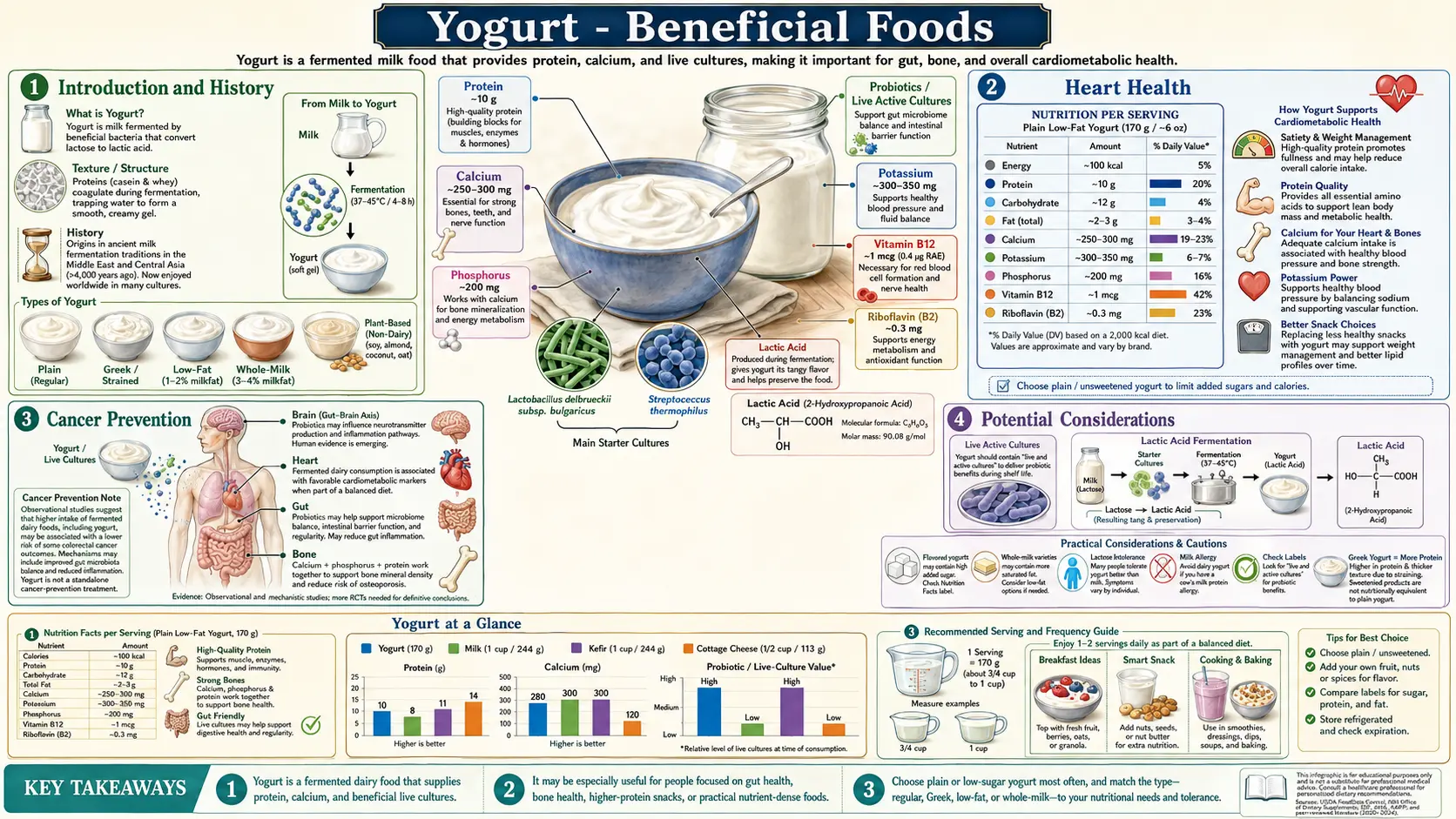
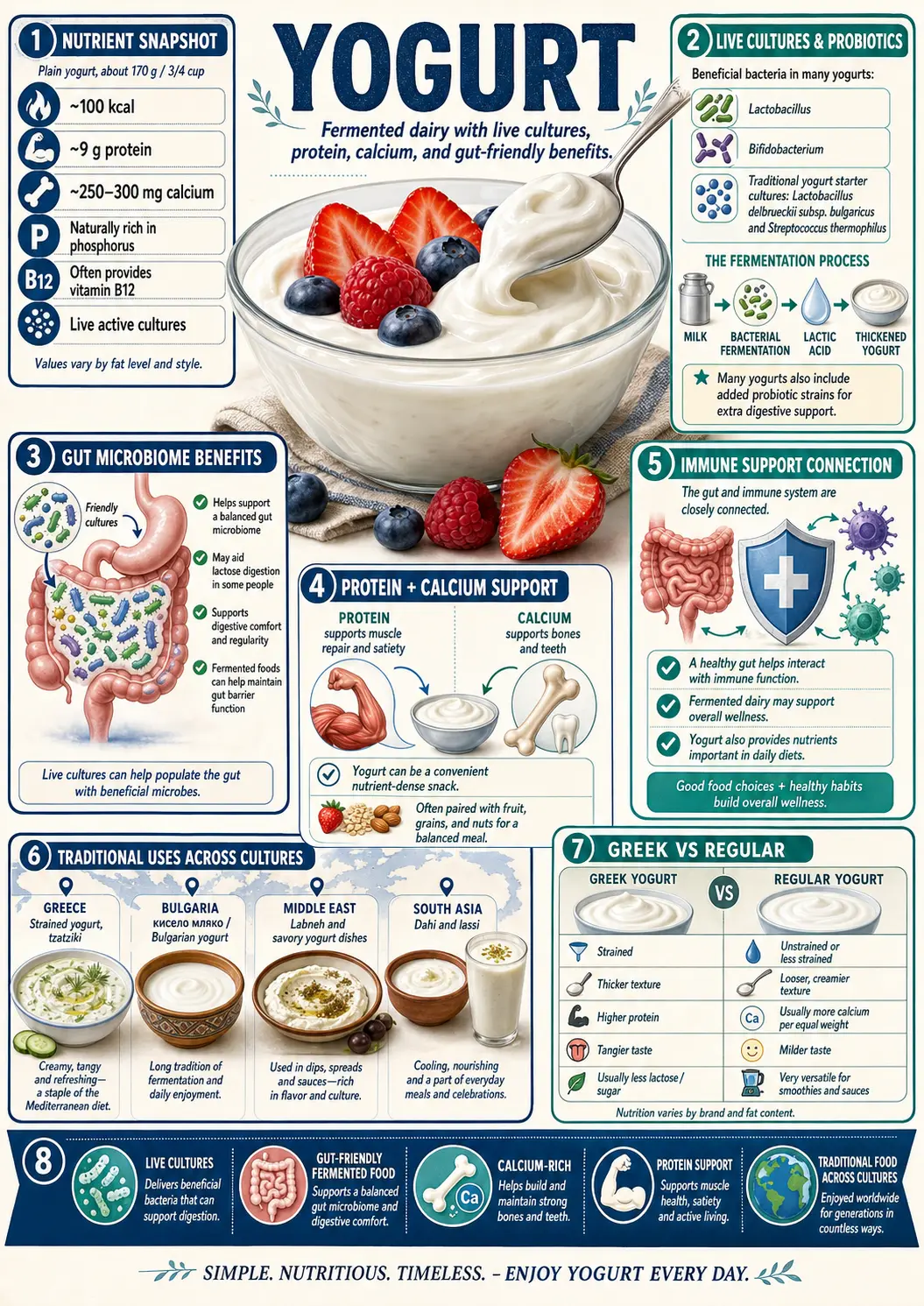
Table of Contents
- Introduction and History
- Nutritional Profile
- Gut Health and Probiotics
- Immune System Support
- Bone Health
- Heart Health
- Weight Management
- Digestive Health
- Mental Health and the Gut-Brain Axis
- Blood Sugar Control
- Skin Health
- Cancer Prevention
- Dental Health
- Greek vs Regular vs Kefir
- Choosing Quality Yogurt
- Optimal Consumption
- Potential Considerations
- Scientific References
- Research Papers
- Connections
- Featured Videos
1. Introduction and History
Yogurt stands as one of the oldest fermented foods known to humanity, with a history stretching back more than 5,000 years to the pastoral communities of Central Asia and the Middle East. Archaeological evidence and ancient texts suggest that nomadic herders in Mesopotamia discovered yogurt accidentally when milk stored in animal-skin containers was exposed to naturally occurring bacteria in warm climates. The fermentation process that resulted not only preserved the milk far longer than its raw form but also produced a tangy, thick substance that became a dietary staple across multiple civilizations. Ancient Indian Ayurvedic texts from around 6000 BCE reference a food closely resembling yogurt, describing it as a combination of milk and sunshine that promoted longevity and vitality.
The word "yogurt" itself derives from the Turkish word "yogurmak," meaning to thicken or to curdle. Turkish nomadic tribes were among the first to deliberately culture milk to produce yogurt, and the practice was deeply embedded in Ottoman cuisine and daily life. Historical accounts describe Suleiman the Magnificent sending his personal physician to treat King Francis I of France with yogurt in the sixteenth century. The food also played a central role in the cuisine of the Indian subcontinent, Persia, the Balkans, and the Caucasus region, where long-lived populations attributed their health and longevity in part to regular yogurt consumption. The Bulgarian physician Stamen Grigorov identified Lactobacillus bulgaricus as a key bacterium in yogurt fermentation in 1905, which inspired the Nobel laureate Elie Metchnikoff to theorize that the lactic acid bacteria in yogurt were responsible for the unusually long lifespans observed among Bulgarian peasants.
Yogurt's journey from a traditional food to a global health phenomenon accelerated in the twentieth century. Isaac Carasso founded Danone in Barcelona in 1919, bringing industrially produced yogurt to Western Europe. In the United States, yogurt remained a niche product until the 1950s and 1960s, when health-conscious consumers began seeking out fermented dairy products. The introduction of fruit-flavored yogurts dramatically expanded the market, and by the late twentieth century, yogurt had become one of the most widely consumed dairy products in the world. Today, yogurt is produced and enjoyed in virtually every country, with regional variations ranging from Indian lassi and raita to Icelandic skyr, Georgian matsoni, and Lebanese laban.
The enduring global appeal of yogurt reflects not only its versatility and pleasant taste but also the growing body of scientific evidence supporting its numerous health benefits. Modern research has confirmed many of the health claims that traditional cultures intuitively understood for millennia. From supporting digestive health to strengthening bones, modulating immune function, and even influencing mental well-being through the gut-brain axis, yogurt occupies a unique position at the intersection of ancient food tradition and contemporary nutritional science. Its combination of high-quality protein, essential vitamins and minerals, and live probiotic cultures makes it one of the most nutrient-dense foods available in the modern diet.
2. Nutritional Profile
Yogurt is a remarkably nutrient-dense food, delivering a broad spectrum of essential macronutrients and micronutrients in each serving. A standard 200-gram serving of plain, whole-milk yogurt provides approximately 8 to 10 grams of high-quality complete protein containing all essential amino acids. This protein content is particularly noteworthy because the fermentation process partially pre-digests the casein and whey proteins, making them more bioavailable and easier to absorb than the proteins in unfermented milk. Greek yogurt, which undergoes an additional straining step to remove excess whey, concentrates the protein content to approximately 15 to 20 grams per 200-gram serving, making it one of the richest non-meat protein sources available.
Calcium is perhaps the mineral most strongly associated with yogurt, and rightly so. A single serving of yogurt provides approximately 30 to 45 percent of the recommended daily intake of calcium, depending on the variety. The lactic acid produced during fermentation enhances calcium solubility and absorption in the intestinal tract, meaning that the calcium in yogurt is more bioavailable than the calcium found in many other dietary sources. Beyond calcium, yogurt is an excellent source of phosphorus, providing roughly 25 to 30 percent of the daily value per serving. Phosphorus works synergistically with calcium to build and maintain strong bones and teeth, and it also plays critical roles in energy metabolism and cellular function.
Yogurt is one of the best dietary sources of vitamin B12, a nutrient essential for red blood cell formation, neurological function, and DNA synthesis. A 200-gram serving of yogurt supplies approximately 30 to 40 percent of the recommended daily intake of B12, making it particularly valuable for vegetarians who may struggle to obtain adequate amounts of this vitamin from non-animal sources. Riboflavin (vitamin B2) is another B vitamin abundantly present in yogurt, contributing roughly 25 to 30 percent of the daily value per serving. Riboflavin is essential for energy production, cellular growth, and the metabolism of fats, drugs, and steroids in the body. Yogurt also provides meaningful amounts of pantothenic acid (vitamin B5) and cobalamin.
Potassium, an electrolyte mineral critical for heart function, muscle contraction, and blood pressure regulation, is present in yogurt at approximately 300 to 500 milligrams per serving. This contribution is significant given that potassium deficiency is widespread in Western diets. Many commercial yogurts are also fortified with vitamin D, which further enhances calcium absorption and provides independent benefits for immune function, mood regulation, and bone metabolism. The fat content of yogurt varies by type, with whole-milk yogurt providing beneficial conjugated linoleic acid (CLA) and short-chain fatty acids that have been associated with anti-inflammatory and metabolic benefits in research studies.
Perhaps the most distinctive nutritional feature of yogurt is its content of live bacterial cultures, commonly referred to as probiotics. Standard yogurt is fermented using Streptococcus thermophilus and Lactobacillus delbrueckii subsp. bulgaricus, and many commercial products add additional probiotic strains such as Lactobacillus acidophilus, Lactobacillus casei, and Bifidobacterium species. A high-quality yogurt may contain between one billion and ten billion colony-forming units (CFUs) of live bacteria per serving. These living microorganisms survive passage through the acidic environment of the stomach and colonize the intestinal tract, where they confer a wide array of health benefits that extend far beyond simple nutrition.
3. Gut Health and Probiotics
The human gastrointestinal tract harbors an extraordinarily complex ecosystem of trillions of microorganisms collectively known as the gut microbiome. This microbial community, weighing approximately 1.5 to 2 kilograms in a healthy adult, includes more than 1,000 distinct bacterial species that play fundamental roles in digestion, nutrient synthesis, immune regulation, and protection against pathogenic organisms. Yogurt, as one of the most widely consumed probiotic-rich foods, serves as a powerful vehicle for introducing beneficial bacteria into this ecosystem. The live cultures in yogurt have been shown to enhance microbial diversity, which researchers increasingly recognize as a key indicator of overall gut health and resilience.
Lactobacillus and Bifidobacterium are the two genera of probiotic bacteria most commonly found in yogurt, and both have been extensively studied for their effects on gut health. Lactobacillus species, including L. acidophilus, L. rhamnosus, and L. casei, produce lactic acid that lowers the pH of the intestinal environment, creating conditions that are inhospitable to many harmful pathogens while favoring the growth of other beneficial bacteria. Bifidobacterium species, such as B. lactis and B. longum, are particularly effective at fermenting dietary fiber into short-chain fatty acids (SCFAs) like butyrate, propionate, and acetate. Butyrate serves as the primary energy source for colonocytes, the cells lining the colon, and has been shown to strengthen the intestinal barrier, reduce inflammation, and promote the repair of damaged mucosal tissue.
Clinical research has demonstrated that regular yogurt consumption can significantly benefit individuals suffering from irritable bowel syndrome (IBS), a condition affecting an estimated 10 to 15 percent of the global population. A meta-analysis published in the World Journal of Gastroenterology found that probiotic-containing yogurt reduced overall IBS symptom severity, including abdominal pain, bloating, and irregular bowel movements, compared to placebo. The mechanisms underlying these benefits include modulation of gut motility, reduction of visceral hypersensitivity, normalization of intestinal gas production, and attenuation of low-grade mucosal inflammation. Specific strains such as Bifidobacterium infantis 35624 and Lactobacillus plantarum 299v, sometimes incorporated into probiotic yogurts, have shown particular efficacy in randomized controlled trials for IBS management.
One of the most well-documented applications of yogurt-derived probiotics is in the prevention and treatment of antibiotic-associated diarrhea (AAD). Antibiotics, while essential for combating bacterial infections, indiscriminately destroy both harmful and beneficial bacteria in the gut, often leading to dysbiosis, diarrhea, and in severe cases, Clostridium difficile infection. Multiple systematic reviews, including a comprehensive Cochrane review, have concluded that consuming probiotics during and after antibiotic therapy significantly reduces the incidence of AAD. Yogurt is a particularly practical delivery vehicle for this purpose because its food matrix protects the probiotic bacteria during passage through the stomach, and the lactose and protein in yogurt provide substrates that support bacterial colonization in the lower intestinal tract.
Beyond addressing specific gastrointestinal conditions, regular yogurt consumption appears to promote overall gut microbiome diversity and stability. A large-scale study published in Nature found that individuals who regularly consumed fermented foods, including yogurt, exhibited significantly greater microbial diversity and lower markers of systemic inflammation compared to those following a high-fiber diet without fermented foods. The researchers observed that fermented food consumption was associated with decreased levels of 19 inflammatory proteins, including interleukin-6 (IL-6) and C-reactive protein (CRP). This suggests that the probiotic bacteria in yogurt do not merely pass through the gut as transient visitors but actively reshape the microbial landscape in ways that have measurable systemic health consequences.
4. Immune System Support
Approximately 70 percent of the human immune system resides within the gut-associated lymphoid tissue (GALT), making the gastrointestinal tract the largest immune organ in the body. This intimate connection between the gut and immune function means that the composition and health of the gut microbiome exert a profound influence on the body's ability to detect, respond to, and neutralize threats ranging from pathogenic bacteria and viruses to abnormal cells. Yogurt, through its delivery of live probiotic cultures and its broader nutritional profile, represents one of the most accessible dietary strategies for supporting optimal immune function.
Probiotic bacteria found in yogurt modulate immune function through multiple well-characterized mechanisms. They enhance the production of secretory immunoglobulin A (sIgA), the predominant antibody class on mucosal surfaces, which acts as a first line of defense against pathogens attempting to invade through the intestinal lining. Lactobacillus and Bifidobacterium strains have been shown to stimulate the activity of natural killer (NK) cells, a type of innate immune cell responsible for recognizing and destroying virus-infected cells and tumor cells. Additionally, probiotics interact with dendritic cells and macrophages in the GALT to influence the balance between pro-inflammatory and anti-inflammatory cytokine production, promoting an immune response that is robust enough to fight infection without triggering excessive or chronic inflammation.
Clinical studies have provided compelling evidence that yogurt consumption can reduce the incidence, duration, and severity of common infections. A randomized controlled trial published in the European Journal of Clinical Nutrition demonstrated that elderly individuals who consumed 200 grams of probiotic yogurt daily for three months experienced significantly fewer upper respiratory tract infections compared to a control group. Another study in the British Journal of Nutrition found that children who consumed yogurt with Lactobacillus rhamnosus had a 17 percent lower incidence of respiratory infections and a 16 percent reduction in antibiotic use compared to children receiving a placebo. These findings are particularly significant for vulnerable populations, including the elderly and young children, whose immune systems are either declining or still developing.
The immune-modulating effects of yogurt extend beyond its probiotic content. Yogurt provides several nutrients that are independently essential for immune function, including zinc, selenium, vitamin B12, and, when fortified, vitamin D. Zinc is required for the development and function of T-cells, B-cells, and NK cells, while selenium supports the production of antioxidant enzymes that protect immune cells from oxidative damage. Vitamin D plays a critical role in both innate and adaptive immunity, and its deficiency has been associated with increased susceptibility to infections. The bioactive peptides generated during milk fermentation have also been shown to possess immunomodulatory properties, including the ability to enhance phagocytic activity and modulate inflammatory signaling pathways. Collectively, these mechanisms make yogurt a multifaceted immune-supporting food that operates through nutritional, microbial, and bioactive pathways simultaneously.
5. Bone Health
Osteoporosis, a condition characterized by the progressive loss of bone mineral density and deterioration of bone microarchitecture, affects an estimated 200 million people worldwide and is responsible for approximately 8.9 million fractures annually. Adequate nutrition is a cornerstone of osteoporosis prevention, and yogurt stands out as one of the most effective dietary tools for building and maintaining strong bones throughout the lifespan. Its unique combination of calcium, protein, phosphorus, and often vitamin D provides a comprehensive bone-supporting nutrient package that is more effective than any of these nutrients consumed in isolation.
The calcium content of yogurt, typically ranging from 200 to 450 milligrams per serving depending on the variety, is particularly well-suited for bone health because of its enhanced bioavailability. The lactic acid produced during fermentation lowers the pH of the yogurt matrix, which increases the solubility of calcium and facilitates its absorption across the intestinal epithelium. Research published in the American Journal of Clinical Nutrition has demonstrated that calcium from yogurt is absorbed approximately 20 to 30 percent more efficiently than calcium from non-fermented milk. Furthermore, the phosphorus in yogurt exists in an optimal ratio with calcium, which is critical because excessive phosphorus relative to calcium can actually promote calcium excretion and undermine bone health.
Many commercial yogurts are fortified with vitamin D, a nutrient that plays an indispensable role in calcium homeostasis and bone metabolism. Vitamin D promotes the expression of calcium-binding proteins in the intestinal lining that facilitate active calcium transport, and it also regulates the activity of osteoblasts (bone-building cells) and osteoclasts (bone-resorbing cells). Without adequate vitamin D, even a high calcium intake may fail to translate into meaningful improvements in bone mineral density. The combination of calcium and vitamin D in fortified yogurt has been shown in multiple clinical trials to reduce fracture risk by 15 to 30 percent in postmenopausal women and elderly adults, making vitamin D-fortified yogurt one of the most practical dietary strategies for osteoporosis prevention.
The high-quality protein in yogurt also contributes significantly to bone health through mechanisms that extend beyond simple calcium provision. Dietary protein stimulates the production of insulin-like growth factor 1 (IGF-1), a hormone that promotes osteoblast activity and bone matrix formation. Protein also provides the amino acid building blocks necessary for the synthesis of collagen, which constitutes approximately 90 percent of the organic matrix of bone. Epidemiological studies, including data from the Framingham Osteoporosis Study, have found that higher yogurt consumption is independently associated with greater bone mineral density at the hip and femoral neck, even after adjusting for overall calcium and protein intake. This suggests that yogurt confers bone health benefits that go beyond the sum of its individual nutrients, possibly due to synergistic interactions between its bioactive compounds, probiotics, and mineral content.
6. Heart Health
Cardiovascular disease remains the leading cause of death globally, and dietary factors play a major role in both its prevention and progression. For decades, dairy products were viewed with suspicion in the context of heart health due to their saturated fat content. However, a substantial and growing body of epidemiological research has revealed what scientists now call the "fermented dairy paradox": regular consumption of fermented dairy products like yogurt is consistently associated with neutral or even beneficial effects on cardiovascular risk markers, despite their saturated fat content. Large prospective cohort studies, including data from the Nurses' Health Study and the Health Professionals Follow-Up Study involving over 200,000 participants, have found that higher yogurt intake is associated with a 16 to 20 percent lower risk of developing cardiovascular disease.
One of the primary mechanisms through which yogurt benefits heart health is its effect on blood pressure. Hypertension is the single most important modifiable risk factor for cardiovascular disease, and the potassium, calcium, and magnesium in yogurt all contribute to blood pressure regulation. Potassium promotes sodium excretion through the kidneys and relaxes the walls of blood vessels, counteracting the hypertensive effects of high-sodium diets. A meta-analysis published in the Journal of Human Hypertension found that consuming at least one serving of yogurt daily was associated with a 6 percent reduction in the risk of developing hypertension. Additionally, bioactive peptides produced during milk fermentation, particularly certain tripeptides such as isoleucine-proline-proline (IPP) and valine-proline-proline (VPP), have been shown to inhibit angiotensin-converting enzyme (ACE), the same target of widely prescribed antihypertensive medications.
Yogurt consumption also appears to favorably influence blood lipid profiles, although the mechanisms are complex and not yet fully elucidated. Several clinical trials have demonstrated that regular yogurt consumption can modestly reduce total cholesterol and LDL cholesterol levels, particularly in individuals with elevated baseline values. Probiotic bacteria in yogurt may contribute to this effect by directly metabolizing cholesterol in the intestinal lumen, by deconjugating bile salts (which forces the liver to use circulating cholesterol to synthesize new bile acids), and by producing short-chain fatty acids that modulate hepatic cholesterol synthesis. A systematic review of 13 randomized controlled trials found that probiotic yogurt consumption reduced total cholesterol by an average of 7.84 mg/dL and LDL cholesterol by 7.14 mg/dL compared to control treatments.
Beyond its effects on traditional cardiovascular risk factors, yogurt may reduce heart disease risk through its anti-inflammatory properties. Chronic low-grade inflammation, often measured by circulating levels of C-reactive protein (CRP), interleukin-6 (IL-6), and tumor necrosis factor-alpha (TNF-alpha), is now recognized as a fundamental driver of atherosclerosis, the process by which fatty plaques build up in arterial walls. The probiotics and bioactive compounds in yogurt have been shown to reduce these inflammatory markers by strengthening the intestinal barrier (thereby preventing the translocation of pro-inflammatory bacterial endotoxins into the bloodstream), modulating immune cell activity, and altering the composition of the gut microbiome in ways that favor anti-inflammatory metabolite production. These combined mechanisms help explain why yogurt consumption is consistently associated with better cardiovascular outcomes in observational studies.
7. Weight Management
Maintaining a healthy body weight is essential for reducing the risk of type 2 diabetes, cardiovascular disease, certain cancers, and numerous other chronic conditions. Yogurt has emerged from epidemiological research as one of the specific foods most strongly associated with the prevention of weight gain over time. An influential Harvard study published in the New England Journal of Medicine, which tracked the dietary habits and weight changes of over 120,000 men and women for up to 20 years, identified yogurt as the single food most strongly inversely associated with weight gain. Participants who increased their yogurt consumption by one serving per day gained, on average, 0.82 fewer pounds per four-year period compared to those who did not increase yogurt intake.
The high protein content of yogurt is a primary driver of its weight management benefits. Protein is the most satiating macronutrient, meaning it promotes feelings of fullness and reduces subsequent food intake more effectively than equivalent amounts of carbohydrates or fat. This effect is mediated by protein's stimulation of satiety hormones including cholecystokinin (CCK), peptide YY (PYY), and glucagon-like peptide-1 (GLP-1), as well as its suppression of the hunger hormone ghrelin. Greek yogurt, with its concentrated protein content of 15 to 20 grams per serving, is particularly effective at promoting satiety. A study published in the journal Appetite found that women who consumed a high-protein Greek yogurt afternoon snack reported significantly less hunger, greater fullness, and delayed subsequent eating compared to those who consumed lower-protein snacks of equal caloric content.
Calcium, another abundant nutrient in yogurt, may contribute to weight management through its effects on fat metabolism. Research suggests that dietary calcium increases the excretion of fat in feces by forming insoluble calcium-fatty acid complexes (calcium soaps) in the intestinal lumen, effectively reducing the absorption of a portion of dietary fat. A randomized controlled trial found that increasing calcium intake from dairy sources by 800 milligrams per day resulted in an additional 5.2 grams of fecal fat excretion daily, equivalent to roughly 45 extra calories eliminated per day. While this effect is modest on a daily basis, over months and years it could meaningfully contribute to the prevention of gradual weight gain. Additionally, intracellular calcium levels influence adipocyte metabolism, with higher dietary calcium promoting lipolysis (fat breakdown) and inhibiting lipogenesis (fat synthesis).
The probiotic bacteria in yogurt may also independently influence body weight and fat distribution. Certain Lactobacillus strains, particularly L. gasseri and L. rhamnosus, have been associated with reductions in visceral fat, the metabolically dangerous fat that accumulates around the abdominal organs. A Japanese study published in the European Journal of Clinical Nutrition found that consuming fermented milk containing L. gasseri SBT2055 for 12 weeks resulted in significant reductions in abdominal visceral fat, body weight, and waist circumference compared to a control group. These effects may be mediated by probiotic modulation of fatty acid absorption, bile acid metabolism, and the production of short-chain fatty acids that influence appetite-regulating pathways in the brain.
8. Digestive Health
Yogurt occupies a unique position among dairy products in its ability to be tolerated by many individuals who otherwise experience discomfort when consuming milk and other unfermented dairy foods. Lactose intolerance, caused by insufficient production of the enzyme lactase, affects an estimated 65 to 70 percent of the global adult population, with prevalence rates exceeding 90 percent in many East Asian and West African populations. During yogurt fermentation, the bacterial cultures Streptococcus thermophilus and Lactobacillus bulgaricus consume a substantial portion of the lactose in milk, converting it into lactic acid. This pre-digestion reduces the lactose content of yogurt by approximately 20 to 30 percent compared to the original milk, often bringing it below the threshold that triggers symptoms in many lactose-intolerant individuals.
Beyond the reduction in lactose content during fermentation, the live bacteria in yogurt continue to produce beta-galactosidase (the bacterial equivalent of lactase) after consumption. These bacterial enzymes remain active in the intestinal tract, where they continue to break down any remaining lactose and assist the host's own diminished lactase capacity. A landmark study published in the American Journal of Clinical Nutrition demonstrated that lactose-intolerant individuals who consumed yogurt experienced significantly less hydrogen production (a marker of lactose malabsorption) and fewer gastrointestinal symptoms compared to when they consumed an equivalent amount of milk. This finding has led major gastroenterological organizations, including the European Food Safety Authority, to officially recognize that yogurt cultures improve the digestion of lactose in individuals with lactose maldigestion.
Yogurt also promotes digestive comfort by reducing bloating, gas, and abdominal distension, even in individuals without diagnosed lactose intolerance. The probiotics in yogurt help maintain a balanced intestinal microbial environment that prevents the overgrowth of gas-producing pathogenic or commensal bacteria. Specifically, Lactobacillus and Bifidobacterium species compete with gas-producing organisms for nutrients and binding sites on the intestinal epithelium, a process known as competitive exclusion. They also produce bacteriocins, antimicrobial peptides that directly inhibit the growth of potentially harmful microorganisms. Clinical trials have shown that regular probiotic yogurt consumption reduces the frequency and severity of bloating episodes and normalizes intestinal transit time in both healthy individuals and those with functional gastrointestinal disorders.
The short-chain fatty acids (SCFAs) produced by yogurt's probiotic bacteria during their fermentation of dietary substrates in the colon provide additional digestive health benefits. Butyrate, the most extensively studied SCFA, nourishes colonocytes and stimulates the production of mucin, the glycoprotein that forms the protective mucus layer lining the intestinal wall. This mucus barrier is critical for preventing direct contact between luminal bacteria and the epithelial surface, thereby reducing the risk of inflammatory responses and maintaining intestinal permeability. Propionate and acetate, two other SCFAs produced by probiotic metabolism, further contribute to digestive health by promoting water and sodium absorption in the colon, supporting healthy bowel movements, and providing substrates for hepatic gluconeogenesis and lipogenesis that influence systemic metabolic health.
9. Mental Health and the Gut-Brain Axis
The gut-brain axis is a bidirectional communication network linking the central nervous system with the enteric nervous system, the complex network of over 500 million neurons that governs the function of the gastrointestinal tract. This communication occurs through multiple channels, including the vagus nerve (the longest cranial nerve, which directly connects the brainstem to the gut), the hypothalamic-pituitary-adrenal (HPA) axis, immune signaling molecules, and microbial metabolites. The recognition that gut bacteria can influence brain function and behavior has given rise to the concept of "psychobiotics," defined as living organisms that, when ingested in adequate amounts, produce a health benefit in patients suffering from psychiatric disorders. Yogurt, as one of the most commonly consumed probiotic-rich foods, has become a focal point of research into the mental health implications of the gut-brain axis.
Preclinical research has established that specific probiotic strains found in yogurt can profoundly influence brain chemistry and behavior. Studies in animal models have demonstrated that Lactobacillus rhamnosus JB-1 alters the expression of GABA receptors in the brain in a manner that reduces anxiety-like and depression-related behaviors. This effect was shown to be vagus nerve-dependent, as vagotomized mice did not exhibit the behavioral or neurochemical changes seen in intact animals. Bifidobacterium longum 1714 has been shown to reduce stress hormone output and improve cognitive performance under stress conditions in both animal and human studies. These bacteria appear to influence brain function through multiple mechanisms, including the production of neurotransmitters and their precursors (GABA, serotonin, dopamine), modulation of tryptophan metabolism along the kynurenine pathway, and reduction of systemic inflammation that can impair neural function.
Human clinical trials have begun to confirm the mental health benefits of fermented dairy consumption. A groundbreaking study conducted by researchers at UCLA and published in the journal Gastroenterology found that healthy women who consumed probiotic yogurt twice daily for four weeks showed altered brain activity in regions controlling central processing of emotion and sensation, as measured by functional magnetic resonance imaging (fMRI). Specifically, the yogurt-consuming group exhibited reduced activity in brain regions associated with emotional reactivity and heightened activity in regions associated with executive function and rational decision-making when exposed to emotional stimuli. A separate randomized, double-blind, placebo-controlled trial published in Brain, Behavior, and Immunity found that a multispecies probiotic intervention significantly reduced cognitive reactivity to sad mood, a vulnerability marker for depression, compared to placebo.
The mental health implications of yogurt consumption extend to anxiety disorders, one of the most prevalent categories of mental illness worldwide. The vagus nerve serves as a primary conduit for gut-brain communication, and probiotic stimulation of vagal afferent fibers has been shown to activate brain regions involved in mood regulation, including the prefrontal cortex and the limbic system. Approximately 95 percent of the body's serotonin, a neurotransmitter critically involved in mood, sleep, and appetite regulation, is produced in the gut, and probiotic bacteria influence serotonin synthesis by modulating the availability of its precursor, tryptophan. Emerging clinical evidence suggests that regular consumption of probiotic-rich foods like yogurt may serve as a useful adjunctive strategy for managing mild to moderate anxiety and depression, although it is not a replacement for established pharmacological and psychotherapeutic treatments in cases of severe mental illness.
10. Blood Sugar Control
Type 2 diabetes has reached epidemic proportions globally, affecting over 500 million adults, and dietary strategies for blood sugar management are of paramount importance. Yogurt has consistently emerged from epidemiological research as a food associated with reduced diabetes risk. A comprehensive meta-analysis published in BMC Medicine, which pooled data from 14 prospective cohort studies involving over 450,000 participants, found that each daily serving of yogurt was associated with an 18 percent reduction in the risk of developing type 2 diabetes. This association remained significant after adjustment for body mass index, physical activity, and overall dietary quality, suggesting that yogurt exerts effects on glucose metabolism that are independent of its role in weight management.
The high protein content of yogurt plays a central role in its blood sugar-stabilizing effects. When consumed alongside carbohydrate-containing foods, protein slows gastric emptying and stimulates the secretion of incretin hormones, particularly GLP-1 and gastric inhibitory polypeptide (GIP), which enhance insulin release from pancreatic beta cells and suppress glucagon secretion. This results in a more gradual and attenuated rise in blood glucose following a meal. A study published in the Journal of Nutrition demonstrated that adding yogurt to a high-glycemic-index breakfast significantly reduced the postprandial blood glucose area under the curve compared to the same breakfast consumed without yogurt. Greek yogurt, with its higher protein and lower carbohydrate content relative to regular yogurt, is particularly effective at blunting postprandial glycemic excursions.
The probiotic bacteria in yogurt may independently improve insulin sensitivity and glucose homeostasis through their effects on the gut microbiome and systemic inflammation. Dysbiosis, an imbalance in the composition and function of the gut microbiota, has been identified as a contributing factor in the development of insulin resistance and type 2 diabetes. Probiotic supplementation has been shown to improve markers of glucose metabolism in multiple randomized controlled trials, with effects including reduced fasting blood glucose, lower hemoglobin A1c levels, and improved HOMA-IR (a measure of insulin resistance). The mechanisms underlying these improvements likely involve probiotic reduction of intestinal permeability (which decreases the translocation of inflammatory endotoxins), modulation of bile acid metabolism, and increased production of short-chain fatty acids that stimulate GLP-1 secretion from intestinal L-cells.
The fermentation process itself may contribute to yogurt's glycemic benefits. Fermentation reduces the lactose content of yogurt, effectively lowering its glycemic index compared to milk. The lactic acid produced during fermentation has been shown to slow the rate of gastric emptying, further moderating the postprandial glucose response. Additionally, the bioactive peptides generated during casein proteolysis have demonstrated dipeptidyl peptidase-4 (DPP-4) inhibitory activity in laboratory studies. DPP-4 is the enzyme responsible for degrading incretin hormones, and its inhibition is the mechanism of action of a major class of diabetes medications (gliptins). While the DPP-4 inhibitory potency of yogurt-derived peptides is far lower than that of pharmaceutical agents, regular consumption may provide a modest, additive contribution to incretin-mediated glucose regulation.
11. Skin Health
The relationship between gut health and skin condition has been recognized by dermatologists for nearly a century, a connection now formally known as the gut-skin axis. Systemic inflammation originating from gut dysbiosis can manifest in the skin as acne, rosacea, eczema, and psoriasis, among other conditions. By promoting a balanced and diverse gut microbiome, the probiotic bacteria in yogurt may help reduce the inflammatory burden that drives many common skin disorders. Research published in the journal Gut Pathogens demonstrated that oral probiotic supplementation improved the clinical severity of acne vulgaris by reducing inflammatory cytokine levels and modulating the composition of sebaceous lipids. Yogurt, as a natural and widely available probiotic food, offers a practical dietary approach to supporting skin health from the inside out.
Eczema (atopic dermatitis), a chronic inflammatory skin condition affecting up to 20 percent of children and 3 percent of adults worldwide, has been a particular focus of probiotic research. Multiple randomized controlled trials have demonstrated that maternal consumption of probiotic-containing yogurt during late pregnancy and lactation can significantly reduce the incidence of eczema in infants during the first two years of life. A meta-analysis published in the Journal of Allergy and Clinical Immunology found that perinatal probiotic supplementation reduced the risk of eczema by approximately 21 percent. The proposed mechanism involves probiotic modulation of the maternal immune system and, through breast milk, the infant's developing immune system, promoting a balanced T-helper cell response that is less prone to the excessive Th2-mediated allergic inflammation characteristic of atopic dermatitis.
Beyond its internal effects, yogurt has a long history of topical use in traditional beauty practices across many cultures. Applied directly to the skin, yogurt's lactic acid acts as a gentle alpha-hydroxy acid (AHA) that promotes exfoliation of dead skin cells, stimulates cell turnover, and improves skin texture and tone. The protein and fat in yogurt provide moisturizing and soothing effects, while the zinc content supports wound healing and reduces sebum production. Clinical studies have shown that topical application of lactic acid at concentrations similar to those found in yogurt can increase skin thickness, improve skin firmness, and reduce the appearance of fine lines by stimulating collagen and glycosaminoglycan production in the dermis. Traditional remedies involving yogurt face masks for brightening, hydrating, and calming irritated skin have substantial biochemical plausibility.
The vitamins and minerals in yogurt provide additional support for skin health when consumed as part of the regular diet. Riboflavin (vitamin B2) is essential for tissue repair and the maintenance of healthy mucous membranes, including the skin. Zinc plays a critical role in keratinocyte proliferation, immune defense within the skin, and the regulation of inflammatory responses. Vitamin B12, abundantly present in yogurt, is required for DNA synthesis in rapidly dividing skin cells and has been investigated as a topical treatment for eczema. The conjugated linoleic acid (CLA) naturally present in whole-milk yogurt has demonstrated anti-inflammatory properties in both systemic and cutaneous contexts. Collectively, these nutrients work alongside yogurt's probiotic cultures to support skin barrier integrity, reduce inflammatory skin conditions, and promote a healthy, resilient complexion.
12. Cancer Prevention
The potential role of yogurt in cancer prevention has attracted growing research attention over the past two decades, with the strongest evidence emerging for colorectal cancer, the third most commonly diagnosed malignancy worldwide. A large-scale prospective study published in the journal Gut, which followed over 32,000 male health professionals for more than 25 years, found that men who consumed two or more servings of yogurt per week had a 19 percent lower risk of developing colorectal adenomas (precancerous polyps) compared to those who did not consume yogurt. The association was particularly strong for adenomas that were more likely to become malignant, with a 26 percent risk reduction for high-malignant-potential adenomas. These findings suggest that yogurt may intervene at an early stage in the adenoma-carcinoma sequence that underlies most colorectal cancers.
Several mechanisms have been proposed to explain yogurt's potential anti-cancer effects in the colorectum. The probiotic bacteria in yogurt produce butyrate and other short-chain fatty acids through fermentation of dietary substrates in the colon. Butyrate has been extensively demonstrated to inhibit the proliferation of cancer cells, induce apoptosis (programmed cell death) in transformed colonocytes, promote the differentiation of immature cells into normal functional phenotypes, and inhibit histone deacetylase enzymes, thereby favorably modulating gene expression in colonic epithelial cells. Lactobacillus and Bifidobacterium species also reduce the activity of beta-glucuronidase and other bacterial enzymes that convert pro-carcinogens into active carcinogens in the colonic lumen. By lowering the concentration of these enzymes, probiotic bacteria effectively reduce the exposure of the colonic epithelium to genotoxic compounds.
Emerging evidence also suggests a potential protective role for yogurt against breast cancer, the most common cancer in women. A meta-analysis published in the journal Cancer Epidemiology, Biomarkers and Prevention found that high fermented dairy intake was associated with a modest but statistically significant reduction in breast cancer risk. The proposed mechanisms include modulation of circulating estrogen levels through probiotic alteration of the enterohepatic circulation of estrogens, anti-inflammatory effects that counteract the chronic inflammation implicated in tumor promotion, and direct immunomodulatory actions that enhance the body's cancer surveillance capabilities. The conjugated linoleic acid (CLA) present in dairy fat from yogurt has also demonstrated anti-proliferative and pro-apoptotic effects in breast cancer cell lines in laboratory studies.
The immunomodulatory properties of yogurt's probiotic bacteria extend to enhanced cancer immune surveillance throughout the body. Probiotic stimulation of natural killer (NK) cell activity is one of the most consistently observed effects in human clinical trials, and NK cells play a critical role in the detection and elimination of nascent tumor cells before they can establish themselves and grow. Additionally, certain Lactobacillus strains have been shown to enhance the cytotoxic activity of T-lymphocytes against tumor cells and to promote the production of anti-tumor cytokines such as interferon-gamma (IFN-gamma) and tumor necrosis factor-alpha (TNF-alpha) within the tumor microenvironment. While yogurt should not be considered a cancer treatment, the cumulative evidence supports its role as a component of a cancer-preventive dietary pattern when consumed regularly as part of a balanced diet rich in plant foods, fiber, and other protective nutrients.
13. Dental Health
The oral cavity harbors a complex microbiome of over 700 bacterial species, and the balance between commensal and pathogenic organisms is a primary determinant of dental health. Dental caries (cavities) and periodontal disease are among the most prevalent chronic diseases globally, affecting billions of people and imposing enormous healthcare costs. The probiotic bacteria in yogurt can positively influence the oral microbiome by competing with cariogenic (cavity-causing) pathogens, particularly Streptococcus mutans, the bacterium most strongly implicated in the initiation and progression of dental caries. Lactobacillus and Bifidobacterium species produce antimicrobial compounds including bacteriocins and hydrogen peroxide that directly inhibit S. mutans growth and biofilm formation on tooth surfaces.
Clinical studies have provided evidence that yogurt consumption can reduce oral pathogen levels and improve dental health outcomes. A study published in the journal Caries Research found that children who consumed probiotic yogurt containing Lactobacillus rhamnosus experienced significant reductions in salivary S. mutans counts compared to children consuming non-probiotic yogurt. Another investigation in the International Journal of Paediatric Dentistry demonstrated that daily yogurt consumption over a period of several weeks reduced dental plaque scores and gingival inflammation in school-aged children. The mechanisms underlying these benefits include probiotic competitive exclusion of pathogens from adhesion sites on the tooth surface, reduction of oral pH fluctuations that promote enamel demineralization, and modulation of the host immune response in gingival tissues.
Beyond its probiotic effects, yogurt contributes to dental health through its mineral content. Calcium and phosphorus, both present in high concentrations in yogurt, are the primary inorganic components of tooth enamel (hydroxyapatite). Adequate dietary intake of these minerals supports the remineralization of enamel that has been weakened by acid exposure, effectively reversing the earliest stages of cavity formation. The casein protein in yogurt has also been shown to adhere to tooth surfaces and reduce demineralization by acting as a physical barrier against acid attack. Research published in the Australian Dental Journal found that cheese, yogurt, and milk all demonstrated significant protective effects against enamel erosion in laboratory models, with the casein phosphopeptide-amorphous calcium phosphate (CPP-ACP) complexes in dairy playing a key role.
It is important to note that the dental health benefits of yogurt are most strongly associated with plain, unsweetened varieties. Flavored yogurts that contain high levels of added sugar can paradoxically promote dental caries by providing fermentable substrates for cariogenic bacteria, thereby negating the protective effects of the probiotics and minerals. When choosing yogurt for dental health benefits, consumers should prioritize plain yogurt with live active cultures and avoid products with added sugars, syrups, or candy-like toppings. Consuming yogurt as part of a meal rather than as a standalone snack also helps minimize any transient acidic effects of lactic acid on tooth enamel, as the other foods in the meal stimulate saliva production that buffers oral pH.
14. Greek vs Regular vs Kefir
Regular yogurt, Greek yogurt, and kefir represent three distinct approaches to dairy fermentation, each with its own nutritional profile, texture, and probiotic characteristics. Regular (traditional) yogurt is produced by fermenting milk with Streptococcus thermophilus and Lactobacillus bulgaricus, resulting in a creamy, pourable product with a balanced nutritional profile. A 200-gram serving of plain regular yogurt typically provides 8 to 10 grams of protein, 300 to 400 milligrams of calcium, and 12 to 17 grams of naturally occurring sugars (primarily lactose). Regular yogurt retains the whey liquid from fermentation, which contributes to its thinner consistency but also preserves water-soluble nutrients including potassium, sodium, and certain B vitamins that are partially lost during the straining process used to produce Greek yogurt.
Greek yogurt, also known as strained yogurt, undergoes an additional straining step that removes a significant portion of the liquid whey, resulting in a much thicker, creamier product with concentrated macronutrient content. This straining process approximately doubles the protein content compared to regular yogurt, with a 200-gram serving of plain Greek yogurt typically delivering 15 to 20 grams of protein. The removal of whey also reduces the carbohydrate (lactose) content to roughly 5 to 8 grams per serving, making Greek yogurt a lower-carbohydrate option that is preferred by many individuals following carbohydrate-restricted diets or managing blood sugar levels. However, the straining process also reduces the calcium content by approximately 30 to 40 percent compared to regular yogurt, as a significant portion of calcium is carried away with the whey. Greek yogurt typically costs more than regular yogurt because it requires approximately three cups of milk to produce one cup of finished product.
Kefir is a fermented milk drink that differs fundamentally from both regular and Greek yogurt in its fermentation process and microbial composition. While yogurt is fermented by bacteria alone, kefir is produced using kefir "grains," which are complex symbiotic colonies of bacteria and yeasts embedded in a matrix of proteins, lipids, and polysaccharides. This dual fermentation by bacteria and yeasts produces a wider variety of probiotic organisms, with traditional kefir containing up to 60 different microbial species compared to the 2 to 7 species typically found in commercial yogurt. The yeast fermentation also produces small amounts of ethanol (typically less than 1 percent) and carbon dioxide, giving kefir a slightly effervescent, tangy flavor. Kefir's microbial diversity may confer additional health benefits, as studies have shown that kefir consumption produces more diverse and sustained changes in the gut microbiome compared to yogurt alone.
When comparing these three fermented dairy products, the optimal choice depends on individual health goals and preferences. For individuals prioritizing protein intake, muscle recovery, or weight management, Greek yogurt offers the highest protein density per calorie. For those seeking maximum calcium intake for bone health, regular yogurt may be the better choice due to its higher calcium retention. For individuals focused on gut microbiome diversity and maximal probiotic exposure, kefir provides the broadest spectrum of beneficial microorganisms. All three products share the fundamental benefits of fermented dairy, including improved lactose digestibility, anti-inflammatory properties, and cardiovascular benefits. Many nutritionists recommend incorporating a variety of fermented dairy products into the diet to maximize the diversity of probiotic strains consumed and to take advantage of the complementary nutritional strengths of each product.
15. Choosing Quality Yogurt
The health benefits described throughout this article are contingent on consuming yogurt that actually contains live, active bacterial cultures in meaningful quantities. When shopping for yogurt, the most important thing to look for is a label stating "contains live and active cultures" or displaying a "Live and Active Cultures" seal from the National Yogurt Association (in the United States) or equivalent certification in other countries. While all yogurt is made with bacterial cultures, some products undergo heat treatment (pasteurization) after fermentation, which kills the probiotic bacteria and eliminates many of the gut health, immune, and metabolic benefits associated with yogurt consumption. Products labeled "heat-treated after culturing" should be avoided if probiotic benefits are a priority.
Added sugar is the single most significant factor that can transform yogurt from a health food into something approaching a dessert. Many commercially available flavored yogurts contain 20 to 30 grams of added sugar per serving, rivaling the sugar content of a candy bar or can of soda. The American Heart Association recommends limiting added sugar intake to no more than 25 grams per day for women and 36 grams per day for men, meaning that a single serving of a heavily sweetened yogurt can consume most or all of the daily added sugar allowance. When reading yogurt labels, it is important to distinguish between naturally occurring lactose (which is present in all dairy products and is partially reduced during fermentation) and added sugars such as cane sugar, high-fructose corn syrup, honey, or fruit juice concentrate. The healthiest approach is to choose plain yogurt and add natural sweetness through fresh fruit, a small amount of honey, or a sprinkle of cinnamon.
The choice between full-fat, low-fat, and non-fat yogurt has been the subject of considerable scientific debate. For decades, dietary guidelines recommended low-fat dairy products based on the assumption that saturated fat in dairy promotes cardiovascular disease. However, a substantial body of recent research has challenged this view, finding that full-fat dairy consumption is associated with neutral or even beneficial effects on cardiovascular risk markers, body weight, and metabolic health. Full-fat yogurt provides conjugated linoleic acid (CLA), fat-soluble vitamins (A, D, E, K2), and a creamy texture that enhances satiety and reduces the need for added sugars. Many nutrition researchers now recommend choosing full-fat or at least low-fat yogurt over non-fat varieties, which often compensate for the loss of flavor from fat removal by adding sugar, thickeners, and artificial ingredients.
Organic yogurt, produced from the milk of cows raised without synthetic hormones, antibiotics, or genetically modified feed, may offer additional nutritional advantages. Studies have found that organic dairy products contain higher levels of omega-3 fatty acids, CLA, and certain antioxidants compared to conventional dairy, likely due to the greater access to pasture and forage-based diets enjoyed by organically raised cows. When evaluating yogurt brands, consumers should also consider the specific probiotic strains listed on the label, as different strains have different health effects. Products that list specific, well-researched strains (such as Lactobacillus rhamnosus GG, Bifidobacterium lactis BB-12, or Lactobacillus acidophilus LA-5) with their designated strain numbers provide greater assurance of probiotic efficacy than products that list only genus and species names without strain identification.
16. Optimal Consumption
Determining the optimal amount of yogurt to consume daily requires balancing the desire for maximum health benefits with practical considerations of dietary variety and individual tolerance. Most clinical studies demonstrating health benefits of yogurt have used servings of 150 to 250 grams (approximately one standard cup) consumed one to three times daily. Major dietary guidelines, including those from the USDA Dietary Guidelines for Americans and the European Society of Cardiology, recommend two to three servings of dairy per day, with yogurt being one of the most nutritious ways to meet this recommendation. For most healthy adults, one to two servings (200 to 400 grams) of yogurt per day provides a meaningful contribution of probiotics, protein, calcium, and other nutrients without displacing other important food groups from the diet.
The timing of yogurt consumption can influence its effectiveness for specific health goals. Consuming yogurt with breakfast provides a protein-rich start to the day that stabilizes blood sugar levels and reduces mid-morning hunger, potentially reducing overall caloric intake. For individuals using yogurt to support digestive health, consuming it between meals on a partially empty stomach may improve the survival of probiotic bacteria through the acidic gastric environment, as the buffering effect of yogurt raises stomach pH and the reduced digestive activity between meals provides a less hostile transit environment. However, the food matrix of yogurt itself provides substantial protection for probiotic bacteria, and clinical benefits have been demonstrated regardless of the timing of consumption, so consistency of daily intake is more important than precise timing.
Combining yogurt with prebiotic-rich foods can amplify its probiotic benefits through a synbiotic effect. Prebiotics are non-digestible dietary fibers and oligosaccharides that serve as selective fuel for beneficial bacteria in the gut, including the probiotics delivered by yogurt. Excellent prebiotic foods to pair with yogurt include bananas (rich in fructooligosaccharides), berries (containing polyphenols that selectively promote Bifidobacterium growth), oats (providing beta-glucan fiber), flaxseeds (offering mucilaginous fiber), and honey (containing oligosaccharides). A study published in the Journal of Functional Foods demonstrated that consuming yogurt with a prebiotic supplement resulted in significantly greater increases in fecal Bifidobacterium counts and short-chain fatty acid production compared to consuming yogurt or the prebiotic alone. This synergistic approach is easy to implement in practice by simply adding fruit, granola, nuts, or seeds to plain yogurt.
For athletes and physically active individuals, yogurt serves as an excellent post-exercise recovery food. The combination of whey and casein proteins in yogurt provides both rapidly absorbed amino acids for immediate muscle protein synthesis and slowly digested protein for sustained amino acid delivery over several hours. The carbohydrate content of regular yogurt helps replenish depleted glycogen stores, while the electrolytes (potassium, sodium, magnesium) support rehydration. Greek yogurt, with its concentrated protein content, is particularly favored in sports nutrition and has been shown in clinical trials to promote muscle recovery and reduce exercise-induced muscle damage when consumed within two hours of resistance training. Adding yogurt to smoothies with fruit and additional protein provides a convenient, well-balanced recovery meal that supports both muscular adaptation and gut health.
17. Potential Considerations
While yogurt is well-tolerated by the vast majority of people and offers numerous health benefits, several considerations should be kept in mind. Individuals with a true cow's milk protein allergy (as distinct from lactose intolerance) must avoid all dairy-based yogurt, as the fermentation process does not eliminate the allergenic proteins, primarily casein and whey. Cow's milk allergy affects approximately 2 to 3 percent of infants and young children and about 0.1 to 0.5 percent of adults. For these individuals, non-dairy yogurt alternatives made from coconut, almond, soy, or oat milk with added probiotic cultures may provide some of the benefits of traditional yogurt, although the protein content and overall nutritional profile vary significantly and are generally inferior to dairy-based products. Goat or sheep milk yogurts may be tolerated by some individuals with cow's milk sensitivity, as their protein structures differ from those in cow's milk.
Lactose intolerance, while far more common than milk protein allergy, is generally not a contraindication to yogurt consumption. As discussed in the digestive health section, the fermentation process reduces lactose content and provides bacterial enzymes that further assist with lactose digestion. However, the degree of lactose reduction varies between products, and some individuals with severe lactose intolerance may still experience symptoms from yogurt, particularly varieties that have been minimally fermented or that contain added milk solids. These individuals may benefit from starting with small servings and gradually increasing their intake, choosing Greek yogurt (which has lower lactose content due to whey removal), or selecting products specifically labeled as lactose-free yogurt, which have been treated with exogenous lactase enzyme to pre-hydrolyze virtually all remaining lactose.
The issue of added sugars in commercial yogurt products deserves special emphasis as a potential consideration. The global yogurt market has increasingly shifted toward flavored and sweetened products that, while palatable, can undermine many of the metabolic benefits of yogurt. Some fruit-on-the-bottom and dessert-style yogurts contain upward of 25 to 30 grams of added sugar per serving, which promotes insulin resistance, weight gain, dental caries, and chronic inflammation, precisely the conditions that plain yogurt helps prevent. Parents should be particularly cautious about yogurts marketed to children, which are often among the most heavily sweetened products on the shelf. Reading ingredient labels carefully, choosing plain or lightly sweetened varieties, and adding natural sweeteners at home are the most effective strategies for avoiding this pitfall.
Individuals who are sensitive to biogenic amines, particularly histamine, should be aware that fermented foods including yogurt contain varying levels of these compounds. During fermentation, bacterial decarboxylation of amino acids produces histamine, tyramine, and other biogenic amines that can trigger headaches, nasal congestion, skin flushing, digestive discomfort, and other symptoms in sensitive individuals, particularly those with histamine intolerance or reduced diamine oxidase (DAO) enzyme activity. Aged cheeses typically contain the highest amine levels among dairy products, but yogurt also contains measurable amounts, and long-fermented or aged yogurt products may contain higher concentrations. Individuals who suspect histamine sensitivity should introduce yogurt gradually and monitor for symptoms, and may find that fresh, recently produced yogurt is better tolerated than products approaching their expiration date, as amine levels tend to increase over storage time.
Finally, while yogurt is an excellent component of a healthy diet, it is important to maintain perspective about its role within the broader dietary pattern. No single food, no matter how nutritious, can compensate for an otherwise poor diet. The health benefits of yogurt are maximized when it is consumed as part of a balanced dietary pattern rich in fruits, vegetables, whole grains, legumes, nuts, seeds, and lean proteins. Individuals should also be cautious about extrapolating the results of studies using specific probiotic strains to all yogurt products, as different strains have different health effects, and the probiotic content of commercial yogurt products varies widely. Consulting with a healthcare provider or registered dietitian can help individuals determine the optimal type and amount of yogurt for their specific health needs, dietary restrictions, and wellness goals.
18. Scientific References
- Mozaffarian D et al. "Changes in diet and lifestyle and long-term weight gain in women and men" New England Journal of Medicine, 2011. (Identified yogurt as the food most strongly inversely associated with weight gain in over 120,000 participants tracked for up to 20 years.)
- Tillisch K et al. "Consumption of fermented milk product with probiotic modulates brain activity" Gastroenterology, 2013. (Demonstrated that probiotic yogurt consumption altered brain activity in regions controlling emotion and sensation processing, as measured by fMRI.)
- Steenbergen L et al. "A randomized controlled trial to test the effect of multispecies probiotics on cognitive reactivity to sad mood" Brain, Behavior, and Immunity, 2015. (Found that multispecies probiotic intervention significantly reduced cognitive reactivity to sad mood, a vulnerability marker for depression.)
- Bravo JA et al. "Ingestion of Lactobacillus strain regulates emotional behavior and central GABA receptor expression in a mouse via the vagus nerve" Proceedings of the National Academy of Sciences, 2011. (Showed that L. rhamnosus JB-1 altered GABA receptor expression in the brain and reduced anxiety- and depression-related behavior via the vagus nerve.)
- Sonnenburg JL et al. Search PubMed Cell, 2021. (Found that a fermented food diet increased microbiota diversity and decreased 19 inflammatory markers including IL-6 and CRP.)
- Chen M et al. "Dairy consumption and risk of type 2 diabetes: 3 cohorts of US adults and an updated meta-analysis" BMC Medicine, 2014. (Meta-analysis of 14 cohorts with over 450,000 participants found each daily serving of yogurt associated with an 18% lower risk of type 2 diabetes.)
- Buendia JR et al. "Regular yogurt intake and risk of cardiovascular disease among hypertensive adults" American Journal of Hypertension, 2018. (Found that higher yogurt intake among hypertensive adults in the Nurses' Health Study was associated with lower cardiovascular disease risk.)
- Sahana S et al. "Milk and yogurt consumption are linked with higher bone mineral density but not with hip fracture: the Framingham Offspring Study" Archives of Osteoporosis, 2013. (Demonstrated that yogurt intake was associated with greater trochanter bone mineral density in the Framingham cohort.)
- Kadooka Y et al. "Regulation of abdominal adiposity by probiotics (Lactobacillus gasseri SBT2055) in adults with obese tendencies in a randomized controlled trial" European Journal of Clinical Nutrition, 2010. (Found that consuming fermented milk with L. gasseri SBT2055 for 12 weeks significantly reduced abdominal visceral fat, body weight, and waist circumference.)
- Guillemard E et al. "Consumption of a fermented dairy product containing the probiotic Lactobacillus casei DN-114001 reduces the duration of respiratory infections in the elderly in a randomised controlled trial" European Journal of Clinical Nutrition, 2010. (Showed that elderly individuals consuming probiotic fermented dairy had significantly shorter duration of respiratory infections.)
- Hojsak I et al. "Lactobacillus rhamnosus GG supplementation for preventing respiratory infections in children: a meta-analysis of randomized, placebo-controlled trials" Journal of Pediatrics, 2013. (Meta-analysis found that L. rhamnosus GG reduced incidence of upper respiratory infections and antibiotic use in children.)
- Zheng J et al. "Yogurt consumption and risk of conventional and serrated precursors of colorectal cancer" Gut, 2020. (Found that men consuming two or more servings of yogurt per week had a 19% lower risk of colorectal adenomas in over 32,000 health professionals.)
- Hao Q et al. "Probiotics for the prevention of antibiotic-associated diarrhoea: a systematic review and meta-analysis" Antibiotics, 2021. (Comprehensive review concluded that probiotic co-administration with antibiotics reduced the risk of antibiotic-associated diarrhea by 37%.)
- Cuello-Garcia CA et al. "Probiotics for the prevention of allergy: A systematic review and meta-analysis of randomized controlled trials" Journal of Allergy and Clinical Immunology, 2015. (Found that perinatal probiotic supplementation reduced the risk of eczema by approximately 21%.)
- Nasiri N et al. "The impact of probiotic yogurt consumption on lipid profiles in subjects with mild to moderate hypercholesterolemia: A systematic review and meta-analysis of randomized controlled trials" Nutrition, Metabolism and Cardiovascular Diseases, 2019. (Systematic review found that probiotic yogurt significantly reduced total cholesterol and LDL cholesterol in hypercholesterolemic subjects.)
Research Papers
The following curated PubMed topic searches lead to the peer-reviewed primary literature and systematic reviews that underpin the health claims discussed on this page. Each link opens PubMed in a new tab.
- Yogurt consumption and type 2 diabetes risk: meta-analysis
- Probiotic yogurt and gut microbiota
- Yogurt and weight management: prospective cohort
- Fermented dairy and cardiovascular disease
- Yogurt and bone mineral density
- Lactobacillus bulgaricus and Streptococcus thermophilus
- Yogurt and hypertension: DASH
- Yogurt intake and metabolic syndrome
- Greek yogurt protein and satiety
- Yogurt and colorectal cancer risk
Browse all PubMed citations for “Yogurt”
This content is provided for informational purposes only and does not constitute medical advice. Consult a qualified healthcare provider for personalized dietary guidance.
Connections
- All Food
- Kefir
- Milk
- Kimchi
- Probiotics
- Fermented Foods
- Gut Healing
- Gut-Brain Axis
- Gut Microbiome
- Calcium
- Phosphorus
- Potassium
- Type 2 Diabetes
- Depression
- Anxiety
- Irritable Bowel Syndrome
- Osteoporosis
- Cardiovascular Disease
- Low FODMAP Diet for IBS
- Élie Metchnikoff — the Nobel laureate who made yogurt a health food in 1908
- Conditions on this site that reference this page: Canker Sores (Aphthous Ulcers) · Lactose Intolerance · Bacterial Vaginosis · Yeast Infections