Lentils - Beneficial Foods
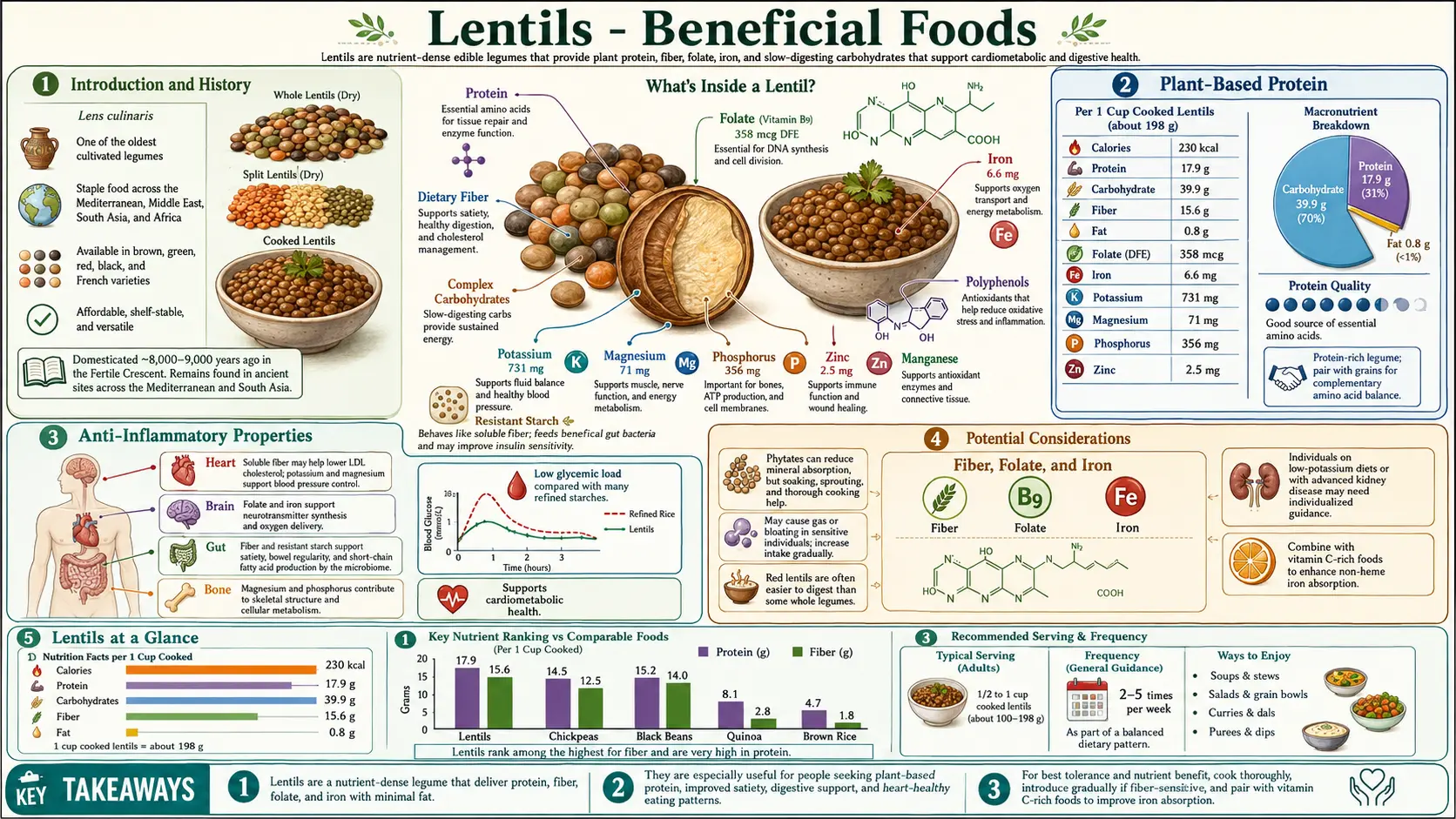
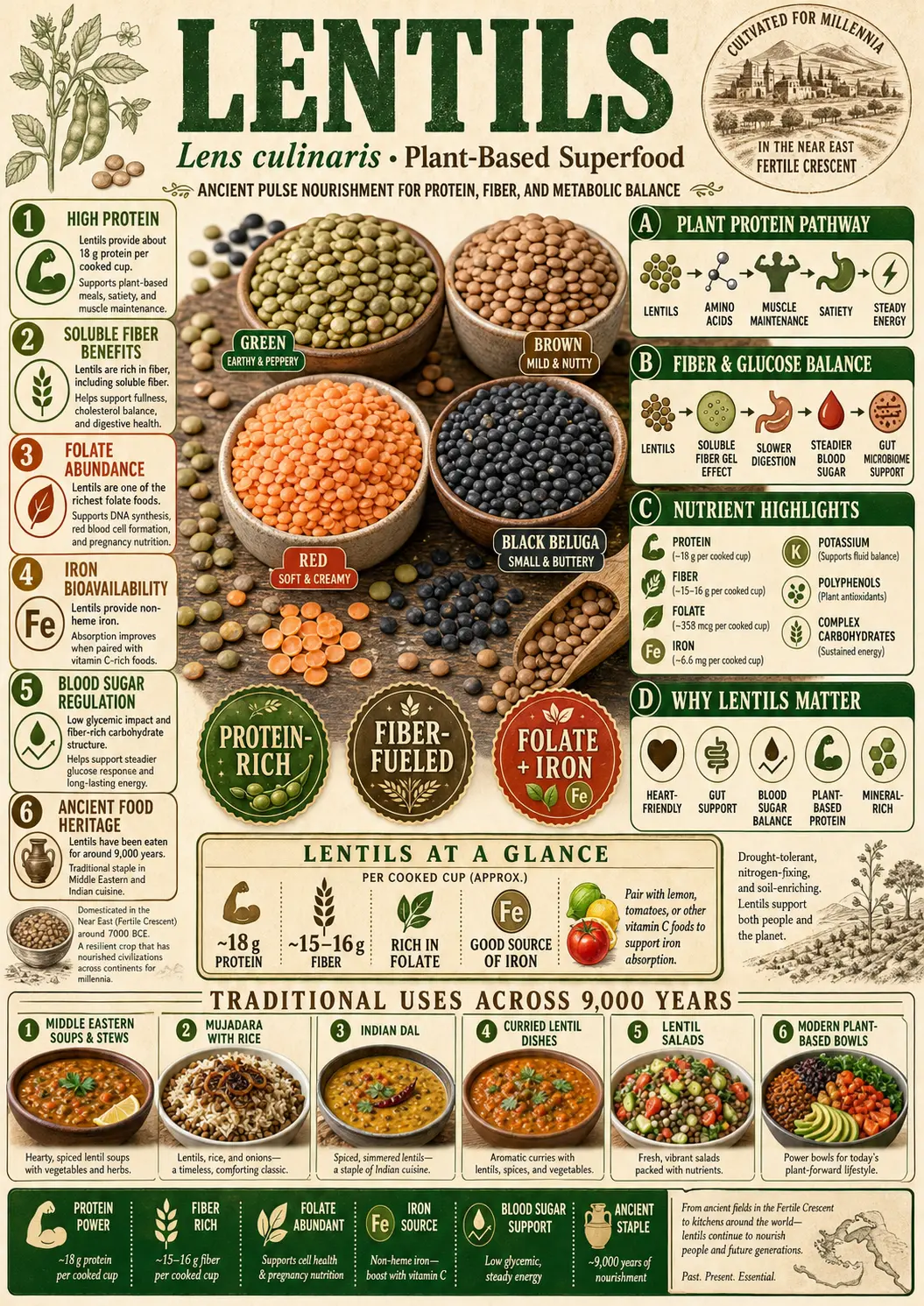
Table of Contents
- Introduction and History
- Nutritional Profile
- Heart Health
- Blood Sugar Management
- Digestive Health
- Plant-Based Protein
- Iron and Anemia Prevention
- Cancer Prevention
- Weight Management
- Bone Health
- Folate and Pregnancy
- Anti-Inflammatory Properties
- Energy and Fatigue Prevention
- Types of Lentils
- Sprouted Lentils
- Cooking and Preparation
- Potential Considerations
- Scientific References
- Research Papers
- Connections
- Featured Videos
Introduction and History
Lentils (Lens culinaris) hold the remarkable distinction of being one of the oldest cultivated food crops in human history, with archaeological evidence dating their domestication to approximately 13,000 years ago in the Fertile Crescent region of the Near East. Charred lentil remains have been discovered at Neolithic sites in present-day Syria, Turkey, and Iraq, establishing them as a foundational food of early agricultural civilization. The transition from hunter-gatherer societies to settled farming communities was built, in part, upon the reliable cultivation of lentils and other pulse crops that provided dense, storable nutrition.
Lentils appear throughout ancient texts and religious traditions. In the Hebrew Bible, the Book of Genesis recounts the story of Esau selling his birthright to Jacob for a bowl of red lentil stew, illustrating how deeply valued this food was in the ancient world. Egyptian tombs dating to 2400 BCE have yielded lentil stores, and the legume was a dietary staple across ancient Greece, Rome, and the Indian subcontinent. The very word "lens" in optics derives from the Latin name for the lentil, owing to the seed's characteristic biconvex shape — the fuller story is told in the dedicated History article.
In the modern era, lentils have gained renewed attention through the study of Blue Zones, the five regions of the world where people live measurably longer and healthier lives. Researchers led by Dan Buettner identified legumes, including lentils, as a cornerstone dietary pattern shared across all Blue Zone populations, from Sardinia to Okinawa to the Nicoya Peninsula of Costa Rica. Populations consuming legumes regularly, approximately one cup daily, demonstrate significantly lower rates of cardiovascular disease, diabetes, and cancer compared to populations with minimal legume intake.
Today, lentils are cultivated on every inhabited continent, with Canada, India, Turkey, and Australia serving as the leading producers. Global production exceeds six million metric tons annually, and consumption continues to rise as awareness grows regarding the health, environmental, and economic advantages of plant-based protein sources. Lentils require significantly less water and generate far fewer greenhouse gas emissions per gram of protein than any animal-based protein source, making them a critical food for both human health and planetary sustainability.
The scientific literature on lentils has expanded dramatically in the past two decades. Research published in journals including the American Journal of Clinical Nutrition, Archives of Internal Medicine, and the Canadian Medical Association Journal has documented their benefits for cardiovascular health, glycemic control, cancer prevention, and gut microbiome diversity. This article examines the comprehensive health benefits of lentils, supported by current nutritional science and clinical evidence.
Nutritional Profile
One cup (198 grams) of cooked lentils delivers an exceptional concentration of essential nutrients. The macronutrient profile includes approximately 18 grams of protein, 40 grams of carbohydrates, 15.6 grams of dietary fiber, and less than 1 gram of fat, totaling roughly 230 calories. This combination of high protein, high fiber, and negligible fat makes lentils one of the most nutrient-dense foods available per calorie consumed. The protein content rivals or exceeds that of many animal-based foods on a per-calorie basis.
The micronutrient density of lentils is equally impressive. A single cup of cooked lentils provides approximately 358 micrograms of folate (90 percent of the Daily Value), 6.6 milligrams of iron (37 percent DV), 1 milligram of manganese (49 percent DV), 356 milligrams of phosphorus (36 percent DV), 731 milligrams of potassium (21 percent DV), 71 milligrams of magnesium (17 percent DV), and significant quantities of thiamine (B1), vitamin B6, pantothenic acid, zinc, and copper. Few single foods deliver such a broad spectrum of essential vitamins and minerals in meaningful quantities.
Lentils are a rich source of polyphenolic compounds, which are bioactive plant chemicals with antioxidant, anti-inflammatory, and anticancer properties. Research published in the Journal of Agricultural and Food Chemistry has identified flavonoids, phenolic acids, condensed tannins, and procyanidins as the primary polyphenol classes present in lentils. The total polyphenol content varies by variety, with darker lentils (black and green) generally containing higher concentrations than lighter varieties (red and yellow). These compounds contribute to the antioxidant capacity of lentils, which has been measured at levels comparable to many fruits and vegetables.
The carbohydrate fraction of lentils deserves particular attention. Unlike refined grains and simple starches, lentil carbohydrates are predominantly complex, consisting of amylose-rich starch and resistant starch that are digested slowly. Approximately 25 percent of the starch in cooked lentils qualifies as resistant starch, meaning it passes through the small intestine undigested and functions similarly to dietary fiber in the large intestine. This resistant starch fraction is a key contributor to the low glycemic index of lentils and their beneficial effects on blood sugar regulation.
Lentils also provide notable quantities of selenium, a trace mineral that functions as a cofactor for glutathione peroxidase and other selenoproteins critical to antioxidant defense and thyroid function. One cup of cooked lentils provides approximately 5.5 micrograms of selenium. While this represents a modest percentage of the daily requirement, the cumulative contribution within a varied diet is meaningful, particularly for populations relying on plant-based nutrition where selenium sources may be limited.
Heart Health
The cardiovascular benefits of regular lentil consumption are among the most thoroughly documented in the nutritional science literature. A landmark meta-analysis published in the Archives of Internal Medicine in 2001, examining data from 11,000 participants across four prospective cohort studies, found that individuals consuming legumes (including lentils) at least four times per week had a 22 percent lower risk of coronary heart disease compared to those consuming legumes less than once weekly. Subsequent studies have consistently reinforced this association, with a 2014 meta-analysis in the Canadian Medical Association Journal confirming that one daily serving of pulses significantly reduces LDL cholesterol.
The soluble fiber in lentils is a primary mechanism underlying their cholesterol-lowering effects. Soluble fiber binds to bile acids in the small intestine and promotes their excretion, forcing the liver to draw upon circulating LDL cholesterol to synthesize replacement bile acids. One cup of cooked lentils provides approximately 4 grams of soluble fiber, which clinical trials have shown to reduce LDL cholesterol by 5 to 10 percent when consumed regularly. A randomized controlled trial published in the European Journal of Clinical Nutrition demonstrated that daily lentil consumption for eight weeks produced statistically significant reductions in total cholesterol and LDL cholesterol compared to control diets.
Folate, present at 90 percent of the Daily Value per cup of cooked lentils, plays a critical role in cardiovascular protection through the regulation of homocysteine metabolism. Homocysteine is a sulfur-containing amino acid that, when elevated in the blood, damages vascular endothelium and promotes atherosclerotic plaque formation. Folate serves as a methyl donor in the conversion of homocysteine to methionine, thereby preventing the accumulation of this cardiotoxic metabolite. Populations with adequate folate intake consistently demonstrate lower homocysteine levels and reduced cardiovascular mortality.
The potassium and magnesium content of lentils provides additional cardiovascular support. Potassium functions as a vasodilator, promoting arterial relaxation and reducing blood pressure. The DASH (Dietary Approaches to Stop Hypertension) dietary pattern, which is rich in potassium from plant sources including legumes, has been shown to reduce systolic blood pressure by 8 to 14 mmHg. Magnesium supports healthy cardiac rhythm, prevents coronary artery spasm, and enhances endothelial function. Epidemiological studies consistently associate higher magnesium intake with reduced risk of sudden cardiac death and atrial fibrillation.
Beyond individual nutrients, the synergistic effect of the complete lentil matrix appears to confer cardiovascular benefits that exceed what would be predicted from isolated nutrient analysis. The combination of fiber, folate, potassium, magnesium, polyphenols, and plant protein works through multiple complementary pathways, including cholesterol reduction, blood pressure regulation, anti-inflammatory signaling, improved arterial compliance, and reduced oxidative stress. This multi-targeted mechanism of action is a hallmark of whole-food nutrition and explains why lentil consumption in prospective studies is associated with cardiovascular outcomes that surpass the effects of any single nutrient supplement.
Blood Sugar Management
Lentils possess one of the lowest glycemic index (GI) values of any starchy food, ranging from 21 to 32 depending on variety and preparation method. For comparison, white rice has a GI of 73, white bread scores 75, and even whole wheat bread registers around 69. The low GI of lentils means that the glucose they contain is released into the bloodstream gradually over several hours, avoiding the sharp spikes in blood sugar and insulin that characterize high-GI foods. This property makes lentils an exceptionally valuable food for individuals with diabetes, prediabetes, insulin resistance, or metabolic syndrome.
The resistant starch content of lentils is a key driver of their favorable glycemic properties. Resistant starch resists enzymatic digestion in the small intestine and reaches the colon intact, where it is fermented by beneficial bacteria. This means that a significant portion of the carbohydrate in lentils never enters the bloodstream as glucose. Research published in the British Journal of Nutrition has demonstrated that the resistant starch in lentils reduces the glycemic response not only to the lentil-containing meal itself but also to the subsequent meal consumed hours later, a phenomenon known as the "second meal effect." This extended glycemic benefit is unique to foods high in resistant starch and fermentable fiber.
The dietary fiber in lentils further attenuates glucose absorption by forming a viscous gel in the small intestine that physically slows the transit and enzymatic breakdown of carbohydrates. This mechanism delays the rate at which glucose molecules cross the intestinal epithelium and enter the portal circulation. Clinical trials have confirmed that replacing high-GI carbohydrate sources with lentils at a single meal significantly reduces postprandial blood glucose and insulin concentrations in both healthy individuals and those with type 2 diabetes.
Epidemiological evidence strongly supports lentils as a protective food against the development of type 2 diabetes. The PREDIMED (Prevention with Mediterranean Diet) trial, one of the largest and most rigorous dietary intervention studies ever conducted, found that participants in the highest tertile of legume consumption had a 35 percent lower risk of developing type 2 diabetes compared to those in the lowest tertile. A separate prospective study in the American Journal of Clinical Nutrition following over 64,000 women for 4.6 years confirmed that higher legume and lentil intake was independently associated with reduced diabetes risk after adjusting for BMI, physical activity, and other dietary factors.
For individuals already diagnosed with type 2 diabetes, incorporating lentils into the diet has been shown to improve hemoglobin A1c (HbA1c), the clinical marker of long-term glycemic control. A randomized controlled trial published in Diabetologia demonstrated that participants following a legume-enriched, low-GI diet for three months achieved a 0.5 percent reduction in HbA1c compared to a high-wheat-fiber control diet. A 0.5 percent reduction in HbA1c is considered clinically significant, as each 1 percent decrease is associated with a 21 percent reduction in diabetes-related deaths and a 37 percent reduction in microvascular complications.
Digestive Health
Lentils are among the most potent dietary sources of prebiotic fiber, the non-digestible carbohydrates that selectively nourish beneficial bacteria in the large intestine. One cup of cooked lentils provides approximately 15.6 grams of total dietary fiber, comprising both soluble and insoluble fractions. The soluble fiber and resistant starch in lentils serve as fermentation substrates for Bifidobacterium, Lactobacillus, Faecalibacterium prausnitzii, and other health-promoting genera in the gut microbiome. This selective stimulation of beneficial organisms, while not feeding pathogenic species, defines the prebiotic effect.
The fermentation of lentil fiber by colonic bacteria produces short-chain fatty acids (SCFAs), primarily butyrate, propionate, and acetate. Butyrate is of particular clinical significance because it serves as the primary energy source for colonocytes, the epithelial cells lining the colon. Adequate butyrate production maintains the integrity of the intestinal barrier, reduces permeability (so-called "leaky gut"), and suppresses inflammation in the colonic mucosa. Research published in Gut and Gastroenterology has demonstrated that butyrate inhibits the nuclear factor kappa-B (NF-kB) inflammatory signaling pathway, downregulates pro-inflammatory cytokines, and promotes the differentiation of regulatory T cells that suppress aberrant immune responses in the gut.
Regular lentil consumption has been shown to increase gut microbiome diversity, which is widely recognized as a marker of gastrointestinal and systemic health. A study published in the Journal of Functional Foods found that daily consumption of pulses, including lentils, for eight weeks significantly increased the abundance and diversity of beneficial bacterial species in the colon compared to a matched diet without pulses. Greater microbial diversity is associated with reduced risk of inflammatory bowel disease, irritable bowel syndrome, obesity, and metabolic dysfunction.
The insoluble fiber fraction of lentils contributes to digestive regularity by adding bulk to the stool and stimulating peristalsis, the rhythmic muscular contractions that propel waste through the colon. Adequate fiber intake reduces transit time, decreasing the duration that potentially harmful metabolites and carcinogens are in contact with the intestinal epithelium. Epidemiological data consistently show that populations consuming high-fiber diets, rich in legumes and whole plant foods, have dramatically lower rates of constipation, diverticular disease, and colorectal cancer than populations consuming low-fiber Western diets.
The oligosaccharides in lentils, including raffinose, stachyose, and verbascose, are another class of prebiotic compounds that reach the colon intact. While these oligosaccharides are responsible for the gas production that some individuals experience when first introducing lentils into their diet, this fermentation is itself a sign of active prebiotic feeding of beneficial bacteria. The gas production typically diminishes over two to three weeks of regular consumption as the microbiome adapts and becomes more efficient at fermenting these substrates.
Plant-Based Protein
Lentils are one of the richest plant-based sources of protein, providing approximately 18 grams per cup cooked. This places them among the highest-protein foods in the entire plant kingdom, exceeded only by soybeans and certain soy-derived products. The protein in lentils is composed of albumins and globulins, with legumin and vicilin as the primary storage proteins. These proteins provide a broad array of essential and non-essential amino acids necessary for tissue repair, enzyme synthesis, immune function, and hormonal regulation.
The amino acid profile of lentils is rich in lysine, an essential amino acid that is typically limiting in cereal grains such as rice, wheat, and corn. Conversely, lentils are relatively low in the sulfur-containing amino acids methionine and cysteine, which are abundant in grains. This biochemical complementarity is the foundation of the traditional dietary pairing of legumes and grains found across virtually every food culture in the world: lentils with rice in South Asia, beans with corn tortillas in Mexico, hummus with pita bread in the Middle East, and black-eyed peas with rice in West Africa. When consumed together, even within the same day rather than the same meal, lentils and grains provide a complete amino acid profile comparable to that of animal protein.
The protein digestibility-corrected amino acid score (PDCAAS) of lentils, the standard measure of protein quality used by the World Health Organization and the FDA, ranges from 0.52 to 0.71 depending on variety and preparation method. While this is lower than animal proteins (which score 1.0), cooking and sprouting significantly improve protein digestibility by denaturing antinutritional factors such as trypsin inhibitors and lectins that can impair protein absorption. When lentils are combined with complementary grains, the combined PDCAAS approaches 1.0, effectively matching the quality of animal protein.
For muscle health and maintenance, lentils provide meaningful support, particularly for older adults at risk of sarcopenia (age-related muscle loss). A study published in the American Journal of Clinical Nutrition found that plant protein intake from legumes was positively associated with lean muscle mass in adults over 65 years of age. The branched-chain amino acids (BCAAs) leucine, isoleucine, and valine, which are critical triggers for muscle protein synthesis, are present in lentils in moderate quantities. While the leucine content per serving is lower than in whey protein, the combination of lentils with complementary protein sources throughout the day provides adequate leucine to stimulate muscle protein synthesis effectively.
The global shift toward increased plant-based protein consumption is supported by substantial evidence linking plant protein sources to reduced mortality from all causes. A large-scale prospective study published in JAMA Internal Medicine in 2016, analyzing data from over 131,000 participants followed for up to 32 years, found that substituting 3 percent of energy from animal protein with plant protein was associated with a 10 percent reduction in overall mortality. Legumes, including lentils, were among the primary plant protein sources driving this protective association.
Iron and Anemia Prevention
Iron deficiency is the most prevalent nutritional deficiency worldwide, affecting an estimated two billion people according to the World Health Organization. Lentils are one of the most concentrated plant-based sources of iron, providing approximately 6.6 milligrams per cup cooked, which represents 37 percent of the Daily Value for adult men and postmenopausal women. For premenopausal women, who require 18 milligrams daily due to menstrual losses, one cup of lentils still provides over one-third of this higher requirement.
The iron in lentils is non-heme iron, the form found in all plant foods. Non-heme iron is absorbed less efficiently than the heme iron found in animal tissues, with typical absorption rates of 2 to 20 percent compared to 15 to 35 percent for heme iron. However, the absorption of non-heme iron is highly responsive to dietary enhancers and inhibitors consumed at the same meal. Vitamin C (ascorbic acid) is the most potent enhancer of non-heme iron absorption, capable of increasing uptake by three to six-fold. Consuming lentils with vitamin C-rich foods such as tomatoes, bell peppers, lemon juice, or leafy greens dramatically improves iron bioavailability.
Conversely, certain compounds naturally present in lentils, including phytic acid and polyphenolic tannins, can bind to non-heme iron and reduce its absorption. Cooking, soaking, sprouting, and fermenting lentils all reduce phytic acid content and improve iron bioavailability. A study published in the Journal of Food Science and Technology demonstrated that sprouting lentils for 48 hours reduced phytic acid by up to 60 percent while simultaneously increasing the vitamin C content of the sprouts, creating a dual enhancement of iron absorption.
During pregnancy, iron requirements increase dramatically to support the expansion of maternal blood volume, the development of the placenta, and fetal growth. The WHO recommends 27 milligrams of iron daily during pregnancy. Lentils are recommended by multiple obstetric nutrition guidelines as a key dietary source of iron for pregnant women, particularly when combined with vitamin C-rich foods. Their simultaneous provision of folate, which is also critical during pregnancy, makes them an especially valuable food during the prenatal period.
For vegetarians and vegans, lentils represent an essential iron source that can adequately meet daily requirements when consumed as part of a varied plant-based diet with attention to absorption-enhancing strategies. Population studies have shown that well-planned vegetarian diets including regular legume consumption maintain comparable iron stores to omnivorous diets, provided that dietary diversity and vitamin C co-consumption are practiced consistently. The British Dietetic Association and the Academy of Nutrition and Dietetics both recognize well-planned plant-based diets including lentils as nutritionally adequate for all stages of the life cycle.
Cancer Prevention
The association between dietary fiber intake and reduced colorectal cancer risk is one of the most robust findings in nutritional epidemiology. A comprehensive meta-analysis published in the British Medical Journal encompassing data from 25 prospective studies found that each 10-gram daily increase in dietary fiber intake was associated with a 10 percent reduction in colorectal cancer risk. With 15.6 grams of fiber per cup, lentils represent one of the most concentrated dietary sources of this protective nutrient. The mechanisms underlying fiber's anticancer effects include reduced colonic transit time, dilution of carcinogens, production of butyrate (which promotes apoptosis of damaged cells), and favorable modification of bile acid metabolism.
Beyond fiber, lentils contain several bioactive compounds with demonstrated anticancer properties in laboratory and animal studies. Lectins, the carbohydrate-binding proteins present in lentils, have been shown to inhibit the proliferation of cancer cells in vitro. Research published in the International Journal of Cancer demonstrated that lentil lectins can induce apoptosis (programmed cell death) in human colon cancer cell lines while leaving healthy cells relatively unaffected. While lectins are partially deactivated by cooking, residual lectin activity at physiological levels appears to contribute to the anticancer effects observed in epidemiological studies of legume consumption.
Protease inhibitors, another class of bioactive compounds in lentils, have been extensively studied for their ability to suppress tumor growth. The Bowman-Birk inhibitor (BBI), a serine protease inhibitor found in lentils and other legumes, has demonstrated chemopreventive activity in animal models of colon, liver, and oral cancer. The National Cancer Institute designated BBI as a chemopreventive agent warranting clinical investigation, and Phase I clinical trials have confirmed its safety in humans. Protease inhibitors appear to exert their anticancer effects through suppression of protease-mediated signaling pathways that promote cell proliferation and angiogenesis.
Selenium, present in lentils at moderate levels, functions as a cofactor for glutathione peroxidase and thioredoxin reductase, enzyme systems that protect DNA from oxidative damage. The Nutritional Prevention of Cancer (NPC) trial found that selenium supplementation reduced overall cancer incidence by 25 percent, with particularly strong effects against prostate, lung, and colorectal cancers. While individual foods contribute incrementally to total selenium intake, the cumulative effect of selenium from multiple dietary sources, including lentils, is clinically meaningful.
Epidemiological data support the protective association between legume consumption and cancer risk at the population level. A large prospective study published in the International Journal of Cancer found that women consuming legumes at least twice weekly had a 24 percent lower risk of breast cancer compared to women consuming legumes less than once monthly. The polyphenolic compounds in lentils, particularly flavonoids and phenolic acids, have been shown to modulate estrogen metabolism and inhibit aromatase activity, providing plausible biological mechanisms for the observed breast cancer risk reduction in legume-consuming populations.
Weight Management
Lentils are exceptionally effective for weight management due to their unique combination of high protein, high fiber, and low fat content, which produces a powerful satiety effect disproportionate to their caloric content. One cup of cooked lentils provides only 230 calories while delivering 18 grams of protein and 15.6 grams of fiber. Research on satiety consistently demonstrates that protein and fiber are the two macronutrient components most effective at suppressing appetite and reducing caloric intake at subsequent meals. The combination of both in a single low-calorie food creates a synergistic satiety effect.
A randomized crossover study published in the Journal of the American College of Nutrition found that participants who consumed a lentil-based meal reported significantly greater feelings of fullness and reduced hunger compared to those consuming a calorie-matched meal based on pasta and tomato sauce. The lentil meal also reduced energy intake at the subsequent ad libitum meal by approximately 13 percent. These acute satiety effects, accumulated across multiple daily meals over weeks and months, translate into meaningful caloric deficits without conscious restriction or hunger.
The calorie density of cooked lentils, approximately 1.16 calories per gram, places them in the low energy-density category of foods. Volumetric research by Barbara Rolls and colleagues at Penn State University has conclusively demonstrated that humans tend to consume a consistent volume of food at meals regardless of caloric density. By displacing higher-calorie-density foods with lentils, total caloric intake is reduced naturally without reducing the physical volume of food consumed. This principle makes lentils particularly valuable in weight loss diets, where maintaining meal volume helps prevent the psychological and physiological distress associated with caloric restriction.
The resistant starch and slowly digested carbohydrates in lentils contribute to weight management through hormonal mechanisms. Slow-release carbohydrates maintain steady blood glucose and insulin levels, preventing the reactive hypoglycemia and subsequent hunger cravings that follow high-GI meals. Additionally, the short-chain fatty acids produced from resistant starch fermentation stimulate the release of peptide YY (PYY) and glucagon-like peptide-1 (GLP-1), gut hormones that signal satiety to the hypothalamus and slow gastric emptying. These hormonal effects extend the interval between meals and reduce the drive to eat.
A systematic review and meta-analysis published in the American Journal of Clinical Nutrition in 2016 evaluated 21 randomized controlled trials and concluded that the daily consumption of one serving of pulses (approximately 130 grams or three-quarters of a cup) produced a statistically significant weight loss of 0.34 kilograms over a median trial duration of six weeks, even without intentional caloric restriction. While this effect may appear modest in isolation, the fact that it occurred without dietary restriction, calorie counting, or portion control suggests that legume consumption facilitates gradual, sustainable weight management through improved satiety and metabolic signaling rather than deprivation.
Bone Health
Lentils provide several nutrients essential for the formation, maintenance, and repair of bone tissue. One cup of cooked lentils delivers 356 milligrams of phosphorus (36 percent DV), 1 milligram of manganese (49 percent DV), 71 milligrams of magnesium (17 percent DV), 38 milligrams of calcium, and 18 grams of protein. Bone is a metabolically active tissue composed of a mineral matrix (primarily calcium and phosphorus in the form of hydroxyapatite) embedded in a protein scaffold (primarily type I collagen). Adequate intake of both the mineral and protein components is necessary for optimal bone density and strength.
Phosphorus is the second most abundant mineral in bone after calcium, comprising approximately 85 percent of the body's total phosphorus stores within the skeletal system. The phosphorus in lentils is present partly as phytic acid (inositol hexaphosphate), which has reduced bioavailability compared to inorganic phosphorus. However, cooking significantly degrades phytic acid and improves phosphorus absorption. The remaining bioavailable phosphorus from lentils contributes meaningfully to the 700 milligrams recommended daily for adults, particularly when consumed alongside calcium-rich foods that ensure balanced calcium-to-phosphorus ratios for optimal bone mineralization.
Manganese plays a critical but underrecognized role in bone health. It is a required cofactor for the enzymes involved in the synthesis of glycosaminoglycans and proteoglycans, the structural molecules of cartilage and the organic bone matrix. Manganese deficiency in animal studies produces skeletal abnormalities including shortened and thickened limbs, joint abnormalities, and reduced bone density. With nearly half the Daily Value of manganese per serving, lentils are an outstanding dietary source of this trace mineral that is often difficult to obtain in adequate quantities from other foods.
Dietary protein, long debated in the bone health literature, is now recognized as essential for maintaining bone density and reducing fracture risk. A meta-analysis published in Osteoporosis International confirmed that higher protein intake is associated with higher bone mineral density and reduced hip fracture risk, particularly in older adults. The 18 grams of protein per cup of lentils, combined with their complementary mineral content, supports the bone-building capacity of osteoblasts while providing the collagen precursors necessary for the organic bone matrix.
The alkaline mineral content of lentils, particularly potassium and magnesium, may further benefit bone health by buffering the acid load generated by protein metabolism. The acid-ash hypothesis, while debated, holds that diets producing chronic low-grade metabolic acidosis stimulate calcium mobilization from bone to buffer blood pH. Plant-based protein sources like lentils, which come packaged with alkaline minerals that offset their acid-generating amino acid content, may therefore be more favorable for bone health than isolated protein supplements or protein-rich foods lacking mineral cofactors.
Folate and Pregnancy
Folate (vitamin B9) is arguably the single most critical nutrient during the periconceptional period and early pregnancy, and lentils are among the richest dietary sources available. One cup of cooked lentils provides approximately 358 micrograms of folate, representing 90 percent of the Daily Value for non-pregnant adults and 60 percent of the 600-microgram recommendation for pregnant women. No other commonly consumed whole food matches the folate density of lentils on a per-serving basis.
The primary role of folate during pregnancy is the prevention of neural tube defects (NTDs), which include spina bifida, anencephaly, and encephalocele. Neural tube closure occurs between 21 and 28 days after conception, often before a woman is aware of her pregnancy. Landmark randomized controlled trials, including the Medical Research Council Vitamin Study published in The Lancet in 1991, demonstrated that periconceptional folate supplementation reduces the risk of neural tube defects by approximately 72 percent. These findings led to the universal recommendation that all women of childbearing age consume at least 400 micrograms of folate daily, a threshold easily approached through regular lentil consumption.
Beyond neural tube defect prevention, folate is essential for rapid cell division and DNA synthesis, processes that occur at extraordinarily high rates during embryonic and fetal development. Folate serves as a carrier of one-carbon units in methylation reactions required for the synthesis of purines and thymidylate, the nucleotide building blocks of DNA and RNA. Inadequate folate during pregnancy has been associated with increased risk of preterm birth, low birth weight, placental abruption, and preeclampsia in observational studies.
The folate in lentils is present primarily as polyglutamyl forms of tetrahydrofolate, the naturally occurring food folate. While food folate has lower bioavailability (approximately 50 percent) compared to synthetic folic acid (approximately 85 percent) used in supplements and fortified foods, the quantity present in lentils is sufficient to make a substantial contribution to daily requirements. Importantly, food folate does not carry the concern associated with unmetabolized folic acid that can accumulate in the blood from high-dose supplementation, a topic of active research regarding potential adverse effects on cancer risk and immune function.
For women planning pregnancy or in early pregnancy, incorporating one to two cups of cooked lentils into the daily diet, alongside a prenatal supplement, provides a robust foundation of folate from both natural and synthetic sources. The additional iron, protein, fiber, and B vitamins present in lentils address multiple nutritional demands that increase during pregnancy. Many traditional food cultures intuitively recognized the importance of lentils during pregnancy: in India, dal (lentil soup) is considered an essential daily food for pregnant women, a practice now validated by modern nutritional science.
Anti-Inflammatory Properties
Chronic low-grade inflammation is increasingly recognized as a central driver of virtually all age-related diseases, including cardiovascular disease, type 2 diabetes, cancer, neurodegenerative disorders, and autoimmune conditions. Lentils contain a diverse array of bioactive compounds with demonstrated anti-inflammatory activity, making them a valuable dietary tool for modulating inflammatory pathways. The primary anti-inflammatory compounds in lentils include polyphenols, flavonoids, procyanidins, saponins, and the short-chain fatty acids produced from their fermentable fiber.
The polyphenol content of lentils is substantial and varies significantly by variety. Dark-colored lentils, particularly black beluga and green varieties, contain the highest concentrations of total polyphenols, with levels comparable to many fruits and berries traditionally considered rich polyphenol sources. Research published in Food Chemistry has identified catechins, epicatechins, kaempferol, quercetin, and p-coumaric acid as prominent polyphenolic compounds in lentils. These molecules exert anti-inflammatory effects through multiple mechanisms, including inhibition of cyclooxygenase-2 (COX-2), suppression of NF-kB activation, and scavenging of reactive oxygen species (ROS) that perpetuate inflammatory cascades.
Procyanidins, a subclass of condensed tannins found at particularly high concentrations in lentil seed coats, have attracted research attention for their potent anti-inflammatory and vascular-protective properties. A study published in the Journal of Agricultural and Food Chemistry demonstrated that lentil procyanidins inhibited the production of pro-inflammatory cytokines TNF-alpha and IL-6 in cultured macrophages stimulated with lipopolysaccharide (LPS). These in vitro findings are consistent with the reduced markers of systemic inflammation observed in populations consuming legume-rich diets.
The fermentation of lentil fiber in the colon produces butyrate and propionate, short-chain fatty acids with well-documented anti-inflammatory properties. Butyrate activates peroxisome proliferator-activated receptor gamma (PPAR-gamma), a nuclear receptor that suppresses inflammatory gene expression in the colonic epithelium and in circulating immune cells. Propionate has been shown to reduce the expression of adhesion molecules on vascular endothelial cells, limiting the recruitment of inflammatory leukocytes into arterial walls, a key step in the development of atherosclerotic plaques.
Clinical evidence supports the anti-inflammatory effects of lentil and legume consumption. A study published in the Journal of Nutrition found that replacing two servings of red meat per week with legumes for eight weeks significantly reduced serum concentrations of C-reactive protein (CRP), a widely used clinical marker of systemic inflammation. Another intervention study in overweight and obese adults demonstrated that daily pulse consumption for two months reduced inflammatory markers including IL-6 and TNF-alpha compared to a pulse-free control diet. These findings suggest that the anti-inflammatory effects of lentils are clinically measurable and achievable through realistic dietary changes.
Energy and Fatigue Prevention
The complex carbohydrates in lentils provide sustained, time-released energy that avoids the boom-and-bust cycle characteristic of refined carbohydrate consumption. The slowly digested starch and resistant starch in lentils are broken down and absorbed over a period of several hours, maintaining steady blood glucose levels and providing a consistent fuel supply to working muscles and the brain. This glycemic stability prevents the reactive hypoglycemia, fatigue, irritability, and cognitive impairment that commonly follow meals based on high-GI foods such as white bread, sugary cereals, and sweetened beverages.
Iron deficiency, even in its subclinical form before frank anemia develops, is one of the most common causes of fatigue worldwide. Reduced iron stores impair the oxygen-carrying capacity of hemoglobin and the electron-transport function of mitochondrial cytochromes, directly limiting cellular energy production. The 6.6 milligrams of iron per cup of cooked lentils, particularly when consumed with vitamin C-rich foods to enhance absorption, contributes significantly to maintaining adequate iron status and preventing the fatigue associated with iron depletion. This is especially relevant for premenopausal women, endurance athletes, and individuals following plant-based diets.
The B vitamins present in lentils are essential cofactors in energy metabolism. Thiamine (vitamin B1), of which lentils provide 22 percent of the Daily Value per cup, is required for the pyruvate dehydrogenase complex that converts pyruvate to acetyl-CoA, the gateway reaction linking glycolysis to the citric acid cycle. Vitamin B6, provided at 18 percent DV per cup, is a cofactor for over 100 enzymatic reactions including amino acid metabolism and the synthesis of neurotransmitters such as serotonin and dopamine that regulate mood and cognitive function. Pantothenic acid (B5) is a precursor to coenzyme A, the central metabolic molecule required for fatty acid oxidation and the citric acid cycle.
The magnesium in lentils (71 milligrams per cup) plays a fundamental role in ATP metabolism. Magnesium is required for the activity of ATP synthase and for the stability of ATP molecules themselves, which exist in cells primarily as magnesium-ATP complexes. Subclinical magnesium deficiency, which affects an estimated 50 percent of the United States population, impairs ATP production and is associated with fatigue, muscle weakness, and reduced exercise tolerance. Regular consumption of magnesium-rich foods like lentils helps prevent the insidious energy depletion caused by inadequate magnesium intake.
The combination of complex carbohydrates, iron, B vitamins, and magnesium in lentils creates a comprehensive energy-supporting nutrient profile that addresses multiple potential causes of fatigue simultaneously. Unlike caffeine or other stimulants that mask fatigue without addressing its underlying causes, the nutrients in lentils support the fundamental biochemical machinery of energy production. For individuals experiencing chronic fatigue, unexplained tiredness, or afternoon energy slumps, incorporating lentils as a regular dietary staple addresses the nutritional foundations of sustained energy more effectively than any single supplement.
Types of Lentils
Brown lentils are the most widely available and commonly consumed variety worldwide. They have a mild, earthy flavor and a firm texture that softens to a slightly mushy consistency when fully cooked. Brown lentils hold their shape reasonably well and cook in approximately 20 to 30 minutes. They are the most versatile variety, suitable for soups, stews, casseroles, salads, and side dishes. Nutritionally, brown lentils provide the standard nutrient profile described throughout this article and are an excellent all-purpose choice for individuals beginning to incorporate lentils into their diet.
Green lentils have a slightly peppery, robust flavor and maintain their shape better during cooking than brown varieties, making them particularly well-suited for salads, grain bowls, and dishes where a distinct lentil texture is desired. They require a slightly longer cooking time of 25 to 35 minutes. Green lentils contain higher concentrations of polyphenols and antioxidants than lighter varieties, owing to the pigmented compounds in their seed coat. Their firmer texture results from a higher proportion of intact cell walls that resist breakdown during cooking.
Red lentils (also sold as orange or yellow lentils, depending on the degree of hulling and splitting) are the fastest-cooking variety, requiring only 10 to 15 minutes to become tender. They disintegrate during cooking into a smooth, creamy puree, making them ideal for Indian dal, Middle Eastern soups, thick sauces, and purees. Red lentils have a milder, sweeter flavor than green or brown varieties. Because their outer seed coat has been removed during processing, they contain somewhat lower concentrations of fiber and polyphenols than whole, unhulled varieties, though they remain an excellent source of protein, folate, and iron.
Black lentils, commonly known as beluga lentils due to their resemblance to beluga caviar, are small, round, and glossy black. They have the most robust, earthy flavor of all lentil varieties and hold their shape exceptionally well during cooking (approximately 25 minutes). Black lentils have the highest antioxidant and polyphenol content of any lentil variety, with the anthocyanin pigments in their dark seed coat providing additional health benefits related to cardiovascular protection and anti-inflammatory activity. They are prized in fine dining for their striking visual presentation and satisfying texture in salads, side dishes, and composed plates.
French green lentils (lentilles du Puy), grown in the volcanic soils of the Le Puy region of France, are considered the premium culinary lentil. They are smaller than standard green lentils, with a distinctive slate-green color mottled with dark blue-black patterns. Puy lentils have a uniquely complex, peppery, slightly mineral flavor attributed to the volcanic terroir of their growing region, and they hold their shape impeccably through extended cooking. They cook in 20 to 25 minutes and are the variety of choice for French lentil salads, braised dishes, and any preparation where visual elegance and textural integrity are paramount. Puy lentils carry AOC (Appellation d'Origine Controlee) status, the French certification of geographic authenticity.
Sprouted Lentils
Sprouting lentils is the process of germinating the dried seeds by soaking them in water and then allowing them to grow in a humid environment for two to five days until small shoots emerge. This simple process triggers a cascade of enzymatic transformations that fundamentally alter the nutritional profile of the lentil, enhancing the bioavailability of many nutrients while reducing the concentration of antinutritional factors that can impair mineral absorption and protein digestibility.
The most significant nutritional change during sprouting is the dramatic reduction in phytic acid, the primary antinutrient in lentils. Phytic acid binds to iron, zinc, calcium, and magnesium in the gastrointestinal tract, forming insoluble complexes that cannot be absorbed. Research published in the Journal of Food Science and Technology has demonstrated that 48 hours of sprouting reduces phytic acid content by 40 to 60 percent, depending on variety and sprouting conditions. This reduction translates directly into improved mineral bioavailability, with iron absorption increasing by up to 50 percent from sprouted versus unsprouted lentils in some studies.
Sprouting activates endogenous enzymes, including phytase, amylase, and protease, that pre-digest complex molecules into more bioavailable forms. Phytase breaks down phytic acid. Amylase converts starch into simpler sugars and short-chain oligosaccharides. Protease partially hydrolyzes storage proteins into peptides and free amino acids, improving protein digestibility. The net effect is a food that is more easily and completely digested and absorbed, which is particularly beneficial for individuals with compromised digestive function or those recovering from illness.
Vitamin C content increases substantially during sprouting, rising from negligible levels in dried lentils to meaningful quantities in sprouts. This is nutritionally significant because vitamin C is the most potent enhancer of non-heme iron absorption. The simultaneous increase in vitamin C and decrease in phytic acid during sprouting creates a dual enhancement of iron bioavailability that makes sprouted lentils a particularly valuable food for individuals at risk of iron deficiency. Folate and other B vitamins also increase during sprouting as the metabolic activity of germination upregulates biosynthetic pathways.
Sprouted lentils can be eaten raw in salads and sandwiches, lightly sauteed, or added to soups and stir-fries near the end of cooking. Their flavor is milder and fresher than cooked dried lentils, with a pleasant crunch. Sprouting is easily accomplished at home using a glass jar, cheesecloth, and water, requiring only twice-daily rinsing over two to four days. Food safety guidelines recommend that immunocompromised individuals, pregnant women, young children, and older adults consume sprouted lentils only after cooking, as the warm, moist sprouting environment can potentially support bacterial growth if sanitation practices are inadequate.
Cooking and Preparation
One of the significant practical advantages of lentils over other legumes is that they do not require soaking before cooking. Unlike dried beans, which contain large, hard seeds that benefit from 8 to 12 hours of soaking to hydrate and soften, lentils are small enough to absorb water rapidly during the cooking process itself. This convenience factor makes lentils the most accessible legume for quick, everyday meal preparation. Simply rinsing lentils under cold water to remove any debris and then adding them directly to a pot of simmering liquid is sufficient preparation.
Cooking times vary by variety: red and orange lentils cook in 10 to 15 minutes, brown lentils in 20 to 30 minutes, green lentils in 25 to 35 minutes, and black beluga and Puy lentils in 20 to 25 minutes. The general ratio is one cup of dried lentils to two and a half to three cups of water or broth. Lentils should be brought to a boil, then reduced to a gentle simmer and cooked until tender. Salt and acidic ingredients (tomatoes, vinegar, lemon juice) should ideally be added after cooking or near the end of the cooking process, as they can toughen the seed coat and extend cooking time if added at the beginning.
Cooking lentils thoroughly is important for both digestibility and food safety. Raw and undercooked lentils contain lectins (particularly phytohemagglutinin, though at much lower concentrations than in kidney beans) that can cause gastrointestinal distress including nausea, vomiting, and diarrhea if consumed in significant quantities. Boiling lentils for the recommended cooking time denatures virtually all lectin activity, rendering them safe and highly digestible. Unlike kidney beans, which require vigorous boiling for at least 10 minutes to inactivate dangerously high lectin levels, lentils contain relatively modest lectin concentrations that are easily neutralized through standard cooking.
Phytic acid in lentils can be further reduced through several preparation strategies beyond cooking alone. Soaking lentils for 4 to 8 hours before cooking, while not necessary for softening, does reduce phytic acid by approximately 20 to 30 percent. Cooking in fresh water (discarding the soaking water) removes additional phytic acid that has leached into solution. Sprouting, as described in the previous section, achieves the greatest phytic acid reduction. Adding a small amount of acidic medium (lemon juice or vinegar) to the soaking water can activate endogenous phytase enzymes and accelerate phytic acid degradation.
For meal preparation efficiency, lentils can be cooked in large batches and stored in the refrigerator for up to five days or frozen for up to three months. Cooked lentils are remarkably versatile and can be incorporated into soups, stews, curries, salads, grain bowls, pasta sauces, veggie burgers, meatloaf (as a partial meat replacement), dips, and spreads. The resistant starch content of lentils actually increases when cooked lentils are cooled and then reheated, a process called retrogradation, meaning that meal-prepped lentils consumed later in the week may have enhanced prebiotic and glycemic benefits compared to freshly cooked lentils consumed immediately.
Potential Considerations
The most commonly reported side effect of lentil consumption, particularly in individuals who are not accustomed to eating legumes regularly, is increased intestinal gas and bloating. This occurs because the oligosaccharides in lentils (raffinose, stachyose, and verbascose) are not digestible by human enzymes and are instead fermented by colonic bacteria, producing hydrogen, carbon dioxide, and methane gas. The most effective strategy for minimizing this discomfort is gradual introduction, starting with small portions (one-quarter to one-half cup) and increasing over two to three weeks as the gut microbiome adapts and becomes more efficient at fermenting these substrates with reduced gas output.
Additional strategies for reducing gas production include thorough cooking (which breaks down some oligosaccharides), discarding soaking water, using red or orange lentils (which have their hulls removed and contain fewer oligosaccharides), adding carminative spices such as cumin, fennel, ginger, asafoetida (hing), or bay leaves during cooking, and consuming lentils as part of a meal rather than in isolation. Over-the-counter alpha-galactosidase enzyme supplements (such as Beano) can also be taken before meals to enzymatically digest the oligosaccharides before they reach the colon.
Individuals with gout or hyperuricemia should be aware that lentils contain moderate levels of purines, compounds that are metabolized to uric acid in the body. Elevated serum uric acid can precipitate gout flares in susceptible individuals. However, the relationship between plant-based purines and gout is more nuanced than historically believed. A large prospective study published in the New England Journal of Medicine found that purine-rich vegetables and legumes were not associated with increased gout risk, in contrast to purine-rich animal foods (organ meats, shellfish) and alcohol, which were strongly associated. Nevertheless, individuals with active gout may wish to discuss legume intake with their physician.
Phytic acid, as discussed in previous sections, can reduce the absorption of iron, zinc, and calcium when consumed at the same meal. While this is a legitimate nutritional consideration, it is important to contextualize it appropriately. Populations consuming traditional diets high in legumes and whole grains have generally adapted to phytic acid through microbiome-mediated phytase activity and upregulated mineral absorption efficiency. Practical strategies including cooking, soaking, sprouting, and consuming vitamin C with meals effectively mitigate phytic acid's inhibitory effects. The overall nutritional benefit of lentils vastly outweighs the modest reduction in mineral absorption caused by phytic acid.
Individuals with irritable bowel syndrome (IBS) following a low-FODMAP diet should note that lentils contain galacto-oligosaccharides (GOS), a category of fermentable carbohydrates identified as problematic for some IBS patients. During the elimination phase of a low-FODMAP protocol, lentils are typically restricted. However, canned lentils that have been drained and rinsed contain significantly less GOS than home-cooked lentils, as the oligosaccharides leach into the canning liquid. Monash University FODMAP research indicates that a serving of one-quarter cup of canned, drained lentils is generally tolerated during the elimination phase. During the reintroduction and personalization phases of the low-FODMAP diet, many IBS patients discover that they can tolerate moderate portions of well-cooked lentils without symptom exacerbation.
Scientific References
- Bazzano LA et al. "Legume consumption and risk of coronary heart disease in US men and women: NHANES I Epidemiologic Follow-up Study" Archives of Internal Medicine, 2001. (Legume consumption at least four times per week associated with 22% lower risk of coronary heart disease.)
- Ha V et al. "Effect of dietary pulse intake on established therapeutic lipid targets for cardiovascular risk reduction: a systematic review and meta-analysis of randomized controlled trials" Canadian Medical Association Journal, 2014. (Meta-analysis of 26 RCTs found daily pulse intake of 130 g significantly lowered LDL cholesterol.)
- Moldovan C et al. "Twelve Weeks of Daily Lentil Consumption Improves Fasting Cholesterol and Postprandial Glucose and Inflammatory Responses—A Randomized Clinical Trial" Nutrients, 2024. (Daily lentil consumption lowered fasting LDL and total cholesterol and reduced postprandial glucose and inflammatory responses.)
- Salas-Salvado J et al. "Legume consumption is inversely associated with type 2 diabetes incidence in adults: A prospective assessment from the PREDIMED study" Clinical Nutrition, 2018. (Higher legume consumption, particularly lentils, associated with reduced type 2 diabetes risk in the PREDIMED cohort.)
- Jenkins DJA et al. "Effect of legumes as part of a low glycemic index diet on glycemic control and cardiovascular risk factors in type 2 diabetes mellitus: a randomized controlled trial" Archives of Internal Medicine, 2012. (Legume-enriched low-GI diet reduced HbA1c by 0.5% over three months compared to high wheat fiber diet.)
- Aune D et al. "Dietary fibre, whole grains, and risk of colorectal cancer: systematic review and dose-response meta-analysis of prospective studies" BMJ, 2011. (Each 10 g/day increase in dietary fiber intake associated with 10% reduction in colorectal cancer risk across 25 prospective studies.)
- Clark LC et al. "Effects of selenium supplementation for cancer prevention in patients with carcinoma of the skin" JAMA, 1996. (Nutritional Prevention of Cancer trial found selenium supplementation reduced total cancer incidence by 37% and cancer mortality by 50%.)
- Song M et al. "Association of Animal and Plant Protein Intake With All-Cause and Cause-Specific Mortality" JAMA Internal Medicine, 2016. (Substituting 3% of energy from animal protein with plant protein associated with 10% reduction in overall mortality in 131,000 participants.)
- Kim SJ et al. "Effects of dietary pulse consumption on body weight: a systematic review and meta-analysis of randomized controlled trials" American Journal of Clinical Nutrition, 2016. (One daily serving of pulses produced significant weight loss of 0.34 kg over six weeks without intentional caloric restriction.)
- MRC Vitamin Study Research Group. "Prevention of neural tube defects: results of the Medical Research Council Vitamin Study" The Lancet, 1991. (Periconceptional folic acid supplementation reduced neural tube defect recurrence by 72%.)
- Darabi Z et al. "Non-soya legume-based therapeutic lifestyle change diet reduces inflammatory status in diabetic patients: a randomised cross-over clinical trial" British Journal of Nutrition, 2015. (Replacing two servings of red meat with legumes significantly reduced CRP, IL-6, and TNF-alpha in diabetic patients.)
- Choi HK et al. "Purine-rich foods, dairy and protein intake, and the risk of gout in men" New England Journal of Medicine, 2004. (Purine-rich vegetables and legumes not associated with increased gout risk, unlike purine-rich animal foods.)
- Darling AL et al. "Dietary protein and bone health: a systematic review and meta-analysis" American Journal of Clinical Nutrition, 2009. (Higher protein intake positively associated with bone mineral density and reduced fracture risk.)
- Gupta RK et al. "Reduction of phytic acid and enhancement of bioavailable micronutrients in food grains" Journal of Food Science and Technology, 2015. (Sprouting, soaking, and fermentation reduce phytic acid by 40-60%, significantly improving mineral bioavailability in legumes including lentils.)
Research Papers
The following curated PubMed topic searches lead to the peer-reviewed primary literature and systematic reviews that underpin the health claims discussed on this page. Each link opens PubMed in a new tab.
- Lentils and cardiovascular disease risk
- Lentils and glycemic response
- Lentils and LDL cholesterol: meta-analysis
- Lentil protein digestibility
- Lentils and type 2 diabetes prevention
- Lentil polyphenols and antioxidant capacity
- Legumes and all-cause mortality
- Lentils and gut microbiota fermentation
- Lentil iron and folate content
- Lentils and blood pressure
Browse all PubMed citations for “Lentils”
This content is provided for informational purposes only and does not constitute medical advice. Consult a qualified healthcare provider for personalized dietary guidance.
Connections
- All Food
- Iron
- Folate (Vitamin B9)
- Magnesium
- Chia Seeds
- Oats
- Quinoa
- Calcium
- Vitamin C
- Phosphorus
- Potassium
- Cancer
- Anemia
- Diabetes
- Blood Sugar Control
- Gout
- Homocysteine
- Gut Microbiome
- High Resistant Starch Foods — food rankings by RS grams per serving, the cook-and-cool RS3 protocol, a daily ~20g meal plan, and butyrate/SCFA mechanism.
- Cardiovascular Disease