Liver Cleansing: A Naturopathic Approach to Restoring Hepatic Function
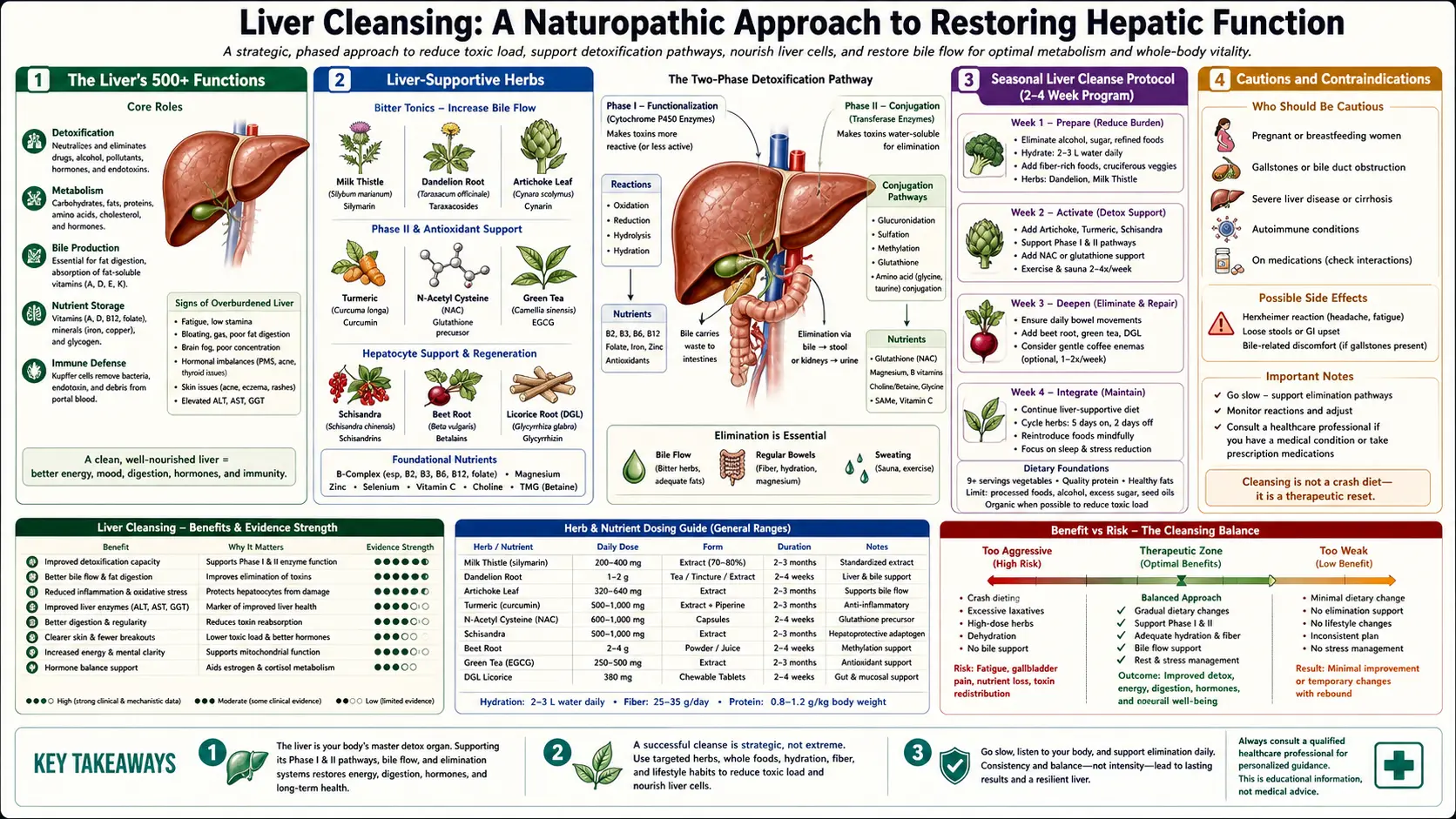
The liver is the body's master detoxification organ, performing over 500 known biochemical functions essential to survival. From a naturopathic perspective, supporting liver health is foundational to treating nearly every chronic condition. When the liver becomes overburdened with environmental toxins, processed foods, medications, and metabolic waste, a cascade of symptoms emerges that can affect every organ system. A well-designed liver cleansing protocol can restore vitality, improve hormonal balance, sharpen mental clarity, and strengthen immune resilience.
Table of Contents
- The Liver's 500+ Functions
- Signs of Liver Congestion
- Red Flags — See a Doctor, Not a Cleanse
- The Three Phases of Liver Detoxification
- Why Phase I Without Phase II Support Is Dangerous
- Liver-Supportive Herbs
- Key Nutrients for Liver Detoxification
- Liver-Cleansing Foods
- Foods That Burden the Liver
- Daily Liver Support Protocol
- Seasonal Liver Cleanse Protocol
- Coffee Enemas
- Castor Oil Packs
- Liver Function Tests to Monitor
- Cautions and Contraindications
- Featured Videos
1. The Liver's 500+ Functions
The liver is the largest internal organ, weighing approximately 3 pounds, and it participates in over 500 distinct biochemical processes. Understanding the breadth of hepatic function underscores why liver health is central to whole-body wellness.
Detoxification
The liver filters approximately 1.5 liters of blood per minute, neutralizing and eliminating environmental toxins, metabolic byproducts, medications, hormones, and microbial endotoxins. It converts fat-soluble toxins into water-soluble compounds that can be excreted through bile, urine, and sweat.
Bile Production
The liver produces 500 to 1,000 milliliters of bile daily. Bile is essential for the emulsification and absorption of dietary fats, fat-soluble vitamins (A, D, E, K), and cholesterol excretion. Bile also serves as a vehicle for eliminating conjugated toxins and spent hormones from the body.
Nutrient Storage
The liver stores glycogen (readily available glucose), iron, copper, vitamins A, D, E, K, and B12. It acts as a metabolic reservoir, releasing stored nutrients on demand to maintain homeostasis during periods of fasting or increased physiological need.
Protein Synthesis
The liver produces albumin (which maintains blood volume and transports hormones), clotting factors (fibrinogen, prothrombin), complement proteins for immune defense, and carrier proteins for thyroid hormones, sex hormones, and cortisol. Without adequate liver function, wound healing, immune response, and hormonal signaling all suffer.
Blood Sugar Regulation
The liver plays a central role in glucose homeostasis through glycogenesis (storing glucose as glycogen), glycogenolysis (breaking glycogen back into glucose), and gluconeogenesis (creating new glucose from amino acids and other substrates). Impaired liver function is a major contributor to insulin resistance and metabolic syndrome.
Cholesterol Metabolism
The liver synthesizes approximately 80% of the body's cholesterol, which is essential for cell membrane integrity, hormone production (estrogen, testosterone, cortisol, vitamin D), and bile acid formation. The liver also regulates cholesterol excretion and LDL receptor activity.
Immune Function
The liver contains the largest population of resident macrophages in the body, known as Kupffer cells, which destroy bacteria, viruses, and cellular debris arriving from the gut via the portal vein. The liver also produces acute-phase proteins and complement factors critical for innate immune defense.
2. Signs of Liver Congestion
In naturopathic medicine, liver congestion refers to a state where the liver's detoxification capacity is overwhelmed, leading to a buildup of metabolic waste and toxins. The following symptoms may indicate that the liver requires support.
- Fatigue and low energy — Persistent tiredness that does not resolve with adequate sleep, often described as a "heavy" or "sluggish" feeling. The liver's inability to efficiently clear metabolic waste leads to systemic toxin accumulation.
- Brain fog and poor concentration — Difficulty thinking clearly, memory lapses, and impaired cognitive function. Ammonia and other neurotoxic metabolites that the liver fails to clear can cross the blood-brain barrier.
- Skin issues — Acne, eczema, psoriasis, rosacea, itchy skin, and a yellowish or dull complexion. When the liver cannot adequately process toxins, the skin becomes a secondary elimination organ.
- Hormonal imbalance — Estrogen dominance, PMS, heavy periods, fibroids, and low testosterone. The liver is responsible for metabolizing and clearing spent hormones; congestion leads to hormonal recirculation.
- Digestive problems — Bloating after meals, nausea, constipation, pale or clay-colored stools, intolerance to fatty foods, and gallbladder discomfort. Poor bile flow impairs fat digestion and toxin elimination.
- Chemical sensitivity — Heightened reactions to perfumes, cleaning products, cigarette smoke, paint fumes, and medications. This indicates that Phase I and Phase II detoxification pathways are overtaxed or imbalanced.
- Dark circles under eyes — A classic naturopathic sign of hepatic congestion and poor kidney-liver axis function.
- Waking between 1 and 3 AM — In Traditional Chinese Medicine, this time window corresponds to the liver meridian's peak activity, and disrupted sleep during this period suggests liver stagnation.
Two honest notes about that list. First, "liver congestion" is a naturopathic concept, not a diagnosis in conventional medicine — there is no test that confirms it and no agreed definition. Second, and more importantly, most of those symptoms are non-specific. Fatigue, brain fog, bloating and skin problems have dozens of causes, and treating them as a liver problem can mean months lost before something else gets found.
Red Flags — See a Doctor, Not a Cleanse
Some of the signs in the list above are also signs of genuine, sometimes urgent liver and biliary disease. This section exists because a cleanse protocol is the wrong response to any of them, and delay can be dangerous.
Seek medical evaluation promptly — the same week, not after a cleanse — for any of these:
- Pale, clay-coloured or chalky stools, especially with dark tea-coloured urine. Together these mean bile is not reaching the intestine. Causes include a stone blocking the common bile duct, hepatitis, and tumours of the pancreas or bile duct. This is not "sluggish bile flow"; it is obstruction until proved otherwise.
- Yellowing of the skin or the whites of the eyes (jaundice). A "dull or yellowish complexion" is a soft naturopathic sign; visible yellowing of the sclera is a hard clinical one and always needs blood tests.
- Right upper abdominal pain with fever or chills — possible cholangitis or cholecystitis, which can become life-threatening within hours.
- Confusion, disorientation, personality change or a flapping tremor of the outstretched hands — possible hepatic encephalopathy. This is the real version of "brain fog from ammonia," and it is a medical emergency.
- Vomiting blood, or black tarry stools — possible bleeding oesophageal varices from portal hypertension.
- Abdominal swelling with rapid weight gain, or new leg swelling — possible ascites.
- Easy bruising or bleeding gums with any of the above — the liver makes clotting factors, and failure shows up this way.
- Unintentional weight loss with any liver-area symptom.
A simple blood panel — ALT, AST, ALP, GGT, bilirubin, albumin, INR — plus an abdominal ultrasound answers most of these questions in a day or two, cheaply. Nothing in the rest of this page substitutes for that, and a herbal protocol taken while an obstructed bile duct goes untreated is genuinely dangerous.
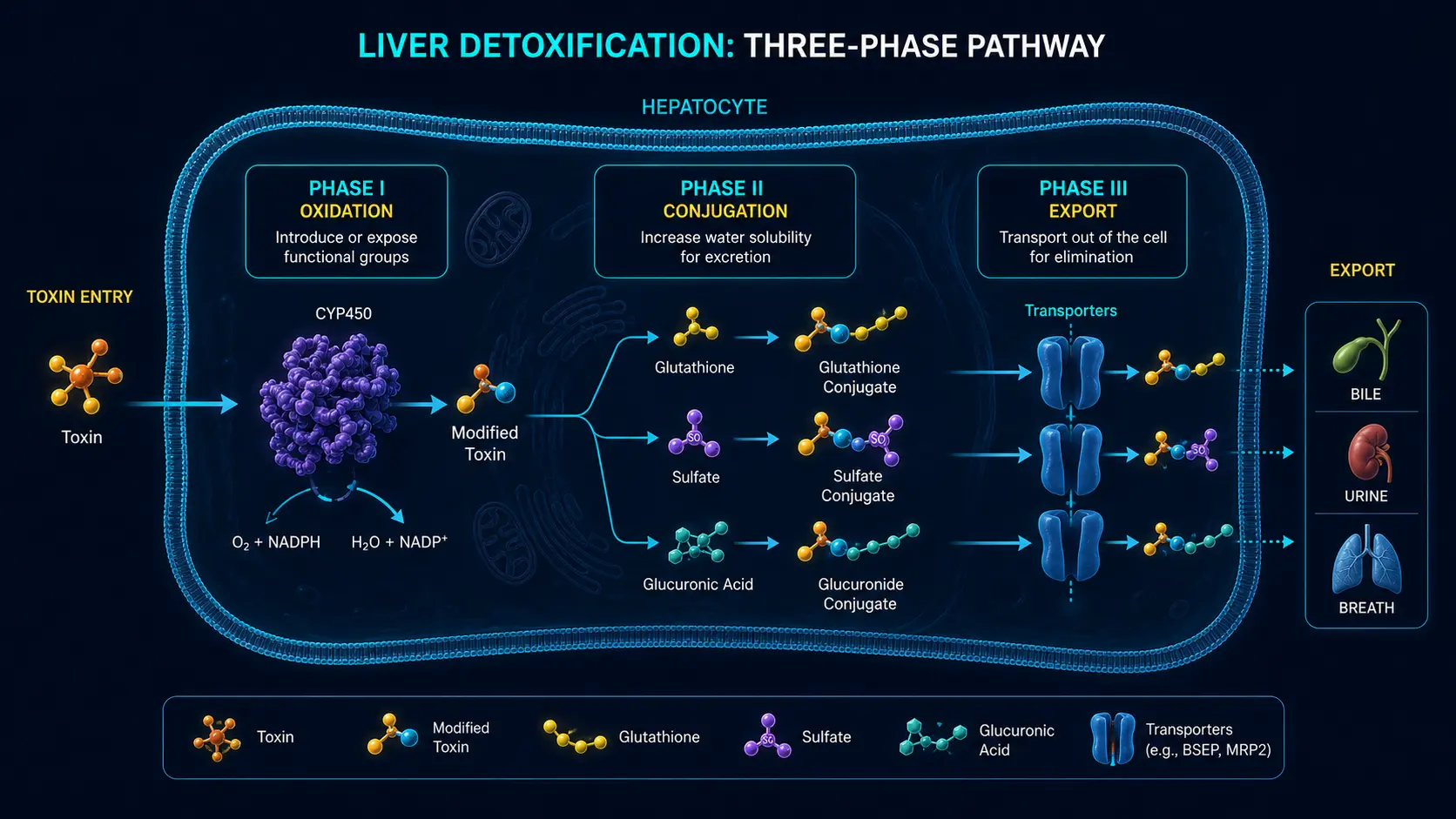
3. The Three Phases of Liver Detoxification
The liver detoxifies harmful substances through a sophisticated three-phase enzymatic process. Understanding these phases is critical for designing an effective and safe liver cleansing protocol.
Phase I: Cytochrome P450 Oxidation
Phase I detoxification is carried out by a family of over 50 enzymes collectively known as the cytochrome P450 (CYP450) system, located primarily in the endoplasmic reticulum of hepatocytes. These enzymes use oxidation, reduction, and hydrolysis reactions to convert fat-soluble toxins into intermediate metabolites.
- Primary reactions: Oxidation, reduction, hydrolysis, hydration, and dehalogenation
- Key enzyme families: CYP1A2, CYP2C9, CYP2D6, CYP2E1, CYP3A4 (responsible for metabolizing approximately 50% of all pharmaceutical drugs)
- Nutrients required: B vitamins (B2, B3, B6, B12, folate), vitamin C, vitamin E, iron, magnesium, zinc, and flavonoids
- Inducers that upregulate Phase I: Caffeine, alcohol, charbroiled meats, cruciferous vegetables, cigarette smoke, certain medications, and environmental pollutants
- Critical consideration: Phase I reactions generate free radicals and reactive intermediary metabolites that are often more toxic than the original compounds
Phase II: Conjugation Pathways
Phase II detoxification involves six major conjugation pathways that attach water-soluble molecules to the reactive intermediates produced by Phase I, rendering them non-toxic and excretable. Each pathway requires specific nutrients and amino acids.
- Glutathione conjugation — The most critical pathway; conjugates reactive intermediates with glutathione (requires NAC, glycine, glutamine, and cysteine). Handles heavy metals, solvents, pesticides, and lipid peroxides.
- Sulfation — Attaches sulfate groups to hormones (estrogen, DHEA), neurotransmitters, drugs, and phenolic compounds. Requires sulfur-containing amino acids (methionine, cysteine, taurine) and MSM.
- Glucuronidation — Conjugates bilirubin, steroid hormones, thyroid hormones, and many drugs with glucuronic acid. Requires magnesium and B vitamins. This pathway is disrupted by beta-glucuronidase-producing gut bacteria.
- Acetylation — Conjugates aromatic amines, sulfonamide drugs, and histamine. Requires acetyl-CoA, vitamin C, B2, and B5. Genetic polymorphisms create "slow acetylators" who are more susceptible to chemical sensitivity.
- Amino acid conjugation — Primarily uses glycine and taurine to conjugate bile acids, benzoic acid (preservatives), and salicylates. Glycine is the most commonly depleted amino acid in modern diets.
- Methylation — Transfers methyl groups to hormones, histamine, heavy metals, and neurotransmitters. Requires methyl donors: methylated B12 (methylcobalamin), methylfolate (5-MTHF), SAMe, betaine (TMG), and choline.
Phase III: Transport and Elimination
Phase III involves antiporter proteins (P-glycoprotein, MRP, OATP transporters) that actively pump conjugated toxins out of hepatocytes into bile or blood for elimination via the intestines or kidneys. This phase is sometimes called the "antiporter" or "transporter" phase.
- Biliary excretion: Conjugated toxins are secreted into bile, flow into the small intestine, and are eliminated in stool. Adequate fiber intake is essential to bind bile-conjugated toxins and prevent reabsorption (enterohepatic recirculation).
- Renal excretion: Water-soluble conjugates enter the bloodstream and are filtered by the kidneys for elimination in urine. Adequate hydration is critical.
- Nutrients that support Phase III: Quercetin, curcumin, green tea catechins (EGCG), and resveratrol have been shown to modulate transporter protein activity.
4. Why Phase I Without Phase II Support Is Dangerous
One of the most important principles in naturopathic liver cleansing is ensuring that Phase I and Phase II detoxification remain in balance. When Phase I is upregulated without corresponding Phase II support, the consequences can be severe.
Phase I cytochrome P450 enzymes convert fat-soluble toxins into reactive intermediary metabolites — compounds that are frequently more toxic, more reactive, and more damaging than the original substances. These intermediates include epoxides, free radicals, reactive oxygen species, and electrophilic compounds that can directly damage DNA, cell membranes, and proteins.
- Increased oxidative stress — Reactive intermediates generate massive amounts of free radicals, depleting antioxidant reserves (especially glutathione) and causing lipid peroxidation, mitochondrial damage, and cellular inflammation.
- DNA damage and cancer risk — Some Phase I intermediates are potent carcinogens. For example, benzo[a]pyrene from charbroiled meats is converted by CYP1A1 into a highly reactive diol-epoxide that directly binds to and mutates DNA.
- Worsening of symptoms during cleansing — This is the mechanism behind "detox reactions" or "Herxheimer reactions." Aggressive cleansing protocols that stimulate Phase I (through fasting, saunas, or stimulating herbs) without providing Phase II substrates can flood the body with toxic intermediates, causing headaches, nausea, rashes, fatigue, and neurological symptoms.
- Chemical sensitivity amplification — Individuals with genetically fast Phase I and slow Phase II (a common polymorphism pattern) are particularly vulnerable to environmental chemical exposure and adverse drug reactions.
The clinical takeaway: Any liver cleansing protocol must prioritize Phase II conjugation support — particularly glutathione precursors (NAC, glycine), sulfur amino acids, methylation cofactors, and adequate protein intake — before or alongside any Phase I stimulation.
5. Liver-Supportive Herbs
Botanical medicine offers a rich tradition of hepatoprotective and cholagogue herbs that support liver repair, enhance bile flow, and facilitate detoxification.
Milk Thistle (Silybum marianum)
Milk thistle is the most extensively researched liver herb in the world. Its active compound, silymarin (a complex of flavonolignans including silybin, silydianin, and silychristin), provides potent hepatoprotective effects. Silymarin stabilizes hepatocyte cell membranes, stimulates protein synthesis for liver cell regeneration, increases glutathione levels by up to 35%, and acts as a powerful antioxidant within liver tissue. Standard dosing: 200-400 mg of standardized silymarin extract (70-80% silymarin), taken two to three times daily.
Dandelion Root (Taraxacum officinale)
Dandelion root is a classic cholagogue that stimulates bile production and flow, supporting both liver detoxification and fat digestion. It contains taraxasterol and other sesquiterpene lactones that reduce liver inflammation and protect hepatocytes from oxidative damage. Dandelion root also acts as a gentle digestive bitter and mild diuretic. Dosing: 2-8 grams of dried root as decoction, or 1:5 tincture at 5-10 ml three times daily.
Artichoke Leaf (Cynara scolymus)
Artichoke leaf extract is a potent choleretic (bile stimulant) that increases bile volume and bile salt concentration. Its active compound, cynarin, promotes hepatocyte regeneration and has been shown in clinical trials to lower total cholesterol and LDL cholesterol by enhancing cholesterol excretion through bile. Dosing: 300-640 mg of standardized extract, taken two to three times daily with meals.
Burdock Root (Arctium lappa)
Burdock root is valued in naturopathic medicine as a blood purifier and liver tonic. It contains arctiine, arctigenin, and inulin, which support hepatic detoxification, promote healthy gut flora (prebiotic effect), and enhance lymphatic drainage. Burdock is especially useful for skin conditions linked to liver congestion. Dosing: 2-6 grams of dried root as decoction, or 1:5 tincture at 2-8 ml three times daily.
Schisandra Berry (Schisandra chinensis)
Schisandra is a unique adaptogenic berry used in Traditional Chinese Medicine to tonify all five organ systems, with particular affinity for the liver. Its lignans (schisandrin A, B, and C) have been shown to induce both Phase I and Phase II liver enzymes simultaneously, reduce liver inflammation, lower elevated ALT and AST enzymes, and protect the liver from chemical and drug-induced damage. Dosing: 1.5-6 grams of dried berry, or standardized extract at 250-500 mg twice daily.
Turmeric (Curcuma longa)
Curcumin, the primary active compound in turmeric, is a powerful anti-inflammatory and antioxidant that supports liver health through multiple mechanisms: it increases bile secretion, protects hepatocytes from toxin damage, modulates Phase II enzyme activity (particularly glutathione S-transferase and UDP-glucuronosyltransferase), and reduces liver fibrosis. Bioavailability is enhanced when combined with piperine (black pepper extract) or taken in phytosomal or liposomal form. Dosing: 500-2,000 mg of curcumin with piperine, taken daily.
6. Key Nutrients for Liver Detoxification
The liver's enzymatic detoxification machinery requires a constant supply of specific nutrients and cofactors. Deficiency in any of these can create bottlenecks in detoxification, leading to toxin accumulation.
- N-Acetylcysteine (NAC) and Glutathione — NAC is the rate-limiting precursor to glutathione, the liver's master antioxidant and the primary substrate for Phase II glutathione conjugation. NAC is the standard hospital treatment for acetaminophen (Tylenol) overdose because it rapidly restores glutathione levels. Dosing: 600-1,800 mg of NAC daily, or liposomal glutathione at 250-500 mg daily.
- B Vitamins — Essential cofactors for both Phase I and Phase II reactions. Methylated B12 (methylcobalamin) and methylfolate (5-MTHF) are particularly critical for the methylation conjugation pathway. Individuals with MTHFR polymorphisms require methylated forms exclusively. A comprehensive B-complex providing all eight B vitamins is foundational to any liver support protocol.
- Glycine — The simplest amino acid, yet one of the most important for liver detoxification. Glycine is required for Phase II amino acid conjugation, glutathione synthesis, bile acid conjugation, and collagen production. Most people are severely deficient. Dosing: 3-5 grams daily, taken before bed (also supports sleep via NMDA receptor modulation).
- Taurine — A sulfur-containing amino acid critical for bile acid conjugation (forming taurocholate), Phase II conjugation, and heavy metal chelation. Taurine also supports cell membrane stabilization and has anti-inflammatory properties. Dosing: 1-3 grams daily.
- Sulfur and MSM (Methylsulfonylmethane) — Sulfur is required for the sulfation and glutathione conjugation pathways. MSM is a bioavailable organic sulfur compound that provides methyl groups and sulfur for detoxification. Dosing: 1-3 grams of MSM daily.
- Alpha-Lipoic Acid (ALA) — A unique antioxidant that is both water- and fat-soluble, allowing it to protect liver cells in all compartments. ALA regenerates glutathione, vitamin C, and vitamin E, and chelates heavy metals including mercury, arsenic, and cadmium. Dosing: 300-600 mg daily, preferably as R-lipoic acid for superior bioavailability.
- Vitamin C — A water-soluble antioxidant that protects against Phase I free radical damage, supports glutathione recycling, enhances Phase II acetylation, and modulates Phase III transport proteins. Dosing: 1-3 grams daily in divided doses, or to bowel tolerance during active cleansing.
7. Liver-Cleansing Foods
Food is the foundation of any liver cleansing protocol. The following foods provide the raw materials the liver requires for detoxification while simultaneously reducing toxic burden.
- Bitter greens — Dandelion greens, arugula, endive, radicchio, and watercress stimulate bile production and flow through their bitter compounds. In naturopathic tradition, "bitter is better for the liver." Consume at least one serving of bitter greens daily.
- Cruciferous vegetables — Broccoli, broccoli sprouts, Brussels sprouts, cauliflower, cabbage, and kale contain glucosinolates (particularly sulforaphane and indole-3-carbinol) that powerfully upregulate Phase II detoxification enzymes, especially glutathione S-transferase. Broccoli sprouts contain 20 to 50 times more sulforaphane than mature broccoli.
- Beets — Rich in betaine (trimethylglycine), a critical methyl donor for Phase II methylation. Beets also contain betalains, potent antioxidants that protect hepatocytes and reduce liver inflammation. Raw or lightly cooked beets are most beneficial.
- Lemon water — Warm lemon water consumed first thing in the morning stimulates bile flow, provides vitamin C, and creates an alkalizing effect despite its acidic taste. The citric acid and d-limonene in lemon peel support Phase I and Phase II enzyme activity.
- Garlic — Contains allicin and selenium, which activate liver detoxification enzymes and support glutathione production. Garlic also has antimicrobial properties that reduce endotoxin production from pathogenic gut bacteria.
- Onions — Rich in quercetin and sulfur compounds that support sulfation and glutathione conjugation pathways. Red and yellow onions have the highest quercetin content.
- Green tea — Contains epigallocatechin gallate (EGCG), a catechin that enhances Phase II enzyme activity, modulates Phase III transport proteins, protects liver cells from oxidative damage, and supports healthy bile flow. Two to three cups daily is optimal.
8. Foods That Burden the Liver
Reducing the liver's toxic load is equally important as providing detoxification support. The following substances place significant demands on hepatic detoxification capacity and should be minimized or eliminated during liver cleansing.
- Alcohol — The liver metabolizes approximately 90% of ingested alcohol through alcohol dehydrogenase and the CYP2E1 enzyme pathway. This process generates acetaldehyde, a highly toxic intermediate that damages hepatocytes, depletes glutathione, promotes liver fibrosis, and increases cancer risk. Even moderate alcohol consumption significantly burdens liver detoxification capacity.
- Sugar and high-fructose corn syrup — Excess fructose is metabolized almost exclusively by the liver, driving de novo lipogenesis (fat creation), insulin resistance, and non-alcoholic fatty liver disease (NAFLD). Fructose metabolism depletes ATP and generates uric acid, promoting inflammation and oxidative stress in liver tissue.
- Processed seed oils — Canola, soybean, corn, cottonseed, sunflower, and safflower oils are high in omega-6 polyunsaturated fatty acids that are highly susceptible to oxidation. When heated, they form aldehydes, lipid peroxides, and trans fats that are directly hepatotoxic and deplete glutathione reserves.
- Fried and heavily processed foods — Deep-fried foods contain acrylamide, advanced glycation end products (AGEs), and oxidized fats that overwhelm Phase I detoxification and generate massive free radical loads. Processed foods also contain artificial preservatives, colorings, and flavor enhancers that require hepatic processing.
- Acetaminophen (Tylenol/Paracetamol) — One of the leading causes of acute liver failure worldwide. Acetaminophen is metabolized by CYP2E1 into NAPQI, an extremely reactive and hepatotoxic intermediate that is normally neutralized by glutathione. When glutathione stores are depleted (by fasting, poor nutrition, or alcohol use), NAPQI accumulates and causes liver cell death. Even therapeutic doses can be harmful in glutathione-depleted individuals.
9. Daily Liver Support Protocol
The following protocol is designed for ongoing, gentle liver support that can be practiced daily as part of a health-maintenance routine.
Morning Routine
- Upon waking: Drink 12-16 ounces of warm filtered water with the juice of half a lemon and a pinch of cayenne pepper to stimulate bile flow and digestive secretions.
- Breakfast: Include at least one serving of cruciferous vegetables (such as broccoli sprouts or sauerkraut) and a source of clean protein to provide amino acid substrates for Phase II conjugation.
- Morning supplements: Milk thistle (200-400 mg silymarin), NAC (600 mg), B-complex with methylated B12 and folate, and vitamin C (1,000 mg).
Midday
- Lunch: Large salad with bitter greens (arugula, dandelion), beets, onions, garlic, and olive oil dressing. Include a quality protein source.
- Afternoon supplements: Alpha-lipoic acid (300 mg) and turmeric with piperine (500 mg curcumin).
- Hydration: Consume at least 2-3 liters of filtered water throughout the day to support renal elimination of water-soluble conjugates.
Evening
- Dinner: Include steamed or lightly sauteed cruciferous vegetables, garlic, and onions. Avoid heavy, fried, or processed foods, especially late at night when the liver's detoxification cycle is most active.
- Before bed: Glycine (3 grams), taurine (1 gram), and dandelion root tea.
- Optional: Castor oil pack over the liver area (right upper abdomen) for 30-60 minutes while resting.
10. Seasonal Liver Cleanse Protocol (2-4 Week Program)
In naturopathic tradition, seasonal liver cleansing — particularly in spring and autumn — supports the body's natural detoxification rhythms. This more intensive protocol is designed for a 2 to 4 week cleansing period and should be undertaken only by relatively healthy individuals who have already been following the daily support protocol.
Week 1: Preparation Phase
- Eliminate alcohol, caffeine (except green tea), sugar, processed foods, seed oils, and gluten
- Increase cruciferous vegetables to 3-4 servings daily
- Begin Phase II support supplements at full therapeutic doses: NAC 1,200 mg daily, glycine 5 grams daily, taurine 2 grams daily, methylated B-complex
- Start dandelion root tea, 2-3 cups daily
- Increase fiber intake to 35-45 grams daily (ground flaxseed, psyllium, vegetables) to bind bile-conjugated toxins
Weeks 2-3: Active Cleansing Phase
- Continue all preparation phase practices
- Add milk thistle at 400 mg silymarin three times daily
- Add artichoke leaf extract at 600 mg twice daily
- Add schisandra berry extract at 500 mg twice daily
- Include daily dry brushing before showering to support lymphatic drainage
- Practice 15-20 minutes of infrared sauna or hot Epsom salt baths 3-4 times weekly to support elimination through skin
- Consider coffee enemas 1-2 times weekly (see section below)
- Apply castor oil packs 4-5 nights per week
Week 4: Transition Phase
- Gradually reduce herbal and supplement doses to maintenance levels
- Slowly reintroduce foods one at a time, noting any reactions that may indicate sensitivities
- Continue daily liver support practices as ongoing maintenance
- Consider liver function testing before and after the cleanse to track objective markers
11. Coffee Enemas
Coffee enemas are one of the most controversial liver-support therapies in naturopathic and integrative medicine. Popularized by Max Gerson, MD, as part of his cancer therapy in the 1940s and 1950s, they remain a staple of many detoxification protocols.
Start with the evidence, because it is unusually clear-cut. A 2020 systematic review from the Korea Institute of Oriental Medicine — an organisation with no interest in debunking traditional therapies — searched the literature for coffee enema case reports and outcome studies. Its finding: "No study that reports the effectiveness of coffee enema was found." What it did find were nine case reports of acceptable quality, seven describing colitis after self-administration and two describing more critical adverse events. Every one of the nine warned against self-administration. The review's own conclusion was that coffee enemas should not be recommended for self-care, "given the unsolved issues on its safety and insufficient evidence with regard to the effectiveness."
We are leaving the procedure described below because people who are going to do it anyway are safer knowing how, and because readers deserve to see the mechanism claims examined rather than repeated. But this is not a therapy with a favourable evidence balance. It is a therapy with documented harms and no demonstrated benefit.
Proposed Mechanism of Action
- Glutathione S-transferase induction — what the cited study actually did. The Wattenberg claim is the foundation of the whole coffee-enema rationale, and it is routinely misreported. Lam, Sparnins and Wattenberg (1982) fed green coffee beans in the diet to mice and found increased glutathione S-transferase activity in small-intestinal mucosa and liver; they then isolated kahweol palmitate and cafestol palmitate as the active compounds. There were no enemas, no humans, no roasted coffee, and no "600-700%" figure anywhere in that paper. It is a mouse dietary study. Whether anything comparable happens in a human colon receiving roasted coffee rectally has, as far as we can find, never been measured.
- Bile duct relaxation — unverified. The standard claim is that theophylline in coffee relaxes biliary smooth muscle. Coffee contains only trace theophylline (it is predominantly a caffeine beverage), and we could not find a human study measuring bile duct calibre or bile output after a coffee enema. Treat this as a proposed mechanism with no supporting measurement.
- Glutathione enhancement — theoretical. The claim that increased glutathione S-transferase activity plus increased bile flow accelerates toxin removal chains two unverified steps together. Note also that kahweol and cafestol, the compounds in question, are the same coffee diterpenes known to raise LDL cholesterol when consumed in unfiltered coffee.
Practical Guidelines
- Use only organic, medium-roast, mold-free coffee specifically intended for enema use
- Brew 2-3 tablespoons of coffee in 1 quart of filtered water; cool to body temperature
- Retain for 12-15 minutes while lying on the right side
- Perform in the morning after a natural bowel movement
- Replace electrolytes afterward (potassium, magnesium, sodium) with a mineral-rich drink or broth
Documented Harms
Coffee enemas have killed people. Eisele and Reay reported two deaths in JAMA in 1980 — both in people using frequent coffee enemas as part of a cancer detoxification regimen, both from severe fluid and electrolyte derangement. That is the risk that the standard "concerns" list, including the one previously on this page, tends to leave out, and it is the one that matters most.
- Death from fluid and electrolyte depletion. Documented in the medical literature, associated with frequent repeated use. Potassium and sodium are the critical losses; the resulting arrhythmias are what kill.
- Acute colitis and proctocolitis. The most frequently reported complication, described in multiple published cases, and attributed to the coffee itself rather than to technique or temperature.
- Rectal burns from coffee that is too hot.
- Bowel perforation — rare, associated with improper technique, and catastrophic when it happens.
- Systemic infection from contaminated equipment or fluid.
- Caffeine reactions — anxiety, palpitations, insomnia. Rectal caffeine absorption is real and not dose-controlled.
- Dependence on enemas for bowel movements with prolonged use.
- Absolutely avoid with hemorrhoids, anal fissures, inflammatory bowel disease, diverticulitis, recent bowel surgery, cardiac arrhythmias, kidney disease, or any condition affecting electrolyte handling. Also avoid in pregnancy.
- Frequency is the main risk multiplier. The reported deaths involved multiple enemas per day. Whatever else is true, the Gerson-protocol pattern of several daily coffee enemas is the specific practice associated with fatal outcomes.
12. Castor Oil Packs
Castor oil packs are a traditional naturopathic therapy applied topically over the liver area to promote detoxification, reduce inflammation, and enhance lymphatic circulation. Castor oil (Ricinus communis) contains approximately 90% ricinoleic acid, a unique fatty acid with documented anti-inflammatory, analgesic, and lymphatic-stimulating properties.
How to Prepare and Apply
- Obtain cold-pressed, hexane-free, organic castor oil and a piece of unbleached wool or cotton flannel large enough to cover the liver area (right upper abdomen below the ribcage)
- Saturate the flannel with castor oil until it is thoroughly soaked but not dripping
- Place the flannel directly on the skin over the liver area
- Cover with plastic wrap or a sheet of parchment paper to protect bedding
- Apply a hot water bottle or heating pad over the pack to enhance absorption and relaxation
- Leave in place for 45-60 minutes while resting quietly
- Remove and cleanse the skin with warm water and baking soda
- The flannel can be stored in a glass jar and reused 20-30 times; add additional castor oil as needed
What the Evidence Actually Supports
Castor oil packs are pleasant, cheap and very low risk, and that is a reasonable basis for using one. What they are not is well studied. A PubMed search for clinical studies of castor oil packs returns essentially one indexed trial: a small study in constipated elderly patients, in which packs did not change the number of bowel movements or the amount of stool, but did improve stool consistency, straining, and the sense of complete evacuation.
That is the whole indexed clinical literature. The claims below circulate widely and are traditional rather than demonstrated:
- Increased lymphocyte production — traces back to a single small study published in a non-indexed naturopathic journal in the 1990s. It has not been replicated and is not retrievable in PubMed.
- Reduced liver inflammation or congestion — no human study measures this. Castor oil applied to the skin does not reach the liver in meaningful quantity; ricinoleic acid absorption through intact skin is minimal.
- Improved bile flow — not measured in any study we can find.
- Reduction of uterine fibroids — no supporting evidence at all. Fibroids are monitored by ultrasound and treated medically or surgically; a topical oil pack does not shrink them, and believing it does can delay real treatment for heavy bleeding or pain.
Where a pack plausibly helps: local warmth over the abdomen relaxes muscle and eases cramping, and lying still for 45 minutes with a warm compress is genuinely calming. Those effects are real, they are what the constipation study most likely measured, and they do not require any detoxification theory to be true.
Safety: do not take castor oil by mouth as part of this — oral castor oil is a strong stimulant laxative and causes cramping and dehydration. Do not use packs during pregnancy (castor oil has a long history of use to induce labour) or over broken skin. Discontinue if the skin becomes irritated.
13. Liver Function Tests to Monitor
Objective laboratory testing is essential for assessing liver health before, during, and after a cleansing protocol. The following markers provide a comprehensive picture of hepatic function.
- ALT (Alanine Aminotransferase) — The most liver-specific enzyme. Elevated ALT indicates hepatocyte damage or inflammation. Standard reference range is 7-56 U/L, but naturopathic optimal range is 10-25 U/L. ALT is the most sensitive marker for early liver dysfunction.
- AST (Aspartate Aminotransferase) — Found in the liver, heart, muscle, and red blood cells. Elevated AST alongside elevated ALT suggests liver involvement. AST alone may indicate muscle damage or cardiac issues. Optimal range: 10-25 U/L.
- GGT (Gamma-Glutamyl Transferase) — A sensitive marker for bile duct obstruction, alcohol use, fatty liver, and Phase II glutathione conjugation activity. Elevated GGT often indicates toxic burden or alcohol-related liver stress. Optimal range: less than 30 U/L. GGT is considered one of the best early indicators of liver congestion.
- Alkaline Phosphatase (ALP) — Elevated in bile duct obstruction, gallstones, liver disease, and bone disorders. Helps distinguish between hepatocellular damage (high ALT/AST) and cholestatic (bile flow) issues (high ALP/GGT). Standard range: 44-147 U/L.
- Bilirubin (Total and Direct) — Bilirubin is a byproduct of red blood cell breakdown, processed and conjugated by the liver for excretion in bile. Elevated total bilirubin may indicate liver disease, bile duct obstruction, or hemolysis. Elevated direct (conjugated) bilirubin specifically suggests impaired biliary excretion. Mildly elevated unconjugated bilirubin may indicate Gilbert's syndrome, a common benign genetic variant. Standard range for total bilirubin: 0.1-1.2 mg/dL.
Additional tests to consider: Complete metabolic panel (albumin, total protein), lipid panel, fasting insulin and glucose, ferritin (iron storage), ceruloplasmin (copper metabolism), and comprehensive stool analysis to evaluate beta-glucuronidase activity and enterohepatic recirculation.
14. Cautions and Contraindications
Whether "liver cleansing" as a category benefits a healthy liver is not established — a healthy liver detoxifies continuously without assistance, and no protocol on this page has been shown in a controlled trial to improve a clinical outcome. Several of the individual components have better support than the concept that unites them: milk thistle in specific liver diseases, adequate protein and micronutrients for conjugation chemistry, cutting alcohol, and losing weight in fatty liver disease. Those are worth doing on their own merits.
The safety considerations below are not boilerplate. Some of these protocols can cause real harm.
- Gallstones — Individuals with known gallstones or a history of gallbladder disease must exercise extreme caution with liver cleansing protocols, particularly those that aggressively stimulate bile flow (such as olive oil "liver flushes"). Rapid bile duct stimulation can mobilize gallstones and cause them to lodge in the common bile duct, creating a medical emergency. Ultrasound imaging should be performed before undertaking any intensive cleanse if gallstones are suspected.
- Medications — Many liver-supportive herbs and nutrients can alter the metabolism of pharmaceutical drugs by inducing or inhibiting cytochrome P450 enzymes. Milk thistle, turmeric, and grapefruit can significantly affect drug levels. Individuals on blood thinners (warfarin), immunosuppressants, chemotherapy, statins, or oral contraceptives should consult their prescribing physician and a qualified naturopathic doctor before beginning any liver cleanse protocol.
- Pregnancy and breastfeeding — Liver cleansing is contraindicated during pregnancy and breastfeeding. Mobilized toxins can cross the placenta or enter breast milk, potentially exposing the developing fetus or nursing infant. Many liver herbs (particularly dandelion root and schisandra) have not been adequately studied for safety during pregnancy. The focus during pregnancy should be on gentle liver support through whole foods rather than active cleansing.
- Too-aggressive cleansing — One of the most common mistakes is cleansing too intensely, too quickly. Aggressive protocols that mobilize toxins faster than the body can conjugate and eliminate them result in redistribution of toxins, severe detox reactions (headaches, nausea, skin eruptions, fatigue, anxiety, insomnia), and potential organ damage. The principle of "start low and go slow" is paramount. Build Phase II support first, ensure bowel regularity, and gradually increase the intensity of the cleanse over weeks rather than days.
- Active liver disease — Individuals with hepatitis, cirrhosis, liver cancer, or severely elevated liver enzymes should not undertake a cleansing protocol without direct supervision from a licensed healthcare provider. In acute liver conditions, the priority is medical treatment and reducing hepatic workload, not stimulating detoxification.
- Eating disorders and malnutrition — Liver detoxification requires adequate caloric intake, protein, and micronutrients. Individuals who are malnourished or have a history of eating disorders may have critically depleted glutathione and amino acid reserves, making cleansing potentially harmful rather than beneficial.
- Herbal supplements themselves cause liver injury. This is the irony that belongs on a liver-cleansing page. In the US Drug-Induced Liver Injury Network, the share of liver-injury cases attributed to herbal and dietary supplements rose from 7% to 20% over the study period. Worse, injury from non-bodybuilding supplements was more severe than injury from prescription medications: 13% of those cases ended in death or liver transplantation, against 3% for medications. Green tea extract is a documented cause with an identified genetic susceptibility (HLA-B*35:01). A product sold to protect your liver can destroy it, and multi-ingredient "detox" blends are the hardest category to attribute when it happens.
- Get bloodwork before and after, not just after. If you are going to do this, a baseline ALT, AST, ALP, GGT and bilirubin costs little and turns "I feel better" into something checkable. Rising enzymes during a protocol mean stop and see a clinician, not push through a "healing crisis."
If you have any symptom on the red-flag list above, none of this applies to you yet. Get the blood tests and the ultrasound first. A cleanse taken instead of a diagnosis is the way this material actually hurts people.
Research Papers
Key Research Papers
Verified citations for the specific claims examined on this page. Each links to a numeric PubMed record.
- Son H, Song HJ, Seo HJ, Lee H, Choi SM, Lee S. The safety and effectiveness of self-administered coffee enema: a systematic review of case reports. Medicine (Baltimore). 2020;99(36):e21998. Found no study reporting effectiveness; all nine acceptable-quality case reports warned against self-administration. — PMID 32899046
- Eisele JW, Reay DT. Deaths related to coffee enemas. JAMA. 1980;244(14):1608-1609. — PMID 7420666
- Keum B, Jeen YT, Park SC, et al. Proctocolitis caused by coffee enemas. American Journal of Gastroenterology. 2010;105(1):229-230. — PMID 20054322
- Lam LK, Sparnins VL, Wattenberg LW. Isolation and identification of kahweol palmitate and cafestol palmitate as active constituents of green coffee beans that enhance glutathione S-transferase activity in the mouse. Cancer Research. 1982;42(4):1193-1198. The study behind the coffee-enema rationale — green coffee beans fed orally to mice. — PMID 7059995
- Navarro VJ, Barnhart H, Bonkovsky HL, et al. Liver injury from herbals and dietary supplements in the U.S. Drug-Induced Liver Injury Network. Hepatology. 2014;60(4):1399-1408. Supplement-attributed liver injury rose from 7% to 20% of cases; 13% of non-bodybuilding supplement cases ended in death or transplant. — PMID 25043597
- Hoofnagle JH, Bonkovsky HL, Phillips EJ, et al. HLA-B*35:01 and green tea-induced liver injury. Hepatology. 2021;73(6):2484-2493. — PMID 32892374
- Arslan GG, Eşer I. An examination of the effect of castor oil packs on constipation in the elderly. Complementary Therapies in Clinical Practice. 2011;17(1):58-62. The only indexed clinical trial of castor oil packs; no change in stool frequency or amount, improvement in consistency and straining. — PMID 21168117
PubMed Topic Searches
Live queries on liver detoxification, hepatoprotective herbs, and the Phase I/II/III biotransformation pathways discussed above.
- Silymarin (milk thistle) and liver protection
- N-acetylcysteine, glutathione, and the liver
- Glutathione and Phase II conjugation
- Cytochrome P450 and xenobiotic detoxification
- Sulforaphane, Nrf2, and hepatic detoxification
- Curcumin and hepatoprotection
- Dandelion (Taraxacum officinale) and liver
- Artichoke leaf, cynarin, and bile flow
- Schisandra lignans and liver enzymes
- Supplement-induced liver injury
- Non-alcoholic fatty liver disease and nutrition
- Cholestasis and biliary obstruction
Connections
- All Remedies
- Glutathione
- Glycine
- Milk Thistle
- Liver Health
- Turmeric
- Liver Disease
- Comprehensive Metabolic Panel
- Celery Juice
- Detox and Recovery
- Household Chemicals
- Chlorella
- Gerson Therapy Detoxification
- Dandelion
- Schisandra
- GGT
- Taurine
- Fasting
- NAC
- Nhan Tran (Adenosma caeruleum) — Vietnam's everyday choleretic tea, the Southeast Asian counterpart to the dandelion and artichoke leaf above; read the nhân trần-plus-licorice warning before drinking the ready-made blends.
- Conditions on this site that reference this page: Hepatitis B · Hepatitis C · Hepatitis