Almonds - Beneficial Foods
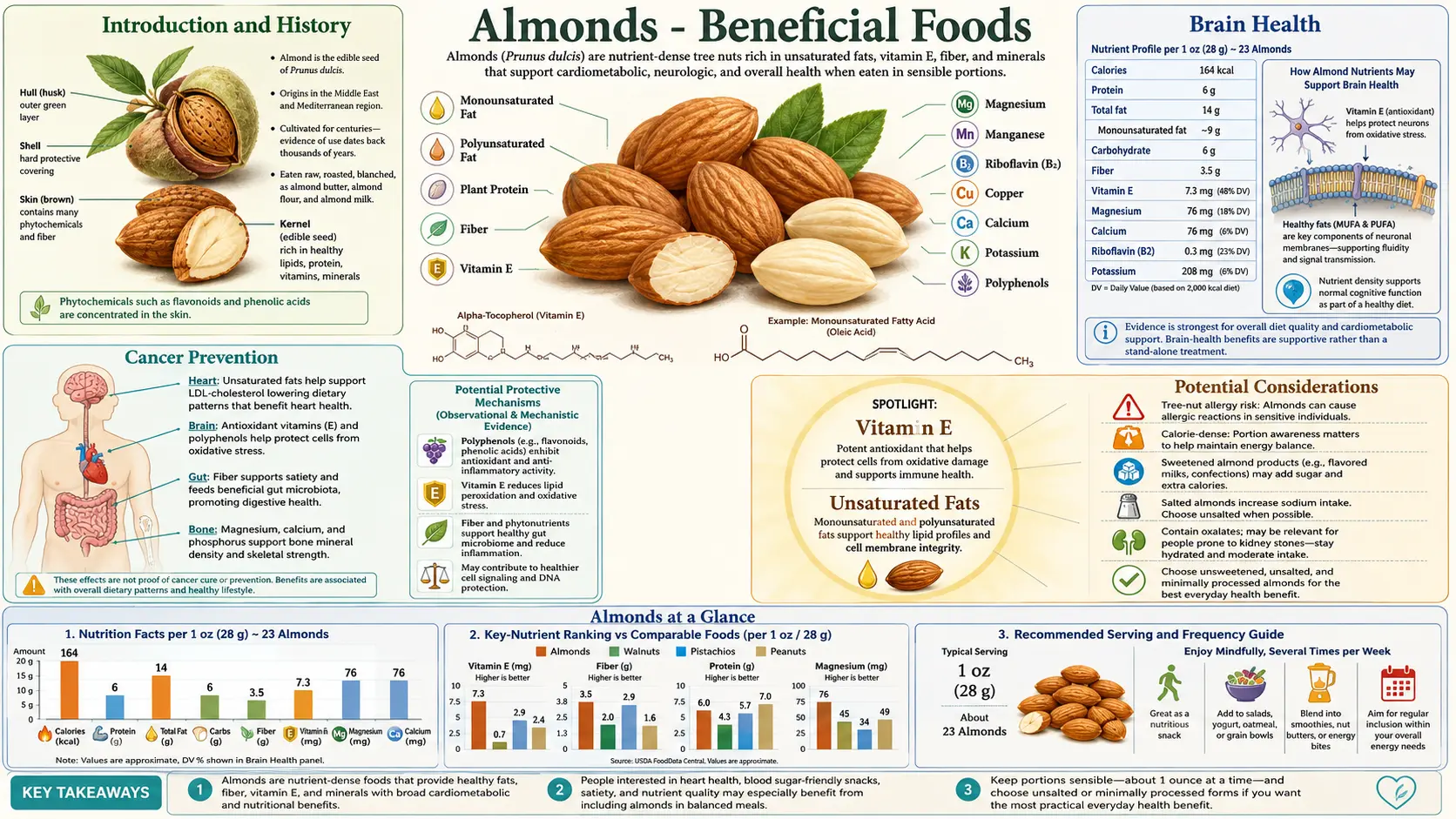
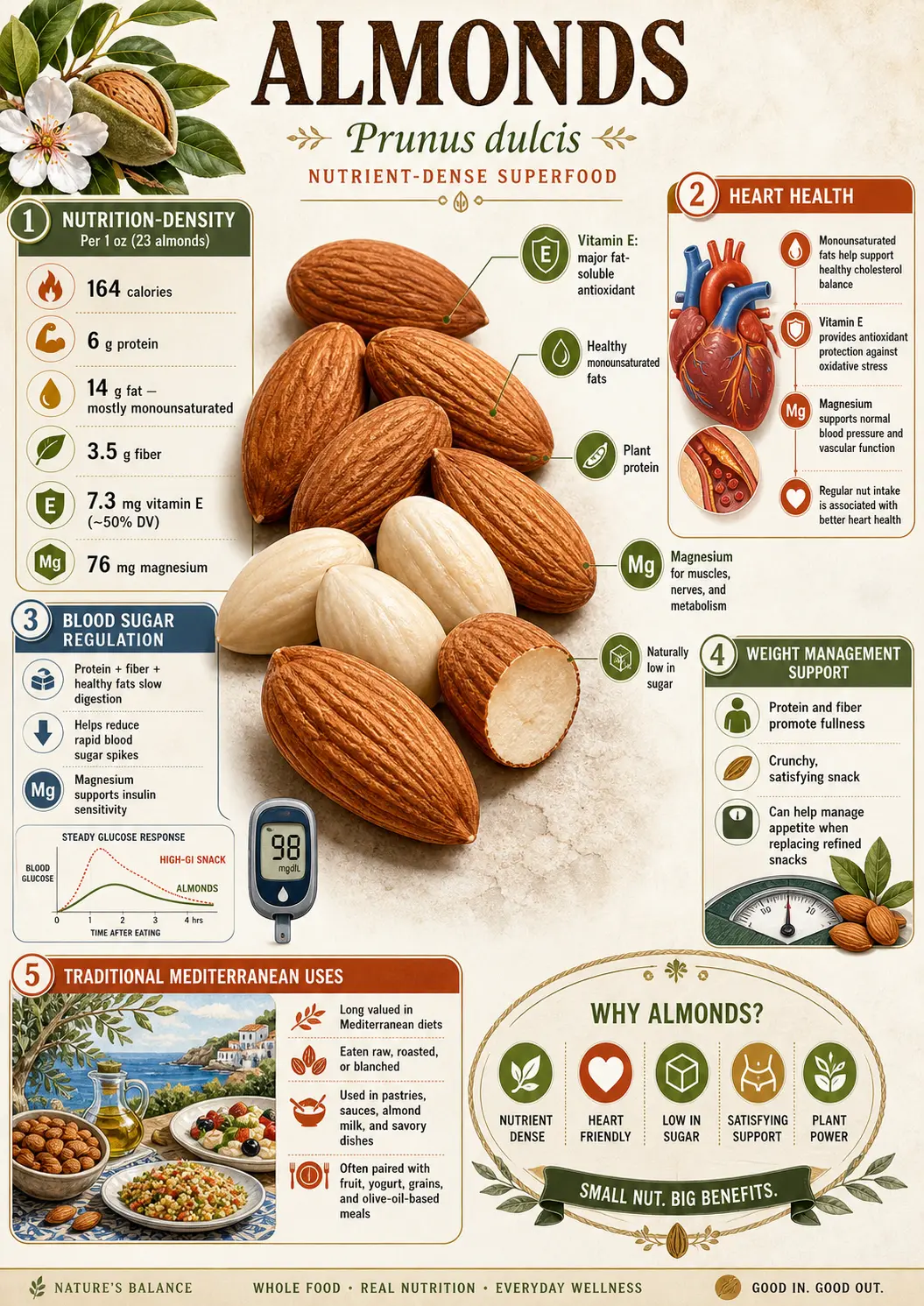
Table of Contents
- Introduction and History
- Nutritional Profile
- Heart Health
- Blood Sugar Control
- Weight Management
- Brain Health
- Bone Health
- Gut Health
- Skin Health
- Anti-Inflammatory Properties
- Cancer Prevention
- Energy and Athletic Performance
- Almond Forms and Nutritional Comparisons
- Soaked and Sprouted Almonds
- Optimal Consumption
- Potential Considerations
- Scientific References
- Research Papers
- Connections
- Featured Videos
Introduction and History
The almond (Prunus dulcis) is one of the oldest cultivated tree nuts in human history, with its origins tracing back to the arid regions of the Middle East and Central Asia. Archaeological evidence suggests that wild almonds were consumed as early as 3000 BCE in present-day Iran, Turkey, and the Levant. The almond tree thrives in Mediterranean climates with warm, dry summers and mild winters, conditions that allowed it to spread throughout the ancient world along early trade routes. The domestication of the almond is considered a landmark achievement in early agriculture, as wild almonds contain bitter, potentially toxic compounds that had to be selectively bred out over generations.
Almonds hold a prominent place in ancient texts and religious traditions. In the Hebrew Bible, almonds appear multiple times as symbols of watchfulness and divine favor. The Book of Numbers describes Aaron's rod as having budded and produced almonds, and Genesis recounts Jacob sending almonds as a gift to Egypt, indicating their value as a prized commodity. Ancient Egyptians used almonds in bread-making, and almond oil was a staple in both culinary and cosmetic traditions across Mesopotamia, Greece, and Rome. The Romans referred to almonds as "Greek nuts," reflecting their early cultivation in the eastern Mediterranean. Throughout the medieval period, almond milk served as a common substitute for dairy in European cuisine, particularly during religious fasting periods.
Today, California dominates global almond production, accounting for approximately 80 percent of the world's supply. The almond industry was introduced to California by Spanish missionaries in the 18th century, but large-scale commercial cultivation did not take hold until the mid-19th century when growers in the Central Valley discovered that the region's climate was ideally suited for almond orchards. By the early 21st century, California's almond acreage had expanded to over 1.5 million acres, making almonds the state's most valuable agricultural export. Other significant producers include Spain, Australia, Morocco, and Iran, though none approach California's output.
The modern almond industry has faced scrutiny regarding water usage, as each almond requires approximately 1.1 gallons of water to produce. However, almond orchards also provide ecological benefits, including supporting pollinator populations and sequestering carbon. Advances in irrigation technology, including micro-drip systems and soil moisture sensors, have improved water efficiency in almond farming by over 30 percent since the 1990s. As nutritional research continues to reveal the extensive health benefits of almonds, global demand has steadily increased, with per capita consumption in the United States rising from approximately 0.8 pounds in 2000 to over 2 pounds by 2020. — the fuller story is told in the dedicated History article.
Nutritional Profile
Almonds are among the most nutrient-dense foods available, packing a remarkable concentration of vitamins, minerals, healthy fats, protein, and fiber into a compact package. A standard serving of almonds is one ounce, which equates to roughly 23 whole kernels or about 28 grams. This single ounce delivers approximately 164 calories, 6 grams of protein, 14 grams of fat (of which 9 grams are monounsaturated and 3.5 grams are polyunsaturated), 6 grams of carbohydrates, and 3.5 grams of dietary fiber. The macronutrient profile makes almonds an excellent source of sustained energy with minimal impact on blood sugar levels.
Vitamin E is perhaps the most celebrated micronutrient in almonds. A single ounce provides 7.3 milligrams of alpha-tocopherol, the most biologically active form of vitamin E, representing approximately 48 percent of the recommended daily value. This fat-soluble antioxidant plays a critical role in protecting cell membranes from oxidative damage, supporting immune function, and maintaining skin integrity. Few commonly consumed foods match almonds in their vitamin E concentration, making them one of the most practical dietary sources of this essential nutrient.
Almonds are also an outstanding source of magnesium, providing approximately 76 milligrams per ounce, or about 19 percent of the daily value. Magnesium participates in over 300 enzymatic reactions in the body, including energy metabolism, protein synthesis, blood glucose regulation, and nerve and muscle function. Given that an estimated 50 percent of Americans do not meet the recommended dietary allowance for magnesium, regular almond consumption can play a meaningful role in addressing this widespread nutritional shortfall.
The mineral content of almonds extends well beyond magnesium. One ounce delivers approximately 0.6 milligrams of manganese (about 27 percent of the daily value), which is essential for bone formation, blood clotting, and antioxidant defense via the enzyme superoxide dismutase. Copper content stands at roughly 0.3 milligrams per ounce (about 14 percent of the daily value), supporting iron metabolism, connective tissue formation, and nervous system function. Additional minerals include phosphorus (137 milligrams, 11 percent DV), calcium (76 milligrams, 6 percent DV), iron (1.0 milligram, 6 percent DV), zinc (0.9 milligrams, 6 percent DV), and potassium (208 milligrams, 4 percent DV). Almonds also contribute B vitamins, particularly riboflavin (0.3 milligrams, 17 percent DV) and niacin (1.0 milligram, 6 percent DV).
Beyond their measurable vitamins and minerals, almonds contain a diverse array of bioactive compounds, including flavonoids, phenolic acids, and phytosterols. The brown skin of the almond is particularly rich in polyphenolic antioxidants, with studies identifying over 20 distinct flavonoid compounds. These phytochemicals work synergistically with the vitamins and minerals present in the nut, often producing health benefits greater than what any single nutrient would provide in isolation.
Heart Health
The cardiovascular benefits of almonds represent one of the most thoroughly researched areas of almond nutrition. Numerous clinical trials have demonstrated that regular almond consumption significantly reduces low-density lipoprotein (LDL) cholesterol, the form of cholesterol most strongly associated with atherosclerosis and coronary artery disease. A landmark meta-analysis published in the American Journal of Clinical Nutrition found that consuming approximately 45 grams (about 1.5 ounces) of almonds daily reduced LDL cholesterol by an average of 5.3 mg/dL. The effect is largely attributed to the high monounsaturated fat content of almonds, which favorably modifies lipoprotein metabolism without reducing beneficial high-density lipoprotein (HDL) cholesterol.
The vitamin E in almonds provides additional cardiovascular protection through its antioxidant activity. Oxidized LDL particles are far more atherogenic than native LDL, meaning they are more likely to penetrate arterial walls and initiate plaque formation. Alpha-tocopherol from almonds integrates into LDL particles and protects them from oxidative modification, effectively reducing the atherogenic potential of circulating cholesterol. Research published in the Journal of Nutrition demonstrated that almond consumption significantly decreased biomarkers of LDL oxidation in healthy adults over a four-week intervention period.
In recognition of the substantial evidence linking nut consumption to cardiovascular health, the U.S. Food and Drug Administration (FDA) approved a qualified health claim in 2003 stating: "Scientific evidence suggests but does not prove that eating 1.5 ounces per day of most nuts, such as almonds, as part of a diet low in saturated fat and cholesterol may reduce the risk of heart disease." This was a significant regulatory milestone, as qualified health claims require a meaningful body of supportive evidence. The Portfolio Diet, developed by Dr. David Jenkins at the University of Toronto, includes almonds as one of its four key components and has been shown to reduce LDL cholesterol by 20 to 30 percent, rivaling the effects of statin therapy in some individuals.
Beyond cholesterol reduction, almonds support cardiovascular health through multiple additional mechanisms. The magnesium in almonds helps regulate blood pressure by promoting vascular smooth muscle relaxation and improving endothelial function. The arginine content of almond protein serves as a precursor to nitric oxide, a potent vasodilator that maintains healthy blood flow. Additionally, the fiber and plant sterols in almonds reduce intestinal cholesterol absorption, while the potassium content helps counterbalance the blood pressure-elevating effects of dietary sodium. These complementary mechanisms suggest that the whole almond delivers cardiovascular benefits that exceed those attributable to any single nutrient.
Large-scale epidemiological studies have consistently reinforced these findings. The Nurses' Health Study, which followed over 86,000 women for 14 years, found that consuming nuts five or more times per week was associated with a 35 percent reduction in coronary heart disease risk compared to those who rarely or never ate nuts. Similar protective associations have been observed in the Physicians' Health Study, the Adventist Health Study, and the Iowa Women's Health Study, collectively representing hundreds of thousands of participants followed over decades.
Blood Sugar Control
Almonds possess a unique combination of macronutrients and micronutrients that make them exceptionally effective for blood sugar regulation. Their high content of healthy fats, protein, and fiber, paired with a low carbohydrate load, means that almonds have a minimal glycemic impact when consumed on their own. The glycemic index of whole almonds is effectively negligible, and when almonds are consumed alongside higher-carbohydrate foods, they significantly attenuate the postprandial glucose response. A study published in Metabolism demonstrated that adding 60 grams of almonds to a white bread meal reduced the glycemic index of the meal by approximately 30 percent.
Magnesium plays a central role in the blood sugar benefits of almonds. This mineral is a cofactor for insulin receptor tyrosine kinase, an enzyme essential for proper insulin signaling. Magnesium deficiency has been consistently linked to insulin resistance and an increased risk of type 2 diabetes. A meta-analysis of prospective cohort studies found that each 100 mg/day increment in magnesium intake was associated with a 15 percent reduction in type 2 diabetes risk. Given that a single ounce of almonds provides 76 milligrams of magnesium, regular consumption can make a meaningful contribution to meeting the levels associated with optimal insulin sensitivity.
Clinical research specifically examining almond consumption in individuals with type 2 diabetes has yielded encouraging results. A randomized controlled trial published in Diabetes Care found that incorporating almonds into the diet of patients with type 2 diabetes for 12 weeks led to significant reductions in fasting blood glucose and hemoglobin A1c (HbA1c), a marker of long-term blood sugar control. The almond-supplemented group also showed improvements in LDL cholesterol and markers of inflammation, suggesting comprehensive metabolic benefits beyond glucose regulation alone.
The fiber content of almonds further supports glycemic control by slowing gastric emptying and the rate of carbohydrate digestion and absorption. The 3.5 grams of fiber per ounce includes both soluble and insoluble forms, each contributing to blood sugar management through distinct mechanisms. Soluble fiber forms a gel-like matrix in the small intestine that physically slows glucose absorption, while insoluble fiber promotes satiety and reduces overall caloric intake. The monounsaturated fats in almonds also improve insulin sensitivity by modifying cell membrane fluidity and enhancing the function of insulin receptors.
Prediabetes research has shown similar promise. A study in the European Journal of Clinical Nutrition demonstrated that consuming two ounces of almonds daily for 16 weeks improved measures of insulin sensitivity and reduced fasting insulin levels in individuals with prediabetes compared to a control group. These findings suggest that almonds may serve as a practical, food-based strategy for individuals at risk of developing type 2 diabetes, potentially delaying or preventing progression to full-blown disease when combined with other lifestyle modifications.
Weight Management
Despite their relatively high calorie density at approximately 164 calories per ounce, almonds have consistently been shown to support weight management rather than contribute to weight gain. This counterintuitive finding has been replicated across numerous clinical trials and epidemiological studies. The mechanisms underlying this effect are multifaceted and include enhanced satiety signaling, incomplete calorie absorption due to the rigid cell wall structure of almonds, and favorable effects on resting metabolic rate.
The satiety-promoting properties of almonds are particularly noteworthy. The combination of protein, fiber, and healthy fats in almonds triggers the release of cholecystokinin and glucagon-like peptide-1, hormones that signal fullness to the brain. A study published in the European Journal of Clinical Nutrition found that consuming almonds as a mid-morning snack reduced hunger and desire to eat at subsequent meals, resulting in spontaneous caloric compensation that offset the calories provided by the almonds themselves. Participants did not gain weight despite adding almond calories to their habitual diet, suggesting that the body naturally adjusts energy intake in response to almond consumption.
One of the most significant discoveries regarding almonds and weight management involves incomplete calorie absorption. The cell walls of almond tissue are remarkably resistant to digestion, meaning that a substantial portion of the lipids enclosed within almond cells pass through the gastrointestinal tract without being fully absorbed. Research conducted by the USDA Agricultural Research Service determined that the metabolizable energy of almonds is approximately 129 calories per ounce rather than the 164 calories calculated by traditional Atwater factors, representing a 20 percent overestimation of actual caloric availability. This finding was published in the American Journal of Clinical Nutrition and has significant implications for how almonds are accounted for in dietary planning.
Portion control is an important consideration for maximizing the weight management benefits of almonds. While the research supports the inclusion of almonds in a weight management diet, consuming excessive quantities can still contribute to caloric surplus. Most studies demonstrating weight neutrality or weight loss used portions ranging from one to two ounces daily (approximately 23 to 46 almonds). Pre-portioning almonds into individual servings, choosing whole almonds that require more chewing over sliced or ground forms, and consuming almonds mindfully rather than snacking directly from a large container are practical strategies for maintaining appropriate portion sizes.
A large-scale randomized controlled trial known as the PREDIMED study, which included over 7,000 participants at high cardiovascular risk, found that those assigned to a Mediterranean diet supplemented with nuts (including almonds) did not gain more weight than the control group over a five-year follow-up period, despite no caloric restriction being imposed. Subgroup analyses showed that nut consumers actually had a modestly lower risk of developing abdominal obesity. These findings from a rigorous, long-term trial provide strong evidence that almonds and other nuts can be incorporated into the diet without concern for adverse effects on body weight.
Brain Health
Almonds have been valued as a brain-supporting food across many traditional medical systems, and modern nutritional science has begun to validate these long-standing beliefs. The vitamin E content of almonds is of particular relevance to cognitive health, as the brain is exceptionally vulnerable to oxidative damage due to its high oxygen consumption, abundant polyunsaturated fatty acid content, and relatively limited antioxidant defenses. Alpha-tocopherol, the predominant form of vitamin E in almonds, is actively transported across the blood-brain barrier and concentrated in neural membranes, where it serves as a primary line of defense against lipid peroxidation.
Epidemiological research has linked higher vitamin E intake to reduced rates of cognitive decline and a lower risk of Alzheimer's disease. The Chicago Health and Aging Project, which followed over 3,000 older adults for approximately six years, found that those with the highest dietary vitamin E intake experienced a 36 percent slower rate of cognitive decline compared to those with the lowest intake. Importantly, this association was observed with dietary vitamin E from foods such as almonds and other nuts, rather than from supplements, suggesting that the whole-food matrix may be important for delivering vitamin E in a bioavailable and effective form.
Riboflavin (vitamin B2), present in almonds at 17 percent of the daily value per ounce, also contributes to neurological function. Riboflavin is a precursor to flavin adenine dinucleotide (FAD) and flavin mononucleotide (FMN), coenzymes involved in mitochondrial energy production, neurotransmitter metabolism, and the maintenance of myelin sheaths that insulate nerve fibers. Riboflavin deficiency has been associated with peripheral neuropathy and an increased risk of migraines, highlighting the importance of adequate intake for nervous system health.
L-carnitine, an amino acid derivative found in almonds, plays a distinct role in brain metabolism. L-carnitine facilitates the transport of long-chain fatty acids into mitochondria for beta-oxidation, a process essential for meeting the energy demands of neurons. Acetyl-L-carnitine, a metabolite of L-carnitine, has been studied for its potential to improve memory and slow cognitive decline in elderly individuals and those with mild cognitive impairment. While the concentrations of L-carnitine in almonds are modest compared to animal-derived sources, the synergy with other neuroprotective compounds in almonds, including vitamin E, polyphenols, and magnesium, may amplify its benefits.
Animal studies have provided additional insight into the mechanisms underlying almond-related cognitive benefits. Research published in Brain Research Bulletin demonstrated that almond-supplemented diets improved memory retention and reduced markers of oxidative stress in the brains of aged rats. Another study found that almond consumption enhanced acetylcholine levels in the hippocampus, a neurotransmitter critically involved in learning and memory formation. While animal studies cannot be directly extrapolated to humans, they provide plausible biological mechanisms that support the epidemiological evidence linking nut consumption to preserved cognitive function.
Bone Health
Almonds provide a suite of minerals essential for maintaining strong, healthy bones throughout the lifespan. While dairy products are most commonly associated with bone health, almonds offer a compelling plant-based alternative that delivers calcium, magnesium, phosphorus, and manganese in significant quantities. One ounce of almonds contains approximately 76 milligrams of calcium, which, while modest compared to a glass of milk, contributes meaningfully to daily intake, particularly for individuals who consume multiple servings of almonds or almond-based products throughout the day.
Magnesium may be the most underappreciated bone mineral provided by almonds. Approximately 60 percent of the body's magnesium is stored in bone tissue, where it contributes to the structural matrix of hydroxyapatite crystals that give bones their rigidity. Magnesium deficiency promotes osteoclast-mediated bone resorption, reduces osteoblast activity, and impairs the synthesis and secretion of parathyroid hormone and active vitamin D, both of which are critical regulators of calcium homeostasis. Studies have found that higher magnesium intake is associated with greater bone mineral density, particularly in older adults, and a reduced risk of osteoporosis-related fractures.
Phosphorus, present at 137 milligrams per ounce of almonds, is the second most abundant mineral in bone after calcium. Approximately 85 percent of body phosphorus resides in bones and teeth as a component of hydroxyapatite. Adequate phosphorus intake is essential for bone mineralization, but it must be balanced with calcium to maintain optimal bone health. The calcium-to-phosphorus ratio in almonds is approximately 1:1.8, which is generally considered favorable for bone metabolism when part of a varied diet that includes adequate calcium from other sources.
Manganese, at 27 percent of the daily value per ounce, supports bone health through its role as a cofactor for enzymes involved in the synthesis of glycosaminoglycans and proteoglycans, structural components of cartilage and the organic bone matrix. Manganese-dependent superoxide dismutase also protects bone cells from oxidative damage that can accelerate bone loss. Research has shown that manganese deficiency in animal models leads to skeletal abnormalities, impaired bone growth, and reduced bone density, underscoring the importance of adequate dietary manganese for skeletal integrity.
The protein content of almonds further supports bone health, as amino acids serve as building blocks for the collagen matrix that provides bone with its flexibility and tensile strength. Contrary to earlier concerns that high protein intake might promote urinary calcium loss, more recent research has demonstrated that adequate protein intake actually improves calcium absorption and stimulates the production of insulin-like growth factor 1 (IGF-1), a hormone that promotes bone formation. For individuals following plant-based diets, almonds represent a valuable dual source of both protein and bone-building minerals.
Gut Health
The relationship between almonds and gut health has become an increasingly active area of scientific inquiry, with research suggesting that almonds act as a prebiotic food that nourishes beneficial intestinal bacteria. The dietary fiber in almonds, particularly the insoluble fiber concentrated in the brown almond skin, resists digestion in the upper gastrointestinal tract and arrives largely intact in the colon, where it serves as a fermentation substrate for commensal microorganisms. This fermentation process produces short-chain fatty acids (SCFAs), including butyrate, propionate, and acetate, which provide energy to colonocytes, strengthen the intestinal barrier, and exert anti-inflammatory effects throughout the body.
Clinical studies have directly examined the impact of almond consumption on gut microbiome composition. A randomized controlled trial published in Anaerobe found that consuming 56 grams of almonds daily for six weeks significantly increased populations of Bifidobacterium and Lactobacillus, two genera of bacteria widely recognized as beneficial for digestive health and immune function. Participants also showed increases in fecal butyrate concentrations, suggesting enhanced colonic fermentation. Notably, these effects were observed with whole almonds consumed with their skins intact, highlighting the importance of the skin's polyphenolic compounds as substrates for microbial metabolism.
The polyphenols in almond skins appear to play a distinctive role in shaping microbiome diversity. Many of these compounds are poorly absorbed in the small intestine and accumulate in the colon, where they are metabolized by gut bacteria into bioactive derivatives. Research conducted at the Institute of Food Research in the United Kingdom demonstrated that almond skin polyphenols enhanced the growth of Clostridium coccoides and Eubacterium rectale groups, bacteria that are major producers of butyrate. These findings suggest that the health benefits of almond skins extend beyond their direct antioxidant activity to include indirect effects mediated through modulation of the gut microbiome.
The lipid fraction of almonds that escapes digestion due to intact cell walls also reaches the colon, where it may further influence microbial metabolism. Undigested almond lipids can be fermented by certain bacterial species, contributing to the production of beneficial metabolites and potentially influencing the ratio of Firmicutes to Bacteroidetes, a marker associated with metabolic health. A study published in the American Journal of Clinical Nutrition found that almond consumption increased microbial diversity, a general indicator of a healthy gut ecosystem, compared to a control diet matched for macronutrient content.
Practical implications for gut health include the recommendation to consume almonds with their skins intact and to chew them thoroughly. The mechanical disruption of cell walls through chewing increases the release of fiber and polyphenols in the digestive tract, potentially amplifying prebiotic effects. For individuals with sensitive digestive systems, gradually increasing almond intake over several weeks allows the gut microbiome to adapt and minimizes potential gastrointestinal discomfort such as bloating or gas that can accompany sudden increases in fiber intake.
Skin Health
Almonds have been prized for their skin-enhancing properties since antiquity, and contemporary dermatological research has provided scientific support for many of these traditional uses. Vitamin E is the cornerstone of almonds' skin benefits, functioning as the primary lipid-soluble antioxidant in human skin. This vitamin accumulates in the stratum corneum, the outermost layer of the epidermis, where it neutralizes free radicals generated by ultraviolet radiation, environmental pollutants, and normal metabolic processes. By protecting skin cell membranes from peroxidative damage, vitamin E helps maintain skin hydration, elasticity, and barrier function.
Research has demonstrated that dietary vitamin E from almonds provides measurable photoprotective effects. A study published in the Journal of Cosmetic Dermatology found that women who consumed approximately 60 grams of almonds daily for 16 weeks showed a significant increase in their minimal erythemal dose (MED), the amount of UV radiation required to produce visible sunburn. The almond group demonstrated a 20 percent improvement in UV resistance compared to a calorie-matched control group, suggesting that regular almond consumption enhances the skin's intrinsic defense against solar damage. While almonds should not be considered a replacement for topical sunscreen, they may serve as a valuable complementary strategy for photoprotection.
The anti-aging potential of almonds extends beyond UV protection. A randomized controlled trial conducted at the University of California, Davis, assessed the effects of daily almond consumption on facial wrinkle severity in postmenopausal women. After 16 weeks, the almond group showed a statistically significant reduction in wrinkle width and severity compared to a control group that consumed a calorie-matched snack without almonds. Researchers attributed these effects to the combined action of vitamin E, healthy fats, and polyphenolic antioxidants, which collectively reduce oxidative damage to collagen and elastin fibers in the dermis.
Almond oil has a long history of topical application for skin care and has been studied for various dermatological applications. Sweet almond oil is rich in oleic acid (a monounsaturated omega-9 fatty acid) and linoleic acid (an essential omega-6 fatty acid), both of which are important components of the skin's lipid barrier. Clinical studies have found that topical application of almond oil reduces the appearance of stretch marks when applied during pregnancy, soothes irritated skin in conditions such as eczema and dermatitis, and improves overall skin tone and complexion. The emollient properties of almond oil make it an effective natural moisturizer that is well tolerated by most skin types.
The biotin content of almonds, though modest, further supports skin health. Biotin deficiency is classically associated with dermatitis, and adequate intake supports the production of fatty acids that maintain the skin's lipid barrier. Additionally, the zinc in almonds contributes to skin cell proliferation and wound healing, while copper supports the cross-linking of collagen and elastin fibers that provide skin with its structural integrity. The comprehensive profile of skin-supporting nutrients in almonds makes them a valuable dietary component for individuals seeking to maintain healthy, youthful skin through nutritional means.
Anti-Inflammatory Properties
Chronic low-grade inflammation is increasingly recognized as a driving force behind numerous age-related diseases, including cardiovascular disease, type 2 diabetes, neurodegenerative disorders, and certain cancers. Almonds contain a diverse array of anti-inflammatory compounds that, when consumed regularly, have been shown to reduce systemic markers of inflammation. The polyphenolic compounds concentrated in almond skins are of particular interest, as they include flavonoids such as catechin, epicatechin, kaempferol, quercetin, and isorhamnetin, each of which possesses documented anti-inflammatory activity through distinct molecular mechanisms.
The anti-inflammatory effects of almond skin polyphenols operate through several biochemical pathways. These compounds inhibit nuclear factor kappa-B (NF-kB), a transcription factor that orchestrates the expression of pro-inflammatory cytokines, adhesion molecules, and enzymes involved in the inflammatory cascade. Research published in the British Journal of Nutrition demonstrated that almond skin extracts significantly suppressed NF-kB activation in cultured human macrophages and reduced the production of tumor necrosis factor-alpha (TNF-alpha) and interleukin-6 (IL-6), two key inflammatory mediators implicated in chronic disease pathogenesis.
Clinical trials have confirmed that whole almond consumption reduces circulating markers of inflammation in human subjects. A study published in the Journal of the American Heart Association found that replacing a calorie-matched carbohydrate snack with 1.5 ounces of almonds daily for 12 weeks led to significant reductions in C-reactive protein (CRP), a widely used biomarker of systemic inflammation. Another trial demonstrated that almond consumption reduced levels of E-selectin and intercellular adhesion molecule-1 (ICAM-1), proteins that facilitate the attachment of white blood cells to blood vessel walls, a critical early step in the development of atherosclerotic plaques.
The monounsaturated fats in almonds also contribute to their anti-inflammatory profile. Oleic acid, which constitutes approximately 63 percent of almond fat, has been shown to reduce the expression of inflammatory genes and modulate the activity of toll-like receptors, components of the innate immune system that trigger inflammatory responses when activated. Diets rich in monounsaturated fats have been consistently associated with lower levels of inflammatory markers compared to diets high in saturated fats or refined carbohydrates, and almonds represent one of the most concentrated dietary sources of oleic acid.
The antioxidant capacity of almonds further mitigates inflammation by reducing oxidative stress, a condition in which the production of reactive oxygen species exceeds the body's antioxidant defenses. Oxidative stress and inflammation are intimately linked in a self-perpetuating cycle: free radicals activate inflammatory signaling pathways, and inflammatory processes generate additional free radicals. By providing vitamin E, polyphenols, and other antioxidant compounds, almonds help break this cycle and reduce the overall burden of chronic inflammation. A study measuring total antioxidant capacity in blood found that participants consuming almonds daily for four weeks showed significantly higher plasma antioxidant levels compared to a control group.
Cancer Prevention
While no single food can prevent cancer, a growing body of epidemiological and mechanistic research suggests that regular almond consumption may contribute to reduced cancer risk as part of a healthful dietary pattern. The potential anticancer properties of almonds arise from the combined action of several bioactive components, including vitamin E, dietary fiber, phytosterols, polyphenols, and other phytochemicals that influence cellular processes relevant to cancer development and progression.
Vitamin E has been extensively studied for its potential role in cancer prevention, with dietary intake from food sources showing more consistent protective associations than supplemental forms. Alpha-tocopherol protects DNA from oxidative damage that can initiate mutagenic changes, a critical first step in carcinogenesis. Additionally, vitamin E has been shown to inhibit protein kinase C, an enzyme involved in cell proliferation and tumor promotion, and to enhance immune surveillance against nascent cancer cells. Epidemiological studies have reported inverse associations between dietary vitamin E intake and the risk of several cancer types, including colon, prostate, and breast cancer.
The dietary fiber in almonds may reduce colorectal cancer risk through multiple mechanisms. Fiber accelerates intestinal transit time, reducing the contact duration between potential carcinogens and the colonic epithelium. The fermentation of fiber by gut bacteria produces butyrate, a short-chain fatty acid that has demonstrated antiproliferative and pro-apoptotic effects in colorectal cancer cell lines. Butyrate also serves as the preferred energy source for colonocytes and promotes the maintenance of a healthy colonic barrier, reducing the translocation of potentially carcinogenic bacterial metabolites into the bloodstream.
Phytochemicals unique to almonds and other tree nuts have shown promising anticancer activity in laboratory settings. Amygdalin, a cyanogenic glycoside present in small amounts in sweet almonds (and in much larger quantities in bitter almonds), has been studied for cytotoxic effects on cancer cells, though its clinical relevance remains debated. More compellingly, the flavonoids and phenolic acids in almond skins have demonstrated the ability to inhibit cancer cell proliferation, induce apoptosis, suppress angiogenesis (the formation of new blood vessels that feed tumors), and reduce the invasive capacity of cancer cells in vitro. A study published in Nutrition and Cancer found that almond skin extracts inhibited the growth of colon cancer cells in a dose-dependent manner.
Large prospective cohort studies provide population-level support for the cancer-protective potential of nut consumption. An analysis of data from the Nurses' Health Study II found that women who consumed two or more servings of nuts per week during adolescence had a 36 percent lower risk of benign breast disease, a recognized risk factor for breast cancer, compared to those who rarely consumed nuts. The European Prospective Investigation into Cancer and Nutrition (EPIC) study similarly reported inverse associations between nut intake and colorectal cancer risk. While these studies cannot establish causation, they provide compelling evidence that regular nut consumption, including almonds, is associated with meaningful reductions in cancer risk across multiple organ sites.
Energy and Athletic Performance
Almonds are a popular food among athletes and physically active individuals, and their nutritional profile provides strong justification for this preference. The combination of 6 grams of protein, 14 grams of healthy fats, and 3.5 grams of fiber per ounce delivers sustained energy without the blood sugar spikes and crashes associated with refined carbohydrate snacks. The caloric density of almonds makes them an efficient fuel source for endurance activities, long training sessions, and situations where portable, non-perishable nutrition is needed.
The protein content of almonds contributes to muscle repair and recovery following exercise. While almonds are not a complete protein source (they are relatively low in the essential amino acid lysine), they provide meaningful amounts of branched-chain amino acids (BCAAs), including leucine, isoleucine, and valine, which play critical roles in stimulating muscle protein synthesis and reducing exercise-induced muscle damage. When combined with complementary protein sources such as legumes, dairy, or grains, almond protein contributes effectively to meeting the elevated protein requirements of active individuals.
Magnesium is particularly important for athletic performance, as it is involved in muscle contraction and relaxation, oxygen delivery to working muscles, and the conversion of blood glucose and muscle glycogen into usable energy through ATP production. Magnesium depletion, which can occur through heavy sweating during prolonged exercise, has been associated with reduced exercise capacity, increased oxygen consumption at submaximal intensities, and heightened susceptibility to muscle cramps. The 76 milligrams of magnesium per ounce of almonds makes them one of the most practical dietary sources for maintaining optimal magnesium status in active individuals.
Research has directly examined the effects of almond consumption on exercise performance. A study published in the Journal of the International Society of Sports Nutrition found that trained cyclists who consumed 75 grams of almonds daily for four weeks maintained longer cycling distance during a timed trial compared to a control group consuming calorie-matched cookies. The almond group also showed higher utilization of carbohydrate and fat during exercise, suggesting more efficient substrate metabolism. The researchers attributed these findings to the combined effects of the healthy fats, vitamin E, and minerals provided by almonds.
The vitamin E in almonds supports athletic performance through its role in reducing exercise-induced oxidative stress. Intense physical activity dramatically increases the production of reactive oxygen species in skeletal muscle, which can damage muscle cell membranes, impair contractile function, and prolong recovery time. By providing a substantial dose of the body's primary lipid-soluble antioxidant, almonds may help attenuate exercise-induced oxidative damage and support faster recovery between training sessions. The anti-inflammatory polyphenols in almond skins may further reduce exercise-induced muscle soreness and accelerate the resolution of post-exercise inflammation.
Almond Forms and Nutritional Comparisons
Almonds are available in a wide variety of forms, each with distinct nutritional characteristics, culinary applications, and considerations for health. Understanding the differences among these forms allows consumers to select the most appropriate option for their dietary goals and to be aware of how processing affects the nutritional value of the original whole almond.
Whole almonds represent the least processed form and retain the full nutritional profile, including the polyphenol-rich skin. One ounce of whole raw almonds provides the benchmark values discussed throughout this article: 164 calories, 6 grams of protein, 14 grams of fat, 3.5 grams of fiber, and the full complement of vitamins and minerals. Whole almonds require extensive chewing, which promotes satiety and may contribute to the incomplete calorie absorption observed in clinical studies. They are the preferred form for maximizing the health benefits documented in research, as the vast majority of clinical trials have used whole almonds as the intervention food.
Sliced and slivered almonds are mechanically processed whole almonds that retain most of their nutritional value but have a larger surface area exposed to air, which can accelerate lipid oxidation during storage. They are convenient for use as salad toppings, in baked goods, and in stir-fry dishes. Because their cell walls are partially disrupted by slicing, the fat in sliced almonds may be more completely absorbed than that in whole almonds, potentially increasing their effective caloric value. Proper storage in airtight containers, ideally refrigerated, helps preserve their freshness and nutritional quality.
Almond flour is produced by grinding blanched (skin-removed) almonds into a fine powder and has become a staple in gluten-free and low-carbohydrate baking. One-quarter cup of almond flour provides approximately 160 calories, 6 grams of protein, and 14 grams of fat, similar to whole almonds by weight, but the removal of skins eliminates the majority of the polyphenolic antioxidants and a portion of the fiber. Additionally, the complete disruption of cell walls in ground almonds means that nearly all of the fat is bioaccessible, so the effective caloric value of almond flour is likely closer to the Atwater-calculated value than that of whole almonds.
Almond butter is made by grinding whole or blanched almonds into a smooth or chunky paste. Two tablespoons of almond butter provide approximately 196 calories, 7 grams of protein, 18 grams of fat, and 3 grams of fiber. Natural almond butters, which contain only almonds and perhaps a small amount of salt, retain most of the nutritional benefits of whole almonds, including healthy fats, vitamin E, and magnesium. However, many commercial almond butters contain added sugars, palm oil, or other ingredients that alter the nutritional profile. Reading labels carefully and choosing brands with minimal added ingredients ensures the healthiest choice.
Almond milk is the most nutritionally distinct form, as the process of blending almonds with water and straining out the pulp removes the majority of the fiber, protein, and many of the fat-soluble nutrients present in whole almonds. A typical cup of unsweetened almond milk contains only 30 to 40 calories, 1 gram of protein, 2.5 grams of fat, and less than 1 gram of fiber. Most commercial almond milks are fortified with calcium and vitamins A, D, and E to enhance their nutritional value. While almond milk serves as a useful low-calorie, dairy-free beverage, it should not be considered nutritionally equivalent to whole almonds or a substitute for their health benefits. Individuals relying on almond milk as a primary beverage should ensure they obtain protein and other nutrients from complementary dietary sources.
Soaked and Sprouted Almonds
The practice of soaking and sprouting almonds before consumption is deeply rooted in traditional food preparation methods across many cultures, particularly in Ayurvedic medicine and traditional Middle Eastern and South Asian cuisines. Proponents of soaking claim that it reduces anti-nutrients, improves digestibility, enhances nutrient bioavailability, and activates beneficial enzymes. Modern nutritional science has begun to evaluate these claims, and while some are well-supported by evidence, others remain areas of ongoing investigation.
Phytic acid (inositol hexaphosphate) is the primary anti-nutrient of concern in almonds and other nuts and seeds. Phytic acid binds to minerals such as zinc, iron, calcium, and magnesium in the gastrointestinal tract, forming insoluble complexes that resist absorption and effectively reduce the bioavailability of these essential nutrients. Soaking almonds in water for 8 to 12 hours has been shown to reduce phytic acid content by approximately 5 to 20 percent, depending on conditions such as water temperature, pH, and the addition of an acidic medium like lemon juice. While this reduction is meaningful, it is worth noting that phytic acid is not entirely detrimental; it possesses antioxidant properties and has been associated with reduced risks of kidney stones and certain cancers.
Sprouting, which involves soaking almonds for an extended period and then allowing them to germinate in a moist environment, achieves a more substantial reduction in phytic acid than soaking alone. The germination process activates endogenous phytase enzymes within the almond, which progressively break down phytic acid stores to release phosphorus for the growing seedling. Studies on sprouted nuts and seeds have documented phytic acid reductions of 30 to 50 percent, along with increases in the bioavailability of zinc, iron, and other minerals. However, sprouting almonds requires careful attention to hygiene, as the warm, moist conditions that promote germination also favor the growth of pathogenic bacteria if not properly managed.
Traditional practices surrounding soaked almonds often involve removing the skin after soaking, which softens the brown testa and makes it easy to peel away. In Ayurvedic tradition, this is believed to make almonds easier to digest, and there is some physiological basis for this claim, as the tannins in almond skins can inhibit certain digestive enzymes. However, removing the skin also eliminates the majority of the polyphenolic antioxidants and a significant portion of the fiber, which, as discussed in earlier sections, provide substantial health benefits including prebiotic effects, anti-inflammatory activity, and cardiovascular protection. The decision to consume almonds with or without skins thus involves a trade-off between improved mineral absorption and the loss of beneficial polyphenols.
For individuals seeking to balance these considerations, a practical approach is to alternate between soaked and unsoaked almonds. Consuming soaked almonds with meals that are low in mineral content may optimize mineral absorption, while consuming whole unsoaked almonds as snacks preserves the full complement of antioxidants and fiber. Those with digestive sensitivities may find that soaked almonds are gentler on the stomach, as the softened texture requires less digestive effort. Regardless of preparation method, almonds remain a highly nutritious food, and the differences between soaked, sprouted, and raw forms, while real, are relatively modest in the context of an overall balanced diet.
Optimal Consumption
The question of how many almonds to eat daily has been addressed by numerous clinical trials, and the consensus from the research literature points to a serving of approximately one ounce, or about 23 almonds, as a practical and effective daily quantity. This amount aligns with the FDA's qualified health claim for nuts and cardiovascular disease, is consistent with the serving sizes used in the majority of positive clinical outcomes, and provides a meaningful dose of key nutrients without excessive caloric contribution. Some studies have used larger doses of 1.5 to 2 ounces daily and observed dose-dependent benefits, particularly for cholesterol reduction and blood sugar control, suggesting that individuals with specific health goals may benefit from slightly higher intakes.
The choice between raw and roasted almonds is a common consideration. Raw almonds retain their full complement of heat-sensitive nutrients, including certain B vitamins and a portion of the more volatile polyphenolic compounds. Dry-roasted almonds, while subjected to temperatures that can partially degrade vitamin E and cause minor lipid oxidation, retain the vast majority of their nutritional value and offer enhanced flavor that many people find more appealing. Studies comparing raw and roasted almonds have found minimal differences in their effects on cholesterol levels, blood sugar, and body weight. Oil-roasted almonds, however, may contain additional calories from the roasting oil and sometimes include added salt, which should be considered by individuals managing sodium intake.
Consuming almonds with their skins intact is generally recommended for maximum health benefit. As documented throughout this article, almond skins are rich in polyphenolic antioxidants that contribute to anti-inflammatory activity, cardiovascular protection, prebiotic effects, and cancer risk reduction. Blanched (skin-removed) almonds retain the healthy fat, protein, mineral, and vitamin E content of whole almonds but sacrifice the majority of their polyphenolic compounds and a portion of their fiber. Blanched almonds and almond flour are appropriate choices when specific culinary applications require them, but whole skin-on almonds should be the default for health-oriented consumption.
Timing of almond consumption can influence their effects on appetite and blood sugar. Eating almonds as a mid-morning or mid-afternoon snack has been shown to reduce hunger and caloric intake at subsequent meals, making this timing particularly useful for weight management. Consuming almonds alongside carbohydrate-rich meals attenuates postprandial glucose spikes, which is beneficial for individuals with diabetes or prediabetes. Including almonds in a breakfast meal has been associated with improved satiety throughout the morning and better overall dietary quality for the rest of the day.
Storage practices significantly affect almond quality and safety. Almonds should be stored in a cool, dry, dark environment, ideally in an airtight container. Refrigeration extends shelf life to approximately 12 months, while freezer storage can preserve quality for up to two years. Almonds stored at room temperature in humid conditions are susceptible to lipid oxidation, which produces rancid flavors and potentially harmful oxidation products, as well as aflatoxin contamination from Aspergillus mold growth. Purchasing almonds from reputable sources, inspecting them for off odors or discoloration, and consuming them within a reasonable timeframe ensures both safety and optimal nutritional quality.
Potential Considerations
Tree nut allergy is the most significant safety concern associated with almond consumption. Almonds are classified as tree nuts, and tree nut allergy affects approximately 1 to 2 percent of the general population in Western countries. Allergic reactions to almonds can range from mild symptoms such as oral itching and hives to severe, life-threatening anaphylaxis involving airway constriction, cardiovascular collapse, and loss of consciousness. Individuals with a diagnosed tree nut allergy should strictly avoid almonds and all almond-derived products, including almond flour, almond butter, almond milk, and almond oil (though highly refined almond oil may not contain allergenic proteins, this should be discussed with an allergist). Cross-reactivity between different tree nuts is common, so individuals allergic to one tree nut should exercise caution with all tree nuts until evaluated by a qualified allergist.
Oxalate content is a consideration for individuals prone to calcium oxalate kidney stones, the most common type of kidney stone. Almonds contain a moderate amount of oxalates, with approximately 122 milligrams per ounce. For most healthy individuals, this level of oxalate intake is well tolerated and does not pose a risk. However, for individuals with a history of recurrent calcium oxalate kidney stones or those identified as "hyperabsorbers" of dietary oxalate, high almond consumption may increase urinary oxalate excretion and elevate stone risk. Such individuals should consult with a healthcare provider or registered dietitian regarding appropriate almond intake and may benefit from consuming almonds alongside calcium-rich foods, which can bind oxalate in the intestine and reduce its absorption.
Cyanide in bitter almonds is a topic that occasionally raises concern among consumers. Sweet almonds (Prunus dulcis var. dulcis), the variety sold for food consumption in all commercial markets, contain only trace amounts of amygdalin, a cyanogenic glycoside that can release hydrogen cyanide when metabolized. The amygdalin content of sweet almonds is too low to pose any toxicological risk at normal consumption levels. Bitter almonds (Prunus dulcis var. amara), by contrast, contain 40 to 50 times more amygdalin and can produce dangerous levels of cyanide if consumed in quantity. Bitter almonds are not sold as food in the United States and most other countries due to their toxicity. Consumers purchasing almonds from reputable commercial sources need not be concerned about cyanide exposure.
Calorie density warrants mindful attention, despite the evidence that almonds do not promote weight gain when consumed in reasonable quantities. At approximately 164 calories per ounce (or 129 metabolizable calories based on more recent research), almonds are an energy-dense food, and unrestricted consumption can contribute to caloric surplus, particularly when almonds are consumed in processed forms such as almond butter, chocolate-covered almonds, or flavored almond snacks that add sugar, oil, and salt. Individuals actively seeking weight loss should measure their almond portions rather than eating directly from a bag and should account for almond calories within their overall daily energy budget.
Finally, individuals taking certain medications should be aware of potential interactions. The high vitamin E content of almonds could theoretically potentiate the effects of anticoagulant medications such as warfarin, though dietary vitamin E intake from food is unlikely to cause clinically significant interactions at normal consumption levels. The magnesium in almonds may affect the absorption of certain antibiotics (tetracyclines and fluoroquinolones) and bisphosphonate medications if consumed simultaneously. Spacing almond consumption at least two hours away from these medications is generally sufficient to avoid any interaction. As with any dietary change, individuals with chronic health conditions or those taking medications should discuss their almond intake with a healthcare provider to ensure compatibility with their treatment plan.
Scientific References
- Asbaghi O et al. "The effect of almond intake on lipid profile: a systematic review and meta-analysis of randomized controlled trials" Food & Function, 2021. (Meta-analysis of 27 studies finding almond intake significantly reduced LDL cholesterol by 5.65 mg/dL.)
- Jenkins DJ et al. "Almonds reduce biomarkers of lipid peroxidation in older hyperlipidemic subjects" The Journal of Nutrition, 2008. (Almond consumption reduced serum malondialdehyde and urinary isoprostanes, biomarkers of LDL oxidation, in hyperlipidemic adults.)
- Jenkins DJ et al. "Effects of a dietary portfolio of cholesterol-lowering foods vs lovastatin on serum lipids and C-reactive protein" JAMA, 2003. (The Portfolio Diet including almonds reduced LDL cholesterol by 28.6%, comparable to statin therapy.)
- Hu FB et al. "Frequent nut consumption and risk of coronary heart disease in women: prospective cohort study" BMJ, 1998. (Nurses' Health Study of 86,016 women found nut consumption five or more times per week associated with 35% reduced coronary heart disease risk.)
- Jenkins DJ et al. "Almonds and postprandial glycemia — a dose-response study" Metabolism, 2007. (Adding almonds to a white bread meal progressively reduced the glycemic index in a dose-dependent manner.)
- Li SC et al. "Almond consumption improved glycemic control and lipid profiles in patients with type 2 diabetes mellitus" Metabolism, 2011. (Almonds incorporated into the diet of type 2 diabetes patients for 12 weeks reduced fasting glucose and HbA1c.)
- Wien M et al. "Almond consumption and cardiovascular risk factors in adults with prediabetes" Journal of the American College of Nutrition, 2010. (An almond-enriched diet for 16 weeks improved insulin sensitivity and LDL cholesterol in adults with prediabetes.)
- Novotny JA et al. "Discrepancy between the Atwater factor predicted and empirically measured energy values of almonds in human diets" American Journal of Clinical Nutrition, 2012. (USDA research found metabolizable energy of almonds is approximately 129 kcal/oz, 20% less than Atwater factor estimates.)
- Estruch R et al. "Effect of a high-fat Mediterranean diet on bodyweight and waist circumference: a prespecified secondary outcomes analysis of the PREDIMED randomised controlled trial" The Lancet Diabetes & Endocrinology, 2019. (PREDIMED trial of over 7,000 participants found Mediterranean diet with nuts did not promote weight gain over five years.)
- Morris MC et al. "Vitamin E and cognitive decline in older persons" Archives of Neurology, 2002. (Chicago Health and Aging Project found highest dietary vitamin E intake associated with 36% slower cognitive decline in older adults.)
- Liu Z et al. "Prebiotic effects of almonds and almond skins on intestinal microbiota in healthy adult humans" Anaerobe, 2014. (Consuming 56 g almonds daily for six weeks significantly increased Bifidobacterium and Lactobacillus populations and fecal butyrate.)
- Mandalari G et al. "In vitro evaluation of the prebiotic properties of almond skins" FEMS Microbiology Letters, 2010. (Almond skin polyphenols enhanced growth of Clostridium coccoides and Eubacterium rectale groups, major butyrate producers.)
- Foolad N et al. "Prospective randomized controlled pilot study on the effects of almond consumption on skin lipids and wrinkles" Phytotherapy Research, 2019. (UC Davis trial found daily almond consumption reduced wrinkle width and severity by 9-10% in postmenopausal women after 16 weeks.)
- Li JN et al. "Almond consumption increased UVB resistance in healthy Asian women" Journal of Cosmetic Dermatology, 2021. (Women consuming 1.5 oz almonds daily for 12 weeks showed significantly increased minimal erythemal dose compared to controls.)
- Yi M et al. "The effect of almond consumption on elements of endurance exercise performance in trained athletes" Journal of the International Society of Sports Nutrition, 2014. (Trained cyclists consuming 75 g almonds daily maintained longer cycling distance and showed more efficient substrate metabolism.)
Research Papers
The following curated PubMed topic searches lead to the peer-reviewed primary literature and systematic reviews that underpin the health claims discussed on this page. Each link opens PubMed in a new tab.
- Almonds and LDL cholesterol: meta-analysis
- Almonds and cardiovascular disease risk
- Almonds and glycemic response
- Almonds and weight management
- Almonds vitamin E bioavailability
- Almonds and gut microbiota
- Almond skin polyphenols
- Almonds and endothelial function
- Almonds and postprandial blood sugar
- Almonds in type 2 diabetes management
Browse all PubMed citations for “Almonds”
This content is provided for informational purposes only and does not constitute medical advice. Consult a qualified healthcare provider for personalized dietary guidance.
Connections
- All Food
- Magnesium
- Vitamin E
- Walnuts
- Olive Oil
- Dark Chocolate
- Cholesterol Management
- Calcium
- Phosphorus
- Zinc
- Manganese
- Blood Sugar Management
- Diabetes
- Cardiovascular Disease
- Cancer
- Kidney Stones
- Oxidative Stress
- Avocado
- Peanuts
- Cashews
- Pistachios
- Pecans
- Hazelnuts