Ginger (Zingiber officinale)
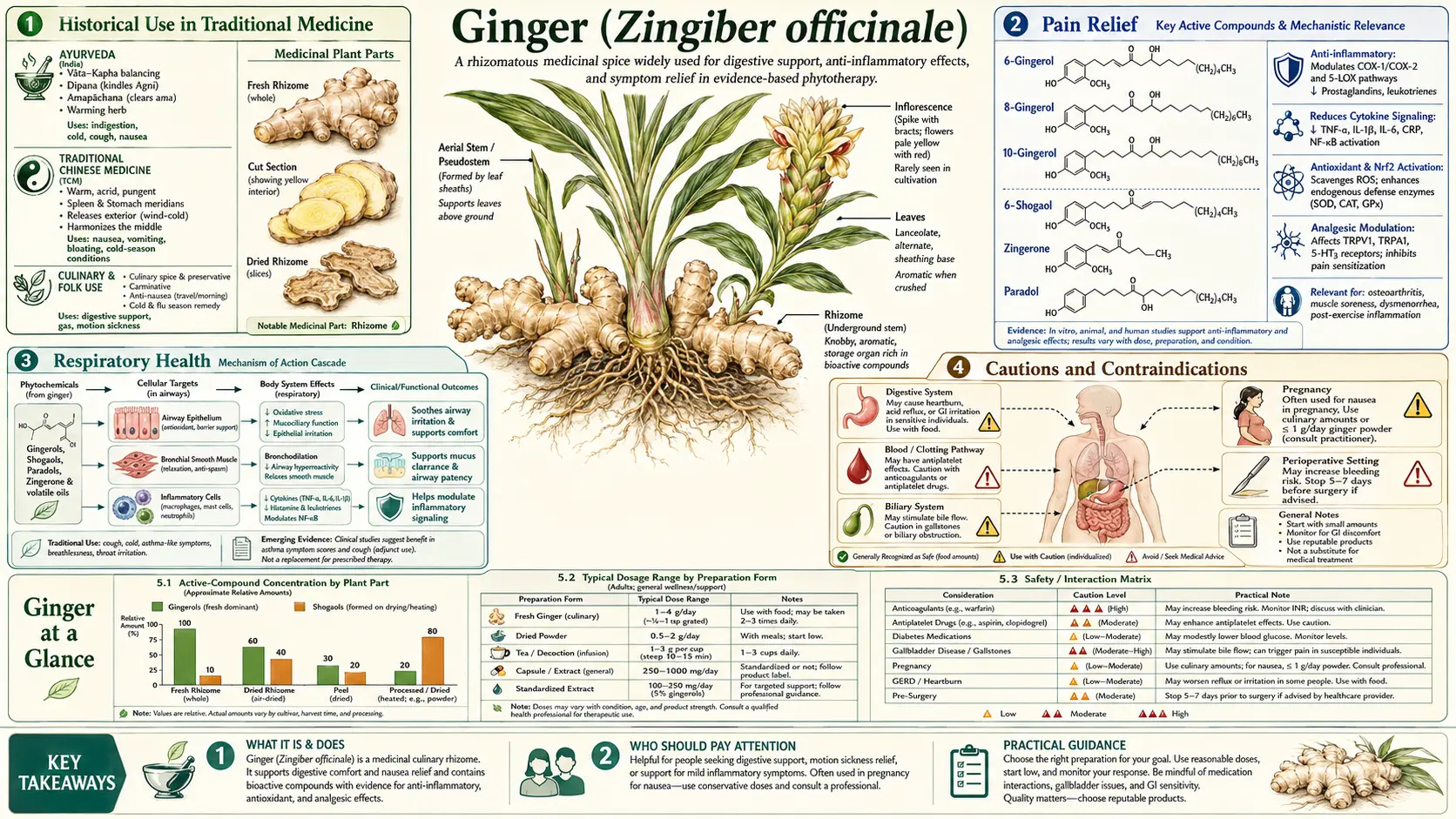
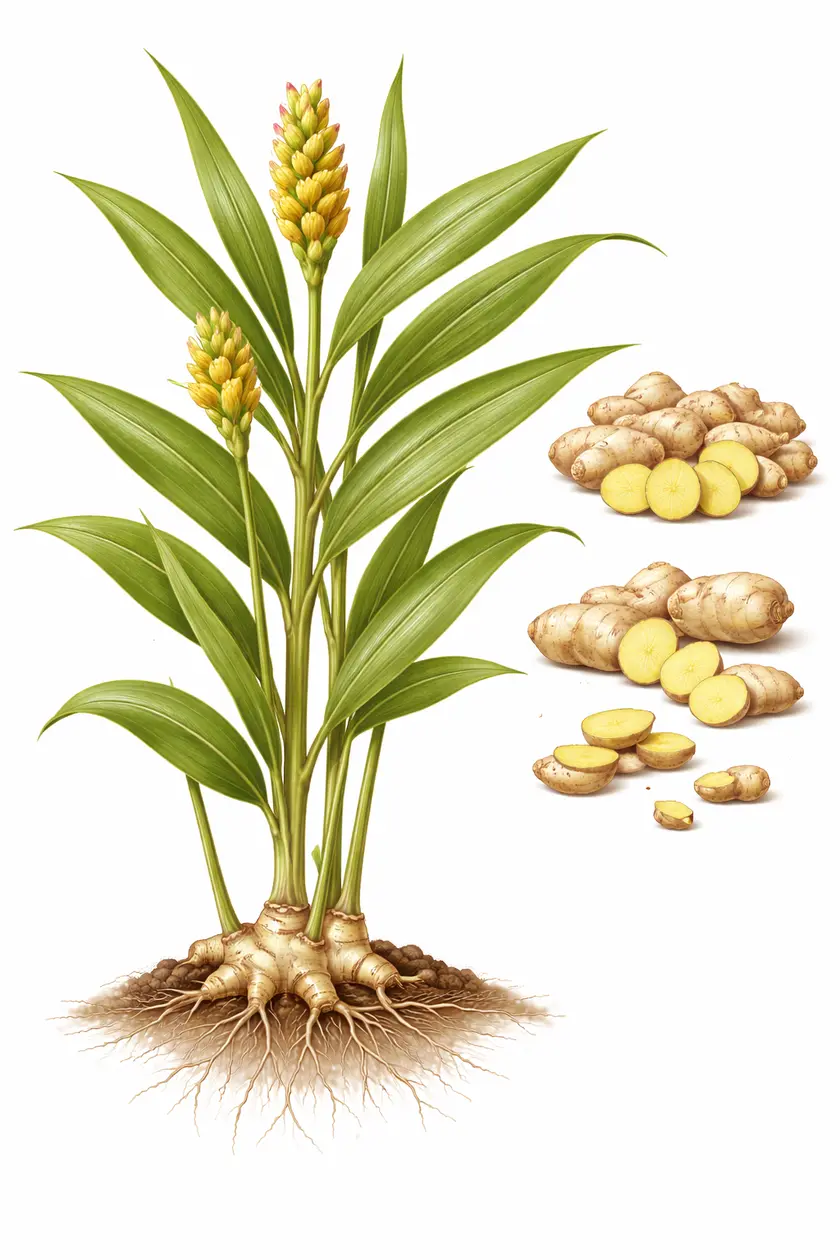
Ginger is one of the most ancient and widely used medicinal plants on Earth, with a documented history spanning over 5,000 years in both Chinese and Ayurvedic healing traditions. Revered by naturopathic practitioners worldwide, this aromatic rhizome offers an extraordinary range of therapeutic properties that modern science continues to validate.
Table of Contents
- Historical Use in Traditional Medicine
- Active Compounds: Gingerols and Shogaols
- Anti-Nausea Properties
- Digestive Health
- Anti-Inflammatory Properties
- Pain Relief
- Cardiovascular Health
- Blood Sugar Regulation
- Immune System Support
- Respiratory Health
- Cancer Research
- Brain Health and Neuroprotection
- Forms and Preparations
- Recommended Dosage
- Cautions and Contraindications
- Featured Videos
Historical Use in Traditional Medicine
Ginger has been a cornerstone of healing traditions for thousands of years, woven into two of the world's oldest medical systems: it appears in the foundational Chinese herbal Shennong Bencao Jing and is honoured in Ayurvedic India as vishwabhesaj, the "universal medicine." Carried west by ancient traders, it became one of the first Asian spices to reach Greece, Rome, and medieval Europe — though, curiously, the plant grows nowhere in the wild and exists only because people have cultivated it by hand for millennia. — the fuller story is told in the dedicated History & Traditional Use article.
Active Compounds: Gingerols and Shogaols
Ginger's therapeutic power derives from a complex array of bioactive compounds, with gingerols and shogaols serving as the primary medicinal constituents.
- Gingerols: The main pharmacologically active components in fresh ginger. 6-gingerol is the most abundant and well-studied, responsible for ginger's characteristic pungent taste and many of its anti-inflammatory, antioxidant, and anti-tumor properties.
- Shogaols: Formed when ginger is dried or cooked, shogaols are dehydrated forms of gingerols. 6-shogaol is approximately two to three times more potent than 6-gingerol in certain bioactivities, making dried ginger particularly powerful for therapeutic use.
- Paradols: Metabolites of shogaols that contribute to ginger's antioxidant and anticancer activities.
- Zingerone: Produced when gingerols are cooked, this compound contributes to ginger's sweet, spicy aroma and has demonstrated anti-diarrheal and anti-inflammatory effects.
- Essential Oils: Including zingiberene, bisabolene, and sesquiphellandrene, which contribute to the aromatic profile and provide additional antimicrobial benefits.
- Additional Nutrients: Ginger contains vitamin C, magnesium, potassium, copper, manganese, and dietary fiber, further supporting its role as a whole-body tonic.
Anti-Nausea Properties
Ginger is arguably the most well-documented natural anti-emetic in the world. Its ability to prevent and relieve nausea has been confirmed across numerous clinical trials and is recognized by mainstream medical institutions.
- Morning Sickness: Multiple randomized controlled trials have demonstrated that ginger significantly reduces nausea and vomiting during pregnancy. Doses of 1 to 1.5 grams per day of dried ginger have shown effectiveness comparable to vitamin B6, without adverse effects on the pregnancy or fetus. Many midwives and naturopathic doctors consider it the first-line natural remedy for pregnancy-related nausea.
- Motion Sickness: Ginger has been shown to reduce symptoms of motion sickness including dizziness, nausea, and cold sweating. It works by modulating serotonin receptors in the gut and the central nervous system, as well as by promoting gastric motility to prevent the stomach stasis that contributes to motion-induced nausea.
- Chemotherapy-Induced Nausea: Several studies have found that supplementing standard anti-emetic drugs with ginger (0.5 to 1 gram daily) significantly reduces the severity of chemotherapy-induced nausea, particularly the acute phase occurring within the first 24 hours after treatment.
- Post-Surgical Nausea: Research indicates that ginger can reduce the incidence of nausea and vomiting following surgery, especially when taken before the procedure as a preventive measure.
- Mechanism of Action: Ginger's anti-nausea effects operate through multiple pathways: antagonism of serotonin (5-HT3) receptors, enhancement of gastric motility, and anti-inflammatory action on the gastrointestinal mucosa.
Digestive Health
In naturopathic practice, ginger is one of the most frequently prescribed herbs for restoring and maintaining optimal digestive function.
- Gastric Motility: Ginger stimulates gastric emptying by up to 50 percent in some studies, making it valuable for people suffering from functional dyspepsia and gastroparesis. It promotes coordinated contractions of the stomach and intestines without causing cramping.
- Bile Production: Ginger stimulates the liver to produce bile and encourages the gallbladder to release it efficiently, improving the digestion and absorption of dietary fats and fat-soluble vitamins (A, D, E, K).
- Enzyme Stimulation: Ginger activates the secretion of pancreatic lipase, amylase, and trypsin, enhancing the breakdown of fats, carbohydrates, and proteins respectively.
- Carminative Effects: The volatile oils in ginger help prevent the formation of intestinal gas and ease the expulsion of existing gas, relieving bloating and abdominal discomfort.
- Gut Microbiome: Emerging research suggests that ginger positively influences the gut microbiome composition, promoting the growth of beneficial bacteria while inhibiting pathogenic strains.
- Appetite Regulation: Ginger can stimulate appetite in those with poor appetite while also enhancing feelings of satiety after meals, contributing to healthy weight management.
Anti-Inflammatory Properties
Ginger is one of the most potent natural anti-inflammatory agents available, rivaling some pharmaceutical options without the associated side-effect profile.
- COX-2 Inhibition: Gingerols and shogaols inhibit cyclooxygenase-2 (COX-2), the enzyme responsible for producing pro-inflammatory prostaglandins. This is the same mechanism targeted by prescription drugs like celecoxib, but ginger achieves this without the cardiovascular and gastrointestinal risks associated with long-term pharmaceutical COX-2 inhibitor use.
- LOX Pathway Suppression: Ginger also inhibits 5-lipoxygenase (5-LOX), reducing the production of leukotrienes, another class of inflammatory mediators involved in asthma, allergies, and chronic pain conditions.
- NF-kB Modulation: Ginger compounds suppress nuclear factor kappa B (NF-kB), a master transcription factor that controls the expression of hundreds of inflammatory genes. This broad anti-inflammatory action helps address systemic chronic inflammation.
- Cytokine Reduction: Clinical studies show ginger reduces circulating levels of inflammatory markers including C-reactive protein (CRP), tumor necrosis factor alpha (TNF-alpha), and interleukin-6 (IL-6).
- Antioxidant Synergy: Ginger's anti-inflammatory effects are amplified by its strong antioxidant capacity, which neutralizes the free radicals that perpetuate inflammatory cycles.
Pain Relief
Ginger's combined anti-inflammatory and analgesic properties make it an effective natural pain reliever across multiple conditions.
- Menstrual Cramps (Dysmenorrhea): Clinical trials have demonstrated that 250 mg of ginger powder taken four times daily during the first three days of menstruation provides pain relief comparable to ibuprofen and mefenamic acid. Ginger works by reducing prostaglandin production in the uterine lining, directly addressing the root cause of menstrual pain.
- Muscle Soreness: Daily consumption of 2 grams of ginger has been shown to reduce exercise-induced muscle pain by approximately 25 percent. While not providing immediate relief, consistent ginger intake reduces the severity of delayed-onset muscle soreness over time.
- Osteoarthritis: Multiple studies demonstrate that ginger extract (250 mg to 1 gram daily) significantly reduces pain and improves function in people with knee osteoarthritis. A systematic review found that ginger was moderately effective in reducing disability and pain compared to placebo.
- Migraine and Headache: Research suggests that 250 mg of ginger powder at migraine onset may be as effective as sumatriptan (a standard migraine medication) in reducing pain severity within two hours, with fewer side effects.
- Nerve Pain: Preliminary research indicates that ginger's anti-inflammatory compounds may help reduce neuropathic pain by decreasing inflammation around nerve fibers.
Cardiovascular Health
Ginger supports the cardiovascular system through several complementary mechanisms that together promote heart health and healthy circulation.
- Blood Pressure: Ginger acts as a natural calcium channel blocker and ACE inhibitor, helping to relax blood vessels and lower blood pressure. Studies have shown that regular ginger consumption can reduce systolic blood pressure by 2 to 6 mmHg in people with hypertension.
- Cholesterol Management: Clinical trials demonstrate that ginger supplementation (2 to 5 grams daily) can lower total cholesterol by 10 to 15 percent, reduce LDL ("bad") cholesterol, and lower triglyceride levels. Ginger appears to enhance the conversion of cholesterol into bile acids, increasing its elimination from the body.
- Anti-Platelet Activity: Gingerols and shogaols inhibit thromboxane synthesis, reducing platelet aggregation and lowering the risk of abnormal blood clot formation. This effect supports healthy blood flow without the bleeding risks associated with pharmaceutical blood thinners at standard dietary doses.
- Circulation Enhancement: Ginger's warming properties dilate peripheral blood vessels, improving circulation to the extremities. This makes it particularly useful for people with cold hands and feet or Raynaud's phenomenon.
- Homocysteine Reduction: Some evidence suggests that ginger may help lower elevated homocysteine levels, an independent risk factor for cardiovascular disease.
Blood Sugar Regulation
Ginger shows remarkable promise in supporting healthy blood sugar levels, making it a valuable botanical ally for those managing metabolic health.
- Fasting Blood Glucose: A meta-analysis of randomized controlled trials found that ginger supplementation significantly reduces fasting blood sugar levels, with average reductions of 15 to 25 mg/dL in people with type 2 diabetes.
- HbA1c Improvement: Long-term ginger supplementation (2 grams daily for 12 weeks) has been shown to reduce HbA1c (a marker of average blood sugar over three months) by approximately 10 percent in diabetic patients.
- Insulin Sensitivity: Ginger enhances insulin sensitivity by increasing the translocation of GLUT4 glucose transporters to the cell surface, allowing cells to absorb glucose more effectively.
- Enzymatic Inhibition: Ginger inhibits alpha-glucosidase and alpha-amylase enzymes in the digestive tract, slowing the breakdown of complex carbohydrates and reducing post-meal blood sugar spikes.
- Protective Against Complications: Ginger's antioxidant and anti-inflammatory properties help protect against diabetic complications affecting the kidneys, eyes, nerves, and cardiovascular system.
Immune System Support
Ginger is a powerful immune modulator with broad-spectrum antimicrobial activity, making it a foundational herb in naturopathic immune support protocols.
- Antimicrobial Activity: Fresh ginger extract demonstrates significant antibacterial activity against a range of pathogens including Staphylococcus aureus, Streptococcus pyogenes, Escherichia coli, and Salmonella typhi. Gingerols disrupt bacterial cell membranes and inhibit biofilm formation.
- Antiviral Properties: Research has identified that fresh ginger is effective against respiratory syncytial virus (RSV) and that gingerols and shogaols demonstrate activity against rhinoviruses. Ginger has been traditionally used at the first sign of cold or flu in virtually every herbal tradition.
- Antifungal Effects: Ginger essential oil and extracts show activity against Candida albicans and other fungal species, supporting its use in addressing fungal overgrowth conditions.
- Immune Cell Activation: Ginger stimulates the activity of macrophages, natural killer cells, and T-lymphocytes, enhancing the body's innate and adaptive immune responses.
- Fever Management: Ginger promotes perspiration and has a mild diaphoretic effect, supporting the body's natural fever response while providing comfort during acute illness.
Respiratory Health
Ginger has been used for thousands of years to address respiratory conditions, and modern research supports its effectiveness in maintaining lung health and easing breathing difficulties.
- Bronchodilation: Ginger compounds relax airway smooth muscle, promoting bronchodilation and easing breathing in conditions like asthma and chronic bronchitis. 6-gingerol and 8-gingerol have been shown to enhance the bronchodilating effects of standard asthma medications.
- Mucus Clearance: Ginger acts as a natural expectorant, thinning mucus and promoting its clearance from the airways. This makes it valuable during colds, flu, sinusitis, and bronchitis.
- Anti-Tussive Effects: Ginger helps suppress persistent dry coughs through its soothing effect on inflamed airway tissues and its ability to reduce the cough reflex sensitivity.
- Sinus Support: The warming, anti-inflammatory properties of ginger help reduce sinus congestion and inflammation, providing relief from sinusitis and allergic rhinitis.
- Traditional Preparation: Ginger tea with raw honey and lemon remains one of the most widely recommended naturopathic remedies for respiratory complaints, combining the antimicrobial and soothing properties of all three ingredients.
Cancer Research
While ginger should never be used as a substitute for conventional cancer treatment, a growing body of preclinical research highlights its potential as a complementary agent and chemopreventive food.
- Apoptosis Induction: Laboratory studies have shown that 6-gingerol, 6-shogaol, and zerumbone can induce programmed cell death (apoptosis) in various cancer cell lines including colorectal, breast, ovarian, prostate, and pancreatic cancers.
- Anti-Proliferative Effects: Ginger compounds have been shown to arrest the cell cycle at various stages, preventing the uncontrolled division that characterizes cancer growth.
- Anti-Angiogenic Activity: Research suggests that ginger may inhibit the formation of new blood vessels that tumors require for growth and metastasis.
- Chemoprotective Potential: Ginger extract has demonstrated the ability to protect normal cells from the toxic effects of chemotherapy drugs while potentially enhancing their action against cancer cells.
- Colorectal Cancer Prevention: A clinical trial found that 2 grams of ginger daily for 28 days reduced pro-inflammatory markers in the colonic mucosa of people at high risk for colorectal cancer, suggesting a potential preventive role.
- Important Note: Most cancer research on ginger is preclinical (laboratory and animal studies). Patients should always discuss ginger supplementation with their oncology team before use during cancer treatment.
Brain Health and Neuroprotection
Emerging research reveals that ginger offers significant neuroprotective benefits, supporting cognitive function and potentially slowing age-related neurological decline.
- Cognitive Enhancement: A clinical study in healthy middle-aged women found that 400 to 800 mg of ginger extract daily improved working memory, attention, and cognitive processing speed.
- Alzheimer's Disease: Preclinical research demonstrates that 6-shogaol inhibits the release of pro-inflammatory mediators from activated microglia (brain immune cells) and reduces beta-amyloid plaque formation, both of which are central to Alzheimer's disease progression.
- Acetylcholinesterase Inhibition: Ginger compounds inhibit acetylcholinesterase, the enzyme that breaks down the neurotransmitter acetylcholine. This mechanism is the same one targeted by standard Alzheimer's medications such as donepezil.
- Oxidative Stress Protection: The brain is particularly vulnerable to oxidative damage due to its high metabolic rate and lipid content. Ginger's potent antioxidant compounds cross the blood-brain barrier and protect neurons from free radical damage.
- Mood Support: Animal studies and preliminary human data suggest that ginger may have antidepressant and anxiolytic effects, potentially through modulation of serotonin receptors and reduction of neuroinflammation.
- Dopaminergic Protection: Research indicates that 6-shogaol may protect dopamine-producing neurons, which has implications for Parkinson's disease prevention and management.
Forms and Preparations
Ginger is available in numerous forms, each offering distinct advantages depending on the therapeutic goal.
- Fresh Root (Rhizome): Contains the highest concentration of gingerols. Best for culinary use, fresh teas, and juicing. Choose firm, smooth rhizomes with a spicy fragrance. Store in the refrigerator for up to three weeks or freeze for several months.
- Dried Powder: Contains concentrated shogaols due to the drying process, making it more potent by weight for anti-inflammatory purposes. Most commonly used in capsule supplements and cooking. Approximately one-quarter teaspoon of powder equals one inch of fresh ginger root.
- Ginger Tea (Decoction): Prepared by simmering sliced fresh ginger in water for 10 to 15 minutes. Excellent for digestive support, nausea, respiratory complaints, and warming the body. Adding honey and lemon enhances both flavor and therapeutic value.
- Standardized Extract: Concentrated supplements standardized to a specific gingerol content (often 5 percent). Provides consistent and measurable dosing for clinical applications. Available in capsule or liquid form.
- Essential Oil: Steam-distilled from the fresh rhizome. Used topically (diluted in a carrier oil) for massage to relieve muscle pain and joint stiffness. Also used in aromatherapy for nausea and respiratory support. Not intended for internal use without professional guidance.
- Tincture: Alcohol-based liquid extract that provides rapid absorption. Typically dosed at 1 to 2 mL (approximately 30 to 60 drops) two to three times daily.
- Crystallized or Candied Ginger: Useful for nausea relief during travel, though the added sugar makes it less ideal for regular therapeutic use or for those managing blood sugar.
Recommended Dosage
Appropriate ginger dosage varies based on the form used and the condition being addressed. The following general guidelines are based on clinical research and traditional naturopathic practice.
- Fresh Ginger Root: 2 to 4 grams per day (approximately 1 to 2 inches of root), grated into food, steeped as tea, or added to fresh juice
- Dried Ginger Powder: 0.5 to 2 grams per day, divided into two to three doses
- Standardized Extract: 250 to 500 mg two to three times daily (standardized to 5 percent gingerols)
- For Nausea: 0.5 to 1.5 grams of dried ginger, taken 30 minutes before travel or as needed
- For Menstrual Pain: 250 mg of ginger powder four times daily during the first three days of menstruation
- For Osteoarthritis: 250 mg to 1 gram daily for a minimum of four to six weeks to assess effectiveness
- General Wellness: One to two cups of fresh ginger tea daily provides a gentle therapeutic dose for overall health maintenance
Cautions and Contraindications
While ginger is remarkably safe for most people at culinary and moderate supplemental doses, there are important cautions that must be observed.
- Blood Thinners: Ginger's anti-platelet activity can potentially enhance the effects of anticoagulant and antiplatelet medications such as warfarin, heparin, aspirin, and clopidogrel. Patients on blood-thinning medications should consult their healthcare provider before taking ginger supplements, and should discontinue high-dose ginger at least two weeks before any scheduled surgery.
- Gallstones: Ginger stimulates bile production and gallbladder contraction. While this is beneficial for most people, those with existing gallstones or gallbladder disease should use ginger cautiously, as increased bile flow could potentially trigger a gallstone attack or biliary colic.
- Pregnancy at High Doses: While ginger at standard doses (up to 1.5 grams of dried ginger daily) is considered safe during pregnancy for nausea relief, doses exceeding 2 grams per day should be avoided. Some practitioners advise caution in the first trimester, and ginger should be discontinued close to the due date due to its mild anti-platelet effects.
- Diabetes Medications: Ginger's blood sugar-lowering effects can add to the action of insulin or oral hypoglycemic drugs, potentially causing hypoglycemia. Blood sugar should be monitored more frequently when adding ginger supplementation to an existing diabetes regimen.
- Blood Pressure Medications: The blood pressure-lowering effect of ginger may enhance the action of antihypertensive drugs, necessitating dose adjustments under medical supervision.
- Gastrointestinal Sensitivity: In some individuals, high doses of ginger may cause heartburn, mouth irritation, or mild diarrhea. Starting with small doses and increasing gradually can minimize these effects.
- Allergic Reactions: Although rare, some individuals may experience allergic reactions to ginger, including skin rash or respiratory symptoms. Those with known allergies to other Zingiberaceae family members (such as turmeric or cardamom) should exercise caution.
Research Papers and References
The following are topic-level PubMed search links covering the main evidence streams for Ginger (Zingiber officinale). Each link resolves to a curated PubMed query so that the most current randomized trials, meta-analyses, and mechanistic studies can be reviewed directly from the National Library of Medicine.
- Ginger for chemotherapy-induced nausea and vomiting. — PubMed: ginger nausea chemotherapy
- Ginger for nausea and vomiting of pregnancy. — PubMed: ginger pregnancy morning sickness
- Ginger extract in osteoarthritis of the knee. — PubMed: ginger osteoarthritis knee pain
- Ginger for primary dysmenorrhea. — PubMed: ginger menstrual dysmenorrhea
- 6-Gingerol and 6-shogaol: pharmacology and bioactivity. — PubMed: gingerol shogaol pharmacology
- Ginger and glycemic control in type 2 diabetes. — PubMed: ginger blood glucose diabetes
- Effects of ginger on lipid profile. — PubMed: ginger lipid cholesterol
- Anti-inflammatory mechanisms of ginger constituents. — PubMed: ginger anti-inflammatory COX
- Ginger in acute migraine treatment. — PubMed: ginger migraine headache
- Ginger for motion sickness. — PubMed: ginger motion sickness
- Antioxidant activity of Zingiber officinale. — PubMed: ginger antioxidant
- Preclinical anticancer activity of ginger. — PubMed: ginger cancer apoptosis
External Authoritative Resources
- NCCIH — Herbs at a Glance
- MedlinePlus — Herbs and Supplements
- PubMed — All research on Zingiber officinale
Connections
- All Herbs
- Ginger Benefits Deep Dive
- Migraine
- Garlic
- Turmeric
- Gut Healing
- Cinnamon
- Irritable Bowel Syndrome
- Arthritis
- Black Seed
- Blood Sugar Control
- Nausea and Vomiting
- Hypertension
- Cancer
- Magnesium
- Bloating
- Inflammatory Markers
- Alzheimer's Disease
- Anti Inflammatory Diet
- Immune Boosting
- Chen Pi (Aged Tangerine Peel) — aged citrus peel used to keep tonic formulas from causing bloating
- Atractylodes (Bai Zhu) — the spleen-qi and digestion tonic paired with it in the classical Four Gentlemen formula