Gut Healing Protocol
The gastrointestinal tract is far more than a simple digestive tube. It is the seat of immune function, a critical regulator of mood and cognition, and the gateway through which every nutrient must pass to nourish the body. When the gut lining becomes compromised, the consequences ripple outward to virtually every organ system. A structured gut healing protocol, grounded in naturopathic principles, can restore intestinal integrity, rebalance the microbiome, and lay the foundation for lasting health.
Table of Contents
- The Gut as the Foundation of Health
- What Is Leaky Gut (Intestinal Permeability)?
- Causes of Gut Damage
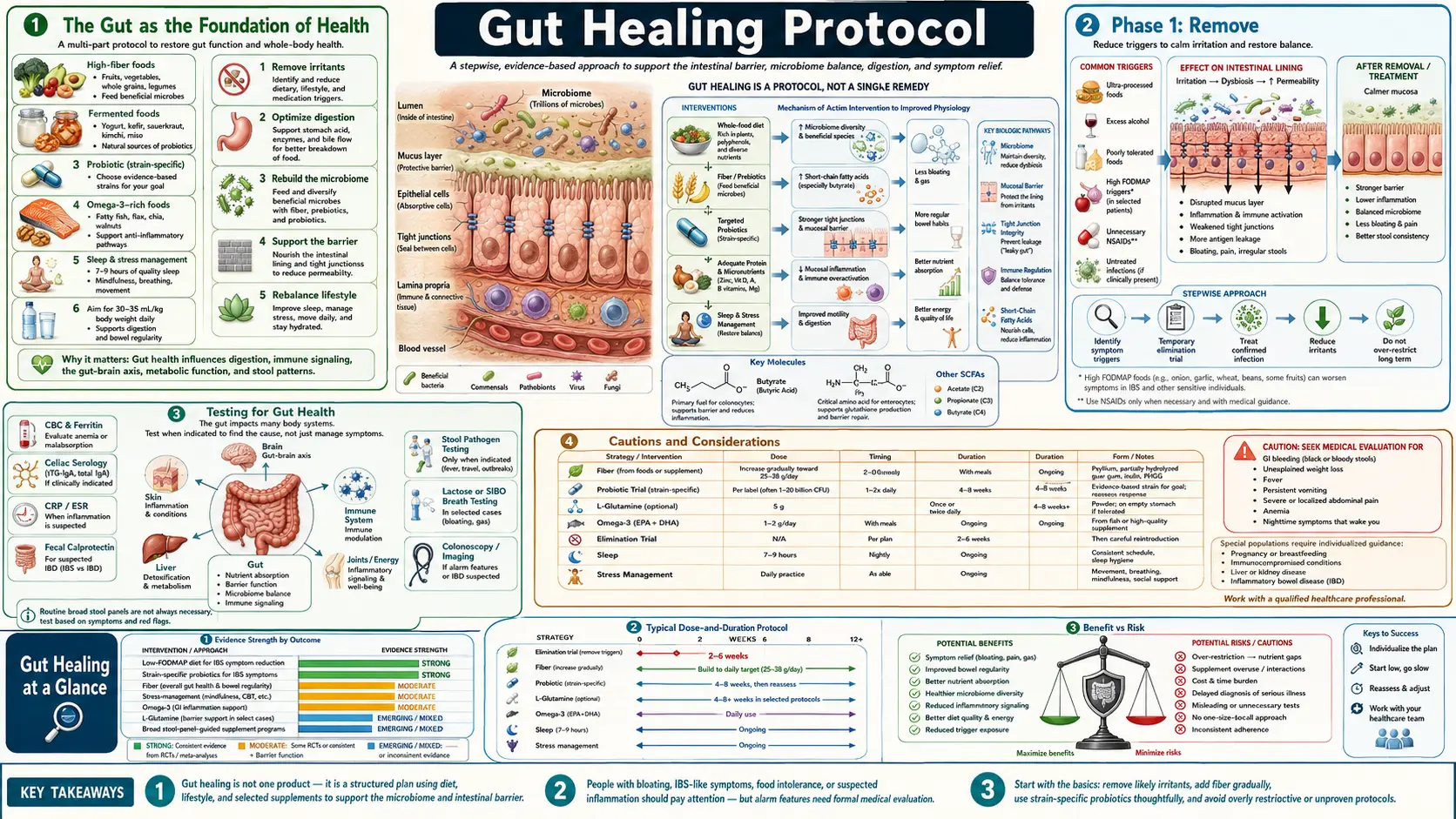
- The 5R Protocol Overview
- Phase 1: Remove
- Phase 2: Replace
- Phase 3: Reinoculate
- Phase 4: Repair
- Phase 5: Rebalance
- Testing for Gut Health
- Foods That Heal the Gut
- Foods That Damage the Gut
- How Long Gut Healing Takes
- Cautions and Considerations
- Research Papers
- Connections
- Featured Videos
1. The Gut as the Foundation of Health
Naturopathic medicine has long recognized that health begins in the gut. Modern research has confirmed this ancient wisdom with striking specificity. The gastrointestinal tract houses approximately 70 to 80 percent of the entire immune system in the form of gut-associated lymphoid tissue (GALT). This vast immune network constantly surveys the contents of the intestinal lumen, distinguishing between beneficial nutrients, commensal bacteria, and harmful pathogens.
The gut-brain axis is a bidirectional communication highway linking the enteric nervous system (sometimes called the "second brain") with the central nervous system. The gut produces approximately 90 percent of the body's serotonin and a significant proportion of dopamine and GABA. Disruptions in gut health are now firmly linked to anxiety, depression, brain fog, and neurodegenerative conditions.
The intestinal microbiome, comprising trillions of bacteria, fungi, and other microorganisms, performs essential functions including:
- Nutrient synthesis: Production of B vitamins, vitamin K2, and short-chain fatty acids
- Immune regulation: Training immune cells to respond appropriately to threats
- Barrier maintenance: Supporting the integrity of the intestinal lining
- Detoxification: Metabolizing and neutralizing certain toxins and hormones
- Metabolic regulation: Influencing blood sugar, appetite, and weight management
When gut function is compromised, nutrient absorption declines, immune dysregulation develops, systemic inflammation rises, and the risk of chronic disease increases dramatically.
2. What Is Leaky Gut (Intestinal Permeability)?
The intestinal lining is a single-cell-thick barrier that must accomplish two seemingly contradictory tasks: absorb nutrients efficiently while keeping harmful substances out of the bloodstream. The cells of this lining are held together by structures called tight junctions, which act as selective gatekeepers.
When tight junctions become damaged or dysregulated, the intestinal barrier loses its selectivity. This condition, known as increased intestinal permeability or "leaky gut," allows partially digested food particles, bacterial endotoxins (especially lipopolysaccharides or LPS), and other inflammatory molecules to pass through the gut wall and enter the bloodstream.
The immune system recognizes these substances as foreign invaders and mounts an inflammatory response. Over time, this chronic low-grade inflammation can manifest as:
- Autoimmune conditions: Hashimoto's thyroiditis, rheumatoid arthritis, lupus, celiac disease
- Skin disorders: Eczema, psoriasis, acne, rosacea
- Digestive symptoms: Bloating, gas, diarrhea, constipation, abdominal pain
- Neurological symptoms: Brain fog, headaches, anxiety, depression
- Metabolic issues: Food sensitivities, weight gain, insulin resistance
- Respiratory conditions: Asthma, allergies, chronic sinusitis
- Joint pain and muscle aches
The protein zonulin, identified by Dr. Alessio Fasano, is a key regulator of tight junction permeability. Gliadin, a component of gluten, is one of the most potent triggers of zonulin release, which is one reason gluten elimination is central to most gut healing protocols.
3. Causes of Gut Damage
Intestinal permeability does not develop overnight. It results from the cumulative effect of multiple insults to the gut lining over months or years. Understanding these causes is essential for effective gut healing.
Medications
- Antibiotics: While sometimes necessary, antibiotics devastate the gut microbiome. A single course of broad-spectrum antibiotics can reduce microbial diversity by 30 percent or more, and full recovery may take six months to two years. Some beneficial species may never return without deliberate reintroduction.
- NSAIDs: Nonsteroidal anti-inflammatory drugs such as ibuprofen, naproxen, and aspirin directly damage the intestinal lining by inhibiting prostaglandin synthesis. Even short-term use can increase intestinal permeability within 24 hours.
- Proton pump inhibitors (PPIs): Long-term use of acid-blocking medications reduces stomach acid needed for proper digestion and alters the gut microbiome composition.
- Oral contraceptives and steroids: These medications can alter microbiome diversity and promote yeast overgrowth.
Environmental Toxins
- Glyphosate: This widely used herbicide (found in Roundup) acts as an antibiotic against beneficial gut bacteria while sparing pathogenic species. It disrupts the shikimate pathway in bacteria, chelates essential minerals, and has been shown to damage tight junctions in cell studies.
- Pesticides and herbicides: Many agricultural chemicals alter microbiome composition and increase intestinal permeability.
- Heavy metals: Mercury, lead, arsenic, and cadmium are toxic to beneficial bacteria and damage the gut lining.
Dietary Factors
- Processed foods: Emulsifiers, preservatives, artificial sweeteners, and food dyes directly damage the mucus layer and tight junctions.
- Refined sugar: Feeds pathogenic bacteria and yeast, promoting dysbiosis and inflammation.
- Alcohol: Even moderate consumption increases intestinal permeability, damages the mucus layer, and promotes bacterial endotoxin translocation into the bloodstream.
- Industrial seed oils: Highly processed vegetable oils high in omega-6 fatty acids promote inflammation in the gut lining.
Lifestyle Factors
- Chronic stress: Activates the hypothalamic-pituitary-adrenal (HPA) axis, increases cortisol, reduces blood flow to the gut, and directly increases intestinal permeability via mast cell activation.
- Sleep deprivation: Disrupts circadian rhythms that regulate gut motility, microbiome composition, and intestinal barrier repair.
- Sedentary lifestyle: Lack of physical activity reduces microbial diversity and slows gut motility.
4. The 5R Protocol Overview
The 5R Protocol is a systematic, evidence-informed approach to gut restoration developed within the functional and naturopathic medicine framework. It provides a structured sequence that addresses the root causes of gut dysfunction rather than merely suppressing symptoms.
The five phases are:
- Remove: Eliminate triggers, irritants, and infections that damage the gut
- Replace: Restore digestive factors that may be deficient
- Reinoculate: Reintroduce beneficial microorganisms to restore microbial balance
- Repair: Provide nutrients and compounds that rebuild the intestinal lining
- Rebalance: Address lifestyle factors that support long-term gut health
While presented sequentially, these phases often overlap in clinical practice. A naturopathic doctor will typically customize the protocol based on individual testing results, symptom severity, and the patient's overall health picture. The protocol should be viewed as a framework rather than a rigid checklist.
5. Phase 1: Remove
The first and arguably most important phase involves identifying and eliminating everything that is damaging the gut. Without removing the source of irritation, repair efforts will be undermined. This phase typically lasts four to six weeks minimum.
Dietary Elimination
A comprehensive elimination diet removes the most common gut irritants:
- Gluten: Found in wheat, barley, rye, spelt, and many processed foods. Gluten triggers zonulin release in all individuals (not only those with celiac disease), increasing intestinal permeability.
- Dairy: Casein and whey proteins can be inflammatory, and lactose maldigestion is extremely common. Remove all cow's dairy products including milk, cheese, yogurt, and butter.
- Refined sugar and artificial sweeteners: Both promote dysbiosis. Sucralose, aspartame, and saccharin have been shown to alter the microbiome unfavorably.
- Processed and packaged foods: Eliminate emulsifiers (carboxymethylcellulose, polysorbate 80), preservatives, and artificial additives.
- Alcohol: Complete elimination during the healing phase is strongly recommended.
- Corn and soy: Often genetically modified and heavily sprayed with glyphosate; common sources of food sensitivities.
- Eggs: A frequent trigger for immune reactivity, particularly the whites.
Infection Eradication
Chronic gut infections must be identified and addressed. Common culprits include:
- SIBO (Small Intestinal Bacterial Overgrowth): Bacteria that should reside in the large intestine colonize the small intestine, producing excessive gas, bloating, and malabsorption. Diagnosed via lactulose or glucose breath testing. Treated with antimicrobial herbs (berberine, oregano oil, allicin) or targeted antibiotics (rifaximin).
- Candida overgrowth: Opportunistic yeast that proliferates after antibiotic use, high sugar diets, or immunosuppression. Symptoms include sugar cravings, brain fog, thrush, and fungal skin infections. Addressed with antifungal herbs (caprylic acid, undecylenic acid, pau d'arco) and strict sugar elimination.
- Parasites: More common than many practitioners realize. Blastocystis hominis, Dientamoeba fragilis, Giardia, and others can cause chronic digestive symptoms. Comprehensive stool testing with PCR technology provides the most accurate detection.
- H. pylori: This bacterium can cause gastritis, ulcers, and reduced stomach acid production. Treatment may include mastic gum, bismuth, and targeted antimicrobials.
6. Phase 2: Replace
Years of gut dysfunction often result in deficiencies of the digestive factors needed to properly break down food. Without adequate digestion, even the healthiest diet cannot deliver its full nutritional benefit. The Replace phase restores these missing components.
Hydrochloric Acid (HCl)
Stomach acid production declines with age, chronic stress, H. pylori infection, and long-term PPI use. Low stomach acid (hypochlorhydria) leads to incomplete protein digestion, mineral malabsorption, and vulnerability to infections. Symptoms of low HCl include bloating immediately after meals, undigested food in stools, and frequent heartburn (paradoxically, heartburn is more often caused by too little acid than too much).
- Betaine HCl with pepsin: Taken at the beginning of protein-containing meals. Dosing is individualized using a gradual titration method, typically starting at 650 mg and increasing by one capsule per meal until a warm sensation is felt, then reducing by one capsule.
- Apple cider vinegar: One tablespoon in a small amount of water before meals can stimulate natural acid production.
Digestive Enzymes
A broad-spectrum digestive enzyme supplement supports the breakdown of proteins, fats, and carbohydrates:
- Proteases: Break down proteins into amino acids
- Lipases: Break down fats into fatty acids and glycerol
- Amylases: Break down starches into simple sugars
- DPP-IV: A specialized enzyme that helps break down gluten and casein peptides (useful for accidental exposures)
Bile Acids
Bile is produced by the liver, stored in the gallbladder, and released into the small intestine to emulsify fats. Individuals with sluggish bile flow, gallbladder removal, or fat malabsorption may benefit from:
- Ox bile supplementation: Typically 100-500 mg with fat-containing meals
- Bile-stimulating herbs: Bitters such as gentian root, dandelion root, and artichoke leaf taken before meals to promote natural bile production
7. Phase 3: Reinoculate
Once the gut environment has been cleared of pathogens and digestive function has been supported, it is time to reintroduce beneficial microorganisms. A diverse and thriving microbiome is essential for long-term gut health, immune regulation, and metabolic function.
Probiotics
Probiotic supplementation introduces specific strains of beneficial bacteria. Key considerations include:
- Lactobacillus species: L. rhamnosus GG, L. plantarum, L. acidophilus, and L. reuteri support the small intestine, produce lactic acid, and help maintain an acidic environment that discourages pathogens.
- Bifidobacterium species: B. longum, B. infantis, B. lactis, and B. breve colonize the large intestine, produce short-chain fatty acids, and are essential for immune regulation.
- Saccharomyces boulardii: A beneficial yeast that is particularly useful during and after antibiotic treatment. It inhibits Clostridium difficile toxins and supports secretory IgA production.
- Spore-based probiotics: Bacillus subtilis, B. coagulans, and B. clausii survive stomach acid reliably and can help recondition the gut environment for other beneficial species.
- Dosing: Typically 25 to 100 billion CFU daily during active gut healing, taken on an empty stomach or as directed by a practitioner.
Prebiotics
Prebiotics are non-digestible fibers that selectively feed beneficial bacteria. They are equally important as probiotics for building a resilient microbiome:
- Partially hydrolyzed guar gum (PHGG): Well-tolerated even by those with SIBO; feeds Bifidobacteria and produces butyrate
- Acacia fiber: A gentle, slowly fermented prebiotic that rarely causes bloating
- Inulin and fructooligosaccharides (FOS): Found in chicory root, garlic, onions, and asparagus; potent Bifidobacteria feeders (introduce slowly as they can cause gas)
- Resistant starch: Found in cooked and cooled potatoes, green bananas, and plantains; a powerful producer of butyrate
- Larch arabinogalactan: Supports immune function and feeds beneficial bacteria
Fermented Foods
Traditional fermented foods provide a natural source of diverse probiotic strains along with postbiotic metabolites:
- Sauerkraut: Raw, unpasteurized only; rich in Lactobacillus species
- Kimchi: Korean fermented vegetables with diverse bacterial strains
- Coconut yogurt or kefir: Dairy-free fermented options during the elimination phase
- Kvass: Beet kvass provides probiotics along with liver-supporting betaine
- Miso: Fermented soybean paste (introduce after elimination phase if soy is tolerated)
Important note: Introduce probiotics and fermented foods gradually. Starting too aggressively can cause die-off reactions (Herxheimer reactions) with symptoms such as bloating, headaches, fatigue, and skin breakouts.
8. Phase 4: Repair
The Repair phase provides the raw materials and therapeutic compounds needed to physically rebuild the damaged intestinal lining. This is often the most supplement-intensive phase of the protocol.
L-Glutamine
L-glutamine is the most abundant amino acid in the body and the primary fuel source for enterocytes (intestinal lining cells). It is arguably the single most important supplement for gut repair.
- Supports tight junction integrity and reduces intestinal permeability
- Accelerates mucosal repair after damage
- Therapeutic dosing: 5 to 20 grams daily, divided into two or three doses, taken on an empty stomach
- Powder form mixed in water is most practical at therapeutic doses
Bone Broth
Bone broth is a time-honored healing food that provides a concentrated source of gut-supportive nutrients:
- Collagen and gelatin: Provide the amino acids glycine, proline, and hydroxyproline that rebuild connective tissue in the gut wall
- Glucosamine: Supports the mucus layer that protects the intestinal lining
- Minerals: Calcium, magnesium, phosphorus, and trace minerals in bioavailable forms
- Aim for one to three cups daily, ideally homemade from organic, pasture-raised bones simmered for 12 to 24 hours
Collagen Peptides
For those who cannot consume bone broth regularly, hydrolyzed collagen peptides provide the same amino acid profile in a convenient supplemental form. Typical dosing is 10 to 20 grams daily mixed into beverages or smoothies.
Zinc Carnosine
This specific form of zinc has been extensively studied for its gut-healing properties:
- Directly stabilizes the gut mucosa and promotes repair of damaged tissue
- Reduces inflammation markers in the intestinal lining
- Shown in clinical studies to reduce NSAID-induced intestinal permeability
- Typical dosing: 75 mg twice daily (providing approximately 16 mg elemental zinc per dose)
Demulcent and Soothing Herbs
Several herbs produce mucilaginous compounds that coat, soothe, and protect the inflamed gut lining:
- Slippery elm bark (Ulmus rubra): Creates a protective gel layer over the intestinal mucosa; reduces inflammation and provides a matrix for tissue repair. Taken as powder mixed in water (1-2 tablespoons daily) or in capsule form.
- Marshmallow root (Althaea officinalis): Rich in polysaccharides that soothe and protect inflamed mucous membranes throughout the entire digestive tract. Best prepared as a cold infusion (soak overnight in room-temperature water).
- Aloe vera: The inner gel (not the latex) contains polysaccharides such as acemannan that modulate immune function, reduce inflammation, and support mucosal healing. Use only aloin-free, inner-fillet preparations. Typical dose is 1-2 ounces of inner-fillet juice twice daily.
- DGL licorice (Glycyrrhiza glabra): Deglycyrrhizinated licorice stimulates mucus production, protects the stomach and intestinal lining, and has anti-inflammatory properties without the blood-pressure-raising effects of whole licorice. Chew 1-2 tablets (380-760 mg) before meals.
Additional Repair Nutrients
- Omega-3 fatty acids: EPA and DHA from fish oil reduce intestinal inflammation and support mucosal healing (2-4 grams daily)
- Vitamin D3: Essential for tight junction integrity and immune regulation in the gut (dose based on blood levels, typically 2,000-5,000 IU daily)
- Vitamin A: Supports mucosal immune function and epithelial cell repair (5,000-10,000 IU daily)
- N-acetyl glucosamine: Supports the mucus layer lining the intestinal wall
- Butyrate: A short-chain fatty acid that is the preferred fuel for colonocytes; available as tributyrin supplements (300-600 mg with meals)
9. Phase 5: Rebalance
The final phase addresses the lifestyle factors that are essential for maintaining gut health long-term. Without rebalancing these foundational elements, gut healing will be incomplete and relapse is likely.
Sleep
The gut microbiome follows circadian rhythms, and sleep disruption directly impairs gut health:
- Aim for 7 to 9 hours of uninterrupted sleep per night
- Maintain a consistent sleep and wake schedule, even on weekends
- Eliminate blue light exposure for at least one hour before bed
- Keep the bedroom cool, dark, and free from electronic devices
- Address sleep apnea or other sleep disorders, as these independently worsen gut health
Stress Management
Chronic stress is one of the most potent disruptors of gut function. The gut-brain axis means that psychological stress translates directly into physiological gut damage:
- Vagus nerve activation: Deep diaphragmatic breathing, cold exposure, humming, gargling, and singing all stimulate the vagus nerve, which promotes parasympathetic ("rest and digest") function
- Meditation and mindfulness: Even 10 minutes daily has measurable effects on gut inflammation and microbiome composition
- Adaptogenic herbs: Ashwagandha, rhodiola, and holy basil help modulate the cortisol response that damages gut integrity
- Nature exposure: Time outdoors reduces cortisol and exposes the body to beneficial environmental microbes
- Appropriate exercise: Moderate movement supports gut motility and microbial diversity, but excessive endurance exercise can increase intestinal permeability
Mindful Eating
How you eat is nearly as important as what you eat for gut healing:
- Chew thoroughly: Aim for 20 to 30 chews per bite. Mechanical digestion in the mouth initiates enzymatic breakdown and signals the stomach to prepare for incoming food.
- Eat in a relaxed state: Avoid eating while stressed, driving, or working. The digestive system requires parasympathetic activation to function properly.
- Avoid drinking large amounts of fluid with meals: This dilutes digestive secretions. Hydrate between meals instead.
- Practice meal spacing: Allow 4 to 5 hours between meals to permit the migrating motor complex (MMC) to perform its housekeeping function, sweeping debris and bacteria from the small intestine.
10. Testing for Gut Health
While symptom assessment is valuable, objective testing provides critical information for targeting treatment appropriately. A naturopathic doctor may recommend one or more of the following:
Comprehensive Stool Testing
- Advanced panels (such as GI-MAP, GI Effects, or BiomeFx) use PCR DNA technology to identify bacterial, parasitic, and fungal pathogens with far greater accuracy than traditional stool cultures
- Measures beneficial and pathogenic bacteria species and their relative abundance
- Assesses digestive function markers including pancreatic elastase, fat absorption, and inflammation markers (calprotectin, secretory IgA)
- Detects occult blood, indicating potential mucosal damage
Food Sensitivity Panels
- IgG and IgA food antibody testing: Identifies delayed immune reactions to specific foods that may be contributing to gut inflammation
- Useful as a guide but should be interpreted alongside elimination diet results, as false positives can occur
- The Mediator Release Test (MRT) measures inflammatory mediator release in response to 170+ foods and chemicals
Organic Acids Test (OAT)
- A urine test that measures metabolic byproducts of bacterial and fungal activity in the gut
- Identifies markers of Candida overgrowth (arabinose, D-arabinitol), bacterial dysbiosis (DHPPA, hippuric acid), and Clostridia species (HPHPA)
- Assesses neurotransmitter metabolism, mitochondrial function, and nutritional deficiencies that may be connected to gut dysfunction
Additional Tests
- SIBO breath test: Lactulose or glucose breath testing measures hydrogen and methane gas production to diagnose small intestinal bacterial overgrowth
- Zonulin testing: A blood marker that indicates the degree of intestinal permeability
- Lactulose-mannitol permeability test: A functional test measuring actual intestinal barrier integrity
- Comprehensive blood work: Including inflammatory markers (CRP, ESR), vitamin D, iron studies, B12, and folate to assess nutrient absorption capacity
11. Foods That Heal the Gut
A gut-healing diet emphasizes whole, nutrient-dense, anti-inflammatory foods that nourish the intestinal lining and feed beneficial bacteria:
- Bone broth: Rich in collagen, gelatin, glycine, and glucosamine for mucosal repair
- Wild-caught fatty fish: Salmon, sardines, mackerel, and anchovies provide anti-inflammatory omega-3 fatty acids
- Cooked vegetables: Steamed or roasted vegetables are easier to digest than raw during active healing. Emphasize squash, sweet potatoes, zucchini, carrots, and beets.
- Leafy greens: Spinach, kale, chard, and arugula provide folate, magnesium, and polyphenols (cook if raw vegetables cause discomfort)
- Fermented vegetables: Small amounts of sauerkraut, kimchi, and pickled vegetables (raw, unpasteurized)
- Coconut products: Coconut oil contains lauric acid and caprylic acid with antimicrobial properties. Coconut milk and cream are soothing alternatives to dairy.
- Ginger and turmeric: Powerful anti-inflammatory spices that support digestion and reduce gut inflammation
- Prebiotic-rich foods: Garlic, onions (cooked), leeks, asparagus, Jerusalem artichokes, and green bananas
- Healthy fats: Extra virgin olive oil, avocado, and ghee (if dairy fat is tolerated) support nutrient absorption and reduce inflammation
- Organ meats: Liver and other organ meats provide concentrated vitamins A, B12, folate, iron, and zinc needed for gut repair
12. Foods That Damage the Gut
The following foods should be strictly avoided during the gut healing protocol, and many should be minimized or eliminated permanently for those prone to gut issues:
- Gluten-containing grains: Wheat, barley, rye, spelt, kamut, and triticale trigger zonulin release and increase permeability in all individuals
- Refined sugar and high-fructose corn syrup: Feed pathogenic bacteria and yeast, promote inflammation, and damage the mucus layer
- Artificial sweeteners: Sucralose, aspartame, saccharin, and acesulfame potassium alter the microbiome and may increase intestinal permeability
- Processed and ultra-processed foods: Contain emulsifiers, preservatives, colorings, and other additives that directly damage the gut barrier
- Industrial seed oils: Canola, soybean, corn, sunflower, safflower, and cottonseed oils are high in inflammatory omega-6 fatty acids and often contain oxidized lipids
- Conventional dairy: Casein A1 protein found in most commercial cow's dairy is inflammatory and difficult to digest. If dairy is reintroduced, choose A2 dairy, goat, or sheep milk products.
- Alcohol: Directly damages the intestinal epithelium, disrupts tight junctions, promotes endotoxin translocation, and reduces microbial diversity
- Fried foods: High-temperature cooking creates advanced glycation end products (AGEs) and other compounds that promote gut inflammation
- Conventionally raised meats: May contain antibiotic residues that disrupt the microbiome. Choose organic, pasture-raised, or wild sources.
- Excessive caffeine: Can increase cortisol, stimulate gut motility excessively, and irritate an already inflamed gut lining
13. How Long Gut Healing Takes
One of the most common questions patients ask is how long the gut healing process will take. While individual variation is significant, general timelines can be provided:
- Mild gut dysfunction (occasional bloating, mild food sensitivities): 4 to 8 weeks with a consistent protocol
- Moderate gut damage (chronic digestive symptoms, multiple food sensitivities, skin issues): 3 to 6 months is the typical timeframe for most patients
- Severe or long-standing gut damage (autoimmune conditions, severe dysbiosis, history of chronic antibiotic use, SIBO or Candida): 6 to 12 months or longer
Several factors influence the healing timeline:
- Compliance: Consistency with the protocol is the single greatest determinant of outcomes. Intermittent adherence dramatically slows progress.
- Underlying infections: SIBO, Candida, and parasites may require multiple rounds of treatment and can prolong the healing process.
- Age: Cellular repair capacity diminishes with age, so healing may take longer in older individuals.
- Stress levels: Unmanaged stress can completely stall gut healing regardless of how perfect the dietary and supplement protocol may be.
- Toxic burden: Ongoing exposure to environmental toxins, mold, or heavy metals can impede recovery.
- Medication use: Continued use of NSAIDs, PPIs, or frequent antibiotics will undermine healing efforts.
Intestinal epithelial cells have a rapid turnover rate of approximately 3 to 5 days, which means the physical lining can regenerate quickly when given proper support. However, restoring microbial diversity, resolving immune dysregulation, and fully healing chronic inflammation require sustained effort over months. Patients often notice significant symptom improvement within the first two to four weeks, which provides motivation to continue the longer-term protocol.
14. Cautions and Considerations
While the gut healing protocol is safe for most individuals, certain cautions should be observed:
- Die-off reactions: When pathogenic bacteria, yeast, or parasites are killed, they release endotoxins that can temporarily worsen symptoms. This Herxheimer reaction may include headaches, fatigue, brain fog, skin breakouts, and flu-like symptoms. If die-off is severe, slow the protocol and support detoxification pathways with binders (activated charcoal, bentonite clay), liver support, adequate hydration, and epsom salt baths.
- Histamine intolerance: Some individuals with compromised gut function develop histamine intolerance and may react to fermented foods, bone broth, and certain probiotic strains (especially Lactobacillus casei and L. bulgaricus). Use low-histamine alternatives and histamine-degrading probiotic strains (Bifidobacterium infantis, L. rhamnosus) instead.
- Oxalate sensitivity: In severe leaky gut, oxalates from spinach, almonds, sweet potatoes, and other foods may be absorbed in excess and cause joint pain, kidney stones, or other symptoms. A temporary low-oxalate diet may be needed.
- FODMAP sensitivity: Many prebiotic-rich foods are also high in FODMAPs. Individuals with SIBO or severe bloating may need to follow a low-FODMAP diet initially and introduce prebiotics very gradually.
- Pregnancy and breastfeeding: Certain antimicrobial herbs and high-dose supplements should be avoided during pregnancy and lactation. Work with a qualified practitioner to modify the protocol appropriately.
- Medication interactions: Several gut-healing supplements can interact with prescription medications. L-glutamine may affect certain seizure medications. DGL licorice, while safer than whole licorice, should still be used cautiously with blood pressure medications. Berberine can interact with diabetes medications and statins. Always disclose all supplements to your healthcare provider.
- Underlying conditions: Individuals with inflammatory bowel disease (Crohn's, ulcerative colitis), active cancer, organ transplant, or other serious medical conditions should only undertake gut healing under direct supervision of a qualified healthcare provider.
- Do not self-treat chronic conditions: While dietary changes are generally safe, the antimicrobial, enzyme, and high-dose supplement components of this protocol are best guided by a naturopathic doctor or functional medicine practitioner who can order appropriate testing and monitor progress.
Research Papers
- Intestinal permeability and leaky gut — PubMed search
- Zonulin and tight junction regulation — PubMed search
- L-glutamine and gut barrier function — PubMed search
- Probiotics and intestinal barrier — PubMed search
- Bone broth, collagen, and gut repair — PubMed search
- Butyrate and colonic health — PubMed search
- SIBO research — PubMed search
- Dysbiosis and intestinal inflammation — PubMed search
Connections
- All Remedies
- Prebiotics — the reinoculate-and-feed step, honestly evidenced
- Gut Brain Axis
- Probiotics
- Leaky Gut
- Bone Broth
- Zinc
- Glutamine
- Elimination Diet
- SIBO
- Fermented Foods
- Collagen
- Licorice
- Bloating
- Berberine
- Artificial Sweeteners
- Anxiety
- Celiac Disease
- Irritable Bowel Syndrome
- Anti Inflammatory Diet
- Conditions on this site that reference this page: B. subtilis and Gut Health · B. subtilis Immune Support · Bacillus subtilis · Bacteroides fragilis · Escherichia coli · Salmonella typhimurium · Fungal Infections · Psoriasis