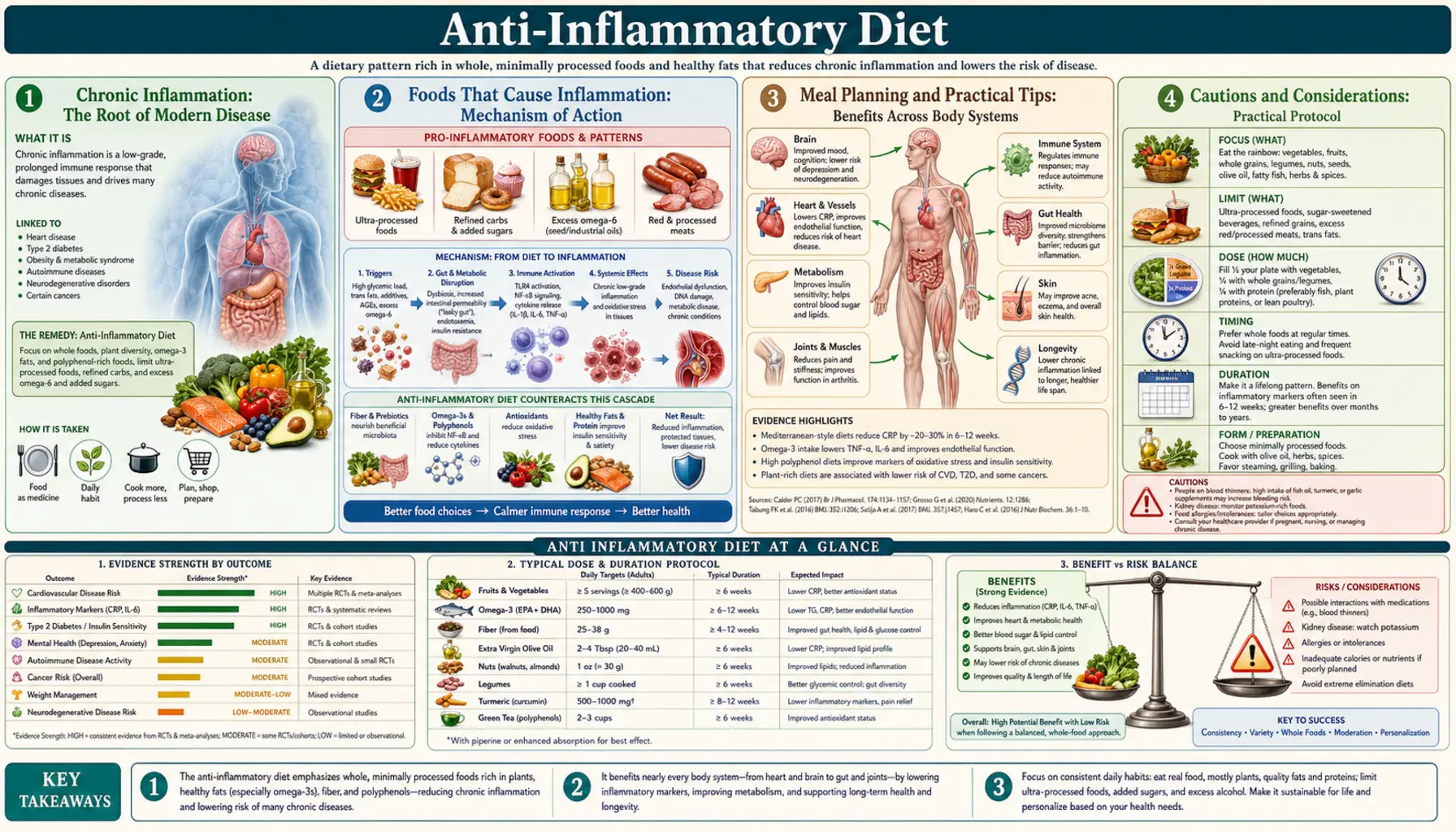
Anti-Inflammatory Diet
Table of Contents
- Chronic Inflammation: The Root of Modern Disease
- Acute vs. Chronic Inflammation
- The Inflammatory Cascade: NF-kB, COX-2, and Cytokines
- How the Standard American Diet Drives Inflammation
- The Omega-6 to Omega-3 Ratio Imbalance
- Foods That Cause Inflammation
- Anti-Inflammatory Foods
- The Mediterranean Diet as Anti-Inflammatory Template
- Anti-Inflammatory Spices and Herbs
- Anti-Inflammatory Beverages
- Meal Planning and Practical Tips
- Anti-Inflammatory Supplements
- The Gut Health Connection
- Measuring Inflammation: CRP, Homocysteine, and Other Markers
- Expected Timeline for Improvement
- Cautions and Considerations
- Featured Videos
Chronic Inflammation: The Root of Modern Disease
From a naturopathic perspective, chronic low-grade inflammation is the single most significant driver of modern degenerative disease. Research now links persistent systemic inflammation to virtually every major health condition plaguing Western societies, including heart disease, cancer, type 2 diabetes, Alzheimer's disease, and autoimmune disorders.
Inflammation is not inherently harmful. It is a natural and essential immune response that protects us from infection, injury, and toxins. However, when the inflammatory response never fully resolves and becomes a constant, smoldering presence in the body, it begins to damage healthy tissues and disrupt normal physiological processes.
- Heart disease: Chronic inflammation damages arterial walls, promotes plaque formation, and increases the risk of clot formation. Inflammatory markers such as C-reactive protein (CRP) are now recognized as independent risk factors for cardiovascular events.
- Cancer: Persistent inflammation creates an environment that promotes DNA damage, cellular mutation, tumor growth, and metastasis. The tumor microenvironment is heavily influenced by inflammatory signaling molecules.
- Type 2 diabetes: Inflammatory cytokines impair insulin signaling, leading to insulin resistance. Visceral fat tissue acts as an endocrine organ that continuously secretes pro-inflammatory molecules.
- Alzheimer's disease: Neuroinflammation driven by activated microglia and elevated brain cytokine levels contributes to amyloid plaque formation, tau protein tangles, and progressive neurodegeneration.
- Autoimmune disorders: Chronic inflammation can trigger immune dysregulation, causing the body to attack its own tissues in conditions such as rheumatoid arthritis, lupus, multiple sclerosis, and inflammatory bowel disease.
The naturopathic approach recognizes that addressing the root cause of chronic inflammation through dietary and lifestyle modification is far more effective and sustainable than suppressing symptoms with pharmaceutical agents alone.
Acute vs. Chronic Inflammation
Understanding the distinction between acute and chronic inflammation is essential for appreciating why dietary intervention is so powerful.
Acute Inflammation
Acute inflammation is the body's immediate, short-term response to injury, infection, or tissue damage. It is a protective and healing mechanism characterized by five classical signs:
- Redness (rubor) caused by increased blood flow to the affected area
- Heat (calor) resulting from increased metabolic activity and blood flow
- Swelling (tumor) caused by fluid accumulation as immune cells migrate to the site
- Pain (dolor) from nerve stimulation by inflammatory mediators
- Loss of function (functio laesa) as the body protects the injured area
Acute inflammation is time-limited, typically resolving within hours to days. It serves an essential purpose and should not be suppressed unnecessarily. When you cut your finger and it becomes red and swollen, acute inflammation is doing exactly what it should.
Chronic Inflammation
Chronic inflammation is fundamentally different. It is a persistent, low-grade inflammatory state that can last for months, years, or even decades. Unlike acute inflammation, chronic inflammation often produces no obvious symptoms in its early stages, earning it the name "silent inflammation."
- Causes: Poor diet, environmental toxins, chronic stress, sedentary lifestyle, poor sleep, gut dysbiosis, hidden infections, and obesity
- Characteristics: Systemic rather than localized; involves continuous activation of immune cells; damages healthy tissue over time
- Consequences: Accelerated aging, organ damage, increased disease risk, fatigue, brain fog, joint pain, and metabolic dysfunction
The anti-inflammatory diet targets chronic inflammation specifically, working to remove dietary triggers while providing the nutrients the body needs to resolve inflammation naturally.
The Inflammatory Cascade: NF-kB, COX-2, and Cytokines
To understand how food influences inflammation, it is helpful to understand the key molecular pathways involved in the inflammatory cascade.
NF-kB (Nuclear Factor Kappa B)
NF-kB is a transcription factor that acts as a master switch for inflammation. When activated, it moves into the cell nucleus and turns on the genes responsible for producing inflammatory molecules. NF-kB activation is triggered by oxidative stress, pathogens, ultraviolet radiation, and importantly, certain dietary components including refined sugar, trans fats, and advanced glycation end products (AGEs).
- NF-kB upregulates the production of pro-inflammatory cytokines such as TNF-alpha, IL-1 beta, and IL-6
- It promotes the expression of COX-2 and iNOS enzymes
- Chronic NF-kB activation is found in nearly every chronic inflammatory disease
- Many anti-inflammatory foods and compounds, including curcumin, omega-3 fatty acids, and resveratrol, work by inhibiting NF-kB activation
COX-2 (Cyclooxygenase-2)
COX-2 is an enzyme that converts arachidonic acid (an omega-6 fatty acid) into pro-inflammatory prostaglandins and thromboxanes. While COX-1 is constitutively expressed and has protective functions in the stomach lining and kidneys, COX-2 is induced during inflammation and amplifies the inflammatory response.
- Non-steroidal anti-inflammatory drugs (NSAIDs) work by inhibiting COX enzymes
- Dietary excess of omega-6 fatty acids provides more arachidonic acid substrate for COX-2
- Natural COX-2 inhibitors include ginger, turmeric, boswellia, and omega-3 fatty acids
Pro-Inflammatory Cytokines
Cytokines are signaling molecules that coordinate the immune response. Key pro-inflammatory cytokines include:
- TNF-alpha (Tumor Necrosis Factor alpha): A potent inflammatory mediator that activates other immune cells, promotes fever, and can cause tissue destruction when chronically elevated
- IL-6 (Interleukin-6): Stimulates acute-phase protein production in the liver, including C-reactive protein. Chronically elevated IL-6 is associated with obesity, type 2 diabetes, and cardiovascular disease
- IL-1 beta (Interleukin-1 beta): Promotes fever, activates immune cells, and contributes to joint destruction in rheumatoid arthritis
The anti-inflammatory diet works at every level of this cascade: reducing NF-kB activation, limiting substrate for COX-2, and lowering circulating levels of pro-inflammatory cytokines.
How the Standard American Diet Drives Inflammation
The Standard American Diet (SAD) is, by virtually every scientific measure, profoundly pro-inflammatory. It is characterized by an overabundance of processed foods, refined carbohydrates, industrial seed oils, and chemical additives, while being critically deficient in the nutrients the body requires to regulate inflammation.
- Excessive refined sugar: The average American consumes approximately 77 grams of added sugar per day, nearly three times the recommended limit. Sugar triggers insulin spikes, promotes glycation, activates NF-kB, and feeds pathogenic gut bacteria.
- Industrial seed oils: Soybean, corn, canola, sunflower, and cottonseed oils dominate processed food manufacturing. These oils are extraordinarily high in omega-6 fatty acids, which are converted to pro-inflammatory arachidonic acid metabolites.
- Refined grains: White flour, white rice, and other refined grains behave similarly to sugar in the body, causing rapid blood glucose spikes and promoting insulin resistance.
- Processed and ultra-processed foods: Approximately 60 percent of calories consumed in the American diet come from ultra-processed foods, which contain artificial preservatives, colorings, emulsifiers, and other additives that disrupt gut barrier integrity and promote inflammation.
- Nutrient deficiency: Despite caloric excess, the SAD is deficient in magnesium, zinc, vitamin D, vitamin K2, omega-3 fatty acids, and polyphenols, all of which are essential for proper inflammatory regulation.
The transition from traditional whole-food diets to the modern processed food paradigm over the past century closely mirrors the rise in chronic inflammatory diseases. This is not a coincidence but a direct causal relationship.
The Omega-6 to Omega-3 Ratio Imbalance
One of the most significant dietary factors driving chronic inflammation is the dramatic imbalance between omega-6 and omega-3 fatty acid consumption. Both are essential fatty acids that the body cannot produce on its own, but they have opposing effects on inflammation.
- Omega-6 fatty acids (particularly linoleic acid) are precursors to pro-inflammatory eicosanoids, including prostaglandin E2 and leukotriene B4
- Omega-3 fatty acids (EPA and DHA) are precursors to anti-inflammatory and pro-resolving mediators called resolvins, protectins, and maresins
Historical vs. Modern Ratios
- Ancestral diet ratio: Approximately 1:1 to 4:1 (omega-6 to omega-3)
- Modern Western diet ratio: Approximately 15:1 to 25:1 (omega-6 to omega-3)
- Optimal target ratio: 2:1 to 4:1 (omega-6 to omega-3)
This dramatic shift occurred primarily because of the introduction of industrial seed oils into the food supply in the twentieth century. Soybean oil alone now accounts for approximately 7 percent of total caloric intake in the United States. When combined with corn oil, canola oil, and other omega-6-rich oils used in restaurants and processed foods, the total omega-6 load becomes staggering.
Correcting this imbalance is one of the most impactful steps in an anti-inflammatory dietary strategy. This requires both reducing omega-6 intake by eliminating processed seed oils and increasing omega-3 intake through fatty fish, pastured eggs, grass-fed meats, and supplementation.
Foods That Cause Inflammation
Eliminating or significantly reducing pro-inflammatory foods is the essential first step in an anti-inflammatory diet. Removal of inflammatory triggers is often more impactful than adding anti-inflammatory foods, as it stops the damage at its source.
Refined Sugar and High-Fructose Corn Syrup
- Triggers rapid insulin spikes and promotes insulin resistance
- Promotes formation of advanced glycation end products (AGEs) that activate inflammatory receptors
- Feeds pathogenic bacteria and yeast in the gut, contributing to dysbiosis
- Directly activates NF-kB signaling
- Sources: Soda, candy, pastries, breakfast cereals, flavored yogurt, condiments, sauces
Industrial Seed Oils
- Extremely high in omega-6 linoleic acid, which the body converts to arachidonic acid and pro-inflammatory prostaglandins
- Highly susceptible to oxidation during processing, cooking, and storage, generating toxic aldehydes and lipid peroxides
- Disrupt cell membrane composition and fluidity
- Sources: Soybean oil, corn oil, canola oil, sunflower oil, safflower oil, cottonseed oil, grapeseed oil, and all products made with them
Trans Fats and Partially Hydrogenated Oils
- Increase LDL cholesterol, decrease HDL cholesterol, and promote systemic inflammation
- Even small amounts significantly increase cardiovascular and inflammatory risk
- Interfere with normal fatty acid metabolism and cell membrane integrity
- Sources: Margarine, shortening, commercial baked goods, fried fast food, some coffee creamers, and microwave popcorn
Refined Grains
- Stripped of fiber, vitamins, and minerals during processing
- Cause rapid blood sugar spikes similar to pure sugar
- Promote insulin resistance and metabolic inflammation
- Sources: White bread, white pasta, white rice, most crackers, commercial cereals, and pizza dough
Processed and Cured Meats
- Contain nitrates, nitrites, and heterocyclic amines that promote inflammation and are classified as Group 1 carcinogens by the World Health Organization
- High in advanced glycation end products (AGEs), especially when grilled or smoked at high temperatures
- Sources: Bacon, hot dogs, sausages, deli meats, pepperoni, and jerky
Excessive Alcohol
- Damages the intestinal lining, increasing gut permeability (leaky gut)
- Promotes bacterial endotoxin (lipopolysaccharide) translocation into the bloodstream
- Impairs liver detoxification and increases oxidative stress
- Disrupts gut microbiome balance
Artificial Additives
- Artificial sweeteners (aspartame, sucralose, saccharin) disrupt gut microbiome composition and may promote glucose intolerance
- Emulsifiers (polysorbate 80, carboxymethylcellulose) damage the intestinal mucus layer and promote gut inflammation
- Artificial colors and preservatives (BHA, BHT, sodium benzoate) may trigger inflammatory and allergic responses in sensitive individuals
- MSG (monosodium glutamate) can promote inflammation and oxidative stress in the liver and brain in susceptible individuals
Anti-Inflammatory Foods
The foundation of an anti-inflammatory diet consists of whole, nutrient-dense foods that provide the building blocks the body needs to regulate and resolve inflammation. These foods deliver antioxidants, polyphenols, omega-3 fatty acids, fiber, and essential micronutrients.
Fatty Fish
- The richest dietary source of EPA and DHA omega-3 fatty acids
- EPA and DHA are converted into specialized pro-resolving mediators (resolvins, protectins, maresins) that actively turn off inflammation
- Clinical studies show regular fatty fish consumption reduces CRP, IL-6, and TNF-alpha
- Best sources: Wild-caught salmon, sardines, mackerel, anchovies, and herring (remembered by the acronym SMASH)
- Recommended intake: 3 to 4 servings per week
Leafy Greens
- Rich in vitamin K, folate, magnesium, and an array of anti-inflammatory polyphenols
- High in chlorophyll, which has antioxidant and anti-inflammatory properties
- Provide prebiotic fiber that supports beneficial gut bacteria
- Best sources: Kale, spinach, Swiss chard, collard greens, arugula, and dandelion greens
Berries
- Among the most antioxidant-rich foods available, scoring highest on ORAC (Oxygen Radical Absorbance Capacity) scales
- Rich in anthocyanins, ellagic acid, and quercetin, which inhibit NF-kB and COX-2
- Studies show regular berry consumption reduces CRP and inflammatory markers
- Best sources: Blueberries, blackberries, raspberries, strawberries, and tart cherries
Turmeric and Ginger
- Turmeric contains curcumin, one of the most studied natural anti-inflammatory compounds, which inhibits NF-kB, COX-2, LOX, and multiple inflammatory cytokines
- Ginger contains gingerols and shogaols that suppress prostaglandin synthesis and inhibit COX-2 activity
- Both have been used for millennia in Ayurvedic and Traditional Chinese Medicine for inflammatory conditions
- Combine turmeric with black pepper (piperine) and fat to increase curcumin absorption by up to 2,000 percent
Extra Virgin Olive Oil
- Contains oleocanthal, a natural compound with anti-inflammatory activity comparable to ibuprofen
- Rich in monounsaturated oleic acid and polyphenols including hydroxytyrosol
- Associated with reduced inflammatory markers and lower cardiovascular risk in clinical trials
- Use cold-pressed, extra virgin varieties and avoid heating past the smoke point
Nuts and Seeds
- Provide healthy fats, protein, fiber, magnesium, vitamin E, and selenium
- Walnuts are particularly valuable due to their alpha-linolenic acid (ALA) omega-3 content
- Regular nut consumption is associated with lower CRP, IL-6, and reduced cardiovascular mortality
- Best sources: Walnuts, almonds, Brazil nuts, hemp seeds, chia seeds, and flaxseeds
Cruciferous Vegetables
- Contain sulforaphane and other isothiocyanates that activate the Nrf2 pathway, the body's master antioxidant and anti-inflammatory defense system
- Sulforaphane inhibits NF-kB and reduces pro-inflammatory cytokine production
- Support liver detoxification Phase II pathways
- Best sources: Broccoli, broccoli sprouts, cauliflower, Brussels sprouts, cabbage, and bok choy
Bone Broth
- Rich in glycine, proline, and glutamine, amino acids essential for gut lining repair and integrity
- Contains collagen and gelatin that support intestinal barrier function
- Glycine has direct anti-inflammatory effects, inhibiting NF-kB and reducing TNF-alpha
- Provides easily absorbable minerals including calcium, magnesium, and phosphorus
Fermented Foods
- Provide beneficial probiotic bacteria that support microbiome diversity and gut barrier integrity
- Fermentation increases bioavailability of nutrients and produces beneficial postbiotic metabolites
- Regular consumption is associated with reduced systemic inflammatory markers
- Best sources: Sauerkraut, kimchi, kefir, yogurt (unsweetened), kombucha, miso, and natto
The Mediterranean Diet as Anti-Inflammatory Template
The Mediterranean diet is the most extensively studied anti-inflammatory dietary pattern in the world, with decades of research demonstrating its ability to reduce inflammatory markers, prevent chronic disease, and extend lifespan. It serves as an excellent template for an anti-inflammatory eating plan.
Core Principles
- Abundant plant foods: Vegetables, fruits, legumes, nuts, seeds, and whole grains form the foundation of every meal
- Extra virgin olive oil as the primary fat source, used generously in cooking and as a finishing oil
- Fatty fish consumed 2 to 4 times per week
- Moderate consumption of poultry, eggs, and dairy (primarily fermented forms like yogurt and cheese)
- Herbs and spices used liberally in place of excessive salt
- Limited red meat consumption, no more than a few times per month
- Minimal processed foods, refined sugars, and industrial seed oils
Research Evidence
- The landmark PREDIMED trial demonstrated a 30 percent reduction in cardiovascular events with Mediterranean diet supplemented with extra virgin olive oil or nuts
- Studies show significant reductions in CRP, IL-6, TNF-alpha, and other inflammatory markers
- Associated with reduced risk of type 2 diabetes, Alzheimer's disease, certain cancers, and depression
- Promotes favorable changes in gut microbiome composition, increasing beneficial bacteria that produce short-chain fatty acids
The Mediterranean diet succeeds as an anti-inflammatory framework because it simultaneously eliminates the major pro-inflammatory dietary triggers while providing an abundance of anti-inflammatory nutrients, polyphenols, and fiber.
Anti-Inflammatory Spices and Herbs
Culinary herbs and spices are among the most potent anti-inflammatory agents found in nature. Many have been used in traditional healing systems for thousands of years, and modern research continues to validate their therapeutic properties.
- Turmeric: Contains curcumin, which inhibits NF-kB, COX-2, and LOX enzymes. One of the most extensively researched anti-inflammatory compounds in the world. Use with black pepper and fat for optimal absorption.
- Ginger: Gingerols and shogaols suppress prostaglandin synthesis, inhibit COX-2, and reduce IL-1 beta and TNF-alpha. Effective for both systemic and joint inflammation.
- Rosemary: Contains carnosic acid and rosmarinic acid, which inhibit NF-kB and reduce COX-2 expression. Also a powerful antioxidant that prevents lipid oxidation.
- Cinnamon: Ceylon cinnamon (true cinnamon) reduces CRP, inhibits NF-kB, and improves insulin sensitivity. Avoid cassia cinnamon in large doses due to coumarin content.
- Cloves: Contain eugenol, one of the most potent anti-inflammatory and antioxidant compounds found in spices. Inhibits COX-2 and lipoxygenase pathways.
- Oregano: Rich in carvacrol and thymol, which have anti-inflammatory, antimicrobial, and antioxidant properties. Oregano oil is a concentrated therapeutic form.
- Black pepper: Contains piperine, which inhibits NF-kB and enhances the bioavailability of other anti-inflammatory compounds including curcumin.
- Garlic: Contains allicin and diallyl disulfide, which inhibit NF-kB and suppress pro-inflammatory cytokine production. Crush or chop and let sit for 10 minutes before cooking to maximize allicin formation.
- Cayenne pepper: Contains capsaicin, which depletes substance P (a pain neurotransmitter), inhibits NF-kB, and reduces inflammatory cytokines.
- Saffron: Contains crocin and safranal, which inhibit inflammatory mediators and have demonstrated neuroprotective and antidepressant effects in clinical trials.
A naturopathic approach encourages using these spices abundantly and daily. The cumulative effect of incorporating multiple anti-inflammatory spices into meals provides synergistic benefits that exceed the sum of their individual effects.
Anti-Inflammatory Beverages
What you drink matters as much as what you eat. Several beverages provide significant anti-inflammatory benefits and can be incorporated into a daily routine with ease.
Green Tea and Matcha
- Rich in epigallocatechin gallate (EGCG), one of the most potent polyphenol antioxidants
- EGCG inhibits NF-kB, reduces COX-2 expression, and lowers circulating TNF-alpha and IL-6
- Matcha provides even higher concentrations of EGCG because the entire leaf is consumed in powdered form
- Contains L-theanine, an amino acid that promotes calm focus and modulates stress-induced inflammation
- Recommended intake: 2 to 4 cups of green tea daily, or 1 to 2 cups of matcha
Golden Milk (Turmeric Latte)
- A traditional Ayurvedic beverage combining turmeric, black pepper, healthy fat, and warming spices
- Delivers curcumin in a bioavailable form alongside cinnamon, ginger, and cardamom
- The fat component (coconut milk, ghee, or full-fat milk) enhances absorption of fat-soluble curcuminoids
- Basic recipe: Warm milk of choice with 1 teaspoon turmeric, a pinch of black pepper, half teaspoon cinnamon, half teaspoon ginger, and a small amount of raw honey
Other Anti-Inflammatory Beverages
- Ginger tea: Fresh ginger slices steeped in hot water provide gingerols that reduce inflammatory mediators and support digestion
- Tart cherry juice: Rich in anthocyanins, shown to reduce post-exercise inflammation and lower uric acid levels in gout
- Bone broth: A warm, nourishing beverage that supports gut healing and provides anti-inflammatory amino acids
- Water with lemon: Promotes hydration and provides vitamin C and flavonoids. Proper hydration alone supports the body's ability to manage inflammation.
Beverages to avoid or minimize include soda, fruit juice (high in fructose without fiber), energy drinks, and excessive coffee (especially with sugar and artificial creamers).
Meal Planning and Practical Tips
Transitioning to an anti-inflammatory diet is most sustainable when approached gradually and practically. The following guidelines provide a framework for daily meal planning.
General Principles
- Fill half your plate with colorful vegetables at every meal
- Include healthy fats from olive oil, avocado, nuts, or fatty fish at each meal
- Choose whole food carbohydrates such as sweet potatoes, quinoa, wild rice, and legumes instead of refined grains
- Eat the rainbow: Different colored plant foods contain different polyphenols and antioxidants, providing broader anti-inflammatory coverage
- Cook at home as much as possible to control ingredients and avoid hidden inflammatory oils and sugars
Sample Daily Framework
- Breakfast: Smoothie with berries, spinach, ground flaxseed, turmeric, and coconut milk. Alternatively, pastured eggs with sauteed greens and avocado cooked in olive oil or ghee.
- Lunch: Large salad with mixed greens, cruciferous vegetables, wild salmon or sardines, walnuts, olive oil and lemon dressing, and fresh herbs.
- Dinner: Grass-fed protein or wild-caught fish with roasted vegetables (broccoli, sweet potato, Brussels sprouts) seasoned with turmeric, garlic, rosemary, and extra virgin olive oil.
- Snacks: Handful of raw nuts, celery with almond butter, berries with coconut yogurt, vegetable sticks with hummus, or a cup of bone broth.
Practical Kitchen Tips
- Cooking oils: Use extra virgin olive oil for low to medium heat cooking and as a finishing oil. Use avocado oil, ghee, or coconut oil for higher heat cooking. Eliminate all seed oils from your kitchen.
- Batch cooking: Prepare large batches of bone broth, roasted vegetables, and proteins on weekends to simplify weekday meals
- Spice blends: Create anti-inflammatory spice blends combining turmeric, ginger, cinnamon, black pepper, and cayenne to have on hand for easy seasoning
- Read labels: Check ingredient lists for hidden seed oils, sugar, and artificial additives, even in products marketed as healthy
- Prioritize quality: When budget allows, choose organic produce (especially the Dirty Dozen list), wild-caught fish, grass-fed and pastured animal products, and cold-pressed oils
Anti-Inflammatory Supplements
While whole foods should always form the foundation of an anti-inflammatory protocol, targeted supplementation can provide therapeutic doses of specific anti-inflammatory compounds that are difficult to achieve through diet alone.
Omega-3 Fatty Acids (EPA and DHA)
- The most extensively studied anti-inflammatory supplement
- EPA and DHA are converted into resolvins and protectins that actively resolve inflammation
- Clinical studies demonstrate reductions in CRP, IL-6, and TNF-alpha
- Recommended dose: 2,000 to 4,000 mg combined EPA/DHA daily from high-quality fish oil or algae-based omega-3
- Choose molecularly distilled, third-party tested products to ensure purity and minimize heavy metal contamination
Curcumin
- The primary active compound in turmeric, with potent NF-kB inhibiting activity
- Standard curcumin has poor bioavailability; use enhanced formulations such as curcumin with piperine, liposomal curcumin, or curcumin phytosome (Meriva)
- Clinical trials show efficacy for joint inflammation, metabolic syndrome, and inflammatory bowel conditions
- Recommended dose: 500 to 1,000 mg of enhanced curcumin formulation daily
Quercetin
- A flavonoid found in onions, apples, and berries with potent anti-inflammatory and antihistamine properties
- Inhibits NF-kB, COX-2, and lipoxygenase pathways
- Stabilizes mast cells and reduces histamine release, making it particularly useful for allergic inflammation
- Recommended dose: 500 to 1,000 mg daily, often paired with bromelain for enhanced absorption
Resveratrol
- A polyphenol found in red grapes, red wine, and Japanese knotweed
- Activates SIRT1, a longevity gene that suppresses NF-kB and inflammatory signaling
- Potent antioxidant that protects against oxidative stress and lipid peroxidation
- Recommended dose: 150 to 500 mg daily of trans-resveratrol
Boswellia (Indian Frankincense)
- Contains boswellic acids that directly inhibit 5-lipoxygenase (5-LOX), a key enzyme in the inflammatory leukotriene pathway
- Particularly effective for joint inflammation, inflammatory bowel disease, and asthma
- Unlike NSAIDs, boswellia does not damage the stomach lining or kidneys
- Recommended dose: 300 to 500 mg of standardized extract (containing at least 30 percent AKBA) taken 2 to 3 times daily
Always consult with a qualified naturopathic doctor or integrative practitioner before beginning a supplement protocol, especially if taking prescription medications, as interactions can occur.
The Gut Health Connection
The relationship between gut health and systemic inflammation is one of the most important discoveries in modern medicine. Approximately 70 to 80 percent of the immune system resides in the gut-associated lymphoid tissue (GALT), making the intestinal tract the body's largest immune organ.
Intestinal Permeability (Leaky Gut)
- The intestinal lining is a single-cell-thick barrier that selectively allows nutrients to pass while blocking toxins, pathogens, and undigested food particles
- When this barrier is compromised, a condition called increased intestinal permeability or "leaky gut" develops
- Bacterial endotoxins (lipopolysaccharides or LPS) translocate into the bloodstream, triggering a systemic immune response and chronic low-grade inflammation called metabolic endotoxemia
- Common causes of leaky gut: Gluten (in sensitive individuals), NSAIDs, alcohol, stress, dysbiosis, food additives (emulsifiers, artificial sweeteners), and pesticide residues
The Microbiome and Inflammation
- A diverse, balanced gut microbiome produces short-chain fatty acids (SCFAs) such as butyrate, propionate, and acetate from dietary fiber
- Butyrate is the primary fuel source for colonocytes (intestinal lining cells) and has potent anti-inflammatory effects, inhibiting NF-kB and reducing pro-inflammatory cytokines
- Dysbiosis (microbial imbalance) promotes an inflammatory microbiome that produces fewer SCFAs and more pro-inflammatory metabolites
- The Standard American Diet directly promotes dysbiosis through low fiber intake, excessive sugar, and artificial additives
Gut-Healing Anti-Inflammatory Strategies
- Consume prebiotic-rich foods: Garlic, onions, leeks, asparagus, Jerusalem artichokes, dandelion greens, and resistant starch from cooked and cooled potatoes
- Eat fermented foods daily: Sauerkraut, kimchi, kefir, and yogurt provide diverse probiotic strains
- Include gut-healing nutrients: Bone broth (glycine, glutamine, collagen), slippery elm, marshmallow root, and aloe vera
- Increase dietary fiber: Aim for 30 to 40 grams daily from diverse plant sources to feed beneficial bacteria and support SCFA production
- Eliminate gut irritants: Remove processed foods, alcohol, unnecessary NSAIDs, and identified food sensitivities
Measuring Inflammation: CRP, Homocysteine, and Other Markers
Objective measurement of inflammatory markers provides valuable baseline data and allows you to track progress as dietary changes take effect. The following laboratory tests are commonly used to assess systemic inflammation.
High-Sensitivity C-Reactive Protein (hs-CRP)
- The most widely used clinical marker for systemic inflammation
- Produced by the liver in response to IL-6 and other inflammatory signals
- Optimal level: Below 1.0 mg/L
- Moderate risk: 1.0 to 3.0 mg/L
- High risk: Above 3.0 mg/L
- Levels above 10.0 mg/L suggest acute infection or significant inflammatory process requiring further investigation
Homocysteine
- An amino acid that, when elevated, indicates both inflammation and impaired methylation
- Elevated homocysteine damages blood vessel walls and promotes atherosclerosis
- Optimal level: Below 7 micromoles per liter
- Elevated levels may indicate B vitamin deficiencies (B6, B12, folate) that should be corrected
Additional Inflammatory Markers
- Erythrocyte Sedimentation Rate (ESR): A nonspecific marker of inflammation that measures how quickly red blood cells settle in a test tube. Elevated in inflammatory conditions.
- Fasting insulin: Elevated fasting insulin is an early marker of metabolic inflammation and insulin resistance. Optimal level is below 5 microunits per milliliter.
- Fibrinogen: An acute-phase protein and clotting factor that increases with inflammation. Elevated levels indicate increased cardiovascular risk.
- Omega-3 Index: Measures the percentage of EPA and DHA in red blood cell membranes. An index above 8 percent is associated with the lowest inflammatory risk, while below 4 percent indicates high risk.
- Ferritin: While primarily a marker of iron storage, elevated ferritin can also indicate inflammation. Naturopathic optimal range is 40 to 100 ng/mL for men and 20 to 80 ng/mL for women.
Request comprehensive inflammatory marker testing from your healthcare provider at baseline and again after 3 to 6 months of consistent anti-inflammatory dietary changes to objectively measure your progress.
Expected Timeline for Improvement
Patience and consistency are essential when implementing an anti-inflammatory diet. The body requires time to reduce inflammatory load, heal damaged tissues, and restore normal immune regulation. The following timeline provides general expectations, though individual responses vary.
- Days 1 to 7: Initial adjustment period. Some individuals experience temporary symptoms such as headaches, fatigue, or digestive changes as the body adapts and begins eliminating processed foods. Sugar cravings may be intense but typically diminish within 5 to 7 days.
- Weeks 2 to 4: Many people begin to notice improved energy, better sleep quality, reduced bloating and digestive discomfort, and improved mental clarity. Skin improvements may begin to appear.
- Months 1 to 3: Measurable reductions in inflammatory markers (CRP, IL-6) typically become apparent in blood work. Joint pain and stiffness often improve significantly. Weight loss occurs naturally in overweight individuals as metabolic inflammation decreases.
- Months 3 to 6: More profound changes occur as the gut microbiome remodels, intestinal permeability improves, and the omega-6 to omega-3 ratio in cell membranes shifts toward a healthier balance. Autoimmune symptoms may significantly reduce.
- Months 6 to 12: Long-term markers of inflammation continue to improve. Risk factors for chronic disease decrease measurably. Many individuals are able to reduce or discontinue anti-inflammatory medications under medical supervision.
- Beyond 12 months: The anti-inflammatory diet becomes a sustainable lifestyle rather than a temporary intervention. Continued adherence provides ongoing protection against chronic disease and supports healthy aging.
Consistency matters more than perfection. Following an anti-inflammatory diet 80 to 90 percent of the time while allowing occasional flexibility produces far better long-term outcomes than rigid, short-lived attempts at dietary perfection.
Cautions and Considerations
While the anti-inflammatory diet is safe and beneficial for the vast majority of people, certain considerations should be kept in mind.
- Medication interactions: Anti-inflammatory foods and supplements, particularly omega-3 fatty acids, curcumin, ginger, and garlic, may have blood-thinning effects. Consult your healthcare provider if taking anticoagulant or antiplatelet medications such as warfarin, heparin, or clopidogrel.
- Autoimmune conditions: Some anti-inflammatory foods, including nightshade vegetables (tomatoes, peppers, eggplant, potatoes), may exacerbate symptoms in certain autoimmune conditions. An elimination protocol such as the Autoimmune Paleo (AIP) diet may be necessary to identify individual triggers.
- Oxalate sensitivity: High-oxalate foods such as spinach, Swiss chard, beets, and almonds may aggravate symptoms in individuals with kidney stones, vulvodynia, or oxalate sensitivity. Rotate greens and soak or cook high-oxalate foods to reduce oxalate content.
- Histamine intolerance: Fermented foods, bone broth, aged cheeses, and certain fish can be high in histamine. Individuals with histamine intolerance or mast cell activation may need to modify the standard anti-inflammatory diet to exclude high-histamine foods.
- FODMAPs and digestive sensitivity: Some anti-inflammatory foods, including garlic, onions, cruciferous vegetables, and legumes, are high in FODMAPs and may cause digestive distress in individuals with irritable bowel syndrome (IBS) or small intestinal bacterial overgrowth (SIBO). A temporary low-FODMAP approach may be needed alongside the anti-inflammatory protocol.
- Thyroid considerations: Large amounts of raw cruciferous vegetables may affect thyroid function in individuals with hypothyroidism or iodine deficiency. Cooking cruciferous vegetables reduces goitrogenic compounds significantly.
- Supplement quality: Not all supplements are created equal. Choose products that are third-party tested for purity, potency, and contaminants. Work with a qualified practitioner to determine appropriate dosages for your individual needs.
- Not a replacement for medical care: While an anti-inflammatory diet is a powerful therapeutic tool, it should complement rather than replace appropriate medical evaluation and treatment for serious health conditions. Never discontinue prescribed medications without guidance from your healthcare provider.
The naturopathic philosophy of treating the whole person means that dietary changes should be accompanied by attention to other inflammatory contributors, including stress management, adequate sleep (7 to 9 hours nightly), regular physical activity, toxin avoidance, and nurturing social connections.
Key Research Papers
- Clinical trials on anti-inflammatory diet — PubMed search
- Systematic reviews of anti-inflammatory diet — PubMed search
- Meta-analyses on anti-inflammatory diet — PubMed search
- Treatment research on anti-inflammatory diet — PubMed search
- Mechanism studies of anti-inflammatory diet — PubMed search
- Epidemiology of anti-inflammatory diet — PubMed search
Connections
- All Remedies
- Turmeric
- Ginger
- Omega-3 Fatty Acids
- Magnesium
- Quercetin
- Gut Healing
- Elimination Diet
- Fasting
- Inflammatory Markers
- Seed Oils
- Olive Oil
- Cinnamon
- Gut-Brain Axis
- Garlic
- Oxidative Stress
- Arthritis
- Cardiovascular Disease
- Insulin Resistance
- Conditions on this site that reference this page: Aortic Aneurysm · Atherosclerosis · Cholesterol Management · Coronary Artery Disease (CAD) · Heart Failure · Hypertension · Rosacea · Sinusitis
Featured Videos