Turmeric (Curcuma longa)
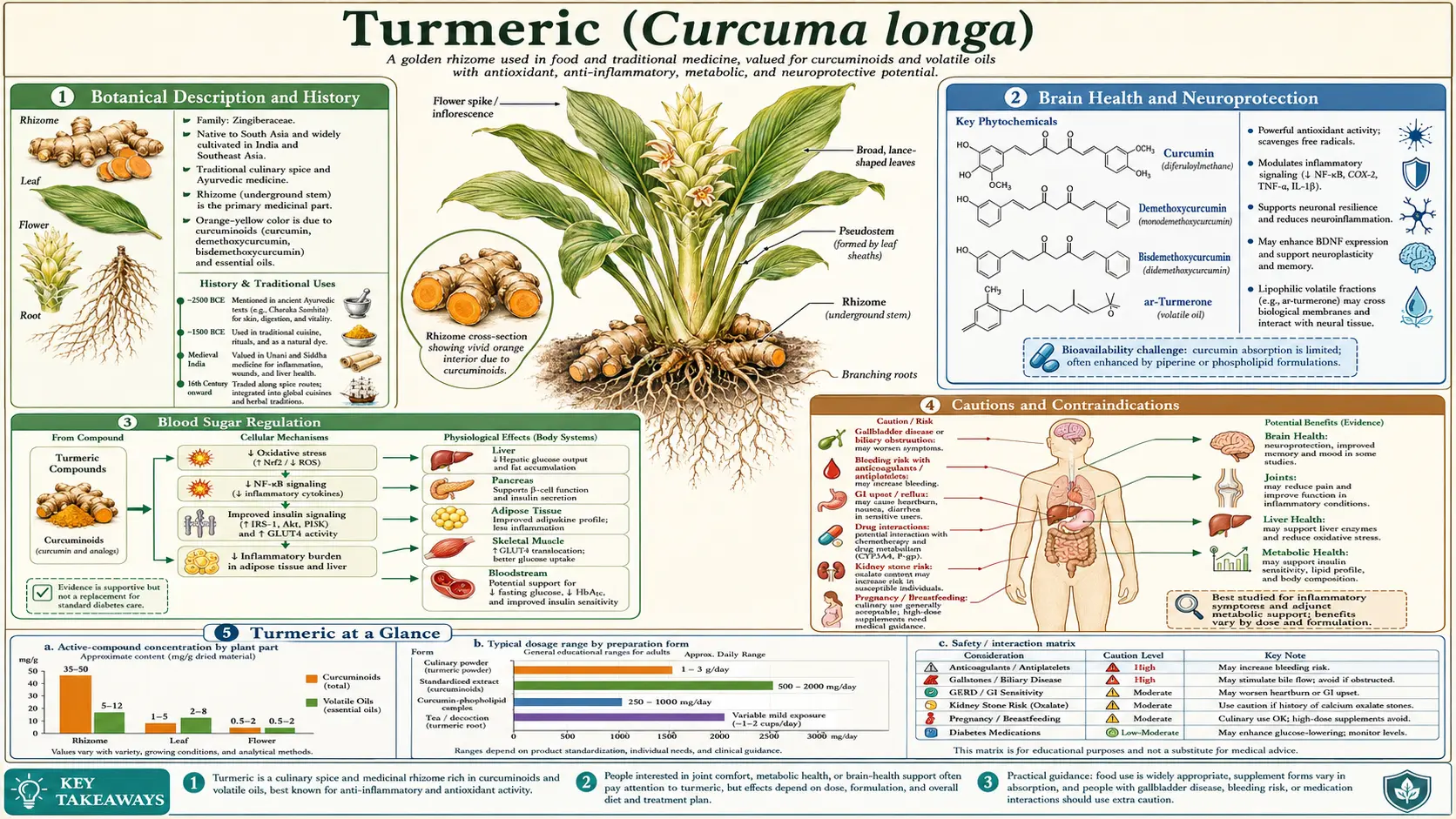
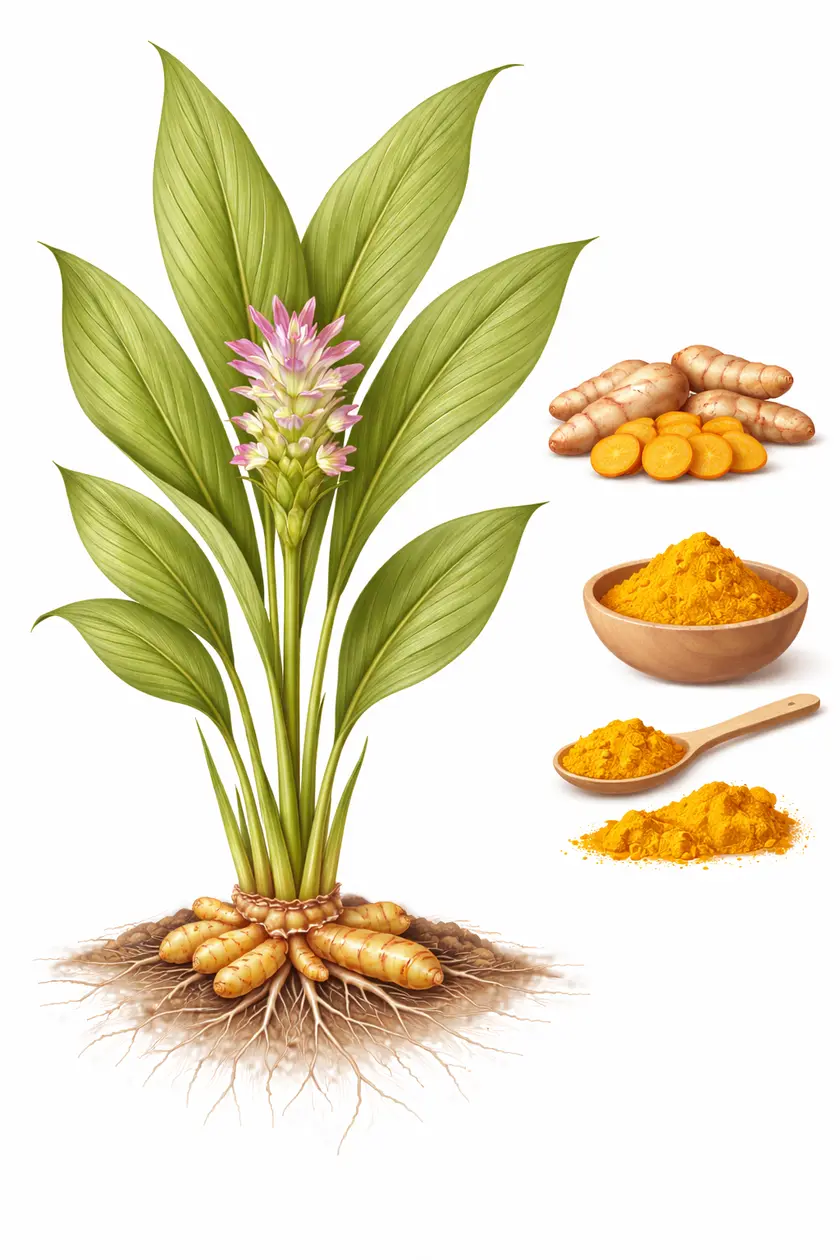
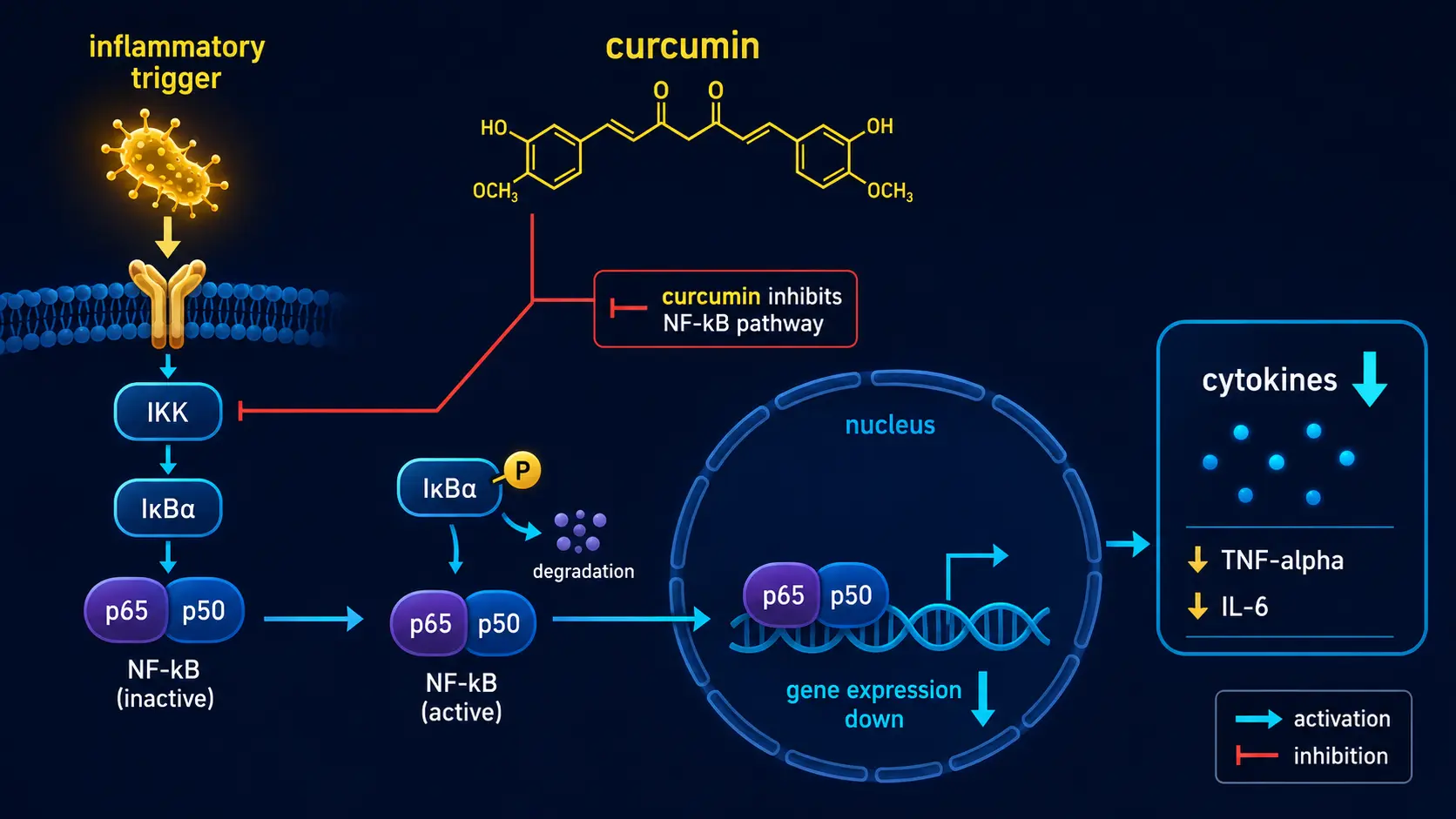
Table of Contents
- Botanical Description and History
- Active Compounds: Curcumin and Beyond
- Powerful Anti-Inflammatory Properties
- Antioxidant Capacity
- Joint Health and Arthritis Relief
- Brain Health and Neuroprotection
- Cardiovascular Benefits
- Cancer Prevention Research
- Liver Detoxification Support
- Digestive Health
- Blood Sugar Regulation
- Skin Health
- Bioavailability Challenges and Solutions
- Forms and Preparations
- Recommended Dosage
- Cautions and Contraindications
- Featured Videos
Botanical Description and History
Turmeric (Curcuma longa) is a perennial herbaceous plant belonging to the ginger family, Zingiberaceae. Native to the Indian subcontinent and Southeast Asia, turmeric grows to approximately 1 meter in height, producing broad, lance-shaped leaves and striking white or pale yellow flower spikes. The most prized part of the plant is its rhizome, the underground stem that, when cut open, reveals a deep golden-orange interior responsible for its characteristic color and therapeutic potency.
The rhizome develops as a network of fleshy, branching structures beneath the soil surface. When harvested, typically 7 to 10 months after planting, the rhizomes are boiled, dried, and ground into the familiar bright yellow-orange powder that has been a cornerstone of traditional medicine and cuisine for millennia. The plant thrives in warm, humid climates with well-drained soil and requires temperatures between 20 and 30 degrees Celsius, with India producing roughly 80 percent of the world's supply.
Turmeric has been used in India for roughly four thousand years, woven into Ayurvedic medicine, Hindu ceremony, cooking, and dyeing, before spreading along the spice routes to China, Africa, and Europe and eventually into the laboratory, where chemists first isolated curcumin in 1815 — the fuller story is told in the dedicated History & Traditional Use article.
Active Compounds: Curcumin and Beyond
The therapeutic power of turmeric is primarily attributed to a group of polyphenolic compounds known as curcuminoids, which constitute approximately 2 to 9 percent of the dried rhizome by weight. The most abundant and extensively studied of these is curcumin (diferuloylmethane), which accounts for roughly 75 percent of the curcuminoid content. The remaining curcuminoids include demethoxycurcumin (approximately 15 to 20 percent) and bisdemethoxycurcumin (approximately 3 to 5 percent), both of which contribute meaningful biological activity.
Curcumin's molecular structure is uniquely suited for biological interaction. It contains two aromatic ring systems connected by a seven-carbon chain with two alpha, beta-unsaturated carbonyl groups. This chemical architecture allows curcumin to act as both a hydrogen bond donor and acceptor, enabling it to interact with a remarkably diverse array of molecular targets within the body. Researchers have identified over 100 distinct molecular targets that curcumin can modulate, making it one of the most pleiotropic natural compounds ever studied.
Beyond the curcuminoids, whole turmeric rhizome contains a complex matrix of bioactive components, including volatile oils known as turmerones (ar-turmerone, alpha-turmerone, and beta-turmerone), which demonstrate their own anti-inflammatory, antimicrobial, and neuroprotective properties. The essential oil fraction of turmeric constitutes approximately 3 to 7 percent of the rhizome and contributes significantly to its overall therapeutic profile. From a naturopathic perspective, this highlights the importance of whole-plant preparations, as the synergistic interaction between curcuminoids and turmerones produces effects greater than any single isolated compound.
Turmeric also contains polysaccharides called ukonan A, B, C, and D, which have demonstrated immunomodulatory activity. The rhizome provides notable quantities of minerals, including manganese, iron, potassium, and zinc, as well as dietary fiber and vitamin B6. This full-spectrum composition underscores the naturopathic principle that the whole plant often offers advantages over isolated extracts.
Powerful Anti-Inflammatory Properties
Chronic, low-grade inflammation is now understood to be a driving factor behind many of the most prevalent and debilitating diseases of modern civilization, including heart disease, cancer, metabolic syndrome, Alzheimer's disease, and various degenerative conditions. Turmeric, and curcumin in particular, represents one of the most potent natural anti-inflammatory agents available, operating through multiple complementary mechanisms that address inflammation at its biochemical roots.
The most significant anti-inflammatory mechanism of curcumin involves the inhibition of nuclear factor kappa-light-chain-enhancer of activated B cells, commonly known as NF-kB. This transcription factor serves as a master regulator of the inflammatory response, controlling the expression of over 500 genes involved in inflammation, immune function, and cell survival. NF-kB is activated by a wide range of stimuli, including oxidative stress, infections, toxins, and ultraviolet radiation. Once activated, it translocates to the cell nucleus and initiates the transcription of pro-inflammatory cytokines, chemokines, adhesion molecules, and enzymes.
Curcumin blocks NF-kB activation at multiple points in the signaling cascade. It inhibits the IKK complex (IkB kinase), which is required for the phosphorylation and subsequent degradation of IkB, the protein that normally sequesters NF-kB in the cytoplasm. By preventing IkB degradation, curcumin effectively keeps NF-kB locked in an inactive state. This upstream intervention is remarkably effective because it prevents the entire downstream inflammatory cascade from initiating.
In addition to NF-kB inhibition, curcumin suppresses the activity of cyclooxygenase-2 (COX-2) and lipoxygenase (LOX), the enzymes responsible for producing pro-inflammatory prostaglandins and leukotrienes, respectively. It also downregulates the expression of inducible nitric oxide synthase (iNOS), reducing excessive nitric oxide production that contributes to tissue damage in inflammatory states. Curcumin modulates the activity of mitogen-activated protein kinases (MAPKs), Janus kinases (JAKs), and signal transducers and activators of transcription (STATs), further broadening its anti-inflammatory reach.
Notably, curcumin reduces circulating levels of key pro-inflammatory cytokines, including tumor necrosis factor-alpha (TNF-alpha), interleukin-1 beta (IL-1 beta), interleukin-6 (IL-6), and interleukin-8 (IL-8). Clinical studies have demonstrated that curcumin supplementation can reduce C-reactive protein (CRP), a systemic marker of inflammation, to a degree comparable to some pharmaceutical anti-inflammatory agents, but without the gastrointestinal, cardiovascular, and renal side effects associated with chronic NSAID or corticosteroid use.
Antioxidant Capacity
Oxidative stress, the imbalance between reactive oxygen species (ROS) production and the body's antioxidant defenses, plays a central role in aging and the pathogenesis of chronic disease. Curcumin is a remarkably effective antioxidant that operates through both direct and indirect mechanisms, providing a multilayered defense against oxidative damage to cells, proteins, lipids, and DNA.
As a direct antioxidant, curcumin's chemical structure enables it to neutralize several types of free radicals, including superoxide anions, hydroxyl radicals, peroxyl radicals, and nitrogen dioxide radicals. The phenolic hydroxyl groups and the methylene group of the beta-diketone moiety are the primary sites of radical scavenging activity. Curcumin's antioxidant potency has been measured at several times greater than that of vitamin E in certain in vitro assays, although in vivo comparisons depend heavily on bioavailability and tissue distribution.
Perhaps more importantly, curcumin functions as a potent indirect antioxidant by activating the nuclear factor erythroid 2-related factor 2 (Nrf2) pathway. Nrf2 is a transcription factor that, when activated, translocates to the nucleus and binds to antioxidant response elements (ARE) in the promoter regions of genes encoding the body's endogenous antioxidant enzymes. Through Nrf2 activation, curcumin upregulates the production of superoxide dismutase (SOD), catalase, glutathione peroxidase, glutathione reductase, heme oxygenase-1 (HO-1), and glutathione S-transferase.
Curcumin also increases intracellular glutathione levels, bolstering the body's most important endogenous antioxidant system. Additionally, it chelates transition metals such as iron and copper, preventing these metals from participating in Fenton reactions that generate highly destructive hydroxyl radicals. This combination of direct scavenging, enzymatic upregulation, glutathione enhancement, and metal chelation makes curcumin one of the most versatile antioxidant agents found in nature.
Joint Health and Arthritis Relief
Joint pain and arthritis represent some of the most common applications of turmeric in both traditional and modern clinical practice. The convergence of curcumin's anti-inflammatory, antioxidant, and immunomodulatory properties makes it exceptionally well suited for addressing the complex pathophysiology of both osteoarthritis (OA) and rheumatoid arthritis (RA).
In osteoarthritis, the primary degenerative joint disease affecting hundreds of millions of people worldwide, curcumin has demonstrated the ability to protect chondrocytes (cartilage cells) from inflammatory damage and apoptosis. It inhibits the matrix metalloproteinases (MMPs), particularly MMP-3 and MMP-13, that break down the collagen matrix of articular cartilage. Curcumin also suppresses the expression of aggrecanases (ADAMTS-4 and ADAMTS-5), enzymes that degrade aggrecan, the proteoglycan essential for cartilage's shock-absorbing properties.
Multiple randomized controlled trials have demonstrated that curcumin supplementation significantly reduces pain, stiffness, and physical limitation scores in patients with knee osteoarthritis. A landmark 2014 study published in Clinical Interventions in Aging found that curcumin was as effective as ibuprofen for osteoarthritis pain relief, with fewer gastrointestinal side effects. A 2016 meta-analysis confirmed that curcumin extracts, typically at doses of 1,000 mg per day, produce statistically and clinically significant improvements in arthritis symptoms.
For rheumatoid arthritis, an autoimmune condition characterized by chronic synovial inflammation, curcumin's ability to modulate immune function adds another dimension of therapeutic value. It reduces the expression of receptor activator of nuclear factor kappa-B ligand (RANKL), a key mediator of the bone erosion that accompanies RA. Clinical trials have shown that curcumin supplementation in RA patients reduces disease activity scores, joint tenderness, joint swelling, and morning stiffness duration.
As a naturopathic physician, I frequently recommend turmeric as a foundational part of a comprehensive joint health protocol that includes dietary modifications to reduce systemic inflammation, targeted exercise, adequate omega-3 fatty acid intake, and appropriate joint-supportive nutrients such as glucosamine and chondroitin. Turmeric works synergistically with these interventions, often allowing patients to reduce their reliance on pharmaceutical anti-inflammatory medications.
Brain Health and Neuroprotection
One of the most exciting and rapidly expanding areas of turmeric research involves its effects on brain health and its potential in preventing and treating neurodegenerative diseases. The aging brain faces mounting challenges from oxidative stress, chronic neuroinflammation, protein misfolding, and declining neuroplasticity. Curcumin addresses each of these pathological processes through distinct yet complementary mechanisms.
A critical factor in curcumin's neurological relevance is its ability to cross the blood-brain barrier (BBB), the highly selective semipermeable membrane that protects the central nervous system from circulating toxins and pathogens. Curcumin's lipophilic nature allows it to traverse this barrier and achieve therapeutically meaningful concentrations in brain tissue. This property distinguishes curcumin from many other natural anti-inflammatory and antioxidant compounds that cannot readily access the central nervous system.
Curcumin has been shown to increase levels of brain-derived neurotrophic factor (BDNF), a protein that functions as a growth factor for neurons. BDNF plays essential roles in neuronal survival, synaptic plasticity, learning, and memory formation. Reduced BDNF levels have been linked to depression, Alzheimer's disease, and accelerated cognitive decline with aging. By upregulating BDNF expression, curcumin supports the brain's capacity for neuroplasticity, the formation of new neural connections and the strengthening of existing ones.
In Alzheimer's disease research, curcumin has demonstrated multiple protective mechanisms. It binds directly to amyloid-beta peptides, preventing their aggregation into the toxic oligomers and fibrils that form the characteristic amyloid plaques of the disease. Curcumin also promotes the phagocytic clearance of existing amyloid deposits by macrophages. Additionally, it inhibits the hyperphosphorylation of tau protein, reducing the formation of neurofibrillary tangles, the other hallmark pathological feature of Alzheimer's disease.
Epidemiological data supporting curcumin's brain-protective effects is compelling. India, where turmeric consumption is among the highest in the world, has one of the lowest rates of Alzheimer's disease globally. Adults aged 70 to 79 in India have an Alzheimer's prevalence approximately 4.4 times lower than age-matched Americans. While numerous dietary, genetic, and lifestyle factors contribute to this difference, regular turmeric consumption is considered a significant protective variable.
Beyond Alzheimer's disease, curcumin has shown promise in research on Parkinson's disease (protecting dopaminergic neurons from alpha-synuclein toxicity), multiple sclerosis (modulating autoimmune neuroinflammation), stroke recovery (reducing ischemia-reperfusion injury), traumatic brain injury, and depression (modulating serotonin and dopamine pathways while reducing neuroinflammation). Several clinical trials have demonstrated that curcumin supplementation improves attention, working memory, and mood in older adults without dementia.
Cardiovascular Benefits
Cardiovascular disease remains the leading cause of death worldwide, and turmeric offers multifaceted support for heart and vascular health. The cardiovascular benefits of curcumin extend across the full spectrum of atherosclerotic disease development, from initial endothelial dysfunction to plaque formation, thrombosis, and myocardial injury.
Endothelial dysfunction, the impairment of the vascular endothelium's ability to regulate blood vessel tone, coagulation, and immune response, is recognized as the earliest detectable stage of cardiovascular disease. Curcumin improves endothelial function by increasing the bioavailability of nitric oxide (NO), the critical signaling molecule that promotes vasodilation and maintains vascular health. It upregulates endothelial nitric oxide synthase (eNOS) expression while simultaneously reducing the oxidative destruction of NO by superoxide radicals.
A noteworthy clinical trial published in Nutrition found that 8 weeks of curcumin supplementation improved endothelial function to a degree comparable to aerobic exercise, as measured by flow-mediated dilation. The combination of curcumin supplementation and exercise produced additive benefits. These findings position curcumin as a valuable adjunct to lifestyle-based cardiovascular prevention strategies.
Curcumin favorably modulates the lipid profile by reducing total cholesterol, LDL cholesterol, and triglycerides while modestly increasing HDL cholesterol. More importantly, it inhibits the oxidation of LDL cholesterol, the process that transforms native LDL particles into the atherogenic oxidized form (oxLDL) that drives foam cell formation and plaque development. Curcumin also reduces the expression of adhesion molecules (ICAM-1, VCAM-1) on the endothelial surface, limiting the attachment and infiltration of monocytes into the arterial wall.
Curcumin exhibits antiplatelet activity, reducing excessive platelet aggregation that contributes to thrombotic events such as heart attacks and strokes. It also demonstrates antihypertensive effects through multiple mechanisms, including angiotensin-converting enzyme (ACE) inhibition, calcium channel modulation, and enhancement of endothelial relaxation factors. These properties make turmeric a meaningful component of a naturopathic cardiovascular health program alongside dietary optimization, stress management, and regular physical activity.
Cancer Prevention Research
The anticancer potential of curcumin has been the subject of thousands of preclinical studies and a growing number of clinical trials. While it is essential to emphasize that turmeric is not a cancer treatment, the body of evidence supporting its role in cancer prevention and as a complementary agent alongside conventional cancer therapies is substantial and continues to expand.
Curcumin exerts anticancer effects at every stage of carcinogenesis: initiation, promotion, and progression. During the initiation phase, curcumin enhances phase II detoxification enzymes through Nrf2 activation, accelerating the neutralization and elimination of carcinogenic compounds before they can damage DNA. It also inhibits the metabolic activation of procarcinogens by suppressing certain phase I cytochrome P450 enzymes (particularly CYP1A1 and CYP1B1) that convert inactive chemicals into DNA-damaging intermediates.
In the promotion phase, curcumin's suppression of NF-kB is central to its antiproliferative effects. NF-kB drives the expression of genes that promote cell survival, proliferation, angiogenesis, and resistance to apoptosis. By inhibiting this pathway, curcumin restores the normal balance between cell growth and programmed cell death. It also downregulates cyclins and cyclin-dependent kinases that drive uncontrolled cell cycle progression.
Curcumin induces apoptosis in cancer cells through both the intrinsic (mitochondrial) and extrinsic (death receptor) pathways while simultaneously leaving normal, healthy cells largely unaffected. This selective toxicity toward malignant cells is one of curcumin's most remarkable properties. It upregulates pro-apoptotic proteins (Bax, Bak, PUMA, Bim) and downregulates anti-apoptotic proteins (Bcl-2, Bcl-xL, survivin), tipping the balance toward cancer cell elimination.
Curcumin also inhibits angiogenesis (the formation of new blood vessels that tumors require for growth) by suppressing vascular endothelial growth factor (VEGF) and basic fibroblast growth factor (bFGF). It reduces the activity of matrix metalloproteinases involved in tumor invasion and metastasis, and it modulates cancer stem cell populations that are often resistant to conventional chemotherapy and radiation.
Clinical research has explored curcumin as a complementary agent in colorectal cancer, pancreatic cancer, breast cancer, prostate cancer, head and neck cancers, and various hematological malignancies. Results, while variable, have shown promise in improving treatment response rates, reducing treatment side effects, and improving quality of life measures. Patients considering curcumin as part of a cancer care strategy should always do so under the guidance of qualified healthcare practitioners and in coordination with their oncology team.
Liver Detoxification Support
The liver is the body's primary organ of detoxification, responsible for neutralizing and eliminating a constant stream of metabolic waste products, environmental toxins, pharmaceutical drugs, and hormonal metabolites. Turmeric has been recognized as a liver-protective and liver-supportive herb across multiple traditional medical systems, and modern research has elucidated the mechanisms underlying this long-standing therapeutic use.
Curcumin enhances the liver's detoxification capacity through its action on both phase I and phase II enzyme systems. While it modulates certain phase I cytochrome P450 enzymes, its most significant hepatoprotective action involves the robust induction of phase II conjugation enzymes through Nrf2 pathway activation. These enzymes, including glutathione S-transferases, UDP-glucuronosyltransferases, and sulfotransferases, attach water-soluble groups to toxins and metabolic waste, rendering them suitable for elimination via bile and urine.
Turmeric promotes healthy bile production and flow (choleresis), a critical function for the elimination of fat-soluble toxins and cholesterol metabolites. Curcumin stimulates the contraction of the gallbladder and increases biliary excretion, facilitating the removal of conjugated toxins from the body. This choleretic effect also supports the digestion and absorption of dietary fats and fat-soluble vitamins.
Research has demonstrated curcumin's protective effects against a wide range of hepatotoxic agents, including carbon tetrachloride, acetaminophen (paracetamol), heavy metals (arsenic, cadmium, mercury, lead), aflatoxins, alcohol, and various pharmaceutical drugs. Curcumin reduces hepatocyte damage, prevents the depletion of hepatic glutathione reserves, suppresses stellate cell activation (the process that drives liver fibrosis), and inhibits the production of pro-fibrotic cytokines such as transforming growth factor-beta (TGF-beta).
In the context of non-alcoholic fatty liver disease (NAFLD), a condition of epidemic proportions linked to metabolic syndrome, curcumin has shown the ability to reduce hepatic fat accumulation, improve liver enzyme levels (ALT and AST), decrease liver inflammation, and slow fibrotic progression. Clinical trials have confirmed improvements in hepatic steatosis scores and metabolic parameters with curcumin supplementation in NAFLD patients. As a naturopathic physician, I consider turmeric an invaluable component of liver detoxification protocols alongside other hepatoprotective botanicals such as milk thistle and artichoke leaf.
Digestive Health
Turmeric's historical use as a digestive remedy is among its oldest documented applications, and modern gastroenterological research has validated many of these traditional uses. The spice supports digestive health through anti-inflammatory, antimicrobial, carminative, and mucosal-protective mechanisms.
In inflammatory bowel disease (IBD), which encompasses both Crohn's disease and ulcerative colitis, curcumin has emerged as a promising complementary therapy. A randomized controlled trial published in Clinical Gastroenterology and Hepatology demonstrated that curcumin supplementation (1 gram twice daily) combined with standard mesalamine therapy significantly reduced relapse rates in patients with quiescent ulcerative colitis compared to mesalamine alone. Curcumin reduces mucosal inflammation by suppressing NF-kB and pro-inflammatory cytokine production in the intestinal lining, while also strengthening intestinal barrier integrity by upregulating tight junction protein expression.
Turmeric supports the health of the gut microbiome, an area of rapidly expanding scientific interest. Curcumin demonstrates prebiotic-like effects, promoting the growth of beneficial bacterial species including Bifidobacteria and Lactobacilli while inhibiting potentially pathogenic organisms. It also reduces intestinal permeability (often referred to as "leaky gut"), a condition in which the intestinal barrier becomes compromised, allowing bacterial endotoxins and partially digested food particles to enter the bloodstream and trigger systemic inflammation.
For functional digestive complaints such as bloating, gas, and indigestion, turmeric acts as a carminative herb that relaxes smooth muscle in the gastrointestinal tract, reduces spasm, and promotes the orderly movement of digestive contents. Its stimulation of bile secretion enhances the emulsification and digestion of dietary fats, reducing the post-meal heaviness and bloating that many patients experience. In Ayurvedic practice, a pinch of turmeric in warm water before meals has been a standard digestive aid for centuries.
Curcumin also demonstrates gastroprotective effects, reducing the risk of gastric ulceration by enhancing the secretion of protective gastric mucus, increasing bicarbonate production, and improving mucosal blood flow. It inhibits the adhesion of Helicobacter pylori to gastric epithelial cells and suppresses the inflammatory response triggered by H. pylori infection, making it a useful adjunct in protocols addressing this common gastric pathogen.
Blood Sugar Regulation
Type 2 diabetes and metabolic syndrome represent interconnected epidemics driven by insulin resistance, chronic inflammation, and oxidative stress. Turmeric addresses each of these underlying mechanisms, positioning it as a valuable botanical ally in blood sugar management and metabolic health optimization.
Curcumin improves insulin sensitivity by activating adenosine monophosphate-activated protein kinase (AMPK), a cellular energy sensor that plays a central role in glucose and lipid metabolism. AMPK activation enhances glucose uptake into muscle cells, suppresses hepatic gluconeogenesis (the liver's production of new glucose), and promotes fatty acid oxidation. These effects parallel several of the metabolic benefits of the pharmaceutical drug metformin, the most widely prescribed medication for type 2 diabetes.
A landmark randomized controlled trial published in Diabetes Care demonstrated that curcumin supplementation in prediabetic individuals significantly reduced the progression to type 2 diabetes over a 9-month period. In the curcumin group, none of the participants progressed to diabetes, compared to a 16.4 percent conversion rate in the placebo group. The curcumin group also showed improvements in beta-cell function, as measured by HOMA-B (homeostatic model assessment of beta-cell function), and reductions in insulin resistance, as measured by HOMA-IR.
Curcumin reduces the formation of advanced glycation end products (AGEs), the harmful compounds formed when proteins or fats become glycated through exposure to sugars. AGEs accumulate in tissues throughout the body and contribute to diabetic complications including nephropathy, retinopathy, neuropathy, and accelerated cardiovascular disease. By inhibiting AGE formation and blocking the receptor for advanced glycation end products (RAGE), curcumin may help prevent or slow the progression of these debilitating complications.
Additional mechanisms of blood sugar support include curcumin's inhibition of alpha-glucosidase and alpha-amylase, digestive enzymes that break down complex carbohydrates into simple sugars. By slowing carbohydrate digestion, curcumin helps attenuate postprandial blood glucose spikes. It also modulates the expression of peroxisome proliferator-activated receptor gamma (PPAR-gamma), a nuclear receptor involved in adipocyte differentiation and insulin sensitization.
Skin Health
Turmeric's benefits for the skin reflect its systemic anti-inflammatory and antioxidant properties while also encompassing direct topical actions that have been recognized in traditional medicine for thousands of years. In Ayurveda, turmeric paste has been applied to the skin as part of beautification rituals, wound care, and the treatment of various dermatological conditions.
Curcumin demonstrates therapeutic potential in a range of inflammatory skin conditions. In psoriasis, a chronic autoimmune disorder characterized by hyperproliferation of keratinocytes and inflammatory infiltration, curcumin inhibits the phosphorylase kinase activity that drives keratinocyte proliferation. It also suppresses the Th1 and Th17 immune responses that underlie psoriatic inflammation. Clinical studies have shown improvement in psoriasis severity scores with both oral and topical curcumin preparations.
For acne, curcumin addresses multiple pathogenic factors: it reduces sebum production, inhibits the growth of Cutibacterium acnes (formerly Propionibacterium acnes), suppresses the inflammatory response to bacterial colonization, and modulates the androgen receptor signaling that drives excessive sebaceous gland activity. Turmeric-based face masks and topical preparations have demonstrated efficacy in reducing acne lesion counts and improving overall skin quality in clinical studies.
Curcumin promotes wound healing by accelerating each phase of the repair process. During the inflammatory phase, it modulates the inflammatory response to prevent excessive and prolonged inflammation. During the proliferative phase, it enhances fibroblast migration, collagen synthesis, and angiogenesis. During the remodeling phase, it promotes organized collagen deposition, reducing the formation of hypertrophic scars and keloids. Curcumin also enhances re-epithelialization, the process by which new skin cells cover the wound surface.
The antioxidant properties of curcumin provide protection against ultraviolet radiation damage and photoaging. It neutralizes the free radicals generated by UV exposure, inhibits the expression of UV-induced matrix metalloproteinases that degrade collagen and elastin, and reduces melanogenesis to help prevent hyperpigmentation. These properties make turmeric a valuable component of a comprehensive skin health strategy, both internally and as part of topical formulations.
Bioavailability Challenges and Solutions
The single greatest challenge in realizing the full therapeutic potential of curcumin is its notoriously poor bioavailability. When consumed orally in its native form, curcumin is poorly absorbed from the gastrointestinal tract, rapidly metabolized by the liver and intestinal wall (extensive first-pass metabolism), and quickly eliminated from the body. Studies have shown that oral doses of curcumin result in extremely low serum concentrations, often at or below the limits of detection using standard analytical methods.
Several factors contribute to this bioavailability challenge. Curcumin has low aqueous solubility at acidic and neutral pH, limiting its dissolution in the gastrointestinal environment. It is chemically unstable at alkaline pH, undergoing rapid degradation in the intestinal lumen. Once absorbed, curcumin undergoes extensive phase I metabolism (reduction) and phase II metabolism (conjugation with glucuronic acid and sulfate), producing metabolites that, while potentially bioactive, are rapidly excreted.
The most well-established strategy for enhancing curcumin bioavailability is co-administration with piperine, the primary bioactive alkaloid in black pepper (Piper nigrum). Piperine inhibits glucuronidation, the primary metabolic pathway for curcumin elimination, by suppressing hepatic and intestinal UDP-glucuronosyltransferase activity. The landmark study by Shoba and colleagues demonstrated that co-administration of just 20 mg of piperine with 2 grams of curcumin increased curcumin bioavailability by 2,000 percent in human subjects. This dramatic enhancement underscores why traditional Indian cuisine has intuitively combined turmeric with black pepper for centuries.
Consuming turmeric with dietary fat significantly improves curcumin absorption. As a lipophilic compound, curcumin dissolves readily in fats and oils, which facilitate its incorporation into mixed micelles during digestion, enhancing intestinal absorption. Traditional preparations such as golden milk (turmeric simmered in whole milk or coconut milk with ghee) and turmeric-infused cooking oils represent time-honored approaches to fat-based bioavailability enhancement.
Modern formulation technologies have produced several advanced delivery systems. Liposomal curcumin encapsulates the compound within phospholipid vesicles, protecting it from degradation and facilitating cellular uptake. Phytosomal formulations (curcumin-phosphatidylcholine complexes) such as Meriva have demonstrated 29-fold greater absorption compared to unformulated curcumin. Nanoparticle formulations, solid lipid nanoparticles, and self-emulsifying drug delivery systems represent additional approaches that have shown dramatic improvements in bioavailability in clinical studies.
Forms and Preparations
Turmeric is available in numerous forms, each with distinct advantages suited to different therapeutic goals and patient preferences. Understanding the differences between these preparations is essential for selecting the most appropriate form for a given clinical application.
Whole Turmeric Root (Fresh): Fresh turmeric rhizome is increasingly available in grocery stores and farmers' markets. It can be grated into foods, juiced, or simmered in teas. Fresh root contains the full spectrum of curcuminoids, turmerones, polysaccharides, and other bioactive compounds, offering the broadest therapeutic profile. A typical culinary dose is 1 to 3 grams of fresh root per day, providing approximately 30 to 90 mg of curcuminoids.
Dried Ground Turmeric Powder: The most familiar form, dried turmeric powder typically contains 2 to 5 percent curcuminoids by weight. While convenient and versatile for both culinary and therapeutic use, the curcumin content is relatively low per serving. A teaspoon (approximately 3 grams) provides roughly 60 to 150 mg of curcuminoids. Turmeric powder is best incorporated into cooking with oil and black pepper to optimize absorption.
Standardized Curcumin Extracts: These concentrated preparations are standardized to contain 95 percent curcuminoids, providing dramatically higher curcumin doses per capsule compared to whole turmeric powder. Typical supplement doses of 500 to 1,500 mg of standardized extract deliver 475 to 1,425 mg of curcuminoids. Many formulations include piperine (typically 5 to 20 mg) to enhance absorption. These are the forms most commonly used in clinical research and are appropriate when higher therapeutic doses are desired.
Liposomal Curcumin: Liposomal formulations encapsulate curcumin within phospholipid bilayer vesicles that mimic cell membranes. This delivery system protects curcumin from degradation in the gastrointestinal tract, enhances absorption across the intestinal epithelium, and improves cellular uptake. Liposomal preparations have demonstrated significantly higher plasma concentrations compared to standard curcumin extracts and are particularly useful when optimal systemic bioavailability is a priority.
Phytosomal Curcumin (Curcumin-Phosphatidylcholine Complex): This formulation binds curcumin to phosphatidylcholine, creating a lipid-compatible complex with markedly improved absorption. The Meriva formulation is the most extensively studied phytosomal curcumin, with clinical trials demonstrating its efficacy at lower doses than standard curcumin extracts. It is particularly well-suited for joint health and systemic inflammatory conditions.
Turmeric Essential Oil: Steam-distilled from the rhizome, turmeric essential oil is rich in turmerones and contains no curcuminoids (which are not volatile). The essential oil is used in aromatherapy and topical applications for its anti-inflammatory, analgesic, and antimicrobial properties. When added to curcumin supplements, turmerone-rich essential oil has been shown to enhance curcumin absorption and extend its biological half-life.
Golden Milk and Traditional Preparations: Golden milk, a traditional Ayurvedic beverage made by simmering turmeric in milk (dairy or plant-based) with black pepper, ginger, and a source of fat such as coconut oil or ghee, represents a holistic and bioavailability-optimized delivery method. The fat facilitates curcumin dissolution, the pepper provides piperine for metabolic inhibition, and the ginger offers complementary anti-inflammatory synergy. This preparation is an excellent daily wellness tonic.
Recommended Dosage
Dosage recommendations for turmeric and curcumin vary significantly depending on the form used, the condition being addressed, and individual patient factors. The following guidelines represent ranges commonly employed in clinical practice and supported by research evidence.
General Wellness and Prevention:
- Whole turmeric powder: 1 to 3 grams per day (approximately 1/2 to 1 teaspoon), incorporated into food with black pepper and fat
- Standardized curcumin extract (95% curcuminoids): 500 to 1,000 mg per day, taken with meals
- Fresh turmeric root: 1.5 to 3 grams per day (approximately 1/2 to 1 inch of rhizome)
Anti-Inflammatory and Joint Support:
- Standardized curcumin extract: 1,000 to 2,000 mg per day, divided into two or three doses with meals
- Phytosomal curcumin (Meriva): 400 to 1,000 mg per day
- Liposomal curcumin: Follow manufacturer's recommended dosing, typically 500 to 1,000 mg per day
Digestive Support:
- Whole turmeric powder: 1.5 to 3 grams per day with meals
- Standardized curcumin extract: 500 to 1,500 mg per day with meals
- Golden milk: 1 to 2 servings per day, prepared with 1 teaspoon of turmeric per serving
Metabolic Support and Blood Sugar:
- Standardized curcumin extract: 1,000 to 2,000 mg per day, taken before or with meals
- Best combined with piperine (5 to 20 mg) for enhanced bioavailability
It is advisable to start with lower doses and gradually increase over 1 to 2 weeks to assess tolerance, particularly in individuals with sensitive digestive systems. Curcumin supplements are best taken with meals containing dietary fat to optimize absorption. For all therapeutic applications beyond general wellness, I recommend working with a qualified naturopathic physician or integrative healthcare provider to determine the most appropriate form, dosage, and duration of use.
Cautions and Contraindications
While turmeric is generally regarded as safe when used in culinary amounts and has a favorable safety profile at supplemental doses, several important cautions and contraindications must be considered.
Gallbladder Disease: Turmeric and curcumin stimulate bile production and gallbladder contraction. In individuals with gallstones or bile duct obstruction, this choleretic effect can provoke biliary colic (gallstone-related pain) or, in severe cases, acute cholecystitis or pancreatitis. Patients with known gallstones, bile duct obstruction, or a history of gallbladder disease should avoid therapeutic doses of turmeric and curcumin unless specifically directed by a healthcare provider. Culinary amounts are generally considered safe for most individuals with mild gallbladder issues, but caution is warranted.
Blood-Thinning Medications: Curcumin has demonstrated antiplatelet and anticoagulant properties, including inhibition of platelet aggregation and thromboxane synthesis. While these effects contribute to its cardiovascular benefits, they create a potential interaction with anticoagulant and antiplatelet medications, including warfarin, heparin, clopidogrel (Plavix), aspirin, and direct oral anticoagulants (DOACs) such as rivaroxaban and apixaban. Concurrent use may increase the risk of bleeding. Patients on blood-thinning medications should consult their healthcare provider before starting curcumin supplementation, and supplementation should be discontinued at least 2 weeks before any scheduled surgical procedure.
Pregnancy and Breastfeeding: While turmeric is considered safe in culinary amounts during pregnancy, therapeutic doses of curcumin supplements are not recommended during pregnancy. Curcumin has been shown to stimulate uterine contractions in animal studies, raising theoretical concerns about premature labor or miscarriage at high doses. Additionally, high-dose curcumin may lower testosterone levels and reduce sperm motility, which could have implications for couples trying to conceive. During breastfeeding, culinary use is considered safe, but the safety of high-dose curcumin supplements has not been adequately established.
Iron Absorption: Curcumin has iron-chelating properties that, at high doses, may reduce the absorption of dietary non-heme iron. Individuals with iron deficiency anemia or those at risk of iron depletion should be mindful of this interaction. Taking curcumin supplements at a different time than iron-rich meals or iron supplements (separated by at least 2 hours) can mitigate this concern.
Drug Interactions: Beyond blood thinners, curcumin may interact with certain diabetes medications (by potentiating hypoglycemic effects), acid-reducing medications (by increasing stomach acid production), and drugs metabolized by cytochrome P450 enzymes CYP3A4, CYP1A2, and CYP2B6. Patients taking prescription medications should discuss curcumin supplementation with their healthcare provider or pharmacist.
Gastrointestinal Sensitivity: Some individuals may experience mild gastrointestinal side effects at therapeutic doses, including nausea, diarrhea, or abdominal discomfort. These effects are typically dose-dependent and can be minimized by taking curcumin with food, starting at lower doses, and gradually increasing over time.
Kidney Stones: Turmeric is relatively high in oxalates. At very high doses, it may increase urinary oxalate levels, potentially contributing to the formation of calcium oxalate kidney stones in susceptible individuals. Those with a history of oxalate-type kidney stones should moderate their turmeric intake and ensure adequate hydration and calcium consumption.
As with any botanical medicine, the therapeutic use of turmeric and curcumin is best guided by a knowledgeable healthcare practitioner who can assess individual risk factors, monitor for potential interactions, and integrate this powerful plant medicine into a comprehensive, personalized wellness plan.
Research Papers
The following PubMed topic searches aggregate the peer-reviewed literature underpinning the claims above. Each link opens a live PubMed query so the result set stays current as new research is published.
- PubMed — anti-inflammatory randomized trial
- PubMed — osteoarthritis and knee pain
- PubMed — rheumatoid arthritis
- PubMed — bioavailability and piperine
- PubMed — depression and major depressive disorder
- PubMed — inflammatory bowel disease
- PubMed — cancer chemoprevention
- PubMed — Alzheimer and neurodegenerative
- PubMed — diabetes and glycemic
- PubMed — systematic review and meta-analysis
- PubMed — cardiovascular and endothelial
Conditions Turmeric Is Used For
Each condition below links to its page. The coloured half of every capsule shows how much human evidence supports this herb for that specific use — traditional use is history, not proof, and is marked as such.
Connections
- Fluoride Chelation — used for the brain and liver side of fluoride exposure
- All Herbs
- Curcumin
- Turmeric Benefits Deep Dive
- Arthritis
- Ginger
- Depression
- Milk Thistle
- Garlic
- Ashwagandha
- Anti-Inflammatory Diet
- Holy Basil
- Cancer
- Alzheimer's Disease
- Glutathione
- Blood Sugar
- Collagen
- Diabetes
- Inflammatory Bowel Disease
- Ulcerative Colitis
- Oxidative Stress
- Kidney Disease
- Conditions on this site that reference this page: Pericarditis · Folliculitis · Melasma · Psoriasis · Rosacea · Nasal Polyps · Diverticulitis · Gallbladder Disease