Cinnamon (Cinnamomum verum)
Interactive Visualization Blood Sugar & Insulin — eat a meal and watch glucose move Watch insulin escort glucose into cells and the liver bank glycogen, then switch on insulin resistance and see the curve change. Launch →
Table of Contents
- Ancient History and the Spice Trade
- Ceylon vs Cassia Cinnamon
- Key Antibacterial Compounds
- Mechanism of Antibacterial Action
- Bacteria Targeted
- Research Studies and Clinical Evidence
- Quorum Sensing Disruption Research
- Food Preservation and Safety
- Oral Health Applications
- Gastrointestinal Antibacterial Uses
- Blood Sugar and Metabolic Connection
- Synergistic Effects
- Other Health Benefits
- Forms and Preparations
- Recommended Dosage
- Safety and Contraindications
- Key Research Papers and References
- Featured Videos
Ancient History and the Spice Trade
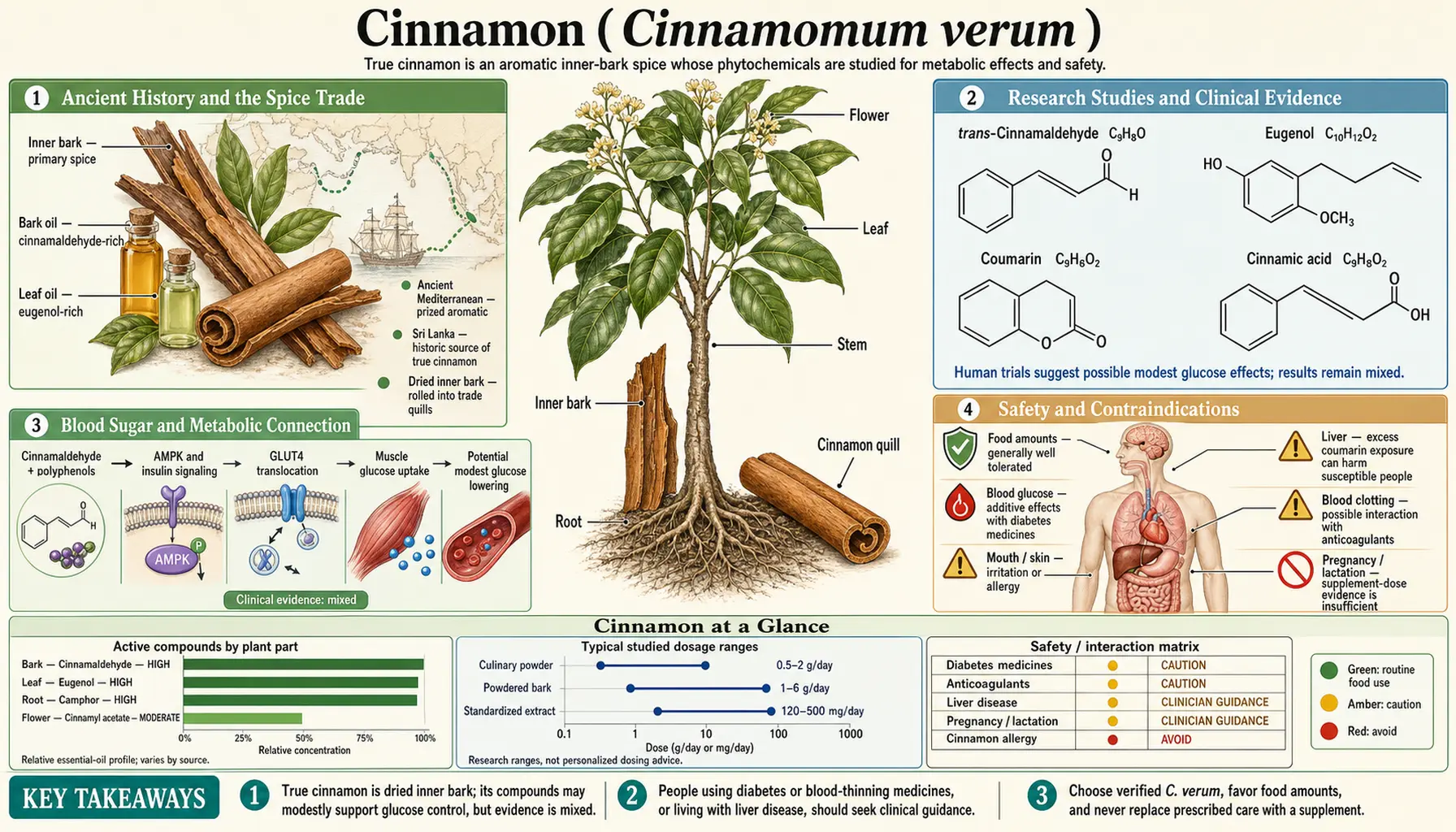
Cinnamon is one of the oldest traded spices in the world, prized in ancient Egypt for embalming, named in the holy anointing oil of the Hebrew Bible, and so costly in Rome that it rivaled silver by weight. Because the trees grew only in South and Southeast Asia, its true origin was guarded for centuries by deliberately invented myths — and the hunt to control its source eventually drew Portugal, the Dutch, and Britain into two hundred years of colonial conflict over the island of Ceylon (modern Sri Lanka). — the fuller story is told in the dedicated History & Traditional Use article.
Ceylon vs Cassia Cinnamon
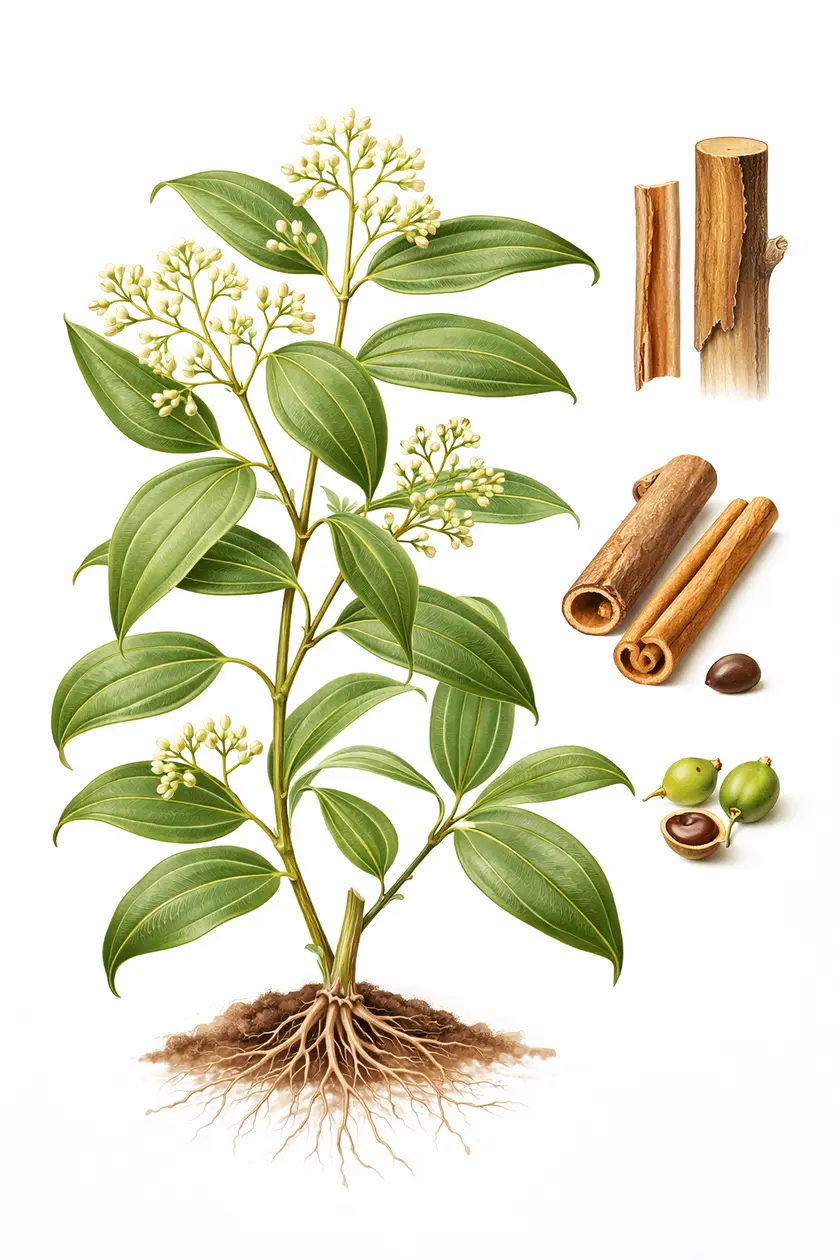
Two primary types of cinnamon dominate global commerce, and understanding their differences is essential for both health and safety. Ceylon cinnamon (Cinnamomum verum), also called "true cinnamon," is native to Sri Lanka and southern India. It has a delicate, subtly sweet flavor with complex citrus notes and a light tan color. Its bark is thin and papery, forming multiple layers that roll into a characteristic quill shape. Cassia cinnamon (Cinnamomum cassia), also known as Chinese cinnamon, is the more commonly sold variety worldwide, particularly in North America. It has a stronger, more pungent flavor with a darker reddish-brown color and a thicker, single-layered bark that curls into a solid scroll.
The most critical distinction between the two species concerns their coumarin content. Cassia cinnamon contains high concentrations of coumarin, ranging from 1 to 18 mg per gram, whereas Ceylon cinnamon contains only trace amounts, typically 0.004 mg per gram or less. Coumarin is a naturally occurring compound that is hepatotoxic in large doses and can cause liver damage with prolonged excessive consumption. The European Food Safety Authority has set a tolerable daily intake of 0.1 mg coumarin per kilogram of body weight, which means that even moderate daily use of cassia cinnamon can approach or exceed this threshold.
Regarding antibacterial properties, both varieties demonstrate significant antimicrobial activity, but research has revealed important differences. Studies published in the Journal of Agricultural and Food Chemistry have shown that while both species contain cinnamaldehyde as their primary bioactive compound, the concentration and ratio of secondary antibacterial compounds differ. Ceylon cinnamon tends to have higher proportions of eugenol and linalool, while cassia has a higher overall cinnamaldehyde concentration. Some comparative studies have found cassia to exhibit slightly stronger antibacterial effects against certain gram-negative bacteria, but Ceylon cinnamon is generally considered superior for long-term therapeutic use due to its safety profile and broader spectrum of bioactive constituents.
Key Antibacterial Compounds
The antibacterial activity of cinnamon arises from a synergistic complex of bioactive compounds, each contributing distinct mechanisms of microbial inhibition. The following are the primary antibacterial constituents:
- Cinnamaldehyde is the dominant bioactive compound in cinnamon, comprising 45 to 80 percent of cinnamon bark essential oil. This aromatic aldehyde is responsible for cinnamon's characteristic flavor and aroma, but more importantly, it is the most potent antibacterial agent in the spice. Cinnamaldehyde works by disrupting bacterial cell membranes, inhibiting cell division, and interfering with enzymatic processes critical for bacterial survival. Research has demonstrated that cinnamaldehyde exhibits broad-spectrum activity against both gram-positive and gram-negative bacteria, with minimum inhibitory concentrations (MICs) as low as 0.05 percent against some pathogenic strains.
- Eugenol constitutes approximately 5 to 18 percent of Ceylon cinnamon essential oil and is also found in significant quantities in clove and basil. Eugenol exerts antibacterial effects primarily through disruption of the bacterial cell membrane, causing leakage of intracellular contents including proteins and nucleic acids. It also inhibits the production of amylase and protease enzymes in bacteria, effectively starving cells of essential nutrients. Eugenol shows particular potency against gram-positive organisms and has been studied extensively for its activity against oral pathogens.
- Linalool is a monoterpene alcohol found in smaller concentrations in cinnamon essential oil, typically 1 to 5 percent. Despite its lower concentration, linalool makes a meaningful contribution to the overall antibacterial profile. It disrupts cell membrane integrity and has been shown to enhance the effects of other antibacterial compounds through synergistic interactions. Linalool is particularly effective against food-borne pathogens and has demonstrated activity against antibiotic-resistant bacterial strains.
- Cinnamate (cinnamic acid) is a phenylpropanoid compound present in both the bark and leaves of cinnamon. Cinnamic acid and its derivatives inhibit bacterial growth by interfering with amino acid biosynthesis, particularly through inhibition of the enzyme deaminase. It also disrupts bacterial quorum sensing, a communication system bacteria use to coordinate virulence. Cinnamic acid esters, including methyl cinnamate and ethyl cinnamate, have shown potent activity in studies against both planktonic bacteria and bacterial biofilms.
- Proanthocyanidins are oligomeric flavonoid compounds found in cinnamon bark that belong to the condensed tannin family. These polyphenolic compounds exhibit antibacterial activity through multiple pathways, including inhibition of bacterial adhesion to host tissues, chelation of metal ions essential for bacterial enzyme function, and direct disruption of bacterial cell walls. Type-A proanthocyanidins, which are particularly abundant in cinnamon, have been shown to prevent bacterial colonization by blocking surface adhesins. They also exhibit strong antioxidant activity that supports the immune system's own antibacterial defenses.
Mechanism of Antibacterial Action
Quorum Sensing Disruption: One of the most significant and recently characterized antibacterial mechanisms of cinnamon involves interference with bacterial quorum sensing (QS). Quorum sensing is a cell-to-cell communication system that allows bacteria to coordinate gene expression based on population density, enabling collective behaviors such as biofilm formation, toxin production, and virulence factor expression. Cinnamaldehyde and cinnamic acid have been shown to inhibit the synthesis and reception of acyl-homoserine lactones (AHLs), the signaling molecules used by many gram-negative bacteria for quorum sensing. By disrupting this communication, cinnamon compounds effectively prevent bacteria from organizing coordinated attacks on host tissues, even without directly killing the bacteria.
Membrane Damage: The lipophilic nature of cinnamaldehyde and eugenol allows them to insert into the phospholipid bilayer of bacterial cell membranes, causing structural disorganization, increased permeability, and loss of membrane potential. This disruption leads to leakage of critical intracellular components including potassium ions, ATP, and nucleic acids. Studies using electron microscopy have revealed that cinnamon essential oil causes visible deformation, blebbing, and lysis of bacterial cells. The membrane disruption mechanism is particularly significant because it is difficult for bacteria to develop resistance against it, unlike many conventional antibiotics that target specific molecular pathways.
ATPase Inhibition: Cinnamon compounds, particularly cinnamaldehyde, inhibit bacterial ATPase enzymes that are essential for cellular energy metabolism. By blocking both the F1 and F0 subunits of bacterial ATP synthase, cinnamon disrupts the proton motive force that bacteria require for ATP production, active transport, and motility. This energy depletion mechanism works synergistically with membrane damage, creating a compounding effect that rapidly compromises bacterial viability. Research published in Microbiology has demonstrated that cinnamaldehyde reduces intracellular ATP levels in Escherichia coli by more than 80 percent within 30 minutes of exposure.
Anti-Biofilm Activity: Bacterial biofilms are structured communities of bacteria enclosed in a self-produced matrix of extracellular polymeric substances (EPS), making them up to 1,000 times more resistant to antibiotics than their planktonic counterparts. Cinnamon compounds combat biofilms through multiple strategies: preventing initial bacterial adhesion to surfaces, inhibiting EPS production, disrupting mature biofilm architecture, and enhancing the penetration of other antimicrobial agents into the biofilm matrix. Sub-inhibitory concentrations of cinnamaldehyde have been shown to reduce biofilm formation by Staphylococcus aureus and Pseudomonas aeruginosa by 65 to 90 percent in vitro, making cinnamon a promising candidate for combating chronic biofilm-associated infections.
Bacteria Targeted
Cinnamon has demonstrated significant antibacterial activity against a wide range of pathogenic bacteria. The following are among the most well-studied targets:
- Escherichia coli is a gram-negative bacterium responsible for urinary tract infections, gastroenteritis, and in severe cases, hemolytic uremic syndrome. Cinnamon essential oil and cinnamaldehyde have shown potent inhibitory activity against multiple strains of E. coli, including the dangerous O157:H7 serotype. Studies have reported MIC values of 0.025 to 0.1 percent for cinnamon oil against E. coli, and cinnamaldehyde has been shown to reduce E. coli populations in contaminated food matrices by more than 5 log cycles within 24 hours.
- Listeria monocytogenes is a gram-positive intracellular pathogen that causes listeriosis, a particularly dangerous infection for pregnant women, newborns, the elderly, and immunocompromised individuals. Cinnamon compounds have shown exceptional activity against L. monocytogenes, with cinnamaldehyde vapor effectively inhibiting growth on contaminated surfaces. Research has demonstrated that cinnamon essential oil at concentrations as low as 0.04 percent can completely inhibit the growth of L. monocytogenes in laboratory media and food systems.
- Staphylococcus aureus, including methicillin-resistant strains (MRSA), is a major cause of skin infections, pneumonia, endocarditis, and sepsis. Cinnamon has been extensively studied for its anti-staphylococcal activity, with both the essential oil and aqueous extracts demonstrating significant inhibition. Cinnamaldehyde shows MIC values of 0.015 to 0.06 percent against S. aureus, and several studies have reported activity against MRSA strains that are resistant to conventional antibiotics, suggesting a mechanism of action distinct from beta-lactam drugs.
- Salmonella species, including S. typhimurium and S. enteritidis, are leading causes of foodborne illness worldwide. Cinnamon compounds effectively inhibit Salmonella growth and have been shown to reduce colonization in poultry and contamination on food-contact surfaces. Cinnamaldehyde added to poultry feed at 0.5 to 1 percent has demonstrated significant reduction of Salmonella shedding in commercial broiler operations.
- Helicobacter pylori is a gram-negative bacterium that colonizes the gastric mucosa and is the primary cause of peptic ulcers and a significant risk factor for gastric cancer. Cinnamon extracts have shown bactericidal activity against H. pylori in vitro, with MIC values ranging from 8 to 32 micrograms per milliliter. Cinnamaldehyde appears to act by disrupting the urease enzyme that H. pylori depends on for survival in the acidic stomach environment.
- Clostridium perfringens is an anaerobic gram-positive bacterium that produces potent toxins causing gas gangrene and a common type of food poisoning. Cinnamon essential oil and cinnamaldehyde have demonstrated strong inhibitory effects against C. perfringens, with particular efficacy in anaerobic food environments such as cured and vacuum-packed meats. Studies have shown that cinnamon can inhibit both vegetative cell growth and spore germination, making it valuable in preventing this heat-resistant pathogen from causing foodborne disease.
Research Studies and Clinical Evidence
A landmark study published in Food Chemistry (2017) systematically evaluated the antibacterial activity of cinnamon bark essential oil against 20 strains of foodborne pathogenic bacteria. Using broth microdilution assays and time-kill studies, the researchers demonstrated that cinnamon oil exhibited bactericidal activity against all tested strains at concentrations below 0.5 percent. The study found that cinnamaldehyde was the primary compound responsible for antibacterial activity, with MIC values ranging from 125 to 500 micrograms per milliliter depending on the bacterial species. Crucially, the study also demonstrated that cinnamon oil disrupted preformed biofilms of S. aureus and E. coli, reducing biofilm biomass by 70 to 85 percent at sub-MIC concentrations.
Research published in BMC Complementary Medicine and Therapies (2020) investigated the clinical potential of cinnamon as an adjunct antibacterial therapy. In a randomized controlled trial involving 60 patients with H. pylori infection, those who received cinnamon extract (500 mg twice daily) alongside standard triple therapy showed significantly higher eradication rates compared to the control group receiving standard therapy alone. The study reported an eradication rate of 83 percent in the cinnamon-supplemented group versus 67 percent in the control group. Additionally, the cinnamon group experienced fewer gastrointestinal side effects, suggesting that cinnamon may help protect the gut microbiome during antibiotic treatment.
A comprehensive study in the International Journal of Food Microbiology (2019) examined the use of cinnamon essential oil as a natural preservative in ready-to-eat foods. The researchers tested cinnamon oil incorporated into edible coatings applied to fresh-cut fruits and deli meats. Results showed that coatings containing 1 to 2 percent cinnamon oil reduced populations of L. monocytogenes, Salmonella, and E. coli O157:H7 by 2 to 4 log cycles over a 14-day storage period at refrigeration temperature. The treated products also showed significantly delayed microbial spoilage and extended shelf life by 5 to 8 days compared to uncoated controls, without negatively affecting sensory qualities when cinnamon oil was used at concentrations below 1.5 percent.
Quorum Sensing Disruption Research
Quorum sensing (QS) disruption represents one of the most promising and unique antibacterial mechanisms attributed to cinnamon. Unlike conventional antibiotics that aim to kill bacteria directly and thereby exert strong selective pressure for resistance, QS inhibitors work by "silencing" bacterial communication, preventing pathogenic bacteria from coordinating virulence without necessarily killing them. This approach, often termed "anti-pathogenic" rather than "antibacterial," is believed to exert less evolutionary pressure for resistance development, making it a potentially sustainable long-term strategy against infectious disease.
Research published in Scientific Reports (2018) demonstrated that trans-cinnamaldehyde specifically interferes with the LuxI/LuxR quorum sensing system in gram-negative bacteria. The study showed that cinnamaldehyde at sub-inhibitory concentrations reduced the production of QS-regulated virulence factors in Pseudomonas aeruginosa, including pyocyanin (reduced by 73 percent), elastase (reduced by 58 percent), and rhamnolipid biosurfactant (reduced by 64 percent). These virulence factors are critical for tissue invasion, immune evasion, and biofilm maturation. By attenuating virulence without killing the bacteria, cinnamaldehyde effectively disarms pathogens, allowing the host immune system to clear the infection more efficiently.
Further studies have revealed that cinnamic acid derivatives can inhibit the AI-2 (autoinducer-2) quorum sensing pathway, which is a universal interspecies communication system used by both gram-positive and gram-negative bacteria. Research in Applied and Environmental Microbiology showed that cinnamon-derived compounds reduced AI-2 activity in mixed-species biofilms by up to 80 percent, disrupting the cooperative behaviors that make polymicrobial infections particularly difficult to treat. This broad-spectrum QS inhibition distinguishes cinnamon from many other natural antimicrobials and has prompted researchers to investigate cinnamaldehyde analogs as a new class of anti-infective agents that could complement or reduce the use of conventional antibiotics.
Food Preservation and Safety
The use of cinnamon as a natural food preservative has gained significant attention as consumers increasingly demand clean-label products free from synthetic chemical additives. Cinnamon's dual function as both a flavoring and antimicrobial agent makes it particularly attractive for the food industry. Research has demonstrated that cinnamon essential oil, when incorporated into food products at concentrations of 0.05 to 2 percent, can effectively inhibit the growth of common foodborne pathogens including Salmonella typhimurium, E. coli O157:H7, L. monocytogenes, and S. aureus. The antimicrobial efficacy varies with the food matrix, with higher fat content generally reducing effectiveness due to the lipophilic nature of cinnamaldehyde partitioning into the fat phase.
Antimicrobial food packaging incorporating cinnamon compounds represents an innovative application that has moved from laboratory research toward commercial implementation. Active packaging systems using cinnamon essential oil embedded in biodegradable polymer films (such as polylactic acid, chitosan, or starch-based materials) provide a controlled release of antimicrobial vapors that inhibit microbial growth on food surfaces without direct contact. Studies published in Food Packaging and Shelf Life have shown that these packaging systems can extend the shelf life of fresh produce by 40 to 60 percent while reducing total microbial counts by 2 to 3 log cycles. The volatile nature of cinnamaldehyde is advantageous in vapor-phase applications, as it can reach bacteria in crevices and surface irregularities that liquid sanitizers may miss.
In practical food safety applications, cinnamon has been studied as a natural intervention in meat processing, dairy production, and fresh produce handling. Cinnamon-based wash solutions have reduced Salmonella contamination on poultry carcasses by 1 to 2 log cycles in processing trials. In dairy products, the addition of cinnamon extract at 0.1 percent has been shown to inhibit the growth of L. monocytogenes in soft cheeses during ripening and storage. These findings support the integration of cinnamon-based antimicrobial strategies into hazard analysis and critical control point (HACCP) programs as complementary hurdle technologies that enhance food safety without compromising product quality.
Oral Health Applications
The oral cavity harbors more than 700 species of bacteria, many of which contribute to dental caries, periodontal disease, and halitosis. Cinnamon has emerged as a promising natural agent for oral health, with demonstrated activity against key oral pathogens. Streptococcus mutans, the primary bacterium responsible for tooth decay, is particularly susceptible to cinnamon compounds. Studies published in the Journal of Clinical and Diagnostic Research have shown that cinnamon essential oil inhibits S. mutans at MIC values of 0.02 to 0.06 percent, and more importantly, suppresses the production of glucosyltransferase enzymes that S. mutans uses to produce the sticky glucan matrix of dental plaque. By inhibiting plaque formation at the molecular level, cinnamon addresses the root cause of caries rather than merely reducing bacterial numbers.
Cinnamon's effectiveness against the bacteria that cause bad breath (halitosis) is attributed to its activity against volatile sulfur compound (VSC)-producing organisms, particularly Porphyromonas gingivalis, Fusobacterium nucleatum, and Prevotella intermedia. These anaerobic bacteria metabolize sulfur-containing amino acids in the oral cavity to produce hydrogen sulfide and methyl mercaptan, the primary compounds responsible for oral malodor. Cinnamaldehyde not only inhibits the growth of these organisms but also directly reduces VSC production by interfering with the bacterial cysteine desulfhydrase enzyme. Clinical studies comparing cinnamon-based mouthwashes to chlorhexidine have found comparable short-term reductions in oral bacterial counts, with the advantage that cinnamon does not cause the tooth staining associated with prolonged chlorhexidine use.
In periodontal disease, cinnamon compounds have shown promise in combating the complex polymicrobial biofilms that form in subgingival pockets. Research in the Archives of Oral Biology demonstrated that cinnamon bark extract at concentrations of 0.5 to 2 percent disrupted mature subgingival biofilms and reduced the expression of inflammatory cytokines (IL-6, IL-8, TNF-alpha) in gingival epithelial cells exposed to periodontal pathogens. This dual antimicrobial and anti-inflammatory activity makes cinnamon a particularly attractive ingredient for therapeutic toothpastes and mouthwashes targeting periodontal disease.
Gastrointestinal Antibacterial Uses
The gastrointestinal tract is the primary site where cinnamon's antibacterial properties interact with both pathogenic and commensal microorganisms. Perhaps the most clinically significant GI application involves Helicobacter pylori, which infects approximately half of the world's population and is the leading cause of gastric and duodenal ulcers. In vitro studies have consistently demonstrated that cinnamon extracts, particularly cinnamaldehyde and proanthocyanidins, inhibit H. pylori growth, urease activity, and adhesion to gastric epithelial cells. A study in Phytotherapy Research showed that cinnamon bark extract reduced H. pylori colony counts by 75 percent in a gastric cell culture model, while simultaneously reducing the bacterial-induced inflammatory response. While cinnamon alone is insufficient for H. pylori eradication, these findings support its use as an adjunct therapy alongside conventional proton pump inhibitor and antibiotic regimens.
Gut dysbiosis, an imbalance between beneficial and harmful bacteria in the intestinal microbiome, has been linked to conditions ranging from irritable bowel syndrome to metabolic disease. Cinnamon's selective antibacterial activity offers a potential advantage over broad-spectrum antibiotics in addressing dysbiosis. Research published in Nutrients (2020) demonstrated that cinnamaldehyde preferentially inhibited pathogenic bacteria such as Clostridium difficile and adherent-invasive E. coli while showing minimal effects on beneficial species including Lactobacillus and Bifidobacterium. This selective action may be partly explained by differences in membrane composition between pathogenic and commensal bacteria, with cinnamon compounds showing greater affinity for the lipopolysaccharide-rich outer membranes of gram-negative pathogens.
Cinnamon has also been studied for its activity against intestinal pathogens that cause acute diarrheal disease. Research has shown effectiveness against enterotoxigenic E. coli (ETEC), Vibrio cholerae, Shigella species, and Campylobacter jejuni. In animal models, oral administration of cinnamon extract at 200 mg per kilogram body weight significantly reduced the severity and duration of experimentally induced bacterial gastroenteritis. These findings support the traditional use of cinnamon in folk medicine throughout Asia and the Middle East for the treatment of gastrointestinal infections, and they provide a rationale for further clinical investigation.
Blood Sugar and Metabolic Connection
While blood sugar regulation may not seem directly related to antibacterial activity, emerging research has revealed a significant connection between glucose metabolism and immune-mediated bacterial defense. Chronic hyperglycemia impairs multiple components of the innate immune system, including neutrophil chemotaxis, phagocytosis, and oxidative burst activity, which are the body's frontline defenses against bacterial infection. Studies published in Diabetes Care have shown that individuals with poorly controlled blood sugar levels experience bacterial infections at two to four times the rate of those with normal glucose homeostasis. By helping to regulate blood glucose levels, cinnamon may indirectly enhance the body's natural antibacterial defenses.
Cinnamon's hypoglycemic effects are well-documented. A meta-analysis in the Journal of Medicinal Food analyzing 10 randomized controlled trials found that cinnamon supplementation (1 to 6 grams daily) significantly reduced fasting blood glucose levels by an average of 24 mg/dL and improved insulin sensitivity as measured by the HOMA-IR index. The mechanism involves cinnamon polyphenols, particularly type-A proanthocyanidins, which activate insulin receptor kinase, enhance glucose transporter (GLUT4) translocation to the cell membrane, and inhibit intestinal alpha-glucosidase enzymes that break down complex carbohydrates.
The metabolic-immune connection extends further through cinnamon's effects on advanced glycation end products (AGEs). Hyperglycemia promotes the formation of AGEs, which bind to RAGE receptors on immune cells, triggering a cascade of inflammatory signaling that paradoxically impairs antimicrobial function while promoting tissue-damaging chronic inflammation. Cinnamon compounds have been shown to inhibit AGE formation by trapping reactive dicarbonyl intermediates such as methylglyoxal. By reducing AGE burden, cinnamon may help restore normal immune cell function, including the macrophage and neutrophil antibacterial activity that is compromised in metabolic syndrome and diabetes. This dual role as both a direct antibacterial agent and an indirect immune support compound makes cinnamon particularly valuable for metabolically compromised individuals who face elevated infection risk.
Synergistic Effects
Cinnamon and Clove: The combination of cinnamon (Cinnamomum verum) and clove (Syzygium aromaticum) represents one of the most potent natural antibacterial partnerships studied. Clove's primary active compound, eugenol, complements cinnamon's cinnamaldehyde through complementary mechanisms of membrane disruption. Research published in the Journal of Applied Microbiology demonstrated that combining cinnamon and clove essential oils at a 1:1 ratio produced synergistic effects against S. aureus, E. coli, and L. monocytogenes, with fractional inhibitory concentration (FIC) indices below 0.5 for all three organisms. This synergy allows effective antibacterial activity at concentrations 4 to 8 times lower than either oil used alone, reducing sensory impact and potential toxicity when used in food preservation or therapeutic applications.
Cinnamon and Oregano: Oregano essential oil, rich in carvacrol and thymol, combines with cinnamon to create a broad-spectrum antibacterial formulation that is particularly effective against gram-negative bacteria. A study in Food Control found that cinnamon-oregano combinations exhibited synergistic activity against Salmonella enterica and Campylobacter jejuni, with MIC reductions of 50 to 75 percent compared to individual oils. The proposed mechanism involves carvacrol's ability to destabilize the outer membrane of gram-negative bacteria, facilitating the penetration of cinnamaldehyde to the inner cytoplasmic membrane. This sequential membrane disruption strategy mirrors the approach used in some conventional antibiotic combinations.
Cinnamon and Garlic: Garlic's allicin compound, which acts primarily through thiol-disulfide exchange reactions with bacterial enzymes, works through a mechanism entirely different from cinnamon's membrane-targeting approach. Research in Phytomedicine demonstrated that cinnamon-garlic combinations exhibited additive to synergistic effects against antibiotic-resistant bacteria, including MRSA and vancomycin-resistant Enterococci (VRE). The combination showed FIC indices of 0.25 to 0.50 against these resistant strains, suggesting true synergy. The multi-target approach of this combination, simultaneously disrupting membranes, inhibiting enzymes, and interfering with quorum sensing, makes resistance development extremely unlikely, positioning these natural combinations as potential adjuncts to conventional antibiotic therapy in the era of growing antimicrobial resistance.
Other Health Benefits
Antifungal Activity: Cinnamon exhibits potent antifungal properties against a range of pathogenic fungi, including Candida albicans, Aspergillus niger, and dermatophytes responsible for skin and nail infections. Cinnamaldehyde disrupts fungal cell membranes and inhibits ergosterol biosynthesis, a mechanism similar to azole antifungal drugs. Studies have shown that cinnamon oil is effective against fluconazole-resistant Candida strains, suggesting it may serve as an alternative or adjunct in treating resistant fungal infections. Cinnamon essential oil vapor has also demonstrated efficacy in controlling post-harvest fungal decay of fruits and vegetables.
Antioxidant Properties: Cinnamon ranks among the highest antioxidant-capacity foods, with an ORAC (Oxygen Radical Absorbance Capacity) value exceeding 130,000 micromoles of Trolox equivalents per 100 grams. The polyphenolic compounds in cinnamon, particularly proanthocyanidins and catechins, scavenge free radicals, chelate pro-oxidant metal ions, and upregulate endogenous antioxidant enzymes including superoxide dismutase, catalase, and glutathione peroxidase. This antioxidant activity indirectly supports antibacterial defense by protecting immune cells from oxidative damage during the respiratory burst used to kill engulfed bacteria.
Anti-Inflammatory Effects: Cinnamaldehyde and cinnamic acid inhibit the NF-kB inflammatory signaling pathway, reducing the production of pro-inflammatory cytokines (TNF-alpha, IL-1beta, IL-6) and inflammatory mediators (nitric oxide, prostaglandin E2). This anti-inflammatory activity complements the antibacterial effects by modulating the host inflammatory response to infection, potentially reducing tissue damage caused by excessive inflammation while maintaining effective antimicrobial defense. Animal studies have shown that cinnamon extract reduces inflammatory markers comparable to non-steroidal anti-inflammatory drugs at therapeutic doses.
Neuroprotective Effects: Emerging research suggests that cinnamon compounds, particularly sodium benzoate (a metabolite of cinnamaldehyde), may exert neuroprotective effects relevant to neurodegenerative diseases. Studies in animal models of Alzheimer's and Parkinson's disease have shown that oral cinnamon supplementation reduced amyloid-beta plaque formation, inhibited tau protein aggregation, and improved dopaminergic neurotransmission. While these findings are preliminary, they add to the growing body of evidence supporting cinnamon as a multi-functional therapeutic agent with benefits extending well beyond its antimicrobial activity.
Forms and Preparations
- Cinnamon Sticks (Quills): Whole bark quills are the least processed form and retain the full spectrum of volatile and non-volatile bioactive compounds. Ceylon cinnamon quills are characterized by thin, multi-layered rolls with a delicate texture, while cassia sticks are thick and single-layered. Sticks are best used for infusions, slow-cooked dishes, and teas, where prolonged steeping allows gradual extraction of cinnamaldehyde and polyphenols. Store in airtight containers away from light and heat; whole sticks retain potency for up to 3 to 4 years.
- Ground Powder: Powdered cinnamon provides the highest bioavailability for oral consumption, as the increased surface area allows rapid dissolution and absorption of active compounds. However, ground cinnamon loses volatile cinnamaldehyde relatively quickly, with studies showing a 30 to 50 percent reduction in essential oil content within 6 months of grinding. For maximum antibacterial benefit, grind whole sticks immediately before use or purchase small quantities of freshly ground powder. Ground cinnamon can be added directly to foods, beverages, or mixed with honey for therapeutic use.
- Essential Oil: Cinnamon bark essential oil is the most concentrated form, containing 45 to 80 percent cinnamaldehyde by weight. It is obtained through steam distillation of the bark and must always be diluted before topical application (typically 0.5 to 2 percent in a carrier oil) due to its potential to cause skin irritation and sensitization. Cinnamon leaf oil, which is richer in eugenol, is a less expensive alternative that is milder on the skin. For internal use, food-grade essential oil should be used only under professional guidance, typically at doses of 1 to 3 drops diluted in a carrier.
- Tincture: Cinnamon tinctures are hydroalcoholic extracts that capture both water-soluble polyphenols and alcohol-soluble terpenoids and essential oil components. They offer a convenient standardized dosage form with a long shelf life (2 to 5 years). Tinctures are typically prepared at a 1:5 ratio (herb to solvent) using 45 to 60 percent ethanol. The usual therapeutic dose is 2 to 4 milliliters taken two to three times daily, diluted in water or juice.
- Capsules: Standardized cinnamon bark extract capsules provide consistent dosing and are the most commonly studied form in clinical trials. Look for products standardized to cinnamaldehyde content (typically 2 to 8 percent) or total polyphenol content. Capsules bypass the taste and potential oral mucosal irritation associated with direct cinnamon consumption and provide controlled release in the gastrointestinal tract. Common clinical doses range from 250 to 1000 mg of standardized extract, taken two to three times daily.
- Cinnamon Tea: Prepared by steeping one cinnamon stick or one teaspoon of ground cinnamon in 8 ounces of boiling water for 10 to 15 minutes. Cinnamon tea provides a gentle extraction of water-soluble polyphenols and a modest amount of cinnamaldehyde released as vapor during steeping. It is the mildest preparation and is suitable for daily consumption. Adding a lid during steeping captures volatile compounds that would otherwise evaporate. Cinnamon tea can be combined with honey, ginger, or lemon for enhanced flavor and complementary health benefits.
Recommended Dosage
Ground Cinnamon Powder: The most commonly studied and recommended dosage range for ground cinnamon is 1 to 6 grams daily (approximately one-half to two teaspoons), divided into two or three doses taken with meals. For general health maintenance and mild antibacterial support, 1 to 2 grams daily is typically sufficient. For therapeutic purposes such as blood sugar regulation or targeted antibacterial effects, doses of 3 to 6 grams daily have been used in clinical trials. It is advisable to start at the lower end and gradually increase while monitoring for tolerance. When using cassia cinnamon, daily intake should be limited to 1 to 2 grams to avoid excessive coumarin exposure.
Essential Oil Dilution: For topical antibacterial applications, cinnamon bark essential oil should be diluted to 0.5 to 2 percent concentration in a carrier oil such as coconut, jojoba, or almond oil. This corresponds to approximately 3 to 12 drops of essential oil per ounce (30 ml) of carrier. Perform a patch test on a small area of skin before widespread application, as cinnamon oil can cause contact dermatitis in sensitive individuals. For use in mouthwashes or oral rinses, a concentration of 0.05 to 0.1 percent in water or saline is generally well tolerated. Do not apply undiluted cinnamon essential oil to the skin or mucous membranes.
Tea Preparation: For cinnamon tea, use one cinnamon stick (approximately 3 grams) or one teaspoon of ground cinnamon per cup (240 ml) of boiling water. Steep covered for 10 to 15 minutes to maximize extraction of bioactive compounds. One to three cups daily is a reasonable therapeutic dose. For enhanced antibacterial effects, consider combining cinnamon with complementary antimicrobial herbs such as ginger, turmeric, or clove. Cinnamon tea can be consumed hot or cold and may be sweetened with raw honey, which itself possesses antibacterial properties and may provide synergistic benefits.
Safety and Contraindications
Coumarin Hepatotoxicity: The most significant safety concern with cinnamon consumption relates to coumarin, a naturally occurring benzopyrone found in high concentrations in cassia cinnamon (C. cassia) but only in trace amounts in Ceylon cinnamon (C. verum). Coumarin is metabolized in the liver by cytochrome P450 enzymes, and excessive intake can cause dose-dependent hepatotoxicity characterized by elevated liver enzymes, cholestatic hepatitis, and in severe cases, liver failure. The German Federal Institute for Risk Assessment (BfR) and the European Food Safety Authority (EFSA) have established a tolerable daily intake (TDI) of 0.1 mg coumarin per kilogram of body weight. For a 70 kg adult, this equates to approximately 7 mg of coumarin per day, which can be exceeded by consuming as little as 2 grams of cassia cinnamon. Individuals planning to consume cinnamon regularly at therapeutic doses should strongly consider using Ceylon cinnamon to avoid coumarin-related risks.
Pregnancy and Lactation: Cinnamon in culinary amounts is generally considered safe during pregnancy and lactation. However, therapeutic doses (especially of cinnamon essential oil or concentrated extracts) should be avoided during pregnancy due to the potential for uterine stimulation. Cinnamaldehyde has demonstrated uterotonic effects in animal studies, meaning it may increase uterine contractions, raising the theoretical risk of premature labor or miscarriage at high doses. Pregnant women should limit cinnamon intake to normal food quantities (less than 1 gram daily) and avoid cinnamon essential oil entirely. During lactation, small culinary amounts are unlikely to affect the nursing infant, but therapeutic doses have not been adequately studied for safety.
Drug Interactions: Cinnamon may interact with several classes of medications. Due to its blood sugar-lowering effects, concurrent use with diabetes medications (metformin, sulfonylureas, insulin) may increase the risk of hypoglycemia and requires careful blood glucose monitoring and possible dose adjustment. Cinnamon's coumarin content (particularly from cassia varieties) may potentiate the effects of anticoagulant and antiplatelet drugs such as warfarin, heparin, aspirin, and clopidogrel, increasing the risk of bleeding. Patients taking these medications should consult their healthcare provider before using cinnamon supplements and should preferentially use Ceylon cinnamon. Additionally, cinnamon may interact with hepatotoxic drugs, antibiotics (through additive effects), and drugs metabolized by cytochrome P450 enzymes. Cinnamon supplementation should be discontinued at least two weeks before scheduled surgery due to its potential anticoagulant effects.
Key Research Papers and References
- Rao, P.V. and Gan, S.H. "Cinnamon: A Multifaceted Medicinal Plant." Evidence-Based Complementary and Alternative Medicine, 2014, Article ID 642942.
- Vasconcelos, N.G., Croda, J., and Simionatto, S. "Antibacterial mechanisms of cinnamon and its constituents: A review." Microbial Pathogenesis, 2018, 120: 198-203.
- Nabavi, S.F., Di Lorenzo, A., Izadi, M., et al. "Antibacterial Effects of Cinnamon: From Farm to Food, Cosmetic and Pharmaceutical Industries." Nutrients, 2015, 7(9): 7729-7748.
- Doyle, A.A. and Stephens, J.C. "A review of cinnamaldehyde and its derivatives as antibacterial agents." Fitoterapia, 2019, 139: 104405.
- Shreaz, S., Wani, W.A., Bhat, J.M., et al. "Cinnamaldehyde and its derivatives, a novel class of antifungal agents." Fitoterapia, 2016, 112: 116-131.
- Wondrak, G.T., Villeneuve, N.F., Lamore, S.D., et al. "The Cinnamon-Derived Dietary Factor Cinnamic Aldehyde Activates the Nrf2-Dependent Antioxidant Response in Human Epithelial Colon Cells." Molecules, 2010, 15(5): 3338-3355.
- Khan, A., Safdar, M., Ali Khan, M.M., et al. "Cinnamon Improves Glucose and Lipids of People with Type 2 Diabetes." Diabetes Care, 2003, 26(12): 3215-3218.
- Brackman, G., Defoirdt, T., Miyamoto, C., et al. "Cinnamaldehyde and cinnamaldehyde derivatives reduce virulence in Vibrio spp. by decreasing the DNA-binding activity of the quorum sensing response regulator LuxR." BMC Microbiology, 2008, 8: 149.
- Firmino, D.F., Cavalcante, T.T., Gomes, G.A., et al. "Antibacterial and Antibiofilm Activities of Cinnamomum Sp. Essential Oil and Cinnamaldehyde: Antimicrobial Activities." The Scientific World Journal, 2018, Article ID 7405736.
- Gupta, C., Garg, A.P., Uniyal, R.C., and Kumari, A. "Comparative analysis of the antimicrobial activity of cinnamon oil and cinnamon extract on some food-borne microbes." African Journal of Microbiology Research, 2008, 2: 247-251.
- Ribeiro-Santos, R., Andrade, M., Melo, N.R., and Sanches-Silva, A. "Use of essential oils in active food packaging: Recent advances and future trends." Trends in Food Science and Technology, 2017, 61: 132-140.
- Ranasinghe, P., Pigera, S., Premakumara, G.S., et al. "Medicinal properties of 'true' cinnamon (Cinnamomum zeylanicum): a systematic review." BMC Complementary and Alternative Medicine, 2013, 13: 275.
Research Papers
The following PubMed topic searches aggregate the peer-reviewed literature underpinning the claims above. Each link opens a live PubMed query so the result set stays current as new research is published.
- PubMed — blood glucose and diabetes randomized trial
- PubMed — insulin sensitivity
- PubMed — cholesterol and lipid profile
- PubMed — cinnamaldehyde antimicrobial
- PubMed — anti-inflammatory
- PubMed — Ceylon vs cassia coumarin hepatotoxicity
- PubMed — polyphenol antioxidant
- PubMed — polycystic ovary syndrome
- PubMed — neurodegenerative and Alzheimer
- PubMed — systematic review and meta-analysis
- PubMed — blood pressure and hypertension
Connections
- All Herbs
- Blood Sugar & Insulin — interactive animation
- Cinnamon Benefits Deep Dive
- Blood Sugar Control
- Clove
- Ginger
- Turmeric
- Hypertension
- Type 2 Diabetes
- Chromium
- Magnesium
- Fenugreek
- Diabetes
- Oregano
- Garlic
- Honey
- Metabolic Syndrome
- Inflammatory Markers
- Fasting
- Irritable Bowel Syndrome
- Anti Inflammatory Diet