Spinach - Health Benefits of a Nutritional Powerhouse
Introduction and History
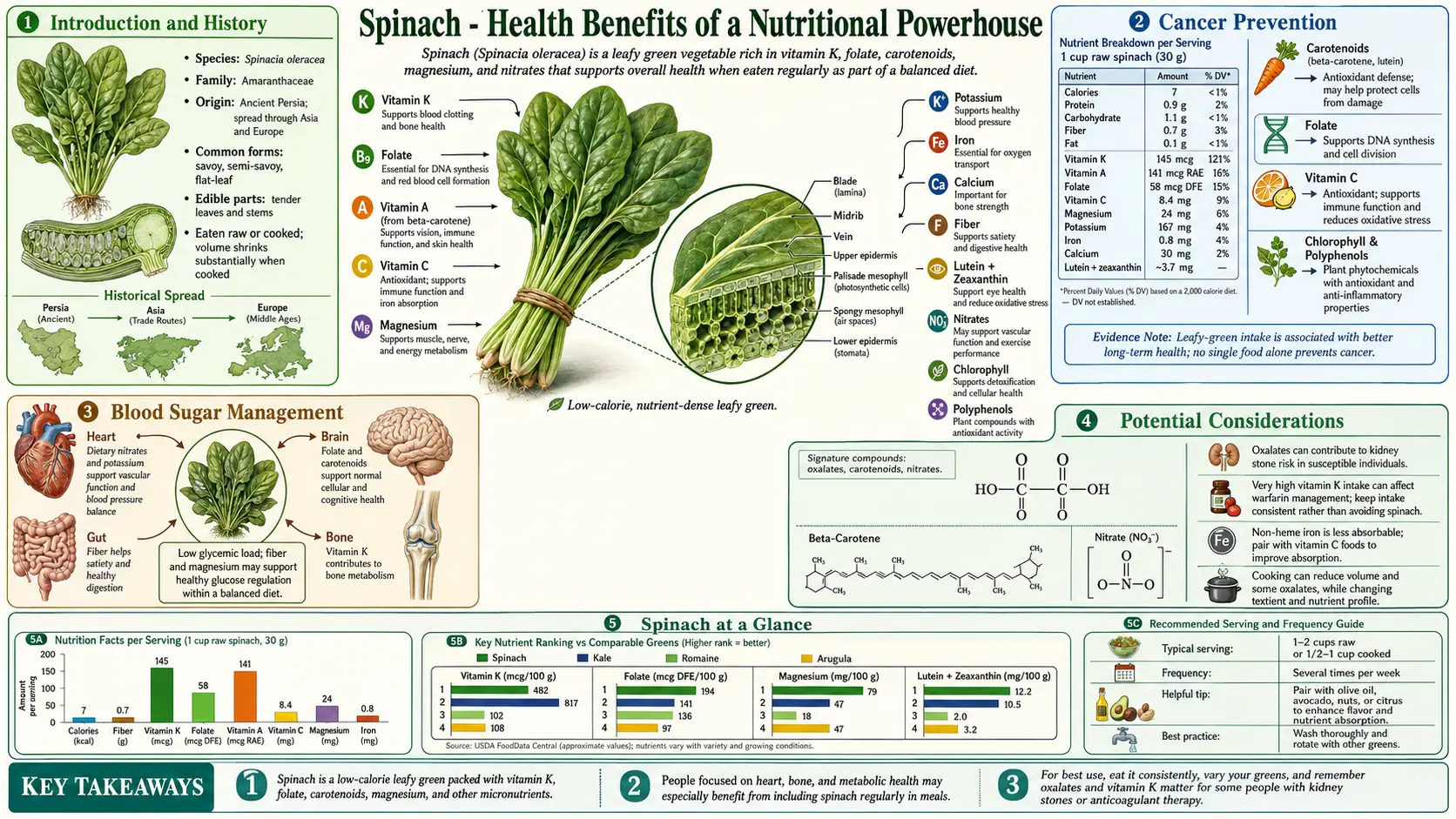
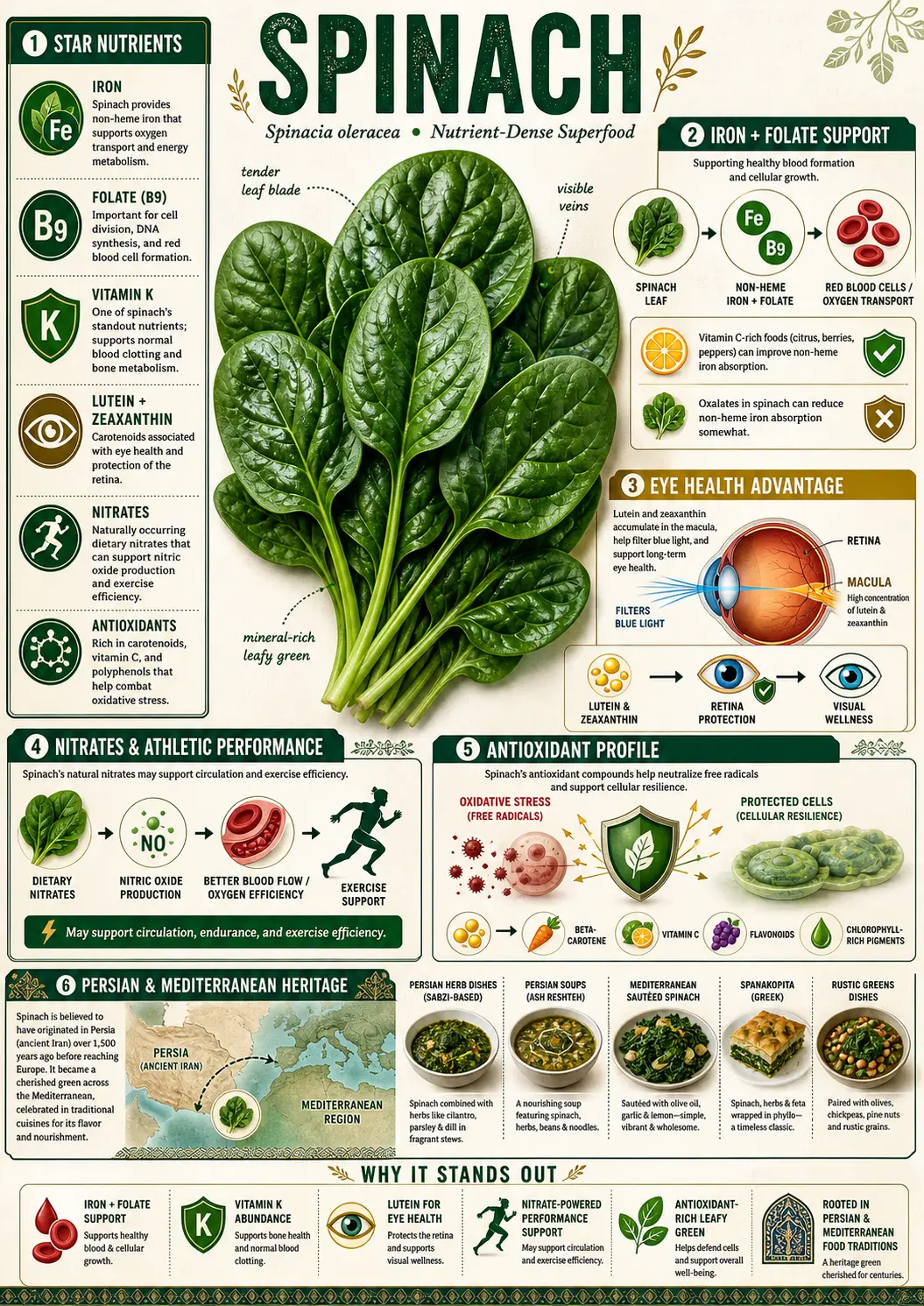
Spinach (Spinacia oleracea) is a leafy green flowering plant that belongs to the Amaranthaceae family. Originating in ancient Persia (modern-day Iran), spinach was cultivated as early as the 4th century AD and was prized for its tender leaves and robust nutritional value. Arab traders carried the plant eastward to India and China, where it was called the "Persian vegetable," and by the 7th century it had become a staple crop across the Middle East and Central Asia.
Spinach arrived in Europe through the Moorish conquest of the Iberian Peninsula around the 11th century. It quickly gained favor in medieval monasteries and royal kitchens alike, with Catherine de' Medici reportedly so fond of the vegetable that dishes served on a bed of spinach are still referred to as "Florentine" in her honor. By the 16th and 17th centuries, spinach had spread across the European continent and was transported to the Americas by early colonists.
In the 20th century, spinach became a cultural icon largely thanks to the cartoon character Popeye the Sailor Man, who debuted in 1929. Popeye's habit of consuming cans of spinach for instant superhuman strength helped boost spinach consumption in the United States by roughly one-third during the 1930s. While the idea that spinach contained extraordinary amounts of iron was partly based on a misplaced decimal point in a 19th-century study, the vegetable nonetheless remains one of the most nutrient-dense foods available.
Today, spinach is cultivated on every inhabited continent. China is by far the world's largest producer, accounting for over 90 percent of global output, followed by the United States, Japan, Turkey, and Indonesia. Spinach thrives in temperate climates and can be grown year-round in many regions, making it one of the most accessible superfoods on the planet. It is consumed fresh in salads, sauteed as a side dish, blended into smoothies, and incorporated into countless recipes worldwide.
Modern nutritional science has validated many of the traditional beliefs about spinach's health-promoting properties. Rich in vitamins, minerals, antioxidants, and phytochemicals, spinach offers a remarkable array of benefits that span virtually every organ system. The following sections explore these benefits in detail, drawing on decades of research and clinical evidence.
Interactive Visualization Nitric Oxide — make an artery relax Watch the endothelium turn L-arginine into nitric oxide and widen the artery — then let oxidative stress uncouple eNOS and stiffen it, or pour in beet nitrate to rescue the flow. Launch →Table of Contents
- Introduction and History
- Nutritional Profile
- Eye Health
- Bone Health
- Heart Health
- Cancer Prevention
- Blood Pressure and Nitric Oxide
- Anti-Inflammatory Properties
- Iron and Anemia Prevention
- Brain Health and Cognitive Function
- Blood Sugar Management
- Immune System Support
- Skin and Hair Health
- Pregnancy Nutrition
- Raw vs. Cooked Spinach
- Potential Considerations
- Scientific References
- Research Papers
- Connections
- Featured Videos
Nutritional Profile
Spinach is widely regarded as one of the most nutrient-dense foods in the human diet. A single 100-gram serving of raw spinach provides only 23 calories yet delivers a staggering array of essential vitamins and minerals. This exceptional nutrient-to-calorie ratio makes spinach an ideal food for individuals seeking to maximize nutritional intake without excessive caloric consumption.
One cup (approximately 30 grams) of raw spinach provides roughly 181 percent of the daily value (DV) for vitamin K, 56 percent of the DV for vitamin A (as beta-carotene and other carotenoids), and 14 percent of the DV for vitamin C. Spinach is also an excellent source of folate (vitamin B9), supplying about 15 percent of the DV per raw cup. Folate plays a critical role in DNA synthesis, cell division, and the prevention of neural tube defects during pregnancy.
The mineral content of spinach is equally impressive. A 100-gram serving provides approximately 2.7 milligrams of iron (15 percent DV), 79 milligrams of magnesium (19 percent DV), and 0.9 milligrams of manganese (43 percent DV). Spinach also contains meaningful amounts of potassium (558 mg per 100 g), calcium (99 mg), and phosphorus (49 mg). These minerals support a wide range of physiological functions, from oxygen transport and energy metabolism to bone mineralization and nerve signaling.
Beyond vitamins and minerals, spinach is rich in bioactive compounds including lutein, zeaxanthin, kaempferol, quercetin, and various chlorophyll derivatives. It provides approximately 2.9 grams of protein per 100 grams, which is notably high for a leafy green, along with 2.2 grams of dietary fiber. Spinach also contains small but meaningful amounts of omega-3 fatty acids in the form of alpha-linolenic acid (ALA).
When cooked, spinach becomes even more concentrated in certain nutrients. Because cooking reduces the water content and volume significantly, a half-cup serving of cooked spinach delivers substantially more iron, calcium, magnesium, and beta-carotene than the same volume of raw spinach. However, some water-soluble vitamins such as vitamin C and certain B vitamins may be partially lost during the cooking process, a topic explored in greater detail in the Raw vs. Cooked section below.
Eye Health
Spinach is one of the richest dietary sources of the carotenoid pigments lutein and zeaxanthin, which accumulate preferentially in the macula of the human eye. The macula is the central region of the retina responsible for sharp, detailed central vision. Lutein and zeaxanthin act as a natural blue-light filter and potent antioxidant shield within the macular tissue, protecting the delicate photoreceptor cells from oxidative damage caused by ultraviolet and high-energy visible light.
Age-related macular degeneration (AMD) is the leading cause of irreversible vision loss in adults over 50 in developed countries. Multiple large-scale epidemiological studies, including the landmark Age-Related Eye Disease Study 2 (AREDS2), have demonstrated that higher dietary intake of lutein and zeaxanthin is associated with a significantly reduced risk of developing advanced AMD. A single 100-gram serving of raw spinach provides approximately 12.2 milligrams of lutein and zeaxanthin combined, far exceeding the 6-10 milligram daily intake recommended by eye health researchers.
Beyond macular degeneration, research suggests that lutein and zeaxanthin from spinach may also protect against cataract formation. Cataracts, the clouding of the eye's natural lens, are the most common cause of blindness worldwide. A meta-analysis published in the British Journal of Nutrition found that individuals with the highest dietary intake of lutein and zeaxanthin had a 26 percent lower risk of nuclear cataracts compared to those with the lowest intake. The antioxidant properties of these carotenoids are believed to neutralize reactive oxygen species that contribute to lens protein aggregation and opacity.
The bioavailability of lutein and zeaxanthin from spinach is enhanced when the vegetable is consumed with a source of dietary fat, as these are fat-soluble compounds. Studies have shown that pairing spinach with olive oil, avocado, nuts, or other healthy fats can increase carotenoid absorption by two to five times. Lightly cooking spinach also improves lutein bioavailability by breaking down cell walls and releasing the pigments from their protein matrices.
In addition to lutein and zeaxanthin, spinach provides vitamin A in the form of beta-carotene, which the body converts to retinol as needed. Vitamin A is essential for the production of rhodopsin, the light-sensing pigment in rod cells that enables vision in low-light conditions. Chronic vitamin A deficiency can lead to night blindness and, in severe cases, xerophthalmia and corneal damage. Regular consumption of spinach helps ensure adequate vitamin A status and supports overall visual function across the lifespan.
Bone Health
Spinach is an exceptional source of vitamin K1 (phylloquinone), providing over 460 micrograms per 100 grams of raw leaves, which represents more than 380 percent of the daily recommended intake. Vitamin K1 is essential for the activation of osteocalcin, a protein produced by osteoblasts (bone-building cells) that binds calcium and incorporates it into the bone matrix. Without adequate vitamin K, osteocalcin remains in its inactive (undercarboxylated) form and cannot perform this critical mineralization function.
Research published in the American Journal of Clinical Nutrition has demonstrated that individuals with higher vitamin K intake have significantly greater bone mineral density and a reduced risk of fractures. The Framingham Heart Study found that men and women in the highest quartile of vitamin K intake had a 65 percent lower risk of hip fracture compared to those in the lowest quartile. These findings underscore the importance of vitamin K-rich foods like spinach in maintaining skeletal integrity, particularly in aging populations.
In addition to vitamin K, spinach supplies calcium and magnesium, two minerals that form the structural foundation of bone tissue. While spinach contains approximately 99 milligrams of calcium per 100 grams, it is important to note that the oxalic acid in spinach can bind a portion of this calcium, reducing its bioavailability. Nevertheless, spinach remains a valuable contributor to overall calcium intake, especially when consumed as part of a varied diet that includes other calcium-rich foods.
Magnesium, present at 79 milligrams per 100-gram serving of spinach, plays a crucial yet often overlooked role in bone health. Approximately 60 percent of the body's total magnesium resides in bone tissue, where it contributes to the structural development of the hydroxyapatite crystal lattice. Magnesium also regulates parathyroid hormone secretion and influences the activity of vitamin D, both of which are central to calcium homeostasis. Studies have consistently linked higher magnesium intake with greater bone mineral density and lower fracture risk.
Manganese, another mineral found abundantly in spinach, is required for the synthesis of bone cartilage and collagen. It serves as a cofactor for enzymes involved in the formation of proteoglycans, the structural molecules that give cartilage its resilience. Together, the vitamin K, calcium, magnesium, and manganese in spinach create a synergistic nutritional profile that supports bone formation, maintenance, and repair throughout life.
Heart Health
Cardiovascular disease remains the leading cause of death worldwide, and dietary patterns rich in leafy green vegetables like spinach are consistently associated with reduced cardiovascular risk. Spinach contains a combination of heart-protective nutrients including dietary nitrates, potassium, folate, magnesium, and a range of antioxidant compounds that work through multiple complementary mechanisms to support cardiovascular function.
One of the most significant cardiovascular benefits of spinach stems from its high concentration of inorganic nitrates. When consumed, dietary nitrates are converted by oral bacteria into nitrites and subsequently into nitric oxide (NO) in the bloodstream. Nitric oxide is a powerful vasodilator that relaxes the smooth muscle lining of blood vessels, reducing arterial stiffness and lowering blood pressure. A meta-analysis of 16 clinical trials published in the Journal of Nutrition found that nitrate-rich vegetable consumption, including spinach, was associated with significant reductions in both systolic and diastolic blood pressure.
Potassium, present at 558 milligrams per 100 grams of spinach, further supports blood pressure regulation by counteracting the hypertensive effects of dietary sodium. Potassium promotes sodium excretion through the kidneys and helps relax blood vessel walls. The combination of high potassium and high nitrate content makes spinach a particularly effective food for blood pressure management. Population studies have consistently shown that individuals who consume adequate potassium have a 20-30 percent lower risk of stroke compared to those with low potassium intake.
Folate (vitamin B9) in spinach plays a critical role in cardiovascular protection by helping to regulate homocysteine metabolism. Homocysteine is an amino acid intermediate that, when elevated in the blood, is an independent risk factor for atherosclerosis, coronary heart disease, stroke, and peripheral vascular disease. Folate serves as a cofactor in the conversion of homocysteine to methionine, thereby keeping homocysteine levels within a healthy range. Individuals who consume folate-rich diets consistently demonstrate lower homocysteine levels and reduced cardiovascular risk.
The antioxidant compounds in spinach, including beta-carotene, vitamin C, vitamin E, and various flavonoids such as kaempferol and quercetin, help prevent the oxidation of LDL cholesterol. Oxidized LDL is a key driver of atherogenesis, the process by which fatty plaques accumulate within artery walls and progressively narrow the vascular lumen. By inhibiting LDL oxidation and reducing systemic inflammation, the phytochemicals in spinach may slow or prevent the development of atherosclerotic cardiovascular disease.
Cancer Prevention
A growing body of epidemiological and laboratory evidence suggests that regular consumption of spinach may contribute to a reduced risk of several types of cancer. Spinach contains a diverse array of bioactive compounds with demonstrated anticancer properties, including glycoglycerolipids, flavonoids, carotenoids, chlorophyll derivatives, and folate. These compounds appear to influence multiple stages of carcinogenesis, from the initiation of DNA damage to the proliferation and metastasis of malignant cells.
Glycoglycerolipids, a class of lipid molecules found in the thylakoid membranes of spinach chloroplasts, have attracted particular research interest for their anti-tumor properties. Studies conducted at the National Cancer Institute and various Japanese research institutions have demonstrated that spinach-derived glycoglycerolipids can inhibit angiogenesis, the process by which tumors develop new blood vessels to sustain their growth. By starving tumors of their blood supply, these compounds may help limit tumor progression and metastatic spread.
The flavonoids in spinach, particularly kaempferol and quercetin, have been shown to exert antiproliferative effects against cancer cells in laboratory studies. Kaempferol has demonstrated the ability to induce apoptosis (programmed cell death) in human ovarian, liver, and colon cancer cell lines. Quercetin, meanwhile, has been found to inhibit the activity of enzymes involved in cancer cell proliferation and to enhance the effectiveness of certain chemotherapy agents. A large prospective study of over 60,000 women found that high kaempferol intake was associated with a 40 percent reduction in ovarian cancer risk.
Carotenoids in spinach, including beta-carotene, lutein, and neoxanthin, possess antioxidant properties that protect cellular DNA from oxidative damage, a primary driver of mutagenesis. Epidemiological studies have linked higher dietary carotenoid intake with reduced risk of breast, prostate, lung, and stomach cancers. Neoxanthin, a carotenoid unique to green leafy vegetables, has been shown to induce apoptosis in prostate cancer cells and inhibit their proliferation in dose-dependent fashion.
Folate from spinach supports DNA integrity through its role in nucleotide synthesis and DNA methylation, processes essential for accurate cell replication and gene regulation. Folate deficiency has been associated with increased rates of DNA strand breaks and aberrant methylation patterns, both of which can promote carcinogenesis. Observational studies have consistently found that individuals with higher folate intake have a lower risk of colorectal cancer, one of the most common malignancies worldwide. However, researchers note that the protective effect of folate is most evident when obtained from whole food sources like spinach rather than synthetic supplements.
Blood Pressure and Nitric Oxide
Spinach is among the richest dietary sources of inorganic nitrate, containing approximately 20-25 milligrams of nitrate per gram of fresh weight. This concentration places spinach in the highest tier of nitrate-containing vegetables, alongside beetroot and arugula. Dietary nitrate has emerged as one of the most well-studied natural compounds for blood pressure reduction and vascular health, with implications that extend beyond cardiovascular disease to exercise performance and metabolic health.
The nitrate-nitrite-nitric oxide pathway begins in the oral cavity, where commensal bacteria on the tongue reduce dietary nitrate (NO3-) to nitrite (NO2-). The nitrite is then swallowed and further reduced to nitric oxide (NO) in the acidic environment of the stomach and throughout the vasculature. Nitric oxide activates soluble guanylate cyclase in vascular smooth muscle cells, leading to increased production of cyclic GMP (cGMP), smooth muscle relaxation, and vasodilation. This mechanism represents an alternative pathway for nitric oxide production that is independent of the endothelial nitric oxide synthase (eNOS) enzyme.
Clinical trials have consistently demonstrated that nitrate-rich spinach consumption produces measurable reductions in blood pressure. A randomized controlled trial published in Clinical Nutrition Research found that consuming a high-nitrate spinach beverage for seven days significantly lowered both systolic and diastolic blood pressure in healthy adults. The blood pressure-lowering effects were detectable within two to three hours of consumption and persisted for up to 24 hours, suggesting that regular inclusion of spinach in the diet could provide sustained antihypertensive benefits.
The nitric oxide derived from spinach also enhances exercise performance by improving the efficiency of mitochondrial oxygen utilization. Studies in athletes and recreationally active individuals have shown that dietary nitrate supplementation from leafy greens can reduce the oxygen cost of submaximal exercise by 3-5 percent, improve time-trial performance, and extend time to exhaustion during high-intensity exercise. These effects are attributed to improved blood flow to working muscles and enhanced mitochondrial coupling efficiency.
It is worth noting that the use of antiseptic mouthwash can disrupt the oral bacteria responsible for the first step of nitrate conversion, significantly blunting the blood pressure-lowering and performance-enhancing effects of dietary nitrate. Individuals seeking to maximize the vascular benefits of spinach consumption should be mindful of this interaction. Additionally, cooking spinach in water can leach a portion of its water-soluble nitrate content, so consuming spinach raw, lightly steamed, or in soups where the cooking liquid is retained may help preserve nitrate bioavailability.
Anti-Inflammatory Properties
Chronic low-grade inflammation is now recognized as a central driver of many of the most prevalent diseases in modern society, including cardiovascular disease, type 2 diabetes, neurodegenerative disorders, and certain cancers. Spinach contains a remarkable array of anti-inflammatory compounds that target multiple inflammatory pathways, making it one of the most potent anti-inflammatory foods in the human diet.
Among the most distinctive anti-inflammatory agents in spinach are the carotenoids neoxanthin and violaxanthin. These oxygenated carotenoids, found predominantly in green leafy vegetables, have been shown to inhibit the production of pro-inflammatory cytokines and suppress the activity of nuclear factor kappa-B (NF-kB), a master transcription factor that orchestrates the inflammatory response. Research published in the Journal of Agricultural and Food Chemistry demonstrated that spinach extracts rich in neoxanthin and violaxanthin significantly reduced inflammatory markers in human macrophage cell cultures.
Methylenedioxyflavonol glucuronides, a class of flavonoid compounds identified in spinach, represent another unique anti-inflammatory mechanism. These compounds have been shown to inhibit cyclooxygenase (COX) enzymes, the same molecular targets of common non-steroidal anti-inflammatory drugs (NSAIDs) like ibuprofen and aspirin. While the potency of spinach-derived flavonoids is lower than pharmaceutical COX inhibitors, their chronic dietary consumption may provide cumulative anti-inflammatory benefits without the gastrointestinal side effects associated with long-term NSAID use.
The vitamin E content of spinach, particularly in the form of alpha-tocopherol, contributes additional anti-inflammatory activity by inhibiting the production of prostaglandin E2 and reducing the expression of interleukin-6 (IL-6) and tumor necrosis factor-alpha (TNF-alpha). These pro-inflammatory mediators play central roles in the pathogenesis of rheumatoid arthritis, inflammatory bowel disease, and other chronic inflammatory conditions. Population-based studies have found that individuals with higher serum alpha-tocopherol levels have lower circulating concentrations of C-reactive protein, a general marker of systemic inflammation.
Collectively, the anti-inflammatory compounds in spinach act through complementary mechanisms to dampen excessive immune activation and reduce tissue-damaging inflammation. Regular consumption of spinach as part of an overall anti-inflammatory dietary pattern, such as the Mediterranean diet, has been associated with lower levels of inflammatory biomarkers and reduced incidence of inflammation-driven chronic diseases. These benefits are most pronounced when spinach is consumed consistently as part of a diverse, whole-food diet rather than in isolated supplemental form.
Iron and Anemia Prevention
Spinach has long been associated with iron and its role in preventing anemia, a connection famously popularized by the Popeye cartoons of the 1930s. While the legend that a misplaced decimal point inflated spinach's iron content tenfold has itself been debated by historians, the reality remains that spinach is a genuinely good source of iron for a plant food, providing approximately 2.7 milligrams per 100-gram serving, or about 15 percent of the recommended daily intake for adult men and 7 percent for premenopausal women.
The iron in spinach exists exclusively in the non-heme form, which is less readily absorbed than the heme iron found in animal products. The bioavailability of non-heme iron from spinach is typically estimated at 2-5 percent under standard conditions, compared to 15-35 percent for heme iron. This reduced absorption is due in part to the presence of oxalic acid and polyphenols in spinach, which can bind iron in the intestinal lumen and inhibit its uptake by enterocytes. Understanding these interactions is essential for individuals relying on plant-based sources to meet their iron needs.
Fortunately, the absorption of non-heme iron from spinach can be dramatically enhanced by consuming it alongside vitamin C-rich foods. Ascorbic acid (vitamin C) reduces ferric iron (Fe3+) to ferrous iron (Fe2+) in the gut, the form that is preferentially absorbed by the divalent metal transporter 1 (DMT1) on intestinal cells. Studies have shown that adding as little as 50 milligrams of vitamin C to a meal can increase non-heme iron absorption by three to six times. Conveniently, spinach itself contains approximately 28 milligrams of vitamin C per 100 grams, though additional sources such as citrus juice, bell peppers, or tomatoes can further boost absorption.
Despite its moderate iron bioavailability, spinach remains a valuable food for the prevention and management of iron-deficiency anemia, particularly in populations that consume limited animal products. Vegetarians and vegans who regularly include spinach and other iron-rich plant foods in their diet, combined with strategic vitamin C pairing and avoidance of iron-inhibiting compounds (such as tannins in tea and coffee) at mealtimes, can maintain healthy iron status. Studies of long-term vegetarians show that dietary adaptation and increased non-heme iron absorption efficiency over time can partially compensate for the absence of heme iron sources.
The folate content of spinach provides an additional layer of protection against anemia. Folate-deficiency anemia, characterized by the production of abnormally large and immature red blood cells (megaloblasts), is distinct from iron-deficiency anemia but can coexist with it. Because spinach is rich in both iron and folate, it addresses two of the most common nutritional causes of anemia simultaneously. For individuals at risk of anemia, incorporating cooked spinach into the diet is particularly beneficial, as cooking concentrates the iron and folate content per serving and partially breaks down the oxalate compounds that inhibit mineral absorption.
Brain Health and Cognitive Function
Emerging research has identified leafy green vegetables, and spinach in particular, as among the most protective dietary factors against age-related cognitive decline. The landmark Memory and Aging Project conducted by Rush University tracked the dietary habits and cognitive function of over 950 older adults for an average of five years. Researchers found that participants who consumed one to two servings of leafy greens per day experienced a rate of cognitive decline equivalent to being 11 years younger than those who rarely consumed them.
Folate, one of the most abundant B vitamins in spinach, plays a critical role in brain health through its involvement in methylation reactions, neurotransmitter synthesis, and the maintenance of myelin sheaths that insulate nerve fibers. Low folate status has been consistently associated with elevated homocysteine levels, which in turn are linked to an increased risk of dementia and Alzheimer's disease. A large-scale study published in The Lancet found that folic acid supplementation over three years significantly improved memory, information processing speed, and sensorimotor speed in older adults with elevated homocysteine.
Lutein, the same carotenoid that protects the eyes, also accumulates in brain tissue and appears to play a neuroprotective role. Research using both post-mortem brain analysis and magnetic resonance spectroscopy in living subjects has shown that individuals with higher brain lutein concentrations demonstrate better cognitive performance, including enhanced memory, executive function, and processing speed. A study at the University of Illinois found that dietary lutein intake was positively associated with crystallized intelligence in older adults, and that this relationship was mediated by lutein accumulation in the brain's temporal cortex.
The anti-inflammatory and antioxidant properties of spinach's phytochemical profile contribute to neuroprotection by combating the oxidative stress and neuroinflammation that are hallmarks of neurodegenerative diseases. Animal studies conducted at Tufts University demonstrated that spinach-supplemented diets could reverse age-related deficits in learning, memory, and motor function in aging rats. The improvements were associated with reduced markers of oxidative damage and inflammation in the hippocampus and cerebellum, brain regions critical for memory formation and motor coordination.
Vitamin K in spinach has also attracted attention for its potential role in brain health. Beyond its well-known function in blood clotting and bone metabolism, vitamin K is involved in the synthesis of sphingolipids, a class of lipid molecules that are abundant in brain cell membranes and play important roles in cell signaling and myelin formation. Preliminary research suggests that vitamin K status may influence cognitive function in older adults, with higher intake associated with better episodic memory performance. While this area of research is still developing, it adds another dimension to the cognitive benefits of regular spinach consumption.
Blood Sugar Management
Spinach offers several mechanisms through which it may help regulate blood glucose levels and improve insulin sensitivity, making it a particularly valuable food for individuals with type 2 diabetes or those at risk of developing the condition. Its low glycemic index, high fiber content, and unique bioactive compounds collectively contribute to improved glycemic control when spinach is incorporated regularly into the diet.
Alpha-lipoic acid (ALA), a naturally occurring antioxidant compound found in spinach, has been extensively studied for its effects on blood sugar metabolism. ALA functions as a cofactor for mitochondrial enzyme complexes involved in energy production and has been shown to enhance glucose uptake by muscle cells by stimulating the translocation of GLUT4 glucose transporters to the cell surface. Clinical trials in patients with type 2 diabetes have demonstrated that alpha-lipoic acid supplementation can reduce fasting blood glucose, improve insulin sensitivity, and decrease markers of oxidative stress. While the amounts of ALA in dietary spinach are lower than those used in supplementation studies, regular consumption contributes to overall ALA intake.
Thylakoids, the membrane-bound compartments within spinach chloroplasts where photosynthesis occurs, have emerged as a novel area of research in appetite and blood sugar regulation. Studies led by researchers at Lund University in Sweden have demonstrated that thylakoid-rich spinach extracts can delay fat digestion, promote the release of satiety hormones (including GLP-1 and cholecystokinin), and reduce the postprandial blood glucose and insulin response. In a 12-week randomized controlled trial, participants who consumed thylakoid-enriched spinach extract before meals lost significantly more body weight and reported fewer food cravings compared to the placebo group.
The dietary fiber in spinach, comprising both soluble and insoluble fractions, also contributes to blood sugar management. Soluble fiber forms a viscous gel in the digestive tract that slows the absorption of glucose from the small intestine, thereby blunting postprandial blood sugar spikes. Insoluble fiber promotes satiety and helps regulate overall food intake. A 100-gram serving of cooked spinach provides approximately 2.4 grams of fiber, and when combined with other fiber-rich foods in a meal, spinach contributes meaningfully to the 25-30 grams of daily fiber recommended for optimal glycemic control.
The magnesium content of spinach provides yet another avenue for blood sugar regulation. Magnesium is a cofactor for over 300 enzymatic reactions in the body, including those involved in insulin signaling and glucose metabolism. Epidemiological studies have consistently shown that higher magnesium intake is associated with a lower risk of developing type 2 diabetes. A meta-analysis of prospective studies found that each 100-milligram increase in daily magnesium intake was associated with a 15 percent reduction in diabetes risk. Given that a single serving of cooked spinach provides roughly 87 milligrams of magnesium, regular consumption can make a substantial contribution to meeting daily magnesium requirements.
Immune System Support
A properly functioning immune system depends on a steady supply of essential nutrients, and spinach provides many of the vitamins and minerals most critical for immune defense. The synergistic combination of vitamins A, C, and E in spinach supports both innate and adaptive immune responses, helping the body recognize, target, and eliminate pathogens while maintaining appropriate immune regulation to prevent autoimmune reactions.
Vitamin A, provided abundantly by spinach in the form of beta-carotene, is essential for maintaining the integrity of epithelial barriers in the skin, respiratory tract, and gastrointestinal lining, which serve as the body's first line of defense against infectious agents. Vitamin A also plays a direct role in the differentiation and function of immune cells, including natural killer cells, macrophages, and T lymphocytes. Vitamin A deficiency is one of the most common micronutrient deficiencies worldwide and is associated with increased susceptibility to infections, particularly respiratory and diarrheal diseases in children.
Vitamin C, present at approximately 28 milligrams per 100 grams of raw spinach, is a potent water-soluble antioxidant that supports immune function through multiple mechanisms. It enhances the production and function of phagocytes (cells that engulf and destroy pathogens), stimulates the proliferation of lymphocytes, and supports the production of antibodies. Vitamin C also accumulates in high concentrations within immune cells, where it helps protect them from the oxidative damage generated during the respiratory burst used to kill ingested microorganisms. Studies have shown that adequate vitamin C intake can reduce the duration and severity of common colds.
Vitamin E, a fat-soluble antioxidant found in spinach's leaves, protects immune cell membranes from peroxidative damage and enhances immune responsiveness, particularly in older adults. Clinical studies have demonstrated that vitamin E supplementation can improve T-cell-mediated immune function and reduce the incidence of upper respiratory tract infections in elderly populations. The combination of vitamin E with the other antioxidant vitamins in spinach creates a comprehensive antioxidant defense network that protects immune cells across both aqueous and lipid compartments.
Beyond these well-known immune-supporting vitamins, spinach provides folate, iron, zinc, and selenium, all of which play supporting roles in immune cell development and function. The polyphenol compounds in spinach, including quercetin and kaempferol, have also demonstrated immunomodulatory properties in laboratory studies, including the ability to influence cytokine production and modulate inflammatory responses. By supplying this broad spectrum of immune-relevant nutrients and phytochemicals, regular spinach consumption helps maintain robust immune surveillance and response capacity.
Skin and Hair Health
The nutrients in spinach support the health and appearance of skin and hair through several complementary pathways. Vitamin A, vitamin C, iron, and folate each contribute to the cellular processes underlying skin renewal, wound healing, collagen synthesis, and hair follicle maintenance. These benefits make spinach a valuable dietary component for those seeking to support their skin and hair from within.
Vitamin A is essential for the regulation of skin cell turnover, the process by which old epidermal cells are shed and replaced by new ones from the basal layer. Adequate vitamin A status supports the production of sebum, the natural oil that keeps skin moisturized and hair follicles lubricated. Vitamin A also promotes the differentiation of keratinocytes, the predominant cell type in the epidermis, ensuring that the skin barrier functions properly. Deficiency of vitamin A is associated with dry, rough skin, follicular hyperkeratosis, and impaired wound healing.
Vitamin C in spinach serves as a critical cofactor for the enzymes prolyl hydroxylase and lysyl hydroxylase, which are essential for the post-translational modification and stabilization of collagen molecules. Collagen is the most abundant structural protein in the skin, providing the tensile strength and elasticity that maintain a youthful appearance. As a potent antioxidant, vitamin C also protects skin cells from UV-induced photodamage and helps reduce the appearance of hyperpigmentation by inhibiting tyrosinase, the enzyme involved in melanin synthesis.
Iron deficiency is one of the most common nutritional causes of hair loss, particularly in premenopausal women. Hair follicle cells are among the most rapidly dividing cells in the body and have a high demand for iron to support DNA synthesis and cellular proliferation. When iron stores become depleted, the body preferentially diverts iron to essential organs, often at the expense of hair growth. Studies have found that women with hair loss (telogen effluvium and female-pattern hair loss) frequently have lower serum ferritin levels than women without hair loss. Incorporating iron-rich spinach into the diet, along with vitamin C for enhanced absorption, can help support healthy iron status and hair growth.
Folate supports skin and hair health through its fundamental role in DNA synthesis and cell division. Rapidly proliferating tissues such as the epidermis and hair follicle bulb are particularly dependent on adequate folate supply. Folate deficiency can manifest in dermatological symptoms including skin pallor, dermatitis, and changes in hair pigmentation. The combination of folate, iron, vitamin A, and vitamin C in spinach provides comprehensive nutritional support for the maintenance and regeneration of skin and hair tissues.
Pregnancy Nutrition
Spinach is one of the most important foods for women during pregnancy and the preconception period, primarily due to its exceptional folate content. Folate (vitamin B9) is critical during the earliest weeks of embryonic development, when the neural tube, the precursor to the brain and spinal cord, forms and closes. Inadequate folate intake during this period dramatically increases the risk of neural tube defects (NTDs) such as spina bifida and anencephaly, which are among the most common and serious birth defects worldwide.
The recommended daily intake of folate for women of childbearing age is 400 micrograms, rising to 600 micrograms during pregnancy. A single 100-gram serving of cooked spinach provides approximately 146 micrograms of folate, representing nearly one-quarter of the pregnancy requirement. Because neural tube closure occurs within the first 28 days of gestation, often before a woman knows she is pregnant, health authorities recommend that all women of reproductive age maintain adequate folate status through diet and supplementation. Spinach, as one of the richest natural sources of folate, can form a cornerstone of this preventive strategy.
Iron needs increase substantially during pregnancy, from 18 milligrams per day for non-pregnant women to 27 milligrams per day, to support the expansion of maternal blood volume, the development of the placenta, and the growth of the fetus. Iron-deficiency anemia during pregnancy is associated with increased risk of preterm delivery, low birth weight, and maternal complications. While spinach alone cannot meet the full iron requirement of pregnancy, it provides a meaningful contribution, especially when consumed with vitamin C-rich foods to enhance non-heme iron absorption.
Beyond folate and iron, spinach provides several other nutrients of particular importance during pregnancy. Calcium and magnesium support the developing fetal skeleton, vitamin A is essential for fetal organ development and immune system maturation, and vitamin K plays a role in normal blood clotting, which is important given the physiological changes in coagulation that occur during pregnancy. The fiber in spinach also helps alleviate constipation, a common and uncomfortable pregnancy symptom caused by hormonal changes and increased intra-abdominal pressure.
Pregnant women should note that while spinach is highly nutritious, it is important to wash it thoroughly to remove any soil-borne pathogens, and to include a variety of folate-rich foods in the diet rather than relying on a single source. Cooking spinach can reduce its oxalate content, which may be beneficial for pregnant women who are managing calcium absorption. Overall, spinach represents an accessible, affordable, and nutrient-dense food that provides critical support for both maternal health and fetal development throughout all trimesters of pregnancy.
Raw vs. Cooked Spinach
One of the most common questions surrounding spinach consumption is whether it is more nutritious when eaten raw or cooked. The answer depends on which nutrients are being considered, as cooking affects different compounds in different ways. Understanding these differences can help individuals optimize their spinach preparation methods to maximize the specific health benefits they are seeking.
Cooking spinach significantly increases the bioavailability of several key nutrients. Because heat breaks down the plant cell walls, carotenoids such as beta-carotene and lutein become more accessible for intestinal absorption. One study found that steaming spinach increased the bioavailability of beta-carotene by up to threefold compared to raw spinach. Similarly, cooking reduces the volume of spinach dramatically, since raw spinach is approximately 91 percent water by weight. This means that a half-cup serving of cooked spinach contains far more iron, calcium, magnesium, and folate than a half-cup of raw spinach, simply because it represents a much greater quantity of original leaves.
Oxalic acid is a naturally occurring compound in spinach that can bind calcium, iron, and other minerals, reducing their bioavailability. Cooking, particularly boiling, can reduce the oxalate content of spinach by 30-87 percent, depending on the method and duration. Boiling is the most effective method for oxalate reduction, as oxalic acid is water-soluble and leaches into the cooking water. However, boiling also causes the greatest loss of water-soluble vitamins such as vitamin C and some B vitamins. Steaming and sauteing represent a compromise, reducing oxalates to a lesser extent but preserving more heat-sensitive nutrients.
Raw spinach retains its full complement of vitamin C, which is sensitive to heat degradation. Vitamin C content can decrease by 30-50 percent during cooking, depending on temperature and duration. Raw spinach also preserves the full activity of certain heat-sensitive enzymes and maintains maximum levels of some polyphenol antioxidants. For individuals seeking to maximize their vitamin C intake or who prefer the texture and taste of raw leaves, consuming spinach in salads or smoothies is an excellent choice.
The optimal approach for most people is to consume spinach in both raw and cooked forms, thereby benefiting from the full spectrum of nutrients. Steaming for one to three minutes is widely considered the best cooking method for spinach, as it effectively softens the leaves and improves carotenoid and mineral bioavailability while minimizing the loss of water-soluble vitamins. Sauteing in olive oil is another excellent preparation method, as the fat enhances absorption of fat-soluble carotenoids and vitamins. Regardless of preparation method, spinach remains a highly nutritious food that delivers substantial health benefits in any form.
Potential Considerations
While spinach is one of the most nutritious foods available, there are several important considerations that certain individuals should keep in mind. These do not diminish the overall health value of spinach for the general population, but awareness of potential interactions and contraindications can help individuals make informed dietary decisions.
Kidney stones are perhaps the most commonly cited concern regarding spinach consumption. Spinach is one of the highest dietary sources of oxalic acid, containing approximately 750 milligrams of oxalate per 100 grams of raw leaves. Oxalate can combine with calcium in the urinary tract to form calcium oxalate crystals, which account for approximately 80 percent of all kidney stones. Individuals with a personal or family history of calcium oxalate kidney stones are often advised to limit their intake of high-oxalate foods, including raw spinach. However, research suggests that consuming calcium-rich foods alongside oxalate-rich foods can bind oxalate in the intestine before it reaches the kidneys, potentially reducing stone risk. Adequate hydration is also a critical preventive measure.
Individuals taking anticoagulant medications, particularly warfarin (Coumadin), should be aware of spinach's exceptionally high vitamin K content. Warfarin works by inhibiting vitamin K-dependent clotting factors, and sudden increases or decreases in dietary vitamin K intake can alter the drug's effectiveness and destabilize the International Normalized Ratio (INR). This does not mean that patients on warfarin must avoid spinach entirely, but rather that they should consume consistent amounts from week to week and inform their healthcare provider about their dietary habits so that warfarin dosing can be adjusted appropriately.
The oxalate content of spinach can also interfere with the absorption of certain minerals beyond calcium. Iron and zinc absorption may be partially inhibited by oxalates and polyphenols in spinach, as discussed in the Iron and Anemia section. For individuals who depend heavily on spinach as a mineral source, strategies such as cooking to reduce oxalate content, pairing with vitamin C, and consuming spinach as part of a varied diet that includes other mineral-rich foods can help mitigate these effects.
Spinach contains moderate amounts of purines, compounds that are metabolized to uric acid in the body. While plant-based purines are generally considered less problematic than animal-derived purines for individuals with gout or hyperuricemia, very high consumption of purine-rich vegetables may theoretically contribute to elevated uric acid levels in susceptible individuals. Most rheumatological guidelines do not restrict vegetable intake for gout patients, but those with severely elevated uric acid levels may wish to discuss their spinach consumption with their physician.
Finally, like all leafy greens, spinach can accumulate pesticide residues and has occasionally been the subject of food safety recalls related to bacterial contamination (E. coli, Salmonella). Purchasing organic spinach when possible, washing all spinach thoroughly under running water before consumption, and storing it properly in the refrigerator at or below 40 degrees Fahrenheit can reduce these risks. Despite these considerations, the overwhelming scientific consensus is that the health benefits of regular spinach consumption far outweigh the potential risks for the vast majority of individuals.
Scientific References
- Chew et al. "Lutein + zeaxanthin and omega-3 fatty acids for age-related macular degeneration: the Age-Related Eye Disease Study 2 (AREDS2) randomized clinical trial" JAMA, 2013. (Higher lutein/zeaxanthin intake associated with reduced progression to advanced AMD; recommended as a safer substitute for beta-carotene in the AREDS formulation.)
- Ma et al. "Association between lutein and zeaxanthin status and the risk of cataract: a meta-analysis" Nutrients, 2014. (High blood lutein and zeaxanthin levels significantly associated with reduced risk of nuclear cataract, with pooled relative risks of 0.73 for lutein and 0.63 for zeaxanthin.)
- Booth et al. "Dietary vitamin K intakes are associated with hip fracture but not with bone mineral density in elderly men and women" American Journal of Clinical Nutrition, 2000. (Framingham Heart Study data showing individuals in the highest quartile of vitamin K intake had a 65% lower risk of hip fracture.)
- Siervo et al. "Inorganic nitrate and beetroot juice supplementation reduces blood pressure in adults: a systematic review and meta-analysis" Journal of Nutrition, 2013. (Meta-analysis of 16 trials finding nitrate-rich vegetable consumption associated with significant reductions in systolic blood pressure of -4.4 mmHg.)
- Bondonno et al. "Effect of spinach, a high dietary nitrate source, on arterial stiffness and related hemodynamic measures: a randomized, controlled trial in healthy adults" Clinical Nutrition Research, 2015. (High-nitrate spinach consumption significantly lowered systolic blood pressure and pulse pressure and improved large artery elasticity.)
- Gates et al. "A prospective study of dietary flavonoid intake and incidence of epithelial ovarian cancer" International Journal of Cancer, 2007. (Among 66,940 women in the Nurses' Health Study, highest kaempferol intake was associated with a 40% reduction in ovarian cancer risk.)
- Maeda et al. "Inhibitory effect of glycolipids from spinach on in vitro and ex vivo angiogenesis" Oncology Reports, 2005. (Spinach-derived glycoglycerolipids inhibited tumor angiogenesis by suppressing endothelial cell tube formation and microvessel growth.)
- Morris et al. "Nutrients and bioactives in green leafy vegetables and cognitive decline: prospective study" Neurology, 2018. (Rush Memory and Aging Project: consuming one to two servings of leafy greens daily slowed cognitive decline equivalent to being 11 years younger.)
- Durga et al. "Effect of 3-year folic acid supplementation on cognitive function in older adults in the FACIT trial" The Lancet, 2007. (Folic acid supplementation over three years significantly improved memory, information processing speed, and sensorimotor speed in older adults with elevated homocysteine.)
- Zamroziewicz et al. "Parahippocampal cortex mediates the relationship between lutein and crystallized intelligence in healthy, older adults" Frontiers in Aging Neuroscience, 2016. (Higher serum lutein associated with better crystallized intelligence, mediated by gray matter volume in the temporal cortex.)
- Joseph et al. "Reversals of age-related declines in neuronal signal transduction, cognitive, and motor behavioral deficits with blueberry, spinach, or strawberry dietary supplementation" Journal of Neuroscience, 1999. (Tufts University study showing spinach-supplemented diets reversed age-related cognitive and motor deficits in aging rats.)
- Stenblom et al. "Consumption of thylakoid-rich spinach extract reduces hunger, increases satiety and reduces cravings for palatable food in overweight women" Appetite, 2015. (Lund University research: thylakoid-rich spinach extract reduced hunger by 21%, increased satiety by 14%, and reduced cravings for sweets by 36%.)
- Larsson et al. "Magnesium intake and risk of type 2 diabetes: meta-analysis of prospective cohort studies" Diabetes Care, 2011. (Each 100 mg/day increase in magnesium intake associated with a 15% reduction in type 2 diabetes risk across 13 prospective cohort studies.)
- Castenmiller et al. "Bioavailability of beta-carotene is lower in raw than in processed carrots and spinach in women" Journal of Nutrition, 1999. (Processed spinach yielded a threefold increase in plasma beta-carotene compared to raw spinach consumption.)
Research Papers
The following curated PubMed topic searches lead to the peer-reviewed primary literature and systematic reviews that underpin the health claims discussed on this page. Each link opens PubMed in a new tab.
- Spinach nitrate and blood pressure
- Spinach lutein and macular degeneration
- Spinach and non-heme iron bioavailability
- Spinach thylakoids and appetite
- Spinach and cognitive aging
- Oxalates in spinach and kidney stones
- Spinach folate content and homocysteine
- Dark leafy greens and cardiovascular disease
- Spinach polyphenols and antioxidant capacity
- Spinach vitamin K content and osteoporosis
Browse all PubMed citations for “Spinach”
This content is provided for informational purposes only and does not constitute medical advice. Consult a qualified healthcare provider for personalized dietary guidance.
Connections
- All Food
- Nitric Oxide & Vessel Dilation — interactive animation
- Magnesium
- Iron
- Vitamin K
- Folate (Vitamin B9)
- Vitamin A
- Vitamin C
- Vitamin E
- Calcium
- Potassium
- Manganese
- Kale
- Broccoli
- Beets
- Olive Oil
- Anemia
- Homocysteine
- Macular Degeneration
- Kidney Stones