Vitamin C (Ascorbic Acid): The Master Antioxidant, Immune Shield, and Collagen Architect
Vitamin C, known chemically as ascorbic acid (from the Latin "a-scorbutus" meaning "without scurvy"), is a water-soluble vitamin that holds a unique and extraordinary position in the history of medicine, nutrition, and human survival. It is the nutrient that prevented the scourge of scurvy that decimated sailors for centuries, the antioxidant that Linus Pauling championed to the world, and the immune-supporting molecule that billions of people reach for at the first sign of illness. But Vitamin C's true biological significance extends far beyond these familiar roles. It is an essential cofactor for at least 15 enzymatic reactions, the body's primary water-soluble antioxidant, the architect of collagen (the most abundant protein in the human body), a critical regulator of immune function, a modulator of gene expression, and a participant in neurotransmitter synthesis, iron absorption, carnitine production, and hormone biosynthesis. Humans are among the very few mammals that cannot synthesize Vitamin C — a genetic mutation lost approximately 40 million years ago that renders us entirely dependent on dietary intake for this life-sustaining nutrient.
Interactive Visualization Immune Response — inject a pathogen and watch the defence Innate cells swarm, T cells activate B cells, antibodies rise — then vaccinate and compare the fast, strong secondary response. Launch → Interactive Visualization Free Radicals & Your Antioxidant Network Follow one superoxide radical down the whole relay — SOD, catalase, glutathione, vitamin E, vitamin C, NADPH — then release free iron and watch a membrane tear itself apart. Launch → Interactive Visualization Vitamin C, Collagen & Why Sailors Fell Apart Zip three protein chains into the strongest rope in biology — then take the vitamin C away and watch the helix unravel, and old healed scars split back open. Launch → Interactive Visualization Histamine, Mast Cells & Allergy — trigger a mast cell yourself Arm a mast cell with IgE, let the allergen cross-link it, and watch histamine burst out to raise a wheal — then block the H1 receptor and see symptoms fall while histamine still pours out. Launch → Interactive Visualization How a Wound Heals — run all four phases Follow a cut through platelet plug, immune clean-up, collagen and new vessels, and the long remodel into a scar — then watch diabetes or low vitamin C stall it. Launch →Table of Contents
- Collagen Synthesis — The Structural Foundation of the Body
- Antioxidant Defense — The Primary Water-Soluble Shield
- Immune System — Comprehensive Defense at Every Level
- Iron Absorption and Utilization
- Neurotransmitter and Hormone Synthesis
- Cardiovascular Health
- Cancer — Prevention and Therapeutic Applications
- Stress Response and Adrenal Support
- Brain Health and Cognitive Function
- Eye Health
- Skin Health and Anti-Aging
- Bone, Joint, and Connective Tissue Health
- Histamine Regulation and Allergy Support
- Epigenetic Regulation — TET Enzymes and DNA Demethylation
- Detoxification and Environmental Protection
- Natural Food Sources
- Recommended Daily Intake
- Supplemental Forms
- Synergistic Nutrients
- Populations at Higher Risk of Deficiency
- Signs of Deficiency and Toxicity
- Special Therapeutic Applications
- Connections
- Featured Videos
1. Collagen Synthesis — The Structural Foundation of the Body
Vitamin C's most fundamental and irreplaceable biochemical role is its absolute requirement for the synthesis of collagen — the most abundant protein in the human body, comprising approximately 30% of total body protein.
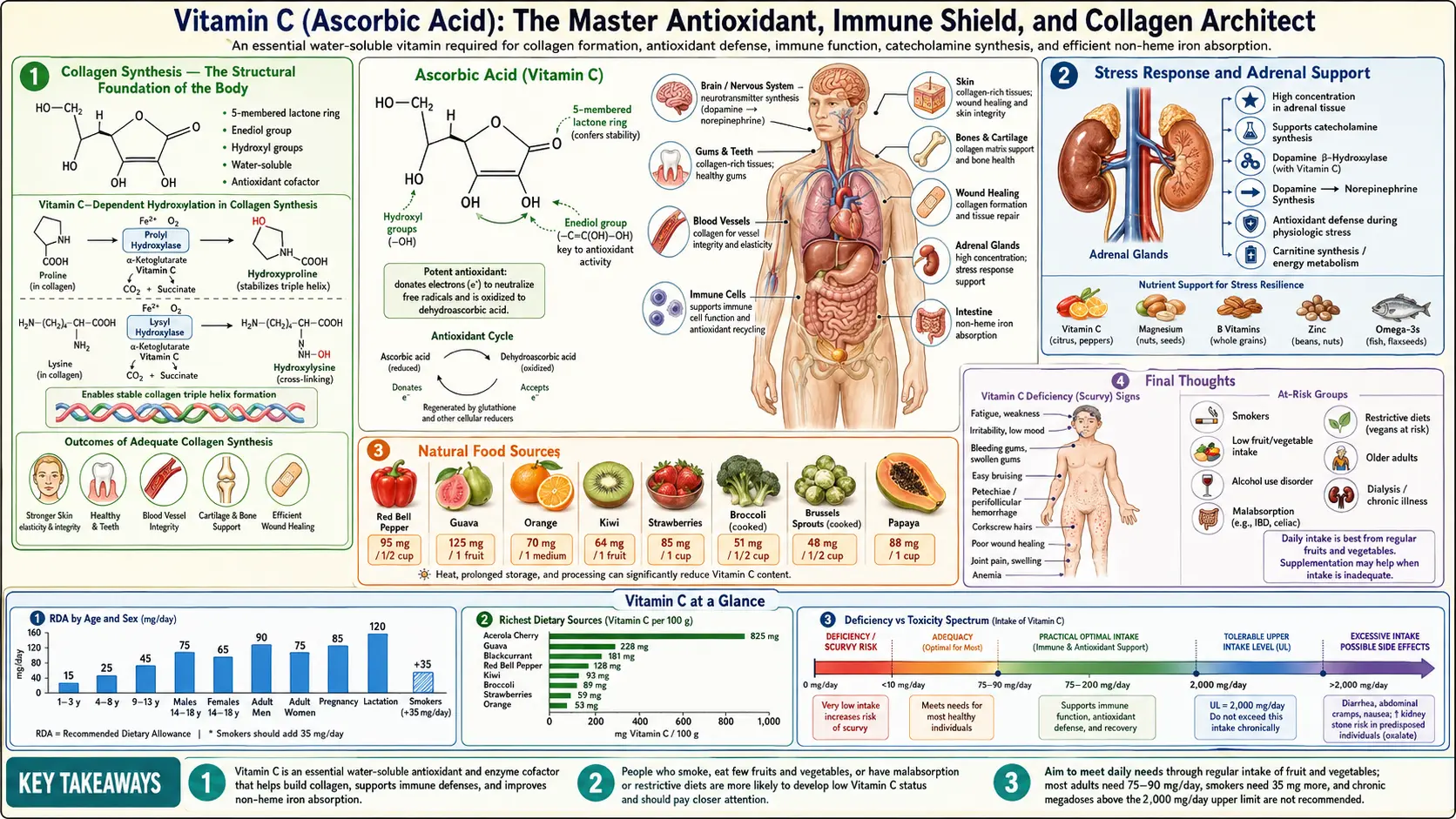
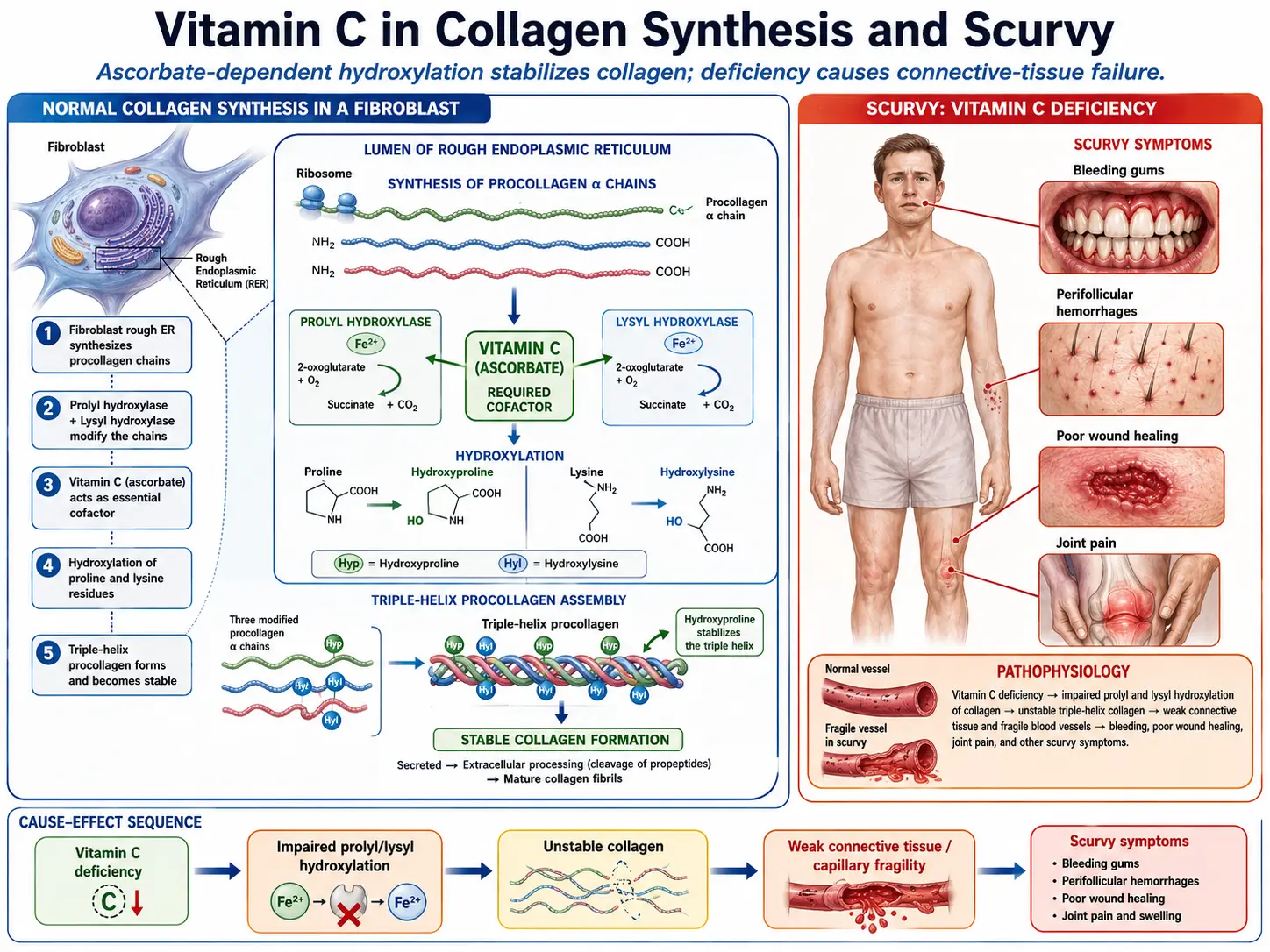
- Prolyl and Lysyl Hydroxylation: Vitamin C is the essential cofactor for prolyl hydroxylase and lysyl hydroxylase, the two enzymes that hydroxylate proline and lysine residues in procollagen chains. These hydroxylation reactions are absolutely required for the proper folding, cross-linking, and stabilization of the collagen triple helix. Without Vitamin C, collagen cannot form its characteristic triple-helical structure and is too unstable to function — the molecular basis of scurvy.
- Skin Integrity: Collagen Types I and III form the structural matrix of the dermis — providing skin with its strength, firmness, elasticity, and resistance to wrinkling. Vitamin C deficiency leads to thin, fragile, easily bruised skin and impaired wound healing.
- Blood Vessel Integrity: Collagen is the primary structural protein of blood vessel walls. Weakened collagen in Vitamin C deficiency causes capillary fragility, petechiae (pinpoint hemorrhages), easy bruising, and — in scurvy — spontaneous bleeding from gums, mucous membranes, and internal organs.
- Bone and Cartilage: Collagen Type I forms the organic matrix of bone (approximately 90% of bone organic matrix), while Type II collagen is the primary structural component of cartilage. Vitamin C is essential for the formation, maintenance, and repair of both tissues.
- Tendons and Ligaments: These connective tissues are predominantly composed of Type I collagen, making them directly dependent on Vitamin C for their structural integrity and their ability to withstand mechanical stress.
- Teeth and Gums: Collagen forms the structural framework of the gingiva (gums) and the periodontal ligaments that anchor teeth to bone. Scurvy's hallmark symptom — swollen, bleeding, receding gums with loosening teeth — reflects the collapse of collagen in these tissues.
- Wound Healing: Every phase of wound healing — inflammation, proliferation, and remodeling — depends on collagen synthesis. Vitamin C deficiency dramatically impairs wound healing, delays surgical recovery, and prevents the formation of strong scar tissue. Surgeons and natural practitioners alike recognize the critical importance of pre- and post-operative Vitamin C optimization.
- Intervertebral Discs: The annulus fibrosus of spinal discs is composed of collagen fibers. Vitamin C supports disc integrity and may play a role in preventing degenerative disc disease.
2. Antioxidant Defense — The Primary Water-Soluble Shield
Vitamin C is the body's most important water-soluble antioxidant, serving as the frontline defense against oxidative damage in the aqueous (water-based) compartments of cells and body fluids.
- Direct Free Radical Scavenging: Ascorbic acid readily donates electrons to neutralize a wide array of reactive oxygen species (ROS) and reactive nitrogen species (RNS), including superoxide, hydroxyl radicals, hydrogen peroxide, singlet oxygen, and peroxynitrite. This electron donation converts Vitamin C to its oxidized forms — first to the ascorbyl radical (a relatively stable, low-reactivity intermediate) and then to dehydroascorbic acid (DHA), which can be recycled back to ascorbic acid by glutathione and NADPH-dependent enzymes.
- Vitamin E Regeneration: Vitamin C regenerates Vitamin E (alpha-tocopherol) at the water-lipid interface of cell membranes. When Vitamin E neutralizes a lipid peroxyl radical in the cell membrane, it becomes a tocopheroxyl radical. Vitamin C donates an electron to restore Vitamin E to its active, antioxidant form. This synergistic relationship between Vitamins C and E creates a seamless antioxidant network spanning both the aqueous and lipid compartments of the cell.
- Glutathione Recycling Support: Vitamin C helps maintain glutathione in its reduced (active) form, supporting the body's master intracellular antioxidant system. The two antioxidants work in tandem — glutathione recycles oxidized Vitamin C (DHA) back to ascorbic acid, while Vitamin C helps preserve glutathione levels.
- Protection Against Lipid Peroxidation: By regenerating Vitamin E and scavenging aqueous-phase radicals before they can initiate lipid peroxidation, Vitamin C protects cell membranes, LDL particles, and other lipid structures from oxidative damage.
- DNA Protection: Vitamin C protects DNA from oxidative damage that causes mutations, strand breaks, and chromosomal instability — processes implicated in cancer initiation and accelerated aging.
- Protein Protection: Oxidative modification of proteins (carbonylation, nitration) impairs their function and accelerates cellular aging. Vitamin C's antioxidant activity helps preserve protein integrity throughout the body.
- Environmental Toxin Defense: Vitamin C is depleted by exposure to cigarette smoke, air pollution, UV radiation, heavy metals, pesticides, and other environmental oxidants. It serves as a sacrificial antioxidant that protects tissues from toxin-induced oxidative damage.
- Exercise-Induced Oxidative Stress: Intense physical exercise generates substantial ROS. Vitamin C helps mitigate exercise-induced oxidative damage, though the timing and dose of supplementation around exercise remain subjects of nuanced discussion (some transient oxidative signaling is beneficial for training adaptation).
3. Immune System — Comprehensive Defense at Every Level
Vitamin C's immune-supporting properties are its most widely known benefit, and the scientific evidence supporting this role is extensive and multifaceted.
- Epithelial Barrier Function: Vitamin C supports the collagen and tight junction proteins that maintain the structural integrity of the skin and mucosal barriers — the body's first line of defense against pathogen entry.
- Neutrophil Function: Neutrophils — the most abundant white blood cells and the first responders to infection — accumulate Vitamin C to concentrations 50–100 times higher than plasma levels. Vitamin C enhances neutrophil chemotaxis (migration to infection sites), phagocytosis (engulfment of pathogens), and oxidative burst (killing of ingested microorganisms). It also promotes neutrophil apoptosis (programmed death) after their task is complete, facilitating the resolution of inflammation and preventing tissue damage from lingering activated neutrophils.
- Macrophage Activity: Vitamin C supports macrophage differentiation, phagocytic capacity, and the transition from pro-inflammatory (M1) to anti-inflammatory (M2) phenotypes — a critical step in resolving infection and initiating tissue repair.
- Natural Killer (NK) Cell Activity: Vitamin C enhances NK cell cytotoxicity — the ability of these innate immune cells to identify and kill virally infected and malignant cells.
- Lymphocyte Proliferation: T-cell and B-cell proliferation during adaptive immune responses is supported by Vitamin C, which protects these rapidly dividing cells from the oxidative stress generated by their own metabolic activation.
- Antibody Production: Vitamin C supports B-cell differentiation and immunoglobulin synthesis, enhancing the body's ability to produce specific antibodies against encountered pathogens.
- Interferon Production: Vitamin C stimulates the production of interferons — signaling proteins that activate antiviral defenses in neighboring cells and coordinate the broader immune response.
- Common Cold: Meta-analyses of clinical trials demonstrate that regular Vitamin C supplementation (200 mg–2 g/day) reduces the duration of common cold symptoms by approximately 8% in adults and 14% in children, and reduces the severity of symptoms. The effect is more pronounced in individuals under physical stress (marathon runners, soldiers, skiers), where regular supplementation reduced cold incidence by approximately 50%.
- Pneumonia and Severe Infections: Observational and interventional studies suggest that Vitamin C supplementation reduces the incidence and improves outcomes of pneumonia, particularly in individuals with low baseline Vitamin C status. Interest in intravenous (IV) Vitamin C for sepsis and critical illness has grown substantially in recent years.
- Sepsis and Critical Care: High-dose intravenous Vitamin C (combined with thiamine and hydrocortisone in some protocols) has been investigated for the treatment of sepsis and septic shock. Mechanistically, Vitamin C addresses multiple pathways in sepsis pathophysiology — oxidative stress, endothelial dysfunction, microcirculatory failure, and vasopressor dependence. Clinical trial results have been mixed but continue to generate significant research interest.
4. Iron Absorption and Utilization
- Non-Heme Iron Absorption: Vitamin C is the most potent dietary enhancer of non-heme iron absorption (the form of iron found in plant foods, eggs, and supplements). It acts in two ways: (1) it reduces ferric iron (Fe³⁺) to ferrous iron (Fe²⁺) in the gut lumen, converting it to the form that the intestinal transporter DMT1 can absorb; and (2) it chelates iron in the acidic gastric environment, keeping it soluble and available for absorption as it passes into the more alkaline duodenum.
- Magnitude of Enhancement: Consuming just 75–100 mg of Vitamin C with a meal can increase non-heme iron absorption by 3- to 6-fold. This makes Vitamin C one of the single most effective interventions for preventing and treating iron-deficiency anemia, particularly in vegetarians, vegans, and women with heavy menstrual bleeding.
- Overcoming Absorption Inhibitors: Vitamin C partially counteracts the iron-absorption-inhibiting effects of phytates (in whole grains and legumes), polyphenols (in tea and coffee), and calcium. Consuming Vitamin C-rich foods or supplements with iron-rich meals is a foundational strategy in natural medicine for optimizing iron status.
- Ferritin and Iron Storage: Through enhanced absorption and utilization, Vitamin C helps build and maintain adequate ferritin (stored iron) levels — a critically important marker of iron reserves, particularly in premenopausal women and individuals on plant-based diets.
- Caution with Iron Overload: Individuals with hemochromatosis or other iron overload conditions should be cautious with high-dose Vitamin C, as enhanced iron absorption could exacerbate iron accumulation. Additionally, in the presence of excess free iron, Vitamin C can act as a pro-oxidant by generating hydroxyl radicals through Fenton chemistry — though this is primarily a concern in pathological iron overload, not normal physiology.
5. Neurotransmitter and Hormone Synthesis
- Dopamine Beta-Hydroxylase: Vitamin C is the essential cofactor for dopamine beta-hydroxylase, the enzyme that converts dopamine to norepinephrine in the adrenal medulla and sympathetic neurons. This reaction is critical for the synthesis of catecholamine neurotransmitters (norepinephrine and, subsequently, epinephrine) that regulate mood, alertness, focus, the stress response, and cardiovascular function.
- Serotonin Synthesis Support: Vitamin C supports the hydroxylation of tryptophan to 5-hydroxytryptophan (5-HTP) — the rate-limiting step in serotonin synthesis catalyzed by tryptophan hydroxylase, which requires tetrahydrobiopterin (BH4) as a cofactor. Vitamin C helps regenerate BH4 from its oxidized form, indirectly supporting serotonin production.
- Adrenal Hormone Synthesis: The adrenal glands contain the highest concentration of Vitamin C of any organ in the body — a reflection of the enormous demand for ascorbate during cortisol, aldosterone, and catecholamine synthesis. Chronic stress rapidly depletes adrenal Vitamin C stores.
- Peptide Hormone Amidation: Vitamin C is the cofactor for peptidylglycine alpha-amidating monooxygenase (PAM), the enzyme that amidate peptide hormones — a post-translational modification required for the biological activity of numerous hormones including oxytocin, vasopressin (ADH), cholecystokinin (CCK), gastrin, calcitonin, and corticotropin-releasing hormone (CRH). Without Vitamin C, these hormones cannot be properly activated.
- Carnitine Synthesis: Vitamin C is a required cofactor for two hydroxylase enzymes in the biosynthesis of L-carnitine — the molecule that transports long-chain fatty acids into the mitochondria for beta-oxidation (fat burning). Vitamin C deficiency impairs carnitine production, which may contribute to the fatigue and muscular weakness characteristic of scurvy.
- Tyrosine Metabolism: Vitamin C is a cofactor for 4-hydroxyphenylpyruvate dioxygenase, an enzyme in tyrosine catabolism. Neonatal tyrosinemia (elevated tyrosine in newborns) sometimes responds to Vitamin C supplementation.
6. Cardiovascular Health
- Endothelial Function and Nitric Oxide: Vitamin C enhances endothelial nitric oxide synthase (eNOS) activity and protects nitric oxide from oxidative degradation, promoting vasodilation, healthy blood flow, and normal blood pressure regulation.
- Blood Pressure: Meta-analyses of randomized controlled trials demonstrate that Vitamin C supplementation produces modest but significant reductions in both systolic and diastolic blood pressure, with greater effects in hypertensive individuals. Average reductions of approximately 3.8 mmHg systolic and 1.5 mmHg diastolic have been observed.
- LDL Oxidation Prevention: Oxidized LDL is the form of LDL cholesterol that is actually taken up by macrophages to form foam cells and initiate atherosclerotic plaque formation. Vitamin C, as a water-soluble antioxidant in the blood, helps protect LDL particles from oxidation in the arterial wall — a critical early step in atherogenesis prevention.
- Arterial Stiffness: Vitamin C supports collagen and elastin in the arterial wall, maintaining vascular compliance and reducing arterial stiffness — an independent risk factor for cardiovascular events.
- Atherosclerosis — The Linus Pauling Hypothesis: Linus Pauling and Matthias Rath proposed that atherosclerosis is fundamentally a response to chronic, subclinical Vitamin C deficiency. Their theory posits that when collagen in arterial walls weakens due to insufficient Vitamin C, the body deposits lipoprotein(a) and other lipoproteins as a "repair" mechanism to reinforce the weakened vessel — a process that, over time, becomes the atherosclerotic plaque. While this hypothesis remains controversial and is not universally accepted, it has stimulated significant research into the relationship between Vitamin C, collagen integrity, and cardiovascular disease.
- Platelet Function: Vitamin C modulates platelet aggregation and adhesion, contributing to healthy blood flow and reduced thrombotic risk.
- C-Reactive Protein (CRP): Vitamin C supplementation has been shown to reduce CRP — a marker of systemic inflammation and an independent predictor of cardiovascular risk.
7. Cancer — Prevention and Therapeutic Applications
Vitamin C's role in cancer is one of the most debated and rapidly evolving topics in natural and integrative medicine.
- Cancer Prevention: Epidemiological studies consistently associate higher Vitamin C intake (from food) with reduced risk of multiple cancers, including cancers of the stomach, esophagus, oral cavity, lung, breast, colon, and cervix. The mechanisms include antioxidant protection of DNA, modulation of immune surveillance, inhibition of nitrosamine formation (a potent carcinogen formed in the stomach), and support of epigenetic regulation through TET enzymes (see below).
- TET Enzymes and Epigenetic Cancer Defense: One of the most exciting discoveries in recent Vitamin C research is its role as a cofactor for TET (ten-eleven translocation) dioxygenase enzymes, which catalyze the oxidation of 5-methylcytosine (5-mC) to 5-hydroxymethylcytosine (5-hmC) — the first step in active DNA demethylation. Aberrant DNA hypermethylation (silencing of tumor suppressor genes) is a hallmark of many cancers. By supporting TET-mediated DNA demethylation, Vitamin C may help reactivate silenced tumor suppressor genes and restore normal epigenetic patterns. This discovery has profound implications for cancer prevention and may explain many of Vitamin C's anticancer effects at the molecular level.
- Intravenous (IV) High-Dose Vitamin C: At pharmacological concentrations achievable only through intravenous administration (plasma levels 100–400 times higher than achievable orally), Vitamin C acts as a pro-oxidant selectively in cancer cells. At these concentrations, ascorbate generates hydrogen peroxide (H₂O₂) in the extracellular space. Normal cells rapidly neutralize H₂O₂ using catalase, but many cancer cells have reduced catalase activity, making them selectively vulnerable to oxidative damage. IV Vitamin C is used as a complementary therapy in integrative oncology, often alongside conventional treatments.
- IV Vitamin C Clinical Evidence: Phase I/II clinical trials have demonstrated that high-dose IV Vitamin C is safe, well-tolerated, and may improve quality of life, reduce chemotherapy side effects, and enhance treatment response in certain cancer types. Large-scale Phase III trials are ongoing.
- HIF-1α Regulation: Vitamin C is a cofactor for the prolyl hydroxylase domain (PHD) enzymes that regulate hypoxia-inducible factor 1-alpha (HIF-1α). In the presence of Vitamin C and oxygen, PHD hydroxylates HIF-1α, marking it for degradation. Cancer cells often have stabilized HIF-1α, which promotes angiogenesis, glycolysis, and tumor survival. Vitamin C may help suppress HIF-1α-driven tumor progression.
- Important Caveat: Oral Vitamin C supplementation cannot achieve the plasma concentrations needed for the pro-oxidant anticancer effect — this requires IV administration under medical supervision. Oral Vitamin C supports cancer prevention through its antioxidant, immune, and epigenetic functions.
8. Stress Response and Adrenal Support
- Highest Concentration in the Adrenals: The adrenal glands contain the highest concentration of Vitamin C of any tissue in the body — approximately 100 times the plasma concentration. This reflects the enormous demand for ascorbate during the synthesis of cortisol, catecholamines (epinephrine and norepinephrine), and other adrenal hormones.
- Cortisol Synthesis: Vitamin C participates in the hydroxylation reactions required for cortisol biosynthesis. During acute and chronic stress, the adrenals release large quantities of Vitamin C along with cortisol, rapidly depleting tissue stores.
- Stress-Induced Depletion: Plasma and tissue Vitamin C levels drop significantly during physical stress, emotional stress, surgery, trauma, burns, infection, and critical illness. This depletion impairs immune function, wound healing, antioxidant defense, and hormone synthesis at precisely the time when these functions are most needed.
- Cortisol Modulation: Vitamin C supplementation has been shown to reduce cortisol levels after stressful events, promoting faster recovery from the stress response and preventing the chronic cortisol elevation associated with anxiety, insomnia, weight gain, and immune suppression.
- Psychological Stress: Randomized controlled trials have demonstrated that Vitamin C supplementation (500–3,000 mg/day) reduces self-reported anxiety, improves mood, and enhances stress resilience in individuals exposed to psychological stress.
- Exercise Recovery: As a physical stressor, intense exercise depletes Vitamin C and elevates cortisol. Supplementation supports recovery, reduces post-exercise cortisol elevation, and mitigates exercise-induced oxidative damage.
9. Brain Health and Cognitive Function
- Brain Concentration: The brain maintains Vitamin C concentrations 10–15 times higher than plasma levels, reflecting its critical importance to neurological function. Active transport mechanisms (SVCT2 transporters) concentrate ascorbate against its gradient in neurons.
- Neurotransmitter Synthesis: As detailed in Section 5, Vitamin C is required for the synthesis of norepinephrine (from dopamine), supports serotonin production (via BH4 recycling), and activates numerous peptide hormones that function as neuromodulators.
- Neuroprotection: The brain's high metabolic rate and abundant polyunsaturated fatty acids make it exceptionally vulnerable to oxidative damage. Vitamin C is the primary antioxidant defense in the aqueous compartment of the brain, protecting neurons from oxidative and nitrosative stress.
- Cognitive Decline: Higher Vitamin C status is consistently associated with better cognitive performance in epidemiological studies. Low Vitamin C is found in individuals with cognitive impairment and dementia, and some studies suggest that supplementation may slow cognitive decline.
- Alzheimer's Disease: Oxidative stress is a central feature of Alzheimer's pathology. Vitamin C's antioxidant, anti-inflammatory, and amyloid-modulating properties make it a nutrient of interest in Alzheimer's prevention research.
- Mood and Depression: Vitamin C supports the synthesis of serotonin and norepinephrine — both implicated in depression. Clinical trials have shown that Vitamin C supplementation improves mood and reduces depression scores, particularly in hospitalized patients and individuals with low baseline levels.
- Neuronal Myelination: Emerging research suggests that Vitamin C may support oligodendrocyte differentiation and myelin production, though this area requires further investigation.
10. Eye Health
- Aqueous Humor Concentration: The aqueous humor of the eye contains Vitamin C at concentrations 20–70 times higher than plasma — one of the highest concentrations of any body fluid — reflecting its critical protective role in the lens and surrounding structures.
- Cataract Prevention: The lens of the eye is exposed to continuous UV radiation and oxidative stress. Vitamin C in the aqueous humor and within the lens itself serves as the primary antioxidant defense against the protein oxidation and aggregation that causes lens opacification (cataracts). Long-term Vitamin C supplementation has been associated with reduced cataract risk in multiple large epidemiological studies.
- Age-Related Macular Degeneration (AMD): The landmark Age-Related Eye Disease Study (AREDS) demonstrated that a combination of Vitamin C (500 mg), Vitamin E, beta-carotene (later replaced by lutein and zeaxanthin in AREDS2), zinc, and copper reduced the risk of progression to advanced AMD by approximately 25%. Vitamin C's antioxidant protection of the retina is a key component of this protective effect.
- Glaucoma: Vitamin C may support healthy intraocular pressure regulation, though the evidence is preliminary and more research is needed.
- Diabetic Retinopathy: Through its antioxidant and anti-inflammatory effects, Vitamin C may offer some protection against the retinal microvascular damage characteristic of diabetic retinopathy.
11. Skin Health and Anti-Aging
- Collagen Production: As the essential cofactor for prolyl and lysyl hydroxylase, Vitamin C is the most important nutrient for dermal collagen synthesis. Both oral supplementation and topical application stimulate collagen production, improving skin firmness, elasticity, and wrinkle depth.
- Photoprotection: Vitamin C provides protection against UV-induced photodamage by scavenging ROS generated by UV exposure. While it is not a sunscreen (it does not absorb UV radiation), it provides complementary protection that reduces sunburn, photoimmunosuppression, and long-term photoaging.
- Hyperpigmentation: Vitamin C inhibits the enzyme tyrosinase, reducing melanin production and helping to lighten dark spots, melasma, and post-inflammatory hyperpigmentation. Topical Vitamin C serums are among the most well-studied and effective brightening agents in dermatology.
- Wound Healing: As described in Section 1, Vitamin C accelerates every phase of wound healing through its essential role in collagen synthesis and its antioxidant and immune-supporting functions.
- Topical Vitamin C: L-ascorbic acid (10–20% concentration, at pH 2.5–3.5) is the most extensively studied topical Vitamin C formulation. When properly formulated, it delivers significant dermal benefits: increased collagen synthesis, antioxidant protection, brightening, and anti-aging effects. Other topical forms include ascorbyl palmitate, sodium ascorbyl phosphate, and magnesium ascorbyl phosphate.
- Oral + Topical Synergy: Natural practitioners recommend combining oral Vitamin C supplementation with topical application for comprehensive skin health, as oral supplementation delivers ascorbate systemically to the dermis from within while topical application delivers high concentrations directly to the epidermis and upper dermis.
12. Bone, Joint, and Connective Tissue Health
- Bone Matrix: Approximately 90% of the organic matrix of bone is Type I collagen, the synthesis of which is entirely dependent on Vitamin C. Adequate ascorbate is therefore essential for bone formation, bone density maintenance, and fracture healing.
- Osteoporosis Prevention: Higher Vitamin C intake is associated with greater bone mineral density and reduced fracture risk in epidemiological studies. Vitamin C's role in collagen synthesis, its antioxidant effects on osteoblasts, and its ability to suppress osteoclast (bone-resorbing cell) activity all contribute to bone protection.
- Cartilage Maintenance: Type II collagen in articular cartilage requires Vitamin C for its synthesis and maintenance. Vitamin C also supports the production of glycosaminoglycans (GAGs) that form the hydrated matrix of cartilage.
- Osteoarthritis: Some epidemiological evidence suggests that higher Vitamin C intake is associated with reduced progression of osteoarthritis, though the relationship is complex and excessive supplementation may not provide additional benefit.
- Gout: Vitamin C supplementation (500 mg–1,500 mg/day) has been shown to lower serum uric acid levels by promoting renal excretion of urate. Higher Vitamin C intake is associated with reduced gout risk in prospective studies.
- Tendon and Ligament Health: Vitamin C supports collagen synthesis in tendons and ligaments and may accelerate recovery from tendon injuries. Some sports medicine protocols incorporate Vitamin C with gelatin or collagen peptides 30–60 minutes before rehabilitative exercise to enhance collagen synthesis in targeted tissues.
13. Histamine Regulation and Allergy Support
- Histamine Degradation: Vitamin C accelerates the enzymatic degradation of histamine by supporting the activity of diamine oxidase (DAO) and histamine N-methyltransferase (HNMT). Plasma Vitamin C levels are inversely correlated with blood histamine levels — as Vitamin C rises, histamine falls.
- Mast Cell Stabilization: Vitamin C has been shown to stabilize mast cell membranes, reducing the release of histamine and other inflammatory mediators in response to allergens.
- Allergic Rhinitis: Clinical observations and some study data suggest that Vitamin C supplementation (1,000–2,000 mg/day) can reduce the severity of allergic rhinitis symptoms including sneezing, nasal congestion, and runny nose.
- Asthma: Vitamin C's antioxidant and anti-inflammatory effects in the airway, combined with its histamine-lowering properties, may benefit individuals with asthma. Some studies have demonstrated improved pulmonary function and reduced bronchial hyperresponsiveness with Vitamin C supplementation.
- Histamine Intolerance: Natural practitioners frequently include Vitamin C in protocols for histamine intolerance as a safe, effective adjunct to DAO supplementation and dietary modification.
14. Epigenetic Regulation — TET Enzymes and DNA Demethylation
- TET Dioxygenase Cofactor: As introduced in the cancer section, Vitamin C is a cofactor for TET1, TET2, and TET3 enzymes, which catalyze the oxidation of 5-methylcytosine (5-mC) to 5-hydroxymethylcytosine (5-hmC) and further oxidized intermediates — the pathway of active DNA demethylation.
- Gene Reactivation: DNA methylation at gene promoters typically silences gene expression. TET-mediated demethylation reactivates silenced genes, restoring normal gene expression patterns. This is particularly important for reactivating tumor suppressor genes silenced by aberrant hypermethylation in cancer.
- Stem Cell Biology: Vitamin C-dependent TET activity plays a crucial role in embryonic stem cell identity, induced pluripotent stem cell (iPSC) reprogramming, and hematopoietic stem cell function. Vitamin C enhances the efficiency of cellular reprogramming — a discovery with profound implications for regenerative medicine.
- Immune Cell Differentiation: TET-mediated DNA demethylation, supported by Vitamin C, guides the differentiation and functional programming of immune cells including T-cells, B-cells, and dendritic cells.
- Jumonji C Domain Histone Demethylases: Vitamin C also serves as a cofactor for JmjC-domain histone demethylase enzymes, influencing histone methylation patterns and expanding Vitamin C's epigenetic regulatory role beyond DNA to include histone modification.
- Implications: These epigenetic functions establish Vitamin C as far more than a simple antioxidant — it is an active regulator of gene expression, cellular identity, and developmental programming, with implications that extend to cancer, stem cell biology, immune regulation, and aging.
15. Detoxification and Environmental Protection
- Heavy Metal Protection: Vitamin C chelates and promotes the excretion of lead, mercury, cadmium, and other toxic heavy metals. It also protects against the oxidative damage these metals cause to tissues. Vitamin C supplementation has been shown to reduce blood lead levels, particularly in individuals with moderate lead exposure.
- Cigarette Smoke: Smoking depletes Vitamin C at an extraordinary rate — smokers have plasma Vitamin C levels approximately 25–40% lower than non-smokers. The recommended intake for smokers is 35 mg/day higher than for non-smokers, though many practitioners consider this insufficient and recommend substantially more.
- Air Pollution: Vitamin C protects the respiratory epithelium from ozone, particulate matter, nitrogen dioxide, and other airborne pollutants that generate oxidative stress in the lungs.
- Pesticide Detoxification: Vitamin C supports the liver's cytochrome P450 detoxification system and provides direct antioxidant protection against pesticide-induced oxidative damage.
- Nitrosamine Prevention: Vitamin C inhibits the formation of nitrosamines — potent carcinogens formed from dietary nitrates and nitrites (found in cured meats, processed foods, and some vegetables) in the acidic environment of the stomach. This is one mechanism by which Vitamin C protects against stomach cancer.
- Drug Metabolism: As a cofactor for hepatic hydroxylase enzymes and a supporter of cytochrome P450 function, Vitamin C contributes to the liver's ability to metabolize and eliminate pharmaceutical drugs and environmental xenobiotics.
16. Natural Food Sources
Vitamin C is found almost exclusively in plant foods — fruits and vegetables are the primary dietary sources. The vitamin is heat-sensitive and water-soluble, making raw and minimally cooked produce the best sources.
Richest Whole Food Sources
- Kakadu Plum (Terminalia ferdinandiana): The single richest known food source of Vitamin C on Earth — containing up to 100 times more Vitamin C than oranges per weight. Native to Australia and used in Aboriginal medicine for thousands of years.
- Camu Camu (Myrciaria dubia): An Amazonian berry with extraordinarily high Vitamin C content — 30–60 times more than oranges
- Acerola Cherry: One of the richest commercially available sources, containing approximately 1,500–4,500 mg per 100 g
- Rose Hips: The fruit of the rose plant, traditionally used in herbal medicine as a concentrated Vitamin C source along with bioflavonoids
- Red and Yellow Bell Peppers: Among the richest commonly consumed vegetable sources — a single red bell pepper provides over 150% of the daily value
- Guava: A tropical fruit providing approximately 228 mg per fruit — among the highest of common fruits
- Kiwifruit: Provides 64–93 mg per fruit along with Vitamin K, fiber, and actinidin enzyme
- Strawberries: Provide approximately 85 mg per cup
- Oranges and Citrus Fruits: The iconic Vitamin C sources — oranges, grapefruits, lemons, and limes provide 50–90 mg per fruit
- Broccoli and Brussels Sprouts: Cruciferous vegetables providing significant Vitamin C alongside sulforaphane and other protective compounds
- Kale and Dark Leafy Greens: Provide Vitamin C along with Vitamin K, folate, and carotenoids
- Papaya and Mango: Tropical fruits rich in Vitamin C, Vitamin A, and digestive enzymes
- Tomatoes: Provide moderate Vitamin C along with lycopene
- Sauerkraut and Fermented Vegetables: Historically significant — Captain James Cook used sauerkraut to prevent scurvy on long voyages. Fermentation preserves much of the Vitamin C content while adding probiotics.
Important Notes on Preservation
- Heat Sensitivity: Vitamin C is one of the most heat-sensitive vitamins. Boiling can destroy 50–90% of Vitamin C in vegetables. Steaming, microwaving briefly, and stir-frying preserve significantly more.
- Oxidation: Vitamin C degrades upon exposure to air (oxygen). Cut fruits and vegetables and fresh-squeezed juices lose Vitamin C rapidly — consume promptly after preparation.
- Water Solubility: Vitamin C leaches into cooking water. Retain cooking liquids for soups, sauces, and broths to recapture lost ascorbate.
- Storage: Prolonged storage reduces Vitamin C content. Fresh, locally sourced, seasonal produce contains significantly more Vitamin C than produce that has been shipped and stored for weeks.
- Freezing: Freezing preserves Vitamin C relatively well — often better than prolonged refrigerated storage. Flash-frozen vegetables can be excellent Vitamin C sources.
17. Recommended Daily Intake
- Adult Men: 90 mg per day
- Adult Women: 75 mg per day
- Pregnant Women: 85 mg per day
- Breastfeeding Women: 120 mg per day
- Smokers: An additional 35 mg/day above baseline (125 mg men, 110 mg women) — many practitioners consider this insufficient
- Children (4–8 years): 25 mg per day
- Children (9–13 years): 45 mg per day
Therapeutic Doses and the Natural Medicine Perspective: The RDA for Vitamin C is widely regarded by natural medicine practitioners as the amount needed to prevent scurvy — not the amount needed for optimal health. Therapeutic doses commonly used in natural medicine range from 500 mg to 10,000 mg (10 g) daily in divided doses, depending on the clinical indication and individual tolerance. The Tolerable Upper Intake Level (UL) is set at 2,000 mg/day based on the potential for gastrointestinal upset (diarrhea) at higher doses, but this is not a toxicity threshold — it is a tolerance threshold. The legendary Linus Pauling himself consumed 6,000–18,000 mg daily for decades.
Bowel Tolerance Dosing: A concept pioneered by Dr. Robert Cathcart, bowel tolerance dosing involves increasing Vitamin C intake until loose stools develop, then reducing slightly to the highest tolerated dose. During illness, the bowel tolerance threshold increases dramatically — often to 30,000–100,000+ mg/day during acute viral infections — reflecting the body's enormously increased demand for and consumption of Vitamin C during immunological stress.
18. Supplemental Forms
- Ascorbic Acid (L-Ascorbic Acid): The most common, most studied, and most affordable form. Pure ascorbic acid is well-absorbed (bioavailability approximately 70–90% at doses up to 200 mg, declining at higher single doses). It is acidic (pH ~2.5), which may cause gastric discomfort in sensitive individuals, particularly at high doses on an empty stomach.
- Sodium Ascorbate: A buffered, non-acidic form (pH ~7.4) that is gentle on the stomach. Contains approximately 11% sodium, which should be considered by individuals on sodium-restricted diets. Well-absorbed and widely used for high-dose oral protocols.
- Calcium Ascorbate (Ester-C®): A buffered form containing approximately 10% calcium. Marketed as having enhanced absorption and longer retention, though research comparing it to ascorbic acid shows only modest differences. Gentle on the stomach.
- Magnesium Ascorbate: A buffered form that provides both Vitamin C and bioavailable magnesium. Favored in natural medicine for its dual benefit and excellent gastrointestinal tolerability.
- Liposomal Vitamin C: Ascorbic acid encapsulated in phospholipid liposomes that protect the vitamin from degradation in the gut and enhance oral bioavailability by facilitating direct cellular uptake. Liposomal Vitamin C achieves significantly higher plasma levels than conventional oral ascorbic acid at equivalent doses — approaching (but not equaling) IV levels. It is increasingly preferred for high-dose oral protocols where maximum bioavailability is desired.
- Ascorbyl Palmitate: A fat-soluble ester of ascorbic acid that can integrate into cell membranes and lipoproteins. Primarily used in topical formulations and as an antioxidant in supplements and food products. Its oral bioavailability as a Vitamin C source is lower than ascorbic acid.
- Whole Food Vitamin C: Supplements derived from acerola cherry, camu camu, rose hips, or amla (Indian gooseberry) provide Vitamin C in a food matrix alongside naturally occurring bioflavonoids, polyphenols, and other cofactors. Natural practitioners often prefer these for lower-dose supplementation, valuing the synergistic phytonutrient matrix.
- Intravenous (IV) Vitamin C: Administered as sodium ascorbate by intravenous infusion in integrative medicine clinics. IV administration bypasses intestinal absorption limits entirely, achieving plasma concentrations 100–400 times higher than possible orally. Used therapeutically for cancer (as discussed above), severe infections, chronic fatigue, and immune support. Requires screening for G6PD deficiency (glucose-6-phosphate dehydrogenase deficiency), as high-dose IV Vitamin C can cause hemolytic anemia in G6PD-deficient individuals.
19. Synergistic Nutrients
- Vitamin E: The single most important synergistic partner. Vitamin C regenerates Vitamin E at the water-lipid interface, creating a seamless antioxidant chain that protects both aqueous and lipid compartments. Supplementing both together provides comprehensive antioxidant protection far greater than either alone.
- Bioflavonoids (Quercetin, Rutin, Hesperidin): Naturally occurring alongside Vitamin C in fruits and vegetables, bioflavonoids enhance Vitamin C absorption, protect it from oxidation, and provide synergistic antioxidant and anti-inflammatory effects. Quercetin in particular stabilizes mast cells and complements Vitamin C's histamine-lowering action.
- Iron: Vitamin C dramatically enhances non-heme iron absorption. Taking them together is a cornerstone strategy for addressing iron deficiency.
- Glutathione: Vitamin C and glutathione recycle each other — Vitamin C helps maintain glutathione in its reduced form, while glutathione recycles oxidized Vitamin C (DHA) back to ascorbic acid.
- Collagen/Gelatin: Consuming Vitamin C with collagen peptides or gelatin provides both the raw material (amino acids) and the essential cofactor (ascorbate) for collagen synthesis — a strategy used in sports medicine and dermatology.
- Zinc: Both Vitamin C and zinc support immune function through complementary mechanisms. Combining them is a common natural medicine approach for acute immune support during colds and infections.
- Vitamin B5 (Pantothenic Acid): Vitamin C and B5 together support adrenal function and stress response — the adrenal glands concentrate both nutrients more than any other tissue.
- Selenium: Selenium and Vitamin C both contribute to antioxidant defense (selenium through glutathione peroxidase, Vitamin C through direct radical scavenging and glutathione support), providing complementary oxidative protection.
20. Populations at Higher Risk of Deficiency
- Smokers and Secondhand Smoke Exposure: The single highest-risk group. Smoking accelerates Vitamin C depletion through increased oxidative stress, and smokers have consistently lower plasma Vitamin C levels than non-smokers.
- Individuals with Poor Dietary Intake: Those who consume few fruits and vegetables — including the elderly living alone, individuals with eating disorders, and those with severely limited food access — are at high risk.
- Individuals with Alcohol Use Disorders: Alcohol impairs Vitamin C absorption, accelerates urinary excretion, and displaces Vitamin C-rich foods from the diet.
- Elderly Individuals: Age-related reductions in dietary variety, absorption efficiency, and increased oxidative stress contribute to declining Vitamin C status. Scurvy, while rare in the general population, is not uncommon in elderly populations in institutional care.
- Individuals with Chronic Inflammatory Conditions: Chronic inflammation generates sustained oxidative stress that depletes Vitamin C at an accelerated rate. Conditions including rheumatoid arthritis, IBD, cancer, and diabetes are associated with reduced Vitamin C status.
- Dialysis Patients: Vitamin C is lost during hemodialysis, and dietary restrictions further limit intake.
- Post-Surgical and Critically Ill Patients: Surgery, trauma, burns, and critical illness dramatically increase Vitamin C consumption, and plasma levels can fall to scurvy-level concentrations within days of admission to intensive care units.
- Individuals Under Chronic Stress: Psychological and physical stress deplete adrenal Vitamin C stores and increase systemic oxidative burden.
- Pregnant and Breastfeeding Women: Increased demands for collagen synthesis, immune function, and fetal development raise requirements.
- Infants Fed Evaporated or Boiled Milk: Heat processing destroys Vitamin C in milk. Historically, this was a common cause of infantile scurvy before the widespread availability of infant formula fortified with Vitamin C.
21. Signs of Deficiency and Toxicity
Vitamin C deficiency develops on a spectrum from subclinical insufficiency — fatigue, easy bruising, slow wound healing, and swollen, bleeding gums — to the full clinical syndrome of scurvy, with perifollicular hemorrhages, corkscrew hairs, spontaneous bleeding, anemia, and (untreated) death. At the other end, very high oral doses can cause gastrointestinal upset and diarrhea and, in susceptible people, raise the risk of kidney stones or iron overload.
Both too little and too much Vitamin C cause problems. For a full, patient-friendly guide to the symptoms, causes, and treatment, see Vitamin C Deficiency and Vitamin C Toxicity.
22. Special Therapeutic Applications
- Acute Immune Support: 1,000–5,000 mg daily in divided doses (or to bowel tolerance) at the onset of cold or flu symptoms. Many natural practitioners recommend much higher doses during acute illness.
- Iron-Deficiency Anemia: 75–250 mg taken with iron-rich meals or iron supplements to enhance absorption 3–6 fold.
- Adrenal Support and Stress Recovery: 1,000–3,000 mg daily as a cornerstone of adrenal support protocols, alongside B5, B6, and magnesium.
- Skin Anti-Aging: Topical L-ascorbic acid (10–20%, pH 2.5–3.5) for photoprotection, collagen stimulation, and brightening. Oral supplementation (500–1,000 mg) for systemic collagen support.
- Wound Healing and Surgical Recovery: 500–2,000 mg daily before and after surgery, dental procedures, or traumatic injuries to support collagen synthesis and immune defense.
- Allergy and Histamine Support: 1,000–3,000 mg daily in divided doses to support histamine degradation and mast cell stability.
- Cardiovascular Protection: 500–2,000 mg daily for endothelial function, blood pressure support, LDL oxidation prevention, and CRP reduction.
- Gout Management: 500–1,500 mg daily to lower serum uric acid levels.
- Cancer — Integrative Oncology: IV Vitamin C (15–100 g per infusion, 1–3 times weekly) as adjunctive therapy, administered by trained integrative oncologists. G6PD screening required before treatment.
- Collagen Synthesis Enhancement: 500–1,000 mg taken 30–60 minutes before exercise alongside collagen peptides or gelatin to enhance collagen synthesis in tendons, ligaments, and cartilage.
- Sepsis Protocol (Clinical): High-dose IV Vitamin C (1.5 g every 6 hours) combined with IV thiamine and hydrocortisone — the "metabolic resuscitation" protocol investigated in critical care settings.
Final Thoughts
Vitamin C is, in every sense, one of the most essential and versatile nutrients in all of natural medicine. It is the architect of collagen — the protein that holds the human body together from skin to bone. It is the body's premier water-soluble antioxidant — the first responder against free radical damage in every cell. It is the fuel of the adrenal glands, the enabler of neurotransmitter synthesis, the enhancer of iron absorption, the guardian of the immune system, the regulator of gene expression through TET enzymes, and the detoxifier of heavy metals, pollutants, and carcinogens. From the decks of 18th-century sailing ships where scurvy decimated crews, to the cutting-edge oncology clinics where IV ascorbate battles cancer, to the epigenetics laboratories where Vitamin C reactivates silenced tumor suppressor genes, this humble molecule has proven again and again to be indispensable to human health and survival. The fact that we cannot synthesize it ourselves — a genetic quirk shared with only a handful of other mammals — makes our conscious, daily commitment to obtaining adequate Vitamin C not merely wise, but essential to life.
From the first breath of a newborn to the last defense of a cell under siege, Vitamin C stands as nature's most generous gift to the human body — honor it with the abundance it deserves, and it will reward you with the resilience of a life well-nourished.
Connections
- Fluoride Chelation — in every fluoride protocol ever written
- All Vitamins
- Albert Szent-Györgyi — the Nobel laureate who discovered and isolated vitamin C
- Vitamin C and ICU Recovery — the 18-trial meta-analysis on ICU length of stay and ventilation time
- Linus Pauling — the man who made vitamin C famous: claims, trials, and legacy
- How a Wound Heals: The Four Overlapping Phases — interactive animation
- Histamine, Mast Cells & Allergy — interactive animation
- Vitamin C, Collagen & Why Sailors Fell Apart — interactive animation
- Free Radicals & Your Antioxidant Network — interactive animation
- Immune Response — interactive animation
- Vitamin C Deficiency
- Vitamin C Toxicity
- Hesperidin
- Rutin
- Collagen
- Iron
- Vitamin E
- Vitamin C and Collagen
- Vitamin C and Immune Defense
- Vitamin C and Iron Absorption
- Sepsis
- Glutathione
- Oxidative Stress
- Magnesium
- Cancer
- Zinc
- Selenium
- Calcium
- Anemia
- Pneumonia
- Vitamin K
- Quercetin
- Scurvy: Nosebleeds & Capillary Fragility — when a nosebleed is a vitamin C sign, and when it is not