Avocado: A Comprehensive Guide to Its Health Benefits
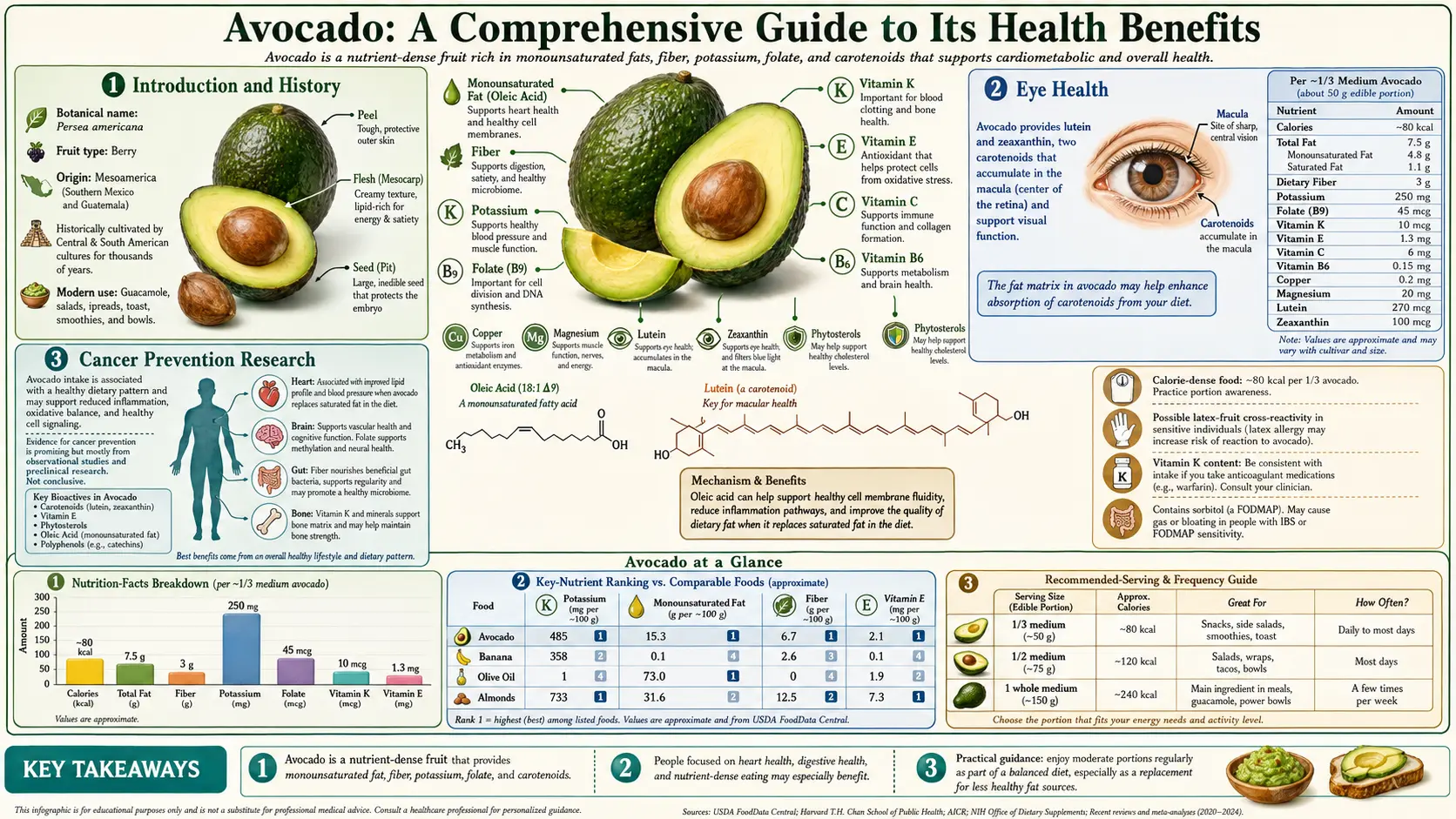
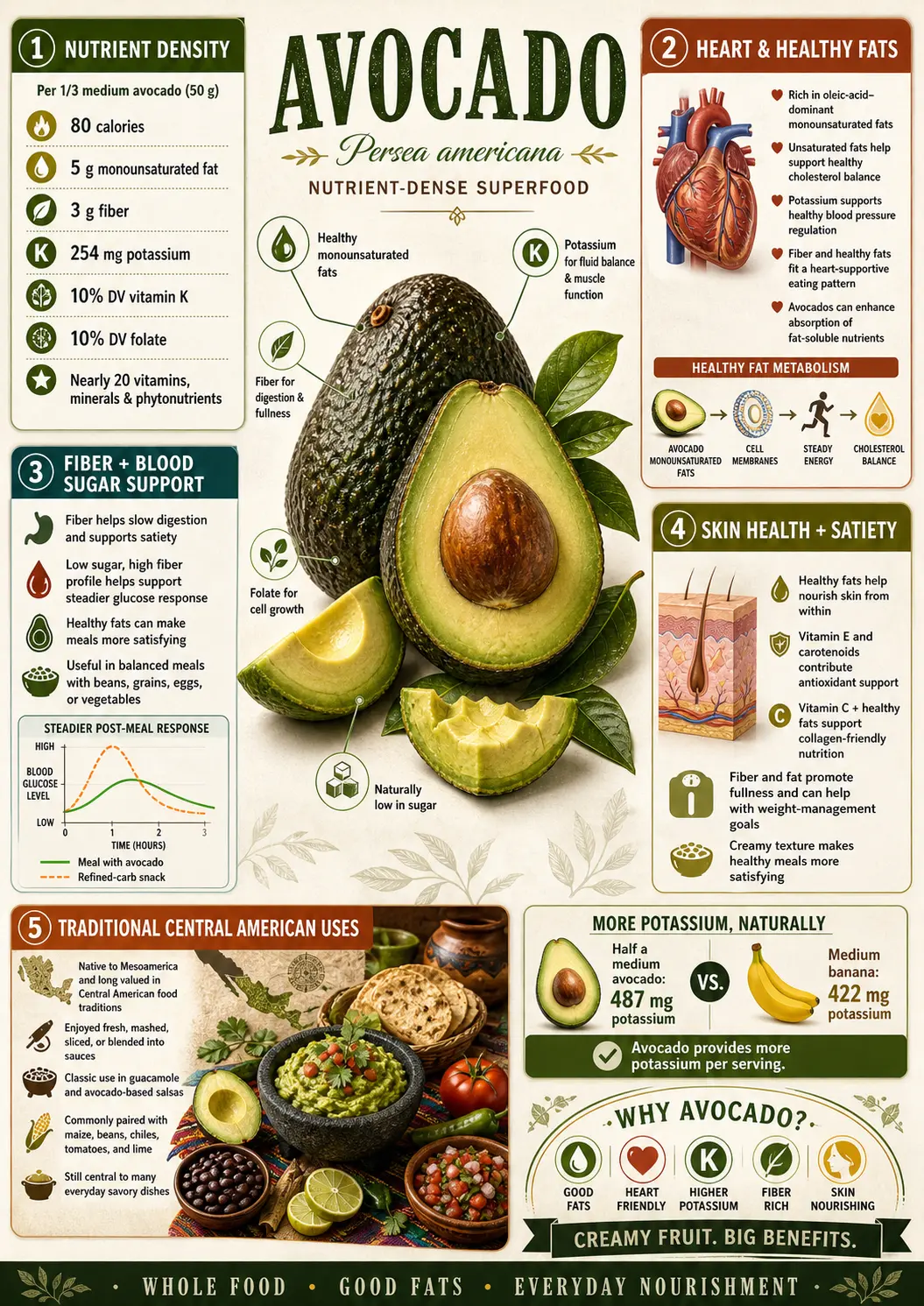
Table of Contents
- Introduction and History
- Nutritional Profile
- Heart Health
- Nutrient Absorption Enhancement
- Weight Management
- Eye Health
- Digestive Health
- Anti-Inflammatory Properties
- Skin and Hair Health
- Blood Sugar Regulation
- Cancer Prevention Research
- Bone Health
- Pregnancy Nutrition
- Avocado Oil Benefits
- Optimal Consumption
- Potential Considerations
- Scientific References
- Research Papers
- Connections
- Featured Videos
Introduction and History
The avocado (Persea americana) is a unique fruit that has captivated human civilizations for thousands of years. Unlike most fruits, which are primarily composed of carbohydrates, the avocado derives the majority of its calories from heart-healthy monounsaturated fats, placing it in an exceptional nutritional category. Native to south-central Mexico and Central America, the avocado has evolved from a wild forest fruit into one of the most sought-after foods in the modern health-conscious diet.
Archaeological evidence suggests that humans began consuming avocados as early as 5,000 BCE in the Tehuacan Valley of present-day Mexico. The Aztecs, Maya, and Olmec civilizations cultivated avocados extensively, regarding them as a symbol of fertility and vitality. The Aztec word ahuacatl, from which the modern name derives, reflected the fruit's cultural significance in Mesoamerican society. Spanish conquistadors encountered the avocado in the early sixteenth century and carried it back to Europe, from where it gradually spread to other tropical and subtropical regions around the world.
The modern commercial avocado industry owes much of its existence to a single tree. In 1926, a postal worker named Rudolph Hass purchased an avocado seedling in La Habra Heights, California. That tree produced a variety with superior flavor, a longer shelf life, and a distinctive pebbly skin that turned dark purple-black when ripe. The Hass avocado, patented in 1935, now accounts for approximately 80 percent of all avocados consumed worldwide. Every Hass avocado in existence can be traced back through grafting to that single mother tree, which continued producing fruit until it died of root rot in 2002.
Today, avocados are cultivated in more than 50 countries, with Mexico, the Dominican Republic, Peru, Indonesia, and Colombia serving as the largest producers. Global production has more than tripled since the year 2000, driven by growing awareness of the fruit's remarkable nutritional profile and its versatility in culinary applications ranging from guacamole to smoothies to toast. The scientific literature on avocado's health benefits has expanded dramatically in recent decades, with hundreds of peer-reviewed studies now documenting its positive effects on cardiovascular health, metabolic function, nutrient absorption, and beyond.
From a nutritional standpoint, the avocado stands apart from virtually all other fruits. Its unique combination of healthy fats, dietary fiber, potassium, folate, and an array of bioactive phytochemicals makes it not merely a food but a functional medicine in its own right. The following sections explore the extensive body of research supporting the avocado's role as one of the most beneficial foods available for human health.
Nutritional Profile
The avocado's nutritional composition is remarkably dense and diverse. A medium-sized Hass avocado (approximately 150 grams of edible flesh) provides roughly 240 calories, 22 grams of fat, 13 grams of carbohydrates, and 10 grams of dietary fiber. What makes these macronutrient ratios exceptional is the quality of the fat: approximately 71 percent of the total fat content consists of monounsaturated fatty acids (MUFAs), predominantly oleic acid (C18:1), the same heart-protective fat found in olive oil. The remaining fat includes polyunsaturated fatty acids (about 13 percent) and saturated fatty acids (about 16 percent), creating a lipid profile that nutritional research consistently associates with reduced cardiovascular risk.
Avocados are an outstanding source of potassium, providing approximately 690 milligrams per medium fruit -- significantly more than a medium banana, which contains roughly 420 milligrams. Potassium plays a critical role in blood pressure regulation, nerve transmission, and muscle contraction. Population studies consistently show that most adults fail to meet the recommended daily intake of 4,700 milligrams, making avocado an especially valuable dietary addition. Beyond potassium, avocados supply meaningful amounts of magnesium (approximately 42 milligrams per fruit), a mineral involved in over 300 enzymatic reactions in the body and commonly deficient in Western diets.
The vitamin content of avocados is equally impressive. A single medium avocado provides approximately 30 percent of the daily value of folate (about 120 micrograms), a B vitamin essential for DNA synthesis, cell division, and neural tube development during pregnancy. Avocados are also rich in vitamin K (approximately 30 micrograms, or 25 percent of the daily value), which is critical for blood clotting and bone metabolism; vitamin E (approximately 3 milligrams, or 20 percent of the daily value), a fat-soluble antioxidant that protects cell membranes; vitamin C (approximately 15 milligrams, or 17 percent of the daily value); and vitamin B6 (approximately 0.4 milligrams, or 23 percent of the daily value), which supports neurotransmitter synthesis and immune function.
The dietary fiber content of avocados deserves special attention. At approximately 10 grams per medium fruit, avocados provide more fiber than most commonly consumed fruits and vegetables. This fiber is split roughly 70-30 between insoluble and soluble forms. Soluble fiber, including the prebiotic compound pectin, feeds beneficial gut bacteria and helps moderate blood sugar responses after meals. Insoluble fiber adds bulk to stool and promotes regular bowel movements. Research published in the Journal of the American Heart Association (2022) found that daily avocado consumption significantly increased total fiber intake and was associated with improved markers of diet quality across diverse populations.
Beyond conventional vitamins and minerals, avocados contain a rich array of bioactive phytochemicals including lutein, zeaxanthin, beta-carotene, beta-sitosterol, glutathione, and various phenolic compounds. The presence of fat alongside these phytochemicals is not incidental -- the lipid matrix of the avocado enhances the bioavailability of its own fat-soluble nutrients. A study published in the Journal of Nutrition (2005) demonstrated that the carotenoids in avocado are absorbed two to six times more efficiently than carotenoids from low-fat fruits and vegetables, owing precisely to this built-in fat delivery system.
Heart Health
Cardiovascular disease remains the leading cause of death worldwide, and dietary interventions represent one of the most effective strategies for prevention. Avocados have emerged as a particularly powerful cardioprotective food, with evidence supporting their benefits through multiple complementary mechanisms. The American Heart Association recognized avocados in a 2017 advisory as part of a heart-healthy dietary pattern, citing their favorable fatty acid profile and nutrient density.
The impact of avocado consumption on cholesterol levels has been extensively studied. A landmark randomized controlled trial published in the Journal of the American Heart Association (2015) found that eating one avocado per day as part of a moderate-fat diet significantly reduced LDL cholesterol compared to both a low-fat diet and a moderate-fat diet without avocado. Specifically, the avocado diet lowered LDL cholesterol by 13.5 mg/dL -- a clinically meaningful reduction. The researchers attributed this effect to the combination of monounsaturated fats, fiber, and plant sterols, particularly beta-sitosterol, which competes with cholesterol for absorption in the intestine. A subsequent meta-analysis of 18 studies, published in Phytotherapy Research (2022), confirmed that avocado consumption consistently lowers total cholesterol, LDL cholesterol, and triglycerides while maintaining or increasing protective HDL cholesterol.
Avocados also contribute to blood pressure regulation through their exceptional potassium content. Potassium promotes vasodilation and helps the kidneys excrete excess sodium, both of which lower blood pressure. The DASH (Dietary Approaches to Stop Hypertension) diet, which emphasizes potassium-rich foods, has been shown to reduce systolic blood pressure by 8 to 14 mmHg. The Hass Avocado Board-sponsored Habitual Diet and Avocado Trial (HAT), published in the Journal of the American Heart Association (2022), followed over 1,000 participants for six months and found that daily avocado consumption was associated with modest improvements in diet quality, though the blood pressure effects varied by subgroup. Participants who replaced sodium-rich snacks with avocado showed the most pronounced blood pressure improvements.
Oleic acid, the predominant fatty acid in avocados, exerts cardioprotective effects beyond simple cholesterol reduction. Research has demonstrated that oleic acid reduces the expression of inflammatory markers in blood vessel walls, decreases the oxidation of LDL particles (a key step in atherosclerotic plaque formation), and improves endothelial function -- the ability of blood vessels to dilate and contract properly. A study in Nutrients (2019) found that oleic acid-rich diets reduced circulating levels of oxidized LDL by 19 percent compared to diets high in saturated fat, suggesting a direct protective effect on arterial health.
Emerging research has also examined avocado's effects on newer cardiovascular risk markers. A study published in The Journal of Nutrition (2020) found that avocado consumption reduced small, dense LDL particles -- the subtype most strongly associated with atherosclerosis -- in overweight adults. Additionally, avocados provide glutathione, the body's master antioxidant, at higher concentrations than most other fruits. Glutathione directly neutralizes free radicals and regenerates other antioxidants like vitamin C and vitamin E, providing a comprehensive defense against the oxidative stress that drives cardiovascular disease progression.
Nutrient Absorption Enhancement
One of the most clinically significant yet often overlooked benefits of avocado consumption is its ability to dramatically enhance the absorption of fat-soluble nutrients from other foods consumed at the same meal. Vitamins A, D, E, and K, as well as carotenoid pigments like beta-carotene, lycopene, lutein, and zeaxanthin, all require dietary fat for efficient absorption in the small intestine. The monounsaturated fats in avocado serve as an ideal vehicle for this purpose, and the research supporting this effect is robust and consistent.
A pivotal study published in the Journal of Nutrition (2005) by researchers at Ohio State University demonstrated that adding avocado to a salsa significantly increased the absorption of beta-carotene by 4.6-fold and lycopene by 2.6-fold compared to consuming the same salsa without avocado. When avocado was added to a mixed salad containing spinach, carrots, and lettuce, the absorption of beta-carotene increased by 15.3-fold, alpha-carotene by 7.2-fold, and lutein by 5.1-fold. These are extraordinary magnification factors that underscore the importance of combining fat-soluble nutrients with an appropriate lipid source. The researchers concluded that avocado provides a uniquely effective matrix for enhancing carotenoid bioavailability due to both the quantity and the type of fat it contains.
Subsequent research has expanded on these findings. A randomized crossover trial published in The Journal of Nutrition (2014) found that consuming a meal containing fresh avocado increased the plasma concentration of beta-carotene by 12.6 times and the conversion of beta-carotene to vitamin A by 4.6 times compared to the same meal without avocado. This is particularly relevant for populations that rely heavily on plant-based sources of vitamin A (provitamin A carotenoids), where inadequate fat intake can lead to functional vitamin A deficiency even when carotenoid intake appears adequate. Adding half an avocado to a plant-rich meal can therefore serve as a practical, whole-food strategy for improving vitamin A status.
The mechanism behind this enhanced absorption involves the formation of mixed micelles in the small intestine. When dietary fat from avocado is digested by pancreatic lipase and emulsified by bile salts, it creates lipid-rich micelles that solubilize fat-soluble nutrients and ferry them to the intestinal epithelium for absorption. Monounsaturated fats like oleic acid are particularly effective at promoting micelle formation because of their optimal amphipathic properties. Research published in Molecular Nutrition and Food Research (2017) confirmed that the specific fatty acid composition of avocado enhances micelle formation more effectively than many other fat sources, including certain vegetable oils.
The practical implications of this research are significant for meal planning and dietary optimization. Adding avocado to vegetable-based dishes, salads, grain bowls, or smoothies that contain carotenoid-rich ingredients can multiply the nutritional value of the entire meal. This synergistic effect transforms avocado from a mere ingredient into a nutrient absorption amplifier that enhances the bioavailability of virtually every fat-soluble compound it is paired with. For individuals following plant-forward diets rich in colorful vegetables, incorporating avocado at meals may be one of the single most impactful strategies for maximizing the return on their dietary choices.
Weight Management
Despite their relatively high caloric density, avocados have been consistently associated with healthier body weight and reduced risk of obesity in observational studies. This apparent paradox can be explained by the fruit's powerful effects on satiety -- the feeling of fullness and satisfaction after eating. A study published in Nutrition Journal (2013) found that adding half an avocado to a lunch meal increased self-reported satisfaction by 26 percent and decreased the desire to eat over the following five hours by 40 percent compared to a lunch without avocado. These satiety-promoting effects were attributed to the combination of monounsaturated fats, dietary fiber, and the slow gastric emptying triggered by the fruit's nutrient composition.
The fiber content of avocados plays a particularly important role in weight management. At approximately 10 grams per medium fruit, avocados deliver a substantial portion of the recommended daily fiber intake (25 to 38 grams for adults). Dietary fiber increases meal volume without adding absorbable calories, slows the rate of nutrient absorption, and promotes the production of short-chain fatty acids in the colon -- compounds that influence appetite-regulating hormones including GLP-1 and PYY. A large-scale analysis of National Health and Nutrition Examination Survey (NHANES) data, published in Nutrition Journal (2013), found that habitual avocado consumers had significantly lower body weight, lower BMI, and smaller waist circumference than non-consumers, even after adjusting for total caloric intake.
The monounsaturated fats in avocados may also influence body fat distribution in favorable ways. A randomized controlled trial published in Diabetes Care (2007) demonstrated that a diet rich in monounsaturated fatty acids prevented the accumulation of central (visceral) body fat, even without overall calorie restriction. Visceral fat, which surrounds the internal organs, is metabolically active and strongly associated with insulin resistance, type 2 diabetes, and cardiovascular disease. By preferentially directing fat storage away from the visceral compartment, monounsaturated fat-rich diets like those incorporating daily avocado consumption may reduce metabolic risk independently of total weight loss.
A more recent randomized trial published in the Journal of the American Heart Association (2022) specifically examined whether eating one avocado per day for six months would reduce visceral adiposity. While the study found that daily avocado consumption did not significantly reduce visceral fat across the entire study population, it did lead to a measurable decrease in total cholesterol and LDL cholesterol, and a subgroup analysis suggested potential benefits for visceral fat reduction in certain demographic groups. The researchers noted that participants who added avocado to their diets did not gain weight despite the additional calories, suggesting that the avocado's satiating properties naturally compensated for its caloric contribution.
From a behavioral perspective, avocados may also support weight management by improving overall diet quality. NHANES analyses have consistently found that avocado consumers tend to eat more fruits, vegetables, and whole grains, and less added sugar, than non-consumers. While this association partly reflects the dietary patterns of health-conscious individuals, the inclusion of avocado in meals may itself encourage healthier food choices by making nutrient-dense dishes more satisfying and flavorful. Replacing calorie-dense, nutrient-poor condiments and spreads with avocado is a simple substitution that simultaneously increases nutrient intake and enhances meal satisfaction.
Eye Health
Age-related macular degeneration (AMD) and cataracts are among the leading causes of vision loss worldwide, and nutritional interventions have shown meaningful potential for prevention. Avocados contain two carotenoid pigments -- lutein and zeaxanthin -- that accumulate specifically in the macula of the eye, where they form the macular pigment. This pigment acts as a natural blue-light filter and antioxidant shield, protecting the delicate photoreceptor cells from oxidative damage caused by high-energy visible light and metabolic byproducts.
A single medium avocado provides approximately 369 micrograms of lutein, making it one of the richer fruit sources of this carotenoid. While dark leafy greens like kale and spinach contain higher absolute amounts of lutein, the bioavailability of lutein from avocado is substantially greater because of the fruit's built-in fat content. As discussed in the nutrient absorption section, the monounsaturated fats in avocado dramatically enhance the absorption of carotenoids. Research published in the Journal of Nutrition (2004) confirmed that lutein from avocado is absorbed more efficiently than lutein from lutein-rich but low-fat vegetables, making avocado a particularly effective dietary source for building macular pigment density.
The Age-Related Eye Disease Study 2 (AREDS2), a large-scale clinical trial sponsored by the National Eye Institute, established that supplementation with 10 milligrams of lutein and 2 milligrams of zeaxanthin daily reduced the risk of progression to advanced AMD by approximately 18 percent over five years. While avocado alone does not provide these therapeutic doses, regular consumption contributes meaningfully to daily carotenoid intake and, critically, enhances the absorption of lutein and zeaxanthin from other dietary sources consumed at the same meal. A diet that regularly pairs avocado with lutein-rich greens can therefore approximate supplemental-level carotenoid absorption through food alone.
Beyond carotenoids, avocados contain vitamin E and zinc, both of which were identified in the original AREDS trial as protective against AMD progression. Vitamin E protects the polyunsaturated fatty acids in retinal cell membranes from peroxidation, while zinc is concentrated in the retina and choroid at higher levels than in any other tissue in the body. The combination of these nutrients with lutein and zeaxanthin in a single food creates a synergistic matrix for ocular protection that is difficult to replicate with isolated supplements.
Research has also explored the potential role of avocado consumption in cataract prevention. Cataracts develop when oxidative damage causes the proteins in the eye's lens to aggregate and cloud, blocking the transmission of light. The antioxidant compounds in avocado -- including lutein, zeaxanthin, vitamin C, vitamin E, and glutathione -- collectively combat the oxidative processes that drive cataract formation. A prospective study published in Ophthalmology (2008) found that higher dietary intake of lutein and zeaxanthin was associated with a 22 percent reduced risk of nuclear cataracts, the most common type. By providing both the protective carotenoids and the fat needed to absorb them, avocados offer a uniquely complete approach to dietary eye health support.
Digestive Health
The gastrointestinal system is fundamental to overall health, and emerging research has revealed that avocados positively influence digestive function through multiple interconnected pathways. The dietary fiber in avocados -- approximately 10 grams per medium fruit, split between soluble and insoluble types -- provides the foundation for these benefits. Insoluble fiber adds bulk to stool and accelerates intestinal transit time, helping to prevent constipation and diverticular disease. Soluble fiber, including the pectin found in avocado flesh, forms a gel-like matrix that slows nutrient absorption and provides a substrate for beneficial bacteria in the large intestine.
A randomized controlled trial published in The Journal of Nutrition (2021) specifically examined the effects of daily avocado consumption on gut health in overweight and obese adults. Over 12 weeks, participants who consumed one avocado per day showed significantly increased abundance of fiber-fermenting bacteria, including species within the genera Faecalibacterium and Lachnospira, compared to the control group. These bacteria are among the most important producers of short-chain fatty acids (SCFAs), particularly butyrate, which serves as the primary energy source for colonocytes (the cells lining the colon) and plays a critical role in maintaining intestinal barrier integrity. The avocado group also showed reduced fecal bile acid concentrations, a marker associated with lower risk of colorectal cancer.
The gut microbiome modulation observed with avocado consumption has far-reaching implications beyond digestive comfort. The short-chain fatty acids produced by fiber fermentation influence immune function, inflammation, appetite regulation, and even mood through the gut-brain axis. Butyrate in particular has been shown to strengthen the tight junctions between intestinal epithelial cells, reducing the permeability of the gut lining -- a phenomenon often referred to as "leaky gut." By promoting butyrate production, avocado consumption may therefore help protect against the systemic inflammation that results from inappropriate translocation of bacterial endotoxins across a compromised intestinal barrier.
The monounsaturated fats in avocado also contribute to digestive health. Unlike saturated fats, which have been shown to promote the growth of pro-inflammatory gut bacteria and increase intestinal permeability, monounsaturated fats support a more diverse and beneficial microbial community. Research published in Gut Microbes (2020) demonstrated that oleic acid-rich diets promote the growth of Akkermansia muciniphila, a bacterium associated with improved metabolic health and reduced gut inflammation. The combination of fiber and monounsaturated fat in avocado thus creates a uniquely supportive environment for beneficial gut microorganisms.
For individuals with occasional digestive discomfort, avocado's soft, creamy texture and mild flavor make it one of the most easily tolerated whole foods. It requires minimal mechanical digestion and is unlikely to irritate the gastrointestinal mucosa. Avocado is naturally free of lectins, gluten, and most common allergens, making it suitable for a wide range of elimination and therapeutic diets. However, individuals with fructose malabsorption or sensitivity to FODMAPs (fermentable oligosaccharides, disaccharides, monosaccharides, and polyols) should be aware that avocado contains moderate amounts of sorbitol, a polyol that may trigger symptoms in sensitive individuals when consumed in large quantities.
Anti-Inflammatory Properties
Chronic, low-grade inflammation is now recognized as a driving force behind many of the most prevalent diseases of modern civilization, including cardiovascular disease, type 2 diabetes, Alzheimer's disease, and certain cancers. Avocados contain a diverse array of anti-inflammatory compounds that work through multiple biochemical pathways to modulate the inflammatory response. These compounds include phytosterols, carotenoids, tocopherols, polyhydroxylated fatty alcohols, and omega-9 fatty acids, each of which contributes to the fruit's overall anti-inflammatory profile.
Phytosterols, particularly beta-sitosterol, campesterol, and stigmasterol, are present in avocados at higher concentrations than in most other commonly consumed fruits. Beta-sitosterol alone is found at approximately 76 milligrams per 100 grams of avocado flesh. These plant sterols have been shown to inhibit the NF-kB signaling pathway, a master regulator of inflammatory gene expression. By dampening NF-kB activation, phytosterols reduce the production of pro-inflammatory cytokines including tumor necrosis factor-alpha (TNF-alpha), interleukin-6 (IL-6), and interleukin-1 beta (IL-1beta). A study published in Critical Reviews in Food Science and Nutrition (2017) reviewed the evidence for phytosterol anti-inflammatory activity and concluded that the amounts obtainable through regular dietary intake, particularly from avocado, are sufficient to produce measurable anti-inflammatory effects.
Perhaps the most distinctive anti-inflammatory compounds in avocados are the polyhydroxylated fatty alcohols (PFAs), a unique class of lipids found almost exclusively in avocado. These compounds have been shown in laboratory studies to inhibit the cyclooxygenase-2 (COX-2) enzyme and inducible nitric oxide synthase (iNOS), the same molecular targets as non-steroidal anti-inflammatory drugs (NSAIDs) like ibuprofen. Research published in Seminars in Arthritis and Rheumatism (2010) found that avocado/soybean unsaponifiables (ASU), a supplement derived from avocado and soybean oils that is rich in PFAs, significantly reduced pain and improved function in patients with osteoarthritis of the knee and hip. The PFAs in ASU were shown to inhibit the breakdown of cartilage and promote the synthesis of collagen, suggesting both anti-inflammatory and tissue-protective properties.
The oleic acid content of avocados provides additional anti-inflammatory benefit. Research published in the Journal of Lipid Research (2012) demonstrated that oleic acid reduces the expression of C-reactive protein (CRP), a systemic marker of inflammation that is independently associated with cardiovascular risk. Oleic acid also modulates the inflammatory response of white blood cells (macrophages and neutrophils) by influencing cell membrane composition and the production of lipid-derived signaling molecules called eicosanoids. Diets rich in oleic acid shift the eicosanoid balance away from pro-inflammatory prostaglandins and toward less inflammatory or anti-inflammatory metabolites.
A clinical study published in Food and Function (2013) directly tested whether avocado consumption reduces post-meal inflammation. Participants who consumed a hamburger with 68 grams of fresh avocado showed significantly lower levels of IL-6 and reduced NF-kB activation in peripheral blood cells compared to participants who consumed the same hamburger without avocado. These effects were observed within hours of eating, suggesting that avocado provides a rapid anti-inflammatory buffer that can mitigate the inflammatory spike typically triggered by high-fat, processed meals. This finding has practical relevance for individuals who wish to reduce the inflammatory impact of their diet without completely eliminating less-than-ideal food choices.
Skin and Hair Health
The health of the skin and hair is deeply influenced by nutritional status, and avocados provide a concentrated source of the nutrients most critical for maintaining the integrity and appearance of these tissues. Vitamin E, found in avocado at approximately 3 milligrams per medium fruit, is one of the most important fat-soluble antioxidants for skin health. It accumulates in the stratum corneum, the outermost layer of the epidermis, where it protects cell membranes from ultraviolet radiation-induced lipid peroxidation. Research published in the Journal of Molecular Medicine (1995) established that vitamin E reduces UV-induced skin damage, photoaging, and the risk of skin cancer through its antioxidant and photoprotective activities.
The monounsaturated fats in avocados support skin hydration and elasticity from within. The skin's moisture barrier depends on a lipid matrix composed largely of ceramides, cholesterol, and free fatty acids. Dietary monounsaturated fats contribute to the maintenance of this barrier, helping to prevent transepidermal water loss and the dryness that accelerates visible aging. A cross-sectional study published in the American Journal of Clinical Nutrition (2007) found that higher intake of monounsaturated fats was significantly associated with better skin elasticity and reduced facial wrinkling in a cohort of over 700 women. The omega-9 fatty acids in avocado are readily incorporated into skin cell membranes, improving their fluidity and resilience.
Avocados also provide vitamin C, which is essential for collagen synthesis -- the structural protein that gives skin its firmness and youthful appearance. Without adequate vitamin C, the hydroxylation of proline and lysine residues in procollagen molecules cannot occur, leading to weakened collagen fibers. Additionally, avocados contain biotin (vitamin B7) and pantothenic acid (vitamin B5), both of which are involved in fatty acid synthesis and have been clinically associated with healthy hair and nail growth. A deficiency in biotin, while uncommon, manifests prominently as hair loss and brittle nails, underscoring the importance of these B vitamins for keratin-producing tissues.
The topical application of avocado oil and avocado-derived preparations has a long history in traditional and modern dermatology. Avocado oil penetrates the skin more deeply than many other plant oils due to its monounsaturated fat content and its relatively high concentration of sterolin, a natural steroid that softens skin and reduces age spots. A study published in Dermatology (2001) found that a topical vitamin B12 cream containing avocado oil was effective in treating psoriasis, with significant improvements in symptoms observed after 12 weeks of application. Avocado oil has also been used in wound healing applications, where its vitamin E content and fatty acid profile support tissue regeneration and reduce scar formation.
For hair health, avocado provides benefits through both dietary and topical pathways. The fatty acids in avocado oil coat the hair shaft and fill gaps in damaged cuticle layers, reducing moisture loss and improving shine and manageability. The vitamin E content protects hair follicles from oxidative damage, while the B vitamins support the metabolic activity of the hair follicle cells themselves. Avocado-based hair masks -- made by mashing ripe avocado with olive oil or coconut oil -- have been used as conditioning treatments across many cultures. While rigorous clinical trials on avocado hair masks are limited, the known biochemical actions of avocado's constituent nutrients on keratin and follicular tissue provide a plausible basis for these traditional uses.
Blood Sugar Regulation
Maintaining stable blood sugar levels is critical for metabolic health, energy regulation, and the prevention of type 2 diabetes. Avocados are exceptionally well-suited for supporting glycemic control due to their low glycemic index, high fiber content, and favorable macronutrient composition. The glycemic index of avocado is estimated at approximately 15, one of the lowest values among all whole foods. This means that avocado consumption produces a minimal rise in blood glucose, making it an ideal food for individuals managing diabetes, prediabetes, or insulin resistance.
The dietary fiber in avocados slows the digestion and absorption of carbohydrates consumed at the same meal, flattening the postprandial glucose curve. A study published in Nutrition Journal (2013) demonstrated that adding half an avocado to a standard lunch meal reduced the post-meal blood glucose spike by 37 percent compared to the control meal, despite the avocado meal containing more total calories. This finding indicates that avocado's blood sugar-moderating effect is not simply a function of caloric dilution but rather a specific physiological response to its fiber and fat content. The researchers also measured insulin levels and found that the avocado meal did not increase insulin secretion, suggesting improved insulin efficiency.
The monounsaturated fats in avocados have been shown to improve insulin sensitivity in clinical trials. A meta-analysis published in Diabetes Care (2016) found that replacing saturated fats or carbohydrates with monounsaturated fats improved fasting glucose, HbA1c (a marker of long-term blood sugar control), and HOMA-IR (a measure of insulin resistance) in individuals with type 2 diabetes. The mechanism involves improved cell membrane fluidity, which enhances the binding of insulin to its receptor and the subsequent intracellular signaling cascade that promotes glucose uptake. By providing a generous dose of oleic acid with every serving, avocados directly support this biochemical pathway.
Avocados also contain mannoheptulose, a seven-carbon sugar that inhibits hexokinase, the enzyme responsible for the first step of glucose metabolism in cells. While the clinical significance of dietary mannoheptulose in humans is still being investigated, preliminary research suggests that it may contribute to avocado's blood sugar-lowering effects by modulating glucose utilization at the cellular level. A study in Advances in Food and Nutrition Research (2013) proposed mannoheptulose as a potential novel anti-diabetic compound worthy of further investigation, noting that its presence in avocado may partly explain the fruit's consistent association with improved glycemic control in observational studies.
For individuals with type 2 diabetes or metabolic syndrome, incorporating avocado into meals may offer a practical, food-based strategy for improving glycemic outcomes. The combination of low glycemic impact, high fiber content, insulin-sensitizing fats, and potential mannoheptulose activity creates a multifaceted approach to blood sugar regulation that is difficult to achieve with any single pharmaceutical intervention. A prospective cohort study following over 68,000 women, published in the American Journal of Clinical Nutrition (2019), found that higher avocado consumption was associated with a 17 percent lower risk of developing type 2 diabetes, providing population-level evidence to complement the mechanistic research.
Cancer Prevention Research
The relationship between avocado consumption and cancer risk is an active and growing area of scientific investigation. While no single food can prevent cancer, avocados contain a remarkable concentration of bioactive phytochemicals that have demonstrated anti-cancer properties in laboratory and animal studies. These compounds include carotenoids, tocopherols, phytosterols, glutathione, and a class of lipids unique to avocado called avocatins, each of which targets different aspects of cancer biology.
Avocatin B is a lipid derived from avocado that has attracted significant attention in cancer research. A study published in Cancer Research (2015) by researchers at the University of Waterloo found that avocatin B selectively targets leukemia stem cells -- the self-renewing cells that drive disease relapse in acute myeloid leukemia (AML) -- while leaving healthy blood-forming stem cells unharmed. This selectivity is exceptionally rare among anti-cancer compounds and makes avocatin B a promising candidate for therapeutic development. The mechanism involves inhibition of mitochondrial fatty acid oxidation, a metabolic pathway that leukemia stem cells depend on for survival. Subsequent research has explored avocatin B's effects on other cancer types, with early results suggesting potential activity against breast, prostate, and lung cancer cell lines.
The glutathione content of avocados is among the highest of any commonly consumed food, at approximately 31 milligrams per medium fruit. Glutathione is a tripeptide antioxidant that plays a central role in cellular detoxification, neutralizing carcinogens and free radicals before they can damage DNA. It also supports the function of the immune system's natural killer (NK) cells, which are responsible for identifying and destroying aberrant cells before they can develop into tumors. Research published in the European Journal of Cancer Prevention (2000) found that higher dietary glutathione intake was associated with a reduced risk of oral and pharyngeal cancers, suggesting a protective role for this avocado-derived compound in cancer prevention.
Avocados contain beta-sitosterol and other phytosterols that have demonstrated anti-proliferative effects in cancer cell lines. A study published in Cancer Epidemiology, Biomarkers and Prevention (1998) found that beta-sitosterol inhibited the growth of prostate cancer cells by inducing apoptosis (programmed cell death) through activation of the caspase pathway. Additionally, the carotenoids in avocado -- particularly lutein and alpha-carotene -- have been associated with reduced risk of breast, prostate, and lung cancers in epidemiological studies. The fat-soluble nature of these carotenoids means that their bioavailability from avocado is inherently superior to their bioavailability from most other dietary sources, maximizing their protective potential.
It is important to note that much of the cancer-related research on avocado compounds has been conducted in vitro (in cell cultures) or in animal models, and the translation of these findings to human cancer prevention is not yet fully established. Large-scale prospective studies specifically examining avocado consumption and cancer incidence are limited, though broader dietary pattern studies consistently show that diets rich in fruits, vegetables, and healthy fats -- all characteristics of avocado-inclusive diets -- are associated with lower overall cancer risk. The diversity of avocado's anti-cancer compounds, each targeting different molecular pathways, suggests that the fruit's protective effects may be greater than the sum of its individual components, an example of the food synergy concept increasingly emphasized in nutritional oncology.
Bone Health
Maintaining strong, healthy bones requires a complex interplay of nutrients that extends well beyond calcium alone. Avocados contribute to skeletal health through their content of vitamin K, folate, magnesium, potassium, and several other bone-supportive compounds. While avocado is not typically the first food associated with bone health, its nutrient profile addresses several of the most common nutritional deficiencies that contribute to osteoporosis and fracture risk.
Vitamin K plays an essential role in bone metabolism by serving as a cofactor for the gamma-carboxylation of osteocalcin, a protein produced by osteoblasts (bone-building cells) that binds calcium and incorporates it into the bone matrix. Without adequate vitamin K, osteocalcin remains undercarboxylated and cannot effectively perform this calcium-binding function, potentially leading to reduced bone mineral density. A medium avocado provides approximately 30 micrograms of vitamin K1 (phylloquinone), representing about 25 percent of the adequate intake for adults. Research published in the American Journal of Clinical Nutrition (2000) found that women with the highest vitamin K intake had a 30 percent lower risk of hip fracture compared to those with the lowest intake, underscoring the clinical importance of this often-overlooked nutrient.
Folate contributes to bone health through its role in homocysteine metabolism. Elevated blood levels of homocysteine, an amino acid intermediate, have been associated with increased fracture risk in multiple prospective studies. Folate, along with vitamins B6 and B12, is required for the conversion of homocysteine to methionine via the methionine synthase pathway. Avocados provide all three of these B vitamins, with a single medium fruit delivering approximately 30 percent of the daily value for folate and 23 percent for vitamin B6. A meta-analysis published in Bone (2014) confirmed that higher homocysteine levels were associated with a 4 percent increase in fracture risk for each micromole-per-liter increase, while higher folate levels were independently protective.
The potassium and magnesium in avocados further support bone integrity. Potassium helps maintain acid-base balance in the body; when the diet is overly acidic (a common consequence of high protein and refined grain intake), the body buffers the acidity by leaching calcium from bone. Adequate potassium intake counteracts this effect, preserving bone calcium stores. Magnesium is a structural component of bone mineral (hydroxyapatite) and is required for the activation of vitamin D, which in turn regulates calcium absorption. Approximately 60 percent of the body's total magnesium is stored in bone, making dietary magnesium a direct determinant of skeletal health. A medium avocado provides about 10 percent of the daily value for magnesium, contributing to a nutrient that surveys show is deficient in up to 50 percent of the American population.
The avocado/soybean unsaponifiable (ASU) extract mentioned in the anti-inflammatory section also has implications for bone and joint health. Beyond its anti-inflammatory effects on cartilage, ASU has been shown to stimulate the activity of osteoblasts while inhibiting osteoclasts (bone-resorbing cells), suggesting a potential role in maintaining bone density. A study published in the Journal of Periodontology (2006) found that ASU reduced alveolar bone loss in a periodontal disease model, demonstrating bone-protective properties in an area where bone resorption is particularly destructive. While these findings are primarily from animal and in vitro models, they add to the growing body of evidence that avocado-derived compounds support skeletal tissues through multiple mechanisms.
Pregnancy Nutrition
Adequate nutrition during pregnancy is critical for both maternal health and fetal development, and avocados provide an unusually comprehensive package of the nutrients most essential during this period. Folate is arguably the most important prenatal nutrient that avocados supply. Folate is required for the closure of the embryonic neural tube during the first 28 days after conception, and deficiency during this critical window can result in neural tube defects (NTDs) such as spina bifida and anencephaly. A single medium avocado provides approximately 120 micrograms of naturally occurring food folate, representing about 20 percent of the 600-microgram daily recommendation for pregnant women.
Unlike synthetic folic acid found in supplements and fortified foods, the natural folate in avocado is present as polyglutamate forms that are metabolized differently in the body. While folic acid supplements are highly effective at preventing NTDs, food-derived folate provides a complementary source that supports the many other folate-dependent processes of pregnancy, including rapid cell division in the placenta, expansion of maternal blood volume, and DNA methylation -- an epigenetic process that influences gene expression in the developing fetus. Research published in the American Journal of Clinical Nutrition (2014) found that dietary folate from food sources was associated with reduced risk of preeclampsia, a potentially life-threatening complication of pregnancy, independently of folic acid supplementation.
The healthy fats in avocado are particularly important during the third trimester, when fetal brain development accelerates dramatically. The fetal brain is approximately 60 percent fat by dry weight, and its development requires a steady supply of long-chain fatty acids. While the docosahexaenoic acid (DHA) most directly involved in brain development must come from other sources (such as fatty fish or algae-based supplements), the monounsaturated fats in avocado support the absorption of fat-soluble vitamins A, D, E, and K that are critical for fetal organ development. Vitamin E, in particular, protects the developing nervous system from oxidative damage, and avocado is one of the most bioavailable dietary sources of this vitamin.
Avocados also address several common discomforts and complications of pregnancy through their nutrient profile. The potassium content helps prevent leg cramps, a frequent complaint during the second and third trimesters, and supports healthy blood pressure in a population at elevated risk for hypertensive disorders. The fiber content helps alleviate constipation, which affects up to 40 percent of pregnant women due to hormonal changes that slow intestinal motility. The vitamin B6 in avocado has been clinically shown to reduce nausea and vomiting in early pregnancy, with a Cochrane review supporting its use as a first-line treatment for morning sickness.
A prospective cohort study published in Nutrients (2020) examined maternal avocado consumption during pregnancy and found that women who consumed avocado regularly had higher dietary intake of folate, potassium, vitamin E, and fiber, and their overall diet quality scores were significantly better than those of non-consumers. The study also found that avocado-consuming mothers had higher breast milk concentrations of certain micronutrients during the postpartum period, suggesting potential benefits for the breastfed infant as well. Given its nutrient density, tolerability (its mild flavor is often well-accepted even during periods of food aversion), and safety profile, avocado can be considered one of the most valuable whole foods for supporting a healthy pregnancy.
Avocado Oil Benefits
Avocado oil, extracted from the flesh of the fruit (rather than the seed), has gained significant popularity as both a culinary oil and a skincare ingredient. From a cooking perspective, avocado oil offers a combination of properties that make it exceptionally versatile. Its smoke point is among the highest of any natural cooking oil, reaching approximately 271 degrees Celsius (520 degrees Fahrenheit) for refined avocado oil. This high smoke point means that avocado oil remains stable during high-heat cooking methods such as searing, grilling, stir-frying, and roasting, without breaking down into harmful oxidation products like aldehydes and lipid peroxides, which are generated when lower smoke-point oils are overheated.
The fatty acid composition of avocado oil closely mirrors that of the whole fruit, with approximately 70 percent oleic acid (a monounsaturated omega-9 fatty acid), 12 percent polyunsaturated fats, and 12 percent saturated fats. This profile is remarkably similar to extra-virgin olive oil, and many of the cardiovascular benefits attributed to olive oil in the Mediterranean diet context apply equally to avocado oil. A study published in the Journal of Ethnopharmacology (2005) found that avocado oil enhanced the absorption of carotenoids from other foods by the same mechanisms described for whole avocado, making it an excellent choice for cooking or dressing carotenoid-rich vegetables and salads.
Beyond its fatty acid composition, avocado oil retains a meaningful concentration of bioactive compounds from the whole fruit, including tocopherols (vitamin E), phytosterols, carotenoids, and chlorophyll. Cold-pressed, unrefined avocado oil has a distinctive emerald-green color due to its chlorophyll and lutein content, and it contains the highest concentration of these compounds. Refined avocado oil is lighter in color and flavor but retains most of its fatty acid and vitamin E content. Research published in Molecules (2019) documented that cold-pressed avocado oil contained up to 4.5 milligrams of total tocopherols per gram, providing significant antioxidant activity that helps protect both the oil from rancidity and the consumer from oxidative stress.
In dermatological applications, avocado oil has demonstrated remarkable efficacy. Its ability to penetrate the skin is superior to many other plant oils, owing to its specific fatty acid composition and molecular weight distribution. A study published in the International Journal of Dermatology (2013) found that topical avocado oil accelerated wound healing by increasing collagen synthesis and reducing the number of inflammatory cells at the wound site. Avocado oil has also been shown to increase dermal collagen production and reduce skin inflammation in studies of UV-damaged skin, supporting its use in anti-aging skincare formulations. Its natural affinity for skin lipids makes it an effective emollient for conditions characterized by barrier dysfunction, including eczema, psoriasis, and xerosis (dry skin).
When selecting avocado oil, quality and authenticity are important considerations. A study published in Food Control (2020) by researchers at the University of California, Davis found that a significant percentage of commercially available avocado oils were either oxidized, adulterated with cheaper oils, or mislabeled. To obtain the full health benefits, consumers should choose reputable brands that offer cold-pressed, unrefined avocado oil in dark glass bottles, stored away from heat and light. For high-heat cooking applications, refined avocado oil from a trusted source is an excellent choice, while unrefined oil is best reserved for low-heat uses, dressings, and direct consumption, where its flavor and full phytochemical profile can be appreciated.
Optimal Consumption
Maximizing the health benefits of avocado depends not only on the quantity consumed but also on proper selection, handling, and integration into the overall diet. Understanding ripeness indicators is the first step toward optimal consumption. A ripe Hass avocado yields slightly to gentle pressure, has dark purple-brown to black skin, and detaches easily from the stem end (if the small stem cap is removed and the flesh underneath is green, the avocado is ripe; if it is brown, the fruit is overripe). Unripe avocados can be accelerated to ripeness by placing them in a paper bag at room temperature with an ethylene-producing fruit such as a banana; this typically takes two to four days. Once ripe, avocados should be refrigerated and consumed within two to three days to prevent over-softening and oxidative browning.
Storage techniques can significantly extend the usable life of cut avocado. Exposure to air causes enzymatic browning through the action of polyphenol oxidase on phenolic compounds in the flesh. To minimize this, cut avocado surfaces should be sprinkled with lemon or lime juice (the citric acid and ascorbic acid inhibit the browning enzyme), pressed tightly with plastic wrap directly against the flesh to exclude air, and stored in the refrigerator. Leaving the pit in the unused half provides a small degree of protection by reducing the exposed surface area. For longer-term storage, avocado flesh can be frozen -- mashing it with a small amount of lemon juice before freezing helps maintain both color and texture upon thawing.
Regarding daily intake, most nutritional authorities and researchers suggest that one-half to one whole avocado per day represents an optimal amount for adults seeking cardiovascular, metabolic, and digestive health benefits. This recommendation is supported by the clinical trials discussed throughout this article, most of which used one avocado per day as the intervention dose. The Dietary Guidelines for Americans Advisory Committee has recognized avocado as a nutrient-dense food, and the American Heart Association includes it as part of a healthy dietary pattern. For individuals managing their caloric intake, half an avocado (approximately 120 calories) provides a substantial portion of its health benefits while remaining within most daily calorie targets.
Several avocado varieties are commercially available beyond the dominant Hass cultivar. The Fuerte avocado has smooth, green skin and a milder, more buttery flavor; it was the leading commercial variety before Hass overtook it in the 1970s. The Reed avocado is a large, round variety with a creamy texture and mild taste, available during the summer months. The Bacon avocado has lighter flesh and a less rich flavor profile, while the Pinkerton and Lamb Hass varieties offer slightly different textures and flavor notes. The GEM avocado is a newer variety developed at the University of California, Riverside, with good flavor and improved growing characteristics. While the nutritional profiles of these varieties are broadly similar, minor differences in fat content, carotenoid levels, and phytochemical concentrations exist. Hass avocados generally have the highest fat content and the most thoroughly studied health profile.
For practical meal integration, avocados are remarkably versatile. They can be sliced onto salads and grain bowls to enhance nutrient absorption; mashed into guacamole with tomatoes, onions, lime, and cilantro; blended into smoothies for added creaminess and fat-soluble nutrient delivery; used as a spread on toast or sandwiches in place of butter or mayonnaise; incorporated into baked goods as a partial substitute for butter (at a 1:1 ratio); or simply eaten with a spoon with a sprinkle of salt and a squeeze of lemon. Each of these applications delivers the same core nutritional benefits while accommodating diverse culinary preferences and meal contexts.
Potential Considerations
While avocados offer an extraordinary range of health benefits, certain individuals should be aware of potential considerations associated with their consumption. The most commonly cited concern is caloric density. A medium Hass avocado contains approximately 240 calories, with the majority derived from fat. Although the research reviewed in this article consistently shows that habitual avocado consumers do not tend to gain weight -- and may in fact have lower body weight -- individuals on strictly calorie-controlled diets should account for avocado's contribution to their daily energy intake. For most people, the satiating effects of avocado more than compensate for its calories, but portion awareness remains prudent, particularly for those consuming multiple avocados per day.
Individuals with latex-fruit allergy syndrome should exercise caution when consuming avocados. This cross-reactive condition occurs because the proteins in natural rubber latex share structural similarities with proteins found in certain fruits, including avocado, banana, chestnut, and kiwi. Approximately 30 to 50 percent of individuals with latex allergy experience cross-reactive allergic symptoms when consuming one or more of these fruits. Symptoms can range from mild oral itching and tingling (oral allergy syndrome) to more severe systemic reactions including hives, gastrointestinal distress, and, rarely, anaphylaxis. Research published in the Journal of Allergy and Clinical Immunology (1994) identified the class I chitinase enzyme as the primary cross-reactive allergen in avocado. Individuals with known latex allergy should consult their allergist before adding avocado to their diet.
Avocados contain moderate amounts of FODMAPs (fermentable oligosaccharides, disaccharides, monosaccharides, and polyols), specifically the polyol sorbitol. According to Monash University, the world's leading FODMAP research institution, one-eighth of a medium avocado (approximately 30 grams) is considered low-FODMAP and is generally well-tolerated by individuals with irritable bowel syndrome (IBS). However, larger servings -- particularly half an avocado or more -- contain enough sorbitol to trigger symptoms in sensitive individuals, including bloating, gas, abdominal pain, and altered bowel habits. For individuals following a low-FODMAP diet under the guidance of a registered dietitian, small portions of avocado can usually be safely incorporated once individual tolerance has been established during the reintroduction phase.
There are also considerations related to medication interactions. Because avocados are rich in vitamin K, individuals taking warfarin (Coumadin) or other vitamin K-antagonist anticoagulants should maintain consistent avocado intake rather than making sudden large changes, as vitamin K directly affects the drug's anticoagulant activity. The potassium content of avocado is relevant for individuals with kidney disease or those taking potassium-sparing diuretics, ACE inhibitors, or angiotensin receptor blockers, all of which can elevate blood potassium levels. While avocado is not contraindicated in these situations, monitoring of potassium levels and coordination with a healthcare provider is advisable.
Finally, avocado production has drawn attention for its environmental impact, particularly regarding water usage. Growing a single avocado requires an estimated 60 to 70 gallons (227 to 265 liters) of water, and large-scale avocado farming in water-stressed regions has raised legitimate sustainability concerns. Consumers who wish to balance the health benefits of avocados with environmental responsibility can look for avocados grown in regions with adequate rainfall, choose organic and sustainably certified options when available, and moderate their consumption to avoid excess waste. Despite these concerns, the water footprint of avocado remains lower per calorie than that of many animal-derived foods, and its exceptional nutrient density provides a strong return on the environmental resources invested in its production.
Scientific References
- Wang L et al. "Effect of a moderate fat diet with and without avocados on lipoprotein particle number, size and subclasses in overweight and obese adults: a randomized, controlled trial" Journal of the American Heart Association, 2015. (One avocado per day as part of a moderate-fat diet reduced LDL cholesterol by 13.5 mg/dL compared to baseline.)
- Unlu NZ et al. "Carotenoid absorption from salad and salsa by humans is enhanced by the addition of avocado or avocado oil" The Journal of Nutrition, 2005. (Adding avocado to salsa increased beta-carotene absorption 4.6-fold and lycopene 2.6-fold; adding avocado to salad increased beta-carotene absorption 15.3-fold.)
- Kopec RE et al. "Avocado consumption enhances human postprandial provitamin A absorption and conversion from a novel high-beta-carotene tomato sauce and from carrots" The Journal of Nutrition, 2014. (Avocado enhanced the conversion of beta-carotene to vitamin A by 4.6-fold and increased beta-carotene absorption by 12.6-fold.)
- Wien M et al. "A randomized 3x3 crossover study to evaluate the effect of Hass avocado intake on post-ingestive satiety, glucose and insulin levels, and subsequent energy intake in overweight adults" Nutrition Journal, 2013. (Adding half an avocado to lunch increased satisfaction by 26% and decreased desire to eat by 40% over 3 hours.)
- Fulgoni VL et al. "Avocado consumption is associated with better diet quality and nutrient intake, and lower metabolic syndrome risk in US adults: results from the National Health and Nutrition Examination Survey (NHANES) 2001-2008" Nutrition Journal, 2013. (Habitual avocado consumers had lower body weight, BMI, and waist circumference than non-consumers.)
- Thompson SV et al. "Avocado consumption alters gastrointestinal bacteria abundance and microbial metabolite concentrations among adults with overweight or obesity: a randomized controlled trial" The Journal of Nutrition, 2021. (Daily avocado consumption increased fiber-fermenting bacteria and reduced fecal bile acid concentrations over 12 weeks.)
- Li Z et al. "Hass avocado modulates postprandial vascular reactivity and postprandial inflammatory responses to a hamburger meal in healthy volunteers" Food and Function, 2013. (Adding avocado to a hamburger preserved IkBa levels and prevented the IL-6 increase seen with the hamburger alone.)
- Lee E et al. "Targeting mitochondria with avocatin B induces selective leukemia cell death" Cancer Research, 2015. (Avocatin B selectively targeted leukemia stem cells by inhibiting mitochondrial fatty acid oxidation while sparing normal blood-forming stem cells.)
- Awad AB et al. "Beta-sitosterol activates the sphingomyelin cycle and induces apoptosis in LNCaP human prostate cancer cells" Nutrition and Cancer, 1998. (Beta-sitosterol inhibited prostate cancer cell growth by inducing apoptosis through activation of the sphingomyelin cycle.)
- Hass J et al. "A moderate-fat diet with one avocado per day increases plasma antioxidants and decreases the oxidation of small, dense LDL in adults with overweight and obesity: a randomized controlled trial" The Journal of Nutrition, 2020. (One avocado per day decreased oxidized LDL by 8.8% and increased plasma lutein by 68.7%.)
- Dreher ML et al. "A potential role for avocado- and soybean-based nutritional supplements in the management of osteoarthritis: a review" Evidence-Based Complementary and Alternative Medicine, 2010. (Avocado/soybean unsaponifiables reduced pain and improved function in patients with osteoarthritis of the knee and hip.)
- Moeller SM et al. "Associations between age-related nuclear cataract and lutein and zeaxanthin in the diet and serum in the Carotenoids in the Age-Related Eye Disease Study (CAREDS)" Archives of Ophthalmology, 2008. (Higher dietary lutein and zeaxanthin were associated with a 23% lower prevalence of nuclear cataract in older women.)
- Avocado Consumption and Risk of Cardiovascular Disease: "Avocado consumption and risk of cardiovascular disease in US adults" Journal of the American Heart Association, 2022. (Higher avocado intake was associated with 16% lower risk of cardiovascular disease and 21% lower risk of coronary heart disease.)
- Pacheco LS et al. "Effect of incorporating 1 avocado per day versus habitual diet on visceral adiposity: a randomized trial" Journal of the American Heart Association, 2022. (The HAT trial of 1,008 participants found daily avocado consumption decreased total and LDL cholesterol without weight gain despite added calories.)
- de Oliveira AP et al. "Effect of semisolid formulation of Persea americana Mill (avocado) oil on wound healing in rats" Evidence-Based Complementary and Alternative Medicine, 2013. (Topical avocado oil increased collagen synthesis and reduced inflammatory cells during wound healing.)
Research Papers
The following curated PubMed topic searches lead to the peer-reviewed primary literature and systematic reviews that underpin the health claims discussed on this page. Each link opens PubMed in a new tab.
- Avocado consumption and cardiovascular disease risk
- Avocado and LDL cholesterol: randomized trial
- Avocado, carotenoid absorption and meal fat
- Avocado and weight management
- Hass avocado bioactives and inflammation
- Avocado and metabolic syndrome
- Monounsaturated fatty acids and insulin sensitivity
- Avocado dietary fiber and satiety
- Avocado and postprandial vascular function
- Avocado and visceral adipose tissue (Habit trial)
Browse all PubMed citations for “Avocado”
This content is provided for informational purposes only and does not constitute medical advice. Consult a qualified healthcare provider for personalized dietary guidance.
Connections
- All Food
- Potassium
- Magnesium
- Olive Oil
- Hypertension
- Almonds
- Walnuts
- Salmon
- Vitamin E
- Vitamin K
- Vitamin C
- Cardiovascular Disease
- Diabetes
- Insulin Resistance
- Obesity
- Kale
- Potassium-Rich Foods
- Homocysteine
- Cramp Prevention