Chia Seeds: A Comprehensive Guide to Health Benefits
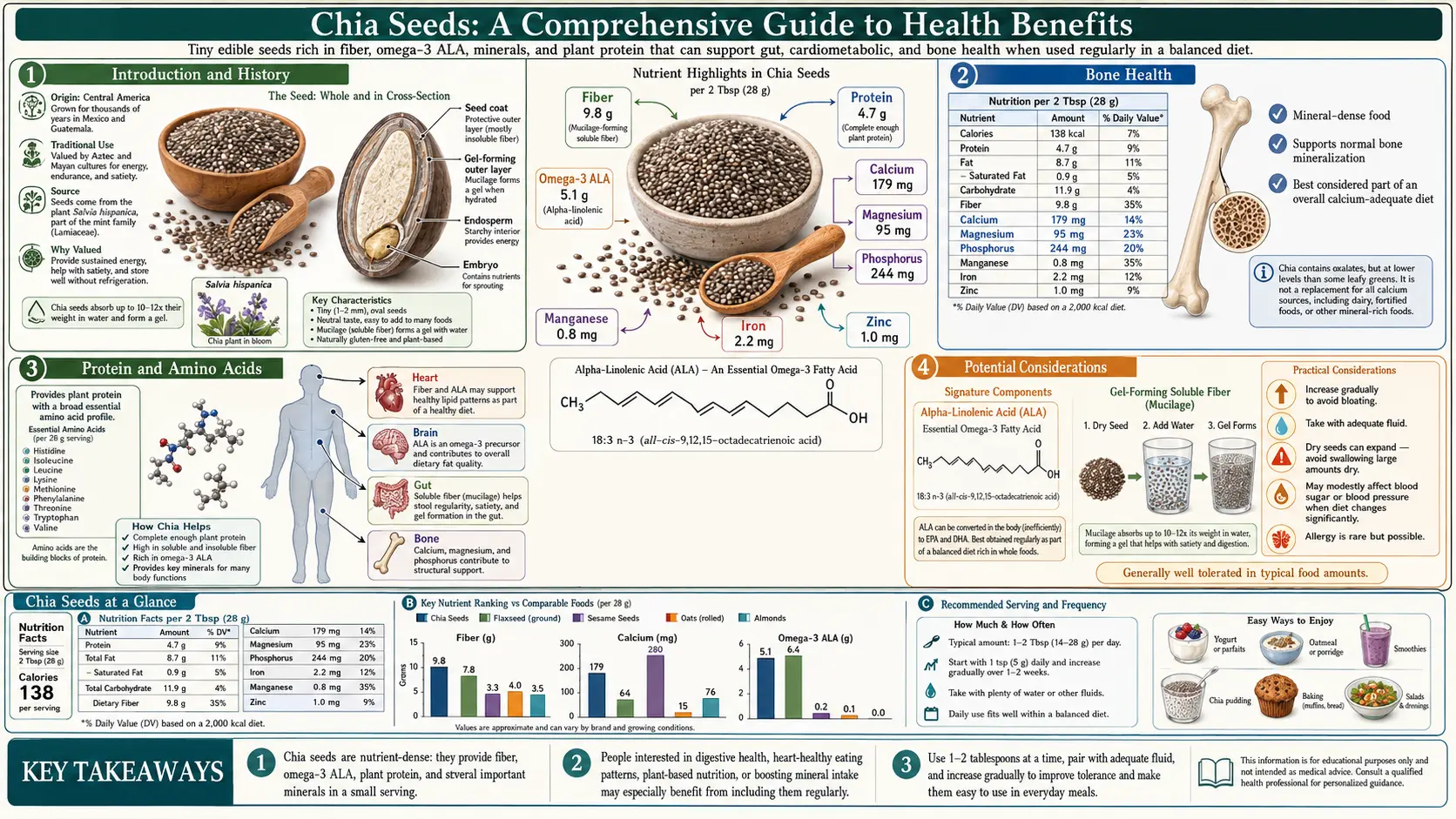
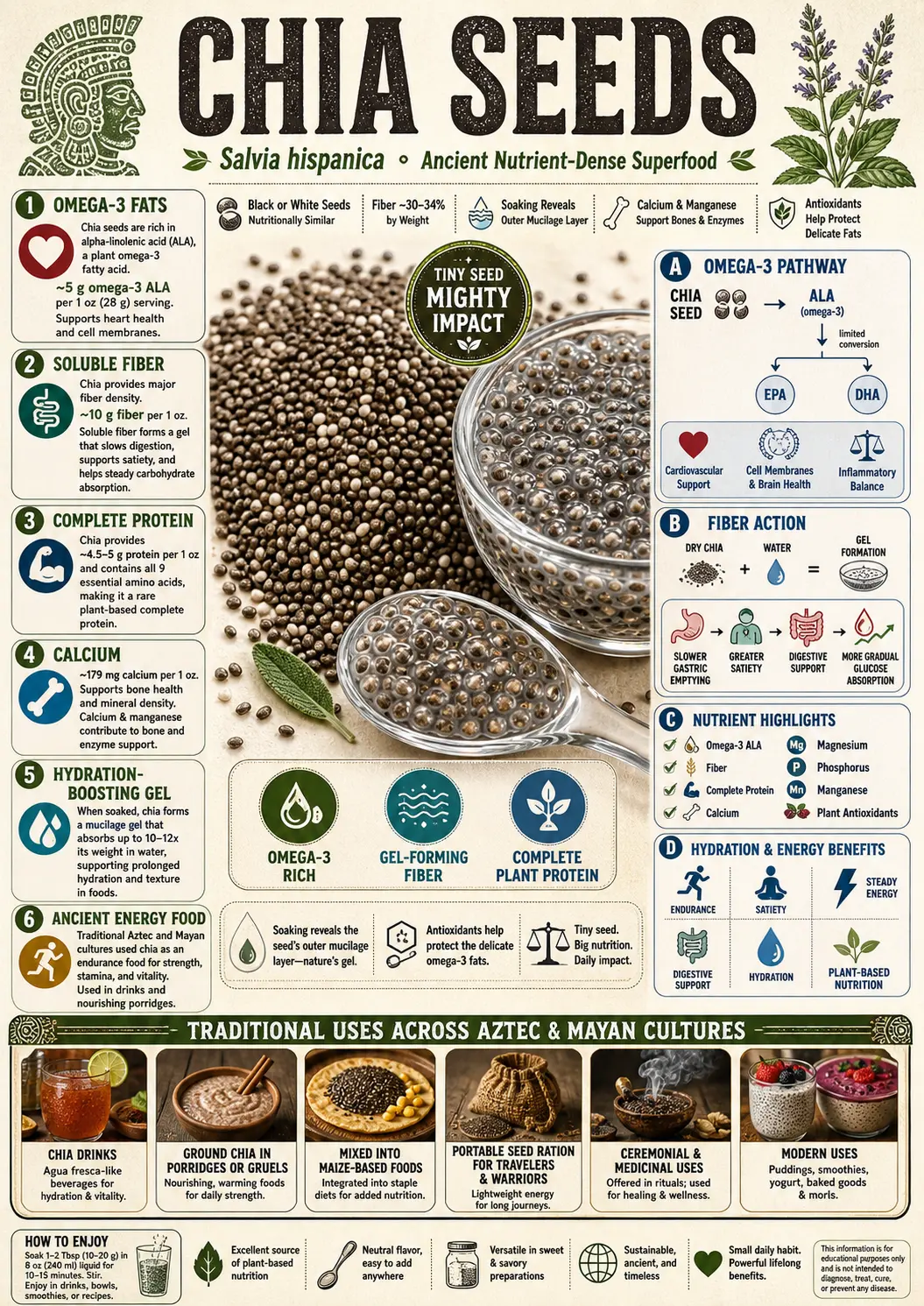
Table of Contents
- Introduction and History
- Nutritional Profile
- Omega-3 Fatty Acids
- Fiber Powerhouse
- Heart Health
- Blood Sugar Management
- Bone Health
- Digestive Health
- Weight Management
- Anti-Inflammatory Properties
- Antioxidant Content
- Protein and Amino Acids
- Skin and Hair Health
- Athletic Performance and Hydration
- Dental Health
- Chia Preparation Methods
- Optimal Consumption
- Potential Considerations
- Scientific References
- Research Papers
- Connections
- Featured Videos
Introduction and History
Chia seeds, the seed of the flowering mint-family plant Salvia hispanica, are among the oldest cultivated crops in the Americas — native to central and southern Mexico and northern Guatemala, and a dietary staple of the Aztec and Maya for thousands of years. After the Spanish conquest the crop nearly vanished, surviving in pockets of Mexico and Central America until a 1990s agricultural-research effort revived it and turned it into the global "superfood" sold today. The full story of where chia came from, what its name means, how the Aztec and Maya grew and used it, and how it was rediscovered — the fuller story is told in the dedicated History article.
Nutritional Profile
Chia seeds possess one of the most impressive nutritional profiles of any plant-based food. A single ounce (approximately 28 grams, or about two tablespoons) contains 137 calories, 4.7 grams of protein, 8.7 grams of fat (predominantly healthy omega-3 fatty acids), and 12.3 grams of carbohydrates. Of those carbohydrates, a remarkable 10.6 grams come from dietary fiber, leaving only 1.7 grams of net digestible carbohydrates. This makes chia seeds one of the most fiber-dense foods available and an excellent choice for low-carbohydrate dietary patterns.
The mineral content of chia seeds is particularly noteworthy. One ounce provides approximately 18% of the Daily Value (DV) for calcium, 30% of the DV for manganese, 30% of the DV for magnesium, and 27% of the DV for phosphorus. Chia seeds also supply meaningful amounts of zinc (12% DV), potassium, iron, and copper. This mineral density is especially significant for individuals who avoid dairy products, as chia provides a plant-based source of calcium that rivals or exceeds that of milk on a gram-for-gram basis.
In terms of macronutrient quality, chia seeds stand out for the composition of their fat content. Approximately 75% of the fat in chia seeds consists of alpha-linolenic acid (ALA), an essential omega-3 fatty acid, while about 20% comes from omega-6 linoleic acid. This yields an omega-3 to omega-6 ratio of nearly 3:1, which is considered highly favorable for reducing systemic inflammation. The protein in chia seeds is also notable for its completeness, containing all nine essential amino acids in proportions that are well-suited for human nutrition.
Chia seeds are also a source of several B vitamins, including thiamine (B1), niacin (B3), and riboflavin (B2). They contain no cholesterol, very little sodium, and are naturally gluten-free. The USDA National Nutrient Database confirms that chia seeds rank among the most nutrient-dense foods per calorie, making them an efficient way to increase intake of essential nutrients without significantly increasing caloric consumption. Research published in the Journal of Food Composition and Analysis has noted that the nutrient density of chia seeds exceeds that of many commonly consumed grains, nuts, and seeds.
It is worth noting that nutritional values can vary slightly depending on growing conditions, soil quality, and geographic origin. Studies comparing chia seeds from different regions of South America and Australia have found modest variations in fatty acid composition and mineral content. However, the overall nutritional profile remains consistently exceptional regardless of origin, making chia seeds a reliable source of essential nutrients across commercially available varieties.
Omega-3 Fatty Acids
Chia seeds are the richest plant-based source of alpha-linolenic acid (ALA), an essential omega-3 fatty acid that the human body cannot synthesize and must obtain from food. A single ounce of chia seeds provides approximately 5 grams of ALA, which is significantly more than any other commonly consumed plant food. By comparison, an equivalent serving of flaxseeds provides about 6.4 grams of ALA, but flaxseeds must be ground to release their nutrients, whereas chia seeds are digestible in whole form. Walnuts, another notable plant source, provide roughly 2.6 grams per ounce.
ALA serves as the precursor to the longer-chain omega-3 fatty acids eicosapentaenoic acid (EPA) and docosahexaenoic acid (DHA), which are the forms most directly utilized by the human body for anti-inflammatory and cardiovascular functions. The conversion rate of ALA to EPA and DHA in humans is relatively limited, with research suggesting that approximately 5-10% of ALA is converted to EPA and less than 1-5% to DHA. Despite this modest conversion rate, regular consumption of ALA-rich foods like chia seeds has been independently associated with reduced cardiovascular risk in large epidemiological studies.
A 2012 meta-analysis published in the American Journal of Clinical Nutrition examined data from 27 studies and found that higher ALA intake was associated with a 14% reduction in coronary heart disease risk. The anti-inflammatory properties of ALA operate through multiple mechanisms, including the reduction of pro-inflammatory cytokines, the inhibition of arachidonic acid metabolism, and the modulation of inflammatory gene expression. These effects contribute to reduced systemic inflammation, which is implicated in cardiovascular disease, metabolic syndrome, and various chronic conditions.
When comparing chia to flaxseeds as omega-3 sources, several practical differences emerge. Flaxseeds contain a hard outer shell that must be ground before consumption to access the nutrients within, and ground flaxseed is prone to rapid oxidation, requiring refrigeration and prompt use. Chia seeds, in contrast, can be consumed whole and are remarkably shelf-stable due to their high antioxidant content, which protects the delicate omega-3 fats from oxidative degradation. Studies have shown that chia seeds can maintain their nutritional integrity for up to four to five years when stored in cool, dry conditions.
For individuals who do not consume fish or fish oil supplements, chia seeds represent one of the most practical and accessible ways to increase omega-3 intake. Research published in Plant Foods for Human Nutrition demonstrated that daily consumption of 25 grams of milled chia seeds for seven weeks significantly increased plasma ALA and EPA levels in postmenopausal women. While chia seeds should not be considered a complete replacement for marine-derived omega-3 sources, they provide a valuable complementary source that can meaningfully improve overall omega-3 status, particularly in vegetarian and vegan populations.
Fiber Powerhouse
Chia seeds are among the most fiber-rich foods in the human diet, providing approximately 11 grams of dietary fiber per ounce. This represents nearly 40% of the recommended daily intake for adults in a single serving. The fiber in chia seeds is predominantly soluble fiber, which forms a viscous gel when exposed to water. This unique gel-forming property is one of the most distinctive characteristics of chia seeds and underlies many of their documented health benefits, from blood sugar regulation to digestive support.
When chia seeds come into contact with liquid, they can absorb up to 10 to 12 times their weight in water within minutes, forming a thick, mucilaginous gel. This gel is composed primarily of polysaccharides that create a physical barrier in the digestive tract, slowing the enzymatic breakdown of carbohydrates and the absorption of sugars into the bloodstream. Research published in the European Journal of Clinical Nutrition demonstrated that this gel-forming property significantly reduces the glycemic response to meals when chia seeds are consumed alongside carbohydrate-rich foods.
The satiety-promoting effects of chia fiber are well documented. The expansion of chia seeds in the stomach creates a sense of fullness that can persist for several hours after consumption. A study in the journal Nutrition Research and Practice found that participants who consumed chia seeds with their breakfast reported significantly greater feelings of satiety and reduced food intake at subsequent meals compared to control groups. This effect is attributed to both the physical volume occupied by the hydrated seeds and the slowed gastric emptying caused by the viscous gel.
Beyond satiety, the fiber in chia seeds plays a critical role in digestive regulation. Soluble fiber serves as a substrate for beneficial gut bacteria, functioning as a prebiotic that supports the growth and diversity of the intestinal microbiome. The short-chain fatty acids produced by bacterial fermentation of chia fiber, including butyrate, propionate, and acetate, provide energy for colonocytes, support intestinal barrier integrity, and exert anti-inflammatory effects throughout the body. Insoluble fiber components contribute to stool bulk and promote regular bowel movements.
The exceptionally high fiber-to-calorie ratio of chia seeds makes them a particularly efficient way to increase fiber intake, which is notably deficient in most Western diets. The average American adult consumes only 15 grams of fiber per day, well below the recommended 25-38 grams. Adding just two tablespoons of chia seeds to the daily diet can close a significant portion of this fiber gap without adding excessive calories, making them a practical dietary intervention for improving overall fiber intake and its associated health benefits.
Heart Health
The cardiovascular benefits of chia seeds arise from the synergistic interaction of their omega-3 fatty acids, soluble fiber, antioxidants, and mineral content. Research has consistently demonstrated that regular chia seed consumption can positively influence multiple cardiovascular risk factors, including blood pressure, triglyceride levels, LDL cholesterol oxidation, and systemic inflammation. These effects position chia seeds as a valuable dietary component for both the prevention and management of cardiovascular disease.
A landmark study published in Diabetes Care in 2007 examined the effects of chia seed supplementation in patients with type 2 diabetes. Participants who consumed 37 grams of chia seeds daily for 12 weeks experienced significant reductions in systolic blood pressure (averaging 6.3 mmHg), C-reactive protein (a marker of inflammation), and von Willebrand factor (a marker of clotting risk). These reductions are clinically meaningful and comparable to the effects observed with some first-line antihypertensive medications.
The omega-3 ALA content of chia seeds contributes to cardiovascular protection through several mechanisms. ALA has been shown to reduce triglyceride levels, decrease platelet aggregation, improve endothelial function, and lower the production of inflammatory mediators that contribute to atherosclerotic plaque development. A systematic review published in the Journal of the American Heart Association confirmed that higher dietary ALA intake is associated with a moderately lower risk of cardiovascular disease, with a dose-response relationship suggesting that each additional gram of daily ALA reduces cardiovascular mortality risk by approximately 5%.
The soluble fiber in chia seeds further supports heart health by binding to bile acids in the intestine and promoting their excretion. This process forces the liver to draw upon circulating cholesterol to synthesize new bile acids, effectively lowering serum LDL cholesterol levels. Additionally, the viscous gel formed by chia fiber reduces the absorption of dietary cholesterol and fat from the digestive tract. Studies have shown that high-fiber diets can reduce total cholesterol by 5-10% and LDL cholesterol by 5-15%, with soluble fiber being particularly effective.
The mineral content of chia seeds provides additional cardiovascular support. Magnesium, present at 30% of the DV per ounce, is essential for maintaining normal heart rhythm, relaxing blood vessels, and regulating blood pressure. Potassium helps counteract the blood-pressure-raising effects of sodium. Research published in the British Journal of Nutrition found that supplementation with chia seed flour for two months produced significant improvements in blood pressure and lipid profiles in both normotensive and hypertensive individuals, suggesting broad cardiovascular benefits across different population groups.
Blood Sugar Management
Chia seeds have demonstrated significant potential for improving blood sugar control, making them a valuable dietary addition for individuals with type 2 diabetes, prediabetes, or insulin resistance. The primary mechanism underlying this benefit is the formation of a viscous gel in the digestive tract, which physically slows the digestion of carbohydrates and the absorption of glucose into the bloodstream. This results in a more gradual and sustained rise in blood sugar following meals, reducing the sharp glycemic spikes that can damage blood vessels and contribute to insulin resistance over time.
Clinical research has provided compelling evidence for the blood-sugar-lowering effects of chia. A study published in the European Journal of Clinical Nutrition found that adding chia seeds to white bread reduced the postprandial glycemic response in a dose-dependent manner, with the greatest effects observed at doses of 24 and 36 grams. The researchers attributed this effect to the gel-forming soluble fiber, which created a physical barrier between digestive enzymes and the bread's starch content, slowing the rate of carbohydrate hydrolysis.
The fiber content of chia seeds also supports blood sugar management by improving insulin sensitivity. High-fiber diets have been consistently associated with reduced fasting insulin levels and improved insulin sensitivity in both observational and interventional studies. The short-chain fatty acids produced by bacterial fermentation of chia fiber in the colon, particularly butyrate, have been shown to enhance insulin signaling pathways and improve glucose uptake by peripheral tissues. A meta-analysis in the Journal of the American Board of Family Medicine found that viscous fiber supplementation reduced HbA1c levels by 0.55% in individuals with type 2 diabetes, a clinically significant improvement.
The 2007 study in Diabetes Care by Vuksan and colleagues remains one of the most frequently cited investigations of chia and blood sugar. In this randomized controlled trial, type 2 diabetes patients who consumed 37 grams of chia daily showed improved glycemic control alongside reductions in blood pressure and inflammatory markers. The researchers proposed that the combination of fiber, omega-3 fatty acids, and protein in chia seeds creates a multi-targeted approach to metabolic improvement that may be more effective than any single nutrient in isolation.
For practical blood sugar management, the timing and method of chia seed consumption appear to matter. Studies suggest that consuming chia seeds 30 to 60 minutes before a meal, allowing them to form a gel in the stomach, maximizes their blood-sugar-lowering effect. Alternatively, incorporating chia seeds directly into carbohydrate-rich meals can attenuate the glycemic response. The low net carbohydrate content of chia seeds themselves (only 1.7 grams per ounce after subtracting fiber) means they contribute negligible glucose to the diet while providing substantial benefits for glucose regulation.
Bone Health
Chia seeds are an outstanding plant-based source of several minerals essential for bone health, most notably calcium, phosphorus, magnesium, and protein. A single ounce of chia seeds provides approximately 18% of the Daily Value for calcium (about 179 mg), 27% of the DV for phosphorus, and 30% of the DV for magnesium. This mineral combination is particularly significant because bone tissue requires all three minerals in appropriate ratios for proper formation, maintenance, and repair throughout the lifespan.
The calcium content of chia seeds is especially noteworthy when viewed in the context of dairy-free nutrition. On a gram-for-gram basis, chia seeds contain more calcium than most dairy products. For individuals who are lactose intolerant, allergic to dairy, or follow a vegan diet, chia seeds offer one of the most concentrated and bioavailable plant-based calcium sources. While the bioavailability of calcium from chia seeds has not been as extensively studied as that of dairy calcium, preliminary research suggests that the mineral matrix of chia seeds supports reasonable absorption, particularly when consumed as part of a balanced diet.
Phosphorus, the second most abundant mineral in the human body after calcium, works in concert with calcium to form hydroxyapatite, the mineral crystal that gives bones and teeth their hardness and structural integrity. The 27% DV of phosphorus provided by one ounce of chia seeds contributes meaningfully to maintaining this critical mineral balance. Magnesium, also abundant in chia seeds, plays an essential regulatory role in bone metabolism by influencing the activity of osteoblasts (bone-building cells) and osteoclasts (bone-resorbing cells), as well as modulating the levels of parathyroid hormone and active vitamin D.
The protein content of chia seeds further supports bone health. Approximately 50% of bone volume and roughly one-third of bone mass consist of protein, primarily collagen. Adequate dietary protein intake is necessary to maintain bone density and reduce fracture risk, particularly in older adults. The 4.7 grams of complete protein per ounce of chia seeds, containing all essential amino acids, contributes to the protein intake needed for ongoing bone remodeling and repair.
Research published in Nutrition Research has examined the relationship between omega-3 fatty acid intake and bone mineral density, finding positive associations between higher ALA consumption and improved bone health markers. The anti-inflammatory properties of omega-3 fatty acids may reduce osteoclast activity, thereby slowing bone resorption and preserving bone mass. For postmenopausal women, who face accelerated bone loss due to declining estrogen levels, the combination of calcium, magnesium, phosphorus, protein, and omega-3 fatty acids in chia seeds addresses multiple nutritional factors relevant to osteoporosis prevention simultaneously.
Digestive Health
Chia seeds provide comprehensive support for digestive health through their exceptionally high fiber content, gel-forming properties, and prebiotic effects. The approximately 11 grams of fiber per ounce, split between soluble and insoluble fractions, addresses multiple aspects of gastrointestinal function. Soluble fiber forms a viscous gel that soothes the intestinal lining, while insoluble fiber adds bulk to stool and promotes regular peristaltic movement through the digestive tract.
The gel formed by hydrated chia seeds creates a protective coating along the intestinal mucosa, which may help reduce irritation and support the integrity of the gut lining. This property has drawn interest from researchers studying conditions characterized by compromised intestinal barrier function, sometimes referred to as "leaky gut." While clinical trials specifically examining chia seeds for intestinal permeability are still in early stages, the mucilaginous properties of similar soluble fibers have been shown to support epithelial cell health and reduce the translocation of inflammatory compounds across the gut barrier.
The prebiotic effects of chia fiber are among its most significant digestive benefits. Prebiotics are non-digestible food components that selectively stimulate the growth and activity of beneficial bacteria in the colon. The polysaccharides in chia seeds serve as fermentation substrates for beneficial species including Bifidobacterium and Lactobacillus, promoting a diverse and healthy microbiome. Research published in the Journal of Agricultural and Food Chemistry demonstrated that chia seed polysaccharides exhibited strong prebiotic potential in vitro, supporting the growth of beneficial bacteria while inhibiting pathogenic species.
The short-chain fatty acids (SCFAs) produced by the bacterial fermentation of chia fiber play multiple roles in digestive health. Butyrate, the primary energy source for colonocytes, supports the health and renewal of the colonic epithelium. Propionate and acetate contribute to the regulation of gut motility, immune function, and the maintenance of an acidic colonic pH that inhibits the growth of pathogenic bacteria. Research has linked SCFA production from dietary fiber to reduced risk of colorectal cancer, inflammatory bowel disease, and various functional gastrointestinal disorders.
The hydration capacity of chia seeds also benefits digestive function. Because chia seeds absorb large quantities of water and release it gradually during transit through the digestive tract, they help maintain hydration within the intestinal lumen. This is particularly beneficial for preventing constipation, as adequate luminal hydration is essential for the formation of soft, well-formed stools. Individuals who increase their chia seed consumption should ensure adequate fluid intake to maximize these hydrating effects and prevent the potential for intestinal discomfort that can occur when high-fiber foods are consumed without sufficient water.
Weight Management
Chia seeds have attracted considerable attention as a tool for weight management, owing to their unique combination of high fiber content, gel-forming properties, protein, and exceptionally low net carbohydrate count. When consumed with adequate liquid, chia seeds expand substantially in the stomach, creating a physical sense of fullness that can reduce overall caloric intake. This mechanical satiety effect, combined with the metabolic benefits of their nutrient profile, makes chia seeds a practical addition to weight loss and weight maintenance strategies.
The satiety-promoting properties of chia seeds have been examined in several clinical studies. Research published in Nutrition Research and Practice found that participants who consumed chia seeds as a mid-morning snack reported significantly reduced appetite and food intake at lunch compared to those who consumed control snacks of equal caloric value. The researchers attributed this effect to the combination of viscous fiber, which slows gastric emptying, and protein, which stimulates the release of satiety hormones including cholecystokinin (CCK) and peptide YY (PYY).
The low net carbohydrate content of chia seeds is another advantage for weight management. With only 1.7 grams of digestible carbohydrates per ounce, chia seeds are compatible with low-carbohydrate and ketogenic dietary approaches. The high fiber content means that chia seeds have a minimal impact on blood sugar and insulin levels, which is relevant because chronic insulin elevation promotes fat storage and inhibits fat mobilization. By providing bulk, satiety, and nutrients without triggering significant insulin release, chia seeds support the metabolic conditions that favor fat utilization.
Calorie displacement is another mechanism through which chia seeds may support weight management. When chia seeds are added to meals or used as a partial replacement for higher-calorie ingredients in recipes (such as using chia gel as an egg substitute or thickener), they reduce the overall caloric density of the diet while maintaining or increasing its volume and nutrient content. A tablespoon of chia gel, for example, contains far fewer calories than a tablespoon of oil or butter while providing a similar thickening effect in recipes.
It is important to note that chia seeds alone are not a weight loss solution, and some studies have failed to find significant weight loss from chia supplementation when overall dietary patterns remain unchanged. A 2009 study in Nutrition Research found no significant difference in body weight or composition between participants who consumed 50 grams of chia seeds daily and a control group over 12 weeks. This suggests that the weight management benefits of chia seeds are most likely to manifest when they are incorporated into a comprehensive approach that includes overall dietary improvement and physical activity, rather than simply being added to an otherwise unchanged diet.
Anti-Inflammatory Properties
Chronic low-grade inflammation is increasingly recognized as a central driver of numerous diseases, including cardiovascular disease, type 2 diabetes, cancer, Alzheimer's disease, and autoimmune conditions. Chia seeds contain several bioactive compounds that exert anti-inflammatory effects through multiple complementary pathways. The combination of omega-3 fatty acids, polyphenolic antioxidants, and dietary fiber creates a multi-targeted anti-inflammatory profile that distinguishes chia from foods that address inflammation through a single mechanism.
The omega-3 ALA in chia seeds is the primary contributor to its anti-inflammatory activity. ALA competes with omega-6 arachidonic acid for incorporation into cell membrane phospholipids, and when ALA is present in higher concentrations, it shifts the balance of eicosanoid production away from pro-inflammatory prostaglandins and leukotrienes toward less inflammatory or anti-inflammatory mediators. Research published in the Journal of Nutrition has demonstrated that increased dietary ALA intake significantly reduces circulating levels of interleukin-6 (IL-6), tumor necrosis factor-alpha (TNF-alpha), and C-reactive protein (CRP), all of which are established markers of systemic inflammation.
The polyphenolic compounds in chia seeds contribute additional anti-inflammatory effects. Chlorogenic acid, caffeic acid, myricetin, quercetin, and kaempferol have all been identified in chia seeds and individually possess documented anti-inflammatory properties. These compounds inhibit the activity of nuclear factor kappa-B (NF-kB), a master regulator of inflammatory gene expression, thereby reducing the production of inflammatory cytokines, chemokines, and adhesion molecules at the transcriptional level.
The fiber content of chia seeds exerts indirect anti-inflammatory effects through its influence on the gut microbiome. The short-chain fatty acids produced by bacterial fermentation of chia fiber, particularly butyrate, have potent anti-inflammatory properties that extend beyond the gut. Butyrate inhibits histone deacetylase activity, modulates immune cell function, and reduces the production of pro-inflammatory cytokines in peripheral tissues. Research has shown that individuals with higher fiber intake consistently exhibit lower levels of circulating inflammatory markers.
The cumulative anti-inflammatory effect of regular chia seed consumption was demonstrated in the 2007 Diabetes Care study, which found that 12 weeks of chia supplementation significantly reduced C-reactive protein levels in patients with type 2 diabetes. Subsequent studies have confirmed these findings in other populations, suggesting that the anti-inflammatory benefits of chia seeds are broadly applicable. For individuals dealing with chronic inflammatory conditions or those seeking to reduce their overall inflammatory burden through dietary intervention, chia seeds represent a well-researched and practical option.
Antioxidant Content
Chia seeds contain a diverse array of antioxidant compounds that protect both the seeds themselves and the humans who consume them from oxidative damage. The primary antioxidants identified in chia seeds include chlorogenic acid, caffeic acid, myricetin, quercetin, and kaempferol. These polyphenolic compounds neutralize reactive oxygen species (ROS) and free radicals, which are unstable molecules that can damage cellular DNA, proteins, and lipids when present in excess. The antioxidant capacity of chia seeds has been measured using multiple assays, including ORAC (Oxygen Radical Absorbance Capacity) and DPPH, consistently showing strong free-radical scavenging activity.
Chlorogenic acid, one of the most abundant antioxidants in chia seeds, is the same compound responsible for many of the health benefits attributed to green coffee extract. Research has shown that chlorogenic acid inhibits glucose absorption in the intestine, reduces hepatic glucose output, and improves insulin sensitivity, contributing to the blood-sugar-regulating effects of chia seeds. Caffeic acid, closely related structurally, has demonstrated anti-cancer, anti-inflammatory, and immunomodulatory properties in preclinical studies published in journals including Cancer Letters and the Journal of Biochemical and Molecular Toxicology.
The flavonoids myricetin and quercetin are particularly noteworthy for their broad-spectrum biological activities. Quercetin has been extensively studied for its anti-inflammatory, anti-viral, and anti-allergic properties, and is considered one of the most bioactive flavonoids in the human diet. Myricetin has demonstrated neuroprotective effects in animal models and has been associated with reduced risk of type 2 diabetes in epidemiological studies. The presence of both compounds in chia seeds adds to their value as a functional food with benefits that extend beyond basic nutrition.
One of the most practical benefits of chia's antioxidant content is its contribution to the exceptional shelf stability of the seeds. Despite containing approximately 75% of their fat as highly unsaturated omega-3 ALA, which is ordinarily prone to rapid oxidation and rancidity, chia seeds can be stored at room temperature for years without significant degradation. This is a direct consequence of the antioxidant compounds protecting the delicate fatty acids from oxidative damage. By contrast, flaxseeds and their oil are far more susceptible to rancidity and typically require refrigeration after grinding.
The antioxidant benefits of chia seeds extend to the human body after consumption. Research published in Plant Foods for Human Nutrition demonstrated that consumption of chia seeds increased plasma levels of ALA without a corresponding increase in markers of lipid peroxidation, suggesting that the endogenous antioxidants in chia seeds effectively protected the absorbed omega-3 fatty acids from oxidative degradation during transport and metabolism. This built-in antioxidant protection makes chia seeds a more complete and self-sufficient source of omega-3 fatty acids compared to isolated fish oil supplements, which often require added antioxidants such as vitamin E to prevent oxidation.
Protein and Amino Acids
Chia seeds are considered a complete protein source, meaning they contain all nine essential amino acids that the human body cannot synthesize and must obtain from food. A single ounce of chia seeds provides approximately 4.7 grams of protein, which constitutes roughly 14% of the seed's total weight. While this protein content is lower per serving than that of legumes or animal sources, the quality of chia protein is exceptional for a plant-based food, with an amino acid profile that is well-balanced and highly digestible.
The amino acid composition of chia protein includes meaningful amounts of leucine, isoleucine, and valine (the branched-chain amino acids important for muscle protein synthesis), as well as lysine, tryptophan, threonine, and methionine. Many plant proteins are limited in one or more essential amino acids, with grains typically being low in lysine and legumes low in methionine. Chia seeds do not have a severely limiting amino acid, although their methionine and cysteine content is relatively higher than their lysine content. Research published in the Journal of Food Science has confirmed that chia protein has a protein digestibility-corrected amino acid score (PDCAAS) that compares favorably with other plant proteins.
For vegetarians and vegans, the completeness of chia protein is particularly significant. While the concept of "protein combining" at every meal has been largely abandoned by modern nutrition science, having access to complete plant protein sources simplifies dietary planning and ensures adequate intake of all essential amino acids. Chia seeds can serve as a complementary protein source alongside legumes, grains, nuts, and other plant foods, contributing to an overall amino acid intake pattern that supports muscle maintenance, immune function, enzyme production, and tissue repair.
The digestibility of chia protein is another point in its favor. Unlike some plant proteins that are bound within tough cellular structures or complexed with antinutritional factors such as trypsin inhibitors or phytates, chia protein is relatively accessible and well-absorbed by the human digestive system. Studies examining the in vitro digestibility of chia protein have found it to be comparable to casein, a dairy protein known for its high digestibility. The absence of gluten in chia protein also makes it suitable for individuals with celiac disease or non-celiac gluten sensitivity.
Athletes and physically active individuals may benefit from incorporating chia seeds into their diets as a supplemental protein source. While chia seeds alone are unlikely to meet the elevated protein requirements of intense training (typically 1.6 to 2.2 grams per kilogram of body weight per day), they contribute high-quality protein alongside omega-3 fatty acids, minerals, and fiber that collectively support recovery, reduce exercise-induced inflammation, and promote overall performance. The convenience of chia seeds, which require no cooking and can be easily added to smoothies, oatmeal, or yogurt, makes them a practical component of an athlete's nutritional strategy.
Skin and Hair Health
The nutritional composition of chia seeds addresses several key factors that influence skin and hair health, including essential fatty acid status, antioxidant protection, mineral intake, and hydration. The omega-3 ALA in chia seeds supports skin barrier function by contributing to the production of ceramides and other lipids that maintain the integrity of the stratum corneum, the outermost layer of the skin. A compromised skin barrier leads to increased transepidermal water loss, dryness, and susceptibility to irritation and infection.
Research has established a clear connection between omega-3 fatty acid intake and skin health. A study published in the Journal of Lipid Research demonstrated that omega-3 fatty acids reduce the production of inflammatory mediators in skin cells, which can help manage conditions such as acne, eczema, and psoriasis. The anti-inflammatory effects of ALA may reduce the redness, swelling, and discomfort associated with inflammatory skin conditions, while the overall improvement in fatty acid balance supports calmer, more resilient skin.
The antioxidant compounds in chia seeds, including quercetin, chlorogenic acid, and caffeic acid, provide protection against oxidative damage to skin cells caused by ultraviolet radiation, environmental pollutants, and metabolic processes. Oxidative stress is a primary driver of premature skin aging, contributing to the breakdown of collagen and elastin fibers, the formation of fine lines and wrinkles, and the development of hyperpigmentation. By neutralizing free radicals, the antioxidants in chia seeds support the preservation of youthful skin structure and appearance.
The zinc content of chia seeds (approximately 12% of the DV per ounce) is particularly relevant to both skin and hair health. Zinc plays essential roles in cell division, immune function, and wound healing, all of which are critical for maintaining healthy skin. Zinc deficiency is associated with hair loss, delayed wound healing, and various dermatological conditions including acne and dermatitis. For hair specifically, zinc supports the health of hair follicles and may help prevent the follicular damage that leads to hair thinning and loss.
The hydrating properties of chia seeds, arising from their ability to absorb and retain large quantities of water, may provide indirect benefits for skin hydration when consumed regularly. Well-hydrated skin appears plumper, smoother, and more radiant, and adequate systemic hydration supports the transport of nutrients to skin cells and the removal of metabolic waste products. While topical application of chia seed oil has also been explored for skin benefits, the systemic effects of dietary chia seed consumption on skin health are supported by the well-established relationships between omega-3 intake, antioxidant status, mineral sufficiency, and dermatological health.
Athletic Performance and Hydration
The connection between chia seeds and athletic performance has deep historical roots, most famously associated with the Tarahumara (Raramuri) people of Mexico's Copper Canyons. The Tarahumara are renowned for their extraordinary long-distance running ability, regularly covering distances of 100 miles or more through rugged mountain terrain. Their traditional diet features a chia-based beverage called "iskiate" or "chia fresca," made by soaking chia seeds in water with lime juice, which they consume before and during their ultramarathon runs. This traditional practice has captured the attention of modern sports nutritionists and endurance athletes.
The potential performance benefits of chia seeds were examined in a notable study published in the Journal of Strength and Conditioning Research in 2011. Researchers compared the performance of trained athletes who consumed either a traditional carbohydrate-loading sports drink or a mixture of 50% sports drink and 50% chia seed gel before a 90-minute running protocol. The study found no significant difference in performance between the two conditions, suggesting that chia seeds can serve as an effective, whole-food alternative to processed sports nutrition products while providing additional nutritional benefits including omega-3 fatty acids, fiber, and minerals.
The gel-forming properties of chia seeds are particularly relevant to athletic hydration. When consumed in liquid, chia seeds form a gel that releases water gradually during digestion, creating a slow-release hydration effect that can help maintain fluid balance during prolonged exercise. This sustained hydration may be advantageous compared to consuming plain water alone, which is absorbed more rapidly and may be less effectively retained. The electrolyte minerals in chia seeds, including potassium, magnesium, and sodium, further support fluid balance and neuromuscular function during physical activity.
The sustained energy release provided by chia seeds aligns well with the needs of endurance athletes. The combination of complex carbohydrates (in the form of slowly digested fiber), healthy fats, and protein provides a macronutrient profile that supports prolonged, moderate-intensity energy output rather than the rapid spikes and crashes associated with simple sugar-based sports nutrition. The omega-3 fatty acids in chia seeds may also benefit recovery by reducing exercise-induced inflammation and muscle soreness, potentially allowing for more consistent training.
Modern endurance athletes have increasingly adopted chia seeds into their nutrition strategies, incorporating them into pre-race meals, during-activity gels, and post-workout recovery drinks. Ultramarathon runners, trail runners, cyclists, and triathletes have reported subjective benefits including sustained energy, reduced gastrointestinal distress compared to conventional sports nutrition products, and improved recovery. While more research is needed to fully quantify the performance benefits of chia seeds compared to conventional sports nutrition, the existing evidence supports their use as a natural, nutrient-dense alternative that provides benefits beyond simple caloric fuel.
Dental Health
Chia seeds contain several minerals that are essential for the formation and maintenance of healthy teeth, making them a valuable dietary contribution to oral health. Calcium, the most abundant mineral in chia seeds at 18% of the DV per ounce, is a fundamental component of tooth enamel and dentin. Adequate dietary calcium throughout life is necessary for maintaining the structural integrity of teeth and supporting the remineralization process that repairs early-stage enamel damage caused by acid-producing bacteria.
Phosphorus, present at 27% of the DV per ounce of chia seeds, works in partnership with calcium to form hydroxyapatite crystals, the mineral matrix that constitutes approximately 96% of tooth enamel by weight. The simultaneous availability of both calcium and phosphorus from a single food source is advantageous because enamel remineralization requires both minerals in appropriate proportions. Research in dental nutrition has emphasized that foods providing calcium and phosphorus together are more effective at supporting enamel repair than foods providing either mineral alone.
The zinc content of chia seeds contributes to dental health through its antibacterial properties. Zinc ions have been shown to inhibit the growth of Streptococcus mutans, the primary bacterium responsible for dental caries. Zinc also reduces the formation and adhesion of bacterial biofilms (dental plaque) on tooth surfaces and inhibits the production of volatile sulfur compounds that contribute to halitosis. Many commercial toothpastes and mouthwashes include zinc compounds specifically for these antibacterial and anti-plaque effects, and dietary zinc intake supports these same protective mechanisms systemically.
The anti-inflammatory properties of chia seeds, mediated by their omega-3 fatty acids and antioxidant compounds, may benefit periodontal health. Periodontitis, the inflammatory destruction of the tissues supporting the teeth, is driven by an excessive inflammatory response to bacterial plaque. Research published in the Journal of the American Dietetic Association found that higher dietary intake of omega-3 fatty acids, including ALA, was associated with reduced prevalence of periodontitis. The anti-inflammatory effects of omega-3s may help modulate the immune response to oral bacteria, reducing the collateral tissue damage that leads to gum recession and tooth loss.
It is worth noting that chia seeds, when consumed dry, can adhere to tooth surfaces and settle into the spaces between teeth. While this does not pose a dental health risk, it underscores the importance of maintaining good oral hygiene practices when consuming chia seeds regularly. Rinsing with water after eating chia seeds and maintaining regular brushing and flossing habits will ensure that the dental benefits of chia's mineral and anti-inflammatory content are realized without any cosmetic inconvenience.
Chia Preparation Methods
Chia pudding is perhaps the most popular way to consume chia seeds and showcases their remarkable gel-forming ability. To make chia pudding, combine approximately 3 tablespoons of chia seeds with 1 cup of liquid (such as milk, plant-based milk, or coconut water), stir well, and refrigerate for at least 2 hours or overnight. The seeds will absorb the liquid and form a thick, pudding-like consistency that can be flavored with vanilla, cinnamon, cocoa powder, honey, maple syrup, or fresh fruit. Chia pudding can be prepared in advance and stored in the refrigerator for up to 5 days, making it an excellent option for meal preparation.
Chia gel serves as a versatile ingredient in cooking and baking. To prepare chia gel, mix 1 tablespoon of chia seeds with 3 tablespoons of water and allow the mixture to sit for 15 to 20 minutes until it forms a cohesive gel. This gel can be used as an egg substitute in baking (one tablespoon of chia gel replaces approximately one egg), as a thickener for sauces and soups, or as a binder in veggie burgers and energy balls. The neutral flavor of chia gel allows it to blend seamlessly into both sweet and savory recipes without altering the intended taste profile.
The question of ground versus whole chia seeds is frequently debated among nutrition enthusiasts. Unlike flaxseeds, which must be ground to release their nutrients, chia seeds are digestible in whole form because their outer shell is relatively thin and permeable. However, grinding chia seeds does increase the surface area available for digestive enzymes, potentially improving nutrient absorption marginally. Ground chia seeds are also easier to incorporate into baked goods, smoothies, and dressings where a smooth texture is desired. Whether consumed whole or ground, chia seeds provide their full complement of nutrients.
Smoothies and beverages are an effortless way to incorporate chia seeds into the daily diet. Adding one to two tablespoons of chia seeds to a smoothie provides a boost of fiber, protein, and omega-3s while contributing a pleasant, slightly thickened texture. Chia fresca, the traditional Mesoamerican beverage, is made by stirring chia seeds into water or fruit juice with a squeeze of lime and allowing the mixture to hydrate for 10 to 15 minutes. Chia seeds can also be added to herbal teas, lemonade, or infused water for a nutritious and hydrating drink.
Baking with chia seeds offers numerous possibilities for increasing the nutritional value of breads, muffins, pancakes, and cookies. Chia seeds can be added directly to batters and doughs in whole or ground form, typically at a ratio of 2 to 4 tablespoons per recipe. They add a subtle crunch when used whole and blend invisibly when ground. Chia gel can replace up to 25% of the butter or oil in many baking recipes, reducing the caloric density while adding fiber, protein, and omega-3s. Additionally, chia seeds can be sprinkled on top of breads and crackers before baking for both nutritional benefit and visual appeal.
Optimal Consumption
The generally recommended daily intake of chia seeds for adults is 1 to 2 tablespoons (approximately 15 to 30 grams), which provides a meaningful amount of fiber, omega-3 fatty acids, protein, and minerals without excessive caloric intake. This serving size has been used in most clinical studies examining the health benefits of chia seeds and has been consistently well-tolerated by participants. Some studies have used higher doses of up to 37 to 50 grams daily, but for most individuals, starting with 1 tablespoon and gradually increasing to 2 tablespoons allows the digestive system to adapt to the high fiber content.
Soaking chia seeds before consumption is widely recommended by nutritionists and digestive health experts. Soaking activates the gel-forming process, allowing the seeds to fully hydrate and expand before they enter the digestive tract. This pre-hydration ensures that the seeds do not draw water from the digestive system after ingestion, which could potentially contribute to dehydration or digestive discomfort. A soaking period of at least 15 to 20 minutes in a ratio of approximately 1 part chia seeds to 3 to 6 parts liquid is sufficient for adequate hydration. Overnight soaking produces the most complete hydration.
Adequate fluid intake is essential when consuming chia seeds, particularly when they are eaten dry or minimally hydrated. Because chia seeds can absorb up to 12 times their weight in water, consuming large quantities of dry chia seeds without sufficient accompanying liquid can lead to discomfort, bloating, or in rare cases, esophageal obstruction. As a general guideline, drinking at least 8 ounces of water with each tablespoon of dry chia seeds consumed will provide adequate hydration for the seeds to gel safely within the stomach.
The timing of chia seed consumption can influence their effects. For blood sugar management, consuming chia seeds 30 to 60 minutes before a carbohydrate-rich meal allows the gel to form in the stomach and provides maximum benefit for glucose attenuation. For satiety and weight management purposes, incorporating chia seeds into breakfast or as a mid-morning snack can help reduce appetite and caloric intake throughout the day. For athletic performance, consuming chia fresca or chia gel 1 to 2 hours before exercise provides sustained energy without gastrointestinal discomfort.
Chia seeds are remarkably versatile in terms of storage and shelf life. Whole chia seeds can be stored in a cool, dry place (such as a pantry) for 4 to 5 years without significant nutrient degradation, thanks to their high antioxidant content. Ground chia seeds are somewhat more susceptible to oxidation and should ideally be stored in an airtight container in the refrigerator, where they will remain fresh for several months. Prepared chia pudding and chia gel should be refrigerated and consumed within 5 to 7 days for optimal quality and food safety.
Potential Considerations
Choking and esophageal obstruction risk: Dry chia seeds can expand rapidly upon contact with moisture, and there have been documented cases of esophageal obstruction when large quantities of dry chia seeds were swallowed with insufficient liquid. A case report published in the American Journal of Gastroenterology described a patient who developed a complete esophageal obstruction after swallowing a tablespoon of dry chia seeds followed by a small sip of water. The seeds expanded in the esophagus, forming a gel mass that required endoscopic removal. This risk can be virtually eliminated by pre-soaking chia seeds before consumption or by ensuring they are thoroughly mixed into liquid, food, or recipes before eating.
Medication interactions: Individuals taking blood pressure medications should exercise caution with chia seed consumption, as the blood-pressure-lowering effects of chia may be additive with antihypertensive drugs, potentially leading to hypotension. Similarly, the omega-3 fatty acids in chia seeds may enhance the effects of blood-thinning medications such as warfarin, aspirin, and other anticoagulants or antiplatelet drugs, potentially increasing the risk of bleeding. While the amounts of omega-3s in typical chia servings are unlikely to cause clinically significant interactions in most individuals, those on these medications should consult their healthcare provider before adding chia seeds to their diet in therapeutic quantities.
Gastrointestinal adjustment: The very high fiber content of chia seeds can cause digestive discomfort in individuals who are not accustomed to high-fiber diets. Symptoms may include bloating, gas, abdominal cramps, and changes in bowel habits during the initial period of chia seed consumption. These symptoms are typically transient and resolve within one to two weeks as the gut microbiome adapts to the increased fiber load. Starting with a small amount (1 teaspoon per day) and gradually increasing to the recommended 1 to 2 tablespoons over the course of one to two weeks can minimize these adjustment effects.
Allergic reactions: Although chia seed allergies are relatively rare, they have been documented in the medical literature. Chia belongs to the Lamiaceae (mint) family, and individuals with known allergies to other members of this family, including mint, basil, oregano, and rosemary, may be at increased risk of cross-reactivity. Symptoms of chia allergy can range from mild (hives, itching, digestive upset) to severe (anaphylaxis). A case series published in the Journal of Allergy and Clinical Immunology identified several patients who developed allergic symptoms after chia seed consumption, including two cases of anaphylaxis. Individuals with a history of seed or nut allergies should introduce chia seeds cautiously and discontinue use if any allergic symptoms develop.
Other considerations: Chia seeds contain modest amounts of phytic acid, an antinutrient that can reduce the absorption of minerals including iron, zinc, and calcium. While the phytic acid content of chia seeds is lower than that of many legumes and grains, individuals who rely heavily on plant-based mineral sources may wish to soak chia seeds before consumption, as soaking reduces phytic acid content. Pregnant and breastfeeding women should also consult their healthcare provider before significantly increasing chia seed intake, as there is limited research specifically examining high-dose chia consumption during pregnancy. For the general healthy population, however, chia seeds consumed in recommended amounts are considered safe and nutritious by major food safety authorities worldwide.
Scientific References
- Vuksan et al. "Supplementation of conventional therapy with the novel grain Salba (Salvia hispanica L.) improves major and emerging cardiovascular risk factors in type 2 diabetes" Diabetes Care, 2007. (37 g/day chia for 12 weeks reduced systolic blood pressure, C-reactive protein, and von Willebrand factor in type 2 diabetes patients.)
- Pan et al. "Alpha-linolenic acid and risk of cardiovascular disease: a systematic review and meta-analysis" American Journal of Clinical Nutrition, 2012. (Meta-analysis of 27 studies found higher ALA intake associated with a 14% reduction in coronary heart disease risk.)
- Nieman et al. "Supplementation of milled chia seeds increases plasma ALA and EPA in postmenopausal women" Plant Foods for Human Nutrition, 2012. (25 g/day milled chia seeds for 7 weeks significantly increased plasma ALA and EPA levels in postmenopausal women.)
- Vuksan et al. "Reduction in postprandial glucose excursion and prolongation of satiety: possible explanation of the long-term effects of whole grain Salba (Salvia hispanica L.)" European Journal of Clinical Nutrition, 2010. (Chia seeds added to white bread reduced postprandial glycemic response in a dose-dependent manner.)
- Vuksan et al. "Effect of whole and ground Salba seeds (Salvia hispanica L.) on postprandial glycemia in healthy volunteers: a randomized controlled, dose-response trial" European Journal of Clinical Nutrition, 2013. (Dose-response reduction in postprandial glycemia observed with 7, 15, and 24 g of chia baked into white bread.)
- Ayaz et al. "Chia seed (Salvia hispanica L.) added yogurt reduces short-term food intake and increases satiety: randomised controlled trial" Nutrition Research and Practice, 2017. (Chia-enriched yogurt reduced hunger, increased satiety, and lowered energy intake at subsequent meals.)
- Nieman et al. "Chia seed does not promote weight loss or alter disease risk factors in overweight adults" Nutrition Research, 2009. (50 g/day chia seeds for 12 weeks produced no significant difference in body weight or composition compared to placebo.)
- Illian et al. "Omega-3 chia seed loading as a means of carbohydrate loading" Journal of Strength and Conditioning Research, 2011. (Chia-based loading matched conventional sports drink performance in a 90-minute endurance protocol.)
- Toscano et al. "Chia flour supplementation reduces blood pressure in hypertensive subjects" Plant Foods for Human Nutrition, 2014. (Chia flour supplementation for 12 weeks produced significant improvements in blood pressure in hypertensive individuals.)
- Coorey et al. "Long-term dietary intake of chia seed is associated with increased bone mineral content and improved hepatic and intestinal morphology in Sprague-Dawley rats" Nutrients, 2018. (Long-term chia feeding significantly increased bone mineral content compared to controls.)
- Calder et al. "Omega-3 fatty acids and inflammatory processes: from molecules to man" Biochemical Society Transactions, 2017. (Comprehensive review of omega-3 anti-inflammatory mechanisms including reduction of pro-inflammatory cytokines IL-6, TNF-alpha, and CRP.)
- Naqvi et al. "n-3 fatty acids and periodontitis in US adults" Journal of the American Dietetic Association, 2010. (Higher dietary omega-3 fatty acid intake, including ALA, was associated with reduced prevalence of periodontitis.)
- Sicherer et al. "Allergen characterization of chia seeds (Salvia hispanica), a new allergenic food" Journal of Investigational Allergology and Clinical Immunology, 2015. (Identified IgE-binding proteins in chia seeds and potential cross-reactivity with sesame allergens.)
- Ullah et al. "Should viscous fiber supplements be considered in diabetes control? Results from a systematic review and meta-analysis of randomized controlled trials" Diabetes Care, 2019. (Viscous fiber supplementation reduced HbA1c by 0.58% in type 2 diabetes patients.)
Research Papers
The following curated PubMed topic searches lead to the peer-reviewed primary literature and systematic reviews that underpin the health claims discussed on this page. Each link opens PubMed in a new tab.
- Chia seeds and ALA omega-3 content
- Chia seeds and blood pressure: randomized trial
- Chia seeds and glycemic response
- Chia seeds and type 2 diabetes markers
- Chia seeds soluble fiber and cholesterol
- Chia seeds and satiety
- Chia seeds and inflammatory markers
- Salvia hispanica nutrient profile
- Chia seed mucilage and viscosity
- Chia seeds and exercise performance
Browse all PubMed citations for “Chia Seeds”
This content is provided for informational purposes only and does not constitute medical advice. Consult a qualified healthcare provider for personalized dietary guidance.
Connections
- All Food
- Omega-3 Fatty Acids
- Walnuts
- Oats
- Quinoa
- Cholesterol Management
- Calcium
- Magnesium
- Zinc
- Phosphorus
- Blood Sugar Management
- Diabetes
- Cardiovascular Disease
- Insulin Resistance
- Inflammatory Markers
- Constipation
- Yogurt
- Lentils
- Sunflower Seeds
- Sesame Seeds