Sweet Potatoes: A Comprehensive Guide to Their Health Benefits
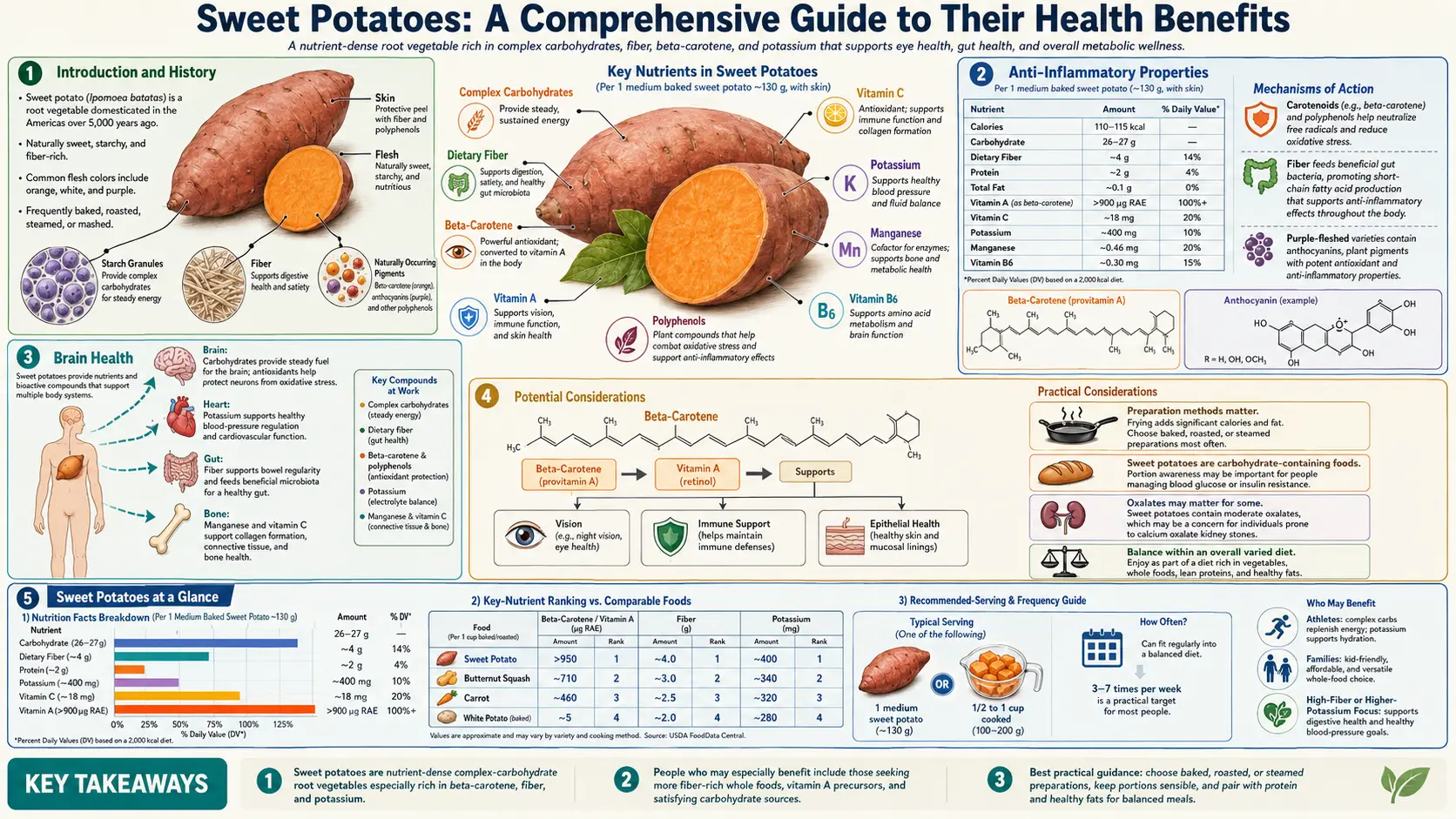
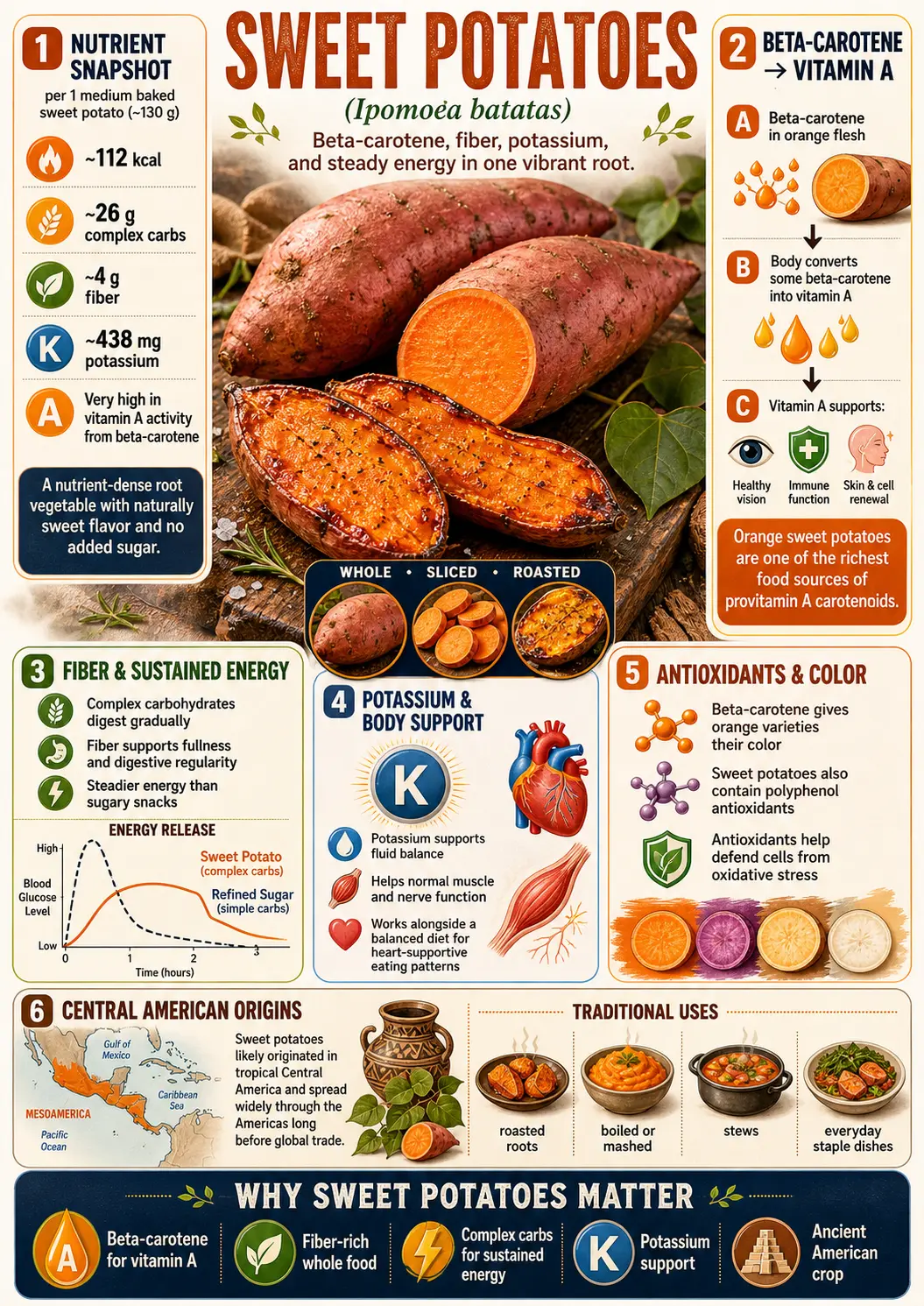
Table of Contents
- Introduction and History
- Nutritional Profile
- Beta-Carotene and Vitamin A
- Blood Sugar Regulation
- Gut Health
- Anti-Inflammatory Properties
- Immune System Support
- Eye Health
- Heart Health
- Cancer Prevention
- Brain Health
- Skin Health
- Athletic Performance
- Purple vs Orange vs White Varieties
- Optimal Preparation Methods
- Potential Considerations
- Key Research Papers
- Featured Videos
Introduction and History
The sweet potato (Ipomoea batatas) is one of the oldest cultivated crops in human history, with archaeological evidence placing its domestication in Central and South America at least 5,000 years ago. Some researchers believe its cultivation may extend back as far as 8,000 to 10,000 years in the tropical regions of what is now Peru and Ecuador. Pre-Columbian civilizations, including the Maya and the Inca, relied on sweet potatoes as a dietary staple, prizing them for their reliable yields, long storage life, and sustaining energy.
Spanish explorers encountered the sweet potato during their voyages to the Americas in the late 15th and early 16th centuries and brought it back to Europe. Portuguese traders subsequently introduced it to Africa, India, and Southeast Asia, where it rapidly became an essential food crop. The sweet potato reached the Pacific Islands through Polynesian voyagers, possibly as early as 1000 CE, making it one of the most widely distributed food plants on Earth well before the age of global trade. Today, China is the world's largest producer, accounting for more than half of global sweet potato production, followed by countries in Sub-Saharan Africa and Southeast Asia.
Sweet potatoes belong to the morning glory family (Convolvulaceae) and are distinct from regular potatoes, which are members of the nightshade family. They are also frequently confused with yams, which belong to an entirely different botanical family (Dioscoreaceae). True yams are starchier, drier, and less sweet, and they are primarily grown in West Africa. The tuberous roots we commonly call sweet potatoes come in a remarkable range of varieties, broadly categorized by their flesh color: orange-fleshed varieties (the most common in North America, rich in beta-carotene), purple-fleshed varieties (abundant in anthocyanins and popular in East Asia and Okinawa), and white or cream-fleshed varieties (milder in flavor, lower in beta-carotene but still nutritionally valuable).
The sweet potato's global importance cannot be overstated. It is the seventh most important food crop in the world by production volume and a critical source of nutrition for hundreds of millions of people in developing nations. International organizations including the World Health Organization and the International Potato Center have championed the biofortified orange-fleshed sweet potato as a frontline intervention against vitamin A deficiency, a condition that affects an estimated 250 million preschool children worldwide. The sweet potato's ability to thrive in poor soils, tolerate drought, and produce abundant harvests with minimal inputs makes it an invaluable crop for food security.
Beyond its agricultural significance, the sweet potato has attracted considerable scientific attention for its extraordinary phytochemical complexity. Research over the past two decades has revealed that sweet potatoes contain a diverse array of bioactive compounds, including carotenoids, anthocyanins, phenolic acids, dietary fiber, and unique storage proteins, all of which contribute to a wide range of health benefits. The Okinawan people of Japan, one of the longest-lived populations on Earth, have traditionally consumed purple sweet potatoes as a dietary cornerstone, a fact that has fueled growing interest in the sweet potato's role in longevity and chronic disease prevention.
Nutritional Profile
A medium-sized baked sweet potato (approximately 150 grams) delivers an impressive concentration of essential nutrients. It provides roughly 103 calories, 24 grams of complex carbohydrates, 2.3 grams of protein, and virtually no fat. Perhaps most strikingly, a single medium orange-fleshed sweet potato supplies more than 400 percent of the daily recommended intake of vitamin A in the form of beta-carotene, making it one of the most concentrated natural sources of this essential nutrient available in the human diet.
Vitamin C is another major contributor to the sweet potato's nutritional value, with a medium serving providing approximately 35 percent of the daily value. Vitamin C functions as an antioxidant, supports immune function, and is essential for collagen synthesis. Sweet potatoes are also an excellent source of vitamin B6 (pyridoxine), delivering about 15 percent of the daily value per serving. Vitamin B6 is critical for neurotransmitter synthesis, amino acid metabolism, and homocysteine regulation, making it important for both neurological and cardiovascular health.
The mineral profile of sweet potatoes is equally noteworthy. They are a rich source of potassium, with a medium sweet potato providing approximately 440 milligrams, comparable to a banana. Potassium is essential for maintaining healthy blood pressure, proper muscle contraction, and electrolyte balance. Sweet potatoes also deliver meaningful amounts of manganese, a trace mineral that supports bone health, connective tissue formation, and antioxidant enzyme activity. Additional minerals present in significant quantities include copper, niacin, pantothenic acid, phosphorus, and iron.
Dietary fiber is one of the most important but often overlooked components of sweet potatoes. A medium sweet potato with its skin provides approximately 4 grams of fiber, which represents about 15 percent of the recommended daily intake. This fiber is a mixture of soluble and insoluble types. Soluble fiber, including pectin, slows digestion and helps regulate blood sugar levels, while insoluble fiber promotes healthy bowel movements and supports the structural integrity of the gastrointestinal tract. The combination of these fiber types makes sweet potatoes a particularly gut-friendly food.
What truly distinguishes sweet potatoes from many other starchy vegetables is their exceptional density of phytochemicals, bioactive plant compounds that confer health benefits beyond basic nutrition. Orange-fleshed varieties are dominated by beta-carotene and other carotenoids, while purple-fleshed varieties contain high concentrations of anthocyanins, a class of flavonoid pigments with potent antioxidant and anti-inflammatory properties. All varieties contain phenolic acids such as chlorogenic acid, caffeic acid, and coumarins. Together, these compounds give sweet potatoes an antioxidant capacity that ranks among the highest of any vegetable, earning them a well-deserved place in any health-conscious diet.
Beta-Carotene and Vitamin A
Orange-fleshed sweet potatoes owe their vibrant color to extraordinarily high concentrations of beta-carotene, a carotenoid pigment that the human body converts into retinol (active vitamin A) through enzymatic cleavage in the intestinal lining and liver. This conversion process is regulated by the body's existing vitamin A status, which provides a natural safeguard against toxicity. Unlike preformed vitamin A found in animal products, beta-carotene from plant sources is converted on an as-needed basis, making sweet potatoes one of the safest and most effective ways to maintain optimal vitamin A levels.
Vitamin A is indispensable for immune function. It plays a central role in the development and differentiation of immune cells, including T lymphocytes, B lymphocytes, and natural killer cells. Vitamin A is also essential for maintaining the integrity of mucosal barriers in the respiratory tract, gastrointestinal tract, and urogenital system, which serve as the body's first line of defense against pathogens. Research published in the Journal of Clinical Medicine has demonstrated that adequate vitamin A status is associated with reduced incidence and severity of infectious diseases, including respiratory infections and diarrheal diseases.
Vision is perhaps the most widely recognized function of vitamin A. Retinal, the aldehyde form of vitamin A, is a structural component of rhodopsin, the photopigment in rod cells that enables vision in low-light conditions. Chronic vitamin A deficiency leads to night blindness and, if left untreated, can progress to xerophthalmia and permanent corneal damage. The World Health Organization estimates that vitamin A deficiency is the leading preventable cause of childhood blindness globally, affecting between 250,000 and 500,000 children each year. Biofortified orange-fleshed sweet potatoes have been deployed in Sub-Saharan Africa and South Asia as a food-based intervention to combat this deficiency, with clinical trials demonstrating significant improvements in serum retinol levels and reduced prevalence of vitamin A deficiency among participating communities.
Vitamin A also plays a vital role in skin health and cellular renewal. It supports the normal turnover of epithelial cells, promotes the production of sebum for skin hydration, and is involved in the synthesis of glycoproteins that maintain cell membrane integrity. Retinoids, which are derivatives of vitamin A, are among the most well-studied compounds in dermatology, used both topically and orally for conditions ranging from acne to photoaging. Consuming beta-carotene-rich foods like sweet potatoes provides the body with a steady supply of vitamin A precursors that support healthy skin from the inside out, without the risks associated with high-dose supplementation.
Research has further revealed that beta-carotene itself, independent of its conversion to vitamin A, possesses significant antioxidant activity. It is particularly effective at quenching singlet oxygen, a highly reactive form of oxygen generated by ultraviolet radiation and metabolic processes. Studies published in the American Journal of Clinical Nutrition have shown that dietary beta-carotene intake is associated with reduced oxidative stress markers and may confer protection against chronic diseases in which oxidative damage plays a central role, including cardiovascular disease and certain cancers.
Blood Sugar Regulation
Despite their natural sweetness, sweet potatoes have a surprisingly moderate glycemic index (GI), which measures how rapidly a food raises blood glucose levels after consumption. The GI of sweet potatoes varies depending on the variety and preparation method, ranging from approximately 44 to 94, but boiled or steamed sweet potatoes consistently fall in the low-to-medium GI range (44 to 61). This is considerably lower than white potatoes, white rice, and white bread, making sweet potatoes a more blood-sugar-friendly carbohydrate option for individuals managing glucose levels.
The mechanisms behind sweet potatoes' favorable glycemic response are multifaceted. Their soluble fiber content, particularly pectin, forms a viscous gel in the digestive tract that slows the rate of glucose absorption into the bloodstream. This results in a more gradual rise and fall in blood sugar, rather than the sharp spike and crash associated with refined carbohydrates. Research published in the Journal of Medicinal Food has demonstrated that the fiber in sweet potatoes can significantly reduce postprandial glucose and insulin responses when compared to equivalent portions of other starchy foods.
An especially intriguing area of research involves adiponectin, a hormone produced by fat cells that plays a key role in regulating insulin sensitivity. Studies have found that certain compounds in sweet potatoes, including its unique storage protein sporamin, may support the production and activity of adiponectin. Higher adiponectin levels are associated with improved insulin sensitivity, better glucose utilization, and reduced risk of type 2 diabetes. A study published in Clinical Chemistry and Laboratory Medicine found that extracts of the white-skinned sweet potato variety Caiapo significantly improved insulin sensitivity and reduced fasting blood glucose in participants with type 2 diabetes.
Another fascinating property emerges when sweet potatoes are cooked and then cooled. During the cooling process, a portion of the digestible starch undergoes retrogradation, transforming into resistant starch. Resistant starch resists digestion in the small intestine and behaves more like dietary fiber, passing through to the colon where it is fermented by beneficial bacteria. This process effectively lowers the glycemic impact of the sweet potato while simultaneously producing short-chain fatty acids that benefit gut health and metabolic function. Eating sweet potatoes cold, as in a chilled sweet potato salad, can therefore provide enhanced blood sugar regulation benefits.
For individuals with diabetes or prediabetes, sweet potatoes can be a valuable part of a blood-sugar-management strategy when consumed in appropriate portions and prepared thoughtfully. Boiling and steaming produce lower glycemic responses than baking, and pairing sweet potatoes with a source of protein or healthy fat further slows glucose absorption. The combination of fiber, beneficial phytochemicals, and the potential for resistant starch formation makes sweet potatoes a superior choice among starchy foods for those seeking to maintain stable blood glucose levels.
Gut Health
The dietary fiber in sweet potatoes serves as a critical substrate for the complex microbial ecosystem residing in the human colon. Sweet potatoes contain a blend of soluble fiber (primarily pectin) and insoluble fiber (including cellulose and hemicellulose), both of which play complementary roles in promoting digestive health. Soluble fiber dissolves in water to form a gel-like substance that regulates transit time and nutrient absorption, while insoluble fiber adds bulk to the stool and promotes regular bowel movements by stimulating peristalsis in the intestinal wall.
Among the most significant contributions sweet potatoes make to gut health is their prebiotic effect. Prebiotics are non-digestible food components that selectively stimulate the growth and activity of beneficial bacteria in the colon, particularly species of Bifidobacterium and Lactobacillus. The soluble fiber and resistant starch in sweet potatoes serve as fermentable substrates for these microorganisms, promoting their proliferation at the expense of potentially pathogenic bacteria. Research published in the Journal of Agricultural and Food Chemistry has confirmed that sweet potato fiber fractions possess significant prebiotic activity, enhancing the growth of beneficial bacterial populations in vitro and in animal models.
When colonic bacteria ferment sweet potato fiber and resistant starch, they produce short-chain fatty acids (SCFAs), including butyrate, propionate, and acetate. These metabolites are profoundly important for gut and systemic health. Butyrate, in particular, is the primary energy source for colonocytes (the cells lining the colon) and plays essential roles in maintaining the integrity of the intestinal barrier, reducing inflammation, and regulating cellular proliferation. Adequate butyrate production is associated with reduced risk of colorectal cancer, inflammatory bowel disease, and metabolic disorders. Propionate contributes to the regulation of hepatic lipid and glucose metabolism, while acetate influences appetite regulation and energy homeostasis.
The pectin in sweet potatoes deserves special attention for its gut-protective properties. Pectin has been shown to enhance the mucus layer that lines the intestinal epithelium, providing a physical barrier that protects against bacterial translocation and toxin absorption. Studies have demonstrated that pectin can also bind to and facilitate the excretion of certain heavy metals and toxins, contributing to detoxification processes in the gastrointestinal tract. Furthermore, the gel-forming capacity of pectin helps soothe irritated mucosal tissues, which may be beneficial for individuals with mild gastrointestinal discomfort or inflammatory conditions.
Emerging research suggests that the polyphenolic compounds in sweet potatoes, particularly the anthocyanins found in purple varieties, may exert additional gut health benefits by modulating the composition of the gut microbiome. A study published in Food and Function found that purple sweet potato anthocyanins selectively promoted the growth of beneficial bacteria while inhibiting the growth of pathogenic species in the colon. These polyphenols may also help reduce intestinal inflammation by suppressing pro-inflammatory cytokine production in the gut-associated lymphoid tissue. The combined effects of fiber, resistant starch, and polyphenols position sweet potatoes as one of the most comprehensively gut-supportive foods available.
Anti-Inflammatory Properties
Chronic low-grade inflammation is increasingly recognized as a common underlying factor in many of the most prevalent diseases of modern civilization, including cardiovascular disease, type 2 diabetes, neurodegenerative disorders, and cancer. Sweet potatoes contain a diverse array of anti-inflammatory compounds that work through multiple biochemical pathways to help reduce inflammatory burden in the body.
The anthocyanins in purple sweet potatoes are among the most potent natural anti-inflammatory agents identified in food. These pigments, which include cyanidin, peonidin, and their acylated derivatives, have been shown to inhibit the nuclear factor kappa-B (NF-kB) signaling pathway, a master regulator of inflammatory gene expression. Research published in the Journal of Agricultural and Food Chemistry demonstrated that purple sweet potato anthocyanins significantly reduced the production of pro-inflammatory cytokines including interleukin-6 (IL-6), interleukin-1 beta (IL-1B), and tumor necrosis factor alpha (TNF-a) in both cell culture and animal models. These are the same inflammatory mediators implicated in the pathogenesis of atherosclerosis, insulin resistance, and neurodegeneration.
Beyond anthocyanins, sweet potatoes contain several phenolic acids with documented anti-inflammatory activity. Chlorogenic acid, one of the predominant phenolics in sweet potatoes, has been shown to inhibit cyclooxygenase-2 (COX-2) expression and reduce prostaglandin E2 production, mechanisms similar to those of non-steroidal anti-inflammatory drugs but without the associated gastrointestinal side effects. Caffeic acid and its derivatives also contribute to the overall anti-inflammatory profile of sweet potatoes by modulating nitric oxide synthesis and reducing oxidative stress in endothelial cells.
Choline, a nutrient found in modest but meaningful amounts in sweet potatoes, plays an underappreciated role in inflammation management. Choline is a precursor to acetylcholine, a neurotransmitter that activates the cholinergic anti-inflammatory pathway, a neural circuit that regulates innate immune responses and dampens systemic inflammation. Adequate choline intake has been associated with lower levels of inflammatory markers including C-reactive protein, IL-6, and TNF-a. A medium sweet potato provides approximately 13 milligrams of choline, which, while not sufficient on its own, contributes to overall daily intake alongside other choline-rich foods.
The beta-carotene and other carotenoids in orange-fleshed sweet potatoes further augment their anti-inflammatory capacity. Carotenoids have been shown to reduce oxidative stress by quenching reactive oxygen species and modulating the expression of antioxidant response genes through the Nrf2 signaling pathway. A systematic review published in Nutrients found that higher dietary carotenoid intake was consistently associated with lower circulating levels of inflammatory biomarkers across diverse populations. The synergistic combination of carotenoids, anthocyanins, phenolic acids, and choline makes sweet potatoes a remarkably comprehensive anti-inflammatory food.
Immune System Support
The immune-supporting properties of sweet potatoes are anchored primarily in their exceptional content of vitamin A and vitamin C, two nutrients that play indispensable and complementary roles in immune defense. Together, they support both the innate and adaptive branches of the immune system, helping the body mount effective responses against a wide range of pathogens while maintaining appropriate immune regulation to prevent excessive inflammation and autoimmune reactions.
Vitamin A's role in mucosal immunity is particularly critical. The mucosal surfaces of the respiratory tract, gastrointestinal tract, and urogenital system represent the body's largest interface with the external environment and serve as the first barrier against pathogen entry. Vitamin A is essential for maintaining the structural integrity and functional capacity of these mucosal tissues. It promotes the secretion of mucins, the glycoproteins that form the protective mucus layer, and supports the production and function of secretory immunoglobulin A (sIgA), an antibody that neutralizes pathogens at mucosal surfaces before they can penetrate into deeper tissues. Vitamin A deficiency impairs mucosal immunity and is associated with increased susceptibility to respiratory and gastrointestinal infections.
Vitamin C contributes to immune defense through multiple mechanisms. It supports the production and function of phagocytes, the immune cells that engulf and destroy pathogens. It enhances the activity of natural killer cells, which target and eliminate virus-infected cells and tumor cells. Vitamin C also promotes the proliferation of T and B lymphocytes, the central mediators of adaptive immunity. As a potent antioxidant, vitamin C protects immune cells from the oxidative damage they generate during the inflammatory response, ensuring they remain functional throughout the course of an infection. A medium sweet potato provides approximately 20 milligrams of vitamin C, contributing meaningfully to daily requirements.
The beta-carotene in sweet potatoes provides additional immune support beyond its conversion to vitamin A. Research has shown that beta-carotene can directly enhance immune cell function by stimulating the production of cytokines that coordinate immune responses and by increasing the expression of cell surface molecules involved in immune cell communication. A study published in the American Journal of Clinical Nutrition found that beta-carotene supplementation increased the number of circulating natural killer cells and enhanced lymphocyte proliferation in healthy older adults.
The polyphenolic compounds in sweet potatoes, including anthocyanins and phenolic acids, further modulate immune function by exerting prebiotic effects that support the gut-associated lymphoid tissue (GALT). Since an estimated 70 to 80 percent of the body's immune cells reside in the gut, maintaining a healthy gut microbiome is essential for optimal immune function. By promoting the growth of beneficial bacteria and the production of short-chain fatty acids, sweet potato compounds help create a gut environment that supports balanced immune responses. This multi-layered approach to immune support, spanning mucosal integrity, immune cell function, antioxidant protection, and gut health, makes sweet potatoes a valuable dietary ally during cold and flu season and beyond.
Eye Health
Sweet potatoes, particularly the orange-fleshed varieties, rank among the most beneficial foods for maintaining and protecting eye health across the lifespan. Their extraordinary beta-carotene content provides the raw material for retinal, the form of vitamin A that is structurally integrated into the photoreceptor proteins of the retina. Without adequate retinal, the rod cells cannot function properly, leading to impaired dark adaptation and, in severe deficiency, night blindness. Regular consumption of beta-carotene-rich foods like sweet potatoes ensures a steady supply of this essential visual pigment precursor.
Beyond basic visual function, the carotenoids in sweet potatoes may help protect against age-related macular degeneration (AMD), the leading cause of irreversible vision loss in adults over 50 in developed countries. While lutein and zeaxanthin are the primary macular pigments, beta-carotene and other carotenoids contribute to the broader antioxidant defense system that protects the retina from cumulative oxidative damage caused by light exposure and metabolic activity. The macula is particularly vulnerable to oxidative stress due to its high metabolic rate, intense light exposure, and high concentration of polyunsaturated fatty acids. A diet rich in diverse carotenoids helps maintain the antioxidant reserve that shields these delicate tissues from damage.
Purple sweet potatoes offer a complementary approach to eye protection through their anthocyanin content. Research has demonstrated that anthocyanins can improve blood flow to the retina, reduce retinal inflammation, and protect retinal pigment epithelial cells from oxidative damage. A study published in Food and Nutrition Research found that anthocyanin-rich extracts from purple sweet potatoes protected retinal cells from light-induced oxidative stress and reduced markers of cellular apoptosis. These protective effects may be particularly relevant for individuals who spend extended periods in front of digital screens or who are exposed to high levels of blue light.
The vitamin C in sweet potatoes adds further value for eye health. Vitamin C is present in high concentrations in the aqueous humor of the eye, where it serves as a frontline antioxidant defense. Epidemiological studies have found that higher dietary vitamin C intake is associated with reduced risk of cataract formation, the clouding of the eye's natural lens that affects millions of older adults worldwide. Vitamin C also supports the health of blood vessels in the eye, which is important for preventing diabetic retinopathy and other vascular eye diseases.
Taken together, the combination of beta-carotene, anthocyanins, vitamin C, and other antioxidant compounds in sweet potatoes provides a multi-pronged defense strategy for ocular health. Regular consumption supports visual acuity, protects against oxidative and light-induced damage, maintains healthy retinal circulation, and may reduce the long-term risk of the most common age-related eye diseases. For comprehensive eye protection, incorporating both orange and purple sweet potato varieties into the diet provides the broadest spectrum of ocular-protective phytochemicals.
Heart Health
Cardiovascular disease remains the leading cause of death worldwide, and dietary choices play a central role in both its prevention and management. Sweet potatoes contribute to heart health through multiple complementary mechanisms, including potassium-mediated blood pressure regulation, cholesterol management, anti-inflammatory effects, and antioxidant protection of vascular tissues.
Potassium is one of the most important nutrients for cardiovascular health, and sweet potatoes are an excellent dietary source. Potassium helps regulate blood pressure by promoting sodium excretion through the kidneys, relaxing smooth muscle cells in blood vessel walls, and counteracting the vasoconstrictive effects of excess sodium. The American Heart Association recommends a daily potassium intake of 4,700 milligrams, a target that most Americans fail to meet. A medium sweet potato provides approximately 440 milligrams of potassium, making it a practical and accessible way to increase intake. A meta-analysis published in the Journal of the American Heart Association found that increased potassium intake was associated with a significant reduction in both systolic and diastolic blood pressure, with the most pronounced effects observed in individuals with hypertension.
The dietary fiber in sweet potatoes contributes to cardiovascular health by helping manage blood cholesterol levels. Soluble fiber binds to bile acids in the intestinal lumen, promoting their excretion and forcing the liver to draw on circulating cholesterol to synthesize new bile acids. This process effectively lowers serum LDL cholesterol, the lipoprotein fraction most strongly associated with atherosclerotic plaque formation. Research published in the American Journal of Clinical Nutrition has consistently demonstrated that increased soluble fiber intake is associated with reduced total and LDL cholesterol levels and lower cardiovascular disease risk.
The anti-inflammatory compounds in sweet potatoes, including anthocyanins, chlorogenic acid, and beta-carotene, help protect the vascular endothelium from the chronic inflammation that drives atherosclerosis. Endothelial dysfunction, characterized by impaired nitric oxide production and increased expression of adhesion molecules, is an early and pivotal step in the development of atherosclerotic plaques. Purple sweet potato anthocyanins have been shown to improve endothelial function by enhancing nitric oxide bioavailability and reducing oxidative modification of LDL cholesterol, the process that triggers macrophage foam cell formation within arterial walls.
Additionally, the vitamin B6 in sweet potatoes supports cardiovascular health by helping regulate homocysteine levels. Homocysteine is an amino acid metabolite whose elevated levels are associated with increased risk of atherosclerosis, blood clots, and cardiovascular events. Vitamin B6, along with folate and vitamin B12, is required for the enzymatic conversion of homocysteine to cysteine, keeping homocysteine concentrations within a healthy range. The convergence of potassium, fiber, anti-inflammatory phytochemicals, and B vitamins makes sweet potatoes a genuinely heart-protective food that addresses multiple cardiovascular risk factors simultaneously.
Cancer Prevention
The potential role of sweet potatoes in cancer prevention has attracted growing scientific interest, driven by research into their rich content of antioxidants and bioactive phytochemicals. While no single food can prevent cancer, the diverse array of protective compounds in sweet potatoes may contribute to reduced cancer risk by neutralizing free radicals, modulating inflammatory pathways, supporting detoxification, and influencing cellular signaling processes involved in tumor development.
The anthocyanins in purple sweet potatoes have been the most intensively studied of these compounds in the context of cancer research. In vitro studies have demonstrated that purple sweet potato anthocyanins can inhibit the proliferation of multiple cancer cell lines, including those derived from colon, breast, gastric, and bladder cancers. The mechanisms involved include induction of apoptosis (programmed cell death) in cancer cells, cell cycle arrest, inhibition of angiogenesis (the formation of new blood vessels that feed tumors), and suppression of metastatic pathways. A study published in the Journal of Cancer Prevention found that purple sweet potato extract significantly reduced the growth and viability of human colorectal cancer cells in a dose-dependent manner.
The beta-carotene in orange-fleshed sweet potatoes also contributes to cancer protection, primarily through its antioxidant activity and its role in supporting immune surveillance. Beta-carotene helps neutralize reactive oxygen species that can cause DNA damage, a key initiating event in carcinogenesis. Observational studies have generally found inverse associations between dietary beta-carotene intake and the risk of certain cancers, particularly lung cancer in non-smokers and cancers of the gastrointestinal tract. It is important to note, however, that the protective effects are attributed to dietary sources of beta-carotene from whole foods rather than high-dose isolated supplements, which have shown mixed or even adverse results in some clinical trials.
Sweet potatoes also contain chlorogenic acid and other phenolic compounds with documented antimutagenic properties. Chlorogenic acid has been shown to inhibit the activity of cytochrome P450 enzymes involved in the metabolic activation of procarcinogens, while simultaneously enhancing Phase II detoxification enzymes such as glutathione S-transferase that facilitate the excretion of carcinogenic metabolites. This dual modulation of carcinogen metabolism may help reduce the body's exposure to DNA-damaging agents from dietary and environmental sources.
The fiber content of sweet potatoes provides additional cancer-preventive value, particularly with respect to colorectal cancer. Dietary fiber reduces colorectal cancer risk by diluting potential carcinogens in the intestinal lumen, reducing transit time and thereby limiting exposure of the colonic epithelium to harmful substances, and through the production of butyrate during bacterial fermentation. Butyrate has been extensively studied for its anti-cancer properties, including its ability to inhibit histone deacetylase enzymes, promote apoptosis in transformed cells, and support normal cellular differentiation in the colon. A comprehensive meta-analysis published in the British Medical Journal confirmed that each 10-gram increment of daily dietary fiber intake was associated with a 10 percent reduction in colorectal cancer risk.
Brain Health
The brain is uniquely vulnerable to oxidative stress due to its high metabolic rate, abundant polyunsaturated fatty acid content, and relatively limited antioxidant defenses compared to other organs. Sweet potatoes offer a combination of neuroprotective compounds that may help safeguard cognitive function and reduce the risk of neurodegenerative diseases such as Alzheimer's disease and other forms of dementia.
The anthocyanins in purple sweet potatoes have emerged as particularly promising neuroprotective agents. These compounds are among the few dietary polyphenols that can cross the blood-brain barrier, allowing them to exert their antioxidant and anti-inflammatory effects directly within brain tissue. Research published in the Journal of Nutritional Neuroscience has demonstrated that purple sweet potato anthocyanins reduced oxidative damage to brain lipids, proteins, and DNA in animal models of accelerated aging. Additional studies have shown that these anthocyanins can suppress neuroinflammation by inhibiting the activation of microglial cells, the brain's resident immune cells whose chronic activation contributes to neuronal damage in Alzheimer's disease and other neurodegenerative conditions.
Animal studies have provided encouraging evidence that purple sweet potato consumption may directly improve cognitive function. Mice fed purple sweet potato extract demonstrated enhanced performance in spatial learning and memory tasks, with corresponding increases in brain-derived neurotrophic factor (BDNF), a protein that supports the survival, growth, and differentiation of neurons. BDNF levels decline with aging and are notably reduced in individuals with Alzheimer's disease, making its preservation a key target in neuroprotective strategies. A study published in Food and Function found that purple sweet potato anthocyanins improved learning and memory in aged mice by enhancing antioxidant enzyme activity and reducing lipid peroxidation in the hippocampus, the brain region most closely associated with memory formation.
Choline, present in sweet potatoes, contributes to brain health as a precursor to acetylcholine, the neurotransmitter most directly involved in memory, attention, and learning. Acetylcholine deficiency is a hallmark of Alzheimer's disease, and much of the pharmacological treatment for Alzheimer's aims to increase acetylcholine availability in the brain. While sweet potatoes are not among the richest dietary sources of choline, their contribution adds to overall intake and, combined with their other neuroprotective compounds, supports a comprehensive dietary strategy for cognitive health.
The complex carbohydrates in sweet potatoes also support brain function by providing a steady supply of glucose, the brain's primary fuel source. Unlike simple sugars that cause rapid spikes and crashes in blood glucose, the fiber-modulated carbohydrates in sweet potatoes release glucose gradually, supporting sustained cognitive performance and stable mood. The B vitamins in sweet potatoes, particularly vitamin B6, further support neurological health through their roles in neurotransmitter synthesis, myelin formation, and homocysteine metabolism. The convergence of antioxidant, anti-inflammatory, cholinergic, and metabolic support makes sweet potatoes a genuinely brain-friendly food.
Skin Health
The skin, as the body's largest organ, is constantly exposed to environmental stressors including ultraviolet radiation, pollution, and oxidative damage. Sweet potatoes provide a synergistic combination of nutrients that support skin health from the inside out, with vitamin A and vitamin C serving as the primary active agents, complemented by carotenoids, anthocyanins, and other phytochemicals.
Vitamin A is essential for the normal growth, differentiation, and maintenance of epithelial cells, which constitute the primary structural component of the skin. It promotes healthy cell turnover in the epidermis, ensuring that damaged or aged cells are replaced efficiently by new ones. Vitamin A also regulates sebum production, helping maintain appropriate skin hydration without excessive oiliness. Retinoid receptors are present throughout the dermis and epidermis, and adequate vitamin A signaling is necessary for maintaining skin thickness, elasticity, and barrier function. The beta-carotene from sweet potatoes provides a sustained, regulated supply of vitamin A that supports these processes without the risk of toxicity associated with preformed vitamin A supplementation.
Vitamin C plays an equally important role in skin health through its essential involvement in collagen synthesis. Collagen is the most abundant structural protein in the skin, providing tensile strength and resilience to the dermis. Vitamin C is required as a cofactor for prolyl hydroxylase and lysyl hydroxylase, the enzymes that stabilize the collagen triple helix structure. Without adequate vitamin C, collagen synthesis is impaired, leading to weakened connective tissue, poor wound healing, and increased susceptibility to skin aging. Additionally, vitamin C functions as a potent antioxidant in the skin, neutralizing free radicals generated by UV exposure and helping to prevent photoaging, hyperpigmentation, and the breakdown of existing collagen fibers.
The beta-carotene and other carotenoids in sweet potatoes offer a form of internal sun protection. Carotenoids accumulate in the skin after dietary consumption and have been shown to provide modest but measurable protection against UV-induced erythema (sunburn). A systematic review published in Photochemistry and Photobiology found that beta-carotene supplementation over a period of 10 or more weeks was associated with reduced sensitivity to sunburn. While dietary carotenoids do not replace the need for topical sun protection, they provide a complementary internal defense layer. As a secondary benefit, the accumulation of carotenoids in the skin imparts a warm, golden hue that research has shown is perceived as healthy and attractive across diverse cultures.
Purple sweet potato anthocyanins add further value for skin health through their potent antioxidant and anti-inflammatory activity. These compounds have been shown to inhibit collagenase and elastase, the enzymes responsible for breaking down collagen and elastin fibers in the dermis. By protecting these structural proteins from enzymatic degradation, anthocyanins may help maintain skin firmness and elasticity with aging. Research also suggests that anthocyanins can reduce UV-induced inflammatory responses in skin cells, potentially lowering the risk of photoaging and skin cancer. The comprehensive nutrient profile of sweet potatoes, spanning vitamins A and C, carotenoids, and polyphenols, makes them one of the most effective dietary strategies for supporting skin health and youthful appearance.
Athletic Performance
Sweet potatoes have long been a staple in the diets of athletes and fitness enthusiasts, valued for their ability to provide sustained energy, support recovery, and deliver key micronutrients that are in high demand during intense physical activity. Their nutritional profile aligns well with the macronutrient and micronutrient needs of both endurance and strength athletes.
The complex carbohydrates in sweet potatoes are their primary athletic advantage. Carbohydrates are the dominant fuel source during moderate-to-high-intensity exercise, and adequate glycogen stores are essential for optimal performance. Unlike simple sugars or refined grains, the carbohydrates in sweet potatoes are accompanied by fiber, which moderates their absorption rate and provides a more sustained release of glucose into the bloodstream. This characteristic makes sweet potatoes an excellent pre-exercise food, capable of topping off glycogen stores without causing gastrointestinal distress or reactive hypoglycemia during activity. A medium sweet potato delivers approximately 24 grams of high-quality carbohydrates, making it easy to incorporate into pre-workout meals at measured doses.
Potassium is one of the most critical electrolytes for athletic performance, and sweet potatoes provide it in abundance. Potassium is essential for maintaining proper muscle contraction, nerve transmission, and fluid balance. During prolonged or intense exercise, potassium is lost through sweat, and inadequate replacement can lead to muscle cramps, fatigue, and impaired performance. The approximately 440 milligrams of potassium in a medium sweet potato contributes significantly to the replenishment of this electrolyte, making sweet potatoes a valuable component of post-exercise nutrition. The manganese in sweet potatoes further supports recovery by serving as a cofactor for superoxide dismutase, an antioxidant enzyme that helps neutralize the reactive oxygen species generated during vigorous exercise.
Post-exercise recovery is another area where sweet potatoes excel. The combination of easily digestible carbohydrates and anti-inflammatory compounds supports the rapid replenishment of depleted glycogen stores while helping to modulate the inflammatory response that follows intense training. Exercise-induced inflammation is a normal and necessary part of the adaptation process, but excessive or prolonged inflammation can impair recovery and increase the risk of overtraining. The beta-carotene, vitamin C, and anthocyanins in sweet potatoes help maintain an appropriate inflammatory balance, supporting recovery without blunting the beneficial adaptive signals of exercise.
The vitamin B6 in sweet potatoes plays an important role in energy metabolism during exercise. It is required for glycogen phosphorylase, the enzyme that liberates glucose from glycogen stores in muscle tissue, and for the transamination reactions that allow amino acids to be used as fuel during prolonged endurance activity. Athletes with inadequate B6 status may experience impaired energy metabolism and reduced exercise capacity. The combination of high-quality carbohydrates, potassium, anti-inflammatory compounds, and B vitamins positions sweet potatoes as one of the most complete natural performance foods available, equally suited for fueling training sessions and accelerating recovery afterward.
Purple vs Orange vs White Varieties
While all sweet potatoes share a common nutritional foundation of complex carbohydrates, fiber, vitamins, and minerals, the three major color varieties, purple, orange, and white, differ significantly in their phytochemical profiles and, consequently, in their specific health benefits. Understanding these differences allows for more strategic dietary choices based on individual health goals.
Orange-fleshed sweet potatoes are the most commonly consumed variety in North America and are distinguished by their exceptionally high beta-carotene content. The deeper the orange color, the higher the beta-carotene concentration. A single medium orange sweet potato can contain upward of 11,000 micrograms of beta-carotene, far exceeding the amount found in carrots, mangoes, or any other commonly consumed food. This makes orange varieties the optimal choice for individuals seeking to increase their vitamin A intake, support immune function, protect eye health, and enhance skin integrity. Orange sweet potatoes tend to have a moist, sweet, and creamy texture when cooked, making them versatile in both savory and sweet preparations.
Purple sweet potatoes, including the celebrated Okinawan sweet potato and the Stokes Purple variety, derive their vivid color from high concentrations of anthocyanins, a class of flavonoid pigments with exceptional antioxidant and anti-inflammatory potency. Purple sweet potatoes contain significantly less beta-carotene than their orange counterparts but compensate with anthocyanin levels that can reach 10 to 40 milligrams per 100 grams of fresh weight. These compounds give purple varieties distinct advantages in the areas of anti-inflammatory protection, neuroprotection, anticancer activity, and cardiovascular health. Purple sweet potatoes tend to have a drier, denser texture and a more subtly sweet, nutty flavor. They are widely consumed in Japan, Korea, and the Philippines, where they are used in traditional desserts, breads, and beverages.
White or cream-fleshed sweet potatoes are more common in tropical regions of Asia, Africa, and South America. They contain lower levels of both beta-carotene and anthocyanins but are still nutritionally valuable, providing comparable amounts of fiber, potassium, vitamin C, and B vitamins. White sweet potatoes have a starchier, drier texture and a milder, less sweet flavor that many people prefer in savory dishes. Notably, the white-skinned Caiapo variety has been the subject of specific clinical research demonstrating benefits for blood sugar regulation and insulin sensitivity, suggesting that the bioactive compounds in white sweet potatoes may include unique storage proteins and other molecules not as prominent in the colored varieties.
For maximum health benefit, incorporating multiple sweet potato varieties into the diet provides the broadest spectrum of protective phytochemicals. The beta-carotene in orange varieties and the anthocyanins in purple varieties target different but complementary antioxidant and anti-inflammatory pathways. Some researchers have proposed that the traditional Okinawan diet, which features purple sweet potatoes as a caloric staple alongside diverse plant foods, exemplifies a dietary pattern that leverages this phytochemical diversity for longevity. Regardless of color, all sweet potato varieties share the benefits of being whole-food sources of complex carbohydrates, fiber, and essential micronutrients, making any variety a healthful addition to the diet.
Optimal Preparation Methods
The method of preparation significantly influences the nutritional profile, glycemic impact, and phytochemical availability of sweet potatoes. Understanding how different cooking techniques affect these properties allows for more informed choices that align with specific health objectives.
Baking sweet potatoes at moderate temperatures (around 200 degrees Celsius or 400 degrees Fahrenheit) is one of the most popular preparation methods and effectively concentrates their natural sweetness through caramelization of sugars and breakdown of starches. However, baking produces the highest glycemic index of any cooking method, as the prolonged dry heat extensively gelatinizes the starch, making it more rapidly digestible. For individuals not concerned about blood sugar management, baked sweet potatoes deliver excellent flavor and retain most of their beta-carotene, vitamin C (though with some heat-related losses), and mineral content. Baking with the skin on preserves more nutrients and fiber than peeling before cooking.
Steaming is widely considered the optimal preparation method for maximizing nutrient retention while minimizing glycemic impact. Steaming preserves a higher percentage of vitamin C than baking (since exposure to direct heat and air is reduced) and produces a lower glycemic response because the starch is less extensively gelatinized. Studies have also shown that steaming retains more of the anthocyanin content in purple sweet potatoes compared to other cooking methods, making it the preferred technique for those seeking maximum polyphenol benefits. Steaming times of 20 to 30 minutes are typically sufficient for medium-sized sweet potatoes.
Roasting at high temperatures creates desirable Maillard reaction flavors and a caramelized exterior while maintaining a tender interior. Cutting sweet potatoes into cubes or wedges before roasting increases the surface area exposed to heat, which enhances flavor development but also increases the glycemic response compared to cooking them whole. Adding a small amount of healthy fat, such as olive oil or coconut oil, to roasted sweet potatoes significantly enhances the absorption of beta-carotene, which is fat-soluble and requires dietary fat for optimal bioavailability. Research published in Molecular Nutrition and Food Research demonstrated that consuming beta-carotene with fat increased its absorption by three to five times compared to consuming it without fat.
Perhaps the most intriguing preparation strategy involves cooking sweet potatoes and then cooling them before consumption. When cooked starch cools to room temperature or below, a portion of the amylose chains realign and crystallize into resistant starch (specifically, retrograded starch or RS3). This resistant starch is not digested in the small intestine and instead passes to the colon, where it functions as a prebiotic fiber, feeding beneficial bacteria and stimulating short-chain fatty acid production. The net effect is a significantly lower glycemic impact compared to freshly cooked sweet potatoes. Chilled sweet potato salads, sweet potato-based meal prep dishes reheated from refrigerator temperature, and even cold sweet potato slices can all leverage this resistant starch formation for enhanced metabolic and gut health benefits.
Boiling sweet potatoes also produces a relatively low glycemic response and preserves nutrient content well, though some water-soluble vitamins and minerals may leach into the cooking water. Using the cooking water in soups, stews, or sauces can recapture these nutrients. Microwaving is another time-efficient option that generally preserves nutrients well due to the short cooking time and minimal water use. Deep frying, by contrast, adds significant calories from oil absorption and generates potentially harmful compounds through lipid oxidation, making it the least healthful preparation method. For overall nutritional optimization, steaming or boiling sweet potatoes with their skins, pairing them with a small amount of healthy fat, and occasionally allowing them to cool before eating represents the most evidence-based preparation strategy.
Potential Considerations
While sweet potatoes are among the most nutritious and well-tolerated foods available, there are several considerations that certain individuals should be aware of to ensure safe and optimal consumption. These considerations are relevant to specific populations and health conditions and should not discourage general sweet potato consumption for most people.
Oxalates represent the most commonly cited concern regarding sweet potato consumption. Sweet potatoes contain moderate levels of oxalic acid, a naturally occurring compound found in many plant foods including spinach, beets, nuts, and chocolate. Oxalates can bind to calcium in the urinary tract and, in susceptible individuals, contribute to the formation of calcium oxalate kidney stones, the most common type of kidney stone. People with a history of oxalate-type kidney stones or those at elevated risk may be advised by their healthcare provider to moderate their intake of high-oxalate foods, including sweet potatoes. Boiling sweet potatoes can reduce their oxalate content by 30 to 50 percent, as oxalates leach into the cooking water, making boiled preparations preferable for individuals managing oxalate intake.
Although beta-carotene from food sources is generally considered safe because the body regulates its conversion to vitamin A, extremely high and sustained consumption of beta-carotene-rich foods can lead to a harmless condition called carotenodermia, in which the skin takes on a yellowish-orange tint. This condition is entirely benign and resolves once intake is reduced. It is important to distinguish this from jaundice, which involves yellowing of the whites of the eyes and is caused by liver dysfunction. True vitamin A toxicity (hypervitaminosis A) is virtually impossible to achieve through sweet potato consumption alone, as it is associated with chronic intake of high-dose preformed vitamin A (retinol) from supplements or animal liver, not from beta-carotene in plant foods.
Sweet potatoes are relatively high in carbohydrates, which should be considered by individuals following very low-carbohydrate or ketogenic diets. A medium sweet potato contains approximately 24 grams of carbohydrates, which could represent a significant portion of the daily carbohydrate allowance on highly restrictive protocols. However, for most people, including those managing blood sugar, the fiber content, moderate glycemic index, and nutrient density of sweet potatoes make them a far superior carbohydrate choice compared to refined grains, white potatoes, or processed starchy foods.
Some individuals may experience gastrointestinal discomfort when first increasing their sweet potato consumption, particularly gas and bloating. This is typically caused by the fermentation of fiber and resistant starch by colonic bacteria and usually resolves as the gut microbiome adapts to the increased fiber intake. Gradually increasing sweet potato consumption over a period of one to two weeks, rather than introducing large quantities suddenly, can minimize these symptoms. Drinking adequate water alongside fiber-rich foods also supports comfortable digestion.
Finally, individuals taking beta-blocker medications, which are commonly prescribed for heart conditions, should be aware that these drugs can cause potassium levels to rise. Since sweet potatoes are a significant source of potassium, those on beta-blockers or with compromised kidney function should monitor their potassium intake and consult with their healthcare provider to ensure they remain within safe levels. Similarly, individuals with advanced kidney disease who are on potassium-restricted diets should work with a registered dietitian to determine appropriate sweet potato portion sizes. For the vast majority of the population, however, sweet potatoes can be enjoyed frequently and generously as part of a balanced, whole-foods-based diet.
Key Research Papers
- Ludvik B et al. "The effect of Ipomoea batatas (Caiapo) on glucose metabolism and serum cholesterol in patients with type 2 diabetes: a randomized study" Clinical Chemistry and Laboratory Medicine, 2002. — PubMed PMID: 11772921 (White-skinned sweet potato extract Caiapo significantly improved fasting blood glucose and cholesterol levels in type 2 diabetic patients.)
- Ludvik B et al. "Improved metabolic control by Ipomoea batatas (Caiapo) is associated with increased adiponectin and decreased fibrinogen levels in type 2 diabetic subjects" Diabetes, Obesity and Metabolism, 2008. — PubMed PMID: 17645559 (Caiapo improved insulin sensitivity with increased adiponectin levels in type 2 diabetes.)
- Aune D et al. "Dietary fibre, whole grains, and risk of colorectal cancer: systematic review and dose-response meta-analysis of prospective studies" British Medical Journal, 2011. — PubMed PMID: 22074852 (Each 10 g/day increase in dietary fiber intake was associated with a 10% reduction in colorectal cancer risk.)
- Stahl W et al. "Protection from sunburn with beta-carotene: a meta-analysis" Photochemistry and Photobiology, 2008. — PubMed PMID: 18086246 (Beta-carotene supplementation for 10+ weeks provided measurable protection against UV-induced erythema.)
- Santos FL et al. "Potassium intake and blood pressure: a dose-response meta-analysis of randomized controlled trials" Journal of the American Heart Association, 2020. — PubMed PMID: 32500831 (Increased potassium intake was associated with significant reductions in systolic and diastolic blood pressure, particularly in hypertensive individuals.)
- Brown L et al. "Cholesterol-lowering effects of dietary fiber: a meta-analysis" American Journal of Clinical Nutrition, 1999. — PubMed PMID: 9925120 (Soluble fiber intake of 2-10 g/day was associated with significant decreases in total and LDL cholesterol.)
- Santos S et al. "Natural killer cell activity in elderly men is enhanced by beta-carotene supplementation" American Journal of Clinical Nutrition, 1996. — PubMed PMID: 8901800 (Beta-carotene supplementation significantly enhanced natural killer cell activity in elderly men.)
- Chaudhary P et al. "Anti-inflammatory and anticancer activities of Taiwanese purple-fleshed sweet potatoes (Ipomoea batatas L. Lam) extracts" BioMed Research International, 2015. — PubMed PMID: 26509161 (Purple sweet potato extracts suppressed NF-kB, TNF-alpha, and IL-6 production and inhibited cancer cell proliferation.)
- Shan Q et al. "Purple sweet potato color ameliorates cognition deficits and attenuates oxidative damage and inflammation in aging mouse brain induced by D-galactose" Journal of Nutritional Neuroscience, 2009. — PubMed PMID: 19865488 (Purple sweet potato anthocyanins improved spatial learning and memory and reduced brain oxidative damage in aged mice.)
- Shan Q et al. "Purple sweet potato color repairs D-galactose-induced spatial learning and memory impairment by regulating the expression of synaptic proteins" Neurobiology of Learning and Memory, 2008. — PubMed PMID: 18316211 (Purple sweet potato anthocyanins restored learning and memory by modulating synaptic protein expression in the hippocampus.)
- Zhu F et al. "Dietary fiber isolated from sweet potato residues promotes a healthy gut microbiome profile" Food and Function, 2020. — PubMed PMID: 31909777 (Sweet potato dietary fiber increased Bifidobacterium and Lactobacillus populations while decreasing pathogenic bacteria in vitro.)
- Liang S et al. "The modulatory effect of anthocyanins from purple sweet potato on human intestinal microbiota in vitro" Food and Function, 2016. — PubMed PMID: 26975278 (Purple sweet potato anthocyanins selectively promoted beneficial bacteria and inhibited pathogenic species in the colon.)
- Kang HJ et al. "Role of anthocyanin-enriched purple-fleshed sweet potato p40 in colorectal cancer prevention" Molecular Nutrition and Food Research, 2013. — PubMed PMID: 23784800 (Purple sweet potato anthocyanins induced cell-cycle arrest and apoptosis in human colon cancer cells in a dose-dependent manner.)
- Chu YF et al. "The influences of purple sweet potato anthocyanin on the growth characteristics of human retinal pigment epithelial cells" Food and Nutrition Research, 2015. — PubMed PMID: 26070791 (Purple sweet potato anthocyanins protected retinal pigment epithelial cells from oxidative stress.)
- Christensen K et al. "Carotenoids supplementation and inflammation: a systematic review and meta-analysis of randomized clinical trials" Critical Reviews in Food Science and Nutrition, 2022. — PubMed PMID: 33998846 (Higher dietary carotenoid intake was associated with significantly lower circulating levels of CRP and IL-6 inflammatory biomarkers.)
- Connections
PubMed Topic Searches
The following curated PubMed topic searches lead to the peer-reviewed primary literature and systematic reviews that underpin the health claims discussed on this page. Each link opens PubMed in a new tab.
- PubMed: Sweet potato beta-carotene bioavailability
- PubMed: Orange-fleshed sweet potato and vitamin A deficiency
- PubMed: Purple sweet potato anthocyanins and inflammation
- PubMed: Sweet potato and glycemic index
- PubMed: Sweet potato and blood pressure
- PubMed: Sweet potato dietary fiber and gut health
- PubMed: Caiapo (white sweet potato) and type 2 diabetes
- PubMed: Sweet potato and blood glucose control
- PubMed: Beta-carotene and immune function
- PubMed: Sweet potato leaves and polyphenols
Browse all PubMed citations for “Sweet Potatoes”
This content is provided for informational purposes only and does not constitute medical advice. Consult a qualified healthcare provider for personalized dietary guidance.