Collagen: The Foundational Protein for Structural Integrity and Healing
Table of Contents
- What Is Collagen
- Types of Collagen
- Why Collagen Production Declines with Age
- Skin Health: Elasticity, Hydration, and Wrinkle Reduction
- Joint and Cartilage Support
- Gut Healing and Intestinal Lining Repair
- Bone Density and Strength
- Hair and Nail Growth
- Cardiovascular Health and Arterial Integrity
- Muscle Mass Preservation
- Natural Food Sources
- Collagen Peptides vs Gelatin vs Undenatured Collagen
- Vitamin C as Essential Cofactor
- Recommended Dosage
- Cautions and Considerations
- Research Papers
- Connections
- Featured Videos
What Is Collagen
Collagen is the most abundant protein in the human body, accounting for approximately 30 percent of total protein content. It serves as the primary structural scaffold for connective tissues throughout the body, providing tensile strength, elasticity, and cohesion to skin, bones, tendons, ligaments, cartilage, blood vessels, and organs. The word collagen derives from the Greek kolla, meaning glue, which speaks to its fundamental role in holding the body together.
From a naturopathic perspective, collagen represents one of the most essential building blocks of the human form. When we consider the connective tissue matrix as a living, dynamic system, we understand that collagen is not merely a passive structural element but an active participant in healing, regeneration, and communication between cells. Every wound that heals, every bone that mends, and every joint that moves freely depends upon adequate collagen synthesis and turnover.
Collagen molecules are composed of three polypeptide chains wound together in a characteristic triple helix structure. These chains are rich in the amino acids glycine, proline, and hydroxyproline. Glycine, the smallest amino acid, occupies every third position in the chain, allowing the tight coiling of the triple helix. Proline and hydroxyproline contribute rigidity to the structure, and their hydroxylation requires vitamin C as an essential cofactor.
The body synthesizes collagen through a complex process that begins inside fibroblast cells and concludes in the extracellular matrix. Procollagen molecules are assembled intracellularly, secreted into the extracellular space, and then enzymatically processed into mature collagen fibrils that cross-link with one another to form strong, resilient fibers. This entire process depends upon adequate nutrition, including sufficient amino acids, vitamin C, zinc, copper, and manganese.
Types of Collagen
Scientists have identified at least 28 distinct types of collagen, though five primary types account for the vast majority of collagen in the human body. Each type has a unique distribution and function, and understanding their differences is important for targeted therapeutic supplementation.
Type I Collagen is by far the most abundant, making up approximately 90 percent of the body's total collagen. It forms the structural framework of skin, bones, tendons, ligaments, teeth, and the organic portion of bone matrix. Type I collagen fibers are extraordinarily strong, with a tensile strength comparable to steel on a weight-for-weight basis. This type is the primary target for skin health and bone density support.
Type II Collagen is the predominant collagen found in hyaline cartilage, the smooth, glassy tissue that covers the ends of bones within joints. It forms a fine meshwork of fibrils that trap proteoglycans and water, creating the resilient, shock-absorbing properties of cartilage. Type II collagen is of particular interest for individuals with osteoarthritis and joint degeneration.
Type III Collagen is commonly found alongside Type I collagen in skin, blood vessel walls, and internal organs. It forms thinner, more flexible fibers and is particularly abundant in tissues that require elasticity and compliance, such as the walls of arteries and the uterus. Type III collagen is also prominent in early wound healing, gradually being replaced by Type I as the scar matures.
Type V Collagen is found in cell surfaces, the placenta, and hair. It plays a regulatory role in the formation of collagen fibrils, helping to control their diameter and organization. Type V is also present in the cornea of the eye and in the interstitial matrix of muscles, lungs, and liver.
Type X Collagen is associated with the growth plate in developing bones and plays a role in endochondral ossification, the process by which cartilage is replaced by bone during growth. While less commonly discussed in clinical nutrition, it is relevant to bone development and fracture repair.
Why Collagen Production Declines with Age
Beginning around age 25, the body's natural collagen production starts to decline at a rate of approximately 1 to 1.5 percent per year. By age 40, collagen synthesis has diminished significantly, and by age 60, the cumulative loss becomes visibly and functionally apparent in the form of wrinkled skin, stiff joints, weakened bones, and slower wound healing.
Several factors contribute to this decline. As we age, fibroblast cells become less active and less responsive to growth signals. The enzymatic machinery responsible for collagen synthesis becomes less efficient, and the rate of collagen degradation by matrix metalloproteinases (MMPs) increases. The net result is a progressive imbalance between collagen production and breakdown.
Beyond chronological aging, several lifestyle and environmental factors accelerate collagen loss:
- Ultraviolet radiation from sun exposure is one of the most potent collagen destroyers, activating MMPs that degrade collagen fibers in the dermis
- Smoking impairs collagen synthesis and increases MMP activity, accelerating skin aging significantly
- Excessive sugar consumption leads to glycation, a process in which sugar molecules bind to collagen fibers, making them stiff, brittle, and resistant to normal turnover
- Chronic stress elevates cortisol, which inhibits collagen production and promotes tissue breakdown
- Poor sleep quality reduces growth hormone secretion, which is essential for tissue repair and collagen synthesis
- Nutrient deficiencies in vitamin C, zinc, copper, and amino acids directly impair the collagen production pathway
- Environmental toxins and pollution generate free radicals that damage existing collagen and inhibit new synthesis
In naturopathic practice, addressing collagen decline involves not only supplementation but also reducing these contributing factors through lifestyle modification, stress management, adequate sleep, antioxidant-rich nutrition, and sun protection.
Skin Health: Elasticity, Hydration, and Wrinkle Reduction
The dermis, the structural layer of the skin, is composed primarily of Type I and Type III collagen fibers interwoven with elastin. Together, these proteins give skin its firmness, elasticity, and ability to retain moisture. As collagen diminishes with age, the skin becomes thinner, drier, and less resilient, leading to the formation of fine lines, wrinkles, and sagging.
Clinical research has consistently demonstrated that oral collagen supplementation can improve skin health parameters. A systematic review of randomized controlled trials found that collagen peptide supplementation at doses of 2.5 to 10 grams daily for 8 to 12 weeks significantly improved skin elasticity, hydration, and dermal collagen density compared to placebo. Some studies also reported reductions in wrinkle depth and volume.
The mechanism by which ingested collagen peptides improve skin health involves several pathways. When collagen peptides are digested, they are broken down into dipeptides and tripeptides, particularly prolyl-hydroxyproline and hydroxyprolyl-glycine. These bioactive peptides are absorbed into the bloodstream and travel to the dermis, where they stimulate fibroblasts to increase their production of new collagen, elastin, and hyaluronic acid. In essence, the peptides serve as both building blocks and signaling molecules.
From a naturopathic approach, combining collagen supplementation with topical support such as vitamin C serums, adequate hydration, essential fatty acid intake, and protection from UV damage creates a comprehensive strategy for maintaining youthful, healthy skin from the inside out.
Joint and Cartilage Support
Articular cartilage, the smooth tissue that lines joint surfaces, is composed primarily of Type II collagen fibers embedded in a matrix of proteoglycans and water. This specialized tissue absorbs shock, reduces friction, and allows smooth joint movement. Unfortunately, cartilage has very limited blood supply and regenerative capacity, making it highly susceptible to degenerative changes.
Collagen supplementation has emerged as a promising approach for supporting joint health and managing osteoarthritis symptoms. Two primary strategies exist: hydrolyzed collagen peptides and undenatured Type II collagen.
Hydrolyzed collagen peptides, typically dosed at 10 grams daily, provide amino acid building blocks that support cartilage maintenance and repair. Studies have shown that these peptides accumulate in cartilage tissue after oral ingestion and stimulate chondrocytes to produce new cartilage matrix components.
Undenatured Type II collagen (UC-II), taken at much lower doses of 40 milligrams daily, works through a fundamentally different mechanism. It acts via oral tolerance, modulating the immune system to reduce the autoimmune-mediated destruction of joint cartilage. Clinical trials have demonstrated that UC-II is effective for both osteoarthritis and exercise-induced joint discomfort, often outperforming glucosamine and chondroitin combinations.
In naturopathic joint care, collagen supplementation is often combined with anti-inflammatory botanicals such as turmeric, boswellia, and ginger, along with omega-3 fatty acids and hyaluronic acid, to address joint degeneration from multiple angles simultaneously.
Gut Healing and Intestinal Lining Repair
The intestinal lining is a single-cell-thick barrier that must simultaneously absorb nutrients and exclude harmful substances. This delicate barrier is maintained in large part by the connective tissue of the lamina propria, which is rich in collagen. When the intestinal lining becomes compromised, a condition commonly referred to as increased intestinal permeability or leaky gut, collagen's reparative properties become particularly valuable.
Collagen and its constituent amino acids play several important roles in gut healing. Glycine, the most abundant amino acid in collagen, has demonstrated anti-inflammatory properties in the gastrointestinal tract and supports the synthesis of glutathione, the body's master antioxidant. Glutamine, while not a major structural component of collagen itself, is often present in collagen-rich foods like bone broth and is the primary fuel source for enterocytes, the cells lining the small intestine.
Proline and hydroxyproline contribute to the structural integrity of the intestinal connective tissue, while glycine supports bile acid conjugation, improving fat digestion and reducing irritation to the intestinal lining. Collagen peptides have also been shown to strengthen tight junctions between intestinal epithelial cells, helping to restore the selective permeability of the gut barrier.
In naturopathic practice, collagen-rich bone broth has long been a cornerstone of gut healing protocols. Whether consumed as traditional broth or in the form of collagen peptide supplements, this approach provides the raw materials needed for intestinal repair while simultaneously soothing inflammation. Many practitioners recommend collagen as part of a comprehensive gut restoration program that includes probiotics, L-glutamine, zinc carnosine, and mucosal-supporting herbs such as slippery elm and marshmallow root.
Bone Density and Strength
Bone is not merely a mineral deposit; it is a dynamic, living tissue composed of both organic and inorganic components. Approximately 90 percent of the organic matrix of bone is Type I collagen, which provides the flexible framework upon which calcium, phosphorus, and other minerals are deposited. Without adequate collagen, bones become brittle regardless of mineral content, much as a building without rebar would crumble despite having abundant concrete.
Research has shown that collagen peptide supplementation can positively influence bone metabolism. In postmenopausal women, a population particularly vulnerable to osteoporosis, daily supplementation with 5 grams of specific collagen peptides for 12 months resulted in increased bone mineral density in the femoral neck and lumbar spine compared to placebo. The peptides appeared to stimulate osteoblast activity while reducing osteoclast-mediated bone resorption.
The amino acid composition of collagen is also relevant to bone health. Proline and glycine are precursors for hydroxyproline and hydroxylysine, which are unique to collagen and essential for the cross-linking that gives bone its tensile strength. Additionally, collagen peptides have been shown to influence the expression of genes involved in bone formation and mineralization.
From a naturopathic standpoint, supporting bone health requires a multifaceted approach that addresses the collagen matrix as well as mineral content. Collagen supplementation combined with adequate calcium, magnesium, vitamin D3, vitamin K2, boron, and weight-bearing exercise represents a comprehensive strategy for maintaining bone density and reducing fracture risk throughout the lifespan.
Hair and Nail Growth
Hair follicles are surrounded by a collagen-rich dermis, and the dermal papilla at the base of each follicle depends upon a healthy connective tissue matrix for proper nutrient delivery and signaling. As collagen in the dermis declines with age, hair follicles receive less structural support, contributing to hair thinning and slower growth.
Collagen provides proline, one of the main components of keratin, the structural protein that makes up hair and nails. By supplying proline and other amino acids, collagen supplementation provides the building blocks needed for keratin synthesis. Furthermore, the antioxidant properties of certain collagen-derived amino acids, particularly glycine and proline, may help protect hair follicle stem cells from free radical damage.
Nail health is similarly dependent upon adequate collagen. The nail bed is a specialized connective tissue structure, and the nail plate itself is produced by the nail matrix, which requires robust nutritional support. Clinical studies have demonstrated that collagen peptide supplementation can increase nail growth rate by 12 percent and decrease the frequency of broken nails by 42 percent after 24 weeks of daily supplementation.
In naturopathic hair and nail care, collagen is often recommended alongside biotin, silica, iron, zinc, and essential fatty acids. Addressing underlying causes of hair loss such as thyroid dysfunction, hormonal imbalances, and nutrient deficiencies remains essential, with collagen serving as an important adjunctive therapy to support the structural matrix from which healthy hair and nails grow.
Cardiovascular Health and Arterial Integrity
The walls of arteries and veins are composed of collagen and elastin fibers that provide both strength and flexibility. Type I and Type III collagen are the predominant forms in blood vessel walls, with Type III being particularly important in the aorta and other large elastic arteries. These collagen fibers resist the mechanical forces of blood pressure while allowing the vessel to expand and contract with each heartbeat.
As collagen production declines with age, arterial walls can become stiffer and less compliant, contributing to hypertension and increased cardiovascular risk. Advanced glycation end products (AGEs) further stiffen collagen in vessel walls, particularly in individuals with diabetes or chronic high sugar intake. Arterial stiffness is now recognized as an independent risk factor for cardiovascular events.
Preliminary research suggests that collagen peptide supplementation may support cardiovascular health. A clinical trial found that daily supplementation with collagen tripeptides for six months reduced markers of atherosclerosis and improved arterial stiffness measurements. The proposed mechanism involves collagen peptides supporting the structural integrity of the arterial wall and reducing inflammatory processes that contribute to vascular damage.
Naturopathic cardiovascular support integrates collagen with other vascular-protective nutrients including vitamin C, which is essential for collagen synthesis in vessel walls, omega-3 fatty acids, CoQ10, magnesium, and flavonoid-rich foods such as berries and dark chocolate. This whole-systems approach addresses the structural, inflammatory, and oxidative components of cardiovascular health simultaneously.
Muscle Mass Preservation
While collagen is not typically considered a muscle-building protein due to its incomplete amino acid profile, it plays an important supportive role in muscle health and preservation. Collagen constitutes 1 to 10 percent of muscle tissue by dry weight and forms the endomysium, perimysium, and epimysium, the connective tissue sheaths that surround and organize muscle fibers.
Research has demonstrated that collagen peptide supplementation combined with resistance exercise can increase muscle mass and strength more than resistance exercise alone, particularly in elderly populations experiencing sarcopenia. A study in elderly men found that 15 grams of collagen peptides daily combined with a 12-week resistance training program resulted in significantly greater gains in fat-free mass and muscle strength compared to the exercise-only group.
The mechanism may involve collagen peptides stimulating the synthesis of muscle proteins such as creatine, as well as supporting the connective tissue infrastructure that transmits muscular force to the skeleton. Healthy tendons and fascial layers are essential for efficient force transmission and injury prevention during physical activity.
In naturopathic sports medicine and healthy aging programs, collagen supplementation is recommended as a complement to, rather than a replacement for, complete protein sources. Combining collagen with whey or plant-based protein ensures that all essential amino acids are provided for muscle protein synthesis, while the collagen specifically supports the connective tissue components that maintain musculoskeletal integrity.
Natural Food Sources
Throughout human history, collagen-rich foods were a regular part of the diet. Traditional diets included the consumption of animal skins, cartilage, organ meats, and slow-cooked bone broths, all of which provided abundant collagen and its constituent amino acids. The modern Western diet, with its emphasis on boneless, skinless cuts of meat, has significantly reduced natural collagen intake.
The richest natural food sources of collagen include:
- Bone broth prepared by simmering bones for 12 to 24 hours extracts collagen, gelatin, glycosaminoglycans, and minerals into a bioavailable liquid form
- Chicken skin and cartilage are particularly rich in Type II collagen, making them beneficial for joint health
- Fish skin and scales provide marine collagen, which is predominantly Type I and has smaller peptide sizes for enhanced absorption
- Pork skin and pork rinds contain abundant Type I and Type III collagen
- Organ meats such as tripe, tendon, and oxtail provide concentrated sources of various collagen types
- Egg shell membranes contain Type I, Type V, and Type X collagen along with hyaluronic acid and glycosaminoglycans
- Sardines and small fish eaten whole with skin and bones provide both collagen and calcium
In addition to direct collagen sources, certain foods support the body's own collagen synthesis:
- Vitamin C-rich foods such as citrus fruits, bell peppers, strawberries, and broccoli are essential for the hydroxylation of proline and lysine in collagen production
- Sulfur-containing foods such as garlic, onions, and cruciferous vegetables support collagen cross-linking
- Copper-rich foods such as liver, shellfish, and dark chocolate activate lysyl oxidase, an enzyme required for collagen fiber maturation
- Zinc-rich foods such as oysters, pumpkin seeds, and grass-fed beef support collagen synthesis and wound healing
Collagen Peptides vs Gelatin vs Undenatured Collagen
Understanding the differences between supplemental forms of collagen is essential for selecting the appropriate product for individual therapeutic goals.
Collagen Peptides (Hydrolyzed Collagen) are produced by enzymatically breaking down collagen into small peptide fragments, typically with a molecular weight of 2,000 to 5,000 daltons. These peptides dissolve easily in both hot and cold liquids, are rapidly absorbed in the gastrointestinal tract, and have high bioavailability. Studies using radiolabeled collagen peptides have confirmed that ingested peptides appear in the blood as dipeptides and tripeptides and accumulate in target tissues including skin, cartilage, and bone. Hydrolyzed collagen is the most versatile and well-researched form for general supplementation.
Gelatin is partially hydrolyzed collagen that dissolves only in hot water and gels upon cooling. It has the same amino acid profile as collagen peptides but a larger molecular size and different functional properties. Gelatin is commonly used in cooking, in the preparation of gummy supplements, and in traditional healing foods such as bone broth and aspic. While gelatin provides the same amino acids as hydrolyzed collagen, its absorption may be slightly less efficient due to the larger peptide sizes. Gelatin is an excellent option for those who prefer to incorporate collagen through food preparation.
Undenatured Type II Collagen (UC-II) is a specialized form that retains its native triple helix structure. Unlike hydrolyzed collagen, which works by providing amino acid building blocks, UC-II works through a mechanism called oral tolerance. When small doses of undenatured collagen interact with immune tissue in the gut (Peyer's patches), they modulate the immune response to reduce the T-cell-mediated attack on joint cartilage. UC-II is specifically indicated for joint health and is taken at much lower doses of 40 milligrams daily, typically on an empty stomach.
For comprehensive naturopathic support, some practitioners recommend combining hydrolyzed collagen peptides for general structural support with UC-II specifically for joint immunomodulation, as these two forms work through complementary mechanisms.
Vitamin C as Essential Cofactor
Vitamin C (ascorbic acid) is absolutely essential for collagen synthesis, serving as a required cofactor for two critical enzymes: prolyl hydroxylase and lysyl hydroxylase. These enzymes catalyze the hydroxylation of proline and lysine residues in procollagen chains, modifications that are necessary for the proper folding and stability of the collagen triple helix. Without adequate vitamin C, collagen molecules are unstable, poorly secreted, and rapidly degraded.
The devastating consequences of vitamin C deficiency on collagen are most dramatically illustrated by scurvy, a disease characterized by bleeding gums, tooth loss, poor wound healing, joint pain, and ultimately death. All of these symptoms reflect the failure of collagen synthesis throughout the body. While frank scurvy is rare in modern societies, subclinical vitamin C insufficiency is common and may contribute to impaired collagen production and accelerated tissue aging.
For optimal collagen synthesis, naturopathic practitioners typically recommend vitamin C intake well above the minimum required to prevent scurvy. Daily doses of 500 to 2,000 milligrams from a combination of dietary sources and supplementation provide robust support for collagen production. Dividing doses throughout the day maintains steady tissue levels, as vitamin C is water-soluble and has a limited half-life in the body.
Taking vitamin C concurrently with collagen supplements may enhance their effectiveness. The combination ensures that the amino acids provided by collagen supplementation can be efficiently incorporated into new collagen fibers. Whole food sources of vitamin C such as camu camu, acerola cherry, rosehips, and amla berry provide additional bioflavonoids that support collagen integrity and protect against oxidative damage.
Recommended Dosage
Dosage recommendations for collagen supplementation vary depending on the form used and the therapeutic goal:
- General health and skin support: 2.5 to 5 grams of hydrolyzed collagen peptides daily
- Joint health with hydrolyzed collagen: 10 grams of hydrolyzed collagen peptides daily
- Joint health with UC-II: 40 milligrams of undenatured Type II collagen daily, taken on an empty stomach
- Bone density support: 5 to 10 grams of specific collagen peptides daily
- Muscle mass and exercise recovery: 15 grams of collagen peptides daily, ideally consumed 30 to 60 minutes before exercise
- Gut healing protocols: 10 to 20 grams of collagen peptides daily, or 1 to 3 cups of bone broth
- Hair and nail growth: 2.5 to 5 grams of collagen peptides daily for a minimum of 24 weeks
Collagen peptides can be mixed into coffee, tea, smoothies, soups, or water. They are best taken consistently over a period of at least 8 to 12 weeks to observe meaningful results, as collagen turnover in tissues is a gradual process. Some individuals notice improvements in skin hydration and nail strength within 4 weeks, while joint and bone benefits may require 3 to 6 months of consistent use.
For optimal absorption and utilization, collagen supplements should be taken with a source of vitamin C. Some naturopathic practitioners recommend taking collagen on an empty stomach to maximize absorption, while others suggest consuming it with a small meal to enhance gastric acid production and peptide digestion. Either approach is effective for most individuals.
Cautions and Considerations
Collagen supplementation is generally well tolerated and has an excellent safety profile. However, several considerations are worth noting:
- Allergies: Collagen supplements are derived from animal sources, most commonly bovine (cow), porcine (pig), marine (fish), or chicken. Individuals with known allergies to any of these sources should select their collagen accordingly. Marine collagen should be avoided by those with fish or shellfish allergies.
- Digestive sensitivity: Some individuals may experience mild bloating, a feeling of fullness, or an unpleasant taste when first beginning collagen supplementation. Starting with a lower dose and gradually increasing can help minimize these effects.
- Calcium levels: Marine collagen derived from sources that include bone or shell material may contain elevated calcium levels. Individuals with hypercalcemia or a history of calcium oxalate kidney stones should be aware of this potential concern and choose products that are tested for mineral content.
- Heavy metal contamination: As with any animal-derived supplement, the quality of the source matters. Collagen products should be tested for heavy metals, particularly lead, mercury, and cadmium. Choose products from reputable manufacturers that provide third-party testing certificates.
- Histamine sensitivity: Bone broth and some collagen products may contain elevated histamine levels, which can be problematic for individuals with histamine intolerance or mast cell activation disorders. Short-cooked bone broths or purified collagen peptide powders tend to have lower histamine content.
- Medication interactions: Collagen supplements have no well-documented significant drug interactions. However, individuals taking medications for calcium regulation or those on restricted protein diets due to kidney disease should consult their healthcare provider before supplementing.
- Pregnancy and breastfeeding: While collagen is a natural food-derived protein and generally considered safe during pregnancy and lactation, women should consult their naturopathic physician or midwife before beginning any new supplement regimen.
- Vegetarian and vegan concerns: All commercially available collagen supplements are animal-derived. There is no plant-based collagen. Some products marketed as vegan collagen boosters contain nutrients that support collagen synthesis, such as vitamin C, silica, and amino acids, but they do not contain actual collagen. Individuals following plant-based diets should understand this distinction.
Quality sourcing is paramount in naturopathic practice. When recommending collagen supplements, practitioners should prioritize products from pasture-raised, grass-fed animals or sustainably sourced marine collagen. Third-party certifications, transparent sourcing, and heavy metal testing provide additional assurance of product safety and efficacy.
Research Papers
Selected peer-reviewed literature. Links resolve to PubMed or DOI.
- Proksch E, Segger D, Degwert J, et al. Oral supplementation of specific collagen peptides has beneficial effects on human skin physiology: a double-blind, placebo-controlled study. Skin Pharmacol Physiol. 2014;27(1):47-55.
- Proksch E, Schunck M, Zague V, et al. Oral intake of specific bioactive collagen peptides reduces skin wrinkles and increases dermal matrix synthesis. Skin Pharmacol Physiol. 2014;27(3):113-119.
- Clark KL, Sebastianelli W, Flechsenhar KR, et al. 24-Week study on the use of collagen hydrolysate as a dietary supplement in athletes with activity-related joint pain. Curr Med Res Opin. 2008;24(5):1485-1496.
- Zdzieblik D, Oesser S, Baumstark MW, et al. Collagen peptide supplementation in combination with resistance training improves body composition in elderly sarcopenic men. Br J Nutr. 2015;114(8):1237-1245.
- Künig D, Oesser S, Scharla S, et al. Specific collagen peptides improve bone mineral density and bone markers in postmenopausal women — a randomized controlled study. Nutrients. 2018;10(1):97.
- Hexsel D, Zague V, Schunck M, et al. Oral supplementation with specific bioactive collagen peptides improves nail growth and reduces symptoms of brittle nails. J Cosmet Dermatol. 2017;16(4):520-526.
- Moskowitz RW. Role of collagen hydrolysate in bone and joint disease. Semin Arthritis Rheum. 2000;30(2):87-99.
- Shaw G, Lee-Barthel A, Ross ML, et al. Vitamin C-enriched gelatin supplementation before intermittent activity augments collagen synthesis. Am J Clin Nutr. 2017;105(1):136-143.
- Tomosugi N, Yamamoto S, Takeuchi M, et al. Effect of collagen tripeptide on atherosclerosis in healthy humans. J Atheroscler Thromb. 2017;24(5):530-538.
- PubMed — collagen peptides RCT review search.
- PubMed — collagen skin elasticity supplementation search.
- PubMed — type II collagen osteoarthritis search.
Connections
Featured Videos

COLLAGEN Supplements. What you need to know before starting. 🐷🐮🐟🥚

Top 8 Benefits of Taking Collagen Supplements | Doctor ER

The Truth About Collagen for Arthritis Pain

5 Surprising Facts About Collagen Supplements You Must Know!

Collagen: Joint Pain Relief or Pointless Supplement?

8 Signs & Symptoms of A Collagen Deficiency?

12 Signs You're Losing Collagen (How To REBUILD It)
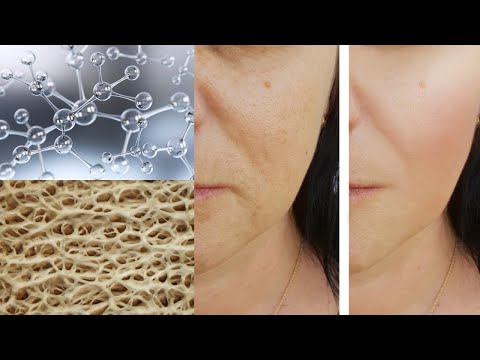
5 Signs You Have Collagen Deficiency

Do Collagen supplements work? Best Collagen supplement? Collagen Supplements Before and After|