Vitamin B1 (Thiamine): The Energy and Nerve Vitamin
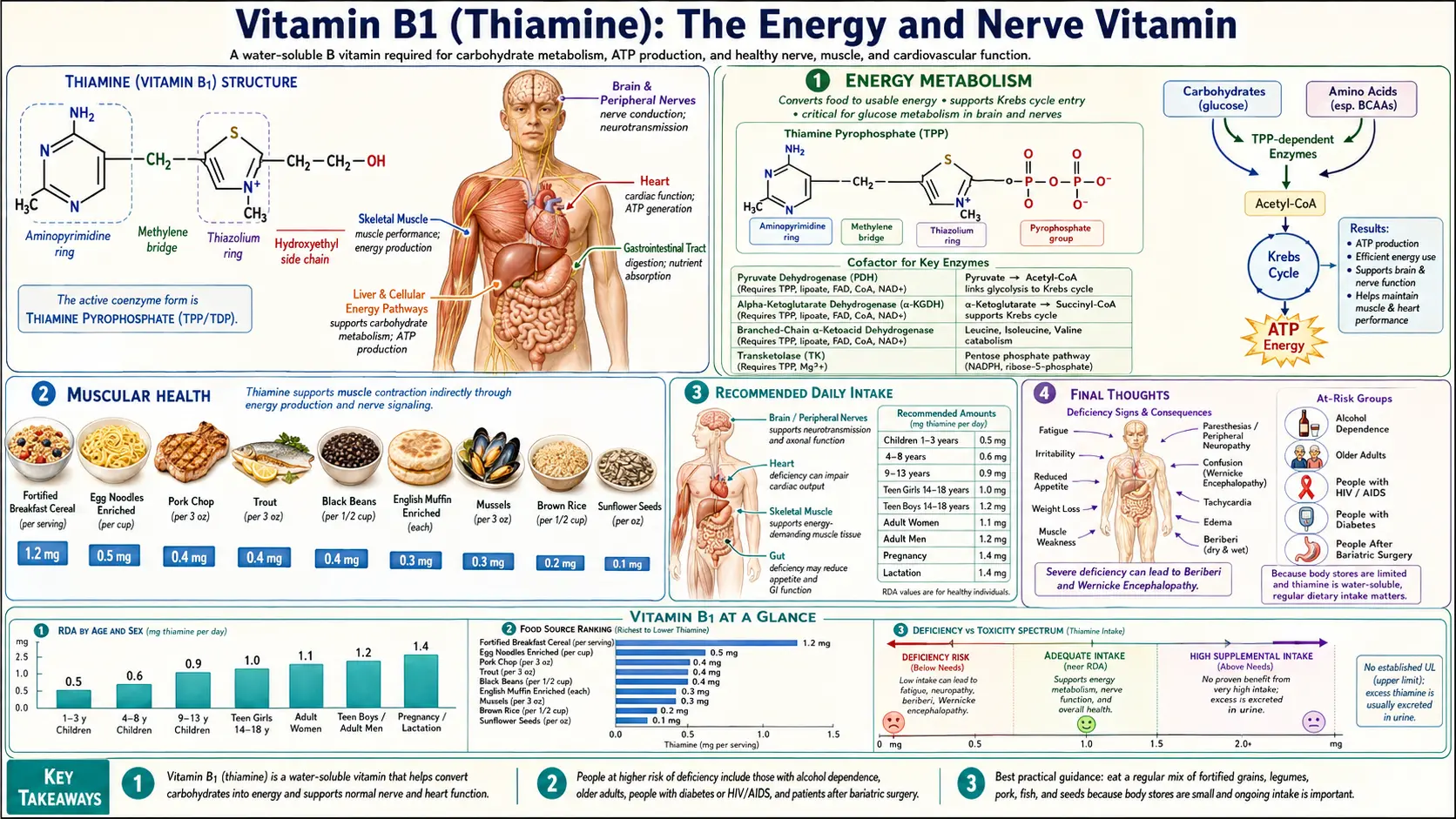
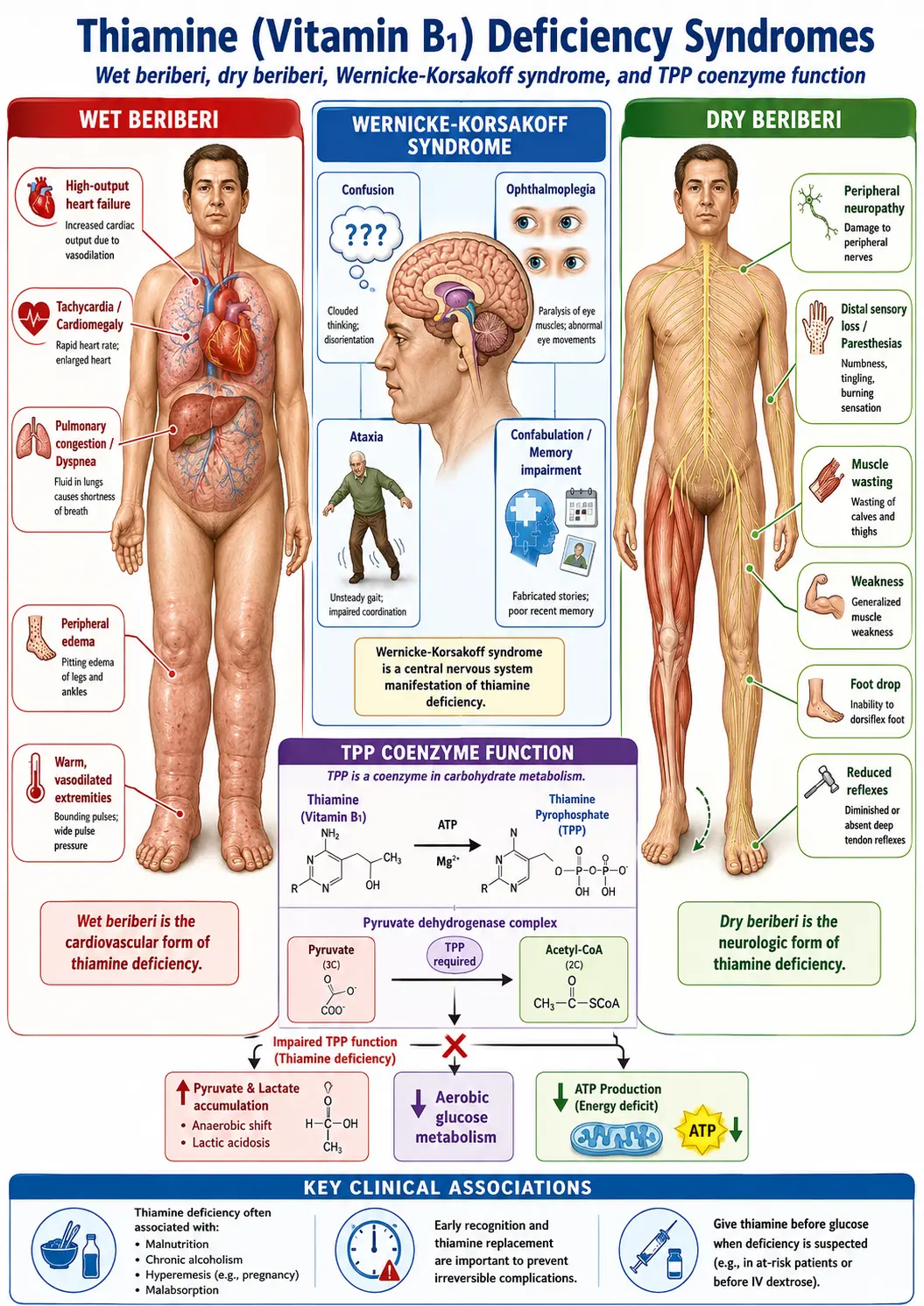
Vitamin B1, also known as thiamine, is a water-soluble vitamin and the first of the B-complex family to be discovered. In natural medicine, thiamine is revered as the "morale vitamin" due to its profound influence on the nervous system, mental clarity, and emotional well-being. It is essential for converting food into cellular energy and plays a foundational role in nearly every metabolic process in the body.
Interactive Visualization What Alcohol Actually Does Inside Your Liver Ethanol becomes acetaldehyde becomes acetate — and the NADH that piles up shuts down fat burning, stalls your blood sugar and drives uric acid up. Nothing speeds it up. Launch → Interactive Visualization Glycolysis & the Krebs Cycle — turn sugar into energy carriers Split glucose into pyruvate through ten enzyme steps, feed the Krebs cycle, and load the NADH and FADH₂ carriers the mitochondria turn into ATP — then cut the oxygen and watch it fall to lactate. Launch → Interactive Visualization Enzymes: How They Speed Up Life Drop a substrate into an enzyme's active site and watch induced-fit catalysis fly — then heat it, swing the pH, or add an inhibitor and watch it stall. Many enzymes need a vitamin or mineral cofactor. Launch →Table of Contents
- Energy Metabolism
- Nervous System Health
- Brain Health and Cognitive Function
- Cardiovascular Health
- Digestive System Support
- Muscular Health
- Stress and Adrenal Support
- Blood Sugar Regulation
- Detoxification Support
- Natural Food Sources
- Recommended Daily Intake
- Supplemental Forms
- Synergistic Nutrients
- Populations at Higher Risk of Deficiency
- Signs of Deficiency
- Connections
- Featured Videos
1. Energy Metabolism
Thiamine is the master key that unlocks the body's ability to produce energy from the food we eat.
- Carbohydrate Metabolism: Vitamin B1 is a critical coenzyme in the conversion of carbohydrates into glucose — the body's primary fuel source. Without adequate thiamine, the body cannot efficiently extract energy from starches and sugars.
- Pyruvate Dehydrogenase Complex: Thiamine pyrophosphate (TPP), the active form of B1, is essential for the pyruvate dehydrogenase enzyme that bridges glycolysis to the citric acid (Krebs) cycle — the central hub of cellular energy production.
- Alpha-Ketoglutarate Dehydrogenase: TPP also drives this key enzyme within the Krebs cycle itself, ensuring continuous ATP (adenosine triphosphate) generation at the cellular level.
- Combating Fatigue: Chronic fatigue, low stamina, and muscular weakness are often early signs of subclinical thiamine deficiency. Restoring adequate B1 levels can dramatically improve energy and vitality.
- Fat and Protein Metabolism: While primarily associated with carbohydrates, thiamine also supports the metabolism of fats and amino acids, contributing to overall metabolic efficiency.
2. Nervous System Health
The nervous system is the single greatest consumer of thiamine in the body. Natural practitioners consider B1 one of the most important nutrients for neurological wellness.
- Nerve Signal Transmission: Thiamine is essential for the synthesis of acetylcholine, a neurotransmitter critical for nerve-to-muscle communication, memory, and cognitive function.
- Myelin Sheath Maintenance: It supports the integrity of the myelin sheath — the protective fatty coating around nerve fibers that ensures rapid, accurate signal transmission.
- Peripheral Neuropathy Prevention: Deficiency leads to tingling, numbness, burning sensations, and pain in the hands and feet — symptoms of peripheral nerve damage that can often be reversed with thiamine repletion.
- Autonomic Nervous System: B1 supports the autonomic nervous system, which governs involuntary functions such as heart rate, digestion, and breathing.
- Nerve Regeneration: Emerging evidence suggests that adequate thiamine levels support the repair and regeneration of damaged nerve tissue.
3. Brain Health and Cognitive Function
Thiamine is sometimes referred to as the "brain vitamin" because of its critical role in mental clarity, memory, and emotional stability.
- Memory and Learning: The brain depends on a constant supply of glucose for fuel, and thiamine is required for every step of glucose metabolism in brain cells. Deficiency impairs memory, concentration, and learning capacity.
- Mood Regulation: Adequate B1 levels support balanced mood and emotional resilience. Deficiency has been linked to irritability, anxiety, depression, and emotional instability.
- Wernicke-Korsakoff Syndrome Prevention: Severe thiamine deficiency causes this devastating neurological condition characterized by confusion, memory loss, coordination problems, and in advanced stages, permanent brain damage.
- Neuroprotection: Thiamine acts as a neuroprotective agent, shielding brain cells from oxidative stress and excitotoxicity — processes implicated in Alzheimer's disease, Parkinson's disease, and other neurodegenerative conditions.
- Mental Clarity and Focus: Many natural practitioners recommend thiamine supplementation for brain fog, poor concentration, and cognitive sluggishness, often with rapid, noticeable improvement.
4. Cardiovascular Health
The heart is a muscle with enormous energy demands, making it highly dependent on thiamine for proper function.
- Cardiac Muscle Function: Thiamine is essential for the heart muscle to contract efficiently. Deficiency can lead to an enlarged heart (cardiomegaly) and congestive heart failure — a condition historically known as "wet beriberi."
- Heart Failure Support: Studies have shown that thiamine supplementation in patients with heart failure can improve cardiac output, ejection fraction, and overall heart function.
- Blood Pressure Regulation: Adequate B1 supports healthy vascular tone and may contribute to maintaining normal blood pressure levels.
- Diuretic-Induced Depletion: Patients on loop diuretics (commonly prescribed for heart conditions) are at significant risk of thiamine depletion, making supplementation critically important.
- Circulation: By supporting energy metabolism in vascular smooth muscle, thiamine contributes to healthy blood flow and peripheral circulation.
5. Digestive System Support
In holistic medicine, healthy digestion is the foundation of all wellness, and thiamine plays a key role in maintaining digestive function.
- Hydrochloric Acid Production: Thiamine supports the production of hydrochloric acid (HCl) in the stomach, which is essential for proper protein digestion, mineral absorption, and defense against harmful microorganisms.
- Intestinal Motility: B1 helps maintain the smooth muscle tone of the digestive tract, promoting healthy peristalsis and preventing constipation and sluggish digestion.
- Appetite Regulation: Thiamine deficiency often causes loss of appetite (anorexia), nausea, and abdominal discomfort. Restoring B1 levels frequently resolves these symptoms.
- Gut-Brain Axis: Through its role in acetylcholine synthesis, thiamine supports the vagus nerve — the primary communication highway between the gut and the brain.
- Nutrient Absorption: By supporting healthy HCl levels and gut motility, thiamine indirectly enhances the absorption of other essential nutrients.
6. Muscular Health
- Muscle Energy Supply: Skeletal muscles require abundant ATP for contraction and relaxation. Thiamine ensures that glucose is efficiently converted into usable energy for muscular activity.
- Lactic Acid Clearance: Adequate B1 supports the metabolism of pyruvate, preventing excessive lactic acid buildup that causes muscle soreness, cramping, and fatigue after exertion.
- Muscle Weakness Prevention: Thiamine deficiency manifests as progressive muscle weakness, wasting, and heaviness in the legs — symptoms of "dry beriberi."
- Athletic Performance: Athletes and physically active individuals have increased thiamine requirements due to higher metabolic demands, making B1 an important nutrient for endurance and recovery.
- Smooth Muscle Function: Beyond skeletal muscles, thiamine supports the smooth muscle tissue found in blood vessels, the digestive tract, and the bladder.
7. Stress and Adrenal Support
Natural medicine practitioners frequently rely on B1 as a cornerstone nutrient for managing stress and adrenal health.
- Adrenal Function: The adrenal glands require thiamine to produce stress hormones, including cortisol and adrenaline. Prolonged stress rapidly depletes B1 stores.
- Stress Resilience: Adequate thiamine supports the body's ability to cope with physical, emotional, and psychological stress without becoming depleted or overwhelmed.
- Anxiety Reduction: B1 supplementation has been associated with reduced anxiety, improved coping ability, and a greater sense of calm and composure.
- Sleep Quality: By calming the nervous system and supporting neurotransmitter balance, thiamine may contribute to improved sleep quality and reduced insomnia.
8. Blood Sugar Regulation
- Glucose Metabolism: Thiamine is required at multiple steps of glucose metabolism. Deficiency impairs the body's ability to properly process blood sugar, contributing to glucose intolerance.
- Diabetic Neuropathy: Individuals with diabetes are at heightened risk of thiamine deficiency, and supplementation (particularly with benfotiamine, a fat-soluble form of B1) has shown promise in preventing and alleviating diabetic nerve damage.
- Insulin Sensitivity: Emerging research suggests that adequate thiamine levels may improve insulin sensitivity and support healthier blood sugar control.
- Diabetic Complications: Thiamine and benfotiamine may help protect against vascular damage, kidney damage, and retinal damage associated with chronic hyperglycemia.
9. Detoxification Support
- Liver Function: Thiamine supports the liver's ability to process and eliminate toxins, drugs, and metabolic waste products.
- Alcohol Detoxification: Alcohol consumption dramatically depletes thiamine. Natural practitioners prioritize B1 supplementation for individuals recovering from alcohol use, as it prevents potentially fatal neurological damage.
- Heavy Metal Protection: Some evidence suggests thiamine may offer protective effects against lead and other heavy metal toxicity by supporting cellular defense mechanisms.
- Pentose Phosphate Pathway: TPP supports this metabolic pathway that produces NADPH — essential for glutathione recycling and the body's master antioxidant defense system.
10. Natural Food Sources
A natural medicine approach always prioritizes obtaining thiamine from whole, unprocessed foods. Thiamine is sensitive to heat, light, and prolonged cooking, so minimal processing is recommended.
Richest Whole Food Sources
- Nutritional Yeast: One of the most concentrated plant-based sources of B1
- Sunflower Seeds: A powerhouse snack rich in thiamine and healthy fats
- Black Beans and Lentils: Excellent sources of B1 along with fiber and plant protein
- Pork (pasture-raised): The richest commonly consumed animal source of thiamine
- Brown Rice: Whole, unpolished rice retains its natural thiamine content (white rice is stripped of most B1)
- Green Peas: A surprisingly rich and versatile source of thiamine
- Asparagus: Provides B1 along with folate and other B vitamins
- Macadamia Nuts and Pecans: Nuts that provide B1 along with healthy monounsaturated fats
- Oats (whole, steel-cut): A traditional breakfast food naturally rich in thiamine
- Spirulina: A nutrient-dense superfood algae with significant B1 content
Important Note on Food Processing
- Refining and Polishing: The milling of grains removes up to 80% of their natural thiamine content. Always choose whole grains over refined versions.
- Heat Sensitivity: Thiamine is destroyed by high heat and prolonged cooking. Steam or lightly sauté vegetables to preserve B1 content.
- Sulfites: Sulfite preservatives (found in wine, dried fruits, and processed foods) destroy thiamine on contact. Minimize exposure where possible.
- Tannins and Anti-Thiamine Factors: Certain raw fish, tea, coffee, and betel nut contain enzymes (thiaminases) or compounds that degrade or inhibit thiamine absorption.
11. Recommended Daily Intake
The following are general guidelines measured in milligrams (mg):
- Adult Men: 1.2 mg per day
- Adult Women: 1.1 mg per day
- Pregnant Women: 1.4 mg per day
- Breastfeeding Women: 1.4 mg per day
- Children (4–8 years): 0.6 mg per day
- Children (9–13 years): 0.9 mg per day
Therapeutic Doses: In natural medicine practice, therapeutic doses may range from 50 mg to 300 mg daily or higher under practitioner supervision, particularly for neurological conditions, fatigue syndromes, and diabetes support. Since thiamine is water-soluble, excess is excreted in the urine, and toxicity is extremely rare.
12. Supplemental Forms
When dietary intake is insufficient or therapeutic doses are needed, several supplemental forms are available:
- Thiamine Hydrochloride (Thiamine HCl): The most common and affordable form, water-soluble and well-absorbed at moderate doses.
- Benfotiamine: A fat-soluble derivative of thiamine with significantly higher bioavailability. It crosses cell membranes more effectively and is particularly valued for diabetic neuropathy and neuroprotection.
- Thiamine Mononitrate: Another common form found in fortified foods and supplements; slightly less bioavailable than HCl.
- Allithiamine (TTFD): A naturally occurring fat-soluble form originally derived from garlic. It crosses the blood-brain barrier efficiently and is favored for neurological and autonomic nervous system conditions.
- Whole Food B-Complex: Natural practitioners often recommend taking B1 as part of a complete B-complex to maintain balance among all B vitamins, as they work synergistically.
13. Synergistic Nutrients
Thiamine works best in concert with its natural partners:
- Magnesium: Magnesium is required to convert thiamine into its active coenzyme form (TPP). Without adequate magnesium, thiamine supplementation may be ineffective — a frequently overlooked clinical connection.
- Other B Vitamins (B2, B3, B5, B6, B12, Folate): The B vitamins function as a team. Deficiency in one often indicates or causes imbalances in others. A full-spectrum B-complex ensures optimal synergy.
- Vitamin C: Supports thiamine stability and enhances its antioxidant protective effects.
- Alpha-Lipoic Acid: Works alongside thiamine in mitochondrial energy production and has synergistic neuroprotective effects, particularly in diabetes.
- Manganese: Another mineral cofactor involved in the enzymatic reactions that depend on thiamine.
14. Populations at Higher Risk of Deficiency
- Individuals with Alcohol Use Disorders: Alcohol severely impairs thiamine absorption, increases its excretion, and depletes liver stores — making this the single most at-risk population.
- Elderly Individuals: Reduced absorption, poor dietary intake, and medication interactions place older adults at increased risk.
- Diabetics: Increased urinary loss of thiamine is well-documented in diabetes, often compounding neuropathy and vascular damage.
- Individuals on Diuretics: Loop and thiazide diuretics increase urinary thiamine excretion significantly.
- Those Consuming Highly Refined Diets: Diets based heavily on white rice, white flour, and processed foods are inherently low in thiamine.
- Individuals with GI Disorders: Crohn's disease, celiac disease, chronic diarrhea, and bariatric surgery all impair B1 absorption.
- Pregnant and Breastfeeding Women: Increased metabolic demands raise thiamine requirements during pregnancy and lactation.
15. Signs of Deficiency
Both too little and too much thiamine can affect your health, though deficiency is by far the more common concern. Early shortfall shows up as fatigue, irritability, brain fog, poor appetite, and tingling or numbness in the hands and feet; severe, prolonged deficiency causes beriberi and Wernicke-Korsakoff syndrome. Because B1 is water-soluble, the body excretes the excess and true toxicity is extremely rare. For a full, patient-friendly guide to the symptoms, causes, and treatment of each, see Thiamine Deficiency and Thiamine Toxicity.
Final Thoughts
Vitamin B1 is a humble yet profoundly powerful nutrient — the spark that ignites your body's energy furnace, the guardian of your nervous system, and the quiet protector of your heart and mind. In our modern world of refined foods, chronic stress, and environmental toxins, thiamine deficiency is far more common than most people realize. A natural medicine approach emphasizes whole, unprocessed foods, awareness of depletion factors, and targeted supplementation when needed — always in balance with the full spectrum of B vitamins and their essential mineral cofactors.
Honor your body's need for this essential spark of life — and it will reward you with clarity, energy, and resilience.
Connections
- All Vitamins
- Christiaan Eijkman — the Nobel laureate whose beriberi work led to thiamine's discovery
- Enzymes: How They Speed Up Life — interactive animation
- From Sugar to Energy: Glycolysis & the Krebs Cycle — interactive animation
- What Alcohol Does Inside Your Liver — interactive animation
- Thiamine Deficiency (Beriberi)
- Thiamine Toxicity
- B1 and Children's Eye Health (Cross-Eyes, Nystagmus, Abducens Palsy)
- Infantile Thiamine Deficiency (Wernicke in Infants)
- Remedia Soy Formula Outbreak (2003 Israel)
- Thiamine and Beriberi
- Thiamine and Brain Health
- Magnesium
- Fatigue
- Anxiety
- Depression
- Diabetes
- Heart Failure
- Alzheimer's Disease
- Peripheral Neuropathy
- Brain Fog
- Blood Sugar
- Lentils
- Pork
- Oats
- Vitamin C
- Sepsis
- Vitamin B3