Honey - Nature's Golden Healer
Introduction and History
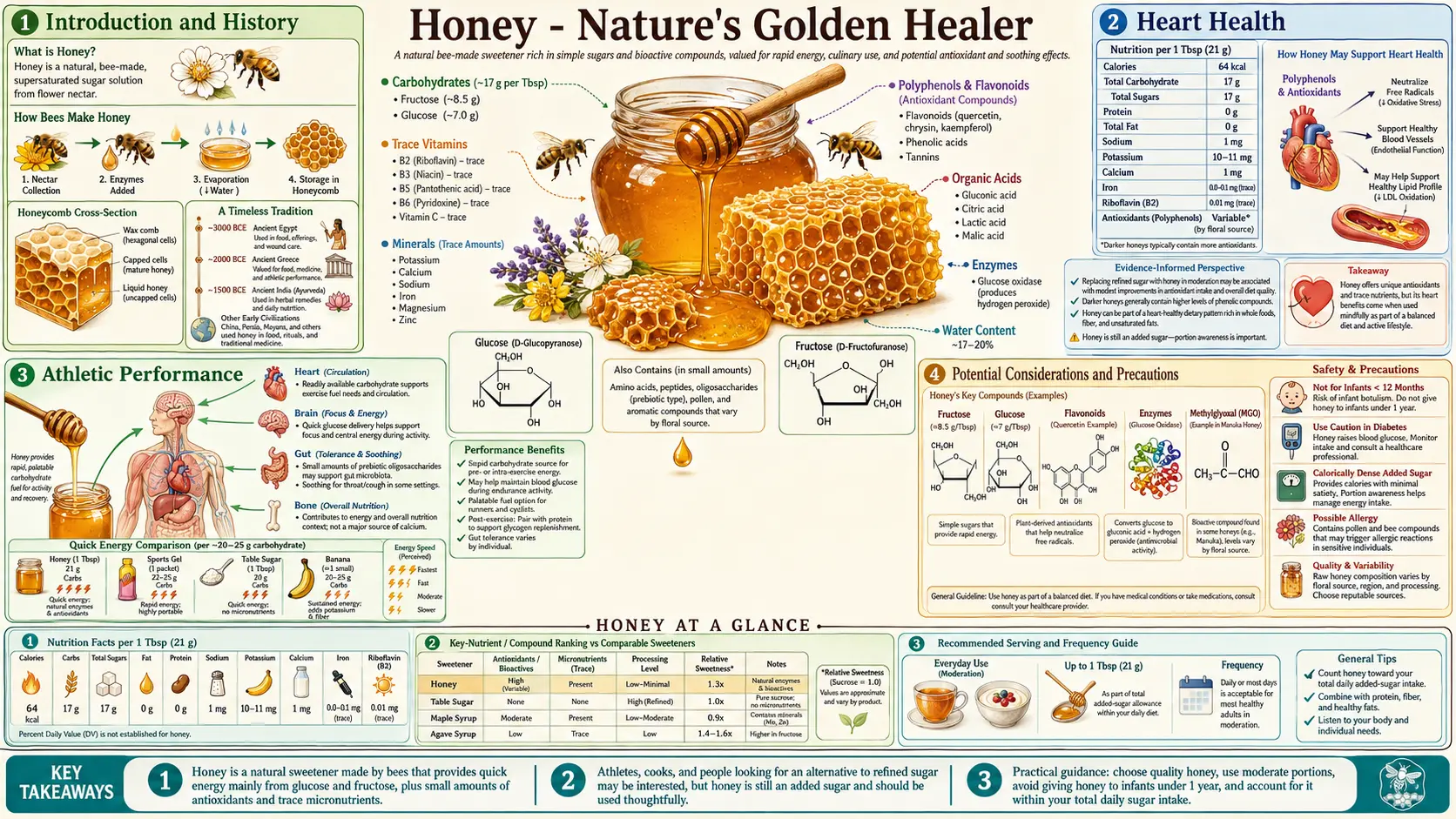
Honey is one of the oldest natural sweeteners known to humanity, with the human relationship to wild bees reaching back many thousands of years — from a famous rock painting of a honey gatherer in eastern Spain and beeswax traces in the world's earliest farming pottery, through the organized beekeeping of ancient Egypt, to honey's long roles as food, as the basis of mead, and as one of the oldest medicines. Across the classical Mediterranean, India, and beyond, it was simultaneously a prized sweetener, a sacred offering, and a remedy — the fuller story is told in the dedicated History article.
Table of Contents
- Nutritional Profile
- Wound Healing
- Cough and Sore Throat Relief
- Antimicrobial Properties
- Antioxidant Capacity
- Heart Health
- Immune System Support
- Digestive Health
- Allergy Relief
- Skin Health
- Athletic Performance
- Blood Sugar Considerations
- Manuka Honey Special Properties
- Types of Honey
- Quality and Authenticity
- Optimal Consumption
- Potential Considerations and Precautions
- Scientific References
- Research Papers
- Connections
- Featured Videos
1. Nutritional Profile
Honey is a complex natural substance composed primarily of sugars, with fructose and glucose accounting for approximately 70 to 80 percent of its total weight. Fructose is typically the dominant sugar, comprising about 38 percent, while glucose accounts for roughly 31 percent. The remaining carbohydrates include maltose, sucrose, and a variety of higher oligosaccharides. Water constitutes approximately 17 to 20 percent of honey by weight, and this low moisture content is critical to its preservation and antimicrobial properties. One tablespoon of honey (about 21 grams) provides approximately 64 calories, making it a concentrated source of natural energy.
Beyond simple sugars, honey contains a remarkable array of bioactive compounds that distinguish it from ordinary sweeteners. Several enzymes produced by bees are present in honey, including glucose oxidase, diastase (amylase), invertase, catalase, and acid phosphatase. Glucose oxidase is particularly significant because it catalyzes the conversion of glucose to gluconic acid and hydrogen peroxide, the latter being one of honey's primary antimicrobial agents. These enzymes are heat-sensitive and are most active in raw, unprocessed honey, which is why excessive heating or pasteurization diminishes many of honey's beneficial properties.
Honey also contains methylglyoxal (MGO), a compound found in especially high concentrations in Manuka honey. MGO is a potent antibacterial agent that remains stable even when hydrogen peroxide activity is neutralized. Additionally, bee defensin-1, a peptide produced by the honeybee's immune system, has been identified in honey and contributes to its antimicrobial spectrum. This peptide has demonstrated activity against a range of bacteria, including antibiotic-resistant strains such as methicillin-resistant Staphylococcus aureus (MRSA).
The mineral content of honey, while modest, includes trace amounts of potassium, calcium, magnesium, sodium, phosphorus, iron, zinc, manganese, copper, and selenium. Darker honeys generally contain higher mineral concentrations than lighter varieties. Honey also provides small quantities of B vitamins, including riboflavin, niacin, pantothenic acid, and vitamin B6, as well as vitamin C. While these micronutrients are not present in quantities sufficient to meet daily requirements, they contribute to honey's overall nutritional complexity.
The antioxidant profile of honey is extensive and includes flavonoids such as pinocembrin, chrysin, galangin, quercetin, kaempferol, and luteolin, as well as phenolic acids including caffeic acid, ferulic acid, ellagic acid, and p-coumaric acid. Organic acids, amino acids (particularly proline), and volatile aromatic compounds further contribute to honey's chemical richness. This diverse composition varies significantly depending on the floral source, geographic origin, climate, and processing methods, which is why different honeys exhibit different colors, flavors, and therapeutic potencies.
2. Wound Healing
Honey's wound-healing properties have been validated by extensive modern clinical research, transforming an ancient folk remedy into an evidence-based therapeutic agent. The mechanisms underlying honey's effectiveness in wound care are multifaceted. Its high sugar concentration creates a hyperosmotic environment that draws fluid out of wound tissue through osmosis, reducing edema and creating a moist healing environment. Simultaneously, this osmotic effect inhibits microbial growth by dehydrating bacterial cells. The continuous low-level release of hydrogen peroxide from glucose oxidase activity provides sustained antiseptic action without the tissue damage associated with applying concentrated hydrogen peroxide directly.
Manuka honey, derived from the nectar of the Leptospermum scoparium bush native to New Zealand and southeastern Australia, has emerged as the gold standard for medical-grade honey. Its exceptionally high methylglyoxal content provides potent non-peroxide antibacterial activity that persists even when the honey is diluted or when catalase enzymes in wound tissue neutralize hydrogen peroxide. In 2007, the United States Food and Drug Administration (FDA) approved the first Manuka honey-based wound dressing product, Medihoney, for use in clinical settings. Since then, numerous medical-grade honey products have received regulatory approval worldwide.
Clinical trials have demonstrated honey's efficacy across a wide range of wound types. A systematic review published in the Cochrane Database of Systematic Reviews examined 26 trials involving 3,011 participants and found that honey dressings healed partial-thickness burns more quickly than conventional dressings, with patients experiencing faster epithelialization and lower rates of infection. Studies of surgical wounds, diabetic foot ulcers, venous leg ulcers, and pressure sores have similarly reported positive outcomes, including reduced healing time, decreased wound size, lower bacterial counts, and reduced need for antibiotics.
The acidic pH of honey, typically ranging from 3.2 to 4.5, creates an environment hostile to many common wound pathogens while promoting the release of oxygen from hemoglobin, which stimulates tissue regeneration. Honey also modulates the inflammatory response at the wound site, reducing excessive inflammation while supporting the constructive phases of tissue repair. Its ability to debride wounds by drawing out dead tissue and foreign matter through osmotic action further accelerates the healing process. Research has shown that honey-treated wounds produce less scarring and experience fewer complications than those treated with conventional antiseptics.
Medical professionals have increasingly incorporated honey-based dressings into wound management protocols, particularly for chronic wounds that have failed to respond to standard treatments. Honey's broad-spectrum antimicrobial activity, including effectiveness against biofilm-forming organisms and antibiotic-resistant bacteria, makes it a valuable tool in an era of growing antimicrobial resistance. Multiple studies have confirmed that bacteria do not develop resistance to honey, unlike conventional antibiotics, likely because honey exerts its effects through multiple simultaneous mechanisms that bacteria cannot easily circumvent.
3. Cough and Sore Throat Relief
The World Health Organization (WHO) has recognized honey as a safe, effective, and affordable treatment for upper respiratory tract infections and cough in both adults and children over the age of one year. This endorsement is supported by a growing body of clinical evidence demonstrating that honey performs as well as or better than many over-the-counter cough suppressants, without the associated side effects. The WHO specifically lists honey among its recommended demulcent treatments for soothing irritated mucous membranes in the throat and upper airways.
A landmark randomized controlled trial published in the Archives of Pediatrics and Adolescent Medicine in 2007 compared buckwheat honey to dextromethorphan (DM), the active ingredient in many commercial cough syrups, and a placebo in 105 children aged 2 to 18 years with upper respiratory infections. The study found that honey consistently scored better than both DM and no treatment in reducing cough frequency, cough severity, and improving sleep quality for both the child and the parent. Honey demonstrated statistically significant superiority over DM for cough frequency and was rated as the most favorable treatment by parents.
Subsequent pediatric studies have reinforced these findings. A 2012 double-blind, randomized, placebo-controlled trial published in Pediatrics evaluated three types of honey (eucalyptus, citrus, and labiatae) against silan date extract placebo in 300 children aged 1 to 5 years. All three honey types produced significant improvements in cough frequency, cough severity, bothersome nature of cough, and child and parent sleep quality compared to placebo. A 2020 systematic review and meta-analysis in BMJ Evidence-Based Medicine examining 14 studies concluded that honey was superior to usual care for improving cough symptoms, particularly cough frequency and severity.
The mechanism by which honey suppresses cough and soothes sore throats involves several complementary pathways. Its viscous, demulcent nature coats and protects irritated mucous membranes in the pharynx and larynx, creating a protective barrier that reduces the stimulation of cough receptors. The high sugar content of honey triggers salivation, which further moistens and soothes the throat. Honey's antioxidant and anti-inflammatory compounds reduce inflammation in the upper respiratory tract, while its antimicrobial properties help combat the underlying infection. Some researchers have also proposed that honey's sweet taste may trigger opioid receptor activity in the brainstem cough center, contributing to central cough suppression.
For sore throat relief, honey can be consumed directly by the spoonful, dissolved in warm water or herbal tea, or combined with lemon juice. Many traditional throat remedies across cultures incorporate honey as a primary ingredient. Clinical practitioners increasingly recommend honey as a first-line treatment for acute cough in otherwise healthy individuals, particularly given growing concerns about the overuse of antibiotics for viral respiratory infections and the limited efficacy and potential side effects of over-the-counter cough medications in children.
4. Antimicrobial Properties
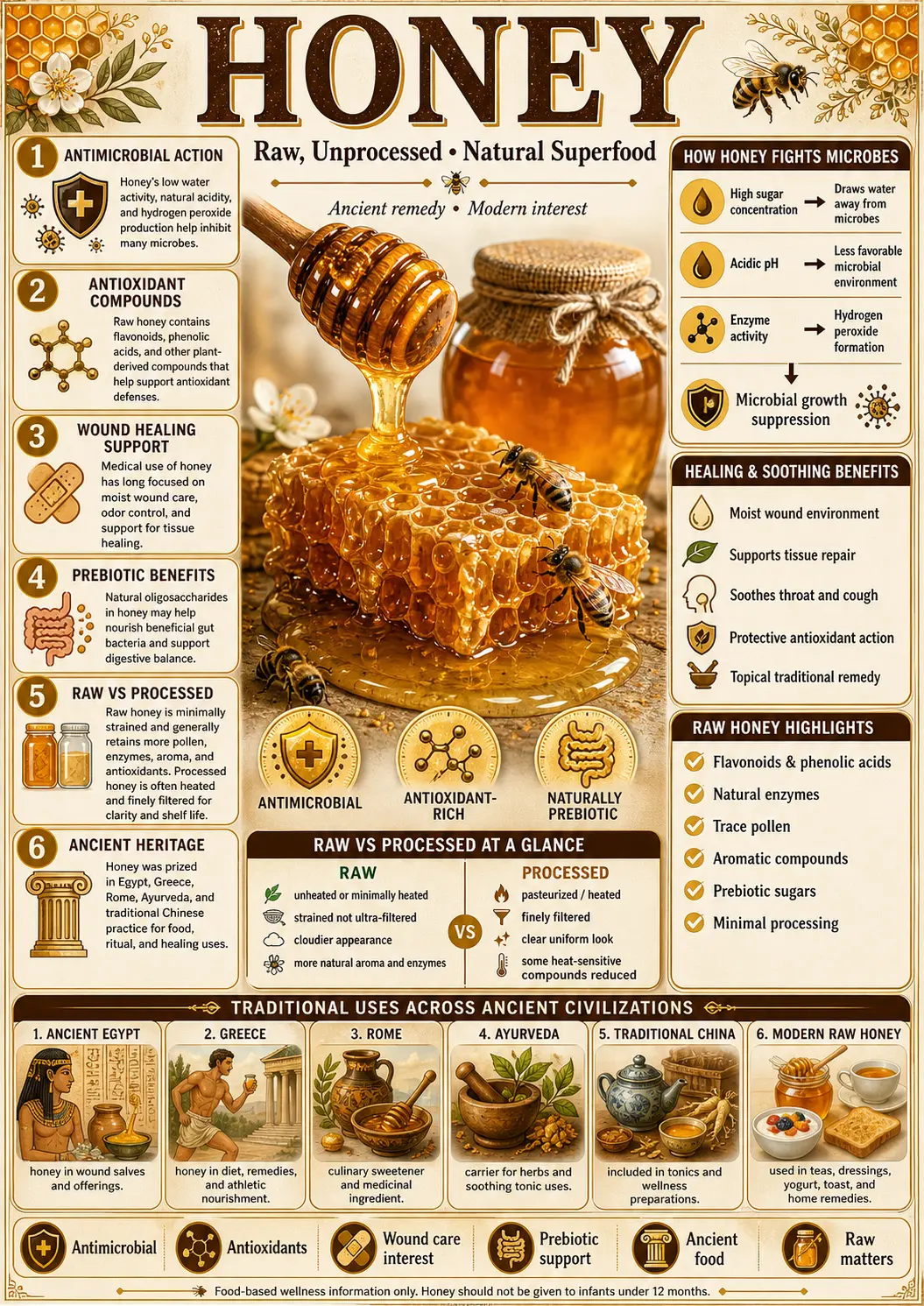
Honey's antimicrobial activity arises from a synergistic combination of physical, chemical, and biological mechanisms that together create an environment hostile to a broad spectrum of pathogens. The primary antimicrobial factors include hydrogen peroxide generated by the enzyme glucose oxidase, the naturally low pH of honey (3.2 to 4.5), extremely low water activity (typically 0.56 to 0.62), high osmolarity from concentrated sugars, and specific bioactive compounds such as methylglyoxal and bee defensin-1. This multi-mechanism approach explains why honey retains its antimicrobial effectiveness where single-agent antibiotics often fail.
Hydrogen peroxide is produced when glucose oxidase, an enzyme added by bees during honey production, slowly converts glucose into gluconic acid and hydrogen peroxide in the presence of water and oxygen. This reaction occurs continuously at a low level when honey is applied to a wound or diluted, providing sustained antiseptic action. The concentration of hydrogen peroxide generated is approximately 1,000 times less than that found in the 3 percent hydrogen peroxide solution sold in pharmacies, yet it is sufficient to inhibit bacterial growth while avoiding the cellular damage caused by higher concentrations. This controlled release makes honey a gentle yet effective antimicrobial agent.
The low water activity of honey is a critical but often underappreciated antimicrobial factor. Water activity measures the availability of free water molecules for chemical and biological reactions. Most bacteria require a water activity above 0.91 to grow, while yeasts need values above 0.88 and molds above 0.80. Honey's water activity of 0.56 to 0.62 falls far below these thresholds, making it inhospitable to virtually all microorganisms. Combined with the osmotic pressure exerted by its high sugar concentration, honey effectively dehydrates and destroys microbial cells through osmotic lysis.
Methylglyoxal (MGO) provides a unique non-peroxide antimicrobial pathway, particularly prominent in Manuka honey, where concentrations can exceed 800 milligrams per kilogram. MGO forms during the conversion of dihydroxyacetone, a compound naturally present in Manuka nectar, through a non-enzymatic process. Laboratory studies have demonstrated that MGO is effective against numerous pathogenic organisms, including methicillin-resistant Staphylococcus aureus (MRSA), vancomycin-resistant Enterococcus (VRE), Pseudomonas aeruginosa, Escherichia coli, and Streptococcus pyogenes. Research has also shown that honey can disrupt bacterial biofilms, which are structured communities of bacteria that are notoriously resistant to conventional antibiotics.
Perhaps most significantly in the context of the global antimicrobial resistance crisis, studies have consistently shown that bacteria do not develop resistance to honey even after prolonged or repeated exposure. A study published in the European Journal of Clinical Microbiology and Infectious Diseases subjected MRSA and Pseudomonas aeruginosa to sub-inhibitory concentrations of Manuka honey over multiple passages and found no development of resistance. This is attributed to the fact that honey attacks bacteria through multiple simultaneous mechanisms, making it virtually impossible for organisms to evolve resistance to all of them at once. This property positions honey as a valuable adjunctive therapy in the fight against antibiotic-resistant infections.
5. Antioxidant Capacity
Honey is a significant dietary source of antioxidants, compounds that neutralize reactive oxygen species (free radicals) and protect cells from oxidative damage implicated in aging, cancer, cardiovascular disease, neurodegenerative disorders, and chronic inflammation. The antioxidant profile of honey is remarkably diverse, encompassing flavonoids, phenolic acids, organic acids, enzymes (catalase and glucose oxidase), ascorbic acid, carotenoid derivatives, Maillard reaction products, and amino acids. This broad spectrum of antioxidant types enables honey to scavenge multiple forms of free radicals through complementary mechanisms.
The flavonoid content of honey includes pinocembrin, chrysin, galangin, quercetin, kaempferol, luteolin, apigenin, and hesperetin. Pinocembrin is particularly noteworthy as it is found almost exclusively in honey and propolis and has demonstrated neuroprotective, anti-inflammatory, and antimicrobial properties in laboratory studies. Phenolic acids present in honey include caffeic acid, ferulic acid, p-coumaric acid, gallic acid, ellagic acid, chlorogenic acid, and syringic acid. These compounds exhibit potent free radical scavenging activity and have been shown to modulate cellular signaling pathways involved in inflammation and cell proliferation.
The antioxidant capacity of honey varies dramatically by floral source, and this variation correlates strongly with color. As a general rule, darker honeys possess substantially higher antioxidant activity than lighter varieties. Buckwheat honey, one of the darkest common varieties, has been shown to contain up to 20 times the antioxidant capacity of lighter honeys such as acacia or clover. Manuka honey from New Zealand, chestnut honey from Europe, tualang honey from Malaysia, and heather honey from the United Kingdom consistently rank among the most antioxidant-rich varieties in comparative studies. Forest honeys and honeydew honeys, produced from aphid secretions rather than floral nectar, also tend to exhibit higher antioxidant levels.
Clinical studies have demonstrated that honey consumption measurably increases antioxidant activity in human blood. A study published in the Journal of Agricultural and Food Chemistry found that subjects who consumed buckwheat honey daily for 29 days showed significant increases in plasma antioxidant capacity as measured by the oxygen radical absorbance capacity (ORAC) assay. Another study demonstrated that replacing sugar with honey in the diet resulted in improvements in blood antioxidant status and a reduction in markers of oxidative stress. These findings suggest that substituting honey for refined sugar may confer meaningful antioxidant benefits.
The antioxidant compounds in honey also contribute to its anti-inflammatory properties. Chronic low-grade inflammation driven by oxidative stress is recognized as a key factor in the development of cardiovascular disease, type 2 diabetes, cancer, and neurodegenerative conditions. By reducing oxidative stress and modulating inflammatory pathways, honey's antioxidants may offer protective benefits against these conditions. Research continues to explore the specific mechanisms by which individual antioxidant compounds in honey interact with cellular signaling pathways and gene expression, with promising early results suggesting that regular honey consumption may support long-term health through these antioxidant-mediated effects.
6. Heart Health
Emerging research suggests that honey may offer several cardiovascular benefits, including improvements in blood pressure, blood lipid profiles, and vascular function. Animal studies have consistently demonstrated that honey consumption reduces total cholesterol, low-density lipoprotein (LDL) cholesterol, and triglycerides while increasing high-density lipoprotein (HDL) cholesterol. While human data is more limited, the available clinical trials support these findings and suggest that honey may be a heart-healthier alternative to refined sugar and artificial sweeteners.
Several clinical studies have examined honey's effects on blood pressure. A randomized controlled trial found that subjects who consumed 70 grams of honey daily for 30 days experienced modest but statistically significant reductions in systolic blood pressure compared to a control group consuming the same amount of sucrose. The blood pressure-lowering effect is attributed in part to honey's antioxidant compounds, which promote the production of nitric oxide, a vasodilator that relaxes blood vessel walls and reduces peripheral resistance. Additionally, the potassium content of honey, though modest, may contribute to blood pressure regulation.
Honey's effects on blood lipids have been investigated in several clinical trials. A study published in the Journal of Medicinal Food reported that participants who consumed natural honey for 15 days showed significant reductions in total cholesterol (by 7 percent), LDL cholesterol (by 1 percent), and triglycerides (by 2 percent), along with a modest increase in HDL cholesterol. In patients with elevated lipid levels, the improvements were more pronounced. Another study comparing honey to sugar and high-fructose corn syrup found that only the honey group showed improvements in lipid parameters, suggesting that honey's bioactive compounds, rather than its sugar content alone, are responsible for these effects.
The antioxidant compounds in honey also protect the cardiovascular system by reducing oxidative modification of LDL cholesterol. Oxidized LDL is a primary driver of atherosclerotic plaque formation, the underlying process in coronary artery disease and stroke. By preventing LDL oxidation, honey's antioxidants may slow the progression of atherosclerosis. Phenolic acids and flavonoids in honey have also been shown to reduce platelet aggregation, decrease the expression of inflammatory adhesion molecules on endothelial cells, and improve endothelial function, all of which contribute to a healthier cardiovascular system.
It is important to note that while honey appears to be a better choice than refined sugar for cardiovascular health, it remains a calorie-dense sweetener and should be consumed in moderation as part of an overall heart-healthy dietary pattern. The cardiovascular benefits observed in clinical studies were associated with moderate consumption levels, typically one to two tablespoons per day, and were most pronounced when honey replaced rather than supplemented existing sugar intake. Individuals with existing cardiovascular conditions should consult their healthcare provider regarding dietary modifications including honey consumption.
7. Immune System Support
Honey has been shown to modulate immune function through multiple pathways, supporting both innate and adaptive immune responses. Research has revealed that honey stimulates the production of cytokines, the signaling molecules that coordinate immune cell activity. Studies published in the Journal of Leukocyte Biology and other immunology journals have demonstrated that honey stimulates monocytes and macrophages to release tumor necrosis factor-alpha (TNF-alpha), interleukin-1 beta (IL-1-beta), and interleukin-6 (IL-6), cytokines that play essential roles in initiating and regulating the immune response to infection and injury.
The immunomodulatory effects of honey appear to be concentration-dependent and context-sensitive. At wound sites, honey initially promotes a pro-inflammatory response that recruits immune cells to clear pathogens and damaged tissue, then transitions to support the anti-inflammatory and tissue-repair phases of healing. This biphasic immunomodulation is particularly valuable in chronic wounds, where the inflammatory process has stalled or become dysregulated. In systemic consumption, honey's anti-inflammatory and antioxidant compounds help reduce chronic low-grade inflammation while maintaining the body's ability to mount acute immune responses when needed.
Honey contains prebiotic oligosaccharides, including fructooligosaccharides (FOS) and inulin-type compounds, that selectively promote the growth of beneficial gut bacteria, particularly Bifidobacterium and Lactobacillus species. Given that approximately 70 to 80 percent of the body's immune cells reside in the gut-associated lymphoid tissue (GALT), maintaining a healthy gut microbiome is critical for optimal immune function. By supporting beneficial gut bacteria, honey indirectly strengthens the intestinal barrier, enhances the production of secretory immunoglobulin A (sIgA), and promotes the maturation of immune cells in the gut.
Animal studies have further elucidated honey's immunomodulatory potential. Research in rodent models has shown that honey consumption enhances natural killer (NK) cell activity, increases lymphocyte proliferation, and improves antibody production in response to antigenic challenge.
The immune-supporting properties of honey extend to its role in reducing the severity and duration of common infections. Clinical observations and limited trial data suggest that regular honey consumption may reduce the frequency of upper respiratory infections, shorten the duration of cold symptoms, and support recovery from illness. While more rigorous large-scale human trials are needed to fully characterize honey's immunomodulatory effects, the existing evidence supports its traditional use as an immune-supportive food, particularly during cold and flu season.
8. Digestive Health
Honey has a long history of use in treating gastrointestinal disorders, and modern research has begun to validate many of these traditional applications. The prebiotic properties of honey, mediated by its oligosaccharide content, support the growth and metabolic activity of beneficial gut bacteria. In vitro studies have demonstrated that honey promotes the proliferation of Bifidobacterium species by 10 to 100-fold compared to control media, an effect comparable to commercial prebiotic supplements such as fructooligosaccharides and inulin. A healthy, diverse gut microbiome is associated with improved digestion, enhanced nutrient absorption, regular bowel function, and reduced risk of gastrointestinal diseases.
Honey has shown promising activity against Helicobacter pylori, the bacterium responsible for the majority of gastric ulcers and chronic gastritis, and a recognized risk factor for gastric cancer. Laboratory studies have demonstrated that Manuka honey at concentrations of 5 to 20 percent effectively inhibits H. pylori growth, including strains resistant to conventional antibiotics. A clinical study published in the Sultan Qaboos University Medical Journal found that honey, when used as adjunctive therapy alongside standard triple therapy, improved H. pylori eradication rates. Honey's low pH and antimicrobial compounds create a hostile environment for this acid-tolerant pathogen.
Research has also investigated honey's potential against Clostridioides difficile (formerly Clostridium difficile), a dangerous pathogen that causes severe colitis, particularly in hospitalized patients and those who have undergone antibiotic therapy. Laboratory studies have demonstrated that Manuka honey exhibits bactericidal activity against C. difficile at clinically achievable concentrations and can prevent spore germination. While clinical trials in humans are still limited, these findings suggest a potential role for honey as an adjunctive treatment for C. difficile infection, particularly given the high recurrence rates associated with conventional antibiotic therapy.
Honey's gastroprotective properties extend to protecting the stomach lining from damage caused by alcohol, aspirin, and other irritants. Animal studies have shown that honey pretreatment significantly reduces the severity of ethanol-induced gastric mucosal lesions, an effect attributed to honey's antioxidant compounds, its ability to stimulate mucus secretion, and its anti-inflammatory activity. Clinical reports also suggest that honey may alleviate symptoms of gastroesophageal reflux disease (GERD) by coating and soothing the esophageal mucosa, though formal clinical trials for this application are still needed.
For general digestive wellness, honey has been traditionally consumed to relieve constipation, soothe indigestion, and calm an upset stomach. Its mild laxative effect is attributed to its fructose content, which has an osmotic effect in the large intestine when consumed in moderate amounts. The enzymatic content of raw honey, including diastase and invertase, may also support carbohydrate digestion. Consuming a tablespoon of raw honey in warm water on an empty stomach is a time-honored practice in many cultures for promoting digestive regularity and comfort.
9. Allergy Relief
One of the most popular folk remedies involving honey is the consumption of locally produced, raw honey to alleviate seasonal allergy symptoms such as sneezing, nasal congestion, itchy eyes, and sinus pressure. The theoretical basis for this practice rests on the concept of oral desensitization or immunotherapy. Local honey contains trace amounts of pollen from plants in the surrounding area. Proponents suggest that by consuming small, regular doses of these pollens in honey, the immune system gradually becomes desensitized to them, resulting in a reduced allergic response during pollen season.
The pollen desensitization theory draws an analogy to conventional subcutaneous immunotherapy (allergy shots) and sublingual immunotherapy (allergy drops), both of which involve administering gradually increasing doses of specific allergens to shift the immune response from an allergic IgE-mediated reaction to a tolerogenic IgG4-mediated response. However, there is an important distinction: the pollens most commonly responsible for seasonal allergies are wind-dispersed pollens from grasses, trees, and weeds, while the pollens found in honey are primarily from insect-pollinated flowers, which are generally different species and less commonly allergenic.
The clinical evidence for honey as an allergy treatment is mixed. A randomized, double-blind, placebo-controlled study published in the Annals of Allergy, Asthma, and Immunology in 2002 found no significant difference in allergy symptom relief between local honey, commercially processed honey, and a corn syrup placebo. However, a 2011 study from Finland reported that patients who consumed birch pollen honey (honey specifically supplemented with birch pollen) experienced significantly fewer allergy symptoms and used less antihistamine medication compared to those consuming regular honey or no honey. This suggests that while conventional honey may not contain sufficient allergenic pollen to induce desensitization, pollen-enriched honey may have therapeutic potential.
A more recent study published in the International Archives of Allergy and Immunology found that high-dose honey consumption (1 gram per kilogram of body weight daily) resulted in significant improvements in overall and individual allergy symptoms after 8 weeks compared to controls. The researchers proposed that honey's anti-inflammatory and immunomodulatory properties, rather than pollen desensitization alone, may account for the observed benefits. Honey's ability to reduce the production of inflammatory cytokines and stabilize mast cells (the immune cells that release histamine) may contribute to allergy symptom relief independent of any desensitization mechanism.
While the evidence does not yet support definitive claims about honey as an allergy treatment, many allergy sufferers report subjective improvement with regular local honey consumption. Given honey's overall safety profile and additional health benefits, it is a reasonable complementary approach for individuals seeking natural allergy management. Those interested in trying this approach should begin several weeks before the expected onset of pollen season and consume one to two tablespoons of raw, unfiltered, locally sourced honey daily. However, individuals with severe allergies or a history of anaphylaxis to bee products should exercise caution and consult an allergist before using honey therapeutically.
10. Skin Health
Honey has been used as a topical skin treatment for thousands of years, and contemporary dermatological research confirms its value for a variety of skin conditions. As a humectant, honey attracts and retains moisture from the environment, making it an effective natural moisturizer for dry and dehydrated skin. Its osmotic properties help maintain the skin's hydration balance, while its film-forming ability creates a protective barrier that prevents transepidermal water loss. These moisturizing properties make honey a popular ingredient in natural skincare formulations including face masks, cleansers, and lip balms.
Honey's antimicrobial and anti-inflammatory properties make it a promising treatment for acne vulgaris. Acne is primarily driven by colonization of hair follicles with Cutibacterium acnes (formerly Propionibacterium acnes), excess sebum production, and inflammatory response. Honey's antibacterial activity targets acne-causing bacteria, while its anti-inflammatory compounds reduce the redness, swelling, and pain associated with inflammatory acne lesions. Manuka honey has shown particular promise in acne management due to its potent non-peroxide antibacterial activity. Applying a thin layer of raw honey to the face for 15 to 20 minutes as a mask, one to three times per week, is a widely recommended natural acne treatment.
The wound-healing properties of honey translate directly to benefits for skin repair and regeneration. Honey promotes the proliferation of fibroblasts and keratinocytes, the primary cells responsible for skin structure and renewal. It stimulates collagen synthesis, supports angiogenesis (the formation of new blood vessels), and facilitates epithelialization (the regrowth of the surface skin layer). These properties make honey beneficial for healing minor cuts, scrapes, burns, and blemishes with minimal scarring. Clinical studies have shown that honey-treated wounds and skin lesions heal with better cosmetic outcomes than those treated with conventional topical agents.
Honey's antioxidant compounds offer anti-aging benefits by protecting the skin from oxidative damage caused by ultraviolet radiation, environmental pollutants, and the natural aging process. Free radical damage to collagen and elastin fibers is a primary cause of wrinkles, fine lines, and loss of skin elasticity. The flavonoids and phenolic acids in honey neutralize these free radicals and may help preserve the structural integrity of the skin's extracellular matrix. Some in vitro studies have also demonstrated that honey inhibits matrix metalloproteinases (MMPs), the enzymes responsible for breaking down collagen, further supporting its anti-aging potential.
Clinical research has explored honey's effectiveness for specific dermatological conditions including eczema, psoriasis, seborrheic dermatitis, and rosacea. A study published in Complementary Therapies in Medicine found that topical application of a mixture containing honey, beeswax, and olive oil significantly improved symptoms in patients with eczema and psoriasis. Another study demonstrated that applying crude honey to the scalp every other day for four weeks significantly reduced itching, scaling, and hair loss in patients with seborrheic dermatitis and dandruff. While honey is not a replacement for prescribed dermatological treatments, it offers a gentle, natural adjunctive therapy for many common skin conditions.
11. Athletic Performance
Honey has a long tradition as a performance food for athletes, dating back to the ancient Greek Olympic games where competitors consumed honey to enhance strength, speed, and endurance. Modern sports nutrition research has validated honey's effectiveness as a natural energy source for exercise and athletic performance. Honey's blend of fructose and glucose provides both rapid and sustained energy, as glucose is quickly absorbed into the bloodstream for immediate fuel, while fructose is metabolized more slowly through the liver, providing a more gradual energy release. This dual-sugar composition makes honey functionally similar to many commercial sports gels and energy products.
A study conducted at the University of Memphis Exercise and Sport Nutrition Laboratory compared honey to dextrose and a commercial sports gel as carbohydrate sources during endurance cycling. The researchers found that honey was as effective as the other carbohydrate sources in sustaining performance during a 64-kilometer time trial. Subjects who consumed honey maintained higher power output and faster completion times compared to a placebo, with no significant differences between honey and the commercial alternatives. The study concluded that honey is a viable, natural, and cost-effective alternative to processed sports nutrition products.
Glycogen replenishment after exercise is critical for recovery and subsequent performance. Research published in the Journal of the International Society of Sports Nutrition demonstrated that honey consumed with protein after resistance training was as effective as dextrose in restoring muscle glycogen stores and supporting muscle protein synthesis during the recovery window. The combination of honey's natural sugars with a protein source provides the ideal macronutrient ratio (approximately 3:1 or 4:1 carbohydrate to protein) recommended by sports nutritionists for post-exercise recovery.
Beyond its macronutrient profile, honey offers advantages over refined sugar-based sports products due to its antioxidant content. Intense exercise generates substantial oxidative stress through increased mitochondrial activity and inflammatory processes. The antioxidant compounds in honey may help mitigate exercise-induced oxidative damage, potentially reducing muscle soreness, accelerating recovery, and protecting against the cumulative cellular damage associated with chronic high-intensity training. While more research is needed to quantify these antioxidant benefits in athletic contexts, they represent a theoretical advantage of honey over nutritionally equivalent refined sugar products.
Practical applications for athletes include consuming one to two tablespoons of honey 30 minutes before exercise for pre-workout energy, diluting honey in water for a natural sports drink during prolonged activity, and combining honey with protein-rich foods such as yogurt or a protein shake for post-workout recovery. Honey can also be spread on toast, mixed into oatmeal, or consumed directly from single-serve packets during endurance events. Its palatability, natural composition, and ease of digestion make it well-suited for athletes who experience gastrointestinal distress from artificial sweeteners or processed energy products.
12. Blood Sugar Considerations
The relationship between honey and blood sugar regulation is more nuanced than commonly assumed. Honey has a glycemic index (GI) that varies by floral source but generally falls in the range of 45 to 64, compared to approximately 65 for sucrose (table sugar) and 75 to 100 for glucose. Acacia honey tends to have the lowest GI among common varieties (approximately 32 to 44), attributed to its higher fructose-to-glucose ratio, while honeys with higher glucose content, such as clover, tend toward the higher end of the range. This moderate glycemic index means that honey produces a less dramatic blood sugar spike than equivalent amounts of refined sugar or glucose.
The fructose-to-glucose ratio in honey plays a significant role in its glycemic behavior. Honey typically contains more fructose than glucose (average ratio of approximately 1.2:1), and fructose has a significantly lower glycemic index (GI of 19) than glucose (GI of 100). Fructose is metabolized primarily in the liver and does not stimulate insulin secretion directly, resulting in a more gradual blood sugar response. However, excessive fructose consumption has been associated with adverse metabolic effects including increased hepatic fat accumulation and insulin resistance, which is why moderate consumption is emphasized even for a natural product like honey.
Research in individuals with type 2 diabetes has produced intriguing results. A study published in the International Journal of Food Sciences and Nutrition found that honey consumption caused a lower glycemic response than equivalent amounts of glucose or sucrose in both diabetic and non-diabetic subjects. Another study reported that 8 weeks of honey consumption in type 2 diabetic patients resulted in significant reductions in body weight, total cholesterol, LDL cholesterol, triglycerides, and C-reactive protein (a marker of inflammation), along with increases in HDL cholesterol and hemoglobin A1c levels. The hemoglobin A1c increase, while modest, indicates that honey does raise average blood sugar levels over time and must be accounted for in diabetic dietary management.
Some researchers have proposed that specific bioactive compounds in honey, including chrysin and quercetin, may enhance insulin sensitivity and support pancreatic beta cell function. Animal studies have demonstrated that honey supplementation can improve glucose tolerance, reduce insulin resistance, and protect pancreatic islet cells from oxidative damage. A compound called trehalose, found in some honeys, has been shown to activate autophagy pathways that may improve cellular glucose handling. However, these mechanisms remain under investigation and should not be interpreted as evidence that honey is a diabetes treatment.
For individuals managing blood sugar levels, honey should be treated as a concentrated source of sugar and calories despite its additional bioactive compounds. If used as a sweetener, it should replace rather than supplement other sugar sources, and total daily intake should be carefully monitored. The general recommendation is no more than one to two tablespoons per day, consumed with meals rather than on an empty stomach to moderate the glycemic response. Individuals with diabetes or prediabetes should consult their healthcare provider or a registered dietitian before incorporating honey into their dietary plan and should monitor their blood glucose response to determine individual tolerance.
13. Manuka Honey Special Properties
Manuka honey occupies a unique position in the world of therapeutic honeys due to its exceptional antibacterial potency, which significantly exceeds that of most other honey varieties. Produced by bees foraging on the flowers of the Manuka bush (Leptospermum scoparium), native to New Zealand and parts of southeastern Australia, this honey contains extraordinarily high levels of methylglyoxal (MGO), the compound primarily responsible for its enhanced antimicrobial activity. While all honeys contain some antibacterial properties, Manuka honey's non-peroxide activity, which remains stable even when hydrogen peroxide is neutralized, sets it apart as a truly therapeutic-grade product.
The Unique Manuka Factor (UMF) rating system was developed in New Zealand to standardize the grading of Manuka honey's antibacterial potency. The UMF rating is based on a composite assessment of three naturally occurring chemical markers: MGO (methylglyoxal), DHA (dihydroxyacetone, the precursor to MGO), and leptosperin (a chemical marker unique to authentic Manuka nectar). UMF ratings range from 5+ to 25+, with higher numbers indicating greater antibacterial activity. A UMF rating of 10+ is generally considered the minimum for therapeutic use, while UMF 15+ and above is recommended for medicinal applications such as wound care and infection management.
The MGO content of Manuka honey correlates directly with its antibacterial strength. Standard Manuka honey suitable for general consumption typically contains 83 to 263 milligrams per kilogram of MGO (corresponding to UMF 5+ to 10+), while therapeutic-grade Manuka honey contains 263 to 829 milligrams per kilogram or higher (UMF 10+ to 20+). Premium Manuka honeys with MGO levels exceeding 1,000 milligrams per kilogram are available but are rare and correspondingly expensive. It is important to note that the relationship between MGO concentration and therapeutic benefit is not strictly linear; concentrations above UMF 20+ may not provide proportionally greater clinical benefit for most applications.
Clinical research on Manuka honey has expanded rapidly over the past two decades. Studies have demonstrated its effectiveness against a wide range of pathogenic organisms, including MRSA, VRE, Pseudomonas aeruginosa, Escherichia coli, Helicobacter pylori, Streptococcus species, and Clostridioides difficile. Research published in the European Journal of Clinical Microbiology and Infectious Diseases has shown that Manuka honey can inhibit biofilm formation and even disrupt established biofilms, a property of particular clinical importance since biofilm-associated infections are notoriously difficult to treat with conventional antibiotics. Clinical trials have validated Manuka honey's effectiveness in managing diabetic foot ulcers, venous leg ulcers, pressure injuries, surgical wounds, and burns.
When purchasing Manuka honey, consumers should look for products bearing the official UMF or MGO certification marks, which verify that the honey has been independently tested and meets the claimed potency standard. Due to the high commercial value of genuine Manuka honey, adulteration and mislabeling are significant concerns in the global market. It is estimated that more Manuka honey is sold worldwide each year than is actually produced in New Zealand, indicating substantial fraud. Reputable brands provide batch-specific test certificates and traceability information. For therapeutic applications, select honey rated UMF 10+ or higher, and store it in a cool, dark place to preserve its bioactive compounds.
14. Types of Honey
Raw versus pasteurized honey represents the most fundamental distinction in honey types. Raw honey is extracted from the hive and minimally processed, typically strained to remove large wax particles and debris but never heated above the natural hive temperature of approximately 35 to 40 degrees Celsius. It retains its full complement of enzymes, antioxidants, pollen grains, propolis fragments, and other bioactive compounds. Pasteurized honey, by contrast, has been heated to approximately 72 degrees Celsius to kill yeast cells, delay crystallization, and achieve a clear, smooth appearance for commercial sale. This heating process destroys many of honey's heat-sensitive enzymes and reduces its antioxidant content, diminishing its therapeutic value while preserving its sweetening properties.
Manuka honey, as detailed in the previous section, is the premier therapeutic honey variety, prized for its exceptionally high methylglyoxal content and clinically validated antimicrobial, wound-healing, and anti-inflammatory properties. It is produced exclusively from the nectar of the Leptospermum scoparium bush in New Zealand and southeastern Australia. Its distinctive flavor is robust, earthy, and slightly medicinal, with a thick, creamy texture. Genuine Manuka honey commands premium prices, reflecting both limited production and strong demand for its therapeutic applications.
Buckwheat honey is among the darkest and most mineral-rich honey varieties available. Produced from the nectar of buckwheat flowers (Fagopyrum esculentum), it has a strong, molasses-like flavor that distinguishes it from milder varieties. Buckwheat honey has been shown in clinical studies to contain the highest antioxidant levels of any common honey variety, with ORAC values comparable to some fruits and vegetables. It was the specific honey type used in the landmark 2007 Penn State study that demonstrated honey's superiority over dextromethorphan for pediatric cough suppression. Its robust flavor makes it well-suited to baking, marinades, and medicinal use, though it may be too intense for those accustomed to milder honeys.
Acacia honey is one of the lightest and mildest honey varieties, produced from the nectar of the black locust tree (Robinia pseudoacacia), often called the false acacia. It is prized for its pale, almost transparent color, delicate floral sweetness, and very slow crystallization due to its high fructose-to-glucose ratio. This same high fructose content gives acacia honey one of the lowest glycemic indices among honey varieties, making it a preferred choice for those monitoring blood sugar. Its mild flavor makes it versatile in culinary applications, from drizzling over yogurt and cheese to sweetening tea without overpowering other flavors.
Wildflower honey, also called polyfloral honey, is produced from the nectar of multiple flowering plant species rather than a single botanical source. Its color, flavor, and nutritional profile vary by season and geographic region, reflecting the local floral landscape. Wildflower honey is generally considered a good all-purpose variety, offering a balanced flavor profile and a diverse array of plant-derived compounds from its multiple nectar sources. It is the most commonly available type of honey and offers good value for both culinary and general health purposes. Other notable varieties include clover honey (mild and widely available), orange blossom honey (citrusy and aromatic), tupelo honey (rare, from the southeastern United States, with a distinctive buttery flavor), and heather honey (strong-flavored, from European moorlands, with gel-like thixotropic properties).
15. Quality and Authenticity
The quality of honey varies enormously depending on its source, processing, and handling, and choosing high-quality honey is essential to obtaining its full range of health benefits. Raw, unfiltered honey retains the greatest concentration of bioactive compounds and is the preferred form for therapeutic use. True raw honey typically appears cloudy or opaque due to the presence of pollen grains, propolis particles, beeswax fragments, and air bubbles. It may crystallize naturally over time, a process that does not indicate spoilage but rather confirms that the honey has not been ultra-filtered or adulterated. Crystallized honey can be gently reliquefied by placing the jar in warm water (below 40 degrees Celsius) without damaging its beneficial compounds.
Honey adulteration is a significant global problem that undermines both consumer trust and the health benefits of the product. Common adulteration methods include diluting honey with cheaper sweeteners such as high-fructose corn syrup, rice syrup, or beet sugar syrup; ultra-filtering to remove pollen (which eliminates traceability to botanical and geographic origin); and adding synthetic compounds to mimic the appearance of premium varieties. A landmark investigation by Food Safety News in 2011 found that over 75 percent of honey sold in American supermarkets had been ultra-filtered to remove all pollen, a practice that obscures origin and is often associated with adulteration. More recent testing by international food safety agencies has confirmed that honey fraud remains widespread.
Consumers can take several steps to identify and purchase authentic, high-quality honey. Buying directly from local beekeepers or at farmers' markets is one of the most reliable approaches, as it provides transparency about the honey's origin and processing. Looking for certifications such as True Source Certified, USDA Organic, UMF (for Manuka honey), or equivalent national standards can provide additional assurance. Reading ingredient labels carefully is important, as adulterated products may list additional sweeteners or may use vague terms like "honey blend" or "honey product." Reputable honey producers often provide information about the floral source, geographic origin, and harvest date on their labels.
Proper storage is essential for preserving honey's quality and bioactive properties over time. Honey should be stored in a tightly sealed glass or food-grade plastic container at room temperature, away from direct sunlight and heat sources. Honey stored under these conditions has an essentially indefinite shelf life, as its low water activity, low pH, and natural preservative compounds prevent microbial growth and spoilage. Archaeological discoveries of edible honey in Egyptian tombs dating back thousands of years attest to its remarkable longevity. Refrigeration is unnecessary and may accelerate crystallization. Honey should never be heated in a microwave or above 40 degrees Celsius, as this rapidly degrades its enzymes and antioxidant compounds.
Simple home tests can provide preliminary indications of honey quality, though they are not definitive. Pure honey tends to be thick and viscous, forming a continuous stream rather than breaking into droplets when poured. A small amount of pure honey placed in water will settle to the bottom without dissolving immediately, while adulterated honey tends to dissolve readily. Placing a drop of honey on a paper towel or blotting paper should leave minimal moisture ring if the honey is pure and low in water content. However, these tests have limitations and cannot detect sophisticated adulteration. For consumers seeking the highest-quality honey, purchasing from transparent, reputable sources with verifiable testing and certification remains the most reliable strategy.
16. Optimal Consumption
The generally recommended daily intake of honey for health benefits is one to two tablespoons (15 to 30 milliliters, or approximately 21 to 42 grams) for adults. This amount provides a meaningful dose of bioactive compounds including antioxidants, enzymes, and antimicrobial factors while keeping added sugar and calorie intake within reasonable limits. One tablespoon of honey contains approximately 64 calories and 17 grams of sugar, so daily consumption of two tablespoons adds roughly 128 calories and 34 grams of sugar to the diet. For optimal benefit, honey should ideally replace rather than supplement existing sugar in the diet.
For medicinal applications, specific dosing patterns have been studied. For cough suppression in children over one year of age, clinical studies have typically used a single dose of 2.5 to 10 milliliters (approximately half a teaspoon to two teaspoons, depending on age) given 30 minutes before bedtime. For sore throat relief, dissolving one to two tablespoons of honey in warm water or herbal tea and sipping slowly is a widely recommended approach. For wound care, medical-grade honey (preferably Manuka with UMF 10+ or higher) should be applied directly to clean wounds under appropriate medical supervision, or commercial honey-impregnated dressings should be used.
The timing of honey consumption can influence its effects. Consuming honey on an empty stomach first thing in the morning, diluted in warm water, is a traditional practice believed to support digestive function and provide a gentle energy boost. For athletic performance, consuming honey 30 minutes before exercise provides pre-workout fuel, while post-exercise consumption within the 30-minute glycogen replenishment window supports recovery. For sleep and cough relief, bedtime consumption is most effective. For general health maintenance, honey can be incorporated into meals throughout the day as a sweetener for beverages, a topping for yogurt, oatmeal, or toast, or an ingredient in salad dressings and marinades.
Cooking with honey requires some awareness of its limitations. Heating honey above 40 degrees Celsius begins to degrade its enzyme content, and temperatures above 60 degrees Celsius cause significant losses of antioxidant activity and other bioactive properties. When honey is used in baking or cooking at high temperatures, it retains its sweetening properties and distinctive flavor but loses much of its therapeutic value. For maximum health benefits, honey is best consumed raw, added to warm (not hot) beverages, drizzled over prepared foods, or used in no-cook recipes. When substituting honey for sugar in recipes, use approximately three-quarters cup of honey for each cup of sugar, reduce other liquids by two tablespoons, lower the oven temperature by 25 degrees Fahrenheit, and add a quarter teaspoon of baking soda to balance honey's acidity.
Certain combinations may enhance honey's health benefits. Honey combined with cinnamon has a long tradition in folk medicine and some research support for anti-inflammatory and antimicrobial synergy. Honey with turmeric creates a paste known as "golden honey" in Ayurvedic medicine, combining honey's bioactive compounds with turmeric's curcumin for enhanced anti-inflammatory effects. Honey with ginger is a classic combination for digestive and respiratory health. Honey with apple cider vinegar is a popular traditional tonic. While scientific validation of these specific combinations varies, they represent palatable ways to incorporate honey into a health-conscious dietary pattern.
17. Potential Considerations and Precautions
Infant botulism is the most serious safety concern associated with honey consumption. Honey should never be given to infants under one year of age due to the risk of infant botulism, a rare but potentially life-threatening illness caused by Clostridium botulinum spores. These spores, which are harmless to older children and adults with mature digestive systems, can germinate in an infant's immature gastrointestinal tract and produce botulinum toxin, the most potent biological toxin known. Symptoms include constipation, lethargy, weak cry, poor feeding, and progressive muscle weakness that can lead to respiratory failure. This warning applies to all types and brands of honey without exception, including raw, pasteurized, and medical-grade varieties.
Sugar content and caloric density are important considerations for anyone monitoring their weight or sugar intake. Despite its additional health benefits compared to refined sugar, honey is still approximately 80 percent sugar by weight and provides roughly 64 calories per tablespoon. Excessive honey consumption can contribute to weight gain, elevated blood sugar, and increased triglyceride levels. The American Heart Association recommends that women limit added sugar intake to no more than 25 grams per day and men to no more than 36 grams per day. Two tablespoons of honey alone account for 34 grams of added sugar, approaching or exceeding these limits. Individuals should account for honey as part of their total added sugar budget.
Dental health is another consideration, as honey's high sugar content and sticky consistency can promote tooth decay when consumed frequently or allowed to remain in contact with teeth for extended periods. The fructose and glucose in honey serve as substrates for acid-producing oral bacteria, particularly Streptococcus mutans, the primary causative organism of dental caries. Interestingly, some research suggests that raw honey's antibacterial properties may partially offset its cariogenic potential, and Manuka honey has been shown to reduce plaque formation and gingivitis in some studies. Nevertheless, standard dental hygiene practices including brushing, flossing, and rinsing after consuming honey are recommended to minimize dental risks.
Allergies to bee products represent a relevant but relatively uncommon concern. Individuals with known allergies to bee venom, bee pollen, or other apiary products may potentially react to honey, particularly raw, unfiltered varieties that contain traces of pollen, propolis, and other hive components. Allergic reactions to honey can range from mild symptoms such as itching, hives, and swelling to severe anaphylaxis in rare cases. People with pollen allergies may occasionally react to specific pollen types present in honey. Those with known bee-related allergies should exercise caution when trying new honey varieties and should consult an allergist if uncertain about their risk. In the general population, honey allergy is rare and the vast majority of people can consume honey safely.
Additional precautions apply to specific populations and situations. Individuals with diabetes should monitor blood glucose carefully when adding honey to their diet and consult their healthcare provider for guidance on appropriate amounts. People taking blood-thinning medications should be aware that honey may have mild anticoagulant effects, though clinically significant interactions are uncommon at normal dietary intake levels. Pregnant and breastfeeding women can safely consume honey (botulism spores are not transmitted through breast milk), but should follow the same moderation guidelines as the general population. Finally, individuals undergoing surgery should inform their surgical team if they are using medical-grade honey for wound care, as it should be integrated into rather than substituted for standard surgical wound management protocols.
Scientific References
- Jull AB et al. "Honey as a topical treatment for wounds" Cochrane Database of Systematic Reviews, 2015. (Systematic review of 26 trials with 3,011 participants finding honey dressings heal partial-thickness burns faster than conventional dressings.)
- Paul IM et al. "Effect of honey, dextromethorphan, and no treatment on nocturnal cough and sleep quality for coughing children and their parents" Archives of Pediatrics and Adolescent Medicine, 2007. (Buckwheat honey outperformed dextromethorphan and placebo for cough frequency, severity, and sleep quality in 105 children.)
- Cohen HA et al. "Effect of honey on nocturnal cough and sleep quality: a double-blind, randomized, placebo-controlled study" Pediatrics, 2012. (Three honey types — eucalyptus, citrus, and labiatae — all significantly improved cough and sleep in 300 children compared to placebo.)
- Abuelgasim H et al. "Effectiveness of honey for symptomatic relief in upper respiratory tract infections: a systematic review and meta-analysis" BMJ Evidence-Based Medicine, 2021. (Meta-analysis of 14 studies concluding honey is superior to usual care for cough frequency and severity.)
- Cooper RA et al. "Absence of bacterial resistance to medical-grade manuka honey" European Journal of Clinical Microbiology and Infectious Diseases, 2010. (MRSA and Pseudomonas aeruginosa exposed to sub-inhibitory concentrations of Manuka honey showed no development of resistance.)
- Schramm DD et al. "Buckwheat honey increases serum antioxidant capacity in humans" Journal of Agricultural and Food Chemistry, 2003. (Daily buckwheat honey consumption significantly increased plasma antioxidant capacity as measured by the ORAC assay.)
- Al-Waili NS. "Natural honey lowers plasma glucose, C-reactive protein, homocysteine, and blood lipids in healthy, diabetic, and hyperlipidemic subjects: comparison with dextrose and sucrose" Journal of Medicinal Food, 2004. (15 days of honey consumption reduced cholesterol by 7%, triglycerides by 2%, and CRP by 7% in healthy subjects, with greater reductions in hyperlipidemic patients.)
- Tonks A et al. "Honey stimulates inflammatory cytokine production from monocytes" Cytokine, 2003. (Honey significantly increased TNF-alpha, IL-1-beta, and IL-6 release from monocytes, supporting immune activation.)
- Tonks AJ et al. "A 5.8-kDa component of manuka honey stimulates immune cells via TLR4" Journal of Leukocyte Biology, 2007. (Identified a specific 5.8-kDa component of Manuka honey that stimulates TNF-alpha production through the TLR4 pathway.)
- Nzeako BC and Al-Namaani F. "The antibacterial activity of honey on Helicobacter pylori" Sultan Qaboos University Medical Journal, 2006. (Commercial honeys inhibited H. pylori growth at various dilutions, supporting honey as adjunctive therapy for gastric infections.)
- Rajan TV et al. "Effect of ingestion of honey on symptoms of rhinoconjunctivitis" Annals of Allergy, Asthma and Immunology, 2002. (Randomized placebo-controlled trial finding no significant difference between local honey, commercial honey, and corn syrup placebo for allergy relief.)
- Saarinen K et al. "Birch pollen honey for birch pollen allergy — a randomized controlled pilot study" International Archives of Allergy and Immunology, 2011. (Patients consuming birch pollen-enriched honey experienced significantly fewer allergy symptoms and used less antihistamine medication.)
- Asha'ari ZA et al. "Ingestion of honey improves the symptoms of allergic rhinitis: evidence from a randomized placebo-controlled trial in the East coast of Peninsular Malaysia" Annals of Saudi Medicine, 2013. (High-dose honey at 1 g/kg body weight daily significantly improved allergy symptoms after 8 weeks compared to placebo.)
- Al-Waili NS. "Topical application of natural honey, beeswax and olive oil mixture for atopic dermatitis or psoriasis: partially controlled, single-blinded study" Complementary Therapies in Medicine, 2003. (Honey-beeswax-olive oil mixture significantly improved symptoms in patients with eczema and psoriasis.)
- Al-Waili NS. "Therapeutic and prophylactic effects of crude honey on chronic seborrheic dermatitis and dandruff" European Journal of Medical Research, 2001. (Crude honey applied to the scalp relieved itching and scaling within one week, with complete healing within two weeks and no relapse with weekly prophylactic use.)
Research Papers
The following curated PubMed topic searches lead to the peer-reviewed primary literature and systematic reviews that underpin the health claims discussed on this page. Each link opens PubMed in a new tab.
- Manuka honey antibacterial activity (MGO)
- Honey and upper respiratory tract infection cough
- Honey and glycemic response vs sucrose
- Honey and wound healing: Cochrane review
- Honey and cardiovascular risk factors
- Polyphenols in honey: antioxidant activity
- Honey and H. pylori inhibition in vitro
- Honey and burns: randomized clinical trials
- Medical-grade honey and chronic wounds
- Honey and childhood nocturnal cough: AAP guideline
Browse all PubMed citations for “Honey”
This content is provided for informational purposes only and does not constitute medical advice. Consult a qualified healthcare provider for personalized dietary guidance.
Connections
- All Food
- Antibacterial Herbs
- Green Tea
- Manuka Honey
- Acne
- Eczema
- Psoriasis
- Allergies
- Blood Sugar Management
- Diabetes
- Insulin Resistance
- Quercetin
- Oxidative Stress
- Pseudomonas Aeruginosa
- Staphylococcus Aureus
- Turmeric
- Ultra-Processed Foods
- Artificial Sweeteners
- Cinnamon