Green Tea: The Ancient Elixir of Health, Longevity, and Disease Prevention
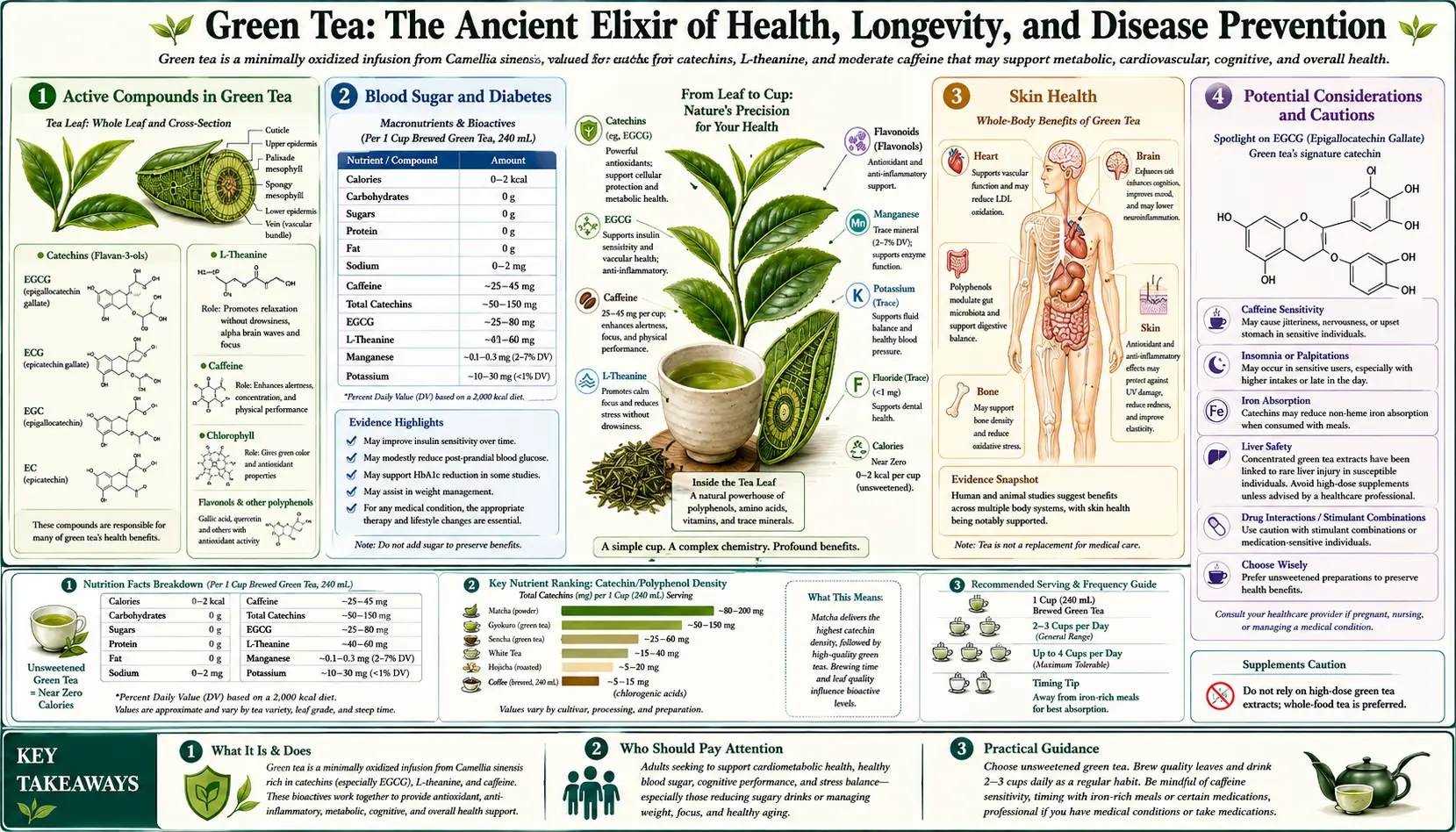
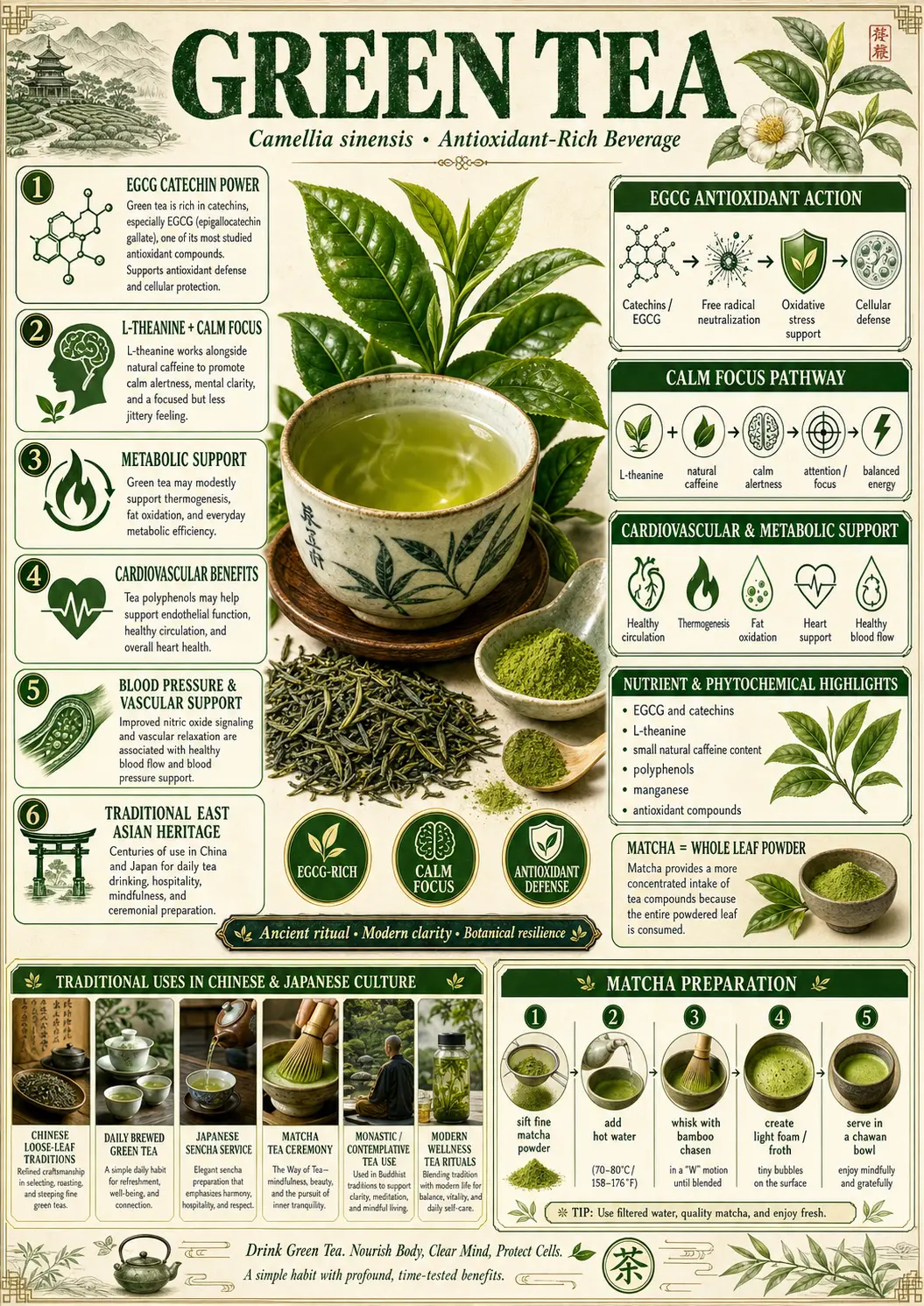
Table of Contents
- Active Compounds in Green Tea
- Cancer Prevention
- Heart Health
- Brain Health
- Weight Loss and Metabolism
- Blood Sugar and Diabetes
- Liver Health
- Anti-Inflammatory and Immune Support
- Oral Health
- Skin Health
- Bone Health
- Longevity and All-Cause Mortality
- Types of Green Tea
- Optimal Brewing and Consumption
- Potential Considerations and Cautions
- Scientific References
- Research Papers
- Connections
- Featured Videos
Green tea stands as one of the most extensively studied and universally revered beverages in human history. Originating in ancient China nearly 5,000 years ago, this remarkable drink has journeyed from the misty mountain gardens of Yunnan province to become the second most consumed beverage on Earth after water. Unlike black tea and oolong tea, green tea is made from the leaves of the Camellia sinensis plant that are minimally oxidized during processing — a crucial distinction that preserves an extraordinary concentration of bioactive polyphenols, catechins, amino acids, and other health-promoting compounds. According to Chinese legend, Emperor Shen Nung discovered tea in 2737 BCE when leaves from a wild tea tree blew into his pot of boiling water, producing a fragrant and restorative brew. Whether or not this legend holds literal truth, archaeological evidence confirms that tea cultivation in China dates back thousands of years, with the earliest written references appearing in texts from the Shang Dynasty. Green tea became central to Chinese medicine, philosophy, and daily life, and was later carried to Japan by Buddhist monks in the 9th century, where it evolved into the highly ritualized Japanese tea ceremony (chanoyu) — a spiritual practice emphasizing harmony, respect, purity, and tranquility.
The processing method that distinguishes green tea from other teas is both simple and profoundly important. After harvesting, green tea leaves are quickly heated — either by pan-firing (the Chinese method) or steaming (the Japanese method) — to deactivate the enzyme polyphenol oxidase, which would otherwise trigger oxidation and convert the leaves into oolong or black tea. This minimal processing preserves up to 30% of the dry leaf weight as polyphenolic compounds, compared to just 3-10% in fully oxidized black tea. The result is a beverage extraordinarily rich in catechins, particularly epigallocatechin-3-gallate (EGCG), the compound that modern science has identified as responsible for many of green tea's remarkable health properties. Over the past three decades, more than 10,000 peer-reviewed studies have investigated green tea's effects on cancer, cardiovascular disease, neurodegeneration, metabolic syndrome, diabetes, liver disease, immune function, and aging — establishing it as one of the most scientifically validated functional foods in existence.
The global scientific and medical communities have increasingly recognized that regular green tea consumption is associated with lower rates of chronic disease and increased lifespan — a pattern observed most strikingly in Japan, where green tea consumption averages 3-5 cups daily and where the population enjoys some of the highest life expectancies and lowest rates of cardiovascular disease and cancer in the world. This comprehensive article examines the full spectrum of green tea's health benefits, its active compounds and their mechanisms of action, the different varieties available, optimal preparation methods, and important considerations for safe consumption.
1. Active Compounds in Green Tea
Green tea's extraordinary health benefits arise from a complex synergy of bioactive compounds, each contributing distinct mechanisms of action that together create effects far greater than any single ingredient could achieve alone. The most abundant and most studied class of compounds in green tea are the catechins — a group of polyphenolic flavonoids that account for 25-35% of the dry weight of green tea leaves. The four primary catechins found in green tea are epicatechin (EC), epicatechin-3-gallate (ECG), epigallocatechin (EGC), and the most potent and abundant of all, epigallocatechin-3-gallate (EGCG). EGCG alone constitutes approximately 50-80% of the total catechin content in a typical cup of green tea, delivering roughly 50-100 mg per 240 ml serving. EGCG has been the subject of thousands of individual studies and has demonstrated remarkable activity against cancer cells, cardiovascular disease, neurodegeneration, obesity, diabetes, and infectious organisms. Its chemical structure — featuring eight hydroxyl groups and a gallate ester — gives it exceptional free radical scavenging capacity, estimated at 25-100 times more potent than Vitamins C and E in certain assays.
Beyond the catechins, green tea contains the unique amino acid L-theanine (gamma-glutamylethylamide), which constitutes approximately 1-2% of the dry weight of tea leaves and is found almost exclusively in the tea plant and certain species of mushroom. L-theanine crosses the blood-brain barrier within 30-45 minutes of ingestion and directly influences brain neurochemistry by increasing the production of alpha brain waves — the electrical frequency pattern associated with a state of calm alertness, focused attention, and creative thinking. L-theanine achieves this by modulating levels of the neurotransmitters GABA, serotonin, and dopamine, while simultaneously reducing the excitatory neurotransmitter glutamate. This creates the distinctive mental state that tea drinkers have valued for millennia: a relaxed yet clear-minded focus that is fundamentally different from the jittery stimulation produced by coffee. Shade-grown varieties such as Gyokuro and Matcha contain significantly higher concentrations of L-theanine because the shading process stimulates greater amino acid production in the leaves.
Green tea also contains a moderate amount of caffeine — typically 25-50 mg per cup, compared to 95-200 mg in coffee. While this may seem modest, the caffeine in green tea works synergistically with L-theanine to produce a unique cognitive enhancement profile. Research published in Nutritional Neuroscience has demonstrated that the L-theanine-caffeine combination improves attention, task switching, and accuracy on cognitively demanding tasks more effectively than either compound alone. The caffeine provides the stimulatory boost to alertness and reaction time, while L-theanine smooths out the harsh edges, preventing the anxiety, jitteriness, and subsequent crash commonly associated with caffeine from other sources.
The broader class of polyphenols in green tea extends beyond catechins to include flavonols (quercetin, kaempferol, myricetin), phenolic acids (gallic acid, chlorogenic acid), and other bioactive compounds. Green tea also provides meaningful amounts of vitamins (including Vitamin C, B vitamins, and Vitamin E), minerals (manganese, potassium, magnesium, fluoride, zinc, and chromium), chlorophyll (especially in shade-grown varieties), and L-theanine derivatives. The total antioxidant capacity of green tea, as measured by the Oxygen Radical Absorbance Capacity (ORAC) assay, is approximately 1,253 units per cup — exceeding that of most fruits and vegetables on a per-serving basis. It is the totality of these compounds working in concert, rather than any single molecule, that gives green tea its extraordinary range of health-promoting properties.
2. Cancer Prevention
The anti-cancer properties of green tea have been among the most intensively investigated areas of nutritional oncology over the past three decades, with epidemiological studies, laboratory experiments, and clinical trials collectively building a compelling case that regular green tea consumption significantly reduces the risk of multiple cancer types. The primary anti-cancer agent in green tea is EGCG, which has demonstrated the ability to interfere with virtually every stage of cancer development — from initiation and promotion to progression and metastasis. At the molecular level, EGCG inhibits cancer cell proliferation by inducing cell cycle arrest at the G0/G1 and G2/M checkpoints, activates apoptosis (programmed cell death) through both intrinsic mitochondrial and extrinsic death receptor pathways, suppresses the activity of matrix metalloproteinases (MMPs) that cancer cells use to invade surrounding tissues, and inhibits angiogenesis — the formation of new blood vessels that tumors require to grow beyond 1-2 mm in diameter. EGCG achieves these effects by modulating key signaling pathways including NF-kB, PI3K/Akt, MAPK, Wnt, and Notch — pathways that are constitutively activated in many cancers.
For breast cancer, a meta-analysis published in Carcinogenesis analyzing data from over 5,600 breast cancer cases found that women consuming the highest levels of green tea had a 22% lower risk of developing breast cancer compared to non-drinkers. Laboratory studies have shown that EGCG suppresses the expression of estrogen receptor-alpha in estrogen-receptor-positive breast cancer cells, inhibits the enzyme aromatase (which converts androgens to estrogens in breast tissue), and sensitizes breast cancer cells to the chemotherapy drug tamoxifen. For prostate cancer, a landmark randomized controlled trial published in Cancer Research demonstrated that men with high-grade prostate intraepithelial neoplasia (a precancerous condition) who took 600 mg of green tea catechins daily for one year had only a 3% progression rate to prostate cancer, compared to 30% in the placebo group — a ten-fold reduction in cancer development. EGCG has been shown to inhibit prostate-specific antigen (PSA) expression, suppress androgen receptor signaling, and induce apoptosis in prostate cancer cell lines.
Research on colorectal cancer has been equally encouraging. A prospective cohort study of over 69,000 Chinese women published in the American Journal of Clinical Nutrition found that regular green tea drinkers had a 37% lower risk of colorectal cancer compared to non-drinkers, with the protective effect increasing with both the amount consumed and the duration of the tea-drinking habit. EGCG has been demonstrated to suppress the proliferation of colorectal cancer cells by inhibiting the Wnt/beta-catenin signaling pathway, which is aberrantly activated in approximately 90% of colorectal cancers. For lung cancer, a meta-analysis of 22 studies involving over 500,000 participants found that high green tea consumption was associated with an 18% reduction in lung cancer risk. In vitro studies have shown that EGCG inhibits the growth of non-small cell lung cancer cells by suppressing the epidermal growth factor receptor (EGFR) pathway and inducing apoptosis through caspase activation.
One of the most significant anti-cancer mechanisms of EGCG is its potent antiangiogenic activity. Tumors cannot grow beyond a tiny size without recruiting new blood vessels to supply oxygen and nutrients. EGCG directly inhibits vascular endothelial growth factor (VEGF), the primary molecular signal that tumors use to stimulate blood vessel formation. Studies published in Cancer Research have demonstrated that EGCG suppresses VEGF expression in cancer cells, blocks VEGF receptor signaling in endothelial cells, and reduces tumor microvessel density in animal models. This antiangiogenic mechanism is particularly significant because it represents a fundamentally different approach to cancer control — rather than killing cancer cells directly, it starves tumors by cutting off their blood supply. Additionally, EGCG has been shown to inhibit telomerase, the enzyme that allows cancer cells to achieve immortality by maintaining their telomere length, and to enhance the efficacy of conventional chemotherapy and radiation therapy while potentially reducing their side effects. The totality of evidence positions green tea as one of the most promising dietary interventions for cancer prevention, particularly when consumed regularly over long periods.
3. Heart Health
Cardiovascular disease remains the leading cause of death worldwide, and the evidence that green tea consumption significantly reduces cardiovascular risk has grown remarkably strong. A landmark meta-analysis published in the European Journal of Cardiovascular Prevention and Rehabilitation, analyzing 13 studies with over 250,000 participants, concluded that individuals who consumed three or more cups of green tea daily had a 28% lower risk of coronary artery disease compared to non-drinkers. The mechanisms behind this cardioprotective effect are multifaceted: green tea catechins reduce total cholesterol and LDL ("bad") cholesterol, lower blood pressure, improve endothelial function, reduce arterial stiffness, inhibit the oxidation of LDL particles, and suppress chronic inflammation — addressing virtually every major risk factor for atherosclerosis and cardiovascular events.
The cholesterol-lowering effects of green tea have been demonstrated in numerous clinical trials. A meta-analysis of 14 randomized controlled trials published in the American Journal of Clinical Nutrition found that green tea catechins significantly reduced total cholesterol by 7.2 mg/dL and LDL cholesterol by 2.2 mg/dL without affecting beneficial HDL cholesterol levels. The mechanism involves EGCG's ability to inhibit intestinal absorption of cholesterol by interfering with the formation of cholesterol micelles, to upregulate LDL receptor expression in the liver (increasing clearance of LDL from the bloodstream), and to inhibit the enzyme squalene epoxidase in the cholesterol biosynthesis pathway. Perhaps more importantly, green tea catechins powerfully inhibit the oxidation of LDL cholesterol — a critical step in the development of atherosclerosis, since oxidized LDL is the form that is taken up by macrophages to form the foam cells that constitute the fatty streaks and plaques of atherosclerotic disease.
Green tea's effects on blood pressure are clinically meaningful. A systematic review of 25 randomized controlled trials, published in Medicine, found that green tea consumption significantly reduced systolic blood pressure by 1.94 mmHg and diastolic blood pressure by 1.28 mmHg. While these reductions may appear modest, population-level analyses have estimated that even a 2 mmHg reduction in systolic blood pressure would reduce stroke mortality by 6% and coronary heart disease mortality by 4%. Green tea achieves these blood pressure reductions primarily through its effects on endothelial function — the ability of blood vessel linings to relax and dilate in response to blood flow. EGCG stimulates the production of nitric oxide (NO) in endothelial cells by activating the enzyme endothelial nitric oxide synthase (eNOS), leading to vasodilation and reduced peripheral vascular resistance. Clinical studies using flow-mediated dilation (FMD) measurements have confirmed that green tea consumption improves endothelial function within hours of ingestion.
The anti-atherosclerotic effects of green tea extend beyond cholesterol and blood pressure management. EGCG has been shown to inhibit the proliferation and migration of vascular smooth muscle cells — a key process in the thickening of arterial walls that characterizes atherosclerosis. It also reduces the expression of adhesion molecules (ICAM-1, VCAM-1, E-selectin) on endothelial cells, preventing monocytes from attaching to blood vessel walls and infiltrating the arterial intima — the earliest step in plaque formation. Furthermore, green tea catechins stabilize existing atherosclerotic plaques by reducing inflammation within the plaque, inhibiting matrix metalloproteinase activity that weakens the fibrous cap, and promoting collagen synthesis that strengthens it — potentially reducing the risk of the plaque rupture events that trigger heart attacks and strokes.
A massive prospective study of over 40,000 Japanese adults followed for 11 years, published in the Journal of the American Medical Association, provided perhaps the most compelling evidence for green tea's cardiovascular benefits. The study found that participants who consumed five or more cups of green tea daily had a 26% lower risk of death from cardiovascular disease compared to those who drank less than one cup per day. Among women, the risk reduction was even more pronounced at 31%. This dose-response relationship — with greater protection at higher consumption levels — strengthens the causal interpretation and suggests that the cardiovascular benefits of green tea are real, substantial, and achievable through regular daily consumption.
4. Brain Health
Green tea's benefits for brain health represent one of the most exciting areas of current research, driven by the unique combination of L-theanine and caffeine that produces cognitive enhancement unlike any other dietary compound. This synergistic pairing creates what researchers describe as "alert relaxation" — a neurochemical state characterized by increased alpha brain wave activity, enhanced attention, improved working memory, and faster reaction times, all without the anxiety and restlessness that caffeine alone typically produces. A landmark study published in Psychopharmacology demonstrated that the combination of 97 mg L-theanine and 40 mg caffeine (approximately the amounts in two cups of green tea) significantly improved accuracy during task-switching tests and reduced susceptibility to distracting information, compared to both placebo and caffeine alone. Functional MRI studies have confirmed that this combination produces measurable changes in brain activation patterns, particularly in the frontal and parietal cortices associated with executive function and sustained attention.
The neuroprotective effects of green tea against Alzheimer's disease are supported by a growing body of evidence. Alzheimer's is characterized by the accumulation of beta-amyloid plaques and hyperphosphorylated tau protein tangles in the brain, both of which lead to progressive neuronal death and cognitive decline. EGCG has been demonstrated to inhibit the formation and aggregation of beta-amyloid fibrils through multiple mechanisms: it binds directly to unfolded amyloid peptides, redirecting their aggregation toward non-toxic, amorphous forms rather than the neurotoxic fibrillar structures that constitute plaques. A study published in the Journal of Biological Chemistry showed that EGCG reduced beta-amyloid plaque burden by up to 54% in transgenic mouse models of Alzheimer's disease. Additionally, EGCG inhibits the enzyme beta-secretase (BACE-1), which is responsible for cleaving amyloid precursor protein to generate the toxic beta-amyloid peptide — making EGCG a natural beta-secretase inhibitor, the same molecular target pursued by pharmaceutical companies developing Alzheimer's drugs.
For Parkinson's disease, the evidence is similarly compelling. Parkinson's is caused by the progressive loss of dopaminergic neurons in the substantia nigra region of the brain, driven by oxidative stress, mitochondrial dysfunction, neuroinflammation, and the aggregation of alpha-synuclein protein. EGCG has been shown to protect dopaminergic neurons through its potent antioxidant activity, its ability to chelate iron (which accumulates in the substantia nigra in Parkinson's and catalyzes the formation of damaging hydroxyl radicals), and its capacity to inhibit alpha-synuclein aggregation. A prospective cohort study published in the American Journal of Epidemiology followed over 29,000 Finnish adults for 13 years and found that those who consumed three or more cups of tea daily had a significantly lower risk of developing Parkinson's disease. In animal models, EGCG administration before or after exposure to the neurotoxin MPTP (which selectively destroys dopaminergic neurons) provided significant neuroprotection, preserving both neuronal survival and motor function.
Green tea also enhances brain health through its effects on brain-derived neurotrophic factor (BDNF), a critical protein that promotes the survival of existing neurons, stimulates the growth and differentiation of new neurons (neurogenesis), and strengthens synaptic connections essential for learning and memory. Low levels of BDNF have been consistently associated with depression, anxiety, Alzheimer's disease, and age-related cognitive decline. Studies have demonstrated that both EGCG and L-theanine independently increase BDNF expression in the hippocampus — the brain region most critical for memory formation. A randomized controlled trial published in Nutrients found that daily green tea consumption for 12 weeks significantly increased serum BDNF levels in elderly participants compared to placebo, accompanied by measurable improvements in cognitive function scores. The combination of immediate cognitive enhancement (via the L-theanine-caffeine synergy), long-term neuroprotection (via EGCG's effects on amyloid, tau, and alpha-synuclein), and neurotrophic support (via BDNF upregulation) makes green tea one of the most comprehensive dietary strategies available for maintaining brain health throughout the lifespan.
5. Weight Loss and Metabolism
Green tea has earned a well-deserved reputation as one of the most effective natural compounds for enhancing metabolic rate, increasing fat oxidation, and supporting healthy weight management. The primary mechanism behind green tea's metabolic effects is the synergistic interaction between catechins (particularly EGCG) and caffeine, which together stimulate thermogenesis — the body's process of generating heat by burning calories. EGCG achieves this by inhibiting the enzyme catechol-O-methyltransferase (COMT), which normally degrades norepinephrine. By blocking COMT, EGCG prolongs the activity of norepinephrine at the sympathetic nervous system, leading to sustained activation of hormone-sensitive lipase in adipose tissue and enhanced breakdown of stored triglycerides into free fatty acids for energy production. A landmark study published in the American Journal of Clinical Nutrition demonstrated that green tea extract containing 270 mg EGCG and 150 mg caffeine increased 24-hour energy expenditure by 4% (approximately 80 additional calories per day) compared to placebo — an effect entirely attributable to increased fat oxidation rather than increased protein or carbohydrate burning.
The fat oxidation enhancement produced by green tea is particularly noteworthy because it preferentially targets stored body fat rather than lean muscle tissue. A study published in the Journal of Nutrition found that subjects consuming green tea catechins lost significantly more abdominal fat (visceral fat) over 12 weeks compared to a control group, even when total caloric intake and exercise levels were held constant. Visceral fat — the deep abdominal fat that surrounds internal organs — is the most metabolically dangerous type of fat, strongly associated with insulin resistance, type 2 diabetes, cardiovascular disease, and systemic inflammation. The selective reduction of visceral fat by green tea catechins may therefore confer health benefits that extend far beyond simple weight loss. Additional research has shown that green tea increases fat oxidation during moderate-intensity exercise by approximately 17%, suggesting that consuming green tea before physical activity may enhance the fat-burning effects of the workout.
A comprehensive meta-analysis published in the International Journal of Obesity, analyzing 11 randomized controlled trials, concluded that green tea catechins with caffeine significantly reduced body weight by an average of 1.31 kg more than caffeine alone over 12 weeks. While this may seem modest, the effect was consistent and additive to other weight management strategies, suggesting that green tea provides a reliable metabolic boost that compounds over time. Importantly, the studies also showed that the catechin-caffeine combination significantly reduced waist circumference and body fat percentage, confirming that the weight loss was predominantly fat loss rather than loss of water or lean tissue. The researchers noted that the effects were most pronounced in Asian populations, potentially because genetic variation in COMT enzyme activity (more common in Caucasian populations) may partially counteract EGCG's inhibitory effect on COMT in some individuals.
Beyond its thermogenic and fat-oxidizing effects, green tea influences weight management through several additional mechanisms. EGCG has been shown to reduce the absorption of dietary fat by inhibiting pancreatic lipase, the primary enzyme responsible for breaking down triglycerides in the small intestine. Green tea catechins also modulate the gut microbiome in ways that favor leanness — increasing the ratio of Bacteroidetes to Firmicutes bacteria, a pattern consistently associated with lower body weight in both animal and human studies. Furthermore, L-theanine's calming effects may reduce stress-related eating by lowering cortisol levels, while the modest caffeine content provides appetite-suppressing effects that can reduce overall caloric intake. When combined with a balanced diet and regular physical activity, daily consumption of 3-5 cups of green tea (or equivalent catechin supplementation) represents one of the safest and most evidence-based natural strategies for supporting metabolic health and healthy body composition.
6. Blood Sugar and Diabetes
The relationship between green tea consumption and type 2 diabetes prevention has been established through extensive epidemiological and clinical evidence, positioning green tea as one of the most accessible dietary interventions for improving blood sugar regulation. A comprehensive meta-analysis published in the American Journal of Clinical Nutrition, analyzing 18 studies involving over 450,000 participants, found that individuals who consumed four or more cups of green tea daily had a 20% lower risk of developing type 2 diabetes compared to non-drinkers. This protective effect remained significant even after adjusting for confounding factors including age, body mass index, physical activity level, smoking status, and overall dietary quality — suggesting a direct biological effect of green tea compounds on glucose metabolism rather than a mere association with healthier lifestyles.
The mechanisms by which green tea improves blood sugar control are multifaceted and operate at several critical points in glucose metabolism. EGCG has been demonstrated to enhance insulin sensitivity by activating the AMP-activated protein kinase (AMPK) pathway in skeletal muscle and liver cells — the same metabolic pathway targeted by the diabetes drug metformin. AMPK activation increases glucose uptake by muscle cells independent of insulin signaling, stimulates fatty acid oxidation, suppresses hepatic glucose production, and improves overall cellular energy metabolism. Clinical trials have confirmed these mechanisms in humans: a randomized controlled trial published in Diabetes Care found that supplementation with green tea extract for 12 weeks significantly reduced fasting blood glucose, fasting insulin levels, and HbA1c (a measure of long-term blood sugar control) in patients with type 2 diabetes, with improvements comparable to those seen with some oral hypoglycemic medications.
Green tea catechins also influence blood sugar regulation by inhibiting key carbohydrate-digesting enzymes in the gastrointestinal tract. EGCG is a potent inhibitor of both alpha-amylase (which breaks down starch into smaller sugar molecules) and alpha-glucosidase (which converts disaccharides into absorbable monosaccharides), thereby slowing the rate at which dietary carbohydrates are converted to glucose and absorbed into the bloodstream. This enzyme inhibition reduces the magnitude of post-meal blood sugar spikes — the sharp glycemic excursions that, when repeated chronically, drive beta-cell exhaustion, insulin resistance, and the progression from pre-diabetes to overt type 2 diabetes. A clinical study demonstrated that consuming green tea with a high-carbohydrate meal reduced the post-meal glucose peak by approximately 30% compared to consuming the same meal with water.
Additionally, green tea protects the pancreatic beta cells — the insulin-producing cells whose progressive dysfunction and death is central to the development of type 2 diabetes. EGCG's potent antioxidant and anti-inflammatory properties shield beta cells from the oxidative stress and chronic low-grade inflammation that are driven by obesity, visceral fat accumulation, and chronic hyperglycemia. Animal studies have demonstrated that EGCG administration preserves beta-cell mass and function in diabetic models, partially by inhibiting the pro-inflammatory cytokines TNF-alpha and IL-6 that are directly toxic to beta cells. The chromium naturally present in green tea further supports insulin signaling by enhancing the binding of insulin to its receptor. The combined effects of improved insulin sensitivity, reduced carbohydrate absorption, lower post-meal glucose spikes, and beta-cell protection make green tea a valuable adjunctive strategy for both the prevention and management of type 2 diabetes.
7. Liver Health
The liver is the body's primary detoxification organ, and green tea catechins have demonstrated remarkable hepatoprotective properties that support liver function, reduce liver fat accumulation, and normalize liver enzyme levels. The relationship between moderate green tea consumption and liver health has been established through both epidemiological evidence and clinical intervention studies. A large cross-sectional study of over 14,000 Japanese adults published in the International Journal of Epidemiology found that individuals who consumed more than 10 cups of green tea daily had significantly lower levels of alanine aminotransferase (ALT), aspartate aminotransferase (AST), and gamma-glutamyl transferase (GGT) — the three primary biomarkers of liver damage — compared to non-drinkers. This inverse relationship between green tea consumption and liver enzyme levels was dose-dependent and remained significant after controlling for alcohol consumption, body mass index, and other confounding factors.
One of the most clinically relevant applications of green tea for liver health involves non-alcoholic fatty liver disease (NAFLD), the most common liver disorder in the Western world, affecting an estimated 25% of the global population. NAFLD is characterized by excessive accumulation of fat (triglycerides) in liver cells in the absence of significant alcohol consumption, and can progress to non-alcoholic steatohepatitis (NASH), fibrosis, cirrhosis, and ultimately liver failure or hepatocellular carcinoma. EGCG has been shown to reduce hepatic fat accumulation through multiple mechanisms: it activates AMPK in liver cells (stimulating fatty acid oxidation and inhibiting de novo lipogenesis), suppresses the expression of sterol regulatory element-binding protein 1c (SREBP-1c) (a master transcription factor that drives fat synthesis in the liver), and enhances mitochondrial biogenesis and function — improving the liver's capacity to burn fat for energy.
Clinical trials have confirmed these benefits in humans. A randomized, double-blind, placebo-controlled trial published in the International Journal of Preventive Medicine found that supplementation with 500 mg of green tea extract daily for 90 days significantly reduced liver enzyme levels (ALT and AST), decreased liver fat content as measured by ultrasound, and improved multiple markers of metabolic health in patients with NAFLD. Another study published in Nutrition Research demonstrated that green tea catechins reduced liver fat content by 29% over 12 weeks in obese subjects, accompanied by significant reductions in body weight, waist circumference, and blood triglyceride levels. These findings suggest that green tea catechins address NAFLD not only by directly reducing hepatic fat but also by improving the systemic metabolic dysfunction that drives fat accumulation in the liver.
Green tea's hepatoprotective effects extend to protection against liver damage from environmental toxins, medications, and oxidative stress. EGCG has been shown to upregulate the expression of Phase II detoxification enzymes — including glutathione S-transferase, UDP-glucuronosyltransferase, and quinone reductase — through activation of the Nrf2-ARE signaling pathway. This enhancement of the liver's detoxification capacity accelerates the neutralization and elimination of toxic compounds, environmental pollutants, and drug metabolites. EGCG also increases intracellular levels of glutathione, the liver's most important endogenous antioxidant, providing additional protection against oxidative liver damage. Animal studies have demonstrated that green tea catechin pre-treatment significantly reduces liver damage caused by acetaminophen (paracetamol), carbon tetrachloride, and other hepatotoxic agents. These findings collectively establish green tea as a potent natural hepatoprotective agent, though it is important to note — as discussed in the Considerations section — that very high-dose concentrated green tea supplements have paradoxically been associated with rare cases of liver injury.
8. Anti-Inflammatory and Immune Support
Chronic low-grade inflammation — often called "inflammaging" — is now recognized as a central driving force behind virtually all major chronic diseases, including cardiovascular disease, cancer, diabetes, Alzheimer's disease, autoimmune conditions, and accelerated aging itself. Green tea polyphenols, led by EGCG, exert powerful anti-inflammatory effects through the modulation of multiple inflammatory signaling pathways, making regular green tea consumption one of the most effective dietary strategies for reducing systemic inflammation. The primary anti-inflammatory mechanism of EGCG involves the suppression of nuclear factor kappa B (NF-kB), the master transcription factor that controls the expression of over 200 pro-inflammatory genes. EGCG inhibits the phosphorylation and degradation of IkB-alpha (the protein that normally keeps NF-kB sequestered in the cytoplasm), thereby preventing NF-kB from translocating to the nucleus and activating inflammatory gene transcription. This results in reduced production of pro-inflammatory cytokines including TNF-alpha, IL-1-beta, IL-6, and IL-8 — the molecular mediators that drive tissue damage in chronic inflammatory conditions.
Beyond NF-kB suppression, green tea catechins inhibit the cyclooxygenase-2 (COX-2) and inducible nitric oxide synthase (iNOS) enzymes — the same targets of non-steroidal anti-inflammatory drugs (NSAIDs) like ibuprofen and aspirin — but without the gastrointestinal side effects associated with pharmaceutical COX-2 inhibition. EGCG also suppresses the activity of 5-lipoxygenase (5-LOX), the enzyme responsible for producing leukotrienes — inflammatory mediators involved in asthma, allergic reactions, and chronic inflammatory conditions. Additionally, EGCG inhibits the MAPK/ERK signaling pathway and the JAK/STAT pathway, both of which play central roles in amplifying inflammatory responses and are implicated in autoimmune diseases. Clinical studies have confirmed that regular green tea consumption reduces circulating levels of C-reactive protein (CRP), a systemic marker of inflammation and an independent predictor of cardiovascular events, with one meta-analysis showing a significant mean reduction of 0.45 mg/L in CRP among green tea drinkers.
Green tea's effects on the immune system are equally impressive and go beyond simple anti-inflammatory activity. EGCG has been shown to enhance the function of regulatory T cells (Tregs) — the immune cells responsible for maintaining immune tolerance and preventing autoimmune reactions — while simultaneously suppressing the excessive activation of Th17 cells, a subset of helper T cells implicated in autoimmune and chronic inflammatory diseases. This immunomodulatory balance is critical: rather than simply suppressing or stimulating the immune system, green tea helps calibrate immune responses to be appropriately vigorous against genuine threats while remaining appropriately restrained against self-tissues and harmless environmental antigens. L-theanine contributes to immune function by enhancing the proliferation and activity of gamma-delta T cells, a specialized subset of immune cells that serve as a first line of defense against bacterial and viral infections. A study at Brigham and Women's Hospital found that tea drinkers had five times greater gamma-delta T cell response to bacterial antigens compared to coffee drinkers.
Green tea polyphenols also demonstrate significant antiviral and antibacterial properties that contribute to immune defense. EGCG has been shown to inhibit the replication of influenza viruses by binding to the hemagglutinin protein on the viral surface, preventing the virus from attaching to and entering host cells. Similar antiviral mechanisms have been demonstrated against adenoviruses, hepatitis B and C viruses, herpes simplex virus, and HIV. The antibacterial properties of green tea catechins are mediated through disruption of bacterial cell membranes, inhibition of bacterial fatty acid synthesis, and interference with bacterial biofilm formation. These direct antimicrobial effects, combined with the enhancement of adaptive immune function and the modulation of inflammatory responses, make green tea a comprehensive immune-supporting beverage that works on multiple levels to defend the body against both infectious disease and the chronic inflammatory processes that drive degenerative illness.
9. Oral Health
Green tea's benefits for oral health extend far beyond simple breath freshening, encompassing potent antibacterial activity against the specific organisms responsible for tooth decay, gum disease, and halitosis. The oral cavity is one of the most microbiologically diverse environments in the human body, harboring over 700 species of bacteria. Among these, Streptococcus mutans is the primary causative agent of dental caries (cavities), producing acids that demineralize tooth enamel and creating the sticky biofilms (dental plaque) that shelter bacteria from saliva's natural cleansing mechanisms. EGCG has been shown to powerfully inhibit the growth and acid production of S. mutans through multiple mechanisms: it disrupts the bacterial cell membrane, inhibits the enzyme glucosyltransferase (which S. mutans uses to synthesize the sticky glucan polymers that form the structural matrix of dental plaque), and directly interferes with bacterial adherence to tooth surfaces. A study published in the Journal of Applied Oral Science demonstrated that rinsing with green tea solution reduced S. mutans counts in saliva by more than 58% within one hour.
For periodontal (gum) disease, green tea offers dual benefits through both its antibacterial and anti-inflammatory properties. Periodontitis — the advanced form of gum disease that affects the supporting structures of the teeth — is driven by a destructive cycle in which specific pathogenic bacteria (particularly Porphyromonas gingivalis) trigger an exaggerated inflammatory response that damages the gingival tissue, periodontal ligament, and alveolar bone. EGCG interrupts this cycle at both ends: it inhibits the growth and virulence of P. gingivalis and other periodontal pathogens, and it suppresses the inflammatory cascade (via NF-kB inhibition and reduced MMP production) that causes tissue destruction. A clinical study published in the Journal of Periodontology found that participants who regularly consumed green tea had significantly less periodontal pocket depth, less clinical attachment loss, and less gingival bleeding compared to non-tea drinkers, with a clear dose-response relationship between the number of cups consumed daily and the degree of periodontal health improvement.
Green tea is also a natural and effective remedy for halitosis (bad breath). Most cases of bad breath originate from the activity of anaerobic bacteria on the back of the tongue and in periodontal pockets, which break down sulfur-containing amino acids to produce foul-smelling volatile sulfur compounds (VSCs) including hydrogen sulfide, methyl mercaptan, and dimethyl sulfide. Green tea catechins reduce halitosis through three mechanisms: they kill or inhibit the growth of the odor-producing bacteria, they neutralize existing VSCs through direct chemical interaction with the sulfur compounds, and they reduce the availability of amino acid substrates for VSC production. A randomized controlled trial found that green tea was more effective than mints, chewing gum, and even parsley-seed oil at reducing VSC concentrations in the mouth. The natural fluoride content of green tea (approximately 0.3-0.5 mg per cup) provides an additional oral health benefit by strengthening tooth enamel through the formation of fluorapatite — a crystalline structure that is more resistant to acid dissolution than the hydroxyapatite that normally constitutes enamel.
10. Skin Health
Green tea's benefits for skin health are extensive and well-documented, encompassing protection against ultraviolet radiation damage, anti-aging effects, acne reduction, and improvement of overall skin quality. The skin is the body's largest organ and its first line of defense against environmental stressors, particularly ultraviolet (UV) radiation from sunlight — the single greatest extrinsic cause of skin aging, DNA damage, and skin cancer. EGCG provides potent photoprotection through multiple mechanisms: it absorbs UV radiation directly (acting as a natural sunscreen at the molecular level), neutralizes the reactive oxygen species generated by UV exposure, reduces the inflammatory cascade triggered by UV-induced DNA damage, and activates DNA repair mechanisms. A study published in the Journal of the American Academy of Dermatology demonstrated that oral green tea polyphenol supplementation reduced UV-induced erythema (sunburn) by 25% compared to placebo, while topical application of EGCG before UV exposure provided even greater protection.
The anti-aging effects of green tea on skin are mediated through several pathways. EGCG inhibits the enzymes collagenase and elastase — matrix metalloproteinases (MMP-1 and MMP-2) that break down collagen and elastin, the structural proteins responsible for skin firmness and elasticity. By preserving these proteins, green tea helps maintain the youthful structural integrity of the dermal layer. Additionally, EGCG has been shown to stimulate the production of new collagen by dermal fibroblasts and to protect existing collagen from cross-linking and glycation — the chemical processes driven by sugar molecules that cause collagen to become stiff, brittle, and dysfunctional with age. Green tea polyphenols also protect skin cells from the damaging effects of advanced glycation end products (AGEs), which accumulate in skin tissue over time and contribute to wrinkle formation, loss of elasticity, and the yellowed appearance associated with aged skin. Clinical studies have demonstrated that women who consumed green tea polyphenols for 12 weeks showed significant improvements in skin elasticity, moisture content, roughness, and overall skin density compared to placebo groups.
For acne, green tea offers a multi-targeted approach that addresses several of the condition's underlying drivers. EGCG has been shown to reduce sebum (oil) production by sebaceous glands through inhibition of the 5-alpha-reductase enzyme that converts testosterone to dihydrotestosterone (DHT) — the androgen primarily responsible for stimulating excess sebum production. EGCG also demonstrates potent antibacterial activity against Cutibacterium acnes (formerly Propionibacterium acnes), the bacterium that colonizes clogged pores and triggers the inflammatory cascade that produces inflamed acne lesions. Furthermore, EGCG's anti-inflammatory properties reduce the redness, swelling, and scarring associated with inflammatory acne. A randomized controlled trial published in Complementary Therapies in Medicine found that a topical 2% green tea lotion applied twice daily for six weeks reduced acne lesion count by 58% and reduced sebum production by 70% compared to baseline, with results comparable to those achieved with conventional topical acne treatments but without the dryness and irritation often associated with benzoyl peroxide or retinoids.
Topical applications of green tea have gained significant attention in dermatology and cosmetic science. Green tea extracts are now among the most common active ingredients in anti-aging serums, sunscreens, eye creams, and acne treatments. When applied directly to the skin, EGCG concentrations in the epidermis and dermis can reach levels far higher than those achievable through oral consumption alone. Topical green tea formulations have been clinically demonstrated to reduce under-eye dark circles and puffiness (through their vasoconstrictive and anti-inflammatory effects), improve wound healing and reduce scar formation (through enhanced collagen synthesis and reduced inflammation), protect against pollution-induced skin damage, and even provide some degree of protection against skin cancer development in UV-exposed skin. For optimal skin benefits, dermatologists increasingly recommend both oral green tea consumption (for systemic antioxidant protection) and topical application (for concentrated local effects) — a dual approach that addresses skin health from both inside and outside the body.
11. Bone Health
The relationship between green tea consumption and bone health has emerged as an increasingly important area of research, particularly as the global burden of osteoporosis and fracture-related disability continues to grow with aging populations. Green tea supports bone health through two primary mechanisms: its natural fluoride content and the direct effects of catechins on bone cell biology. Green tea provides approximately 0.3-0.5 mg of fluoride per cup, and regular consumption of 3-5 cups daily can contribute meaningfully to total fluoride intake. Fluoride is incorporated into the crystal structure of bone mineral, converting hydroxyapatite to fluorapatite — a denser, more stable crystalline form that is more resistant to the acidic resorption signals of osteoclasts. This fluoride-mediated increase in bone mineral density has been documented in numerous studies and represents one mechanism by which habitual tea drinking may protect against osteoporosis.
The catechins in green tea — particularly EGCG — exert direct effects on bone remodeling that go far beyond simple fluoride supplementation. Bone is a dynamic tissue that is continuously being resorbed by osteoclasts and rebuilt by osteoblasts, and the balance between these two processes determines whether bone mass is maintained, gained, or lost. EGCG has been shown to inhibit osteoclast formation and activity by suppressing the RANKL signaling pathway — the primary molecular signal that stimulates osteoclast differentiation and bone resorption. Simultaneously, EGCG promotes osteoblast differentiation and mineralization activity by activating the Wnt/beta-catenin pathway and increasing the expression of bone-forming genes including alkaline phosphatase, osteocalcin, and collagen type I. This dual action — suppressing bone resorption while promoting bone formation — shifts the balance of bone remodeling in favor of net bone gain, a pattern that is the exact opposite of what occurs in osteoporosis.
Epidemiological studies have consistently linked green tea consumption with improved bone mineral density and reduced fracture risk. A meta-analysis published in Medicine, analyzing data from 13 observational studies, found that tea consumption was associated with a 14% reduction in the risk of osteoporotic fractures. A study of over 1,500 postmenopausal women in Mediterranean countries found that those who consumed tea regularly had significantly higher bone mineral density at the lumbar spine and femoral neck compared to non-drinkers. The Ohsaki National Health Insurance Cohort Study in Japan, which followed over 46,000 participants, found that individuals who consumed five or more cups of green tea daily had a significantly lower risk of hip fracture — the most devastating and life-threatening consequence of osteoporosis. These epidemiological findings are consistent with the laboratory evidence and suggest that the long-term, regular consumption of green tea contributes to the maintenance of skeletal integrity throughout the aging process.
Green tea's anti-inflammatory and antioxidant properties provide additional bone-protective benefits. Chronic inflammation driven by elevated levels of TNF-alpha, IL-1, and IL-6 is a major driver of bone loss in aging, menopause, and inflammatory conditions such as rheumatoid arthritis. By suppressing these pro-inflammatory cytokines, green tea catechins reduce inflammation-driven osteoclast activation and bone resorption. The antioxidant properties of EGCG also protect osteoblasts from oxidative stress, which has been shown to impair osteoblast function and promote osteoblast apoptosis — contributing to the age-related decline in bone formation capacity. For individuals concerned about bone health, regular green tea consumption represents a safe, accessible, and evidence-based dietary strategy that complements other bone-protective measures including adequate calcium and vitamin D intake, weight-bearing exercise, and appropriate medical therapy when indicated.
12. Longevity and All-Cause Mortality
Perhaps the most compelling evidence for green tea's health benefits comes from large-scale longitudinal studies examining its association with overall lifespan and all-cause mortality — the ultimate measure of a dietary intervention's total health impact. Japan, where green tea consumption is deeply embedded in daily life and cultural practice, has provided the most extensive data. The landmark Ohsaki Cohort Study, published in the Journal of the American Medical Association, followed 40,530 Japanese adults aged 40-79 for 11 years and found that those who consumed five or more cups of green tea daily had a 23% lower risk of death from all causes compared to those who drank less than one cup per day. When specific causes of death were examined, the mortality reduction was 26% for cardiovascular disease and 16% for cancer. Among women, the all-cause mortality reduction reached 31% for those consuming five or more cups daily — one of the largest mortality reductions ever attributed to a single dietary factor in a prospective cohort study.
These findings have been replicated in other large-scale studies across different populations. The Shanghai Women's Health Study, following over 69,000 Chinese women for 5-8 years, found that regular green tea consumption was associated with significantly reduced all-cause mortality, with the greatest protection observed among long-term drinkers who had consumed green tea regularly for 20 or more years. A meta-analysis published in the European Journal of Epidemiology, combining data from 18 prospective studies involving over one million participants, concluded that green tea consumption was associated with a 5% reduction in all-cause mortality per cup per day, with the dose-response curve suggesting continued benefit up to approximately five cups daily. The China-PAR Project, a prospective cohort study of over 100,000 Chinese adults followed for more than seven years, found that habitual tea drinkers (defined as three or more cups per week for at least six months) had a 1.26-year longer life expectancy at age 50 compared to non-habitual tea drinkers — translating the relative risk reduction into a tangible and meaningful increase in years of life.
One intriguing area of research linking green tea to longevity involves its effects on telomeres — the protective caps of repetitive DNA sequences at the ends of chromosomes that shorten with each cell division and serve as a biological clock of cellular aging. When telomeres become critically short, cells enter senescence or undergo apoptosis, and telomere length has been identified as a biomarker of biological age that predicts remaining lifespan independent of chronological age. A cross-sectional study of over 2,000 Chinese adults published in the British Journal of Nutrition found that individuals who consumed three or more cups of tea daily had telomeres equivalent to approximately five years of reduced biological aging compared to non-drinkers. The proposed mechanisms include EGCG's potent antioxidant protection against the oxidative damage that accelerates telomere shortening, its activation of telomerase in normal (non-cancerous) cells, and its suppression of the chronic inflammation that has been independently linked to accelerated telomere attrition.
The longevity benefits of green tea likely represent the cumulative effect of its numerous individual health benefits — cardiovascular protection, cancer prevention, metabolic optimization, neuroprotection, anti-inflammatory activity, and cellular maintenance — acting in concert over decades of regular consumption. It is worth noting that in all major longevity studies, the greatest benefits were observed in individuals who had consumed green tea regularly for many years, suggesting that consistency of consumption over the long term is more important than the amount consumed on any given day. The populations with the greatest green tea consumption — particularly the residents of Okinawa, Japan, one of the world's recognized "Blue Zones" of exceptional longevity — also tend to practice other healthy lifestyle habits, but statistical analyses consistently show that green tea's contribution to longevity remains significant even after adjusting for these confounding factors. The totality of evidence strongly supports the conclusion that daily green tea consumption is one of the simplest, most enjoyable, and most evidence-based lifestyle practices for extending both lifespan and healthspan.
13. Types of Green Tea
Matcha is the most nutritionally potent form of green tea, distinguished by its unique cultivation and preparation methods that deliver dramatically higher concentrations of active compounds compared to any other variety. Matcha is produced from shade-grown tea leaves (covered for 20-30 days before harvest to increase chlorophyll and L-theanine content), which are then de-stemmed, de-veined, and stone-ground into an ultrafine powder. Because matcha is consumed as a suspension of the entire ground leaf rather than as an infusion of leaves steeped in water, drinkers consume the complete leaf and all of its nutrients — resulting in catechin concentrations approximately 3 times higher and L-theanine concentrations approximately 5 times higher than those in standard brewed green tea. A single cup of high-quality ceremonial grade matcha contains approximately 137 mg of EGCG, compared to approximately 40-60 mg in a standard cup of brewed green tea. Matcha's vibrant green color reflects its exceptional chlorophyll content, which has its own detoxifying and alkalizing properties. The taste profile is rich, vegetal, and umami-forward, with a creamy texture when properly whisked with a bamboo chasen. Matcha has been the centerpiece of the Japanese tea ceremony for over 800 years and is now recognized by nutritional scientists as arguably the most nutrient-dense beverage available.
Sencha is the most widely consumed green tea in Japan, accounting for approximately 80% of all Japanese tea production. Sencha is made from tea leaves grown in full sunlight (unlike the shade-grown leaves used for matcha and gyokuro), which are harvested, steamed to prevent oxidation, rolled, shaped, and dried. The full sun exposure produces a different chemical profile than shade-grown teas — Sencha contains higher concentrations of catechins (particularly EGCG) relative to L-theanine, giving it a more astringent, grassy, and refreshingly crisp flavor compared to the umami richness of shade-grown varieties. First-harvest Sencha (shincha), picked in April and May, is the most prized for its delicate sweetness and is considered to have the highest concentration of beneficial compounds due to the nutrients accumulated in the leaves over winter dormancy. Sencha is typically brewed at 70-80 degrees Celsius for 60-90 seconds and produces a clear, pale green to golden infusion. Its balance of potent catechin content, pleasant taste, and widespread availability makes Sencha an excellent everyday green tea for those seeking health benefits.
Gyokuro is considered the highest grade of shade-grown Japanese green tea (other than matcha) and is prized as one of the most complex and refined teas in the world. Like matcha, Gyokuro plants are shaded for at least 20 days before harvest, but unlike matcha, the leaves are processed as whole leaves (steamed, rolled, and dried) rather than ground into powder. The extended shading period triggers a dramatic shift in the leaf's biochemistry: the reduction of sunlight causes the plant to compensate by increasing chlorophyll production (producing deep emerald-green leaves) and converting catechins into L-theanine, resulting in L-theanine concentrations 2-3 times higher than unshaded Sencha. This biochemical shift gives Gyokuro its characteristic intensely sweet, umami-rich flavor with minimal astringency — a taste so unique that it is often described as "brothy" or "marine." Gyokuro is traditionally brewed at a lower temperature than Sencha (50-60 degrees Celsius) with a longer steeping time, using a higher leaf-to-water ratio to produce a small volume of deeply flavored, concentrated liquor. While Gyokuro contains somewhat fewer catechins than full-sun Sencha, its exceptional L-theanine content makes it the preferred choice for those seeking the calming, focus-enhancing benefits of green tea.
Dragon Well (Longjing) is China's most famous and prestigious green tea, produced in the Zhejiang province near the city of Hangzhou and recognized as one of China's Ten Famous Teas. Unlike Japanese green teas, which are steamed, Dragon Well is processed using the traditional Chinese pan-firing method — freshly harvested leaves are pressed flat against the hot walls of a large iron wok by hand, simultaneously halting oxidation and shaping the leaves into their characteristic smooth, flat, sword-shaped form. This pan-firing technique produces a distinctly different flavor profile: nutty, sweet, and chestnut-like, with a clean, crisp finish and none of the marine or vegetal notes characteristic of steamed Japanese teas. High-quality Dragon Well from the traditional producing villages (Shifeng, Longjing, Meijiawu, and Yunqi) commands some of the highest prices in the tea world, particularly the early spring harvest known as Ming Qian (pre-Qingming) tea, which is harvested before April 5th. Research has confirmed that Dragon Well contains catechin and polyphenol concentrations comparable to Japanese Sencha, with some studies suggesting that the pan-firing process may create unique Maillard reaction products with additional antioxidant activity. Dragon Well is optimally brewed at 75-85 degrees Celsius for 2-3 minutes and is an excellent choice for those who prefer a milder, sweeter, less grassy green tea experience.
14. Optimal Brewing and Consumption
The health benefits of green tea are significantly influenced by how it is prepared, and proper brewing technique can maximize the extraction of beneficial compounds while minimizing the release of bitter tannins that diminish both taste and enjoyment. The single most important variable in green tea preparation is water temperature. Unlike black tea, which is typically brewed with boiling water (100 degrees Celsius), green tea should be brewed at significantly lower temperatures — generally 70-85 degrees Celsius (158-185 degrees Fahrenheit) for most varieties. Boiling water damages the delicate catechins, destroys L-theanine, and extracts excessive amounts of tannins, producing a bitter, astringent brew with reduced bioactive compound content. For standard Sencha, 75-80 degrees Celsius is optimal; for Gyokuro, 50-60 degrees Celsius; for Dragon Well, 75-85 degrees Celsius; and for matcha, 70-80 degrees Celsius. A simple method for achieving the correct temperature without a thermometer is to bring water to a boil, then allow it to cool for 3-5 minutes before pouring over the leaves.
Steeping time is the second critical variable. The optimal extraction window for most green teas is 1-3 minutes. During the first 30-60 seconds, L-theanine and caffeine are preferentially extracted, producing a sweet, stimulating brew. Between 1-3 minutes, catechins (including EGCG) reach peak extraction. Beyond 3 minutes, excessive tannin extraction begins to dominate, producing increasing bitterness without proportional increase in beneficial compound content. A study published in the Journal of Food Science found that a 3-minute steep at 80 degrees Celsius extracted approximately 85% of the available EGCG while maintaining an acceptable tannin-to-catechin ratio — representing the optimal balance between health benefit and palatability. For those who prefer a milder taste, a 1-2 minute steep provides substantial EGCG extraction with less astringency. High-quality whole-leaf green teas can typically be re-steeped 2-3 times, with each successive infusion producing a slightly different flavor profile as different compounds are progressively extracted — a practice known as multiple infusions that is standard in both Chinese gongfu and Japanese tea ceremony traditions.
Regarding daily consumption, the scientific literature consistently identifies 3-5 cups per day as the range associated with optimal health benefits. This consumption level provides approximately 150-400 mg of EGCG, 100-250 mg of total catechins, 75-150 mg of L-theanine, and 75-250 mg of caffeine daily. The major epidemiological studies demonstrating significant reductions in cardiovascular disease, cancer, and all-cause mortality have consistently found the greatest benefits at consumption levels of 3-5 cups per day, with some studies showing additional benefits at higher levels (5-10 cups daily in Japanese populations). For those who find it difficult to consume this volume of brewed tea, matcha provides a concentrated alternative — a single cup of matcha delivers catechin and L-theanine amounts equivalent to approximately 3 cups of standard brewed green tea.
The timing of green tea consumption can influence both its health effects and its tolerability. Drinking green tea between meals (rather than with meals) is generally recommended to maximize catechin absorption, as the proteins and fats in food can bind to catechins and reduce their bioavailability. However, consuming green tea with meals may be preferable for individuals seeking its blood sugar-regulating benefits, as the enzyme-inhibiting effects of EGCG on alpha-amylase and alpha-glucosidase are most effective when catechins are present in the gut simultaneously with carbohydrate-containing foods. Due to its caffeine content, green tea is best consumed in the morning and early afternoon; most sleep experts recommend avoiding green tea within 6 hours of bedtime to prevent sleep disruption. Adding a small amount of lemon juice or other source of vitamin C to green tea has been shown to increase catechin absorption by up to five-fold by stabilizing the catechins in the alkaline environment of the small intestine. Conversely, adding milk to green tea is not recommended, as milk proteins (caseins) bind to catechins and significantly reduce their bioavailability and antioxidant activity.
15. Potential Considerations and Cautions
Caffeine sensitivity is the most common concern for green tea consumers. While green tea contains significantly less caffeine than coffee (25-50 mg per cup versus 95-200 mg), individuals who are highly sensitive to caffeine may still experience insomnia, restlessness, anxiety, rapid heartbeat, or gastrointestinal disturbance with regular consumption. Caffeine sensitivity varies greatly among individuals due to genetic polymorphisms in the CYP1A2 enzyme (which metabolizes caffeine in the liver) and adenosine receptor variants that determine how strongly caffeine stimulates the nervous system. For caffeine-sensitive individuals, several strategies can reduce caffeine exposure while preserving most of the health benefits: choosing shade-grown varieties like Gyokuro (higher in calming L-theanine relative to caffeine), using cooler water temperatures and shorter steeping times (which extract proportionally more L-theanine and less caffeine), performing a brief 30-second "rinse" steep that is discarded before the main infusion (which removes approximately 30% of caffeine while retaining most catechins), or consuming decaffeinated green tea — though it is important to note that most decaffeination processes also remove a significant portion of the catechins and L-theanine.
Green tea catechins can significantly inhibit the absorption of non-heme iron (the form of iron found in plant foods, fortified foods, and iron supplements) by binding to iron in the gut and forming insoluble complexes that cannot be absorbed. Studies have shown that consuming green tea with a meal can reduce non-heme iron absorption by up to 64%. For healthy individuals with adequate iron stores, this effect is unlikely to cause clinical problems. However, for individuals at risk of iron deficiency — including premenopausal women with heavy menstrual periods, pregnant women, vegetarians and vegans, endurance athletes, and individuals with chronic diseases that impair iron absorption — this interaction warrants careful attention. The practical recommendation is to avoid consuming green tea within one hour of eating iron-rich foods or taking iron supplements. Adding vitamin C to the meal can partially counteract the iron-binding effect of catechins, as vitamin C converts non-heme iron to its more absorbable ferrous form. Importantly, green tea does not significantly affect the absorption of heme iron (found in meat, poultry, and fish), which is absorbed through a different mechanism.
Perhaps the most important caution regarding green tea involves the liver toxicity that has been associated with highly concentrated green tea extract supplements. While moderate consumption of brewed green tea has been consistently associated with liver protection in epidemiological studies, there have been more than 50 reported cases worldwide of clinically significant liver injury — including acute hepatitis, cholestatic liver disease, and several cases requiring liver transplantation — linked to the use of concentrated green tea extract supplements, particularly those marketed for weight loss. The proposed mechanism involves the high bolus doses of EGCG delivered by supplements (often 500-1,500 mg per dose, compared to 50-100 mg per cup of brewed tea) overwhelming the liver's metabolic capacity and causing direct mitochondrial toxicity in hepatocytes. The European Food Safety Authority (EFSA) conducted a comprehensive review and concluded that EGCG doses below 800 mg per day from supplements are generally safe, but that higher doses may pose liver toxicity risks, particularly in individuals who take supplements on an empty stomach, who have pre-existing liver conditions, or who are using supplements concurrently with other hepatotoxic medications. The clear recommendation is to obtain green tea's health benefits primarily from brewed tea rather than concentrated supplements.
During pregnancy and breastfeeding, green tea consumption should be moderated but need not be eliminated entirely. The primary concerns are caffeine exposure and the potential effect on folate metabolism. Most obstetric guidelines recommend limiting total caffeine intake during pregnancy to 200 mg per day, which would allow for approximately 3-4 cups of green tea daily when no other caffeine sources are consumed. However, EGCG has been shown in some studies to inhibit the enzyme dihydrofolate reductase, which is involved in folate metabolism — and adequate folate is critical for preventing neural tube defects during early pregnancy. While the clinical significance of this interaction at normal dietary levels of green tea consumption remains unclear, some practitioners recommend reducing green tea intake during the first trimester when neural tube formation occurs and ensuring adequate folate supplementation. Green tea may also interact with certain medications including warfarin (due to its vitamin K content), beta-blockers (caffeine may reduce their effectiveness), and lithium (caffeine affects renal lithium clearance). Individuals taking any medication should consult their healthcare provider before making significant changes to their green tea consumption. Despite these considerations, for the vast majority of adults, moderate consumption of 3-5 cups of brewed green tea daily is not only safe but represents one of the most thoroughly validated health-promoting dietary practices available.
16. Scientific References
- Kuriyama S et al. "Green tea consumption and mortality due to cardiovascular disease, cancer, and all causes in Japan: the Ohsaki study" JAMA, 2006. (Five or more cups daily associated with 23% lower all-cause mortality and 26% lower cardiovascular mortality in 40,530 Japanese adults over 11 years.)
- Bettuzzi S et al. "Chemoprevention of human prostate cancer by oral administration of green tea catechins in volunteers with high-grade prostate intraepithelial neoplasia" Cancer Research, 2006. (600 mg green tea catechins daily reduced prostate cancer progression from 30% to 3% over one year.)
- Sun CL et al. "Green tea, black tea and breast cancer risk: a meta-analysis of epidemiological studies" Carcinogenesis, 2006. (Meta-analysis found highest green tea consumption associated with reduced breast cancer risk.)
- Yang G et al. "Prospective cohort study of green tea consumption and colorectal cancer risk in women" American Journal of Clinical Nutrition, 2007. (Regular green tea drinking associated with 37% lower colorectal cancer risk in 69,710 Chinese women.)
- Rezai-Zadeh K et al. "Green tea epigallocatechin-3-gallate (EGCG) modulates amyloid precursor protein cleavage and reduces cerebral amyloidosis in Alzheimer transgenic mice" Journal of Neuroscience, 2005. (EGCG reduced beta-amyloid plaque burden by up to 54% in transgenic Alzheimer mouse models.)
- Owen GN et al. "The combined effects of L-theanine and caffeine on cognitive performance and mood" Nutritional Neuroscience, 2008. (L-theanine and caffeine combination improved speed and accuracy on cognitively demanding tasks.)
- Einother SJ et al. "L-theanine and caffeine improve task switching but not intersensory attention or subjective alertness" Psychopharmacology, 2010. (97 mg L-theanine and 40 mg caffeine improved attention switching and reduced susceptibility to distraction.)
- Hu G et al. "Coffee and tea consumption and the risk of Parkinson's disease" Movement Disorders, 2007. (Prospective cohort of 29,335 Finnish adults found tea consumption associated with lower Parkinson's disease risk.)
- Dulloo AG et al. "Efficacy of a green tea extract rich in catechin polyphenols and caffeine in increasing 24-h energy expenditure and fat oxidation in humans" American Journal of Clinical Nutrition, 1999. (Green tea extract increased 24-hour energy expenditure by 4% through enhanced fat oxidation.)
- Maki KC et al. "Green tea catechin consumption enhances exercise-induced abdominal fat loss in overweight and obese adults" Journal of Nutrition, 2009. (Green tea catechins preferentially reduced abdominal visceral fat over 12 weeks.)
- Hursel R et al. "The effects of green tea on weight loss and weight maintenance: a meta-analysis" International Journal of Obesity, 2009. (Meta-analysis of 11 RCTs found catechins with caffeine reduced body weight by 1.31 kg more than caffeine alone.)
- Zheng XX et al. "Green tea catechins decrease total and low-density lipoprotein cholesterol: a systematic review and meta-analysis" Journal of the American Dietetic Association, 2011. (Meta-analysis of 14 RCTs found green tea reduced total cholesterol by 7.2 mg/dL and LDL by 2.2 mg/dL.)
- Wang X et al. "Tea consumption and the risk of atherosclerotic cardiovascular disease and all-cause mortality: The China-PAR project" European Heart Journal, 2020. (Habitual tea drinkers had 1.26 years longer life expectancy at age 50 among 100,902 Chinese adults.)
- Chan R et al. Search PubMed British Journal of Nutrition, 2010. (Three or more cups of tea daily associated with telomeres equivalent to approximately five years of reduced biological aging.)
- Saito E et al. "Tea consumption and mortality of all cancers, CVD and all causes: a meta-analysis of eighteen prospective cohort studies" European Journal of Epidemiology, 2015. (Meta-analysis of over one million participants found green tea associated with approximately 5% reduction in all-cause mortality per cup per day.)
Research Papers
The following curated PubMed topic searches lead to the peer-reviewed primary literature and systematic reviews that underpin the health claims discussed on this page. Each link opens PubMed in a new tab.
- EGCG and cardiovascular disease: meta-analysis
- Green tea and all-cause mortality (Ohsaki cohort)
- Green tea catechins and body weight
- L-theanine and anxiety
- Green tea and type 2 diabetes risk
- Green tea polyphenols and cancer prevention
- Green tea and blood pressure: meta-analysis
- EGCG and cognitive function
- Matcha green tea polyphenol content
- Green tea and neurodegenerative disease
Browse all PubMed citations for “Green Tea”
This content is provided for informational purposes only and does not constitute medical advice. Consult a qualified healthcare provider for personalized dietary guidance.
Connections
- All Food
- EGCG
- Coffee
- Blueberries
- Dark Chocolate
- Cancer
- Cancer Prevention
- Cardiovascular Disease
- Diabetes
- Alzheimer's Disease
- Parkinson's Disease
- Anxiety
- Osteoporosis
- Atherosclerosis
- Oxidative Stress
- Acne
- Vitamin C
- Gut-Brain Axis
- Quercetin
- Olive Oil
- Catechins — the polyphenol class that gives green tea most of its activity.