Dark Chocolate: A Comprehensive Guide to Its Health Benefits
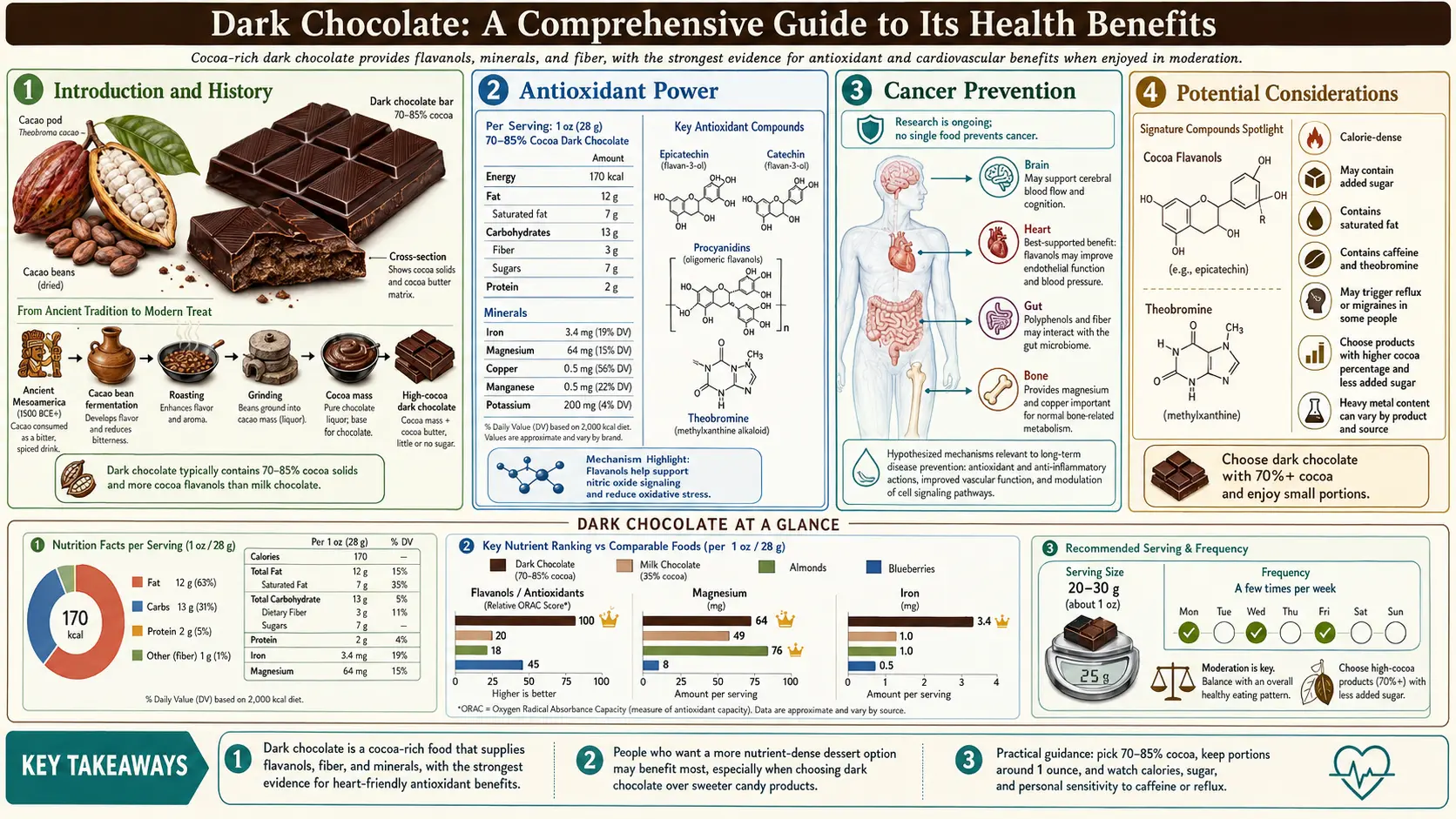
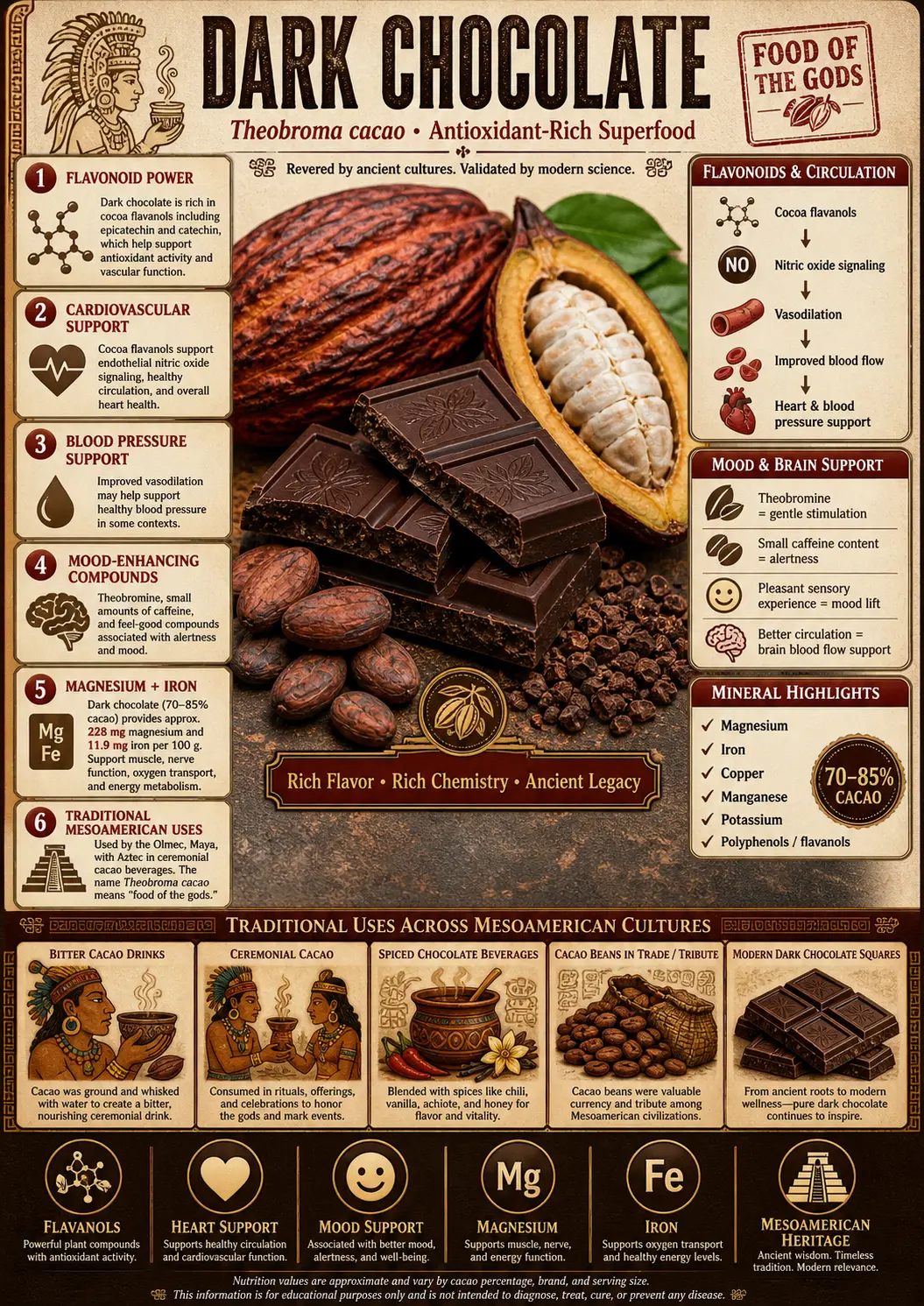
Table of Contents
- Introduction and History
- Nutritional Profile
- Heart Health
- Brain Function
- Mood Enhancement
- Antioxidant Power
- Anti-Inflammatory Effects
- Blood Sugar and Insulin Sensitivity
- Skin Health
- Gut Health
- Weight Management
- Cancer Prevention
- Athletic Performance
- Dental Health
- Choosing Quality Dark Chocolate
- Optimal Consumption
- Potential Considerations
- Scientific References
- Research Papers
- Connections
- Featured Videos
Introduction and History
Dark chocolate comes from the seeds of the Theobroma cacao tree, whose use by humans reaches back more than five thousand years — not to Europe, but to the rainforests of the Americas, where it was first valued as a bitter ceremonial drink and even used as money. Distinguished from milk and white chocolate by its higher cacao content, dark chocolate carries a correspondingly greater concentration of the flavanols and polyphenols that modern research now studies, making it as much a functional food as an indulgence. — the fuller story is told in the dedicated History article.
Nutritional Profile
The nutritional composition of dark chocolate is remarkably dense and complex, delivering an array of bioactive compounds alongside essential minerals and macronutrients. A standard 100-gram serving of dark chocolate with 70 to 85 percent cacao content provides approximately 600 calories, 43 grams of fat, 46 grams of carbohydrates, and 8 grams of protein. While these caloric numbers may seem high, the concentration of micronutrients and phytochemicals per calorie is exceptionally favorable compared to most other foods.
The mineral content of dark chocolate is particularly impressive. That same 100-gram serving delivers approximately 228 milligrams of magnesium (roughly 57 percent of the recommended daily value), 3.3 milligrams of manganese (145 percent DV), 1.8 milligrams of copper (200 percent DV), and 11.9 milligrams of iron (66 percent DV). It also supplies significant amounts of phosphorus, zinc, potassium, and selenium. Magnesium alone is involved in over 300 enzymatic reactions in the body, and deficiency is widespread in modern populations, making dark chocolate a meaningful dietary source of this critical mineral.
The flavanol content is the primary driver of dark chocolate's health benefits. Flavanols are a subclass of flavonoids, which are polyphenolic compounds found in various plant foods. Cacao is one of the richest known dietary sources of flavanols, particularly epicatechin and catechin. These compounds function as potent antioxidants and vasodilators, meaning they help relax and widen blood vessels, improving circulation throughout the body. The concentration of flavanols varies significantly depending on cacao percentage, processing methods, and the specific variety of cacao bean used.
Theobromine, a methylxanthine alkaloid closely related to caffeine, is another hallmark compound in dark chocolate. A 100-gram serving of dark chocolate contains approximately 800 milligrams of theobromine, compared to only about 20 to 60 milligrams of caffeine. Theobromine provides a mild, sustained stimulant effect without the jittery quality often associated with caffeine. It also acts as a bronchodilator, vasodilator, and mild diuretic, and research suggests it may strengthen tooth enamel more effectively than fluoride.
Dark chocolate also supplies approximately 11 grams of dietary fiber per 100 grams, primarily from the cacao solids. This fiber content includes both soluble and insoluble forms, contributing to digestive health and serving as a substrate for beneficial gut bacteria. The fat profile is dominated by oleic acid (a heart-healthy monounsaturated fat also found in olive oil), stearic acid (a saturated fat that has a neutral effect on cholesterol), and palmitic acid. The cacao percentage is the single most important indicator of nutritional quality: higher percentages mean more flavanols, more minerals, more fiber, and less added sugar.
Heart Health
The cardiovascular benefits of dark chocolate represent one of the most thoroughly researched areas in nutritional science. Dozens of clinical trials and large-scale observational studies have demonstrated that regular, moderate consumption of dark chocolate is associated with meaningful improvements in multiple markers of heart health. The primary mechanism driving these benefits is the ability of cacao flavanols to stimulate the endothelium, the thin layer of cells lining blood vessels, to produce nitric oxide. Nitric oxide is a signaling molecule that causes smooth muscle cells in arterial walls to relax, thereby widening blood vessels, reducing vascular resistance, and lowering blood pressure.
A landmark meta-analysis published in the British Medical Journal in 2011, encompassing seven studies and over 114,000 participants, found that the highest levels of chocolate consumption were associated with a 37 percent reduction in cardiovascular disease, a 29 percent reduction in stroke, and a 31 percent reduction in diabetes compared to the lowest levels of consumption. A 2017 meta-analysis in the journal Nutrients specifically examining dark chocolate's effect on blood pressure confirmed a statistically significant reduction in both systolic and diastolic blood pressure, with the effects most pronounced in hypertensive individuals. Reductions of 2 to 3 mmHg in systolic pressure, while seemingly modest, can translate to a 10 percent reduction in cardiovascular event risk at the population level.
The effect of dark chocolate on cholesterol is also favorable. Multiple controlled trials have shown that cocoa flavanols reduce LDL (low-density lipoprotein) cholesterol, the form most associated with atherosclerotic plaque formation, while simultaneously increasing HDL (high-density lipoprotein) cholesterol, which transports cholesterol away from arterial walls. Furthermore, dark chocolate consumption has been shown to reduce the oxidation of LDL particles, a critical step in the development of atherosclerosis, since oxidized LDL is far more damaging to blood vessel walls than native LDL.
Perhaps the most compelling epidemiological evidence comes from studies of the Kuna people, an indigenous group living on the San Blas Islands off the coast of Panama. The Kuna consume enormous quantities of a flavanol-rich cocoa beverage daily, averaging more than five cups per day. Researchers discovered that island-dwelling Kuna have remarkably low rates of hypertension, cardiovascular disease, cancer, and diabetes. When Kuna individuals migrate to mainland Panama City and adopt a Western diet with commercially processed cocoa (which has most flavanols stripped during Dutch processing), their blood pressure rises to levels comparable to the general population. This natural experiment strongly suggests that cacao flavanols, rather than genetic factors, are responsible for the Kuna's exceptional cardiovascular health.
Dark chocolate also improves blood flow and reduces platelet aggregation, meaning it makes blood less likely to form clots. A study published in the Journal of the American Heart Association demonstrated that participants who consumed high-flavanol cocoa showed improved flow-mediated dilation of the brachial artery, a standard measure of endothelial function, within just two hours of consumption. These vasodilatory effects contribute to improved oxygen and nutrient delivery to tissues throughout the body.
Brain Function
The cognitive benefits of dark chocolate have attracted increasing attention from neuroscience researchers over the past two decades. Cacao flavanols, particularly epicatechin, have been shown to cross the blood-brain barrier and accumulate in brain regions critical for learning and memory, including the hippocampus and cerebral cortex. Once in the brain, these compounds enhance cerebral blood flow by stimulating nitric oxide production in cerebral vasculature, thereby improving the delivery of oxygen and glucose to neurons during periods of high cognitive demand.
A pivotal study published in Nature Neuroscience in 2014 demonstrated that high-flavanol cocoa consumption over a three-month period reversed age-related memory decline in healthy older adults aged 50 to 69. Participants who consumed a high-flavanol diet (900 milligrams of flavanols daily) showed significantly improved performance on a pattern-recognition memory test associated with hippocampal function. Brain imaging confirmed enhanced blood flow to the dentate gyrus, a hippocampal subregion critical for memory formation that typically shows age-related decline. The researchers described the magnitude of the improvement as equivalent to turning back the clock on memory by two to three decades.
Dark chocolate consumption has also been linked to increased production of brain-derived neurotrophic factor (BDNF), a protein that supports the survival of existing neurons and encourages the growth of new neurons and synapses. BDNF plays a central role in neuroplasticity, the brain's ability to form and reorganize synaptic connections, which is essential for learning, memory consolidation, and recovery from brain injury. Low levels of BDNF have been associated with depression, Alzheimer's disease, and other neurodegenerative conditions.
Research from the University of L'Aquila in Italy found that regular consumption of cocoa flavanols improved cognitive performance on tests measuring attention, processing speed, working memory, and verbal fluency. These benefits were observed in both young adults and elderly participants, though the effects were generally more pronounced in older individuals with some degree of baseline cognitive decline. The caffeine and theobromine content of dark chocolate may provide complementary cognitive benefits, enhancing alertness and concentration through mild stimulation of the central nervous system without the cortisol-elevating effects of higher caffeine doses.
A large prospective study published in the journal Appetite in 2016 analyzed data from the Maine-Syracuse Longitudinal Study and found that habitual chocolate consumption was associated with superior performance across multiple cognitive domains, including visual-spatial memory, working memory, scanning and tracking, abstract reasoning, and the Mini-Mental State Examination. These associations held even after controlling for cardiovascular risk factors, dietary habits, and other confounders, suggesting that the cognitive benefits of chocolate are not merely a byproduct of improved cardiovascular health but involve direct neuroprotective mechanisms.
Mood Enhancement
The mood-elevating properties of dark chocolate extend well beyond simple sensory pleasure, though the rich taste and melt-in-the-mouth texture of quality chocolate certainly contribute to the experience. Dark chocolate contains a remarkable array of psychoactive compounds that interact with neurotransmitter systems in ways that promote feelings of well-being, relaxation, and even euphoria. Chief among these is phenylethylamine (PEA), often called the "love chemical" because it is the same compound the brain produces naturally during feelings of romantic attraction and excitement. PEA stimulates the release of dopamine and norepinephrine, creating sensations of alertness and pleasure.
Anandamide, another fascinating compound found in dark chocolate, is an endogenous cannabinoid, meaning it binds to the same brain receptors as THC, the active compound in cannabis. The name anandamide derives from the Sanskrit word ananda, meaning "bliss" or "joy." While the amount of anandamide in chocolate is relatively small, dark chocolate also contains compounds called N-acylethanolamines that inhibit the enzymatic breakdown of anandamide, effectively prolonging its mood-enhancing effects in the brain. This dual mechanism of supplying anandamide while simultaneously slowing its degradation may partly explain why chocolate consumption produces a sustained sense of contentment.
Dark chocolate also influences the serotonin system, the primary neurotransmitter pathway targeted by most antidepressant medications. Cacao contains tryptophan, an essential amino acid that serves as the biochemical precursor to serotonin. Additionally, the carbohydrate content of chocolate facilitates tryptophan transport across the blood-brain barrier by triggering insulin release, which clears competing amino acids from the bloodstream. Research published in the Journal of Psychopharmacology found that participants who consumed a high-polyphenol dark chocolate drink daily for 30 days reported significantly improved calmness and contentment compared to a placebo group.
The consumption of dark chocolate triggers the release of endorphins, the body's natural opioid peptides that produce feelings of pleasure and reduce the perception of pain. A cross-sectional survey published in the journal Depression and Anxiety in 2019 analyzed data from over 13,000 adults in the National Health and Nutrition Examination Survey (NHANES) and found that individuals who reported consuming dark chocolate in the preceding 24 hours were 70 percent less likely to report symptoms of clinical depression compared to those who reported no chocolate consumption. While this observational finding does not prove causation, it aligns with the biochemical evidence that dark chocolate modulates multiple neurotransmitter pathways involved in mood regulation.
The magnesium content of dark chocolate may further contribute to its mood-enhancing properties. Magnesium deficiency has been consistently linked to increased rates of anxiety and depression, and supplementation studies have shown that restoring adequate magnesium levels can significantly improve mood symptoms. Given that a substantial portion of the population is magnesium-deficient, the 228 milligrams of magnesium in a 100-gram serving of dark chocolate represents a clinically meaningful contribution to addressing this widespread nutritional gap.
Antioxidant Power
Dark chocolate ranks among the most potent dietary sources of antioxidants ever tested, surpassing many foods commonly celebrated for their antioxidant capacity. The ORAC (Oxygen Radical Absorbance Capacity) score, a laboratory assay that measures the total antioxidant capacity of foods, places raw unprocessed cacao at approximately 95,500 units per 100 grams, compared to 9,584 for blueberries, 5,938 for pomegranates, and 1,837 for broccoli. While the ORAC assay has limitations and the USDA discontinued its ORAC database in 2012 due to concerns about misuse in marketing, the relative ranking remains informative: cacao contains an extraordinarily dense concentration of antioxidant compounds.
The primary antioxidants in dark chocolate are flavanols, specifically epicatechin, catechin, and their polymeric forms known as procyanidins. These compounds neutralize free radicals, unstable molecules that damage cells, proteins, and DNA through a process called oxidative stress. Chronic oxidative stress is implicated in virtually every degenerative disease, including cardiovascular disease, cancer, neurodegenerative disorders, and accelerated aging. By scavenging free radicals and boosting the body's own antioxidant enzyme systems, cacao flavanols provide a multilayered defense against oxidative damage.
Beyond flavanols, dark chocolate contains additional classes of polyphenols, including anthocyanins, isoflavones, and phenolic acids, each with distinct antioxidant mechanisms. Research published in the journal Chemistry Central demonstrated that the total polyphenol content and antioxidant activity of cocoa powder exceeded that of all tested fruit powders, including acai, blueberry, cranberry, and pomegranate, on both a per-serving and per-gram basis. The synergistic interaction among these diverse polyphenolic compounds may produce antioxidant effects greater than the sum of their individual contributions.
A study published in the Journal of Agricultural and Food Chemistry compared the antioxidant activity of dark chocolate, milk chocolate, and white chocolate and found that dark chocolate with 70 percent or higher cacao content had roughly twice the antioxidant activity of milk chocolate and vastly more than white chocolate, which contains no cocoa solids and therefore negligible antioxidant content. The study also demonstrated that consuming dark chocolate with milk significantly reduced the absorption of its antioxidant compounds, suggesting that dairy proteins may bind to flavanols in the digestive tract and impair their bioavailability.
The clinical relevance of dark chocolate's antioxidant capacity has been confirmed in human intervention studies. Research published in Free Radical Biology and Medicine showed that consuming high-flavanol dark chocolate for two weeks significantly increased plasma antioxidant capacity and reduced markers of lipid peroxidation, a form of oxidative damage to cell membranes that plays a key role in atherosclerosis. These findings translate the impressive in-vitro antioxidant measurements into real-world health benefits occurring within the human body.
Anti-Inflammatory Effects
Chronic low-grade inflammation is increasingly recognized as a unifying mechanism underlying many of the most prevalent diseases of modern civilization, including cardiovascular disease, type 2 diabetes, cancer, Alzheimer's disease, and autoimmune disorders. The cocoa polyphenols found abundantly in dark chocolate exert potent anti-inflammatory effects through multiple molecular pathways, positioning dark chocolate as a functional food with significant therapeutic relevance in an era of widespread inflammatory disease.
One of the key inflammatory markers influenced by dark chocolate consumption is C-reactive protein (CRP), a protein produced by the liver in response to inflammation and widely used in clinical practice as a biomarker for systemic inflammatory status. A study published in the Journal of Nutrition found that regular consumption of dark chocolate was associated with significantly lower CRP levels in a large Italian population cohort. Participants who consumed moderate amounts of dark chocolate (approximately 20 grams every three days) had CRP levels that were, on average, 17 percent lower than those who consumed no chocolate.
At the molecular level, cocoa flavanols inhibit the activity of NF-kB (nuclear factor kappa-light-chain-enhancer of activated B cells), a protein complex that serves as a master switch for inflammatory gene expression. When NF-kB is activated, it triggers the production of pro-inflammatory cytokines such as TNF-alpha, interleukin-1 beta, and interleukin-6, which propagate and amplify the inflammatory response. By suppressing NF-kB activation, cocoa polyphenols effectively dampen the entire downstream cascade of inflammatory signaling, reducing the production of these harmful cytokines.
Research published in the American Journal of Clinical Nutrition demonstrated that cocoa flavanols also modulate the activity of cyclooxygenase (COX) enzymes, the same targets of nonsteroidal anti-inflammatory drugs like ibuprofen and aspirin. While the anti-inflammatory potency of cocoa cannot match pharmaceutical-grade COX inhibitors, the broad-spectrum, multi-pathway nature of its effects may offer advantages for chronic inflammatory conditions where long-term pharmaceutical use carries significant side-effect risks. Additionally, cocoa polyphenols reduce the expression of adhesion molecules on endothelial cells, making it harder for white blood cells to accumulate in blood vessel walls and initiate the inflammatory processes that lead to atherosclerotic plaque formation.
A randomized controlled trial published in Brain, Behavior, and Immunity found that participants who consumed a high-flavanol cocoa beverage showed reduced inflammatory responses when exposed to psychological stress, suggesting that dark chocolate may help mitigate the inflammatory consequences of the chronic stress that pervades modern life. The combined anti-inflammatory and antioxidant properties of dark chocolate create a powerful protective synergy, as oxidative stress and inflammation perpetuate each other in a destructive cycle that cocoa polyphenols can help to interrupt.
Blood Sugar and Insulin Sensitivity
Despite containing some sugar, dark chocolate with a high cacao percentage has been shown to improve insulin sensitivity, a finding that initially surprised researchers and challenges the simplistic notion that all sweet foods are detrimental to blood sugar regulation. Insulin sensitivity refers to how effectively cells respond to the hormone insulin, which facilitates the uptake of glucose from the bloodstream into cells. When insulin sensitivity declines, a condition known as insulin resistance, the pancreas must produce ever-greater amounts of insulin to maintain normal blood sugar levels, eventually leading to type 2 diabetes.
A randomized controlled trial published in the American Journal of Clinical Nutrition found that consumption of dark chocolate for 15 days significantly improved insulin sensitivity in healthy individuals, as measured by the homeostasis model assessment of insulin resistance (HOMA-IR). The improvement was attributed primarily to the flavanol content of the chocolate, as similar improvements were not observed with white chocolate, which lacks cocoa solids and their associated polyphenols. The proposed mechanism involves flavanol-induced enhancement of nitric oxide bioavailability, which improves insulin signaling in skeletal muscle and adipose tissue.
Cocoa flavanols also appear to protect pancreatic beta cells, the insulin-producing cells that become progressively dysfunctional in the development of type 2 diabetes. Laboratory studies have shown that epicatechin, the most abundant flavanol in dark chocolate, reduces oxidative stress in beta cells and enhances their insulin-secretory capacity. A study in the journal Diabetologia demonstrated that epicatechin supplementation preserved beta-cell function in animal models of diabetes, suggesting a protective role that goes beyond merely improving peripheral insulin sensitivity.
The fiber and fat content of dark chocolate also contribute to its favorable glycemic profile. The combination of fiber, healthy fats, and protein slows the rate of glucose absorption from the digestive tract, resulting in a more gradual rise in blood sugar compared to refined carbohydrate foods. Dark chocolate with 70 percent or higher cacao content has a relatively low glycemic index of approximately 23, compared to around 70 for white bread and 80 for a baked potato. This low glycemic response means that dark chocolate produces minimal blood sugar spikes, making it a more metabolically responsible choice for those managing blood sugar levels.
A large-scale epidemiological study published in Clinical Nutrition followed over 150,000 participants and found that regular chocolate consumers had a 25 percent lower risk of developing type 2 diabetes compared to non-consumers. While these observational findings must be interpreted cautiously due to potential confounding factors, they are consistent with the mechanistic evidence from controlled trials demonstrating that cocoa flavanols enhance insulin sensitivity and glucose metabolism through direct biological pathways.
Skin Health
The benefits of dark chocolate extend to the body's largest organ, the skin, through mechanisms involving enhanced blood flow, antioxidant protection, and UV photoprotection. The flavanols in dark chocolate have been shown to improve dermal blood flow, increasing the delivery of oxygen and nutrients to skin cells while facilitating the removal of metabolic waste products. This enhanced microcirculation translates to improved skin hydration, thickness, and overall appearance.
A landmark study published in the Journal of Nutrition demonstrated that women who consumed a high-flavanol cocoa beverage daily for 12 weeks showed a significant increase in skin density and thickness, a 25 percent increase in skin hydration, and notably improved resistance to UV-induced erythema (sunburn). The minimum erythemal dose, the amount of UV radiation required to cause visible reddening of the skin, more than doubled in the high-flavanol group compared to baseline. This degree of photoprotection is remarkable for a dietary intervention and suggests that regular dark chocolate consumption could serve as a meaningful complement to topical sun protection strategies.
The mechanism behind this UV protection involves both the direct antioxidant scavenging of UV-generated free radicals within skin cells and the systemic anti-inflammatory effects that dampen the sunburn response. Ultraviolet radiation induces massive oxidative stress in the skin, generating reactive oxygen species that damage DNA, collagen, and elastin fibers. The polyphenols absorbed from dark chocolate circulate through the bloodstream and accumulate in skin tissue, where they neutralize these reactive species before they can cause significant structural damage.
Research from Heinrich Heine University in Dusseldorf found that long-term consumption of high-flavanol cocoa significantly improved skin surface roughness and scaling, two measures of skin texture that deteriorate with age and sun exposure. The study also documented increased blood flow to cutaneous and subcutaneous tissues, providing a plausible physiological mechanism for the observed improvements in skin condition. Participants consuming a low-flavanol control cocoa showed none of these benefits, confirming that the flavanol content, rather than other components of chocolate, was responsible for the skin-protective effects.
The benefits for skin health also extend to wound healing and the reduction of stress-related skin damage. The improved nitric oxide production and microcirculation induced by cocoa flavanols accelerate the delivery of immune cells and growth factors to damaged skin, potentially speeding the repair process. While dark chocolate should never replace sunscreen or standard dermatological care, the accumulating evidence supports its role as a dietary strategy for maintaining healthy, resilient, and youthful-appearing skin from the inside out.
Gut Health
The relationship between dark chocolate and gut health is a rapidly evolving area of research that highlights the critical role of the gut microbiome in mediating many of chocolate's systemic health benefits. The cocoa fiber present in dark chocolate functions as a prebiotic, providing a substrate that selectively nourishes beneficial gut bacteria, particularly species of Bifidobacterium and Lactobacillus. A 100-gram serving of dark chocolate with 70 percent or higher cacao content contains approximately 11 grams of dietary fiber, a substantial prebiotic dose that supports the growth and metabolic activity of these health-promoting microbial populations.
Researchers at Louisiana State University presented findings at an American Chemical Society meeting revealing that gut bacteria ferment the otherwise poorly absorbed cocoa polyphenols into smaller, more bioavailable anti-inflammatory compounds. Specifically, beneficial bacteria such as Bifidobacterium and Lactobacillus were found to feast on cocoa flavanols, producing metabolites including short-chain fatty acids like butyrate, propionate, and acetate. These short-chain fatty acids serve as the primary energy source for colonocytes (cells lining the colon), strengthen the intestinal barrier, reduce gut permeability, and exert systemic anti-inflammatory effects after being absorbed into the bloodstream.
This discovery fundamentally reframed the understanding of how cocoa flavanols deliver their health benefits. Because the large polymeric procyanidins in cocoa are too large to be absorbed directly in the small intestine, they travel to the colon intact, where they undergo microbial metabolism. The resulting smaller phenolic metabolites are then absorbed and distributed throughout the body. In essence, the gut microbiome acts as a processing plant that converts cocoa polyphenols into their bioactive forms, meaning that the composition of an individual's gut microbiome significantly influences how much benefit they derive from dark chocolate consumption.
A study published in the American Journal of Clinical Nutrition found that consumption of a high-cocoa-flavanol drink for four weeks significantly altered the composition of the gut microbiome, increasing the populations of Bifidobacterium and Lactobacillus while decreasing counts of potentially pathogenic Clostridium species. These microbiome shifts were accompanied by reductions in plasma CRP and triglyceride levels, suggesting a direct link between the prebiotic effects of cocoa on gut bacteria and downstream improvements in systemic inflammation and metabolic health.
The interplay between cocoa fiber, polyphenols, and the gut microbiome represents a virtuous cycle: the fiber feeds beneficial bacteria, which then metabolize the polyphenols into more potent anti-inflammatory compounds, which in turn create a gut environment that further favors the growth of beneficial species. This synergistic interaction underscores the importance of consuming dark chocolate in its whole form, with its full complement of fiber and polyphenols, rather than relying on isolated cocoa extracts that lack the prebiotic fiber component.
Weight Management
The relationship between dark chocolate and body weight is more nuanced than one might expect from a calorie-dense food. While overconsumption of any high-calorie food can contribute to weight gain, moderate consumption of dark chocolate has been associated in several studies with lower body mass index and may actually support weight management through multiple physiological and behavioral mechanisms. Understanding these mechanisms helps explain the apparent paradox of a rich, indulgent food that does not necessarily promote obesity.
Dark chocolate's unique sensory profile, characterized by its intense, complex flavor and rich mouthfeel, naturally promotes satiety and portion control. Research published in Nutrition and Diabetes found that participants who consumed dark chocolate reported significantly greater feelings of fullness and reduced subsequent caloric intake compared to those who consumed milk chocolate. The higher cacao content and lower sugar content of dark chocolate produce a more intense flavor experience that satisfies cravings with smaller portions, while the combination of fat, fiber, and protein slows gastric emptying and prolongs the feeling of satisfaction.
The concept of mindful eating is particularly relevant to dark chocolate consumption. The practice of slowly savoring a small piece of high-quality dark chocolate, allowing it to melt on the tongue and paying attention to its complex flavor development, engages the senses in a way that mass-produced milk chocolate bars simply cannot replicate. Studies on mindful eating have consistently shown that greater attention to the sensory experience of eating leads to reduced overall food intake and improved dietary satisfaction. Dark chocolate, with its layered flavor profile and slow-melt texture, is an ideal food for this practice.
Physiologically, the stearic acid that comprises approximately one-third of the fat in dark chocolate has been shown to be more slowly absorbed than other fatty acids, resulting in a prolonged suppression of appetite hormones. Additionally, the polyphenol content of dark chocolate has been found in animal studies to reduce the expression of genes involved in fatty acid synthesis while increasing the expression of genes involved in fatty acid oxidation, effectively shifting metabolism toward fat burning rather than fat storage. A study in the Archives of Internal Medicine analyzing data from nearly 1,000 adults found that more frequent chocolate consumption was associated with lower BMI, even after accounting for total caloric intake and exercise habits.
The comparison between dark and milk chocolate is instructive for weight management. A standard milk chocolate bar contains roughly 50 percent sugar by weight and is engineered by food scientists to be maximally palatable and encourage overconsumption. Dark chocolate with 70 percent or higher cacao content contains significantly less sugar, more satiating fiber and fat, and a bitter edge that naturally discourages excessive eating. Replacing milk chocolate with an equivalent or smaller portion of high-quality dark chocolate is one of the simplest dietary swaps available for reducing sugar intake while maintaining the psychological satisfaction of chocolate consumption.
Cancer Prevention
The potential anticancer properties of dark chocolate are primarily attributed to its exceptional concentration of antioxidants and polyphenols, which address several of the fundamental mechanisms through which cancer develops and progresses. Cancer is fundamentally a disease of DNA damage and uncontrolled cell growth, and the bioactive compounds in dark chocolate interact with multiple stages of the cancer continuum, from initial DNA damage and mutation to tumor promotion, angiogenesis, and metastasis.
The antioxidant flavanols in dark chocolate protect cellular DNA from oxidative damage, which is the initiating event in many cancers. Free radicals generated by normal metabolism, environmental toxins, and radiation cause thousands of DNA lesions per cell per day. While the body possesses sophisticated DNA repair mechanisms, chronic oxidative stress can overwhelm these systems, allowing mutations to accumulate. The potent free-radical-scavenging capacity of cocoa flavanols reduces the burden of oxidative DNA damage, thereby lowering the probability of cancer-initiating mutations. A study published in Cancer Letters demonstrated that cocoa polyphenols reduced oxidative DNA damage in human lymphocytes by more than 50 percent compared to controls.
Beyond antioxidant protection, cocoa polyphenols have been shown in laboratory studies to inhibit cancer cell proliferation and induce apoptosis (programmed cell death) in several cancer cell lines, including colon, breast, liver, prostate, and leukemia cells. The mechanisms involve suppression of cell-cycle progression, activation of caspase enzymes that execute the apoptotic program, and inhibition of the PI3K/Akt signaling pathway, which promotes cell survival and is frequently overactive in cancer cells. Research published in Molecular Nutrition and Food Research found that cocoa procyanidins selectively induced apoptosis in cancer cells while sparing normal cells, a selectivity that is highly desirable and distinguishes cocoa compounds from many conventional chemotherapy agents.
The anti-angiogenic properties of cocoa flavanols represent another promising avenue of cancer prevention. Tumors require the formation of new blood vessels (angiogenesis) to supply nutrients and oxygen for their growth beyond a few millimeters in diameter. Studies have shown that cocoa polyphenols inhibit the expression of vascular endothelial growth factor (VEGF), a key driver of tumor angiogenesis, potentially starving nascent tumors of their blood supply. Additionally, the anti-inflammatory effects of cocoa, particularly the suppression of NF-kB and COX-2, address the tumor-promoting inflammatory microenvironment that supports cancer progression.
While the laboratory and epidemiological evidence is encouraging, it is important to emphasize that no single food can prevent cancer, and the available human data on dark chocolate and cancer risk remains observational rather than definitively causal. However, as part of an overall dietary pattern rich in diverse plant polyphenols, regular moderate consumption of high-quality dark chocolate contributes meaningfully to the body's anticancer defense systems. The Kuna people's remarkably low cancer rates, mentioned earlier, provide intriguing epidemiological support for a protective role of habitual cocoa flavanol consumption.
Athletic Performance
Dark chocolate has emerged as a surprisingly effective ergogenic aid for athletes and physically active individuals, with research demonstrating measurable improvements in endurance, oxygen utilization, and exercise recovery. The primary compound responsible for these performance benefits is epicatechin, the most abundant flavanol in dark chocolate, which enhances athletic capacity through its effects on nitric oxide production, mitochondrial biogenesis, and muscle blood flow.
A study published in the Journal of the International Society of Sports Nutrition found that cyclists who consumed 40 grams of dark chocolate daily for two weeks covered significantly more distance in a two-minute time trial compared to a baseline test and compared to a control group consuming white chocolate. The dark chocolate group also demonstrated reduced oxygen consumption during moderate-intensity cycling, indicating improved exercise efficiency. The researchers attributed these findings to dark chocolate's ability to boost nitric oxide availability, which enhances blood flow to working muscles and improves the delivery of oxygen and metabolic substrates during exercise.
Epicatechin has been shown to stimulate mitochondrial biogenesis, the process by which cells produce new mitochondria, the organelles responsible for aerobic energy production. Research published in the Journal of Physiology demonstrated that epicatechin supplementation increased the number and functional capacity of mitochondria in skeletal muscle, effectively expanding the muscle's capacity for aerobic energy production. This mitochondrial enhancement has implications not only for athletic performance but also for the prevention of age-related muscle decline (sarcopenia), as mitochondrial dysfunction is a hallmark of aging muscle tissue.
The nitric oxide pathway activated by dark chocolate consumption also promotes post-exercise recovery by increasing blood flow to damaged muscle fibers, accelerating the delivery of nutrients needed for repair, and facilitating the removal of metabolic waste products such as lactate and hydrogen ions that contribute to muscle soreness. The anti-inflammatory polyphenols in dark chocolate further support recovery by attenuating the excessive inflammatory response that follows intense exercise, reducing delayed-onset muscle soreness (DOMS) without suppressing the adaptive inflammatory signals that drive training adaptations.
A study conducted at Kingston University in London compared the effects of dark chocolate supplementation to those of beetroot juice, a well-established ergogenic aid known for its nitrate content and subsequent nitric oxide production. The researchers found that dark chocolate produced comparable improvements in exercise performance to beetroot juice, suggesting that dark chocolate represents a palatable and widely available alternative for athletes seeking natural performance enhancement. For recreational and competitive athletes alike, incorporating a moderate daily serving of dark chocolate into the dietary routine offers a practical, evidence-based strategy for supporting training capacity and recovery.
Dental Health
In one of the more counterintuitive findings in nutritional science, dark chocolate may actually benefit dental health rather than harm it, a conclusion that contradicts decades of generalized warnings about the effects of sweets on teeth. The key lies in distinguishing between sugar, which unquestionably promotes dental caries, and the cocoa solids in dark chocolate, which contain compounds with demonstrable antibacterial and enamel-strengthening properties.
Theobromine, the primary alkaloid in dark chocolate, has been shown to harden tooth enamel more effectively than fluoride in laboratory studies. Research published in the journal Caries Research demonstrated that theobromine increased the surface microhardness of enamel and reduced its susceptibility to acid-induced demineralization. The mechanism appears to involve theobromine's ability to enhance the incorporation of calcium and phosphate into the enamel crystal lattice, creating a more acid-resistant tooth surface. These findings have attracted considerable interest in the dental research community, with some researchers proposing theobromine as a potential natural alternative to fluoride in oral care products.
The antibacterial properties of cocoa polyphenols add another layer of dental protection. Research published in the European Journal of Dentistry found that cocoa polyphenols inhibited the growth of Streptococcus mutans, the primary bacterium responsible for dental caries, and reduced its ability to adhere to tooth surfaces and form biofilms. Additional studies have shown that cocoa extracts inhibit the production of glucosyltransferase, the enzyme that S. mutans uses to produce the sticky glucan matrix that forms dental plaque. By interfering with both bacterial growth and biofilm formation, cocoa compounds address two critical steps in the caries process.
It is important to note that these dental benefits are specific to the cocoa solids and are partially offset by the sugar content of chocolate products. Dark chocolate with very high cacao percentages (85 percent or above) contains relatively little sugar and offers the best balance of dental benefit versus dental risk. Milk chocolate and other heavily sweetened chocolate products contain so much sugar that any protective effects of the cocoa compounds are overwhelmed by the cariogenic effects of the sugar content. For those seeking to maximize the dental benefits of dark chocolate, consuming the highest tolerable cacao percentage and practicing standard oral hygiene afterwards represents the optimal approach.
A study from Osaka University in Japan found that cocoa bean husk extract, a byproduct of chocolate manufacturing that is rich in polyphenols but contains no sugar, significantly reduced the incidence of dental caries in animal models. This finding further supports the conclusion that the non-sugar components of cacao possess genuine anticariogenic properties and that the dental concerns associated with chocolate are attributable to its sugar content rather than to the cacao itself.
Choosing Quality Dark Chocolate
Not all dark chocolate is created equal, and the health benefits described throughout this article are highly dependent on selecting products that preserve the maximum concentration of beneficial bioactive compounds. The single most important factor in choosing dark chocolate is the cacao percentage, which should be 70 percent or higher. This percentage indicates the proportion of the product derived from cacao beans (including both cocoa solids and cocoa butter), with the remainder consisting primarily of sugar and small amounts of emulsifiers like soy lecithin. Higher cacao percentages correlate directly with greater flavanol content, more minerals, more fiber, and less sugar.
The processing method used to manufacture chocolate has a profound impact on its flavanol content. Conventional chocolate production involves roasting cacao beans at high temperatures, which destroys a significant proportion of the heat-sensitive flavanols. Additionally, many manufacturers use a process known as Dutch processing (or alkalization), which treats cocoa with an alkaline solution to reduce bitterness and create a darker color. While Dutch processing produces a milder, less astringent flavor, it destroys up to 90 percent of the flavanols originally present in the cacao. For maximum health benefit, consumers should seek out dark chocolate labeled as natural or non-alkalized, which retains substantially more of its original polyphenol content.
The ingredient list provides valuable information about chocolate quality. The best dark chocolates contain a short list of ingredients: cacao beans (or cocoa mass, cocoa liquor), cocoa butter, sugar, and perhaps a small amount of vanilla or soy lecithin. Products listing sugar as the first ingredient, even if labeled "dark chocolate," should be avoided, as this indicates sugar is the predominant ingredient by weight. Similarly, products containing vegetable oils, artificial flavors, milk solids, or excessive additives have been adulterated in ways that typically reduce flavanol content and overall nutritional value.
The origin and variety of cacao beans also influence flavanol content. Single-origin chocolates from regions known for high-quality cacao, such as Ecuador, Peru, Madagascar, and certain regions of West Africa, often contain distinctive flavor profiles and potentially higher polyphenol levels than blended mass-market products. The Criollo variety of cacao, considered the finest and rarest, tends to have a more complex and less bitter flavor, while the Forastero variety, which accounts for roughly 80 percent of world production, is more robust and higher-yielding. The Trinitario variety is a hybrid of the two. Some craft chocolate makers now include flavanol content or total polyphenol content on their labels, a welcome transparency that allows health-conscious consumers to make informed choices.
Storage conditions affect both flavor and nutritional quality. Dark chocolate should be stored in a cool, dry place at temperatures between 15 and 18 degrees Celsius (59 to 64 degrees Fahrenheit), away from direct sunlight and strong odors, which cocoa butter readily absorbs. Properly stored, high-quality dark chocolate can retain its flavor and nutritional properties for two years or more. The white film that sometimes appears on the surface of stored chocolate, known as bloom, is caused by either sugar crystallization (sugar bloom) or cocoa butter migration (fat bloom) and, while aesthetically unappealing, does not indicate spoilage or significant nutrient loss.
Optimal Consumption
Determining the optimal amount of dark chocolate for health benefits requires balancing the desire to maximize flavanol intake against the caloric density of the food. The consensus among nutritional researchers is that one to two ounces (30 to 60 grams) of high-quality dark chocolate per day represents the sweet spot, providing a clinically meaningful dose of flavanols and other bioactive compounds without contributing excessive calories to the daily diet. This amount delivers approximately 200 to 400 milligrams of flavanols, the range shown in clinical trials to produce measurable improvements in blood pressure, endothelial function, insulin sensitivity, and cognitive performance.
The timing of dark chocolate consumption can influence both its health effects and its compatibility with sleep. Because dark chocolate contains caffeine (approximately 12 to 30 milligrams per ounce, depending on cacao percentage) and the more abundant stimulant theobromine, consuming it late in the evening may interfere with sleep in sensitive individuals. Most nutritionists recommend consuming dark chocolate earlier in the day, ideally as a mid-morning or mid-afternoon snack, when its mild stimulant properties can enhance alertness and focus without disrupting nighttime sleep architecture. Consuming dark chocolate after a meal may slightly reduce the absorption of its flavanols due to interactions with other food components, though this effect is relatively minor.
Pairing dark chocolate with certain foods can enhance both its flavor and its health effects. Combining dark chocolate with vitamin C-rich fruits such as strawberries, oranges, or raspberries may enhance the absorption and bioactivity of cocoa flavanols. Nuts, particularly almonds and walnuts, complement dark chocolate both nutritionally and gastronomically, adding healthy fats, protein, and additional polyphenols. Conversely, consuming dark chocolate with dairy products may impair flavanol absorption, as milk proteins can bind to polyphenols in the digestive tract. For this reason, some researchers recommend consuming dark chocolate separately from milk, yogurt, or cheese.
For individuals new to dark chocolate, a gradual approach to increasing cacao percentage is advisable. Those accustomed to milk chocolate may find 85 or 90 percent cacao bars prohibitively bitter at first. Starting with 70 percent and incrementally working up to higher percentages over several weeks allows the palate to adapt. Many regular consumers of high-percentage dark chocolate report that their preference for sweetness recalibrates over time, and milk chocolate eventually tastes excessively sweet. This palate adaptation is itself a health benefit, as it tends to reduce sugar cravings across the broader diet.
Consistency of consumption appears to be more important than the amount consumed on any single occasion. The cardiovascular and cognitive benefits of dark chocolate observed in clinical trials typically emerge after regular daily consumption for periods of two weeks or more, suggesting that the underlying biological mechanisms, such as improved endothelial function, enhanced nitric oxide production, and favorable microbiome shifts, require sustained exposure to maintain. A daily ritual of savoring a small portion of quality dark chocolate is more beneficial than occasional large indulgences.
Potential Considerations
While the health benefits of dark chocolate are well-documented and compelling, responsible consumption requires awareness of several important considerations. The caffeine content of dark chocolate, though modest compared to coffee, can accumulate and affect individuals who are sensitive to stimulants. A one-ounce serving of dark chocolate with 70 to 85 percent cacao content contains approximately 20 to 25 milligrams of caffeine, roughly one-quarter of the amount in a standard cup of coffee. For those with caffeine sensitivity, anxiety disorders, or insomnia, this caffeine contribution should be factored into total daily intake from all sources, including tea, coffee, and soft drinks.
Theobromine sensitivity is another consideration that is frequently overlooked. While most people metabolize theobromine without difficulty, some individuals experience heartburn, headaches, or rapid heartbeat from the relatively high theobromine content in dark chocolate. Theobromine is metabolized more slowly than caffeine, with a half-life of approximately 6 to 10 hours, meaning its effects persist for extended periods. It is also important to note that theobromine is toxic to dogs and cats, which metabolize it far more slowly than humans, so dark chocolate should always be kept away from household pets.
The issue of heavy metals in dark chocolate has received increasing attention. Independent testing by organizations such as Consumer Reports and As You Sow has found that some dark chocolate products contain measurable levels of lead and cadmium, heavy metals that accumulate in cacao beans from contaminated soils. Lead contamination often occurs during the post-harvest drying and processing stages, when cacao beans can absorb lead from the environment. Cadmium, on the other hand, is taken up from the soil by the cacao tree itself and tends to be higher in beans grown in certain volcanic soils in Central and South America. While the levels found in most products are below acute toxicity thresholds, chronic low-level exposure to these metals is undesirable. Consumers can mitigate this risk by choosing brands that conduct third-party heavy metal testing and by rotating between different brands and origins.
The caloric density and sugar content of dark chocolate must be managed within the context of overall dietary intake. Even high-quality dark chocolate with 70 percent cacao contains approximately 170 to 200 calories per ounce and 6 to 8 grams of sugar. Consuming multiple servings daily without accounting for these calories can lead to weight gain that offsets the metabolic benefits of the flavanols. The sugar content, while lower than in milk chocolate, still contributes to total daily sugar intake and should be considered by individuals managing diabetes or following low-sugar dietary protocols.
Dark chocolate is a known migraine trigger for a subset of susceptible individuals, likely due to the combined effects of tyramine, phenylethylamine, and caffeine, all of which can influence cerebral blood vessel tone. People who experience migraines should introduce dark chocolate cautiously and monitor for any association between consumption and headache episodes. Additionally, individuals with gastroesophageal reflux disease (GERD) may find that chocolate exacerbates their symptoms, as theobromine can relax the lower esophageal sphincter and promote acid reflux. Those with kidney stones should be aware that dark chocolate contains oxalates, which can contribute to calcium oxalate stone formation in predisposed individuals. As with any food that offers significant health benefits, the key is informed, moderate consumption tailored to individual tolerance and health circumstances.
Scientific References
- Buitrago-Lopez A et al. "Chocolate consumption and cardiometabolic disorders: systematic review and meta-analysis" BMJ, 2011. (Highest chocolate consumption associated with 37% reduction in cardiovascular disease and 29% reduction in stroke.)
- Grassi D et al. "Short-term administration of dark chocolate is followed by a significant increase in insulin sensitivity and a decrease in blood pressure in healthy persons" American Journal of Clinical Nutrition, 2005. (15 days of dark chocolate significantly improved insulin sensitivity measured by HOMA-IR compared to white chocolate.)
- Brickman AM et al. "Enhancing dentate gyrus function with dietary flavanols improves cognition in older adults" Nature Neuroscience, 2014. (High-flavanol cocoa reversed age-related memory decline and enhanced dentate gyrus blood flow in adults aged 50-69.)
- Crichton GE et al. "Chocolate intake is associated with better cognitive function: The Maine-Syracuse Longitudinal Study" Appetite, 2016. (Habitual chocolate consumption associated with superior performance across multiple cognitive domains in 968 participants.)
- Pase MP et al. "Cocoa polyphenols enhance positive mood states but not cognitive performance: a randomized, placebo-controlled trial" Journal of Psychopharmacology, 2013. (500 mg polyphenol dark chocolate drink daily for 30 days significantly increased self-rated calmness and contentment.)
- Jackson SE et al. "Is there a relationship between chocolate consumption and symptoms of depression? A cross-sectional survey of 13,626 US adults" Depression and Anxiety, 2019. (Dark chocolate consumers were 70% less likely to report clinically relevant depressive symptoms in NHANES data.)
- di Giuseppe R et al. "Regular consumption of dark chocolate is associated with low serum concentrations of C-reactive protein in a healthy Italian population" Journal of Nutrition, 2008. (Moderate dark chocolate intake associated with 17% lower CRP levels in the Moli-sani cohort.)
- Kuebler U et al. "Dark chocolate attenuates intracellular pro-inflammatory reactivity to acute psychosocial stress in men: A randomized controlled trial" Brain, Behavior, and Immunity, 2016. (Flavanol-rich dark chocolate reduced inflammatory responses to psychological stress.)
- Heinrich U et al. "Long-term ingestion of high flavanol cocoa provides photoprotection against UV-induced erythema and improves skin condition in women" Journal of Nutrition, 2006. (12 weeks of high-flavanol cocoa doubled UV resistance, increased skin hydration by 25%, and improved skin density.)
- Tzounis X et al. "Prebiotic evaluation of cocoa-derived flavanols in healthy humans by using a randomized, controlled, double-blind, crossover intervention study" American Journal of Clinical Nutrition, 2011. (4 weeks of high-flavanol cocoa significantly increased Bifidobacterium and Lactobacillus counts and reduced CRP.)
- Golomb BA et al. "Association between more frequent chocolate consumption and lower body mass index" Archives of Internal Medicine, 2012. (More frequent chocolate consumption associated with lower BMI in nearly 1,000 adults independent of caloric intake.)
- Patel RK et al. "Dark chocolate supplementation reduces the oxygen cost of moderate intensity cycling" Journal of the International Society of Sports Nutrition, 2015. (Two weeks of 40g daily dark chocolate improved cycling time trial performance and reduced oxygen consumption.)
- Taub PR et al. "Alterations in skeletal muscle indicators of mitochondrial structure and biogenesis in patients with type 2 diabetes and heart failure: effects of epicatechin rich cocoa" Clinical and Translational Science, 2012. (Epicatechin-rich cocoa increased mitochondrial biogenesis markers and cristae density in skeletal muscle.)
- Amaechi BT et al. "Remineralization of artificial enamel lesions by theobromine" Caries Research, 2013. (Theobromine enhanced remineralization of enamel lesions in an apatite-forming medium.)
- Percival RS et al. "The effect of cocoa polyphenols on the growth, metabolism, and biofilm formation by Streptococcus mutans and Streptococcus sanguinis" European Journal of Oral Sciences, 2006. (Cocoa polyphenol pentamer reduced S. mutans biofilm formation and inhibited acid production.)
Research Papers
The following curated PubMed topic searches lead to the peer-reviewed primary literature and systematic reviews that underpin the health claims discussed on this page. Each link opens PubMed in a new tab.
- Cocoa flavanols and endothelial function
- Dark chocolate and blood pressure: meta-analysis
- Cocoa and cognitive function (COSMOS trial)
- Dark chocolate and insulin sensitivity
- Cocoa flavanols and LDL oxidation
- Chocolate and coronary heart disease cohort
- Theobromine pharmacology in chocolate
- Cadmium contamination in dark chocolate
- Cocoa and skin UV protection
- Dark chocolate and mood
Browse all PubMed citations for “Dark Chocolate”
This content is provided for informational purposes only and does not constitute medical advice. Consult a qualified healthcare provider for personalized dietary guidance.
Connections
- All Food
- Magnesium
- Coffee
- Almonds
- Blueberries
- Green Tea
- Copper
- Iron
- Manganese
- Blood Sugar Management
- Cancer
- Depression
- Anxiety
- Cardiovascular Disease
- Stroke
- Oxidative Stress
- Tryptophan
- Cadmium
- Whole Food Copper Sources