Holy Basil (Tulsi) (Ocimum tenuiflorum)
Ayurvedic Name: "The Incomparable One" — "Queen of Herbs"
Table of Contents
- Sacred History and Cultural Significance
- Three Principal Varieties
- Key Active Compounds
- Adaptogenic Properties and Cortisol Modulation
- Stress and Anxiety Relief
- Blood Sugar Regulation and Type 2 Diabetes Support
- Cardiovascular Health
- Immune Enhancement
- Respiratory Health
- Anti-Inflammatory and Antioxidant Power
- Digestive Health
- Liver Protection
- Cognitive Function and Memory
- Skin Health
- Cancer Research
- Eye Health
- Forms and Recommended Dosage
- Cautions and Contraindications
- Featured Videos
Sacred History and Cultural Significance
Holy Basil, known as Tulsi in Sanskrit, holds a position of unparalleled reverence in Hinduism, where it is worshipped as a sacred plant — a living manifestation of a goddess — and grown in countless household courtyards. The name Tulsi is traditionally translated as "the incomparable one," and for thousands of years the herb has been a central rasayana tonic in Ayurveda, used for respiratory and digestive complaints, fevers, skin conditions, and as a daily support for vitality. — the fuller story is told in the dedicated History & Traditional Use article.
Three Principal Varieties
While numerous cultivars of Tulsi exist, three principal varieties are most widely recognized in Ayurvedic practice, each with distinct characteristics and therapeutic emphases:
- Rama Tulsi (Ocimum tenuiflorum var. Rama): Also called green-leaf Tulsi, this is the most common variety. It features bright green leaves with a mild, cooling flavor. Rama Tulsi is considered sattvic (pure and harmonizing) and is the preferred variety for daily consumption as a tea or fresh leaf. It is particularly valued for its calming, stress-relieving properties.
- Krishna Tulsi (Ocimum tenuiflorum var. Krishna): Distinguished by its striking purple leaves and stems, Krishna Tulsi has a more pungent, peppery flavor and a higher concentration of certain phytochemicals, particularly eugenol. It is traditionally favored for respiratory conditions, throat infections, and skin disorders. Its deeper taste reflects a stronger medicinal potency.
- Vana Tulsi (Ocimum gratissimum): Known as wild or forest Tulsi, this variety grows as a larger, more robust shrub and is found in the wild across parts of India and Africa. Vana Tulsi has a distinctly citrusy, almost clove-like aroma and is rich in eugenol and ursolic acid. It is traditionally used for immune support, fever reduction, and as an insect repellent.
From a naturopathic perspective, blending all three varieties in a tea or tincture offers the most complete therapeutic profile, as each contributes unique phytochemical strengths.
Key Active Compounds
The remarkable medicinal versatility of Holy Basil arises from its complex phytochemical profile. The following compounds are among the most therapeutically significant:
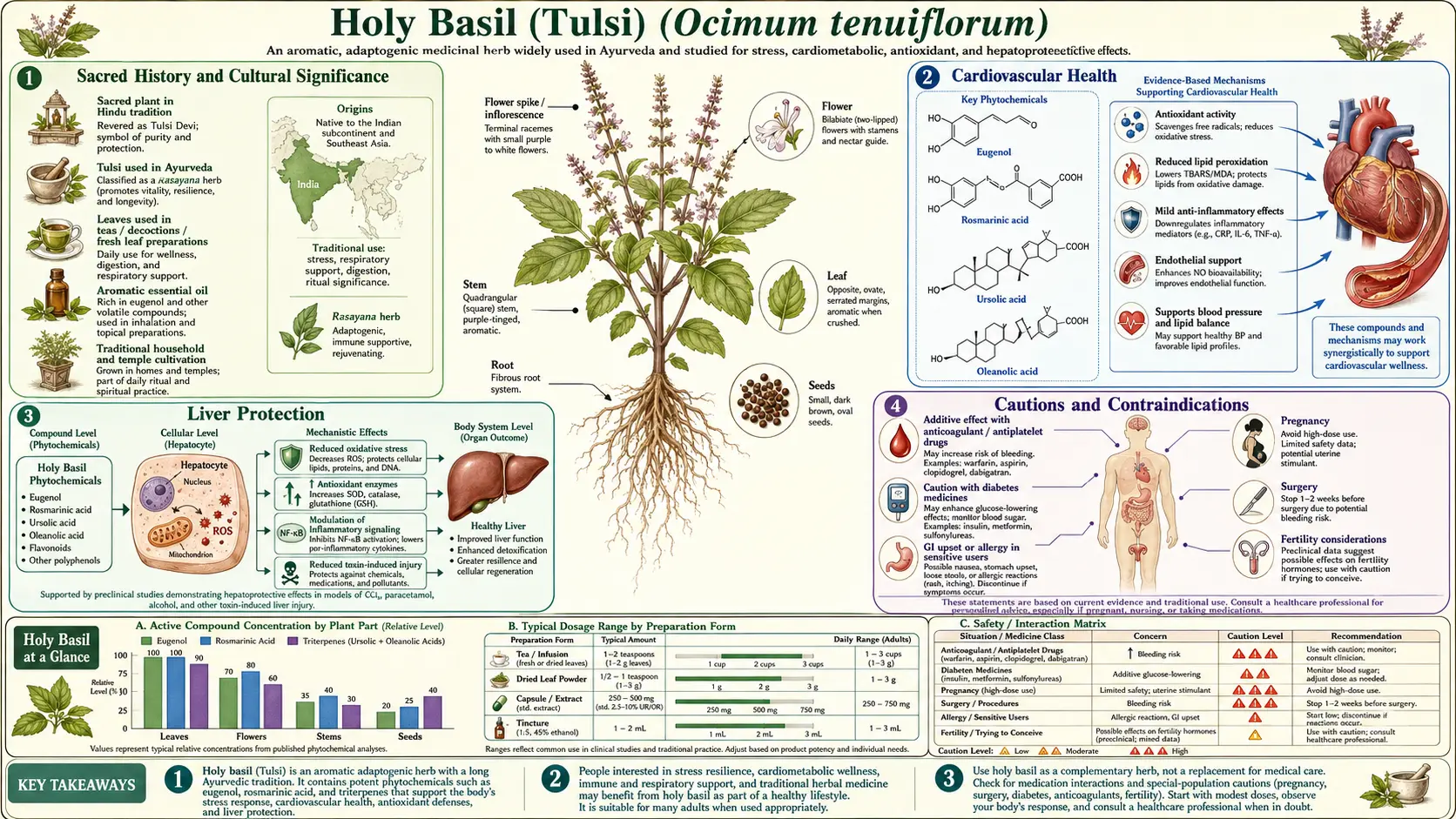
- Eugenol: The primary phenylpropanoid in Tulsi, eugenol is a potent anti-inflammatory, analgesic, and antimicrobial agent. It inhibits cyclooxygenase (COX) enzymes in a manner similar to ibuprofen, contributing to Tulsi's pain-relieving and fever-reducing effects. Eugenol also demonstrates significant antioxidant activity.
- Rosmarinic Acid: A powerful polyphenolic antioxidant, rosmarinic acid exhibits strong anti-inflammatory, antiviral, and antibacterial properties. Research indicates it may help modulate allergic responses and protect against oxidative damage in brain tissue, supporting cognitive health.
- Apigenin: This flavonoid has garnered attention for its anxiolytic (anti-anxiety) effects, acting on GABA receptors in a manner similar to benzodiazepines but without sedation or dependency. Apigenin also shows anti-cancer potential in laboratory studies.
- Ursolic Acid: A pentacyclic triterpenoid with broad therapeutic actions including anti-inflammatory, anti-tumor, antioxidant, and hepatoprotective effects. Ursolic acid has been shown to inhibit multiple signaling pathways involved in cancer cell proliferation.
- Ocimumosides A and B: These compounds are considered key contributors to Tulsi's adaptogenic and anti-stress properties, helping to normalize cortisol levels and protect against stress-induced biochemical changes.
- Additional compounds: Tulsi also contains linalool, carvacrol, methyl eugenol, beta-caryophyllene, vitamin C, vitamin A, calcium, zinc, iron, and chlorophyll, all contributing to its broad-spectrum healing activity.
Adaptogenic Properties and Cortisol Modulation
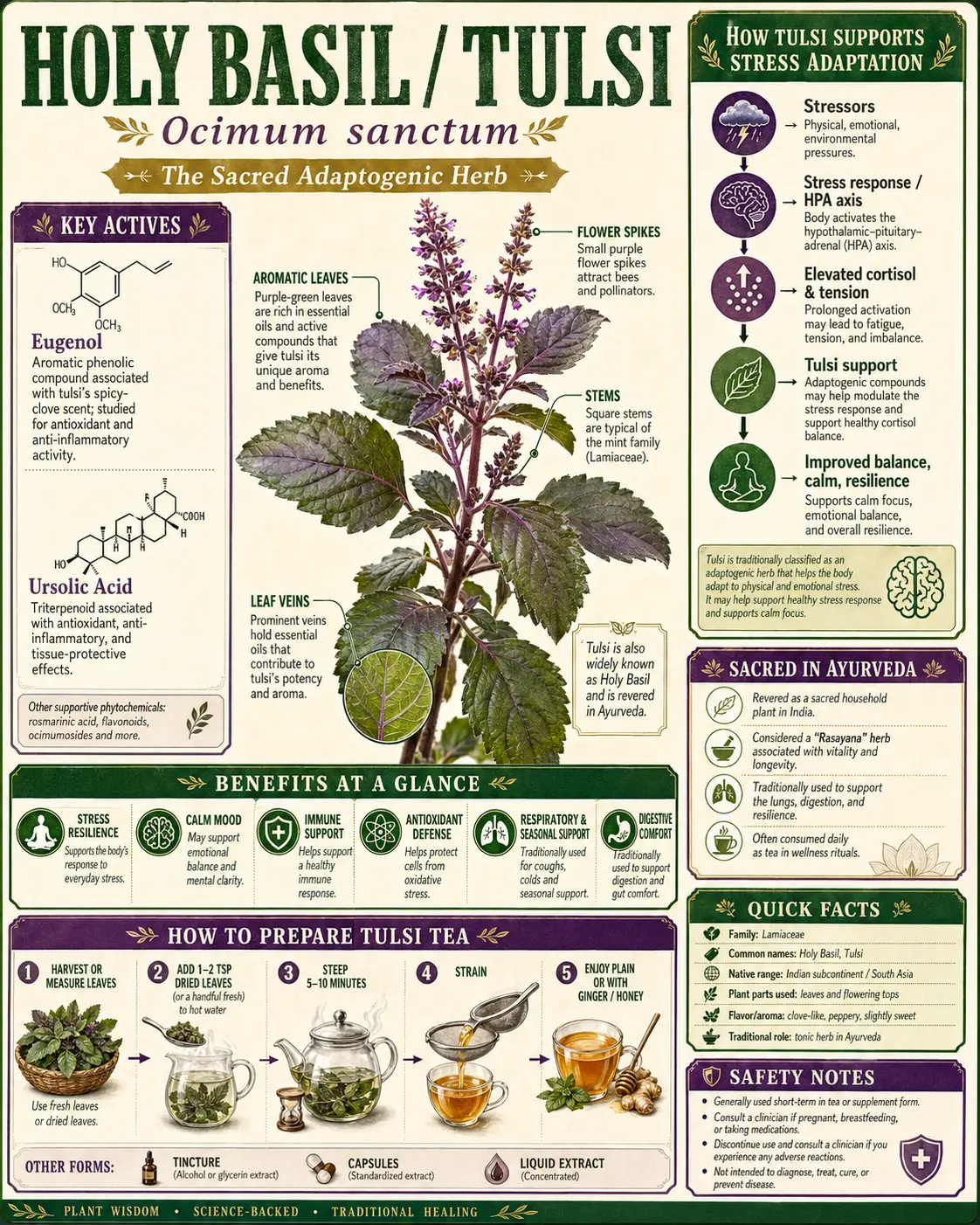
Holy Basil is classified as a premier adaptogen—a botanical agent that helps the body resist and adapt to physical, chemical, and emotional stressors without disrupting normal physiological function. Unlike stimulants that push the body in one direction, adaptogens work to restore homeostasis, bringing overactive systems down and underactive systems up.
At the core of Tulsi's adaptogenic action is its ability to modulate cortisol, the primary stress hormone produced by the adrenal glands. Chronic elevation of cortisol, driven by the unrelenting pace of modern life, contributes to a cascade of health problems including weight gain, immune suppression, impaired memory, elevated blood sugar, disrupted sleep, and cardiovascular strain.
Research has demonstrated that Holy Basil's bioactive compounds—particularly ocimumosides A and B, ursolic acid, and rosmarinic acid—help regulate the hypothalamic-pituitary-adrenal (HPA) axis, the body's central stress-response system. By normalizing cortisol output and supporting healthy adrenal function, Tulsi helps the body recover from stress more efficiently while building resilience over time.
In clinical studies, subjects receiving Tulsi extract reported significant improvements in stress-related symptoms including forgetfulness, sexual dysfunction, exhaustion, and sleep disturbance when compared with placebo groups.
Stress and Anxiety Relief
Building upon its adaptogenic foundation, Holy Basil has demonstrated remarkable anxiolytic and anti-depressant properties in both human and animal studies. The mechanisms are multifaceted:
- GABAergic modulation: Apigenin and other flavonoids in Tulsi interact with gamma-aminobutyric acid (GABA) receptors in the brain, promoting calmness and reducing the overexcitation of neural circuits that underlies anxiety.
- Serotonin and dopamine support: Tulsi has been shown to positively influence neurotransmitter levels, helping to maintain adequate serotonin and dopamine, which are critical for mood regulation, motivation, and emotional well-being.
- Corticosterone reduction: Animal studies demonstrate that Tulsi extract significantly lowers corticosterone (the animal equivalent of cortisol), reducing anxiety-related behaviors comparable to pharmaceutical anxiolytics.
A randomized, double-blind, placebo-controlled study published in the Nepal Medical College Journal found that participants taking 500 mg of Tulsi extract twice daily for 60 days experienced statistically significant reductions in generalized anxiety, stress, and depression scores compared to placebo. From a naturopathic standpoint, Tulsi's ability to calm the nervous system without causing sedation or cognitive dulling makes it an ideal daily tonic for those living under chronic stress.
Blood Sugar Regulation and Type 2 Diabetes Support
Holy Basil has a well-documented history in Ayurvedic practice as a treatment for madhumeha (diabetes), and modern research strongly supports this traditional application. Multiple clinical trials have demonstrated Tulsi's ability to improve glycemic control through several mechanisms:
- Enhanced insulin secretion: Tulsi's bioactive compounds stimulate pancreatic beta-cell function, supporting the body's natural insulin production.
- Improved insulin sensitivity: Ursolic acid and other constituents help reduce insulin resistance at the cellular level, allowing glucose to be taken up more efficiently by muscle and liver tissue.
- Inhibition of carbohydrate-digesting enzymes: Compounds in Tulsi inhibit alpha-amylase and alpha-glucosidase, enzymes that break down complex carbohydrates into glucose, thereby slowing post-meal blood sugar spikes.
- Hepatic glucose regulation: Tulsi supports the liver's role in maintaining blood glucose homeostasis by promoting glycogen synthesis and reducing gluconeogenesis (the production of new glucose).
In a controlled clinical trial, patients with non-insulin-dependent diabetes mellitus who consumed Holy Basil leaf powder daily showed significant decreases in fasting blood glucose, post-meal blood glucose, and glycosylated hemoglobin (HbA1c) levels. As a naturopathic practitioner, I consider Tulsi a valuable adjunct to a comprehensive metabolic support protocol, used alongside dietary modification, exercise, and other evidence-based botanical medicines.
Cardiovascular Health
Holy Basil offers multi-targeted cardiovascular protection, addressing several of the key modifiable risk factors for heart disease and stroke:
- Cholesterol management: Animal and human studies indicate that Tulsi reduces total cholesterol, LDL cholesterol, and triglycerides while maintaining or increasing protective HDL cholesterol. These effects are attributed to its ability to modulate lipid metabolism in the liver and reduce oxidative stress on lipoproteins.
- Blood pressure regulation: The eugenol in Tulsi acts as a natural calcium channel blocker, helping to relax blood vessel walls and reduce peripheral vascular resistance. This vasodilatory effect, combined with Tulsi's stress-reducing properties, contributes to meaningful blood pressure reduction in hypertensive individuals.
- Anti-platelet activity: Tulsi's compounds help prevent excessive platelet aggregation, reducing the risk of pathological blood clot formation that can lead to heart attack or stroke.
- Endothelial protection: The potent antioxidant activity of rosmarinic acid, eugenol, and other phenolics protects the delicate endothelial lining of blood vessels from oxidative damage, a primary driver of atherosclerosis.
- Homocysteine reduction: Preliminary evidence suggests Tulsi may help lower elevated homocysteine levels, an independent risk factor for cardiovascular disease.
Immune Enhancement
Holy Basil is one of the most respected immunomodulatory herbs in the Ayurvedic tradition, and its reputation is increasingly supported by scientific evidence. Tulsi enhances immune function at multiple levels:
- Antimicrobial activity: Eugenol, carvacrol, and other essential oil components demonstrate broad-spectrum antimicrobial action against bacteria including Staphylococcus aureus, Escherichia coli, Klebsiella pneumoniae, and Pseudomonas aeruginosa. This includes activity against antibiotic-resistant strains, making Tulsi a valuable botanical in an era of increasing antimicrobial resistance.
- Antiviral properties: Research has identified significant antiviral activity against influenza, herpes simplex virus, hepatitis B, and other viral pathogens. Tulsi's antiviral mechanisms include inhibition of viral replication and enhancement of the body's interferon response.
- Antifungal effects: Tulsi essential oil has demonstrated activity against common fungal pathogens including Candida albicans and Aspergillus species.
- Immune cell activation: Tulsi has been shown to increase natural killer (NK) cell activity, enhance T-helper cell function, and modulate cytokine production, strengthening the body's ability to identify and destroy pathogens and abnormal cells.
- Immunoglobulin support: Studies indicate that Tulsi supplementation can increase circulating immunoglobulin levels, enhancing both innate and adaptive immune responses.
Respiratory Health
Tulsi has been used for millennia as a primary respiratory remedy in Ayurveda, and it remains one of the most frequently prescribed herbs for conditions of the lungs, bronchi, and upper airways. Its benefits in respiratory health include:
- Bronchitis and bronchial asthma: Tulsi's anti-inflammatory and bronchodilatory effects help open constricted airways, reduce bronchial inflammation, and ease breathing. Eugenol and the essential oil fraction relax bronchial smooth muscle and reduce histamine-mediated airway constriction.
- Cough suppression: Tulsi acts as a natural antitussive and expectorant, helping to thin and expel mucus while soothing irritated respiratory membranes. The combination of antimicrobial and anti-inflammatory action addresses both the cause and symptoms of productive and dry coughs.
- Sinus and upper respiratory infections: The antimicrobial volatile oils in Tulsi, particularly when consumed as a hot tea or inhaled as steam, help clear sinus congestion and combat infection in the nasal passages and throat.
- Allergic respiratory conditions: Rosmarinic acid's ability to inhibit lipoxygenase enzymes and suppress inflammatory cytokine production makes Tulsi useful for allergic rhinitis and other histamine-driven respiratory complaints.
From a naturopathic perspective, Tulsi tea with raw honey and ginger is one of the most effective and gentle respiratory formulas available, suitable for both acute infection and chronic respiratory maintenance.
Anti-Inflammatory and Antioxidant Power
Chronic, low-grade inflammation is now recognized as a root driver of virtually every major degenerative disease, from cardiovascular disease and diabetes to cancer and neurodegeneration. Holy Basil addresses this foundational imbalance through multiple complementary pathways:
- COX-2 inhibition: Eugenol is a potent inhibitor of cyclooxygenase-2 (COX-2), the enzyme responsible for producing inflammatory prostaglandins at sites of tissue damage. This action is comparable to non-steroidal anti-inflammatory drugs but without the gastrointestinal side effects.
- LOX inhibition: Rosmarinic acid inhibits lipoxygenase (LOX) enzymes, reducing the production of leukotrienes, which are powerful mediators of allergic and inflammatory responses.
- NF-kB modulation: Ursolic acid and other Tulsi compounds suppress nuclear factor kappa-B (NF-kB), a master transcription factor that activates genes involved in inflammation, immune dysregulation, and tumor promotion.
- Free radical scavenging: Tulsi's rich array of phenolics, flavonoids, and terpenoids provides exceptional antioxidant protection, neutralizing reactive oxygen species (ROS) and reactive nitrogen species (RNS) that drive oxidative damage to DNA, proteins, and lipid membranes.
- Endogenous antioxidant support: Beyond direct scavenging, Tulsi has been shown to enhance the body's own antioxidant defenses by upregulating superoxide dismutase (SOD), catalase, and glutathione peroxidase activity.
Digestive Health
In Ayurvedic medicine, Tulsi is regarded as a digestive tonic that kindles agni (digestive fire) without creating excess heat in the body. Its digestive benefits include:
- Gastric protection: Tulsi has demonstrated significant anti-ulcer activity in research models, reducing gastric acid secretion, increasing protective mucus production, and enhancing mucosal blood flow. These effects protect the stomach lining from damage caused by stress, NSAIDs, and Helicobacter pylori infection.
- Carminative action: The volatile oils in Tulsi help relieve intestinal gas, bloating, and abdominal discomfort by relaxing smooth muscle in the gastrointestinal tract and promoting healthy peristalsis.
- Appetite regulation: Tulsi supports healthy appetite and nutrient absorption, making it useful for individuals recovering from illness or experiencing poor digestive function.
- Gut microbiome support: The antimicrobial selectivity of Tulsi's compounds helps suppress pathogenic organisms while supporting the growth of beneficial gut flora, contributing to overall digestive and immune health.
- Nausea relief: Tulsi tea is a gentle and effective remedy for nausea, whether from motion sickness, morning sickness (in moderate amounts), or digestive upset.
Liver Protection
The liver bears the greatest burden of detoxification in the human body, and Holy Basil provides powerful hepatoprotective support through multiple mechanisms:
- Phase I and Phase II detoxification support: Tulsi's phytochemicals help optimize the liver's two-phase detoxification system, enhancing the conversion of fat-soluble toxins into water-soluble metabolites that can be safely excreted.
- Protection against hepatotoxins: Animal studies have demonstrated that Tulsi extract protects liver tissue from damage caused by heavy metals (lead, mercury, arsenic), industrial chemicals, pharmaceutical drugs (particularly acetaminophen), and alcohol. The protective effects are attributed to enhanced antioxidant enzyme activity and reduced lipid peroxidation in hepatocytes.
- Fatty liver support: Preliminary research suggests Tulsi may help reduce hepatic fat accumulation, a condition of growing prevalence that can progress to non-alcoholic steatohepatitis and cirrhosis.
- Liver enzyme normalization: Tulsi supplementation has been shown to reduce elevated liver enzymes (ALT, AST) in models of hepatic injury, indicating reduced liver cell damage and improved functional capacity.
Cognitive Function and Memory
Holy Basil's neuroprotective and cognitive-enhancing properties make it a valuable botanical for brain health across the lifespan:
- Neuroprotection: Rosmarinic acid and other antioxidant compounds in Tulsi cross the blood-brain barrier and protect neurons from oxidative stress, excitotoxicity, and inflammation—the key drivers of age-related cognitive decline and neurodegenerative diseases.
- Acetylcholinesterase inhibition: Tulsi has demonstrated the ability to inhibit acetylcholinesterase, the enzyme that breaks down acetylcholine, a neurotransmitter critical for memory, learning, and attention. This mechanism is shared with pharmaceutical drugs used to treat Alzheimer's disease.
- Cerebral blood flow: The vasodilatory and anti-platelet effects of Tulsi support healthy cerebral circulation, ensuring adequate oxygen and nutrient delivery to brain tissue.
- Stress-related cognitive decline: By modulating cortisol and protecting the hippocampus from stress-induced damage, Tulsi helps preserve memory and cognitive function during periods of chronic stress.
- Mental clarity and focus: Traditional Ayurvedic use of Tulsi as a medhya rasayana (brain tonic) is supported by modern evidence showing improvements in reaction time, attention, and mental clarity in subjects taking Tulsi supplements.
Skin Health
Holy Basil's antimicrobial, anti-inflammatory, and antioxidant properties make it a versatile remedy for a wide range of dermatological concerns:
- Acne and bacterial skin infections: The antimicrobial essential oils in Tulsi, particularly eugenol, are effective against acne-causing bacteria (Propionibacterium acnes) and other common skin pathogens. When applied topically as a paste or incorporated into skincare formulations, Tulsi helps clear active breakouts and prevent new ones.
- Wound healing: Tulsi accelerates wound closure, reduces infection risk, and promotes organized collagen deposition, leading to faster healing with less scarring.
- Anti-aging: The potent antioxidant content of Tulsi helps neutralize free radicals generated by UV exposure, pollution, and metabolic processes, protecting skin from premature aging, hyperpigmentation, and loss of elasticity.
- Eczema and psoriasis: The anti-inflammatory and immunomodulatory properties of Tulsi may help reduce the severity and frequency of flare-ups in inflammatory skin conditions.
- Insect bites and stings: Tulsi leaf paste applied topically provides soothing relief from itching, swelling, and pain associated with insect bites.
Cancer Research
While no herb should be presented as a cancer cure, the growing body of research on Holy Basil's anti-cancer properties is compelling and warrants serious attention from the integrative medical community:
- Apoptosis induction: Ursolic acid, eugenol, rosmarinic acid, and apigenin have all demonstrated the ability to induce programmed cell death (apoptosis) in various cancer cell lines, including breast, lung, oral, pancreatic, and prostate cancers.
- Anti-angiogenesis: Tulsi compounds have been shown to inhibit the formation of new blood vessels that tumors require for growth and metastasis.
- Metastasis inhibition: Research indicates that Tulsi phytochemicals can reduce the invasiveness and migratory capacity of cancer cells, potentially limiting the spread of disease.
- Radioprotection: Tulsi has demonstrated the ability to protect healthy tissue from radiation damage while not conferring the same protection to tumor cells, suggesting potential value as an adjunct during radiation therapy.
- Chemoprotection: The hepatoprotective and antioxidant properties of Tulsi may help mitigate some of the toxic side effects of chemotherapy while supporting the body's overall resilience during treatment.
From a naturopathic oncology perspective, Tulsi is best viewed as a supportive botanical that may enhance the body's natural tumor surveillance mechanisms and improve quality of life during conventional treatment, always under the guidance of qualified healthcare providers.
Eye Health
Holy Basil's antioxidant and anti-inflammatory properties extend to the protection of ocular tissues, which are particularly vulnerable to oxidative stress:
- Cataract prevention: The antioxidant compounds in Tulsi, particularly vitamin C, vitamin A, and eugenol, help protect the lens of the eye from oxidative damage that leads to cataract formation. Animal studies have shown that Tulsi extract can delay the onset and progression of cataracts.
- Glaucoma support: Preliminary research suggests that Tulsi may help reduce intraocular pressure, the primary risk factor for glaucomatous optic nerve damage.
- Conjunctivitis and eye infections: Tulsi eye washes have been used traditionally for bacterial and viral conjunctivitis, leveraging the herb's antimicrobial properties to combat infection.
- Macular protection: The flavonoids and carotenoids in Tulsi may help protect retinal tissue from blue light and UV damage, supporting long-term macular health.
- Eye strain and fatigue: In Ayurvedic practice, Tulsi tea is recommended as a simple daily measure to support overall eye health and reduce strain associated with prolonged close work.
Forms and Recommended Dosage
Holy Basil is available in a variety of therapeutic forms, each suited to different applications and preferences:
- Fresh leaves: Chewing 5 to 8 fresh Tulsi leaves daily on an empty stomach is the most traditional and revered form of consumption. Fresh leaves retain the full spectrum of volatile oils and are ideal for immune and respiratory support.
- Dried powder: 1 to 2 teaspoons (approximately 2 to 5 grams) of dried Tulsi leaf powder per day, mixed into warm water, smoothies, or food. The powder retains most bioactive compounds and is convenient for consistent daily use.
- Tea/Infusion: Steep 1 to 2 teaspoons of dried Tulsi leaves (or 4 to 5 fresh leaves) in 8 ounces of hot water for 5 to 10 minutes. Drink 2 to 3 cups daily. Tulsi tea is the most popular and pleasant form of regular consumption and can be blended with ginger, lemon, or honey.
- Capsule/Tablet: Standardized extracts typically provide 300 to 600 mg per capsule, taken 1 to 2 times daily. Look for products standardized to eugenol and ursolic acid content. Capsules are convenient for those who prefer precise dosing.
- Tincture (liquid extract): 30 to 60 drops (approximately 1 to 2 mL) of Tulsi tincture taken 2 to 3 times daily in a small amount of water. Tinctures offer rapid absorption and are easy to adjust for individualized dosing.
- Essential oil: For external use only. Dilute 2 to 3 drops in a carrier oil for topical application to skin conditions, or add to a diffuser or steam inhalation for respiratory support. Never ingest Tulsi essential oil.
For general wellness and adaptogenic support, consistent daily use for a minimum of 4 to 6 weeks is recommended to experience the full range of benefits. As with all botanical medicines, it is wise to take periodic breaks (for example, 5 days on, 2 days off, or 6 weeks on, 1 week off) to maintain the body's sensitivity to the herb's therapeutic actions.
Cautions and Contraindications
While Holy Basil has an excellent safety profile and has been consumed daily by millions of people for thousands of years, certain precautions should be observed:
- Blood thinners: Tulsi has mild anti-platelet and anticoagulant properties. Individuals taking prescription blood thinners such as warfarin, heparin, or direct oral anticoagulants should consult their healthcare provider before using Tulsi supplements, as additive effects may increase bleeding risk.
- Fertility in high doses: Animal studies have shown that very high doses of Tulsi extract may reduce sperm count and motility in males. While these effects have not been confirmed in humans at typical supplemental doses, couples actively trying to conceive may wish to moderate their intake or discontinue use temporarily.
- Surgery: Due to its blood-thinning and blood-sugar-lowering effects, discontinue Tulsi supplementation at least 2 weeks before any scheduled surgical procedure to reduce the risk of excessive bleeding or hypoglycemia under anesthesia.
- Pregnancy and breastfeeding: While Tulsi has been consumed traditionally during pregnancy in small amounts (as tea), high-dose supplementation is not recommended during pregnancy due to insufficient safety data and the theoretical risk of uterine stimulation. Breastfeeding mothers should consult their healthcare provider before use.
- Hypoglycemia: Individuals on diabetes medication should monitor blood glucose carefully when adding Tulsi, as the combined blood-sugar-lowering effect may cause hypoglycemia.
- Hypothyroidism: Some sources suggest Tulsi may have mild anti-thyroid effects at very high doses. Individuals with hypothyroidism or those taking thyroid medication should exercise caution and monitor thyroid function.
- Drug interactions: Tulsi may interact with anticoagulant, antidiabetic, and antihypertensive medications. Always inform your healthcare provider of all herbal supplements you are taking.
When used responsibly and at recommended dosages, Holy Basil is one of the safest and most beneficial herbs available to the modern naturopathic practitioner and the health-conscious individual alike.
Key Research Papers
The following PubMed topic searches aggregate the peer-reviewed literature underpinning the claims above. Each link opens a live PubMed query so the result set stays current as new research is published.
- PubMed: Tulsi adaptogen and stress
- PubMed: Anxiety randomized controlled trial
- PubMed: Cortisol
- PubMed: Blood glucose and diabetes
- PubMed: Antimicrobial
- PubMed: Immune function and lymphocyte
- PubMed: Cardioprotective
- PubMed: Radioprotective
- PubMed: Anti-inflammatory and eugenol
- PubMed: Systematic review
- PubMed: Hepatoprotective
Connections
- Fluoride Chelation — the stress and clarity end of a fluoride protocol
- All Herbs
- Holy Basil Benefits Deep Dive
- Anxiety
- Ashwagandha
- Rhodiola Rosea
- Stress Management
- Ginger
- Turmeric
- Lemon Balm
- Immune Boosting
- Diabetes
- Blood Sugar
- Coffee and Type 2 Diabetes
- Depression
- Cancer
- Oxidative Stress
- Vitamin C
- Ginseng
- Natural Mast Cell Stabilizers
- Neem
- Blood Sugar Remedies — the full index of herbs, nutrients, foods and practices that act on blood glucose
- Basil Seeds