Ashwagandha (Withania somnifera)
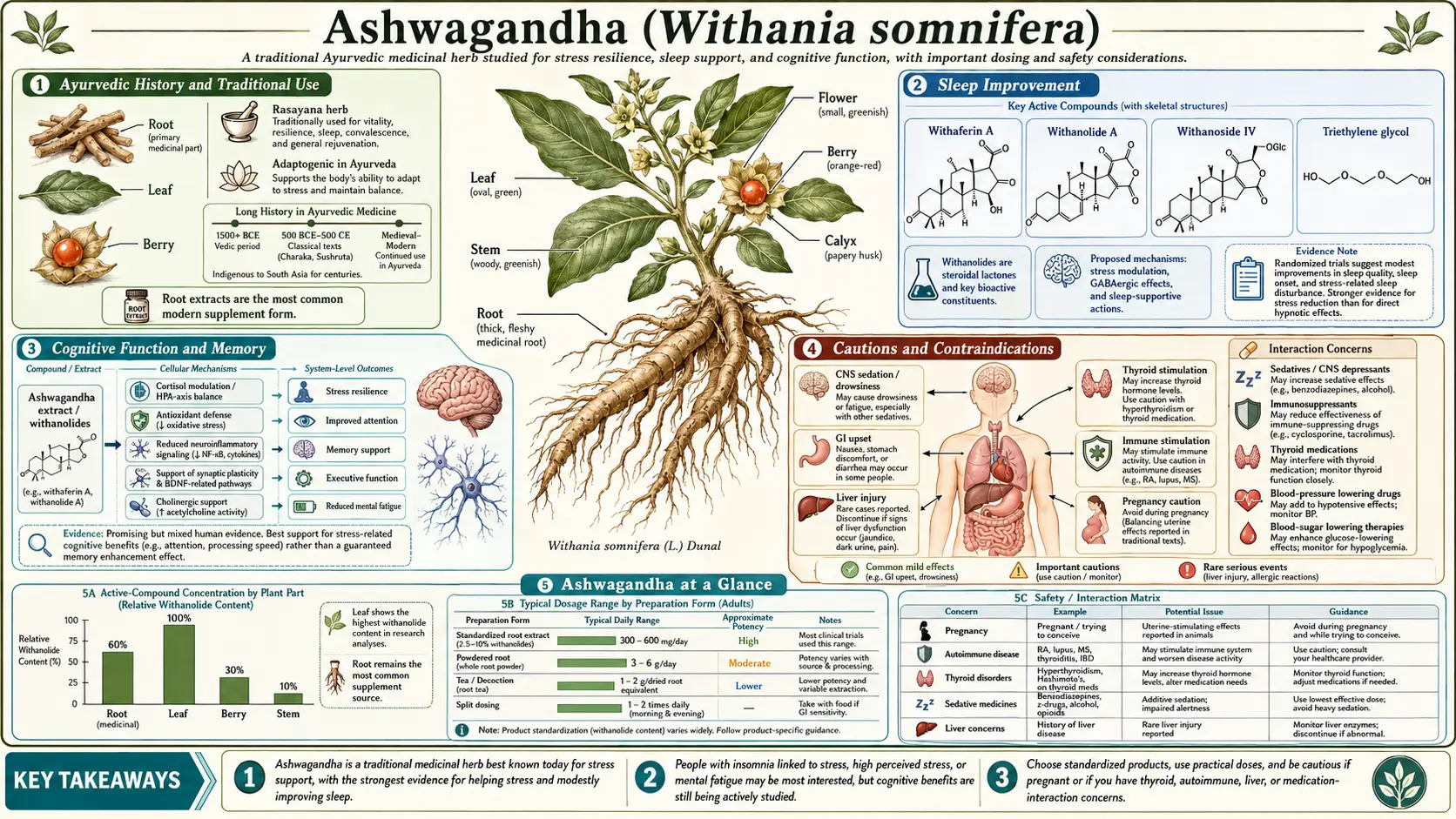
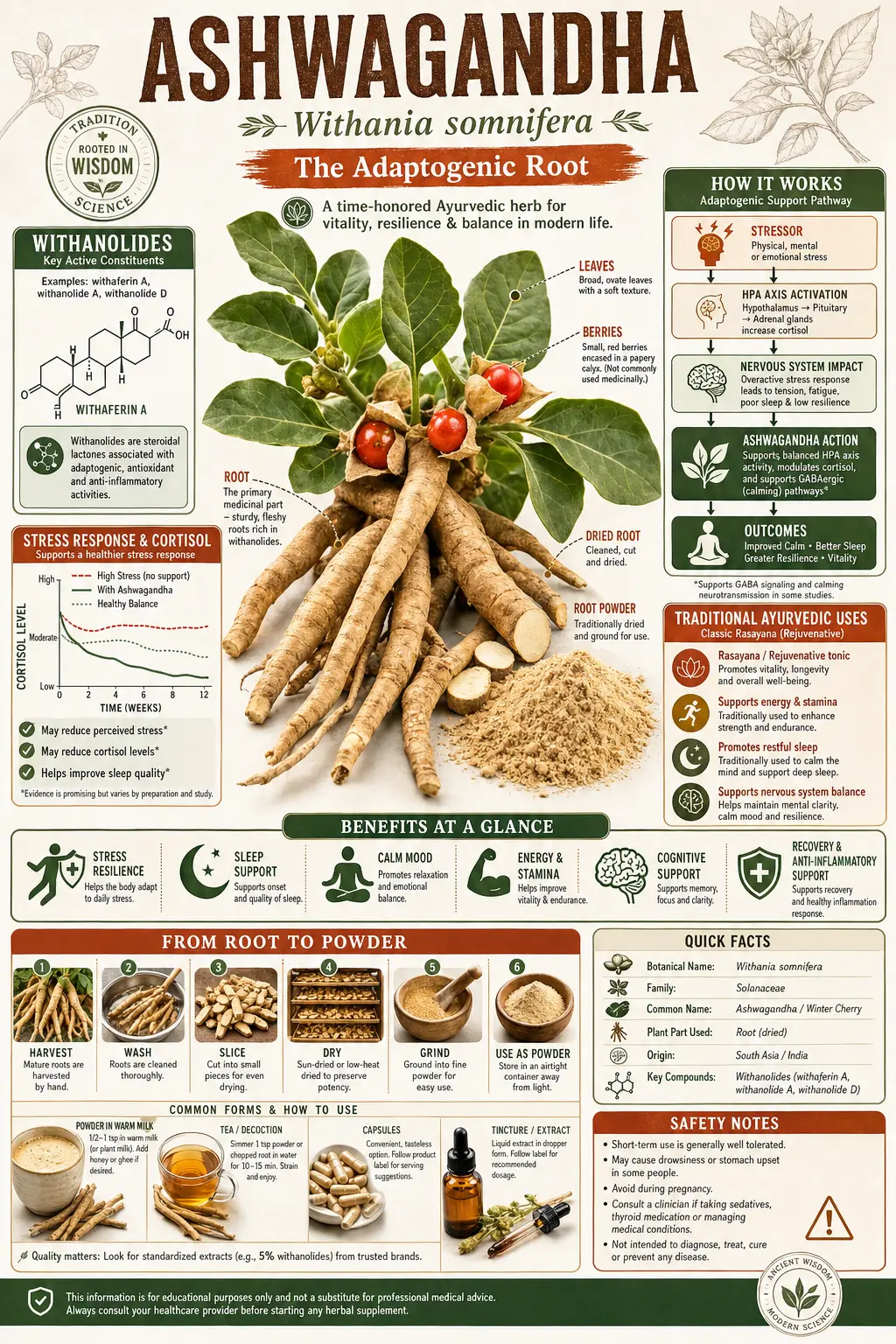
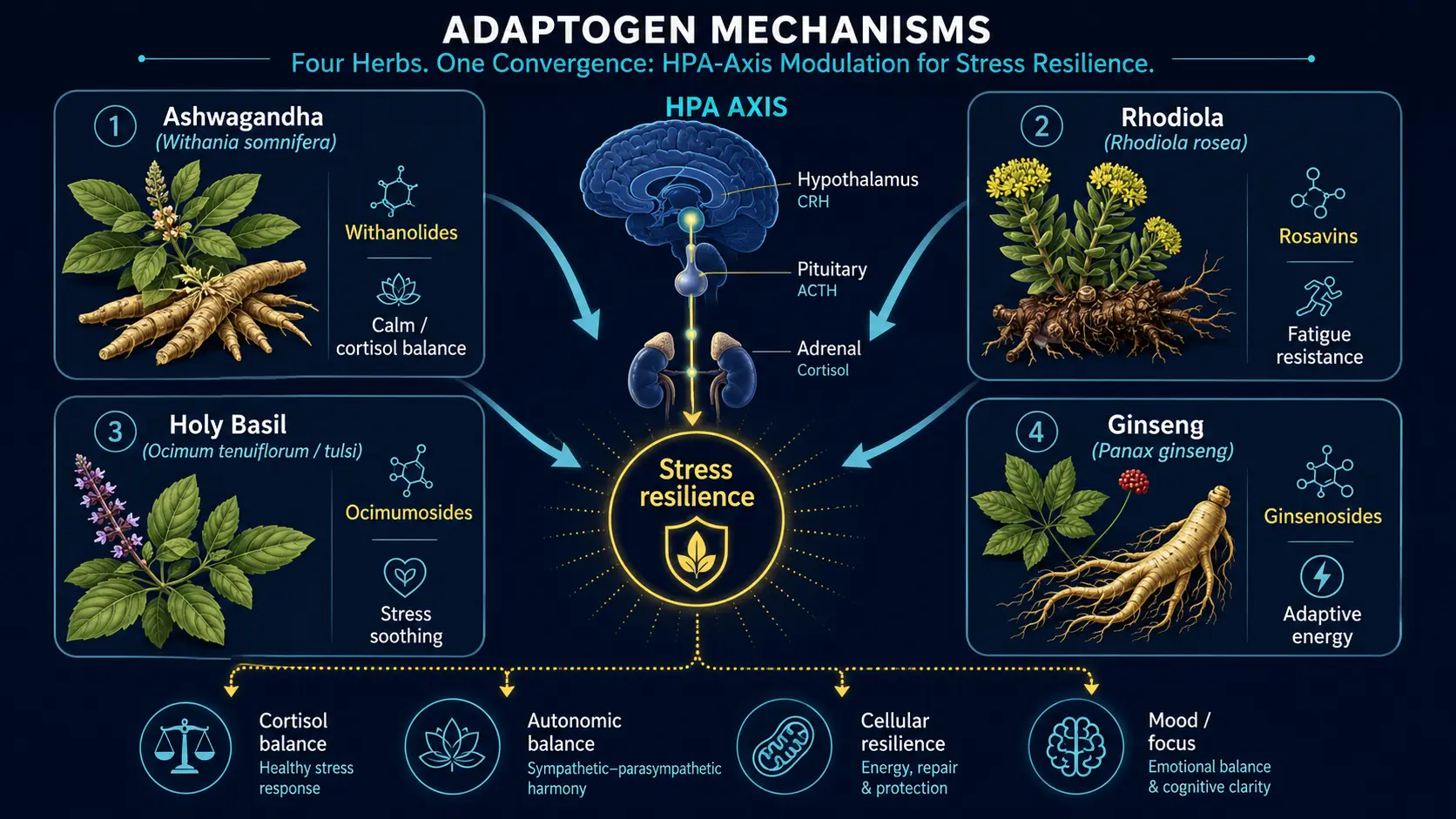
Table of Contents
- Ayurvedic History and Traditional Use
- Withanolides: The Active Compounds
- Adaptogenic Properties and HPA Axis Regulation
- Cortisol Reduction and Stress Management
- Anxiety and Depression Relief
- Sleep Improvement
- Thyroid Support
- Testosterone and Male Fertility
- Female Reproductive Health
- Muscle Strength and Athletic Performance
- Cognitive Function and Memory
- Immune Modulation
- Anti-Inflammatory and Antioxidant Effects
- Forms and Preparations
- Recommended Dosage
- Cautions and Contraindications
- Featured Videos
Ayurvedic History and Traditional Use
Ashwagandha holds a revered place in Ayurveda, the traditional medicine of the Indian subcontinent, where its root has been used for well over two thousand years as a strengthening, calming tonic. Named in the classical compendia — the Charaka Samhita and Sushruta Samhita — it is classed as a rasayana (rejuvenating tonic) and was traditionally given as a root powder stirred into warm milk to rebuild a tired, depleted, or anxious body — the fuller story is told in the dedicated History & Traditional Use article.
Withanolides: The Active Compounds
The therapeutic power of ashwagandha resides primarily in a class of naturally occurring steroidal lactones known as withanolides. Over 40 distinct withanolides have been identified in the plant, with the most pharmacologically significant being withaferin A, withanolide D, withanoside IV, and withanoside V.
Withanolides are structurally similar to human steroid hormones, which partly explains their remarkable ability to influence hormonal pathways, modulate immune function, and exert anti-inflammatory effects throughout the body. These compounds are found in the highest concentrations in the roots and leaves, though the root remains the most commonly used part in traditional and modern preparations.
From a naturopathic perspective, the synergy among the full spectrum of withanolides and other bioactive constituents — including alkaloids (isopelletierine, anaferine), saponins, and iron — is what gives whole-plant ashwagandha extracts their broad therapeutic range. Key pharmacological activities attributed to withanolides include:
- Withaferin A — potent anti-inflammatory and anti-tumor activity through NF-kB pathway inhibition
- Withanolide D — immunomodulatory effects and support for healthy cell signaling
- Withanoside IV and V — neuroprotective properties, promoting nerve cell regeneration and synaptic reconstruction
- Withanone — selective cytotoxicity against abnormal cells while sparing healthy tissue
Modern extraction methods have allowed for the standardization of withanolide content, with clinical-grade extracts typically standardized to contain between 2.5% and 10% withanolides by weight. This standardization ensures consistent therapeutic potency across batches and enables more precise clinical dosing.
Adaptogenic Properties and HPA Axis Regulation
Ashwagandha is classified as a premier adaptogen — a natural substance that enhances the body's ability to resist and recover from physical, chemical, and biological stressors. As a naturopathic physician, I consider adaptogens to be among the most valuable tools in clinical practice, and ashwagandha stands as one of the most extensively researched herbs in this category.
The adaptogenic action of ashwagandha centers on its ability to regulate the hypothalamic-pituitary-adrenal (HPA) axis, the body's central stress response system. When the brain perceives a threat, the hypothalamus signals the pituitary gland, which in turn activates the adrenal glands to release cortisol and other stress hormones. In modern life, chronic activation of this cascade leads to HPA axis dysregulation — a state characterized by persistently elevated or erratically fluctuating cortisol levels.
Ashwagandha modulates the HPA axis through several mechanisms:
- Mimicking the inhibitory neurotransmitter GABA at receptor sites, producing a calming effect on the nervous system
- Regulating cortisol secretion from the adrenal cortex by influencing hypothalamic signaling
- Supporting adrenal reserve by reducing the depletion of stress-responsive hormones
- Modulating serotonin and acetylcholine receptor activity in the brain
- Reducing the activity of heat shock proteins associated with the cellular stress response
What distinguishes a true adaptogen from a simple sedative or stimulant is its bidirectional normalizing effect. Ashwagandha does not merely suppress the stress response; rather, it helps calibrate it. In individuals with an overactive stress response, it promotes calm. In those who are depleted and fatigued, it restores energy and resilience. This intelligent balancing action is a hallmark of adaptogenic herbs and reflects the naturopathic principle of supporting the body's innate healing intelligence.
Cortisol Reduction and Stress Management
Among the most well-documented benefits of ashwagandha is its ability to significantly reduce serum cortisol levels in chronically stressed individuals. Elevated cortisol — often called the "stress hormone" — is associated with a wide array of health consequences including abdominal weight gain, blood sugar dysregulation, immune suppression, impaired cognitive function, and accelerated aging.
A landmark randomized, double-blind, placebo-controlled study published in the Indian Journal of Psychological Medicine demonstrated that participants taking 300 mg of ashwagandha root extract twice daily experienced a 27.9% reduction in serum cortisol levels over 60 days compared to the placebo group. Participants also reported significant improvements in perceived stress, as measured by validated psychometric scales.
Additional research has confirmed these findings across diverse populations. Key clinical observations include:
- Reduction in morning cortisol awakening response, indicating improved adrenal regulation
- Decreased salivary cortisol throughout the day, reflecting a more balanced diurnal cortisol rhythm
- Improvements in stress-related biomarkers including C-reactive protein and DHEA-S
- Reductions in stress-induced food cravings and emotional eating behaviors
In my naturopathic practice, I find ashwagandha particularly valuable for patients presenting with chronic stress patterns — those individuals who describe feeling "wired but tired," have difficulty unwinding in the evening, or experience stress-related digestive complaints. When combined with lifestyle modifications such as mindfulness practices, adequate sleep, and regular physical movement, ashwagandha can serve as a powerful ally in restoring a healthy stress response.
Anxiety and Depression Relief
Ashwagandha has demonstrated meaningful anxiolytic (anti-anxiety) and antidepressant effects in both preclinical and clinical studies. For patients seeking natural support for mood and emotional balance, this herb offers a well-tolerated option with a favorable safety profile.
The anxiolytic mechanisms of ashwagandha appear to involve multiple neurochemical pathways:
- GABAergic activity — Withanolides bind to GABA-A receptors, promoting the same calming neurotransmitter system targeted by benzodiazepine medications, but without the associated risks of dependence or cognitive impairment
- Serotonin modulation — Ashwagandha supports healthy serotonin signaling, which plays a central role in mood regulation, emotional stability, and sense of well-being
- Cortisol normalization — By reducing chronically elevated cortisol, ashwagandha addresses one of the physiological drivers of anxiety and depression
- Neuroinflammation reduction — Chronic low-grade brain inflammation is increasingly recognized as a contributor to depressive states, and ashwagandha's anti-inflammatory properties may help address this underlying factor
A randomized controlled trial published in Cureus found that adults with moderate to severe anxiety who took ashwagandha extract experienced significantly greater reductions in Hamilton Anxiety Scale scores compared to those receiving psychotherapy alone. Another study using the KSM-66 extract reported a 56.5% reduction in anxiety scores on the Hamilton Anxiety Rating Scale over eight weeks.
While ashwagandha should not be considered a replacement for professional mental health treatment in cases of severe anxiety or major depression, it serves as an excellent complementary therapy. I often recommend it alongside counseling, nutritional optimization, and other evidence-based naturopathic interventions for patients with mild to moderate mood disorders.
Sleep Improvement
The genus name somnifera literally means "sleep-inducing," and modern research has validated this traditional association. Ashwagandha has been shown to improve multiple parameters of sleep quality, making it a valuable tool for patients struggling with insomnia and non-restorative sleep.
A 2019 study published in the Journal of Ethnopharmacology found that ashwagandha root extract significantly improved sleep quality in both healthy adults and those with insomnia. Participants experienced improvements in sleep onset latency (the time it takes to fall asleep), total sleep time, sleep efficiency, and wake-after-sleep-onset episodes.
The sleep-promoting mechanisms of ashwagandha include:
- Enhancement of GABAergic neurotransmission, promoting nervous system relaxation
- Reduction of evening cortisol levels, which can interfere with the natural sleep-wake cycle
- The presence of triethylene glycol in the leaves, a compound identified as a sleep-inducing agent in research
- Modulation of circadian rhythm signaling through effects on the hypothalamus
From a naturopathic standpoint, ashwagandha's sleep benefits are particularly notable because they arise not from sedation, but from addressing underlying causes of sleep disruption — namely stress, anxiety, and HPA axis dysregulation. Patients typically report that they fall asleep more easily, experience fewer nighttime awakenings, and wake feeling more refreshed, all without morning grogginess.
For sleep support, I often recommend taking ashwagandha in the evening, ideally 30 to 60 minutes before bedtime, combined with warm milk in keeping with the traditional Ayurvedic preparation method.
Thyroid Support
Ashwagandha demonstrates a remarkable ability to support thyroid function, making it one of the few herbs with evidence for benefit in both hypothyroid and hyperthyroid conditions. This bidirectional action reflects its fundamental adaptogenic nature.
For hypothyroidism and subclinical hypothyroidism, ashwagandha has shown the ability to:
- Stimulate thyroid hormone production by enhancing the activity of thyroid peroxidase, the enzyme responsible for thyroid hormone synthesis
- Increase serum levels of both T3 (triiodothyronine) and T4 (thyroxine)
- Normalize elevated TSH (thyroid-stimulating hormone) levels
- Support the conversion of T4 to the more metabolically active T3 in peripheral tissues
A pivotal 2018 study published in the Journal of Alternative and Complementary Medicine demonstrated that participants with subclinical hypothyroidism who received 600 mg of ashwagandha root extract daily for eight weeks showed significant improvements in serum TSH, T3, and T4 levels compared to placebo.
For hyperthyroidism, ashwagandha's adaptogenic properties may help by:
- Modulating the immune system in cases of autoimmune thyroid overactivity (Graves' disease)
- Reducing the oxidative stress that accompanies thyroid hyperfunction
- Supporting the adrenal glands, which are often taxed by the metabolic demands of an overactive thyroid
Important clinical note: Patients currently taking thyroid medications (levothyroxine, methimazole, propylthiouracil) should use ashwagandha only under professional supervision, as it may alter thyroid hormone levels and necessitate medication dose adjustments. Regular thyroid panel monitoring is essential when combining ashwagandha with thyroid pharmacotherapy.
Testosterone and Male Fertility
Ashwagandha has emerged as one of the most promising natural agents for supporting male reproductive health. Research consistently demonstrates benefits for testosterone levels, sperm quality, and overall male fertility parameters.
Multiple clinical studies have shown that ashwagandha supplementation can:
- Increase serum testosterone levels by 10% to 22% in men, with the most pronounced effects seen in those under physical or psychological stress
- Improve sperm count by up to 167% in subfertile men
- Enhance sperm motility and morphology
- Increase levels of luteinizing hormone (LH), which stimulates testosterone production
- Elevate DHEA-S, an important precursor to both testosterone and estrogen
A study published in Fertility and Sterility found that infertile men who took ashwagandha root powder for 90 days showed significant improvements in sperm concentration, motility, and morphology, along with more balanced reproductive hormone levels. The researchers attributed these improvements to ashwagandha's ability to reduce oxidative stress in seminal fluid and support healthy spermatogenesis.
The mechanisms behind these effects include:
- Reduction of oxidative damage to sperm cells through enhanced antioxidant enzyme activity (superoxide dismutase, catalase, glutathione)
- Lowering of cortisol, which in excess inhibits testosterone synthesis via the hypothalamic-pituitary-gonadal axis
- Support for Leydig cell function in the testes
- Improvement in mitochondrial function, which is critical for sperm motility
In naturopathic fertility protocols, I frequently include ashwagandha as part of a comprehensive approach that also addresses nutritional status, environmental toxin exposure, and lifestyle factors affecting male reproductive health.
Female Reproductive Health
While ashwagandha's benefits for male fertility are more widely discussed, its support for female reproductive health is equally noteworthy and grounded in both traditional use and emerging research.
Ashwagandha supports female reproductive function through several pathways:
- Hormonal balance — By modulating the HPA axis and reducing excess cortisol, ashwagandha helps restore the delicate hormonal interplay between cortisol, progesterone, estrogen, and thyroid hormones that is essential for regular menstrual cycles and fertility
- Adrenal support — Chronic stress diverts pregnenolone (a precursor to both cortisol and sex hormones) toward cortisol production at the expense of progesterone and estrogen — a phenomenon sometimes called the "pregnenolone steal." By reducing adrenal burden, ashwagandha can help redirect hormonal resources toward reproductive function
- Sexual function — A 2015 study published in BioMed Research International found that women taking ashwagandha experienced significant improvements in arousal, lubrication, orgasm, and overall sexual satisfaction compared to placebo
- Menopausal support — Ashwagandha may help alleviate perimenopausal and menopausal symptoms including hot flashes, mood fluctuations, sleep disturbances, and anxiety through its combined effects on the HPA axis and neurochemistry
For women with polycystic ovarian syndrome (PCOS), ashwagandha may be particularly beneficial due to its ability to improve insulin sensitivity, reduce androgens indirectly through cortisol modulation, and address the chronic low-grade inflammation that characterizes this condition.
As with all herbal interventions during the reproductive years, I recommend that women who are actively trying to conceive or who are pregnant consult with a qualified practitioner before using ashwagandha, as its safety during pregnancy has not been established.
Muscle Strength and Athletic Performance
Ashwagandha has gained significant attention in sports nutrition and exercise science for its demonstrated ability to enhance physical performance, increase muscle mass, and accelerate recovery from exercise.
Key findings from clinical trials include:
- A study in the Journal of the International Society of Sports Nutrition found that men taking 300 mg of ashwagandha root extract twice daily during an eight-week resistance training program gained significantly more muscle strength and size compared to the placebo group
- Bench press and leg extension strength increased by approximately two to three times more in the ashwagandha group
- Muscle recovery was enhanced, with significantly lower exercise-induced muscle damage markers (creatine kinase)
- Body fat percentage decreased more in the ashwagandha group
- VO2 max (a measure of cardiorespiratory endurance) improved significantly in both trained athletes and sedentary individuals
The performance-enhancing mechanisms of ashwagandha include:
- Optimizing testosterone levels, which promotes muscle protein synthesis
- Reducing cortisol-mediated muscle catabolism (breakdown)
- Enhancing mitochondrial function and cellular energy production
- Improving oxygen utilization during exercise
- Accelerating neuromuscular coordination and reaction time
For athletes and active individuals, ashwagandha offers the advantage of supporting performance without the risks associated with synthetic performance enhancers. It is permitted by the World Anti-Doping Agency (WADA) and is increasingly used by professional and recreational athletes seeking natural, evidence-based support.
Cognitive Function and Memory
Ashwagandha has a long history of use as a medhya rasayana (intellect-promoting tonic) in Ayurveda, and modern neuroscience research has begun to elucidate the mechanisms behind its cognitive-enhancing properties.
Ashwagandha supports brain health and cognitive function through multiple pathways:
- Acetylcholine activity — Withanolides have been shown to inhibit acetylcholinesterase, the enzyme that breaks down the memory-related neurotransmitter acetylcholine, thereby enhancing cholinergic neurotransmission
- Neuroprotection — Withanoside IV and VI promote neurite outgrowth and support the regeneration of damaged nerve cells, axons, and dendrites
- Neuroplasticity — Ashwagandha supports brain-derived neurotrophic factor (BDNF), a protein critical for learning, memory formation, and the growth of new neural connections
- Oxidative stress reduction — The brain is particularly vulnerable to oxidative damage due to its high metabolic rate and lipid-rich composition; ashwagandha's antioxidant properties help protect neural tissue
- Amyloid plaque clearance — Preclinical studies suggest ashwagandha may support the clearance of beta-amyloid plaques associated with neurodegenerative conditions
Clinical studies have demonstrated improvements in both immediate and general memory, attention, information processing speed, and executive function in healthy adults and those with mild cognitive impairment. A study in the Journal of Dietary Supplements found that participants taking 300 mg of ashwagandha root extract twice daily showed significant improvements in memory, task performance, and sustained attention over eight weeks.
In my practice, I find ashwagandha particularly helpful for patients experiencing "brain fog" related to chronic stress, poor sleep, or hormonal transitions such as perimenopause. By addressing the root cause — stress-mediated cognitive impairment — rather than merely stimulating the brain, ashwagandha offers sustainable cognitive support.
Immune Modulation
Ashwagandha is classified as an immunomodulator rather than a simple immune stimulant, meaning it helps regulate and balance immune function rather than unilaterally boosting it. This distinction is critically important from a naturopathic perspective, particularly when treating patients with autoimmune tendencies or dysregulated immune responses.
Research has demonstrated the following immune-related effects:
- Enhanced innate immunity — Ashwagandha increases the activity of natural killer (NK) cells, macrophages, and other components of the first-line immune defense
- Increased immunoglobulin production — Studies show enhanced IgG and IgM antibody responses, supporting adaptive immune function
- White blood cell modulation — Ashwagandha has been shown to improve white blood cell counts in individuals with leukopenia (low white cell counts)
- Th1/Th2 balance — By modulating the balance between pro-inflammatory Th1 and anti-inflammatory Th2 immune responses, ashwagandha helps prevent immune over-reactivity while maintaining adequate defense capabilities
- Stress-immune connection — Because chronic stress is one of the most potent suppressors of immune function, ashwagandha's stress-reducing properties indirectly but powerfully support immune resilience
Withanolides, particularly withaferin A, have been shown to modulate NF-kB signaling, a master regulator of inflammatory and immune gene expression. This mechanism underlies much of ashwagandha's ability to fine-tune immune responses.
For patients with frequent infections, slow recovery from illness, or immune systems compromised by chronic stress, ashwagandha can be an excellent foundational support herb, often combined with other immune-supportive nutrients such as vitamin C, zinc, and vitamin D.
Anti-Inflammatory and Antioxidant Effects
Chronic low-grade inflammation and oxidative stress are recognized as underlying drivers of nearly every chronic disease, from cardiovascular disease and diabetes to neurodegenerative conditions and cancer. Ashwagandha addresses both of these fundamental pathological processes through multiple biochemical mechanisms.
Anti-inflammatory actions:
- Inhibition of the NF-kB inflammatory signaling pathway, reducing the production of pro-inflammatory cytokines including TNF-alpha, IL-1 beta, and IL-6
- Suppression of cyclooxygenase-2 (COX-2) enzyme activity, reducing prostaglandin-mediated inflammation
- Reduction of C-reactive protein (CRP), a systemic marker of inflammation
- Modulation of nitric oxide production in activated macrophages
Antioxidant actions:
- Direct free radical scavenging activity against superoxide anions, hydrogen peroxide, and hydroxyl radicals
- Enhancement of endogenous antioxidant enzyme systems including superoxide dismutase (SOD), catalase, and glutathione peroxidase
- Protection of lipid membranes from peroxidation
- Chelation of pro-oxidant metal ions
- Support for glutathione production, the body's master antioxidant
These anti-inflammatory and antioxidant properties make ashwagandha a versatile therapeutic agent. In naturopathic practice, it can be applied in conditions ranging from osteoarthritis and inflammatory joint conditions to cardiovascular risk reduction and neuroprotection. The combination of direct antioxidant activity with upregulation of the body's own antioxidant defenses represents a particularly elegant therapeutic mechanism.
Forms and Preparations
Ashwagandha is available in a variety of forms, each with distinct advantages. Understanding the differences among preparations is essential for selecting the most appropriate product for a given clinical situation.
KSM-66
KSM-66 is a full-spectrum ashwagandha root extract produced using a proprietary water-based extraction process that preserves the natural balance of active constituents. It is standardized to contain at least 5% withanolides by HPLC analysis. KSM-66 is the most extensively studied ashwagandha extract, with over 24 published clinical trials to date. It is an excellent choice for general adaptogenic support, stress management, cognitive enhancement, and athletic performance.
Sensoril
Sensoril is derived from both the roots and leaves of the ashwagandha plant and is standardized to a minimum of 10% withanolide glycosides. Because it includes leaf extracts, which contain higher concentrations of withaferin A, Sensoril may offer stronger anti-inflammatory and immune-modulating effects. It tends to have a more calming and relaxing profile compared to KSM-66, making it a preferred choice for patients whose primary concerns are anxiety, sleep, and stress-related tension.
Root Powder
Traditional ashwagandha root powder (churna) provides the full spectrum of naturally occurring compounds without concentrated extraction. While it requires higher doses to achieve therapeutic effects, some practitioners and patients prefer it for its gentle, holistic action and traditional authenticity. Root powder is ideal for long-term general tonification and is traditionally consumed mixed with warm milk, ghee, or honey.
Other Forms
- Capsules and tablets — Convenient for standardized dosing; may contain either root powder or concentrated extracts
- Liquid tinctures — Alcohol or glycerin-based extracts offering rapid absorption
- Gummies — Popular but often contain lower doses and added sugars; generally not recommended for therapeutic use
- Topical preparations — Used traditionally for joint pain and skin conditions
Recommended Dosage
Dosage recommendations for ashwagandha vary based on the form used, the clinical indication, and individual patient factors. The following guidelines are based on published clinical research and traditional use:
- KSM-66 extract — 300 mg to 600 mg daily, typically divided into two doses taken with meals
- Sensoril extract — 125 mg to 250 mg daily, usually taken as a single dose
- Root powder (churna) — 1,000 mg to 6,000 mg daily, divided into two or three doses, mixed with warm liquid
- Tincture (1:3 ratio) — 2 mL to 4 mL, two to three times daily
Clinical dosing considerations:
- Start with the lower end of the dosage range and increase gradually over one to two weeks
- For stress and anxiety, consistent daily use for at least four to eight weeks is typically needed to experience full benefits
- For sleep support, take the full dose or a larger portion of the daily dose in the evening
- For athletic performance, take approximately 60 minutes before exercise
- Ashwagandha may be taken with or without food, though taking it with meals may reduce occasional gastrointestinal discomfort
- Cycling (taking breaks of one to two weeks every two to three months) may help maintain sensitivity to its effects, though this is based on clinical experience rather than formal research
Cautions and Contraindications
While ashwagandha is generally well-tolerated and has an excellent safety profile, certain populations and situations warrant caution. Responsible use requires awareness of the following considerations:
Nightshade Family Sensitivity
Ashwagandha belongs to the Solanaceae (nightshade) family, which also includes tomatoes, peppers, eggplant, and potatoes. Individuals with known nightshade sensitivities or intolerances may experience adverse reactions including gastrointestinal discomfort, joint pain, or inflammatory flares. Patients following an autoimmune protocol (AIP) diet that eliminates nightshades should use ashwagandha with caution or avoid it.
Thyroid Medication Interactions
Because ashwagandha can directly stimulate thyroid hormone production, it may potentiate the effects of thyroid replacement medications such as levothyroxine (Synthroid, Levoxyl) or interfere with anti-thyroid medications such as methimazole or propylthiouracil. Thyroid function should be monitored regularly in any patient combining ashwagandha with thyroid pharmacotherapy, and medication doses may need adjustment.
Autoimmune Conditions
Ashwagandha's immune-stimulating properties may theoretically exacerbate certain autoimmune conditions. Patients with lupus, rheumatoid arthritis, multiple sclerosis, Hashimoto's thyroiditis, or other autoimmune disorders should use ashwagandha under professional guidance. While its immunomodulatory effects can sometimes benefit autoimmune patients, individual responses vary and close monitoring is advisable.
Pregnancy and Lactation
Ashwagandha is contraindicated during pregnancy. Traditional Ayurvedic texts classify it as having potential abortifacient (pregnancy-terminating) properties at high doses, and animal studies have suggested possible adverse effects on fetal development. There is insufficient safety data regarding use during breastfeeding, so caution is recommended.
Additional Cautions
- Sedative medications — Ashwagandha may potentiate the effects of sedatives, anxiolytics, and sleep medications due to its GABAergic activity
- Blood sugar medications — Ashwagandha can lower blood glucose; patients on diabetes medications should monitor blood sugar and adjust doses as needed
- Immunosuppressant medications — Because ashwagandha modulates immune function, it may interfere with immunosuppressive therapy
- Surgery — Discontinue ashwagandha at least two weeks before scheduled surgery due to potential effects on blood pressure, blood sugar, and central nervous system depression during anesthesia
- Gastrointestinal sensitivity — Some individuals experience mild stomach upset, nausea, or diarrhea, particularly at higher doses or when taken on an empty stomach
- Liver health — Rare cases of liver injury have been reported in the literature; individuals with pre-existing liver conditions should exercise caution and have liver function monitored
As with all herbal medicines, I recommend working with a qualified naturopathic physician, herbalist, or integrative healthcare provider to determine the most appropriate use of ashwagandha for your individual health needs.
Research Papers and References
The following are topic-level PubMed search links covering the main evidence streams for Ashwagandha (Withania somnifera). Each link resolves to a curated PubMed query so that the most current randomized trials, meta-analyses, and mechanistic studies can be reviewed directly from the National Library of Medicine.
- Ashwagandha for anxiety and cortisol reduction. — PubMed: Withania somnifera anxiety stress cortisol
- Ashwagandha in insomnia and sleep quality. — PubMed: ashwagandha sleep insomnia
- Ashwagandha and testosterone in men. — PubMed: ashwagandha testosterone men
- Ashwagandha for muscle strength and recovery. — PubMed: ashwagandha strength muscle
- Withanolides: phytochemistry and pharmacology. — PubMed: withanolides pharmacology
- Ashwagandha and subclinical hypothyroidism. — PubMed: ashwagandha thyroid hypothyroid
- Ashwagandha for cognitive performance and memory. — PubMed: ashwagandha cognition memory
- Ashwagandha in major depressive disorder. — PubMed: ashwagandha depression
- Ashwagandha and male fertility parameters. — PubMed: ashwagandha fertility sperm
- Anti-inflammatory effects of Withania somnifera. — PubMed: ashwagandha inflammation CRP
- Neuroprotective effects of withanolides. — PubMed: ashwagandha neuroprotection
- Safety and hepatotoxicity signals of ashwagandha. — PubMed: ashwagandha safety hepatotoxicity
External Authoritative Resources
- NCCIH — Herbs at a Glance
- MedlinePlus — Herbs and Supplements
- PubMed — All research on Withania somnifera
Connections
- Fluoride Chelation — used for sleep and stress during a protocol
- All Herbs
- The Stress Response & Cortisol — interactive animation
- Ashwagandha Benefits Deep Dive
- Anxiety
- Depression
- Stress Management
- Rhodiola Rosea
- Holy Basil
- Bacopa Monnieri
- Lemon Balm
- Sleep Hygiene
- Insomnia
- Testosterone
- Blood Sugar
- Oxidative Stress
- Ginseng
- Perimenopause
- Turmeric
- Fibromyalgia
- Natural Anxiety Relief
- PTSD