Fermented Foods: Ancient Wisdom for Modern Gut Health
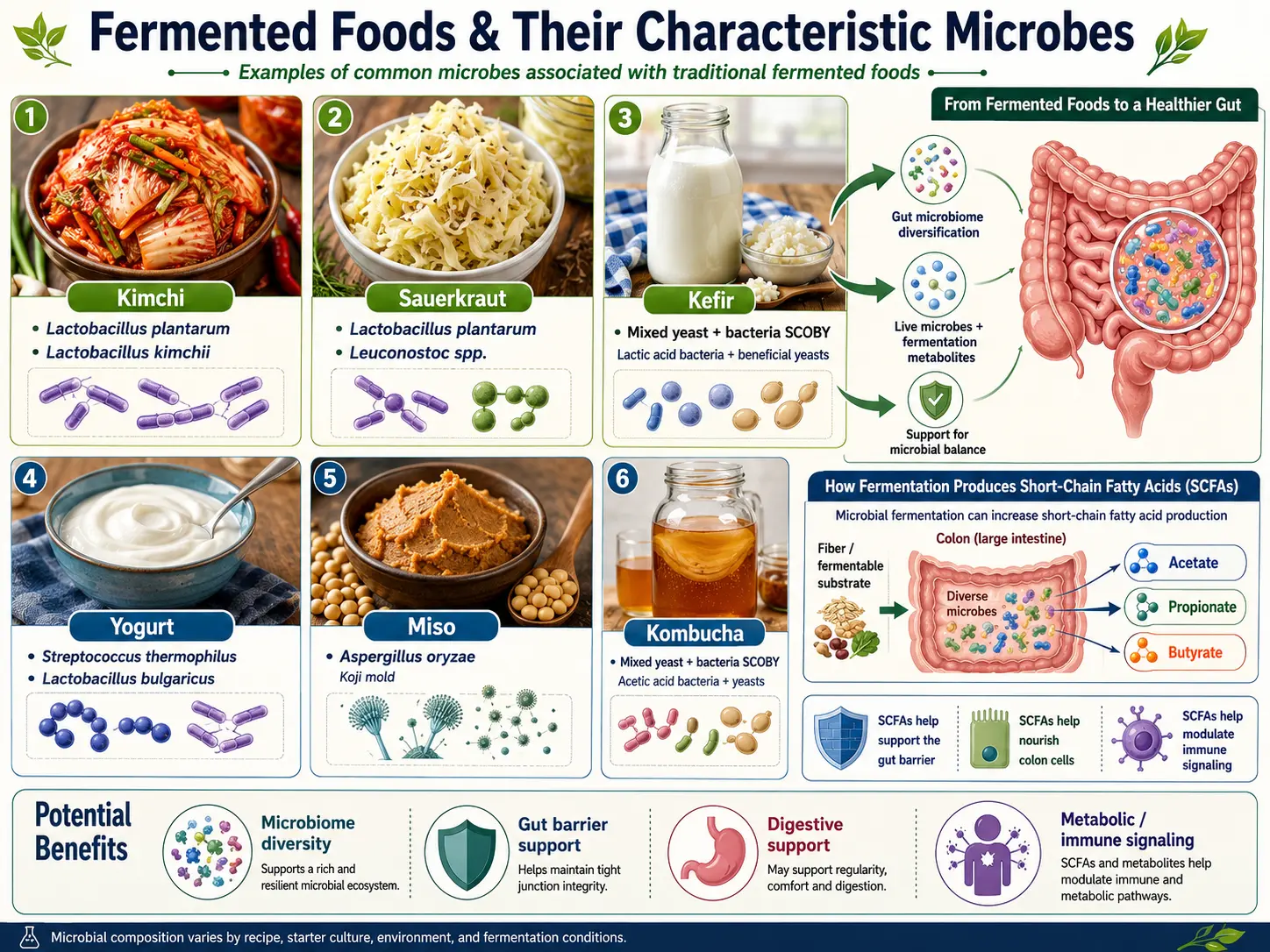
Table of Contents
- Introduction
- The Fermentation Process and How It Works
- Gut Microbiome Benefits
- Immune System Support: 70% Lives in the Gut
- Nutrient Bioavailability Enhancement
- Production of B Vitamins and Vitamin K2
- Mental Health and the Gut-Brain Axis
- Key Fermented Foods
- How to Choose Quality Fermented Foods
- Making Fermented Foods at Home
- Histamine Considerations
- Recommended Daily Intake
- Cautions and Contraindications
- References
- Research Papers
- Connections
- Featured Videos
Introduction
As a naturopathic doctor, I consider fermented foods to be among the most powerful therapeutic tools available for restoring and maintaining health. Long before the advent of refrigeration, antibiotics, or probiotic supplements, traditional cultures across every continent relied on fermentation to preserve food, enhance nutrition, and support vitality. From Korean kimchi to Eastern European kvass, from Japanese miso to Indian lassi, the practice of fermenting food is a universal thread woven through the fabric of human civilization.
Modern science is now confirming what our ancestors understood intuitively: fermented foods are not merely a method of food preservation but a profound intervention for human health. They deliver living microorganisms directly to the gastrointestinal tract, produce bioactive compounds during the fermentation process, increase the bioavailability of essential nutrients, and support the intricate ecosystem of the gut microbiome upon which so much of our health depends.
In naturopathic medicine, we follow the principle Tolle Causam -- treat the cause. When we examine the root causes of chronic disease, compromised gut health appears again and again as a central factor. Fermented foods address this root cause by nourishing and repopulating the gut with beneficial microorganisms, reducing intestinal permeability, modulating inflammation, and supporting the body's innate healing capacity.
The Fermentation Process and How It Works
Fermentation is a metabolic process in which microorganisms -- primarily bacteria, yeasts, and molds -- convert sugars and starches into other compounds such as organic acids, gases, and alcohol. This transformation occurs in an anaerobic (oxygen-free) or partially anaerobic environment and is one of the oldest forms of biotechnology known to humanity.
There are several distinct types of fermentation relevant to food production:
- Lactic acid fermentation: Lactobacillus and other lactic acid bacteria convert sugars into lactic acid. This is the process behind sauerkraut, kimchi, yogurt, and traditional pickles. The lactic acid creates an acidic environment that inhibits the growth of pathogenic bacteria while preserving the food.
- Acetic acid fermentation: Acetobacter bacteria convert alcohol into acetic acid. This is the process that produces vinegar, including apple cider vinegar. Kombucha also involves acetic acid fermentation as part of its complex microbial process.
- Alcoholic fermentation: Yeasts, particularly Saccharomyces cerevisiae, convert sugars into ethanol and carbon dioxide. This is the basis for wine, beer, and kvass production.
- Alkaline fermentation: Bacillus species break down proteins in an alkaline environment, producing foods like natto from soybeans.
During fermentation, the microorganisms produce enzymes that break down complex molecules into simpler, more digestible forms. Proteins are broken into amino acids, complex carbohydrates into simple sugars, and phytic acid -- an anti-nutrient that binds minerals -- is degraded, freeing up calcium, iron, zinc, and magnesium for absorption. The organic acids produced lower the pH of the food, creating a natural preservation system that can keep food safe and nutritious for months or even years without refrigeration.
The microbial communities that develop during fermentation are extraordinarily complex. A single batch of sauerkraut, for example, may contain dozens of different bacterial species that succeed one another in a carefully orchestrated progression, each creating conditions favorable for the next. This ecological succession produces a final product rich in diverse beneficial microorganisms and their metabolic byproducts.
Gut Microbiome Benefits
The human gut microbiome is a vast ecosystem containing trillions of microorganisms representing thousands of species. This community of bacteria, fungi, viruses, and archaea plays a fundamental role in digestion, nutrient synthesis, immune regulation, hormonal balance, and even neurological function. The composition and diversity of this microbial community are directly linked to overall health outcomes.
Fermented foods benefit the gut microbiome through several mechanisms:
- Direct microbial colonization: Fermented foods deliver live, beneficial bacteria directly to the gastrointestinal tract. While not all of these organisms permanently colonize the gut, they contribute to microbial diversity and perform beneficial functions during their transit through the digestive system.
- Prebiotic effects: The fermentation process creates compounds that serve as food for existing beneficial gut bacteria. Short-chain fatty acids, polysaccharides, and other metabolites produced during fermentation nourish resident microbes and encourage their proliferation.
- Competitive exclusion: The beneficial bacteria in fermented foods compete with pathogenic organisms for nutrients and attachment sites on the intestinal lining. By occupying ecological niches, they prevent harmful bacteria from gaining a foothold.
- Antimicrobial compound production: Lactic acid bacteria produce bacteriocins -- natural antimicrobial peptides that selectively inhibit pathogenic bacteria while leaving beneficial species unharmed.
- Intestinal barrier support: Beneficial microorganisms from fermented foods help maintain the integrity of the intestinal barrier by promoting tight junction protein expression. This reduces intestinal permeability, commonly known as "leaky gut," which is implicated in autoimmune conditions, food sensitivities, and systemic inflammation.
A landmark 2021 study published in Cell by researchers at Stanford University found that a diet high in fermented foods significantly increased microbiome diversity and decreased markers of inflammation in human subjects over a 10-week period. Participants who consumed six or more servings of fermented foods daily showed the most dramatic improvements in microbial diversity -- a metric consistently associated with better health outcomes.
From a naturopathic perspective, supporting microbial diversity through fermented foods is preferable to relying solely on probiotic supplements, which typically contain only a handful of species. Fermented foods provide a broader spectrum of organisms along with the nutritional matrix they need to thrive.
Immune System Support: 70% Lives in the Gut
One of the most remarkable facts of human physiology is that approximately 70% of the immune system resides in the gut-associated lymphoid tissue (GALT). This makes the gastrointestinal tract the largest immune organ in the body, and it underscores why gut health is inseparable from immune health.
The GALT includes Peyer's patches, mesenteric lymph nodes, isolated lymphoid follicles, and vast populations of immune cells distributed throughout the intestinal lining. These immune cells are in constant communication with the gut microbiome, and the composition of the microbial community directly influences immune function.
Fermented foods support immune function through multiple pathways:
- Modulation of T-cell responses: Beneficial bacteria from fermented foods interact with dendritic cells in the gut lining, influencing the differentiation of T-helper cells. This helps maintain a balanced immune response, reducing the tendency toward both excessive inflammation (Th1/Th17 dominance) and allergic reactivity (Th2 dominance).
- Enhancement of secretory IgA production: Secretory immunoglobulin A (sIgA) is the first line of immune defense in the gut. It coats mucosal surfaces and neutralizes pathogens before they can penetrate the intestinal barrier. Lactic acid bacteria from fermented foods have been shown to stimulate sIgA production.
- Regulatory T-cell induction: Certain bacterial strains found in fermented foods, particularly various Lactobacillus and Bifidobacterium species, promote the development of regulatory T-cells (Tregs). These cells are essential for immune tolerance and preventing autoimmune reactions.
- Natural killer cell activation: Some fermented food organisms enhance the activity of natural killer (NK) cells, which play a crucial role in identifying and destroying virus-infected cells and early-stage cancer cells.
- Short-chain fatty acid production: Butyrate, propionate, and acetate produced by fermentation and by gut bacteria feeding on fermented food byproducts serve as potent immunomodulators. Butyrate, in particular, strengthens the intestinal barrier, reduces inflammatory cytokine production, and supports regulatory T-cell function.
For patients in my naturopathic practice who experience frequent infections, chronic allergies, or autoimmune conditions, a therapeutic protocol involving daily consumption of diverse fermented foods is often a foundational recommendation. The immune benefits tend to build over time as the microbial ecosystem stabilizes and diversifies.
Nutrient Bioavailability Enhancement
One of the most clinically significant benefits of fermented foods is their ability to dramatically increase the bioavailability of nutrients. Fermentation acts as a form of pre-digestion, breaking down complex molecules and neutralizing anti-nutritional factors that otherwise impair mineral and vitamin absorption.
Key mechanisms of nutrient bioavailability enhancement include:
- Phytic acid degradation: Phytic acid (inositol hexaphosphate) is present in grains, legumes, nuts, and seeds. It chelates essential minerals including iron, zinc, calcium, and magnesium, rendering them unavailable for absorption. The enzyme phytase, produced by lactic acid bacteria during fermentation, breaks down phytic acid and releases these bound minerals. Studies show that fermentation can reduce phytic acid content by 50 to 90 percent.
- Protein digestibility: Fermentation partially hydrolyzes proteins into peptides and amino acids, making them easier to absorb. This is particularly significant for soy-based fermented foods such as tempeh, miso, and natto, where the fermentation process transforms otherwise difficult-to-digest soy proteins into highly bioavailable forms.
- Oxalate reduction: Oxalic acid in foods like spinach and certain grains binds calcium and contributes to kidney stone formation. Certain lactic acid bacteria can degrade oxalates during fermentation, reducing this anti-nutritional burden.
- Lactose pre-digestion: The lactic acid bacteria in fermented dairy products such as yogurt and kefir partially digest lactose, making these foods more tolerable for individuals with lactose intolerance. The bacterial enzyme beta-galactosidase continues to function in the gut, further aiding lactose digestion.
- Vitamin synthesis: Fermentation microorganisms actively synthesize vitamins during the fermentation process, increasing the overall nutritional density of the food well beyond its raw starting material.
From a naturopathic standpoint, this enhanced bioavailability is particularly important for patients with compromised digestive function, including those with low stomach acid (hypochlorhydria), pancreatic insufficiency, or inflammatory bowel conditions. Fermented foods effectively compensate for reduced digestive capacity by delivering nutrients in pre-digested, readily absorbable forms.
Production of B Vitamins and Vitamin K2
One of the most remarkable aspects of fermentation is the ability of microorganisms to synthesize vitamins that were not present -- or present only in trace amounts -- in the original food. This microbial vitamin synthesis is a key reason why fermented foods have sustained human health across cultures and centuries.
B Vitamin Production
Lactic acid bacteria, propionibacteria, and yeasts involved in fermentation produce a wide array of B vitamins:
- Vitamin B1 (Thiamine): Essential for carbohydrate metabolism and nervous system function. Produced by several Lactobacillus species during fermentation.
- Vitamin B2 (Riboflavin): Critical for energy production and antioxidant defense. Certain strains of Lactobacillus plantarum and Lactobacillus fermentum are efficient riboflavin producers.
- Vitamin B6 (Pyridoxine): Necessary for amino acid metabolism, neurotransmitter synthesis, and immune function. Fermented foods, particularly kefir and sauerkraut, contain elevated levels of B6 compared to their unfermented counterparts.
- Vitamin B9 (Folate): Essential for DNA synthesis, methylation, and fetal development. Streptococcus thermophilus and Lactobacillus species produce significant amounts of folate during dairy fermentation.
- Vitamin B12 (Cobalamin): Crucial for nerve function, red blood cell formation, and DNA synthesis. While primarily associated with animal foods, certain fermented foods -- particularly tempeh and some fermented vegetables -- contain bioavailable B12 produced by bacterial synthesis. This is of particular interest for individuals following plant-based diets, though the amounts may not fully meet daily requirements.
Vitamin K2 Production
Perhaps the most clinically significant vitamin produced through fermentation is vitamin K2 (menaquinone). Unlike vitamin K1, which is abundant in leafy greens and primarily involved in blood clotting, vitamin K2 plays critical roles in:
- Calcium metabolism: K2 activates osteocalcin, a protein that directs calcium into bones and teeth, and activates matrix Gla-protein (MGP), which prevents calcium from depositing in arteries and soft tissues.
- Cardiovascular protection: By preventing arterial calcification, K2 supports cardiovascular health. The Rotterdam Study found that high dietary K2 intake was associated with a significantly reduced risk of coronary heart disease and aortic calcification.
- Bone health: K2 works synergistically with vitamin D3 and calcium to build and maintain strong bones, making it essential for osteoporosis prevention.
Natto is by far the richest food source of vitamin K2, specifically the MK-7 form, which has the longest half-life and greatest bioactivity. A single serving of natto can contain over 1,000 micrograms of MK-7. Other fermented foods such as aged cheeses, sauerkraut, and kefir also contribute meaningful amounts of K2 to the diet.
I frequently recommend fermented foods as a natural source of K2 for patients concerned about bone health and cardiovascular protection, particularly when combined with adequate vitamin D3 intake.
Mental Health and the Gut-Brain Axis
The gut-brain axis is a bidirectional communication network linking the gastrointestinal tract and the central nervous system. This connection operates through the vagus nerve, the enteric nervous system (often called the "second brain"), the hypothalamic-pituitary-adrenal (HPA) axis, and circulating immune mediators and microbial metabolites. The gut microbiome plays a central role in this communication, and fermented foods influence it profoundly.
The relationship between fermented foods and mental health operates through several mechanisms:
- Neurotransmitter production: Approximately 90-95% of the body's serotonin is produced in the gut. Gut bacteria, including those delivered through fermented foods, directly influence serotonin synthesis. Additionally, certain Lactobacillus and Bifidobacterium strains produce gamma-aminobutyric acid (GABA), an inhibitory neurotransmitter with calming, anti-anxiety effects.
- Inflammation reduction: Neuroinflammation is increasingly recognized as a driver of depression, anxiety, and cognitive decline. By modulating gut-derived inflammation and reducing intestinal permeability, fermented foods help prevent inflammatory molecules from reaching the brain through the bloodstream.
- Vagus nerve stimulation: Beneficial gut bacteria communicate directly with the brain via the vagus nerve. Certain probiotic strains found in fermented foods, such as Lactobacillus rhamnosus, have been shown to alter GABA receptor expression in the brain through vagal signaling, producing measurable anxiolytic effects in research studies.
- Tryptophan metabolism: The gut microbiome influences the metabolism of tryptophan, the amino acid precursor to serotonin and melatonin. A healthy, diverse microbiome -- supported by fermented food consumption -- promotes favorable tryptophan metabolism along serotonergic pathways rather than inflammatory kynurenine pathways.
- Short-chain fatty acid signaling: Butyrate and other short-chain fatty acids produced by gut bacteria cross the blood-brain barrier and exert neuroprotective effects, support brain-derived neurotrophic factor (BDNF) production, and modulate neuroinflammation.
Clinical evidence supports these mechanisms. A 2019 meta-analysis published in Nutritional Neuroscience found that fermented food consumption was associated with reduced rates of depression and anxiety. In my naturopathic practice, incorporating fermented foods into the daily diet is a standard recommendation for patients presenting with mood disorders, anxiety, brain fog, and other neuropsychiatric concerns.
Key Fermented Foods
Sauerkraut
Sauerkraut is finely shredded cabbage fermented by lactic acid bacteria, primarily Lactobacillus brevis, Lactobacillus plantarum, and Leuconostoc mesenteroides. Traditional sauerkraut is made with just two ingredients: cabbage and salt. It is one of the richest sources of probiotic bacteria available, with a single serving containing billions of colony-forming units. Sauerkraut is also an excellent source of vitamin C, vitamin K2, and fiber. The fermentation process breaks down the goitrogens naturally present in raw cabbage, making it a safer option for individuals with thyroid concerns.
Kimchi
Kimchi is a traditional Korean fermented vegetable preparation, typically based on Napa cabbage seasoned with garlic, ginger, scallions, and red chili pepper flakes (gochugaru). It contains a diverse community of lactic acid bacteria and is rich in vitamins A, B, and C, as well as beneficial plant compounds from its spice blend. The capsaicin from chili peppers adds anti-inflammatory and metabolic benefits. Kimchi has been extensively studied in Korean research institutions and has been associated with anti-obesity, anti-cancer, anti-aging, and cholesterol-lowering effects.
Kefir
Kefir is a fermented milk beverage produced by kefir grains -- complex symbiotic communities of bacteria and yeasts embedded in a polysaccharide matrix called kefiran. Kefir contains a far more diverse microbial community than yogurt, typically harboring 30 to 50 different species of bacteria and yeasts. The kefiran polysaccharide itself has demonstrated anti-inflammatory, antimicrobial, and wound-healing properties. Water kefir and coconut kefir provide dairy-free alternatives with similar probiotic benefits.
Yogurt
Yogurt is produced by the bacterial fermentation of milk using Streptococcus thermophilus and Lactobacillus delbrueckii subsp. bulgaricus as starter cultures. Quality yogurt products may also include additional probiotic strains such as Lactobacillus acidophilus and Bifidobacterium lactis. Yogurt supports calcium absorption, provides easily digestible protein, and has been associated with improved bone density and reduced risk of type 2 diabetes. When selecting yogurt, choose plain, unsweetened varieties with live active cultures and avoid products laden with sugar and artificial additives.
Kombucha
Kombucha is a fermented tea beverage produced by a symbiotic culture of bacteria and yeast (SCOBY). The fermentation process produces organic acids (acetic, gluconic, and glucuronic acids), B vitamins, enzymes, and polyphenols. Glucuronic acid is of particular interest in naturopathic medicine for its role in Phase II liver detoxification, where it conjugates toxins for elimination. Kombucha should be consumed in moderation -- 4 to 8 ounces daily -- as excessive consumption can cause digestive discomfort due to its acidity and may contribute problematic amounts of sugar if heavily sweetened commercial brands are chosen.
Miso
Miso is a traditional Japanese fermented paste made from soybeans, salt, and a mold culture called koji (Aspergillus oryzae), often combined with rice or barley. The fermentation period ranges from several months to several years, with longer-aged misos developing more complex flavors and higher concentrations of beneficial compounds. Miso is rich in essential amino acids, B vitamins, minerals, and isoflavones. It contains unique antioxidant compounds formed during long fermentation. Studies from Japan have associated regular miso consumption with reduced rates of breast cancer, improved cardiovascular health, and enhanced digestive function. Miso should not be boiled, as high heat destroys its living cultures -- add it to soups after removing from heat.
Tempeh
Tempeh is a traditional Indonesian fermented soybean product created by inoculating cooked soybeans with the mold Rhizopus oligosporus. The mycelium of the mold binds the soybeans into a firm, sliceable cake. Fermentation dramatically improves the digestibility of soy protein, reduces phytic acid and trypsin inhibitors, and produces significant amounts of B vitamins including B12. Tempeh is one of the few plant-based foods that contains bioavailable vitamin B12 due to bacterial co-cultures present during fermentation. It provides a complete protein source with all essential amino acids and is an excellent choice for individuals following plant-based diets.
Natto
Natto is a traditional Japanese food made from soybeans fermented with Bacillus subtilis var. natto. It has a distinctive sticky, stringy texture and strong flavor that can be challenging for the unaccustomed palate. Natto is the richest known food source of vitamin K2 (MK-7) and also contains nattokinase -- a fibrinolytic enzyme with potent blood clot-dissolving properties. Research has demonstrated that nattokinase can reduce blood pressure, improve circulation, and decrease the risk of thrombotic events. Natto is a staple in Japanese longevity diets and is strongly associated with reduced cardiovascular mortality in epidemiological studies.
Kvass
Kvass is a traditional Eastern European fermented beverage historically made from stale rye bread, though beet kvass has gained popularity in natural health circles. Beet kvass is produced by fermenting beets with salt and water, resulting in a deeply colored, earthy tonic rich in lactic acid bacteria, betaine, and nitric oxide precursors. Betaine supports methylation and liver function, while the nitric oxide precursors from beets promote healthy blood pressure and cardiovascular function. Kvass is a gentle, low-sugar fermented beverage that serves as an excellent digestive tonic when consumed in small amounts (2 to 4 ounces) before meals.
Apple Cider Vinegar
Raw, unfiltered apple cider vinegar (ACV) is produced through a two-stage fermentation: first, yeasts convert apple sugars to alcohol, and then Acetobacter bacteria convert the alcohol to acetic acid. The "mother" -- the cloudy, strand-like sediment visible in raw ACV -- is a colony of beneficial bacteria and cellulose. Acetic acid has been shown to improve insulin sensitivity, reduce post-meal blood sugar spikes, support weight management, and exhibit antimicrobial properties. In naturopathic practice, a tablespoon of raw ACV diluted in water before meals is a time-honored remedy for stimulating digestive secretions and improving nutrient absorption. Always dilute ACV to protect tooth enamel and esophageal tissue.
How to Choose Quality Fermented Foods
Not all fermented foods available in grocery stores deliver the health benefits described above. Many commercial products have been pasteurized, killing the very microorganisms that make fermented foods therapeutic. Choosing wisely is essential.
Guidelines for selecting quality fermented foods:
- Look for "raw" or "unpasteurized" on the label: This is the single most important criterion. Pasteurization destroys living cultures and many heat-sensitive nutrients. Truly probiotic fermented foods must be raw and unpasteurized.
- Check the refrigerated section: Authentic, living fermented foods require refrigeration. Shelf-stable sauerkraut, kimchi, and pickles found in the center aisles have been heat-processed and contain no living organisms.
- Read the ingredient list: Quality sauerkraut contains only cabbage and salt. Authentic kimchi lists vegetables, salt, garlic, ginger, and chili. Avoid products containing vinegar (a shortcut that mimics acidity without actual fermentation), sugar, preservatives, or artificial colors.
- Avoid vinegar-brined "fermented" foods: Many commercial pickles and sauerkraut are simply vegetables preserved in vinegar. These have not undergone true lactic acid fermentation and do not contain probiotic organisms.
- Look for "live active cultures" on yogurt and kefir: Ensure the product explicitly states it contains live and active cultures. Check that the sugar content is minimal -- many commercial yogurts contain more sugar per serving than a candy bar.
- Choose organic when possible: Organic produce is free from pesticide residues that can disrupt microbial communities. This is especially important for fermented foods where the surface bacteria on the raw vegetables are the fermentation starters.
- Favor small-batch, artisan producers: Local and small-batch producers are more likely to use traditional fermentation methods, longer fermentation times, and high-quality ingredients.
When in doubt, making fermented foods at home is the most reliable way to ensure quality, potency, and freshness.
Making Fermented Foods at Home
Home fermentation is one of the most accessible, affordable, and rewarding health practices you can adopt. The basic principles are simple, and the equipment requirements are minimal.
Basic Sauerkraut Recipe
This foundational recipe illustrates the simplicity of lacto-fermentation:
- Remove the outer leaves of one medium head of organic cabbage. Shred finely.
- Place the shredded cabbage in a large bowl and sprinkle with 1 to 1.5 tablespoons of unrefined sea salt.
- Massage the cabbage vigorously with your hands for 5 to 10 minutes until it releases substantial liquid (brine).
- Pack the cabbage tightly into a clean wide-mouth quart mason jar, pressing down firmly so the brine rises above the cabbage.
- Ensure all cabbage is submerged below the brine. Use a fermentation weight, a small jar filled with water, or a clean cabbage leaf pressed down to keep the cabbage submerged.
- Cover loosely with a lid (not sealed tightly) or use an airlock lid designed for fermentation.
- Place in a cool, dark location (65-75 degrees Fahrenheit is ideal) for 1 to 4 weeks. Taste periodically -- shorter fermentation yields a milder flavor, while longer fermentation produces a more sour, complex taste.
- Once the desired flavor is achieved, seal and refrigerate. The sauerkraut will keep for months in the refrigerator.
General Home Fermentation Tips
- Use clean but not sterile equipment: Wash jars and tools with hot soapy water. Avoid antibacterial soap, which can leave residues that inhibit beneficial bacteria.
- Use non-chlorinated water: Chlorine inhibits microbial growth. Use filtered, spring, or well water for any recipes requiring water.
- Use unrefined sea salt or Himalayan pink salt: Avoid iodized table salt, as iodine can inhibit lactic acid bacteria. The trace minerals in unrefined salts support fermentation.
- Maintain anaerobic conditions: Keep vegetables submerged below the brine at all times. Exposure to air promotes mold and undesirable yeast growth.
- Start with simple recipes: Sauerkraut and fermented vegetables are the easiest and most forgiving entry point. As your confidence grows, explore kefir, kombucha, and other more complex ferments.
- Trust your senses: Properly fermented foods should smell pleasantly sour and tangy. If a ferment smells putrid, shows visible mold on the food itself, or has an off-putting slimy texture, discard it.
Histamine Considerations
While fermented foods offer tremendous health benefits for the majority of people, it is important to acknowledge that they are naturally high in histamine and other biogenic amines. For individuals with histamine intolerance or mast cell activation syndrome (MCAS), fermented foods can trigger uncomfortable or even severe symptoms.
Histamine intolerance occurs when the body's capacity to degrade histamine is overwhelmed, either due to excessive histamine intake, reduced production of the histamine-degrading enzymes diamine oxidase (DAO) and histamine N-methyltransferase (HNMT), or a combination of both. Symptoms may include:
- Headaches and migraines
- Nasal congestion and sneezing
- Skin flushing, hives, or itching
- Digestive symptoms including bloating, diarrhea, and abdominal pain
- Heart palpitations and anxiety
- Difficulty sleeping
The histamine content of fermented foods varies significantly. Aged cheeses, wine, sauerkraut, and fish sauce tend to be the highest, while fresh yogurt and kefir are generally lower. Longer fermentation times typically produce higher histamine levels.
For patients with suspected histamine intolerance, I recommend the following approach:
- Start very slowly: Begin with a teaspoon of a lower-histamine fermented food such as fresh yogurt or young sauerkraut and observe symptoms over 24 hours.
- Address root causes: Histamine intolerance is often secondary to gut dysbiosis, intestinal inflammation, or nutrient deficiencies (particularly B6, copper, and vitamin C, which support DAO function). Treating these underlying factors often improves histamine tolerance over time.
- Consider DAO supplementation: Taking a diamine oxidase supplement before consuming histamine-containing foods can help bridge the gap while the gut heals.
- Rotate and diversify: Rather than consuming large amounts of one fermented food, rotate between different types to avoid excessive histamine accumulation from any single source.
Histamine intolerance does not mean that fermented foods should be permanently avoided. In most cases, it reflects an underlying imbalance that can be addressed through comprehensive naturopathic treatment, after which fermented foods can be gradually and successfully reintroduced.
Recommended Daily Intake
There is no single universally established daily requirement for fermented foods, but research and clinical experience provide useful guidance for therapeutic intake levels.
General recommendations for adults:
- Minimum therapeutic intake: At least one to two servings of fermented foods daily. A serving is approximately one-half cup of sauerkraut or kimchi, one cup of yogurt or kefir, or 4 to 8 ounces of kombucha or kvass.
- Optimal intake for microbiome diversity: The Stanford study referenced earlier found that six or more servings of fermented foods per day produced the most significant increases in microbiome diversity and decreases in inflammatory markers. While this level may not be practical for everyone, it suggests that more is generally better.
- Diversity matters: Consuming a variety of fermented foods is more beneficial than consuming large quantities of a single type. Different fermented foods harbor different microbial communities and produce different bioactive compounds. Aim for at least three different fermented foods in your weekly rotation.
Practical daily incorporation strategies:
- Morning: A cup of kefir or yogurt, or a tablespoon of apple cider vinegar in water.
- Lunch: A side of sauerkraut or kimchi alongside your meal.
- Afternoon: A small glass of kombucha or kvass.
- Dinner: Miso soup (added after cooking), tempeh as a protein source, or additional fermented vegetables as a condiment.
For individuals new to fermented foods, I recommend starting slowly to allow the gut to adjust. Begin with one to two tablespoons of sauerkraut or a small amount of yogurt daily and gradually increase over two to four weeks. Rapid introduction of large quantities of fermented foods can temporarily cause bloating, gas, and digestive discomfort as the gut microbiome shifts and adapts -- this is sometimes referred to as a "die-off" or Herxheimer-like reaction as pathogenic organisms are displaced.
Cautions and Contraindications
While fermented foods are safe and beneficial for the vast majority of people, certain individuals should exercise caution or seek professional guidance before incorporating them into their diet:
- Severely immunocompromised individuals: Those undergoing chemotherapy, organ transplant recipients on immunosuppressive drugs, or individuals with advanced HIV/AIDS should consult their healthcare provider before consuming live-culture fermented foods, as there is a theoretical risk of infection from ingested organisms in severely compromised immune states.
- Histamine intolerance and MCAS: As discussed above, individuals with these conditions should introduce fermented foods very cautiously and ideally under professional guidance.
- Small intestinal bacterial overgrowth (SIBO): Patients with active SIBO may initially experience worsening of symptoms with fermented foods, as the additional bacteria and fermentable substrates can exacerbate bloating and gas. It is often advisable to treat the overgrowth first and then gradually reintroduce fermented foods during the rebuilding phase.
- Individuals on MAO inhibitors: Monoamine oxidase inhibitor medications interact with tyramine, a biogenic amine present in aged and fermented foods. This interaction can cause dangerous hypertensive episodes. Patients on MAOIs must strictly limit fermented food intake.
- Individuals on blood-thinning medications: The high vitamin K2 content of certain fermented foods, particularly natto, can interfere with warfarin (Coumadin) and similar anticoagulant medications. Nattokinase supplements also have blood-thinning properties. Patients on anticoagulants should discuss fermented food consumption with their prescribing physician.
- Dental health considerations: Acidic fermented beverages such as kombucha and apple cider vinegar can erode tooth enamel over time. Always dilute ACV, drink acidic beverages through a straw, and rinse the mouth with plain water afterward. Avoid brushing teeth immediately after consuming acidic foods, as this can worsen enamel erosion.
- Sodium intake: Some fermented foods, particularly sauerkraut, kimchi, and miso, are relatively high in sodium. Individuals on sodium-restricted diets should account for this and may benefit from rinsing sauerkraut or kimchi lightly before consumption, though this does wash away some beneficial organisms.
- Alcohol content: Kombucha, kvass, and other fermented beverages contain trace amounts of alcohol (typically 0.5 to 2 percent). While generally negligible, this may be relevant for individuals in recovery from alcohol use disorder, pregnant women, or those avoiding alcohol for religious reasons.
As with all therapeutic interventions in naturopathic medicine, the principle of individuality applies. What benefits one person may not suit another, and the introduction of fermented foods should be tailored to each individual's unique constitution, health status, and tolerance.
References
- Wastyk HC, et al. "Gut-microbiota-targeted diets modulate human immune status." Cell. 2021;184(16):4137-4153.
- Marco ML, et al. "Health benefits of fermented foods: microbiota and beyond." Current Opinion in Biotechnology. 2017;44:94-102.
- Selhub EM, Logan AC, Bested AC. "Fermented foods, microbiota, and mental health: ancient practice meets nutritional psychiatry." Journal of Physiological Anthropology. 2014;33(1):2.
- Geleijnse JM, et al. "Dietary intake of menaquinone is associated with a reduced risk of coronary heart disease: the Rotterdam Study." Journal of Nutrition. 2004;134(11):3100-3105.
- Dimidi E, et al. "Fermented foods: definitions and characteristics, impact on the gut microbiota and effects on gastrointestinal health and disease." Nutrients. 2019;11(8):1806.
- Kim B, et al. "Health benefits of kimchi (Korean fermented vegetables) as a probiotic food." Journal of Medicinal Food. 2014;17(1):6-20.
- Sumi H, et al. "A novel fibrinolytic enzyme (nattokinase) in the vegetable cheese natto." Experientia. 1987;43(10):1110-1111.
- Maintz L, Novak N. "Histamine and histamine intolerance." American Journal of Clinical Nutrition. 2007;85(5):1185-1196.
Research Papers
Selected peer-reviewed literature. Links resolve to PubMed or DOI.
- Wastyk HC, Fragiadakis GK, Perelman D, et al. Gut-microbiota-targeted diets modulate human immune status. Cell. 2021;184(16):4137-4153.e14.
- Marée M, Moossavi S, Khafipour E, Azad MB. Association of yogurt and dietary supplements with infection and inflammatory markers. Am J Clin Nutr. 2019;110(1):249-256.
- Dimidi E, Cox SR, Rossi M, Whelan K. Fermented foods: definitions and characteristics, impact on the gut microbiota and effects on gastrointestinal health and disease. Nutrients. 2019;11(8):1806.
- Hill C, Guarner F, Reid G, et al. Expert consensus document: The ISAPP consensus statement on the scope and appropriate use of the term probiotic. Nat Rev Gastroenterol Hepatol. 2014;11(8):506-514.
- Kok CR, Hutkins R. Yogurt and other fermented foods as sources of health-promoting bacteria. Nutr Rev. 2018;76(Suppl 1):4-15.
- Tillisch K, Labus J, Kilpatrick L, et al. Consumption of fermented milk product with probiotic modulates brain activity. Gastroenterology. 2013;144(7):1394-1401.
- Messaoudi M, Lalonde R, Violle N, et al. Assessment of psychotropic-like properties of a probiotic formulation in rats and human subjects. Br J Nutr. 2011;105(5):755-764.
- Hilimire MR, DeVylder JE, Forestell CA. Fermented foods, neuroticism, and social anxiety. Psychiatry Res. 2015;228(2):203-208.
- Zhang C, Derrien M, Levenez F, et al. Ecological robustness of the gut microbiota in response to ingestion of transient food-borne microbes. ISME J. 2016;10(9):2235-2245.
- PubMed — fermented foods microbiome human search.
- PubMed — kimchi / kefir / yogurt RCT search.
Connections
- Yogurt
- Anxiety
- Gut Microbiome
- Depression
- Probiotics
- Gut Healing
- Resistant Starches
- Irritable Bowel Syndrome
- Gut-Brain Axis
- Kimchi
- Kefir
- Natto
- Calcium
- Magnesium
- Vitamin K
- Gluten Free Diet Practical Guide
- Fatty Liver Disease
- Diet for IBD
Featured Videos

6 Fermented Foods You Must Eat for Better Gut Health
Foods to Support Gut Health Series: Fermented Foods

64: The Metabolic Health Benefits of Fermented Foods with Dr. Ben Bikman
7 Gut-Friendly Fermented Foods from Ayurveda | Boost Energy, Digestion & Immunity | Gut Health

The Best & Worst Fermented Foods for Your Gut Health | Sadhguru

What NO ONE Tells You About Fermented Foods!! (Watch Before Fermenting)

9 Fermented Foods You Need to Start Eating to Improve Your Gut Health!

The Best & Worst Fermented Foods for Your Gut Health | Sadhguru
Doctor Ranks EVERY Fermented Food By Nutrition!
The INSANE Benefits of Fermented Foods for Your Gut Health | Dr. Steven Gundry

The BEST and WORST Fermented Foods for Gut Health (avoid number 3)

FERMENTED PROBIOTIC APPLE for Gut Health, Immunity, Weight Loss,... NO SUGAR OR VINEGAR - Easy!

How to Make Sauerkraut - one of the easiest homemade fermented foods

Will fermented foods improve my gut health? | Sandor Katz and Professor Tim Spector
8 Fermented Foods You Need To Start Eating
20 Fermented Superfoods That Will Heal You Instantly