Tomatoes - Beneficial Foods
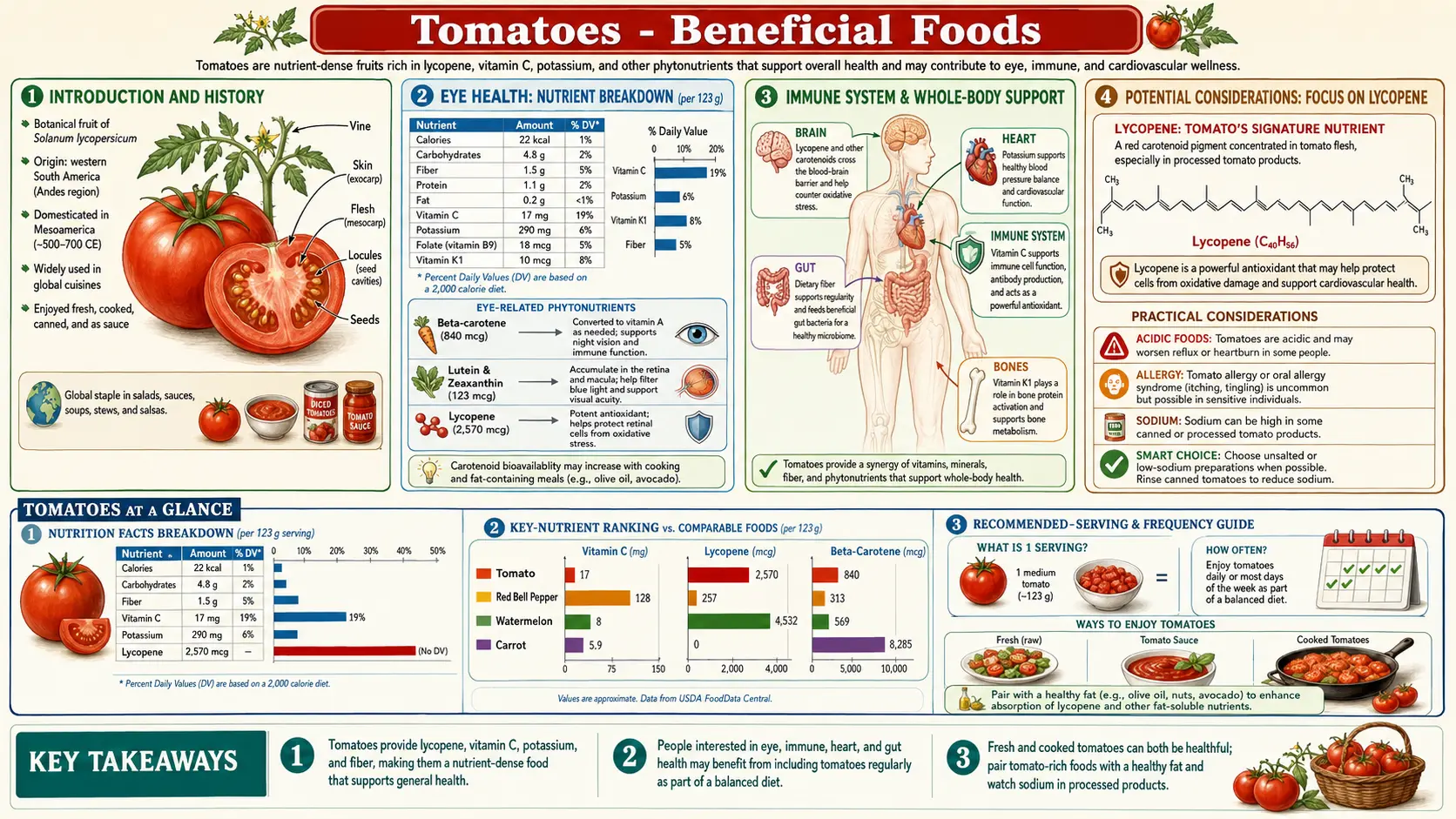
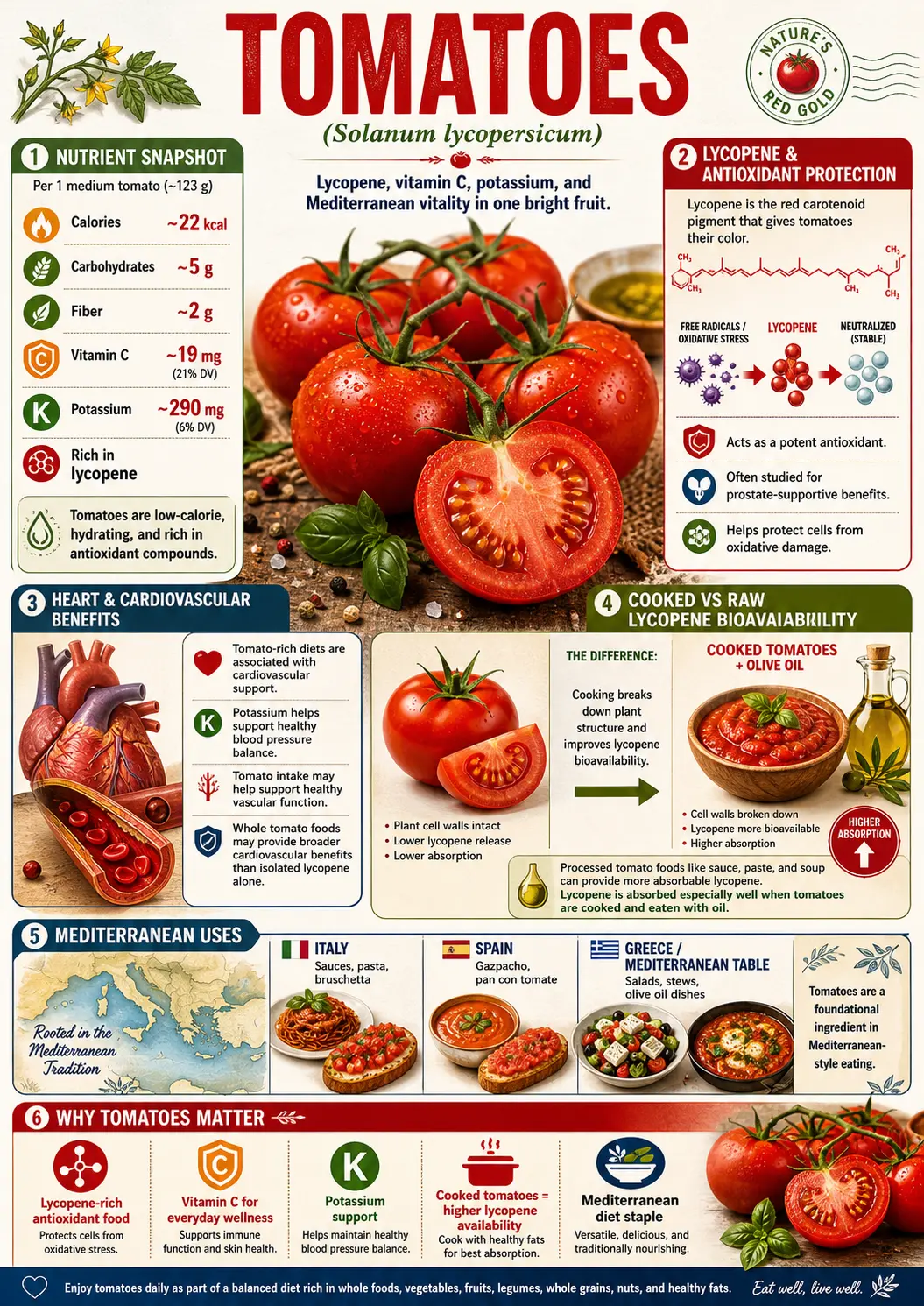
Table of Contents
- Nutritional Profile
- Lycopene - The Star Compound
- Heart Health
- Cancer Prevention
- Skin Health
- Eye Health
- Anti-Inflammatory Properties
- Blood Sugar Management
- Bone Health
- Brain Health
- Immune System
- Digestive Health
- Cooked vs. Raw
- Tomato Products Compared
- Varieties and Colors
- Optimal Consumption
- Potential Considerations
- Scientific References
- Research Papers
- Connections
- Featured Videos
Introduction and History
The tomato (Solanum lycopersicum) is one of the most widely consumed and nutritionally significant fruits in the world, yet its journey to global acceptance was anything but straightforward. Originating in the western coastal regions of South America, wild tomato ancestors first grew in the Andes mountains of present-day Peru, Ecuador, and northern Chile. These small, berry-like fruits bore little resemblance to the plump, vibrant varieties we enjoy today, but they contained the foundational genetic blueprint that would eventually yield one of humanity's most valuable food crops.
The Aztecs of central Mexico were among the first peoples to deliberately cultivate and domesticate the tomato, incorporating it into their cuisine as early as 700 AD. They called the fruit "tomatl" in the Nahuatl language, a name that would eventually evolve into the word we use today. The Aztecs developed sophisticated agricultural techniques to breed larger, more flavorful varieties, and tomatoes became a central ingredient in sauces, stews, and ceremonial dishes. When Spanish conquistadors arrived in the Americas in the early sixteenth century, they encountered this remarkable fruit and carried seeds back to Europe, setting the stage for one of history's most curious botanical misunderstandings.
Upon arriving in Europe, the tomato was met with deep suspicion and outright fear. Because it belonged to the nightshade family (Solanaceae), which includes several genuinely toxic plants such as deadly nightshade (Atropa belladonna), many Europeans assumed the tomato was poisonous. The fruit earned the ominous nickname "poison apple" in parts of northern Europe, and this reputation was inadvertently reinforced by a peculiar phenomenon: wealthy Europeans who ate tomatoes from pewter plates sometimes fell ill or died, not from the fruit itself, but because the acidic tomato juice leached lead from the pewter. This misconception persisted for roughly two centuries in much of northern Europe, while Mediterranean cultures, particularly in Italy and Spain, embraced the tomato far more readily.
By the mid-nineteenth century, the tomato had finally shed its dangerous reputation across the Western world and began its ascent to become a global dietary staple. Today, more than 180 million metric tons of tomatoes are produced worldwide each year. China, India, Turkey, the United States, and Italy lead global production. The tomato is now the foundation of countless culinary traditions, from Italian marinara sauce and Indian curries to Mexican salsa and American ketchup. Modern nutritional science has revealed that this once-feared fruit is in fact one of the most health-promoting foods available, packed with a remarkable array of vitamins, minerals, and bioactive compounds that offer protection against a wide range of chronic diseases.
The scientific study of tomato health benefits has intensified dramatically over the past three decades, producing thousands of peer-reviewed studies that illuminate the fruit's extraordinary medicinal properties. From cardiovascular protection to cancer prevention, from skin health to cognitive function, the evidence consistently points to the tomato as a powerhouse of preventive nutrition. Understanding the full scope of these benefits allows individuals to make informed dietary choices that can meaningfully improve long-term health outcomes.
1. Nutritional Profile
A single medium-sized raw tomato (approximately 148 grams) delivers an impressive nutritional payload while contributing only about 22 calories to the daily diet. This exceptional calorie-to-nutrient ratio makes tomatoes one of the most nutrient-dense foods available. The macronutrient composition consists of roughly 4.8 grams of carbohydrates, 1.1 grams of protein, and just 0.2 grams of fat, along with 1.5 grams of dietary fiber. The high water content of approximately 95 percent makes tomatoes naturally hydrating and contributes to feelings of fullness without caloric excess.
The vitamin content of a medium tomato is particularly noteworthy. It provides approximately 28 percent of the daily recommended intake of vitamin C (about 17 milligrams), a powerful antioxidant essential for immune function, collagen synthesis, and iron absorption. Vitamin K1 is present at roughly 10 micrograms, contributing about 12 percent of daily needs and playing a critical role in blood clotting and bone metabolism. Folate (vitamin B9) appears at approximately 18 micrograms, supporting cell division and DNA synthesis, making tomatoes particularly valuable during pregnancy. Beta-carotene, a precursor to vitamin A, is present at notable levels and contributes to the fruit's characteristic color while supporting vision, immune function, and cellular communication.
The mineral profile of tomatoes centers on potassium, with a medium fruit providing roughly 292 milligrams, or about 8 percent of the daily recommended intake. Potassium is essential for maintaining healthy blood pressure, proper muscle contraction, and nerve signal transmission. Smaller but meaningful amounts of manganese, magnesium, phosphorus, and copper round out the mineral content. Tomatoes also contain trace amounts of chromium, a mineral that plays a role in insulin signaling and blood sugar regulation, though the quantities are modest.
Beyond the standard vitamins and minerals, tomatoes contain a rich spectrum of bioactive phytochemicals that account for many of their most remarkable health benefits. Lycopene is the most abundant carotenoid, typically present at 3 to 5 milligrams per medium tomato, though levels vary considerably by variety and ripeness. Additional carotenoids include lutein and zeaxanthin, which are concentrated in the eye and protect against age-related macular degeneration. Flavonoids such as naringenin, quercetin, and kaempferol contribute anti-inflammatory and antioxidant effects. Phenolic acids including chlorogenic acid and caffeic acid further bolster the fruit's antioxidant capacity.
The nutritional value of tomatoes changes meaningfully depending on preparation method, ripeness, and variety. Fully ripe red tomatoes contain significantly more lycopene and beta-carotene than their green or partially ripe counterparts. Cooking tomatoes concentrates many nutrients while also enhancing the bioavailability of lycopene, though it reduces vitamin C content. These nuances highlight the importance of consuming tomatoes in various forms and preparations to capture the full range of their nutritional benefits.
2. Lycopene - The Star Compound
Lycopene is a naturally occurring carotenoid pigment responsible for the vibrant red color of tomatoes, and it has emerged as one of the most potent antioxidant compounds found in the human diet. Unlike beta-carotene, lycopene has no provitamin A activity, meaning it does not convert to vitamin A in the body. Instead, its biological significance lies entirely in its extraordinary antioxidant capacity. Among all common dietary carotenoids, lycopene exhibits the highest singlet oxygen quenching ability, making it roughly twice as effective as beta-carotene and ten times more effective than alpha-tocopherol (vitamin E) at neutralizing this particular form of reactive oxygen species.
The molecular structure of lycopene is central to its exceptional antioxidant properties. It is an acyclic carotenoid consisting of a long chain of 13 double bonds, 11 of which are conjugated. This extended system of conjugated double bonds allows lycopene to absorb a wide spectrum of free radical energy, effectively quenching reactive oxygen species before they can damage cellular membranes, DNA, and proteins. In its natural state within raw tomatoes, lycopene exists predominantly in the all-trans configuration. However, heat processing causes isomerization to cis-forms, which are actually more readily absorbed by the human body due to their shorter chain length and greater solubility in bile acid micelles.
One of the most significant findings in lycopene research is the dramatic effect of cooking and fat co-consumption on its bioavailability. Raw tomatoes provide lycopene in a form that is tightly bound within the chromoplast membranes of plant cells, making it relatively difficult for the human digestive system to extract. Cooking breaks down these cell walls and disrupts the crystalline structure of lycopene, releasing it into a form that can be more readily absorbed. Studies have demonstrated that the bioavailability of lycopene from cooked tomato products is approximately two to three times greater than from raw tomatoes. When consumed alongside dietary fat, particularly olive oil or other unsaturated fats, absorption increases further because lycopene is fat-soluble and requires incorporation into lipid micelles for intestinal uptake.
Once absorbed, lycopene is transported in the bloodstream primarily by low-density lipoproteins (LDL) and very-low-density lipoproteins (VLDL), and it accumulates preferentially in certain tissues. The highest concentrations are found in the testes, adrenal glands, and liver, with significant amounts also deposited in the prostate, skin, lungs, and colon. This tissue-specific distribution pattern aligns closely with the organs where lycopene appears to exert its strongest protective effects. The average half-life of lycopene in the body is estimated at two to three days, which underscores the importance of regular, consistent consumption rather than occasional large doses.
Beyond its direct antioxidant activity, lycopene has been shown to influence gene expression, modulate cell signaling pathways, and regulate intercellular communication through gap junctions. Research has demonstrated that lycopene can upregulate the expression of phase II detoxification enzymes, activate the Nrf2 pathway (a master regulator of antioxidant defense), inhibit NF-kB signaling (a key driver of inflammation), and suppress insulin-like growth factor 1 (IGF-1) signaling, which is implicated in cancer cell proliferation. These pleiotropic mechanisms extend far beyond simple free radical scavenging and help explain why lycopene-rich diets are associated with reduced risk of multiple chronic diseases.
3. Heart Health
Cardiovascular disease remains the leading cause of death worldwide, and the role of dietary factors in its prevention has been a major focus of nutritional epidemiology. Tomatoes and their primary bioactive compound lycopene have emerged as particularly promising dietary interventions for cardiovascular protection. Multiple large-scale prospective cohort studies have found significant inverse associations between tomato consumption and cardiovascular disease risk. A landmark meta-analysis published in the journal Critical Reviews in Food Science and Nutrition examined 25 studies and concluded that higher tomato and lycopene intake was associated with a 14 percent reduction in cardiovascular disease risk, a 26 percent reduction in stroke risk, and a 37 percent reduction in overall mortality.
One of the primary cardiovascular mechanisms of lycopene involves its ability to protect LDL cholesterol from oxidative modification. Oxidized LDL is a key initiating factor in atherosclerosis, the process by which fatty plaques build up inside arterial walls. When LDL particles are oxidized by free radicals, they become highly inflammatory and are readily engulfed by macrophages in the arterial wall, forming foam cells that constitute the core of atherosclerotic plaques. Lycopene, which is naturally transported within LDL particles, acts as an internal antioxidant shield, preventing the oxidative damage that triggers this pathological cascade. Clinical trials have demonstrated that supplementation with tomato products significantly reduces markers of LDL oxidation.
Tomato consumption has also been shown to favorably influence blood pressure, one of the most important modifiable risk factors for cardiovascular disease. The potassium content of tomatoes contributes to blood pressure regulation by counteracting the effects of dietary sodium and promoting vasodilation. However, lycopene itself appears to have independent blood pressure-lowering effects. Research published in the American Heart Journal found that lycopene supplementation reduced systolic blood pressure by an average of 5.6 mmHg in hypertensive patients. The mechanism appears to involve inhibition of angiotensin-converting enzyme (ACE) activity and enhanced production of nitric oxide, a critical vasodilator that relaxes blood vessel walls.
Endothelial dysfunction, the impairment of the blood vessel lining's ability to regulate vascular tone and prevent clot formation, is an early and central feature of cardiovascular disease. Studies have demonstrated that lycopene-rich tomato products can significantly improve endothelial function. A randomized controlled trial conducted at the University of Cambridge found that consuming tomato-enriched diets for eight weeks improved flow-mediated dilation (a measure of endothelial function) by 53 percent in patients with existing cardiovascular disease. This improvement was attributed to lycopene's ability to enhance nitric oxide bioavailability and reduce endothelial inflammation.
The evidence for stroke prevention is particularly compelling. A prospective study of over 1,000 Finnish men followed for 12 years found that those with the highest blood lycopene levels had a 55 percent lower risk of stroke compared to those with the lowest levels. This association remained significant after adjusting for other cardiovascular risk factors including smoking, blood pressure, diabetes, and cholesterol levels. The protective mechanism likely involves the combined effects of lycopene on blood pressure, LDL oxidation, platelet aggregation, and endothelial function, collectively reducing the conditions that lead to both ischemic and hemorrhagic stroke events.
4. Cancer Prevention
The relationship between tomato consumption and cancer prevention has been one of the most extensively studied areas in nutritional oncology. The strongest and most consistent evidence has emerged for prostate cancer, where the association between tomato intake and reduced risk is supported by a substantial body of epidemiological and mechanistic research. A comprehensive meta-analysis of 26 studies involving over 560,000 participants found that high tomato consumption was associated with an 11 percent reduction in prostate cancer risk, with even stronger associations observed for advanced and aggressive forms of the disease. The Health Professionals Follow-Up Study, one of the largest and longest-running dietary cohort studies, found that men consuming ten or more servings of tomato products per week had a 35 percent lower risk of prostate cancer compared to those consuming fewer than 1.5 servings per week.
The biological mechanisms through which lycopene may prevent prostate cancer are multifaceted and increasingly well characterized. Lycopene accumulates in prostate tissue at higher concentrations than in most other organs, providing a direct line of defense against oxidative DNA damage. It has been shown to inhibit prostate cancer cell proliferation in vitro by arresting the cell cycle, inducing apoptosis (programmed cell death), and suppressing androgen receptor signaling. Lycopene also downregulates insulin-like growth factor 1 (IGF-1), a hormone that promotes cell proliferation and inhibits apoptosis, and which has been consistently associated with increased prostate cancer risk in epidemiological studies.
Evidence for tomato's protective role extends beyond prostate cancer to several other malignancies. Epidemiological studies have found associations between higher tomato intake and reduced risk of lung cancer, with a meta-analysis suggesting a 9 percent risk reduction per 5 milligrams per day increase in lycopene intake. For stomach cancer, high tomato consumption has been associated with up to a 34 percent reduction in risk in some studies, potentially related to lycopene's ability to inhibit Helicobacter pylori-induced oxidative stress. Breast cancer research has yielded promising though less consistent results, with some studies finding that postmenopausal women with higher plasma lycopene levels have a significantly lower risk of the disease.
At the molecular level, lycopene's anticancer mechanisms extend well beyond antioxidant activity. It has been demonstrated to modulate multiple signaling pathways involved in carcinogenesis. Lycopene inhibits NF-kB activation, reducing the expression of inflammatory cytokines and survival genes that cancer cells exploit to resist apoptosis. It suppresses the PI3K/Akt/mTOR pathway, a central regulator of cell growth and metabolism that is frequently hyperactivated in cancer. Lycopene also enhances gap junction communication between cells by upregulating connexin 43 expression, restoring the intercellular signaling that is often disrupted in early carcinogenesis and that normally helps maintain orderly cell growth and differentiation.
It is important to note that while the epidemiological evidence is compelling, most nutrition researchers emphasize that the anticancer effects of tomatoes likely result from the synergistic action of multiple compounds rather than lycopene alone. Whole tomato extracts have consistently shown greater anticancer activity in cell culture and animal studies than isolated lycopene, suggesting that other phytochemicals including beta-carotene, phytoene, phytofluene, and various polyphenols contribute meaningfully to the overall protective effect. This finding reinforces the nutritional principle that whole foods generally offer greater health benefits than isolated supplements.
5. Skin Health
The skin is the body's largest organ and its first line of defense against environmental damage, particularly ultraviolet (UV) radiation from the sun. While topical sunscreen remains the primary means of UV protection, a growing body of research demonstrates that dietary factors can provide meaningful supplemental photoprotection from within. Tomatoes, and specifically their lycopene content, have emerged as one of the most effective dietary agents for protecting skin against UV-induced damage. This concept of "eating your sunscreen" has gained considerable scientific support over the past two decades.
A landmark study published in the Journal of Nutrition found that participants who consumed 40 grams of tomato paste (providing approximately 16 milligrams of lycopene) with olive oil daily for ten weeks experienced 40 percent less sunburn (erythema) following controlled UV exposure compared to the control group. The protective effect was attributed to lycopene's accumulation in the skin, where it functions as an internal UV filter and free radical quencher. Lycopene absorbs UV light across a range of wavelengths and neutralizes the reactive oxygen species generated by UV exposure before they can trigger the inflammatory cascade that manifests as sunburn. While this level of protection does not replace sunscreen, it represents a meaningful baseline defense that operates continuously from within.
Beyond acute sunburn prevention, tomato consumption supports skin health through multiple pathways related to aging, collagen integrity, and hydration. UV radiation is the primary driver of photoaging, characterized by wrinkle formation, loss of elasticity, and pigmentation changes. Lycopene's ability to quench singlet oxygen and neutralize peroxyl radicals helps protect the collagen and elastin fibers in the dermal matrix from oxidative degradation. The vitamin C in tomatoes further supports collagen synthesis by serving as an essential cofactor for the enzymes prolyl hydroxylase and lysyl hydroxylase, which stabilize the triple-helix structure of collagen molecules. Clinical studies have found that women with higher dietary lycopene intake exhibit measurably fewer wrinkles and better skin texture.
Tomatoes also contain other carotenoids and phytochemicals that contribute to skin protection. Beta-carotene, lutein, and phytoene all accumulate in the skin and contribute to its antioxidant defense network. Research has shown that the combination of carotenoids found in whole tomatoes provides greater photoprotection than any single carotenoid alone, suggesting synergistic interactions among these compounds. The flavonoid naringenin, found in tomato skin, has demonstrated anti-inflammatory properties that may help reduce UV-induced skin inflammation and support wound healing.
The effects of tomato consumption on skin health appear to be cumulative and require consistent intake over weeks to months to manifest fully. Studies typically observe measurable improvements in skin carotenoid levels within two to three weeks of increased tomato consumption, with maximal photoprotective effects developing over eight to twelve weeks. This timeline reflects the gradual accumulation of lycopene and other carotenoids in the skin layers. For individuals seeking to optimize their skin health through dietary means, regular consumption of cooked tomato products with healthy fats represents one of the most evidence-based strategies available.
6. Eye Health
Vision is arguably the most valued of the human senses, and the eyes are uniquely vulnerable to oxidative damage due to their constant exposure to light and their high metabolic activity. Tomatoes contain a combination of carotenoids that are specifically relevant to ocular health, including lycopene, lutein, and zeaxanthin. While lutein and zeaxanthin are the carotenoids most closely associated with eye health and are preferentially deposited in the macula of the retina, lycopene's contribution to overall ocular antioxidant defense is increasingly recognized as an important complementary factor in preserving long-term visual function.
Age-related macular degeneration (AMD) is the leading cause of irreversible vision loss in adults over 50 in developed countries, and oxidative stress is a central driver of its pathogenesis. The macula, the central region of the retina responsible for sharp central vision, is exposed to intense focused light and has an extremely high rate of oxygen consumption, creating ideal conditions for free radical generation. Lutein and zeaxanthin, which are found in moderate amounts in tomatoes, concentrate in the macular pigment where they filter harmful blue light wavelengths and quench reactive oxygen species. Population studies have consistently found that higher dietary intake of these carotenoids is associated with reduced AMD risk, with some studies suggesting up to a 40 percent reduction in advanced AMD among those with the highest intake levels.
Cataracts, the progressive clouding of the eye's natural lens, represent another major cause of vision impairment that is strongly linked to oxidative damage. The lens proteins (crystallins) are particularly susceptible to oxidative modification, which causes them to aggregate and scatter light rather than transmitting it clearly. The antioxidant compounds in tomatoes, including lycopene, vitamin C, and lutein, help protect these lens proteins from oxidative cross-linking. Epidemiological studies have found that individuals with higher plasma lycopene levels have a significantly lower prevalence of nuclear cataracts, with one study reporting a 46 percent reduced risk among those in the highest quartile of lycopene concentration.
Lycopene's role in eye health extends beyond the retina and lens to the broader vascular health of the eye. The retina is one of the most metabolically active tissues in the body and depends on an intricate network of blood vessels for oxygen and nutrient delivery. Lycopene's cardiovascular benefits, including protection of endothelial function and reduction of oxidative stress in blood vessels, translate directly to improved retinal vascular health. Diabetic retinopathy, a leading cause of blindness in working-age adults, is fundamentally a disease of retinal blood vessels, and the vascular protective effects of tomato consumption may help reduce its progression.
For optimal eye health benefits, consuming tomatoes alongside other carotenoid-rich foods such as leafy greens, eggs, and orange or yellow vegetables provides the broadest spectrum of protective compounds. The combination of lycopene from tomatoes with the higher lutein and zeaxanthin content of spinach, kale, and eggs creates a complementary antioxidant network that addresses multiple pathways of ocular damage simultaneously. Regular consumption of these foods throughout life represents one of the most effective dietary strategies for preserving visual function into old age.
7. Anti-Inflammatory Properties
Chronic low-grade inflammation is increasingly recognized as a unifying mechanism underlying many of the most prevalent and deadly diseases of modern civilization, including cardiovascular disease, type 2 diabetes, cancer, Alzheimer's disease, and autoimmune conditions. Unlike the acute inflammation that serves a protective role in response to injury or infection, chronic inflammation persists over months and years, silently damaging tissues and driving disease progression. Dietary patterns rich in anti-inflammatory compounds offer one of the most accessible and effective strategies for combating this pervasive health threat, and tomatoes rank among the most potent anti-inflammatory foods available.
Lycopene is the primary anti-inflammatory agent in tomatoes, exerting its effects through multiple molecular mechanisms. It inhibits the NF-kB signaling pathway, a master regulator of inflammatory gene expression that controls the production of pro-inflammatory cytokines including interleukin-1 beta (IL-1B), interleukin-6 (IL-6), and tumor necrosis factor alpha (TNF-alpha). By suppressing NF-kB activation, lycopene effectively reduces the expression of dozens of downstream inflammatory mediators simultaneously. Clinical studies have shown that increased tomato consumption leads to measurable reductions in circulating levels of C-reactive protein (CRP), a key biomarker of systemic inflammation, with some trials reporting decreases of 20 to 30 percent.
Beta-carotene, another abundant carotenoid in tomatoes, contributes additional anti-inflammatory activity through both overlapping and distinct mechanisms. It modulates the production of prostaglandins and leukotrienes, lipid-derived signaling molecules that play central roles in the inflammatory response. Beta-carotene has also been shown to influence the activity of immune cells, promoting the resolution of inflammation by supporting the transition from pro-inflammatory M1 macrophages to anti-inflammatory M2 macrophages. This immunomodulatory effect helps restore the natural balance between inflammatory and resolving phases of the immune response.
The flavonoid naringenin, found primarily in the skin of tomatoes, has emerged as another significant anti-inflammatory compound. Research has demonstrated that naringenin inhibits cyclooxygenase-2 (COX-2) activity, the same enzyme targeted by non-steroidal anti-inflammatory drugs (NSAIDs) like ibuprofen, though through different molecular mechanisms. Naringenin also suppresses the MAPK signaling cascade and reduces the expression of inducible nitric oxide synthase (iNOS), an enzyme that produces excessive nitric oxide during inflammatory states. Animal studies have shown that naringenin can significantly reduce inflammation in models of arthritis, colitis, and neuroinflammation.
The combined anti-inflammatory effects of tomato's various bioactive compounds appear to be greater than the sum of their individual contributions. Whole tomato extracts consistently demonstrate more potent anti-inflammatory activity in laboratory studies than equivalent amounts of isolated lycopene, beta-carotene, or naringenin alone. This synergistic effect likely reflects the ability of different compounds to target complementary nodes in the inflammatory signaling network. For individuals seeking to reduce chronic inflammation through dietary means, incorporating cooked tomato products into daily meals represents one of the most practical and well-supported approaches, with benefits that accumulate over weeks and months of consistent consumption.
8. Blood Sugar Management
The global prevalence of type 2 diabetes has reached epidemic proportions, with an estimated 537 million adults living with the disease as of 2021 and projections suggesting this number will rise to 783 million by 2045. Dietary interventions that help regulate blood sugar levels are therefore of immense public health importance. Tomatoes offer several properties that make them a valuable component of a blood sugar-friendly diet, including their low glycemic index, their fiber content, and their array of bioactive compounds that influence glucose metabolism at the cellular level.
Tomatoes have a glycemic index of approximately 15, placing them firmly in the low-glycemic category. This means that the carbohydrates in tomatoes are digested and absorbed slowly, producing a gradual and modest rise in blood glucose rather than a sharp spike. The fiber content of tomatoes, approximately 1.5 grams per medium fruit, contributes to this effect by slowing gastric emptying and the rate of glucose absorption in the small intestine. For individuals managing diabetes or prediabetes, incorporating tomatoes into meals can help moderate the overall glycemic response, particularly when combined with other low-glycemic foods and sources of protein and healthy fat.
Chromium, a trace mineral found in tomatoes, plays a notable role in glucose metabolism. Although present in small quantities, chromium is an essential component of the glucose tolerance factor and has been shown to enhance the action of insulin by facilitating its binding to cell surface receptors. This potentiating effect improves the efficiency with which cells take up glucose from the bloodstream, helping to maintain stable blood sugar levels. While tomatoes alone do not provide sufficient chromium to serve as a therapeutic intervention, they contribute to overall dietary chromium intake as part of a balanced diet.
Alpha-lipoic acid, a compound found in tomatoes, has attracted particular attention for its effects on blood sugar regulation. This versatile antioxidant is both water-soluble and fat-soluble, allowing it to function in all cellular compartments. Research has demonstrated that alpha-lipoic acid can improve insulin sensitivity by activating the AMPK pathway, a central regulator of cellular energy metabolism. It also reduces oxidative stress in pancreatic beta cells, helping to preserve insulin-producing capacity. Clinical trials of alpha-lipoic acid supplementation have shown improvements in fasting glucose, insulin sensitivity, and markers of oxidative stress in patients with type 2 diabetes.
Lycopene itself has also demonstrated beneficial effects on glucose metabolism in several studies. A meta-analysis of clinical trials found that lycopene supplementation was associated with significant reductions in fasting blood glucose levels. The mechanism appears to involve reduction of oxidative stress in pancreatic tissue, improvement of insulin signaling pathways, and decreased hepatic glucose output. Epidemiological studies have found inverse associations between plasma lycopene levels and the risk of developing type 2 diabetes, suggesting that regular tomato consumption may play a protective role in diabetes prevention as well as management.
9. Bone Health
Osteoporosis, characterized by progressive loss of bone mineral density and deterioration of bone microarchitecture, affects an estimated 200 million people worldwide and is a leading cause of fractures, disability, and mortality in older adults. While calcium and vitamin D have traditionally dominated the conversation about bone-protective nutrients, emerging research has highlighted the importance of antioxidants and other bioactive compounds in maintaining skeletal integrity. Tomatoes, with their rich content of lycopene and vitamin K, have been identified as a potentially valuable dietary factor in bone health preservation.
The connection between lycopene and bone health centers on its ability to modulate the activity of osteoclasts, the specialized cells responsible for bone resorption. Bone is a dynamic tissue that undergoes continuous remodeling through the coordinated activity of bone-forming osteoblasts and bone-resorbing osteoclasts. In osteoporosis, this balance shifts toward excessive resorption, leading to net bone loss. In vitro studies have demonstrated that lycopene directly inhibits osteoclast differentiation and activity by suppressing the RANKL signaling pathway, reducing the expression of tartrate-resistant acid phosphatase (TRAP), and decreasing the production of reactive oxygen species that stimulate osteoclast formation.
Clinical evidence supports the laboratory findings. A study published in Osteoporosis International found that postmenopausal women who consumed tomato juice providing 30 milligrams of lycopene daily for four months exhibited significant reductions in serum N-telopeptide, a biomarker of bone resorption, compared to both baseline and control groups. Another study found that postmenopausal women with higher plasma lycopene levels had significantly greater bone mineral density at the lumbar spine and hip. These associations remained significant after adjusting for other known determinants of bone health including body mass index, physical activity, calcium intake, and hormone replacement therapy use.
Vitamin K, present in tomatoes primarily as vitamin K1 (phylloquinone), contributes to bone health through a distinct mechanism. It serves as an essential cofactor for the enzyme gamma-glutamyl carboxylase, which activates osteocalcin, a protein produced by osteoblasts that is required for the proper incorporation of calcium into the bone matrix. Without adequate vitamin K, osteocalcin remains in its inactive (undercarboxylated) form and cannot effectively bind calcium, compromising the mineralization process. Epidemiological studies have consistently found that individuals with higher vitamin K intake have greater bone mineral density and lower fracture risk.
The oxidative stress hypothesis of osteoporosis provides additional context for understanding tomato's bone-protective effects. Reactive oxygen species have been shown to stimulate osteoclast differentiation while inhibiting osteoblast activity, shifting the remodeling balance toward bone loss. The broad-spectrum antioxidant activity provided by tomato's combination of lycopene, beta-carotene, vitamin C, and polyphenols helps counteract this oxidative imbalance. For individuals concerned about bone health, incorporating tomatoes into a diet that also provides adequate calcium, vitamin D, and protein represents a comprehensive approach to skeletal preservation that addresses multiple pathogenic mechanisms simultaneously.
10. Brain Health
The brain is uniquely susceptible to oxidative damage due to its high rate of oxygen consumption (accounting for roughly 20 percent of the body's total oxygen use despite comprising only 2 percent of body weight), its abundance of polyunsaturated fatty acids that are vulnerable to lipid peroxidation, and its relatively modest endogenous antioxidant defenses. Neurodegenerative diseases including Alzheimer's disease and Parkinson's disease are characterized by progressive neuronal damage in which oxidative stress plays a central pathological role. The potent antioxidant properties of tomato's bioactive compounds, particularly lycopene, position them as potentially meaningful dietary contributors to neuroprotection.
Epidemiological evidence linking lycopene status to cognitive outcomes is growing. A study published in Neurology followed over 1,000 elderly participants for 12 years and found that those with the lowest plasma lycopene levels had significantly greater cognitive decline over the study period compared to those with the highest levels. Another large prospective study found that higher blood carotenoid levels, including lycopene, were associated with a 40 percent reduced risk of developing Alzheimer's dementia. While these observational findings cannot establish causation, they are consistent with the known neuroprotective mechanisms of lycopene and other tomato-derived antioxidants.
The cerebrovascular benefits of tomato consumption contribute importantly to brain health. Cerebrovascular disease, including stroke and small vessel disease, is a major cause of cognitive impairment and dementia. As discussed in the heart health section, lycopene has been associated with dramatically reduced stroke risk, with some studies finding reductions of over 50 percent among those with the highest lycopene levels. By protecting cerebral blood vessels, reducing blood pressure, and improving endothelial function, regular tomato consumption helps maintain the blood flow that is essential for delivering oxygen and nutrients to brain tissue and removing metabolic waste products.
At the cellular level, lycopene has been shown to protect neurons through multiple mechanisms beyond simple free radical scavenging. It inhibits neuroinflammation by suppressing microglial activation and reducing the production of pro-inflammatory cytokines in brain tissue. It prevents mitochondrial dysfunction, a critical early event in neurodegeneration, by maintaining mitochondrial membrane potential and reducing oxidative damage to mitochondrial DNA. Animal studies have demonstrated that lycopene supplementation can protect against beta-amyloid-induced neurotoxicity, the pathological hallmark of Alzheimer's disease, by reducing oxidative stress and preventing the activation of apoptotic signaling pathways in hippocampal neurons.
Research into lycopene's neuroprotective effects has also explored its potential in traumatic brain injury and age-related cognitive decline beyond formal dementia. Animal models have shown that lycopene pretreatment can reduce brain edema, blood-brain barrier disruption, and neuronal death following experimental brain injury. In healthy aging populations, higher lycopene intake has been associated with better performance on tests of processing speed, executive function, and verbal memory. While definitive clinical trials in human neurodegenerative disease are still needed, the convergence of epidemiological, mechanistic, and preclinical evidence strongly suggests that regular tomato consumption supports long-term brain health.
11. Immune System
A properly functioning immune system is the body's essential defense against infectious diseases, from common colds and influenza to more serious bacterial, viral, and fungal infections. Nutritional status profoundly influences immune function, and deficiencies in key vitamins and minerals can significantly impair the body's ability to mount effective immune responses. Tomatoes contribute several nutrients and bioactive compounds that support immune function through complementary mechanisms, making them a valuable component of an immune-supportive diet.
Vitamin C is perhaps the most well-recognized immune nutrient in tomatoes. It supports both innate and adaptive immunity through multiple pathways. In the innate immune system, vitamin C enhances the function of epithelial barriers, promotes the phagocytic activity of neutrophils and macrophages, and supports the production of reactive oxygen species used by immune cells to kill pathogens. In adaptive immunity, vitamin C promotes the proliferation and differentiation of B-lymphocytes and T-lymphocytes, and it supports antibody production. It also enhances the function of natural killer (NK) cells, a specialized class of immune cells that destroy virus-infected cells and tumor cells. A medium tomato provides approximately 28 percent of the daily recommended vitamin C intake, making regular consumption a meaningful contribution to immune nutrition.
Beta-carotene, which the body can convert to vitamin A as needed, supports immune function through its critical role in maintaining the integrity of mucosal surfaces. The mucous membranes lining the respiratory tract, gastrointestinal tract, and genitourinary tract serve as physical and chemical barriers against pathogen entry. Vitamin A is essential for the differentiation and maintenance of the epithelial cells that form these barriers, and deficiency leads to impaired mucosal immunity and increased susceptibility to infection. Beta-carotene also modulates immune cell function directly, enhancing the cytotoxic activity of NK cells and promoting the maturation of dendritic cells, which serve as critical bridges between innate and adaptive immunity.
Lycopene's contribution to immune function extends beyond its general antioxidant effects. Research has demonstrated that lycopene can directly modulate immune cell activity, enhancing the proliferative response of lymphocytes to mitogenic stimulation and increasing the production of immunoglobulin antibodies. It also influences the balance of T-helper cell subsets, promoting a balanced Th1/Th2 response that enables effective pathogen clearance while minimizing excessive inflammation. In elderly populations, where immunosenescence (age-related decline in immune function) increases susceptibility to infections, lycopene supplementation has been shown to improve several markers of immune competence.
The anti-inflammatory properties of tomato compounds also contribute to immune optimization by preventing the chronic inflammatory state that paradoxically weakens immune defenses. Chronic low-grade inflammation diverts immune resources toward a persistent but unresolved inflammatory response, leaving fewer resources available for acute pathogen defense. By helping to resolve chronic inflammation through the mechanisms described in the anti-inflammatory section, regular tomato consumption helps maintain an immune system that is appropriately responsive to genuine threats while not wastefully engaged in fighting phantom enemies.
12. Digestive Health
A healthy digestive system is fundamental to overall well-being, serving not only as the gateway through which all nutrients enter the body but also as a critical component of the immune system and a major site of neurotransmitter production. Tomatoes support digestive health through several mechanisms, including their fiber content, high water concentration, and the presence of bioactive compounds that promote beneficial gut function. While often overlooked in favor of more dramatically fiber-rich foods, the consistent inclusion of tomatoes in the diet provides meaningful and cumulative benefits for gastrointestinal function.
The dietary fiber in tomatoes, approximately 1.5 grams per medium fruit, consists of both soluble and insoluble forms that serve complementary roles in digestive health. Insoluble fiber, found primarily in the skin and seeds, adds bulk to stool and promotes regular bowel movements by stimulating peristalsis, the rhythmic muscular contractions that move food through the digestive tract. Soluble fiber absorbs water to form a gel-like consistency that slows digestion, promotes nutrient absorption, and serves as a prebiotic substrate for beneficial gut bacteria. While the fiber content of a single tomato is modest, the frequency with which tomatoes are consumed in most diets means their cumulative fiber contribution is significant.
The exceptionally high water content of tomatoes, approximately 95 percent by weight, makes them one of the most hydrating foods available. Adequate hydration is essential for digestive function, as water is required for the production of saliva and digestive enzymes, the maintenance of the mucosal lining of the gastrointestinal tract, and the formation of soft, easily passed stools. Chronic mild dehydration, which is surprisingly common, can contribute to constipation, reduced digestive enzyme activity, and impaired nutrient absorption. Consuming water-rich foods like tomatoes alongside adequate fluid intake helps maintain optimal hydration status and supports smooth digestive function.
Emerging research has begun to explore the effects of tomato compounds on the gut microbiome, the complex community of trillions of microorganisms that inhabit the digestive tract and profoundly influence health. Polyphenolic compounds in tomatoes, including naringenin and chlorogenic acid, have been shown to selectively promote the growth of beneficial bacterial species while inhibiting potentially harmful ones. Lycopene that is not absorbed in the small intestine passes to the colon where it may exert local antioxidant effects and influence microbial metabolism. Animal studies have found that tomato consumption can increase the abundance of Lactobacillus and Bifidobacterium species, genera that are associated with improved gut barrier function, reduced inflammation, and enhanced immune regulation.
The organic acids in tomatoes, including citric acid and malic acid, may also support digestive function by promoting an acidic environment in the stomach that aids in protein digestion and mineral absorption. These acids stimulate the production of gastric juices and can enhance the bioavailability of minerals such as iron and zinc from other foods consumed in the same meal. However, for individuals with existing gastroesophageal reflux disease (GERD) or other acid-related conditions, this same acidity can potentially exacerbate symptoms, a consideration discussed in the potential considerations section.
13. Cooked vs. Raw
One of the most frequently debated questions regarding tomato nutrition is whether they are more beneficial when consumed raw or cooked. The answer, informed by substantial research, is nuanced: cooking and raw consumption each offer distinct nutritional advantages, and the optimal approach involves incorporating both forms into the diet. Understanding the specific trade-offs allows individuals to make informed choices based on their particular health priorities and dietary preferences.
The most significant nutritional change that occurs when tomatoes are cooked is a dramatic increase in lycopene bioavailability. As discussed in the lycopene section, heating breaks down the plant cell walls that entrap lycopene, disrupts the crystalline structure of the compound, and promotes isomerization from the all-trans form to more bioavailable cis-isomers. A study published in the Journal of Agricultural and Food Chemistry found that cooking tomatoes at 88 degrees Celsius for 30 minutes increased total lycopene content by 35 percent (due to water loss and concentration) and increased the cis-lycopene fraction, which is more readily absorbed, by 164 percent. The bioavailable lycopene in a cup of cooked tomato sauce can be five to eight times greater than in an equivalent amount of fresh raw tomatoes.
However, cooking exacts a cost on certain heat-sensitive nutrients. Vitamin C is the most notable casualty, as it is highly susceptible to thermal degradation. The same study that documented increased lycopene from cooking found that vitamin C content decreased by 10 percent after 15 minutes of cooking and by 29 percent after 30 minutes. Similarly, some of the more delicate polyphenolic compounds and enzymes present in raw tomatoes may be partially degraded by heat. Folate, another somewhat heat-sensitive nutrient, can also be reduced by prolonged cooking, particularly in the presence of water.
The method of cooking also matters considerably. Sauteing tomatoes in olive oil is particularly effective at enhancing lycopene absorption because the fat serves as a solvent for this lipophilic compound, facilitating its incorporation into mixed micelles during digestion. Boiling tomatoes in water without fat still increases lycopene availability through cell wall disruption but does not provide the same absorption-enhancing effect. Roasting concentrates lycopene through water evaporation while applying sufficient heat for cell wall breakdown and isomerization. Brief cooking methods like stir-frying may offer a reasonable compromise, providing some lycopene enhancement while minimizing vitamin C losses.
The practical conclusion from the research is clear: there is no single best way to consume tomatoes. Raw tomatoes are the superior source of vitamin C, certain polyphenols, and intact enzymes. Cooked tomatoes, particularly those prepared with a small amount of healthy fat, are dramatically superior for lycopene delivery. A diet that includes both raw tomatoes in salads and sandwiches and cooked tomatoes in sauces, soups, and stews captures the full nutritional spectrum of this remarkable fruit. For individuals specifically seeking to maximize lycopene intake for cardiovascular or prostate health benefits, prioritizing cooked tomato products is the evidence-based choice.
14. Tomato Products Compared
The wide variety of tomato products available in modern food markets offers consumers numerous options for incorporating tomato nutrition into their diets. Each product form has a distinct nutritional profile, driven primarily by differences in water content, processing methods, and concentration effects. Understanding these differences enables more informed dietary choices and helps individuals select the products best suited to their nutritional goals.
Fresh raw tomatoes, the baseline from which all other products derive, provide approximately 3 to 5 milligrams of lycopene per medium fruit (about 148 grams), along with the full complement of heat-sensitive vitamins and phytochemicals. Canned tomatoes undergo blanching and heat processing that significantly increases lycopene bioavailability while concentrating the fruit through partial water removal. A half-cup serving of canned tomatoes typically provides 10 to 12 milligrams of lycopene, roughly double the amount available from an equivalent weight of raw tomatoes. Canned tomatoes also retain substantial amounts of other nutrients and have the practical advantage of a long shelf life, making them a reliable year-round source of tomato nutrition.
Tomato paste represents the most concentrated commonly available tomato product, created by cooking tomatoes for several hours to reduce water content to a thick, rich concentrate. A single tablespoon (approximately 16 grams) of tomato paste provides an impressive 4 to 5 milligrams of lycopene, making it one of the most lycopene-dense foods per serving size. Because of this extreme concentration, tomato paste is an exceptionally efficient way to boost lycopene intake with minimal caloric addition. Tomato sauce, which is less concentrated than paste but more so than canned tomatoes, typically provides 6 to 8 milligrams of lycopene per half-cup serving and has the advantage of being ready to use as a meal component.
Sun-dried tomatoes offer another highly concentrated form, retaining substantial lycopene while developing a distinctive intense flavor. A quarter-cup serving of sun-dried tomatoes provides approximately 7 to 9 milligrams of lycopene along with concentrated amounts of potassium, iron, and fiber. However, sun-dried tomatoes packed in oil contain significantly more calories and fat than other tomato products, a consideration for calorie-conscious individuals. Tomato juice provides a convenient liquid form with approximately 12 milligrams of lycopene per cup (240 milliliters), though commercial varieties often contain added sodium that can be problematic for individuals monitoring salt intake. Low-sodium versions are widely available and offer a healthier alternative.
When comparing tomato products, it is important to consider not just lycopene content but also added ingredients. Many commercial tomato sauces contain significant amounts of added sugar, sodium, and preservatives that can diminish their overall health value. Reading nutrition labels carefully and choosing products with minimal added ingredients maximizes the health benefits while avoiding unnecessary dietary components. Preparing homemade tomato sauce from canned or fresh tomatoes, simmered with olive oil and herbs, provides optimal nutritional value with complete control over added ingredients.
15. Varieties and Colors
The world of tomatoes encompasses an extraordinary diversity of varieties that differ not only in size, shape, and flavor but also in their nutritional composition. While the familiar red beefsteak or globe tomato dominates commercial markets, thousands of heirloom and specialty varieties exist in a spectrum of colors including red, pink, orange, yellow, green, purple, and even nearly black. These color differences are not merely cosmetic; they reflect significant variations in the types and concentrations of bioactive compounds, each carrying distinct health implications.
Red tomatoes are the richest source of lycopene among all tomato varieties, and within the red category, deeper red varieties generally contain higher lycopene concentrations. Varieties bred specifically for high lycopene content, such as the Lycopersicon variety and certain hybrid cultivars, can contain up to 40 milligrams of lycopene per kilogram, compared to 20 to 30 milligrams per kilogram in standard red varieties. For individuals seeking to maximize lycopene intake for cardiovascular or prostate health benefits, selecting deeply colored red varieties and consuming them in cooked form with fat provides the greatest benefit.
Orange and yellow tomatoes have a distinctly different carotenoid profile from their red counterparts. They contain significantly less lycopene but are considerably richer in beta-carotene, the orange pigment that serves as a precursor to vitamin A. Some orange varieties also contain elevated levels of cis-lycopene, the isomeric form that is more readily absorbed than the trans-lycopene predominant in red tomatoes. Interestingly, research has shown that the lycopene in orange tangerine tomatoes is absorbed 2.5 times more efficiently than the lycopene in red tomatoes, partially compensating for the lower total lycopene content. Yellow varieties are particularly high in neolycopene and prolycopene, related compounds with their own biological activities.
Cherry and grape tomatoes, regardless of color, tend to have higher concentrations of sugars, organic acids, and certain phytochemicals compared to larger varieties on a per-weight basis. Their smaller size and proportionally greater skin-to-flesh ratio means they contain relatively more of the flavonoids and phenolic compounds concentrated in the skin. Cherry tomatoes are also convenient for raw consumption and snacking, potentially increasing overall tomato intake through ease of use. Heirloom varieties, which have been preserved through open pollination without hybridization, often contain unique combinations of phytochemicals that may not be present in modern commercial cultivars, though their nutritional profiles are less well characterized in the scientific literature.
Purple and near-black tomato varieties, such as Cherokee Purple and Black Krim, owe their distinctive coloring to high concentrations of anthocyanins, the same class of antioxidant pigments found in blueberries and red cabbage. These anthocyanins provide additional antioxidant and anti-inflammatory benefits beyond those offered by carotenoids alone. Research on anthocyanin-enriched tomatoes has demonstrated enhanced antioxidant capacity in plasma and reduced markers of inflammation compared to standard red varieties. For optimal nutritional benefit, consuming a variety of tomato colors across the diet provides the broadest spectrum of bioactive compounds and the most comprehensive health protection.
16. Optimal Consumption
Translating the substantial body of research on tomato health benefits into practical dietary recommendations requires consideration of optimal amounts, preparation methods, and complementary dietary factors. While there is no single universally agreed-upon daily intake recommendation, the weight of evidence from clinical trials and epidemiological studies provides useful guidance for individuals seeking to maximize the health benefits of tomato consumption.
Most nutrition researchers suggest that consuming the equivalent of one to two servings of tomato products daily provides meaningful health benefits. In terms of lycopene, studies showing significant cardiovascular, cancer-preventive, and anti-inflammatory effects typically involve daily intakes of 10 to 30 milligrams. This can be achieved through approximately one cup of tomato sauce, one and a half cups of tomato juice, two tablespoons of tomato paste, or several medium fresh tomatoes per day. The health benefits appear to follow a dose-response curve up to approximately 25 to 30 milligrams of lycopene per day, beyond which additional intake provides diminishing returns. Consistency of consumption appears to be more important than occasional large doses, as steady-state tissue levels of lycopene require regular dietary replenishment due to its two-to-three-day half-life in the body.
The method of preparation significantly influences the nutritional value obtained from tomatoes. For lycopene optimization, cooking tomatoes with a small amount of olive oil is the gold standard preparation method. The heat disrupts cell walls and promotes isomerization to more bioavailable cis-forms, while the fat facilitates intestinal absorption. As little as one teaspoon of olive oil per serving is sufficient to meaningfully enhance lycopene uptake. Traditional Mediterranean recipes that combine slow-cooked tomato sauce with olive oil represent a time-tested approach that modern science has validated as nutritionally optimal. For vitamin C and fresh polyphenol content, raw tomato consumption in salads, sandwiches, and fresh salsas complements the cooked preparations.
Variety in both tomato type and preparation method is key to capturing the full spectrum of health benefits. Incorporating different colored varieties (red, orange, yellow, cherry, heirloom) across the week ensures exposure to the broadest range of carotenoids, flavonoids, and phenolic compounds. Alternating between cooked and raw preparations balances lycopene bioavailability with heat-sensitive nutrient retention. Using different product forms such as fresh tomatoes, canned tomatoes, tomato paste, and sun-dried tomatoes keeps the diet interesting while providing different nutritional concentrations and culinary versatility.
Pairing tomatoes with complementary foods can further enhance their health benefits. Consuming tomatoes alongside other carotenoid-rich vegetables such as carrots, spinach, and sweet potatoes provides a synergistic antioxidant effect. Combining tomatoes with sources of healthy fats beyond olive oil, such as avocado, nuts, or fatty fish, also promotes carotenoid absorption. The traditional practice of combining tomatoes with garlic and onions in cooking may provide additional health benefits, as these allium vegetables contain organosulfur compounds that have their own cardiovascular and anticancer properties, creating a nutritional synergy that exceeds the sum of individual components.
17. Potential Considerations
While tomatoes offer an impressive array of health benefits for the vast majority of people, certain individuals may need to exercise caution or moderate their intake due to specific health conditions or sensitivities. Understanding these potential considerations allows for informed decision-making and ensures that tomato consumption enhances rather than undermines individual health.
Nightshade sensitivity is perhaps the most commonly cited concern regarding tomato consumption. Tomatoes belong to the Solanaceae (nightshade) family, which also includes potatoes, eggplant, and peppers. Some individuals, particularly those with autoimmune conditions such as rheumatoid arthritis, lupus, or inflammatory bowel disease, report that nightshade consumption exacerbates their symptoms. The bioactive alkaloids in nightshades, including solanine and tomatine, have been hypothesized to increase intestinal permeability ("leaky gut") and promote immune activation in susceptible individuals. While rigorous clinical evidence for this mechanism remains limited, the reported experiences of affected individuals are consistent enough that a trial elimination of nightshades is a reasonable approach for those who suspect a connection between tomato consumption and symptom flares.
Gastroesophageal reflux disease (GERD) and acid reflux represent another significant consideration. Tomatoes are naturally acidic, with a pH typically ranging from 4.3 to 4.9, and they can relax the lower esophageal sphincter, the muscular valve that prevents stomach contents from flowing back into the esophagus. For individuals with GERD, consuming tomatoes or tomato-based products such as marinara sauce, pizza sauce, or ketchup can trigger heartburn, chest pain, and other uncomfortable symptoms. Cooking tomatoes may slightly reduce their acidity, and consuming them as part of a larger mixed meal rather than on an empty stomach can help buffer the acid load, but individuals with severe reflux may need to limit tomato intake significantly.
Kidney stone formation is a consideration for individuals prone to calcium oxalate stones, the most common type of kidney stone. Tomatoes contain moderate levels of oxalate, a compound that can bind with calcium in the urinary tract to form crystite deposits. While the oxalate content of tomatoes is lower than that of high-oxalate foods such as spinach, rhubarb, or beets, individuals who have experienced recurrent calcium oxalate kidney stones are often advised to moderate their intake of all oxalate-containing foods. Maintaining adequate hydration and calcium intake (which paradoxically reduces stone risk by binding oxalate in the gut) can help mitigate this concern for most individuals.
True tomato allergy, while relatively uncommon, does occur and can range from mild oral allergy syndrome (tingling and itching of the mouth and throat) to more serious systemic reactions. Tomato allergy is often associated with cross-reactivity to grass pollen (particularly in individuals with grass pollen allergy) due to structural similarities between certain proteins. A separate and more common phenomenon is histamine intolerance: tomatoes are relatively high in histamine and can also trigger the release of endogenous histamine, potentially causing symptoms such as headaches, skin flushing, nasal congestion, and digestive disturbance in individuals with reduced capacity to metabolize histamine.
Finally, pesticide residues on conventionally grown tomatoes merit consideration. Tomatoes consistently appear on the Environmental Working Group's list of produce with higher pesticide residues. While the health risks of typical pesticide exposure from dietary tomato consumption remain a subject of debate among toxicologists, individuals who wish to minimize exposure can opt for organically grown tomatoes, which have been shown to contain significantly lower pesticide residues. Thoroughly washing tomatoes under running water and removing the skin can also reduce pesticide residue levels, though this sacrifices some of the flavonoids concentrated in the skin. For most people, the well-documented health benefits of tomato consumption far outweigh the potential risks from pesticide residues, and eating conventionally grown tomatoes is vastly preferable to avoiding tomatoes altogether.
Scientific References
- Cheng HM et al. "Lycopene and tomato and risk of cardiovascular diseases: A systematic review and meta-analysis of epidemiological evidence" Critical Reviews in Food Science and Nutrition, 2019. (Meta-analysis of 25 studies finding 14% reduced CVD risk, 26% reduced stroke risk, and 37% reduced mortality with higher tomato and lycopene intake.)
- Ried K & Fakler P. "Protective effect of lycopene on serum cholesterol and blood pressure: Meta-analyses of intervention trials" Maturitas, 2011. (Meta-analysis showing lycopene supplementation reduced systolic blood pressure by 5.60 mmHg in hypertensive patients.)
- Gajendragadkar PR et al. "Effects of oral lycopene supplementation on vascular function in patients with cardiovascular disease and healthy volunteers: a randomised controlled trial" PLoS One, 2014. (RCT showing lycopene supplementation improved endothelial-dependent vasodilation by 53% in CVD patients.)
- Karppi J et al. "Serum lycopene decreases the risk of stroke in men: a population-based follow-up study" Neurology, 2012. (Prospective study of 1,031 Finnish men followed 12 years; highest serum lycopene associated with 55% lower stroke risk.)
- Chen P et al. "Lycopene and Risk of Prostate Cancer: A Systematic Review and Meta-Analysis" Medicine, 2015. (Meta-analysis finding higher lycopene intake associated with reduced prostate cancer risk, with stronger associations for advanced disease.)
- Giovannucci E et al. "A prospective study of tomato products, lycopene, and prostate cancer risk" Journal of the National Cancer Institute, 2002. (Health Professionals Follow-Up Study finding men consuming 10+ servings of tomato products per week had 35% lower prostate cancer risk.)
- Stahl W et al. "Dietary tomato paste protects against ultraviolet light-induced erythema in humans" Journal of Nutrition, 2001. (Consuming 40g tomato paste daily for 10 weeks resulted in 40% less UV-induced sunburn compared to controls.)
- Mackinnon ES et al. "Supplementation with the antioxidant lycopene significantly decreases oxidative stress parameters and the bone resorption marker N-telopeptide of type I collagen in postmenopausal women" Osteoporosis International, 2011. (Lycopene supplementation for 4 months significantly reduced bone resorption marker NTx in postmenopausal women.)
- Min JY & Min KB. "Plasma Carotenoids Are Inversely Associated With Dementia Risk in an Elderly French Cohort" Journals of Gerontology, 2014. (Prospective study finding higher plasma carotenoid levels, including lycopene, associated with reduced dementia risk in elderly populations.)
- Dewanto V et al. "Lycopene in tomatoes: chemical and physical properties affected by food processing" Journal of Agricultural and Food Chemistry, 2002. (Cooking tomatoes at 88 degrees C increased total lycopene by 35% and cis-lycopene isomers by 164%.)
- Unlu NZ et al. "Enhanced bioavailability of lycopene when consumed as cis-isomers from tangerine compared to red tomato juice, a randomized, cross-over clinical trial" Molecular Nutrition & Food Research, 2014. (Lycopene from tangerine tomatoes was significantly more bioavailable than from red tomatoes due to higher cis-isomer content.)
- Ghavipour M et al. "Meta-analysis on the role of lycopene in type 2 diabetes mellitus" Zhonghua Liu Xing Bing Xue Za Zhi, 2012. (Meta-analysis finding lycopene supplementation associated with reductions in fasting blood glucose levels in type 2 diabetes patients.)
- Yang T et al. "Lycopene inhibits Helicobacter pylori-induced ATM/ATR-dependent DNA damage response in gastric epithelial AGS cells" Journal of Agricultural and Food Chemistry, 2012. (Lycopene inhibited H. pylori-induced oxidative DNA damage, ROS production, and apoptosis in gastric cells.)
- Sahni S et al. "Plasma antioxidants and risk of cortical and nuclear cataract" Epidemiology, 1993. (Higher plasma lycopene levels associated with reduced risk of nuclear cataracts.)
- Holland TM et al. "Dietary carotenoids related to risk of incident Alzheimer dementia (AD) and brain AD neuropathology" American Journal of Clinical Nutrition, 2021. (Prospective study finding highest total carotenoid intake associated with approximately 48% reduced Alzheimer's disease risk.)
Research Papers
The following curated PubMed topic searches lead to the peer-reviewed primary literature and systematic reviews that underpin the health claims discussed on this page. Each link opens PubMed in a new tab.
- Lycopene and prostate cancer risk: meta-analysis
- Tomato consumption and cardiovascular disease
- Cooked tomato bioavailability of lycopene
- Lycopene and blood pressure: randomized trial
- Tomato, lycopene and skin photoprotection
- Tomato sauce and oxidative stress markers
- Lycopene and LDL oxidation in humans
- Mediterranean diet tomato intake and metabolic syndrome
- Tomato bioactives and endothelial function
- Lycopene and stroke risk: prospective cohort
Browse all PubMed citations for “Tomatoes”
This content is provided for informational purposes only and does not constitute medical advice. Consult a qualified healthcare provider for personalized dietary guidance.
Connections
- All Food
- Olive Oil
- Spinach
- Kale
- Broccoli
- Avocado
- Hypertension
- Prostate Conditions
- Cancer
- Cardiovascular Disease
- Stroke
- Vitamin C
- Vitamin A
- Vitamin K
- Potassium
- Oxidative Stress
- Macular Degeneration
- Juicing Recipes