Vitamin B5 (Pantothenic Acid): The Universal Stress and Repair Vitamin
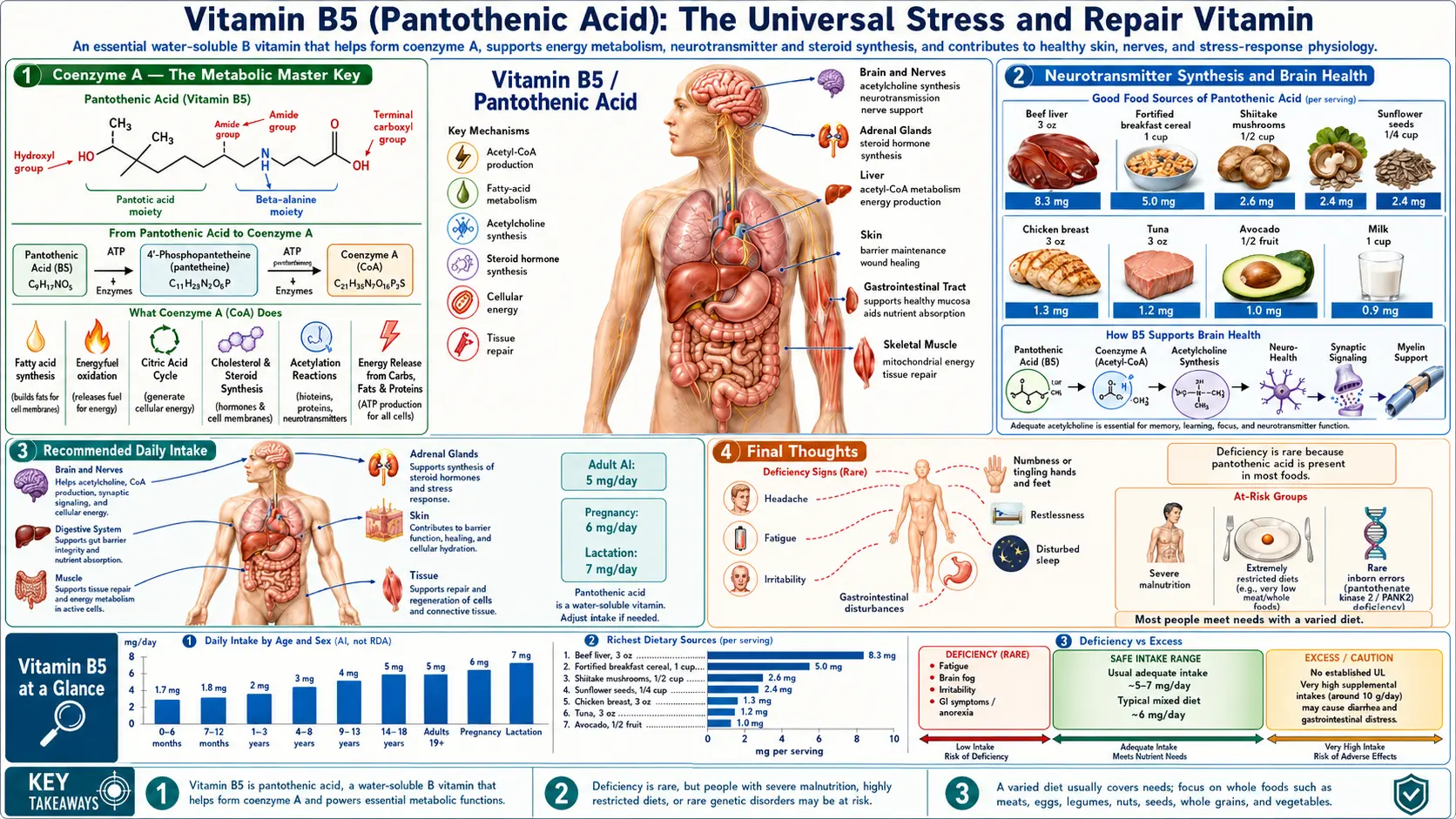
Vitamin B5, known as pantothenic acid, derives its name from the Greek word "pantos" meaning "everywhere" — a fitting title for a nutrient found in virtually every food and required by every cell in the body. In natural medicine, pantothenic acid is revered as the "anti-stress vitamin" for its central role in adrenal function, hormone synthesis, and the body's ability to withstand physical and emotional stress. Its importance extends far beyond stress, however — B5 is the essential building block of Coenzyme A (CoA), one of the most critical molecules in all of human biochemistry, participating in over 100 metabolic pathways essential to life.
Table of Contents
- Coenzyme A — The Metabolic Master Key
- Adrenal Function and Stress Response
- Hormone and Steroid Synthesis
- Skin Health, Wound Healing, and Beauty
- Energy Production and Athletic Performance
- Immune System Support
- Neurotransmitter Synthesis and Brain Health
- Cholesterol and Lipid Metabolism
- Digestive Health
- Joint and Connective Tissue Health
- Detoxification and Liver Support
- Natural Food Sources
- Recommended Daily Intake
- Supplemental Forms
- Synergistic Nutrients
- Populations at Higher Risk of Deficiency
- Signs of Deficiency
- Special Therapeutic Applications
- Connections
- Featured Videos
1. Coenzyme A — The Metabolic Master Key
The single most important function of Vitamin B5 is serving as the precursor to Coenzyme A (CoA), without which life as we know it would be impossible.
- Central Metabolic Hub: CoA is involved in more than 100 different metabolic reactions, including the synthesis and breakdown of carbohydrates, fats, and proteins. It is the molecule that connects all major metabolic pathways in the body.
- Acetyl-CoA Formation: CoA combines with an acetyl group to form acetyl-CoA, the universal fuel molecule that feeds the Krebs cycle for ATP energy production. Every macronutrient — carbohydrates, fats, and proteins — must be converted to acetyl-CoA before the body can extract energy from them.
- Fatty Acid Synthesis: CoA is essential for building fatty acids, phospholipids, and cholesterol — the structural components of every cell membrane in the body.
- Amino Acid Metabolism: CoA participates in the metabolism of numerous amino acids, supporting protein synthesis, detoxification, and neurotransmitter production.
- Citric Acid Cycle: Multiple steps within the Krebs cycle require CoA-dependent enzymes, making pantothenic acid indispensable to the body's core energy-generating machinery.
2. Adrenal Function and Stress Response
In natural medicine, Vitamin B5 is considered the most important nutrient for adrenal health — earning it the title of the "anti-stress vitamin."
- Cortisol Production: The adrenal glands require CoA to synthesize cortisol, the body's primary stress hormone. Cortisol regulates the immune response, blood sugar, inflammation, and the body's ability to adapt to physical and emotional stress.
- Aldosterone Synthesis: B5 supports the production of aldosterone, which regulates sodium, potassium, and water balance — critical for blood pressure stability and electrolyte equilibrium.
- Adrenal Cortex Dependence: The adrenal cortex has one of the highest concentrations of pantothenic acid of any tissue in the body, reflecting its extraordinary dependence on this nutrient. Chronic stress rapidly depletes B5 stores in the adrenals.
- Adrenal Fatigue and Burnout: Natural practitioners frequently observe that individuals experiencing adrenal exhaustion — characterized by chronic fatigue, brain fog, poor stress tolerance, and hormonal imbalances — respond remarkably well to pantothenic acid supplementation.
- Fight-or-Flight Support: B5 also supports the synthesis of epinephrine (adrenaline) and norepinephrine from the adrenal medulla, ensuring the body can mount an effective acute stress response when needed.
- Post-Stress Recovery: Adequate B5 levels enable faster recovery from stressful events by supporting the replenishment of adrenal hormones and restoring metabolic equilibrium.
3. Hormone and Steroid Synthesis
Pantothenic acid is essential for the synthesis of all steroid hormones in the body, making it foundational to hormonal health.
- Cholesterol Synthesis: CoA is required for the biosynthesis of cholesterol, which serves as the precursor molecule for all steroid hormones. Without adequate B5, the body cannot produce the raw material needed for hormone production.
- Sex Hormones: Estrogen, progesterone, and testosterone are all synthesized from cholesterol through CoA-dependent pathways. B5 deficiency can contribute to hormonal imbalances, menstrual irregularities, low libido, and fertility challenges.
- DHEA Production: Dehydroepiandrosterone (DHEA), the most abundant steroid hormone in the body and a precursor to both estrogen and testosterone, depends on CoA for its synthesis.
- Vitamin D Activation: The conversion of cholesterol into Vitamin D precursors in the skin relies on CoA-dependent pathways, linking B5 to bone health, immune function, and mood regulation.
- Bile Acid Production: CoA is required for the synthesis of bile acids from cholesterol, which are essential for fat digestion and absorption of fat-soluble vitamins (A, D, E, K).
4. Skin Health, Wound Healing, and Beauty
Vitamin B5 has earned a prominent place in both natural medicine and dermatology for its remarkable benefits to the skin.
- Panthenol (Provitamin B5): The alcohol form of pantothenic acid, dexpanthenol (panthenol), is widely used in topical skincare products for its exceptional moisturizing, healing, and soothing properties. It penetrates deeply into the skin and converts to pantothenic acid within the cells.
- Wound Healing Acceleration: B5 stimulates the proliferation of fibroblasts — the cells responsible for producing collagen and repairing tissue — significantly accelerating wound closure and scar formation.
- Acne Treatment: High-dose pantothenic acid has been used in natural medicine to treat acne by regulating lipid metabolism in the skin. The theory, supported by clinical observations, is that adequate CoA levels allow the body to properly metabolize fats in the sebaceous glands, reducing excess oil production and breakouts.
- Skin Barrier Function: B5 supports the synthesis of ceramides, sphingolipids, and other lipids that form the skin's protective barrier, preventing moisture loss and shielding against environmental irritants.
- Anti-Inflammatory: Topical and oral B5 reduces skin inflammation, redness, and irritation, making it beneficial for conditions like eczema, rosacea, and contact dermatitis.
- Sunburn Recovery: Panthenol promotes faster recovery from UV-induced skin damage by supporting cellular repair and reducing inflammation.
- Hair Health: Panthenol is a staple ingredient in hair care products, strengthening the hair shaft, adding moisture and shine, and reducing split ends and breakage. Internal B5 supports hair follicle health from within.
5. Energy Production and Athletic Performance
- ATP Generation: As the precursor to CoA, pantothenic acid is indispensable for the Krebs cycle and the mitochondrial electron transport chain — the two core pathways of ATP production. Every cell in the body depends on this process for energy.
- Fat Burning: CoA is required for beta-oxidation, the process by which stored body fat is broken down into fatty acids and converted into energy. Athletes and individuals seeking to optimize body composition depend on adequate B5 for efficient fat utilization.
- Endurance and Stamina: By supporting both carbohydrate and fat metabolism simultaneously, B5 contributes to sustained energy output during prolonged physical activity.
- Lactic Acid Clearance: Efficient pyruvate metabolism through CoA prevents excessive lactic acid accumulation, reducing muscle soreness and accelerating recovery after exercise.
- Red Blood Cell Production: B5 supports the synthesis of heme — the iron-containing component of hemoglobin — ensuring adequate oxygen delivery to working muscles.
6. Immune System Support
- Antibody Production: Pantothenic acid supports the synthesis of immunoglobulins (antibodies), which are essential for the adaptive immune response to infections, bacteria, and viruses.
- White Blood Cell Function: B5 supports the energy metabolism of immune cells, which have extraordinarily high metabolic demands when fighting infections.
- Wound Immune Defense: By accelerating wound healing, B5 reduces the window of vulnerability to secondary infections at wound sites.
- Anti-Inflammatory Modulation: Pantothenic acid, through its support of cortisol production, helps modulate the inflammatory response — preventing both excessive inflammation and immunosuppression.
- Mucosal Barrier Support: B5 contributes to the maintenance of mucosal linings in the respiratory, digestive, and urogenital tracts — the body's first-line barriers against pathogenic invasion.
7. Neurotransmitter Synthesis and Brain Health
- Acetylcholine Production: CoA is directly required for the synthesis of acetylcholine, one of the most important neurotransmitters in the brain and nervous system. Acetylcholine governs memory, learning, attention, muscle contraction, and parasympathetic ("rest and digest") nervous system activity.
- Melatonin Synthesis: B5 participates in the acetylation pathways required for the production of melatonin, the hormone that regulates the sleep-wake cycle and serves as a powerful antioxidant in the brain.
- Cognitive Function: Adequate pantothenic acid supports mental clarity, focus, and memory by ensuring sufficient acetylcholine production and efficient brain energy metabolism.
- Neuroprotection: CoA supports the synthesis of myelin and the repair of neural membranes, contributing to long-term brain health and resilience against neurodegenerative processes.
- Mood Stability: Through its support of adrenal hormones, neurotransmitter synthesis, and blood sugar regulation, B5 contributes to emotional balance and resilience against anxiety and depression.
8. Cholesterol and Lipid Metabolism
- Healthy Cholesterol Balance: Pantethine, a derivative of pantothenic acid, has been studied extensively for its ability to support healthy cholesterol levels. Clinical research has shown that pantethine supplementation can reduce total cholesterol, LDL cholesterol, and triglycerides while supporting or raising HDL ("good") cholesterol.
- Mechanism of Action: Pantethine works by modulating CoA activity in the liver, reducing the hepatic synthesis of cholesterol and fatty acids while enhancing fatty acid oxidation.
- Safer Alternative: Natural practitioners value pantethine as a gentler, side-effect-free alternative to statin medications for individuals with mild to moderate dyslipidemia.
- Triglyceride Reduction: Pantethine has demonstrated consistent ability to lower elevated triglycerides, a key risk factor for cardiovascular disease and metabolic syndrome.
- Phospholipid Synthesis: CoA is required for the production of phospholipids that form the structural basis of all cell membranes, including HDL and LDL particles themselves.
9. Digestive Health
- Gut Motility: Through its role in acetylcholine synthesis, B5 supports the parasympathetic nervous system's control over peristalsis — the rhythmic contractions that move food through the digestive tract. Deficiency can contribute to constipation and sluggish digestion.
- Bile Production: CoA is required for bile acid synthesis, which is essential for the emulsification and absorption of dietary fats and fat-soluble vitamins.
- Gut Lining Repair: Pantothenic acid supports the rapid turnover and repair of the intestinal epithelium, contributing to gut barrier integrity and reducing the risk of increased intestinal permeability ("leaky gut").
- Microbiome Connection: Interestingly, beneficial gut bacteria (including species of Lactobacillus and Bifidobacterium) can synthesize small amounts of pantothenic acid, highlighting the bidirectional relationship between B5 status and gut health.
10. Joint and Connective Tissue Health
- Rheumatoid Arthritis Support: Early research and clinical observations suggest that pantothenic acid deficiency may contribute to joint stiffness, pain, and inflammatory arthritis symptoms. Supplementation has been reported to alleviate morning stiffness and joint discomfort in some individuals.
- Collagen Synthesis: B5 supports fibroblast activity and collagen production, which are essential for the maintenance and repair of cartilage, tendons, ligaments, and other connective tissues.
- Anti-Inflammatory Effects: Through its support of cortisol production, B5 helps regulate the inflammatory pathways that contribute to joint inflammation and degradation.
- Cartilage Repair: CoA is required for the synthesis of glycosaminoglycans, the building blocks of cartilage matrix, including chondroitin sulfate and hyaluronic acid.
11. Detoxification and Liver Support
- Phase II Detoxification — Acetylation: CoA is the central molecule in the acetylation pathway of Phase II liver detoxification. This pathway is responsible for neutralizing and eliminating sulfonamide drugs, aromatic amines, histamine, and various environmental toxins.
- Drug and Chemical Metabolism: Adequate B5 ensures that the liver can efficiently process and eliminate pharmaceuticals, pesticides, food additives, and other xenobiotics.
- Histamine Clearance: Through the acetylation pathway, B5 supports the breakdown of excess histamine — making it a potentially valuable nutrient for individuals with histamine intolerance, allergies, and mast cell activation.
- Alcohol Metabolism: CoA participates in the metabolism of acetaldehyde (the toxic intermediate of alcohol metabolism), supporting the liver's ability to process and clear alcohol safely.
- Glutathione Support: CoA is required for the synthesis of cysteine from methionine via the transsulfuration pathway, indirectly supporting glutathione production — the body's master antioxidant and primary detoxification molecule.
12. Natural Food Sources
True to its name meaning "everywhere," pantothenic acid is present in a wide variety of foods — though concentrations vary significantly. The richest sources come from organ meats, whole grains, and certain vegetables and legumes.
Richest Whole Food Sources
- Beef Liver and Organ Meats: The most concentrated natural source of pantothenic acid by far, providing many times the daily requirement per serving
- Chicken and Turkey (pasture-raised): Excellent sources of B5, especially in dark meat portions
- Sunflower Seeds: Among the richest plant-based sources, nutrient-dense and versatile
- Shiitake Mushrooms: One of the best vegetable sources of pantothenic acid, especially when dried
- Avocados: A rich source of B5 alongside healthy monounsaturated fats and potassium
- Sweet Potatoes: Provide pantothenic acid along with beta-carotene, fiber, and minerals
- Lentils and Split Peas: Excellent legume sources of B5 with plant protein and fiber
- Eggs (pasture-raised): The yolk is particularly rich in pantothenic acid
- Broccoli and Cauliflower: Cruciferous vegetables that provide B5 along with sulforaphane and other protective compounds
- Whole Grains (oats, brown rice, quinoa): Unrefined grains retain their natural B5 content; processing strips most of it away
- Royal Jelly: The substance produced by honeybees to feed the queen is one of the most concentrated natural sources of pantothenic acid — traditionally prized in natural medicine for vitality and longevity
- Nutritional Yeast: A plant-based powerhouse that provides the full spectrum of B vitamins including significant B5
Important Notes on Food Processing
- Milling and Refining: Up to 75% of pantothenic acid is lost when whole grains are refined into white flour or white rice. Always choose whole, unprocessed grain products.
- Freezing: Freezing can destroy up to 50% of the B5 content in meats and vegetables. Fresh, minimally processed foods are always preferable.
- Canning: The canning process can reduce pantothenic acid content by 20–80% depending on the food and processing method.
- Cooking Losses: Pantothenic acid is moderately heat-stable but water-soluble, so boiling foods and discarding the water results in significant losses. Steaming, roasting, and using cooking liquids in meals preserves more B5.
13. Recommended Daily Intake
The following are general guidelines measured in milligrams (mg). Note that pantothenic acid has an Adequate Intake (AI) rather than an RDA, as insufficient data exists to establish a formal recommended dietary allowance:
- Adult Men and Women: 5 mg per day
- Pregnant Women: 6 mg per day
- Breastfeeding Women: 7 mg per day
- Children (4–8 years): 3 mg per day
- Children (9–13 years): 4 mg per day
- Adolescents (14–18 years): 5 mg per day
Therapeutic Doses: In natural medicine practice, therapeutic doses commonly range from 100 mg to 1,000 mg daily for adrenal support, stress management, and acne treatment. Pantethine for cholesterol support is typically dosed at 600–900 mg daily in divided doses. Pantothenic acid is water-soluble with very low toxicity — high doses may occasionally cause mild digestive upset or diarrhea but are otherwise well-tolerated.
14. Supplemental Forms
- Calcium D-Pantothenate: The most common supplemental form of B5. Stable, well-absorbed, and widely available. The calcium salt provides approximately 92% pantothenic acid by weight.
- Pantethine: A metabolically active form derived from pantothenic acid, consisting of two molecules of pantetheine linked by a disulfide bond. Pantethine is the immediate precursor to CoA and is particularly valued for its cholesterol and triglyceride-lowering effects. It is the preferred form for cardiovascular support.
- Dexpanthenol (Panthenol): The alcohol form of B5, primarily used topically in creams, ointments, and skincare products for wound healing, moisturization, and skin barrier repair. It is also available in injectable form for post-surgical recovery.
- Royal Jelly: A whole-food source of concentrated pantothenic acid along with other bioactive compounds, traditionally used in natural medicine as a general vitality tonic.
- Whole Food B-Complex: As with all B vitamins, natural practitioners recommend taking B5 within a complete B-complex to maintain balance and support the synergistic functions of the entire B-vitamin family.
15. Synergistic Nutrients
Pantothenic acid works in close concert with several other nutrients:
- Vitamin B1 (Thiamine): Both B1 and B5 are essential for the Krebs cycle and energy production. Thiamine generates acetyl-CoA through pyruvate dehydrogenase, while pantothenic acid provides the CoA molecule itself.
- Vitamin B2 (Riboflavin): FAD (from B2) and CoA (from B5) work together within the mitochondrial electron transport chain and in fatty acid metabolism.
- Vitamin B3 (Niacin): NAD (from B3) and CoA (from B5) are the two most important coenzymes in cellular energy metabolism, working side by side at virtually every stage.
- Vitamin C: Vitamin C and B5 work synergistically in adrenal function. The adrenal glands have the highest concentration of both nutrients of any organ, and both are rapidly depleted under stress.
- Carnitine: CoA is required for the synthesis of carnitine, which transports long-chain fatty acids into the mitochondria for energy production. B5 and carnitine together optimize fat metabolism.
- Cysteine and N-Acetylcysteine (NAC): CoA contains a cysteine moiety and participates in pathways that support cysteine availability for glutathione synthesis.
- Biotin (B7): Both biotin and CoA serve as carriers in carboxylation reactions essential for fatty acid synthesis and gluconeogenesis.
- Magnesium: Required as a cofactor in many of the enzymatic reactions where CoA participates, particularly in energy metabolism.
16. Populations at Higher Risk of Deficiency
Frank pantothenic acid deficiency is considered rare due to its widespread presence in foods, but subclinical insufficiency may be far more common than recognized, particularly in the following groups:
- Chronically Stressed Individuals: Prolonged physical, emotional, or psychological stress rapidly depletes adrenal B5 stores, creating a vicious cycle of increasing stress vulnerability and further depletion.
- Individuals Consuming Highly Processed Diets: Food processing, refining, freezing, and canning all significantly reduce pantothenic acid content. A diet centered on processed and packaged foods may provide insufficient B5.
- Individuals with Alcohol Use Disorders: Alcohol impairs B5 absorption and increases metabolic demand, contributing to depletion.
- Diabetics: Increased metabolic demands and potential impairments in CoA metabolism may increase B5 requirements.
- Pregnant and Breastfeeding Women: The demands of fetal development and milk production increase pantothenic acid needs.
- Athletes and Highly Active Individuals: Increased energy metabolism, cortisol output, and muscular repair all raise B5 requirements beyond standard recommendations.
- Individuals on Restrictive Diets: Very low-calorie diets, prolonged fasting, or severely restricted eating patterns may provide inadequate pantothenic acid.
- Elderly Individuals: Reduced dietary variety, impaired absorption, and increased medication use may contribute to suboptimal B5 status.
17. Signs of Deficiency and Toxicity
Because pantothenic acid is involved in so many metabolic pathways, a shortfall can affect multiple systems at once — the syndrome historically called "burning feet syndrome" (painful burning in the soles, with fatigue, poor stress tolerance, insomnia, and digestive upset) was one of the first recognized manifestations. At the other extreme, B5 is water-soluble and remarkably well tolerated, so problems from too much are rare and usually limited to mild digestive upset. For a full, patient-friendly guide to the symptoms, causes, and treatment of both, see Pantothenic Acid Deficiency and Pantothenic Acid Toxicity.
18. Special Therapeutic Applications
Natural medicine practitioners employ pantothenic acid in several targeted therapeutic contexts:
- Adrenal Recovery Protocols: B5 is a cornerstone of virtually every adrenal fatigue recovery program, typically combined with Vitamin C, B6, magnesium, and adaptogenic herbs like ashwagandha and rhodiola.
- Acne and Oily Skin: High-dose pantothenic acid (2–10 g/day in divided doses) has been used to reduce sebum production and treat moderate to severe acne, particularly in individuals who have not responded to conventional treatments.
- Cholesterol Management: Pantethine at 600–900 mg/day has demonstrated clinically meaningful reductions in LDL cholesterol and triglycerides in multiple studies, offering a natural alternative for cardiovascular risk reduction.
- Wound Healing: Both oral B5 and topical dexpanthenol are used to accelerate surgical wound healing, burn recovery, and chronic wound management.
- Allergies and Histamine Intolerance: Through its role in the acetylation detoxification pathway, B5 supports histamine clearance and may benefit individuals with chronic allergies, hives, and histamine-related conditions.
- Athletic Performance: Some practitioners include B5 in sports nutrition protocols for enhanced energy metabolism, reduced lactic acid buildup, and improved recovery.
Final Thoughts
Vitamin B5 is the quiet architect of metabolic harmony — the nutrient that builds the CoA molecule upon which virtually all energy production, hormone synthesis, detoxification, and cellular repair depend. In a world of chronic stress, processed food, and environmental toxins, pantothenic acid deficiency may be far more widespread and consequential than commonly appreciated. Its roles in adrenal health, skin repair, cholesterol balance, immune defense, and neurological function make it a cornerstone nutrient in any natural medicine protocol. Whether you are supporting someone through burnout, healing inflamed skin, optimizing athletic performance, or simply seeking to restore foundational vitality, pantothenic acid deserves a prominent place in your therapeutic toolkit.
Nourish the spark at the center of every cell — and let Coenzyme A, born from humble pantothenic acid, carry the fire of life to every corner of your body.
Connections
- All Vitamins
- Pantothenic Acid Deficiency
- Pantothenic Acid Toxicity
- Pantothenic Acid and Adrenal Health
- Pantothenic Acid and Wound Healing
- Vitamin C
- Acne
- Cysteine
- Collagen
- Adrenal Fatigue
- Burnout
- Fatigue
- Magnesium
- Potassium
- Organ Meats
- DHEA-S
- Arthritis
- Beef
- Sweet Potatoes
- Lentils
- Vitamin B7