Resistant Starches and the Gut Microbiome
Few dietary components illustrate the intimacy between food and physiology as vividly as resistant starch. Defined as the fraction of starch that escapes digestion in the small intestine and reaches the colon intact, resistant starch (RS) is not merely indigestible filler — it is a carefully selected fuel for the roughly one hundred trillion microbes that populate the large bowel. Through anaerobic fermentation, these microbes transform RS into short-chain fatty acids (SCFAs) that nourish colonocytes, reinforce the gut barrier, calm inflammation, and send hormonal and neural signals that reach the brain, liver, pancreas, and immune system. What began as a footnote in carbohydrate chemistry has become one of the most actionable levers in modern microbiome science, with human trials showing that the right form and dose of RS can reshape the bacterial community in as little as a week.
Table of Contents
- What Is Resistant Starch?
- The Four Types: RS1 Through RS4
- Colonic Fermentation and the Birth of SCFAs
- Butyrate: The Colonocyte's Preferred Fuel
- Ruminococcus bromii and the Keystone Concept
- Which Species Bloom on Resistant Starch
- Gut Barrier, Mucin, and Zonulin
- Systemic Effects: Vagus, GLP-1, and PYY
- IBS, IBD, and Colorectal Cancer
- Dose-Response and Practical Intake
- Responders and Non-Responders
- Putting It on the Plate
- Research Papers
- Connections
- Featured Videos
What Is Resistant Starch?
Resistant starch is the portion of dietary starch — chains of glucose linked by alpha-1,4 and alpha-1,6 bonds — that resists hydrolysis by human pancreatic amylase and brush-border enzymes. Instead of being absorbed as glucose in the duodenum and jejunum, it passes largely intact into the cecum and ascending colon, where it becomes substrate for fermentation. This behavior is strikingly similar to that of dietary fiber, and most regulatory agencies now classify resistant starch as a type of fiber for nutrition-labeling purposes.
Calorically, resistant starch delivers only about 2 kilocalories per gram rather than the 4 kcal of digestible starch, because the energy is captured not as glucose but as microbial SCFAs, a fraction of which the host reabsorbs. More importantly, RS is a selective prebiotic: unlike generic soluble fiber, it specifically feeds a subset of colonic bacteria equipped with the starch-degrading machinery needed to attach to and disassemble crystalline starch granules.
The Four Types: RS1 Through RS4
Englyst, Kingman, and Cummings introduced the now-standard classification of resistant starch in 1992, a framework that still anchors the field.
- RS1 — Physically inaccessible starch. Locked inside intact cell walls of whole grains, seeds, and legumes. Coarsely milled oats, wheat berries, chickpeas, lentils, and beans are classic RS1 sources. Chewing and fine grinding reduce RS1 content dramatically.
- RS2 — Native granular starch. The raw, crystalline starch granule is poorly accessible to amylase. Green (unripe) bananas, raw potatoes, and high-amylose maize (Hi-Maize) are the canonical examples. Cooking gelatinizes the granule and largely abolishes RS2, which is why these foods must be eaten raw or in a cooled, retrograded form to retain resistance.
- RS3 — Retrograded starch. When cooked starch is cooled, amylose chains recrystallize into structures amylase can no longer cleave. Cooked-and-cooled potatoes, rice, and pasta all gain RS3. Reheating gently does not destroy much of the retrograded fraction, making leftovers a practical everyday source.
- RS4 — Chemically modified starch. Industrially cross-linked, esterified, or etherified starches engineered for resistance. Used in functional foods and clinical studies; less common in whole-food diets.
A fifth category, RS5, is sometimes added for amylose-lipid complexes, in which long-chain fatty acids thread through the amylose helix and block enzymatic access. All types share the defining property of reaching the colon, but they differ in fermentation kinetics, site of fermentation along the colon, and the bacterial communities they favor.
Colonic Fermentation and the Birth of SCFAs
Once RS arrives in the cecum, primary degraders attach to starch granules and release shorter maltodextrins, which are then taken up and metabolized by a broader cross-feeding community. The end products of this anaerobic fermentation are short-chain fatty acids — primarily acetate (C2), propionate (C3), and butyrate (C4) — along with gases (hydrogen, carbon dioxide, and, in some individuals, methane).
Typical molar ratios in the healthy human colon hover near 60:20:20 for acetate:propionate:butyrate, though resistant starch is notable for skewing production toward butyrate relative to other fermentable substrates. Luminal SCFA concentrations can reach 70–140 mmol/L in the proximal colon — higher than almost any other organic anion in the body.
Each SCFA has distinct destinations and functions:
- Acetate is absorbed into the portal circulation, reaches the liver, and serves as substrate for cholesterol and fatty acid synthesis, as well as for peripheral tissue energy.
- Propionate is largely extracted by the liver, where it can inhibit cholesterol synthesis and serve as a gluconeogenic precursor. It also activates free fatty acid receptors FFAR2/FFAR3 on enteroendocrine L-cells.
- Butyrate is consumed almost entirely in situ by the colonic epithelium, making it a paracrine rather than an endocrine signal.
Butyrate: The Colonocyte's Preferred Fuel
The colonic epithelium is unusual among mammalian tissues in that it derives 60–70% of its energy not from circulating glucose but from luminal butyrate. Roediger's landmark 1980 studies on isolated human colonocytes established that butyrate oxidation dominates ATP production in these cells, and that suppressing butyrate supply pushes them into an energy-deficient, autophagic state resembling that seen in ulcerative colitis.
Beyond its role as fuel, butyrate is a potent histone deacetylase (HDAC) inhibitor at physiological concentrations. By increasing histone acetylation, it modulates the expression of hundreds of genes involved in differentiation, apoptosis, and inflammation. In the colon, butyrate pushes transformed cells toward apoptosis while sparing healthy epithelium — the so-called "butyrate paradox" that underpins much of the colorectal cancer literature.
Butyrate also dampens nuclear factor kappa B (NF-kB) signaling in macrophages, expands regulatory T cells (Tregs) via epigenetic induction of FOXP3, and strengthens tight-junction proteins such as claudin-1, occludin, and ZO-1. In short, butyrate is the hinge between what you feed your microbes and what your immune system sees.
Ruminococcus bromii and the Keystone Concept
Not every colonic microbe can degrade crystalline starch. The physical attack on the granule requires specialized adhesion and enzymatic apparatus, and a remarkably small number of species carry it. Ze, Duncan, Louis, and Flint demonstrated in 2012 that Ruminococcus bromii is the dominant primary degrader of RS2 and RS3 in the human colon, and that in its absence other starch-fermenters — including Bifidobacterium adolescentis, Eubacterium rectale, and Bacteroides thetaiotaomicron — largely fail to utilize particulate resistant starch even when they possess relevant enzymes.
This is the textbook definition of a keystone species: removal causes a disproportionate collapse in community function. Individuals lacking detectable R. bromii show blunted SCFA responses to RS feeding, while those with high baseline R. bromii are robust "responders." The finding reframed prebiotic thinking: simply adding substrate does not guarantee a downstream effect if the keystone degrader is missing from the ecosystem.
Which Species Bloom on Resistant Starch
Controlled human feeding studies by Walker, Louis, Flint, and colleagues (2011) and by Martinez and Walter (2010) have painted a consistent picture of which taxa expand when subjects switch to RS-rich diets:
- Ruminococcus bromii — primary granule attacker; often the largest fold-change observed on RS2.
- Bifidobacterium adolescentis — an adult-type bifidobacterium that adheres to starch and produces acetate and lactate, which cross-feed butyrate-producers.
- Eubacterium rectale — a Firmicute butyrate-producer that blooms downstream of the primary degraders.
- Faecalibacterium prausnitzii — one of the most abundant butyrate-producers in healthy adults and notably depleted in Crohn's disease; responds to RS in many but not all individuals.
- Roseburia inulinivorans and other Roseburia species — additional butyrate-producers that join the cross-feeding web.
The ecological logic is tidy: R. bromii and B. adolescentis break the granule and release maltodextrins, lactate, and acetate; the Firmicute butyrate-producers then convert those intermediates into butyrate. This "trophic cascade" is why RS tends to raise butyrate disproportionately to propionate, and why RS feeding often increases the Firmicutes-to-Bacteroidetes ratio while simultaneously lowering pH.
Gut Barrier, Mucin, and Zonulin
The single-cell-thick colonic epithelium is all that separates the host from roughly 1.5 kg of live microbes. Its integrity depends on tight-junction proteins between cells, a thick two-layered mucus blanket produced by goblet cells, and constant energetic turnover. Resistant starch supports every one of these.
First, butyrate fuels colonocyte metabolism and stabilizes hypoxia-inducible factor 1-alpha (HIF-1-alpha), which in turn upregulates tight-junction proteins and antimicrobial peptides. Second, SCFA-driven lowering of luminal pH inhibits opportunistic Proteobacteria and pathobionts. Third, butyrate and propionate increase mucin-2 (MUC2) gene expression in goblet cells, thickening the mucus barrier. Fourth, butyrate downregulates zonulin, the main physiological modulator of tight-junction opening, reducing translocation of lipopolysaccharide (LPS) from the lumen into the portal circulation. This matters because portal LPS is a key driver of metabolic endotoxemia, the low-grade inflammation linked to obesity, fatty liver, and insulin resistance, as Patrice Cani's group has repeatedly shown.
Systemic Effects: Vagus, GLP-1, and PYY
Colonic SCFAs are not confined to the gut. Propionate and, to a lesser extent, butyrate bind the free fatty acid receptors FFAR2 (GPR43) and FFAR3 (GPR41) on enteroendocrine L-cells scattered throughout the ileum and colon. Activation triggers release of glucagon-like peptide-1 (GLP-1) and peptide YY (PYY), two hormones that slow gastric emptying, suppress appetite at the hypothalamus, and improve post-meal glucose handling.
Human studies using colonic delivery of propionate (Chambers et al., 2015) showed measurable reductions in energy intake, weight gain, and intra-abdominal fat over 24 weeks — effects plausibly explained by the GLP-1 and PYY axis. Resistant starch feeding reproduces a subset of these outcomes, particularly improved second-meal glucose tolerance (the "second-meal effect" first described by Jenkins).
There is also a neural arm. Vagal afferents express FFAR3 and are activated by luminal SCFAs, providing a fast signal from colon to brainstem that parallels the slower endocrine route. This vagal pathway is increasingly implicated in the mood and cognitive effects of dietary fiber, including reductions in anxiety-like behavior in animal models and stress reactivity in humans.
IBS, IBD, and Colorectal Cancer
The clinical translation of RS research is most mature in three conditions.
Irritable bowel syndrome. RS occupies an ambiguous spot in the low-FODMAP universe. Because it is fermented slowly and distally, rather than rapidly in the proximal small bowel, it typically causes less bloating than fructans or galacto-oligosaccharides. Many IBS patients tolerate moderate RS (10–20 g/day) well, and controlled trials show reduced stool frequency in diarrhea-predominant IBS and improved consistency in constipation-predominant IBS. Our page on irritable bowel syndrome covers the broader dietary framework.
Inflammatory bowel disease. F. prausnitzii is markedly depleted in Crohn's disease, and low butyrate availability is a consistent feature of active ulcerative colitis. Small trials of butyrate enemas and RS-rich diets have shown symptomatic and endoscopic improvement in UC, though results are heterogeneous and RS should be introduced cautiously during active flares. The broader picture is summarized on our inflammatory bowel disease page.
Colorectal cancer. The CAPP2 trial (Mathers et al., 2022) followed Lynch syndrome patients given 30 g/day of RS (Hi-Maize) for up to four years and reported a striking long-term reduction in non-colorectal Lynch cancers, with a trend toward fewer colorectal cancers as well. Mechanistically, butyrate's HDAC inhibition, pro-apoptotic effects on transformed cells, and anti-inflammatory actions all converge on the neoplastic pathway first mapped by Bultman and Donohoe.
Dose-Response and Practical Intake
Typical Western intake of resistant starch sits around 3–8 g/day, well below the 15–20 g/day that most mechanistic studies identify as a threshold for measurable microbiome and metabolic effects. The CAPP2 trial used 30 g/day; butyrate-producer bloom studies often use 26–40 g/day; and the classic Walker et al. human crossover study used 26 g/day of RS3 and showed reproducible community shifts within a week.
Tolerance improves dramatically with gradual titration. Starting at 5 g/day and increasing by 5 g every 3–4 days allows the community to adapt, minimizing the gas and bloating that discourage many newcomers. Splitting doses across meals is generally better tolerated than a single large bolus.
Responders and Non-Responders
One of the most humbling findings of the last decade is that individuals vary enormously in their microbiome response to the same RS dose. Deehan, Walter, and colleagues (2020) fed four chemically distinct resistant starches to healthy adults and found that SCFA output, butyrate production, and taxa responses were more reproducible within an individual across substrates than between individuals on the same substrate. In other words, your enterotype often matters more than which RS you choose.
Roughly 10–20% of Western adults lack detectable R. bromii and show blunted butyrate responses to RS. Others harbor the keystone degrader but lack downstream butyrate-producers. Some show transient blooms that fade within days; others sustain shifts for weeks. This variability is not a failure of the intervention — it is a feature of ecosystem biology, and it argues for personalized, iterative approaches rather than one-size-fits-all prescriptions. The good news is that R. bromii itself can colonize: repeated, sustained RS feeding appears to recruit and stabilize the keystone even in initially low-abundance individuals.
Putting It on the Plate
You do not need a supplement tub of Hi-Maize to get meaningful resistant starch into your diet. Practical whole-food sources include:
- Cooked-and-cooled potatoes (potato salad, cold boiled potatoes): 1–5 g RS per 100 g depending on cooling time and variety.
- Cooked-and-cooled white rice: roughly 1–2 g RS per 100 g; gentle reheating preserves most of it.
- Green (unripe) bananas and green banana flour: among the most concentrated RS2 sources; a single tablespoon of green banana flour delivers 4–5 g.
- Legumes — lentils, black beans, chickpeas: 1–4 g per half cup, mostly RS1.
- Whole grains — intact oat groats, barley, and rye berries: moderate RS1 plus beta-glucan.
- Raw potato starch: roughly 8 g RS per tablespoon, often used as a cheap supplemental source.
Pair RS with other fermentable fibers — inulin-type fructans, beta-glucan, pectin — and with live fermented foods (see our fermented foods and probiotics pages) for the broadest microbiome effect. A diverse substrate supply supports a diverse community, which is the single best-validated predictor of gut health in observational microbiome research.
Research Papers
- Englyst HN, Kingman SM, Cummings JH. Classification and measurement of nutritionally important starch fractions. Eur J Clin Nutr. 1992;46 Suppl 2:S33-50. PubMed 1330528
- Ze X, Duncan SH, Louis P, Flint HJ. Ruminococcus bromii is a keystone species for the degradation of resistant starch in the human colon. ISME J. 2012;6(8):1535-43. PubMed 22343308
- Walker AW, Ince J, Duncan SH, et al. Dominant and diet-responsive groups of bacteria within the human colonic microbiota. ISME J. 2011;5(2):220-30. PubMed 20686513
- Martinez I, Kim J, Duffy PR, Schlegel VL, Walter J. Resistant starches types 2 and 4 have differential effects on the composition of the fecal microbiota in human subjects. PLoS One. 2010;5(11):e15046. PubMed 21151493
- David LA, Maurice CF, Carmody RN, et al. Diet rapidly and reproducibly alters the human gut microbiome. Nature. 2014;505(7484):559-63. PubMed 24336217
- Deehan EC, Yang C, Perez-Munoz ME, et al. Precision microbiome modulation with discrete dietary fiber structures directs short-chain fatty acid production. Cell Host Microbe. 2020;27(3):389-404. PubMed 32004499
- Cani PD, Amar J, Iglesias MA, et al. Metabolic endotoxemia initiates obesity and insulin resistance. Diabetes. 2007;56(7):1761-72. PubMed 17456850
- Chambers ES, Viardot A, Psichas A, et al. Effects of targeted delivery of propionate to the human colon on appetite regulation, body weight maintenance and adiposity in overweight adults. Gut. 2015;64(11):1744-54. PubMed 25500202
- Mathers JC, Elliott F, Macrae F, et al. Cancer prevention with resistant starch in Lynch syndrome patients in the CAPP2 randomised placebo controlled trial. Cancer Prev Res. 2022;15(9):623-634. PubMed 35878732
- Roediger WE. Role of anaerobic bacteria in the metabolic welfare of the colonic mucosa in man. Gut. 1980;21(9):793-8. PubMed 7429343
- Furusawa Y, Obata Y, Fukuda S, et al. Commensal microbe-derived butyrate induces the differentiation of colonic regulatory T cells. Nature. 2013;504(7480):446-50. PubMed 24226770
- Sonnenburg ED, Sonnenburg JL. Starving our microbial self: the deleterious consequences of a diet deficient in microbiota-accessible carbohydrates. Cell Metab. 2014;20(5):779-86. PubMed 25156449
Connections
- Resistant Starches Hub
- High-RS Foods
- Visceral Fat
- Fatty Liver Disease
- Fermented Foods
- Probiotics
- Gut Healing
- Irritable Bowel Syndrome
Featured Videos
Resistant Starch and the Microbiome: New Insights | The Microbiome Expert
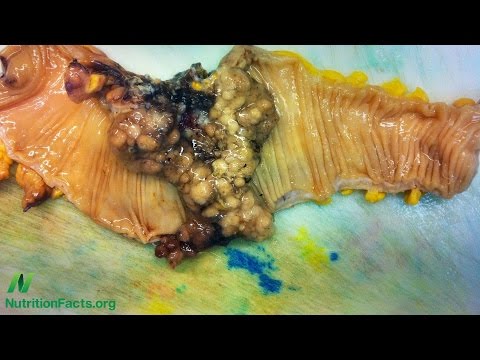
Resistant Starch and Colon Cancer

Butyrate & Resistant Starch | Prof Chris Damman Ep1

Microbiome vs. Microbiota
Resistant Starches and SIBO-What Everyone with SIBO Must Know.

Resistant starch slows the progression of CKD in the 5/6 nephrectomy mouse model
How Resistant Starch may be affecting your IBS
Resistant Starch A Breakthrough in Treating Fatty Liver Disease
Is Resistant Starch Ruining Your Gut Health?
Industry Presented Webinar: Wheat, Microbiome and Health

131: Dr. Jill interviews Dr. Shelese Pratt on Gut Health with a Microbiome Deep Dive

7 Hidden Symptoms of Gut & Microbiome Damage (Heal Leaky Gut Fast) | Dr Sarah Myhill

Gut Microbiome WARRIORS - Fighting Cancer Naturally

A Good Carb for Keto Dieters? Resistant Starch

WHAT IS RESISTANT STARCH | Is it Anti Inflammatory?

102 | Blood Sugar Hacks: The Truth About Resistant Starch, Glycemic Index & The Glucose Goddess