Bone Broth: An Ancient Healing Superfood
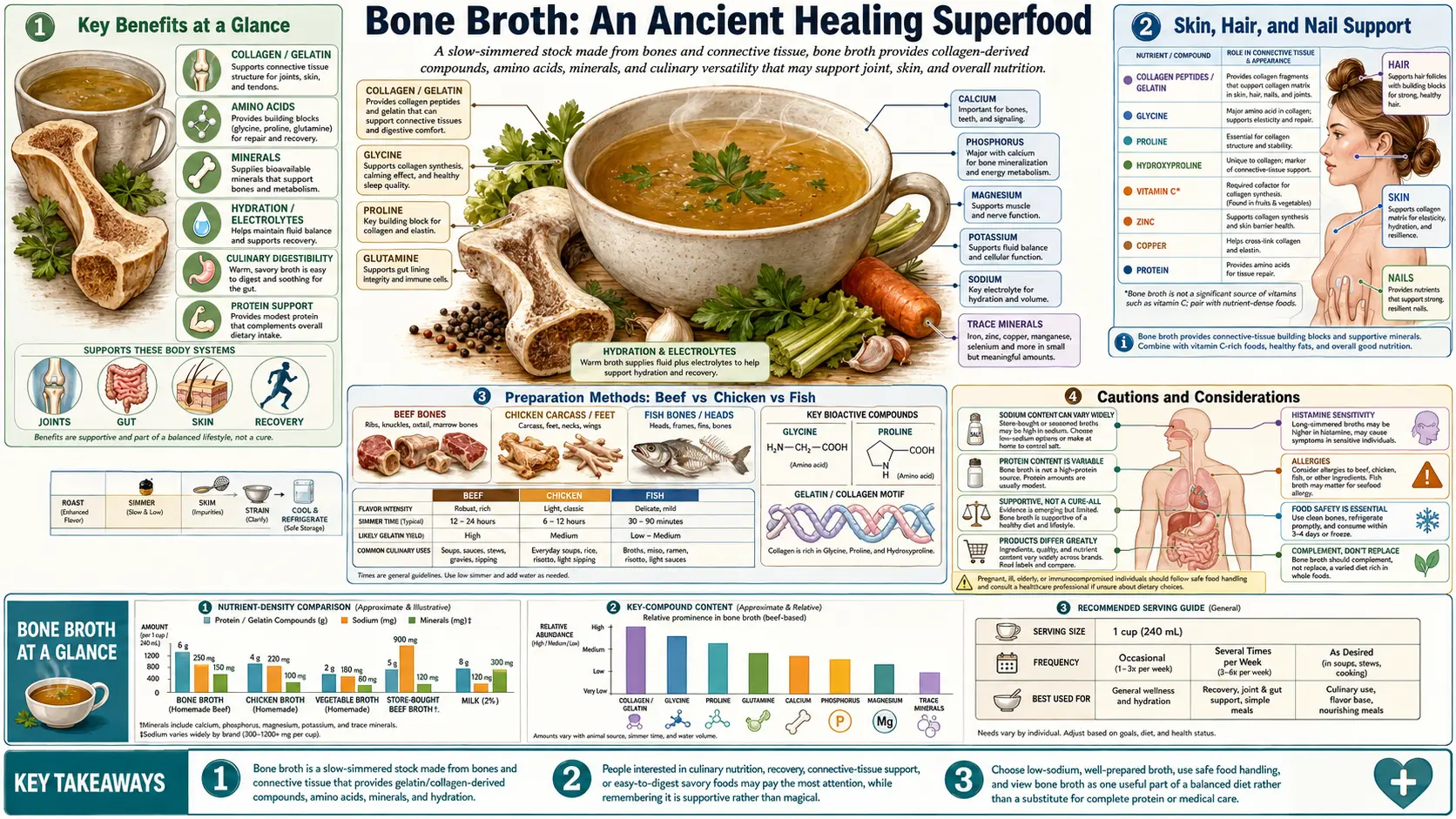
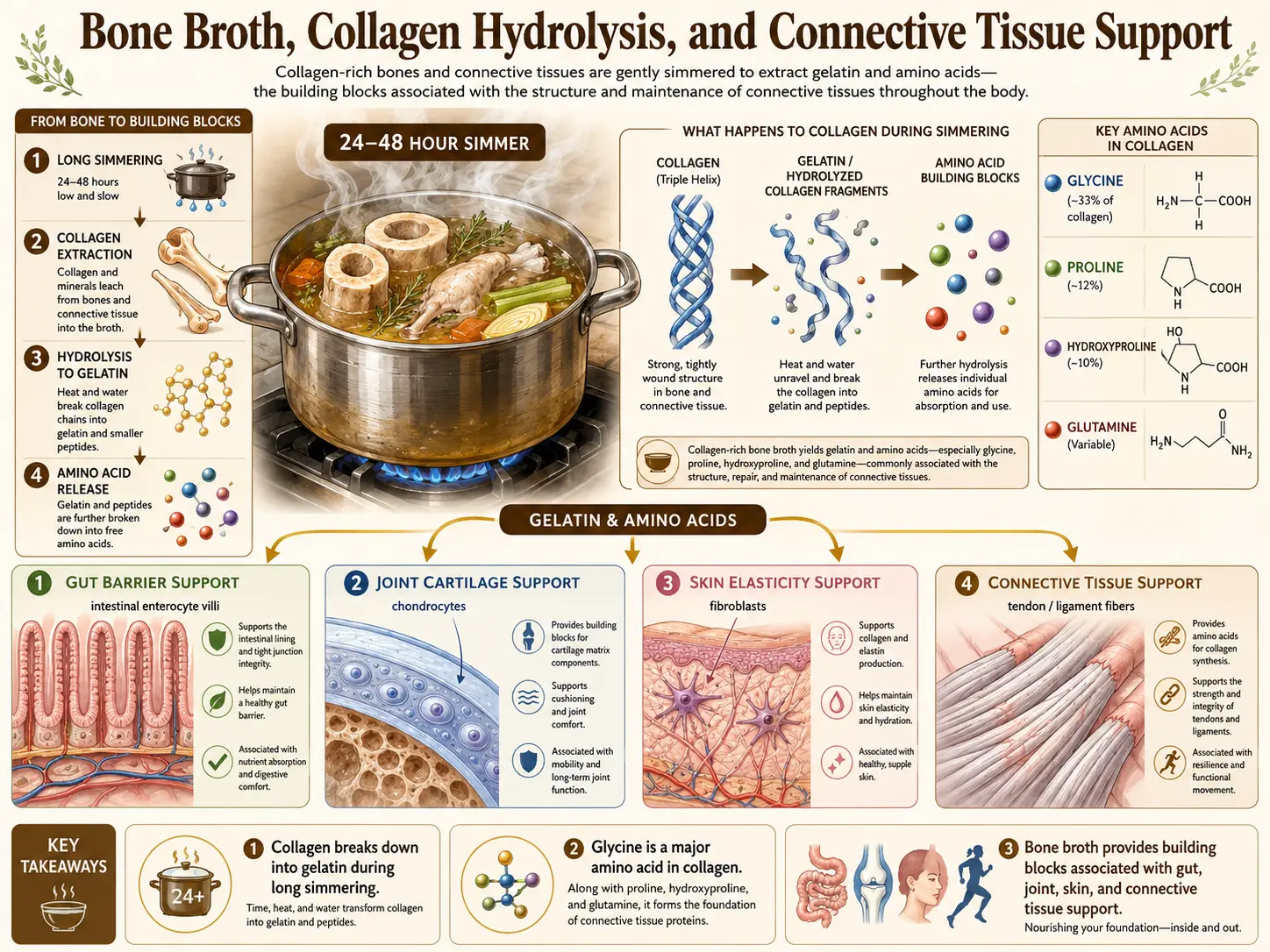
Table of Contents
- Overview
- Key Benefits at a Glance
- Collagen and Gelatin Content
- Gut Healing and Leaky Gut Repair
- Joint Health and Mobility
- Skin, Hair, and Nail Support
- Amino Acid Profile: Glycine, Proline, and Glutamine
- Mineral Content: Calcium, Magnesium, and Phosphorus
- Immune System Support
- Bone Health and Density
- Preparation Methods: Beef vs Chicken vs Fish
- Cooking Guidelines: The 24-48 Hour Slow Simmer
- Key Ingredients and the Role of Apple Cider Vinegar
- Recommended Daily Intake
- Signs You Need More Bone Broth
- Cautions and Considerations
- Research Papers
- Connections
- Featured Videos
Key Benefits at a Glance
- Gut barrier repair – Gelatin and glutamine support enterocyte regeneration and mucosal integrity.
- Joint & cartilage support – Type II collagen, glucosamine, chondroitin, and hyaluronic acid in a whole-food matrix.
- Skin, hair, and nail quality – Dermal collagen synthesis is supported by abundant glycine, proline, and hydroxyproline.
- Bone density – Provides both the collagen matrix and the bioavailable calcium, magnesium, and phosphorus that bone requires.
- Immune modulation – Chicken bone broth demonstrably attenuates neutrophil chemotaxis during upper-respiratory illness.
- Sleep and calm – Glycine acts at inhibitory receptors and has been shown to improve subjective sleep quality.
- Anti-inflammatory amino acids – Glycine and proline help counterbalance the pro-methylation load of a meat-heavy diet.
Overview
Bone broth is one of the most ancient and revered healing foods in the history of traditional medicine. For thousands of years, cultures across every continent have simmered animal bones for extended periods to produce a nutrient-dense, deeply nourishing liquid that supports virtually every system of the body. From the traditional Chinese practice of preparing bone soups for postpartum recovery to the European custom of slow-simmered stocks as the foundation of restorative cuisine, bone broth has earned its place as a cornerstone of ancestral nutrition.
As a naturopathic physician, I consider bone broth to be one of the most therapeutic and accessible foods available. It provides a concentrated source of bioavailable collagen, gelatin, amino acids, and minerals in a form that the body can readily absorb and utilize. Unlike isolated supplements, bone broth delivers these nutrients in a whole-food matrix, allowing synergistic interactions that enhance absorption and therapeutic benefit.
The modern resurgence of interest in bone broth is well justified by both traditional wisdom and emerging scientific research. It is a food that addresses multiple root causes of chronic disease simultaneously, including intestinal permeability, chronic inflammation, nutrient deficiency, and immune dysregulation. Whether consumed as a warming beverage, a cooking base, or a therapeutic protocol, bone broth deserves a prominent place in any healing diet.
Collagen and Gelatin Content
The primary therapeutic value of bone broth lies in its extraordinary concentration of collagen and gelatin. Collagen is the most abundant protein in the human body, comprising approximately 30 percent of total protein mass. It forms the structural scaffolding of skin, bones, tendons, ligaments, cartilage, blood vessels, and the intestinal lining. When bones, connective tissues, and cartilage are simmered in water for extended periods, the collagen they contain is gradually extracted and partially hydrolyzed into gelatin.
Gelatin is the cooked form of collagen. A well-made bone broth will gel when refrigerated, which is a direct indicator of its gelatin content. This gel-forming property is not merely cosmetic; it reflects the presence of specific amino acid chains that provide the building blocks for the body to synthesize its own collagen. The gelatin in bone broth contains high concentrations of the amino acids glycine, proline, and hydroxyproline, which are essential for collagen production throughout the body.
Collagen production naturally declines with age, beginning as early as the mid-twenties and accelerating after age forty. This decline is associated with joint deterioration, thinning skin, weakened bones, and compromised gut integrity. Providing the body with dietary collagen and gelatin through bone broth supports the regeneration of these tissues and helps counteract the degenerative effects of aging.
The collagen in bone broth is primarily Type I and Type III collagen from beef and pork bones, and Type II collagen from chicken bones and cartilage. Type I collagen supports skin, bone, and tendon health, while Type II collagen is particularly beneficial for joint cartilage. A varied bone broth practice that includes different animal sources provides a broad spectrum of collagen types.
Gut Healing and Leaky Gut Repair
One of the most clinically significant applications of bone broth in naturopathic medicine is the repair of intestinal permeability, commonly known as leaky gut syndrome. The intestinal lining is a single-cell-thick barrier that must selectively allow nutrients to pass into the bloodstream while blocking toxins, undigested food particles, and pathogenic organisms. When this barrier is compromised, larger molecules pass through the tight junctions between cells, triggering systemic immune activation and chronic inflammation.
The gelatin in bone broth has a unique ability to support the integrity of the intestinal mucosal lining. Gelatin attracts and holds water, creating a protective coating along the intestinal wall that supports the mucus layer. This is particularly important for individuals with inflammatory bowel conditions, irritable bowel syndrome, food sensitivities, and autoimmune conditions that originate in the gut.
The amino acid glutamine, abundantly present in bone broth, is the primary fuel source for enterocytes, the cells that line the small intestine. Glutamine is considered a conditionally essential amino acid because the body's demand for it increases dramatically during times of stress, illness, or intestinal damage. Supplementing glutamine through bone broth provides the raw material these cells need to proliferate and repair the intestinal barrier.
Glycine, another amino acid concentrated in bone broth, stimulates the production of stomach acid and bile, improving the digestion and absorption of nutrients. Many patients with leaky gut also suffer from hypochlorhydria, or low stomach acid, which perpetuates the cycle of maldigestion and intestinal inflammation. The glycine in bone broth addresses this upstream cause.
In clinical practice, I frequently recommend bone broth as a foundational component of gut-healing protocols, including elimination diets, the GAPS diet, and autoimmune paleo approaches. Many patients report significant improvement in digestive symptoms, food tolerance, and systemic inflammation within weeks of incorporating daily bone broth consumption.
Joint Health and Mobility
Bone broth is one of the most effective natural interventions for supporting joint health and alleviating joint pain. The connective tissues, cartilage, and tendons that are simmered along with the bones release a rich supply of compounds that directly nourish the musculoskeletal system.
Glucosamine and chondroitin sulfate, two compounds widely sold as joint-support supplements, are naturally present in bone broth. These glycosaminoglycans are extracted from the cartilage and connective tissues during the long simmering process. Glucosamine stimulates the production of new cartilage and helps maintain the cushioning between joints, while chondroitin sulfate provides resistance to compression and supports the structural integrity of cartilage.
Hyaluronic acid, another glycosaminoglycan found in bone broth, is a major component of synovial fluid, the lubricating liquid within joint capsules. Adequate hyaluronic acid levels help reduce friction between joint surfaces, decrease pain with movement, and support overall joint mobility.
The Type II collagen extracted primarily from chicken bones and cartilage has been studied for its ability to modulate the immune response in joints affected by rheumatoid arthritis and other autoimmune joint conditions. Research suggests that oral consumption of Type II collagen can induce immune tolerance, reducing the autoimmune attack on joint tissues.
For patients with osteoarthritis, rheumatoid arthritis, sports injuries, or age-related joint degeneration, I recommend daily bone broth consumption as a therapeutic food. The combination of collagen, glucosamine, chondroitin, and hyaluronic acid in a bioavailable, whole-food form often produces results comparable to or exceeding those achieved with isolated supplements.
Skin, Hair, and Nail Support
The collagen and gelatin in bone broth provide direct support for the health and appearance of skin, hair, and nails. These tissues are among the most collagen-dependent structures in the body, and their condition often reflects the body's overall collagen status.
Skin elasticity and hydration are largely determined by the density of the collagen network in the dermis, the deeper layer of the skin. As collagen production declines with age, the skin loses firmness and moisture, leading to wrinkles, sagging, and dryness. The amino acids glycine, proline, and hydroxyproline provided by bone broth serve as direct precursors for dermal collagen synthesis, supporting skin structure from within.
Hair follicles are surrounded by a collagen-rich sheath that provides structural support and nourishment. Thinning hair, slow hair growth, and brittle hair texture can all be associated with insufficient collagen and protein intake. The complete amino acid profile in bone broth, including the sulfur-containing amino acids, supports the production of keratin, the primary structural protein of hair.
Nails are composed largely of keratin and depend on adequate protein, mineral, and collagen intake for their strength and growth rate. Many patients report noticeable improvements in nail strength and reduced breakage within four to six weeks of regular bone broth consumption. The silica and trace minerals extracted from bones during the simmering process further contribute to nail integrity.
Unlike topical collagen products, which cannot penetrate the skin in meaningful amounts, the dietary collagen peptides and amino acids in bone broth are absorbed through the digestive system and distributed to the skin, hair, and nails through the bloodstream, providing genuine structural support from the inside out.
Amino Acid Profile: Glycine, Proline, and Glutamine
Bone broth contains a distinctive amino acid profile that sets it apart from other protein sources. While muscle meats are rich in methionine and other amino acids, bone broth is uniquely concentrated in glycine, proline, and glutamine, three amino acids that are critically important for healing and that are often deficient in modern diets.
Glycine is the most abundant amino acid in bone broth and serves an extraordinary range of functions in the body. It is essential for the synthesis of collagen, glutathione (the body's master antioxidant), creatine, heme, nucleic acids, and bile salts. Glycine acts as an inhibitory neurotransmitter, promoting calm and supporting restful sleep. It modulates inflammation by inhibiting the activation of immune cells and reducing the production of pro-inflammatory cytokines. Glycine also supports detoxification by conjugating with toxins in the liver, facilitating their excretion. Research suggests that most people consume far less glycine than is optimal for these functions, making bone broth a particularly valuable dietary addition.
Proline is a key amino acid for collagen synthesis and wound healing. It is converted in the body to hydroxyproline, which stabilizes the triple-helix structure of collagen. Proline also plays a role in maintaining the integrity of blood vessel walls and supporting cardiovascular health. The body can synthesize some proline, but production is often insufficient during periods of rapid growth, healing, or aging, making dietary sources essential.
Glutamine is the most abundant amino acid in the bloodstream and is critically important for intestinal health, immune function, and nitrogen transport. As described in the gut healing section, it is the primary fuel for enterocytes. Glutamine also serves as fuel for lymphocytes and other immune cells, supports acid-base balance in the kidneys, and acts as a precursor for the neurotransmitter glutamate. During periods of physical stress, surgery, infection, or intense exercise, the body's demand for glutamine can exceed its ability to produce it, making it a conditionally essential amino acid that must be obtained from diet.
The amino acid profile of bone broth helps balance the dietary excess of methionine that results from heavy consumption of muscle meats. Glycine works in concert with methionine in methylation pathways, and some researchers have suggested that the ratio of glycine to methionine in the diet may be more important for longevity than the absolute amount of either amino acid alone. Traditional diets that used the whole animal, including bones and connective tissues, naturally provided this balance.
Mineral Content: Calcium, Magnesium, and Phosphorus
Bones are the body's primary mineral reservoir, containing approximately 99 percent of the body's calcium, 85 percent of its phosphorus, and significant amounts of magnesium, along with trace minerals including zinc, manganese, iron, selenium, and boron. When bones are simmered for extended periods in slightly acidic water, these minerals are gradually released into the broth in ionic forms that are highly bioavailable.
Calcium is essential for bone density, muscle contraction, nerve signaling, blood clotting, and cellular communication. Many individuals are deficient in calcium despite consuming dairy products, because absorption depends on cofactors including vitamin D, magnesium, and vitamin K2. The calcium in bone broth is present alongside these synergistic minerals, enhancing its absorption and utilization compared to isolated calcium supplements.
Magnesium participates in over 300 enzymatic reactions in the body, including energy production, protein synthesis, muscle and nerve function, blood sugar regulation, and blood pressure control. Magnesium deficiency is widespread in modern populations due to depleted soils, processed food consumption, and chronic stress. Bone broth provides magnesium in a food-based, highly absorbable form.
Phosphorus is the second most abundant mineral in the body after calcium and is essential for bone and tooth structure, energy metabolism via ATP production, DNA and RNA synthesis, and cell membrane integrity. The calcium-to-phosphorus ratio in bone broth closely mirrors the ratio found in healthy bone tissue, supporting balanced mineral metabolism.
The addition of an acidic medium, such as apple cider vinegar, to the simmering water significantly increases the extraction of minerals from the bones. This is a critical step in bone broth preparation that should not be overlooked, as it can increase mineral content by a meaningful margin. The trace minerals in bone broth, including zinc, selenium, and manganese, provide additional support for immune function, antioxidant defense, and enzymatic processes throughout the body.
Immune System Support
The reputation of chicken soup as a remedy for colds and respiratory infections is not merely folklore; it reflects genuine therapeutic properties that have been validated by modern research. Bone broth, and chicken bone broth in particular, has been shown to exert measurable effects on the immune system.
Research published in the journal Chest demonstrated that chicken soup inhibits the migration of neutrophils, a type of white blood cell that drives the inflammatory symptoms of upper respiratory infections such as congestion, mucus production, and sore throat. By modulating the neutrophil response, bone broth may help reduce the severity and duration of cold and flu symptoms without suppressing the immune system's ability to fight the infection.
The amino acid cysteine, released from chicken bones and connective tissue during simmering, is a precursor to glutathione, the body's most powerful intracellular antioxidant. Glutathione is essential for the function of natural killer cells, T-cells, and other immune effectors. Supporting glutathione production through dietary cysteine intake helps maintain robust immune surveillance and response.
The gut-healing properties of bone broth also contribute indirectly but powerfully to immune function, given that approximately 70 to 80 percent of the immune system resides in the gut-associated lymphoid tissue. By repairing intestinal permeability and reducing the translocation of bacterial endotoxins into the bloodstream, bone broth helps resolve the chronic, low-grade immune activation that underlies many modern diseases.
Glycine's anti-inflammatory properties further support immune balance by preventing excessive inflammatory responses that can damage healthy tissue. This immunomodulatory effect is particularly valuable in autoimmune conditions, where the goal is not to suppress the immune system but to restore appropriate immune regulation.
For patients with recurrent infections, chronic fatigue, autoimmune conditions, or post-surgical recovery needs, I recommend bone broth as a daily therapeutic food that supports immune resilience from multiple angles simultaneously.
Bone Health and Density
It is fitting that a food made from bones should be among the most effective dietary interventions for maintaining and rebuilding bone tissue. Bone broth provides the complete array of raw materials needed for healthy bone formation, including collagen, calcium, magnesium, phosphorus, and trace minerals, in bioavailable forms.
Bone is not merely a mineral deposit; it is a living tissue composed of a collagen matrix that is mineralized with hydroxyapatite crystals. The collagen framework provides flexibility and tensile strength, while the minerals provide rigidity and compressive strength. Both components are essential, and deficiency in either leads to compromised bone integrity. Most conventional approaches to bone health focus exclusively on calcium and vitamin D supplementation while neglecting the collagen component, which may explain their limited effectiveness in many patients.
The collagen peptides in bone broth have been shown to stimulate osteoblast activity, the bone-building cells responsible for laying down new bone matrix. Simultaneously, glycine and proline support the cross-linking of collagen fibers that gives bone its characteristic strength and resilience. This dual action, stimulating both the organic and mineral phases of bone, makes bone broth a comprehensive intervention for osteopenia and osteoporosis prevention.
The mineral content of bone broth, particularly the balanced ratio of calcium, magnesium, and phosphorus, supports the mineralization of new bone tissue. Unlike isolated calcium supplements, which can accumulate in soft tissues when taken without adequate cofactors, the minerals in bone broth are accompanied by the synergistic nutrients needed for proper calcium metabolism and deposition into bone.
For postmenopausal women, elderly individuals, athletes with high bone turnover demands, and anyone with a family history of osteoporosis, daily bone broth consumption represents one of the most accessible and effective strategies for long-term bone health maintenance.
Preparation Methods: Beef vs Chicken vs Fish
Different types of bones produce broths with distinct nutritional profiles and therapeutic applications. A well-rounded bone broth practice ideally incorporates multiple animal sources to obtain the broadest spectrum of nutrients.
Beef bone broth is the richest source of Type I and Type III collagen, which support skin, bone, and tendon health. Beef bones, particularly marrow bones and knuckle bones, are dense and mineral-rich, producing a deeply flavored, thick broth with high gelatin content. Beef marrow bones also contribute fat-soluble nutrients and immune-supporting compounds from the marrow itself. Oxtails and short ribs provide an excellent combination of bone, cartilage, and connective tissue. Beef bone broth typically requires the longest simmering time, between 24 and 48 hours, to fully extract nutrients from the dense bone structure.
Chicken bone broth is the most widely consumed and is particularly valued for its Type II collagen content, which supports cartilage and joint health. Chicken feet, necks, and backs are exceptionally rich in collagen and gelatin, and their inclusion dramatically improves the gel quality of the finished broth. Chicken bone broth tends to be lighter in flavor and easier to digest, making it ideal for individuals with sensitive digestive systems or those new to bone broth consumption. It is the classic choice for immune support during illness. Chicken broth typically simmers for 12 to 24 hours.
Fish bone broth is the fastest to prepare, requiring only 6 to 8 hours of simmering, because fish bones are thinner and more porous than mammalian bones. Fish broth is an excellent source of iodine and other trace minerals, as well as collagen from the skin, fins, and head. The collagen in fish broth has a lower molecular weight than mammalian collagen, which may enhance its absorption. Fish heads, in particular, are prized in traditional cuisines for their rich content of thyroid-supporting nutrients and healthy fats. Non-oily fish such as snapper, halibut, sole, and turbot produce the best-flavored broths.
For a comprehensive approach, I recommend rotating between beef, chicken, and fish bone broths throughout the week. This ensures exposure to all collagen types, a diverse mineral profile, and varied amino acid ratios.
Cooking Guidelines: The 24-48 Hour Slow Simmer
The quality and therapeutic potency of bone broth depend heavily on preparation technique. A properly made bone broth requires patience, quality ingredients, and attention to a few critical details.
Selecting bones: Choose bones from pasture-raised, grass-fed, or wild-caught animals whenever possible. The nutritional quality of the broth directly reflects the quality of the animals from which the bones were sourced. A good combination for beef broth includes marrow bones, knuckle bones, oxtails, and short ribs. For chicken broth, use a whole carcass along with extra feet, necks, and backs. Ask your local butcher or farmer for bones; they are often inexpensive or even free.
Roasting (optional): For beef bone broth, roasting the bones at 400 degrees Fahrenheit for 30 to 45 minutes before simmering deepens the flavor and color of the finished broth. This step is optional but recommended for the richest-tasting result. Chicken bones do not require roasting.
The simmer: Place bones in a large stockpot or slow cooker. Cover with cold, filtered water by about two inches. Add two tablespoons of apple cider vinegar and allow the mixture to sit for 30 minutes before applying heat. This resting period allows the acid to begin drawing minerals from the bones. Bring the water to a gentle boil, then reduce heat to maintain a bare simmer. The surface should show only occasional small bubbles. A vigorous boil will emulsify fats and produce a cloudy, less palatable broth.
Simmering times:
- Fish bones: 6 to 8 hours
- Chicken bones: 12 to 24 hours
- Beef or lamb bones: 24 to 48 hours
Longer simmering times result in more thorough extraction of collagen, gelatin, minerals, and glycosaminoglycans. A well-made beef bone broth simmered for a full 48 hours will be noticeably thicker and more gelatinous than one simmered for only 12 hours.
Skimming: During the first hour of simmering, foam and impurities will rise to the surface. Skim these off periodically with a ladle or fine-mesh strainer. After the first hour, skimming is rarely necessary.
Aromatics (optional): Vegetables such as onions, carrots, celery, garlic, and herbs including parsley, thyme, and bay leaves may be added during the last two to four hours of simmering for flavor. Adding vegetables too early can produce bitter or overcooked flavors.
Straining and storing: Strain the finished broth through a fine-mesh strainer and discard the solids. Allow the broth to cool, then refrigerate. A layer of fat will solidify on top, which acts as a natural seal and preservative. Bone broth keeps in the refrigerator for five to seven days and can be frozen for up to six months.
Key Ingredients and the Role of Apple Cider Vinegar
While bone broth can be made with nothing more than bones and water, a few key ingredients significantly enhance its nutritional value and therapeutic potency.
Apple cider vinegar is the single most important addition to any bone broth. The acetic acid in vinegar lowers the pH of the water, creating a mildly acidic environment that facilitates the dissolution of hydroxyapatite crystals and the release of calcium, magnesium, phosphorus, and other minerals from the bone matrix. Without this acidic medium, mineral extraction is substantially reduced. Use approximately two tablespoons of raw, unfiltered apple cider vinegar per gallon of water. Lemon juice or white wine vinegar may be substituted, though apple cider vinegar is preferred for its own health-promoting properties, including beneficial enzymes and organic acids.
Quality bones from well-raised animals are the foundation of therapeutic bone broth. Bones from pasture-raised, grass-fed cattle contain higher levels of omega-3 fatty acids, conjugated linoleic acid, and fat-soluble vitamins than those from conventionally raised animals. Similarly, pasture-raised chicken bones and wild-caught fish bones provide superior nutritional profiles. Include a variety of bone types: marrow bones for mineral-rich marrow, knuckle and joint bones for cartilage and glycosaminoglycans, and meaty bones for flavor and additional amino acids.
Filtered water is recommended to avoid introducing chlorine, fluoride, and other water treatment chemicals that may interfere with mineral absorption or contribute to toxin burden. Use enough water to cover the bones by approximately two inches.
Sea salt may be added to taste after the broth is finished. Unrefined sea salt provides additional trace minerals including iodine, zinc, and selenium. Adding salt during cooking is also acceptable but makes it harder to control the final seasoning, especially if the broth is reduced.
Fresh herbs and aromatics such as parsley, garlic, ginger, turmeric, and black pepper can be added in the final hours of cooking to enhance both flavor and therapeutic value. Parsley is particularly recommended for its vitamin C content, which supports collagen synthesis, and its mineral-chelating properties.
Recommended Daily Intake
The optimal daily intake of bone broth varies depending on individual health goals, current health status, and the specific conditions being addressed. The following guidelines represent my general clinical recommendations.
General health maintenance: One to two cups (8 to 16 ounces) of bone broth per day provides a solid foundation of collagen, gelatin, amino acids, and minerals to support overall health and prevent degenerative changes in joints, bones, skin, and gut.
Gut healing protocols: Two to three cups per day, ideally consumed between meals or as a meal replacement during the initial phase of a gut-healing protocol. Some practitioners recommend a bone broth fast of three to five days, consuming four to six cups daily, as an intensive reset for severely compromised gut health. This should be done under the guidance of a qualified healthcare provider.
Joint pain and arthritis: Two to three cups per day, with an emphasis on chicken bone broth made with feet and cartilage-rich parts for its Type II collagen content.
Post-surgical or post-illness recovery: Two to four cups per day to provide the concentrated amino acids, minerals, and immune-supporting compounds needed for rapid tissue repair and immune reconstitution.
Skin, hair, and nail support: One to two cups per day, consumed consistently for at least six to eight weeks before evaluating results, as collagen turnover in these tissues is gradual.
Bone broth can be consumed on its own as a warm beverage, used as the liquid base for soups and stews, added to grains and legumes during cooking, or incorporated into sauces and gravies. For maximum therapeutic benefit, sipping plain bone broth between meals allows the amino acids and gelatin to contact the intestinal lining directly without competition from other foods for absorption.
Signs You Need More Bone Broth
The body often provides clear signals when it is deficient in the nutrients that bone broth provides. The following signs and symptoms may indicate that you would benefit from increasing your bone broth intake.
- Joint pain, stiffness, or cracking: These may reflect declining cartilage integrity and inadequate glycosaminoglycan and collagen intake.
- Digestive complaints: Bloating, gas, food sensitivities, constipation, or diarrhea may indicate compromised intestinal lining integrity that could benefit from the gelatin and glutamine in bone broth.
- Frequent illness: Recurring colds, infections, or slow recovery from illness may reflect weakened immune function that bone broth can help address.
- Thinning hair or brittle nails: These are classic signs of collagen and protein insufficiency.
- Premature skin aging: Fine lines, wrinkles, loss of skin elasticity, and dryness may indicate declining dermal collagen that dietary collagen can help restore.
- Poor sleep quality: Difficulty falling asleep or staying asleep may respond to the glycine in bone broth, which has been shown to improve sleep quality and reduce daytime sleepiness.
- Slow wound healing: Cuts, bruises, and injuries that are slow to heal may indicate insufficient amino acids and minerals for tissue repair.
- Muscle cramps or spasms: These may reflect magnesium, calcium, or electrolyte deficiency that bone broth can help correct.
- Brain fog or poor concentration: Glycine's role as a neurotransmitter and its support of detoxification pathways may help improve cognitive clarity.
- Chronic inflammation: Persistent aches, swelling, or elevated inflammatory markers may benefit from the anti-inflammatory amino acids and gut-healing properties of bone broth.
If you experience several of these symptoms simultaneously, consider implementing a daily bone broth protocol for a minimum of 30 days to assess its impact on your health.
Cautions and Considerations
While bone broth is generally safe and well-tolerated, there are several considerations to keep in mind.
Histamine sensitivity: Bone broth is a high-histamine food due to the prolonged cooking process. Individuals with histamine intolerance, mast cell activation syndrome, or certain allergic conditions may experience headaches, flushing, hives, digestive upset, or other histamine-related symptoms. For these individuals, shorter cooking times (under 8 hours for chicken, under 12 hours for beef) may reduce histamine content. Pressure-cooking bones for two to three hours is another option that produces a lower-histamine broth while still extracting meaningful nutrients.
Lead and heavy metal content: Bones can accumulate heavy metals, including lead, from the animal's environment and diet. Some studies have detected measurable but generally low levels of lead in bone broth. To minimize this concern, source bones from organically raised, pasture-fed, or wild animals, which tend to have lower heavy metal burdens than conventionally raised livestock. Avoid using bones from animals raised in areas with known environmental contamination.
Glutamate sensitivity: The long cooking process can produce free glutamate, a naturally occurring amino acid that some sensitive individuals may react to with symptoms similar to monosodium glutamate (MSG) sensitivity, including headaches, flushing, and palpitations. Reducing cooking time or diluting the broth may help those with glutamate sensitivity.
Oxalate considerations: Individuals following a low-oxalate diet for kidney stone prevention should be aware that some vegetables commonly added to bone broth, such as celery and parsley, contain oxalates. Preparing broth without these additions avoids this concern.
Medication interactions: The glycine content of bone broth may interact with certain medications, including clozapine and some sedative medications. Individuals taking prescription medications should consult with their healthcare provider before significantly increasing bone broth consumption.
Digestive adjustment: Some individuals may initially experience digestive changes when beginning regular bone broth consumption, including mild bloating or changes in stool consistency. These effects typically resolve within a few days as the digestive system adjusts. Starting with a small amount, such as half a cup per day, and gradually increasing intake can minimize this adjustment period.
Bone broth is not a substitute for professional medical care. While it is a powerful therapeutic food, it should be used as part of a comprehensive health plan that addresses individual needs, underlying conditions, and overall dietary patterns. Consult with a qualified naturopathic doctor or healthcare provider to determine the optimal role of bone broth in your personal health protocol.
Research Papers
Selected peer-reviewed literature relevant to the therapeutic claims discussed above. Links resolve to PubMed or DOI.
- Rennard BO, Ertl RF, Gossman GL, Robbins RA, Rennard SI. Chicken soup inhibits neutrophil chemotaxis in vitro. Chest. 2000;118(4):1150-1157.
- Clark KL, Sebastianelli W, Flechsenhar KR, et al. 24-week study on the use of collagen hydrolysate as a dietary supplement in athletes with activity-related joint pain. Curr Med Res Opin. 2008;24(5):1485-1496.
- Proksch E, Segger D, Degwert J, et al. Oral supplementation of specific collagen peptides has beneficial effects on human skin physiology. Skin Pharmacol Physiol. 2014;27(1):47-55.
- Zdzieblik D, Oesser S, Baumstark MW, et al. Collagen peptide supplementation in combination with resistance training improves body composition and increases muscle strength in elderly sarcopenic men. Br J Nutr. 2015;114(8):1237-1245.
- Rapin JR, Wiernsperger N. Possible links between intestinal permeability and food processing: a potential therapeutic niche for glutamine. Clinics. 2010;65(6):635-643.
- Inagaki-Ohara K, Dewi FN, Hisaeda H, et al. Intestinal intraepithelial lymphocytes sustain the epithelial barrier function against Eimeria vermiformis infection. Infect Immun. 2006;74(9):5292-5301.
- Wald A, Adibi SA. Stimulation by glycine of acid secretion in healthy subjects. J Clin Invest. 1982;69(1):26-30.
- Yamadera W, Inagawa K, Chiba S, et al. Glycine ingestion improves subjective sleep quality in human volunteers. Sleep Biol Rhythms. 2007;5(2):126-131.
- Monro JA, Leon R, Puri BK. The risk of lead contamination in bone broth diets. Med Hypotheses. 2013;80(4):389-390.
- Hsu DJ, Lee CW, Tsai WC, Chien YC. Essential and toxic metals in animal bone broths. Food Nutr Res. 2017;61(1):1347478.
- PubMed — bone broth / collagen / gut health review search
- PubMed — glycine / proline / collagen synthesis search
Connections
- Collagen
- Glycine
- Glycine & Aspirin Metabolism
- Gut Healing
- Proline
- Calcium
- Glutamine
- Magnesium
- Phosphorus
- Arthritis
- Osteoporosis
- Organ Meats
- Cold and Flu Treatments
- Beef
- Zinc
- Leaky Gut
- Gut-Brain Axis
- Joint Pain
- Probiotics
Featured Videos

Bone Broth: How-Tos, Recipes, Health Benefits, and History | Digging In with Dr. Kellyann

The Incredible Benefits of Bone Broth + The Best Recipe! - Dr. Boz

RICH IN COLLAGEN - All about BONE BROTH (and how to prepare it for best results)

Bone Broth Recipe: Fastest and Most Affordable Recipe (Ultimate Gut-Health Recipe)

My ultimate anti-inflammatory bone broth for gut health and immunity

STOP Taking the WRONG Collagen | Collagen vs Bone Broth Benefits

5 Benefits of BONE BROTH🦴🍗🥩-Gut, Brain, Immune, Joint and Skin

Drink Bone Broth? Avoid This Dangerous Mistake! Bone Broth Mistakes Seniors Must Know | Dr. Mandell

Gut Healing Bone Broth + 10 Tips for Managing an IBS Flare UP | Low FODMAP | Grit and Groceries

Bone Broth | What is Bone Broth? | Benefits of Bone Broth

Bone Broth | Avoid 2 Toxic Mistakes Making It

How to Do a Bone Broth Fast: Benefits and Schedule- Thomas DeLauer

3 Day Bone Broth Fast

Collagen VS Bone Broth | Nutrition Coach Explains | Naked Nutrition

Brad Makes Bone Broth | It's Alive | Bon Appétit

How to Make Bone Broth - So Cheap, So Easy, So Loaded with Collagen