Oregano (Origanum vulgare)
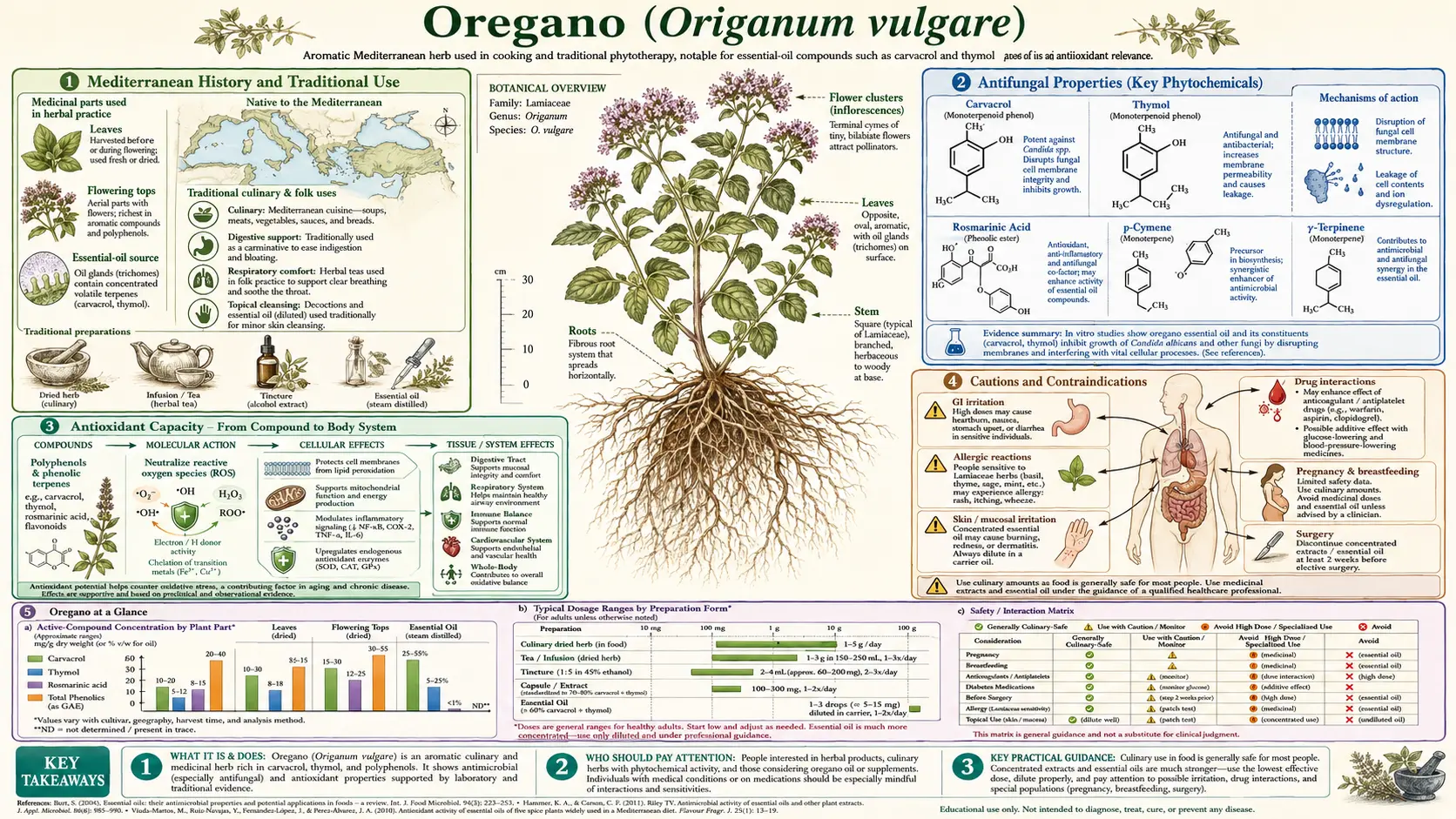
Table of Contents
- Mediterranean History and Traditional Use
- Active Compounds
- Antimicrobial Properties
- Oil of Oregano vs Culinary Oregano
- MRSA and Antibiotic-Resistant Bacteria Research
- Antifungal Properties
- Antiviral Activity
- Immune System Support
- Respiratory Health
- Digestive Health and Gut Infections
- Anti-Inflammatory Properties
- Antioxidant Capacity
- Cancer Research
- Skin Health and Topical Applications
- Forms and Preparations
- Recommended Dosage
- Cautions and Contraindications
- Featured Videos
Mediterranean History and Traditional Use
Oregano's written record reaches back more than two thousand years to the physicians and playwrights of ancient Greece, who used it for the chest, the cough, and the stomach long before it ever flavoured a pizza. Its name is traditionally read as "joy of the mountain" (though scholars consider the origin genuinely uncertain), and Greek custom tied the herb to weddings and to graves. Curiously, the plant's reputation dimmed in the medieval centuries before American soldiers returning from the Second World War turned this once-obscure "pizza herb" into a kitchen staple almost overnight — the fuller story is told in the dedicated History & Traditional Use article.
Active Compounds
Oregano owes its remarkable therapeutic potency to a complex array of bioactive phytochemicals. The most significant include:
- Carvacrol: The dominant phenolic compound in oregano, responsible for the majority of its antimicrobial, antifungal, and anti-inflammatory effects. Carvacrol disrupts bacterial cell membranes, leading to cell death. It typically constitutes 60–80% of high-quality oregano essential oil.
- Thymol: A closely related phenol that works synergistically with carvacrol to enhance antimicrobial activity. Thymol also provides antioxidant and antiseptic properties and contributes to oregano's characteristic aroma.
- Rosmarinic acid: A powerful polyphenolic antioxidant also found in rosemary. Rosmarinic acid exhibits strong anti-inflammatory and antihistamine properties, helping to modulate immune responses and reduce allergic reactions.
- Beta-caryophyllene: A sesquiterpene that acts as a selective cannabinoid receptor (CB2) agonist, providing anti-inflammatory and analgesic effects without psychoactive properties. It also contributes gastroprotective benefits.
- Other notable compounds: Linalool, p-cymene, gamma-terpinene, naringin, and various flavonoids that collectively contribute to oregano's broad-spectrum therapeutic activity.
Antimicrobial Properties
Oregano is widely regarded as one of the most powerful natural antibiotics available. Its antimicrobial activity extends across an exceptionally broad spectrum, effective against bacteria, viruses, fungi, and parasites. This versatility sets it apart from most pharmaceutical antibiotics, which typically target only bacteria.
- Carvacrol and thymol work by disrupting the lipid membrane of pathogenic organisms, increasing membrane permeability and causing leakage of cellular contents, ultimately leading to cell death.
- Laboratory studies have demonstrated oregano oil's effectiveness against numerous pathogenic bacteria, including Escherichia coli, Staphylococcus aureus, Salmonella, Pseudomonas aeruginosa, Klebsiella pneumoniae, and Listeria monocytogenes.
- Unlike conventional antibiotics, oregano does not appear to promote bacterial resistance, making it a valuable tool in an era of increasing antibiotic-resistant infections.
- The multi-compound nature of oregano oil means bacteria face simultaneous attacks through multiple mechanisms, making it far more difficult for organisms to develop resistance.
Oil of Oregano vs Culinary Oregano
It is essential to distinguish between the oregano used in cooking and the concentrated oil of oregano used therapeutically. They are not interchangeable.
- Culinary oregano: The dried or fresh leaves of Origanum vulgare used as a seasoning. While culinary oregano provides antioxidant benefits and mild antimicrobial activity through regular dietary use, its concentration of active compounds is relatively low.
- Oil of oregano (essential oil): A steam-distilled concentrate containing extremely high levels of carvacrol and thymol. Therapeutic-grade oregano oil typically contains 60–80% carvacrol. This concentrated form is vastly more potent than the culinary herb and must be used with care.
- Oil of oregano supplements: Capsules or liquid preparations where the essential oil is pre-diluted in a carrier oil (typically olive oil) for safe internal use. These standardized preparations make dosing more predictable and safer than using the undiluted essential oil.
For therapeutic purposes, naturopathic physicians generally recommend standardized oil of oregano supplements rather than culinary oregano, as the active compound concentrations are measurable and consistent.
MRSA and Antibiotic-Resistant Bacteria Research
One of the most promising areas of oregano research involves its activity against methicillin-resistant Staphylococcus aureus (MRSA) and other antibiotic-resistant superbugs. As conventional antibiotics lose effectiveness against these dangerous pathogens, oregano has attracted significant scientific interest.
- Multiple in vitro studies have demonstrated that carvacrol-rich oregano oil inhibits the growth of MRSA strains at concentrations achievable through supplementation.
- Research published in the Journal of Applied Microbiology found oregano oil effective against multiple drug-resistant bacterial strains, including those resistant to vancomycin, often considered the antibiotic of last resort.
- Carvacrol has been shown to damage the biofilm structures that MRSA and other resistant bacteria use to shield themselves from both immune cells and antibiotics.
- Preliminary clinical evidence suggests oregano oil may serve as an adjunct therapy alongside conventional antibiotics, potentially restoring sensitivity in resistant strains.
- While more human clinical trials are needed, the existing body of research supports oregano oil as a credible complementary approach to antibiotic-resistant infections.
Antifungal Properties
Oregano oil is one of the most effective natural antifungal agents, with particularly strong activity against Candida species.
- Candida albicans: Multiple studies confirm that carvacrol disrupts the cell membrane of Candida, inhibiting its growth and preventing the yeast-to-hyphal transition that allows it to become invasive. Oregano oil has demonstrated effectiveness against both oral and systemic candidiasis.
- Other fungal pathogens: Oregano oil shows activity against Aspergillus, Fusarium, dermatophytes responsible for athlete's foot and ringworm, and various mold species.
- Naturopathic protocols for chronic fungal overgrowth often include oregano oil as a primary botanical antimicrobial, typically used in rotation with other antifungal herbs such as berberine, caprylic acid, and garlic to prevent adaptation.
- Oregano oil's ability to disrupt fungal biofilms is particularly valuable, as biofilm-forming Candida is notoriously difficult to eradicate with conventional antifungal medications alone.
Antiviral Activity
Emerging research supports oregano's antiviral properties, expanding its reputation beyond antibacterial and antifungal applications.
- Carvacrol has demonstrated activity against several viruses, including norovirus (murine norovirus surrogate), respiratory syncytial virus (RSV), and herpes simplex virus (HSV).
- The antiviral mechanism appears to involve direct disruption of viral envelopes and interference with viral attachment to host cells.
- Beta-caryophyllene and rosmarinic acid contribute additional antiviral activity through modulation of inflammatory pathways that viruses exploit for replication.
- Traditional use of oregano tea and steam inhalation during upper respiratory infections aligns with modern findings about its antiviral properties in the respiratory tract.
- While oregano should not replace antiviral medications for serious infections, it may provide supportive care and help reduce viral load during common infections.
Immune System Support
Oregano supports the immune system through multiple complementary mechanisms rather than through simple immune stimulation.
- Direct pathogen elimination: By killing bacteria, fungi, viruses, and parasites directly, oregano reduces the pathogenic burden on the immune system, freeing immune resources for other tasks.
- Immune modulation: Rosmarinic acid and beta-caryophyllene help regulate inflammatory cytokine production, preventing excessive immune responses that can cause tissue damage while maintaining appropriate antimicrobial defenses.
- Antioxidant protection: The high antioxidant content of oregano protects immune cells from oxidative damage, maintaining their functional integrity during infection.
- Gut immune support: By maintaining healthy gut flora balance and combating intestinal pathogens, oregano supports the gut-associated lymphoid tissue (GALT), which houses approximately 70% of the body's immune cells.
Respiratory Health
Oregano has a long history of use in respiratory conditions and remains a cornerstone of naturopathic respiratory protocols.
- Sinus infections: Oregano oil's antimicrobial properties make it effective against the bacteria commonly responsible for acute and chronic sinusitis. Steam inhalation with a few drops of oregano oil in hot water helps deliver active compounds directly to sinus passages.
- Bronchitis: Carvacrol acts as a natural expectorant, helping to loosen and clear mucus from the airways. Its anti-inflammatory action reduces bronchial inflammation, easing breathing and cough.
- Sore throat: Gargling with diluted oregano oil in warm water or taking oil of oregano capsules can help combat the bacterial and viral causes of pharyngitis while reducing throat inflammation.
- General respiratory support: Oregano's combined antimicrobial, anti-inflammatory, and antispasmodic properties make it useful for upper respiratory infections, seasonal congestion, and mild asthmatic symptoms.
- Naturopathic physicians frequently recommend oregano oil at the first sign of respiratory illness to reduce severity and duration of symptoms.
Digestive Health and Gut Infections
The gastrointestinal tract is one of the primary therapeutic targets for oregano oil in naturopathic medicine.
- Small Intestinal Bacterial Overgrowth (SIBO): A landmark study published in Global Advances in Health and Medicine found that herbal protocols containing oregano oil were as effective as rifaximin (the standard pharmaceutical treatment) in resolving SIBO. Oregano oil is now a mainstay of naturopathic SIBO protocols.
- Intestinal parasites: Oregano oil has demonstrated activity against common intestinal parasites, including Giardia lamblia, Blastocystis hominis, and Entamoeba hartmanni. A clinical study found that oregano oil supplementation led to complete disappearance of parasites in the majority of participants.
- Gut dysbiosis: Oregano oil selectively targets pathogenic organisms while being relatively less harmful to beneficial Lactobacillus and Bifidobacterium species, although probiotic supplementation is typically recommended during and after oregano oil treatment.
- Digestive comfort: Oregano reduces intestinal gas, bloating, and cramping through its antispasmodic and carminative effects on smooth muscle in the digestive tract.
Anti-Inflammatory Properties
Chronic inflammation underlies many modern diseases, and oregano addresses inflammatory pathways through several mechanisms.
- Beta-caryophyllene binds to CB2 cannabinoid receptors in immune cells, reducing the production of pro-inflammatory cytokines such as TNF-alpha, IL-1beta, and IL-6 without psychoactive effects.
- Rosmarinic acid inhibits the enzyme cyclooxygenase-2 (COX-2), the same target of conventional anti-inflammatory drugs like ibuprofen, though through a gentler mechanism.
- Carvacrol suppresses the NF-kB inflammatory signaling pathway, one of the master regulators of inflammation in the body.
- Animal studies have demonstrated significant reductions in colitis severity, joint inflammation, and edema with oregano extract supplementation.
- The combined anti-inflammatory effects of oregano's multiple compounds may offer benefits for conditions including arthritis, inflammatory bowel disease, and metabolic syndrome.
Antioxidant Capacity
Oregano possesses remarkably high antioxidant activity, surpassing most commonly consumed fruits and vegetables.
- ORAC score: Oregano has one of the highest Oxygen Radical Absorbance Capacity (ORAC) scores of any herb or spice, measuring significantly higher than blueberries, pomegranates, and most other antioxidant-rich foods on a gram-for-gram basis.
- The antioxidant activity derives from rosmarinic acid, thymol, carvacrol, and numerous flavonoids working synergistically to neutralize free radicals.
- Oregano's antioxidants scavenge superoxide, hydroxyl, and peroxyl radicals, protecting cellular DNA, proteins, and lipid membranes from oxidative damage.
- Regular consumption of oregano, whether culinary or supplemental, contributes to the body's overall antioxidant defense, potentially reducing the risk of chronic diseases associated with oxidative stress, including cardiovascular disease and neurodegeneration.
- Historically, oregano was used to preserve food precisely because its antioxidant compounds prevent lipid oxidation and rancidity, a practice that predates modern food preservation by centuries.
Cancer Research
Preliminary research into oregano's anticancer properties has yielded encouraging results, though this field remains in early stages.
- Carvacrol has been shown to induce apoptosis (programmed cell death) in several cancer cell lines in vitro, including colon, breast, liver, and lung cancer cells.
- The mechanism appears to involve activation of caspase enzymes that trigger the apoptotic cascade, as well as disruption of mitochondrial membrane potential in cancer cells.
- Thymol demonstrates antiproliferative effects, slowing the rate of cancer cell division in laboratory settings.
- Rosmarinic acid has shown the ability to inhibit angiogenesis (the formation of new blood vessels that tumors require for growth) in animal models.
- Beta-caryophyllene may enhance the uptake of conventional chemotherapy drugs into cancer cells, potentially improving treatment efficacy while allowing lower doses.
- These findings are primarily from cell culture and animal studies. Human clinical trials are needed before oregano can be recommended as a cancer treatment. However, its inclusion in a health-supportive diet is considered beneficial.
Skin Health and Topical Applications
Oregano oil's antimicrobial and anti-inflammatory properties make it valuable for various skin conditions when properly diluted.
- Fungal skin infections: Diluted oregano oil applied topically is effective against athlete's foot, ringworm, and nail fungus. Its ability to penetrate biofilms gives it an advantage over some conventional topical antifungals.
- Acne: The antibacterial action against Cutibacterium acnes combined with anti-inflammatory effects makes diluted oregano oil a useful spot treatment for inflammatory acne.
- Wound care: Traditional use of oregano for wound cleaning is supported by modern research showing its broad-spectrum antimicrobial activity helps prevent wound infection.
- Cold sores: Topical application of diluted oregano oil at the first sign of a cold sore may help reduce severity and duration due to its antiviral activity against herpes simplex virus.
- Dilution requirement: Oregano essential oil must always be diluted in a carrier oil (coconut, jojoba, or olive oil) before topical application. A typical dilution is 1–2 drops of oregano essential oil per teaspoon of carrier oil. Undiluted application can cause chemical burns, irritation, and dermatitis.
Forms and Preparations
- Fresh herb: Used in cooking and for mild teas. Provides antioxidant benefits and gentle antimicrobial support through regular dietary use. Best harvested just before flowering when essential oil content peaks.
- Dried oregano: More concentrated than fresh (approximately 3:1 ratio). Used in cooking, teas, and poultices. Retains significant antioxidant activity when properly stored away from light and heat.
- Essential oil: The most concentrated form, obtained by steam distillation. Extremely potent and must always be diluted before use. Used for aromatherapy, topical applications (diluted), and sometimes internally under professional guidance.
- Oil of oregano capsules: Pre-diluted oregano essential oil in a carrier oil, encapsulated for convenient internal use. This is the most common form used in naturopathic protocols. Look for products standardized to at least 60% carvacrol content.
- Oregano tea: Prepared by steeping 1–2 teaspoons of dried oregano in hot water for 5–10 minutes. Provides milder therapeutic benefits and is especially useful for respiratory and digestive complaints.
- Tincture: An alcohol-based extract that preserves active compounds. Taken as drops in water, tinctures offer a middle ground between teas and concentrated oil supplements.
Recommended Dosage
Dosage varies considerably depending on the form and therapeutic goal. The following are general guidelines used in naturopathic practice:
- Oil of oregano capsules: 150–300 mg of oregano oil (standardized to 60–80% carvacrol) taken 2–3 times daily with food for acute infections. Lower maintenance doses of 150 mg once or twice daily for ongoing support.
- Liquid oil of oregano: 2–4 drops of pre-diluted oil of oregano under the tongue or mixed in water, 2–3 times daily. The taste is intensely pungent; mixing with juice or a small amount of honey may improve palatability.
- Oregano tea: 1–2 teaspoons dried oregano steeped in 8 ounces of hot water, 2–3 cups daily.
- Topical use: 1–2 drops of essential oil per teaspoon of carrier oil, applied to affected area 2–3 times daily.
- Duration: For acute infections, oregano oil is typically used for 2–6 weeks. Long-term continuous use is generally not recommended without professional guidance, as it may affect beneficial gut flora. Cycling protocols (2 weeks on, 1 week off) are common in naturopathic practice.
Cautions and Contraindications
Despite its natural origin, oregano oil is a potent substance that requires respect and appropriate use.
- Pregnancy and breastfeeding: Oregano oil in therapeutic doses is contraindicated during pregnancy as it may stimulate uterine contractions. Culinary amounts of the herb are considered safe, but concentrated oil supplements should be avoided. Safety during breastfeeding has not been established.
- Blood thinners: Oregano may have mild anticoagulant effects and could theoretically potentiate the effects of blood-thinning medications such as warfarin and aspirin. Patients on anticoagulant therapy should consult their physician before using oregano oil supplements.
- Iron absorption interference: Oregano and its compounds can bind dietary iron and reduce absorption. Individuals with iron-deficiency anemia should take oregano oil supplements at least 2 hours apart from iron-containing foods or supplements.
- Essential oil potency: Undiluted oregano essential oil is never safe for internal use. Pure essential oil can cause severe burns to the mucous membranes of the mouth, throat, and digestive tract. Only pre-diluted oil of oregano preparations intended for internal use should be taken orally.
- Allergies: Individuals allergic to plants in the Lamiaceae (mint) family, including basil, lavender, mint, sage, and thyme, may also be allergic to oregano.
- Gut flora disruption: Prolonged high-dose use of oregano oil can reduce beneficial gut bacteria. Probiotic supplementation is recommended during and after oregano oil protocols. Use should be time-limited unless supervised by a qualified practitioner.
- Drug interactions: Oregano may affect the metabolism of certain medications processed by the liver's cytochrome P450 enzyme system. Consult a healthcare provider if taking prescription medications.
- Diabetes medications: Oregano may lower blood sugar levels and could potentiate the effects of diabetes medications, requiring monitoring.
Research Papers and References
The following are topic-level PubMed search links covering the main evidence streams for Oregano (Origanum vulgare). Each link resolves to a curated PubMed query so that the most current randomized trials, meta-analyses, and mechanistic studies can be reviewed directly from the National Library of Medicine.
- Carvacrol and thymol: antimicrobial pharmacology. — PubMed: oregano oil carvacrol antimicrobial
- Oregano oil activity against MRSA and resistant bacteria. — PubMed: Origanum vulgare antibacterial MRSA
- Oregano oil antifungal activity against Candida. — PubMed: oregano oil candida antifungal
- Oregano oil in SIBO management. — PubMed: oregano SIBO small intestinal bacterial
- Oregano oil for intestinal parasites. — PubMed: oregano oil parasites blastocystis
- Antioxidant pharmacology of Origanum vulgare. — PubMed: oregano antioxidant
- Anti-inflammatory effects of oregano extracts. — PubMed: oregano anti-inflammatory
- Oregano oil in upper respiratory tract infections. — PubMed: oregano oil respiratory tract infection
- Activity of oregano oil against microbial biofilms. — PubMed: oregano oil biofilm
- Oregano and metabolic/lipid markers. — PubMed: oregano glucose lipid metabolic
- Safety of oregano oil: mucosal and systemic effects. — PubMed: oregano oil safety mucosal
External Authoritative Resources
- NCCIH — Herbs at a Glance
- MedlinePlus — Herbs and Supplements
- PubMed — All research on Origanum vulgare
Connections
- All Herbs
- Oregano Benefits Deep Dive
- Garlic
- Thyme
- Tea Tree
- Gut Healing
- Neem
- Antibacterial Herbs
- Olive Leaf
- SIBO
- Cancer
- Parasites
- Staphylococcus Aureus
- Olive Oil
- Berberine
- Sage
- Inflammatory Bowel Disease
- Acne
- Pneumonia
- Urinary Tract Infections
- Mullein