Olive Leaf (Olea europaea)
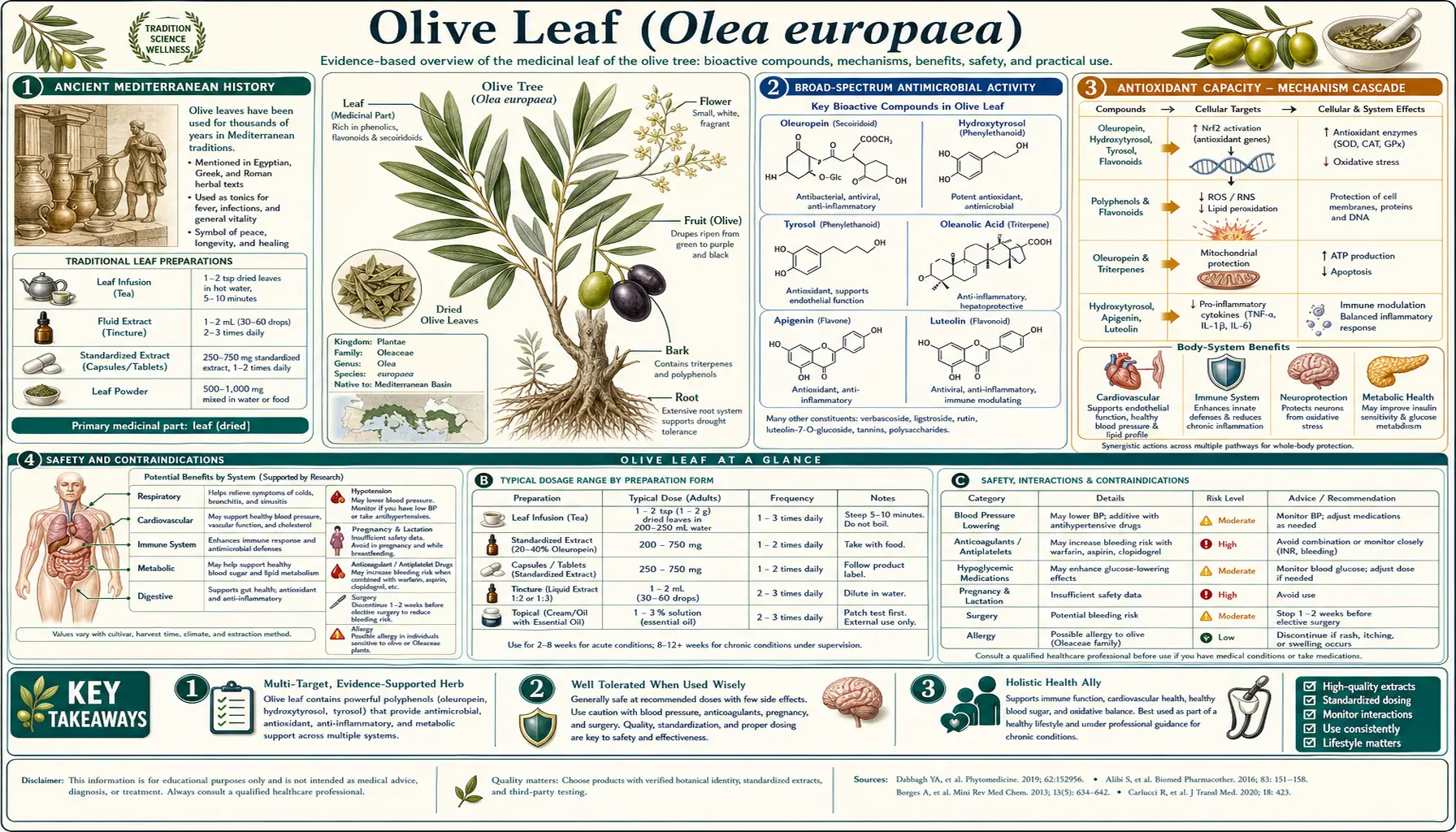
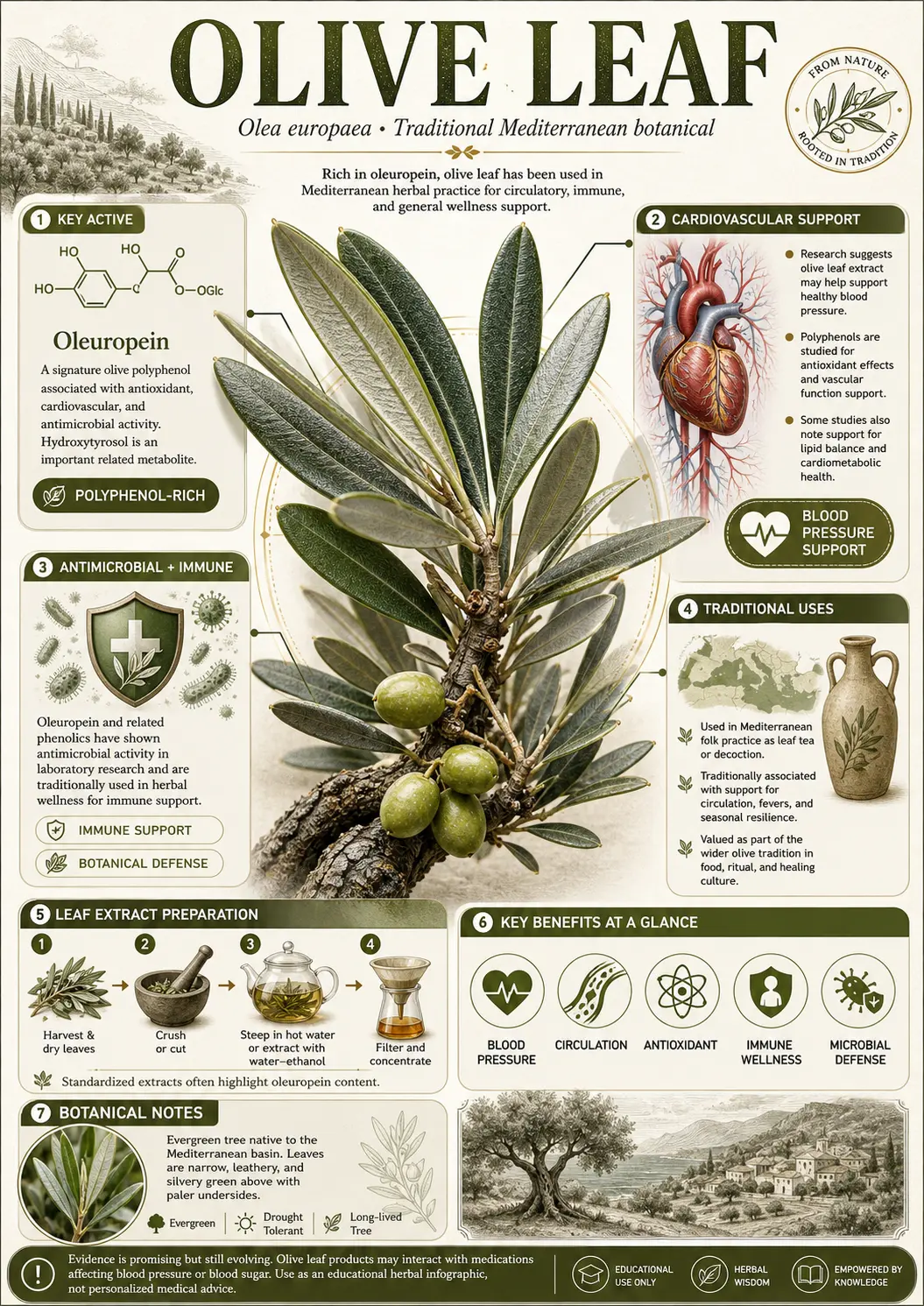
Table of Contents
- Ancient Mediterranean History
- Key Antibacterial Compounds
- Mechanism of Antibacterial Action
- Bacteria Targeted
- Research Studies and Clinical Evidence
- Broad-Spectrum Antimicrobial Activity
- Respiratory Infection Applications
- Cardiovascular and Antibacterial Connection
- Skin Health and Wound Healing
- Urinary Tract and Gastrointestinal Applications
- Antioxidant Capacity
- Synergistic Effects
- Other Health Benefits
- Forms and Preparations
- Recommended Dosage
- Safety and Contraindications
- Key Research Papers and References
- Featured Videos
Ancient Mediterranean History
The olive tree (Olea europaea) has stood at the center of Mediterranean civilization for thousands of years, and for almost as long its bitter, silvery leaves — not only its famous fruit and oil — have been brewed and applied as a folk medicine, traditionally for fevers and, later, for high blood pressure. The leaf appears in the classical herbals of Dioscorides and Pliny and in Mediterranean folk practice, and its modern scientific career began with the isolation of its signature bitter compound, oleuropein, in 1908. — the fuller story is told in the dedicated History & Traditional Use article.
Key Antibacterial Compounds
The antibacterial potency of olive leaf arises from a complex phytochemical profile. Five key compounds have been identified as the primary drivers of its antimicrobial activity:
Oleuropein
Oleuropein is the dominant bioactive compound in olive leaf and the principal agent responsible for its antibacterial effects. This bitter secoiridoid glycoside can constitute up to 6–9% of the dry weight of olive leaves—a concentration vastly higher than that found in olive fruit or olive oil. Oleuropein was first isolated in 1908 by the Italian chemist Bourquelot, but its full antimicrobial potential was not explored until the 1960s when researchers at the pharmaceutical company Upjohn identified it as a potent broad-spectrum antimicrobial agent.
Oleuropein exerts its antibacterial action through multiple pathways. It disrupts bacterial cell membrane integrity, interferes with amino acid production essential for bacterial replication, and generates metabolites—particularly elenolic acid—that are directly bactericidal. Studies have demonstrated that oleuropein is effective against both Gram-positive and Gram-negative bacteria, making it one of the most versatile plant-derived antimicrobial compounds known.
Hydroxytyrosol
Hydroxytyrosol is a polyphenol formed through the hydrolysis of oleuropein. It is considered one of the most potent natural antioxidants ever identified, with an oxygen radical absorbance capacity (ORAC) significantly exceeding that of vitamin C, vitamin E, and coenzyme Q10. Beyond its antioxidant prowess, hydroxytyrosol demonstrates direct antibacterial activity. It damages bacterial cell walls and membranes, increases membrane permeability, and causes leakage of intracellular contents leading to bacterial death. Research published in the Journal of Agricultural and Food Chemistry confirmed that hydroxytyrosol is bactericidal against both Staphylococcus aureus and Escherichia coli at concentrations readily achievable through olive leaf supplementation.
Elenolic Acid
Elenolic acid is a hydrolysis product of oleuropein and is considered the primary active antimicrobial metabolite generated when oleuropein is broken down in the body. Research conducted at the Upjohn Company in the late 1960s and early 1970s demonstrated that elenolic acid possesses virucidal, bactericidal, and antiparasitic properties. It interferes with critical amino acid production processes in bacteria, preventing the synthesis of proteins essential for bacterial survival and replication. Elenolic acid also inhibits viral replication by blocking the production of amino acids necessary for viral assembly, and it prevents viral budding from host cells.
Verbascoside
Verbascoside (also known as acteoside) is a phenylpropanoid glycoside found in significant quantities in olive leaves. It contributes to the antibacterial profile of olive leaf through its ability to inhibit bacterial growth and biofilm formation. Research has shown that verbascoside is particularly effective against Gram-positive bacteria including Staphylococcus aureus and Bacillus cereus. In addition to its antibacterial properties, verbascoside possesses notable anti-inflammatory and wound-healing activities that complement the direct antimicrobial effects of the other olive leaf compounds.
Luteolin
Luteolin is a flavonoid present in olive leaves that contributes both antibacterial and anti-inflammatory effects. Luteolin inhibits bacterial DNA synthesis and protein production, slowing bacterial growth and reproduction. It also modulates the host immune response by reducing excessive inflammatory signaling while supporting the body's natural antimicrobial defenses. Studies have demonstrated luteolin's activity against methicillin-resistant Staphylococcus aureus (MRSA), suggesting it may play a role in addressing antibiotic-resistant infections. Additionally, luteolin enhances the activity of conventional antibiotics when used in combination, a property known as antibiotic synergism.
Mechanism of Antibacterial Action
Olive leaf extract exerts its antibacterial effects through several distinct but complementary mechanisms. This multi-target approach is significant because it makes it far more difficult for bacteria to develop resistance compared to conventional antibiotics that typically target a single pathway.
Oleuropein Hydrolysis and Elenolic Acid Production
When oleuropein enters the body, enzymatic hydrolysis cleaves it into several bioactive metabolites, the most important of which is elenolic acid. This conversion occurs through the action of esterase enzymes in the gastrointestinal tract and within tissues. Elenolic acid is a powerful antimicrobial agent that attacks bacteria at the metabolic level. Research conducted at the Upjohn Company demonstrated that elenolic acid is lethal to every bacterium, virus, fungus, and protozoan it was tested against in laboratory settings—a breadth of activity virtually unmatched by any single pharmaceutical antibiotic.
Disruption of Amino Acid Production
One of the primary antibacterial mechanisms of olive leaf compounds involves interference with bacterial amino acid synthesis. Bacteria require the continuous production of specific amino acids to build the proteins necessary for their survival, reproduction, and virulence. Elenolic acid and oleuropein disrupt the enzymatic pathways responsible for amino acid production in bacteria, effectively starving them of the building blocks they need to replicate. This mechanism is particularly effective because it targets fundamental metabolic processes that bacteria cannot easily bypass through mutation, reducing the likelihood of resistance development.
Cell Membrane Permeability Disruption
Olive leaf compounds, particularly oleuropein and hydroxytyrosol, directly damage bacterial cell membranes. They insert into the lipid bilayer of bacterial membranes and disrupt its structural integrity, creating pores and increasing permeability. This causes leakage of essential intracellular contents—including ions, ATP, nucleotides, and enzymes—leading to osmotic imbalance and ultimately cell death. The mechanism is especially effective against Gram-positive bacteria, which lack the protective outer membrane present in Gram-negative species. However, olive leaf compounds also demonstrate activity against Gram-negative bacteria by penetrating the outer membrane through porin channels and destabilizing the inner cytoplasmic membrane.
Inhibition of Viral Budding
While not strictly an antibacterial mechanism, olive leaf's ability to inhibit viral replication contributes to its overall antimicrobial profile and is relevant to understanding its broad-spectrum activity. Oleuropein and its metabolites interfere with viral budding—the process by which newly assembled viral particles exit the host cell to spread infection. By blocking the production of amino acids required for viral coat assembly and preventing the membrane fusion events necessary for budding, olive leaf compounds can reduce viral load and limit the spread of viral infections within the body. This antiviral activity works alongside the antibacterial mechanisms to provide comprehensive immune support during infections that may involve both bacterial and viral components.
Bacteria Targeted
Olive leaf extract has demonstrated activity against a remarkably broad range of pathogenic bacteria in laboratory and clinical research. The following species have been specifically studied:
Staphylococcus aureus
Staphylococcus aureus is a Gram-positive bacterium responsible for skin infections, pneumonia, endocarditis, osteomyelitis, and sepsis. It is one of the most common causes of hospital-acquired and community-acquired infections worldwide. Olive leaf extract has demonstrated potent activity against S. aureus in multiple studies, with minimum inhibitory concentrations (MICs) as low as 0.31–0.63 mg/mL. The extract disrupts the cell membrane of S. aureus and inhibits its ability to form biofilms—protective communities of bacteria that are notoriously resistant to antibiotics and immune clearance.
Methicillin-Resistant Staphylococcus aureus (MRSA)
MRSA represents one of the most dangerous antibiotic-resistant pathogens currently threatening global health. Research published in peer-reviewed journals has demonstrated that olive leaf extract retains significant antibacterial activity against MRSA strains that are resistant to beta-lactam antibiotics. The multi-target mechanism of olive leaf compounds means that the resistance mechanisms that protect MRSA from methicillin and related drugs do not confer protection against oleuropein and its metabolites. Studies have shown that olive leaf extract can inhibit MRSA growth both in liquid culture and on solid media, and that it can enhance the effectiveness of conventional antibiotics when used in combination.
Bacillus cereus
Bacillus cereus is a spore-forming Gram-positive bacterium that causes foodborne illness characterized by nausea, vomiting, and diarrhea. It is commonly found in rice, pasta, and other starchy foods that have been improperly stored after cooking. Olive leaf extract has shown strong inhibitory activity against B. cereus, with zones of inhibition comparable to or exceeding those of some conventional antibiotics in disk diffusion assays. The spore-forming capacity of B. cereus makes it particularly resistant to many antimicrobial interventions, but olive leaf compounds appear to inhibit both the vegetative cells and, to a lesser extent, sporulation.
Escherichia coli
Escherichia coli is a Gram-negative bacterium that normally inhabits the human intestinal tract but can cause severe urinary tract infections, gastroenteritis, meningitis, and sepsis when pathogenic strains colonize inappropriate body sites. Olive leaf extract demonstrates dose-dependent antibacterial activity against multiple E. coli strains, including enterotoxigenic, enteropathogenic, and uropathogenic variants. The outer membrane of Gram-negative bacteria like E. coli provides a degree of protection against many antimicrobial agents, but olive leaf compounds can penetrate this barrier through porin channels and exert their bactericidal effects on the inner membrane and cytoplasmic targets.
Klebsiella pneumoniae
Klebsiella pneumoniae is a Gram-negative bacterium that causes pneumonia, urinary tract infections, bloodstream infections, and wound infections, particularly in hospitalized and immunocompromised patients. It is a leading cause of healthcare-associated infections and has developed extensive antibiotic resistance in many clinical settings. Olive leaf extract has demonstrated inhibitory activity against K. pneumoniae in laboratory studies, though higher concentrations are generally required compared to Gram-positive targets due to the protective outer membrane of this organism.
Pseudomonas aeruginosa
Pseudomonas aeruginosa is an opportunistic Gram-negative pathogen that causes severe infections in burn victims, cystic fibrosis patients, and immunocompromised individuals. It is intrinsically resistant to many antibiotics and readily acquires additional resistance mechanisms. Olive leaf extract has shown moderate activity against P. aeruginosa, with research suggesting that its primary mechanism against this organism involves disruption of quorum sensing—the bacterial communication system that coordinates virulence factor production and biofilm formation. By interfering with quorum sensing, olive leaf compounds can reduce the pathogenicity of P. aeruginosa even when complete bactericidal activity is not achieved.
Helicobacter pylori
Helicobacter pylori is a spiral-shaped Gram-negative bacterium that colonizes the stomach lining of approximately half the world's population. It is the primary cause of gastric ulcers and chronic gastritis and is classified as a Group 1 carcinogen by the World Health Organization due to its role in gastric cancer development. Olive leaf extract has demonstrated anti-H. pylori activity in vitro, with oleuropein and hydroxytyrosol both showing significant inhibition of bacterial growth. These findings are particularly relevant because H. pylori eradication with conventional antibiotics is increasingly complicated by rising rates of clarithromycin and metronidazole resistance.
Salmonella species
Salmonella species are Gram-negative bacteria that cause salmonellosis, a foodborne illness characterized by diarrhea, fever, and abdominal cramps. Salmonella enterica serovar Typhimurium and serovar Enteritidis are the most common causes of human disease. Olive leaf extract has shown inhibitory and bactericidal activity against multiple Salmonella strains in both broth dilution and disk diffusion assays. Research in food science has also demonstrated that olive leaf extract can inhibit Salmonella growth on food surfaces, suggesting potential applications in food preservation and safety.
Research Studies and Clinical Evidence
The antibacterial properties of olive leaf have been the subject of substantial scientific investigation over the past several decades. Key studies and publications include:
Journal of Food Medicine Research
Research published in the Journal of Food Medicine examined the antimicrobial activity of olive leaf extract against a panel of foodborne pathogens. The study employed both agar disk diffusion and broth microdilution methods to determine minimum inhibitory concentrations. Results demonstrated that olive leaf extract standardized to 20% oleuropein inhibited the growth of Staphylococcus aureus, Escherichia coli, Bacillus cereus, and Salmonella enterica at concentrations ranging from 0.31 to 2.5 mg/mL. The researchers concluded that olive leaf extract represents a promising natural antimicrobial agent for food preservation applications, with particular efficacy against Gram-positive pathogens.
Biotechnology and Bioengineering Studies
A landmark study published in Biotechnology and Bioengineering investigated the mechanism by which oleuropein and its hydrolysis products exert antibacterial effects. Using electron microscopy and biochemical analysis, the researchers demonstrated that oleuropein causes visible structural damage to bacterial cell membranes within 30 minutes of exposure. The study documented the leakage of intracellular ATP, potassium ions, and nucleotides from treated bacteria, confirming that membrane disruption is a primary killing mechanism. The research also showed that elenolic acid, generated through enzymatic hydrolysis of oleuropein, exhibited even greater bactericidal activity than the parent compound against both Gram-positive and Gram-negative organisms.
Mycoses Journal Antifungal Research
While primarily focused on antifungal activity, research published in Mycoses provided important evidence of olive leaf extract's broad-spectrum antimicrobial potential. The study tested olive leaf extract against Candida albicans, Candida glabrata, Candida parapsilosis, and dermatophyte fungi, finding significant inhibitory and fungicidal activity. Crucially, the study also tested olive leaf extract against bacteria that commonly co-infect with fungi, including S. aureus and E. coli, and found that the extract maintained antibacterial potency even in mixed microbial populations. This research supported the concept that olive leaf provides comprehensive antimicrobial coverage rather than narrow-spectrum activity.
Phytomedicine Clinical Studies
Research published in Phytomedicine examined the clinical efficacy of olive leaf extract in human subjects with upper respiratory infections. In a randomized, double-blind, placebo-controlled trial, participants receiving olive leaf extract standardized to 20% oleuropein reported significantly shorter duration of illness and reduced severity of symptoms compared to the placebo group. Throat swab cultures showed reduced bacterial colonization in the treatment group, suggesting direct in vivo antibacterial activity. The study also measured serum antioxidant capacity and inflammatory markers, finding significant improvements in the olive leaf group—supporting the hypothesis that olive leaf's clinical benefits arise from a combination of direct antimicrobial action and immune system modulation.
Broad-Spectrum Antimicrobial Activity
One of the most remarkable characteristics of olive leaf extract is the extraordinary breadth of its antimicrobial activity. Unlike most natural antimicrobial agents—which tend to be effective against either bacteria or fungi or viruses—olive leaf demonstrates significant activity across all four major categories of infectious microorganisms: bacteria, viruses, fungi, and parasites. This broad-spectrum profile is virtually unique among plant-derived antimicrobials and is comparable to very few pharmaceutical agents.
Antibacterial Activity
As detailed in previous sections, olive leaf extract is effective against both Gram-positive and Gram-negative bacteria, including antibiotic-resistant strains such as MRSA. Its multi-target mechanism of action—combining membrane disruption, metabolic interference, and protein synthesis inhibition—provides a level of coverage that few single agents can match.
Antiviral Activity
Olive leaf extract has demonstrated antiviral activity against a wide range of viruses including influenza, parainfluenza, herpes simplex virus types 1 and 2, and respiratory syncytial virus. The primary antiviral mechanism involves interference with viral amino acid production and inhibition of viral budding from host cells. Research has shown that oleuropein can reduce viral infectivity by 10 to 100-fold in cell culture models, depending on the virus tested.
Antifungal Activity
Studies have confirmed the antifungal activity of olive leaf extract against Candida albicans, Candida glabrata, Cryptococcus neoformans, and various dermatophyte species. The antifungal mechanism appears to involve disruption of fungal cell membrane ergosterol synthesis and direct membrane damage, similar to the mechanisms of pharmaceutical antifungal agents such as the azole drugs.
Antiparasitic Activity
Olive leaf extract has shown activity against protozoan parasites including Plasmodium falciparum (the causative agent of malaria), Leishmania species, and Trypanosoma species. This antiparasitic activity was first suggested by Daniel Hanbury's 1854 clinical observation that olive leaf tincture was effective against tropical fevers, including malaria. Modern research has confirmed and expanded upon this finding, demonstrating that oleuropein and elenolic acid interfere with parasite metabolic processes and reproductive cycles.
This breadth of antimicrobial coverage makes olive leaf extract particularly valuable for supporting immune function during infections of unknown or mixed etiology, where the causative organism may be bacterial, viral, fungal, or parasitic. Few natural or pharmaceutical agents can offer this level of comprehensive antimicrobial protection.
Respiratory Infection Applications
Olive leaf extract has a long history of use in supporting recovery from respiratory infections, and modern research has provided scientific validation for many of these traditional applications.
Cold and Flu Support
The common cold and influenza involve both viral and secondary bacterial components. Rhinoviruses, adenoviruses, and influenza viruses cause the initial infection, but secondary bacterial colonization of the inflamed respiratory mucosa by organisms such as Streptococcus pneumoniae, Haemophilus influenzae, and Moraxella catarrhalis frequently complicates recovery and prolongs illness. Olive leaf extract addresses both the viral and bacterial components of these infections simultaneously. Its antiviral activity helps reduce viral replication and shedding, while its antibacterial properties combat secondary bacterial invaders. The anti-inflammatory effects of oleuropein and hydroxytyrosol also help reduce the excessive inflammatory response that causes many of the symptoms associated with colds and flu, including sore throat, nasal congestion, and body aches.
Sinusitis
Sinus infections frequently involve bacterial pathogens including S. pneumoniae, H. influenzae, and S. aureus that colonize the sinus cavities when mucociliary clearance is impaired by viral infection or allergic inflammation. Olive leaf extract has been used traditionally as an oral supplement to support sinus health during acute and chronic sinusitis. Its antibacterial activity against the common sinus pathogens, combined with its anti-inflammatory properties that help reduce sinus mucosal swelling and improve drainage, makes it a rational complementary approach to sinus infection management.
Bronchitis
Acute bronchitis typically begins as a viral infection of the bronchial mucosa but may progress to involve secondary bacterial infection with organisms such as Mycoplasma pneumoniae, Chlamydophila pneumoniae, or Bordetella pertussis. Chronic bronchitis involves persistent bacterial colonization and inflammation of the airways. Olive leaf extract's combined antibacterial, antiviral, anti-inflammatory, and antioxidant properties make it relevant to both acute and chronic bronchitis. The antioxidant activity of hydroxytyrosol may be particularly important in chronic bronchitis, where oxidative stress from persistent inflammation contributes to airway damage and disease progression.
Cardiovascular and Antibacterial Connection
The relationship between olive leaf's cardiovascular benefits and its antibacterial properties represents a fascinating area of emerging research that highlights how antimicrobial activity may contribute to heart health in ways previously unrecognized.
Blood Pressure Regulation
Multiple clinical studies have demonstrated that olive leaf extract significantly reduces both systolic and diastolic blood pressure. A landmark randomized, double-blind clinical trial published in Phytomedicine found that olive leaf extract (500 mg twice daily, standardized to 20% oleuropein) was as effective as captopril 12.5 mg twice daily in reducing blood pressure in patients with stage 1 hypertension, with the additional benefit of reducing serum triglyceride levels. The antihypertensive effect is attributed to oleuropein's ability to relax blood vessel smooth muscle, inhibit angiotensin-converting enzyme (ACE), and improve endothelial function through nitric oxide-mediated vasodilation.
Arterial Plaque and Bacteria
Research has increasingly recognized the role of bacteria in the development and destabilization of atherosclerotic plaques. Organisms such as Chlamydophila pneumoniae, Porphyromonas gingivalis (a periodontal pathogen), and Helicobacter pylori have been detected within atherosclerotic lesions, and chronic bacterial infections are now considered a contributing factor to cardiovascular disease. Olive leaf extract's antibacterial activity against these organisms, combined with its anti-inflammatory and antioxidant effects, suggests a mechanism by which it may help prevent or slow the progression of atherosclerosis beyond simple blood pressure reduction. By reducing the bacterial burden within arterial plaques and the systemic inflammatory response to chronic infection, olive leaf extract may address root causes of cardiovascular disease that conventional blood pressure medications do not.
Endothelial Protection
The vascular endothelium—the single-cell layer lining all blood vessels—plays a critical role in regulating blood pressure, blood clotting, and immune function. Bacterial toxins and the inflammatory mediators produced in response to chronic infection damage endothelial cells, promoting the development of atherosclerosis and thrombosis. Olive leaf extract protects endothelial cells through its potent antioxidant activity (neutralizing the reactive oxygen species generated during infection and inflammation), its direct antibacterial effects (reducing the source of bacterial toxins), and its anti-inflammatory properties (modulating the immune response to prevent excessive endothelial damage). Hydroxytyrosol, in particular, has been shown to protect endothelial cells from oxidative damage and to promote the production of nitric oxide, which maintains vascular health and flexibility.
Skin Health and Wound Healing
The topical application of olive leaf preparations for skin health and wound healing has roots stretching back to ancient Egyptian and Greek medicine. Modern research has begun to validate these traditional uses and identify the mechanisms underlying olive leaf's dermatological benefits.
Topical Antimicrobial Applications
Olive leaf extract has demonstrated topical antibacterial activity against common skin pathogens including Staphylococcus aureus, Staphylococcus epidermidis, and Streptococcus pyogenes. When applied to wounds, olive leaf preparations reduce bacterial colonization and biofilm formation, creating conditions favorable for healing. The anti-inflammatory properties of olive leaf compounds simultaneously reduce wound edema and excessive inflammatory response, while the antioxidant activity of hydroxytyrosol protects healing tissue from oxidative damage. Studies have shown that olive leaf extract promotes fibroblast proliferation and collagen synthesis, both essential for wound closure and tissue repair.
Herpes Simplex Research
Research into olive leaf's antiviral activity has produced particularly interesting results regarding herpes simplex virus (HSV) types 1 and 2. Laboratory studies have demonstrated that oleuropein and hydroxytyrosol inhibit HSV replication at multiple stages of the viral life cycle, including viral attachment to host cells, viral penetration, and viral DNA replication. Cell culture studies have shown that olive leaf extract can reduce HSV-1 infectivity by up to 99% at concentrations achievable through oral supplementation. While comprehensive human clinical trials are still needed, preliminary evidence suggests that both oral supplementation and topical application of olive leaf extract may reduce the frequency and severity of herpes outbreaks. The antiviral mechanism appears to be distinct from that of acyclovir and related pharmaceutical antivirals, raising the possibility that olive leaf extract could be effective against acyclovir-resistant HSV strains.
Fungal Skin Conditions
Dermatophyte fungi including Trichophyton, Microsporum, and Epidermophyton species cause superficial fungal infections such as athlete's foot, ringworm, and jock itch. Olive leaf extract has shown antifungal activity against these organisms in vitro, with minimum inhibitory concentrations comparable to those of conventional topical antifungal agents. The combined antifungal and antibacterial properties of olive leaf extract are particularly relevant for fungal skin infections, which are frequently complicated by secondary bacterial superinfection. By addressing both the fungal pathogen and secondary bacterial invaders simultaneously, olive leaf preparations may offer advantages over narrow-spectrum antifungal treatments for mixed infections.
Urinary Tract and Gastrointestinal Applications
Urinary Tract Infection Support
Urinary tract infections (UTIs) are among the most common bacterial infections, affecting an estimated 150 million people worldwide annually. The vast majority are caused by uropathogenic Escherichia coli (UPEC), which ascends from the perineal area to colonize the urethra, bladder, and occasionally the kidneys. Olive leaf extract has demonstrated in vitro activity against multiple UPEC strains, including some that exhibit resistance to trimethoprim-sulfamethoxazole and fluoroquinolones—the first-line antibiotics for UTI treatment. The antibacterial mechanism involves disruption of bacterial adhesion to uroepithelial cells (a critical first step in UTI pathogenesis), inhibition of biofilm formation on urinary catheter surfaces, and direct bactericidal activity through membrane disruption and metabolic interference.
Traditional herbalists have used olive leaf tea and tinctures as complementary supports during UTI treatment, and some modern practitioners recommend olive leaf extract as a preventive measure for individuals prone to recurrent UTIs. While randomized controlled trials specifically evaluating olive leaf extract for UTI prevention are still needed, the in vitro evidence and clinical experience support its potential role as an adjunctive therapy.
Helicobacter pylori Eradication
The eradication of H. pylori is critical for the treatment of gastric and duodenal ulcers and for reducing the risk of gastric cancer. Standard triple therapy (a proton pump inhibitor plus two antibiotics) achieves eradication rates of only 70–85%, and these rates are declining due to increasing antibiotic resistance, particularly to clarithromycin. Olive leaf extract has shown anti-H. pylori activity in multiple in vitro studies, with MICs ranging from 0.31 to 1.25 mg/mL depending on the strain and the method of extraction. Some researchers have proposed olive leaf extract as a complementary agent to standard triple therapy, potentially improving eradication rates and reducing the risk of treatment failure due to antibiotic resistance. The anti-inflammatory and gastroprotective effects of olive leaf compounds may also help reduce the mucosal damage associated with H. pylori infection and promote ulcer healing.
Gut Health and Microbiome Support
Emerging research suggests that olive leaf extract may support gut health through mechanisms that extend beyond direct antibacterial activity against pathogens. Studies have shown that olive leaf polyphenols, particularly oleuropein and hydroxytyrosol, are selectively metabolized by beneficial gut bacteria including Lactobacillus and Bifidobacterium species, potentially serving as prebiotic substrates that promote the growth of these health-promoting organisms. At the same time, olive leaf compounds demonstrate greater activity against pathogenic bacteria such as E. coli, Salmonella, and Clostridium species than against beneficial commensals, suggesting a degree of selective toxicity that could help restore a healthy microbial balance in the gut. This selective antimicrobial activity, combined with the anti-inflammatory and antioxidant effects of olive leaf polyphenols on the intestinal mucosa, supports the traditional use of olive leaf preparations for digestive health.
Antioxidant Capacity
The antioxidant capacity of olive leaf extract is among the highest measured for any botanical supplement, and this property is intimately connected to its antibacterial and health-promoting effects.
ORAC Values and Comparative Potency
Oxygen Radical Absorbance Capacity (ORAC) testing has demonstrated that olive leaf extract possesses approximately double the antioxidant capacity of green tea extract and significantly exceeds the ORAC values of grape seed extract, vitamin C, and other commonly cited antioxidant supplements. The ORAC value of dried olive leaf has been measured at approximately 7,700 to 10,000 micromoles of Trolox equivalents per gram, depending on the cultivar and extraction method. This extraordinary antioxidant capacity is attributed primarily to the high concentrations of polyphenolic compounds, particularly oleuropein and hydroxytyrosol.
Hydroxytyrosol: The Strongest Olive Antioxidant
Hydroxytyrosol has been identified as the most potent antioxidant compound present in any olive-derived product. Its ORAC value exceeds those of all other known natural antioxidants on a molar basis, including coenzyme Q10, resveratrol, and alpha-tocopherol (vitamin E). Hydroxytyrosol neutralizes a wide range of reactive oxygen species including superoxide anion, hydrogen peroxide, hydroxyl radicals, and peroxynitrite. It also chelates transition metal ions such as iron and copper, preventing them from catalyzing the Fenton reaction and other free radical-generating processes. Additionally, hydroxytyrosol activates endogenous antioxidant defense systems by upregulating the expression of antioxidant enzymes including superoxide dismutase, catalase, and glutathione peroxidase through activation of the Nrf2 transcription factor.
Antioxidant-Antibacterial Synergy
The antioxidant and antibacterial properties of olive leaf are not independent; they work synergistically to combat infection and promote recovery. Bacterial infections generate significant oxidative stress through the host inflammatory response, the production of bacterial toxins, and the release of reactive oxygen species by immune cells engaged in fighting the infection. This oxidative stress damages host tissues, impairs immune function, and can worsen the clinical course of infection. By neutralizing infection-associated oxidative stress, olive leaf antioxidants protect immune cells from self-inflicted damage, preserve the function of the complement system and other innate immune mechanisms, and reduce collateral tissue damage—all while the antibacterial compounds directly attack the invading organisms.
Synergistic Effects
Olive leaf extract demonstrates enhanced antimicrobial efficacy when combined with certain other natural antimicrobial agents, a phenomenon known as antimicrobial synergism. These synergistic combinations can achieve greater bacterial killing at lower doses than either agent alone, potentially reducing the risk of side effects while improving therapeutic outcomes.
Olive Leaf and Oregano
The combination of olive leaf extract with oregano oil or oregano extract produces synergistic antibacterial effects that exceed the sum of the individual activities. Oleuropein from olive leaf and carvacrol from oregano attack bacterial cell membranes through complementary mechanisms: oleuropein disrupts membrane integrity through insertion into the lipid bilayer, while carvacrol targets membrane-associated enzymes and transport proteins. Studies have demonstrated that this combination is particularly effective against Staphylococcus aureus, MRSA, and Escherichia coli, with fractional inhibitory concentration (FIC) indices below 0.5—indicating true synergism rather than merely additive effects.
Olive Leaf and Garlic
Garlic (Allium sativum) contains allicin and related organosulfur compounds that exert antibacterial effects through thiol-disulfide exchange reactions with bacterial enzymes. When combined with olive leaf extract, the antibacterial activity against Helicobacter pylori, Staphylococcus aureus, and Escherichia coli is significantly enhanced. The synergism appears to arise from the fact that olive leaf compounds and garlic compounds target different bacterial systems: olive leaf disrupts membrane integrity and amino acid synthesis, while garlic allicin inhibits thiol-dependent enzymes critical for bacterial redox balance and energy metabolism. This multi-target combination attack overwhelms bacterial defense mechanisms and reduces the potential for resistance development.
Olive Leaf and Vitamin C
Vitamin C (ascorbic acid) enhances the antibacterial activity of olive leaf extract through several mechanisms. As an electron donor, vitamin C helps regenerate oxidized olive leaf polyphenols, maintaining their antibacterial activity for longer periods. Vitamin C also weakens bacterial cell walls by inhibiting the synthesis of peptidoglycan cross-links, making bacteria more susceptible to the membrane-disrupting effects of oleuropein and hydroxytyrosol. Additionally, vitamin C supports immune cell function by promoting neutrophil chemotaxis, phagocytosis, and oxidative burst activity—enhancing the body's ability to clear bacteria that have been weakened by olive leaf compounds. The combination of olive leaf extract with vitamin C is commonly recommended by integrative practitioners for immune support during acute infections.
Other Health Benefits
While the antibacterial properties of olive leaf are the primary focus of this article, the leaf offers a remarkable range of additional health benefits that contribute to its value as a comprehensive health-supporting botanical.
Antiviral Properties
Beyond its antibacterial activity, olive leaf extract has demonstrated significant antiviral effects against influenza virus, parainfluenza virus, herpes simplex virus types 1 and 2, respiratory syncytial virus, and human immunodeficiency virus (HIV) in laboratory studies. The antiviral mechanism involves interference with viral amino acid production, inhibition of viral budding and release from host cells, and stimulation of phagocytic immune responses. These antiviral properties complement the antibacterial effects to provide broad-spectrum antimicrobial support.
Blood Pressure Reduction
Clinical trials have confirmed that olive leaf extract significantly reduces both systolic and diastolic blood pressure. The antihypertensive mechanism involves ACE inhibition, calcium channel modulation, and enhancement of endothelial nitric oxide production. A clinical trial demonstrated equivalence to captopril 12.5 mg twice daily for stage 1 hypertension, with the additional benefit of improved lipid profiles in the olive leaf group.
Blood Sugar Regulation
Olive leaf extract has been shown to improve glycemic control in both animal models and human studies. Oleuropein improves insulin sensitivity by enhancing insulin receptor signaling, promotes glucose uptake by skeletal muscle cells through GLUT4 transporter activation, and inhibits alpha-glucosidase and alpha-amylase enzymes in the gastrointestinal tract, slowing carbohydrate digestion and reducing postprandial blood sugar spikes. Clinical studies have demonstrated modest but statistically significant reductions in fasting blood glucose and HbA1c levels in patients with type 2 diabetes receiving olive leaf extract supplementation.
Bone Health
Emerging research suggests that oleuropein promotes bone formation by stimulating osteoblast differentiation and activity while inhibiting osteoclast-mediated bone resorption. Animal studies have demonstrated that olive leaf extract supplementation increases bone mineral density and improves bone microarchitecture in ovariectomized rats (a model for postmenopausal osteoporosis). The anti-inflammatory effects of olive leaf polyphenols may further support bone health by reducing the chronic low-grade inflammation that contributes to age-related bone loss.
Cognitive Function
The potent antioxidant and anti-inflammatory properties of olive leaf compounds, particularly hydroxytyrosol, may support cognitive function and neuroprotection. Animal studies have demonstrated that olive leaf extract reduces oxidative stress and neuroinflammation in brain tissue, improves performance on memory and learning tasks, and protects neurons from amyloid-beta toxicity—the protein aggregate that forms the hallmark plaques of Alzheimer's disease. The cardiovascular benefits of olive leaf, particularly improved blood flow and endothelial function, may also support brain health by ensuring adequate cerebral perfusion.
Forms and Preparations
Olive leaf is available in several forms, each with distinct characteristics, advantages, and applications:
Dried Leaf Tea
Olive leaf tea is prepared by steeping 1–2 teaspoons (3–5 grams) of dried, crushed olive leaves in 8 ounces of boiling water for 10–15 minutes. The resulting infusion has a mildly bitter, astringent taste that some find pleasant and others prefer to soften with honey or lemon. Tea preparation extracts a portion of the water-soluble polyphenols including oleuropein and hydroxytyrosol, though the concentration achieved is lower than that of standardized extracts. Olive leaf tea is suitable for daily wellness support, mild digestive complaints, and as a gentle introduction to olive leaf supplementation.
Standardized Extract (Capsules and Tablets)
Standardized olive leaf extract is the most commonly used and most extensively studied form. High-quality products are standardized to contain 15–20% oleuropein, ensuring consistent potency between batches. The extraction process concentrates the bioactive compounds to levels far exceeding those achievable through tea or fresh leaf consumption. Standardized extracts are available in capsule and tablet form, typically providing 500–750 mg of extract per unit. This is the form most commonly used in clinical research and recommended by healthcare practitioners for therapeutic applications.
Liquid Tincture
Olive leaf tinctures are prepared by macerating fresh or dried olive leaves in alcohol (typically 45–65% ethanol) for several weeks, then straining and bottling the liquid extract. Tinctures offer the advantage of rapid absorption through the oral mucosa when taken sublingually (under the tongue), bypassing first-pass hepatic metabolism and potentially achieving higher peak blood levels of active compounds than capsule or tablet forms. Tinctures are also easy to dose incrementally, making them suitable for individuals who wish to start with low doses and gradually increase. The typical tincture concentration provides approximately 60–120 mg of oleuropein per milliliter.
Capsules
Encapsulated olive leaf products may contain either standardized extract or dried, ground whole leaf. Standardized extract capsules are preferred for therapeutic use because they provide consistent, measurable amounts of oleuropein and other bioactive compounds. Whole leaf capsules contain the full spectrum of olive leaf phytochemicals but at lower and less consistent concentrations. Capsules are convenient, easy to transport, and eliminate the bitter taste that some individuals find objectionable in tea and tincture forms.
Fresh Leaves
Fresh olive leaves can be chewed directly, juiced, or used to prepare infusions. This is the traditional method of consumption in Mediterranean cultures and provides the full spectrum of olive leaf phytochemicals in their natural, unprocessed form. However, the oleuropein content of fresh leaves varies significantly depending on the olive cultivar, time of harvest, growing conditions, and leaf age, making it difficult to achieve consistent dosing. Fresh leaves are most practical for individuals who have access to olive trees and wish to incorporate olive leaf into their diet as a traditional food-medicine.
Recommended Dosage
Dosing recommendations for olive leaf extract vary depending on the form used, the intended application, and the individual's health status. The following guidelines reflect common usage patterns supported by clinical research and traditional practice:
Standardized Extract (15–20% Oleuropein)
For general immune support and wellness maintenance, the typical dose is 500 mg once or twice daily of extract standardized to contain 15–20% oleuropein (providing 75–200 mg of oleuropein per day). For acute infections or therapeutic applications, doses of 500–1,000 mg three times daily have been used in clinical studies and by practitioners, providing up to 600 mg of oleuropein per day. It is advisable to begin with a lower dose and increase gradually to minimize the risk of Herxheimer-type die-off reactions (discussed in the Safety section).
Dried Leaf Tea
Prepare tea using 3–5 grams of dried olive leaves per 8 ounces of water, steeped for 10–15 minutes. Drink 1–3 cups daily for general health support, or up to 4–5 cups daily during acute illness. The oleuropein content of tea is lower and more variable than that of standardized extracts, so tea is best suited for maintenance and wellness rather than acute therapeutic use.
Capsules (Non-Standardized Whole Leaf)
For products containing ground whole olive leaf rather than standardized extract, typical doses range from 750–1,500 mg daily, divided into two or three doses. Because whole leaf products have variable oleuropein content, they are less predictable in their effects than standardized extracts.
Liquid Tincture
The typical tincture dose is 1–2 mL (approximately 20–40 drops) taken two to three times daily, held under the tongue for 30–60 seconds before swallowing to promote sublingual absorption. During acute illness, some practitioners recommend increasing to 2–3 mL three to four times daily for a period of 7–10 days.
Safety and Contraindications
Olive leaf extract is generally considered safe when used at recommended doses. It has been consumed as a food and medicine for thousands of years without reports of serious toxicity. However, several important safety considerations and potential interactions should be noted:
Blood Pressure Medications
Olive leaf extract has demonstrated clinically significant antihypertensive effects. Individuals taking prescription blood pressure medications—including ACE inhibitors (lisinopril, enalapril), angiotensin receptor blockers (losartan, valsartan), calcium channel blockers (amlodipine, diltiazem), or beta-blockers (metoprolol, atenolol)—should exercise caution when starting olive leaf supplementation. The combination of olive leaf extract with antihypertensive medications may cause an excessive drop in blood pressure, leading to dizziness, lightheadedness, or syncope. Blood pressure should be monitored regularly, and healthcare providers should be informed of olive leaf use so that medication doses can be adjusted if necessary.
Diabetes Medications
Olive leaf extract has been shown to lower blood glucose levels through improved insulin sensitivity and inhibition of carbohydrate-digesting enzymes. Individuals taking insulin or oral hypoglycemic medications (metformin, glipizide, glyburide, pioglitazone) should be aware that olive leaf supplementation may potentiate the blood sugar-lowering effects of these medications, increasing the risk of hypoglycemia. Blood glucose should be monitored more frequently when starting olive leaf supplementation, and medication doses may need to be reduced under medical supervision.
Herxheimer Die-Off Reactions
A Jarisch-Herxheimer reaction (commonly called a "die-off reaction") may occur when olive leaf extract kills large numbers of bacteria, fungi, or other microorganisms rapidly, releasing their cellular contents and toxins into the bloodstream faster than the body can eliminate them. Symptoms may include fatigue, headache, muscle aches, joint pain, mild fever, skin rashes, digestive upset, and flu-like symptoms. These reactions are typically temporary, lasting from a few hours to several days, and are often interpreted as a sign that the antimicrobial therapy is working effectively. To minimize die-off reactions, it is advisable to start with a low dose of olive leaf extract and increase gradually over one to two weeks, maintain adequate hydration to support toxin elimination, and temporarily reduce the dose if symptoms become uncomfortable.
Pregnancy and Breastfeeding
Insufficient clinical data exists to establish the safety of olive leaf extract supplementation during pregnancy and breastfeeding. While olive leaves have been consumed as food and tea in Mediterranean cultures for centuries without noted adverse effects on pregnant or nursing women, concentrated extracts provide substantially higher doses of bioactive compounds than dietary consumption. Some animal studies have suggested that very high doses of oleuropein may affect uterine contractility, raising theoretical concerns about premature labor. As a precautionary measure, most healthcare practitioners recommend that pregnant and breastfeeding women avoid concentrated olive leaf extract supplements and limit intake to occasional culinary use or mild tea preparations. Women who are pregnant or planning to become pregnant should consult their healthcare provider before starting olive leaf supplementation.
Additional Considerations
Olive leaf extract may interact with blood-thinning medications (warfarin, heparin, aspirin) due to its mild antiplatelet effects, and should be discontinued at least two weeks before elective surgery. Individuals with known allergies to olives or other members of the Oleaceae family (ash, jasmine, lilac, forsythia) should exercise caution and consider starting with a very low test dose under medical supervision.
Key Research Papers and References
- Bisignano, G., et al. "On the in-vitro antimicrobial activity of oleuropein and hydroxytyrosol." Journal of Pharmacy and Pharmacology, 51(8), 1999, pp. 971–974.
- Markin, D., Duek, L., and Berdicevsky, I. "In vitro antimicrobial activity of olive leaves." Mycoses, 46(3–4), 2003, pp. 132–136.
- Pereira, A.P., et al. "Phenolic compounds and antimicrobial activity of olive (Olea europaea L. Cv. Cobrançosa) leaves." Molecules, 12(5), 2007, pp. 1153–1162.
- Sudjana, A.N., et al. "Antimicrobial activity of commercial Olea europaea (olive) leaf extract." International Journal of Antimicrobial Agents, 33(5), 2009, pp. 461–463.
- Susalit, E., et al. "Olive (Olea europaea) leaf extract effective in patients with stage-1 hypertension: comparison with captopril." Phytomedicine, 18(4), 2011, pp. 251–258.
- Medina, E., et al. "Bactericidal activity of glutaraldehyde-like compounds from olive products." Journal of Food Protection, 72(12), 2009, pp. 2611–2614.
- Liu, Y., McKeever, L.C., and Malik, N.S.A. "Assessment of the antimicrobial activity of olive leaf extract against foodborne bacterial pathogens." Frontiers in Microbiology, 8, 2017, article 113.
- Fredrickson, W.R. "Method and composition for antiviral therapy with olive leaves." U.S. Patent 6,117,844, 2000. (Foundational patent documenting antiviral and antibacterial mechanisms of olive leaf compounds.)
- Renis, H.E. "In vitro antiviral activity of calcium elenolate." Antimicrobial Agents and Chemotherapy, 1970, pp. 167–172. (Original Upjohn Company research on elenolic acid.)
- Lee, O.H., and Lee, B.Y. "Antioxidant and antimicrobial activities of individual and combined phenolics in Olea europaea leaf extract." Bioresource Technology, 101(10), 2010, pp. 3751–3754.
- Somova, L.I., et al. "Antihypertensive, antiatherosclerotic and antioxidant activity of triterpenoids isolated from Olea europaea, subspecies africana leaves." Journal of Ethnopharmacology, 84(2–3), 2003, pp. 299–305.
- Wainstein, J., et al. "Olive leaf extract as a hypoglycemic agent in both human diabetic subjects and in rats." Journal of Medicinal Food, 15(7), 2012, pp. 605–610.
Research Papers and References
The following are topic-level PubMed search links covering the main evidence streams for Olive Leaf (Olea europaea). Each link resolves to a curated PubMed query so that the most current randomized trials, meta-analyses, and mechanistic studies can be reviewed directly from the National Library of Medicine.
- Olive leaf extract for blood pressure reduction in hypertensive adults. — PubMed: olive leaf extract blood pressure hypertension
- Oleuropein: antioxidant and cardioprotective pharmacology. — PubMed: oleuropein antioxidant mechanism
- Effects of olive leaf extract on lipid profile and LDL oxidation. — PubMed: olive leaf cholesterol lipid
- Antiviral activity of olive leaf polyphenols. — PubMed: olive leaf antiviral herpes
- Antimicrobial spectrum of oleuropein and hydroxytyrosol. — PubMed: oleuropein antimicrobial
- Olive leaf extract and glycemic control in type 2 diabetes. — PubMed: olive leaf diabetes insulin
- Anti-inflammatory effects of olive leaf polyphenols. — PubMed: olive leaf anti-inflammatory cytokines
- Hydroxytyrosol: cardiovascular and endothelial effects. — PubMed: hydroxytyrosol cardiovascular
- Preclinical anticancer activity of olive leaf polyphenols. — PubMed: olive leaf cancer apoptosis
- Neuroprotective effects of olive leaf in models of neurodegeneration. — PubMed: olive leaf neuroprotection Alzheimer
- Olive leaf extract and immune modulation. — PubMed: olive leaf immune function
- Safety and pharmacokinetics of olive leaf extract in humans. — PubMed: olive leaf extract safety pharmacokinetics
External Authoritative Resources
- NCCIH — Herbs at a Glance
- MedlinePlus — Herbs and Supplements
- PubMed — All research on Olea europaea
Connections
- All Herbs
- Olive Leaf Benefits Deep Dive
- Garlic
- Hypertension
- Oregano
- Type 2 Diabetes
- Olive Oil
- Rosemary
- Blood Pressure
- Vitamin C
- Staphylococcus Aureus
- Escherichia Coli
- Urinary Tract Infections
- Influenza
- Oxidative Stress
- Cancer
- Atherosclerosis
- Diabetes
- Tea Tree
- Antibacterial Herbs
- Hydroxytyrosol — the oleuropein hydrolysis product behind olive leaf's highest ORAC readings and its bactericidal membrane damage.
- Conditions on this site that reference this page: Cardiology · Endocrinology