Echinacea (Echinacea purpurea)
Interactive Visualization Immune Response — inject a pathogen and watch the defence Innate cells swarm, T cells activate B cells, antibodies rise — then vaccinate and compare the fast, strong secondary response. Launch →
Table of Contents
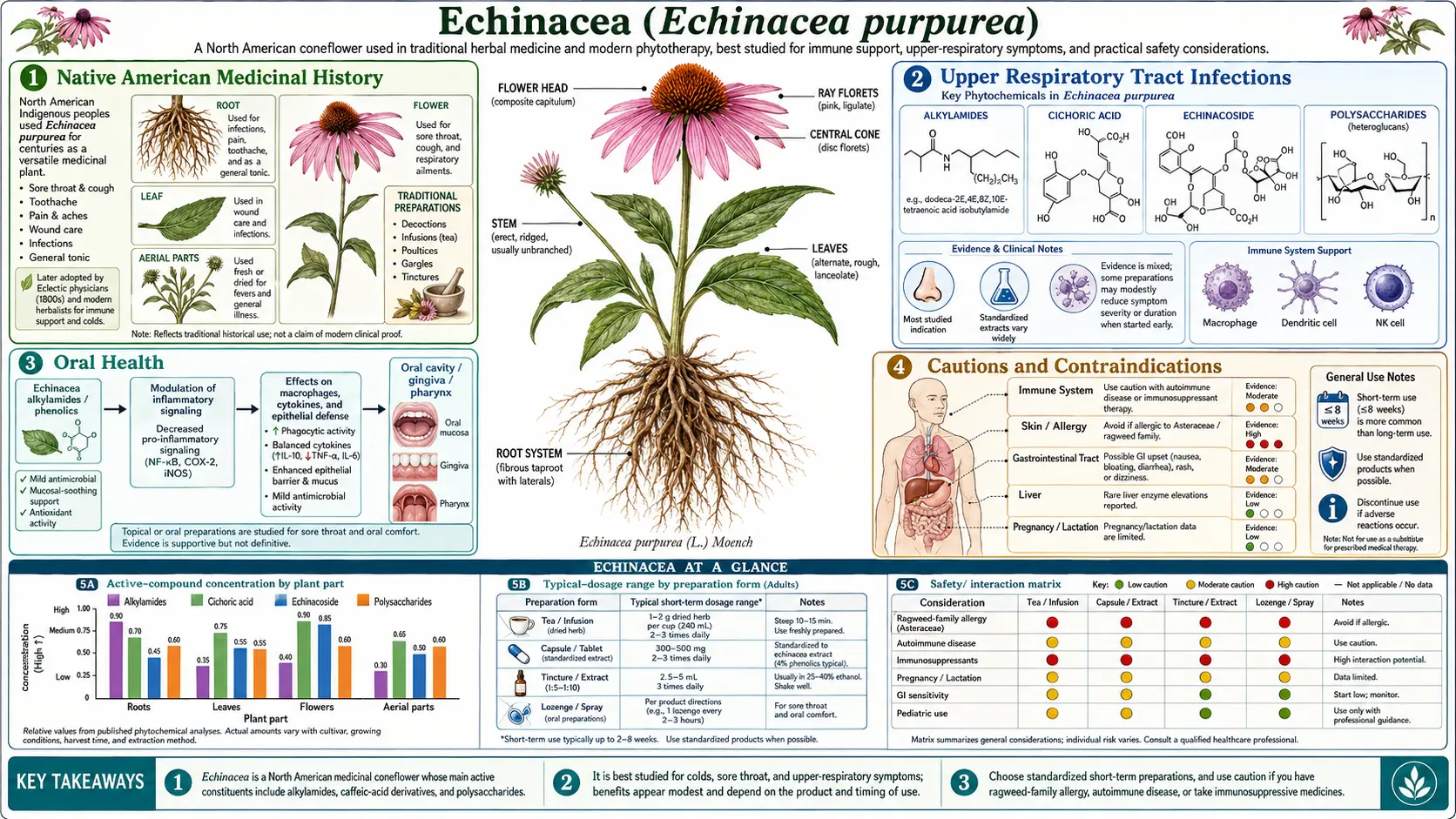
- Native American Medicinal History
- Three Species of Echinacea
- Active Compounds
- Immune System Stimulation
- Cold and Flu Prevention and Treatment
- Upper Respiratory Tract Infections
- Anti-Inflammatory Properties
- Antiviral Activity
- Wound Healing and Skin Health
- Antioxidant Properties
- Oral Health
- Urinary Tract Support
- Three Species Compared
- Forms and Preparations
- Recommended Dosage and Duration
- Cautions and Contraindications
- Featured Videos
Native American Medicinal History
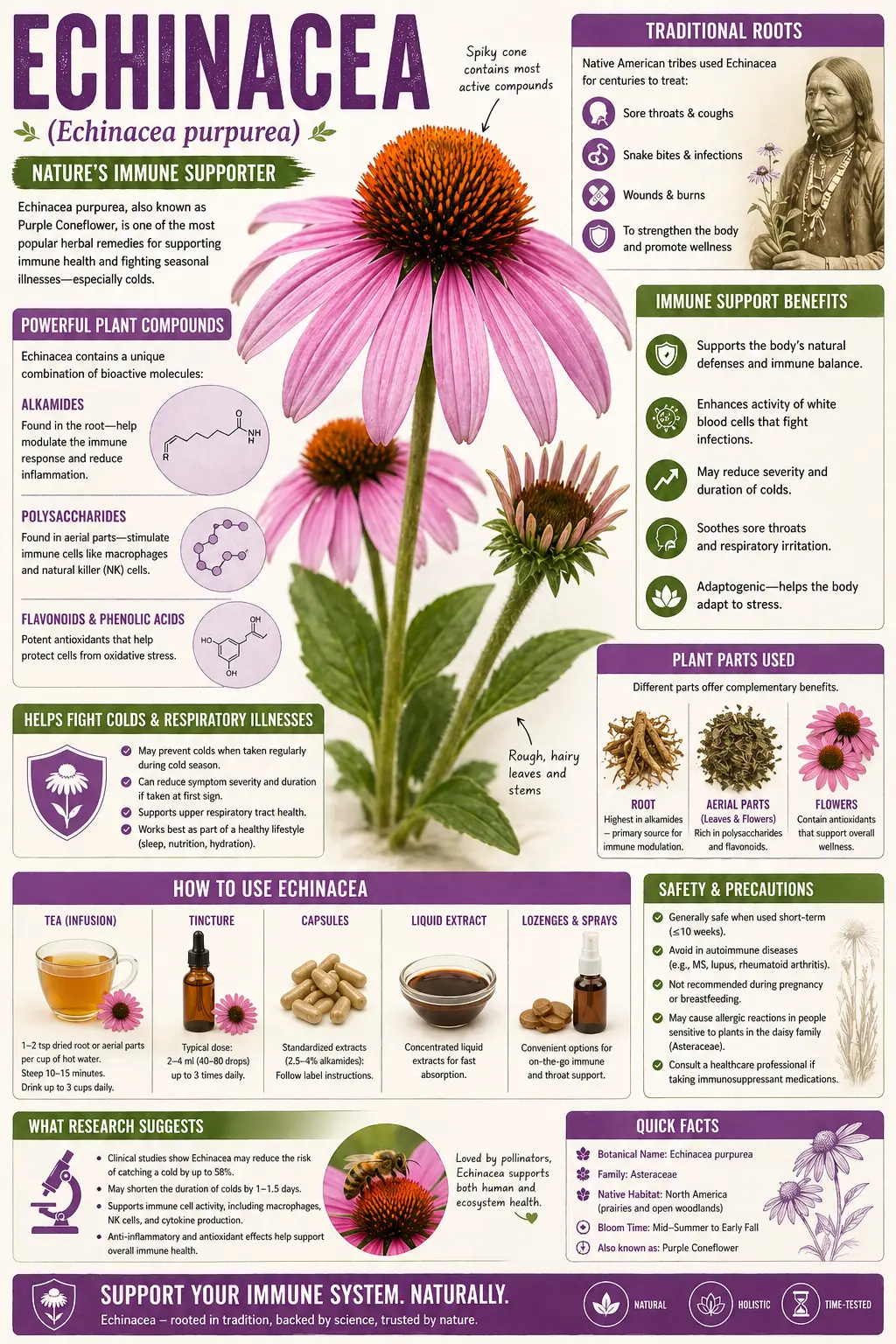
Echinacea is one of the few famous Western herbs genuinely native to North America, and it was the single most-used medicinal plant of the Great Plains nations — including the Lakota, Cheyenne, Comanche, and Pawnee — who relied on the root for wounds, snakebite, toothache, sore throats, and infection. It passed into formal Western practice in the 1880s through the Nebraska lay practitioner H.C.F. Meyer and the Eclectic physicians John Uri Lloyd and John King, and was later carried to Germany, where it became one of the best-selling immune herbs in the world. — the fuller story is told in the dedicated History & Traditional Use article.
Three Species of Echinacea
While the genus Echinacea contains nine recognized species, three are used medicinally. Each has a distinct profile of active constituents that influences its therapeutic applications.
- Echinacea purpurea: The most widely cultivated and researched species. It produces prominent purple-pink coneflowers and is native to the central and eastern United States. Both the aerial parts (leaves, stems, flowers) and roots are used medicinally. It is especially rich in alkamides and cichoric acid.
- Echinacea angustifolia: Native to the Great Plains, this species features narrower leaves and was the primary species used by Native American tribes. The root is the primary medicinal part. It contains high concentrations of echinacosides and alkamides and was the original species used in eclectic medicine.
- Echinacea pallida: Also known as pale purple coneflower, this species has distinctive drooping, pale lavender petals. The root is used medicinally and is particularly rich in echinacosides and polyacetylenes. It is widely used in European phytotherapy, especially in Germany.
Active Compounds
Echinacea owes its therapeutic potency to a complex synergy of bioactive compounds. No single constituent accounts for its effects; rather, the full spectrum of phytochemicals works together to modulate the immune response and provide anti-inflammatory, antiviral, and antioxidant activity.
- Alkamides (alkylamides): Lipophilic compounds that produce the characteristic tongue-tingling sensation. They are readily absorbed through the oral mucosa and gastrointestinal tract, modulate inflammatory cytokines such as TNF-alpha, and interact with cannabinoid CB2 receptors to regulate immune function. Most abundant in E. purpurea and E. angustifolia.
- Polysaccharides: High-molecular-weight carbohydrates, including arabinogalactans and heteroglycans, that stimulate macrophage activity and enhance phagocytosis. These compounds activate the innate immune system by binding to toll-like receptors on immune cells.
- Cichoric acid: A caffeic acid derivative with strong antioxidant properties. It inhibits the enzyme hyaluronidase, which pathogens use to break down connective tissue and spread through the body. Highest concentrations occur in E. purpurea aerial parts.
- Echinacosides: Caffeic acid glycosides with demonstrated antibacterial and mild antiviral properties. They are concentrated in the roots of E. angustifolia and E. pallida and contribute to wound-healing and anti-inflammatory effects.
- Polyacetylenes: Found primarily in E. pallida roots, these compounds exhibit antifungal and modest antitumor activity in laboratory studies.
- Glycoproteins and volatile oils: Additional constituents that contribute to immune modulation and antimicrobial effects.
Immune System Stimulation
From a naturopathic perspective, echinacea is classified as an immunomodulator rather than a simple immune stimulant. It supports the body's innate defense mechanisms without overstimulating them, helping to restore balance to a depleted or sluggish immune system.
- White blood cell activation: Echinacea polysaccharides and alkamides stimulate the proliferation and activity of macrophages, natural killer (NK) cells, and neutrophils, the front-line defenders of the innate immune system
- Enhanced phagocytosis: Clinical studies demonstrate that echinacea increases phagocytic activity by 20 to 40 percent, meaning immune cells become significantly more effective at engulfing and destroying bacteria, viruses, and cellular debris
- Cytokine regulation: Alkamides modulate the production of pro-inflammatory cytokines including interleukin-1 (IL-1), interleukin-6 (IL-6), and tumor necrosis factor alpha (TNF-alpha), helping to calibrate the inflammatory response so it is effective without becoming excessive
- Complement system activation: Echinacea polysaccharides activate the complement cascade, a group of proteins that tag pathogens for destruction and recruit additional immune cells to sites of infection
- Properdin stimulation: Research shows echinacea increases levels of properdin, a serum protein that activates the alternative complement pathway and enhances the body's ability to neutralize pathogens
Cold and Flu Prevention and Treatment
The most extensively studied application of echinacea is in the prevention and treatment of the common cold and influenza. Multiple meta-analyses and systematic reviews support its efficacy when used appropriately.
- Prevention: A 2012 Cochrane review and subsequent meta-analyses suggest that regular echinacea supplementation may reduce the risk of developing a cold by approximately 10 to 20 percent
- Duration reduction: When taken at the first sign of symptoms, echinacea has been shown to reduce cold duration by 1 to 4 days compared to placebo, depending on the preparation and dosage
- Severity reduction: Multiple clinical trials report a measurable reduction in symptom severity, including nasal congestion, sore throat, headache, and general malaise
- Early intervention is key: The greatest benefits are observed when supplementation begins within the first 24 hours of symptom onset and continues at frequent intervals (every 2 to 3 hours) during the acute phase
- Influenza support: Preliminary research indicates echinacea may offer adjunctive support in influenza by reducing viral load and modulating the inflammatory cascade that contributes to flu symptoms
Upper Respiratory Tract Infections
Beyond the common cold, echinacea has demonstrated clinical benefit in a range of upper respiratory tract infections (URTIs), making it a foundational herb in the naturopathic approach to respiratory wellness.
- Sinusitis: Echinacea's anti-inflammatory and immune-stimulating properties help reduce sinus congestion and promote drainage, particularly when combined with other supportive herbs such as elderberry or goldenseal
- Pharyngitis and tonsillitis: Throat sprays and tinctures containing echinacea provide local antimicrobial and anti-inflammatory effects, soothing sore throats and reducing infection duration
- Bronchitis: Echinacea supports recovery from acute bronchitis by modulating the immune response in the bronchial mucosa and reducing excessive mucus production
- Otitis media: Some naturopathic practitioners recommend echinacea as part of a comprehensive protocol for middle ear infections in children (with appropriate professional guidance)
- Recurrent infections: For individuals prone to frequent URTIs, cyclical use of echinacea during high-risk seasons can help strengthen baseline immune resilience
Anti-Inflammatory Properties
Echinacea's anti-inflammatory activity extends beyond immune support and has implications for musculoskeletal health, skin conditions, and systemic inflammation.
- Cytokine modulation: Alkamides selectively inhibit the production of pro-inflammatory mediators while supporting the resolution phase of inflammation, promoting a balanced inflammatory response
- COX and LOX inhibition: Certain echinacea constituents inhibit cyclooxygenase (COX) and lipoxygenase (LOX) enzymes, reducing the production of prostaglandins and leukotrienes that drive pain and swelling
- NF-kB pathway modulation: Research indicates that echinacea extracts can downregulate the NF-kB signaling pathway, a master switch for inflammatory gene expression
- Joint and muscle support: Topical and internal use of echinacea may provide modest relief from joint stiffness and muscle soreness associated with overuse or minor inflammatory conditions
- Synergy with other anti-inflammatory herbs: In naturopathic practice, echinacea is often combined with turmeric, boswellia, or ginger to create comprehensive anti-inflammatory protocols
Antiviral Activity
Echinacea exhibits direct and indirect antiviral effects against several families of viruses, making it a valuable herb in the naturopathic approach to viral infections.
- Rhinoviruses: In vitro studies show that echinacea extracts, particularly from E. purpurea, inhibit the replication of human rhinoviruses, the primary cause of the common cold
- Influenza viruses: Laboratory research demonstrates that echinacea can inhibit influenza A and B virus replication and reduce viral-induced inflammation in respiratory epithelial cells
- Herpes simplex virus (HSV): Echinacea extracts have shown antiviral activity against HSV-1 and HSV-2 in cell culture, suggesting potential as an adjunctive treatment for cold sores and genital herpes outbreaks
- Respiratory syncytial virus (RSV): Preliminary studies indicate echinacea may inhibit RSV, a significant cause of respiratory illness in infants and the elderly
- Mechanism of action: Echinacea appears to interfere with viral entry into host cells, inhibit viral replication enzymes, and enhance the interferon response that coordinates antiviral defense
Wound Healing and Skin Health
The traditional use of echinacea for wound care is well supported by modern research. Its ability to promote tissue repair, fight infection, and reduce inflammation makes it a versatile herb for skin health.
- Hyaluronidase inhibition: Cichoric acid and echinacosides inhibit hyaluronidase, an enzyme that breaks down hyaluronic acid in connective tissue. By protecting the integrity of the extracellular matrix, echinacea helps contain infections and support structural repair
- Fibroblast stimulation: Echinacea promotes the proliferation of fibroblasts, the cells responsible for producing collagen and rebuilding damaged tissue
- Topical applications: Creams and ointments containing echinacea extract are used for minor cuts, abrasions, burns, insect bites, and eczema
- Acne and skin infections: The antimicrobial and anti-inflammatory properties of echinacea make it useful as part of a natural approach to acne and superficial skin infections
- Scar reduction: By promoting orderly collagen deposition and reducing excessive inflammation, topical echinacea may help minimize scarring
Antioxidant Properties
Echinacea is a significant source of antioxidant compounds that help protect cells from oxidative stress, a fundamental driver of aging and chronic disease.
- Cichoric acid: One of the most potent antioxidants found in echinacea, cichoric acid scavenges free radicals and protects lipids, proteins, and DNA from oxidative damage
- Phenolic compounds: Echinacea contains a range of phenolic acids and flavonoids, including rutin, quercetin, and kaempferol, that contribute to its total antioxidant capacity
- Protection of immune cells: Antioxidant compounds in echinacea help protect white blood cells from oxidative damage during the respiratory burst they use to kill pathogens, thereby sustaining immune function during active infections
- Skin protection: Topical application of echinacea extracts has been shown to reduce UV-induced oxidative damage in skin cells, suggesting a role in photoprotection
- Cardiovascular support: The antioxidant and anti-inflammatory effects of echinacea may offer modest protective benefits for vascular endothelial function
Oral Health
Echinacea's antimicrobial and anti-inflammatory actions extend to the oral cavity, where it can support gum health and help manage common oral conditions.
- Gingivitis: Mouthwashes and tinctures containing echinacea help reduce gum inflammation and bleeding associated with gingivitis
- Antibacterial effects: Echinacea extracts demonstrate activity against oral pathogens including Streptococcus mutans and Porphyromonas gingivalis, bacteria implicated in tooth decay and periodontal disease
- Canker sores: Topical application of echinacea tincture to aphthous ulcers may accelerate healing and reduce pain
- Post-procedural healing: Some dental practitioners recommend echinacea to support recovery after tooth extraction or oral surgery
- Throat and tonsil support: Gargling with diluted echinacea tincture provides soothing relief for sore throats and mild tonsillitis
Urinary Tract Support
While not a first-line treatment, echinacea plays a supportive role in naturopathic protocols for urinary tract health, particularly as an adjunct to other antimicrobial herbs.
- Immune support during UTIs: By enhancing innate immune defenses, echinacea helps the body mount a more effective response against urinary tract pathogens, particularly Escherichia coli
- Anti-inflammatory effects: Echinacea's anti-inflammatory properties may help reduce the pain, urgency, and burning associated with cystitis
- Combination protocols: In naturopathic practice, echinacea is often combined with uva ursi, cranberry, and D-mannose for comprehensive urinary tract support
- Recurrence prevention: Cyclical use of echinacea during seasons or periods of increased susceptibility may help reduce the frequency of recurrent UTIs
- Traditional use: Eclectic physicians of the 19th century frequently prescribed echinacea root tincture for urinary infections and kidney complaints
Three Species Compared
Understanding the differences between the three medicinal echinacea species allows practitioners and patients to select the most appropriate form for their needs.
- Echinacea purpurea
- Parts used: aerial parts and roots
- Primary compounds: alkamides, cichoric acid, polysaccharides
- Best for: general immune stimulation, cold and flu treatment, fresh pressed juice preparations
- Most researched species with the largest body of clinical trial evidence
- Easiest to cultivate and most widely available commercially
- Echinacea angustifolia
- Parts used: primarily roots
- Primary compounds: echinacosides, alkamides, cynarin
- Best for: acute infections, topical wound care, traditional tincture preparations
- Considered the most potent species by many herbalists and was the original species used in Western herbal medicine
- Slower growing and more difficult to cultivate, often wild-harvested
- Echinacea pallida
- Parts used: primarily roots
- Primary compounds: echinacosides, polyacetylenes, cichoric acid
- Best for: chronic immune support, European phytotherapy protocols
- Approved by the German Commission E for supportive treatment of flu-like infections
- Most commonly used species in European clinical practice
Forms and Preparations
Echinacea is available in a wide variety of preparations, each with distinct advantages depending on the clinical situation.
- Tincture (alcohol extract): The most versatile and widely recommended form. Alcohol effectively extracts both water-soluble (polysaccharides, cichoric acid) and fat-soluble (alkamides) compounds. A quality tincture produces a noticeable tingling or numbing sensation on the tongue, which indicates the presence of active alkamides. Typical ratio is 1:5 in 45 to 60 percent alcohol.
- Capsules and tablets: Standardized dried extracts offer convenience and precise dosing. Look for products standardized to a minimum of 4 percent total phenolic compounds or specified alkamide content. Freeze-dried preparations preserve a broader range of active constituents.
- Echinacea tea: Prepared by decocting the dried root (simmer 15 to 20 minutes) or infusing the dried aerial parts (steep 10 to 15 minutes). Tea provides primarily water-soluble compounds (polysaccharides, cichoric acid) but fewer alkamides. Best used for mild preventive support and throat-soothing applications.
- Fresh pressed juice: Made from the aerial parts of freshly harvested E. purpurea, this preparation is popular in German phytotherapy. It preserves heat-sensitive compounds and has strong clinical evidence supporting its efficacy. Typically stabilized with a small amount of alcohol for preservation.
- Topical preparations: Creams, ointments, and salves containing echinacea extract are applied to wounds, burns, insect bites, eczema, and acne. These deliver anti-inflammatory and antimicrobial benefits directly to affected skin.
Recommended Dosage and Duration
Proper dosing and cycling are essential for maximizing the benefits of echinacea while avoiding tolerance. From a naturopathic perspective, the body responds best when echinacea is used strategically rather than continuously.
- Acute use (onset of illness): Take echinacea tincture (2 to 4 mL) or equivalent dose every 2 to 3 hours for the first 24 to 48 hours, then reduce to 3 times daily for up to 10 days
- Preventive use: Take a standard dose (300 to 500 mg of standardized extract or 2 to 3 mL tincture) 2 to 3 times daily
- Cycling on and off: Most naturopathic practitioners recommend using echinacea for 10 to 14 days on, followed by a 3 to 7 day break. This cycling schedule prevents immune tolerance and maintains the herb's stimulating effect on white blood cells. Some protocols suggest 8 weeks on and 1 week off for seasonal prevention.
- Duration limits: The German Commission E recommends limiting continuous use to 8 weeks. Extended uninterrupted use may diminish effectiveness and is not recommended
- Children's dosage: For children over 12, use half the adult dose. For children aged 6 to 12, use one-quarter to one-third of the adult dose. Echinacea is generally not recommended for children under 2 years of age without professional guidance.
Cautions and Contraindications
While echinacea is generally considered safe for most adults when used as directed, certain populations and conditions warrant caution or avoidance.
- Autoimmune conditions: Because echinacea stimulates immune activity, individuals with autoimmune diseases such as lupus, rheumatoid arthritis, multiple sclerosis, or Hashimoto's thyroiditis should avoid echinacea or use it only under the guidance of a qualified naturopathic or integrative practitioner
- Progressive systemic diseases: Echinacea is contraindicated in progressive conditions such as tuberculosis, leukosis, collagenosis, and HIV/AIDS according to the German Commission E, due to theoretical concerns about inappropriate immune stimulation
- Daisy and ragweed allergy: Echinacea belongs to the Asteraceae (Compositae) family, which includes ragweed, chrysanthemums, marigolds, and daisies. Individuals with known allergies to any plants in this family may experience allergic reactions ranging from mild skin rash to anaphylaxis in rare cases
- Children: While short-term use appears safe in children over 2, the Australian Therapeutic Goods Administration advises against echinacea use in children under 12 due to a slightly increased risk of allergic reactions. In practice, many naturopathic pediatricians use echinacea in children over 6 with careful monitoring.
- Pregnancy and breastfeeding: Limited safety data is available. Some studies suggest no increased risk of adverse outcomes, but most practitioners advise conservative use or avoidance during the first trimester
- Immunosuppressive medications: Echinacea may theoretically counteract the effects of immunosuppressive drugs such as cyclosporine, tacrolimus, and corticosteroids. Consult a healthcare provider before combining.
- Liver medications: Echinacea may affect the metabolism of certain drugs processed by CYP3A4 and CYP1A2 liver enzymes. Discuss potential interactions with a pharmacist or prescribing practitioner.
- Duration of use: Prolonged continuous use beyond 8 weeks is not recommended without professional supervision, as the immune-stimulating effects may plateau or reverse
Research Papers and References
The following are topic-level PubMed search links covering the main evidence streams for Echinacea (Echinacea purpurea). Each link resolves to a curated PubMed query so that the most current randomized trials, meta-analyses, and mechanistic studies can be reviewed directly from the National Library of Medicine.
- Echinacea for prevention and treatment of common cold. — PubMed: Echinacea common cold prevention
- Immunostimulant effects of Echinacea purpurea. — PubMed: Echinacea purpurea immune stimulation
- Echinacea alkamides and CB2 receptor activity. — PubMed: Echinacea alkamides cannabinoid receptor
- Echinacea in upper respiratory tract infections. — PubMed: Echinacea upper respiratory infection
- Safety of Echinacea in pediatric populations. — PubMed: Echinacea children safety
- Echinacea and macrophage/NK cell activation. — PubMed: Echinacea macrophage NK cell
- Antiviral activity of Echinacea against influenza. — PubMed: Echinacea antiviral influenza
- Polysaccharide-driven immunomodulation by Echinacea. — PubMed: Echinacea polysaccharides immunomodulation
- Anti-inflammatory effects of Echinacea preparations. — PubMed: Echinacea anti-inflammatory cytokines
- Echinacea angustifolia extract in generalized anxiety. — PubMed: Echinacea anxiety
- Meta-analyses of Echinacea for cold prophylaxis. — PubMed: Echinacea meta-analysis cold
- Echinacea and cytochrome P450 interactions. — PubMed: Echinacea drug interactions CYP
External Authoritative Resources
- NCCIH — Herbs at a Glance
- MedlinePlus — Herbs and Supplements
- PubMed — All research on Echinacea purpurea
Connections
- All Herbs
- Immune Response — interactive animation
- Echinacea Benefits Deep Dive
- Goldenseal
- Elderberry
- Garlic
- Zinc
- Immune Boosting
- Andrographis
- Vitamin C
- Influenza
- Turmeric
- Ginger
- Sinusitis
- Quercetin
- Acne
- Vitamin D3
- Allergies
- Lupus
- Meningitis
- Cats Claw
- Mullein
- Conditions on this site that reference this page: Ear Infections · Tonsillitis · Common Cold · HIV/AIDS · Strep Throat · Sore Throat