Organ Meats: Nature's Most Nutrient-Dense Foods
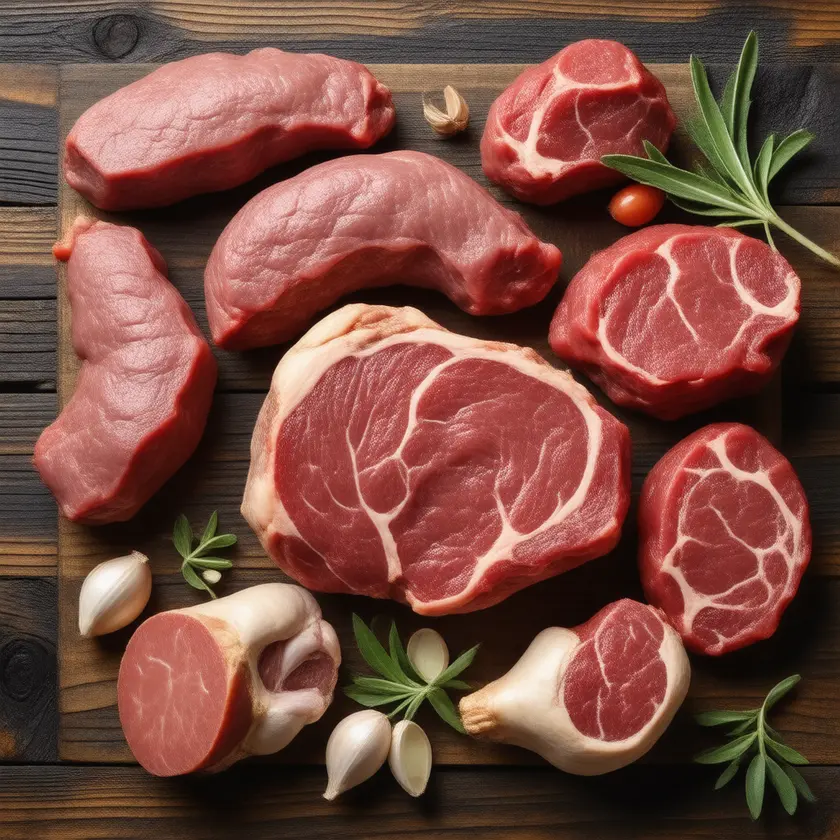
From the perspective of naturopathic medicine, organ meats represent some of the most powerful whole-food sources of bioavailable nutrition found anywhere in the human diet. For millennia, traditional cultures around the world have prized offal — the internal organs and entrails of animals — as sacred, healing foods. Modern nutritional science has confirmed what our ancestors intuitively understood: organ meats deliver extraordinary concentrations of vitamins, minerals, essential fatty acids, and unique compounds that are difficult or impossible to obtain in comparable amounts from muscle meat, plant foods, or even synthetic supplements. This comprehensive guide explores the remarkable nutritional profiles of individual organ meats, their therapeutic applications, and how to incorporate them safely and effectively into a health-promoting dietary pattern.
Table of Contents
- Liver: The Ultimate Multivitamin
- Heart: The CoQ10 Powerhouse
- Kidney: A Selenium and B12 Treasure
- Brain: Nature's DHA and Omega-3 Source
- Bone Marrow: Healthy Fats and Stem Cell Support
- Sweetbreads and Thymus: Immune System Support
- Traditional Cultures and Nose-to-Tail Eating
- Nutrient Density: Organ Meats vs Muscle Meat
- Sourcing: Grass-Fed and Pasture-Raised
- Preparation Tips and Recipes
- Organ Meat Supplements: Desiccated Liver Capsules and Beyond
- Recommended Intake Frequency
- Cautions: Vitamin A Toxicity, Gout Risk, and Other Considerations
- Research Papers
- Connections
- Featured Videos
Liver: The Ultimate Multivitamin
Liver is widely regarded as the single most nutrient-dense food available to humans. In naturopathic practice, liver is frequently recommended as a therapeutic food for patients recovering from anemia, fatigue, hormonal imbalances, and nutritional deficiencies. A single three-ounce serving of beef liver delivers a remarkable spectrum of essential nutrients that no synthetic supplement can fully replicate.
Vitamin A (Retinol): Liver is the richest dietary source of preformed vitamin A, providing upwards of 26,000 IU per three-ounce serving of beef liver. Unlike beta-carotene from plant foods, which must be enzymatically converted to retinol — a process that is genetically inefficient in a significant portion of the population — the retinol in liver is immediately bioavailable. Vitamin A is essential for immune function, vision, skin integrity, reproductive health, and proper gene expression.
Vitamin B12: Liver contains extraordinarily high levels of cobalamin, often exceeding 1,000% of the daily recommended intake in a single serving. B12 is critical for red blood cell formation, neurological function, DNA synthesis, and methylation processes. Naturopathic doctors frequently recommend liver to patients with B12 deficiency, particularly those with impaired intrinsic factor production or digestive absorption issues.
Iron: The heme iron found in liver is far more bioavailable than the non-heme iron found in plant sources. A serving of beef liver provides approximately 5 mg of highly absorbable iron, making it one of the most effective dietary interventions for iron-deficiency anemia. Heme iron does not require vitamin C for absorption and is not inhibited by phytates or tannins.
Copper: Liver is one of the few foods that delivers significant amounts of copper, a trace mineral essential for iron metabolism, connective tissue formation, neurotransmitter synthesis, and mitochondrial energy production. Copper deficiency is underdiagnosed and can mimic iron-deficiency anemia because copper is required to mobilize iron from storage.
Folate: Unlike the synthetic folic acid added to fortified foods, the folate in liver is in its natural, food-form state. Liver provides approximately 215 mcg of folate per serving, supporting healthy methylation, homocysteine metabolism, neural tube development during pregnancy, and DNA repair. This is particularly significant for individuals with MTHFR gene polymorphisms who may struggle to process synthetic folic acid.
Additional nutrients found in significant quantities in liver include riboflavin (B2), niacin (B3), pantothenic acid (B5), pyridoxine (B6), choline, phosphorus, zinc, and selenium. Among all animal livers, beef liver and chicken liver are the most commonly consumed, with beef liver generally providing higher concentrations of most nutrients.
Heart: The CoQ10 Powerhouse
Heart meat is a uniquely valuable organ due to its status as the richest dietary source of Coenzyme Q10 (CoQ10), also known as ubiquinone. As a muscle organ that works continuously without rest, the heart requires tremendous mitochondrial energy output, which is reflected in its dense concentration of this vital coenzyme.
Coenzyme Q10: CoQ10 is essential for mitochondrial electron transport and cellular energy production. Beef heart contains approximately 11-13 mg of CoQ10 per 100 grams, making it the most concentrated natural food source. CoQ10 declines naturally with age and is further depleted by statin medications. Naturopathic doctors frequently recommend heart meat or heart-based supplements for patients with cardiovascular concerns, chronic fatigue, fibromyalgia, and mitochondrial dysfunction.
B Vitamins: Heart is an excellent source of the B-vitamin complex, particularly B12, B6, riboflavin, niacin, and pantothenic acid. These vitamins play critical roles in energy metabolism, red blood cell formation, nervous system function, and adrenal health. The B-vitamin content of heart supports the body's stress response and helps maintain healthy homocysteine levels.
Iron and Zinc: Like other organ meats, heart provides highly bioavailable heme iron along with zinc, both of which are essential for immune function, wound healing, and oxygen transport. Heart meat is particularly well-suited for athletes and individuals with increased iron demands.
Amino Acid Profile: Heart meat is rich in taurine, an amino acid that supports cardiovascular function, bile salt formation, electrolyte balance, and nervous system health. Taurine is considered conditionally essential, meaning the body's ability to synthesize it may be insufficient under conditions of stress, illness, or increased demand.
From a culinary perspective, heart has a flavor and texture more similar to muscle meat than most other organs, making it an excellent entry point for those new to organ meat consumption. Beef heart, in particular, is lean, tender when properly prepared, and mildly flavored.
Kidney: A Selenium and B12 Treasure
Kidney meat is a nutritional powerhouse that has been prized in traditional British, French, and Middle Eastern cuisines for centuries. From a naturopathic standpoint, kidney offers a unique nutritional profile that supports detoxification pathways, thyroid function, and cellular antioxidant defense.
Vitamin B12: Kidney rivals liver in its B12 content, providing exceptionally high levels of this critical nutrient. A single serving of beef kidney delivers several times the daily recommended intake of cobalamin, making it a therapeutic food for B12 repletion.
Selenium: Kidney is one of the most concentrated food sources of selenium, an essential trace mineral that serves as a cofactor for glutathione peroxidase and thioredoxin reductase — two of the body's most important antioxidant enzyme systems. Selenium is also crucial for thyroid hormone conversion (T4 to T3), immune surveillance, and protection against oxidative damage. A single serving of beef kidney provides well over 100% of the daily selenium requirement.
Riboflavin (B2): Kidney provides substantial amounts of riboflavin, which is essential for the flavoenzyme system, mitochondrial energy production, and the recycling of glutathione — the body's master antioxidant. Riboflavin deficiency is more common than widely recognized, particularly among individuals with MTHFR polymorphisms, and can manifest as fatigue, mouth sores, skin disorders, and impaired iron metabolism.
Additional Nutrients: Kidney also provides significant amounts of iron, zinc, copper, phosphorus, and various B vitamins. Its unique nutrient combination makes it particularly beneficial for supporting phase I and phase II liver detoxification, glutathione production, and renal health.
In naturopathic medicine, the principle of "like supports like" suggests that consuming kidney may provide specific peptides and growth factors that support the health of the consumer's own kidneys. While this concept requires further scientific investigation, it aligns with the traditional practice of eating organs to strengthen corresponding organs in the body.
Brain: Nature's DHA and Omega-3 Source
Brain tissue is exceptionally rich in long-chain omega-3 fatty acids, particularly docosahexaenoic acid (DHA), making it one of the most concentrated whole-food sources of this essential nutrient for neurological health.
DHA (Docosahexaenoic Acid): The human brain is composed of approximately 60% fat by dry weight, with DHA representing the predominant structural fatty acid. Consuming animal brain provides a direct, preformed source of DHA that requires no enzymatic conversion from shorter-chain omega-3 precursors such as ALA. This is especially significant because the conversion of ALA to DHA in humans is extremely inefficient, typically ranging from only 1-5%. Brain tissue can contain over 1,000 mg of DHA per 100-gram serving.
Omega-3 Fatty Acids: In addition to DHA, brain provides EPA (eicosapentaenoic acid) and other long-chain omega-3 fatty acids that support anti-inflammatory pathways, cardiovascular health, and cognitive function. The omega-3 to omega-6 ratio in brain tissue is highly favorable compared to most modern dietary fat sources.
Phospholipids: Brain is rich in phosphatidylserine and phosphatidylcholine, two phospholipids that play critical roles in cell membrane integrity, neurotransmitter production, and cognitive function. Phosphatidylserine supplementation has been studied for its ability to support memory, attention, and stress resilience — and brain tissue provides this compound in its natural, food-matrix form.
Cholesterol: Brain tissue contains the highest concentration of cholesterol of any food, which is essential for neuronal membrane structure, synapse formation, myelin production, and steroid hormone synthesis. Despite decades of misguided dietary cholesterol restrictions, current research has largely exonerated dietary cholesterol as a driver of cardiovascular disease in most individuals.
Important Safety Consideration: Brain consumption carries a theoretical risk of prion disease transmission, particularly bovine spongiform encephalopathy (BSE or "mad cow disease") from cattle. For this reason, sourcing brain from healthy, inspected, pasture-raised animals in BSE-free regions is critically important. Many naturopathic practitioners recommend brain tissue only from trusted, small-farm sources.
Bone Marrow: Healthy Fats and Stem Cell Support
Bone marrow has experienced a remarkable resurgence in popularity within both gourmet cuisine and the ancestral health community. This fatty tissue found inside bones has been consumed by humans for millions of years — evidence suggests that early hominids cracked open bones for marrow long before they developed the tools to hunt large game effectively.
Healthy Fats: Bone marrow is composed primarily of fat, including oleic acid (the same monounsaturated fat found in olive oil), palmitic acid, stearic acid, and smaller amounts of omega-3 fatty acids. The fatty acid profile of bone marrow from grass-fed animals includes conjugated linoleic acid (CLA), a fat with documented anti-inflammatory and immune-modulating properties. The fat-soluble vitamins A, D, E, and K2 are also present in meaningful amounts.
Stem Cell Support: Bone marrow is the primary site of hematopoiesis — the production of red blood cells, white blood cells, and platelets. Consuming bone marrow provides alkylglycerols, which are lipids found in high concentrations in immune and blood-forming tissues. Alkylglycerols have been studied for their ability to support white blood cell production and immune function, particularly in the context of recovery from illness or immune suppression.
Collagen and Glycosaminoglycans: The connective tissue surrounding bone marrow contains collagen, glucosamine, chondroitin, and hyaluronic acid — all of which support joint health, gut lining integrity, skin elasticity, and connective tissue repair. When bones are roasted and the marrow consumed along with the surrounding tissue, these compounds are delivered in a highly bioavailable form.
Minerals: Bone marrow and its surrounding bone matrix provide calcium, phosphorus, magnesium, and trace minerals in a natural, food-based form. While the mineral content of marrow fat itself is modest, the combination of marrow with slow-cooked bone (as in bone broth) delivers a comprehensive mineral profile.
Roasted bone marrow is one of the most palatable and enjoyable organ-derived foods, with a rich, buttery flavor that appeals even to those who typically avoid offal. It can be simply roasted and spread on bread, added to soups, or used as a cooking fat.
Sweetbreads and Thymus: Immune System Support
Sweetbreads — the culinary term for the thymus gland (and sometimes the pancreas) of young animals — represent one of the most delicate and nutritionally unique organ meats. The thymus gland plays a central role in adaptive immunity, and consuming it provides a distinctive array of immune-supportive compounds.
Thymic Peptides: The thymus gland produces thymosin, thymulin, and other thymic peptides that are critical for the maturation and differentiation of T-lymphocytes, the immune cells responsible for cell-mediated immunity. In naturopathic medicine, thymus glandular extracts have been used therapeutically to support immune function in patients with chronic infections, autoimmune conditions, and immune deficiency. Consuming whole thymus gland provides these peptides in their natural context.
Protein and Amino Acids: Sweetbreads are an excellent source of high-quality protein, providing all essential amino acids in highly bioavailable form. They are particularly rich in glutamic acid and aspartic acid, which play roles in neurotransmitter function and energy metabolism.
Vitamins and Minerals: Thymus gland provides vitamin C (one of the few animal-source foods to do so in meaningful amounts), B vitamins (particularly B12 and pantothenic acid), zinc, selenium, and phosphorus. The vitamin C content is noteworthy because the thymus gland concentrates vitamin C at levels 10-80 times higher than blood plasma, reflecting the immune system's high demand for this antioxidant vitamin.
Immune Modulation: From the naturopathic perspective of glandular therapy, consuming thymus supports the body's own thymic function. This is particularly relevant as the thymus gland naturally involutes (shrinks) with age, a process associated with declining immune surveillance and increased susceptibility to infections and cancer. Thymus consumption may help provide the raw materials and signaling molecules needed to support residual thymic activity.
Sweetbreads have a creamy, mild flavor and tender texture that makes them one of the most approachable organ meats for newcomers. They are best prepared by first soaking and blanching, then pan-frying until golden and crisp on the outside while remaining creamy within.
Traditional Cultures and Nose-to-Tail Eating
The practice of consuming the entire animal — commonly referred to as "nose-to-tail" eating — is not a modern culinary trend but rather a return to the dietary pattern that sustained human populations throughout the vast majority of our evolutionary history. Understanding how traditional cultures valued and utilized organ meats provides important context for reintegrating these foods into contemporary diets.
Indigenous and Hunter-Gatherer Societies: Anthropological research consistently demonstrates that traditional hunter-gatherer groups prized organ meats above muscle meat. Among the Inuit, the liver, heart, and kidney were eaten fresh immediately after a kill, while muscle meat was often dried or fed to dogs. Aboriginal Australians preferentially consumed the liver, kidney fat, and brain of game animals. Plains Indians valued bison liver so highly that it was consumed raw, often seasoned only with bile from the gallbladder.
Weston A. Price's Research: The pioneering nutritional researcher Dr. Weston A. Price documented in the 1930s that virtually every traditional culture he studied — from Swiss alpine villagers to African pastoralists to Pacific Islanders — incorporated organ meats, bone marrow, or organ-derived products as central components of their diets. Price observed that these populations exhibited remarkable dental health, skeletal development, and resistance to infectious disease, which he attributed in part to the superior nutrient density of their traditional foods.
European Culinary Traditions: Before the industrialization of the food supply, European cuisines featured extensive organ meat preparations. French cuisine celebrated ris de veau (sweetbreads), foie gras (liver), rognons (kidneys), and cervelle (brain). British cooking included steak and kidney pie, liver and onions, and haggis (a Scottish dish made from sheep's heart, liver, and lungs). Italian, Spanish, and German culinary traditions all featured prominent organ meat dishes.
Asian and Middle Eastern Traditions: Traditional Chinese Medicine has long employed organ meats therapeutically, based on the principle that consuming a particular organ nourishes the corresponding organ in the body. Middle Eastern and North African cuisines feature liver kebabs, brain fritters, and heart preparations as prized delicacies. Japanese cuisine includes yakitori preparations of heart, liver, and gizzard.
The Modern Decline: The dramatic reduction in organ meat consumption in Western countries over the past century represents an unprecedented departure from ancestral dietary patterns. This shift has been driven by industrialized meat production (which prioritizes muscle meat yield), cultural squeamishness, and misguided nutritional advice regarding cholesterol and saturated fat. Naturopathic practitioners view this decline as a contributing factor to the widespread nutritional deficiencies observed in modern populations.
Nutrient Density: Organ Meats vs Muscle Meat
One of the most compelling arguments for incorporating organ meats into the diet is the dramatic difference in nutrient density when compared to the muscle meats (steaks, chicken breast, ground beef) that dominate modern consumption patterns. When evaluated on a per-calorie or per-gram basis, organ meats consistently outperform muscle meat across virtually every micronutrient category.
Vitamin Content Comparison: Beef liver contains approximately 50 times more vitamin B12, 16 times more vitamin A, 7 times more riboflavin, 6 times more folate, and 3 times more niacin compared to an equivalent serving of beef sirloin. Heart contains roughly 4-5 times more CoQ10, 3 times more riboflavin, and twice the iron of comparable muscle meat cuts.
Mineral Content Comparison: Organ meats generally provide 2-10 times higher concentrations of trace minerals including copper, selenium, zinc, manganese, and chromium compared to muscle meats. Liver, for example, provides approximately 12 times more copper and 3 times more selenium than sirloin steak.
Essential Fatty Acids: Brain tissue provides 10-20 times more DHA than muscle meat, while bone marrow provides unique fatty acids and fat-soluble vitamins not found in significant amounts in lean muscle tissue. The fat in organ meats from grass-fed animals tends to have a more favorable omega-3 to omega-6 ratio than the fat in muscle meat.
Unique Compounds: Many bioactive compounds found in organ meats are either absent or present only in trace amounts in muscle meat. These include CoQ10 (concentrated in heart), thymic peptides (thymus), alkylglycerols (bone marrow), phosphatidylserine (brain), and various organ-specific growth factors and peptides. These compounds cannot be obtained in meaningful therapeutic amounts from muscle meat alone.
Caloric Efficiency: From a nutrient-per-calorie standpoint, organ meats deliver far more nutritional value than muscle meats. A 100-calorie serving of beef liver provides a greater breadth and concentration of micronutrients than virtually any other single food, including vegetables, fruits, and grains. This makes organ meats exceptionally valuable for individuals seeking to maximize nutritional intake without excess caloric consumption.
Sourcing: Grass-Fed and Pasture-Raised
The nutritional quality and safety of organ meats are profoundly influenced by the health, diet, and living conditions of the source animal. From a naturopathic perspective, the quality of organ meats is arguably more important than the quality of muscle meats, because organs serve as metabolic processing centers and their composition directly reflects the animal's overall health.
Grass-Fed and Grass-Finished: Organ meats from cattle that have been raised on pasture and finished on grass (rather than grain in feedlots) contain significantly higher levels of omega-3 fatty acids, conjugated linoleic acid (CLA), fat-soluble vitamins (A, D, E, K2), and antioxidants such as glutathione and superoxide dismutase. Grass-fed liver, in particular, has measurably higher vitamin A and carotenoid content compared to grain-fed liver.
Pasture-Raised Poultry: Chicken and duck livers from truly pasture-raised birds — those allowed to forage on insects, grasses, and seeds in open pasture — provide a superior nutritional profile compared to conventional poultry livers. Pasture-raised chicken livers have higher omega-3 content, more vitamin D, and greater concentrations of antioxidants.
Avoiding Toxin Accumulation: Because the liver and kidneys are primary detoxification organs, they can accumulate environmental contaminants, pesticides, heavy metals, and pharmaceutical residues in conventionally raised animals. Sourcing organs from animals raised without antibiotics, synthetic hormones, or pesticide-treated feed significantly reduces the risk of consuming concentrated toxins. Organic and biodynamic farming certifications provide additional assurance of clean sourcing.
Where to Source: The best sources for high-quality organ meats include local regenerative farms, farmers' markets, whole-animal butcher shops, and online purveyors that specialize in grass-fed and pasture-raised organ meats. Many small farms will sell organ meats at very low prices because demand for these cuts remains limited. Establishing a relationship with a local farmer is often the most reliable way to obtain consistently high-quality organs.
Wild Game: Organ meats from wild game animals — including deer, elk, bison, and wild boar — represent some of the cleanest and most nutrient-dense options available. Wild animals consume their natural diet, are free from pharmaceutical interventions, and live active lives that produce healthy, well-developed organs. Hunters who harvest wild game should make a practice of saving and consuming the liver, heart, and kidney.
Preparation Tips and Recipes
Many people are intimidated by the prospect of preparing organ meats, but with proper technique, these foods can be absolutely delicious and deeply satisfying. The following tips and approaches will help even beginners successfully incorporate organ meats into their regular cooking.
Liver Preparation:
- Soaking: Soaking liver in whole milk or lemon water for 30 minutes to several hours before cooking draws out residual blood and significantly mellows the flavor. This is particularly helpful for beef liver, which has a stronger taste than chicken or calf liver.
- Classic Liver and Onions: Slice liver thinly (about 1/4 inch), season with salt and pepper, dredge in a light flour coating, and pan-fry in butter or ghee over medium-high heat for 2-3 minutes per side. Serve over a bed of caramelized onions. Avoid overcooking, which makes liver tough and bitter.
- Liver Pate: Saute chicken livers with shallots, garlic, thyme, and brandy, then blend with butter until smooth. This is one of the most palatable preparations for those who dislike the texture of cooked liver.
- Hidden Liver: Grate or finely mince frozen liver and mix it into ground beef at a ratio of 10-20%. Use this blend in burgers, meatballs, meatloaf, or chili. The liver becomes virtually undetectable while dramatically boosting the nutritional profile of the dish.
Heart Preparation:
- Grilled Heart: Beef heart can be sliced into steaks, marinated in olive oil, garlic, and herbs, and grilled like a regular steak. The flavor is mild and meaty, similar to a lean cut of beef.
- Heart Stew: Cube heart meat and slow-cook it with root vegetables, bone broth, and herbs for a deeply nourishing stew. Long, slow cooking tenderizes the dense muscle fibers of the heart.
- Ground Heart: Heart can be ground and mixed with regular ground beef for burgers, tacos, and meat sauces, similar to the hidden liver approach.
Kidney Preparation:
- Soaking: Kidneys benefit greatly from soaking in cold salted water or milk for several hours, changing the liquid at least once. This removes much of the strong ammonia-like flavor and odor.
- Steak and Kidney Pie: The classic British preparation combines kidney with beef steak in a rich gravy under a pastry crust. The surrounding flavors temper the kidney's intensity.
- Deviled Kidneys: Split kidneys, brush with mustard and butter, and broil briefly. A traditional British breakfast dish that showcases kidney at its best.
Bone Marrow Preparation:
- Roasted Marrow Bones: Place marrow bones cut side up on a baking sheet, season with salt, and roast at 450 degrees Fahrenheit for 15-20 minutes until the marrow is soft and slightly bubbly. Serve with crusty bread, coarse salt, and parsley salad.
- Bone Broth: Simmer marrow bones along with knuckle and joint bones for 12-24 hours with apple cider vinegar to extract minerals and collagen. This yields a deeply nourishing broth that can be consumed daily.
General Tips: Start with milder-tasting organs (heart, bone marrow, chicken liver) before progressing to stronger-flavored options (beef liver, kidney). Pair organ meats with acidic and aromatic accompaniments — lemon, capers, mustard, fresh herbs, and caramelized alliums all complement and balance the rich flavors of offal.
Organ Meat Supplements: Desiccated Liver Capsules and Beyond
For individuals who cannot or will not consume whole organ meats, desiccated (freeze-dried) organ meat supplements offer a practical alternative that retains much of the nutritional value of fresh organs. The organ meat supplement industry has grown significantly in recent years, providing a range of options for those seeking the benefits of organ nutrition in convenient capsule or powder form.
Desiccated Liver Capsules: The most popular and well-established organ meat supplement, desiccated liver has been used since the 1950s when researchers demonstrated its remarkable ability to combat fatigue and improve athletic performance. These capsules are made by freeze-drying raw liver at low temperatures to preserve heat-sensitive nutrients, then encapsulating the resulting powder. High-quality desiccated liver capsules provide concentrated amounts of B12, iron, vitamin A, folate, copper, and the full spectrum of liver-derived nutrients.
Multi-Organ Supplements: Several companies now produce supplements that combine desiccated liver, heart, kidney, pancreas, spleen, and other organs into a single product. These multi-organ formulas aim to approximate the nutritional diversity that traditional cultures obtained through nose-to-tail eating. Look for products that clearly list the specific organs included and their sourcing.
Targeted Organ Supplements: Specific organ glandulars are available for targeted therapeutic purposes. Thymus glandular is used in naturopathic practice for immune support. Adrenal glandular is employed for adrenal fatigue and stress resilience. Pancreas glandular may support digestive enzyme production. Spleen glandular is used for immune modulation and iron status.
Quality Considerations: When selecting organ meat supplements, prioritize the following criteria:
- Sourced from 100% grass-fed, pasture-raised animals
- Sourced from countries with strict animal welfare and environmental standards (New Zealand, Australia, Argentina, or verified domestic US sources)
- Freeze-dried (lyophilized) rather than heat-processed, to preserve enzyme activity and heat-sensitive nutrients
- Free from fillers, flow agents, and synthetic additives
- Third-party tested for heavy metals, pesticides, and microbial contamination
- Manufactured under Good Manufacturing Practice (GMP) standards
Limitations: While organ meat supplements are valuable, they should ideally complement — not replace — whole organ meat consumption. Whole foods provide a matrix of nutrients, cofactors, and bioactive compounds that may not be fully captured in supplement form. The synergistic interactions between nutrients in whole organ meats may provide benefits beyond what isolated or fractionated supplements can deliver.
Recommended Intake Frequency
Determining the optimal frequency and quantity of organ meat consumption requires balancing their extraordinary nutritional benefits against the potential for overconsumption of certain nutrients, particularly preformed vitamin A and copper. The following guidelines reflect naturopathic clinical experience and current nutritional research.
Liver: One to two servings (3-4 ounces each) of liver per week is generally considered optimal for most adults. This provides therapeutic amounts of vitamin A, B12, iron, and other nutrients without approaching toxicity thresholds. Those using liver to address specific deficiencies may temporarily increase intake under practitioner guidance. Pregnant women should limit liver intake to one small serving per week due to the high vitamin A content, though moderate consumption of liver has been part of traditional prenatal nutrition in many cultures.
Heart: Heart can be consumed more liberally than liver because it does not concentrate vitamin A or copper to the same degree. Two to three servings per week is appropriate for most individuals and provides excellent ongoing CoQ10 and B-vitamin support.
Kidney: One to two servings per week of kidney is a reasonable frequency. Like liver, kidney concentrates certain nutrients and should not be consumed in unlimited quantities. Alternating kidney with other organ meats provides variety and a broader nutritional spectrum.
Bone Marrow: Bone marrow can be consumed several times per week without concern, and bone broth made from marrow bones can be consumed daily. The primary nutrients in bone marrow (healthy fats, collagen, minerals) do not carry the same overconsumption risks as the fat-soluble vitamins concentrated in liver.
Brain and Sweetbreads: These organ meats can be enjoyed occasionally (once or twice per month) as part of a varied diet. Brain should be sourced carefully due to prion disease concerns, and its very high cholesterol content warrants moderation for some individuals.
Rotation Principle: Rather than consuming the same organ meat repeatedly, naturopathic practitioners generally recommend rotating among different organs throughout the week. This approach provides the broadest possible spectrum of nutrients while minimizing the risk of any single nutrient accumulating to excessive levels. A sample weekly rotation might include liver on Monday, heart on Wednesday, bone broth daily, and kidney or bone marrow on the weekend.
Cautions: Vitamin A Toxicity, Gout Risk, and Other Considerations
While organ meats offer remarkable nutritional benefits, responsible consumption requires awareness of several important cautions and contraindications. As with any potent therapeutic food or supplement, the dose makes the medicine — and excess can cause harm.
Vitamin A Toxicity (Hypervitaminosis A): The most significant risk associated with organ meat consumption — particularly liver — is the potential for vitamin A toxicity. Because liver stores extremely high concentrations of preformed retinol, excessive or daily consumption can lead to the accumulation of vitamin A to toxic levels. Acute vitamin A toxicity can cause nausea, headache, dizziness, blurred vision, and skin changes. Chronic toxicity from sustained overconsumption may result in liver damage, bone loss, hair loss, and birth defects. To avoid this risk, limit liver consumption to one to two servings per week, avoid combining liver consumption with high-dose vitamin A supplements, and be especially cautious during pregnancy.
Gout and Purine Content: Organ meats are among the highest-purine foods in the human diet. Purines are metabolized to uric acid, and elevated uric acid levels can trigger gout flares in susceptible individuals and contribute to kidney stone formation. Those with a history of gout, hyperuricemia, or uric acid kidney stones should significantly limit or avoid organ meats, particularly liver, kidney, and sweetbreads. If organ meats are consumed despite gout risk, adequate hydration, cherry consumption, and monitoring of uric acid levels are recommended countermeasures.
Copper Overload: Liver is extremely high in copper, and excessive liver consumption can contribute to copper accumulation, particularly in individuals with Wilson's disease (a genetic condition impairing copper metabolism) or those who already consume copper-rich diets or take copper-containing supplements. Symptoms of copper overload include nausea, abdominal pain, liver dysfunction, and neurological disturbances. Balancing copper intake with adequate zinc (which competes with copper for absorption) is advisable for regular liver consumers.
Iron Overload: Individuals with hemochromatosis (hereditary iron overload) or other conditions causing elevated iron stores should carefully monitor organ meat consumption, as the highly bioavailable heme iron in organs is absorbed readily regardless of iron status. Regular blood work monitoring ferritin and transferrin saturation is recommended for those consuming organ meats frequently.
Prion Disease Risk: As mentioned previously, brain and spinal cord tissue carry a theoretical risk of transmitting prion diseases such as BSE. While the risk from properly inspected, healthy animals is extremely low, it cannot be entirely eliminated. Brain from cattle over 30 months of age is prohibited from the food supply in many countries as a precautionary measure.
Contaminant Accumulation: Liver and kidney from conventionally raised animals may contain concentrated levels of pesticides, antibiotics, heavy metals, and other environmental contaminants. This concern reinforces the critical importance of sourcing organ meats from organic, grass-fed, pasture-raised, or wild-caught animals whenever possible.
Pregnancy Considerations: While traditional cultures frequently included organ meats in prenatal nutrition, modern guidelines recommend caution with liver consumption during pregnancy due to teratogenic risks associated with excessive vitamin A intake. Pregnant women should consult with their healthcare provider before consuming liver and should limit intake to no more than one small serving per week.
Medication Interactions: Individuals taking blood-thinning medications (warfarin/Coumadin) should be aware that liver's high vitamin K content can interfere with anticoagulation therapy. Those on medications for gout (allopurinol, colchicine) should discuss organ meat consumption with their prescribing physician.
In summary, organ meats are extraordinarily beneficial when consumed in appropriate quantities, properly sourced, and used with awareness of individual health considerations. Working with a knowledgeable naturopathic doctor or nutritional practitioner can help determine the optimal type, frequency, and quantity of organ meats for each individual's unique health profile.
Research Papers
Selected peer-reviewed literature. Links resolve to PubMed or DOI.
- Williams P. Nutritional composition of red meat. Nutr Diet. 2007;64(s4):S113-S119.
- McAfee AJ, McSorley EM, Cuskelly GJ, et al. Red meat consumption: an overview of the risks and benefits. Meat Sci. 2010;84(1):1-13.
- Leitzmann C. Vegetarian nutrition: past, present, future. Am J Clin Nutr. 2014;100 Suppl 1:496S-502S.
- Hallberg L, Hulthen L. Prediction of dietary iron absorption: an algorithm for calculating absorption and bioavailability of dietary iron. Am J Clin Nutr. 2000;71(5):1147-1160.
- Schonfeldt HC, Hall NG. Dietary protein quality and malnutrition in Africa. Br J Nutr. 2012;108 Suppl 2:S69-S76.
- Hunnicutt J, He K, Xun P. Dietary iron intake and body iron stores are associated with risk of coronary heart disease. J Nutr. 2014;144(3):359-366.
- Green R, Allen LH, Bjorke-Monsen AL, et al. Vitamin B12 deficiency. Nat Rev Dis Primers. 2017;3:17040.
- Zeisel SH, da Costa KA. Choline: an essential nutrient for public health. Nutr Rev. 2009;67(11):615-623.
- Derbyshire E. Could we be overlooking a potential choline crisis in the United Kingdom? BMJ Nutr Prev Health. 2019;2(2):86-89.
- PubMed — organ meat nutrition search.
- PubMed — retinol / vitamin A / liver safety search.
Connections
- Zinc
- Selenium
- Vitamin A
- Bone Broth
- Collagen
- Beef
- Iron
- Choline
- Vitamin B12
- Creatine
- Copper
- Omega 3 Fatty Acids
- Vitamin C
- Gout
- Anemia
- Fatigue
- Glycine
- Uric Acid
Featured Videos
Organ Meats – Unhealthy or Healthy? – Dr. Berg On Keto Meats

The REAL Reason You Should Eat Liver (MTHFR Gene Mutation)
Should You Feed Your Dog Organ Meat? Pros and Cons from a Vet!
Beef Organ Supplements: Miracle or Marketing Hype?
King of Nutrients : Organ Meat | lecture 499 , USDAIS - 2025

Beef Liver Is The Most Nutritious Food – Dr. Berg
Eating Raw Meat, Effective Dose Of Liver & The Most Important Organ Meats
Are Organ Meats Good For Osteoporosis?
The #1 BEST Food to Remove FAT from the LIVER