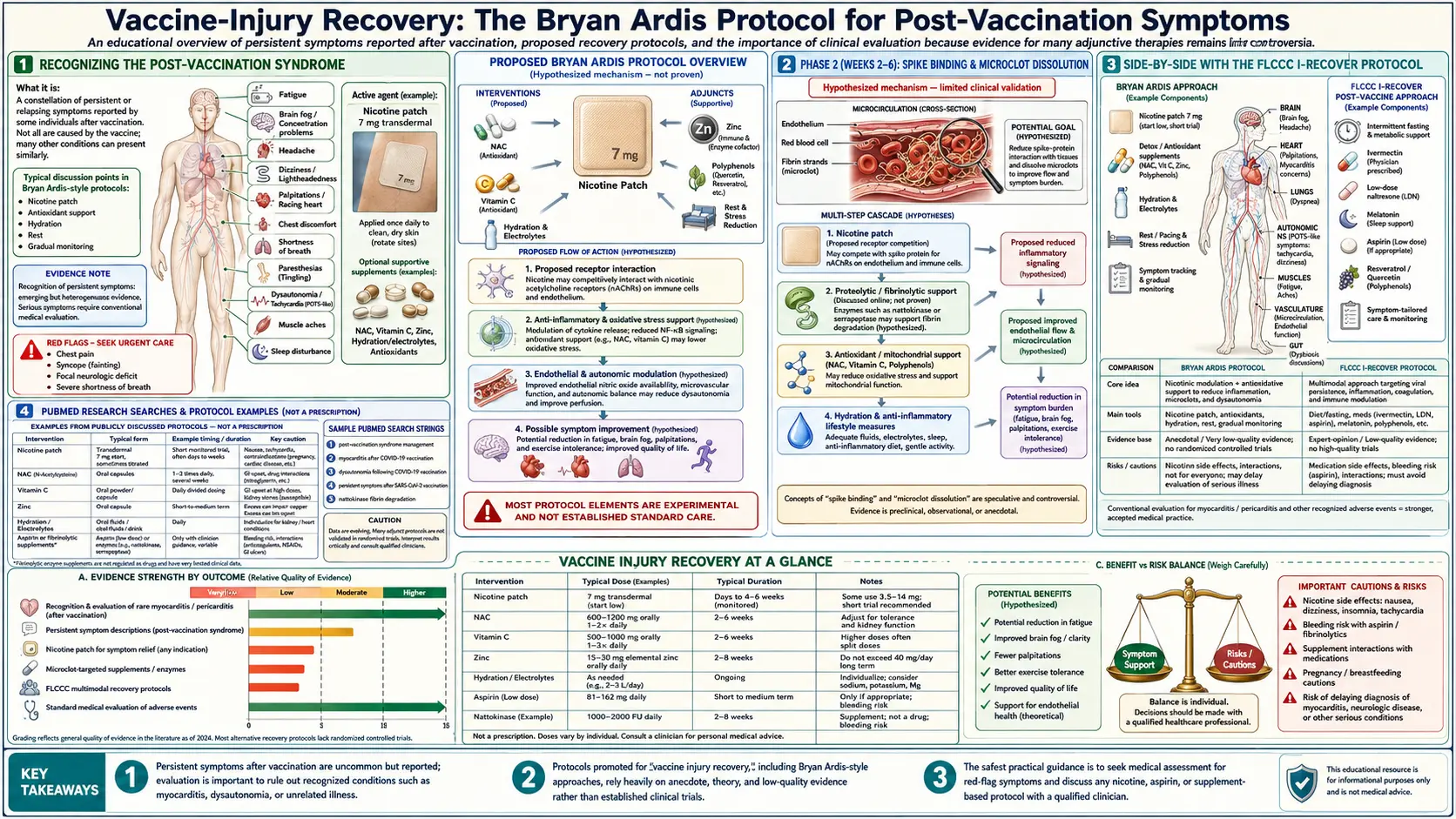
Vaccine-Injury Recovery: The Bryan Ardis Protocol for Post-Vaccination Symptoms
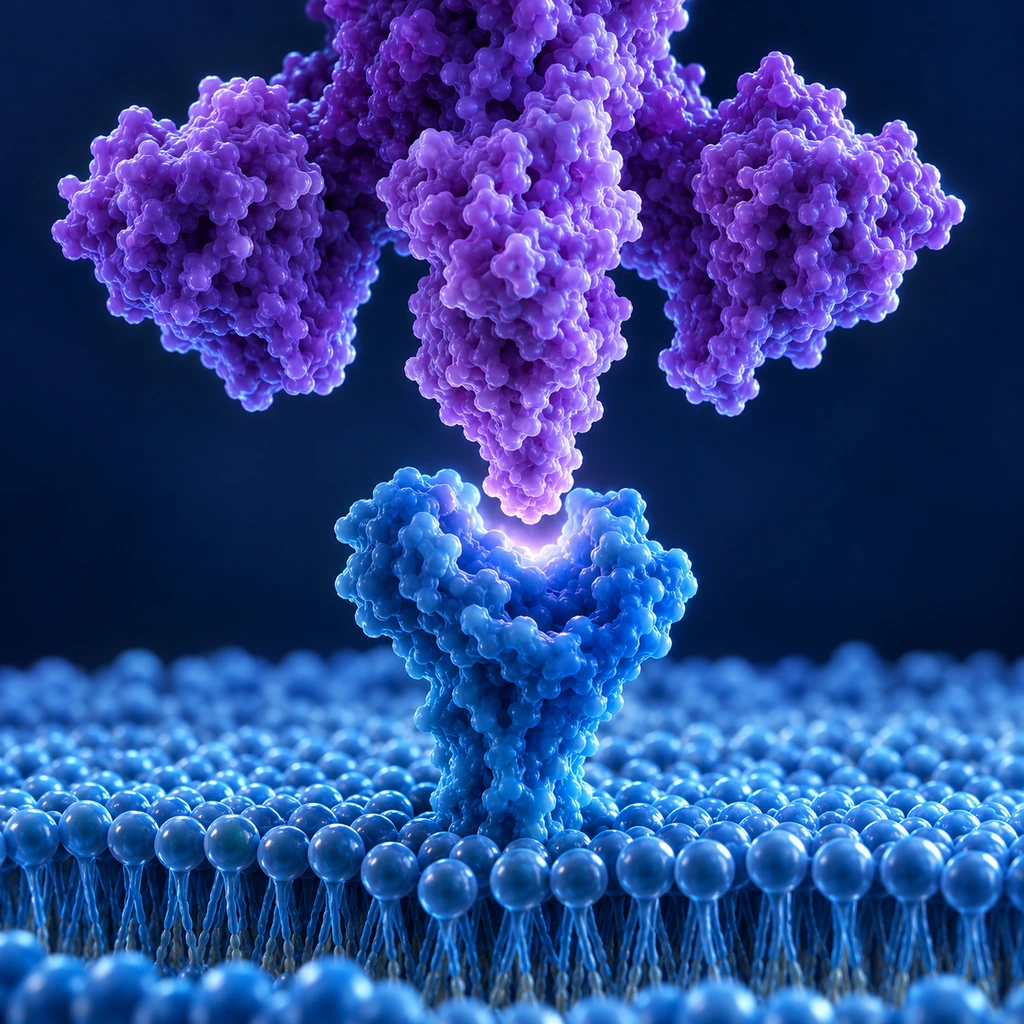
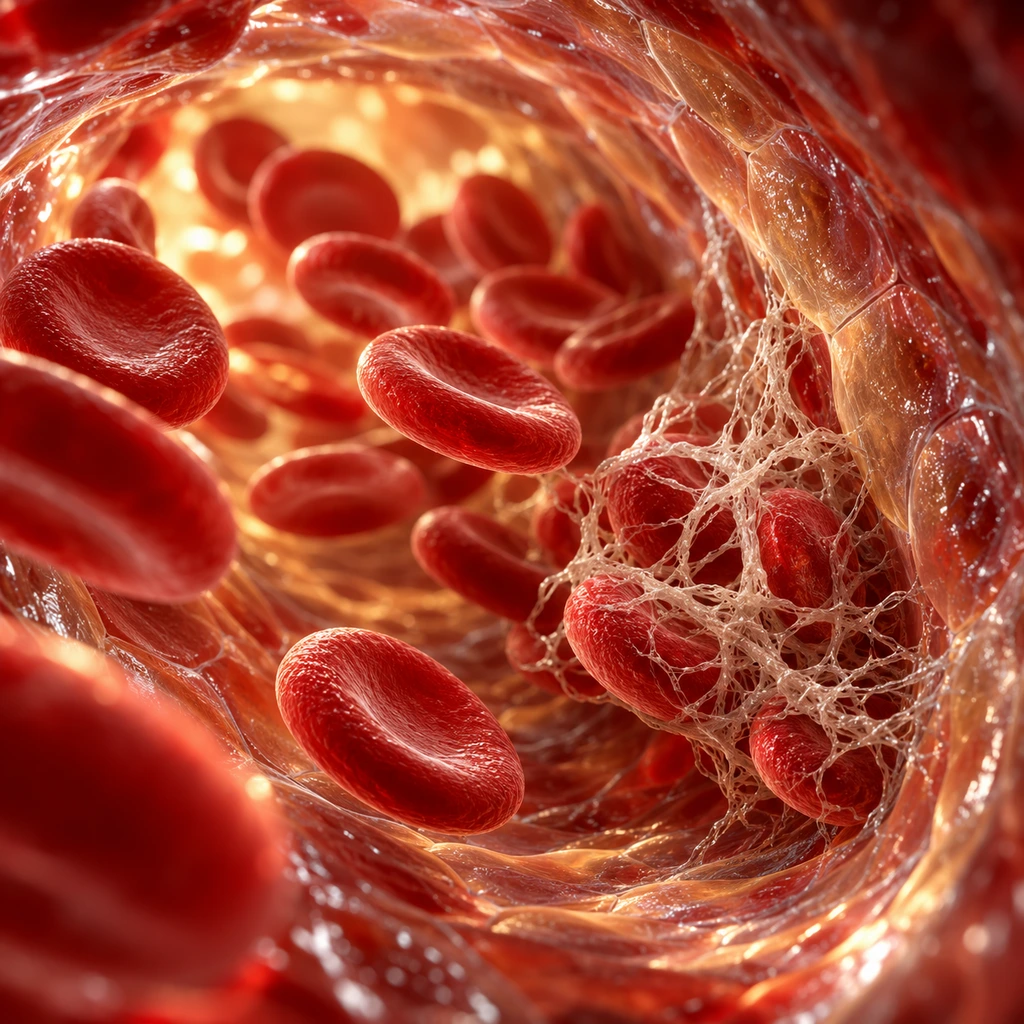
Table of Contents
- Recognizing the Post-Vaccination Syndrome
- Mechanistic Framework: Spike, Lipid Nanoparticles, Microclots
- Initial Clinical Evaluation
- Recommended Lab Panel
- Phase 1 (Days 1–14): Receptor Saturation & Glutathione
- Phase 2 (Weeks 2–6): Spike Binding & Microclot Dissolution
- Phase 3 (Weeks 6–12): Mitochondrial & Autonomic Recovery
- Phase 4 (Months 3–12): Long-Term Maintenance
- The Nicotine Patch Component — What Dr. Ardis Says Nicotine Does for Vaccine Injury
- Side-by-Side with the FLCCC I-RECOVER Protocol
- Special Case: Post-Vaccination Myocarditis
- Special Case: Neurological Symptoms (POTS, Tinnitus, Brain Fog)
- What to Expect — Recovery Trajectories
- Patient Advocacy & Compensation Resources
- Dr. Ardis’s Own Work
- Key Research Papers
- Connections
- Featured Videos
1. Recognizing the Post-Vaccination Syndrome

The clinical presentation that Ardis and a growing body of independent clinicians describe as “post-vaccination syndrome” (PVS) overlaps substantially with long-COVID, ME/CFS, and dysautonomia syndromes. Common features include:
- Persistent fatigue, often with post-exertional malaise pattern
- Cognitive symptoms: brain fog, word-finding difficulty, short-term memory impairment
- Cardiovascular: palpitations, exercise intolerance, orthostatic intolerance / POTS phenotype
- Neurological: tinnitus, paresthesias, internal vibrations, autonomic dysfunction
- Reproductive: menstrual irregularities (the published Lee et al. signal in Vaccine)
- Dermatological: hives, flushing, mast-cell-activation features
- Musculoskeletal: myalgias, arthralgias, new-onset autoimmune signals
- Psychiatric: anxiety, depression, sleep disturbance — often refractory to standard treatment
The Yale LISTEN study (Krumholz et al., BMJ Public Health 2024) documented the syndrome in 241 patients and characterized its lab and symptom phenotype. The NIH has acknowledged the entity through its post-vaccination arm of the RECOVER initiative. Patients reporting these symptoms should be taken seriously, evaluated thoroughly, and given access to candidate recovery strategies — the precondition the Ardis protocol assumes.
2. Mechanistic Framework: Spike, Lipid Nanoparticles, Microclots
The Ardis recovery protocol is built on a four-mechanism model of post-vaccination injury:
- Endogenous spike production. Lipid-nanoparticle-encapsulated mRNA enters cells systemically (the LNP biodistribution is not confined to the deltoid; it includes liver, spleen, ovary, lymph node, and adrenal). Translated spike protein circulates for at least 14 days post-injection (Ogata 2022) and exosomally for longer (Bansal 2021).
- Receptor-mediated injury. Circulating spike binds ACE2, α7-nAChR, TLR4, and CD147, producing endothelial dysfunction, cytokine release, and microclot formation (Lei Circ Res 2021; Avolio 2021).
- Microclot persistence. Pretorius et al. (Cardiovasc Diabetol 2021) documented amyloid-fibrin microclots in long-COVID patients that resist normal fibrinolysis and trap inflammatory mediators — the microclot phenotype now extended to PVS in independent reports.
- Autoimmune cross-reactivity. Spike-induced antibodies cross-react with self-antigens in some patients (the “molecular mimicry” pathway documented by Vojdani et al.), producing post-vaccine autoimmune syndromes that follow rather than precede the injection.
The protocol layers attack each of these mechanisms in sequence: receptor saturation in Phase 1, spike clearance and microclot dissolution in Phase 2, mitochondrial and autonomic recovery in Phase 3, long-term maintenance in Phase 4.
3. Initial Clinical Evaluation
A patient reporting post-vaccination symptoms should be evaluated as a real medical patient with a documented exposure and a documented symptom timeline. The minimum work-up:
- Detailed timeline: dates of doses, lot numbers, vaccine type and manufacturer, symptom onset relative to dose
- Pre-vaccination baseline (for comparison): prior fatigue, sleep, exercise tolerance, cognitive function
- Cardiovascular evaluation: 12-lead ECG, basic echo if symptomatic, troponin if cardiac symptoms within 30 days of dose, Holter or event monitor if palpitations
- Orthostatic vitals: HR/BP supine and after 3, 5, 10 min of standing (POTS criteria: HR rise ≥30 bpm in adults, ≥40 in adolescents)
- Neurological exam if neurological symptoms present
- Symptom-severity scoring (PROMIS, FIQR for fibromyalgia overlap, COMPASS-31 for autonomic)
4. Recommended Lab Panel
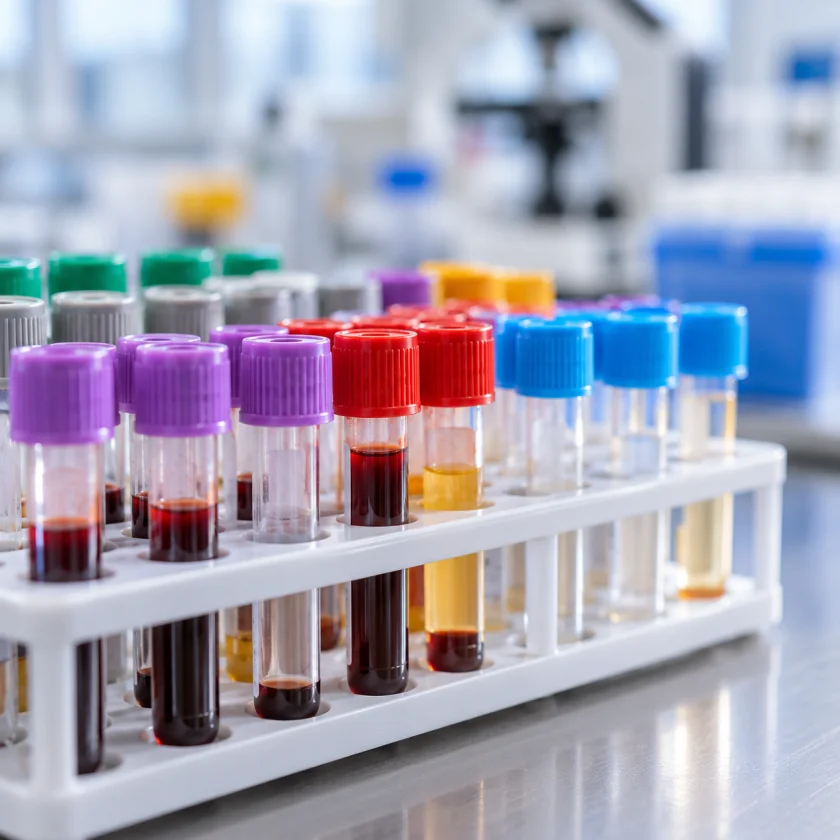
The Ardis-recommended lab panel for an initial PVS work-up:
- CBC + differential
- Comprehensive metabolic panel
- D-dimer (microclot/thrombosis screening)
- Fibrinogen
- CRP and ESR
- Ferritin (inflammation marker, not iron storage in this context)
- LDH
- Troponin I or T (cardiac involvement)
- BNP or NT-proBNP if dyspneic
- Full thyroid panel: TSH, free T3, free T4, reverse T3, TPO and TG antibodies
- 25-OH vitamin D (target 50–80 ng/mL)
- Ferritin + serum iron + TIBC + transferrin saturation (for the iron-overload-vs-anemia question)
- ANA, complement (C3, C4) if autoimmune signals
- Histamine, tryptase if mast-cell signals
- Spike antibodies (anti-S, anti-N): anti-S indicates post-vaccination or post-infection humoral; anti-N indicates wild-type infection. The pattern helps distinguish PVS from long-COVID.
Specialty labs that some patients pursue: micro-clot imaging via Pretorius lab (commercially available through select clinics), exosomal spike via Resia Pretorius’s collaborators, full antiphospholipid panel.
5. Phase 1 (Days 1–14): Receptor Saturation & Glutathione
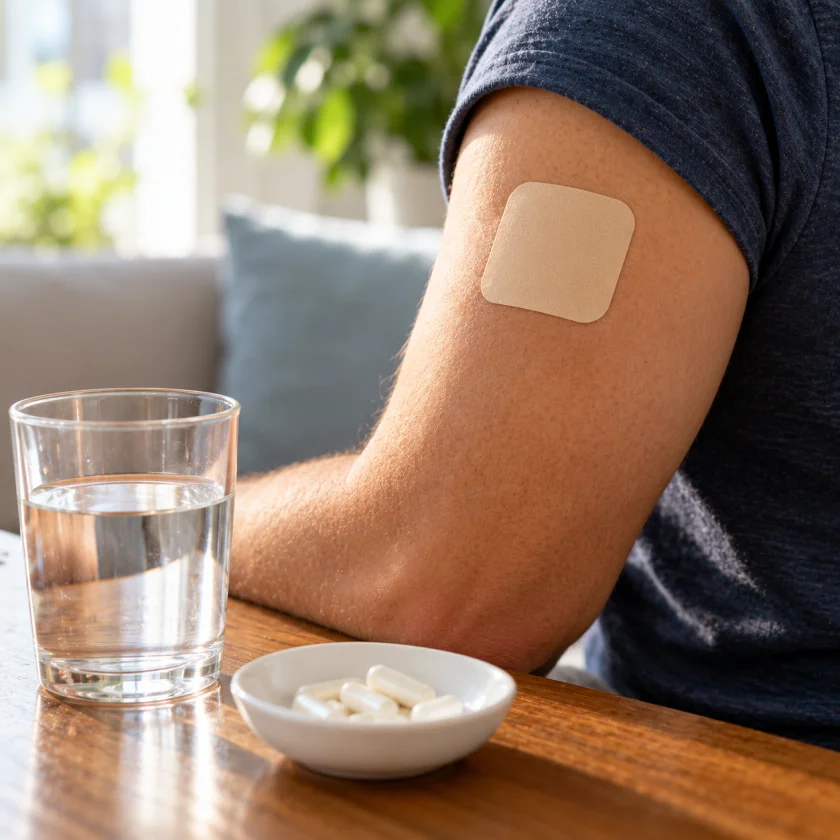
The first two weeks aim to saturate α7-nAChR (preventing further spike-mediated receptor damage) and restore glutathione (the central antioxidant pool depleted in spike-mediated oxidative stress).
- Nicotine patch: 7 mg / 24-h, applied 16 hours on / 8 off. Half-patch first 1–2 days. (See Patch Protocol for full dosing.)
- NAC: 600 mg twice daily on an empty stomach. (See NAC.)
- Glycine: 3 g at bedtime — co-precursor of glutathione, also improves sleep quality.
- Vitamin C (whole-food or buffered): 2 g three times daily. (See Vitamin C.)
- Vitamin D3: 5,000 IU daily with K2 (100–200 mcg MK-7) and adequate magnesium intake. (See Vitamin D3.)
- Magnesium glycinate or threonate: 400–600 mg evenly split through day. (See Magnesium.)
- Melatonin: 5–20 mg at bedtime. The Reiter group has documented its anti-inflammatory and mitochondrial-protective effects; high-dose melatonin is well-tolerated.
- Sleep hygiene + stress reduction: non-negotiable foundation. (See Sleep Hygiene, Stress Management.)
6. Phase 2 (Weeks 2–6): Spike Binding & Microclot Dissolution
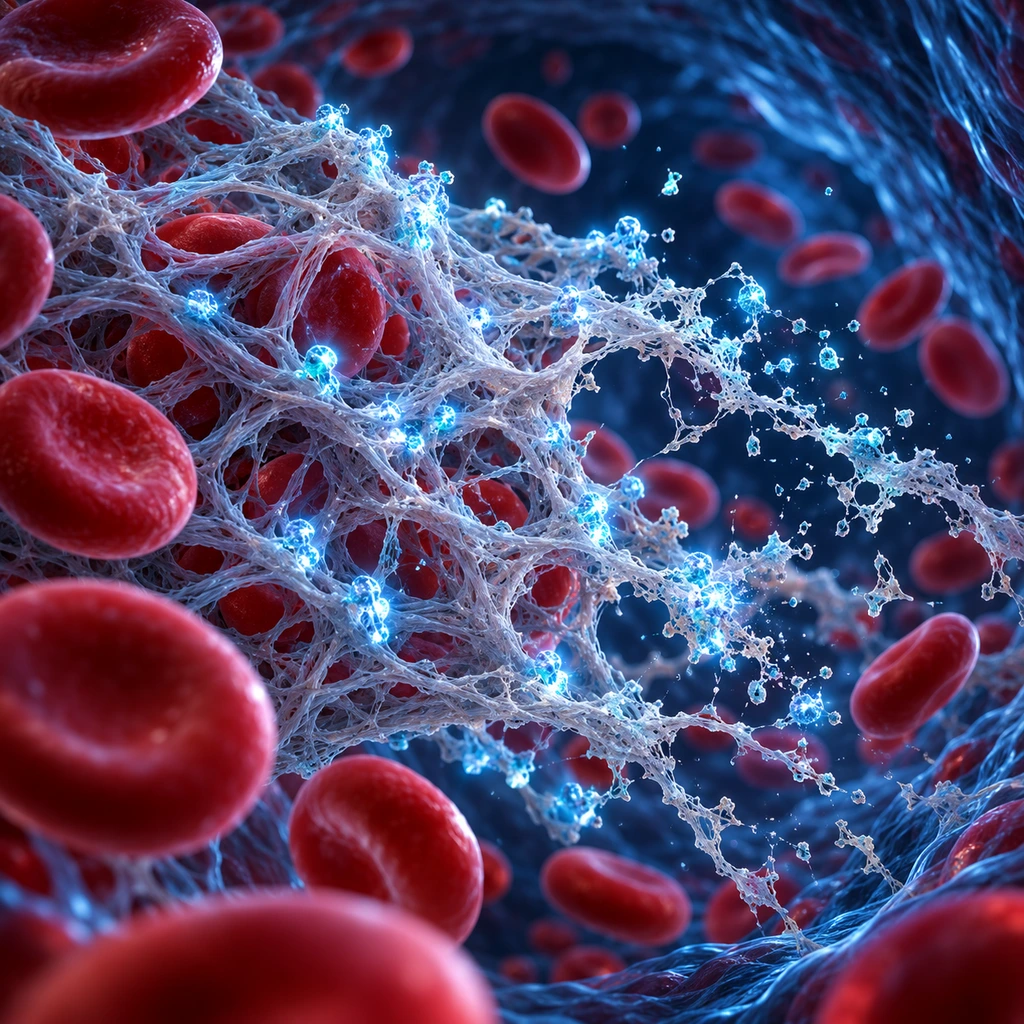
Once the receptor and antioxidant layer is established, Phase 2 adds agents targeting circulating spike and microclot resolution:
- Continue all Phase 1 agents. Step nicotine patch up to 14 mg if tolerated and indicated.
- Dandelion-root extract: 2 cups of strong tea daily, or 500–1,000 mg standardized extract twice daily. The Tran et al. 2021 preprint reported in-vitro inhibition of spike–ACE2 binding by dandelion root.
- Pine-needle tea: traditional preparation (1 tablespoon of fresh white-pine or eastern-white-pine needles steeped in 8 oz water). Source of shikimic acid; traditional respiratory remedy.
- Nattokinase: 2,000 FU twice daily on empty stomach — fibrinolytic enzyme with documented microclot-dissolving activity (Pretorius lab work). Hold or pause if on anticoagulants without physician guidance.
- Serrapeptase: 80,000 SPU twice daily on empty stomach — complementary fibrinolytic.
- Low-dose aspirin: 81 mg daily, with food, if not contraindicated by bleeding risk or peptic disease. (See Aspirin.)
- Quercetin: 500 mg twice daily — zinc ionophore, mast-cell stabilizer.
- Zinc: 25–50 mg daily with copper 2–4 mg to maintain ratio. (See Zinc.)
7. Phase 3 (Weeks 6–12): Mitochondrial & Autonomic Recovery
Phase 3 layers in mitochondrial-recovery and autonomic-regulation agents for patients still symptomatic at 6 weeks:
- Methylene blue: 5–10 mg morning, working up to twice daily. Mitochondrial electron-bypass agent. Avoid with SSRIs/SNRIs (serotonin-syndrome risk). (See Methylene Blue.)
- CoQ10 (ubiquinol form): 200–400 mg daily.
- L-carnitine (acetyl-L-carnitine): 1,000 mg twice daily — fatty-acid oxidation support, often dramatic for fatigue.
- Creatine monohydrate: 3–5 g daily — mitochondrial energetics support. (See Creatine.)
- NAD+/NMN: NMN 250–500 mg daily, or NAD+ IV course where available. (See NAD+ and NMN.)
- Low-dose naltrexone (LDN): 1.5–4.5 mg at bedtime — immune-modulatory and central-pain-modulating in dysautonomia and ME/CFS. Requires prescription. (See Low-Dose Naltrexone.)
- Ivermectin: where legal/available, 0.2–0.4 mg/kg per FLCCC long-COVID protocol guidance, in cycles. The legal status varies by jurisdiction; this is documentation, not a recommendation to obtain it through extralegal channels.
- Vagal-tone training: slow diaphragmatic breathing, cold-face exposure, gargling, humming, progressive cardio reconditioning where tolerated. (See Breathwork.)
8. Phase 4 (Months 3–12): Long-Term Maintenance
For patients still symptomatic at 3 months, a maintenance regimen layered on continued lifestyle reconditioning:
- Continue NAC, vitamin D, magnesium, melatonin (lower doses)
- Methylene blue ongoing if tolerated and helping
- LDN ongoing
- Nattokinase or low-dose aspirin ongoing if D-dimer elevated
- Progressive aerobic reconditioning, ideally with HRV biofeedback
- Consider hyperbaric oxygen therapy (mHBOT) where accessible: 40–60 sessions at 1.5–2.0 ATA
- Re-evaluate every 3 months; many patients improve substantially by month 12
9. The Nicotine Patch Component — What Dr. Ardis Says Nicotine Does for Vaccine Injury
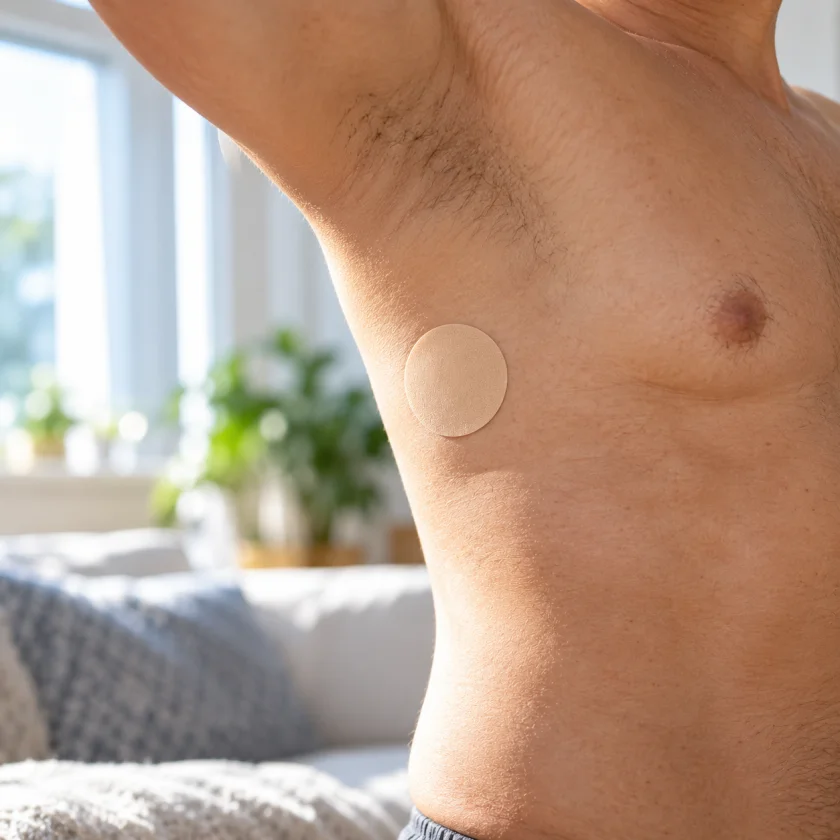
Dr. Bryan Ardis’s instruction for anyone injured by a COVID-19 vaccine is one line in his protocol handout: “C19 Vaccine Injured — Follow Long-Hauler COVID protocol.” The same nicotine protocol he gives for long COVID is the one he gives for vaccine injury, because in his framing both are the same problem: spike protein sitting on the body’s nicotinic receptors.
What he says nicotine does
- It takes the receptor back. He describes vaccine-made spike as venom-like protein bound to the α7 nicotinic receptor. Nicotine, he says, binds that receptor about thirty times more strongly, so the spike is displaced and the receptor works again. The receptor picture is on our cobra venom and nicotine page.
- It calms inflammation. “Nicotine is four times more anti-inflammatory than it is inflammatory,” in his words.
- It works on the whole symptom list. He lists the long-hauler symptoms he says respond: chronic fatigue, dizziness, breathing difficulty, low-grade fever, loss of taste and smell, memory lapses, muscle pain, diarrhoea, poor concentration, sleep problems, mood disorders, headaches, chest tightness, heart palpitations, cognitive impairment and exercise intolerance — and, for vaccine injury specifically, viral myocarditis and brain fog.
- It works fast. He cites the four cases published by Dr. Marco Leitzke in 2023, describing half of the symptoms gone by day three and the rest within about a week. The cases are written up day by day on our Leitzke cases page.
His long-hauler protocol, for vaccine injury
| Form | What Dr. Ardis says to do |
|---|---|
| Patch (preferred) | One 7 mg nicotine patch a day, for a minimum of one week or until the symptoms resolve. |
| Gum (second choice) | One 2 mg piece, chewed for ten minutes or more, four times a day, for a minimum of two weeks. |
| New to nicotine | Start lower — about 1 mg a day from a cut patch for a week — and cut the piece in half if it makes you dizzy or sick. |
Why some people feel sick on gum — in his words
“Every cell in your body has nicotine receptors including the gut. A few people, when chewing and swallowing nicotine gum, get nauseous and vomit or get loose stools. This is because so much of the venom spike proteins are attached to the nicotine receptors that line your entire bowel lining, and when nicotine is present the massive amount of venom in the bowel lining gets released and you will feel like you have food poisoning. Why? Because venoms are poison, and God designed the human body to throw up poison and poop out loosely, all poisons. If this happens, please switch to nicotine patches. The nicotine skips the bowels and gets absorbed into your bloodstream through your skin. This is why I do patches every day. Most people have no reaction to the gum or nicotine orally, but some do, that get mitigated by using a topical nicotine patch.”
— Dr. Bryan Ardis, “How to Use Nicotine” protocol handout
He also recommends a foot soak in water in which organic tobacco leaves have been boiled, 20–30 minutes several times a week, as another way to take in nicotine. Liquid made from tobacco leaves is concentrated, and skin contact with wet tobacco is the cause of green-tobacco sickness in harvesters, so keep any such liquid well away from children and pets.
When the patch fits best
Within this phased protocol the patch is the receptor-saturating anchor and the most distinctive feature compared with the FLCCC and other post-vaccination protocols. It is most appropriate when:
- Symptoms are within 30–60 days of vaccine dose (highest circulating spike likelihood)
- Cardiac evaluation is clean (no contraindication)
- The patient is a healthy adult, non-pregnant, non-adolescent
- The patient is willing to commit to a 4–8 week course
The patch does its biggest work in Phase 1 and Phase 2; by Phase 3 the receptor-saturation work is largely done and what remains is maintenance. The full dosing ladder, placement diagram, contraindications and tapering are on our Nicotine Patch Protocol page; used and unused patches are poisonous to children and pets.
10. Side-by-Side with the FLCCC I-RECOVER Protocol
The Front Line COVID-19 Critical Care Alliance (FLCCC), led by Pierre Kory and Paul Marik, publishes the I-RECOVER protocol for post-vaccination injury. Major similarities and differences with the Ardis protocol:
- Both use: NAC, vitamin C, vitamin D, melatonin, low-dose aspirin, ivermectin (where legal), low-dose naltrexone, fluvoxamine option, antihistamines for mast-cell features.
- FLCCC adds: stronger emphasis on fluvoxamine (SSRI with sigma-1 receptor activity), corticosteroids in select cases, and its own cardiac and POTS-specific arms.
- Ardis adds: the nicotine patch as a central receptor-saturation agent. FLCCC does not currently include nicotine in I-RECOVER, though Pierre Kory has discussed the receptor-pharmacology rationale on podcasts.
- Ardis emphasizes: dandelion root and pine-needle tea more strongly; methylene blue earlier.
The two protocols are largely compatible. The main difference between them is the nicotine-patch component of the Ardis protocol, used when the patient is in the appropriate window and free of cardiac contraindications.
11. Special Case: Post-Vaccination Myocarditis
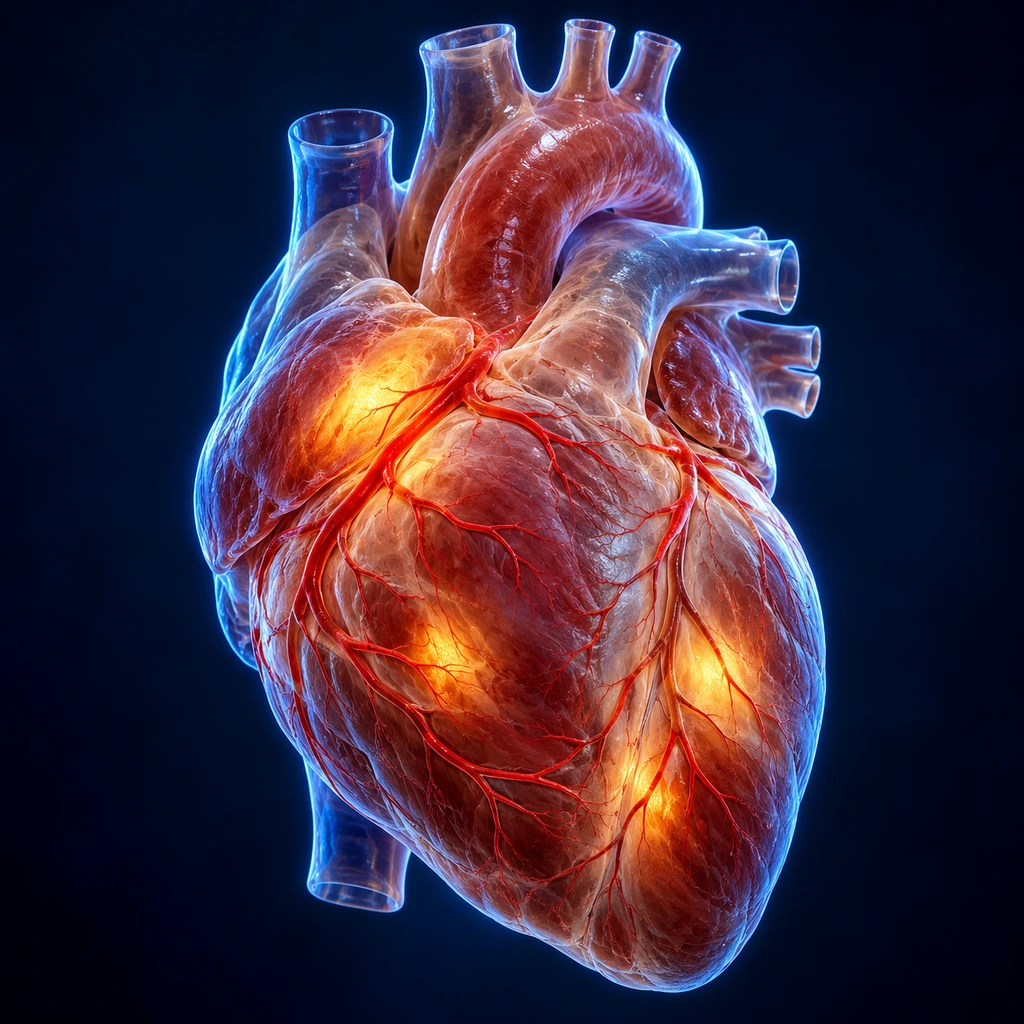
Post-vaccination myocarditis is a well-documented adverse event, particularly in young men after mRNA vaccines (Witberg et al., NEJM 2021; Mevorach et al., NEJM 2021). Patients with documented or suspected post-vaccination myocarditis require:
- Cardiology partnership (do not self-treat suspected myocarditis)
- Cardiac MRI for diagnosis
- Standard-of-care for myocarditis (rest, anti-inflammatory protocols)
- Caution with nicotine. Active myocarditis is a contraindication to nicotine therapy. The patch is appropriate only after cardiac recovery, and only in consultation with the treating cardiologist.
- NAC, vitamin C, melatonin, omega-3 fatty acids are reasonable supportive layers without the cardiovascular concerns of nicotine.
12. Special Case: Neurological Symptoms (POTS, Tinnitus, Brain Fog)
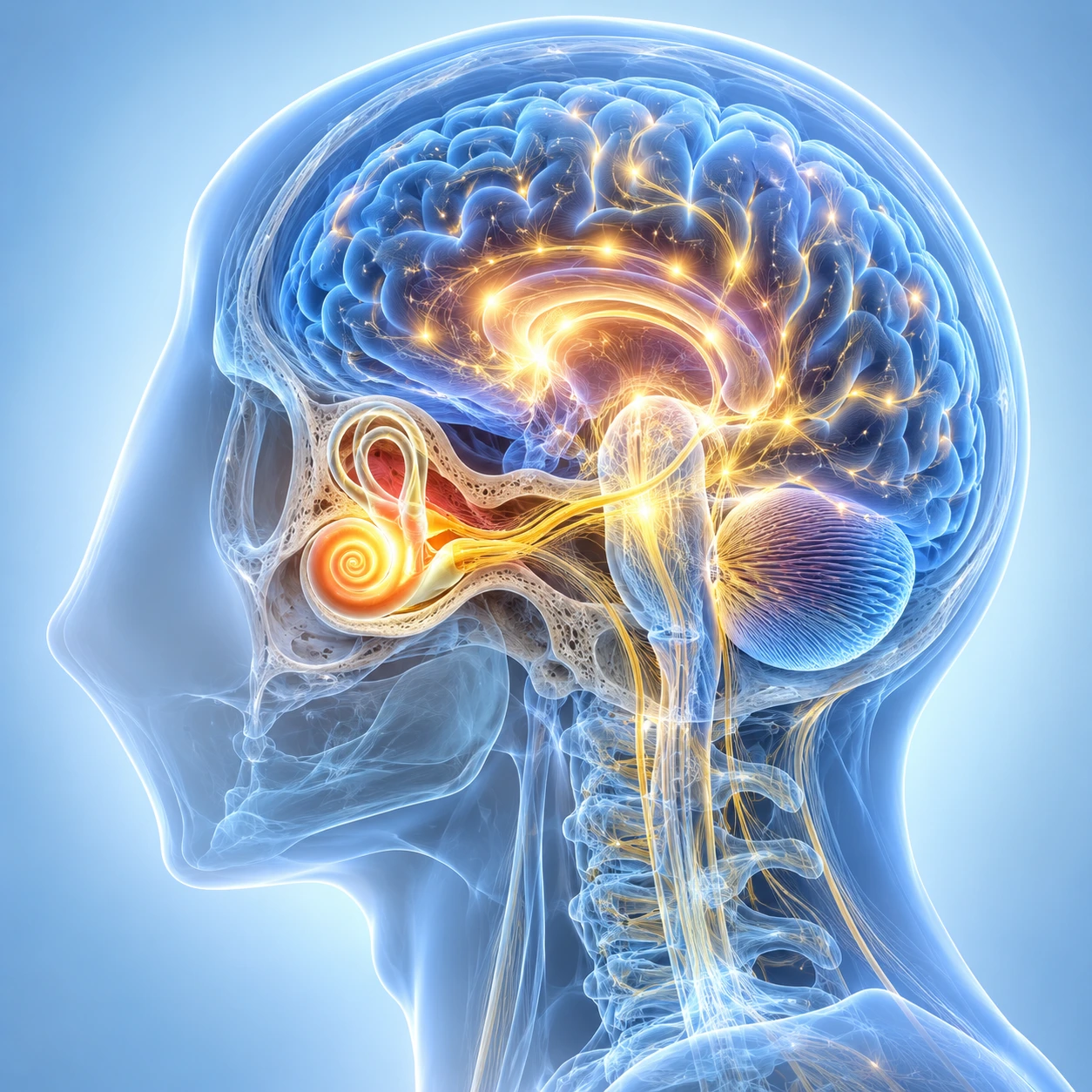
Neurological PVS phenotypes have specific additional considerations:
- POTS phenotype: hydration (3 L/day), 8–10 g sodium/day where blood pressure permits, compression garments, gradual cardio reconditioning per the Levine protocol, midodrine or fludrocortisone if needed. (See POTS.)
- Tinnitus: NAC, glycine, taurine, standardized ginkgo biloba extract. (See Tinnitus.)
- Brain fog / cognitive: nicotine’s α4β2 occupancy gives a small pro-cognitive bonus; methylene blue is often dramatic; lion’s mane mushroom (1–3 g daily) for BDNF.
- MCAS phenotype: H1 + H2 blockers (loratadine + famotidine), quercetin, low-histamine diet trial. (See MCAS.)
13. What to Expect — Recovery Trajectories
Recovery patterns vary widely. A rough timeline for patients beginning the protocol:
- Two-week mark: Some patients report meaningful improvement (energy, brain fog clearing). Many report no change yet but tolerate the regimen well.
- Six-week mark: Most patients can identify whether the protocol is producing benefit. Non-responders should be re-evaluated for missed diagnoses (autoimmune, structural cardiac, undiagnosed thyroid).
- Three-month mark: The majority of responders are 50–80% improved. A substantial minority require Phase 3 layering.
- Twelve-month mark: Most responders are at or near pre-vaccination baseline. A persistent subset (~20%) remain disabled and require chronic management akin to ME/CFS.
Freedom of Research and Patient Self-Advocacy. These recovery trajectories, including the percentages above, are shared so that patients and the clinicians they work with can plan and advocate for their own recovery, in the same open spirit as the rest of this page. No study is cited for them, and every recovery is individual.
Setbacks happen. The illness is real. Patience with one’s own recovery is part of the protocol, and over-exertion in Phases 1–2 is the most common reason for relapse.
14. Patient Advocacy & Compensation Resources
- VAERS (Vaccine Adverse Event Reporting System): if you have not reported your adverse event, do so. The data, while imperfect, is the only public-domain pharmacovigilance signal.
- CICP (Countermeasures Injury Compensation Program): the federal program for COVID-vaccine injury compensation, with a 1-year filing deadline from injury date. Compensation rates have been low historically but the program is the official avenue.
- React19: patient-advocacy nonprofit specifically for COVID-vaccine injuries. Resources, peer support, and clinician referrals.
- Children’s Health Defense: legal-resources clearinghouse.
- FLCCC clinician network: the FLCCC maintains a directory of physicians familiar with PVS / I-RECOVER.
- Yale LISTEN study: still enrolling at the time of writing; a way for patients to contribute their data to formal research.
Dr. Ardis’s Own Work
Dr. Bryan Ardis’s nicotine protocol and the reasoning behind it, in his own words — his show, the interviews in which he lays it out, and his book.
- The Dr. Ardis Show — official site
- The Dr. Ardis Show, 28 August 2023 — “Venom Industrial Complex: Weaponizing Venoms” — the 7 mg, six-day nicotine instruction and the long-hauler symptom list.
- The Dr. Ardis Show podcast archive, April 2024 — his nicotine presentation “The Other ‘N’ Word.”
- Myers Detox Podcast #607 — “Nicotine Can Reverse Brain Fog, Inflammation, Dementia, and Chronic Illness” with Dr. Bryan Ardis — full transcript.
- Cosmic Reality Podcast, May 2024 — Dr. Ardis on nicotine and snake venom
- Bryan Ardis, Moving Beyond the COVID-19 Lies: Restoring Health & Hope for Humanity (Harvest Creek Publishing, 2024; ISBN 978-1-961641-22-8) — library record.
- His nicotine protocols, documented by a reader site — the prevention, long-hauler and vaccine-injury instructions from his “How to Use Nicotine” handout.
On this site: Nicotine Patch Protocol · The Leitzke cases · Cobra venom and nicotine · Pyrazines · Nightshade nicotine and Parkinson’s
Key Research Papers
- Ogata AF, Cheng CA, Desjardins M, et al. Circulating SARS-CoV-2 Vaccine Antigen Detected in the Plasma of mRNA-1273 Vaccine Recipients. Clin Infect Dis. 2022;74(4):715-718. — doi:10.1093/cid/ciab465
- Lei Y, Zhang J, Schiavon CR, et al. SARS-CoV-2 Spike Protein Impairs Endothelial Function via Downregulation of ACE2. Circ Res. 2021;128(9):1323-1326. — doi:10.1161/CIRCRESAHA.121.318902
- Pretorius E, Vlok M, Venter C, et al. Persistent clotting protein pathology in Long COVID/PASC is accompanied by increased levels of antiplasmin. Cardiovasc Diabetol. 2021;20(1):172. — doi:10.1186/s12933-021-01359-7
- Mevorach D, Anis E, Cedar N, et al. Myocarditis after BNT162b2 mRNA Vaccine against Covid-19 in Israel. N Engl J Med. 2021;385(23):2140-2149. — doi:10.1056/NEJMoa2110737
- Witberg G, Barda N, Hoss S, et al. Myocarditis after Covid-19 Vaccination in a Large Health Care Organization. N Engl J Med. 2021;385(23):2132-2139. — doi:10.1056/NEJMoa2109730
- Krumholz HM, Wu Y, Sawano M, et al. Post-Vaccination Syndrome: A Descriptive Analysis of Reported Symptoms and Patient Experiences After Covid-19 Immunization. BMJ Public Health. 2024. — doi:10.1101/2023.11.09.23298266
- Couzin-Frankel J. Long Covid clues emerge from worldwide research effort. Science. 2022. — doi:10.1126/science.add4297
PubMed Topic Searches
- PubMed: Post-vaccination syndrome and long-COVID
- PubMed: Spike protein and microclot fibrin
- PubMed: mRNA vaccine and myocarditis
- PubMed: NAC and spike protein
- PubMed: Nattokinase and fibrinolysis
- PubMed: Low-dose naltrexone and long-COVID
- PubMed: POTS and post-vaccination
- PubMed: Ivermectin and long-COVID
- PubMed: Hyperbaric oxygen and long-COVID
Connections
- The Nicotine Patch: Skin to Bloodstream to Receptor — interactive animation
- All Remedies
- NAC (N-Acetylcysteine)
- Methylene Blue
- Vitamin C
- POTS
- Zinc
- Vitamin D3
- Magnesium
- MCAS
- Nicotine Patch Protocol
- Low-Dose Naltrexone
- Dr. Bryan Ardis Hub
- Hospital Protocol Critique
- Snake-Venom Hypothesis
- Nicotinic Acetylcholine Receptors
- Moving Beyond the COVID-19 Lies (Book)
- Detox and Recovery
- Post-Viral Triggers (CFS/ME)
- Myocarditis
- The Leitzke Long-COVID Cases
- D-Dimer and Snake Venom
Featured Videos