Nicotine in Nightshade Vegetables and Parkinson's Disease

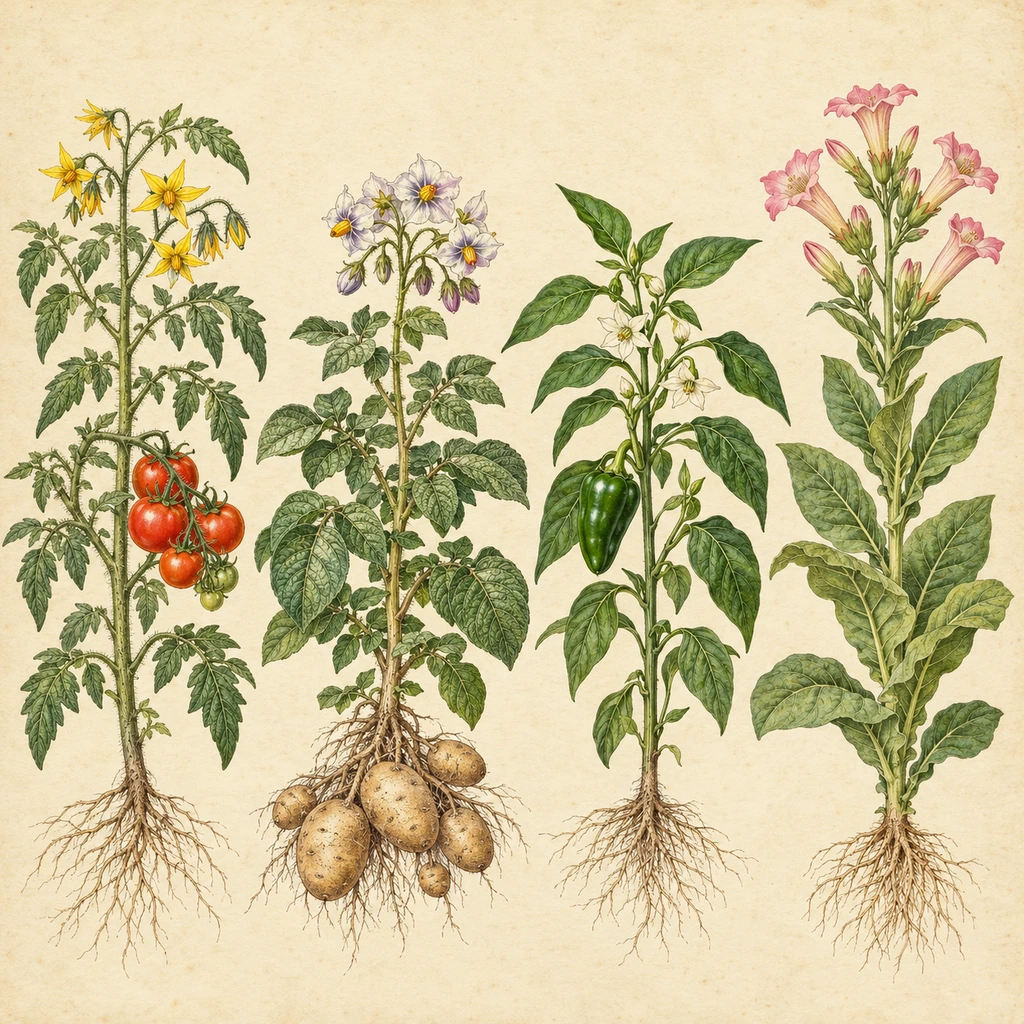
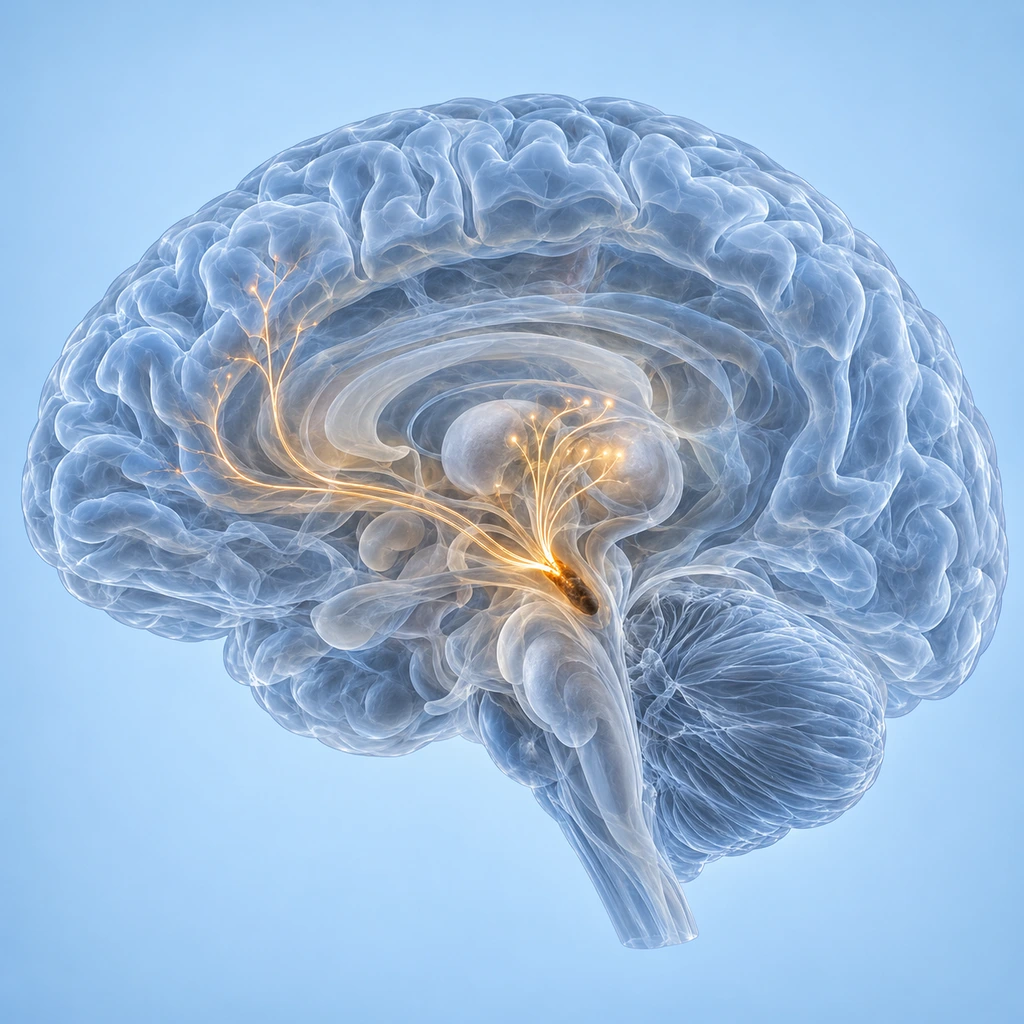
Table of Contents
- Dr. Ardis on Nicotine as a Food Nutrient
- Which Foods Contain Nicotine
- The University of Washington Study
- How Nicotine May Protect Dopamine Neurons
- The SV2C Gene
- What the Article Reports About Patches
- Eating the Nightshades
- Dr. Ardis’s Wider Claims
- Dr. Ardis’s Own Work
- Key Research Papers
- Connections
- Featured Videos
1. Dr. Ardis on Nicotine as a Food Nutrient
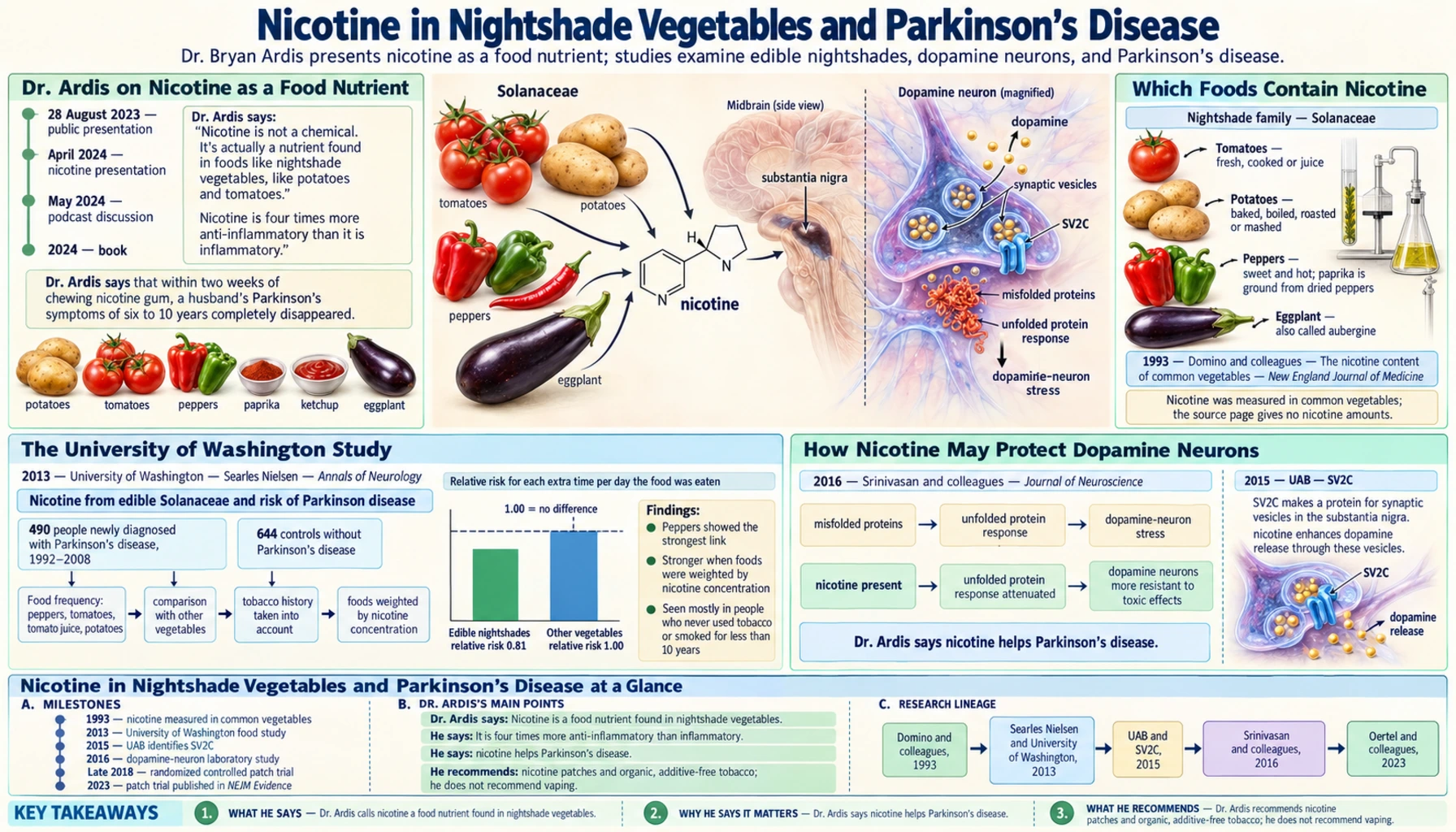
Dr. Bryan Ardis does not treat nicotine as something that belongs only to tobacco. He describes it as part of ordinary food. In his words:
“Nicotine is not a chemical. It’s actually a nutrient found in foods like nightshade vegetables, like potatoes and tomatoes.”
Besides potatoes and tomatoes, he names peppers, paprika, ketchup and eggplant. He also says: “Nicotine is four times more anti-inflammatory than it is inflammatory.”
His Parkinson’s statement
Dr. Ardis lists Parkinson’s disease among the conditions he says nicotine helps. He tells of a husband with Parkinson’s who began chewing nicotine gum. As he puts it, “within two weeks of chewing nicotine gum, their husband’s Parkinson’s symptoms for six to 10 years completely disappeared.”
The sections below set his food-nicotine idea beside the research on nightshade vegetables and Parkinson’s. His wider claims, and his own sources, close the page.
2. Which Foods Contain Nicotine
The foods Dr. Ardis names come from one plant family, the nightshades, which botanists call Solanaceae. Tobacco belongs to the same family, and some of its edible relatives contain nicotine too.
The everyday nightshade foods are:
- Tomatoes — fresh, cooked or as juice. Ketchup is made from them.
- Potatoes — baked, boiled, roasted or mashed.
- Peppers — sweet and hot. Paprika is ground from dried peppers.
- Eggplant — also called aubergine.
In 1993, Domino and colleagues measured the nicotine content of common vegetables, including tomatoes, potatoes and eggplant, and reported it in the New England Journal of Medicine.
The study in the next section went a step further: it weighted each food by its nicotine concentration.
3. The University of Washington Study
The study at the centre of this topic came from researchers at the University of Washington, led by Searles Nielsen. It was published in 2013 in the Annals of Neurology as “Nicotine from edible Solanaceae and risk of Parkinson disease.”
Who took part
- 490 people newly diagnosed with Parkinson’s disease between 1992 and 2008.
- 644 people without Parkinson’s, as a comparison group (the “controls”).
What they were asked
The researchers asked how often people ate peppers, tomatoes, tomato juice and potatoes, and how often they ate other vegetables, for comparison. They also took each person’s tobacco history into account.
What they found
- People who ate the edible nightshades more often were less likely to have Parkinson’s. The paper gives a relative risk of 0.81 for each extra time per day these foods were eaten.
- Other vegetables showed no link: their relative risk was 1.00.
- The pattern grew stronger when each food was weighted by its nicotine concentration.
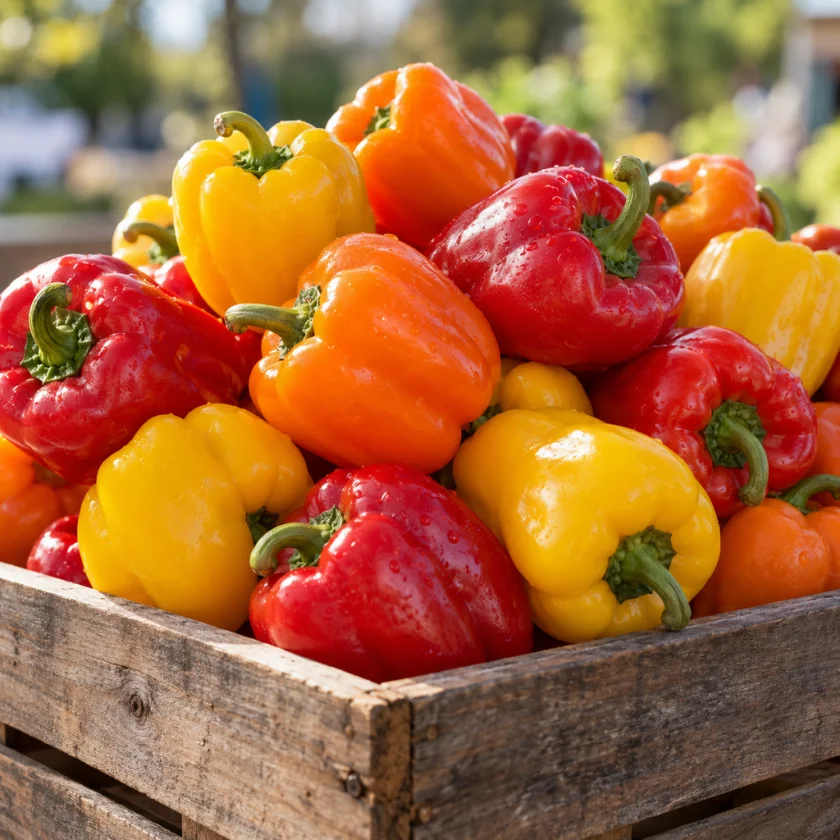
- Peppers showed the strongest link.
- The link was seen mostly in people who had never used tobacco, or who had smoked for less than 10 years.
A relative risk compares two groups. A value of 1.00 means no difference; a value below 1.00 means lower risk.
The lead author is quoted in Medical News Today: “Our study is the first to investigate dietary nicotine and risk of developing Parkinson’s disease.”
The authors’ own conclusion reads: “Dietary nicotine or other constituents of tobacco and peppers may reduce PD risk.” (PD stands for Parkinson’s disease.) They add that the finding needs confirmation.
4. How Nicotine May Protect Dopamine Neurons
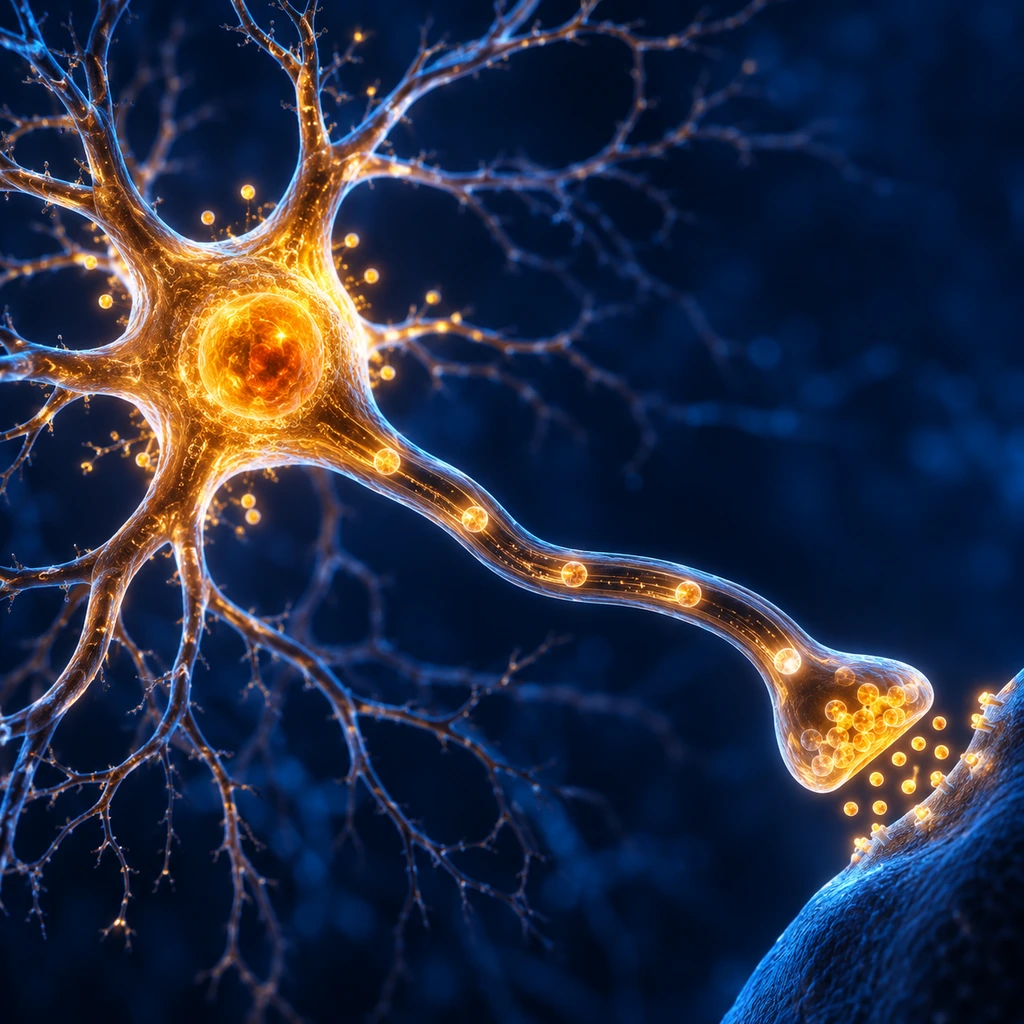
Medical News Today explains Parkinson’s disease in a few plain steps:
- The effects of the disease come from the loss of brain cells (neurons) that make dopamine, a chemical messenger.
- Some proteins inside cells fold into the wrong shape. In Parkinson’s, the body seemingly does not clear these misfolded proteins away; they build up inside cells and eventually kill them.
- There is no cure. Treatment and medicines ease some of the symptoms.
The 2016 Journal of Neuroscience study
A 2016 study by Srinivasan and colleagues looked at what nicotine does inside dopamine neurons under that kind of stress. Its title states the result: a “smoking-relevant nicotine concentration attenuates the unfolded protein response in dopaminergic neurons.”
The “unfolded protein response” is the cell’s alarm system for proteins that have folded wrongly, and “attenuates” means it was turned down. Medical News Today sums up the finding: when the conditions that make proteins misfold were recreated, the dopamine neurons were more resistant to the toxic effects of those proteins when nicotine was present.
For how dopamine works as a messenger, see the site’s animation Dopamine, Reward & How Habits Hijack You. The condition itself is covered on the Parkinson’s Disease page.
5. The SV2C Gene
Medical News Today also reports genetic work from 2015 at the University of Alabama at Birmingham (UAB). The geneticists set out to map the genetic mechanisms that might lie behind the link between nicotine exposure and a lower risk of Parkinson’s.
- They identified a gene, SV2C, that may play a role in the lower risk seen in regular smokers.
- SV2C makes a protein for synaptic vesicles in the substantia nigra, the part of the brain that Parkinson’s damages. Synaptic vesicles are the tiny sacs in which nerve cells store chemical messengers.
- According to the article, the authors call the gene “biologically plausible” because nicotine enhances the release of dopamine through these vesicles.
6. What the Article Reports About Patches
The same article also covers nicotine given through a skin patch.
- It reports that in late 2018 a randomized controlled trial found that nicotine patches did not slow Parkinson’s; the trial was published in 2023 by Oertel and colleagues in NEJM Evidence.
- It also reports the conclusion of a Parkinson’s research foundation that nicotine is not a clinically useful intervention for Parkinson’s.
7. Eating the Nightshades

The University of Washington study was about food, not supplements: it asked how often people ate ordinary vegetables. Peppers, tomatoes, potatoes and eggplant are everyday whole foods, easy to eat often and in many ways.
| Food | Family | How people commonly eat it |
|---|---|---|
| Tomatoes | Nightshade (Solanaceae) | Raw in salads, cooked into sauces and soups, or as tomato juice |
| Potatoes | Nightshade (Solanaceae) | Baked, boiled, roasted or mashed |
| Peppers, sweet and hot | Nightshade (Solanaceae) | Raw, roasted, stuffed or stir-fried; dried and ground as paprika |
| Eggplant | Nightshade (Solanaceae) | Roasted, grilled, baked or stewed |
Whole foods are this site’s standing preference: the vegetables themselves, cooked at home, rather than processed products built from them. This page gives no nicotine amounts and makes no promise about what eating these foods will do for any one person.
The site covers two of these foods in depth, including notes for people who avoid nightshades: Tomatoes and Bell Peppers.
8. Dr. Ardis’s Wider Claims: Parkinson’s, Alzheimer’s and Multiple Sclerosis
Parkinson’s is one entry on a longer list. Dr. Ardis names several conditions of the brain and nerves that he says nicotine helps:
- Parkinson’s disease — the nicotine-gum account in section 1, in which a husband’s symptoms of six to 10 years “completely disappeared” within two weeks.
- Alzheimer’s disease — he says nicotine is “known to cure, reverse, and prevent” it.
- Multiple sclerosis (MS) — also on his list.
His list goes further: ulcerative colitis, arthritis (“every known arthritis is benefited with nicotine”), long COVID, vaccine injury, viral myocarditis, brain fog, migraine, depression and mood, and appetite and weight.
His protocol
Dr. Ardis recommends nicotine patches and organic, additive-free tobacco. He does not recommend vaping, because of its flavouring chemicals; the Pyrazines and Nicotine Addiction page covers his view of tobacco additives.
His full protocol — patches and gum, the doses he uses and how he starts people who are new to nicotine — is documented on the Nicotine Patch Protocol page, together with the site’s safety notes.
- On who should not use it, he says: “Those who have seizures… You should not take nicotine. It’s on the box.”
- Used and unused patches are poisonous to children and pets.
Dr. Ardis’s Own Work
- The Dr. Ardis Show — official site: thedrardisshow.com
- The Dr. Ardis Show, 28 August 2023 — “Venom Industrial Complex: Weaponizing Venoms”: episode page
- The Dr. Ardis Show podcast archive, April 2024, with his nicotine presentation “The Other ‘N’ Word”: April 2024 archive
- Myers Detox Podcast #607, “Nicotine Can Reverse Brain Fog, Inflammation, Dementia, and Chronic Illness” with Dr. Bryan Ardis: episode page · transcript
- Cosmic Reality Podcast, May 2024 — “Dr. Ardis on Nicotine, Snake Venom & Bible Messaging”: episode page
- Book: Bryan Ardis, Moving Beyond the COVID-19 Lies: Restoring Health & Hope for Humanity (Harvest Creek Publishing, 2024; ISBN 978-1-961641-22-8): library record · the site’s book page
- His nicotine protocols as documented by a reader site: nicotine patch protocol
Key Research Papers
- Searles Nielsen S, Franklin GM, Longstreth WT, Swanson PD, Checkoway H (2013). Nicotine from edible Solanaceae and risk of Parkinson disease. Annals of Neurology. 74(3):472-477. — PubMed PMID: 23661325
- Domino EF, Hornbach E, Demana T (1993). The nicotine content of common vegetables. New England Journal of Medicine. 329(6):437. — PubMed PMID: 8326992
- Srinivasan R, Henley BM, Henderson BJ, et al. (2016). Smoking-relevant nicotine concentration attenuates the unfolded protein response in dopaminergic neurons. Journal of Neuroscience. 36(1):65-79. — PubMed PMID: 26740650
- Oertel WH, Müller HH, Unger MM, et al. (2023). Transdermal nicotine treatment and progression of early Parkinson’s disease. NEJM Evidence. 2(9):EVIDoa2200311. — PubMed PMID: 38320207
News Coverage
- Nordqvist J; medically reviewed by Seunggu Han, MD (updated 27 February 2019). Dietary nicotine and Parkinson’s disease: Evidence and relationship. Medical News Today. — medicalnewstoday.com/articles/260354
PubMed Topic Searches
Connections
- Dr. Bryan Ardis Hub
- Parkinson's Disease: the PubMed research — the published papers on nicotine and this subject, summarised and linked, kept separate from Dr. Ardis’s claims
- The Nicotine Hypothesis
- Nicotine Patch Protocol
- Pyrazines and Nicotine Addiction
- Nicotinic Acetylcholine Receptors
- Cobra Venom and Nicotine
- Leitzke’s Post-COVID Nicotine Cases
- Dopamine and Reward (animation)
- Parkinson’s Disease
- Coffee and Parkinson’s Disease
- Tomatoes
- Tomatoes: Nightshade Considerations
- Bell Peppers
- Bell Peppers: Nightshades and Safety
Featured Videos