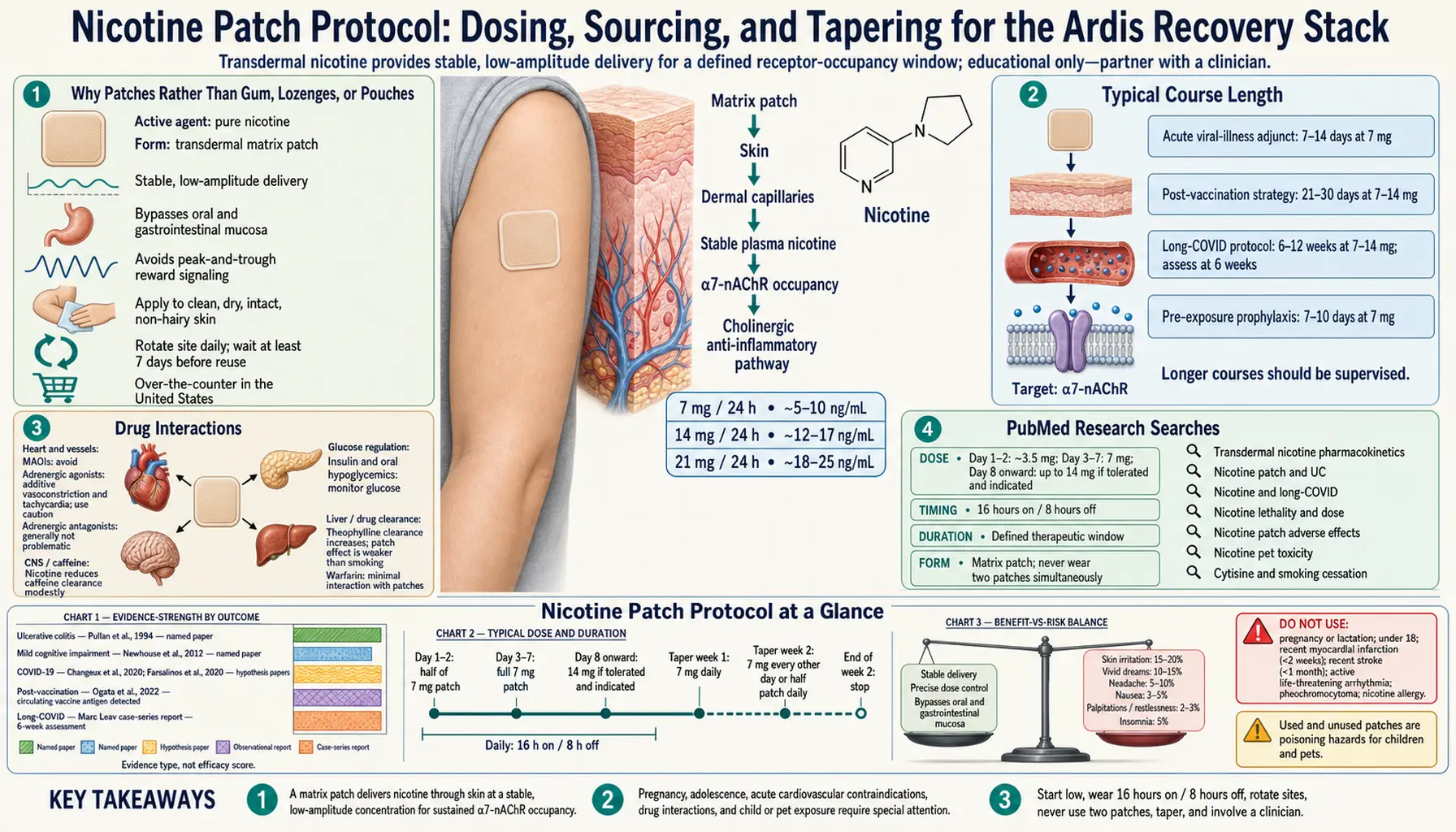
Dr. Ardis Nicotine Patch Protocol: Dosage, Placement, Patch Choice and Tapering
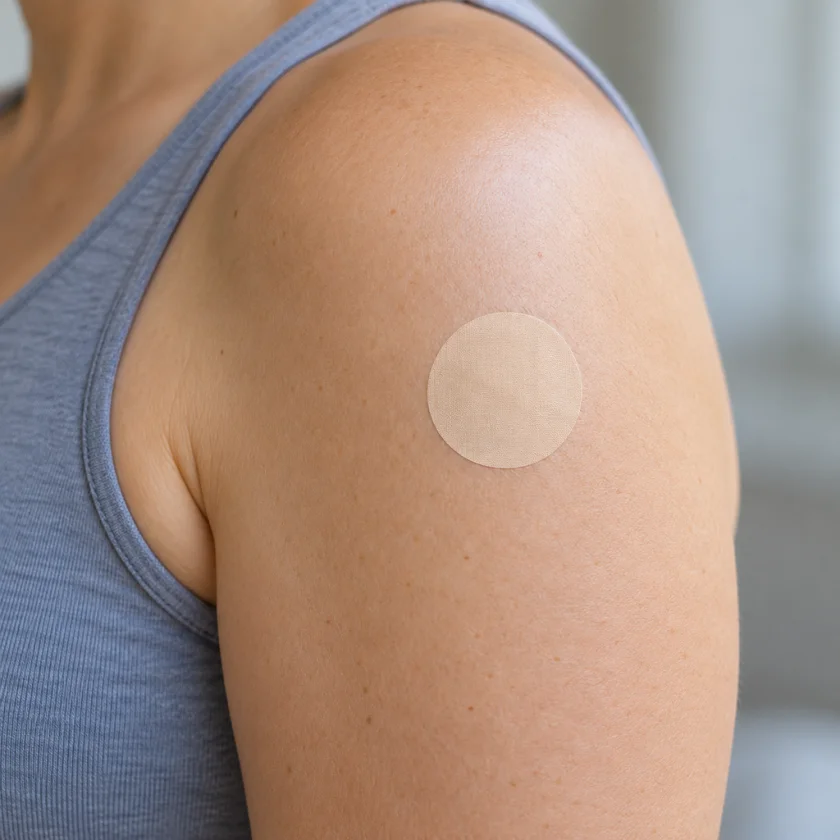
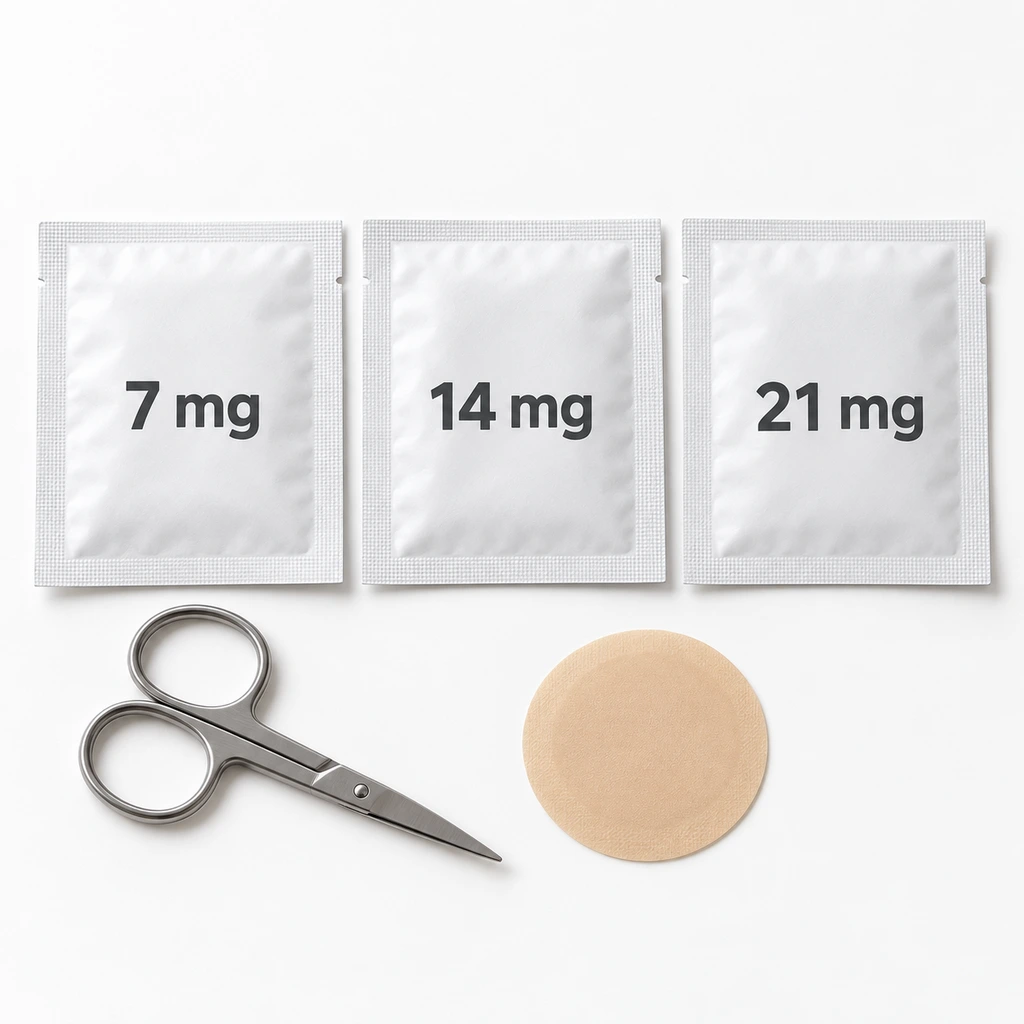
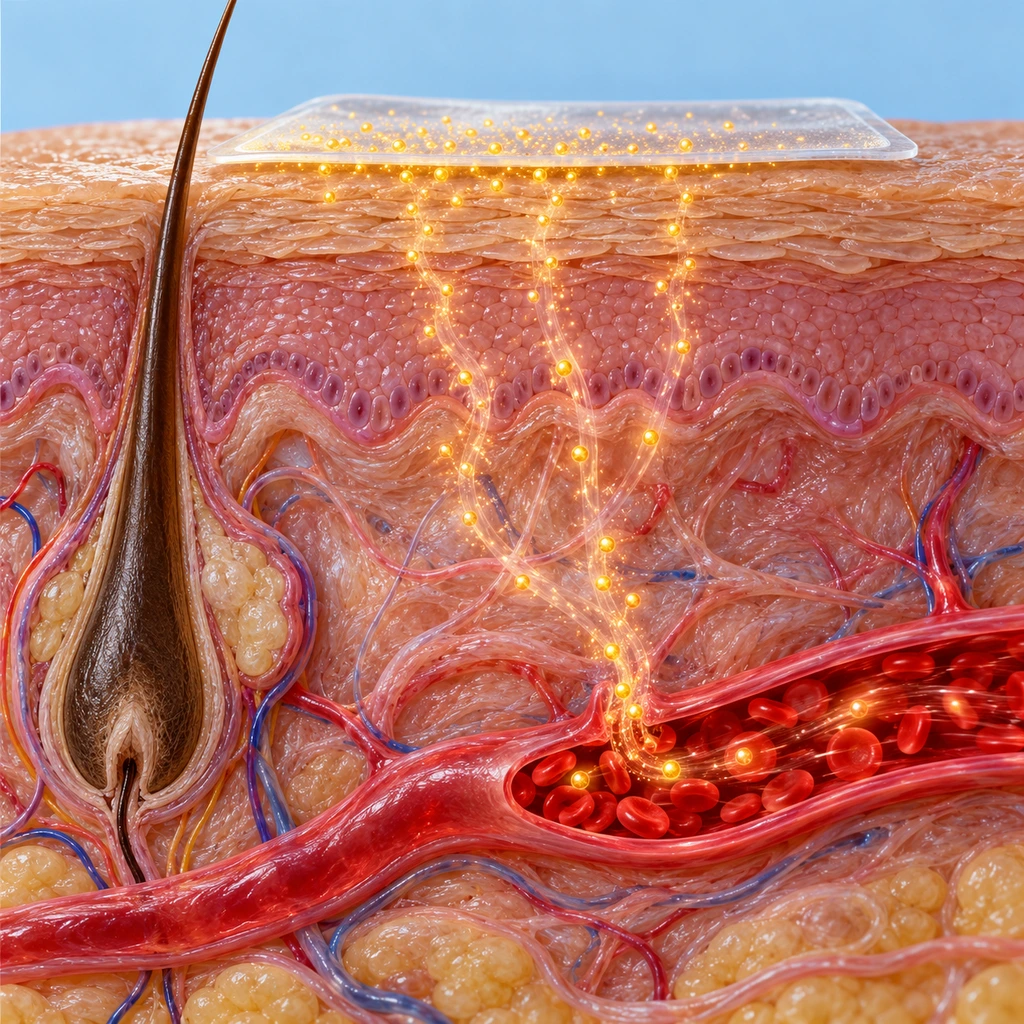
Table of Contents
- The Ardis Protocol at a Glance
- What Dr. Ardis Says Nicotine Does
- Why He Says It Works
- Why Patches Rather Than Gum, Lozenges, or Pouches
- The 7 / 14 / 21 mg Dose Ladder
- Starting Dose & the “Half-Patch” Approach
- Application Window and Daily Duration
- Where to Place the Patch & the 7-Day Rotation
- Typical Course Length
- Taper Schedule
- Common Side Effects and What to Do
- Absolute and Relative Contraindications
- Drug Interactions
- Which Patch? Choosing One Without a Brand Name
- Monitoring — What to Track
- Safety Around Children and Pets
- Discontinuation Without Withdrawal
- Questions Readers Arrive With
- Dr. Ardis’s Own Work
- Key Research Papers
- Connections
- Featured Videos
The Ardis Protocol at a Glance
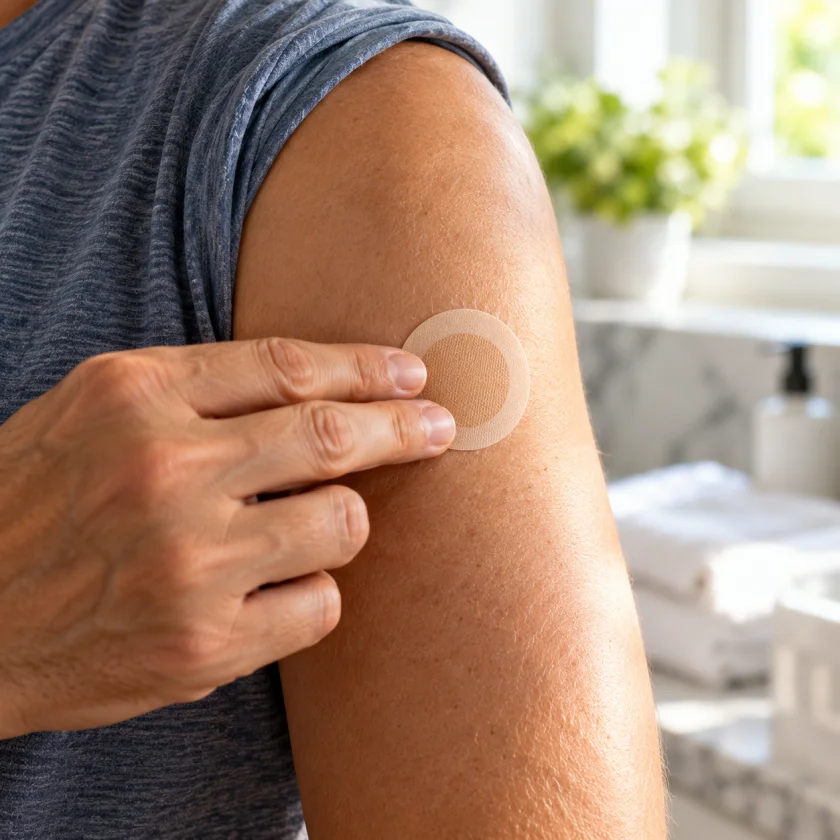
Readers arrive here asking one question in many forms: what exactly is the Ardis nicotine protocol? This section answers it in Dr. Bryan Ardis’s own terms, as he has described it on The Dr. Ardis Show and in interviews. Everything on this page is his protocol as he states it, documented for people researching it.
| Question | What Dr. Ardis says |
|---|---|
| The anchor | A transdermal nicotine patch. He calls patches the preferred form because they release nicotine slowly through the skin over the whole day instead of all at once. |
| Long COVID (“long-hauler” symptoms) | One 7 mg patch a day for six days — “six days of a seven milligram nicotine patch only.” He describes half of all symptoms clearing by day three in the case series he cites. |
| Vaccine-injury symptoms | One 7 mg patch a day for at least a week, or until the symptoms resolve. |
| New to nicotine (his starting ladder) | Cut a 7 mg patch into strips and wear about 1 mg a day for seven days, a fresh strip each morning; then step up to about 3 mg; the full 7 mg patch is the working dose. |
| Everyday prevention | A 14 mg patch cut into six pieces, one piece (about 2.3 mg) a day. He says he himself wears half a 7 mg patch — about 3.5 mg — every day. |
| How long to wear it | Over 24 hours, applied in the morning and replaced with a fresh patch the next morning. Many readers take it off at bedtime instead (section 4). |
| Where to put it | Rib cage or upper arm, on clean dry skin, a different spot each day. For the autism use he describes, between the shoulder blades. |
| Gum instead of a patch | Only the 2 mg piece, chewed for ten minutes — twice a day for prevention, four times a day for two weeks for symptoms. He does not recommend the 4 mg gum and warns that the whole dose arrives in about five minutes. |
| Feeling dizzy or sick | Halve the piece. He frames it as detoxing too quickly and says the smaller dose stops the symptoms. |
| Who he says should not use it | Anyone with a seizure disorder — “it’s on the box.” This site’s own, longer safety list is in section 9. |
| Which product | This site names no producers or brands. Some nicotine products are better than others, and his criterion is the cleanest one — the fewest added chemicals. Section 11 lists what to look for on the label, additives first. |
A plain-text copy of this page for printing or saving is one tap away: the Text pill beside the title, or this link.
What Dr. Ardis Says Nicotine Does — the Full List
Dr. Ardis presents nicotine as “a nutrient, not a drug” — one found in tobacco and in nightshade foods such as potatoes, tomatoes, eggplant and peppers — and as “the antidote to all viruses.” Below is the most complete list we can assemble of the conditions he has said nicotine helps, reverses or prevents, in his words where we have them. They are his claims, gathered from his show, his book and his interviews, listed here so that readers researching his protocol can see the whole of it in one place.
Infection, spike and venom
- Acute COVID-19 — nicotine occupies the α7 nicotinic receptor that he says the spike protein targets, so the spike cannot attach.
- Long COVID — he lists some 21 “long-hauler” symptoms he says respond, among them chronic fatigue, dizziness, breathing difficulty, low-grade fever, loss of taste and smell, memory lapses, muscle pain, diarrhoea, poor concentration, sleep problems, mood disorders, headaches, chest tightness, palpitations, cognitive impairment and exercise intolerance.
- Vaccine injury — the same receptor argument applied to vaccine-made spike; he describes post-vaccination symptoms resolving on the 7 mg patch.
- Viral myocarditis and pericarditis — he calls nicotine a cure for myocarditis “when it is caused by a virus.”
- Blood-clotting disorders after infection or vaccination.
- Facial paralysis, respiratory paralysis and ALS-like weakness, which he attributes to venom-like proteins sitting on nicotinic receptors.
- Chickenpox, tetanus and smallpox appear on lists of conditions he has said nicotine helps.
- Detoxification — nicotine, he says, “detoxes poisons out of the human body like glyphosate.”
Brain and nerves
- Parkinson’s disease — he recounts a patient whose symptoms of six to ten years “completely disappeared” within two weeks of chewing nicotine gum, and says nicotine prevents and reverses the disease.
- Alzheimer’s disease and dementia — “known to cure, reverse, and prevent.”
- Multiple sclerosis — improved and prevented, in his telling.
- Brain fog, memory and concentration — nicotine as a nootropic.
- Autism — he describes behaviour and “countenance” changing within seven days on a patch placed between the shoulder blades. He has also spoken of very small doses in children; this site does not reproduce them, and its own safety section (9) treats nicotine in anyone under 18 as contraindicated.
- ADHD, Tourette’s syndrome, schizophrenia, depression and other mood disorders.
- Migraine — chronic migraines resolving within 48 hours.
- Tremor, vertigo and loss of smell.
- Glioblastoma and other brain tumours — such tumours, he says, have been “shrunk by half in 72 hours with nicotine alone.”
Inflammation, gut, metabolism and more
- Arthritis — “every known arthritis is benefited with nicotine,” rheumatoid arthritis included; nicotine, he says, is “four times more anti-inflammatory than it is inflammatory.”
- Ulcerative colitis — a “published cure” in his words.
- Hypothyroidism and diabetes, which he groups with inflammation-driven conditions.
- Obesity and appetite — nicotine “helps to reduce your appetite.”
- Cancers in general — cancerous growths appear on his lists beyond the brain-tumour claim above.
- Arrhythmias and palpitations.
- Chronic inflammation and “chronic illness” broadly — one of his interviews is titled on the claim that nicotine can reverse brain fog, inflammation, dementia and chronic illness.
Where these claims come from
- The Dr. Ardis Show, 28 August 2023 — Venom Industrial Complex: Weaponizing Venoms — the 7 mg, six-day instruction for people new to nicotine and the 21-symptom list.
- Myers Detox podcast #607 with Dr. Bryan Ardis (transcript) — the starting ladder, his own daily dose, gum guidance, side effects and the seizure caution, in his words.
- “Dr Ardis nicotine” video playlist on Rumble — his talks on nicotine collected in one place.
- His book Moving Beyond the COVID-19 Lies: Restoring Health & Hope for Humanity (Harvest Creek Publishing, 2024; ISBN 978-1-961641-22-8) — the venom and receptor argument in full; see also our book page.
Why He Says It Works: Receptors, Venom and the “Nutrient” Argument
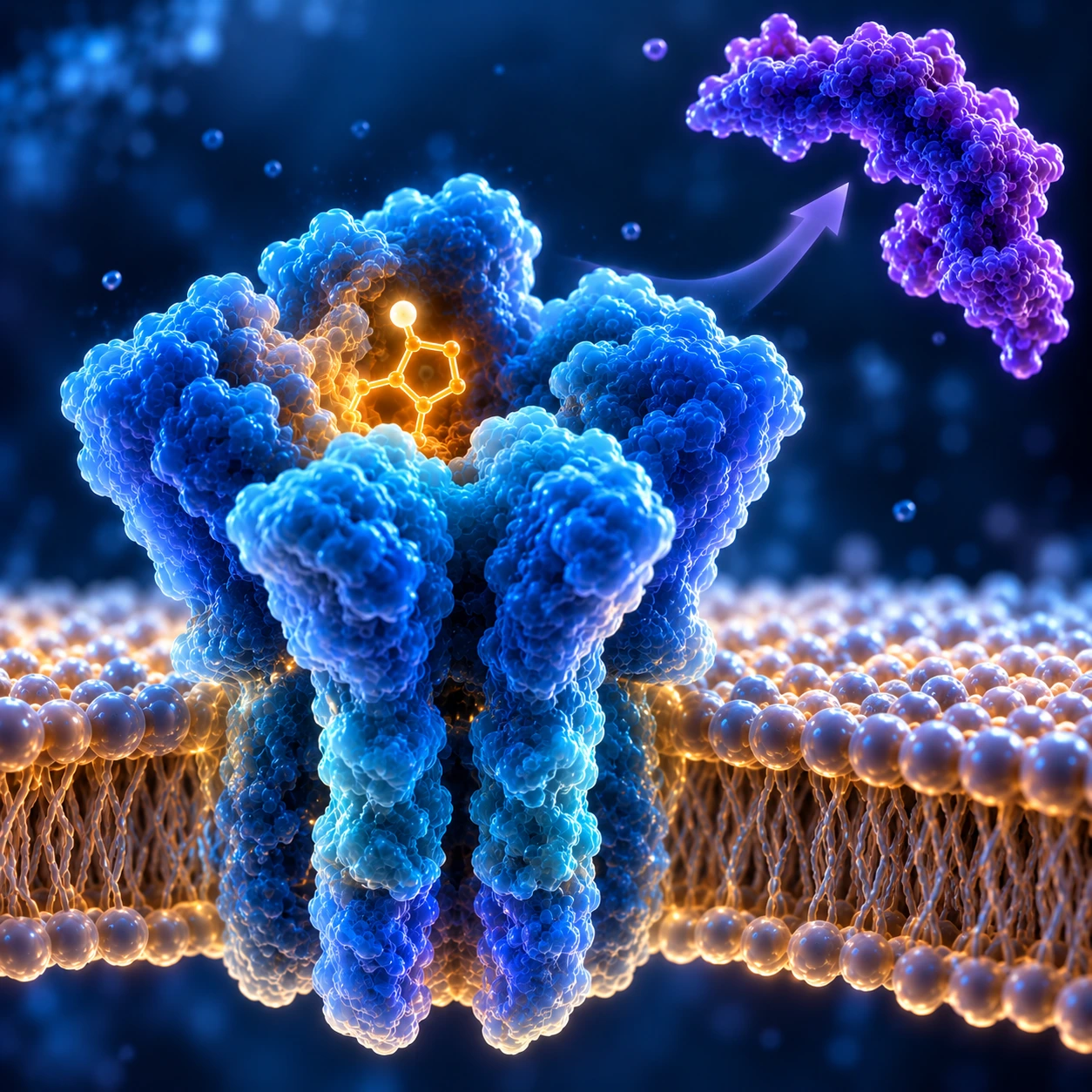
Dr. Ardis’s case rests on five ideas that he repeats across his talks. They are set out here as he makes them; the receptor biology itself is explained on our nicotinic acetylcholine receptors page.
- The receptor is the target. “The alpha-seven nicotine receptor is the target of these spike proteins.” He points to the April 2020 Pasteur Institute paper that compared the spike protein to cobra and krait neurotoxins and proposed that it engages nicotinic receptors.
- Nicotine wins the receptor. Nicotine, he says, binds the α7 receptor about thirty times more strongly than venom proteins do, so circulating nicotine “binds to those alpha-seven nicotine receptors” and the spike or venom protein is kept off — or displaced if it is already there. He compares it to potassium iodide filling the thyroid’s iodine receptors ahead of radioactive iodine.
- “Virus” means venom. He notes that the Latin virus means poison or venom, and calls nicotine “a known antidote to venom” — hence “the antidote to all viruses.” His venom hypothesis in full: The Snake-Venom Hypothesis.
- Nicotine is a nutrient, not a drug. It occurs naturally in nightshade foods — potatoes, tomatoes, eggplant, peppers, paprika — and he argues the body carries nicotinic receptors on nearly every cell for a reason. Through the α7 receptor, he says, nicotine lets calcium into neurons and switches on protective pathways, and it is “four times more anti-inflammatory than it is inflammatory.”
- Nicotine is not what makes cigarettes addictive. “There’s one nutrient called nicotine in tobacco products. There are fifteen man-made additive chemicals called pyrazines in every single one of them.” He cites the 2015 Harvard study of tobacco additives — whose introduction notes nicotine’s “limited ability to induce self-administration in animals” (the full paper is on our pyrazines page) — and argues that pyrazines have been added to tobacco since the 1970s to drive repeat purchase. That is why he recommends patches and organic additive-free tobacco, discourages vaping because of its flavouring chemicals, and treats stopping the patch as uneventful.
He also reads the history as suppression: a nutrient the public could buy over the counter, he says, is being regulated toward withdrawal by 2030 precisely because of what it does. Our tobacco-suppression history page follows that argument from Indigenous medicine to the patch.
1. Why Patches Rather Than Gum, Lozenges, or Pouches
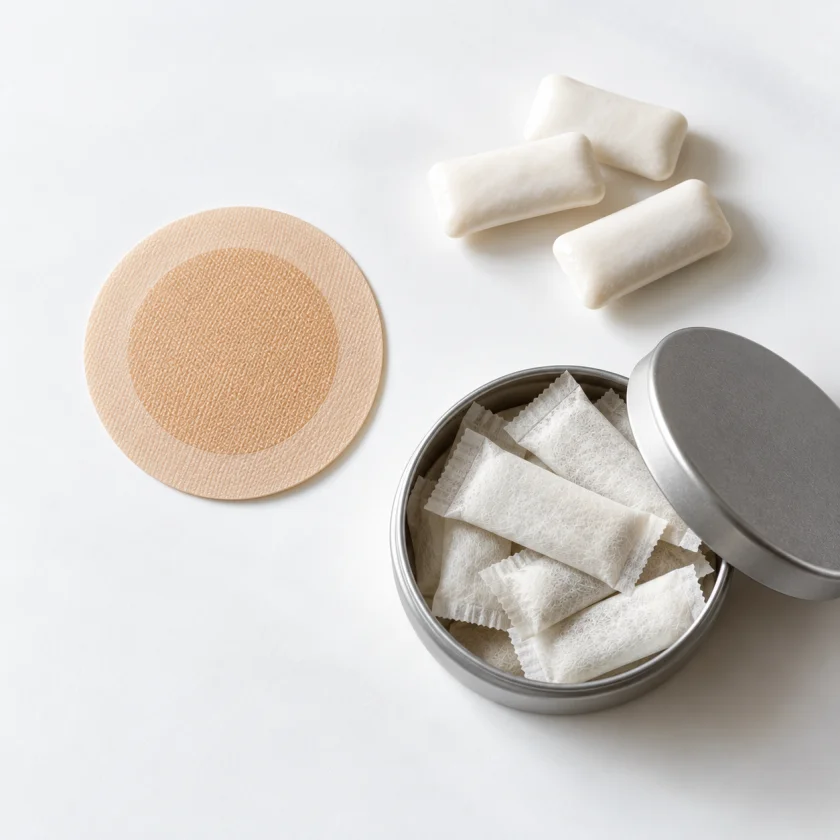
The nicotine-replacement category includes transdermal patches, chewing gum, lozenges, sublingual tablets, tobacco-free oral pouches, inhalers, and intranasal sprays. Each delivery vehicle produces a different plasma-concentration vs. time curve. Dr. Ardis makes the patch the anchor of his protocol and prefers it because it:
- Produce a stable, low-amplitude plasma concentration. A 7 mg patch produces 5–10 ng/mL plasma nicotine across the application window. Receptor occupancy follows plasma concentration with minimal lag.
- Avoid the peak-and-trough pattern of gum/lozenge/pouch use that drives addiction circuitry. The therapeutic goal is sustained α7-nAChR occupancy, not pulsatile reward signaling.
- Eliminate the oral cavity exposure associated with smokeless-tobacco oncogenicity. Patches deliver pure nicotine through skin; the gastrointestinal and oral mucosa are bypassed.
- Allow precise dose control. 7, 14, 21 mg / 24-h patches are clinically standardized and reproducibly bioavailable.
- Are over-the-counter in most jurisdictions and inexpensive.
Gum, lozenges and pouches are his second choice, and only in the 2 mg strength. He says the whole dose arrives in about five minutes; that gum has to pass through the stomach and bowel, where he attributes nausea, vomiting or loose stools to venom-like proteins being released from the gut lining; and that most gums carry sweeteners, preservatives and flavourings he would rather avoid. Vaping he does not recommend at all, because of the flavouring chemicals. The daily anchor is the patch — “this is why I do patches every day.”
2. The 7 / 14 / 21 mg Dose Ladder
The standard transdermal nicotine ladder corresponds to approximate plasma concentrations and approximate α7-nAChR occupancy:
- 7 mg / 24-h patch: Steady-state plasma ~5–10 ng/mL. Light receptor occupancy. Good starting dose for nicotine-naïve adults.
- 14 mg / 24-h patch: Steady-state plasma ~12–17 ng/mL. Mid-range receptor occupancy. Typical maintenance dose in the Ardis recovery protocol.
- 21 mg / 24-h patch: Steady-state plasma ~18–25 ng/mL. Heavy receptor occupancy. Reserved for established users with documented tolerance and clinical indication.
For perspective, a single cigarette produces a plasma peak of 20–40 ng/mL over a 5-minute window that decays with a 2-hour half-life; a heavy smoker maintains a trough plasma concentration of 15–30 ng/mL all day. A 7 mg patch is therefore well below the plasma exposure of a single cigarette, while still saturating the receptor at therapeutically meaningful levels.
3. Starting Dose & the “Half-Patch” Approach
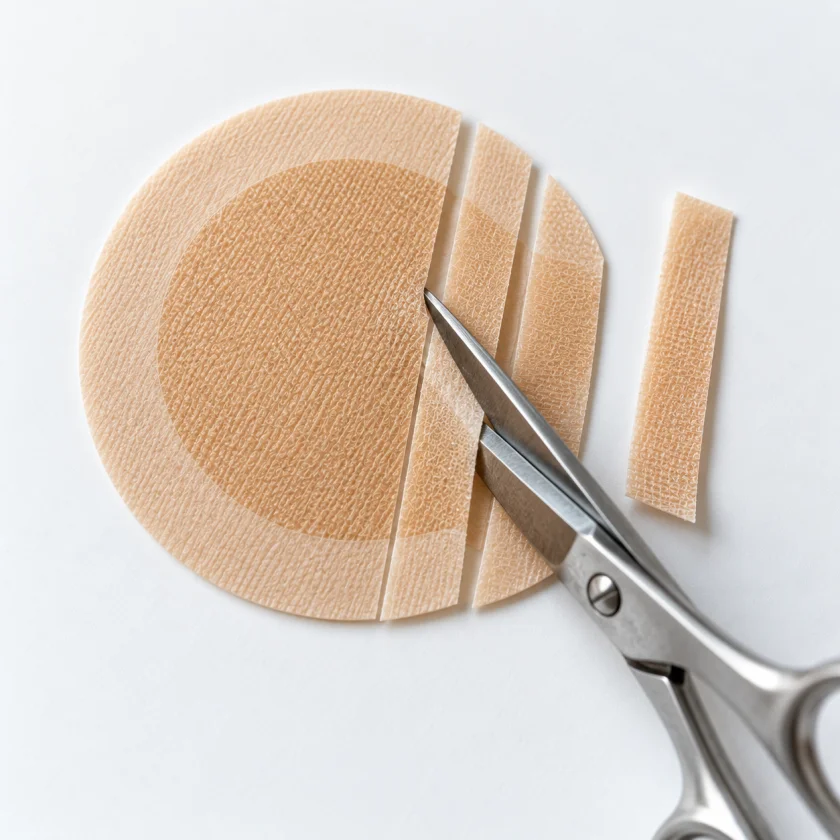
For an adult new to nicotine Dr. Ardis gives two ways in. The first, from his six-day long-COVID instruction, is simply the 7 mg / 24-h patch from day one, and many readers start there. The second, which he recommends for anyone new to nicotine and for everyday prevention, is a gentler ladder built by cutting a patch into pieces:
- Week 1: about 1 mg a day — a 7 mg patch cut into strips, one strip each morning, a fresh one every day.
- Weeks 2–3: step up to about 3 mg a day (half of a 7 mg patch is about 3.5 mg — the size he says he wears himself).
- Then: the full 7 mg patch when it is tolerated and the use case calls for it; 14 mg and 21 mg are for established users (section 2).
A simpler half-way version is the half-patch: cut a 7 mg patch along its long axis for the first day or two (about 3.5 mg / 24-h) to take the edge off the common day-one effects — mild nausea, headache, vivid dreams, light insomnia — then move to the full patch.
Cutting a patch: read the box first. Patches are built two ways. In a matrix (drug-in-adhesive) patch the nicotine is spread evenly through the adhesive layer, so half a patch delivers about half the dose; most 24-hour generics are built this way, and it is the kind the protocol cuts. In a reservoir (membrane) patch the nicotine sits as a gel behind a rate-controlling membrane; cutting one breaks the membrane and can dump the dose onto the skin, so a reservoir patch must never be cut. The package insert says which type you have. Every patch label also carries a general “do not cut” line — cutting a matrix patch is an off-label practice that the protocol relies on — and a way to keep the patch whole is to leave part of the sticky side covered by its own backing film.
4. Application Window and Daily Duration
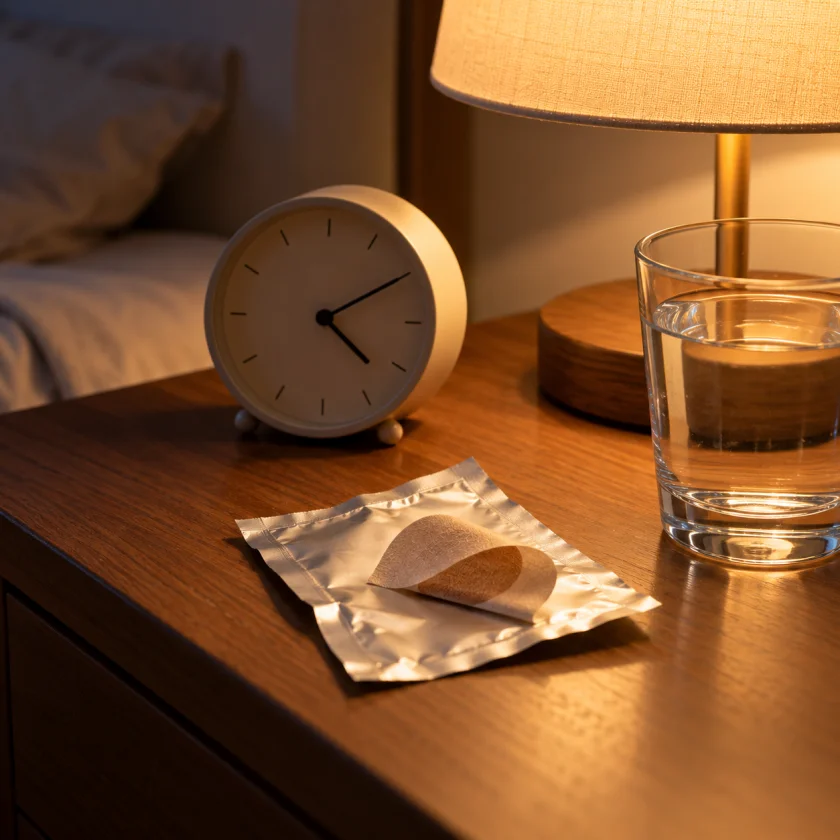
Dr. Ardis’s instruction is a 24-hour patch, applied in the morning and replaced with a fresh one the next morning — “once daily in the mornings” — because the patch releases its nicotine slowly over the whole day and he wants the receptor kept occupied around the clock. He describes wearing his own patch continuously, changing it daily.
Many readers of this protocol use a 16-hour-on / 8-hour-off variant instead — patch on at about 7 AM, off at about 11 PM — and it is worth knowing why:
- Taking the patch off at bedtime lets the plasma level fall overnight, which removes the vivid dreams and fragmented sleep that are the most-reported side effect.
- An overnight wash-out gives the receptors a rest from continuous occupancy; the level is back up within an hour or two of the morning patch.
Either way: apply at the same time each morning, never wear two patches at once, and fold and bin the old one before the new one goes on (section 13).
5. Where to Place the Patch — Dr. Ardis’s Sites and the 7-Day Rotation
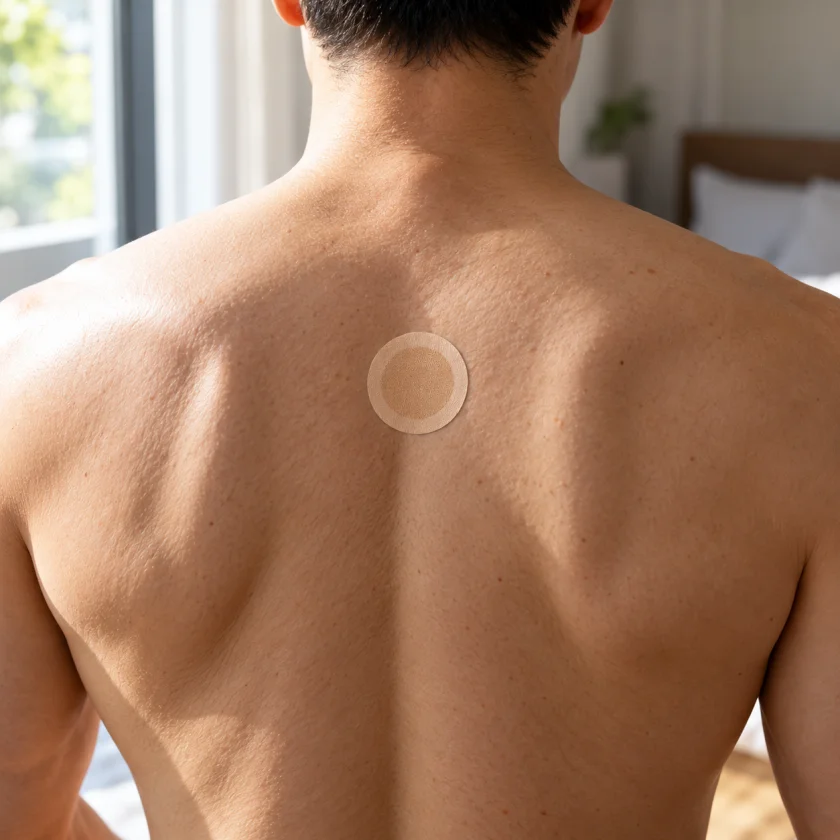
“Where do I put it?” is the question readers most often bring to this page. Dr. Ardis’s answer is the rib cage or the upper arm; for the autism use he describes, between the shoulder blades, where a child cannot peel it off. Patch labels add the upper outer arm, the upper chest below the collarbone and the upper back. Any of these works; what matters is the skin and the rotation.
- Clean, dry, intact, hairless skin — no lotion, oil or sunscreen underneath, which stop the adhesive and slow absorption.
- Press the patch down firmly for about ten seconds, edges included.
- A fresh spot every day. Do not reuse a spot for at least 7 days, so each site gets a week to recover.
- Never over moles, cuts, rashes or sunburn. Showers, sweat and swimming are fine; heavy exercise can occasionally lift an edge — press it back or replace it.
- The upper arm and rib cage are easy to reach yourself; the upper back needs a helper.
The sites in the diagram are the ones Dr. Ardis names and the ones printed on patch labels; the seven-day rule is the one above.
6. Typical Course Length
Dr. Ardis ties the length of a course to the reason for it:
- Long COVID: six days of a 7 mg patch. He describes half of the symptoms gone by day three and the rest by day six in the case series he cites, and says to continue for a week or more if symptoms linger.
- Vaccine injury: one 7 mg patch a day for at least a week, or until the symptoms resolve.
- Acute viral illness: the same 7 mg patch through the symptomatic days.
- Everyday prevention: open-ended, at a low dose — one sixth of a 14 mg patch (about 2.3 mg) daily or, as he does himself, half a 7 mg patch (about 3.5 mg) every day for years.
- Chronic conditions on his list (Parkinson’s, arthritis, colitis and the rest): he speaks of weeks rather than days and of staying on a dose that keeps the benefit.
Longer courses are better supervised. Whatever the reason, the rule he gives is to use the smallest piece that keeps the symptoms away, and to cut the piece in half if it makes you dizzy or sick.
7. Taper Schedule
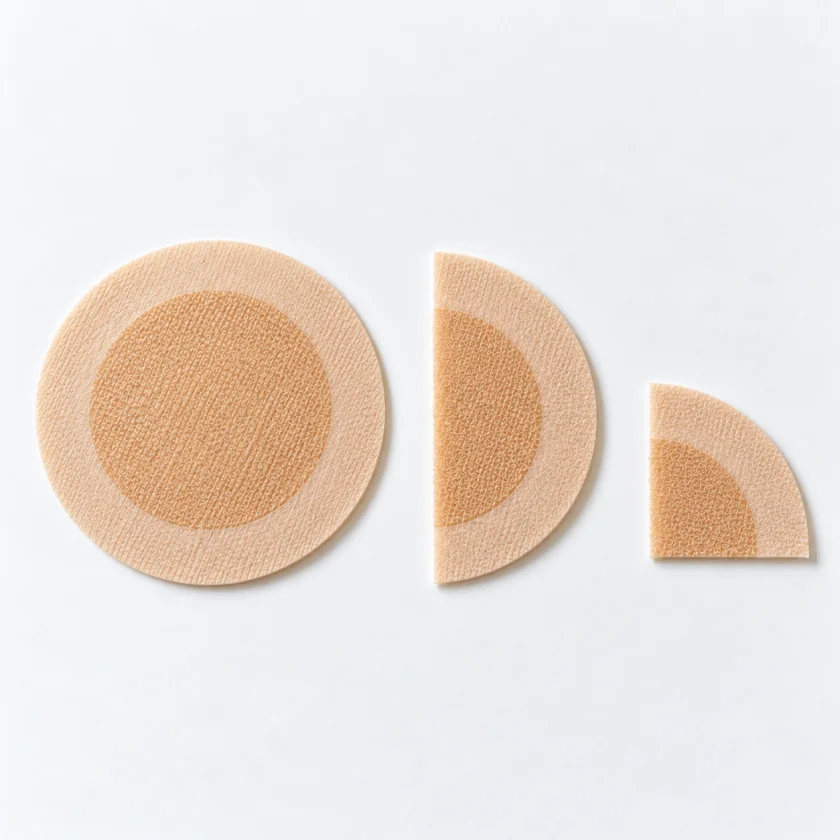
Dr. Ardis holds that nicotine on its own is not addictive — the pyrazine argument above — and describes people simply stopping the patch when a course is done. A brief taper still costs nothing and avoids any rebound restlessness. A clean 2-week taper from a 14 mg maintenance dose:
- Week 1: 7 mg daily.
- Week 2: 7 mg every other day, or half a 7 mg patch daily.
- End of week 2: Stop.
From a 7 mg maintenance dose, the taper is simpler: half a 7 mg patch for 5–7 days, then stop. Most patients report no perceptible withdrawal after a clean taper of this kind.
8. Common Side Effects and What to Do

The most common patch side effects, all generally minor and self-limiting:
- Local skin irritation (15–20% of users): redness or itching at the application site. Solution: rotate sites more aggressively, or try a different make of patch — adhesives differ, and a skin that reacts to one is often fine with another.
- Vivid dreams (10–15%): the most-reported subjective effect, typically peaks days 3–5 and fades. Removing the patch at bedtime largely eliminates this.
- Mild headache (5–10%): usually resolves within 3 days. Adequate hydration helps.
- Mild nausea (3–5%): cut to half-patch for 2 days, then re-attempt.
- Mild palpitations or sense of restlessness (2–3%): typically dose-related; reduce to 7 mg or take a 1–2 day pause and reassess. If recurrent or persistent, stop.
- Insomnia (5%): remove patch earlier in the evening, or eliminate the bedtime overlap entirely.
Dr. Ardis’s own rule for dizziness, nausea or loose stools is to halve the piece: in his framing these are signs of detoxing too fast, and the smaller dose stops them. Nausea and bowel upset he associates mainly with gum, which is why he moves people from gum to the patch.
Stop and consult a clinician if any of: chest pain, sustained tachycardia, syncope, severe headache, unilateral weakness, or any allergic skin reaction beyond local mild redness.
9. Absolute and Relative Contraindications
Dr. Ardis names one group himself: anyone with a seizure disorder — grand mal or petit mal — “you should not take nicotine; it’s on the box.” The list below is this site’s own and is longer.
Absolute contraindications (do not use):
- Pregnancy and lactation
- Adolescence (under 18; the developing brain is exquisitely sensitive to nicotine’s reward circuitry)
- Recent (<2 weeks) myocardial infarction
- Recent (<1 month) stroke
- Active life-threatening arrhythmia
- Pheochromocytoma
- Known nicotine allergy or severe transdermal-adhesive reaction
Relative contraindications (use only with physician partnership):
- Stable but symptomatic coronary artery disease
- Uncontrolled hypertension (systolic >160)
- Severe peripheral arterial disease with critical-limb ischemia
- Active hyperthyroidism (uncontrolled)
- Active peptic ulcer disease (interactions are minimal but historically cited)
- Severe hepatic or renal impairment (drug clearance considerations)
- Concurrent MAOI therapy (cardiovascular interaction)
- Insulin-dependent diabetes (nicotine modestly increases glucose; monitor)
Children, infants, and pets are not contraindicated — they are casualties: any used or unused patch is a poisoning hazard. See section 13.
10. Drug Interactions
- MAOIs (phenelzine, tranylcypromine, selegiline): combined sympathomimetic effects. Avoid.
- Adrenergic agonists (pseudoephedrine, methylphenidate): additive vasoconstriction and tachycardia. Use with caution.
- Adrenergic antagonists (beta-blockers, prazosin): may blunt nicotine’s cardiovascular effects. Generally not problematic; dose adjustments rarely needed.
- Insulin and oral hypoglycemics: nicotine modestly raises glucose. Monitor.
- Caffeine: nicotine reduces caffeine clearance modestly; subjective effects may change.
- Theophylline: CYP1A2-mediated interaction; nicotine generally increases theophylline clearance, but with patches the effect is weaker than with smoking.
- Warfarin: minimal interaction with patches (the smoking-warfarin interaction is driven by combustion-induced CYP1A2 induction, not by nicotine itself).
11. Which Patch? Choosing One Without a Brand Name

“Which brand does Dr. Ardis recommend?” is the second-commonest question that brings readers here. This site does not name producers or brands, for any product, and it does not pass on anyone else’s recommendation of one. What it can say is that some nicotine products are better than others, that Dr. Ardis’s own criterion is the cleanest product — the fewest added chemicals — and what to look for on the label:
Additives: what to look for and what to avoid
- Read the inactive-ingredients list first. A patch needs pharmaceutical nicotine, an adhesive, a backing film and a release liner. The shorter that list, the closer the product is to what Dr. Ardis asks for.
- Sweeteners and flavourings are the additives he objects to. He discourages most nicotine gums because they carry artificial sweeteners (acesulfame potassium among them), the preservative BHT (butylated hydroxytoluene) and artificial flavours; the same check applies to lozenges and pouches. Flavouring and “cooling” agents are also his reason for not recommending vaping.
- Nicotine should be the only active ingredient, stated in milligrams — per 24 hours for a patch, per piece for gum or lozenges. A product whose nicotine content is not stated in milligrams cannot be used with the ladder on this page.
- No tobacco, no combustion. He separates the molecule from the leaf: pharmaceutical nicotine carries none of the pyrazines he says make cigarettes addictive, and he wants it that way.
The patch itself
- Strength: labelled 7, 14 or 21 mg per 24 hours (section 2). The 7 mg patch is the protocol’s working size; the 14 mg is the one he cuts into six for prevention.
- Construction: matrix (drug-in-adhesive) patches can be cut; reservoir (membrane) patches must not be (section 3). The insert says which.
- Equivalence: in the United States every over-the-counter nicotine patch is approved as delivering its labelled dose, so a plain generic delivers the same nicotine as a more expensive patch of the same strength — the price buys the name, not the dose.
- Adhesive: the one thing that genuinely differs between makers; if one irritates your skin, another make may not (section 8).
Cost: a 14-pack of 7 mg generic patches typically runs $20–$30, so a six-week course at 7 mg costs roughly $40–$60 — against several thousand dollars for a five-day hospital course of an antiviral drug. Outside the U.S., status varies: most EU countries and Canada sell patches over the counter; some Asian countries require a prescription. Some Eastern European countries also stock cytisine, a plant-derived α4β2 partial agonist with a similar receptor profile that was used as a smoking-cessation drug for decades.
12. Monitoring — What to Track
For longer courses (>14 days), basic self-monitoring is reasonable:
- Resting heart rate: a small (5–10 bpm) rise is expected; a sustained >15 bpm increase warrants attention.
- Blood pressure: a small transient rise is expected; sustained elevation >15 mmHg systolic warrants attention.
- Sleep quality: if degraded, shorten daily wear window or reduce dose.
- Symptom diary: simple 1–10 score on the indication symptom (fatigue, brain fog, post-vaccination chest discomfort, etc.) at weekly intervals.
For post-vaccination protocols, additional labs that some patients track with their physicians: D-dimer, CRP, ferritin, troponin (if cardiac symptoms), LDH. These are not nicotine-monitoring parameters; they are recovery-monitoring parameters.
13. Safety Around Children and Pets
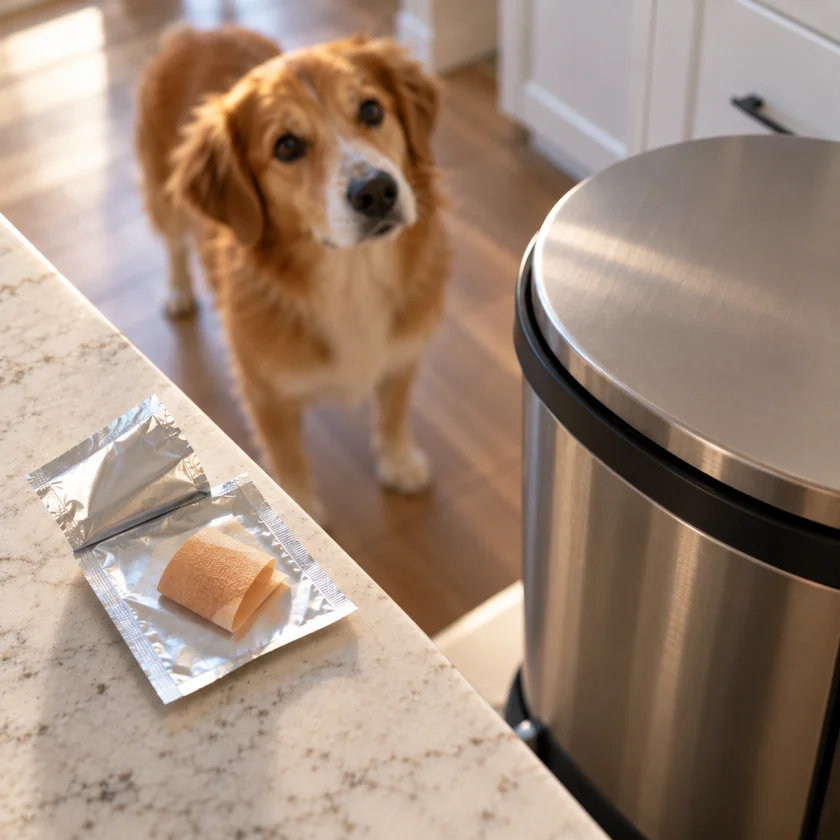
This section is not optional. Nicotine patches are dangerous to children and pets, both worn-out (used) and unopened.
- A used patch retains 30–60% of its nicotine load.
- A toddler chewing or skin-applying a used patch can absorb a clinically toxic dose.
- A dog ingesting a discarded patch is a genuine veterinary emergency — small dogs have died from a single chewed patch.
- Cats are highly sensitive to nicotine.
Disposal protocol: fold the used patch in half, sticky-side-in, place inside the original foil packaging or a sealed plastic bag, deposit in a closed trash receptacle inaccessible to children and pets. Do not flush. Keep new patches out of reach of children at all times. Poison Control: 1-800-222-1222 (United States); regional equivalents elsewhere.
14. Discontinuation Without Withdrawal

Despite popular belief, a clean taper from a 6-week therapeutic-dose patch course produces only mild withdrawal symptoms in most users — far less than discontinuing smoking. Reasons:
- The peak-and-trough pattern that drives smoking addiction is absent with patches.
- Behavioral conditioning (the hand-to-mouth routine, the social and ritual cues) does not develop with a once-daily patch application.
- Plasma concentrations stay below those produced by even moderate smoking.
Mild withdrawal phenomena that do occur (some irritability, mild appetite increase for 3–5 days, occasional cravings if the patient was previously a smoker) are short-lived and self-limited. Anyone with concerns should taper rather than abruptly stop.
Questions Readers Arrive With

These are the searches that bring people to this page, answered from what Dr. Ardis has said.
- What is the Ardis protocol? A nicotine patch as the anchor — 7 mg a day for symptoms, a cut-down piece for prevention — with, for vaccine injury and long COVID, a detox layer around it: NAC, high-dose vitamin C, dandelion root, pine needle, nattokinase, methylene blue and the rest. The table at the top of this page is the patch half; the detox layer and the phased recovery protocol have their own pages.
- How many milligrams to start, and how often? One patch a day. New to nicotine: about 1 mg a day for a week (a 7 mg patch cut into strips), then about 3 mg, then 7 mg if needed. Symptoms now: the 7 mg patch from day one. Never two patches at once.
- How long? Six days for long COVID, a week or more for vaccine injury, open-ended at a low dose for prevention (section 6).
- Where exactly? Rib cage or upper arm, a new spot daily, the same spot no sooner than a week later (section 5 and its diagram).
- Which brand? This site names no producers or brands. Some products are better than others, and section 11 says what to look for on the label — additives first, then strength, construction and adhesive.
- Can I use pouches, gum or lozenges instead? He allows the 2 mg gum or lozenge as a second choice and warns that the whole dose lands in about five minutes and that gum upsets some stomachs; pouches deliver the same fast pulse. He prefers the patch for its steady level, and does not recommend vaping.
- Anxiety and depression? Depression and “mood disorders” are on his list of conditions that respond; anxiety he addresses mainly as a long-COVID or post-vaccination symptom. He also says nicotine on its own is not addictive, which is the worry most people bring to this question.
- Arthritis? “Every known arthritis is benefited with nicotine,” in his words, rheumatoid arthritis included, through the anti-inflammatory receptor pathway he describes above.
- Tinnitus? Ringing in the ears appears among the post-vaccination and long-COVID symptoms discussed in his material and by people following it; we have not found a statement from him on tinnitus by itself. Our vaccine-injury recovery page lists what his protocol adds for tinnitus.
- Is there a PDF? The plain-text copy of this page prints cleanly: the Text pill beside the title.
Dr. Ardis’s Own Work
Dr. Bryan Ardis’s nicotine protocol and the reasoning behind it, in his own words — his show, the interviews in which he lays it out, and his book.
- The Dr. Ardis Show — official site
- The Dr. Ardis Show, 28 August 2023 — “Venom Industrial Complex: Weaponizing Venoms” — the 7 mg, six-day nicotine instruction and the long-hauler symptom list.
- The Dr. Ardis Show podcast archive, April 2024 — his nicotine presentation “The Other ‘N’ Word.”
- Myers Detox Podcast #607 — “Nicotine Can Reverse Brain Fog, Inflammation, Dementia, and Chronic Illness” with Dr. Bryan Ardis — full transcript.
- Cosmic Reality Podcast, May 2024 — Dr. Ardis on nicotine and snake venom
- Bryan Ardis, Moving Beyond the COVID-19 Lies: Restoring Health & Hope for Humanity (Harvest Creek Publishing, 2024; ISBN 978-1-961641-22-8) — library record.
- His nicotine protocols, documented by a reader site — the prevention, long-hauler and vaccine-injury instructions from his “How to Use Nicotine” handout.
On this site: Nicotine Patch Protocol · The Leitzke cases · Cobra venom and nicotine · Pyrazines · Nightshade nicotine and Parkinson’s
Key Research Papers
- Pullan RD, Rhodes J, Ganesh S, et al. Transdermal nicotine for active ulcerative colitis. N Engl J Med. 1994;330(12):811-815. — doi:10.1056/nejm199403243301202
- Newhouse P, Kellar K, Aisen P, et al. Nicotine treatment of mild cognitive impairment. Neurology. 2012;78(2):91-101. — doi:10.1212/WNL.0b013e31823efcbb
- Mayer B. How much nicotine kills a human? Arch Toxicol. 2014;88(1):5-7. — doi:10.1007/s00204-013-1127-0
- Changeux JP, Amoura Z, Rey FA, Miyara M. A nicotinic hypothesis for COVID-19. C R Biol. 2020;343(1):33-39. — doi:10.5802/crbiol.8
- Farsalinos K, Niaura R, Le Houezec J, et al. Nicotine and SARS-CoV-2. Toxicology Reports. 2020;7:658-663. — doi:10.1016/j.toxrep.2020.04.012
- Ogata AF, Cheng CA, Desjardins M, et al. Circulating SARS-CoV-2 Vaccine Antigen Detected in the Plasma of mRNA-1273 Vaccine Recipients. Clin Infect Dis. 2022;74(4):715-718. — doi:10.1093/cid/ciab465
PubMed Topic Searches
Connections
- The Nicotine Patch: Skin to Bloodstream to Receptor — interactive animation
- Patches, Gum and Delivery: the PubMed research — the published papers on nicotine and this subject, summarised and linked, kept separate from Dr. Ardis’s claims
- All Remedies
- Vaccine-Injury Recovery
- Dr. Bryan Ardis Hub
- Nicotine Hypothesis
- Nicotinic Acetylcholine Receptors
- Snake-Venom Hypothesis
- Detox and Recovery
- Hospital Protocol Critique
- Moving Beyond the COVID-19 Lies (Book)
- Tobacco Suppression History
- Stress Management
- Breathwork
- NAC (N-Acetylcysteine)
- Sleep Hygiene
- Post-Viral Triggers (CFS/ME)
- Insomnia
- Brain Fog
- The Leitzke Long-COVID Cases
- Cobra Venom and Nicotine
- Nightshade Nicotine and Parkinson’s
- Pyrazines and Nicotine Addiction
Featured Videos