— April 14, 2026
· The Xylitol Paradox
— April 14, 2026
· The Xylitol Paradox
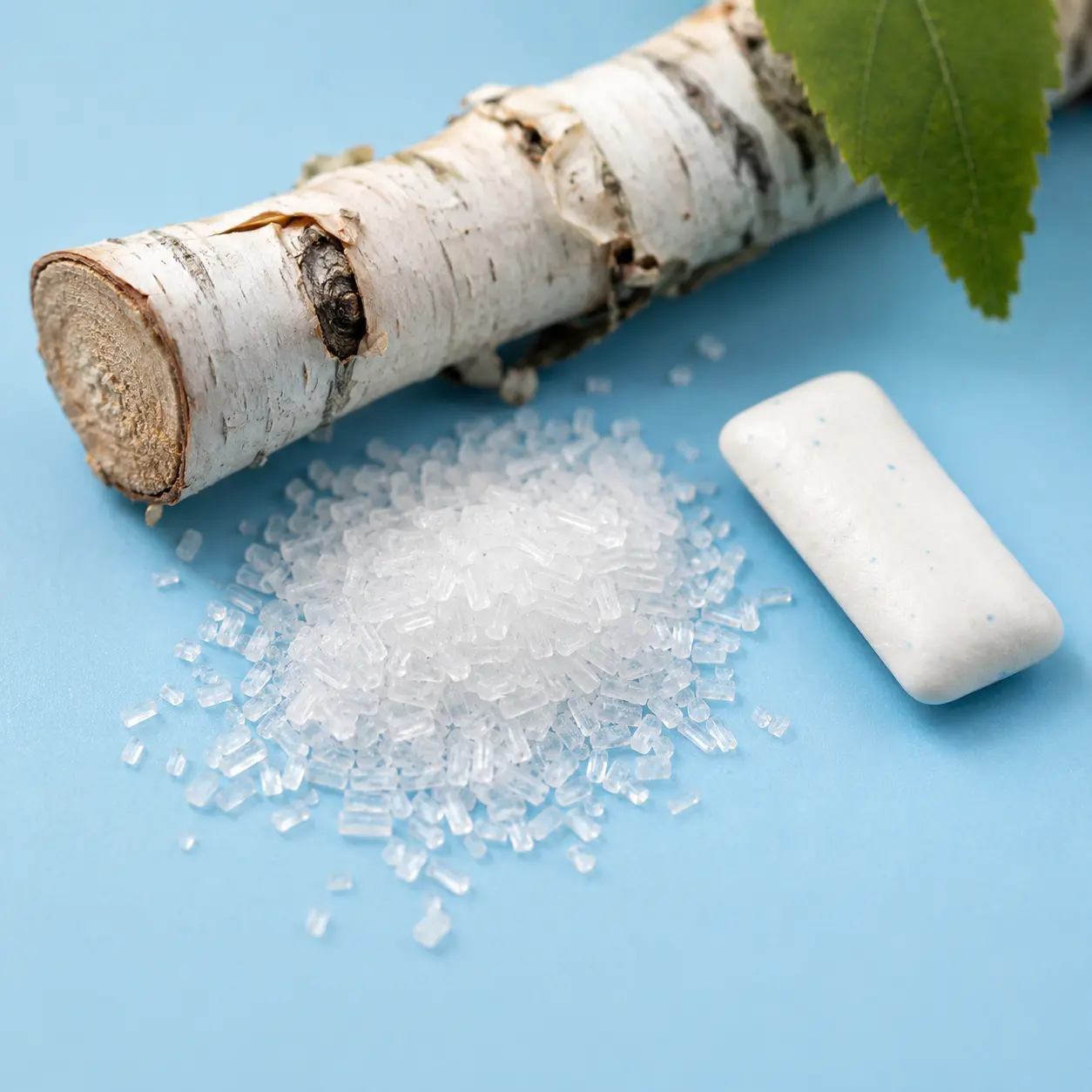
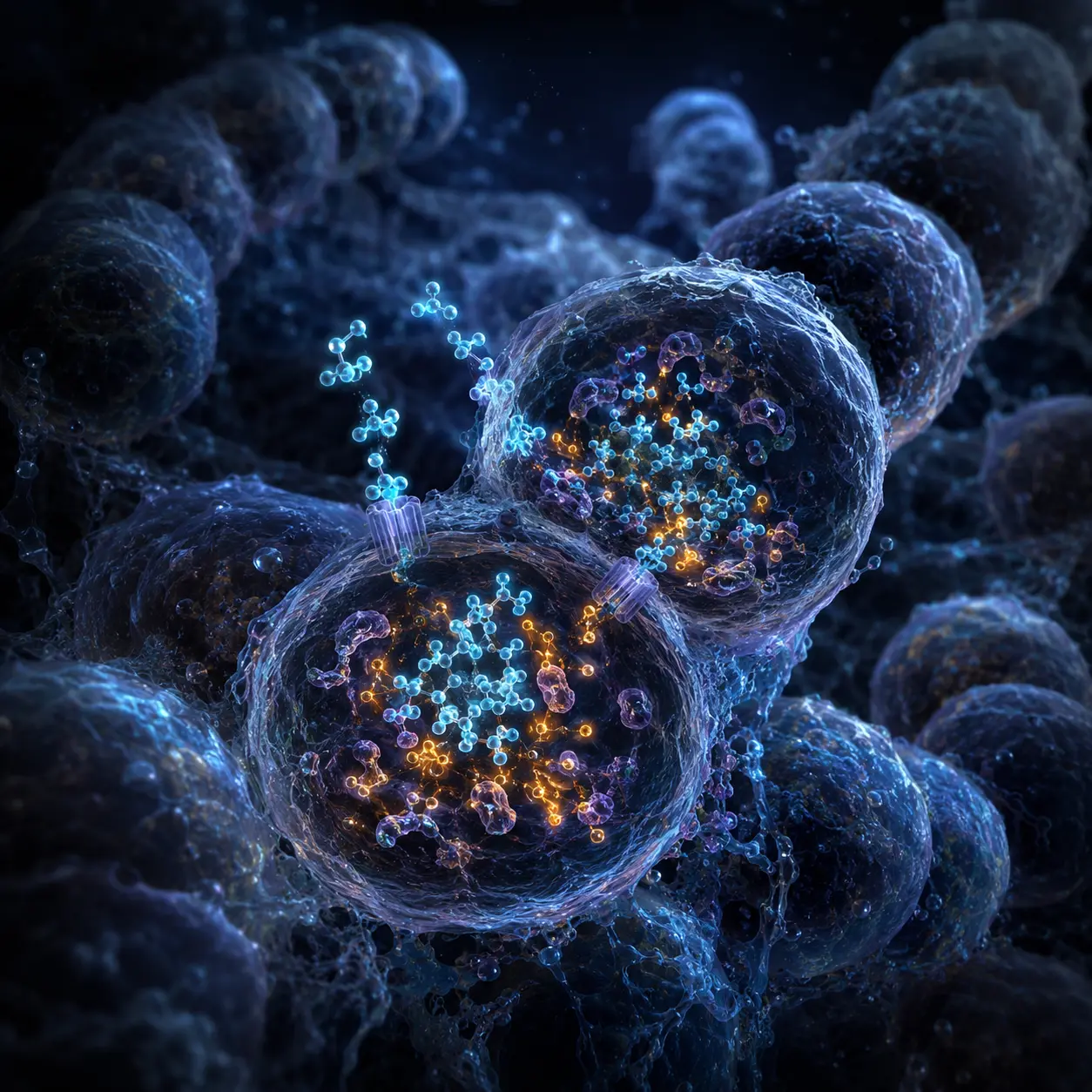
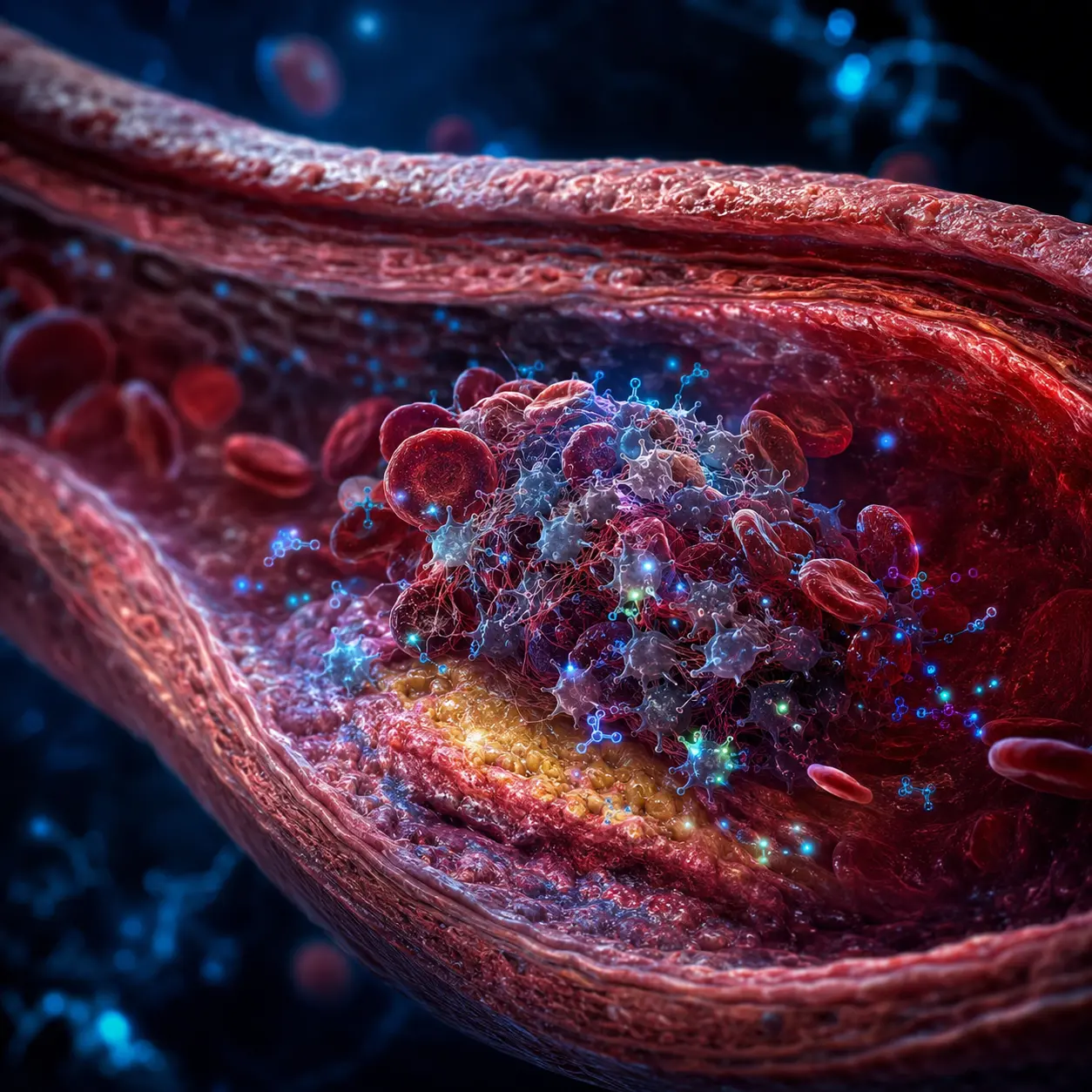
Table of Contents
- The Xylitol Paradox
- What Xylitol Is and Where It Comes From
- 1. The Dental Story — A Sugar Studied Against Cavities
- 2. The Mechanism in Streptococcus mutans
- 3. Dose, Frequency, and Real-World Dental Outcomes
- 4. Beyond Cavities — Otitis Media, Sinus, Oral Microbiome
- 5. The 2024 Cleveland Clinic Cardiovascular Paper
- 6. How Xylitol Activates Platelets — The Mechanism
- 7. The Erythritol Precedent (Same Lab, 2023)
- 8. “Prothrombotic, Not a Blood Thinner” The Distinction That Matters
- 9. Dose and Exposure — Chewing Gum vs Baking Bulk
- 10. Pet Toxicity — A Separate, Serious Hazard
- 11. GI Tolerance and Other Adverse Effects
- Reading the Evidence — Where the Research Finds Benefit and Concern
- Key Research Papers
- Related Articles on MyHealthcare.com
- Featured Videos
The Xylitol Paradox
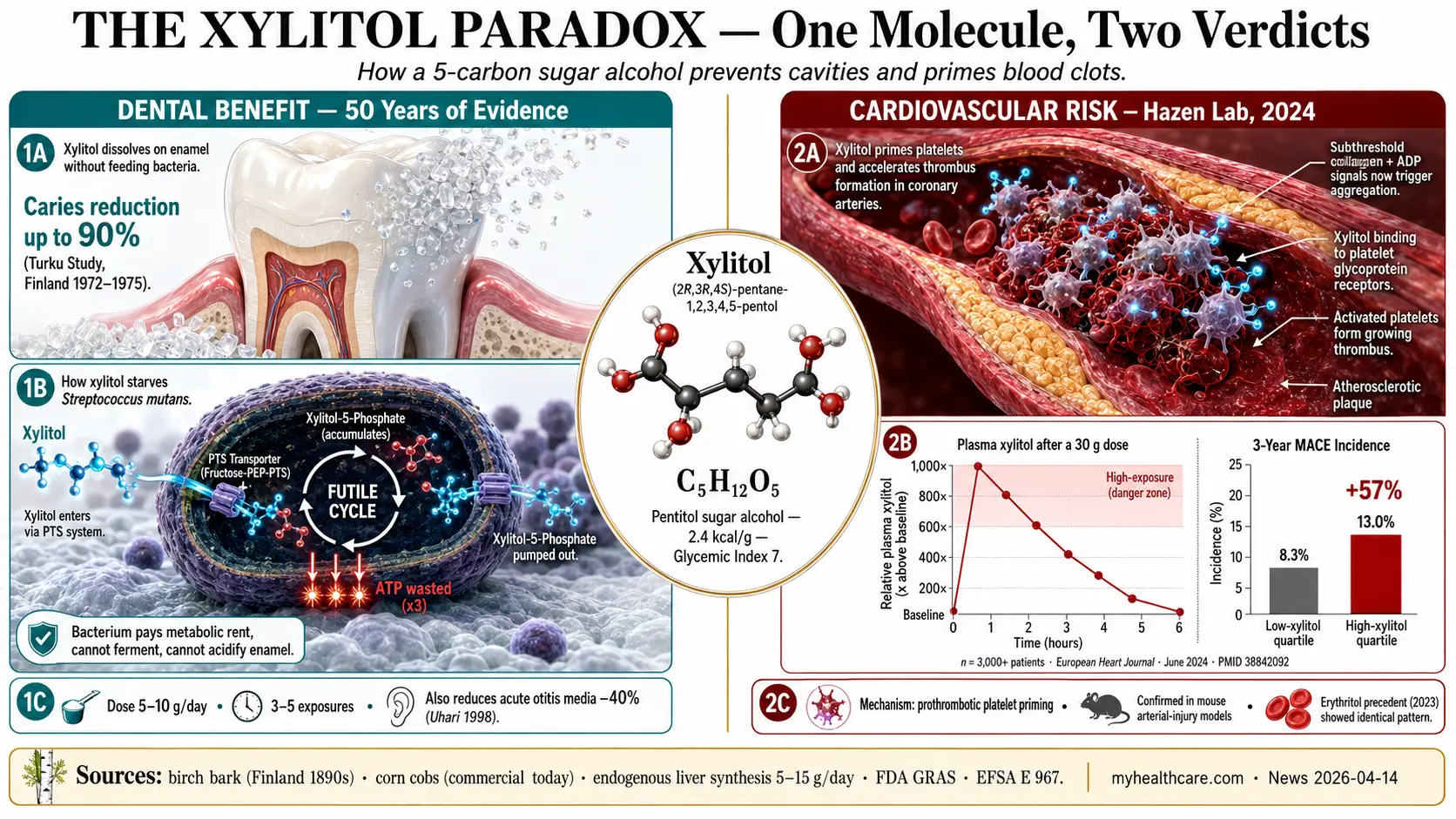
Xylitol is one of the most studied molecules on the supplement shelf. For roughly five decades, the dental literature has reported its ability to reduce dental caries in some trials, lower Streptococcus mutans counts in plaque and saliva, and reduce the incidence of acute otitis media in children attending day care. The American Academy of Pediatric Dentistry carried a policy on xylitol from 2006 until it retired that policy in July 2025, and gum and mint products advertise “100% xylitol” on the label. Among non-nutritive sweeteners, xylitol has long been described as the one with a documented dental benefit.
Then, in June 2024, a research group at the Cleveland Clinic led by Dr. Stanley Hazen published a paper in the European Heart Journal that changed the conversation. Using the same approach the group had applied in 2023 to erythritol — another sugar alcohol, which that earlier paper linked to cardiovascular event risk — the Hazen group reported that in a validation cohort of 2,149 patients undergoing elective cardiac evaluation, those in the highest third of fasting plasma xylitol had a 57 percent higher risk of major adverse cardiovascular events (MACE) over three years than those in the lowest third (adjusted hazard ratio 1.57). They then gave 10 healthy volunteers a single 30-gram xylitol drink (an exposure the authors compare to a xylitol-sweetened bakery good or a pint of many xylitol-sweetened ice creams), measured plasma xylitol rising roughly a thousand-fold above baseline, and found circulating platelets more responsive to clotting triggers in every subject. In mice, xylitol sped clot formation after arterial injury. And they used a precise word for what they had found: not “blood thinner,” but prothrombotic — pro-clotting.
Today’s edition sets out both halves of this story. The dental evidence is substantial but mixed in quality. The cardiovascular signal is new, biologically plausible, supported by human platelet and animal experiments, and not tested in any randomized trial of cardiovascular outcomes. In the research as it stands, the balance of benefit and risk depends largely on the dose, the form, and the person’s background cardiovascular risk — a few grams a day in gum is a different exposure from a 30-gram serving of a xylitol-sweetened dessert. This edition pulls together the dental literature, the Cleveland Clinic platelet papers, the older mechanistic studies, the U.S. and European regulatory status, and a summary of where the evidence points.
What Xylitol Is and Where It Comes From
Xylitol (chemical formula C5H12O5, IUPAC name (2R,4S)-pentane-1,2,3,4,5-pentol) is a five-carbon sugar alcohol — a “pentitol”. Its sweetness on the human tongue is roughly equal to sucrose (table sugar), but it contributes only about 2.4 kilocalories per gram versus about 3.9 for sucrose, and it carries a glycemic index of approximately 7 on a scale where glucose is 100 (figures from the 2019 Nutrients review by Salli and colleagues), meaning it raises blood glucose only minimally. These three properties — the sweetness, the lower calorie load, and the negligible glycemic effect — explain its commercial appeal in diabetic, ketogenic, and dental-product applications.
Commercial xylitol is made from xylan-rich plant material such as birch wood and corn cobs (via hydrolysis of the hemicellulose followed by hydrogenation), and it occurs naturally in small amounts in fruits and vegetables such as plums, strawberries, cauliflower, and pumpkin. The human body also produces xylitol: the 2024 European Heart Journal paper describes it as an intermediate of the glucuronic acid pathway, cites an estimated endogenous production of about 15 grams a day, and notes that endogenous plasma levels are more than 1,000-fold lower than those seen after eating xylitol as a sugar substitute — which is why basal plasma levels are detectable in everyone and not just in people who consume it.
Industrial xylitol production proceeds in two main routes. The traditional chemical route hydrolyzes xylan-rich plant material (corn cob, birch wood) to D-xylose, then hydrogenates the D-xylose to xylitol using a nickel catalyst at high pressure. The newer biotechnological route uses yeasts (typically Candida tropicalis or engineered Saccharomyces cerevisiae) to ferment xylose to xylitol with higher selectivity and lower energy input. Both routes yield the same crystalline molecule.
In the United States, xylitol is listed in the FDA’s food-additive regulations, which permit it “in foods for special dietary uses, provided the amount used is not greater than that required to produce its intended effect” (21 CFR 172.395); the FDA describes its separate “generally recognized as safe” pathway on its GRAS framework page. In the European Union, xylitol is an authorized food additive with the number E 967. The adverse effect the safety literature describes at higher intakes is gastrointestinal: the AAPD’s 2024 policy background reports few adverse events at about 6 g a day and abdominal distress and osmotic diarrhea as common side effects at higher doses. The 2024 cardiovascular data raise a different kind of question — not acute toxicity, but whether high plasma xylitol after a large dietary dose affects clotting, an outcome that standard toxicology testing does not typically measure.
1. The Dental Story — A Sugar Studied Against Cavities
The xylitol-and-cavities story begins in Turku, Finland, with the Turku Sugar Studies of Arje Scheinin, Kauko Mäkinen and colleagues, whose two-year final report appeared in 1976. The trial replaced almost all dietary sucrose with fructose or xylitol in 125 subjects (35 sucrose, 38 fructose, 52 xylitol); after two years the mean increment in decayed, missing and filled tooth surfaces was 7.2 in the sucrose group, 3.8 in the fructose group, and 0.0 in the xylitol group. The “Turku study” entered the dental textbooks as the foundational human evidence that xylitol substitution reduces tooth decay.
The subsequent half-century built on that scaffold. Trials in Finland (Isokangas, Alanen, Tiekso, Mäkinen), Estonia, the United States and Belize examined xylitol gum, lozenges, candies, syrups, dentifrices, and chewable tablets in adults, schoolchildren, preschoolers, and mothers of infants. The most-cited summary remains the 2015 Cochrane systematic review by Riley and colleagues (PubMed PMID: 25809586), which included 10 studies analysing 5,903 participants. Its main finding was that, over 2.5 to 3 years, fluoride toothpaste containing 10 percent xylitol may reduce caries by 13 percent compared with fluoride-only toothpaste in children’s permanent teeth — low-quality evidence drawn from two studies by the same authors in the same population. For other products (lozenges, sucking tablets, syrups, wipes) and for adults, the reviewers judged the evidence low to very low quality and insufficient to determine whether they prevent caries. The Cochrane group did not conclude that xylitol does not work; it concluded that the available trials could not settle the question.
Other reviews have reached different conclusions. A 2017 meta-analysis by Janakiram and colleagues (PubMed PMID: 28250669) reviewed 16 studies and reported fewer decayed, missing and filled teeth with xylitol than with all controls, while rating several of the trials at high or unclear risk of bias. A 2025 systematic review of trials comparing xylitol gum with polyol control gums (Söderling and Pienihäkkinen, PubMed PMID: 40731400) found that xylitol gum lowered mutans streptococci counts more than sorbitol gum in 12 of 14 studies, plaque in 6 of 10, and caries occurrence in 3 of 5. The 2012 Mickenautsch and Yengopal systematic review (International Dental Journal, PubMed PMID: 22251032), which compared xylitol with fluoride, found the trials too heterogeneous to pool, concluded that adding xylitol to existing fluoride regimes may be beneficial, and judged all the identified trials at risk of bias, with possible publication bias. The American Academy of Pediatric Dentistry’s 2024 policy on xylitol supported xylitol and other sugar alcohols as noncariogenic sugar substitutes, but acknowledged “the current lack of consistent evidence supporting xylitol as a primary caries-preventive agent” and noted that the large doses and high frequency used in trials may be unrealistic in clinical practice; the AAPD retired that policy in July 2025. A 2011 American Dental Association expert panel on nonfluoride caries-preventive agents (the category that includes xylitol) concluded that certain nonfluoride agents may provide some benefit as adjuncts in children and adults at higher caries risk.
Three findings stand out across the body of dental research and explain why xylitol’s reputation in pediatric dentistry has remained durable even as the Cochrane group remains cautious. First, maternal use was studied as a way to protect children: in a randomized Finnish trial (Söderling et al., Journal of Dental Research, 2000) of 169 mother-child pairs, mothers with high salivary mutans streptococci chewed xylitol gum from three months after delivery; at age two, 9.7 percent of their children had detectable mutans streptococci, versus 28.6 percent in a chlorhexidine-varnish group and 48.5 percent in a fluoride-varnish group, and a follow-up (Isokangas et al., 2000) reported about 70 percent less dentinal caries in the xylitol group’s children at age five. The AAPD’s 2024 policy background nonetheless described the evidence on mother-to-child transfer as inconclusive. Second, xylitol reduces plaque counts of cariogenic bacteria in many studies — in a 2006 dose-response trial, 6.88 and 10.32 g a day of xylitol gum lowered plaque mutans streptococci about tenfold from baseline (the reduction was reported for those two higher doses, not for 3.44 g a day), though the AAPD’s 2024 policy noted a lack of consistent evidence for significant reductions in children. Third, xylitol gum’s benefits derive at least partly from the chewing itself, which increases salivary flow, buffers plaque acid, and bathes enamel in remineralizing calcium and phosphate; in the Belize trial even sorbitol gum lowered caries rates compared with no gum. This last mechanism is non-specific and applies to any sugar-free gum, but xylitol has the additional property of being non-fermentable by S. mutans — the next section’s subject.
2. The Mechanism in Streptococcus mutans
To understand how xylitol acts on cavity-causing bacteria, it helps to understand the bacterium first. Streptococcus mutans is a Gram-positive coccus that colonizes the human tooth surface in early childhood — in one cohort of 46 mother-child pairs at a median age of 26 months, during what the researchers called a “window of infectivity” — often acquired from the mother or another caregiver, and persists in dental biofilm for decades thereafter. It is the dominant initiator of dental caries because it does three things exceptionally well: it adheres tenaciously to enamel via glucan polymers it synthesizes from dietary sucrose, it ferments dietary sugars (sucrose, glucose, fructose, lactose) to lactic acid, and it survives and continues fermenting at the resulting low pH that would kill most competitor species. The acid demineralizes tooth enamel; the demineralized enamel becomes a cavity.
What xylitol does to S. mutans is a textbook example of a futile metabolic cycle. S. mutans expresses a fructose-specific phosphoenolpyruvate phosphotransferase system (PTS) that promiscuously imports xylitol along with fructose; once inside the cell, the PTS phosphorylates xylitol to xylitol-5-phosphate, expending one molecule of phosphoenolpyruvate (and therefore one molecule of ATP) per molecule imported. But unlike fructose-6-phosphate, xylitol-5-phosphate cannot enter glycolysis. The bacterium has imported a substrate it cannot metabolize, paid the energetic cost of the import, and is now stuck with a phosphorylated dead-end metabolite that accumulates inside the cell. To survive, the cell expels the xylitol-5-phosphate, dephosphorylating it back to free xylitol in the process — and then promptly re-imports it, paying another ATP. The cycle repeats. The bacterium runs in place metabolically while paying ATP rent.
The result, summarized in a 1995 review by L. Trahan (International Dental Journal; PubMed PMID: 7607748), is that xylitol accumulated inside mutans streptococci as a non-metabolizable compound inhibits their growth in vitro and reduces both the amount of plaque and the number of mutans streptococci in the plaque and saliva of xylitol consumers. Trahan also found no evidence that plaque bacteria adapt to metabolize xylitol even after long exposure, and described how xylitol selects for a “xylitol-resistant” mutant population that showed weakened virulence factors in preliminary in vitro and rat experiments; habitual xylitol use also appears to select for mutans streptococci with impaired adhesion that shed easily from plaque into saliva (Söderling 2000). In other words, the bacterium can either keep taking up xylitol (and pay the metabolic tax) or be replaced by strains that do not — and the reviewed evidence suggests those strains are less cariogenic, though Trahan noted that their clinical importance needed further research.
Among common sweeteners, this mechanism is best described for xylitol. Sucralose, aspartame, saccharin, and stevia are not fermented to acid by oral bacteria — they are neutral, neither feeding nor inhibiting S. mutans. Sorbitol and mannitol can be slowly fermented by some oral bacteria, producing low-grade acid. Erythritol shares some of xylitol’s anti-caries effect: a three-year randomized trial in 485 Estonian schoolchildren (Honkala et al., Caries Research, 2014) found fewer dentin caries teeth and surfaces with erythritol candy than with xylitol or sorbitol candy. Xylitol’s combination of active import, futile phosphorylation, and metabolic dead-ending is among the best-characterized antibacterial mechanisms in the dental literature.
One important corollary: the mechanism requires contact between xylitol and oral bacteria. Xylitol baked into a cookie or dissolved into coffee passes through the mouth quickly, which is why the dental trials used gum, lozenges, candies, syrups and toothpastes — forms that keep xylitol in the mouth, used several times a day. The AAPD’s 2024 policy background summarizes this as a frequency effect as well as a dose effect: optimal results in the trials required 100 percent xylitol products three to five times a day after meals, and use fewer than three times a day (under 3.44 g a day) showed no protective effect.
3. Dose, Frequency, and Real-World Dental Outcomes
The dosing literature converges on three numbers. Total daily intake in the caries trials: approximately 5 to 10 grams of xylitol per day (the AAPD background’s summary), with a plateau suggested between about 6.9 and 10.3 grams in the 2006 dose-response trial of mutans streptococci; digestive symptoms are reported with intakes above about 20 grams (Salli 2019). Frequency of exposure: three to five separate exposures distributed across the day, after meals. Per-exposure dose: by arithmetic, roughly 1 to 3 grams at each sitting.
Concrete examples. Per-piece content varies by product and is printed on the label, so the number of pieces that matches a trial regimen differs from product to product. In the 2006 dose-response trial, participants chewed three pellets four times a day to reach 3.44 to 10.32 grams; in Belize, supervised xylitol intake ranged from 4.3 to 9.0 grams a day. Xylitol nasal sprays, oral rinses, and toothpastes deliver smaller per-use amounts and have been studied for specific uses — chronic sinusitis (see Section 4), dry mouth, or as part of a fluoride toothpaste.
The frequency finding is easy to overlook. On the proposed mechanism, a single large morning dose leaves the oral bacteria in xylitol-free conditions for the rest of the day, free to resume acid production after the next sugar exposure, whereas the same total split across several sittings keeps xylitol in contact with plaque repeatedly. The trials summarized by the AAPD found no protective effect with use fewer than three times a day.
A useful real-world data point: the Belize study (Mäkinen et al., 1995, Journal of Dental Research), a 40-month double-blind cohort study run in 1989–1993, assigned 1,277 schoolchildren (mean age 10.2) to nine groups — no gum, sucrose gum, sorbitol gum, xylitol–sorbitol mixtures, and four xylitol gums. Compared with no gum, the most effective product, a 100 percent xylitol pellet gum, was associated with a caries rate about 73 percent lower (relative risk 0.27); sorbitol gum also lowered the rate (relative risk 0.74), and sucrose gum did not. The same intervention in a population with low caries risk would be expected to show a smaller absolute benefit, because fewer cavities were going to develop in the first place — one possible reason some trials in adults showed equivocal results.
In summary, the dental benefits in the trials appeared mainly in higher-risk populations, with xylitol given as gum, candies or lozenges several times a day, and mostly alongside fluoride rather than in place of it. In low-risk adults with good oral hygiene, the measured benefit has been small or uncertain.
4. Beyond Cavities — Otitis Media, Sinus, Oral Microbiome
The dental literature is the deepest, but it is not the only literature on xylitol. Several secondary uses have been studied, with evidence of varying strength.
Acute otitis media (AOM) prevention. A Finnish randomized trial by Uhari, Kontiokari, and Niemelä (Pediatrics, 1998; PubMed PMID: 9755259) enrolled 857 healthy day-care children and randomized them to control syrup, xylitol syrup, control gum, xylitol gum (8.4 g/day), or xylitol lozenges for three months. Compared with controls, AOM occurrence fell by 40 percent in the xylitol gum group and 30 percent in the xylitol syrup group (the 20 percent reduction with lozenges was not statistically significant), and children in the gum and syrup groups needed antimicrobials less often. The proposed mechanism: xylitol inhibits Streptococcus pneumoniae growth in vitro (Kontiokari 1995) and reduces adherence of S. pneumoniae and Haemophilus influenzae to nasopharyngeal cells in vitro — the pneumococcus being a common cause of middle-ear infection. The 2016 Cochrane review (Azarpazhooh et al.) found moderate-quality evidence, from three trials in 1,826 healthy Finnish day-care children, that xylitol in any form reduced the risk of AOM from about 30 percent to about 22 percent (risk ratio 0.75); it found no effect during respiratory infection and inconclusive evidence in otitis-prone children, and noted that most of the data came from the same research group.
Chronic rhinosinusitis and sinus rinses. Xylitol nasal sprays and xylitol sinus rinses have a small evidence base in chronic rhinosinusitis (CRS). The mechanistic premise is two-pronged: in laboratory airway cultures, xylitol lowered the salt concentration of the airway surface liquid, a change expected to help the airway’s own antimicrobial factors, and in a small crossover study a xylitol nasal spray reduced nasal coagulase-negative staphylococci in healthy volunteers compared with saline (Zabner et al., 2000); in vitro, xylitol also reduces bacterial adherence to nasopharyngeal cells. A 2011 randomized, double-blinded crossover pilot study by Weissman et al. (Laryngoscope) gave 20 CRS patients 10-day courses of xylitol and saline irrigation; among the 15 who returned data, sinonasal symptom scores (SNOT-20) improved more with xylitol, with no difference on a visual analogue scale. The evidence rests on small, short studies.
Oral microbiome effects. Beyond S. mutans, the question is whether xylitol shifts the wider oral microbiome (see the Oral Microbiome hub for the broader systemic-health context). Trahan’s 1995 review described xylitol as preventing a shift toward a more cariogenic flora, since the vast majority of plaque bacteria cannot ferment it. A sequencing study (Rafeek et al., Journal of Oral Microbiology, 2019), in which 30 participants chewed xylitol and sorbitol gum for three weeks each in crossover, found that neither gum significantly changed the bacterial composition of plaque; S. mutans reads were very low and unaffected, lactobacilli were undetected, and it was sorbitol, not xylitol, that altered several salivary streptococcal species. Whether xylitol meaningfully reshapes the oral microbiome beyond mutans streptococci remains open.
Dry mouth (xerostomia) symptomatic relief. Xylitol lozenges, sprays, and toothpastes are offered for post-radiation xerostomia, Sjögren’s syndrome, and medication-induced dry mouth. The rationale is partly mechanical (sucking and chewing increase residual salivary flow), partly anti-cariogenic (these patients are at sharply elevated cavity risk because saliva normally buffers acid and remineralizes enamel), and partly comfort-related (xylitol has a mild cooling sensation as it dissolves due to its negative heat of solution).
5. The 2024 Cleveland Clinic Cardiovascular Paper
On June 6, 2024, the European Heart Journal published online a paper titled simply “Xylitol is prothrombotic and associated with cardiovascular risk”, by Marco Witkowski, Ina Nemet, Xinmin S. Li, and colleagues in Stanley L. Hazen’s group at the Cleveland Clinic Lerner Research Institute (PubMed PMID: 38842092; DOI 10.1093/eurheartj/ehae244). The paper has three distinct components, each with different strengths.
The observational cohorts. The authors analysed overnight-fasting plasma samples from sequential stable U.S. patients undergoing elective diagnostic cardiac evaluation at the Cleveland Clinic — first with untargeted metabolomics in a discovery cohort of 1,157, then with a xylitol-specific mass-spectrometry assay in an independent, non-overlapping validation cohort of 2,149 — and related the levels to major adverse cardiovascular events over three years (MACE, which the group’s 2023 paper on the same patient registry defines as death, nonfatal myocardial infarction, or stroke). In the validation cohort, patients in the highest third (tertile) of plasma xylitol had a 57 percent higher risk of MACE than those in the lowest third after adjustment (hazard ratio 1.57, 95% confidence interval 1.12 to 2.21). Unlike the 2023 erythritol paper, there was no separate European cohort. This is an associational signal, not a causal one — the authors note the possibility of residual confounding, had no information on dietary xylitol intake, and conclude that the fasting levels in the cohorts likely reflect the body’s own xylitol production rather than food intake. High plasma xylitol could be a consequence of cardiovascular disease, a marker of an unmeasured shared cause, or a contributor to it; the cohort cannot distinguish those possibilities.
The interventional human experiment. To test whether a dietary dose changes platelet behaviour, the authors gave 10 healthy volunteers a single drink of 30 grams of xylitol dissolved in water — an exposure they describe as comparable to a pint of many xylitol-sweetened ice creams, a xylitol-sweetened bakery good, or several pieces of xylitol-sweetened candy. Plasma xylitol rose about 1,000-fold within 30 minutes, from a median of 0.30 to 312 micromolar, then fell back to low-micromolar levels within 4 to 6 hours (plasma half-life about 13 minutes), with part of the dose excreted in urine. After the drink, platelet responses to submaximal doses of the agonists ADP and TRAP6 (a thrombin-receptor activating peptide) increased significantly in every subject — there were no non-responders. This is the strongest piece of the paper, because it links an acute dietary xylitol load directly to a prothrombotic platelet phenotype in humans.
The mouse model. To establish biological plausibility for the long-term cardiovascular endpoint, the authors used a standard mouse arterial-injury model in which the carotid artery is briefly damaged with ferric chloride (which exposes subendothelial collagen and triggers platelet adhesion) and the time to vessel occlusion is measured. Mice with raised plasma xylitol showed a faster rate of clot formation and a significantly shorter time to cessation of blood flow than controls. The mouse model is not perfect — mouse plasma xylitol levels differ from human, and the ferric chloride injury is not literally an atherosclerotic plaque rupture — but it adds a layer of mechanistic confidence that the human findings are not artifactual.
Taken together, the three components show: a single 30-gram dose made human platelets more responsive to submaximal triggers; higher fasting plasma xylitol was associated with a 57 percent higher risk of major cardiovascular events over three years; and xylitol sped thrombosis in an animal model. The chain of evidence is not complete — the authors call for further studies of xylitol’s cardiovascular safety, and only a long-term randomized trial on incident cardiovascular events could close it — but it combines observational, human experimental and animal data rather than an association alone.
6. How Xylitol Activates Platelets — The Mechanism
The Hazen group has been working on small molecules that prime platelet activation since at least 2016, when it reported in Cell that choline-derived trimethylamine-N-oxide (TMAO), the gut-microbiome metabolite that arises from dietary choline, L-carnitine, and phosphatidylcholine, enhances platelet hyperreactivity and thrombosis risk. Whether xylitol acts through a related pathway has not been established.
Laboratory platelet studies. In the 2024 paper’s in vitro experiments — in isolated (washed) human platelets, platelet-rich plasma and whole blood — xylitol enhanced multiple indices of platelet reactivity, including a dose-dependent increase in intracellular calcium release in response to a submaximal thrombin stimulus; the abstract describes these effects at levels observed in fasting plasma. The authors state that the receptor transmitting the effect remains unknown.
Submaximal agonist amplification. The phenotype the paper reports is xylitol amplifying the response to submaximal clotting stimuli such as ADP and thrombin-receptor activation. Signals of this kind — collagen exposed during minor endothelial injury, ADP released from damaged cells, thrombin generated by tissue factor exposure — occur at low levels in the circulation. The hypothesis linking the laboratory finding to the cohort result is that a primed platelet population responds to such signals more strongly, producing more or larger thrombi; that link has not been demonstrated directly in people.
Time course. In the volunteers, plasma xylitol was highest at the 30-minute measurement after the 30-gram drink and returned to low-micromolar levels within 4 to 6 hours, with a plasma half-life of about 13 minutes and part of the dose appearing in urine; in the laboratory, the platelet effects were dose-dependent. The paper does not describe how long the platelet effect lasts after a dose. One implication, not yet tested, is that a single occasional large dose produces a transient window of high plasma xylitol lasting a few hours, while repeated large doses repeat that window — a pattern whose long-term cardiovascular effect has not been studied.
Why it could matter clinically. Most clinical cardiovascular events do not happen because a healthy person spontaneously generates a giant clot. They happen because an atherosclerotic plaque ruptures or erodes, exposing subendothelial collagen and tissue factor to circulating platelets at a moment when those platelets are either primed or unprimed for response. A primed platelet population that responds vigorously to the rupture produces an occlusive thrombus; an unprimed population that responds slowly may allow the lesion to heal without occlusion. On this model, a platelet-priming effect would not cause heart attacks on its own; it would tilt the odds that an existing atherosclerotic lesion becomes an occlusive event. A mechanism of this kind could produce a population-level signal in MACE incidence without any individual being able to point to xylitol as “the cause” of an event.
7. The Erythritol Precedent (Same Lab, 2023)
The xylitol paper does not stand alone. In February 2023, the same Hazen group published in Nature Medicine (PubMed PMID: 36849732; DOI 10.1038/s41591-023-02223-9) a closely parallel study of erythritol, another sugar alcohol sold as a zero-glycemic sweetener. That paper combined a discovery cohort (1,157) with U.S. (2,149) and European (833) validation cohorts, in which the highest quarter of plasma erythritol was associated with higher three-year MACE risk than the lowest (adjusted hazard ratios 1.80 and 2.21); laboratory and mouse evidence that erythritol enhances platelet reactivity and thrombosis; and a pilot study in 8 healthy volunteers in which a 30-gram erythritol drink raised plasma erythritol about 1,000-fold, to millimolar levels, with levels still significantly elevated more than two days later. Platelet function in volunteers was not part of that paper; a 2024 follow-up (Witkowski et al., Arteriosclerosis, Thrombosis, and Vascular Biology) gave 10 volunteers 30 g of erythritol and 10 others 30 g of glucose and found enhanced stimulus-dependent platelet aggregation in every erythritol subject, with no significant increase in platelet granule release after glucose. The erythritol and xylitol hazard ratios are not directly comparable, since one compares quartiles and the other tertiles.
A standard objection to findings of this kind is that erythritol is produced by the body itself (the 2023 paper notes it is made through the pentose phosphate pathway), so elevated fasting plasma erythritol might be a marker of metabolic dysregulation rather than a consequence of dietary intake — the “reverse causation” objection. The group’s 2024 volunteer study addressed part of that question by showing that dietary erythritol, at a typical serving, enhances platelet reactivity. The same question applies to xylitol: the 2024 xylitol paper itself concludes that the fasting levels in its cohorts most likely reflect endogenous production, while its volunteer study shows that a dietary dose produces the platelet effect.
Two structurally related sugar alcohols, studied by the same lab with the same methods, each associated with cardiovascular events in that lab’s cohorts and each enhancing platelet responses after a 30-gram dose in volunteers, form the main context for the xylitol findings. It is not a one-off observation, though it is also not yet independent replication: both sets of results come from one research group, and these papers did not test other sugar alcohols. The challenge to the “safer than sugar” framing is not that xylitol or erythritol are toxic in any conventional sense, but that their reported cardiovascular effects operate through a pathway that traditional safety evaluation (acute toxicity, organ damage, carcinogenicity) does not measure.
Two important nuances limit how far this pattern extends. First, the platelet phenotype has been reported for these two sweeteners only. The xylitol and erythritol papers did not test the platelet effects of sorbitol, mannitol, maltitol, allulose, sucralose, aspartame, saccharin, or stevia, so the findings do not establish a prothrombotic effect for the whole sweetener category. Second, the dose matters. The cohorts recorded no dietary intake at all, and the authors concluded that the fasting plasma levels mostly reflected the body’s own production; the platelet effect was measured after a 30-gram dose. A few grams a day from gum — the range used in the dental trials — is a much smaller single exposure, and neither its plasma excursion nor its platelet effect was measured in these studies.
8. “Prothrombotic, Not a Blood Thinner” The Distinction That Matters
The language of cardiovascular pharmacology is precise for good reason, and a misunderstanding that appears in public discussion of the 2024 xylitol paper is the assumption that xylitol acts as a “blood thinner.” It does not. The Hazen paper’s conclusion is the opposite. The word that appears in the title and throughout the paper is prothrombotic, which is the technical antonym of antithrombotic. The distinction matters for reading the findings correctly.
Antithrombotic drugs reduce the body’s ability to form a clot. They come in two categories: anticoagulants (warfarin, the direct oral anticoagulants apixaban, rivaroxaban, edoxaban, dabigatran, and parenteral heparins) that inhibit the coagulation cascade by blocking specific clotting factors; and antiplatelet agents (aspirin, clopidogrel, ticagrelor, prasugrel) that prevent platelets from aggregating. Both categories reduce the formation of clots and are prescribed to patients at elevated risk of thrombotic events (atrial fibrillation, post-myocardial-infarction, post-stent, mechanical heart valves, venous thromboembolism). They carry a corresponding risk of bleeding — the inevitable trade-off of reduced clotting capacity.
Prothrombotic exposures, by contrast, increase the body’s clotting tendency. Estrogen-containing contraceptives, certain cancer chemotherapies, smoking, immobilization, dehydration, surgery, and now — the 2024 data suggest — high-dose xylitol exposure all sit in this category. None of these is acutely dangerous in a typical person. All of them shift the balance of clot formation and clot dissolution toward formation, and the clinical consequences emerge in populations rather than individuals: more clots per 100,000 people per year, more myocardial infarctions per 100,000 person-years of exposure, more strokes.
The distinction has practical weight. People taking aspirin or clopidogrel for cardiovascular secondary prevention are already on a daily antiplatelet drug; the 2024 volunteer study enrolled healthy people, so whether a large xylitol dose offsets part of the effect of antiplatelet or anticoagulant drugs has not been measured. The concern the research raises is greatest for people whose clotting risk is already elevated, but they were not studied directly. At the other end, the cohort consisted of patients undergoing elective cardiac evaluation, so it says little directly about people with no cardiovascular history who chew a few pieces of xylitol gum a day.
The framing that xylitol acts as a blood thinner is therefore not just wrong but inverted. The finding is that xylitol enhanced platelet responses and thrombosis, not that it prevents clotting; none of the papers reviewed here reports an antithrombotic effect, and xylitol has no role as a replacement for prescribed antithrombotic therapy. On current evidence, the research raises its clearest concern for people with significant cardiovascular risk who consume large amounts of xylitol. Decisions about diet and medicines in that situation belong with a clinician.
9. Dose and Exposure — Chewing Gum vs Baking Bulk
The single most important variable in interpreting the 2024 cardiovascular data is the dose. The Hazen interventional protocol used 30 grams of xylitol in a single drink, which raised plasma xylitol about a thousand-fold at 30 minutes, with levels back to low-micromolar within 4 to 6 hours. The dental regimens summarized in the AAPD background — 5 to 10 grams per day, three to five times a day — deliver roughly 1 to 3 grams at a time; their plasma excursion and platelet effect were not measured. Whether the platelet-priming effect is meaningful at the dental dose remains open.
To make this concrete, here is how common exposures compare with the 30-gram test dose:
- Dental-trial regimens (gum, candies, lozenges): 3.44–10.32 g/day in the 2006 dose-response trial and 4.3–9.0 g/day in Belize, split across three or more sittings. Per-piece content varies by product and is printed on the label.
- A xylitol-sweetened bakery good, a pint of many xylitol-sweetened ice creams, or several pieces of xylitol-sweetened candy: comparable to the 30 g test drink, according to the 2024 paper.
- Granulated xylitol used 1:1 in place of sugar in baking: the amount scales with the recipe — a recipe using 200 g of xylitol and yielding 8 servings carries 25 g per serving, close to the test dose in a single eating occasion.
- Granulated xylitol in coffee or tea: a few grams per teaspoon, repeated with each cup.
The exposure pattern of a person who chews four pieces of xylitol gum a day after meals is fundamentally different from that of a person who eats a xylitol-sweetened bakery good alongside a xylitol-sweetened ice cream and a xylitol-sweetened coffee creamer. The first is in the dose range the dental literature studied. The second is in the range of the 30-gram drink used in the Hazen volunteer study. Both might describe themselves as “moderate xylitol users,” but their single-occasion doses can differ by an order of magnitude.
Read together, the studies describe two exposure categories. Dental xylitol (gum, mints, lozenges, toothpaste, nasal/sinus rinses) is a low-exposure category with documented, if mixed, dental evidence and unmeasured long-term cardiovascular effects. Bulk xylitol in baking, sugar-free beverages, and large servings of low-carbohydrate desserts can reach the 30-gram level at which the 2024 study measured enhanced platelet responses, while the link to cardiovascular events remains associational. A long-term randomized trial of cardiovascular outcomes would be needed to settle the question.
10. Pet Toxicity — A Separate, Serious Hazard
One xylitol-related health risk is not subtle, not controversial, and well documented: xylitol is acutely and severely toxic to dogs, and the FDA notes that ferrets have been known to develop low blood sugar and seizures after eating xylitol products. The toxicity mechanism is entirely different from the human cardiovascular concern and stems from a species difference in pancreatic islet response to xylitol.
In humans, ingested xylitol has little to no effect on plasma insulin — part of the basis of its “low glycemic” reputation. In dogs, xylitol is absorbed quickly and is a strong promoter of insulin release (Dunayer 2004; FDA), and the resulting hypoglycemia can be severe, with ataxia, collapse and seizures. A veterinary review (Piscitelli, Dunayer and Aumann, 2010) gives the commonly cited thresholds: dogs ingesting more than 0.1 g per kilogram of body weight are at risk of hypoglycemia, and more than 0.5 g/kg may develop acute liver failure, through a mechanism that is not fully understood.
To make this concrete: if a piece of gum contains 1.5 grams of xylitol, a 20-pound (9 kg) dog that eats one piece has taken about 0.17 g/kg — above the hypoglycemia threshold. Three such pieces reach about 0.5 g/kg, the level associated with liver failure, and a whole pack is far beyond it. Smaller dogs reach these thresholds with fewer pieces. The FDA’s consumer update lists chewing gum, sugar-free candy and mints, peanut and nut butters, baked goods, toothpaste and mouthwash, cough syrup and vitamins, and sugar-free ice cream among the products that can contain xylitol, and veterinary toxicologists expect exposures to keep rising as more products contain it (Murphy and Dunayer, 2018).
The clinical course in dogs: according to the FDA, signs can appear within 10 to 60 minutes of eating xylitol (vomiting, then weakness, staggering, incoordination, collapse and seizures), and serious effects may be delayed 12 to 24 hours. In a case series of eight dogs with liver failure after xylitol ingestion (Dunayer and Gwaltney-Brant, 2006), five had bleeding, three were euthanized and two died; a 2016 case report describes a dog that survived liver failure and coagulopathy after eating 224 g of granulated xylitol. Veterinary treatment described in these reports includes intravenous dextrose, fluids, plasma transfusion, and liver support with N-acetylcysteine and S-adenosylmethionine. The 2010 review rates the prognosis as good for uncomplicated hypoglycemia and guarded to poor once severe liver injury develops.
Two findings stand out for households with dogs: most exposures come from ordinary human products — gum, candy and baked goods within a dog’s reach — and peanut and nut butters are on the FDA’s list, which matters because peanut butter is commonly used to hide pills and fill food puzzles for dogs; whether a given product contains xylitol is shown on its ingredient label. Cats appear far less affected: a 2018 study gave six cats up to 1,000 mg/kg and found no hypoglycemia or liver toxicity, and the FDA consumer update also describes cats as appearing to be at lower risk. Ferrets, by the FDA’s account, have been known to develop low blood sugar and seizures like dogs.
11. GI Tolerance and Other Adverse Effects
The most common acute adverse effect of human xylitol consumption is gastrointestinal upset — bloating, abdominal cramping, flatulence, and osmotic diarrhea. The mechanism: xylitol is incompletely absorbed in the small intestine, so a substantial fraction reaches the colon, where it draws water osmotically and where colonic bacteria slowly ferment it to short-chain fatty acids, methane, and hydrogen. The result is the classic “sugar alcohol gut” symptom complex.
Individual GI tolerance varies considerably. A 2016 review by Mäkinen gives the single dose normally tolerated without diarrhea as 10 to 30 g, with considerable variation between individuals, and reports that adults tolerate 20 to 70 g a day without great difficulty once adapted; osmotic diarrhea after heavy loading faded as adaptation took place. In a randomized, double-blind study of 64 young adults (Storey et al., 2007), a single 50 g dose of xylitol in water significantly increased nausea, bloating, borborygmi, colic, watery stools and bowel-movement frequency compared with 45 g of sucrose, 35 g increased watery bowel movements, and erythritol caused significantly fewer watery stools than xylitol at every dose tested. Polyols other than erythritol, xylitol among them, are generally excluded from the low-FODMAP diet used for irritable bowel syndrome.
Beyond GI tolerance, the adverse-effect literature is short. Allergic reactions are rare but documented, in isolated case reports such as a 2019 report of anaphylaxis to xylitol confirmed by skin-prick and basophil-activation testing. Drug interactions are not well characterized; whether the platelet effect described in 2024 adds to clotting risk in people on antiplatelet or anticoagulant drugs has not been studied. Pregnancy and breastfeeding data are limited; the Finnish maternal trial began xylitol gum use three months after delivery, not during pregnancy.
The cardiovascular concern from the 2024 Hazen paper is, in this context, the most clinically significant adverse-effect signal in xylitol’s decades of widespread human use — not because it is acutely dangerous, but because it concerns large doses and an outcome — clotting — that the prior safety literature was not designed to detect. Standard food-safety testing asks “is this acutely toxic?” The xylitol cardiovascular data ask “do large doses shift clotting and population-level event rates?” Different question, different answer.
Reading the Evidence — Where the Research Finds Benefit and Concern
Pulling the dental and cardiovascular literatures together, the evidence sorts by population and dose as follows.
Groups studied at dental doses (about 5 to 10 g/day in 3 to 5 exposures via gum, candies, lozenges, syrups, or toothpaste):
- Schoolchildren with high caries rates, as in the Belize and Estonian trials, and children using fluoride toothpaste containing 10 percent xylitol (the Cochrane review’s low-quality main finding of a 13 percent reduction).
- Mothers with high salivary mutans streptococci in the Finnish maternal trial, whose children acquired these bacteria less often and had less caries by age five (the AAPD described this evidence as inconclusive).
- Healthy children attending day care, for acute otitis media (moderate-quality evidence; inconclusive in otitis-prone children and during respiratory infection).
- Adults with caries-prone dentition, post-radiation xerostomia, Sjögren’s syndrome, or medication-induced dry mouth — a common use, though the Cochrane review found the adult caries evidence insufficient to determine a benefit.
- People with fixed orthodontic appliances, which trap food and plaque; orthodontic patients were among the populations included in the 2017 meta-analysis.
Groups for whom the research raises the most concern at high single doses (around 25 to 30 g or more per occasion, from bulk xylitol in baking, sugar-free ice cream and desserts, “keto” foods, sweetened beverages) — an inference from their baseline clotting risk, since none of these groups was studied directly:
- Adults with established atherosclerotic cardiovascular disease, prior myocardial infarction, prior stroke, peripheral artery disease, or carotid disease.
- Adults with multiple unmodified cardiovascular risk factors (diabetes, hypertension, dyslipidemia, smoking history, family history of premature cardiovascular disease).
- People with atrial fibrillation, mechanical heart valves, or prior venous thromboembolism — not because a drug interaction with their anticoagulant has been shown, but because their baseline thrombotic risk is already high.
- People in the weeks around surgery, when clotting risk is transiently elevated.
The clearest documented hazards:
- Dogs (and, per the FDA, ferrets): more than about 0.1 g/kg is associated with hypoglycemia and more than about 0.5 g/kg with liver failure in dogs; peanut and nut butters are among the products that can contain xylitol.
- People with FODMAP-sensitive irritable bowel syndrome — polyols other than erythritol are generally excluded from the low-FODMAP diet.
The middle case — a healthy adult without significant cardiovascular risk, using xylitol gum or mints at dental-trial doses — is the one in which the current evidence is most ambiguous. The dental benefit is real. The cardiovascular concern at this exposure level is unproven (the platelet effect has been shown at the 30-gram acute dose, but neither excluded nor confirmed at the 5-to-10-gram divided daily dose). Reasonable clinicians and informed patients can disagree about how to weigh the two.
The most important framing — and the one most often missed in popular discussion of the 2024 paper — is that this is a dose-response question, not a binary safe/unsafe question. The dental dose and the dose used in the cardiovascular experiment are an order of magnitude apart, and conflating them produces both unwarranted alarm (abandoning a dental tool on the basis of a 30-gram experiment) and unwarranted complacency (overlooking the cardiovascular signal at baking-level doses). Product labels list the xylitol content per serving, which is the figure that places an exposure on this scale.
Key Research Papers
Primary Cardiovascular Studies (Hazen Group)
- Witkowski M, Nemet I, Li XS, et al. Xylitol Is Prothrombotic and Associated with Cardiovascular Risk. European Heart Journal. 2024;45(27):2439–2452. — PubMed PMID: 38842092 · doi:10.1093/eurheartj/ehae244
- Witkowski M, Nemet I, Alamri H, et al. The Artificial Sweetener Erythritol and Cardiovascular Event Risk. Nature Medicine. 2023;29(3):710–718. — PubMed PMID: 36849732 · doi:10.1038/s41591-023-02223-9
- Zhu W, Gregory JC, Org E, et al. Gut Microbial Metabolite TMAO Enhances Platelet Hyperreactivity and Thrombosis Risk. Cell. 2016;165(1):111–124. — PubMed PMID: 26972052. — doi:10.1016/j.cell.2016.02.011 (the Hazen group’s earlier mechanistic paper on small-molecule platelet priming — methodologic ancestor of the xylitol and erythritol studies).
- Witkowski M, Wilcox J, Province V, et al. Ingestion of the Non-Nutritive Sweetener Erythritol, but Not Glucose, Enhances Platelet Reactivity and Thrombosis Potential in Healthy Volunteers — Brief Report. Arteriosclerosis, Thrombosis, and Vascular Biology. 2024;44(9):2136–2141. — PubMed PMID: 39114916 · doi:10.1161/ATVBAHA.124.321019
Dental and Caries-Prevention Literature
- Riley P, Moore D, Ahmed F, et al. Xylitol-Containing Products for Preventing Dental Caries in Children and Adults. Cochrane Database of Systematic Reviews. 2015;(3):CD010743. — PubMed PMID: 25809586 · doi:10.1002/14651858.CD010743.pub2
- Mickenautsch S, Yengopal V. Anticariogenic Effect of Xylitol Versus Fluoride — A Quantitative Systematic Review of Clinical Trials. International Dental Journal. 2012;62(1):6–20. — PubMed PMID: 22251032 · doi:10.1111/j.1875-595X.2011.00086.x
- Mäkinen KK. Sugar Alcohols, Caries Incidence, and Remineralization of Caries Lesions: A Literature Review. International Journal of Dentistry. 2010;2010:981072. — PubMed PMID: 20339492 · doi:10.1155/2010/981072
- Mäkinen KK, Bennett CA, Hujoel PP, et al. Xylitol Chewing Gums and Caries Rates: A 40-Month Cohort Study. Journal of Dental Research. 1995;74(12):1904–1913. — PubMed PMID: 8600188. — doi:10.1177/00220345950740121501 (the Belize Children’s Study).
- Söderling E, Isokangas P, Pienihäkkinen K, Tenovuo J. Influence of Maternal Xylitol Consumption on Acquisition of Mutans Streptococci by Infants. Journal of Dental Research. 2000;79(3):882–887. — PubMed PMID: 10765964 · doi:10.1177/00220345000790031601
- Milgrom P, Ly KA, Roberts MC, et al. Mutans Streptococci Dose Response to Xylitol Chewing Gum. Journal of Dental Research. 2006;85(2):177–181. — PubMed PMID: 16434738 · doi:10.1177/154405910608500212
- Trahan L. Xylitol: A Review of Its Action on Mutans Streptococci and Dental Plaque — Its Clinical Significance. International Dental Journal. 1995;45(1 Suppl 1):77–92. — PubMed PMID: 7607748
- Maguire A, Rugg-Gunn AJ. Xylitol and Caries Prevention — Is It a Magic Bullet? British Dental Journal. 2003;194(8):429–436. — PubMed PMID: 12778091 · doi:10.1038/sj.bdj.4810022
- Honkala S, Runnel R, Saag M, et al. Effect of Erythritol and Xylitol on Dental Caries Prevention in Children. Caries Research. 2014;48(5):482–490. — PubMed PMID: 24852946 · doi:10.1159/000358399
- Söderling E, Pienihäkkinen K. Specific Effects of Xylitol Chewing Gum on Mutans Streptococci Levels, Plaque Accumulation and Caries Occurrence: A Systematic Review. BMC Oral Health. 2025;25(1):1275. — PubMed PMID: 40731400 · doi:10.1186/s12903-025-06602-1
- Scheinin A, Mäkinen KK, Ylitalo K. Turku Sugar Studies. V. Final Report on the Effect of Sucrose, Fructose and Xylitol Diets on the Caries Incidence in Man. Acta Odontologica Scandinavica. 1976;34(4):179–216. — PubMed PMID: 795260 · doi:10.3109/00016357608997711
- Isokangas P, Söderling E, Pienihäkkinen K, Alanen P. Occurrence of Dental Decay in Children after Maternal Consumption of Xylitol Chewing Gum, a Follow-up from 0 to 5 Years of Age. Journal of Dental Research. 2000;79(11):1885–1889. — PubMed PMID: 11145360 · doi:10.1177/00220345000790111201
- Caufield PW, Cutter GR, Dasanayake AP. Initial Acquisition of Mutans Streptococci by Infants: Evidence for a Discrete Window of Infectivity. Journal of Dental Research. 1993;72(1):37–45. — PubMed PMID: 8418105 · doi:10.1177/00220345930720010501
Otitis Media, Sinus, and Oral Microbiome
- Uhari M, Kontiokari T, Niemelä M. A Novel Use of Xylitol Sugar in Preventing Acute Otitis Media. Pediatrics. 1998;102(4 Pt 1):879–884. — PubMed PMID: 9755259 · doi:10.1542/peds.102.4.879
- Azarpazhooh A, Lawrence HP, Shah PS. Xylitol for Preventing Acute Otitis Media in Children up to 12 Years of Age. Cochrane Database of Systematic Reviews. 2016;(8):CD007095. — PubMed PMID: 27486835 · doi:10.1002/14651858.CD007095.pub3
- Kontiokari T, Uhari M, Koskela M. Effect of Xylitol on Growth of Nasopharyngeal Bacteria In Vitro. Antimicrobial Agents and Chemotherapy. 1995;39(8):1820–1823. — PubMed PMID: 7486925 · doi:10.1128/aac.39.8.1820
- Weissman JD, Fernández F, Hwang PH. Xylitol Nasal Irrigation in the Management of Chronic Rhinosinusitis: A Pilot Study. Laryngoscope. 2011;121(11):2468–2472. — PubMed PMID: 21994147 · doi:10.1002/lary.22176
- Zabner J, Seiler MP, Launspach JL, et al. The Osmolyte Xylitol Reduces the Salt Concentration of Airway Surface Liquid and May Enhance Bacterial Killing. Proceedings of the National Academy of Sciences of the USA. 2000;97(21):11614–11619. — PubMed PMID: 11027360 · doi:10.1073/pnas.97.21.11614
Pet Toxicity (Veterinary)
- Dunayer EK, Gwaltney-Brant SM. Acute Hepatic Failure and Coagulopathy Associated with Xylitol Ingestion in Eight Dogs. Journal of the American Veterinary Medical Association. 2006;229(7):1113–1117. — PubMed PMID: 17014359 · doi:10.2460/javma.229.7.1113
- Dunayer EK. Hypoglycemia Following Canine Ingestion of Xylitol-Containing Gum. Veterinary and Human Toxicology. 2004;46(2):87–88. — PubMed PMID: 15080212
- Cope RB. A Screening Study of Xylitol Binding In Vitro to Activated Charcoal. Veterinary and Human Toxicology. 2004;46(6):336–337. — PubMed PMID: 15587257
- Schmid RD, Hovda LR. Acute Hepatic Failure in a Dog after Xylitol Ingestion. Journal of Medical Toxicology. 2016;12(2):201–205. — PubMed PMID: 26691320 · doi:10.1007/s13181-015-0531-7
- Piscitelli CM, Dunayer EK, Aumann M. Xylitol Toxicity in Dogs. Compendium: Continuing Education for Veterinarians. 2010;32(2):E1–E4. — PubMed PMID: 20473849
- Murphy LA, Dunayer EK. Xylitol Toxicosis in Dogs: An Update. Veterinary Clinics of North America: Small Animal Practice. 2018;48(6):985–990. — PubMed PMID: 30064708 · doi:10.1016/j.cvsm.2018.06.004
- Jerzsele Á, Karancsi Z, Pászti-Gere E, et al. Effects of p.o. Administered Xylitol in Cats. Journal of Veterinary Pharmacology and Therapeutics. 2018;41(3):409–414. — PubMed PMID: 29430681 · doi:10.1111/jvp.12479
Background & Mechanism
- Mäkinen KK. Gastrointestinal Disturbances Associated with the Consumption of Sugar Alcohols with Special Consideration of Xylitol: Scientific Review and Instructions for Dentists and Other Health-Care Professionals. International Journal of Dentistry. 2016;2016:5967907. — PubMed PMID: 27840639 · doi:10.1155/2016/5967907
- Salli K, Lehtinen MJ, Tiihonen K, Ouwehand AC. Xylitol’s Health Benefits beyond Dental Health: A Comprehensive Review. Nutrients. 2019;11(8):1813. — PubMed PMID: 31390800 · doi:10.3390/nu11081813
- Bonifait L, Grenier D. Cranberry Polyphenols: Potential Benefits for Dental Caries and Periodontal Disease. Journal of the Canadian Dental Association. 2010;76:a130. (background on biofilm-targeted approaches to caries prevention). — PubMed PMID: 20943032
- Rafeek R, Carrington CVF, Gomez A, et al. Xylitol and Sorbitol Effects on the Microbiome of Saliva and Plaque. Journal of Oral Microbiology. 2019;11(1):1536181. — PubMed PMID: 30598728 · doi:10.1080/20002297.2018.1536181
- Janakiram C, Deepan Kumar CV, Joseph J. Xylitol in Preventing Dental Caries: A Systematic Review and Meta-Analyses. Journal of Natural Science, Biology and Medicine. 2017;8(1):16–21. — PubMed PMID: 28250669 · doi:10.4103/0976-9668.198344
- Witkowski M, Weeks TL, Hazen SL. Gut Microbiota and Cardiovascular Disease. Circulation Research. 2020;127(4):553–570. — PubMed PMID: 32762536. — doi:10.1161/CIRCRESAHA.120.316242 (broader Hazen-group review on diet-derived small molecules and CV disease).
- Storey D, Lee A, Bornet F, Brouns F. Gastrointestinal Tolerance of Erythritol and Xylitol Ingested in a Liquid. European Journal of Clinical Nutrition. 2007;61(3):349–354. — PubMed PMID: 16988647 · doi:10.1038/sj.ejcn.1602532
- Okamoto K, Kagami M, Kawai M, et al. Anaphylaxis to Xylitol Diagnosed by Skin Prick Test and Basophil Activation Test. Allergology International. 2019;68(1):130–131. — PubMed PMID: 30190098 · doi:10.1016/j.alit.2018.08.001
Regulatory and Position Statements
- U.S. Food and Drug Administration. 21 CFR 172.395 — Xylitol (food additive permitted in foods for special dietary uses). eCFR 21 CFR 172.395. Xylitol is not among the substances listed in the FDA SCOGS Database (an earlier version of this entry cited a SCOGS report on xylitol that could not be found).
- European Food Safety Authority, Panel on Dietetic Products, Nutrition and Allergies. Xylitol Chewing Gum/Pastilles and Reduction of the Risk of Tooth Decay — Scientific Substantiation of a Health Claim Pursuant to Article 14 of Regulation (EC) No 1924/2006. EFSA Journal. 2008;6(11):852. — doi:10.2903/j.efsa.2008.852 (replaces an earlier entry whose DOI pointed to an unrelated EFSA opinion).
- American Academy of Pediatric Dentistry. Policy on Use of Xylitol in Pediatric Dentistry. The Reference Manual of Pediatric Dentistry. 2024:114–116 (policy retired July 2025). aapd.org
- Rethman MP, Beltrán-Aguilar ED, Billings RJ, et al.; American Dental Association Council on Scientific Affairs Expert Panel on Nonfluoride Caries-Preventive Agents. Nonfluoride Caries-Preventive Agents: Executive Summary of Evidence-Based Clinical Recommendations. Journal of the American Dental Association. 2011;142(9):1065–1071. — PubMed PMID: 21987836 · doi:10.14219/jada.archive.2011.0329 · ada.org
- U.S. Food and Drug Administration. Paws Off Xylitol; It’s Dangerous for Dogs. FDA Consumer Update. fda.gov consumer update
PubMed Topic Searches
- PubMed: xylitol cardiovascular risk
- PubMed: xylitol platelet activation
- PubMed: xylitol thrombosis
- PubMed: xylitol dental caries
- PubMed: xylitol Streptococcus mutans
- PubMed: xylitol otitis media
- PubMed: xylitol sinusitis nasal
- PubMed: xylitol chewing gum RCT
- PubMed: xylitol oral microbiome
- PubMed: xylitol dog toxicity hypoglycemia
- PubMed: xylitol pharmacokinetics humans
- PubMed: erythritol cardiovascular Hazen
- PubMed: sugar alcohols caries systematic review
- PubMed: xylitol pregnancy mutans streptococci
- PubMed: non-nutritive sweeteners cardiovascular disease
- PubMed: xylitol IBS FODMAP GI tolerance
- PubMed: anticariogenic effect of xylitol versus fluoride (title search)
- PubMed: sugar alcohols, caries incidence and remineralization (title search)
- PubMed: Belize xylitol chewing gum study (search)
- PubMed: xylitol action on mutans streptococci and dental plaque (title search)
- PubMed: xylitol and caries prevention, systematic reviews (search)
- PubMed: hypoglycemia after canine ingestion of xylitol gum (title search)
- PubMed: xylitol binding to activated charcoal (title search)
- PubMed: acute hepatic failure in a dog after xylitol ingestion (title search)
- PubMed: history, safety and dental properties of xylitol (search)
- PubMed: xylitol and sorbitol effects on the saliva and plaque microbiome (title search)
Related Articles on MyHealthcare.com
- Artificial Sweeteners — Hub Page
- Aspartame
- Sucralose
- Acesulfame Potassium
- Oral Microbiome
- Cardiology
- Cardiovascular Disease
- Atherosclerosis
- Coronary Artery Disease
- Stroke
- Cholesterol Management
- Deep Vein Thrombosis
- Thrombocytopenia
- Disseminated Intravascular Coagulation
- Sinusitis
- Sjögren’s Syndrome
- Coagulation Panel
- Inflammatory Markers
- Lipid Panel
- ApoB
- Lipoprotein(a)
- Coronary Calcium Score
- April 12, 2026 News
- April 27, 2026 — Gut, Brain, and the Bacteria Between Them
- May 11, 2026 — Methylene Blue and the Kidneys
Featured Videos