Coagulation Panel: PT, INR, and aPTT


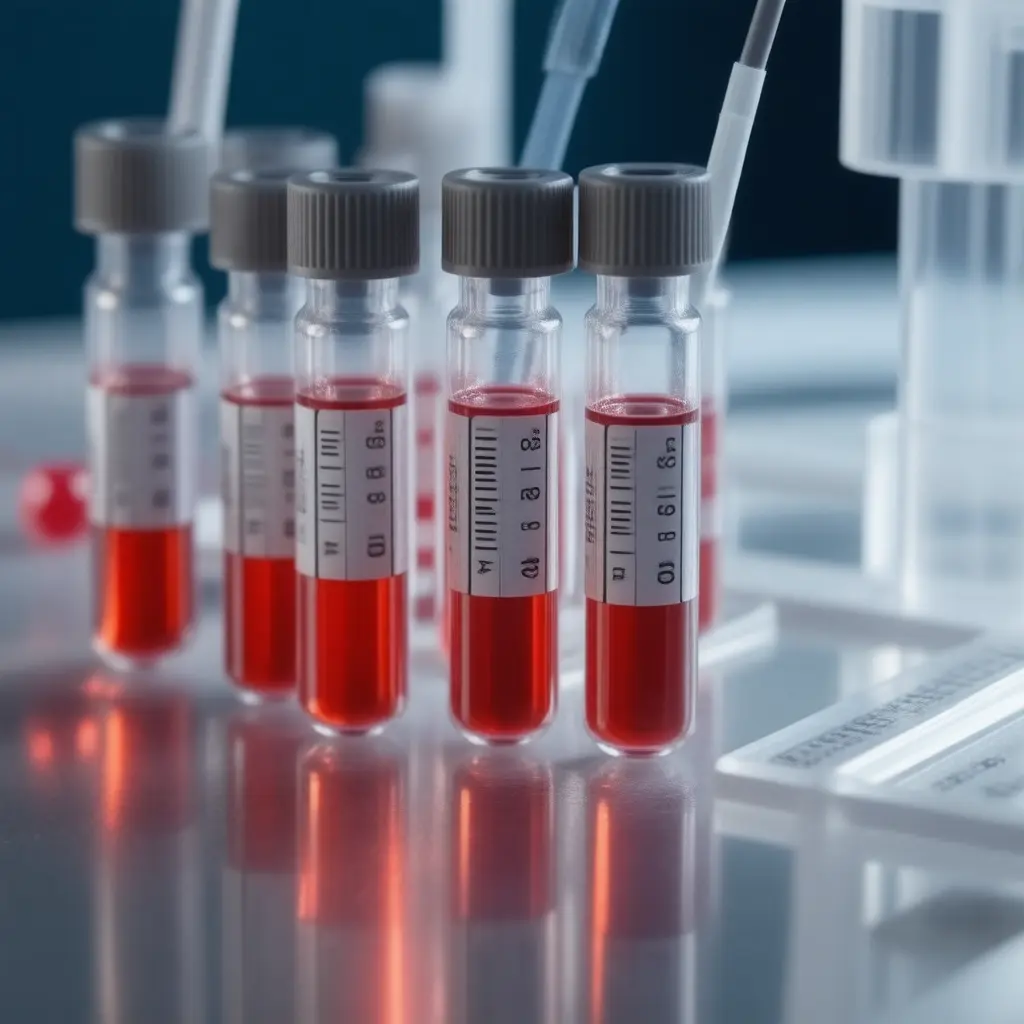

Coagulation tests measure the integrity and speed of the blood clotting cascade. They are essential for pre-operative screening, diagnosing bleeding and clotting disorders, and monitoring anticoagulant therapy. The coagulation panel typically includes the prothrombin time (PT), international normalized ratio (INR), activated partial thromboplastin time (aPTT), fibrinogen, and D-dimer.
Interactive Visualization How Blood Clots — and how thinners stop it Build a platelet plug, weave a fibrin mesh, then watch aspirin, warfarin and a DOAC each break a different step — with a live INR. Launch →Table of Contents
- Overview
- When Ordered
- Individual Tests and Reference Ranges
- Interpretation of Results
- Anticoagulant Monitoring
- Bleeding vs. Clotting Disorders
- References
Overview
Hemostasis — the process of stopping bleeding — involves a tightly regulated cascade of clotting factors. This cascade is divided into three pathways:
- Extrinsic pathway (measured by PT/INR): Initiated by tissue factor (Factor III) released from damaged cells. Involves Factors VII, X, V, II (prothrombin), and I (fibrinogen).
- Intrinsic pathway (measured by aPTT): Initiated by contact activation (Factor XII) and involves Factors XI, IX, VIII, X, V, II, and I.
- Common pathway: The point where both pathways converge at Factor X activation, leading to thrombin generation and fibrin clot formation.
Understanding which pathway is abnormal directs the clinician toward the correct diagnosis. For example, an isolated prolonged PT with a normal aPTT points to Factor VII deficiency or early warfarin effect, while an isolated prolonged aPTT points to deficiencies in Factors VIII, IX, XI, or XII, or the presence of a lupus anticoagulant.
Coagulation studies are performed on citrated plasma (blue-top tube). Citrate chelates calcium to prevent clotting during transport; calcium is then re-added in the laboratory to initiate the reaction. Proper tube filling is essential — underfilling dilutes the citrate ratio and can falsely prolong clotting times.
When Ordered
A coagulation panel is ordered in many clinical scenarios:
- Pre-operative screening — assessing bleeding risk before surgery or invasive procedures
- Anticoagulant monitoring — INR for warfarin therapy; aPTT for unfractionated heparin infusions
- Unexplained bleeding — easy bruising, prolonged bleeding from minor cuts, spontaneous nosebleeds, heavy menstrual periods
- Suspected coagulopathy — hemophilia A or B, von Willebrand disease, Factor deficiencies
- Liver disease evaluation — the liver synthesizes most clotting factors; a prolonged PT/INR reflects hepatic synthetic dysfunction
- Suspected DIC — disseminated intravascular coagulation presents with low fibrinogen, elevated D-dimer, and prolonged PT/aPTT
- Venous thromboembolism (VTE) — elevated D-dimer as a screening tool for deep vein thrombosis (DVT) or pulmonary embolism (PE)
- Vitamin K deficiency — malnutrition, malabsorption syndromes, or prolonged antibiotic use
- Lupus anticoagulant evaluation — patients with recurrent pregnancy loss or unexplained thrombosis
Individual Tests and Reference Ranges
Prothrombin Time (PT)
The PT measures how long it takes plasma to clot after the addition of tissue factor and calcium. It reflects the function of the extrinsic and common pathways (Factors I, II, V, VII, X). It is the primary test for monitoring warfarin therapy and assessing liver synthetic function.
Prothrombin Time (PT) (seconds)
Clinical notes: PT values vary between laboratories depending on the thromboplastin reagent used, which is why the INR was developed to standardize warfarin monitoring across institutions. A prolonged PT with normal aPTT suggests isolated Factor VII deficiency, early warfarin effect, or mild vitamin K deficiency. PT is included in the Child-Pugh and MELD scores as a marker of liver failure severity.
International Normalized Ratio (INR)
The INR is a standardized calculation derived from the PT that corrects for variability in laboratory thromboplastin reagents. It is the standard measure for monitoring warfarin anticoagulation and is also used to assess liver function. The INR is calculated as: INR = (Patient PT ÷ Mean Normal PT)ISI, where ISI is the International Sensitivity Index of the reagent used.
INR — Baseline (ratio)
INR — Therapeutic (warfarin, standard indications) (ratio)
Clinical notes: An INR of 2.0–3.0 is the target for most indications including atrial fibrillation, DVT, PE, and mechanical bileaflet aortic valves. A higher target of 2.5–3.5 is used for mechanical mitral valves and certain high-risk mechanical aortic valves. An INR above 4.0 significantly increases bleeding risk without adding meaningful thrombotic protection. In acute liver failure, an INR above 1.5 is part of the diagnostic criteria for acute liver failure.
Activated Partial Thromboplastin Time (aPTT)
The aPTT measures the intrinsic and common pathway clotting factors (XII, XI, IX, VIII, X, V, II, I). It is the primary test for monitoring unfractionated heparin infusions and for detecting deficiencies in intrinsic pathway factors.
aPTT (seconds)
Clinical notes: Therapeutic heparin anticoagulation targets an aPTT of 60–100 seconds (1.5–2.5× the control value), though many institutions use anti-Xa levels for more precise heparin monitoring. An isolated prolonged aPTT with normal PT occurs in hemophilia A (Factor VIII), hemophilia B (Factor IX), Factor XI deficiency, or the presence of lupus anticoagulant. A prolonged aPTT that normalizes on mixing with normal plasma (mixing study) indicates a factor deficiency; failure to correct indicates an inhibitor (e.g., lupus anticoagulant, Factor VIII inhibitor).
Fibrinogen
Fibrinogen (Factor I) is the final substrate of the coagulation cascade, converted to fibrin by thrombin to form the clot scaffold. It is an acute-phase reactant and is elevated in inflammatory states. Critically low levels occur in DIC, severe liver disease, or congenital afibrinogenemia.
Fibrinogen (mg/dL)
Clinical notes: Fibrinogen below 100 mg/dL is associated with spontaneous bleeding. In DIC, fibrinogen is consumed as clotting runs unchecked, producing critically low levels alongside elevated D-dimer and prolonged PT/aPTT. Elevated fibrinogen is an independent cardiovascular risk factor, reflecting chronic low-grade inflammation. In pregnancy, fibrinogen normally rises to 400–650 mg/dL; a level below 200 mg/dL in a pregnant patient suggests consumptive coagulopathy such as placental abruption.
D-Dimer
D-dimer is a fibrin degradation product released when plasmin breaks down cross-linked fibrin clots. It is a highly sensitive but non-specific marker of active clot formation and fibrinolysis. An elevated D-dimer indicates that coagulation and fibrinolysis are occurring somewhere in the body, but does not specify where.
D-Dimer (µg/mL FEU)
Clinical notes: D-dimer has a high negative predictive value for VTE — a value below 0.5 µg/mL in a low pre-test probability patient effectively rules out DVT or PE. However, D-dimer is elevated in many non-thrombotic conditions: pregnancy, recent surgery, infection, inflammation, cancer, liver disease, and even advanced age. Age-adjusted cutoffs (patient age × 0.01 µg/mL for patients over 50) improve specificity in elderly patients. D-dimer is a key diagnostic criterion in DIC scoring systems.
Interpretation of Results
Systematic interpretation of the coagulation panel requires considering which tests are abnormal together:
- Prolonged PT only (normal aPTT): Isolated Factor VII deficiency, early warfarin effect, early vitamin K deficiency, mild liver disease.
- Prolonged aPTT only (normal PT): Hemophilia A (Factor VIII deficiency), Hemophilia B (Factor IX deficiency), Factor XI deficiency, lupus anticoagulant (paradoxically associated with thrombosis), heparin therapy.
- Both PT and aPTT prolonged: Common pathway deficiency (Factors X, V, II, I), severe vitamin K deficiency, warfarin overdose, severe liver disease, DIC, direct thrombin inhibitors (dabigatran), direct Factor Xa inhibitors (rivaroxaban, apixaban) at high levels.
- Low fibrinogen + elevated D-dimer + prolonged PT and aPTT: DIC — requires urgent evaluation and treatment of the underlying trigger (sepsis, trauma, malignancy, obstetric emergency).
- Elevated D-dimer alone: Investigate for DVT/PE, but consider non-thrombotic causes before proceeding to imaging.
Anticoagulant Monitoring
Different anticoagulant drugs require different monitoring strategies:
- Warfarin (vitamin K antagonist): Monitored with INR. Target 2.0–3.0 for most indications; 2.5–3.5 for mechanical mitral valves. INR should be checked every 1–4 weeks once stable.
- Unfractionated heparin (UFH): Monitored with aPTT (target 60–100 sec) or anti-Xa levels (0.3–0.7 IU/mL for therapeutic dosing). IV infusion requires frequent monitoring, especially in the first 24 hours.
- Low molecular weight heparin (LMWH — enoxaparin, dalteparin): Generally does not require routine monitoring. Anti-Xa levels are used in special populations: pregnancy, obesity, renal impairment, or extreme body weight. Peak anti-Xa level (4 hours post-dose) target: 0.5–1.0 IU/mL for twice-daily dosing.
- Direct oral anticoagulants (DOACs): Dabigatran, rivaroxaban, apixaban, edoxaban. Do not require routine monitoring. aPTT and PT are affected but not reliably. Drug-specific anti-Xa or thrombin inhibitor assays are available for special circumstances (emergency surgery, bleeding, suspected overdose).
- Fondaparinux: Monitored with anti-Xa levels (target 0.6–1.0 IU/mL for twice-daily therapeutic dosing). Not detected by aPTT.
Bleeding vs. Clotting Disorders
The coagulation panel helps distinguish primary bleeding disorders from thrombotic disorders:
Bleeding Disorders
- Hemophilia A: X-linked Factor VIII deficiency. Isolated prolonged aPTT. Severity correlates with Factor VIII activity level: severe (<1%), moderate (1–5%), mild (5–40%).
- Hemophilia B: X-linked Factor IX deficiency. Isolated prolonged aPTT. Clinically identical to Hemophilia A but less common.
- Von Willebrand disease (vWD): Most common inherited bleeding disorder. vWF is required for platelet adhesion and Factor VIII stabilization. May prolong aPTT in severe forms. Diagnosis requires specific vWF antigen and activity assays.
- Vitamin K deficiency: Affects Factors II, VII, IX, X, Protein C, and Protein S. Prolongs both PT and aPTT. Causes include malnutrition, malabsorption (Crohn's disease, celiac disease), prolonged antibiotic use, and cholestatic liver disease.
- Liver disease: The liver synthesizes all clotting factors except Factor VIII (which is produced by endothelial cells). Advanced liver disease prolongs PT/INR and aPTT, reduces fibrinogen, and may cause thrombocytopenia from hypersplenism — creating a complex, rebalanced hemostatic state.
- DIC: Consumptive coagulopathy triggered by sepsis, trauma, malignancy, or obstetric emergencies. Characterized by simultaneous widespread clotting and bleeding.
Clotting (Thrombotic) Disorders
- Factor V Leiden: Most common inherited thrombophilia in Europeans. Mutant Factor V resists inactivation by Protein C, promoting hypercoagulability. PT and aPTT are typically normal; diagnosed by genetic testing or activated Protein C resistance assay.
- Prothrombin gene mutation (G20210A): Elevated prothrombin levels increase DVT/PE risk. Standard coagulation tests are normal; diagnosed by genetic testing.
- Antiphospholipid syndrome (APS): Autoimmune condition with lupus anticoagulant, anticardiolipin antibodies, or anti-beta-2 glycoprotein I antibodies. Paradoxically prolongs aPTT in vitro but causes thrombosis in vivo. Associated with recurrent miscarriage.
- Protein C and Protein S deficiency: Natural anticoagulants that inactivate Factors Va and VIIIa. Deficiency increases VTE risk. Standard coagulation tests are normal.
- Antithrombin deficiency: Antithrombin inhibits thrombin and Factor Xa. Hereditary deficiency significantly increases VTE risk. Also causes heparin resistance.
Research Papers and References
The following are curated PubMed literature searches covering the evidence base for coagulation panel testing, interpretation, and clinical management. Each link opens a live, filtered PubMed query so the results stay current as new studies are indexed.
- PT INR warfarin monitoring — PubMed literature search
- Activated partial thromboplastin time — PubMed literature search
- D-dimer venous thromboembolism — PubMed literature search
- Fibrinogen cardiovascular — PubMed literature search
- Disseminated intravascular coagulation — PubMed literature search
- Hemophilia diagnosis — PubMed literature search
- Antiphospholipid syndrome lab — PubMed literature search
- Direct oral anticoagulants monitoring — PubMed literature search
- Thrombophilia workup — PubMed literature search
- Von Willebrand disease testing — PubMed literature search
External Authoritative Resources
- MedlinePlus — Laboratory Tests Reference
- Lab Tests Online — Patient-Oriented Lab Test Reference (AACC)
- StatPearls / NCBI Bookshelf — Clinical Laboratory Reference
Connections
- All Lab Tests
- How Blood Clots — interactive animation
- Deep Vein Thrombosis
- Pulmonary Embolism
- Complete Blood Count
- Hemophilia
- Liver Disease
- Lupus
- Vitamin K
- Von Willebrand Disease
- Disseminated Intravascular Coagulation
- Atrial Fibrillation
- Sepsis
- Thrombocytopenia
- Calcium
- Crohn's Disease
- Lipid Panel
- Nattokinase