Calcium and Bone Health
The skeleton is not a static structure but a dynamic, living tissue that undergoes continuous renewal throughout life. Bone serves as the body's primary calcium reservoir, containing approximately 99% of total body calcium in the form of hydroxyapatite crystals deposited within a collagen matrix. The relationship between calcium and bone health is fundamental: adequate calcium intake and absorption are prerequisites for building strong bones during growth, maintaining bone density during adulthood, and slowing bone loss during aging. However, modern evidence complicates the older narrative that more calcium is always better — systematic reviews (Tai et al., 2015) now show that dietary calcium above ~800 mg/day produces diminishing returns on bone mineral density, and high-dose calcium supplementation alone does not reliably reduce fracture risk.
This page covers the remodeling cycle, the cellular biology of osteoblasts and osteoclasts, the accrual of peak bone mass, osteoporosis prevention, the inseparable partnership between calcium and vitamin D, the loading response to weight-bearing exercise, factors that enhance or inhibit absorption, and the biology of age-related bone loss.
Table of Contents
- Key Health Benefits at a Glance
- The Bone Remodeling Cycle
- Osteoblasts vs. Osteoclasts
- Peak Bone Mass
- Osteoporosis Prevention
- Vitamin D Synergy
- Weight-Bearing Exercise
- Calcium Absorption Factors
- Age-Related Bone Loss
- Research Papers and References
- Connections
- Featured Videos
Key Health Benefits at a Glance
Before diving into the mechanism-level detail, the following is a high-level summary of the evidence-backed bone-related benefits of adequate calcium status. Each is explored in more depth below, and supporting studies are linked in the Research Papers section.
- Builds peak bone mass – Adequate calcium intake during childhood and adolescence is one of the strongest modifiable determinants of lifetime bone density.
- Maintains positive calcium balance – 1,000–1,200 mg/day (depending on age and sex) is sufficient to meet bone remodeling demands without driving compensatory PTH-mediated resorption.
- Slows postmenopausal bone loss – Combined calcium-plus-vitamin-D supplementation modestly reduces bone mineral density decline in women after menopause, with the largest effects in those with baseline calcium or vitamin D deficiency.
- Reduces fracture risk (with vitamin D) – A 2016 meta-analysis (Weaver et al., Osteoporos Int) reported that combined calcium plus vitamin D reduced total fractures by ~15% and hip fractures by ~30% in community-dwelling older adults.
- Diminishing returns above ~800 mg/day – The Tai 2015 BMJ meta-analysis showed very small BMD gains from calcium intake above this threshold, arguing against routine high-dose supplementation.
- Requires adequate vitamin D – Active vitamin D increases intestinal absorption efficiency from ~10–15% (passive) to 30–40% (active).
- Responds to mechanical loading – Weight-bearing exercise stimulates osteocyte-driven Wnt/beta-catenin signaling that directs deposited calcium toward cortical and trabecular strengthening.
- Safer from food than high-dose supplements – Several trials (e.g., Bolland 2011) have flagged a modest cardiovascular signal with isolated high-dose calcium supplements that has not been seen with dietary calcium.
The Bone Remodeling Cycle
Bone remodeling is the lifelong process by which old or damaged bone is removed and replaced with new bone tissue. This process occurs at discrete sites called basic multicellular units (BMUs) and follows a tightly regulated sequence of phases.
- Activation – Mechanical stress, microdamage, or hormonal signals trigger the recruitment of osteoclast precursors to a specific site on the bone surface. Osteocytes, the most abundant bone cells embedded within the mineralized matrix, act as mechanosensors and orchestrate this initiation by releasing signaling molecules including RANKL and sclerostin.
- Resorption – Mature osteoclasts attach to the bone surface, forming a sealed compartment called the resorption lacuna (Howship's lacuna). They secrete hydrochloric acid to dissolve the mineral phase and cathepsin K to degrade the collagen matrix. This process releases calcium, phosphate, and collagen fragments into the extracellular fluid. Resorption at a single site typically takes two to three weeks.
- Reversal – After osteoclasts complete resorption and undergo apoptosis, reversal cells (likely of mononuclear/macrophage lineage) prepare the resorbed surface for new bone formation by depositing a thin layer of cement substance.
- Formation – Osteoblasts, derived from mesenchymal stem cells, migrate to the resorbed site and begin synthesizing new osteoid, the unmineralized organic matrix composed primarily of type I collagen. Over the following weeks, hydroxyapatite crystals are deposited within this matrix in a process called mineralization. Bone formation at a single site takes approximately three to four months.
- Quiescence – Once formation is complete, some osteoblasts become embedded in the new bone as osteocytes, some flatten into bone-lining cells, and others undergo apoptosis. The remodeled site enters a resting phase until the next cycle is initiated.
In a healthy adult skeleton, approximately 10% of bone is being remodeled at any given time, with the entire skeleton replaced roughly every ten years. The balance between resorption and formation determines whether bone mass is maintained, gained, or lost.
Osteoblasts vs. Osteoclasts
The two principal effector cells of bone remodeling have opposing functions, and the balance between their activities determines net bone mass.
Osteoblasts: The Bone Builders
- Origin – Osteoblasts differentiate from mesenchymal stem cells in the bone marrow under the influence of transcription factors including Runx2 and osterix, as well as signaling pathways such as Wnt/beta-catenin.
- Function – They synthesize and secrete the organic components of bone matrix, predominantly type I collagen, along with non-collagenous proteins such as osteocalcin, osteopontin, and bone sialoprotein. They also produce alkaline phosphatase, which facilitates mineralization by increasing local phosphate concentrations.
- Regulation of osteoclasts – Osteoblasts express RANKL (receptor activator of nuclear factor kappa-B ligand) on their surface, which binds to RANK on osteoclast precursors and promotes osteoclast differentiation and activation. They also produce osteoprotegerin (OPG), a decoy receptor that binds RANKL and inhibits osteoclastogenesis. The RANKL/OPG ratio is a critical determinant of bone resorption.
Osteoclasts: The Bone Resorbers
- Origin – Osteoclasts are large, multinucleated cells derived from the monocyte/macrophage lineage of hematopoietic stem cells. Their differentiation requires macrophage colony-stimulating factor (M-CSF) and RANKL.
- Function – They are the only cells capable of resorbing mineralized bone. Using a specialized ruffled border membrane, they create an acidic microenvironment (pH ~4.5) that dissolves hydroxyapatite, and they secrete proteolytic enzymes to degrade the organic matrix.
- Calcium mobilization – Through their resorptive activity, osteoclasts release calcium from the skeleton into the blood. This process is stimulated by PTH (acting indirectly through osteoblasts) and is the primary mechanism by which the body accesses its skeletal calcium reserves during periods of dietary insufficiency.
Peak Bone Mass
Peak bone mass refers to the maximum amount of bone tissue accumulated during growth and development, typically achieved by the late twenties to early thirties. It is one of the most important determinants of fracture risk later in life.
- Genetic factors – Heredity accounts for an estimated 60% to 80% of the variation in peak bone mass. Polymorphisms in genes encoding the vitamin D receptor, collagen type I, estrogen receptors, LRP5 (a Wnt signaling co-receptor), and RANKL all contribute to individual differences.
- Calcium intake during growth – Adequate calcium consumption during childhood and adolescence is critical for maximizing peak bone mass. Studies indicate that children and adolescents who consume 1,200 to 1,500 mg of calcium daily achieve significantly greater bone density than those with lower intakes. The skeleton accrues calcium most rapidly during the pubertal growth spurt.
- Physical activity – Weight-bearing and high-impact activities during youth stimulate bone formation and increase peak bone mass. The mechanical loading effect is site-specific; for example, the dominant arm of tennis players shows measurably greater bone density than the non-dominant arm.
- Hormonal status – Estrogen and testosterone are essential for achieving peak bone mass. Delayed puberty, amenorrhea, or hypogonadism during adolescence can result in suboptimal bone accrual.
- Nutritional factors beyond calcium – Adequate protein, phosphorus, magnesium, zinc, vitamin D, vitamin K, and vitamin C all contribute to optimal bone development. Severe caloric restriction during growth years compromises peak bone mass.
Osteoporosis Prevention
Osteoporosis is a systemic skeletal disease characterized by low bone mass and microarchitectural deterioration of bone tissue, leading to increased fragility and susceptibility to fractures. Prevention is a lifelong endeavor that begins with maximizing peak bone mass and continues with strategies to minimize age-related bone loss.
- Adequate calcium intake – The recommended dietary allowance (RDA) for calcium is 1,000 mg/day for most adults and 1,200 mg/day for women over 50 and men over 70. Meeting these targets through diet or supplementation helps maintain the positive calcium balance needed to prevent excessive bone resorption.
- Dietary sources – Dairy products (milk, yogurt, cheese) are the most calcium-dense foods in the typical Western diet. Non-dairy sources include fortified plant milks, tofu prepared with calcium sulfate, canned sardines and salmon (with bones), leafy greens such as kale, bok choy, and broccoli, and calcium-fortified orange juice and cereals.
- Limiting bone-depleting factors – Excessive sodium intake increases urinary calcium excretion. High caffeine consumption may modestly reduce calcium absorption. Excessive alcohol intake is toxic to osteoblasts. Smoking accelerates bone loss and increases fracture risk. Chronic use of glucocorticoids is one of the most common causes of secondary osteoporosis.
- Fall prevention – Since osteoporotic fractures typically result from falls, prevention strategies include balance training, vision correction, medication review to reduce dizziness, and home safety modifications such as removing tripping hazards and installing grab bars.
- Screening – Dual-energy X-ray absorptiometry (DXA) scanning is the gold standard for measuring bone mineral density. Screening is recommended for all women aged 65 and older, men aged 70 and older, and younger individuals with significant risk factors.
Vitamin D Synergy
Vitamin D and calcium are metabolically inseparable when it comes to bone health. Without adequate vitamin D, the body cannot efficiently absorb dietary calcium, regardless of how much calcium is consumed.
- Intestinal calcium absorption – Active vitamin D (1,25-dihydroxyvitamin D, or calcitriol) increases intestinal calcium absorption from a baseline of approximately 10% to 15% (passive absorption) to 30% to 40%. It achieves this by upregulating the expression of the epithelial calcium channel TRPV6, the intracellular calcium-binding protein calbindin-D9k, and the basolateral calcium pump PMCA1b in enterocytes.
- Consequences of deficiency – Vitamin D deficiency leads to impaired calcium absorption, secondary hyperparathyroidism (elevated PTH due to low calcium), increased bone resorption, and ultimately osteomalacia in adults (characterized by inadequately mineralized osteoid) or rickets in children (characterized by defective growth plate mineralization).
- Recommended intake – Most guidelines recommend 600 to 800 IU of vitamin D daily for adults, with higher doses (1,000 to 2,000 IU or more) often suggested for individuals with documented deficiency, limited sun exposure, darker skin pigmentation, or obesity.
- Combined supplementation – Clinical trials have demonstrated that calcium plus vitamin D supplementation together is more effective at reducing fracture risk than either nutrient alone, particularly in elderly, institutionalized populations with high rates of deficiency.
- Serum 25(OH)D targets – A serum 25-hydroxyvitamin D level of at least 30 ng/mL (75 nmol/L) is generally considered sufficient for optimal calcium absorption and bone health, though some experts advocate for levels of 40 to 60 ng/mL.
Weight-Bearing Exercise
Mechanical loading is one of the most potent stimuli for bone formation. Wolff's Law states that bone adapts its structure to the forces placed upon it, becoming stronger in response to loading and weaker when loads are removed.
- Mechanotransduction – Osteocytes detect mechanical strain through their extensive dendritic network within the lacunar-canalicular system. When loaded, fluid flow through these tiny channels creates shear stress on osteocyte membranes, triggering signaling cascades that suppress sclerostin production (an inhibitor of bone formation) and promote Wnt signaling, which stimulates osteoblast activity.
- High-impact activities – Running, jumping, stair climbing, and sports involving quick directional changes (such as tennis and basketball) generate ground reaction forces that stimulate bone formation, particularly in the hip and spine.
- Resistance training – Weightlifting and other resistance exercises apply force to bones through muscle and tendon attachments, stimulating bone formation at these sites. Studies show that progressive resistance training can increase bone mineral density by 1% to 3% at loaded skeletal sites.
- Non-weight-bearing activity – Swimming and cycling, while excellent for cardiovascular fitness, provide minimal skeletal loading and do not significantly stimulate bone formation. Astronauts in microgravity lose bone density rapidly (up to 1% to 2% per month in the hip), illustrating the importance of gravitational loading.
- Exercise recommendations – For bone health, current guidelines suggest at least 30 minutes of weight-bearing aerobic activity most days of the week, combined with resistance training two to three times per week, targeting major muscle groups.
Calcium Absorption Factors
Only a fraction of dietary calcium is actually absorbed into the bloodstream. Understanding the factors that enhance or inhibit absorption is essential for optimizing calcium status.
- Vitamin D status – As described above, adequate vitamin D is the single most important factor for efficient calcium absorption. Deficiency can reduce absorption efficiency by more than half.
- Dose and timing – Calcium absorption efficiency is inversely related to the amount consumed at one time. The body absorbs a higher percentage of calcium from smaller doses (500 mg or less) than from larger single doses. Splitting supplemental calcium into two or more doses throughout the day maximizes absorption.
- Gastric acid – An acidic stomach environment enhances calcium solubility and absorption, particularly for calcium carbonate supplements. Individuals taking proton pump inhibitors or H2 receptor antagonists, or those with achlorhydria, may have reduced calcium carbonate absorption. Calcium citrate does not require gastric acid for absorption and is preferred in these populations.
- Oxalates – Oxalic acid, found in high concentrations in spinach, rhubarb, beet greens, and Swiss chard, binds calcium and forms insoluble calcium oxalate, significantly reducing calcium bioavailability from these foods. Spinach, despite its calcium content, has an absorption rate of only about 5%, compared to approximately 27% for milk.
- Phytates – Phytic acid, present in whole grains, legumes, nuts, and seeds, can bind calcium and reduce its absorption, though the effect is generally less pronounced than that of oxalates. Soaking, sprouting, or fermenting these foods reduces their phytate content.
- Fiber – Very high fiber intakes (greater than 30 grams per day from concentrated sources) may modestly reduce calcium absorption, though the effect of dietary fiber from mixed food sources appears to be clinically insignificant.
- Enhancers of absorption – Lactose may enhance calcium absorption in infants. Certain non-digestible oligosaccharides (prebiotics such as inulin and fructooligosaccharides) can improve calcium absorption in the large intestine by promoting fermentation and lowering colonic pH.
- Age – Intestinal calcium absorption efficiency declines with age, partly due to reduced vitamin D production and activation, decreased expression of intestinal calcium transport proteins, and reduced responsiveness to calcitriol.
Age-Related Bone Loss
After peak bone mass is achieved, bone density remains relatively stable through the thirties and early forties. Thereafter, a gradual decline begins, accelerating significantly in women after menopause.
- Involutional bone loss – Beginning around age 40, both men and women lose approximately 0.3% to 0.5% of cortical bone and 0.5% to 1% of trabecular bone per year. This age-related loss is driven by a gradual shift in the remodeling balance, with resorption slightly exceeding formation at each remodeling site.
- Menopausal bone loss – The decline in estrogen production at menopause dramatically accelerates bone loss in women, with annual losses of 2% to 5% per year in the first five to seven years after menopause. Estrogen deficiency increases RANKL expression and decreases OPG production by osteoblasts, leading to enhanced osteoclast formation and activity. Estrogen withdrawal also shortens osteoblast lifespan and reduces their bone-forming capacity.
- Trabecular vs. cortical bone – Trabecular (cancellous) bone, with its high surface-area-to-volume ratio, is remodeled more rapidly and is therefore lost more quickly than cortical (compact) bone. This explains why vertebral compression fractures (vertebral bodies are rich in trabecular bone) often appear before hip fractures (which involve predominantly cortical bone).
- Sarcopenia and bone loss – Age-related muscle loss (sarcopenia) reduces the mechanical loading on the skeleton, contributing to further bone loss. The combination of osteoporosis and sarcopenia (sometimes termed "osteosarcopenia") dramatically increases fracture and fall risk in the elderly.
- Calcium requirements in older adults – Because of decreased absorption efficiency and hormonal changes, calcium requirements increase with age. Adults over 50 should aim for 1,200 mg/day of calcium and ensure adequate vitamin D status to compensate for age-related declines in absorption and synthesis.
- Secondary causes of bone loss – In addition to aging and menopause, many medical conditions and medications accelerate bone loss, including hyperthyroidism, hyperparathyroidism, celiac disease, inflammatory bowel disease, chronic kidney disease, rheumatoid arthritis, prolonged glucocorticoid therapy, aromatase inhibitors, anticonvulsants, and GnRH agonists.
This content is provided for informational purposes only and does not constitute medical advice. Individuals considering calcium supplementation — especially at doses above 1,000 mg/day from supplements — should discuss the decision with their physician, particularly in the presence of kidney disease, kidney stones, cardiovascular disease, or hypercalcemia.
Research Papers and References
The following are landmark and frequently cited research papers underpinning the claims on this page. Links resolve to the publisher DOI or PubMed record.
Calcium Intake and Bone Mineral Density
- Tai V, Leung W, Grey A, Reid IR, Bolland MJ. Calcium intake and bone mineral density: systematic review and meta-analysis. BMJ. 2015;351:h4183.
- Weaver CM, Alexander DD, Boushey CJ, et al. Calcium plus vitamin D supplementation and risk of fractures: an updated meta-analysis from the National Osteoporosis Foundation. Osteoporosis International. 2016;27(1):367-376.
- Palacios C. The role of nutrients in bone health, from A to Z. Critical Reviews in Food Science and Nutrition. 2006;46(8):621-628.
Calcium Supplementation and Cardiovascular Safety
- Bolland MJ, Avenell A, Baron JA, et al. Calcium supplements with or without vitamin D and risk of cardiovascular events: reanalysis of the Women's Health Initiative Limited Access Dataset and meta-analysis. BMJ. 2011;342:d2040.
- PubMed — Calcium supplementation and cardiovascular events (topic search)
Foundational Reference and Guidelines
- Institute of Medicine, Food and Nutrition Board. Dietary Reference Intakes for Calcium, Phosphorus, Magnesium, Vitamin D, and Fluoride. Washington, DC: National Academies Press; 1997.
- PubMed — Peak bone mass and calcium intake in adolescence (topic search)
- PubMed — Calcium, vitamin D, and fracture prevention meta-analyses (topic search)
External Authoritative Resources
- NIH Office of Dietary Supplements — Calcium Fact Sheet for Health Professionals
- Linus Pauling Institute, Micronutrient Information Center — Calcium
- Harvard T.H. Chan School of Public Health — The Nutrition Source: Calcium
- PubMed — Calcium and BMD randomized controlled trials
Connections
- Calcium
- Osteoporosis
- Vitamin D3
- Vitamin K
- Magnesium
- Phosphorus
- Boron
- Boron and Bone Density
- Manganese
- Manganese and Bone Formation
- Silicon
- Phosphorus and Energy Production
- Arthritis
- Collagen
- Kidney Disease
- Magnesium Replenishment
- Milk
- Calcium and Muscle Function
Featured Videos
10 Signs You Have a Calcium Deficiency (How to Boost Calcium Naturally)
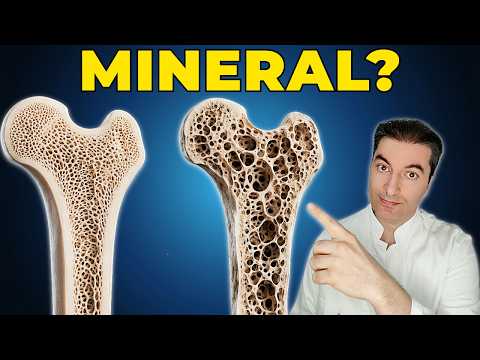
The #1 Mineral to STOP Osteoporosis After 50 ( Not Calcium )!

Reverse/Prevent OSTEOPOROSIS (Get Stronger Bones) 2026
9 Early Signs Your Bones Are Losing Calcium Faster Than Normal (You Ignore Daily)
BEST Bone Health & Osteoporosis Treatment [Remedies, Diet & Vitamins]
Bad Doctor's Advice WEAKENS Your Bones (Osteoporosis Prevention)
Calcium Disorders | Clinical Medicine
Boost Your Bone Health: Managing Osteoporosis With Kidney Disease
STOP Taking Calcium Supplements (What to Know) 2026