Glutamic Acid: The Brain's Primary Excitatory Neurotransmitter
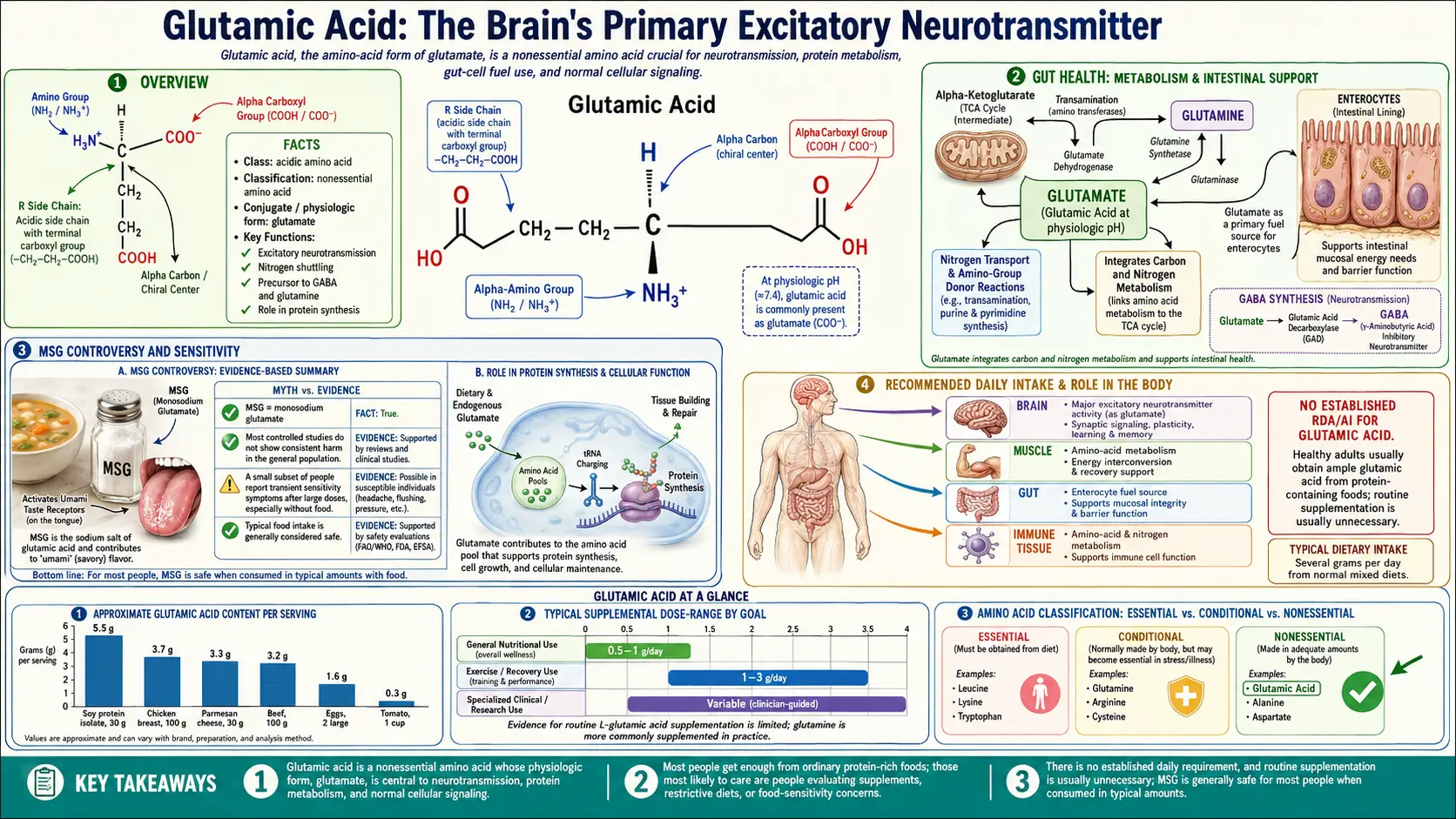
Table of Contents
- Overview
- Excitatory Neurotransmission
- Brain Function and Learning
- GABA Conversion and Balance
- Gut Health
- Immune System Support
- Ammonia Detoxification
- Protein Metabolism
- MSG Controversy and Sensitivity
- Deficiency Signs
- Food Sources
- Supplementation Guidelines
- Recommended Daily Intake
- Research Papers
- Connections
- Featured Videos
Overview
Glutamic acid is a non-essential amino acid that the body can synthesize on its own, yet its biological importance cannot be overstated. It is the most abundant excitatory neurotransmitter in the vertebrate nervous system and plays a central role in brain metabolism, immune function, gut integrity, and detoxification. In its ionized form, known as glutamate, this amino acid participates in more metabolic reactions than any other amino acid in the human body.
From a naturopathic perspective, glutamic acid represents one of nature's most versatile biochemical tools. It serves as a metabolic hub, connecting amino acid metabolism, energy production, nitrogen handling, and neurotransmitter synthesis. The body maintains extraordinarily tight control over glutamate levels in the brain, and disruptions in this balance are implicated in a wide range of neurological and psychiatric conditions, from epilepsy and migraines to anxiety and neurodegenerative diseases.
Glutamic acid was first identified in 1866 by the German chemist Karl Heinrich Ritthausen, who isolated it from wheat gluten, giving the amino acid its name. Since then, research has continued to reveal the depth of its involvement in human physiology. Understanding glutamic acid is essential for anyone seeking to optimize brain health, digestive function, and overall metabolic resilience through natural and nutritional means.
Excitatory Neurotransmission
Glutamic acid, in its ionized form glutamate, is the primary excitatory neurotransmitter in the central nervous system. Approximately 90 percent of all excitatory synaptic transmission in the human brain is mediated by glutamate. When released from presynaptic neurons, glutamate binds to specialized receptors on postsynaptic neurons, generating electrical signals that propagate throughout neural circuits.
There are two major classes of glutamate receptors:
- Ionotropic receptors (NMDA, AMPA, and kainate receptors) that form ion channels and mediate fast synaptic transmission. The NMDA receptor is particularly significant because it requires both glutamate binding and membrane depolarization to open, making it a molecular coincidence detector essential for learning and memory.
- Metabotropic receptors (mGluR1 through mGluR8) that activate intracellular signaling cascades through G-proteins, modulating neuronal excitability, synaptic plasticity, and neurotransmitter release over longer time scales.
The balance of excitatory glutamate signaling is critical. Too little glutamate activity leads to cognitive sluggishness and impaired neural communication. Too much glutamate, a condition known as excitotoxicity, can damage and destroy neurons. The brain employs sophisticated reuptake mechanisms, primarily through astrocyte glial cells, to rapidly clear excess glutamate from the synaptic cleft and convert it to glutamine for safe recycling. This glutamate-glutamine cycle is one of the most metabolically active processes in the brain, consuming a significant portion of the brain's total energy budget.
Brain Function and Learning
Glutamic acid is indispensable for higher cognitive functions including learning, memory formation, and synaptic plasticity. The process of long-term potentiation (LTP), widely regarded as the cellular basis of learning and memory, depends heavily on glutamate signaling through NMDA receptors. When glutamate repeatedly activates NMDA receptors during learning experiences, it triggers a cascade of intracellular events that strengthen synaptic connections, effectively encoding new information into neural networks.
From a naturopathic standpoint, supporting healthy glutamate metabolism is one of the most important strategies for maintaining cognitive vitality throughout life. Key considerations include:
- Adequate magnesium status: Magnesium acts as a natural voltage-dependent blocker of the NMDA receptor channel, preventing excessive calcium influx and protecting neurons from excitotoxic damage while still allowing appropriate learning signals to pass through.
- B-vitamin support: Vitamins B6, B9 (folate), and B12 are cofactors in the enzymatic reactions that regulate glutamate synthesis, conversion, and recycling. Deficiencies in these nutrients can disrupt the delicate balance of glutamate metabolism in the brain.
- Antioxidant protection: Excessive glutamate signaling generates oxidative stress. Nutrients such as vitamin C, vitamin E, selenium, and N-acetyl cysteine help protect neurons from glutamate-induced oxidative damage.
Research has shown that glutamate levels and receptor function decline with aging, contributing to age-related cognitive decline. Supporting the body's natural glutamate homeostasis through proper nutrition, stress management, and adequate sleep is a cornerstone of naturopathic cognitive health strategies.
GABA Conversion and Balance
One of the most remarkable aspects of glutamic acid metabolism is its direct conversion to gamma-aminobutyric acid (GABA), the brain's primary inhibitory neurotransmitter. The enzyme glutamic acid decarboxylase (GAD), with pyridoxal phosphate (the active form of vitamin B6) as its essential cofactor, catalyzes the removal of a carboxyl group from glutamic acid to produce GABA. This single enzymatic reaction transforms the brain's main excitatory signal into its main inhibitory signal, representing one of the most elegant regulatory mechanisms in all of neuroscience.
The glutamate-GABA balance is fundamental to healthy brain function. When this balance tips toward excessive excitation, the results can include:
- Anxiety and restlessness
- Insomnia and difficulty relaxing
- Seizure susceptibility
- Sensory hypersensitivity
- Neuroinflammation and neuronal damage
When the balance shifts too far toward inhibition, symptoms may include:
- Cognitive fog and sluggish thinking
- Excessive drowsiness
- Depressed mood and low motivation
- Reduced muscle tone
In naturopathic practice, supporting the glutamate-to-GABA conversion is a primary therapeutic strategy for patients with anxiety, insomnia, and sensory processing disorders. Ensuring adequate vitamin B6 status is essential, as even mild B6 insufficiency can impair GAD enzyme activity and shift the balance toward excess glutamate. Taurine, L-theanine from green tea, and certain herbal preparations such as passionflower and valerian root also support GABAergic tone and help restore excitatory-inhibitory balance naturally.
Gut Health
While glutamic acid is widely recognized for its neurological roles, its importance for gastrointestinal health is equally profound. Glutamate is the primary fuel source for enterocytes, the epithelial cells lining the small intestine. In fact, the gut consumes more glutamate than any other organ in the body, using it as an oxidative fuel to power the enormous energy demands of maintaining the intestinal barrier, absorbing nutrients, and regenerating the gut lining, which turns over every three to five days.
The significance of glutamic acid for gut health includes:
- Intestinal barrier integrity: Glutamate provides the energy needed for enterocytes to maintain tight junctions between cells, preventing the passage of undigested food particles, bacteria, and toxins from the gut lumen into the bloodstream, a condition commonly known as increased intestinal permeability or leaky gut.
- Mucosal immune defense: The gut-associated lymphoid tissue (GALT) relies on adequate glutamate availability to fuel immune cell activity in the intestinal mucosa, representing the body's largest immune organ.
- Glutathione synthesis: Enterocytes use glutamate as a precursor for glutathione, the master intracellular antioxidant that protects the gut lining from oxidative damage caused by dietary toxins, pathogens, and inflammatory processes.
- Taste signaling and digestion: Glutamate activates umami taste receptors in both the mouth and the gut, stimulating the release of digestive enzymes and gastric acid, thereby improving nutrient absorption and digestive efficiency.
For patients with inflammatory bowel conditions, irritable bowel syndrome, or increased intestinal permeability, naturopathic practitioners often consider glutamic acid status as part of a comprehensive gut-healing protocol, alongside other gut-supportive nutrients such as glutamine, zinc, and probiotics.
Immune System Support
Glutamic acid plays a critical yet often underappreciated role in immune function. Immune cells, particularly lymphocytes, macrophages, and neutrophils, are highly metabolically active during immune responses and rely heavily on glutamate as both an energy source and a biosynthetic precursor. During infection or inflammation, immune cells dramatically increase their uptake and utilization of glutamic acid to fuel proliferation, cytokine production, and pathogen destruction.
Specific immune-related functions of glutamic acid include:
- Glutathione production: Glutamate is one of three amino acids (along with cysteine and glycine) that compose glutathione, the body's most important intracellular antioxidant. Immune cells require high concentrations of glutathione to protect themselves from the oxidative burst they generate to kill pathogens. Depleted glutathione levels are associated with impaired immune function and increased susceptibility to infections.
- T-cell activation: Glutamate receptors have been identified on T-lymphocytes, and glutamate signaling participates in T-cell activation, proliferation, and cytokine secretion. This means that glutamic acid may directly modulate adaptive immune responses.
- Natural killer cell activity: Adequate glutamate availability supports natural killer cell function, which is essential for the body's first-line defense against virally infected cells and emerging cancer cells.
- Inflammatory regulation: Glutamate participates in both pro-inflammatory and anti-inflammatory pathways, depending on the context and receptor types involved. This dual role makes glutamate balance important for appropriate immune regulation.
In clinical naturopathic practice, patients with chronic infections, frequent illness, or autoimmune conditions often benefit from a thorough assessment of amino acid status, including glutamic acid, as part of a comprehensive immune support strategy.
Ammonia Detoxification
Glutamic acid is central to the body's ability to safely handle ammonia, a toxic byproduct of amino acid metabolism. Every time the body breaks down protein or amino acids for energy, ammonia is released. If ammonia accumulates in the blood, it rapidly becomes neurotoxic, causing confusion, lethargy, and in severe cases, coma and death. Glutamic acid provides the primary mechanism for trapping and transporting ammonia safely.
The detoxification process works through several interconnected pathways:
- Glutamate dehydrogenase reaction: In the liver and other tissues, the enzyme glutamate dehydrogenase combines alpha-ketoglutarate (a citric acid cycle intermediate) with free ammonia to form glutamic acid. This reaction effectively captures toxic ammonia into a safe amino acid form.
- Glutamine synthesis: The enzyme glutamine synthetase adds a second ammonia molecule to glutamic acid, forming glutamine. Glutamine is non-toxic and water-soluble, serving as the primary ammonia transport molecule in the blood. The brain, muscles, and lungs all use this pathway to export ammonia safely to the liver and kidneys.
- Transamination reactions: Glutamic acid participates in transamination reactions with virtually every other amino acid, shuttling amino groups through metabolic pathways and channeling them toward the urea cycle in the liver for safe excretion.
- Urea cycle entry: In the liver, glutamic acid delivers ammonia to the urea cycle, where it is converted to urea for elimination through the kidneys. This represents the final step in nitrogen waste disposal.
Patients with compromised liver function, high-protein diets, or genetic variations affecting the urea cycle may benefit from naturopathic support of glutamic acid metabolism to ensure efficient ammonia clearance. Alpha-ketoglutarate supplementation, adequate B-vitamin cofactors, and liver-supportive botanicals such as milk thistle can all enhance this detoxification pathway.
Protein Metabolism
Glutamic acid occupies a uniquely central position in amino acid and protein metabolism. It serves as a metabolic crossroads where nitrogen from all dietary and endogenous amino acids converges before being directed toward biosynthesis or excretion. This role makes glutamic acid arguably the most metabolically connected amino acid in human biochemistry.
Key aspects of glutamic acid in protein metabolism include:
- Transamination hub: Through aminotransferase enzymes, glutamic acid can accept amino groups from virtually all other amino acids and donate them to alpha-keto acid carbon skeletons to synthesize new amino acids. This makes glutamic acid the central nitrogen carrier in intermediary metabolism.
- Non-essential amino acid synthesis: The body uses glutamic acid as a direct precursor for the synthesis of several other amino acids, including glutamine, proline, arginine, and ornithine. These amino acids are essential for wound healing, collagen formation, immune function, and urea cycle operation.
- Energy production: When amino acids are used for energy rather than protein synthesis, their carbon skeletons are converted to citric acid cycle intermediates. Glutamic acid is readily converted to alpha-ketoglutarate, which enters the citric acid cycle directly, making it one of the most efficient amino acids for energy production.
- Gluconeogenesis: During fasting or prolonged exercise, glutamic acid can be converted to glucose through gluconeogenesis, helping maintain blood sugar levels when dietary carbohydrate intake is insufficient.
For athletes, individuals recovering from surgery or illness, and those following high-protein or plant-based diets, ensuring adequate glutamic acid availability supports efficient protein utilization and metabolic flexibility. Naturopathic practitioners often assess overall amino acid profiles to identify imbalances that may affect glutamic acid's central metabolic functions.
MSG Controversy and Sensitivity
Monosodium glutamate (MSG) is the sodium salt of glutamic acid and has been one of the most controversial food additives in modern nutrition. Used extensively as a flavor enhancer that imparts the umami (savory) taste, MSG has been the subject of decades of debate regarding its safety and potential health effects.
The controversy began in 1968 when Dr. Robert Ho Man Kwok described a collection of symptoms he experienced after eating at Chinese restaurants, including numbness, weakness, and heart palpitations. This anecdotal report led to widespread concern about what became known as "Chinese Restaurant Syndrome," a term now considered both scientifically inaccurate and culturally insensitive.
The current scientific understanding includes several important points:
- Regulatory position: Major food safety organizations, including the U.S. FDA, the European Food Safety Authority, and the World Health Organization, classify MSG as generally recognized as safe (GRAS) based on extensive toxicological studies.
- Clinical sensitivity: Despite the broad safety classification, a subset of individuals does appear to experience genuine symptoms after consuming MSG, particularly in large doses on an empty stomach. Reported symptoms include headaches, flushing, sweating, chest pressure, and gastrointestinal discomfort.
- Blood-brain barrier considerations: Under normal conditions, the blood-brain barrier tightly restricts glutamate entry into the brain. However, naturopathic practitioners note that conditions which compromise blood-brain barrier integrity, such as chronic inflammation, traumatic brain injury, or certain nutrient deficiencies, may increase vulnerability to dietary glutamate's neuroactive effects.
- Cumulative exposure: Modern processed foods contain numerous sources of free glutamate beyond added MSG, including hydrolyzed proteins, yeast extracts, and autolyzed yeast. The cumulative glutamate load from a diet high in processed foods may be a more relevant concern than MSG alone.
From a naturopathic perspective, the prudent approach is to respect individual variation. Patients who report sensitivity to MSG should be taken seriously and supported in identifying and avoiding dietary glutamate triggers. Emphasizing whole, unprocessed foods naturally reduces excessive free glutamate exposure while still providing the bound glutamic acid present in natural protein sources, which is released gradually during digestion.
Deficiency Signs
Because glutamic acid is a non-essential amino acid that the body can synthesize from alpha-ketoglutarate and other amino acid precursors, outright deficiency is uncommon in well-nourished individuals. However, functional insufficiency can occur when metabolic demands exceed the body's synthetic capacity, particularly during illness, high stress, rapid growth, intense physical training, or compromised liver function.
Signs and symptoms that may suggest inadequate glutamic acid availability include:
- Cognitive and neurological symptoms: Poor concentration, memory difficulties, mental fatigue, and reduced alertness, reflecting impaired excitatory neurotransmission.
- Mood disturbances: Because glutamic acid is the precursor to GABA, insufficient glutamate can paradoxically contribute to both anxiety (if GABA production is impaired) and low mood or lack of motivation (if excitatory signaling is inadequate).
- Digestive dysfunction: Reduced digestive enzyme secretion, impaired intestinal barrier function, and poor nutrient absorption, as the gut is a major consumer of glutamic acid.
- Weakened immune response: Frequent infections, slow wound healing, and poor recovery from illness, reflecting impaired immune cell metabolism and reduced glutathione production.
- Fatigue and exercise intolerance: Because glutamic acid participates in energy production through the citric acid cycle and in ammonia clearance during exercise, insufficiency can impair exercise capacity and recovery.
- Ammonia sensitivity: Headaches, brain fog, or fatigue after high-protein meals may suggest impaired ammonia handling related to glutamic acid insufficiency.
Naturopathic assessment of glutamic acid status may include plasma amino acid profiles, organic acid testing (to evaluate citric acid cycle function and ammonia handling), and a thorough clinical history assessing diet quality, protein intake, digestive function, and stress levels. Addressing the root cause of functional insufficiency, whether dietary, digestive, or metabolic, is preferred over isolated supplementation.
Food Sources
Glutamic acid is one of the most abundant amino acids in the food supply, found in virtually all protein-containing foods. However, its concentration varies considerably among different food sources. In whole foods, glutamic acid exists primarily in its bound form within intact proteins, which is digested and absorbed gradually. This is in contrast to free glutamic acid found in fermented, aged, or processed foods, which is absorbed more rapidly.
Excellent whole food sources of glutamic acid include:
- Animal proteins: Poultry (especially turkey and chicken breast), beef, pork, eggs, and fish provide high concentrations of protein-bound glutamic acid along with complementary amino acids necessary for balanced metabolism.
- Dairy products: Parmesan cheese, aged cheddar, cottage cheese, and yogurt are rich sources. Aged cheeses contain significant amounts of free glutamic acid, which contributes to their intense umami flavor.
- Legumes: Soybeans, lentils, chickpeas, and peanuts are excellent plant-based sources of glutamic acid and are particularly important for those following vegetarian or vegan diets.
- Whole grains: Wheat, oats, barley, and rice contain meaningful amounts of glutamic acid, particularly in their whole, unrefined forms.
- Sea vegetables: Kombu, nori, and wakame seaweed are naturally rich in free glutamic acid and have been used in traditional Japanese cooking for centuries to enhance flavor.
- Fermented foods: Soy sauce, miso, fish sauce, and fermented vegetable preparations contain high levels of free glutamic acid produced during the fermentation process.
- Vegetables: Tomatoes (especially sun-dried and cooked), mushrooms, corn, green peas, and broccoli are notable plant sources.
- Nuts and seeds: Walnuts, almonds, sunflower seeds, and sesame seeds provide both glutamic acid and complementary nutrients that support its metabolism.
A whole-foods diet rich in diverse protein sources will generally provide ample glutamic acid without the need for supplementation. Naturopathic nutrition emphasizes obtaining glutamic acid primarily from unprocessed, nutrient-dense foods, which provide the bound form along with the cofactors needed for healthy glutamate metabolism.
Supplementation Guidelines
Supplementation with glutamic acid is generally unnecessary for most individuals eating a varied, protein-adequate diet. However, specific clinical situations may warrant targeted supplementation under professional guidance. It is important to note that glutamic acid supplementation carries unique considerations due to the amino acid's potent neuroactive properties.
Situations where supplementation may be considered include:
- Digestive insufficiency: Betaine hydrochloride with glutamic acid (sometimes sold as glutamic acid HCl) has been used traditionally to support stomach acid production in individuals with hypochlorhydria, or low stomach acid.
- Athletic performance: Some athletes use alpha-ketoglutarate (AKG), a direct metabolic relative of glutamic acid, to support energy production, ammonia clearance during intense exercise, and recovery.
- Post-surgical or post-illness recovery: When protein catabolism is accelerated and metabolic demands are high, glutamic acid or glutamine supplementation may support tissue repair and immune function.
Important precautions for glutamic acid supplementation include:
- Neurological sensitivity: Individuals with epilepsy, migraines, or other conditions involving excitotoxicity should avoid supplemental glutamic acid unless specifically directed by a knowledgeable practitioner, as excess glutamate can lower seizure thresholds and trigger neurological symptoms.
- Psychiatric conditions: Patients with schizophrenia, bipolar disorder, or severe anxiety should exercise caution, as glutamate signaling dysregulation is implicated in these conditions.
- Children: The developing brain is more vulnerable to excitotoxic damage, and glutamic acid supplements are generally not recommended for children.
- Dosage guidance: When supplementation is warranted, typical doses range from 500 mg to 2,000 mg per day, taken with meals. It is advisable to start with the lowest effective dose and increase gradually while monitoring for any adverse effects such as headache, overstimulation, or digestive upset.
- Cofactor support: If supplementing with glutamic acid, ensure adequate intake of vitamin B6, magnesium, and zinc, which are critical cofactors for healthy glutamate metabolism and the conversion of glutamate to GABA.
As with all amino acid supplementation, a naturopathic approach prioritizes identifying and addressing the underlying cause of any deficiency or imbalance rather than relying solely on supplementation. Comprehensive amino acid testing, dietary optimization, and digestive support should always form the foundation of treatment.
Recommended Daily Intake
There is no established Recommended Dietary Allowance (RDA) for glutamic acid specifically, as it is a non-essential amino acid that the body can synthesize endogenously. However, dietary intake data and metabolic research provide useful guidelines for understanding typical and optimal consumption levels.
General intake considerations include:
- Typical dietary intake: Adults consuming a standard mixed diet typically ingest between 10 and 20 grams of glutamic acid per day from food protein alone, making it one of the most consumed amino acids in the diet.
- Protein-based estimation: Glutamic acid comprises approximately 10 to 15 percent of most dietary proteins by weight. An individual consuming 60 to 80 grams of protein per day would obtain roughly 6 to 12 grams of bound glutamic acid.
- Free glutamate from processed foods: Those consuming diets high in processed, fermented, or flavored foods may ingest an additional 1 to 5 grams of free glutamic acid per day beyond what is present in whole food protein.
- Supplemental doses: When used therapeutically, supplemental doses typically range from 500 mg to 2,000 mg per day, well below the amounts obtained through normal dietary protein consumption.
For optimal glutamic acid metabolism, naturopathic practitioners recommend focusing on the following general nutrition guidelines:
- Consume adequate total protein from varied whole food sources, aiming for 0.8 to 1.2 grams of protein per kilogram of body weight per day for most adults, and up to 1.5 to 2.0 grams per kilogram for athletes, elderly individuals, or those recovering from illness.
- Include diverse protein sources such as poultry, fish, legumes, eggs, dairy, nuts, and seeds to ensure a balanced amino acid profile.
- Maintain adequate intake of key cofactors including vitamin B6 (at least 2 to 10 mg daily), magnesium (400 to 600 mg daily), and zinc (15 to 30 mg daily) to support healthy glutamate metabolism.
- Minimize excessive free glutamate intake from heavily processed foods, while enjoying natural sources of free glutamate such as aged cheeses, tomatoes, mushrooms, and fermented foods in moderation.
- Support overall digestive health to ensure efficient protein digestion and amino acid absorption, as even adequate dietary glutamic acid will be poorly utilized if digestive function is compromised.
The body's own regulatory mechanisms for glutamic acid synthesis and metabolism are remarkably efficient when supported by a nutrient-dense, whole-foods diet and a healthy digestive system. Rather than focusing narrowly on glutamic acid intake, a holistic naturopathic approach ensures that the entire metabolic environment, from cofactors and antioxidants to digestive function and stress management, supports optimal glutamate balance throughout the body and brain.
Research Papers
The following curated PubMed searches surface the peer-reviewed literature underpinning the claims on this page. Each link opens a live PubMed query for Glutamic Acid filtered by topic, so the results stay current as new studies are indexed.
- PubMed search — Glutamic Acid: Metabolism and biochemistry (review)
- PubMed search — Glutamic Acid: Dietary intake and requirements
- PubMed search — Glutamic Acid: Supplementation randomized controlled trials
- PubMed search — Glutamic Acid: Plasma levels and clinical outcomes
- PubMed search — Glutamic Acid: Muscle protein synthesis and exercise
- PubMed search — Glutamic Acid: Deficiency: signs and consequences
- PubMed search — Glutamic Acid: Cardiovascular effects
- PubMed search — Glutamic Acid: Neurological and cognitive effects
- PubMed search — Glutamic Acid: Immune function
- PubMed search — Glutamic Acid: Oxidative stress and antioxidant activity
- PubMed search — Glutamic Acid: Gastrointestinal and gut health
- PubMed search — Glutamic Acid: Safety, toxicity, and upper limit
For a broader literature review, see the full PubMed record for Glutamic Acid and the NIH Office of Dietary Supplements Fact Sheets.
This content is provided for informational purposes only and does not constitute medical advice. Consult a qualified healthcare provider before beginning any supplementation regimen.
Connections
- All Amino Acids
- GABA
- Glutamic Acid Benefits Deep Dive
- Glutamine
- Cysteine
- Aspartic Acid
- Arginine
- Taurine
- Glycine
- Proline
- MSG
- Gut-Brain Axis
- NAC & Glutathione
- Anxiety
- Vitamin B6
- Magnesium
- Epilepsy
- Fatigue
- Stress Management
- Vitamin K
- Alanine