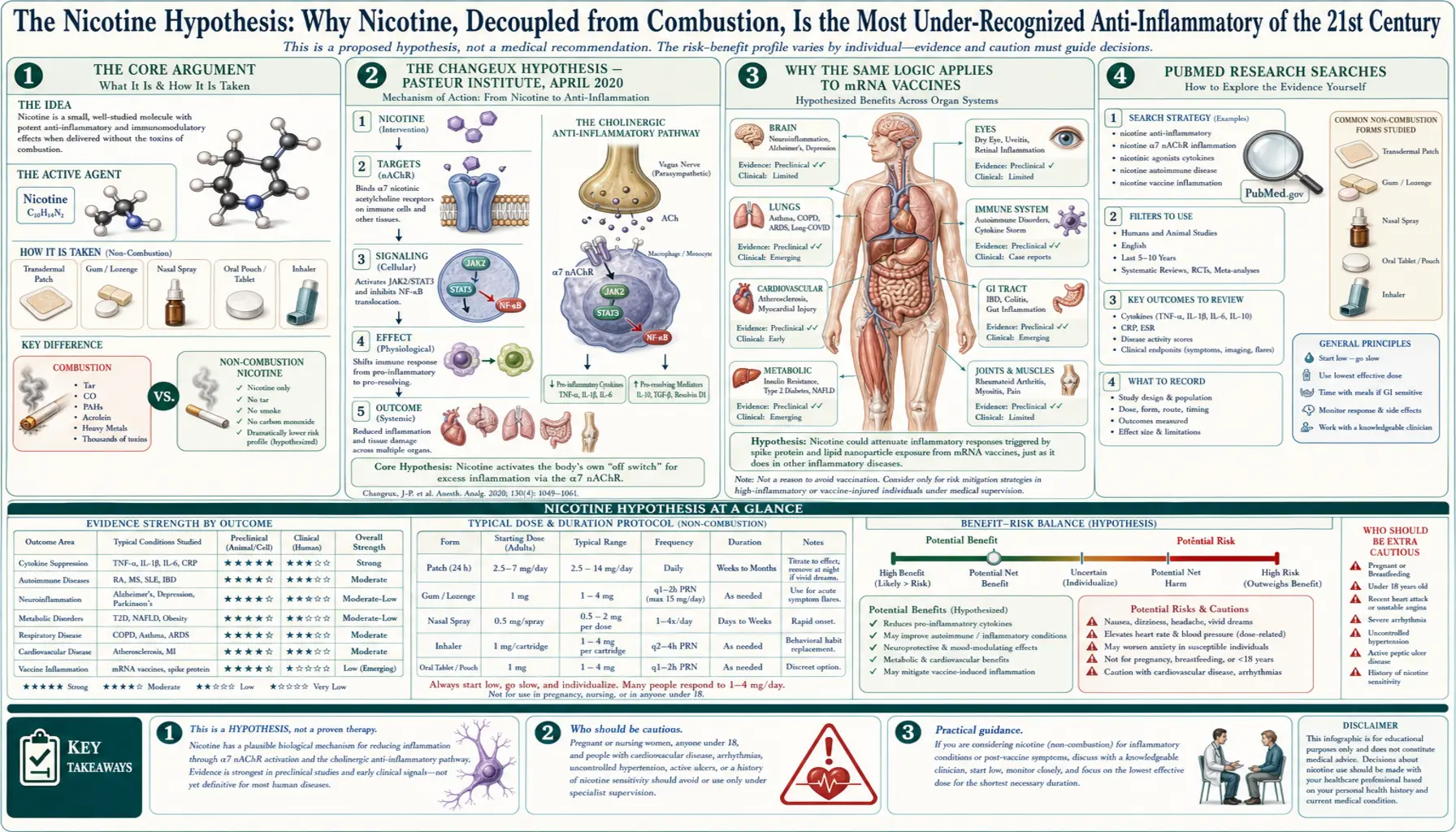
The Nicotine Hypothesis: Why Nicotine, Decoupled from Combustion, Is the Most Under-Recognized Anti-Inflammatory of the 21st Century
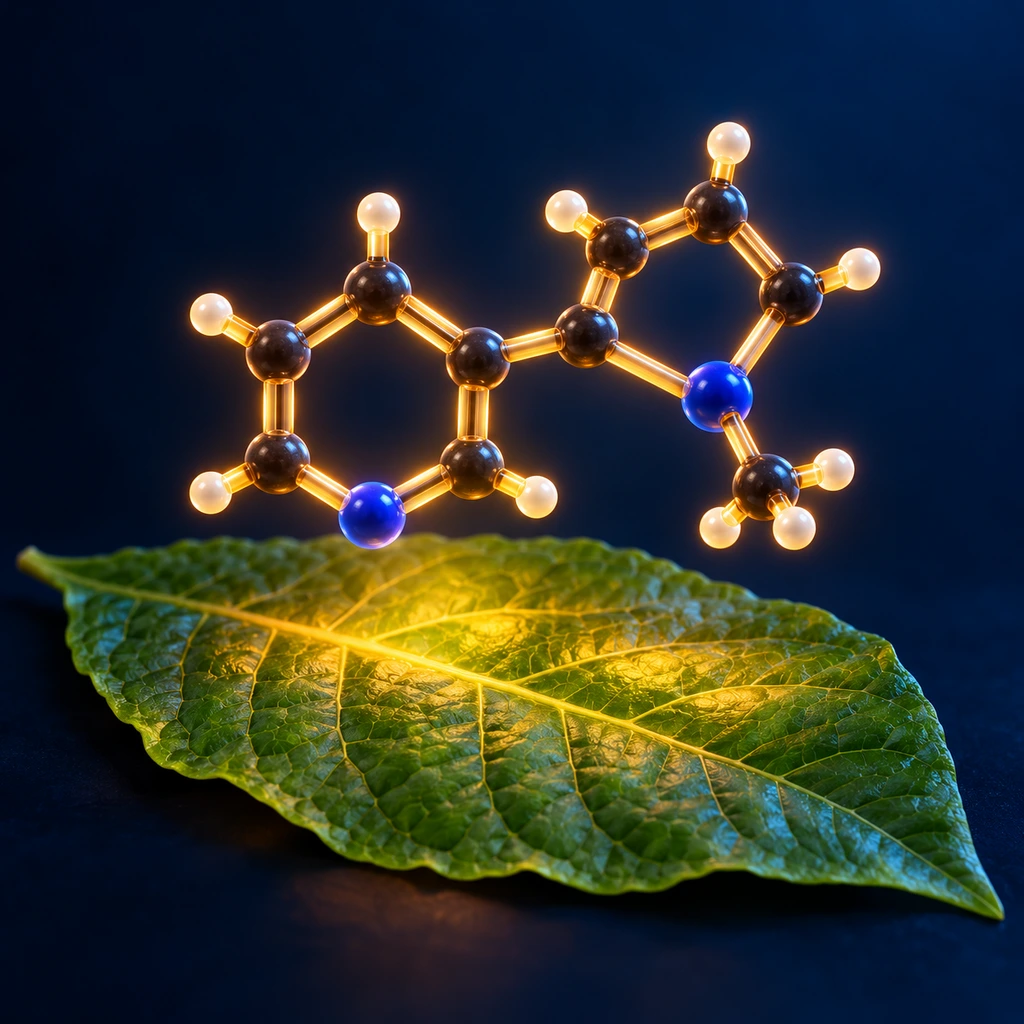
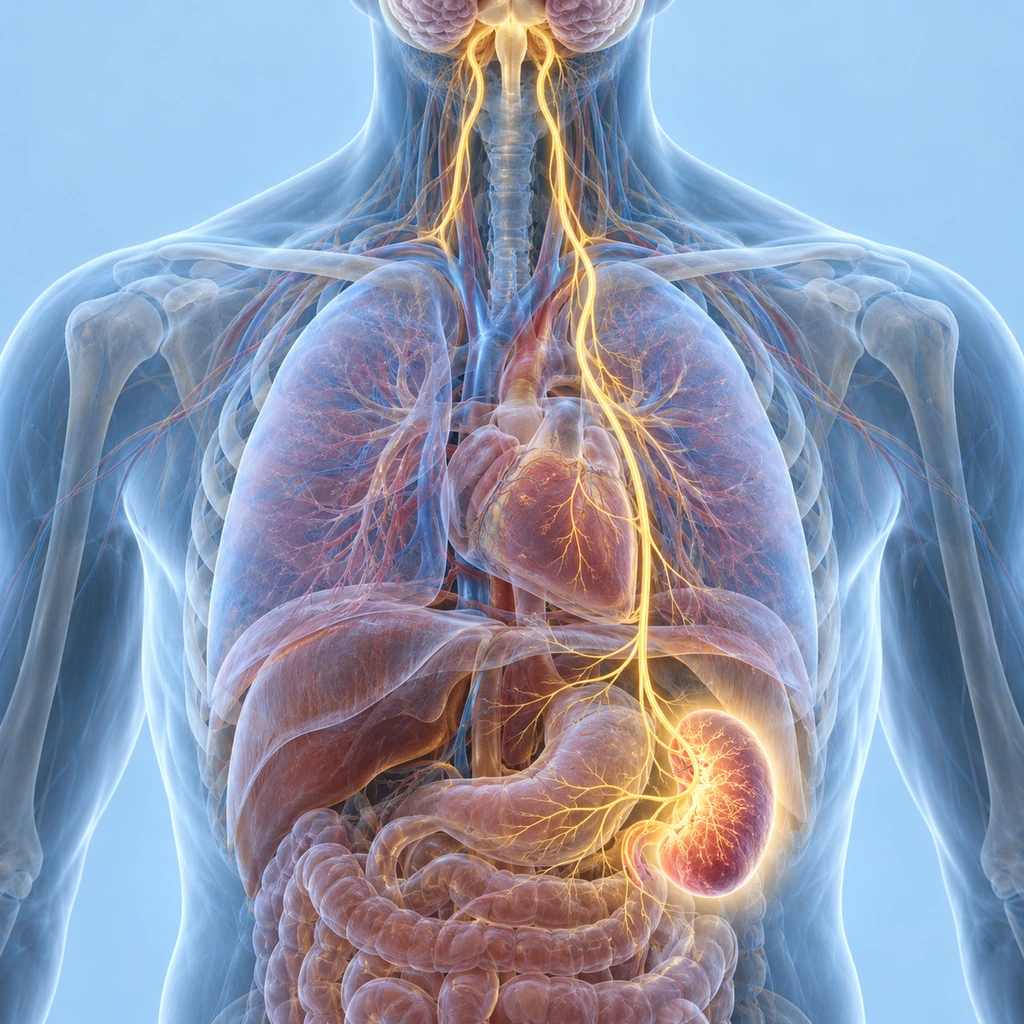
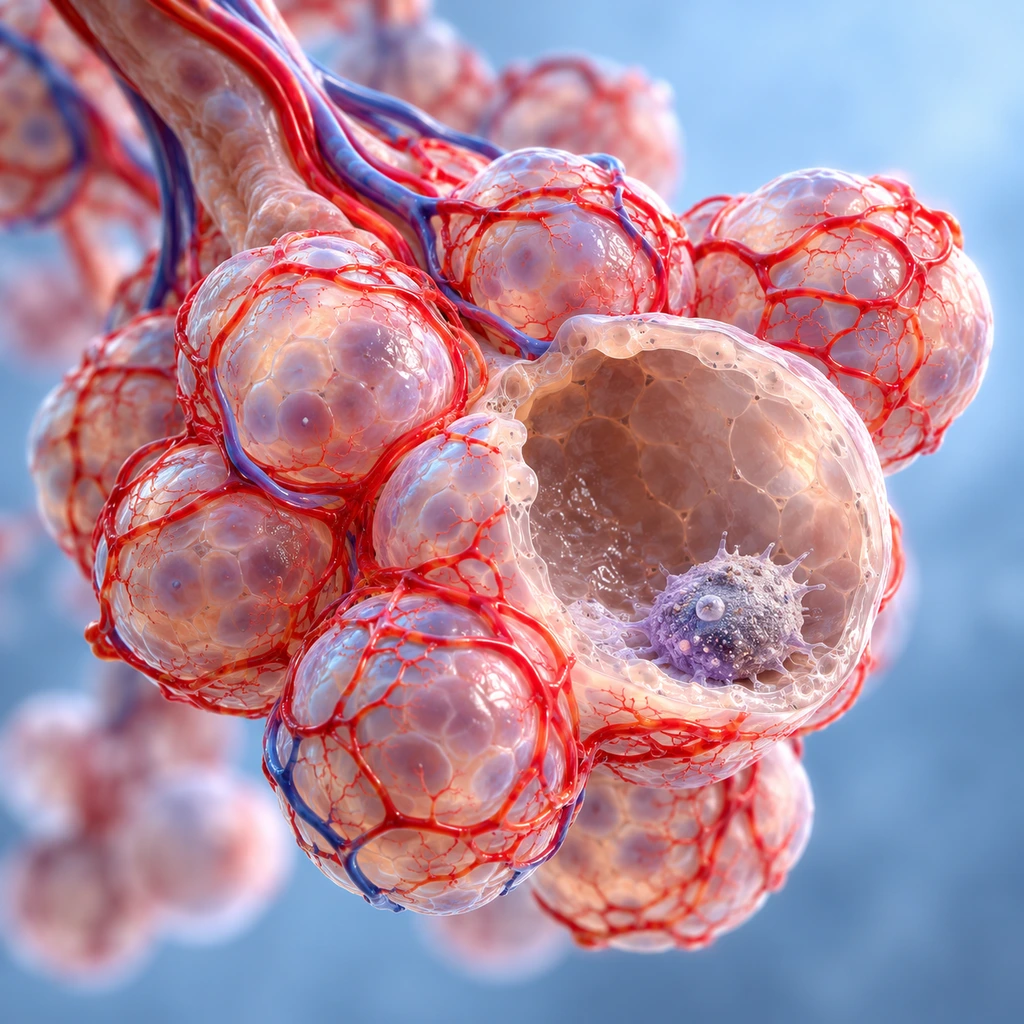
Table of Contents
- The Core Argument
- Nicotine Is Not Tobacco
- Where the Receptor Lives in the Body
- The Cholinergic Anti-Inflammatory Pathway
- The “Smoker’s Paradox” in COVID Data
- The Changeux Hypothesis — Pasteur Institute, April 2020
- The Farsalinos Meta-Analyses
- Dr. Ardis on the Mendelian Randomization Studies
- How SARS-CoV-2 Spike Engages nAChRs, as Dr. Ardis Describes It
- Why Dr. Ardis Applies the Same Logic to mRNA Vaccines
- Beyond COVID — Alzheimer’s, UC, Parkinson’s, Long-COVID
- The Dose Question — Therapeutic vs. Recreational vs. Toxic
- Who Should Not Take Nicotine
- Dr. Ardis’s Position in One Sentence
- Dr. Ardis’s Own Work
- Key Research Papers
- Connections
- Featured Videos
1. The Core Argument
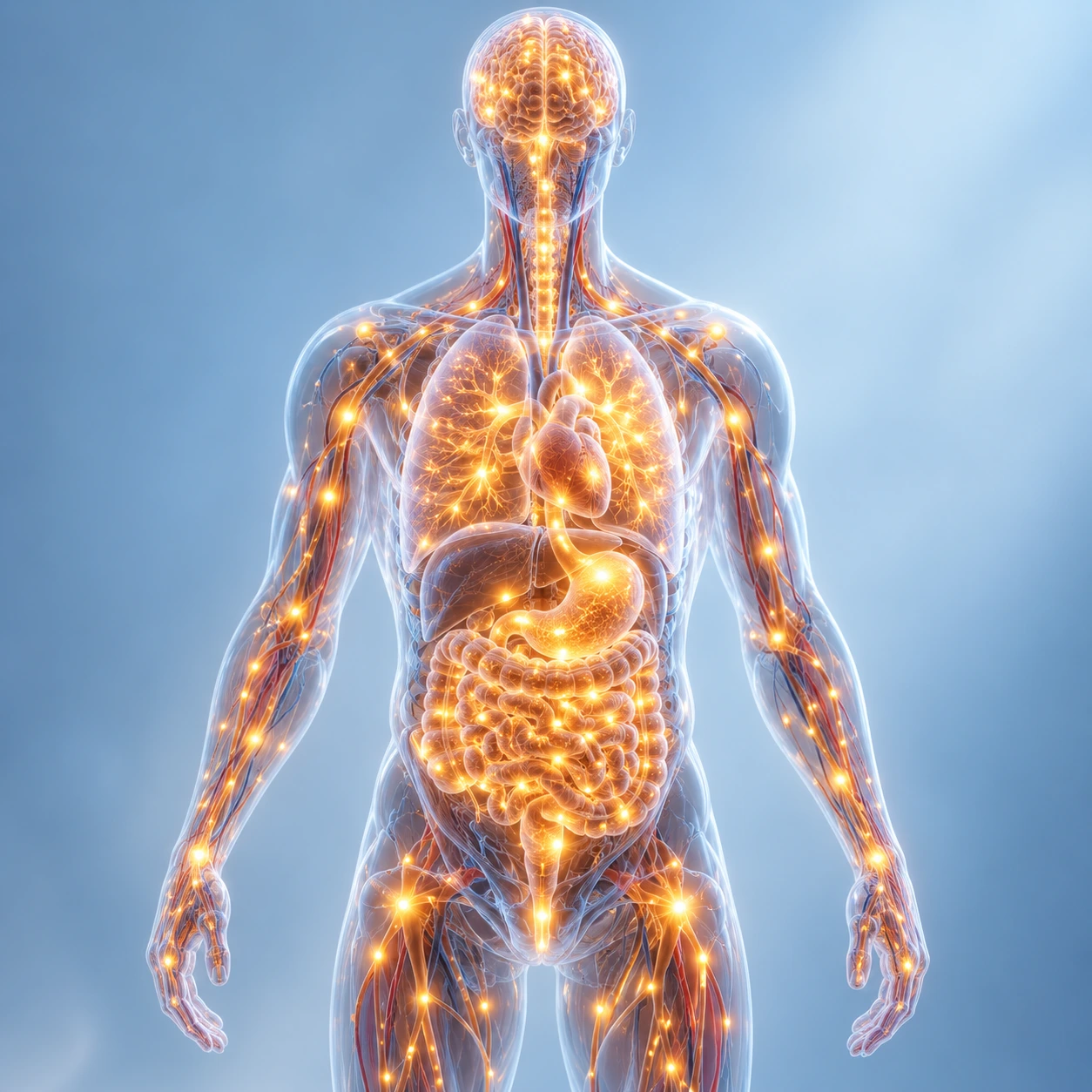
As Dr. Ardis presents it, the nicotine hypothesis can be stated in three sentences. First, the human body contains a dense network of nicotinic acetylcholine receptors (nAChRs), expressed not only in the central nervous system but on alveolar macrophages, T cells, B cells, vascular endothelium, and the autonomic ganglia — tissues that are central to the immune and inflammatory response. Second, nicotine is a high-affinity orthosteric agonist of these receptors, particularly the α4β2 and α7 subtypes, and through them activates the cholinergic anti-inflammatory pathway (CAP), a vagally mediated brake on cytokine release that is one of the best-characterized endogenous anti-inflammatory systems in modern physiology. Third, in his account, the SARS-CoV-2 spike glycoprotein binds α7-nAChR competitively with nicotine, and a saturated receptor cannot transduce the spike signal — making nicotine, as he frames it, a competitive antagonist of the receptor-mediated phase of spike pathology.
The therapeutic implication he draws is that occupying the receptor with nicotine — via patch, gum, lozenge, or pouch — can blunt three distinct injuries: (1) the spike-mediated inflammatory cascade in acute viral illness, (2) the vaccine-encoded spike circulation in the post-vaccination window, and (3) the broader cytokine-storm physiology that drives ICU-level COVID mortality. Dr. Ardis describes it as a literal application of receptor pharmacology that the Pasteur Institute proposed in April 2020 (Changeux et al.) and that, in his account, subsequent peer-reviewed in-silico and in-vitro work has supported.
2. Nicotine Is Not Tobacco
The central conceptual move in Dr. Ardis’s argument is the decoupling of nicotine the molecule from combusted tobacco the consumption pathway. In his account, the 1964 U.S. Surgeon General report that defined modern tobacco-control policy did not isolate nicotine; it bundled it with the >7,000 other compounds in cigarette smoke, including the 70+ known carcinogens that arise specifically from combustion — benzo[a]pyrene, NNK, NNN, and other tobacco-specific nitrosamines that form when the leaf is burned at >600 °C.
Nicotine itself, as a purified small molecule (3-(1-methyl-2-pyrrolidinyl)pyridine, MW 162.23, pKa 7.9 / 3.1, log P 1.17), has, in his argument, a pharmacological profile much closer to caffeine than to crude tobacco smoke:
- Half-life: approximately 2 hours; cleared via hepatic CYP2A6 to cotinine (half-life ~16 hours)
- Routes of administration: transdermal patch, sublingual lozenge, nicotine gum, oral nicotine pouch, inhaled vape, intranasal spray
- Lethal dose: the long-cited LD50 of 60 mg has been revised upward by Mayer (2014), with documented survival of acute oral ingestions exceeding 1 g; the realistic acute lethal dose in adults is on the order of 500–1000 mg
- Carcinogenicity: the IARC classifies smokeless tobacco as Group 1, but nicotine itself, in isolated form, is not on the IARC carcinogen list. The Royal College of Physicians 2016 report, Nicotine without smoke, states: “Nicotine is the primary addictive component sustaining tobacco use, but is not the cause of the vast majority of harm associated with tobacco use.”
For Dr. Ardis, this decoupling is foundational: every public-health intuition trained on “smoking causes cancer”, he argues, needs to be re-examined when the input is a 7 mg transdermal patch delivering a steady plasma level of pure nicotine without a single combustion byproduct.
3. Where the Receptor Lives in the Body
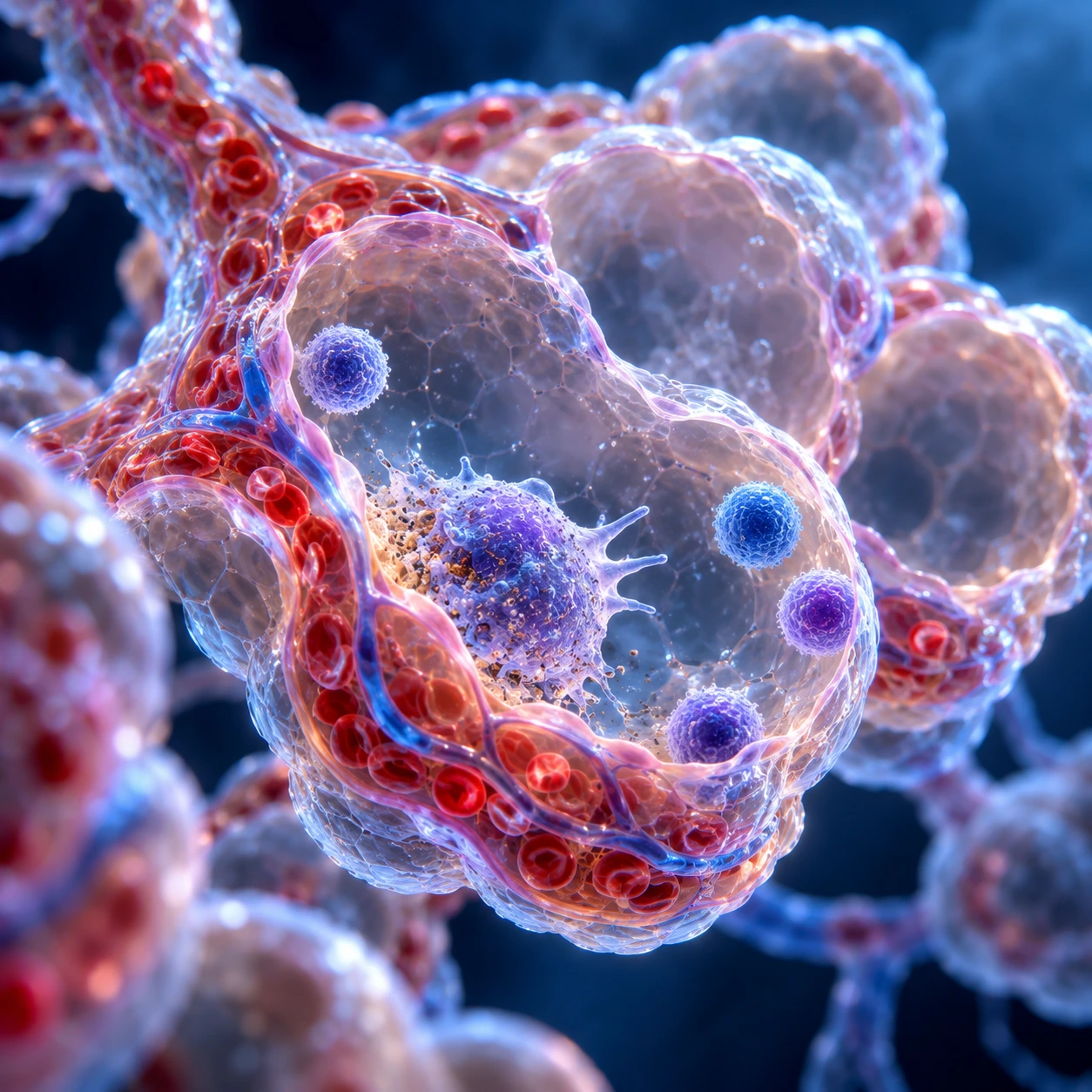
Nicotinic acetylcholine receptors are pentameric ligand-gated ion channels assembled from various combinations of seventeen subunits (α1–α10, β1–β4, γ, δ, ε). Two subtypes dominate the systemic anti-inflammatory and antiviral story:
- α7-nAChR (homopentameric): expressed on alveolar macrophages, T cells, B cells, dendritic cells, vascular endothelium, neurons of the basal forebrain, hippocampus, and dorsal motor nucleus of the vagus. The principal receptor of the cholinergic anti-inflammatory pathway.
- α4β2-nAChR (heteropentameric): the high-affinity nicotine-binding receptor in the brain, distributed throughout cortex, thalamus, midbrain, and cerebellum. Mediates the cognitive and reward effects of nicotine.
In Dr. Ardis’s argument, the α7-nAChR distribution is the key fact. The receptor sits on exactly the cell types that drive inflammatory lung injury (alveolar macrophages, CD4 T cells), the vascular surface that, in his account, suffers spike-mediated thrombotic injury (endothelium), and the autonomic ganglia that govern the parasympathetic brake on inflammation. His conclusion: if you wanted to design a small molecule that could quench inflammatory pulmonary, vascular, and immune pathology in a single agent, it would look like nicotine.
4. The Cholinergic Anti-Inflammatory Pathway
The cholinergic anti-inflammatory pathway (CAP) was discovered and characterized in a series of Nature papers from Kevin Tracey’s lab at the Feinstein Institutes between 2000 and 2003. The mechanism, in plain language:
- An inflammatory stimulus (LPS, IL-1, sepsis, viral PAMPs) reaches the spleen and other peripheral immune organs.
- Sensory afferents from those tissues report the inflammation up the vagus nerve to the dorsal motor nucleus of the vagus in the brainstem.
- The brainstem fires efferent vagal output that releases acetylcholine in the spleen and at the surface of resident macrophages.
- Acetylcholine binds the α7-nAChR on macrophages. The receptor activates JAK2/STAT3, suppresses NF-κB nuclear translocation, and slams the brakes on transcription of TNF-α, IL-1β, IL-6, and HMGB1.
- Cytokine release falls. Inflammation is contained without immunosuppression.
The pathway is one of the central regulatory loops of human inflammation, and it has been replicated in dozens of laboratories. Bioelectronic medicine has been built on it: vagus-nerve-stimulating implants for rheumatoid arthritis, and the same approach for inflammatory bowel disease.
Nicotine, as an α7 agonist, activates the same receptor that endogenous acetylcholine does — the link on which Dr. Ardis’s argument rests. The Wang et al. 2003 Nature paper reports that nicotine reproduces the anti-inflammatory effect of vagal stimulation in murine endotoxin and sepsis models, with TNF-α suppression in the 50–90% range.
5. The “Smoker’s Paradox” in COVID Data
The early-pandemic clinical observation that catalyzed Changeux’s nicotinic hypothesis, and that Dr. Ardis builds on, was the persistent under-representation of active daily smokers in hospitalized COVID-19 cohorts — a result that, in his reading, should not have appeared if smoking were a simple risk factor for severe respiratory disease.
- Wuhan, China. Guan et al. (NEJM 2020) reported a smoking prevalence of 12.6% among 1,099 hospitalized COVID-19 patients, against an adult-male smoking prevalence of ~50% in mainland China — a 4-fold under-representation.
- Paris, France. The Miyara / Changeux Pitié-Salpêtrière cohort showed 4.4% smokers among admitted patients vs. ~25% in the matched outpatient and population reference — a 5- to 6-fold under-representation.
- New York City. A 5,700-patient hospital-system series (Richardson, JAMA 2020) reported 5.1% smokers, against a city smoking prevalence of ~12%.
- Italy, Spain, the United Kingdom. Similar signals across early observational reports.
The Farsalinos meta-analysis (2020), pooling 11 studies and 11,590 patients, found a smoking prevalence in hospitalized COVID-19 patients roughly one-quarter the population baseline. Whatever combustion-tobacco smoke does to the lungs over 30 years (it is bad), in Dr. Ardis’s reading it appeared to be shielding smokers short-term against severe COVID disease — a paradox that, in his view, requires a mechanism.
The Ardis – Changeux – Farsalinos answer is that the protective signal is the nicotine, not the tar. In that account, nicotine saturates α7-nAChR, blocks the receptor-mediated phase of spike injury, and engages the cholinergic anti-inflammatory pathway. In Dr. Ardis’s reading, smokers were getting an accidental dose of the right drug.
6. The Changeux Hypothesis — Pasteur Institute, April 2020
Jean-Pierre Changeux is one of the foundational figures of receptor neuroscience, the man who first isolated and characterized the nicotinic acetylcholine receptor in the 1970s and a recipient of the Balzan Prize and the Wolf Prize in Medicine. In April 2020, with co-authors Z. Amoura, F.A. Rey, and M. Miyara of the Pitié-Salpêtrière Hospital in Paris, he published in Comptes Rendus Biologies what came to be known as the nicotinic hypothesis for COVID-19.
The mechanism proposed in that paper, step by step:
- The SARS-CoV-2 spike protein contains a “toxin-like” sequence in its receptor-binding domain that resembles the loop motif of three-finger-toxin (3FTx) snake venom peptides — well-characterized nAChR antagonists.
- This sequence allows spike to bind α7-nAChR competitively with acetylcholine and nicotine.
- Spike binding to α7 disrupts the cholinergic anti-inflammatory pathway, removing the brake on cytokine release and contributing to the cytokine-storm phenotype of severe COVID.
- Nicotine occupies the same site and prevents spike from disrupting the pathway.
- Therapeutic implications: transdermal nicotine, prophylactically and acutely, in vulnerable populations.
This was published from a flagship French research institution by a Wolf Prize laureate, in a peer-reviewed journal, in real time during the early pandemic. It generated a wave of follow-up structural and clinical work (Farsalinos, Lagoumintzis, Oliveira, Polachek). In Dr. Ardis’s telling, the hypothesis was then set aside not on its merits but because advocating any nicotine use was politically inconvenient for public health.
7. The Farsalinos Meta-Analyses
Konstantinos Farsalinos, MD, MPH (University of West Attica, Athens; Onassis Cardiac Surgery Centre) is a cardiologist and tobacco-harm-reduction researcher who became a central node of the post-Changeux empirical work. His contributions:
- The original meta-analysis (Farsalinos et al., Toxicology Reports 2020) pooling smoking-prevalence data from early hospitalized cohorts and quantifying the under-representation signal.
- An in-silico structural-biology paper (Lagoumintzis, Farsalinos et al., Food and Chemical Toxicology 2021) modeling SARS-CoV-2 spike binding to α7-nAChR with sufficient detail to identify candidate binding residues and propose nicotine as a competitive antagonist.
- An open editorial framework treating COVID-19 as “a disease of the nicotinic cholinergic system” published in Toxicology Reports in 2020 and circulated widely among the receptor-pharmacology community.
Taken with Changeux’s, the Farsalinos work forms the peer-reviewed scaffolding of the nicotine argument as Dr. Ardis makes it.
8. Dr. Ardis on the Mendelian Randomization Studies
Mendelian randomization (MR) studies use genotypes of the CHRNA3-A5 nicotinic-receptor cluster (which predict lifetime smoking heaviness) as an instrumental variable for smoking exposure that is, by construction, randomly distributed at conception. Several MR analyses on SARS-CoV-2 data (Clift et al. 2022; Rao et al. 2021) report that genetically predicted heavy smoking is associated with worse COVID outcomes. Dr. Ardis’s account of what those studies measure has three parts:
- MR captures lifetime smoking exposure, which integrates the harms of combustion (cancer, COPD) over decades. The receptor-occupancy mechanism is short-acting (hours-to-days).
- MR cannot distinguish nicotine-the-receptor-agonist from tobacco-the-combustion-product, because both travel together in the genetic instrument.
- The right test, in his view, is not Mendelian. It is a randomized trial of pure transdermal nicotine in early-symptomatic outpatients — which has barely been attempted: the NICOVID hospitalized-patient trial used a dose ladder he argues was too low, in a population that was too late.
In his account, the two findings can coexist: combustion tobacco is a long-term carcinogen, and short-acting nicotine occupies a receptor relevant to viral inflammation. The therapeutic question, as he frames it, is about the latter.
9. How SARS-CoV-2 Spike Engages nAChRs, as Dr. Ardis Describes It
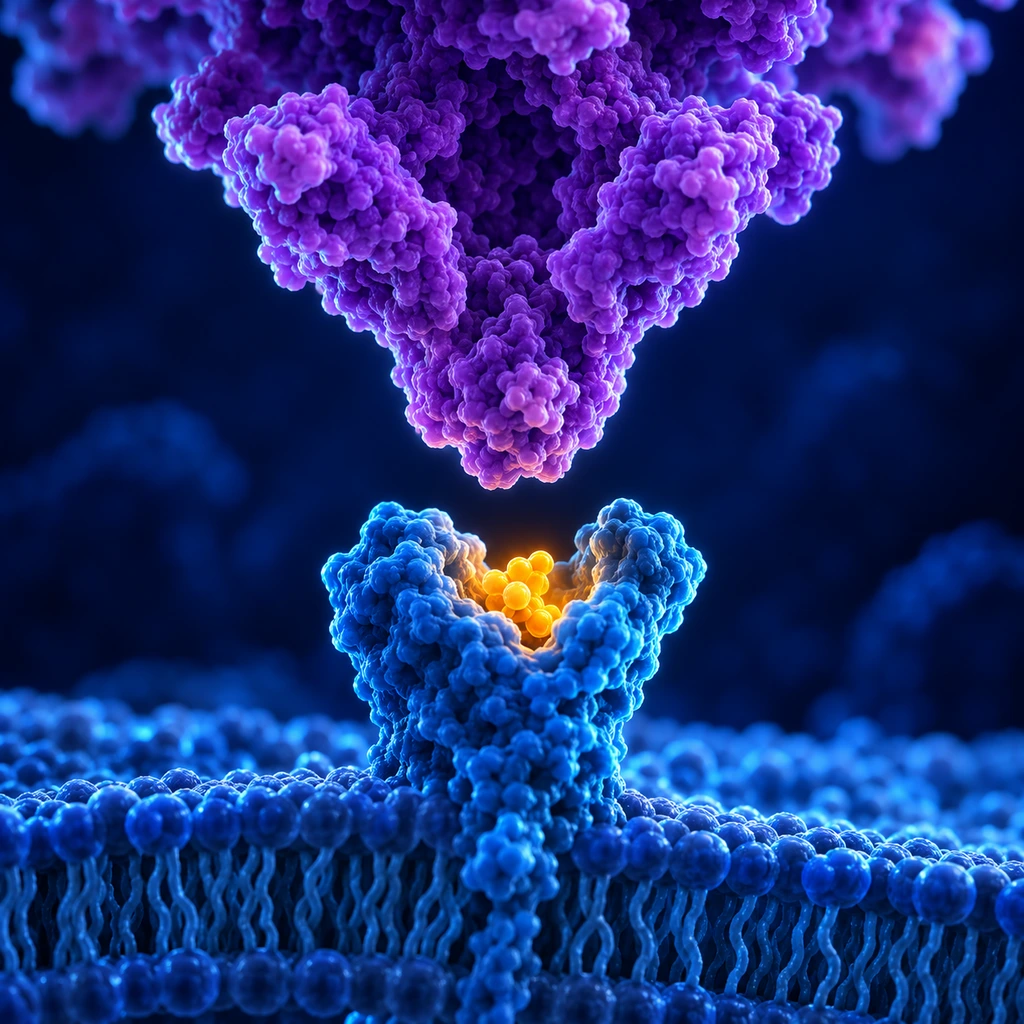
The structural-biology layer of Dr. Ardis’s argument rests on work by several independent groups reporting that the SARS-CoV-2 spike receptor-binding domain interacts with α7-nAChR using a loop architecture homologous to three-finger-toxin nAChR antagonists.
- Lagoumintzis et al. (2021): in-silico molecular docking identifies a binding interface between the spike S1 RBD and the α7 ligand-binding domain involving residues Y472, F490, and L455 of spike interacting with W148 and Y184 of the receptor.
- Oliveira et al. (2020 preprint, subsequently peer-reviewed): supports the structural homology between spike loops and 3FTx scaffolds, with crystallographic alignment data.
- Alexandris et al. (2021): summarizes the receptor-pharmacology evidence in a review for Therapeutic Advances in Drug Safety.
In his account, the biology is not incidental. The nAChR family is one of the most pharmacologically promiscuous receptor systems in the human body, and engaging α7 gives the virus a way to disrupt the cholinergic anti-inflammatory pathway from the moment of entry — turning a regulatory brake into part of the disease mechanism. Nicotine occupying the same site at therapeutic plasma concentrations, he argues, prevents the engagement.
10. Why Dr. Ardis Applies the Same Logic to mRNA Vaccines
The mRNA vaccine platforms instruct human cells to produce the SARS-CoV-2 spike protein endogenously for several days after injection. The spike protein produced this way is structurally similar to the wild-type spike (with prefusion stabilization mutations) and circulates in plasma in detectable concentrations for at least 14 days post-injection (Ogata et al., CID 2022).
Dr. Ardis reasons that if wild-type spike engages α7-nAChR and contributes to receptor-mediated injury, vaccine-encoded spike is doing the same thing, in the same patient, by the same mechanism — at a dose, location, and duration determined by the lipid-nanoparticle biodistribution rather than by the virus’s own tropism. His conclusion: the same receptor occupant (nicotine) that blunts wild-type spike pathology should, in principle, blunt vaccine-encoded spike pathology over the immediate post-injection window.
This is the basis of his post-vaccination protocol, detailed in our Vaccine-Injury Recovery page. As he presents it, the receptor-pharmacology argument is platform-agnostic: it cares about the spike protein and the receptor, not about how the spike got there.
11. Beyond COVID — Alzheimer’s, UC, Parkinson’s, Long-COVID
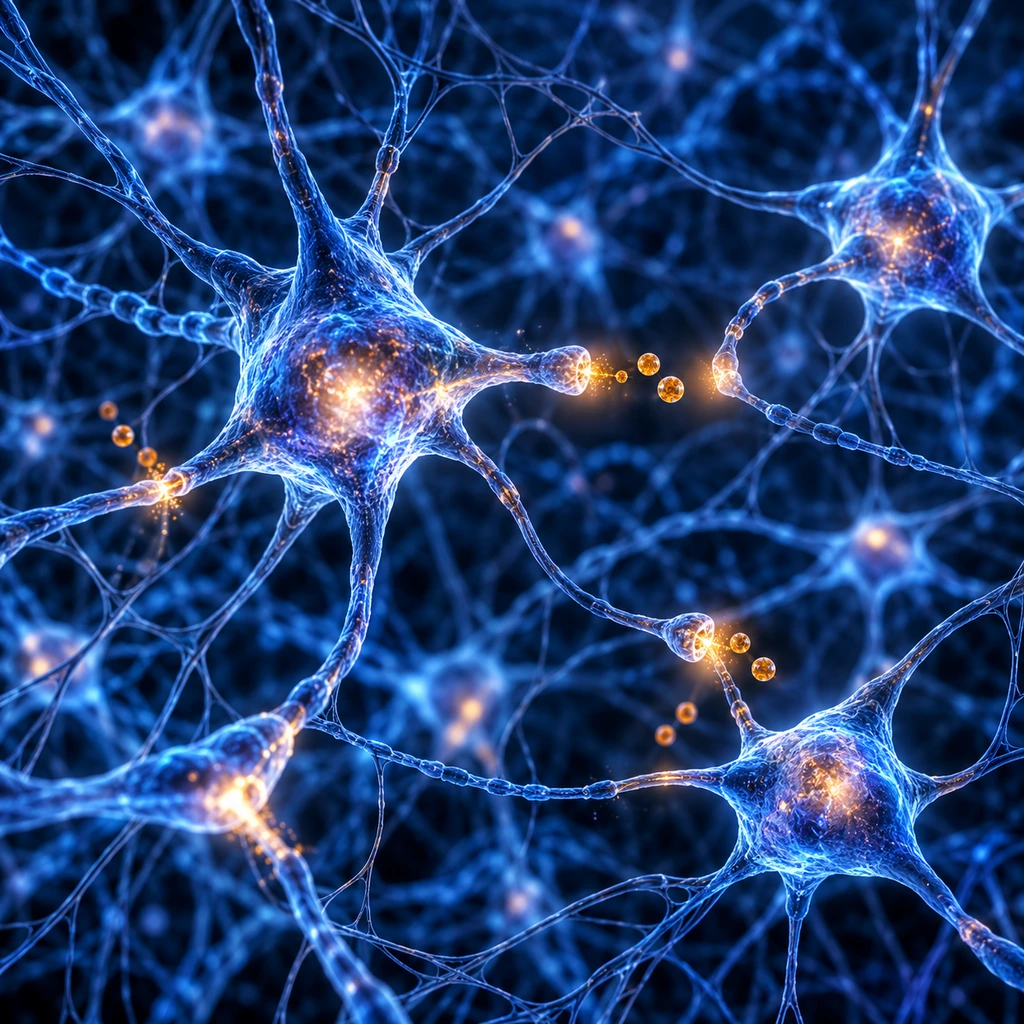
The therapeutic interest in nicotine and nAChR ligands long predates COVID. The hypothesis that nicotine has untapped therapeutic value has been a quiet thread of mainstream pharmacology for decades:
- Alzheimer’s disease. Newhouse et al. (Neurology 2012) reported cognitive improvement with transdermal nicotine in mild cognitive impairment. The MIND-Alzheimer trial is testing the question prospectively. The cholinesterase inhibitors that anchor mainstream Alzheimer’s therapy work by raising synaptic acetylcholine to engage the same receptors nicotine engages directly.
- Ulcerative colitis. Pullan et al. (NEJM 1994) reported that transdermal nicotine improved active UC, with response rates in the 30–40% range. Nicotine became a recognized off-label option for refractory UC.
- Parkinson’s disease. The Quik / Bordia laboratory work on nicotine’s neuroprotective effects in MPTP models, and the long-observed lower Parkinson’s incidence in smokers, have spawned multiple clinical trials of nicotinic agonists.
- Long-COVID. Dr. Marco Leitzke’s 2023 case report described four people with post-COVID syndrome who improved on a low-dose nicotine patch, the cases Dr. Ardis cites for his six-day protocol — see the Leitzke cases.
- Schizophrenia and ADHD. Long-recognized self-medication patterns and a substantial literature on α7-nAChR partial agonists as candidate therapeutics.
Taken together, Dr. Ardis argues, the COVID nicotine argument is not an outlier — it is the visible tip of a much broader pharmacological case for nicotine as an under-used therapeutic platform. The reason it has been left on the shelf, in his view, is not pharmacology. It is policy.
12. The Dose Question — Therapeutic vs. Recreational vs. Toxic
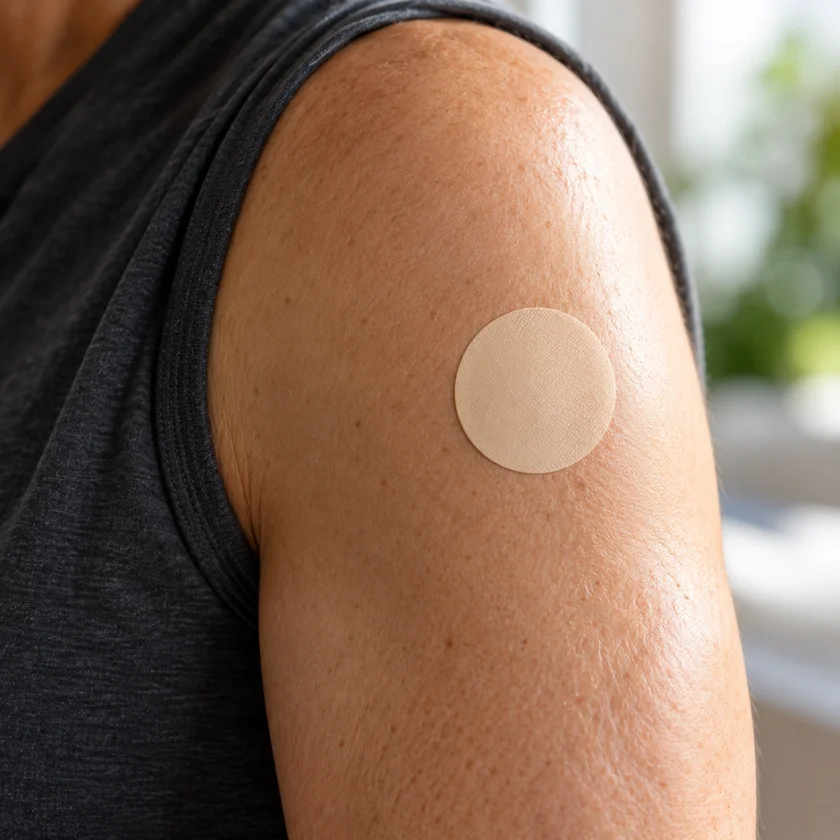
A 7 mg / 24-hour transdermal patch produces a steady-state plasma nicotine concentration of approximately 5–10 ng/mL. A 14 mg patch produces 12–17 ng/mL. A 21 mg patch produces 18–25 ng/mL. For comparison: a single cigarette produces a peak plasma concentration of 20–40 ng/mL that decays within an hour; a heavy daily smoker maintains a trough plasma concentration in the 15–30 ng/mL range; the canonical “LD50 of 60 mg” figure (Mayer 2014 has revised this upward to >500 mg for an acute oral dose) refers to a far higher exposure than any patch can achieve.
The Ardis recovery protocol uses the 7 mg patch as a starting dose specifically because, in his account, it produces a plasma concentration in the receptor-saturation range without engaging the high-side reward circuitry that drives addiction. Patches are typically applied for 8–12 hours per day rather than continuously, and removed at night. The full ladder is in our Patch Protocol page.
13. Who Should Not Take Nicotine
The therapeutic case for nicotine does not apply universally. Absolute and near-absolute contraindications:
- Pregnancy. Nicotine is teratogenic and disrupts fetal autonomic development. No therapeutic exposure is safe.
- Adolescence. Developing brains are sensitized to nicotine’s addictive effects. Therapeutic use should be reserved for legal adults.
- Unstable coronary artery disease, recent MI, recent stroke. Nicotine raises heart rate and systemic vascular resistance; an unstable plaque or recent ischemia is the wrong context.
- Uncontrolled hypertension. Same vasoactive concern.
- Active arrhythmia or unstable WPW. Sympathomimetic effects of nicotine can be pro-arrhythmic.
- Pheochromocytoma. Nicotine can precipitate a hypertensive crisis.
- Severe peripheral arterial disease. Vasoconstriction in critical-limb ischemia is contraindicated.
The patch protocol in this hub is for healthy adults. Anyone in any of the categories above should not implement it without a physician partnership. Anyone on an MAOI, on tricyclic antidepressants, or with a history of seizure disorder needs additional caution and a clinician-supervised dose.
14. Dr. Ardis’s Position in One Sentence
Dr. Ardis’s position can be summarized in one sentence: the receptor pharmacology is real, the smoker’s paradox is real, the cholinergic anti-inflammatory pathway is real, and the suppression of these conversations during the pandemic was an act of public-health malpractice.
In his view, the peer-reviewed literature on its own makes the case that nicotine deserves serious clinical investigation as an antiviral and anti-inflammatory agent.
Dr. Ardis’s Own Work
Dr. Bryan Ardis’s nicotine protocol and the reasoning behind it, in his own words — his show, the interviews in which he lays it out, and his book.
- The Dr. Ardis Show — official site
- The Dr. Ardis Show, 28 August 2023 — “Venom Industrial Complex: Weaponizing Venoms” — the 7 mg, six-day nicotine instruction and the long-hauler symptom list.
- The Dr. Ardis Show podcast archive, April 2024 — his nicotine presentation “The Other ‘N’ Word.”
- Myers Detox Podcast #607 — “Nicotine Can Reverse Brain Fog, Inflammation, Dementia, and Chronic Illness” with Dr. Bryan Ardis — full transcript.
- Cosmic Reality Podcast, May 2024 — Dr. Ardis on nicotine and snake venom
- Bryan Ardis, Moving Beyond the COVID-19 Lies: Restoring Health & Hope for Humanity (Harvest Creek Publishing, 2024; ISBN 978-1-961641-22-8) — library record.
- His nicotine protocols, documented by a reader site — the prevention, long-hauler and vaccine-injury instructions from his “How to Use Nicotine” handout.
On this site: Nicotine Patch Protocol · The Leitzke cases · Cobra venom and nicotine · Pyrazines · Nightshade nicotine and Parkinson’s
Key Research Papers
- Borovikova LV, Ivanova S, Zhang M, et al. Vagus nerve stimulation attenuates the systemic inflammatory response to endotoxin. Nature. 2000;405(6785):458-62. — doi:10.1038/35013070
- Wang H, Yu M, Ochani M, et al. Nicotinic acetylcholine receptor α7 subunit is an essential regulator of inflammation. Nature. 2003;421(6921):384-8. — doi:10.1038/nature01339
- Changeux JP, Amoura Z, Rey FA, Miyara M. A nicotinic hypothesis for COVID-19 with preventive and therapeutic implications. Comptes Rendus Biologies. 2020;343(1):33-39. — doi:10.5802/crbiol.8
- Farsalinos K, Niaura R, Le Houezec J, et al. Editorial: Nicotine and SARS-CoV-2: COVID-19 may be a disease of the nicotinic cholinergic system. Toxicology Reports. 2020;7:658-663. — doi:10.1016/j.toxrep.2020.04.012
- Lagoumintzis G, Chasapis CT, Alexandris N, et al. Nicotinic cholinergic system and COVID-19: In silico identification of an interaction between SARS-CoV-2 and nicotinic receptors with potential therapeutic targeting implications. Food Chem Toxicol. 2021;149:112009. — doi:10.1016/j.fct.2021.112009
- Newhouse P, Kellar K, Aisen P, et al. Nicotine treatment of mild cognitive impairment: a 6-month double-blind pilot clinical trial. Neurology. 2012;78(2):91-101. — doi:10.1212/WNL.0b013e31823efcbb
- Pullan RD, Rhodes J, Ganesh S, et al. Transdermal nicotine for active ulcerative colitis. N Engl J Med. 1994;330(12):811-815. — doi:10.1056/nejm199403243301202
- Mayer B. How much nicotine kills a human? Tracing back the generally accepted lethal dose to dubious self-experiments in the nineteenth century. Arch Toxicol. 2014;88(1):5-7. — doi:10.1007/s00204-013-1127-0
PubMed Topic Searches
- PubMed: Nicotine and SARS-CoV-2
- PubMed: α7-nAChR and inflammation
- PubMed: Cholinergic anti-inflammatory pathway
- PubMed: Smoker’s paradox and COVID-19
- PubMed: Transdermal nicotine and ulcerative colitis
- PubMed: Nicotine and Alzheimer’s cognition
- PubMed: Nicotine and Parkinson’s neuroprotection
- PubMed: Long-COVID and nicotine
- PubMed: Spike protein and nAChR
Connections
- The Nicotine Patch: Skin to Bloodstream to Receptor — interactive animation
- All Remedies
- Vaccine-Injury Recovery
- Nicotine Patch Protocol
- Nicotinic Acetylcholine Receptors
- Dr. Bryan Ardis Hub
- Snake-Venom Hypothesis
- Moving Beyond the COVID-19 Lies (Book)
- Tobacco Suppression History
- Detox and Recovery
- Hospital Protocol Critique
- Stress Management
- Immune Boosting
- Detox Protocols
- Breathwork
- NAC (N-Acetylcysteine)
- Post-Viral Triggers (CFS/ME)
- Ulcerative Colitis
- The Leitzke Long-COVID Cases
- Cobra Venom and Nicotine
- Nightshade Nicotine and Parkinson’s
- Pyrazines and Nicotine Addiction
- How Pyrazines Entered ‘Light’ Cigarettes
- Pyrazines, Craving Cues, Dopamine and E-Cigarettes
Featured Videos