Sea Moss for Gut Health and Prebiotic Support
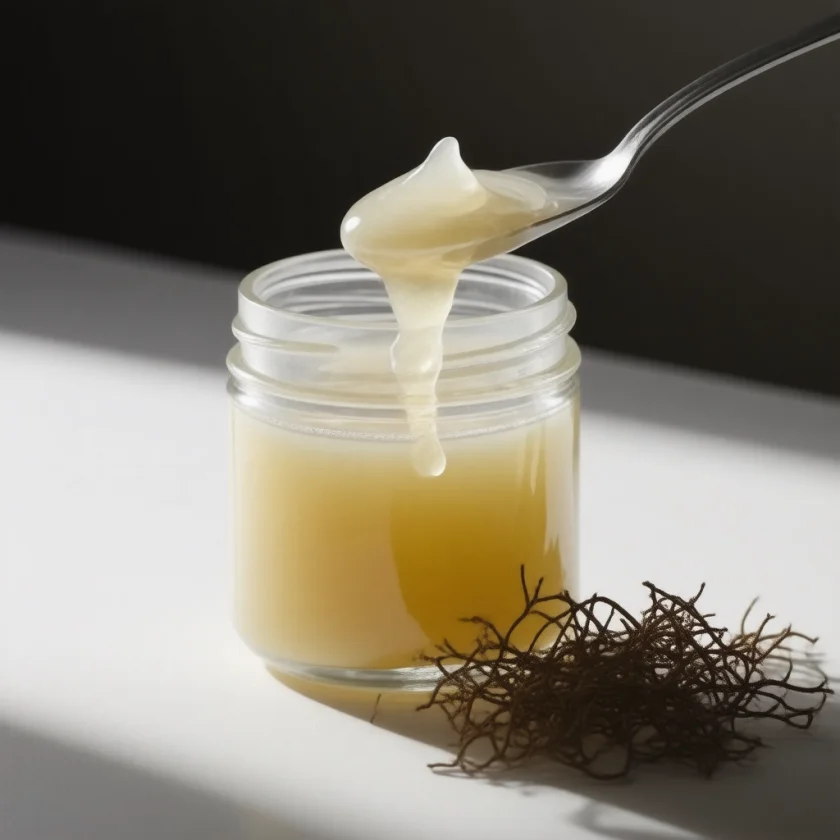
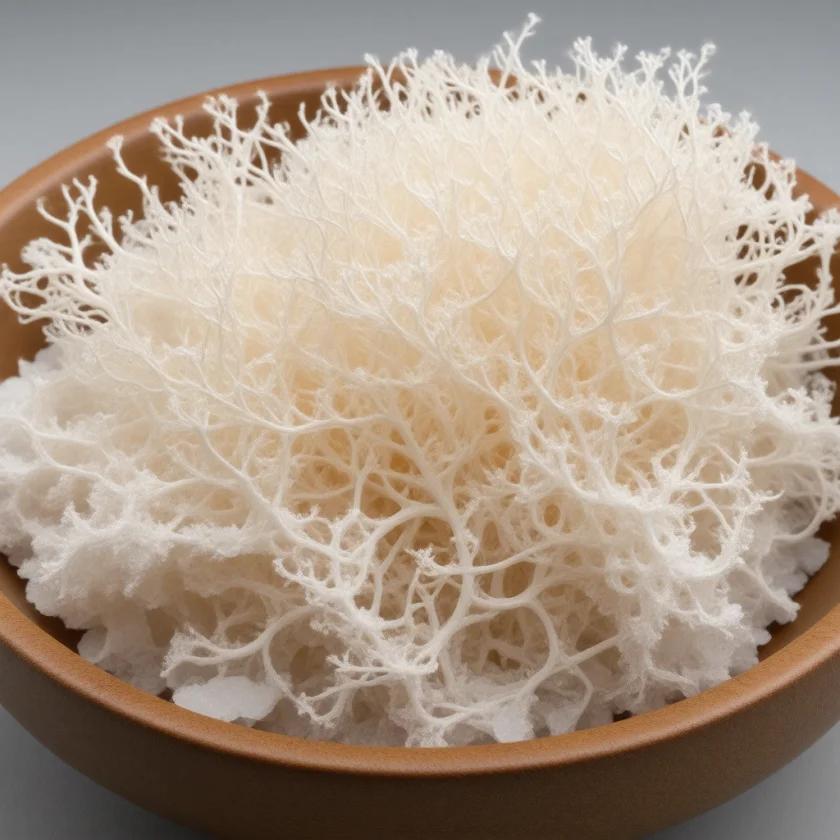
Sea moss sits at the meeting point of traditional folk medicine for digestive complaints (in Ireland, Irish moss was used as a soothing demulcent for sore throats, coughs and stomach upset) and a modern controversy (the carrageenan-and-gut-inflammation debate of the past two decades, driven largely by the work of Joanne Tobacman). Whole sea moss, eaten as a gel, supplies sulfated polysaccharides (carrageenans) that some gut bacteria can break down, a slippery mucilage, and minerals. Purified carrageenan used as a food additive in processed foods belongs to the same family of molecules, extracted and refined; much of the safety debate concerns that additive, and in particular its low-molecular-weight degraded form. Most of the evidence on both sides comes from animal and cell studies, and no human trial has tested whole sea moss for gut health. This page sets out the prebiotic and soothing claims for the whole food, the carrageenan controversy, and what the research does and does not show for people with specific digestive conditions.
Table of Contents
- Traditional Use: Irish Moss as a Demulcent
- Prebiotic Fiber Mechanism
- Short-Chain Fatty Acid Production and Colonocyte Nourishment
- The Mucilage Coating Effect
- The Carrageenan Controversy: Tobacman and the Critics
- The Critical Distinction Between Carrageenan and Poligeenan
- IBD Considerations: What the Research Shows
- SIBO and FODMAP Considerations
- H. pylori, Ulcers, and Gastritis
- Why Whole-Form Sea Moss Differs From Food-Additive Carrageenan
- Amounts Used and What Is Unknown
- Key Research Papers
- Connections
- Featured Videos
Traditional Use: Irish Moss as a Demulcent
Irish moss has a long history of folk use for throat and digestive complaints in Ireland and the British Isles. The traditional preparation was a decoction — rinsed dried moss simmered in milk or water with sugar or honey, sometimes flavored with lemon — taken warm for sore throats, dry cough, stomach upset, and the recovery period after acute illness. The gel that forms as the decoction cools made it the traditional thickener for blancmange-style desserts and the base of the Caribbean "sea moss drink" that endures today.
The pharmacological category that captures this use is the demulcent — a substance that coats and soothes inflamed mucous membranes. Demulcents work by forming a gel film over the affected surface (the throat in cough preparations, the esophagus and stomach in gastritis preparations) that mechanically protects the underlying tissue from continued irritation. Other classic demulcent plants include slippery elm (Slippery Elm page), marshmallow root, and licorice root.
A demulcent does not treat the underlying condition; the proposed benefit is short-term symptomatic relief. No clinical trial has tested sea moss as a demulcent for gastritis, reflux, IBS or esophagitis. Its use in this role rests on tradition and on the gel-forming property of its polysaccharides, not on human studies.
Prebiotic Fiber Mechanism
Humans lack the enzymes needed to break down carrageenans and related sulfated polysaccharides; the enzymes that digest complex polysaccharides come from gut bacteria, not the human genome (Hehemann 2010). Whether gut bacteria ferment food-grade carrageenan to any real extent is disputed. Animal studies reviewed by Weiner (2014) found that ingested carrageenan is excreted almost entirely in the feces and is not significantly degraded by stomach acid or gut bacteria. A 2025 laboratory study, by contrast, identified a human gut bacterium, Bacteroides xylanisolvens, that degraded food-grade lambda-carrageenan (Han 2025).
The best-known case of human gut bacteria acquiring seaweed-digesting genes involves nori, not carrageenan: genes for enzymes that break down porphyran (the sulfated polysaccharide of Porphyra) passed from marine bacteria to the gut bacterium Bacteroides plebeius in Japanese individuals (Hehemann 2010). A follow-up study found that this gene cluster enabled growth on porphyran but not on agarose or carrageenan (Hehemann 2012).
Evidence for a prebiotic effect of Chondrus crispus itself comes from animals and the laboratory. In weaning rats, a diet containing 2.5% cultivated C. crispus increased Bifidobacterium breve 4.9-fold, lowered some potentially pathogenic species, and raised fecal acetic, propionic and butyric acids (Liu 2015). In a 2025 laboratory fermentation model using human gut microbiota, whole red seaweeds including C. crispus increased species such as Akkermansia muciniphila (López-Santamarina 2025). A 2020 review of algal polysaccharides as prebiotics judged the results for sulfated polysaccharides, carrageenan included, "more questionable" than those for alginate and laminaran, noted that use of carrageenan oligosaccharides is limited by safety concerns, and stated that clinical trials are needed to confirm prebiotic properties in humans (Gotteland 2020).
No human trial was found that measured changes in gut bacteria with sea moss intake, and none has compared it with established prebiotic fibers such as inulin, FOS, GOS or resistant starch. More broadly, population comparisons link fiber-rich diets with differences in the gut microbiota: children in rural Burkina Faso eating a high-fiber diet had more Bacteroidetes, fewer Firmicutes and more short-chain fatty acids than European children (De Filippo 2010).
Short-Chain Fatty Acid Production and Colonocyte Nourishment
When gut bacteria ferment dietary fiber, the main end products are the short-chain fatty acids (SCFAs) acetate, propionate and butyrate. In human colonic contents measured at autopsy, acetate was the principal SCFA, and SCFA levels were highest in the caecum and ascending colon (Cummings 1987). Whether sea moss, in the amounts people eat, measurably raises SCFA levels in humans has not been tested; the rat study above found higher fecal SCFAs (Liu 2015). What is known about SCFAs in general:
- Butyrate is a major energy source for colonocytes (the epithelial cells lining the colon). In isolated human colonocytes given butyrate as the only fuel, butyrate accounted for 73 to 75% of oxygen consumption; the cells also oxidize glucose and glutamine (Roediger 1980).
- Butyrate also inhibits histone deacetylases and NF-κB activation, two mechanisms linked to anti-inflammatory effects in the colon, although human data are still limited (Hamer 2008). In mice, butyrate induced the differentiation of colonic regulatory T cells (Furusawa 2013).
- Propionate is largely taken up by the liver, where it feeds into glucose production, and it may contribute to satiety signaling (den Besten 2013). In a 24-week trial in 60 overweight adults, 10 g/day of an inulin-propionate ester reduced weight gain and intra-abdominal fat compared with inulin alone (Chambers 2015) — a test of propionate delivered to the colon, not of any food.
- Acetate reaches the general circulation and is used by peripheral tissues for fat synthesis and energy (den Besten 2013).
SCFAs lower the pH of the colon: in the Cummings study, pH ran from about 5.6 in the caecum to 6.6 in the descending colon, and pH and SCFA concentration were inversely related (Cummings 1987). A lower pH is thought to disfavor some pH-sensitive bacteria, and SCFA production is one of the mechanisms proposed to explain why observational studies link fiber-rich diets with lower rates of colon cancer and other diseases.
The Mucilage Coating Effect
When hydrated, sea moss forms a gel. The proposed upper-gut effect is that this gel coats the lining of the esophagus and stomach on its way down. This has not been measured in people: no study was found that tested whether sea moss gel forms a coating in the human gut, or that tested it for any of the conditions below.
The conditions for which a coating effect is proposed:
- Acid reflux and GERD — proponents compare the gel to alginate raft-forming reflux products, which have been studied; those work by forming a floating raft on the stomach contents, and sea moss gel has not been shown to do the same. GERD itself is covered on the GERD page.
- Gastritis — a coating is proposed to give temporary protection from acid. Established treatment depends on the cause: withdrawal of an NSAID, H. pylori eradication, acid suppression.
- Peptic ulcer disease — the same proposed mechanism. Established treatment is acid suppression (a PPI) plus, where present, H. pylori eradication.
- Esophagitis — proposed for reflux, infectious, eosinophilic and radiation esophagitis; untested for any of them.
- IBS and functional dyspepsia — untested. Fermentable fibers in general can increase bloating and gas in some people with IBS.
Any coating effect would be topical and short-lived; it would not change the underlying disease process.
The Carrageenan Controversy: Tobacman and the Critics
The modern carrageenan controversy was driven largely by the work of Joanne Tobacman, a physician-researcher then at the University of Iowa and later at the University of Illinois at Chicago. Beginning with a 1997 cell study (Tobacman 1997) and a 2001 review of animal experiments, Tobacman argued that the widespread use of carrageenan in the Western diet should be reconsidered (Tobacman 2001). The evidence she and others cited includes:
- Colonic ulceration in guinea pigs and rats fed seaweed extract or degraded carrageenan, reported from the late 1960s (Watt 1969; Marcus 1969; Marcus 1971), and an association of both degraded and undegraded carrageenan with intestinal ulcers and tumors in animal models. Tobacman's review also notes that in 1982 the International Agency for Research on Cancer found sufficient evidence for the carcinogenicity of degraded carrageenan in animals (Tobacman 2001).
- Cell studies showing that carrageenan triggers interleukin-8 production through a Bcl10 pathway in normal human colonic epithelial cells (Borthakur 2007)
- Glucose intolerance and insulin resistance in HepG2 liver cells and in mice exposed to carrageenan (Bhattacharyya 2012)
- The concern that food-grade carrageenan may be contaminated with low-molecular-weight components, or broken down by acid during normal digestion or by gut bacteria (Tobacman 2001)
Carrageenan remains a permitted food additive. The European Food Safety Authority's 2018 re-evaluation found no concern for carcinogenicity or genotoxicity and no adverse effects in chronic rat studies up to the highest dose tested, but noted uncertainties in the chemistry, exposure and biological data, and made its group acceptable daily intake of 75 mg/kg body weight per day temporary pending better data (EFSA 2018). The Joint FAO/WHO Expert Committee on Food Additives (JECFA) has also evaluated carrageenan. Two 2014 critical reviews argued against Tobacman's position, one on the cell studies (McKim 2014) and one on the animal studies (Weiner 2014). The Weiner review states that:
- In animal studies, ingested carrageenan is excreted almost entirely in the feces and is not significantly degraded by stomach acid or gut bacteria
- Rodent feeding studies at up to 5% of the diet found no toxic effects other than soft stools or diarrhea, and food-grade carrageenan did not produce intestinal ulceration at these doses; immune effects after injection are not relevant to food use
- Animals in these studies consumed at least 1,000 mg/kg per day, against an estimated 18 to 40 mg/kg per day in the human diet
- Carrageenan in infant formula was found safe in infant baboons and in an epidemiology study of human infants at current use levels
On molecular weight: in 1972 the US FDA considered restricting dietary carrageenan to an average molecular weight above 100,000, but according to Tobacman's review this did not become regulation (Tobacman 2001).
The debate is unresolved. A 2023 scoping review found only five human research publications on carrageenan and the intestines, against 69 in experimental animals and 33 in vitro, and called for adequately powered randomized trials at realistic dietary exposures (Tahiri 2023). The research raises the strongest concern for people with existing inflammatory bowel disease; the small human trials are covered in the IBD section below.
The Critical Distinction Between Carrageenan and Poligeenan
Much of the confusion in the carrageenan literature comes from terminology: early studies used "degraded carrageenan" for what is now called poligeenan, and the names were later corrected (McKim 2019).
- Native (food-grade) carrageenan — a high-molecular-weight polysaccharide. The EFSA panel concluded that it is not absorbed intact (EFSA 2018). This is the form in whole sea moss and the form permitted as a food additive.
- Poligeenan (formerly called degraded carrageenan) — average molecular weight 10,000 to 20,000 Daltons, produced by deliberate acid hydrolysis of carrageenan. It is not authorised as a food additive and is not used in food (EFSA 2018). Much of the early animal ulceration work used degraded carrageenan (Marcus 1971).
The disputed question is whether food-grade carrageenan contains, or turns into, smaller fragments. Tobacman's review proposed contamination with low-molecular-weight components, acid hydrolysis during normal digestion, and breakdown by gut bacteria (Tobacman 2001). A 2019 review concluded that carrageenan cannot be hydrolyzed to poligeenan in the body (McKim 2019). A 2025 laboratory study found that a human gut bacterium degraded food-grade lambda-carrageenan and that the resulting fragments increased inflammatory signals in macrophages (Han 2025).
For whole sea moss prepared at home as a gel, no study was found that measured degraded carrageenan or poligeenan. Home preparation involves soaking and blending, with no acid-hydrolysis step, and proponents argue that this makes whole sea moss materially different from industrial carrageenan. The questions about digestion and gut bacteria, however, apply to the polysaccharide in either form and have not been tested for the whole food.
IBD Considerations: What the Research Shows
No study has tested whole sea moss in people with inflammatory bowel disease. The concern raised in the research rests on carrageenan studies and on general features of IBD:
- Active IBD involves a disrupted intestinal lining with increased permeability, so a polysaccharide that could have inflammatory effects would have greater access to the immune cells beneath it — a concern based on reasoning, not a measured effect of sea moss
- Low-residue diets are commonly used in stricturing Crohn's disease because bulky fiber is associated with a risk of obstruction; how sea moss gel fits into that has not been studied
- Dried red seaweeds can be high in iron: one 2025 analysis put 100 g of dried Palmaria, Porphyra and Chondrus at 183 to 600% of daily iron needs (López-Santamarina 2025), which is relevant where iron intake is being managed clinically
Two small randomized trials have tested food-additive carrageenan (not sea moss) in people with ulcerative colitis in remission, with different results:
- 2017, Chicago (Tobacman's group) — all participants followed a no-carrageenan diet and took either carrageenan or placebo capsules for up to a year. Of the 12 patients who completed questionnaires, 3 in the carrageenan group relapsed and none in the placebo group (p = 0.046), and interleukin-6 rose in the carrageenan group (Bhattacharyya 2017).
- 2023, Finland — a 7-patient crossover trial of high-molecular-weight carrageenan against an oat beta-glucan placebo for 7 days found no difference in disease activity or inflammation markers; the authors described at least short-term use as safe in this group and called for larger trials (Laatikainen 2023).
Both trials were very small. The findings matter most for people with ulcerative colitis or Crohn's disease; decisions about diet in IBD belong with the clinical team. The related conditions are covered on the Crohn's Disease, Ulcerative Colitis, and broader IBD page.
SIBO and FODMAP Considerations
No study has tested sea moss in small intestinal bacterial overgrowth (SIBO) or irritable bowel syndrome (IBS), and no published FODMAP rating for sea moss was found. Carrageenan is a large polysaccharide rather than one of the short-chain carbohydrates the FODMAP framework covers, so whether sea moss worsens symptoms in FODMAP-sensitive IBS is unknown rather than established.
The concern raised for SIBO is theoretical: fermentable fiber reaching an overgrown bacterial population in the small intestine could add to gas and bloating. The opposite proposal — that the soluble fiber in sea moss could help constipation-predominant IBS — is also untested.
SIBO is covered in more depth on the SIBO page and its sub-articles.
H. pylori, Ulcers, and Gastritis
Sea moss has been proposed as a companion to standard Helicobacter pylori treatment and peptic ulcer care. What the research shows for each proposed mechanism:
- Mucilage coating — a gel film over ulcerated or inflamed stomach lining is proposed to ease pain; no study has tested this for sea moss
- Sulfated polysaccharides and bacterial binding — in laboratory binding assays, carrageenans and other sulfated polysaccharides blocked H. pylori from binding heparan sulphate, an effect related to their sulfate content (Hirmo 1995; Utt 1997). These were test-tube binding experiments, not tests of killing the bacteria or of eating sea moss.
- Microbiome after eradication — antibiotic eradication regimens disrupt the gut microbiome; no study has tested whether sea moss changes recovery afterward
No study shows that sea moss eradicates H. pylori or heals ulcers. Guideline eradication regimens combine an acid-suppressing drug (a PPI) with antibiotics such as amoxicillin, clarithromycin and metronidazole, or use bismuth-based quadruple therapy where clarithromycin resistance is common; these are the established treatment.
Why Whole-Form Sea Moss Differs From Food-Additive Carrageenan
The summary distinction, important enough to restate:
| Feature | Whole-Form Sea Moss Gel | Industrial Carrageenan Additive |
|---|---|---|
| Molecular form | Native carrageenan in whole algal cell wall matrix | Extracted and purified carrageenan (E 407), or processed Eucheuma seaweed (E 407a) |
| Molecular weight | High (native polysaccharide) | High; poligeenan (10,000 to 20,000 Da) is not authorised as a food additive (EFSA 2018); whether low-molecular-weight fractions occur is disputed |
| Co-constituents | Full plant matrix: minerals, polyphenols, pigments, amino acids | Isolated polysaccharide only |
| Typical exposure | Not measured in studies; depends on how much gel is eaten | Estimated 18–40 mg/kg body weight per day in the human diet (Weiner 2014) |
| Co-occurring poligeenan risk | Not measured; home preparation has no acid-hydrolysis step | Disputed: proposed by Tobacman 2001; McKim 2019 concludes it does not form in the body |
| Traditional use history | Long folk use in Ireland and the Caribbean | Several decades of industrial food use |
The food-additive debate does not transfer cleanly to whole sea moss in either direction: the safety studies and the small trials concern purified carrageenan, and no study has tested whole sea moss gel for gut safety or benefit in humans.
Amounts Used and What Is Unknown
No clinical trial has established an amount of sea moss for digestive use. Amounts circulating in popular use (from a teaspoon to a few tablespoons of prepared gel a day, sometimes taken before meals for reflux or gastritis) come from tradition and commercial practice, not from studies. The rat study that found prebiotic effects used diets containing 0.5% and 2.5% Chondrus crispus (Liu 2015).
The research raises two concerns that grow with the amount eaten:
- Iodine — iodine content varies enormously between seaweed species and samples, from 16 µg/g in nori to over 8,000 µg/g in one kelp product, and is affected by harvest conditions, cooking and storage (Teas 2004). One study measured Chondrus crispus at an average 3.86 mg/kg dry weight and found that 4 g/day of the dried seaweed did not pose an iodine risk (Darias-Rosales 2020), but products sold as "sea moss" also include other species (Gracilaria, Eucheuma) from many origins. Excess iodine can cause hypothyroidism or hyperthyroidism, with higher risk in people with existing thyroid disease, older adults, and fetuses and newborns (Leung 2014). The Thyroid and Iodine page in this wing covers this in detail.
- Heavy metals — an analysis of 14 seaweeds sold for human consumption found total arsenic up to 67.6 mg/kg, cadmium up to 7.2 mg/kg and lead up to 6.7 mg/kg dry weight; the authors estimated these levels did not pose a threat at typical intakes but concluded that they need to be controlled to protect consumers (Desideri 2016).
Decisions about supplements belong with a clinician, particularly for people with thyroid disease or IBD.
Key Research Papers
- Tobacman JK (2001). Review of harmful gastrointestinal effects of carrageenan in animal experiments. Environmental Health Perspectives. — PubMed PMID: 11675262
- Weiner ML (2014). Food additive carrageenan: Part II: A critical review of carrageenan in vivo safety studies. Critical Reviews in Toxicology. — PubMed PMID: 24467586
- Borthakur A et al. (2007). Carrageenan induces interleukin-8 production through distinct Bcl10 pathway in normal human colonic epithelial cells. American Journal of Physiology — Gastrointestinal and Liver Physiology. — PubMed PMID: 17095757
- Bhattacharyya S et al. (2012). Exposure to the common food additive carrageenan leads to glucose intolerance, insulin resistance and inhibition of insulin signalling in HepG2 cells and C57BL/6J mice. Diabetologia. — PubMed PMID: 22011715
- McKim JM (2014). Food additive carrageenan: Part I: A critical review of carrageenan in vitro studies, potential pitfalls, and implications for human health and safety. Critical Reviews in Toxicology. — PubMed PMID: 24456237
- Joint FAO/WHO Expert Committee on Food Additives (JECFA) safety evaluation of carrageenan. — PubMed
- Cui HY et al. (2015). The polysaccharide isolated from Pleurotus nebrodensis (PN-S) shows immune-stimulating activity in RAW264.7 macrophages. Chinese Journal of Natural Medicines. — PubMed PMID: 25986284
- Sayols-Baixeras S et al. (2023). Streptococcus species abundance in the gut is linked to subclinical coronary atherosclerosis in 8973 participants from the SCAPIS cohort. Circulation. (Broader microbiome context.) — PubMed PMID: 37435755
- Slavin J (2013). Fiber and prebiotics: mechanisms and health benefits. Nutrients. — PubMed PMID: 23609775
- den Besten G et al. (2013). The role of short-chain fatty acids in the interplay between diet, gut microbiota, and host energy metabolism. Journal of Lipid Research. — PubMed PMID: 23821742
- Hamer HM et al. (2008). Review article: the role of butyrate on colonic function. Alimentary Pharmacology & Therapeutics. — PubMed PMID: 17973645
- Lozupone CA et al. (2012). Diversity, stability and resilience of the human gut microbiota. Nature. — PubMed PMID: 22972295
- De Filippo C et al. (2010). Impact of diet in shaping gut microbiota revealed by a comparative study in children from Europe and rural Africa. PNAS. — PubMed PMID: 20679230
- Tobacman JK (1997). Filament disassembly and loss of mammary myoepithelial cells after exposure to lambda-carrageenan. Cancer Research. — PubMed PMID: 9230181
- Watt J, Marcus R (1969). Ulcerative colitis in the guinea-pig caused by seaweed extract. Journal of Pharmacy and Pharmacology. — PubMed PMID: 4391155
- Marcus R, Watt J (1969). Seaweeds and ulcerative colitis in laboratory animals. Lancet. — PubMed PMID: 4183921
- Marcus R, Watt J (1971). Colonic ulceration in young rats fed degraded carrageenan. Lancet. — PubMed PMID: 4106253
- EFSA Panel on Food Additives and Nutrient Sources added to Food (ANS) (2018). Re-evaluation of carrageenan (E 407) and processed Eucheuma seaweed (E 407a) as food additives. EFSA Journal. — PubMed PMID: 32625873
- McKim JM et al. (2019). Clarifying the confusion between poligeenan, degraded carrageenan, and carrageenan: A review of the chemistry, nomenclature, and in vivo toxicology by the oral route. Critical Reviews in Food Science and Nutrition. — PubMed PMID: 29902080
- Tahiri M et al. (2023). Evidence and hypotheses on adverse effects of the food additives carrageenan (E 407)/processed Eucheuma seaweed (E 407a) and carboxymethylcellulose (E 466) on the intestines: a scoping review. Critical Reviews in Toxicology. — PubMed PMID: 38032203
- Bhattacharyya S et al. (2017). A randomized trial of the effects of the no-carrageenan diet on ulcerative colitis disease activity. Nutrition and Healthy Aging. — PubMed PMID: 28447072
- Laatikainen R et al. (2023). Randomized controlled pilot study: effect of carrageenan emulsifier on inflammation and gastrointestinal symptoms in quiescent ulcerative colitis. Food & Nutrition Research. — PubMed PMID: 37920677
- Han Y et al. (2025). Gut microbiota-mediated degradation of food-grade lambda-carrageenan by Bacteroides xylanisolvens and its role in inflammation. Journal of Agricultural and Food Chemistry. — PubMed PMID: 39920146
- Hehemann JH et al. (2010). Transfer of carbohydrate-active enzymes from marine bacteria to Japanese gut microbiota. Nature. — PubMed PMID: 20376150
- Hehemann JH et al. (2012). Bacteria of the human gut microbiome catabolize red seaweed glycans with carbohydrate-active enzyme updates from extrinsic microbes. PNAS. — PubMed PMID: 23150581
- Liu J et al. (2015). Prebiotic effects of diet supplemented with the cultivated red seaweed Chondrus crispus or with fructo-oligo-saccharide on host immunity, colonic microbiota and gut microbial metabolites. BMC Complementary and Alternative Medicine. — PubMed PMID: 26271359
- López-Santamarina A et al. (2025). Modulatory effects of red seaweeds (Palmaria palmata, Porphyra umbilicalis and Chondrus crispus) on the human gut microbiota via an in vitro model. Food Chemistry. — PubMed PMID: 39987804
- Gotteland M et al. (2020). The pros and cons of using algal polysaccharides as prebiotics. Frontiers in Nutrition. — PubMed PMID: 33072794
- Roediger WE (1980). Role of anaerobic bacteria in the metabolic welfare of the colonic mucosa in man. Gut. — PubMed PMID: 7429343
- Cummings JH et al. (1987). Short chain fatty acids in human large intestine, portal, hepatic and venous blood. Gut. — PubMed PMID: 3678950
- Furusawa Y et al. (2013). Commensal microbe-derived butyrate induces the differentiation of colonic regulatory T cells. Nature. — PubMed PMID: 24226770
- Chambers ES et al. (2015). Effects of targeted delivery of propionate to the human colon on appetite regulation, body weight maintenance and adiposity in overweight adults. Gut. — PubMed PMID: 25500202
- Hirmo S et al. (1995). Inhibition of heparan sulphate and other glycosaminoglycans binding to Helicobacter pylori by various polysulphated carbohydrates. FEMS Immunology and Medical Microbiology. — PubMed PMID: 7539671
- Utt M, Wadström T (1997). Identification of heparan sulphate binding surface proteins of Helicobacter pylori: inhibition of heparan sulphate binding with sulphated carbohydrate polymers. Journal of Medical Microbiology. — PubMed PMID: 9236737
- Teas J et al. (2004). Variability of iodine content in common commercially available edible seaweeds. Thyroid. — PubMed PMID: 15588380
- Darias-Rosales J et al. (2020). Risk assessment of iodine intake from the consumption of red seaweeds (Palmaria palmata and Chondrus crispus). Environmental Science and Pollution Research International. — PubMed PMID: 32803579
- Leung AM, Braverman LE (2014). Consequences of excess iodine. Nature Reviews Endocrinology. — PubMed PMID: 24342882
- Desideri D et al. (2016). Essential and toxic elements in seaweeds for human consumption. Journal of Toxicology and Environmental Health, Part A. — PubMed PMID: 26817952
PubMed Topic Searches
Connections
- Sea Moss Overview
- Sea Moss Benefits Hub
- Sea Moss for Thyroid
- Sea Moss for Skin
- Sea Moss Mineral Density
- GERD
- Gastritis
- Peptic Ulcer Disease
- IBS
- SIBO
- IBD
- Crohn's Disease
- Ulcerative Colitis
- Helicobacter pylori
- Slippery Elm
- Marshmallow Root
- Licorice Root (DGL)
- Bone Broth
- Fermented Foods
- Chlorella
- History