Sea Moss (Chondrus crispus): Irish Moss Minerals, Iodine and Research
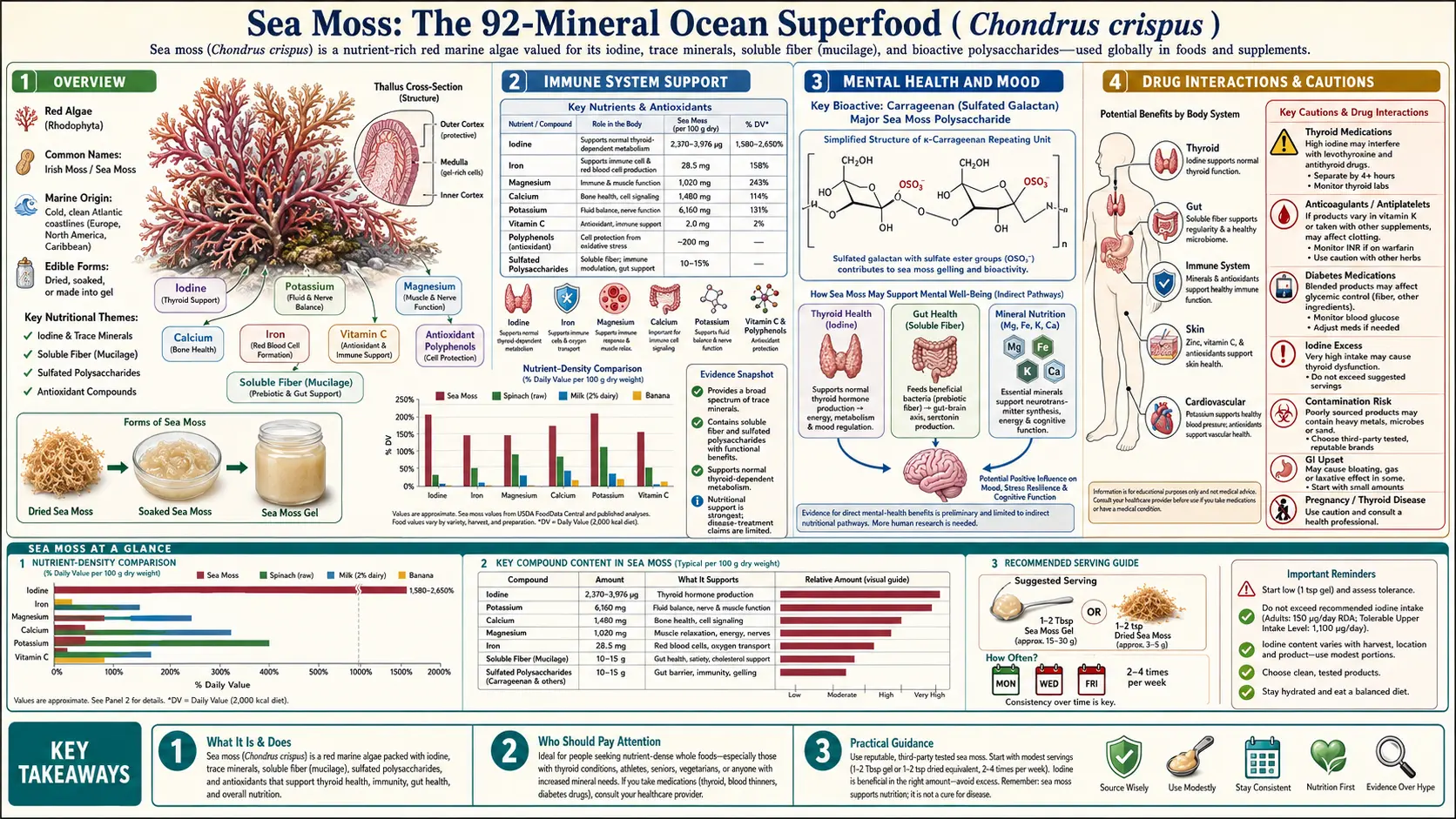
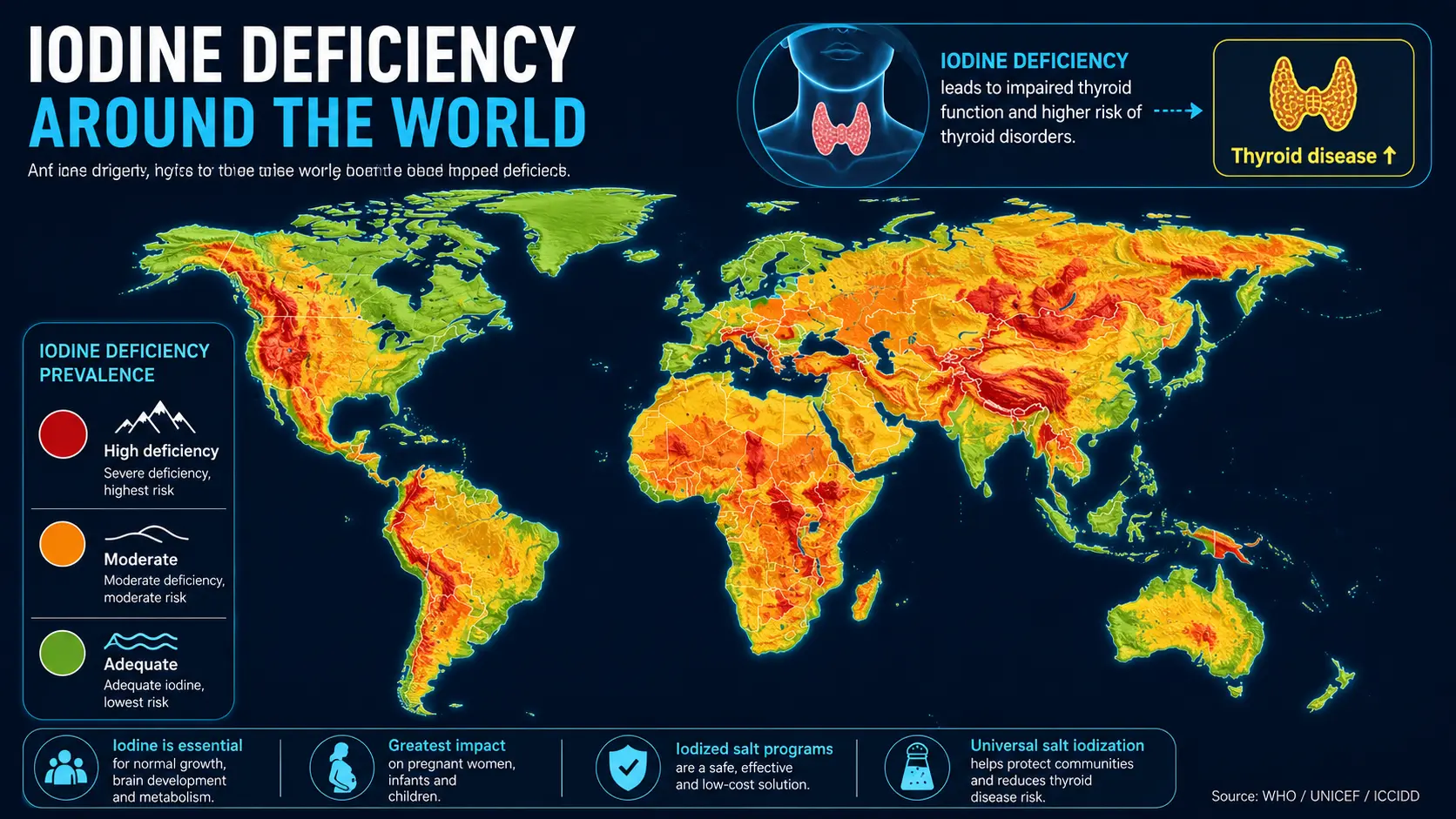
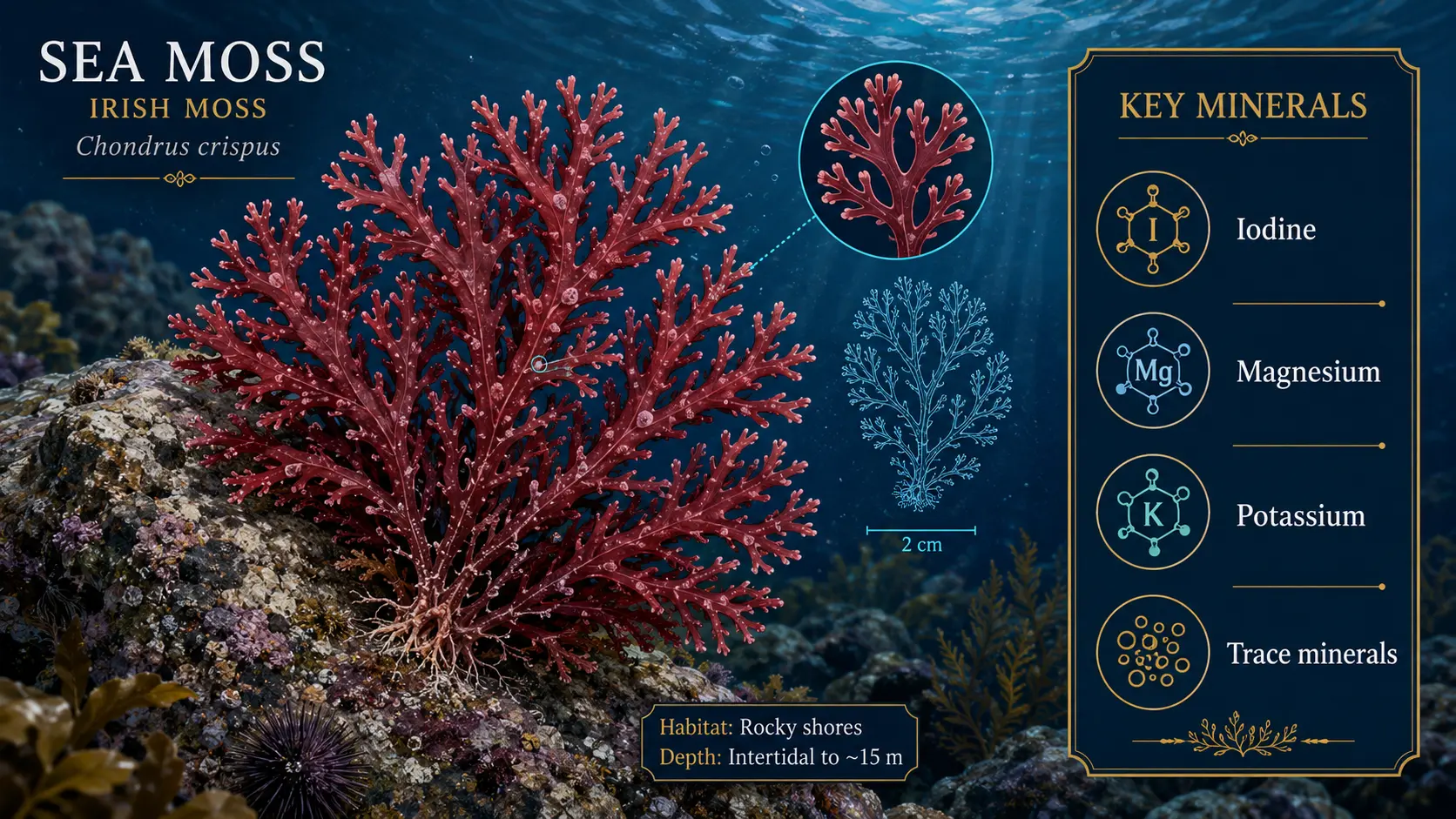
Table of Contents
- Overview
- Historical and Cultural Background
- Botanical Description
- Nutritional Profile
- Mineral Content
- Thyroid Health
- Digestive Health
- Immune System Research
- Skin Health
- Joint and Connective Tissue Health
- Respiratory Health
- Weight Management
- Heart Health
- Mental Health and Mood
- Fertility and Reproductive Health
- Hair and Nail Growth
- Wild-Harvested vs Pool-Grown
- How Sea Moss Gel Is Made
- Amounts Commonly Used
- Safety Concerns
- Drug Interactions
- Key Research Papers
- Connections
- Featured Videos
Overview
Sea moss, also known as Irish moss, is a red alga (Chondrus crispus) of North Atlantic rocky shores. The name “sea moss” is also used in the marketplace for several tropical red seaweeds, including Gracilaria species and the farmed “elkhorn sea moss” Kappaphycus alvarezii, so a product labelled sea moss may not be Chondrus crispus at all. Once a coastal famine food and a source of the food thickener carrageenan, it is now sold widely as a dried seaweed, a gel and in capsules.
Sea moss is often marketed as containing “92 of the 102 minerals the body needs”. This is a popular marketing claim with no scientific basis: the human body is not known to need 92 minerals, the list of minerals recognized as essential in human nutrition is far shorter, and no laboratory analysis has shown sea moss to supply 92 of them. What analyses do show is that sea moss, like other seaweeds, takes up elements from seawater, so it carries a broad but highly variable mix of minerals, iodine and, depending on where it grew, toxic elements such as arsenic, lead, cadmium and mercury.
Sea moss is rich in sulfated polysaccharides, chiefly carrageenan, the gelling agent that makes the gel set. Carrageenan and other extracts from red seaweeds have shown prebiotic, antiviral and immune-related effects in cell and animal studies. The U.S. National Library of Medicine’s LactMed database summarizes the state of the evidence plainly: sea moss is used as food and medicine, “although no medicinal value has been proven”. Most of the benefits attributed to sea moss itself have not been tested in a human trial, and the sections below say where that is the case.
The best-documented facts about sea moss concern its composition and its hazards: iodine content that varies widely between species, sources and batches; reported thyroid dysfunction from excess iodine; heavy-metal and microbial findings in commercial products; and the separate scientific debate over carrageenan.
Historical and Cultural Background
Sea moss (Chondrus crispus) was named scientifically by the botanist John Stackhouse in 1797, but coastal families in Ireland had gathered it for food and folk medicine long before that, and it became one of the survival foods of the Great Irish Famine of 1845–1852. Irish immigrants carried the practice across the Atlantic, where it grew into the New England “mossing” industry and, much later, into the modern sea-moss revival associated with the herbalist known as Dr. Sebi, whose diet included it — the fuller story is told in the dedicated History & Discovery article.
Botanical Description
Chondrus crispus is a species of red algae belonging to the phylum Rhodophyta, class Florideophyceae, order Gigartinales, and family Gigartinaceae. Despite being commonly referred to as sea moss or Irish moss, it is neither a true moss nor a plant in the botanical sense. Rather, it is a multicellular marine alga that obtains energy through photosynthesis using chlorophyll and accessory pigments including phycoerythrin and phycocyanin, which give it its characteristic reddish to purplish coloration. Its 105-million-base-pair genome, sequenced in 2013, contains about 9,600 genes.
The thallus (body) of Chondrus crispus is cartilaginous and flattened, growing from a small disc-shaped holdfast that anchors it to rocky substrates in the intertidal and shallow subtidal zones. It is a small, bushy alga whose branching pattern is characteristically dichotomous, meaning the fronds fork repeatedly into two branches, creating a fan-like appearance.
In its fresh, living state, Chondrus crispus varies in color with depth, light exposure and life stage, from dark purplish-red to greenish or golden in brighter, shallower positions. Living fronds can show a blue iridescence under water; a 2026 study traced this structural coloration to a multilayered cuticle on the outer surface of the frond, built from proteins and sulfated polysaccharides. When dried, the color fades to a yellowish or off-white tone, and the texture becomes stiff.
Chondrus crispus grows on the rocky Atlantic shores of both Europe and North America in cool, temperate waters, and is particularly associated with Ireland, Brittany (France), the Canadian Maritimes and New England. The tropical seaweeds also sold as “sea moss” (Gracilaria, Eucheuma and Kappaphycus species) are different organisms, are widely farmed, and differ in composition; Gracilaria, for example, is a source of agar rather than carrageenan.
Nutritional Profile
The U.S. Department of Agriculture’s FoodData Central entry for raw Irish moss lists, per 100 grams of raw sea moss: about 81 grams of water, 49 calories, 1.5 grams of protein, 0.2 grams of fat and 12.3 grams of carbohydrate, of which 1.3 grams is counted as dietary fiber. Sea moss is therefore low in calories, but because fresh or soaked sea moss is mostly water, and gel is diluted further with added water, a spoonful of gel delivers only a fraction of these per-100-gram amounts.
The same USDA entry lists, per 100 grams raw, folate at 182 micrograms, riboflavin (B2) at 0.47 milligrams and niacin (B3) at 0.59 milligrams, while vitamin C (3 milligrams), vitamin E (0.87 milligrams), vitamin K (5 micrograms) and vitamin A (6 micrograms RAE) are present only in small amounts. Folate is involved in DNA synthesis and cell division; riboflavin and niacin act as coenzymes in energy metabolism.
A 2024 laboratory analysis comparing three North Atlantic seaweeds found Chondrus crispus particularly high in the amino acids alanine, glutamic acid and glycine, and found it, along with knotted wrack, rich in polyunsaturated fatty acids, notably the omega-3 fatty acids EPA and DHA. Because total fat is very low (USDA lists 0.046 grams of EPA per 100 grams raw), the absolute amount of omega-3 per serving is small.
Much of the carbohydrate in sea moss is carrageenan and other sulfated polysaccharides. These are not digested by human enzymes; in animal studies, ingested food-grade carrageenan is not significantly absorbed and is excreted in the feces. These polysaccharides give sea moss its gel-forming properties when soaked and blended, and in animal studies have been fermented by gut bacteria (see Digestive Health).
Mineral Content
Sea moss contains iodine, a trace element essential for thyroid hormone synthesis, but the amount varies enormously. A 2020 analysis of commercially sold Irish moss measured an average of 3.86 ± 1.49 milligrams of iodine per kilogram of dry weight — the highest of the two red seaweeds tested, yet modest compared with brown seaweeds. Across seaweeds generally, measured iodine ranges over several orders of magnitude: a 2004 study of 12 commercially available species found from 16 micrograms per gram in nori to over 8,000 micrograms per gram in one processed kelp product, and noted that iodine is water-soluble in cooking and can be lost in humid storage. Many products sold as sea moss are blends that also contain brown seaweeds such as bladderwrack, which can carry much more iodine.
Per 100 grams of raw Irish moss, USDA FoodData Central lists iron at 8.9 milligrams, calcium at 72 milligrams, magnesium at 144 milligrams, phosphorus at 157 milligrams, potassium at 63 milligrams, sodium at 67 milligrams, zinc at 1.95 milligrams, manganese at 0.37 milligrams, copper at 0.15 milligrams and selenium at 0.7 micrograms. Of these, iron and magnesium are high per 100 grams of raw seaweed, while potassium and selenium are low. Vitamin C, which aids non-heme iron absorption, is present only in small amounts.
Mineral values in independent analyses differ from batch to batch and between laboratories. A 2024 comparison of three Atlantic seaweeds found Chondrus crispus the richest of the three in calcium, iron, manganese and zinc, and a 2016 Italian study of 14 seaweeds sold for human consumption found the highest sulfur content in Chondrus crispus; the same study found that elements differed between seaweed species by two to four orders of magnitude. The same uptake from seawater that supplies these minerals also brings in toxic elements (see Safety Concerns).
Thyroid Health
The thyroid gland produces the hormones triiodothyronine (T3) and thyroxine (T4), which regulate metabolism, energy production, body temperature, heart rate, and growth and development. Iodine is an indispensable raw material for these hormones. A 2008 Lancet review estimated that 2 billion people worldwide have insufficient iodine intake, and named iodized salt as the main strategy for controlling iodine deficiency in nearly all countries. Sea moss is traditionally valued as a natural iodine source, but no human trial has tested whether eating sea moss corrects iodine deficiency or changes thyroid function.
Because the iodine content of products varies so widely, the amount actually consumed from sea moss is hard to know. The 2020 Irish moss analysis calculated that 4 grams a day of the dried seaweed it tested would supply about a quarter of a child’s recommended iodine intake and did not pose a health risk at that amount, while 286 grams a day would be needed to exceed the adult tolerable upper intake level of 1,100 micrograms; those figures apply to the samples tested, not to other species or blends.
The relationship between sea moss and thyroid health is not straightforward. Excess iodine can disrupt the thyroid, producing either temporary suppression of thyroid function (the Wolff–Chaikoff effect) or, in a gland with underlying disease, excess hormone production (the Jod-Basedow phenomenon). A case presented at the Endocrine Society’s 2021 meeting described a 28-year-old woman with Graves’ disease whose thyrotoxicosis was attributed to the Jod-Basedow effect after intermittent use of store-bought Irish sea moss and bladderwrack supplements over two years; her hyperthyroidism improved after she stopped the sea moss, without antithyroid drug treatment. LactMed notes that maternal consumption of excess iodine from seaweed has caused thyroid suppression in breastfed infants.
The case report’s authors noted that sea moss supplements may precipitate thyrotoxicosis in people with underlying Graves’ disease or autonomous thyroid nodules. These reports raise a particular concern for people with existing thyroid disease, including Graves’ disease, Hashimoto’s thyroiditis, goiter, or thyroid nodules, and for pregnant and breastfeeding women. Decisions about iodine-containing supplements in these situations belong with a clinician.
Digestive Health
Sea moss has a long history of traditional use as a digestive tonic. The proposed mechanism is its content of sulfated polysaccharides, particularly carrageenan and other complex carbohydrates that are not broken down by human digestive enzymes and reach the colon, where gut bacteria can ferment them. A 2020 review described marine seaweeds as potential prebiotics on the basis of this kind of evidence.
The main study on Chondrus crispus itself is a 2015 rat study published in BMC Complementary and Alternative Medicine. Weaning rats fed a diet with 2.5% cultivated C. crispus showed a shift in colonic microbiota, including a 4.9-fold increase in Bifidobacterium breve and decreases in some pathogenic species, higher fecal short-chain fatty acids (acetic, propionic and butyric acids), improved colon histology and higher fecal moisture; rats on a 0.5% diet had higher blood IgA and IgG. No human trial has tested whether eating sea moss produces these effects in people.
The mucilaginous texture of hydrated sea moss is the basis for its traditional use as a demulcent (soothing agent) for the stomach and intestines; Irish and Caribbean folk traditions used sea moss preparations for stomach complaints. No clinical study has tested sea moss for gastritis, acid reflux, ulcers or irritable bowel syndrome.
Food-grade carrageenan in large amounts can cause soft stools or diarrhea in rodent feeding studies, an effect common to non-digestible high-molecular-weight compounds. The separate controversy over carrageenan and intestinal inflammation is covered under Safety Concerns.
Immune System Research
The immune findings for sea moss come from laboratory and animal studies. In a 2024 cell-culture study, polysaccharide fractions extracted from Chondrus crispus reduced inflammatory nitric oxide output and increased phagocytosis in mouse macrophage cells, and some fractions improved scratch-wound closure. In the 2015 rat feeding study described above, a 0.5% C. crispus diet raised blood IgA and IgG levels.
Carrageenans have shown antiviral activity in laboratory and animal studies. Carrageenan was an extremely potent inhibitor of a broad range of sexually transmitted papillomavirus (HPV) types in cell-culture screens (2006), acting mainly by preventing the virus from binding to cells; iota-carrageenan inhibited influenza A in vitro and, given as a nasal spray, protected mice infected with a lethal dose of influenza (2010); and a lambda-carrageenan from another red seaweed protected mice from genital herpes simplex virus type 2 when applied vaginally before infection (2004). These experiments applied purified carrageenan directly where the virus enters; they did not test eating sea moss.
In humans, purified iota-carrageenan has been tested as a nasal spray for the common cold. In a 35-person randomized trial (2010) it reduced cold symptoms and nasal viral load compared with placebo; in a larger 200-adult trial (2015) the primary symptom endpoint did not reach statistical significance, although exploratory analyses favored the spray. No trial has tested sea moss eaten as food for colds, flu or immune outcomes.
Sea moss contains polyphenols, including compounds such as p-coumaric and gallic acids, that act as antioxidants in laboratory assays; however, its vitamin C and vitamin E content per serving is small, and in the 2024 three-seaweed comparison the strongest antioxidant activity came from knotted wrack rather than Chondrus crispus.
Skin Health
Sea moss is used both internally and topically in the natural skincare community. Minerals and nutrients such as sulfur, zinc and vitamin C have documented roles in skin biology, but the amount of each supplied by a typical serving of sea moss gel is small, and no clinical trial has tested sea moss for any skin outcome.
Sea moss does not contain collagen. Its protein is high in the amino acids alanine, glutamic acid and glycine, and glycine is a major building block of collagen; vitamin C is an essential cofactor for the enzymes prolyl hydroxylase and lysyl hydroxylase that stabilize the collagen triple helix, though sea moss contains little vitamin C. Whether eating sea moss affects collagen in human skin has not been studied.
When applied topically, sea moss gel forms a thin film on the skin, and the polysaccharides hold water, which is the basis for its use as a moisturizer and face mask. In the 2024 cell-culture study, Chondrus crispus polysaccharide fractions reduced inflammatory signaling in macrophages and improved scratch-wound closure, and the authors described them as candidates for skin-health applications. Traditional Caribbean and Irish folk remedies used sea moss preparations for sunburn, eczema and minor wounds. These uses have not been tested in controlled human studies.
Joint and Connective Tissue Health
Sea moss is promoted for joint pain, stiffness, and connective tissue disorders, mainly on the basis of anti-inflammatory activity seen with red-seaweed polysaccharides in cell studies. No clinical trial has tested sea moss in osteoarthritis, rheumatoid arthritis or any other joint condition.
The minerals in sea moss have recognized roles in connective tissue: calcium and magnesium in bone; sulfur as part of chondroitin sulfate in cartilage; manganese as a cofactor for enzymes involved in cartilage formation and for the antioxidant enzyme manganese superoxide dismutase. Chondrus crispus had the highest sulfur content of 14 seaweeds in one analysis. Whether these amounts, eaten as sea moss, affect joints is unknown.
Traditional practitioners in Caribbean and Celtic traditions have used sea moss preparations for joint ailments, and proponents suggest that its mucilage “lubricates” joints; there is no study supporting a lubricating effect of eaten sea moss on synovial fluid. The omega-3 fatty acids in sea moss (EPA and DHA) are present in very small absolute amounts compared with fatty fish.
Respiratory Health
One of the oldest traditional uses of sea moss is as a respiratory remedy. In Irish and Caribbean folk medicine it was prepared as a warm drink or broth, often simmered with lime juice, honey and sometimes ginger or garlic, for congestion, coughs, sore throats and bronchitis.
Proponents attribute a mucus-thinning effect to the potassium chloride in sea moss. This has not been studied, and USDA FoodData Central lists only 63 milligrams of potassium per 100 grams of raw sea moss. The demulcent (soothing, coating) quality of the mucilage is the traditional explanation for relief of throat irritation; it, too, has not been tested in a clinical trial.
The closest human evidence is for purified iota-carrageenan used as a nasal spray, not for sea moss eaten as food: a 35-person trial (2010) found reduced cold symptoms and viral load, while a 200-adult trial (2015) did not reach significance on its primary endpoint (see Immune System Research). No clinical trial has tested sea moss preparations for any respiratory condition.
Weight Management
Sea moss is promoted for weight management because of its low calorie content (about 49 calories per 100 grams raw, according to USDA FoodData Central) and its polysaccharides, which swell with water. No human trial has tested sea moss for appetite, satiety or body weight.
Some weight-management claims for sea moss borrow research on alginate, a dietary fiber that comes from brown seaweeds such as kelp. Alginate is not the main polysaccharide of Chondrus crispus, whose principal polysaccharide is carrageenan, so alginate findings do not transfer directly to sea moss.
Gut microbial composition is linked to body-weight regulation in research on the gut microbiome, and sea moss changed gut bacteria in rats (see Digestive Health); whether this has any effect on weight in people is unknown. Iodine is needed for the thyroid hormones that set basal metabolic rate, but excess iodine can itself cause thyroid dysfunction. Sea moss is not a weight-loss drug.
Heart Health
No clinical trial has tested sea moss for cholesterol, blood pressure or cardiovascular disease. Claims for heart health rest on the general effects of the nutrient classes it contains.
Soluble fibers in general can lower LDL cholesterol by binding bile acids in the intestine, which leads the liver to draw on circulating cholesterol to make new bile acids. Whether the carrageenan in sea moss does this in people has not been shown.
Dietary potassium lowers blood pressure in population and trial research, but sea moss is a poor source: USDA FoodData Central lists 63 milligrams of potassium per 100 grams raw, alongside 67 milligrams of sodium.
Sea moss contains omega-3 fatty acids (EPA and DHA) as a notable share of its very small fat content; USDA lists 0.046 grams of EPA per 100 grams raw, far below fatty fish. It also contains polyphenols that act as antioxidants in laboratory assays. Direct clinical trials of sea moss in human cardiovascular populations have not been carried out.
Mental Health and Mood
Research into the gut-brain axis links gut microbiota to mood and cognitive function through bidirectional signaling pathways. Sea moss altered gut bacteria in rats, but no study has tested sea moss for mood, anxiety, depression or cognition in people or animals.
Magnesium, listed by USDA at 144 milligrams per 100 grams of raw sea moss, is involved in the regulation of the hypothalamic-pituitary-adrenal (HPA) axis, GABA receptor function and neuronal excitability, and low magnesium status has been associated with depression and anxiety in observational research. A tablespoon or two of gel, which is mostly water, supplies only a fraction of the per-100-gram figure.
The B vitamins in sea moss, notably folate, riboflavin and niacin, serve as cofactors in the synthesis and metabolism of neurotransmitters, and folate deficiency has been associated with depression. The omega-3 fatty acids in sea moss are present in very small absolute amounts. Sea moss has not been studied as a treatment for any mental health condition.
Fertility and Reproductive Health
Sea moss has been traditionally used across Caribbean cultures as a fertility enhancer and reproductive tonic for both men and women; in Jamaica and Trinidad, Irish moss drinks have long been associated with libido and vitality. No clinical study has examined sea moss and fertility outcomes in humans.
For male reproductive health, zinc is essential for testosterone production and sperm formation, and zinc deficiency is linked to impaired sperm production. USDA lists 1.95 milligrams of zinc per 100 grams of raw sea moss. Selenium, which protects sperm from oxidative damage, is present at only 0.7 micrograms per 100 grams raw, too little to be a meaningful source.
For female reproductive health, iodine and iron support thyroid function and blood formation. Thyroid dysfunction is a recognized cause of menstrual irregularities, anovulation and pregnancy complications, and iron deficiency anemia is common among women of reproductive age. Folate (182 micrograms per 100 grams raw) is important in early embryonic development for preventing neural tube defects. Because excess iodine can also cause thyroid dysfunction, and LactMed reports infant thyroid suppression from maternal seaweed iodine, the variability of sea moss iodine is a particular concern in pregnancy and breastfeeding. Questions about fertility are for a reproductive specialist; sea moss is not a substitute for fertility evaluation and treatment.
Hair and Nail Growth
Sea moss is marketed for hair and nail growth. No study has tested sea moss for hair loss, hair growth or nail strength.
Zinc deficiency is a recognized cause of hair loss and brittle hair. Iron deficiency is one of the most common nutritional causes of hair loss, particularly among women, and raw sea moss lists 8.9 milligrams of iron per 100 grams. Biotin is often listed among sea moss’s nutrients for hair, but USDA FoodData Central gives no biotin value for Irish moss.
Sulfur is a structural component of the amino acids methionine and cysteine, which are built into keratin, and Chondrus crispus showed the highest sulfur content of 14 seaweeds in one analysis.
Thyroid hormones regulate the hair growth cycle; both hypothyroidism and hyperthyroidism can cause diffuse hair loss. Because excess iodine from seaweed can itself cause thyroid dysfunction, iodine intake from sea moss is not simply a hair-growth benefit. Nutrient deficiencies are one of many causes of hair loss, and sea moss is not a proven treatment for any of them.
Wild-Harvested vs Pool-Grown
As demand for sea moss has grown, two production methods are commonly described: wild-harvesting (also called wildcrafting) and pool-growing (farm-grown or cultivated). These labels often also mark a difference in species: wild-harvested North Atlantic sea moss is typically Chondrus crispus, while much of the golden “sea moss” on the market is tropical Gracilaria, Eucheuma or Kappaphycus grown on ropes or lines in the sea or in ponds.
Wild-harvested sea moss is collected from its natural ocean habitat, where it grows attached to rocks. Its color ranges from golden tan to dark brown and deep purple depending on species and location, and its shape is irregular. Its mineral content and its content of toxic elements both reflect the water where it grew.
Pool-grown or farmed sea moss tends to be lighter, often pale yellow or bleached, with a more uniform, noodle-like shape. Sellers of wild-harvested sea moss argue that pool-grown products contain fewer minerals and bioactive compounds, but published comparative laboratory analyses of the two are limited.
A 2026 study of 66 sea moss products bought from major online retailers in the United States (53 dried products and 13 gels) found substantial variability among products. Dried products contained detectable arsenic, cobalt and mercury; bacteria recovered included Bacillus and Staphylococcus, with presumptive Salmonella, Escherichia, Listeria and Vibrio detected less often.
How Sea Moss Gel Is Made
Sea moss gel is the most common form in which sea moss is consumed, added to smoothies, teas, soups, sauces and desserts, or applied to the skin. Home preparation, as commonly described, uses only dried sea moss, water, and a blender.
Step 1: Cleaning. The dried sea moss is rinsed under cool running water to remove sand, salt and ocean debris, and shells, pebbles or discolored pieces are picked out. Some recipes add a rinse with lime or lemon juice to reduce the sea taste.
Step 2: Soaking. The cleaned sea moss is covered with water and soaked, typically for 12 to 24 hours in common recipes, during which it absorbs water, expands and softens; recipes often change the water to reduce saltiness. Iodine is water-soluble, so soaking and rinsing can lower the iodine content by an amount that has not been measured for typical home recipes.
Step 3: Blending. The soaking water is drained, and the rehydrated sea moss is blended with fresh water — commonly about one cup of water per ounce of dried sea moss — until smooth.
Step 4: Setting and Storage. The blended mixture is poured into clean jars and refrigerated; within two to four hours it thickens into a gel as the carrageenan forms its gel network. Home recipes commonly give a refrigerated shelf life of two to three weeks and up to three months frozen; these figures come from recipes, not from food-safety testing. In the 2026 study of commercial gels, pH ranged from 2.71 to 7.05 and water activity averaged 0.98, and the authors called for evidence-based guidance on processing, storage and handling. In January 2026 a nationally distributed commercial sea moss gel was voluntarily recalled, in a notice posted by the U.S. FDA, because the products lacked the required regulatory authorization and temperature-monitoring records for pH-controlled foods, which can carry a risk of microbial growth including botulism-causing organisms; no illnesses had been reported.
Amounts Commonly Used
There is no established recommended daily allowance (RDA) or clinically tested dose for sea moss. The amounts in circulation come from traditional use, sellers’ labels and the natural health community.
For sea moss gel, the amount most commonly cited is one to two tablespoons per day; sellers often suggest beginning with a smaller amount. For dried sea moss used in cooking, amounts of a few grams a day are commonly cited, and for capsules or powders manufacturers give their own label amounts, which vary by product concentration. None of these amounts has been tested for safety or effect in a clinical trial.
The main reason amount matters is iodine. The tolerable upper intake level (UL) for iodine in adults is 1,100 micrograms per day. The 2020 analysis of Irish moss found that its samples, at an average of 3.86 milligrams per kilogram dry weight, would exceed the UL only at very large intakes (286 grams of dried seaweed a day), but iodine across seaweeds varies by several orders of magnitude, and blends containing brown seaweeds such as bladderwrack can be far higher. Total iodine intake also includes iodized salt, dairy products, seafood and any other seaweed or kelp products. The research raises a particular concern for people with thyroid conditions, for pregnant and breastfeeding women, and for people with kidney disease or taking medications that interact with iodine or minerals; decisions about supplements in these situations belong with a clinician.
Safety Concerns
The safety of sea moss depends on the amount eaten, the species and source, how the product was processed and stored, and the health of the person eating it.
Heavy metal contamination is a documented concern. As a marine organism, sea moss takes up toxic elements such as arsenic, lead, cadmium and mercury from the water where it grows, and the amounts vary with geographic origin and pollution of the surrounding waters. A 2016 study of 14 seaweeds sold for human consumption found total arsenic from below 1 to 67.6, cadmium up to 7.2 and lead up to 6.7 milligrams per kilogram dry weight across species; the authors judged that their contribution to total elemental intake did not appear to pose a threat to consumers, but that the concentrations should be controlled. The 2026 study of 66 U.S. sea moss products detected arsenic, cobalt and mercury in dried products, with mercury at trace levels in gels. A 2019 review of edible seaweeds assessed their potential adverse effects, including those of excess iodine and arsenic. LactMed’s entry on sea moss states that it should be avoided during breastfeeding unless its iodine and heavy-metal levels have been shown to be low enough to be safe.
Excessive iodine intake is another significant concern. Excess iodine can cause thyroid dysfunction, including hyperthyroidism and hypothyroidism, as in the published sea moss case of Jod-Basedow thyrotoxicosis in a woman with Graves’ disease (see Thyroid Health). People who consume sea moss alongside other iodine-rich foods, iodized salt or iodine-containing supplements take in more total iodine, and the variability between products makes the intake hard to estimate.
Microbial contamination has been found in commercial products. The 2026 study recovered Bacillus and Staphylococcus species from both dried products and gels, with presumptive Salmonella, Escherichia, Listeria and Vibrio detected less often, and gels varied widely in acidity. The January 2026 FDA-posted recall of a commercial sea moss gel for a potential botulism risk is described under How Sea Moss Gel Is Made.
The carrageenan controversy involves two different substances. Degraded carrageenan (poligeenan), a low-molecular-weight form produced by acid hydrolysis at high temperature, causes intestinal ulceration and tumors in animal studies; the International Agency for Research on Cancer in 1982 judged the animal evidence for its carcinogenicity sufficient. Food-grade carrageenan, the high-molecular-weight form present in sea moss, is a different molecular entity and is permitted as a food additive by regulators including the U.S. FDA. Researchers disagree about it: a 2001 review argued that undegraded carrageenan was also associated with intestinal ulceration and tumor promotion in animal experiments, possibly through contamination with low-molecular-weight fractions or breakdown in the gut, while a 2014 review of in vivo safety studies concluded that food-grade carrageenan is not significantly absorbed or degraded in the gut, did not cause intestinal ulceration at up to 5% of the diet in several species, and lacked carcinogenic or tumor-promoting effects in animal studies, with soft stools or diarrhea as the main effect at high doses. Most of this evidence is from animal and cell studies, not human trials.
Drug Interactions
No clinical studies have examined drug interactions with sea moss. The interactions discussed below are inferred from its iodine, polysaccharide and mineral content. The categories most often raised are thyroid medications, anticoagulants, and drugs that raise blood potassium. Questions about combining sea moss with prescription drugs are for the prescribing clinician.
For people taking levothyroxine or other thyroid hormone replacement, or antithyroid drugs, the concern is iodine. Excess iodine can alter the thyroid’s own hormone production in either direction, pushing toward hyperthyroidism or hypothyroidism depending on the underlying thyroid condition, which can unsettle a stable treatment plan. The research raises a concern for anyone with a thyroid condition (see Thyroid Health).
Sulfated polysaccharides from red seaweeds, including carrageenan-type fractions, show anticoagulant activity in laboratory assays; in a 2024 study the strongest such activity came from a red seaweed other than Chondrus crispus. Food-grade carrageenan is not significantly absorbed from the gut in animal studies, and no study has measured whether eating sea moss affects blood clotting in people. The concern for people taking blood thinners such as warfarin, heparin, apixaban, rivaroxaban or clopidogrel, or around surgery, is therefore theoretical.
Potassium-sparing diuretics (spironolactone, triamterene), ACE inhibitors (lisinopril, enalapril) and angiotensin II receptor blockers (losartan, valsartan) can raise blood potassium, and hyperkalemia (high blood potassium) can affect heart rhythm. Sea moss is often listed as a potassium source in this context, but USDA FoodData Central gives only 63 milligrams of potassium per 100 grams of raw sea moss, a small amount.
Key Research Papers
- Necas, J., and Bartosikova, L. "Carrageenan: A Review." Veterinarni Medicina, vol. 58, no. 4, 2013, pp. 187-205. — doi:10.17221/6758-VETMED
- Liu, J., Kandasamy, S., Zhang, J., et al. "Prebiotic effects of diet supplemented with the cultivated red seaweed Chondrus crispus or with fructo-oligo-saccharide on host immunity, colonic microbiota and gut microbial metabolites." BMC Complementary and Alternative Medicine, vol. 15, 2015, Article 279. — doi:10.1186/s12906-015-0802-5
- Lomartire, S., Marques, J. C., and Goncalves, A. M. M. "An Overview to the Health Benefits of Seaweeds Consumption." Marine Drugs, vol. 19, no. 6, 2021, Article 341. — doi:10.3390/md19060341
- Teas, J., Pino, S., Critchley, A., and Braverman, L. E. "Variability of Iodine Content in Common Commercially Available Edible Seaweeds." Thyroid, vol. 14, no. 10, 2004, pp. 836-841. — doi:10.1089/thy.2004.14.836
- Jaulneau, V., Lafitte, C., Jacquet, C., et al. "Ulvan, a sulfated polysaccharide from green algae, activates plant immunity through the jasmonic acid signaling pathway." Journal of Biomedicine and Biotechnology, vol. 2010, Article 525291. — doi:10.1155/2010/525291
- Moroney, N. C., O'Grady, M. N., O'Doherty, J. V., and Kerry, J. P. "Effect of a brown seaweed (Laminaria digitata) extract containing laminarin and fucoidan on the quality and shelf-life of fresh and cooked minced pork patties." Meat Science, vol. 94, no. 3, 2013, pp. 304-311. — doi:10.1016/j.meatsci.2013.02.010
- Leandro, A., Pereira, L., and Goncalves, A. M. M. "Diverse Applications of Marine Macroalgae." Marine Drugs, vol. 18, no. 1, 2020, Article 17. — doi:10.3390/md18010017
- Buck, C. B., Thompson, C. D., Roberts, J. N., et al. "Carrageenan is a potent inhibitor of papillomavirus infection." PLoS Pathogens, vol. 2, no. 7, 2006, Article e69. — doi:10.1371/journal.ppat.0020069
- Khalifa, M., Aftab, H. B., and Kantorovich, V. "“Fueling the Fire” - Irish Sea-Moss Resulting in Jod-Basedow Phenomenon in a Patient With Grave’s Disease." Journal of the Endocrine Society, vol. 5, suppl. 1, 2021, p. A906 (meeting abstract). — doi:10.1210/jendso/bvab048.1849
- Cherry, P., O'Hara, C., Magee, P. J., McSorley, E. M., and Allsopp, P. J. "Risks and benefits of consuming edible seaweeds." Nutrition Reviews, vol. 77, no. 5, 2019, pp. 307-329. — doi:10.1093/nutrit/nuy066
- Pereira, L. "A review of the nutrient composition of selected edible seaweeds." In Seaweed: Ecology, Nutrient Composition and Medicinal Uses, Nova Science Publishers, 2011, pp. 15-47. — Search PubMed
- Bixler, H. J., and Porse, H. "A decade of change in the seaweed hydrocolloids industry." Journal of Applied Phycology, vol. 23, 2011, pp. 321-335. — doi:10.1007/s10811-010-9529-3
- Weiner, M. L. "Food additive carrageenan: Part II: A critical review of carrageenan in vivo safety studies." Critical Reviews in Toxicology, vol. 44, no. 3, 2014, pp. 244-269. — doi:10.3109/10408444.2013.861798
- Collado-Torres, A., Ramos-Garcia, M., and Valdez-Morales, M. "Seaweeds as Source of Bioactive Compounds and Nutrition." Frontiers in Marine Science, vol. 8, 2021, Article 775122.
- Cornish, M. L., and Garbary, D. J. "Antioxidants from macroalgae: potential applications in human health and nutrition." Algae, vol. 25, no. 4, 2010, pp. 155-171. — doi:10.4490/algae.2010.25.4.155
- Darias-Rosales, J., Rubio, C., Gutiérrez, Á. J., et al. "Risk assessment of iodine intake from the consumption of red seaweeds (Palmaria palmata and Chondrus crispus)." Environmental Science and Pollution Research International, vol. 27, no. 36, 2020, pp. 45737-45741. — PubMed PMID: 32803579
- Zimmermann, M. B., Jooste, P. L., Pandav, C. S.. "Iodine-deficiency disorders." Lancet, vol. 372, no. 9645, 2008, pp. 1251-62. — PubMed PMID: 18676011
- Rejuso, A., Çobo, M., Curran, J. E., et al. "Microbial and Heavy Metal Analyses of Commercially Available Sea Moss and Sea Moss Products." Journal of Food Protection, vol. 89, no. 11, 2026, Article 100915. — PubMed PMID: 42710593
- Desideri, D., Cantaluppi, C., Ceccotto, F., et al. "Essential and toxic elements in seaweeds for human consumption." Journal of Toxicology and Environmental Health, Part A, vol. 79, no. 3, 2016, pp. 112-22. — PubMed PMID: 26817952
- Čmiková, N., Kowalczewski, P. Ł., Kmiecik, D., et al. "Seaweed Nutritional Value and Bioactive Properties: Insights from Ascophyllum nodosum, Palmaria palmata, and Chondrus crispus." Life (Basel), vol. 14, no. 11, 2024. — PubMed PMID: 39598320
- Leibbrandt, A., Meier, C., König-Schuster, M., et al. "Iota-carrageenan is a potent inhibitor of influenza A virus infection." PLoS One, vol. 5, no. 12, 2010, Article e14320. — PubMed PMID: 21179403
- Carlucci, M. J., Scolaro, L. A., Noseda, M. D., et al. "Protective effect of a natural carrageenan on genital herpes simplex virus infection in mice." Antiviral Research, vol. 64, no. 2, 2004, pp. 137-41. — PubMed PMID: 15498610
- Eccles, R., Meier, C., Jawad, M., et al. "Efficacy and safety of an antiviral Iota-Carrageenan nasal spray: a randomized, double-blind, placebo-controlled exploratory study in volunteers with early symptoms of the common cold." Respiratory Research, vol. 11, no. 1, 2010, Article 108. — PubMed PMID: 20696083
- Eccles, R., Winther, B., Johnston, S. L., et al. "Efficacy and safety of iota-carrageenan nasal spray versus placebo in early treatment of the common cold in adults: the ICICC trial." Respiratory Research, vol. 16, 2015, Article 121. — PubMed PMID: 26438038
- Tobacman, J. K.. "Review of harmful gastrointestinal effects of carrageenan in animal experiments." Environmental Health Perspectives, vol. 109, no. 10, 2001, pp. 983-94. — PubMed PMID: 11675262
- Premarathna, A. D., Ahmed, T. A. E., Rjabovs, V., et al. "Immunomodulation by xylan and carrageenan-type polysaccharides from red seaweeds: Anti-inflammatory, wound healing, cytoprotective, and anticoagulant activities." International Journal of Biological Macromolecules, vol. 260, no. Pt 1, 2024, Article 129433. — PubMed PMID: 38232891
- Drugs and Lactation Database (LactMed). "Sea Moss." National Institute of Child Health and Human Development, 2006–, updated 2026. — PubMed PMID: 41730053
- Collén, J., Porcel, B., Carré, W., et al. "Genome structure and metabolic features in the red seaweed Chondrus crispus shed light on evolution of the Archaeplastida." Proceedings of the National Academy of Sciences of the USA, vol. 110, no. 13, 2013, pp. 5247-5252. — PubMed PMID: 23503846
- Philippe, G., Godfroy, O., Beisson, F., et al. "The multilayered cuticle underlying structural coloration in red algae shares features with the metazoan extracellular matrix." Proceedings of the National Academy of Sciences of the USA, vol. 123, no. 30, 2026, Article e2610789123. — PubMed PMID: 42490383
- Yuan, H., Song, J., Li, X., et al. "Immunomodulation and antitumor activity of kappa-carrageenan oligosaccharides." Cancer Letters, vol. 243, no. 2, 2006, pp. 228-34. — PubMed PMID: 16410037
- Liu, J., Luthuli, S., Yang, Y., et al. "Therapeutic and nutraceutical potentials of a brown seaweed Sargassum fusiforme." Food Science & Nutrition, vol. 8, no. 10, 2020, pp. 5195-5205. — PubMed PMID: 33133523
- Lopez-Santamarina, A., Miranda, J. M., Mondragon, A. D. C., et al. "Potential Use of Marine Seaweeds as Prebiotics: A Review." Molecules, vol. 25, no. 4, 2020. — PubMed PMID: 32102343
- Liu, L., Heinrich, M., Myers, S., et al. "Towards a better understanding of medicinal uses of the brown seaweed Sargassum in Traditional Chinese Medicine: a phytochemical and pharmacological review." Journal of Ethnopharmacology, vol. 142, no. 3, 2012, pp. 591-619. — PubMed PMID: 22683660
- Brownlee, I. A., Allen, A., Pearson, J. P., et al. "Alginate as a source of dietary fiber." Critical Reviews in Food Science and Nutrition, vol. 45, no. 6, 2005, pp. 497-510. — PubMed PMID: 16183570
- Pangestuti, R., Kim, S. K.. "Neuroprotective effects of marine algae." Marine Drugs, vol. 9, no. 5, 2011, pp. 803-818. — PubMed PMID: 21673890
- Teas, J., Braverman, L. E., Kurzer, M. S., et al. "Seaweed and soy: companion foods in Asian cuisine and their effects on thyroid function in American women." Journal of Medicinal Food, vol. 10, no. 1, 2007, pp. 90-100. — PubMed PMID: 17472472
PubMed Topic Searches
Selected peer-reviewed literature. Links resolve to PubMed or DOI.