Glutamine for Gut Health & Leaky Gut
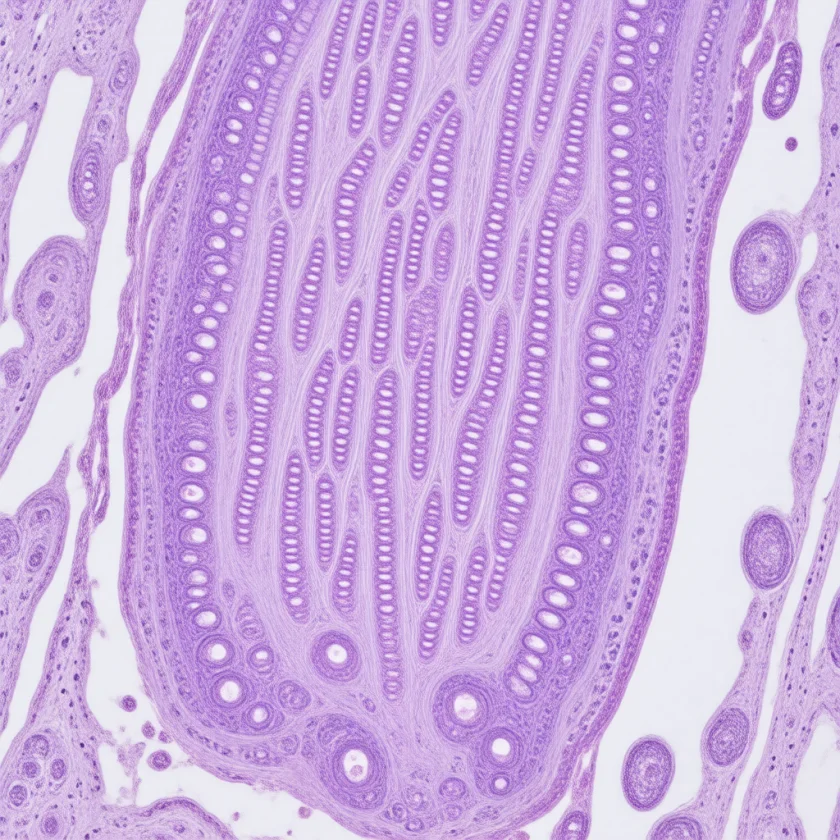
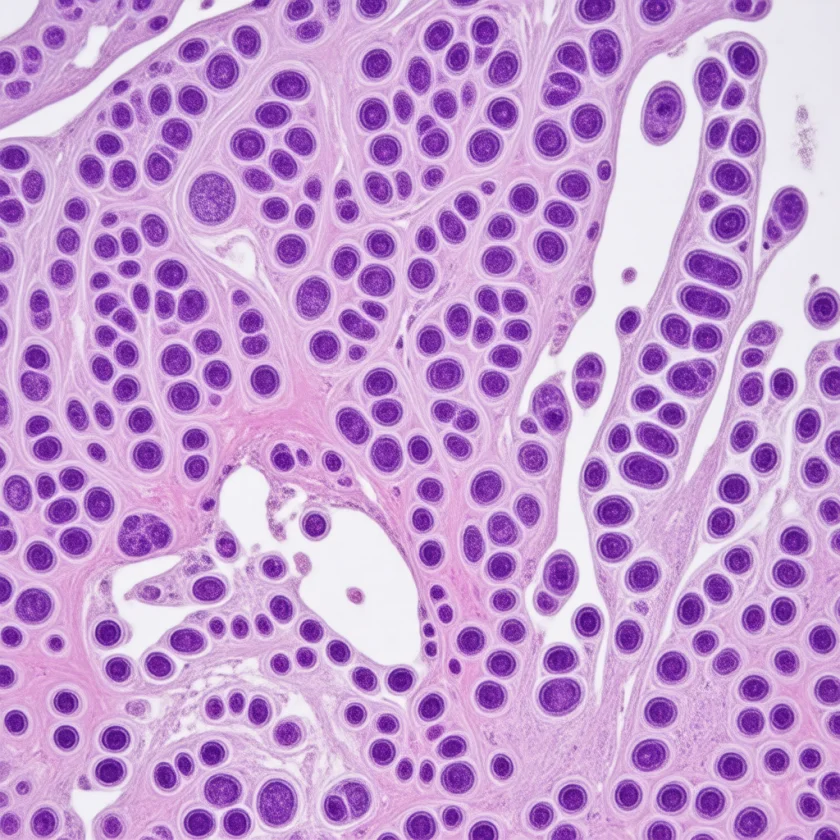
The intestinal epithelium is one of the fastest-renewing tissues in the human body — enterocytes turn over completely every three to five days — and they prefer L-glutamine over glucose as their primary fuel. When the supply of glutamine falls short of the demand, the tight junctions that hold the epithelium together loosen, mucin production drops, and the resulting "leaky gut" allows undigested food fragments, bacterial endotoxins (lipopolysaccharides), and other antigens to translocate into systemic circulation, driving low-grade inflammation that has now been mechanistically linked to inflammatory bowel disease, celiac disease, post-infectious irritable bowel syndrome (IBS), non-alcoholic fatty liver, metabolic syndrome, and a growing list of autoimmune conditions. Naturopathic and integrative practitioners widely regard glutamine as the single most important nutrient for repairing a compromised intestinal barrier. The trials cited on this page found different things: in the 1993 Van der Hulst Lancet trial of 20 hospital patients fed by vein (parenteral nutrition) for two weeks, gut permeability stayed unchanged in those given glutamine-enriched feeding and rose in those on the standard feed; in the 2012 Benjamin Crohn's disease trial, permeability improved equally with glutamine and with whey protein; and in the Zhou 2019 post-infectious irritable bowel syndrome randomized controlled trial (RCT), 79.6% of people taking glutamine reached the trial's main symptom-improvement target, against 5.8% on placebo.
Table of Contents
- How Leaky Gut Syndrome Is Defined
- Tight Junctions and the Gut Barrier
- How Glutamine Repairs the Gut Lining
- Common Causes of Leaky Gut
- Associated Symptoms and Conditions
- Clinical Glutamine Protocol
- Supporting Nutrients and Herbs
- The Gut-Healing Diet Practitioners Describe
- Monitoring Progress
- Cautions and Contraindications
- Key Research Papers
- Connections
- Featured Videos
How Leaky Gut Syndrome Is Defined
Leaky gut syndrome, known in the medical literature as increased intestinal permeability, is a condition in which the tight junctions between intestinal epithelial cells become loose or damaged, allowing undigested food particles, bacterial fragments, endotoxins (lipopolysaccharides), and other antigens to pass directly from the intestinal lumen into the bloodstream. Once these substances enter circulation, they trigger immune activation, systemic inflammation, and a cascade of downstream effects that affect virtually every organ system.
Although the term "leaky gut" was once dismissed as alternative-medicine jargon, over the past two decades mainstream gastroenterology has come to recognize intestinal permeability as a measurable and clinically relevant phenomenon. It is now implicated in inflammatory bowel disease, celiac disease, irritable bowel syndrome, non-alcoholic fatty liver disease, metabolic syndrome, and a growing list of autoimmune conditions.
Tight Junctions and the Gut Barrier
The human gastrointestinal tract is lined with a single layer of epithelial cells joined together by protein complexes called tight junctions. These junctions are not rigid seals but dynamic gates regulated by a family of proteins including claudins, occludins, junctional adhesion molecules (JAMs), and zonula occludens (ZO-1, ZO-2). Under healthy conditions, they permit selective absorption of nutrients while blocking the passage of larger, potentially harmful molecules.
A separate protein, zonulin, acts as a physiological regulator of tight junction permeability. When zonulin is chronically elevated (as happens with gluten exposure in susceptible individuals, dysbiosis, or infection), tight junctions open wider and remain open longer than normal, producing the characteristic "leaky" state.
How Glutamine Repairs the Gut Lining
Among naturopathic and integrative practitioners, L-glutamine is widely considered the single most important nutrient for repairing a compromised intestinal barrier. Its therapeutic actions operate on several levels simultaneously:
- Primary fuel for enterocytes. Intestinal epithelial cells rely on glutamine as their preferred energy source, surpassing even glucose. Without adequate glutamine, these rapidly dividing cells cannot maintain their structural integrity or renew every three to five days as required.
- Upregulation of tight-junction proteins. Research (Rao & Samak 2012) shows that glutamine stimulates expression of claudin-1, occludin, and ZO-1, the proteins that physically seal the spaces between intestinal cells.
- Reduction of enterocyte apoptosis. Glutamine reduces the rate at which stressed intestinal cells undergo programmed cell death, preserving the continuity of the barrier.
- Heat-shock-protein induction. Glutamine stimulates production of protective heat-shock proteins (HSP70, HSP25), which help gut cells resist inflammatory and oxidative injury — one of the "non-nutritive effects" highlighted in the Roth 2008 review.
- Regulation of inflammatory signaling. Glutamine modulates NF-kB and other inflammatory pathways in the gut, dampening the chronic low-grade inflammation that drives further barrier damage.
- Support for mucin production. Adequate glutamine contributes to goblet cell function and the maintenance of the mucus layer that forms the outermost barrier of the gut wall.
- Splanchnic substrate utilization. Souba's 1991 review describes glutamine as a key substrate for the splanchnic bed (gut + liver), the organs an oral dose reaches first; practitioners see this as making oral dosing a particularly effective way to deliver substrate directly to enterocytes.
Common Causes of Leaky Gut
Practitioners hold that supplementation works fully only once the underlying drivers of intestinal permeability are identified and addressed. The most common contributors include:
- Chronic psychological stress — elevated cortisol directly increases intestinal permeability
- Nonsteroidal anti-inflammatory drug (NSAID) use (ibuprofen, naproxen, aspirin) — damages the mucus layer and enterocytes
- Excess alcohol consumption — directly toxic to enterocytes and tight junctions
- Chronic infections including H. pylori, Candida overgrowth, and parasitic infections
- Dysbiosis — imbalance of beneficial versus harmful gut microbes
- Gluten sensitivity — stimulates zonulin release in susceptible people
- Diets high in refined sugar and processed foods
- Food sensitivities and allergies
- Antibiotic overuse — disrupts the microbiome and damages mucosal integrity
- Endurance exercise — prolonged intense training transiently increases gut permeability (see the companion Exercise Recovery deep dive)
Associated Symptoms and Conditions
Leaky gut rarely presents as a single isolated complaint. More often it produces a constellation of symptoms spanning multiple body systems. Common presentations include:
- Bloating, gas, abdominal discomfort, and irregular bowel habits
- Food sensitivities that seem to multiply over time
- Chronic fatigue unresponsive to rest
- Brain fog, difficulty concentrating, mood instability
- Skin issues including eczema, psoriasis, rosacea, and acne
- Joint pain and stiffness without identified arthritis
- Nutritional deficiencies despite adequate dietary intake (particularly iron, B12, magnesium, zinc)
- Seasonal allergies and increased histamine reactivity
Clinically, increased intestinal permeability is linked to inflammatory bowel disease (Crohn's and ulcerative colitis), celiac disease, irritable bowel syndrome, non-alcoholic fatty liver disease, type 1 and type 2 diabetes, Hashimoto's thyroiditis, rheumatoid arthritis, lupus, multiple sclerosis, and mood disorders including anxiety and depression.
Clinical Glutamine Protocol
Naturopathic and integrative practitioners typically recommend the following approach for addressing leaky gut with L-glutamine:
Dosing
- Loading phase (weeks 1-2): 10 to 15 grams daily of powdered L-glutamine, divided into two or three doses taken on an empty stomach
- Maintenance phase (weeks 3-12): 5 to 10 grams daily
- Long-term maintenance: 2 to 5 grams daily, or as needed during periods of stress
Timing
L-glutamine is best absorbed on an empty stomach — typically first thing in the morning, 30 minutes before meals, or before bed. Practitioners describe stirring it into room-temperature water rather than a hot liquid, which they say can break down the amino acid, and drinking it straight away.
Duration
A minimum of 8 to 12 weeks of consistent supplementation is generally necessary to see meaningful improvement in symptoms. In the Benjamin 2012 Crohn's disease trial, which compared glutamine (15 patients) with whey protein as an active control (15 patients), each at 0.5 g per kg of ideal body weight per day for 2 months, intestinal permeability improved in both groups with no difference between them (it returned to normal in 57.1% of each group), and the Zhou 2019 trial in Gut showed clinically meaningful symptom improvement in post-infectious irritable bowel syndrome at 8 weeks of 15 g/day. Severe cases may require six months or longer, particularly when accompanied by underlying conditions such as inflammatory bowel disease (IBD) or autoimmune disease.
Supporting Nutrients and Herbs
Glutamine works best as part of a comprehensive gut-healing protocol. Commonly paired supplements include:
- Zinc carnosine — repairs mucosal lining and accelerates ulcer healing
- Deglycyrrhizinated licorice (DGL) — promotes mucus secretion and protects gastric lining
- N-acetyl glucosamine — supports mucin synthesis
- Slippery elm and marshmallow root — demulcent herbs that coat and soothe inflamed mucosa
- Aloe vera inner leaf — anti-inflammatory and healing for the gastrointestinal (GI) tract
- Turmeric (curcumin) — reduces intestinal inflammation
- Probiotics — particularly multi-strain formulas with Lactobacillus rhamnosus GG and Saccharomyces boulardii
- Bone broth and collagen peptides — provide additional glycine, proline, and glutamine from whole-food sources
- Vitamin D — critical for tight-junction integrity and immune modulation
- Omega-3 fatty acids — reduce systemic and intestinal inflammation
The Gut-Healing Diet Practitioners Describe
Practitioners hold that supplementation alone cannot overcome a diet that continues to damage the gut. The elimination protocol they describe typically emphasizes:
- Removal of gluten, dairy, refined sugar, alcohol, and ultra-processed foods for at least 60 to 90 days
- Generous intake of bone broth, fermented vegetables, and cooked (rather than raw) vegetables during the early healing phase
- High-quality protein from wild-caught fish, pasture-raised poultry, and grass-fed meat
- Abundant colorful vegetables and low-glycemic fruits for polyphenols and fiber
- Healthy fats including extra-virgin olive oil, avocado, and coconut oil
- Avoidance of nonsteroidal anti-inflammatory drugs (NSAIDs) and unnecessary antibiotics whenever possible
Monitoring Progress
Progress during a glutamine-based gut-repair protocol can be tracked subjectively through symptom diaries and objectively through laboratory testing. Common markers include:
- Zonulin — a serum or stool marker of tight-junction regulation
- Lactulose-mannitol test — the classic functional test of intestinal permeability
- Stool calprotectin — a marker of intestinal inflammation
- Comprehensive stool analysis — to assess microbiome balance, digestion markers, and pathogens
- Food sensitivity panels — immunoglobulin G (IgG) testing can help track improvement in reactivity over time
Cautions and Contraindications
- Advanced liver disease or hepatic encephalopathy — impaired ammonia processing means extra glutamine can lead to dangerous ammonia accumulation in this setting.
- Severe kidney disease — in the REDOXS trial (Heyland 2013), 1,223 critically ill adults with multiorgan failure were given high-dose glutamine both by vein and by feeding tube; in-hospital and 6-month deaths were significantly higher among those who received glutamine, and a later analysis of the same trial (Heyland 2015) found the greatest potential for harm in patients whose organ failure included kidney dysfunction.
- Active cancer — "glutamine addiction" of rapidly dividing tumor cells is a real phenomenon (Wise & Thompson 2010): in many cancer cells glutamine is the main fuel for the mitochondria. Evidence is mixed: some studies show benefit in chemotherapy-induced mucositis, others raise concern about fueling tumor metabolism.
- Seizure disorders — glutamine converts to the excitatory neurotransmitter glutamate, which raises a concern for people prone to seizures.
- Pregnancy — safety data on high-dose glutamine supplementation in pregnancy are limited.
Key Research Papers
- Kim MH, Kim H (2017). The Roles of Glutamine in the Intestine and Its Implication in Intestinal Diseases. International Journal of Molecular Sciences 18(5):1051. — PubMed PMID: 28498331
- Rao R, Samak G (2012). Role of Glutamine in Protection of Intestinal Epithelial Tight Junctions. Journal of Epithelial Biology and Pharmacology. — PubMed PMID: 25810794
- Achamrah N, Déchelotte P, Coëffier M (2017). Glutamine and the regulation of intestinal permeability: from bench to bedside. Current Opinion in Clinical Nutrition and Metabolic Care. — PubMed PMID: 27749689
- Wang B et al. (2015). Glutamine and intestinal barrier function. Amino Acids. — Search PubMed
- Van der Hulst RR, van Kreel BK, von Meyenfeldt MF et al. (1993). Glutamine and the preservation of gut integrity. The Lancet 341(8857):1363-5. — PubMed PMID: 8098788
- Benjamin J et al. (2012). Glutamine and whey protein improve intestinal permeability and morphology in patients with Crohn's disease. Digestive Diseases and Sciences. — PubMed PMID: 22038507
- Zhou Q et al. (2019). Randomised placebo-controlled trial of dietary glutamine supplements for postinfectious irritable bowel syndrome. Gut. — PubMed PMID: 30108163
- Rapin JR, Wiernsperger N (2010). Possible links between intestinal permeability and food processing: A potential therapeutic niche for glutamine. Clinics. — PubMed PMID: 20613941
- Souba WW (1991). Glutamine: a key substrate for the splanchnic bed. Annual Review of Nutrition 11:285-308. — PubMed PMID: 1892702
- Roth E (2008). Nonnutritive Effects of Glutamine. Journal of Nutrition. — PubMed PMID: 18806119
- Cruzat V et al. (2018). Glutamine: Metabolism and Immune Function, Supplementation and Clinical Translation. Nutrients. — PubMed PMID: 30360490
- Heyland D, Muscedere J, Wischmeyer PE et al. (2013). A randomized trial of glutamine and antioxidants in critically ill patients. New England Journal of Medicine 368(16):1489-97. — PubMed PMID: 23594003
- Heyland DK, Elke G, Cook D et al. (2015). Glutamine and antioxidants in the critically ill patient: a post hoc analysis of a large-scale randomized trial. JPEN Journal of Parenteral and Enteral Nutrition 39(4):401-9. — PubMed PMID: 24803474
PubMed Topic Searches
Connections
- All Amino Acids
- Glutamine Overview
- Glutamine Benefits Hub
- Glutamine for Immune Function
- Glutamine for Exercise Recovery
- Glutamine for Weight Loss Support
- Glycine
- Proline
- Cysteine
- Gut Healing
- Gut-Brain Axis
- Elimination Diet
- Probiotics
- Bone Broth
- Collagen
- Irritable Bowel Syndrome
- Inflammatory Bowel Disease
- Crohn's Disease
- Celiac Disease
- Gluten-Free Diet Practical Guide
- Zinc
- Allergies
- Arthritis
- Brain Fog
- Conditions on this site that reference this page: Urticaria (Hives) · Microscopic Colitis
- History
- Sources