⚠ Evidence warning: Clinical trials or other evidence do not support the claim that probiotics work best for depression and anxiety at doses above 10 billion colony-forming units a day taken for at least 8 weeks. This page keeps it as a report of what people, websites or other media say.
The Gut-Brain Axis: How Your Microbiome Shapes Your Mind
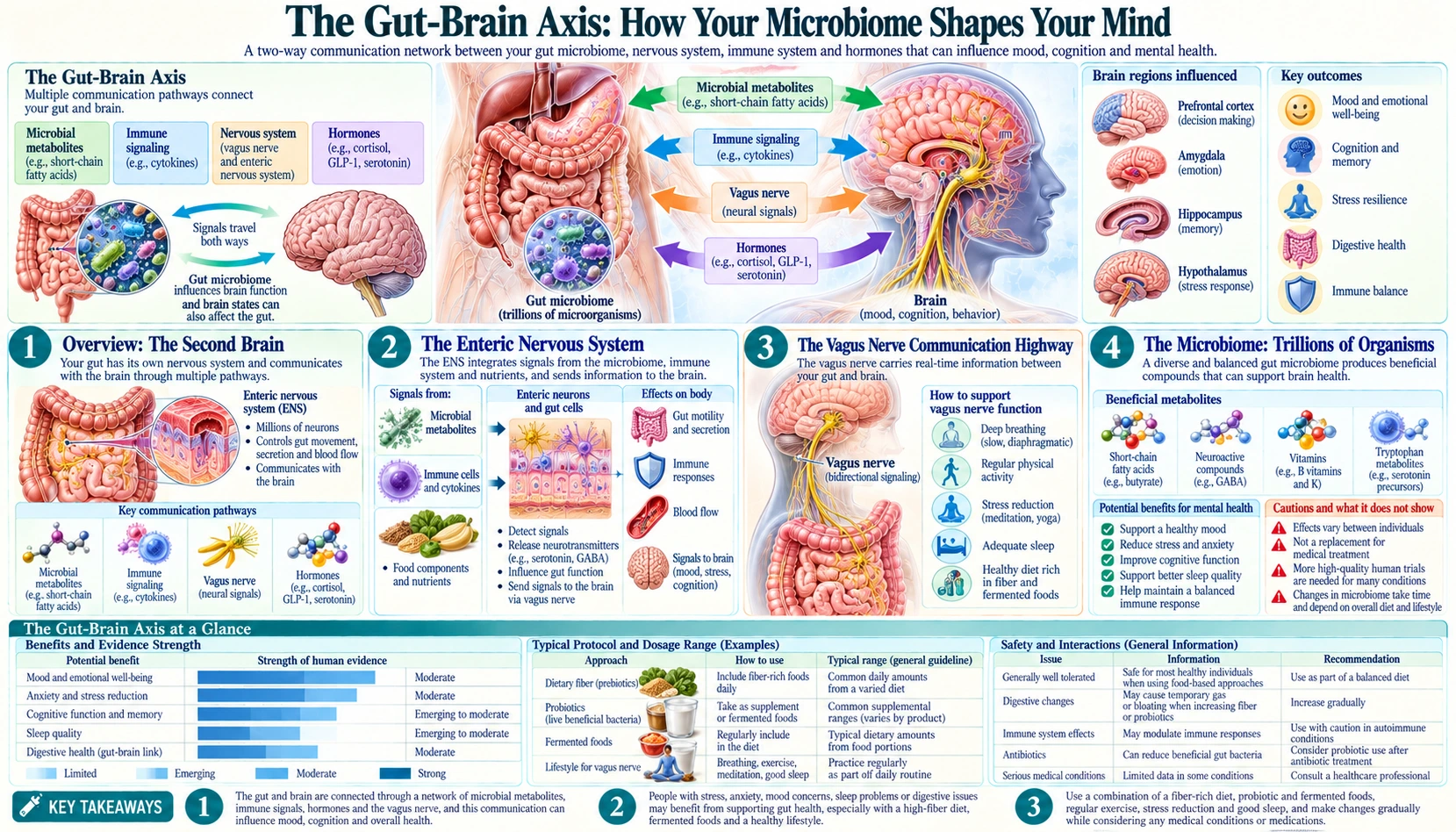
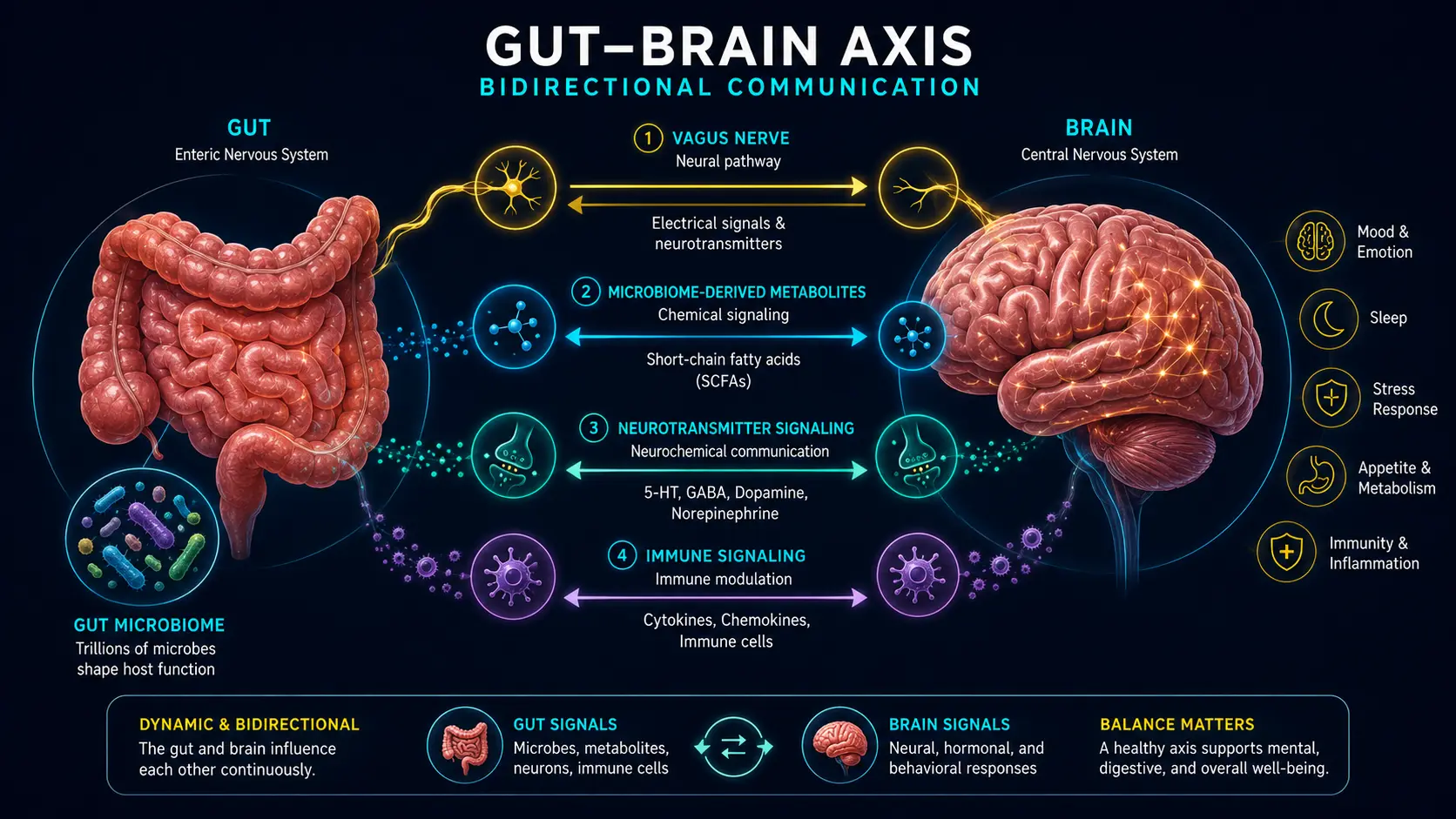
The ancient intuition that the stomach is the seat of emotion has proven remarkably prescient. Modern neuroscience and microbiology have converged on a startling reality: the trillions of microorganisms inhabiting your gastrointestinal tract exert profound influence over your mood, cognition, behavior, and neurological health. This bidirectional communication system, known as the gut-brain axis, represents one of the most revolutionary frontiers in medicine. Understanding how your microbiome shapes your mind opens the door to entirely new strategies for preventing and treating depression, anxiety, neurodegenerative diseases, and a host of conditions once considered purely neurological in origin.
Table of Contents
- Overview: The Second Brain
- The Enteric Nervous System
- The Vagus Nerve Communication Highway
- The Microbiome: Trillions of Organisms
- How Gut Bacteria Produce Neurotransmitters
- Gut Permeability and Leaky Gut
- Inflammation and Brain Health
- Depression and the Microbiome
- Anxiety and Gut Health
- Autism Spectrum Research
- Parkinson's Disease Connection
- Alzheimer's and Microbiome Research
- Probiotics as Psychobiotics
- Prebiotic Foods for Brain Health
- Fermented Foods and Mental Health
- Dietary Strategies for the Gut-Brain Axis
- Harmful Factors That Disrupt the Axis
- Gut-Brain Healing Protocol
- Key Supplements for Gut-Brain Repair
- Testing and Assessment
- The Future of Psychobiotics
- Key Research Papers
- Connections
- Featured Videos
1. Overview: The Second Brain
For decades, the brain was regarded as the sole command center of human thought, emotion, and behavior. That paradigm has been fundamentally overturned. The gastrointestinal tract possesses its own extensive neural network, produces the majority of the body's neurotransmitters, and maintains constant two-way communication with the brain through neural, hormonal, immune, and microbial pathways. Scientists now refer to the gut as the "second brain", a designation that reflects both its structural complexity and its functional importance to mental and neurological health.
The gut-brain axis is not a single pathway but rather a complex web of interconnected systems. The vagus nerve provides a direct neural superhighway between the gut and the brainstem. The hypothalamic-pituitary-adrenal (HPA) axis links gut signals to the stress response system. The immune system serves as a mediator, with gut-derived cytokines influencing neuroinflammation. And the microbiome itself acts as a metabolic organ, producing neuroactive compounds that directly affect brain chemistry. Together, these systems create a communication network so elaborate that disruptions in the gut can manifest as psychiatric symptoms, and psychological stress can trigger gastrointestinal disease.
The implications are staggering. Approximately 90 percent of the body's serotonin is produced in the gut, not the brain. The enteric nervous system contains over 500 million neurons, more than the spinal cord. The microbiome encodes roughly 150 times more genes than the human genome. These facts alone suggest that mental health cannot be fully understood or treated without addressing the gut, and that the traditional separation of gastroenterology and psychiatry may be one of the great oversights in the history of medicine.
2. The Enteric Nervous System
The enteric nervous system (ENS) is the intrinsic nervous system of the gastrointestinal tract, extending from the esophagus to the rectum. It comprises more than 500 million neurons organized into two main networks: the myenteric plexus (Auerbach's plexus), which lies between the longitudinal and circular muscle layers and primarily controls gut motility, and the submucosal plexus (Meissner's plexus), which regulates enzyme secretion, blood flow, and absorption. This vast neural architecture makes the ENS the most complex division of the peripheral nervous system and the largest collection of neurons outside the brain and spinal cord.
What distinguishes the ENS from every other peripheral nerve network is its capacity for autonomous function. The enteric nervous system can gather information about conditions inside the gastrointestinal tract, process that information locally, and generate an appropriate motor or secretory response without any input from the brain or spinal cord. Studies have demonstrated that even when the vagus nerve is severed, the ENS continues to coordinate digestion, peristalsis, and local immune responses independently. This degree of autonomy is why researchers coined the term "second brain" and why the ENS is increasingly recognized as a critical player in systemic health.
The ENS utilizes more than 30 different neurotransmitters, most of which are chemically identical to those found in the central nervous system. These include serotonin, dopamine, acetylcholine, nitric oxide, and substance P. The presence of these shared signaling molecules means that the gut and the brain literally speak the same chemical language. When the ENS is disturbed by infection, inflammation, dietary insult, or microbial imbalance, it sends alarm signals through these neurotransmitter pathways that the brain interprets as anxiety, depression, pain, or cognitive impairment. Conversely, psychological stress can alter ENS function, causing changes in motility, secretion, and permeability that manifest as irritable bowel syndrome, functional dyspepsia, and other gastrointestinal disorders.
3. The Vagus Nerve Communication Highway
The vagus nerve (cranial nerve X) is the longest cranial nerve in the body, wandering from the brainstem through the neck, thorax, and abdomen to innervate virtually every organ in the gastrointestinal tract. It serves as the primary neural conduit of the gut-brain axis, carrying both afferent (sensory) signals from the gut to the brain and efferent (motor) signals from the brain to the gut. Critically, approximately 80 percent of vagal fibers are afferent, meaning the vagus nerve carries far more information from the gut upward to the brain than from the brain downward to the gut. The gut, in essence, talks to the brain more than the brain talks to the gut.
Vagal afferent neurons detect a wide range of stimuli in the gut, including mechanical stretch, nutrient content, pH changes, osmolarity, and the presence of bacterial metabolites. When gut bacteria produce short-chain fatty acids (SCFAs), neurotransmitters, or other bioactive compounds, vagal sensory neurons relay this information to the nucleus tractus solitarius (NTS) in the brainstem. From there, signals project to higher brain regions including the hypothalamus, amygdala, and prefrontal cortex, areas responsible for mood regulation, fear processing, decision making, and emotional memory. This pathway explains how changes in gut microbial composition can directly alter emotional states and cognitive function.
The vagus nerve also mediates the anti-inflammatory reflex, a mechanism by which the brain detects peripheral inflammation and responds by releasing acetylcholine to dampen the immune response. When vagal tone is impaired, whether by chronic stress, poor diet, or microbial dysbiosis, this anti-inflammatory brake weakens, allowing systemic inflammation to escalate. Research has shown that vagus nerve stimulation (VNS), whether through electrical devices, deep breathing exercises, cold water exposure, or probiotic supplementation, can restore vagal tone, reduce inflammation, and improve symptoms of depression and anxiety. The probiotic strain Lactobacillus rhamnosus JB-1, for example, has been shown to reduce stress-related behavior in animal models through a mechanism that is entirely dependent on an intact vagus nerve, demonstrating that certain bacteria can commandeer this neural highway to influence brain function.
4. The Microbiome: Trillions of Organisms
The human gut microbiome is an ecosystem of extraordinary complexity. It comprises approximately 38 trillion bacteria (a 2016 estimate for a 70 kg adult, which puts their total mass at about 0.2 kilograms), alongside archaea, fungi, viruses, and bacteriophages. The microbial genes in the gut outnumber human genes by a factor of approximately 150 to 1, leading some researchers to describe the microbiome as a virtual organ with metabolic capacity rivaling that of the liver. The dominant bacterial phyla in a healthy gut are Firmicutes and Bacteroidetes, with smaller populations of Actinobacteria, Proteobacteria, and Verrucomicrobia.
Each individual harbors a unique microbial fingerprint shaped by mode of birth (vaginal versus cesarean), infant feeding (breast milk versus formula), antibiotic exposure, diet, geography, stress levels, and aging. Despite this individual variation, certain functional capacities are shared across healthy microbiomes. These include the fermentation of dietary fiber into short-chain fatty acids (butyrate, propionate, and acetate), the synthesis of vitamins (B1, B2, B6, B12, K2, and folate), the metabolism of bile acids, the degradation of xenobiotics, and the training of the immune system to distinguish friend from foe. When microbial diversity declines, a condition known as dysbiosis, these protective functions erode, setting the stage for both gastrointestinal and neuropsychiatric disease.
The microbiome's influence on the brain extends well beyond neurotransmitter production. Gut bacteria produce short-chain fatty acids that cross the blood-brain barrier and modulate neuroinflammation, microglial activation, and neurogenesis. They generate tryptophan metabolites that feed into serotonin and kynurenine pathways, influencing mood and neuroprotection. They modulate the hypothalamic-pituitary-adrenal axis, altering cortisol production and the stress response. Germ-free animal studies, in which rodents are raised without any microbiota, have demonstrated exaggerated stress responses, impaired memory, reduced brain-derived neurotrophic factor (BDNF), and abnormal social behavior, all of which can be partially reversed by microbial colonization. These findings underscore the microbiome's essential role as a regulator of brain development and function throughout the lifespan.
5. How Gut Bacteria Produce Neurotransmitters
One of the most remarkable discoveries in gut-brain axis research is that intestinal bacteria directly produce or stimulate the production of the very neurotransmitters that regulate mood, cognition, sleep, and motivation. Approximately 90 percent of the body's serotonin (5-hydroxytryptamine, or 5-HT) is synthesized not in the brain but in enterochromaffin cells (ECCs) lining the gut. Gut bacteria, particularly spore-forming organisms in the Clostridium and Turicibacter genera, stimulate ECCs to produce serotonin by generating short-chain fatty acids that activate the enzyme tryptophan hydroxylase 1 (TPH1). They also metabolize the amino acid tryptophan, serotonin's precursor, directly influencing the amount of substrate available for serotonin synthesis. In germ-free mice, gut serotonin levels are reduced by approximately 60 percent compared to conventionally colonized animals, and this deficit can be restored by reintroducing specific bacterial communities.
gamma-aminobutyric acid (GABA), the brain's primary inhibitory neurotransmitter and a key regulator of anxiety, is produced by multiple bacterial genera in the gut. Bifidobacterium adolescentis strains have been identified as particularly prolific gamma-aminobutyric acid producers, with some strains generating concentrations of 7 to 9 millimolar through the enzymatic activity of glutamate decarboxylase (GAD). Lactobacillus plantarum, Lactobacillus brevis, Lactococcus lactis, and various Bacteroides species also produce substantial amounts of gamma-aminobutyric acid. Research published in 2024 demonstrated that eleven species of human intestinal Bacteroides produce gamma-aminobutyric acid at levels ranging from 0.1 to 61 millimolar, comparable to the output of the most productive Lactobacillus and Bifidobacterium strains. This microbially-derived gamma-aminobutyric acid influences both local enteric nervous system function and, through vagal signaling, central nervous system anxiety circuits.
Dopamine, the neurotransmitter essential for motivation, reward, and motor control, is also produced by gut microbes. Lactobacillus casei has been shown to increase dopamine, serotonin, and norepinephrine levels in the frontal cortex of animal models. Genera including Bacillus, Serratia, and certain Escherichia strains can synthesize dopamine directly. Norepinephrine, critical for alertness and the fight-or-flight response, is produced by Escherichia, Bacillus, and Saccharomyces species. Acetylcholine, vital for memory and learning, is produced by Lactobacillus species. Together, these findings reveal that the gut microbiome functions as a distributed neuroendocrine organ, capable of generating the full repertoire of major neurotransmitters. The clinical implication is clear: microbial dysbiosis does not merely cause digestive symptoms but can fundamentally alter brain chemistry, contributing to depression, anxiety, cognitive decline, and movement disorders.
6. Gut Permeability and Leaky Gut
The intestinal epithelium is a single-cell-thick barrier that performs the extraordinary task of simultaneously absorbing nutrients and keeping harmful substances out of the bloodstream. This selectivity is maintained by tight junction proteins, including occludin, claudins, and zonula occludens, which seal the spaces between epithelial cells. When these tight junctions break down, the intestinal barrier becomes abnormally permeable, a condition commonly known as "leaky gut" and formally termed increased intestinal permeability. This allows bacteria, bacterial fragments such as lipopolysaccharides (LPS), undigested food proteins, and toxins to translocate into the bloodstream, triggering widespread immune activation and systemic inflammation.
The protein zonulin, discovered by Dr. Alessio Fasano, is the only known physiological modulator of intestinal tight junctions identified to date. Zonulin is released in response to specific triggers, most notably gliadin (a component of gluten) and certain pathogenic bacteria. When zonulin levels rise, tight junctions open, and intestinal permeability increases. Elevated zonulin has been documented in celiac disease, type 1 diabetes, inflammatory bowel disease, multiple sclerosis, and, critically, in patients with major depressive disorder and anxiety disorders. Research has demonstrated that zonulin may be responsible for the breakdown of both the intestinal barrier and the blood-brain barrier (BBB), providing a molecular mechanism by which gut dysbiosis can directly compromise brain integrity.
The consequences of leaky gut for brain health are severe. When bacterial lipopolysaccharides enter the circulation (a condition termed metabolic endotoxemia), they activate toll-like receptor 4 (TLR4) on immune cells, triggering the release of pro-inflammatory cytokines including tumor necrosis factor-alpha, interleukin-1-beta, and interleukin-6 (IL-6). These cytokines cross the blood-brain barrier, activate microglia (the brain's resident immune cells), and initiate neuroinflammation. This inflammatory cascade has been implicated in the pathogenesis of depression, anxiety, autism, Parkinson's disease, and Alzheimer's disease. A vicious cycle ensues: gut dysbiosis causes zonulin release, which increases intestinal permeability, which triggers cytokine production, which further damages the intestinal barrier and the blood-brain barrier, perpetuating chronic neuroinflammation.
7. Inflammation and Brain Health
Chronic low-grade inflammation is now recognized as a unifying mechanism underlying many of the brain disorders linked to gut dysfunction. The inflammatory cascade begins in the gut, where microbial imbalance, barrier dysfunction, and immune activation generate a storm of pro-inflammatory mediators. Cytokines, the signaling proteins of the immune system, are central to this process. In a healthy gut-brain axis, the immune system maintains a delicate balance between pro-inflammatory cytokines (tumor necrosis factor-alpha, interleukin-1-beta, interleukin-6, IFN-gamma) and anti-inflammatory cytokines (interleukin-10, TGF-beta). When dysbiosis tips this balance toward inflammation, the consequences for the brain are devastating.
Pro-inflammatory cytokines reach the brain through multiple routes: they can cross the blood-brain barrier directly at circumventricular organs where the barrier is naturally permeable, they can be actively transported across the BBB by saturable transport systems, they can signal through vagal afferents, and they can compromise BBB integrity to create their own passage. Once in the brain, these cytokines activate microglia, which produce additional inflammatory mediators, creating a self-sustaining neuroinflammatory loop. Activated microglia release reactive oxygen species, nitric oxide, and more cytokines that damage neurons, impair synaptic plasticity, reduce brain-derived neurotrophic factor production, and disrupt neurotransmitter metabolism. Specifically, inflammatory cytokines upregulate the enzyme indoleamine 2,3-dioxygenase (IDO), which shunts tryptophan away from serotonin synthesis and toward the kynurenine pathway, producing neurotoxic metabolites such as quinolinic acid while depleting the substrate needed for serotonin production.
This inflammation-driven disruption of neurotransmitter metabolism helps explain why approximately one-third of patients with major depression do not respond to conventional selective serotonin reuptake inhibitors (SSRIs). If the root cause is inflammatory rather than a simple deficit in serotonin reuptake, targeting the gut and its inflammatory drivers may be more effective than modulating synaptic serotonin alone. Research has shown that patients with treatment-resistant depression frequently exhibit elevated levels of C-reactive protein (CRP), interleukin-6, and tumor necrosis factor-alpha, all markers of the systemic inflammation that can originate in a dysbiotic, permeable gut. Anti-inflammatory interventions, including dietary changes, probiotics, and gut barrier repair, represent a promising complementary approach for these patients.
8. Depression and the Microbiome
The relationship between the gut microbiome and major depressive disorder (MDD) has been one of the most actively investigated areas in gut-brain axis research. Large-scale metagenomic studies have consistently found that individuals with depression harbor distinct microbial signatures compared to healthy controls. Depressed patients tend to have reduced microbial diversity and specific alterations including decreased abundance of Faecalibacterium prausnitzii (a major butyrate producer with anti-inflammatory properties), Coprococcus, and Dialister, alongside increased abundance of Eggerthella, Flavonifractor, and certain Bacteroides species. The Flemish Gut Flora Project, one of the largest population-level microbiome studies, confirmed that Coprococcus and Dialister were consistently depleted in individuals with depression, even after correcting for the effects of antidepressant medications.
The mechanisms by which microbial alterations contribute to depression are multifaceted. Reduced populations of butyrate-producing bacteria weaken the intestinal barrier, allowing endotoxin translocation and systemic inflammation. Dysbiosis elevates activity of beta-glucuronidase and monoamine oxidase-A (MAO-A), enzymes that accelerate the degradation of serotonin and other monoamine neurotransmitters. Inflammatory cytokines produced in response to gut permeability activate the kynurenine pathway, depleting tryptophan and generating neurotoxic quinolinic acid. Meanwhile, reduced microbial production of gamma-aminobutyric acid and dopamine further compromises the neurochemical milieu. Recent 2025 research has also demonstrated that short-chain fatty acids produced by healthy gut bacteria can cross the blood-brain barrier and provide direct neuroprotection by regulating neuroinflammation and enhancing barrier integrity, functions that are impaired when short-chain fatty acid-producing bacteria are depleted.
Clinical intervention studies have yielded encouraging results. A 2025 meta-analysis of randomized controlled trials found that probiotic supplementation significantly reduced depression symptoms in clinically diagnosed populations, with effects observed within 8 weeks of treatment. Both single-strain and multi-strain probiotics showed moderate to large effect sizes, though the evidence currently supports psychobiotics as adjunctive therapies that complement rather than replace standard psychiatric care. Studies have also shown that dietary interventions, particularly adoption of a Mediterranean-style diet rich in fiber, polyphenols, and fermented foods, can improve depressive symptoms in parallel with measurable shifts in gut microbial composition. The emerging picture suggests that depression, at least in a significant subset of patients, may be as much a disorder of the gut as it is of the brain.
9. Anxiety and Gut Health
Anxiety disorders affect an estimated 284 million people worldwide, making them the most prevalent category of mental illness. The gut-brain axis plays a central role in anxiety through several interacting mechanisms. The vagus nerve, which transmits visceral sensory information from the gut to brain regions governing fear and emotional processing (particularly the amygdala), is exquisitely sensitive to the gut's microbial environment. When the microbiome is disrupted, vagal signaling is altered, leading to heightened activation of the amygdala and the hypothalamic-pituitary-adrenal stress axis. Germ-free mice, raised without any gut microbes, show reduced anxiety-like behavior (and more motor activity) compared with mice that have a normal gut microbiota, while germ-free mice colonized with gut microbiota early in life behave like normal mice (Diaz Heijtz 2011; Neufeld 2011), suggesting that microbial colonization early in life shapes the brain circuits involved in anxiety behavior.
In individuals with anxiety disorders, gut dysbiosis is frequently associated with elevated levels of beta-glucuronidase and increased MAO-A activity, leading to accelerated serotonin degradation. This enzymatic environment reduces the availability of serotonin in both the gut and the brain, exacerbating anxious states. Additionally, dysbiotic microbiomes produce fewer short-chain fatty acids, weakening the intestinal barrier and allowing bacterial endotoxins to enter the circulation. The resulting low-grade systemic inflammation activates immune pathways that converge on brain circuits governing threat detection, creating a biological substrate for persistent anxiety. Patients with irritable bowel syndrome (IBS), a condition characterized by gut-brain axis dysfunction, have anxiety comorbidity rates exceeding 40 percent, underscoring the intimate link between gut dysfunction and anxious states.
Targeted probiotic interventions have shown measurable anxiolytic effects. The strain Lactobacillus rhamnosus JB-1 reduced anxiety-like behavior in mice and altered gamma-aminobutyric acid receptor expression in brain regions involved in anxiety processing, effects that were abolished by vagotomy, confirming the vagus nerve as the communication pathway. Human trials using multi-strain psychobiotic formulations have demonstrated reductions in cortisol reactivity, improved scores on the State-Trait Anxiety Inventory, and decreased self-reported perceived stress. In a 2022 study published in Molecular Psychiatry, 45 healthy adults were randomized to a four-week psychobiotic diet emphasizing prebiotic fiber and fermented foods or to a control diet: perceived stress fell by 32% on the psychobiotic diet and by 17% on the control diet, the difference between the groups was not significant, and biological markers of stress did not change. Practitioners in this field describe addressing gut health through diet, probiotics, and stress management as a foundational part of anxiety care.
10. Autism Spectrum Research
Gastrointestinal symptoms are remarkably prevalent in individuals with autism spectrum disorder (ASD), with studies reporting that 40 to 90 percent of autistic individuals experience chronic gastrointestinal (GI) complaints including constipation, diarrhea, abdominal pain, and gastroesophageal reflux. This clinical overlap between neurological and gastrointestinal symptoms has spurred intensive investigation into the role of the gut-brain axis in ASD. Multiple studies have documented significant differences in the gut microbiome composition of autistic individuals compared to neurotypical controls, including reduced microbial diversity, decreased Bifidobacterium and Prevotella, and increased Clostridium species, Desulfovibrio, and Sutterella.
Several mechanistic pathways have been proposed to explain how gut dysbiosis may contribute to ASD pathology. Certain Clostridium species produce propionic acid and 4-ethylphenylsulfate (4-EPS), metabolites that have been shown to induce autism-like behaviors in animal models, including repetitive behavior, social withdrawal, and impaired communication. Intestinal permeability is frequently elevated in ASD patients, allowing bacterial metabolites and inflammatory mediators to reach the brain during critical developmental windows. Additionally, the altered tryptophan metabolism characteristic of a dysbiotic gut may reduce serotonin availability during neurodevelopment, a period when serotonin serves as a critical trophic factor for brain wiring rather than simply a neurotransmitter.
Interventional research has provided preliminary but encouraging evidence. Fecal microbiota transplantation (FMT) studies in children with ASD have demonstrated improvements in both gastrointestinal symptoms and behavioral measures. A landmark open-label trial using Microbiota Transfer Therapy showed significant improvements in gastrointestinal symptoms and autism-related behaviors that persisted for two years following treatment, accompanied by increased microbial diversity and enrichment of Bifidobacterium and Prevotella. While these findings are preliminary and larger randomized controlled trials are needed, they suggest that the gut microbiome represents a modifiable factor in ASD and that microbiome-targeted interventions may offer a complementary approach to existing behavioral and pharmacological therapies.
11. Parkinson's Disease Connection
Parkinson's disease (PD) is a progressive neurodegenerative disorder characterized by the loss of dopaminergic neurons in the substantia nigra and the accumulation of misfolded alpha-synuclein protein in structures called Lewy bodies. A groundbreaking hypothesis proposed by Dr. Heiko Braak suggests that Parkinson's disease may actually originate in the gut. The Braak staging system describes how alpha-synuclein pathology first appears in the enteric nervous system and the olfactory bulb before spreading to the brain via the vagus nerve over the course of years or decades. This "gut-first" hypothesis is supported by the observation that constipation and other gastrointestinal symptoms often precede motor symptoms by 10 to 20 years in PD patients, and that individuals who have undergone truncal vagotomy (surgical severing of the vagus nerve) have a reduced risk of developing Parkinson's disease.
Microbiome studies have revealed consistent alterations in PD patients. Meta-analyses identify enrichment of Lactobacillus, Akkermansia, and Bifidobacterium alongside depletion of bacteria belonging to the Lachnospiraceae family as the most reproducible PD-associated microbial signatures. These shifts are associated with reduced production of short-chain fatty acids, particularly butyrate, and increased intestinal inflammation. A landmark 2016 study published in Cell demonstrated that gut microbiota are required for the development of motor deficits and neuroinflammation in a mouse model of PD. Germ-free mice overexpressing alpha-synuclein showed minimal motor dysfunction and reduced alpha-synuclein aggregation compared to conventionally colonized mice. In separate experiments, feeding germ-free mice specific microbial metabolites promoted neuroinflammation and motor symptoms, and colonizing the mice with gut microbiota from people with Parkinson's worsened physical impairments compared with microbiota from healthy donors.
These findings have profound therapeutic implications. If Parkinson's disease begins in the gut, then interventions targeting the microbiome might slow or prevent disease progression before irreversible brain damage occurs. Fecal microbiota transplantation, targeted probiotic formulations, dietary interventions to increase short-chain fatty acid (SCFA) production, and strategies to reduce intestinal permeability are all under active investigation as potential approaches to PD prevention and treatment. Research published in 2025 continues to demonstrate that bacteria in the gut can trigger neurodegeneration by interfering with immune function and boosting inflammation, reinforcing the view that Parkinson's may ultimately prove to be a disease of the gut-brain axis as much as a disease of the brain.
12. Alzheimer's and Microbiome Research
Alzheimer's disease (AD) is the most common neurodegenerative disorder and the most common form of dementia: the World Health Organization reports that 57 million people were living with dementia worldwide in 2021, and that Alzheimer's may contribute to 60–70% of cases. While amyloid-beta plaques and neurofibrillary tau tangles remain the pathological hallmarks, a growing body of evidence implicates the gut microbiome and chronic neuroinflammation as upstream drivers of disease pathogenesis. Patients with Alzheimer's disease consistently demonstrate altered gut microbial composition, including reduced diversity, decreased abundance of anti-inflammatory taxa such as Eubacterium rectale and Faecalibacterium prausnitzii, and increased representation of pro-inflammatory species including Escherichia and Shigella.
The mechanistic connections between gut dysbiosis and Alzheimer's are compelling. Bacterial amyloids, structural proteins produced by gut bacteria including E. coli (curli fibers) and Staphylococcus species, share structural similarities with the amyloid-beta proteins that accumulate in AD brains. Through a process called molecular mimicry and cross-seeding, exposure to bacterial amyloids may prime the immune system and promote misfolding of cerebral amyloid-beta. Additionally, gut-derived lipopolysaccharides have been found at elevated concentrations in the brains of Alzheimer's patients, co-localizing with amyloid plaques and activating the inflammatory cascades that drive neuronal death. Reduced short-chain fatty acid production in a dysbiotic gut impairs microglial function, allowing amyloid accumulation to proceed unchecked.
Interventional studies, while still in early stages, suggest that microbiome modulation may influence AD trajectories. Animal studies have shown that antibiotic-induced microbiome depletion reduces amyloid-beta deposition and neuroinflammation in transgenic AD mouse models, and that fecal microbiota transplantation from healthy donors can restore cognitive function in AD mice. In humans, a pilot clinical trial demonstrated that a multi-strain probiotic formulation improved cognitive scores in AD patients over a 12-week period. Research published in 2025 identifies the gut-immune-brain axis as a dynamic bidirectional communication system with particular relevance to Alzheimer's pathogenesis, suggesting that personalized microbiome interventions may eventually become part of a multi-pronged approach to AD prevention and treatment alongside amyloid-targeting therapies.
13. Probiotics as Psychobiotics
The term "psychobiotics" was coined by researchers Ted Dinan and John Cryan in 2013 to describe live organisms that, when ingested in adequate amounts, produce a health benefit in patients suffering from psychiatric illness. The definition has since expanded to include any exogenous influence on the gut microbiome that exerts beneficial psychotropic effects, encompassing both probiotics and prebiotics. Psychobiotics represent a paradigm shift in psychiatry, suggesting that targeted manipulation of the gut microbiome can serve as a legitimate therapeutic strategy for mental health disorders.
Clinical evidence for psychobiotic efficacy has accumulated rapidly. A comprehensive 2025 meta-analysis of randomized controlled trials found that probiotic supplementation significantly reduced symptoms of both depression and anxiety in clinically diagnosed populations. In that analysis, studies lasting less than 8 weeks showed larger effects on depression than longer ones; it did not analyze results by dose, and its authors call for larger trials exploring dosage. Optimal results have been reported with doses exceeding 10 billion colony-forming units (CFU) per day administered for at least 8 weeks. Specific strains with the strongest evidence for psychobiotic effects include Lactobacillus helveticus R0052 and Bifidobacterium longum R0175 (studied together as a combination), which have demonstrated reductions in cortisol, psychological distress, and depressive symptoms across multiple human trials. Lactobacillus plantarum PS128, studied primarily in autism and Parkinson's, has shown effects on dopamine metabolism. Bifidobacterium longum 1714 reduced stress and improved memory in healthy volunteers.
However, important caveats apply. Current evidence supports psychobiotics primarily as adjunctive therapies that complement standard psychiatric treatment rather than as standalone replacements for antidepressants or anxiolytics. Effects are strain-specific: not all probiotics are psychobiotics, and a general probiotic supplement may not confer mental health benefits. Individual responses vary depending on baseline microbiome composition, diet, genetics, and the severity of the psychiatric condition. The emerging frontier of personalized psychobiotics, in which treatment is tailored based on an individual's baseline microbial profile and metabolomic data, promises to improve efficacy by matching specific strains to specific microbial deficits. Recent pilot studies have shown that patients with major depressive disorder achieved significant improvements when given personalized probiotic regimens based on their baseline microbiome profiles.
14. Prebiotic Foods for Brain Health
Prebiotics are non-digestible dietary fibers and compounds that selectively stimulate the growth and activity of beneficial gut bacteria. Unlike probiotics, which introduce exogenous organisms, prebiotics nourish the beneficial microbes already resident in your gut. By promoting the growth of short-chain fatty acid-producing bacteria, prebiotics strengthen the intestinal barrier, reduce inflammation, and indirectly support neurotransmitter production. The most well-studied prebiotic compounds include inulin, fructo-oligosaccharides (FOS), galacto-oligosaccharides (GOS), resistant starch, and beta-glucans.
Specific prebiotic-rich foods that support gut-brain health include:
- Chicory root - the richest natural source of inulin (up to 64.6% by weight)
- Jerusalem artichokes - contain 31-76% inulin on a dry weight basis
- Garlic - provides inulin and FOS that promote Bifidobacterium growth
- Onions and leeks - rich in FOS and quercetin, a polyphenol with anti-inflammatory properties
- Asparagus - contains inulin and supports Lactobacillus and Bifidobacterium populations
- Bananas (especially slightly green) - provide resistant starch and FOS
- Oats and barley - contain beta-glucan fibers that increase butyrate production
- Legumes (lentils, chickpeas, beans) - rich in resistant starch and galacto-oligosaccharides
- Flaxseeds - contain mucilage fiber and lignans with prebiotic properties
- Cocoa and dark chocolate - polyphenols act as prebiotics, promoting Bifidobacterium and Lactobacillus
Clinical research has demonstrated measurable cognitive and psychological benefits from prebiotic supplementation. In a 2015 study of 45 healthy volunteers, three weeks of one galacto-oligosaccharide prebiotic (B-GOS) lowered the waking cortisol response and reduced attention to negative versus positive information compared with placebo, while a second prebiotic (FOS) had no effect; the authors call for further studies (Schmidt 2015). A 2022 study in Molecular Psychiatry tested a four-week psychobiotic diet rich in prebiotic foods, including onions, leeks, garlic, legumes, and fermented foods, in healthy adults: perceived stress fell in both the diet and control groups with no significant difference between them, and the diet produced only subtle changes in the gut microbes. Prebiotic consumption also increases the production of butyrate, which has been shown to promote brain-derived neurotrophic factor (BDNF) expression, supporting neuroplasticity, learning, and memory. A diverse daily intake of prebiotic-rich whole foods is one of the cheapest and most accessible approaches described for gut-brain health.
15. Fermented Foods and Mental Health
Fermented foods have been consumed across cultures for millennia, but their relevance to mental health is only now being scientifically validated. Fermentation is a metabolic process in which microorganisms, including Lactobacillus, Bifidobacterium, Saccharomyces, and Acetobacter species, transform food substrates, producing lactic acid, acetic acid, ethanol, bioactive peptides, and a host of postbiotic metabolites. The result is a food that not only contains live beneficial microorganisms but is also enriched with compounds that directly support gut barrier function, reduce inflammation, and modulate neurotransmitter pathways.
Key fermented foods with documented benefits for gut-brain health include:
- Yogurt - contains live Lactobacillus and Streptococcus thermophilus; associated with reduced anxiety and improved emotional processing in functional magnetic resonance imaging (fMRI) studies
- Kefir - a fermented milk drink containing over 50 species of bacteria and yeasts; shown to reduce inflammatory markers and improve mood
- Sauerkraut - fermented cabbage rich in Lactobacillus plantarum; provides vitamin C, fiber, and bioavailable minerals
- Kimchi - Korean fermented vegetable dish containing diverse Lactobacillus strains, gamma-aminobutyric acid, and anti-inflammatory compounds
- Miso - fermented soybean paste; provides isoflavones, beneficial bacteria, and amino acids
- Kombucha - fermented tea rich in organic acids, B vitamins, and beneficial yeasts
- Tempeh - fermented soybeans with high bioavailability of proteins, vitamins, and minerals
- Traditional pickles (naturally fermented, not vinegar-brined) - contain Lactobacillus and other beneficial organisms
A landmark Stanford study found that a diet high in fermented foods significantly increased microbial diversity and decreased markers of inflammation, including interleukin-6, interleukin-10 (IL-10), and IL-12b, over a 10-week intervention period. Notably, research suggests that consuming fermented foods in their whole-food form may be more effective than probiotic supplements for improving overall microbiome health, likely because fermented foods deliver not only live microorganisms but also the prebiotic substrates and postbiotic metabolites produced during fermentation. Two to three servings of diverse fermented foods daily is the cheap, practical amount practitioners commonly describe. Variety is important: different fermented foods harbor different microbial communities, and diversity of microbial exposure is a key driver of overall microbiome resilience.
16. Dietary Strategies for the Gut-Brain Axis
The Mediterranean diet has emerged as the dietary pattern with the strongest evidence for supporting both gut and brain health. Characterized by abundant consumption of fruits, vegetables, whole grains, legumes, nuts, seeds, olive oil, and fish, with moderate intake of fermented dairy and limited consumption of red meat and processed foods, the Mediterranean diet has been associated with a 33 percent reduction in the risk of depression in large epidemiological studies. Its benefits are mediated in part through the gut microbiome: adherence to a Mediterranean diet increases the abundance of fiber-fermenting bacteria, short-chain fatty acid production, and microbial diversity while reducing pro-inflammatory species and markers of intestinal permeability.
A high-fiber diet is the single most impactful dietary factor for microbiome health. Current recommendations suggest consuming 25 to 35 grams of dietary fiber per day, yet most Western populations average only 15 grams. Dietary fiber is the primary fuel for beneficial bacteria, and its fermentation produces butyrate, propionate, and acetate, short-chain fatty acids that nourish colonocytes, strengthen the gut barrier, modulate immune function, and exert neuroprotective effects in the brain. Increasing fiber intake from diverse sources, including vegetables, fruits, legumes, whole grains, nuts, and seeds, is perhaps the most effective single dietary intervention for improving gut-brain axis function. Each plant food contains different types of fiber that feed different microbial communities, which is why the "30 plants per week" guideline has gained traction in microbiome research as a target for dietary diversity.
Additional dietary strategies that support the gut-brain axis include:
- Omega-3 fatty acids from fatty fish (salmon, mackerel, sardines), flaxseeds, and walnuts reduce neuroinflammation and support gut barrier integrity
- Polyphenol-rich foods (berries, green tea, dark chocolate, turmeric, extra virgin olive oil) act as prebiotics and have direct anti-inflammatory and neuroprotective effects
- Bone broth and collagen-rich foods provide glycine, proline, and glutamine to support intestinal lining repair
- Adequate protein intake ensures sufficient tryptophan availability for serotonin synthesis
- Elimination of artificial sweeteners (aspartame, sucralose, saccharin), which have been shown to disrupt gut microbial composition and glucose metabolism
- Reduction of refined sugar, which promotes the growth of inflammatory bacteria and yeast while suppressing beneficial species
17. Harmful Factors That Disrupt the Gut-Brain Axis
Antibiotics represent one of the most potent disruptors of the gut-brain axis. While antibiotics are life-saving medications when used appropriately, their broad-spectrum activity decimates beneficial bacteria alongside pathogens. A single course of antibiotics can reduce microbial diversity by 30 to 50 percent, and some species may not recover for months or even years. Repeated or prolonged antibiotic use has been associated with increased risk of depression, anxiety, and cognitive impairment, effects that are most pronounced when antibiotics are administered during critical developmental windows in childhood and adolescence. The overprescription of antibiotics, particularly for viral infections where they are ineffective, continues to cause widespread collateral damage to the microbiome at a population level.
Chronic psychological stress is another major disruptor. The hypothalamic-pituitary-adrenal axis responds to perceived threats by releasing cortisol, which directly alters gut microbial composition, reduces microbial diversity, increases intestinal permeability, and suppresses secretory immunoglobulin A (IgA) (the gut's first line of immune defense). Animal studies have demonstrated that chronic stress reduces populations of Lactobacillus and Bifidobacterium while promoting the growth of potentially pathogenic species. Stress also reduces vagal tone, impairing the anti-inflammatory reflex and weakening the neural communication between gut and brain. This creates a feed-forward cycle in which stress damages the microbiome, which impairs neurotransmitter production and increases inflammation, which amplifies the stress response further.
Additional factors that harm the gut-brain axis include:
- Ultra-processed foods - high in emulsifiers (polysorbate 80, carboxymethylcellulose), artificial sweeteners, and refined sugars that directly damage the mucus layer and promote dysbiosis
- Excessive alcohol consumption - disrupts tight junction proteins, increases gut permeability, and promotes the growth of gram-negative bacteria that produce endotoxins
- Non-steroidal anti-inflammatory drugs - chronic use damages the intestinal epithelium and increases permeability
- Proton pump inhibitors (PPIs) - alter gastric pH, significantly shifting microbial composition and increasing the risk of Clostridium difficile infection
- Pesticide residues - glyphosate herbicides have been shown to disrupt the shikimate pathway in gut bacteria, affecting the synthesis of aromatic amino acids including tryptophan
- Sleep deprivation - even two nights of partial sleep restriction alter gut microbial composition and insulin sensitivity
- Sedentary lifestyle - physical inactivity is associated with reduced microbial diversity, while moderate exercise has been shown to increase short-chain fatty acid-producing bacteria
18. Gut-Brain Healing Protocol
Functional-medicine and naturopathic practitioners describe restoring the gut-brain axis as a systematic, step-by-step approach that addresses the root causes of dysbiosis and barrier dysfunction while rebuilding microbial diversity and supporting neurotransmitter production. The protocol below, as these practitioners describe it, integrates principles from functional medicine, naturopathic gastroenterology, and microbiome research. Individual needs vary; the steps describe a framework for gut-brain restoration.
Step 1: Remove - Known triggers of gut damage and dysbiosis are removed: ultra-processed foods, refined sugars, artificial sweeteners, excessive alcohol, and any identified food sensitivities (commonly gluten, dairy, soy, and corn in sensitive individuals). Medications that can damage the gut (nonsteroidal anti-inflammatory drugs (NSAIDs), proton pump inhibitors) are cut back where they are not needed for another condition. Chronic stress is addressed through mind-body practices. If testing reveals pathogenic organisms, the infection or overgrowth (small intestinal bacterial overgrowth (SIBO), candida) is treated as its own step.
Step 2: Replace - The digestive factors needed for proper nutrient breakdown and absorption are restored. This may include digestive enzymes (protease, lipase, amylase), hydrochloric acid (betaine HCl) if hypochlorhydria is identified, and bile salts if fat digestion is impaired. Adequate stomach acid is essential for sterilizing food, activating pepsin, and signaling downstream digestive processes. Practitioners hold that many individuals with gut-brain dysfunction have suboptimal digestive capacity that needs restoring before other interventions can be fully effective.
Step 3: Repair - The intestinal lining is supported with targeted nutrients. L-glutamine (5 grams daily) is the primary fuel for enterocytes and has been shown to reduce intestinal permeability. Zinc carnosine (75-150 mg twice daily) stabilizes gut mucosa and promotes healing of epithelial damage. Collagen peptides (10-20 grams daily) provide glycine and proline for mucosal repair. Additional healing agents include deglycyrrhizinated licorice (DGL), slippery elm, marshmallow root, and aloe vera, all of which soothe and protect the gut lining.
Step 4: Reinoculate - Beneficial bacteria are reintroduced through a combination of probiotics and prebiotic-rich foods. Practitioners typically start with a multi-strain probiotic providing at least 10 billion CFU daily, including commonly studied strains such as Lactobacillus rhamnosus, Bifidobacterium longum, Lactobacillus helveticus, and Bifidobacterium infantis, alongside fermented foods (2-3 servings daily) and prebiotic fiber (30+ grams daily from diverse plant sources). Fiber is usually increased gradually over 2-4 weeks to limit bloating and gas as the microbiome adapts.
Step 5: Rebalance - This step covers the lifestyle factors that sustain gut-brain health long term: 7-9 hours of quality sleep nightly; daily stress management practices such as meditation, deep breathing, yoga, or time in nature; regular moderate exercise (150 minutes per week), which increases microbial diversity and short-chain fatty acid production; and social connection, which has been shown to positively influence microbiome composition. This final step is ongoing and represents the maintenance phase that prevents relapse into dysbiosis.
19. Key Supplements for Gut-Brain Repair
While a whole-foods diet is the foundation of gut-brain health, targeted supplementation can accelerate healing and address specific deficits. The following supplements are the ones practitioners most often describe for supporting gut barrier integrity, microbial balance, and the gut-brain connection. Individual needs vary; the official upper limits set by the Institute of Medicine are noted where they apply.
L-Glutamine is the most abundant amino acid in the body and the primary energy source for intestinal epithelial cells (enterocytes). Research has demonstrated that L-glutamine supplementation reduces intestinal permeability, supports tight junction protein expression, and accelerates mucosal healing. The dose practitioners typically describe for gut repair is 5 grams per day, taken on an empty stomach. Some protocols use higher doses (up to 20-40 grams daily) for severe intestinal permeability, and those protocols describe the high doses as given under medical supervision. L-glutamine also serves as a precursor for gamma-aminobutyric acid synthesis in the brain, providing a dual gut-brain benefit.
Zinc Carnosine is a chelated compound of zinc and the dipeptide L-carnosine that has been extensively studied for its gastroprotective properties. It stabilizes the gut mucosa by maintaining tight junction integrity, reducing oxidative stress, and promoting the healing of epithelial damage. Studies have shown that zinc carnosine reduces gut inflammation and helps repair damage caused by nonsteroidal anti-inflammatory drugs, alcohol, and stress. The dose most often described is 75 mg twice daily, taken between meals. The combination of zinc carnosine with L-glutamine creates a synergistic effect, with research demonstrating that the pair together enhances gut healing more effectively than either supplement alone.
Collagen Peptides (hydrolyzed collagen) provide the amino acids glycine, proline, hydroxyproline, and glutamic acid, all of which are essential building blocks for the extracellular matrix and mucosal lining of the intestine. Research has shown that collagen peptides support healthy intestinal permeability by strengthening the structural integrity of the gut wall. The typical dose is 10 to 20 grams daily, easily mixed into beverages or smoothies. Additional key supplements for gut-brain repair include:
- Multi-strain probiotics (commonly at least 10 billion CFU, including Lactobacillus and Bifidobacterium strains)
- Omega-3 fatty acids (2-3 grams of combined eicosapentaenoic acid (EPA)/docosahexaenoic acid (DHA) daily) for anti-inflammatory and neuroprotective effects
- Vitamin D3 (practitioners describe 2000-5000 international units (IU) daily; the Institute of Medicine's upper limit for adults is 4,000 IU a day) - supports tight junction integrity, immune regulation, and has been linked to microbiome diversity
- Magnesium glycinate (practitioners describe 300-400 mg daily; the Institute of Medicine's upper limit for magnesium from supplements is 350 mg a day for adults, and diarrhea is the first sign of taking too much) - supports gamma-aminobutyric acid receptor function, sleep quality, and gut motility
- Butyrate supplements (sodium butyrate or tributyrin, 300-600 mg daily) - directly provide the short-chain fatty acid most critical for colonocyte health and gut barrier function
- Curcumin (500-1000 mg daily with piperine for absorption) - potent anti-inflammatory with documented benefits for gut permeability and mood
- Deglycyrrhizinated licorice (DGL) - soothes and protects the mucosal lining without the aldosterone-like effects of whole licorice
20. Testing and Assessment
Objective testing provides invaluable data for identifying the specific drivers of gut-brain dysfunction and monitoring the effectiveness of interventions. Several advanced diagnostic tools are now available that offer detailed insight into microbial composition, intestinal barrier function, inflammation, and immune status. While no single test captures the full complexity of the gut-brain axis, a combination of targeted assessments can guide treatment with precision.
Comprehensive stool analysis is the cornerstone of gut-brain assessment. Commercial stool-testing panels use quantitative polymerase chain reaction (qPCR) technology to detect and quantify bacteria, parasites, fungi, and viruses with high sensitivity and specificity. Some include markers for H. pylori virulence factors, opportunistic organisms, normal flora balance, and intestinal health indicators including calprotectin (a marker of neutrophil-driven inflammation), secretory immunoglobulin A (a measure of mucosal immunity), and zonulin (the key biomarker of intestinal permeability). Other commercial panels provide similar microbial assessment along with markers of digestion and absorption, including pancreatic elastase and steatocrit, or add microbiome mapping alongside markers for intestinal permeability, inflammation, and gut-brain-related metabolites.
Zonulin testing deserves special mention as the most direct biomarker of intestinal permeability currently available. Fecal zonulin is a non-invasive measure that correlates with the degree of tight junction disruption. Elevated fecal zonulin has been documented in inflammatory bowel disease, celiac disease, type 1 diabetes, multiple sclerosis, and major depressive disorder, making it a valuable marker for identifying the "leaky gut" component of gut-brain dysfunction. Additional useful assessments include:
- Organic acids testing (OAT) - measures urinary metabolites that reflect microbial metabolic activity, neurotransmitter metabolism, and mitochondrial function
- Lactulose-mannitol intestinal permeability test - the classic functional test for leaky gut, measuring the ratio of these two sugars in urine after oral ingestion
- Serum lipopolysaccharide (LPS) antibodies - elevated levels indicate endotoxin translocation from a permeable gut
- High-sensitivity C-reactive protein (hs-CRP) - a marker of systemic inflammation that may reflect gut-derived inflammatory activity
- Fecal calprotectin - differentiates inflammatory from functional bowel conditions
- Serum tryptophan and kynurenine levels - assesses whether tryptophan is being diverted from serotonin production toward the inflammatory kynurenine pathway
21. The Future of Psychobiotics
The field of psychobiotics is evolving rapidly from broad-spectrum probiotic supplementation toward precision microbiome medicine. Advances in metagenomic sequencing, metabolomics, and artificial intelligence are enabling researchers to characterize individual microbiome profiles with unprecedented detail and to identify specific microbial deficits associated with particular psychiatric and neurological conditions. The next generation of psychobiotic therapies will likely be personalized formulations designed to correct an individual's unique pattern of microbial dysbiosis rather than one-size-fits-all probiotic blends.
Several emerging therapeutic approaches are in advanced stages of research. Engineered probiotics, bacteria genetically modified to produce specific neuroactive compounds at therapeutic concentrations, are being developed for conditions including depression, anxiety, and autism. Postbiotics, the bioactive metabolites produced by probiotic organisms (including short-chain fatty acids, bacteriocins, and exopolysaccharides), are gaining recognition as potentially more stable and predictable than live organisms. Fecal microbiota transplantation (FMT), already an established treatment for recurrent Clostridium difficile infection, is being investigated for depression, autism, Parkinson's disease, and Alzheimer's disease, with preliminary results showing improvements in both microbial composition and clinical symptoms. Phage therapy, using bacteriophages to selectively eliminate pathogenic bacteria while preserving beneficial species, offers a precision alternative to antibiotics for correcting specific dysbiotic patterns.
The convergence of microbiome science with psychiatry and neurology is also reshaping our understanding of disease itself. The recognition that many conditions traditionally classified as "brain diseases" have significant gut-microbial components challenges the reductionist approach of treating the brain in isolation. The future of mental health treatment will likely integrate dietary counseling, microbiome testing, targeted psychobiotic prescriptions, and lifestyle optimization alongside conventional pharmacotherapy and psychotherapy. As research continues to illuminate the extraordinary complexity of the gut-brain axis, the ancient Hippocratic wisdom that "all disease begins in the gut" finds ever stronger scientific validation, and the prospect of treating the mind through the microbiome moves from the fringe to the mainstream of modern medicine.
Key Research Papers
- Cryan, J.F. et al. "The Microbiota-Gut-Brain Axis." Physiological Reviews, vol. 99, no. 4, 2019, pp. 1877-2013. — doi:10.1152/physrev.00018.2018
- Dinan, T.G. and Cryan, J.F. "Psychobiotics: A Novel Class of Psychotropic." Biological Psychiatry, vol. 74, no. 10, 2013, pp. 720-726. — doi:10.1016/j.biopsych.2013.05.001
- Yano, J.M. et al. "Indigenous Bacteria from the Gut Microbiota Regulate Host Serotonin Biosynthesis." Cell, vol. 161, no. 2, 2015, pp. 264-276. — doi:10.1016/j.cell.2015.02.047
- Sampson, T.R. et al. "Gut Microbiota Regulate Motor Deficits and Neuroinflammation in a Model of Parkinson's Disease." Cell, vol. 167, no. 6, 2016, pp. 1469-1480. — doi:10.1016/j.cell.2016.11.018
- Bravo, J.A. et al. "Ingestion of Lactobacillus Strain Regulates Emotional Behavior and Central GABA Receptor Expression in a Mouse via the Vagus Nerve." Proceedings of the National Academy of Sciences, vol. 108, no. 38, 2011, pp. 16050-16055. — doi:10.1073/pnas.1102999108
- Fasano, A. "All Disease Begins in the (Leaky) Gut: Role of Zonulin-Mediated Gut Permeability in the Pathogenesis of Some Chronic Inflammatory Diseases." F1000Research, vol. 9, 2020, p. 69. — doi:10.12688/f1000research.20510.1
- Valles-Colomer, M. et al. "The Neuroactive Potential of the Human Gut Microbiota in Quality of Life and Depression." Nature Microbiology, vol. 4, 2019, pp. 623-632. — doi:10.1038/s41564-018-0337-x
- Kang, D.W. et al. "Long-Term Benefit of Microbiota Transfer Therapy on Autism Symptoms and Gut Microbiota." Scientific Reports, vol. 9, 2019, p. 5821. — doi:10.1038/s41598-019-42183-0
- Strandwitz, P. et al. "GABA-Modulating Bacteria of the Human Gut Microbiota." Nature Microbiology, vol. 4, 2019, pp. 396-403. — doi:10.1038/s41564-018-0307-3
- Tillisch, K. et al. "Consumption of Fermented Milk Product with Probiotic Modulates Brain Activity." Gastroenterology, vol. 144, no. 7, 2013, pp. 1394-1401. — doi:10.1053/j.gastro.2013.02.043
- Berding, K. et al. "Feed Your Microbes to Deal with Stress: A Psychobiotic Diet Impacts Microbial Stability and Perceived Stress in a Healthy Adult Population." Molecular Psychiatry, vol. 28, 2023, pp. 601-610. — doi:10.1038/s41380-022-01817-y
- Sonnenburg, J.L. and Sonnenburg, E.D. "Vulnerability of the Industrialized Microbiota." Science, vol. 366, no. 6464, 2019, eaaw 9255. — doi:10.1126/science.aaw9255
- Braak, H. et al. "Staging of Brain Pathology Related to Sporadic Parkinson's Disease." Neurobiology of Aging, vol. 24, no. 2, 2003, pp. 197-211. — doi:10.1016/S0197-4580(02)00065-9
- Cattaneo, A. et al. "Association of Brain Amyloidosis with Pro-Inflammatory Gut Bacterial Taxa and Peripheral Inflammation Markers in Cognitively Impaired Elderly." Neurobiology of Aging, vol. 49, 2017, pp. 60-68. — doi:10.1016/j.neurobiolaging.2016.08.019
- Nikolova, V. et al. "Gut feeling: randomized controlled trials of probiotics for the treatment of clinical depression: Systematic review and meta-analysis." Therapeutic Advances in Psychopharmacology, vol. 9, 2019, 2045125319859963. — PubMed PMID: 31263542
- Wastyk, H.C. et al. "Gut-Microbiota-Targeted Diets Modulate Human Immune Status." Cell, vol. 184, no. 16, 2021, pp. 4137-4153. — doi:10.1016/j.cell.2021.06.019
- Mayer, E.A. et al. "The Gut-Brain Axis." Annual Review of Medicine, vol. 73, 2022, pp. 439-453. — doi:10.1146/annurev-med-042320-014032
- Simpson, C.A. et al. "The gut microbiota in anxiety and depression - A systematic review." Clinical Psychology Review, vol. 83, 2021, 101943. — PubMed PMID: 33271426
- Sender, R. et al. "Revised Estimates for the Number of Human and Bacteria Cells in the Body." PLoS Biology, vol. 14, no. 8, 2016, e1002533. — PubMed PMID: 27541692
- Diaz Heijtz, R. et al. "Normal gut microbiota modulates brain development and behavior." Proceedings of the National Academy of Sciences, vol. 108, no. 7, 2011, pp. 3047-3052. — PubMed PMID: 21282636
- Neufeld, K.M. et al. "Reduced anxiety-like behavior and central neurochemical change in germ-free mice." Neurogastroenterology and Motility, vol. 23, no. 3, 2011, pp. 255-264. — PubMed PMID: 21054680
- Asad, A. et al. "Effects of Prebiotics and Probiotics on Symptoms of Depression and Anxiety in Clinically Diagnosed Samples: Systematic Review and Meta-analysis of Randomized Controlled Trials." Nutrition Reviews, vol. 83, no. 7, 2025, pp. e1504-e1520. — PubMed PMID: 39731509
- Schmidt, K. et al. "Prebiotic intake reduces the waking cortisol response and alters emotional bias in healthy volunteers." Psychopharmacology, vol. 232, no. 10, 2015, pp. 1793-1801. — PubMed PMID: 25449699
PubMed Topic Searches
- Gut-brain axis and microbiota — PubMed search
- Psychobiotics and depression — PubMed search
- Vagus nerve and gut microbiota — PubMed search
- Short-chain fatty acids and brain function — PubMed search
- Microbiome and Parkinson's disease — PubMed search
- Microbiome and autism spectrum disorder — PubMed search
- Lactobacillus and anxiety behavior — PubMed search
- Fermented foods and mental health — PubMed search
Connections
- All Remedies
- Probiotics
- Glutamine
- Leaky Gut
- Depression
- Anxiety
- Parkinson's Disease
- Alzheimer's Disease
- Gut Healing
- Elimination Diet
- Fermented Foods
- Autism
- Tryptophan
- Irritable Bowel Syndrome
- Stress Management
- Gut Microbiome
- Mental Health and N-Acetylcysteine
- Anti Inflammatory Diet
- Inflammatory Bowel Disease
- Covered in depth on its own page: Fermented Foods
- Conditions on this site that reference this page: Fungal Infections · Psoriasis · Rosacea · Dermatitis Herpetiformis · Gut-Directed Hypnotherapy and Cognitive Behavioral Therapy for Irritable Bowel Syndrome · Post-Infectious Irritable Bowel Syndrome · Visceral Hypersensitivity and the Brain-Gut Axis in Irritable Bowel Syndrome · Clostridioides difficile Infection