Bee Pollen: Nature's Most Complete Superfood
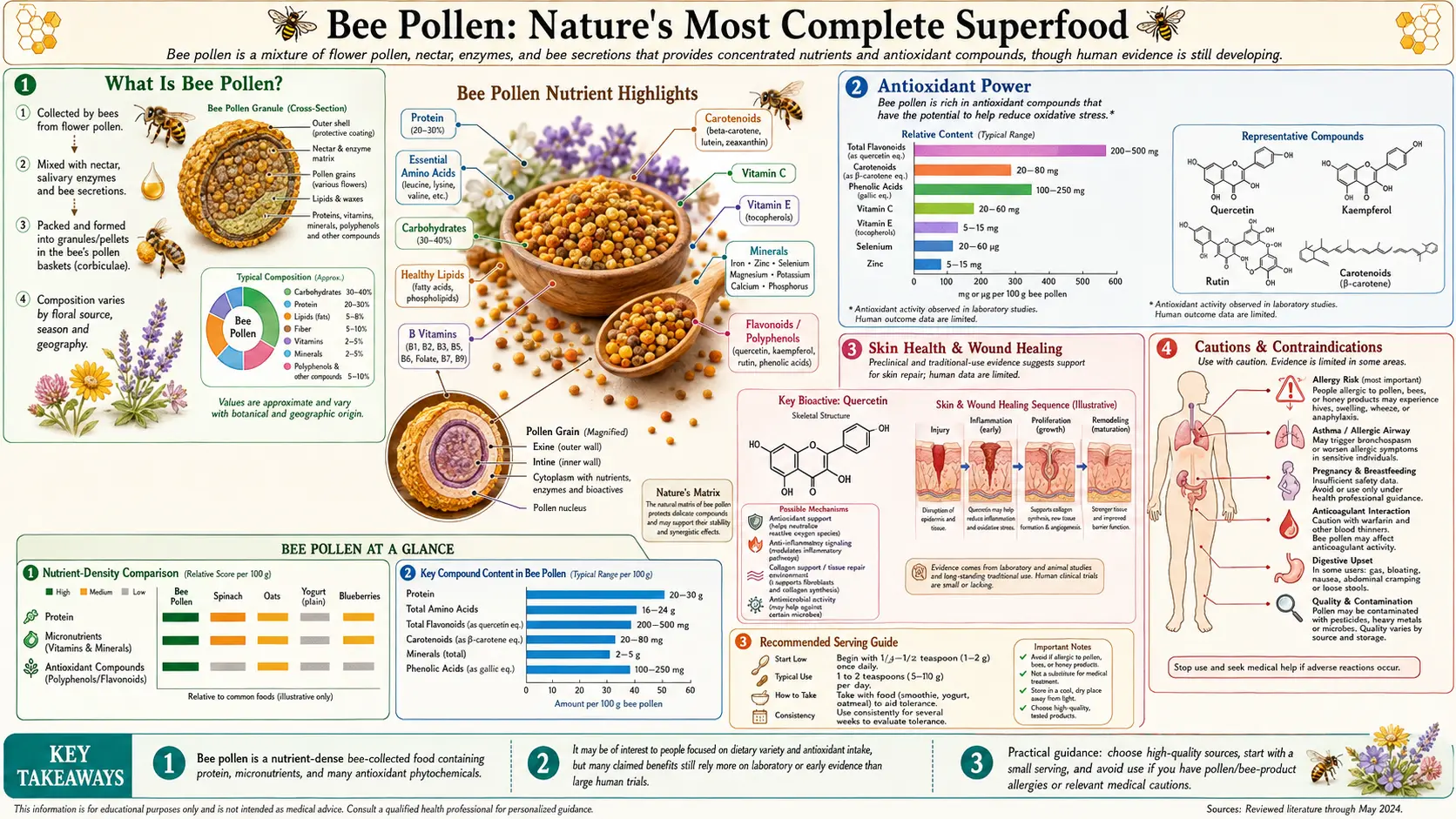
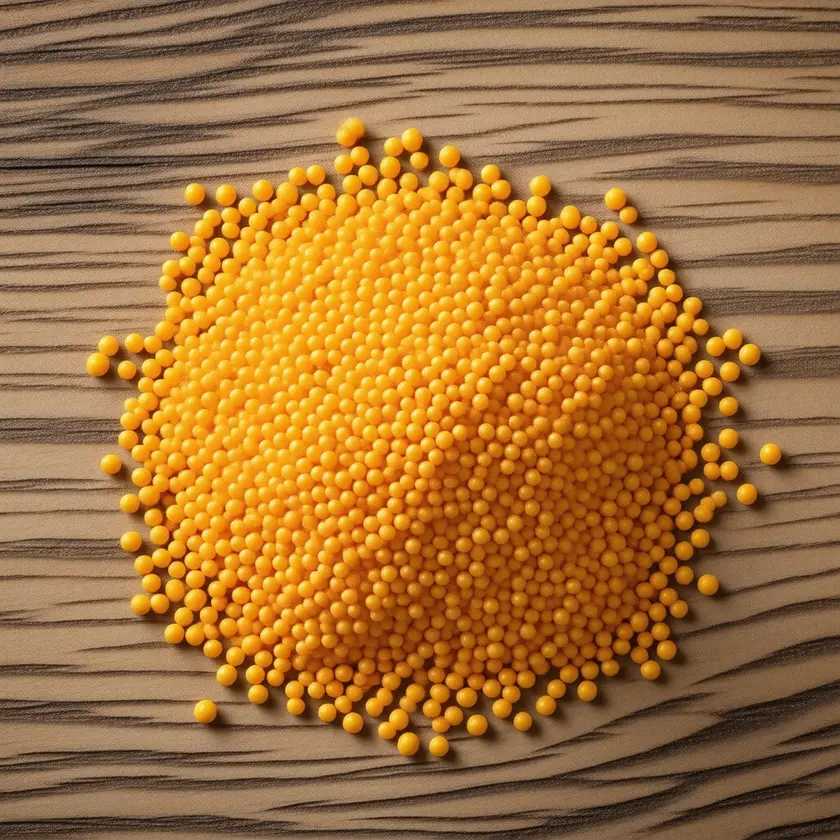
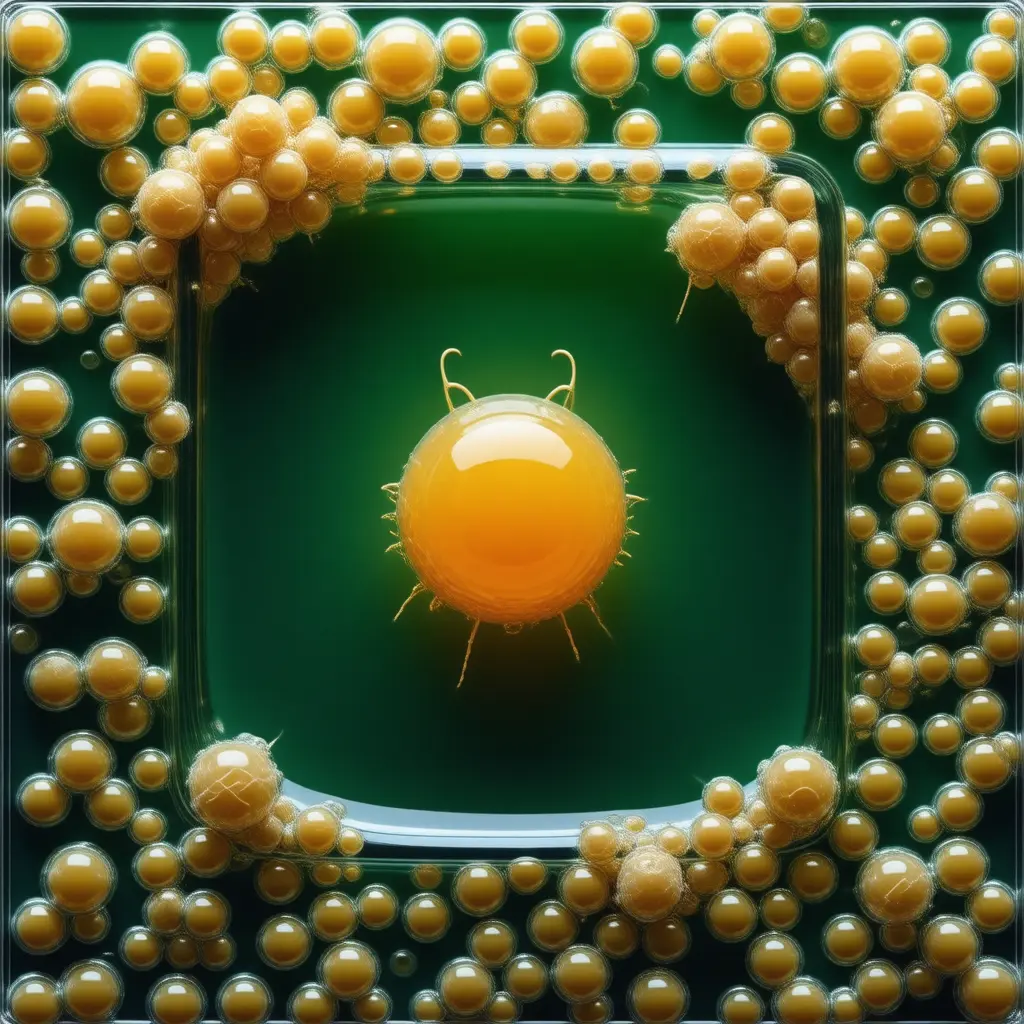
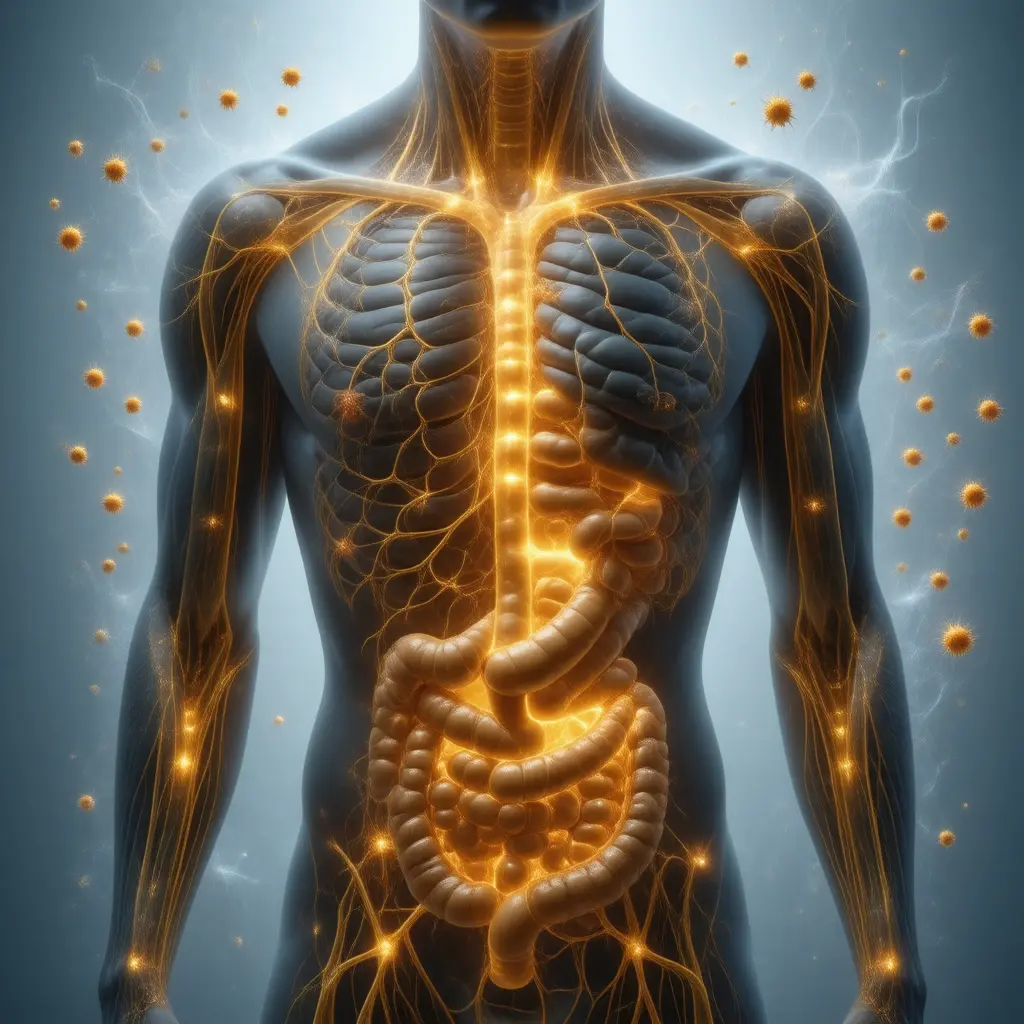
Table of Contents
- What Is Bee Pollen?
- Nutritional Profile
- Immune System Modulation
- Allergy Relief and Desensitization
- Anti-Inflammatory Properties
- Antioxidant Power
- Liver Protection and Detoxification
- Cardiovascular Health
- Athletic Performance and Recovery
- Fertility and Hormonal Balance
- Skin Health and Wound Healing
- Antimicrobial Properties
- Sourcing Quality Bee Pollen
- How to Take Bee Pollen
- Recommended Dosage
- Cautions and Contraindications
- Research Papers
- Connections
- Featured Videos
What Is Bee Pollen?
Bee pollen is a remarkable natural substance created when honeybees collect pollen granules from flowering plants and combine them with small amounts of nectar, bee saliva, and digestive enzymes. As bees travel from blossom to blossom, they pack the collected flower pollen into tiny pellets on their hind legs, known as pollen baskets or corbiculae. These pellets are then carried back to the hive, where they serve as the primary protein source for the entire bee colony.
What distinguishes bee pollen from simple flower pollen is the enzymatic transformation that occurs during collection. The bees' salivary secretions and added nectar initiate a mild fermentation process that enhances the bioavailability of nutrients, breaks down tough outer pollen walls, and creates new bioactive compounds not found in raw flower pollen alone. This natural processing makes the nutrients far more accessible to human digestion.
In naturopathic medicine, bee pollen has been revered for thousands of years. Ancient Egyptian, Chinese, and Greek healers all recognized its extraordinary restorative properties. Hippocrates and Pythagoras both prescribed bee pollen as a life-giving food. Today, modern research is confirming what traditional practitioners have long understood: bee pollen is one of the most nutritionally dense and therapeutically versatile substances found in nature.
Each granule of bee pollen is a microscopic powerhouse, containing the complete genetic material needed to generate a new plant. This biological completeness is what gives bee pollen its reputation as a truly whole food, providing a spectrum of nutrients that few other single substances can match.
Nutritional Profile
Bee pollen contains over 250 bioactive substances, making it one of the most nutritionally comprehensive foods available. This extraordinary density of nutrients is the foundation of its wide-ranging therapeutic applications. The composition varies somewhat depending on the plant sources, geographic region, season, and bee species, but the overall nutritional breadth remains remarkably consistent.
Proteins and Amino Acids: Bee pollen is composed of approximately 22 to 30 percent protein by dry weight, including all essential amino acids. It is particularly rich in proline, glutamic acid, aspartic acid, and leucine. The protein content of bee pollen exceeds that of most animal-derived protein sources gram for gram, and the enzymatic pre-processing by bees enhances amino acid absorption significantly.
Vitamins: Bee pollen provides a broad spectrum of vitamins, including:
- B-complex vitamins (B1, B2, B3, B5, B6, B7, B9, B12) essential for energy metabolism and nervous system function
- Vitamin C for immune support and collagen synthesis
- Vitamin E as a fat-soluble antioxidant
- Vitamin A (as beta-carotene) for vision and immune health
- Vitamin D for calcium absorption and bone health
- Vitamin K for blood clotting and bone metabolism
Minerals: The mineral content of bee pollen is exceptionally diverse, including calcium, magnesium, phosphorus, potassium, sodium, iron, zinc, manganese, copper, selenium, and chromium. These minerals are present in highly bioavailable forms due to their natural chelation with amino acids and organic acids within the pollen matrix.
Lipids and Fatty Acids: Bee pollen contains approximately 5 to 7 percent lipids, including essential fatty acids such as linolenic acid (omega-3), linoleic acid (omega-6), and phospholipids. These fatty acids support cellular membrane integrity, brain function, and inflammatory balance.
Flavonoids and Phenolic Compounds: Among the most therapeutically significant components of bee pollen are its flavonoids, including quercetin, kaempferol, myricetin, rutin, and isorhamnetin. These polyphenolic compounds are responsible for much of bee pollen's antioxidant, anti-inflammatory, and antimicrobial activity.
Enzymes and Coenzymes: Bee pollen contains over 5,000 enzymes and coenzymes, including amylase, catalase, diastase, and phosphatase. These enzymatic components support digestive function and metabolic processes throughout the body.
Immune System Modulation
One of the most valued properties of bee pollen in naturopathic practice is its ability to modulate the immune system. Rather than simply stimulating or suppressing immune function, bee pollen acts as a true immunomodulator, helping the body calibrate its immune responses appropriately based on the challenge at hand.
Research has demonstrated that bee pollen stimulates the activity of macrophages, the frontline immune cells responsible for engulfing and destroying pathogens, cellular debris, and foreign substances. Studies in animal models have shown significant increases in macrophage phagocytic activity following bee pollen supplementation, indicating enhanced innate immune surveillance.
Bee pollen also supports the adaptive immune system by promoting healthy lymphocyte proliferation and modulating cytokine production. The flavonoids in bee pollen, particularly quercetin and kaempferol, help regulate the balance between pro-inflammatory and anti-inflammatory cytokines, preventing excessive immune activation while maintaining robust defense against infections.
For patients with weakened immunity due to chronic stress, poor nutrition, or aging, bee pollen offers a gentle yet effective means of rebuilding immune resilience. Its broad spectrum of nutrients provides the raw materials that immune cells require for optimal function, while its bioactive compounds directly enhance immune cell signaling and coordination.
In clinical practice, many naturopathic doctors recommend bee pollen as part of a comprehensive protocol during cold and flu season, during recovery from illness, or as ongoing immune support for individuals with recurring infections. Its safety profile and nutritional density make it suitable for long-term use as an immune-supportive food.
Allergy Relief and Desensitization
Perhaps the most well-known traditional use of bee pollen is for the relief of seasonal allergies, and this application represents one of the most elegant examples of natural desensitization therapy. The principle is straightforward: by introducing small, controlled amounts of the very pollens that trigger allergic reactions, the immune system gradually learns to tolerate them without mounting an exaggerated histamine response.
The Local Bee Pollen Approach: For allergy desensitization to be most effective, naturopathic practitioners strongly recommend using bee pollen sourced from local hives, ideally within a 50-mile radius of where you live. Local bee pollen contains the specific plant pollens that are prevalent in your environment and most likely to trigger your allergic symptoms. By consuming these pollens orally in small amounts, you expose your immune system to the allergens through the gut-associated lymphoid tissue (GALT), which tends to promote tolerance rather than sensitization.
How Desensitization Works: When bee pollen is consumed orally, the allergens are processed by dendritic cells in the gut, which present them to T cells in a context that favors the development of regulatory T cells (Tregs). These Tregs then help suppress the IgE-mediated allergic response that would otherwise occur upon inhalation of the same pollens. Over time, with consistent low-dose exposure, the body shifts from an allergic (Th2-dominant) response toward a more balanced immune profile.
Timing Is Essential: For best results, begin taking local bee pollen at least six to eight weeks before the onset of allergy season. This allows sufficient time for the immune system to develop tolerance. Many practitioners recommend year-round supplementation for individuals with multiple seasonal allergies, as different plant pollens are present at different times of year.
Clinical observations and patient reports consistently describe meaningful reductions in sneezing, nasal congestion, itchy eyes, and overall allergy severity when local bee pollen is used as part of a comprehensive allergy management protocol that also addresses gut health, histamine metabolism, and anti-inflammatory nutrition.
Anti-Inflammatory Properties
Chronic inflammation is increasingly recognized as a root driver of nearly every major degenerative disease, from cardiovascular disease and diabetes to neurodegenerative conditions and cancer. Bee pollen possesses potent anti-inflammatory properties that make it a valuable tool in the naturopathic approach to managing and preventing inflammatory conditions.
The anti-inflammatory activity of bee pollen is primarily attributed to its rich content of flavonoids and phenolic acids. Quercetin, one of the most abundant flavonoids in bee pollen, is a well-documented inhibitor of the NF-kB inflammatory signaling pathway, which controls the expression of genes involved in inflammation, immune response, and cell survival. By downregulating NF-kB activation, quercetin and related flavonoids help reduce the production of pro-inflammatory cytokines such as TNF-alpha, IL-1-beta, and IL-6.
Animal studies have demonstrated that bee pollen extract reduces edema and inflammatory markers comparably to conventional anti-inflammatory medications such as naproxen and indomethacin, but without the gastrointestinal side effects commonly associated with nonsteroidal anti-inflammatory drugs. Bee pollen has been shown to inhibit cyclooxygenase (COX) and lipoxygenase (LOX) enzymes, thereby reducing the production of pro-inflammatory prostaglandins and leukotrienes.
In naturopathic practice, bee pollen is frequently incorporated into anti-inflammatory protocols for conditions such as arthritis, tendinitis, inflammatory bowel conditions, and chronic pain syndromes. Its gentle mechanism of action and nutritional density make it an excellent complement to other anti-inflammatory strategies, including omega-3 fatty acid supplementation, turmeric, and dietary modifications.
Antioxidant Power
Bee pollen is a formidable source of antioxidants, substances that neutralize free radicals and protect cells from oxidative damage. Oxidative stress is implicated in aging, DNA damage, and the pathogenesis of numerous chronic diseases, making antioxidant-rich foods a cornerstone of naturopathic health promotion.
The antioxidant capacity of bee pollen is attributed to its diverse array of protective compounds, including flavonoids (quercetin, kaempferol, myricetin, rutin), phenolic acids (caffeic acid, ferulic acid, gallic acid), carotenoids (beta-carotene, lycopene), vitamin C, vitamin E, selenium, and superoxide dismutase (SOD). This multiplicity of antioxidant mechanisms provides broad-spectrum protection against various types of free radicals, including superoxide, hydroxyl, and peroxyl radicals.
Research comparing the antioxidant activity of bee pollen to other well-known antioxidant foods has demonstrated that certain varieties of bee pollen possess antioxidant capacity comparable to or exceeding that of blueberries, acai berries, and green tea. The ORAC (Oxygen Radical Absorbance Capacity) values of high-quality bee pollen are consistently impressive.
The synergistic interaction between the many different antioxidant compounds in bee pollen is particularly noteworthy. Rather than providing a single isolated antioxidant, bee pollen delivers a complex matrix of protective substances that work together to regenerate and amplify each other's antioxidant effects. Vitamin C regenerates oxidized vitamin E, flavonoids enhance the activity of endogenous antioxidant enzymes, and selenium supports glutathione peroxidase function. This synergy is a hallmark of whole-food nutrition and is difficult to replicate with isolated supplement forms.
Liver Protection and Detoxification
The liver is the body's primary organ of detoxification, and supporting its function is a foundational principle of naturopathic medicine. Bee pollen has demonstrated remarkable hepatoprotective (liver-protecting) properties in both animal studies and clinical observations, making it a valuable ally for liver health and detoxification support.
Studies have shown that bee pollen protects liver cells against damage from a variety of toxic insults, including carbon tetrachloride, acetaminophen (paracetamol), heavy metals, and environmental pollutants. The hepatoprotective effect is mediated through multiple mechanisms, including direct free radical scavenging within liver tissue, enhancement of endogenous antioxidant enzyme systems (glutathione peroxidase, superoxide dismutase, catalase), stabilization of hepatocyte cell membranes, and modulation of inflammatory pathways within the liver.
Bee pollen has been shown to support both Phase I and Phase II liver detoxification pathways. The B vitamins, amino acids, and flavonoids present in bee pollen provide essential cofactors for cytochrome P450 enzymes (Phase I) and conjugation reactions (Phase II), ensuring that toxic intermediates are efficiently processed and eliminated from the body.
In naturopathic detoxification protocols, bee pollen is often recommended alongside other liver-supportive botanicals such as milk thistle, dandelion root, and artichoke leaf. Its nutritional density helps prevent the nutrient depletion that can occur during intensive detoxification programs, while its direct hepatoprotective effects safeguard liver tissue throughout the process.
For patients with elevated liver enzymes, fatty liver conditions, or histories of toxic exposure, bee pollen can serve as a gentle and nourishing component of a comprehensive liver restoration program.
Cardiovascular Health
Bee pollen offers multifaceted support for cardiovascular health through its effects on lipid metabolism, blood vessel integrity, blood pressure regulation, and platelet function. These cardiovascular benefits are supported by both animal research and clinical observations.
Lipid Metabolism: Bee pollen has been shown to favorably influence blood lipid profiles by reducing total cholesterol, LDL cholesterol, and triglycerides while maintaining or increasing HDL cholesterol. The flavonoid rutin, abundantly present in many varieties of bee pollen, strengthens capillary walls and reduces vascular permeability, helping to prevent the oxidation of LDL cholesterol that is a key initiating event in atherosclerosis.
Blood Pressure: The potassium, magnesium, and flavonoid content of bee pollen contribute to healthy blood pressure regulation. Flavonoids promote nitric oxide production in blood vessel endothelial cells, supporting vasodilation and improved blood flow. Animal studies have demonstrated modest but consistent blood pressure-lowering effects with regular bee pollen supplementation.
Anti-Atherogenic Effects: By reducing oxidative stress, inflammation, and LDL oxidation simultaneously, bee pollen addresses multiple pathways involved in the development and progression of atherosclerosis. The combination of antioxidant protection and anti-inflammatory activity creates a synergistic cardioprotective effect that goes beyond what any single mechanism could achieve.
Platelet Function: Some research suggests that bee pollen may have mild antiplatelet effects, helping to prevent excessive blood clotting without the bleeding risks associated with pharmaceutical anticoagulants. This property may contribute to reduced risk of thrombotic events in susceptible individuals.
Athletic Performance and Recovery
Bee pollen has a long history of use among athletes and physically active individuals seeking to enhance performance, endurance, and recovery. Its unique combination of easily digestible proteins, carbohydrates, B vitamins, and bioactive compounds makes it a natural ergogenic aid.
Energy Production: The B-complex vitamins in bee pollen are essential cofactors in cellular energy production pathways, including the citric acid cycle and electron transport chain. By ensuring adequate B vitamin status, bee pollen supports efficient conversion of macronutrients into ATP, the body's primary energy currency. Many athletes report sustained energy levels and reduced fatigue when incorporating bee pollen into their nutritional regimen.
Protein Synthesis and Muscle Repair: The complete amino acid profile of bee pollen, including branched-chain amino acids (leucine, isoleucine, valine), supports muscle protein synthesis and post-exercise tissue repair. The enzymatic pre-processing by bees enhances amino acid bioavailability, allowing for efficient absorption and utilization by muscle tissue.
Recovery and Inflammation Management: Intense physical exercise generates significant oxidative stress and inflammation within muscle tissue. The antioxidant and anti-inflammatory compounds in bee pollen help mitigate exercise-induced muscle damage, reduce delayed-onset muscle soreness (DOMS), and accelerate recovery between training sessions.
Oxygen Utilization: The iron content of bee pollen supports hemoglobin synthesis and oxygen-carrying capacity of the blood. Adequate iron status is critical for endurance athletes, who have increased iron demands due to exercise-induced hemolysis and sweat losses.
Finnish and Swedish Olympic athletes were among the first to adopt bee pollen supplementation in the 1970s, reporting improvements in performance and recovery. While controlled clinical trials have yielded mixed results, the anecdotal evidence and physiological rationale for bee pollen's ergogenic benefits remain compelling.
Fertility and Hormonal Balance
Bee pollen has a long tradition of use in supporting reproductive health and hormonal balance in both men and women. Its dense nutritional profile provides the building blocks necessary for hormone synthesis, while its bioactive compounds exert direct effects on reproductive tissues and endocrine function.
Male Reproductive Health: Bee pollen has been studied for its positive effects on sperm quality, including improvements in sperm count, motility, and morphology. The zinc, selenium, and antioxidant content of bee pollen protect sperm cells from oxidative damage, which is a leading cause of male infertility. Additionally, bee pollen has been shown to support healthy testosterone levels and prostate health, with studies demonstrating relief of symptoms associated with benign prostatic hyperplasia (BPH).
Female Reproductive Health: For women, bee pollen provides essential nutrients for ovarian function, egg quality, and hormonal balance. The phytoestrogens and flavonoids in bee pollen may help modulate estrogen metabolism, supporting a healthy balance between estrogen metabolites. Bee pollen is commonly recommended by naturopathic practitioners as part of fertility-enhancing protocols, particularly in conjunction with royal jelly and other bee products.
Menopausal Support: Clinical studies have examined the use of bee pollen extracts for the management of menopausal symptoms. A purified pollen extract has demonstrated efficacy in reducing hot flashes, night sweats, irritability, and sleep disturbances in menopausal women. The mechanism appears to involve modulation of serotonin receptors and mild estrogenic activity without the risks associated with conventional hormone replacement therapy.
In naturopathic fertility protocols, bee pollen is often combined with other nutrient-dense foods and targeted supplements to create a comprehensive approach to reproductive wellness.
Skin Health and Wound Healing
Bee pollen benefits the skin both when consumed internally and when applied topically. Its rich array of vitamins, amino acids, antioxidants, and anti-inflammatory compounds support skin health from the cellular level outward.
Internal Skin Support: The antioxidant compounds in bee pollen protect skin cells from UV-induced oxidative damage, a primary driver of premature skin aging. Vitamin C and amino acids support collagen synthesis, maintaining skin elasticity and firmness. The anti-inflammatory flavonoids help calm chronic skin conditions such as eczema, psoriasis, and acne by reducing systemic inflammation that manifests in the skin.
Wound Healing: Research has demonstrated that bee pollen accelerates wound healing through multiple mechanisms. It promotes the proliferation of fibroblasts (the cells responsible for synthesizing collagen and repairing tissue), enhances angiogenesis (the formation of new blood vessels to supply healing tissue), and reduces bacterial contamination of wound sites through its antimicrobial properties. Animal studies have shown significantly faster wound closure and improved tissue remodeling with bee pollen application.
Burn Treatment: Bee pollen ointments have been investigated for the treatment of burn wounds, with studies showing reduced healing time, less scarring, and lower infection rates compared to conventional treatments. The combination of antimicrobial, anti-inflammatory, and tissue-regenerative properties makes bee pollen particularly well-suited for burn care.
Many naturopathic practitioners recommend internal bee pollen supplementation alongside topical bee pollen preparations for comprehensive skin support, particularly for patients dealing with chronic skin conditions, slow wound healing, or premature skin aging.
Antimicrobial Properties
Bee pollen exhibits significant antimicrobial activity against a range of pathogenic bacteria, fungi, and viruses. This antimicrobial potency is derived from multiple bioactive components working in concert.
Antibacterial Activity: Studies have demonstrated that bee pollen extracts inhibit the growth of common pathogenic bacteria, including Staphylococcus aureus, Escherichia coli, Pseudomonas aeruginosa, Salmonella species, and Klebsiella pneumoniae. The antibacterial activity is attributed to flavonoids, phenolic acids, and antimicrobial peptides within the pollen matrix. Importantly, bee pollen appears to work through mechanisms that are less susceptible to the resistance patterns that plague conventional antibiotics.
Antifungal Activity: Bee pollen has shown activity against various fungal pathogens, including Candida albicans and dermatophyte species. This antifungal property makes bee pollen a useful adjunct in naturopathic protocols for candidiasis, fungal skin infections, and other mycotic conditions.
Antiviral Potential: Emerging research suggests that certain flavonoids concentrated in bee pollen, particularly quercetin, may possess antiviral properties by interfering with viral replication and entry into host cells. While this area of research is still developing, the antiviral potential of bee pollen adds another dimension to its immune-supportive applications.
In naturopathic practice, the antimicrobial properties of bee pollen complement its immune-modulating effects, providing a dual approach to infection management that supports the body's defenses while directly inhibiting pathogenic organisms.
Sourcing Quality Bee Pollen
The therapeutic value of bee pollen is heavily influenced by its quality, sourcing, and handling. Not all bee pollen products are created equal, and selecting high-quality bee pollen is essential for achieving optimal health benefits.
Local Sourcing: Whenever possible, purchase bee pollen from local beekeepers within your geographic region. Local bee pollen contains the plant pollens specific to your environment, which is particularly important for allergy desensitization protocols. Establishing a relationship with a trusted local beekeeper also allows you to verify the quality and purity of the product.
Raw and Unprocessed: Bee pollen should be raw, never heated or excessively processed. High temperatures destroy the delicate enzymes, vitamins, and bioactive compounds that give bee pollen its therapeutic properties. Look for bee pollen that has been gently dried at low temperatures (below 104 degrees Fahrenheit or 40 degrees Celsius) to preserve its nutritional integrity.
Freshness: Fresh bee pollen has a soft, slightly moist texture and a mildly sweet, floral taste. It should be multicolored, with granules ranging from golden yellow to orange, brown, purple, and even blue or green, reflecting the diversity of plant sources. Uniformly colored bee pollen may indicate a limited plant source or artificial processing.
Storage: Bee pollen should be stored in an airtight container in the refrigerator for short-term use (up to several months) or in the freezer for long-term storage (up to two years). Proper storage preserves the enzymatic activity and prevents moisture absorption and microbial growth.
Organic and Pesticide-Free: Choose bee pollen from hives located in areas free from pesticide use, industrial pollution, and GMO crops. Organic certification provides some assurance, but direct communication with the beekeeper about their practices is the gold standard for quality verification.
Avoid Imported Pollen of Unknown Origin: Mass-produced bee pollen from unknown sources may be contaminated with heavy metals, pesticides, or adulterants. Some imported products have been found to contain added sugars, artificial colors, or pollen substitutes. Always verify the source and integrity of the product.
How to Take Bee Pollen
Proper introduction and consumption of bee pollen is critical, particularly for individuals who have never taken it before. A careful, gradual approach minimizes the risk of adverse reactions and allows the body to adapt to this nutrient-dense food.
Initial Allergy Testing: Before incorporating bee pollen into your routine, it is essential to perform a simple allergy test. Begin by placing a single granule of bee pollen under your tongue and allowing it to dissolve. Wait 24 hours and observe for any signs of allergic reaction, including itching, swelling, hives, respiratory difficulty, or gastrointestinal distress. If no reaction occurs, proceed to two or three granules the following day. Continue increasing the amount gradually over one to two weeks until you reach a therapeutic dose.
Methods of Consumption:
- Direct consumption: Chew bee pollen granules thoroughly before swallowing to break down the outer pollen wall and enhance nutrient absorption
- Blended into smoothies: Add bee pollen to smoothies or protein shakes for a nutritional boost (avoid using hot liquids, which destroy enzymes)
- Sprinkled on food: Top yogurt, oatmeal, salads, or acai bowls with bee pollen granules
- Dissolved in warm water: Soak bee pollen in warm (not hot) water for several hours to soften the granules and create a pollen-infused drink
- Mixed with honey: Combine bee pollen with raw honey for a synergistic bee product preparation
Timing: For optimal absorption, take bee pollen on an empty stomach or 30 minutes before meals. Morning consumption is preferred by many practitioners, as the B vitamins and natural energy-supporting compounds can provide a gentle boost to start the day. Some individuals prefer to split their dose between morning and afternoon.
Temperature Sensitivity: Never add bee pollen to hot foods or beverages above 104 degrees Fahrenheit (40 degrees Celsius). Heat destroys the enzymes, denatures proteins, and degrades the delicate bioactive compounds that make bee pollen therapeutically valuable. Always add bee pollen to foods after cooking, or consume it separately from hot meals.
Recommended Dosage
Dosage recommendations for bee pollen vary based on the individual's health goals, body weight, and sensitivity. The following guidelines reflect common naturopathic practice.
General Health Maintenance:
- Adults: 1 to 2 teaspoons (5 to 10 grams) daily
- Children (over age 3): one-quarter to one-half teaspoon (1 to 3 grams) daily
Therapeutic Dosage:
- Adults: 1 to 3 tablespoons (15 to 30 grams) daily, divided into two to three doses
- Athletic performance: 2 to 3 tablespoons (20 to 30 grams) daily during training periods
- Allergy desensitization: Start with single granules and gradually build to 1 to 2 tablespoons daily, beginning six to eight weeks before allergy season
Introduction Schedule:
- Day 1: One single granule (allergy test)
- Days 2 to 3: Two to three granules
- Days 4 to 5: One-quarter teaspoon
- Days 6 to 7: One-half teaspoon
- Week 2: One teaspoon
- Week 3 and beyond: Gradually increase to desired therapeutic dose
It is important to listen to your body throughout the introduction process. Some individuals may experience mild digestive adjustment during the first few days as the body adapts to the concentrated nutrient density of bee pollen. If digestive discomfort occurs, reduce the dose temporarily and increase more gradually.
Cautions and Contraindications
While bee pollen is generally safe for most individuals and has been consumed by humans for thousands of years, there are important cautions and contraindications that must be observed.
Severe Bee Allergy: Individuals with a known severe allergy to bee stings (anaphylactic history) should exercise extreme caution with bee pollen and ideally avoid it unless under the direct supervision of a qualified healthcare practitioner. While bee pollen is a different substance from bee venom, cross-reactivity can occur, and the risk of a serious allergic reaction is real. Anyone with a history of anaphylaxis to any bee product should consider bee pollen to be contraindicated.
Pollen Allergies: Individuals with severe pollen allergies should approach bee pollen with particular care, starting with the single-granule allergy test described above. While bee pollen can ultimately help reduce allergic sensitivity, initial exposure must be extremely gradual to avoid triggering a significant allergic response.
Pregnancy and Breastfeeding: The safety of bee pollen during pregnancy and breastfeeding has not been conclusively established through clinical trials. Some naturopathic practitioners advise caution during pregnancy, particularly during the first trimester, due to the potential for uterine stimulation and the unknown effects of concentrated phytoestrogens on fetal development. Women who are pregnant or breastfeeding should consult with their healthcare provider before beginning bee pollen supplementation.
Blood-Thinning Medications: Due to bee pollen's mild antiplatelet effects, individuals taking anticoagulant or antiplatelet medications (warfarin, heparin, aspirin, clopidogrel) should consult their healthcare provider before supplementing, as there may be a theoretical risk of enhanced bleeding.
Autoimmune Conditions: Because bee pollen modulates immune function, individuals with autoimmune conditions should use it with awareness and ideally under practitioner guidance. While immunomodulation can be beneficial, any substance that influences immune activity warrants careful monitoring in autoimmune contexts.
Quality Concerns: Contaminated or adulterated bee pollen can pose health risks. Always source from reputable suppliers, and be aware that bee pollen from regions with heavy pesticide use or industrial pollution may contain harmful residues.
Drug Interactions: Bee pollen may interact with certain medications, including immunosuppressants and blood-thinning drugs. Always disclose bee pollen use to your healthcare provider, particularly if you are taking prescription medications.
Research Papers
Selected peer-reviewed literature. Links resolve to PubMed or DOI.
- Komosinska-Vassev K, Olczyk P, Kazmierczak J, et al. Bee pollen: chemical composition and therapeutic application. Evid Based Complement Alternat Med. 2015;2015:297425.
- Kocot J, Kielczykowska M, Luchowska-Kocot D, et al. Antioxidant potential of propolis, bee pollen, and royal jelly: possible medical application. Oxid Med Cell Longev. 2018;2018:7074209.
- Denisow B, Denisow-Pietrzyk M. Biological and therapeutic properties of bee pollen: a review. J Sci Food Agric. 2016;96(13):4303-4309.
- Pascoal A, Rodrigues S, Teixeira A, et al. Biological activities of commercial bee pollens: antimicrobial, antimutagenic, antioxidant and anti-inflammatory. Food Chem Toxicol. 2014;63:233-239.
- Linskens HF, Jorde W. Pollen as food and medicine — a review. Econ Bot. 1997;51(1):78-86.
- Maruyama H, Sakamoto T, Araki Y, Hara H. Anti-inflammatory effect of bee pollen ethanol extract from Cistus sp. of Spanish on carrageenan-induced rat hindpaw edema. BMC Complement Altern Med. 2010;10:30.
- Ishikawa Y, Tokura T, Nakano N, et al. Inhibitory effect of honeybee-collected pollen on mast cell degranulation in vivo and in vitro. J Med Food. 2008;11(1):14-20.
- Graikou K, Kapeta S, Aligiannis N, et al. Chemical analysis of Greek pollen — antioxidant, antimicrobial and proteasome activation properties. Chem Cent J. 2011;5:33.
- Khalifa SAM, Elashal M, Kieliszek M, et al. Recent insights into chemical and pharmacological studies of bee bread. Trends Food Sci Technol. 2020;97:300-316.
- PubMed — bee pollen clinical search.
- PubMed — propolis / royal jelly immune search.
Connections
- Bee Pollen Benefits Deep Dive
- Vitamin C
- Honey
- Eczema
- Immune Boosting
- Spirulina
- Elderberry
- Allergies
- Quercetin
- Iron
- Selenium
- Vitamin E
- Vitamin A
- Magnesium
- Collagen
- Oxidative Stress
- Zinc
- Morley Robbins
- Whole Food Copper Sources
Featured Videos

What is Bee Pollen Good For? And Not Good For?
Why I Swear by Raw Bee Pollen: 5 Daily Benefits
8 Amazing Health Benefits of Bee Pollen
Bee Pollen: Buzzing with Benefits or Swarming with Myths?
Shocking Bee Pollen Health Benefits - Part 1
Beehive Products to Treat: Seasonal Allergies, Hay Fever, Airborne Pollen, Inflammation & More
Understanding The Two Types Of Bee Pollen Allergies

Can Bee Pollen and Psychobiotics Help with Autism? Find Out EP 105

Everything You Need to Know About Pollen Allergies: Symptoms, Causes, and Treatments